Below is a section of articles related to WW1 and WW2 Reenacting. These are articles that go into detail regarding different aspects of historical reenacting or related topics.
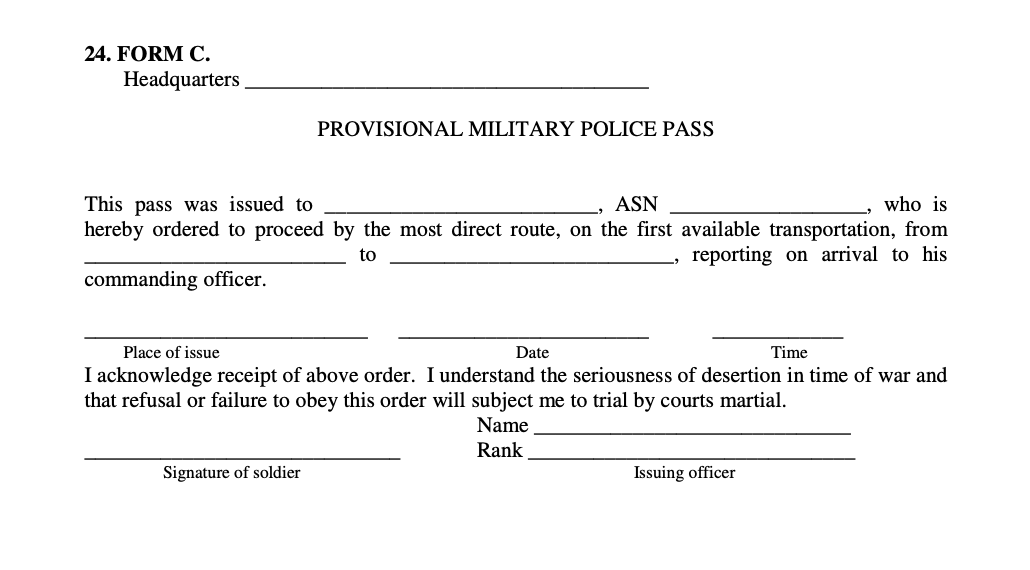
The articles include original resources and research (like my Voting in WW2 or The SCR300 for Reenactments articles), links to primary resources (like field manuals, technical manuals, and other guides) as well as paperwork and “How To” guides for reproducing different field equipment items.
If you want historical research on The War of 1812 you can check out War of 1812 Primary Resources List. Be sure to grab a beer or two before you start reading!
This page will catalog some information related to reenacting US airborne divisions during WW2. I have an 82nd Airborne impression that I don’t often use. It’s a secondary impression that I’ll occasionally pull out, but I’ve acquired various documents related to the 82nd in crafting the impression.
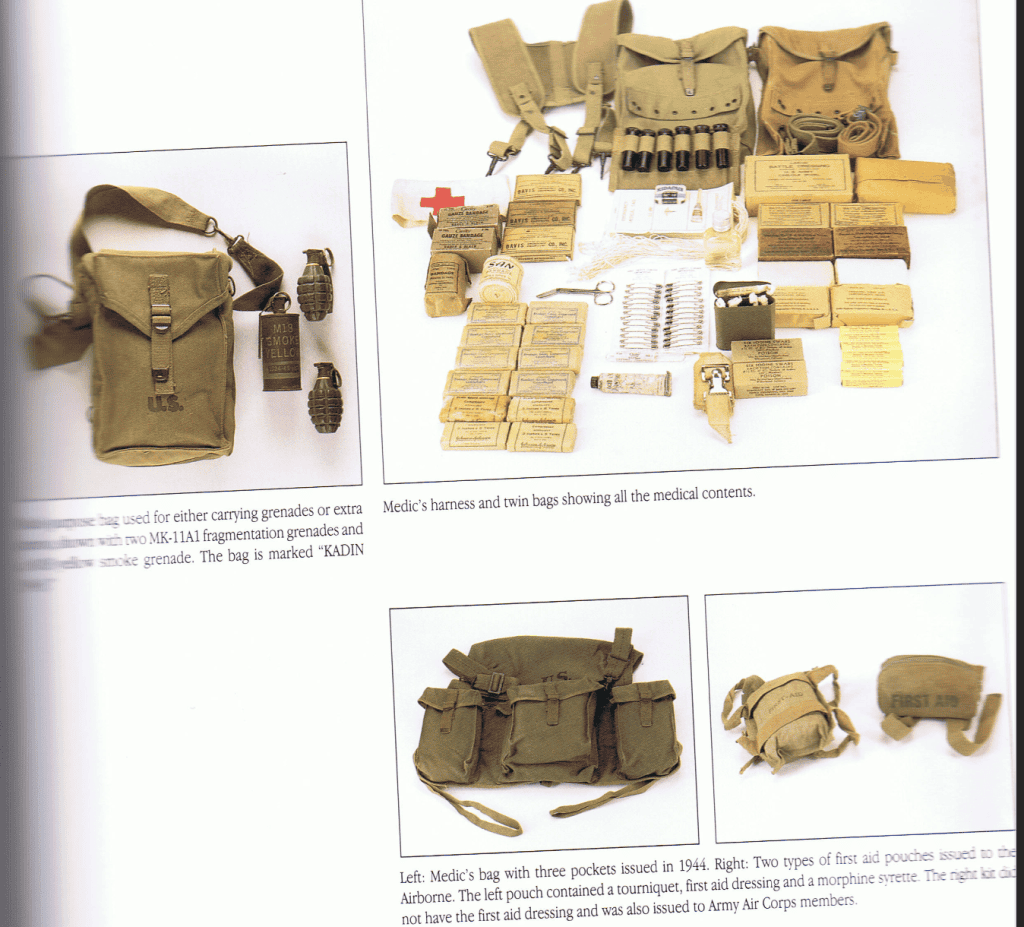
Geronimo US Airborne Uniforms Insignia and Equipment in World War II. Bill Rentz, 1999. Schiffer Military History. Atglen, PA
The images below are some high-quality PDF scans that came out of the book. Shows the 82nd in North Africa, individual equipment issued prior to a jump, how patches were sewn on, medical harness equipment, Arm Identification flag examples, 82nd patch examples, and stenciled jump jacket, among others. For a complete view, you can download the pdfs in a zip file here.
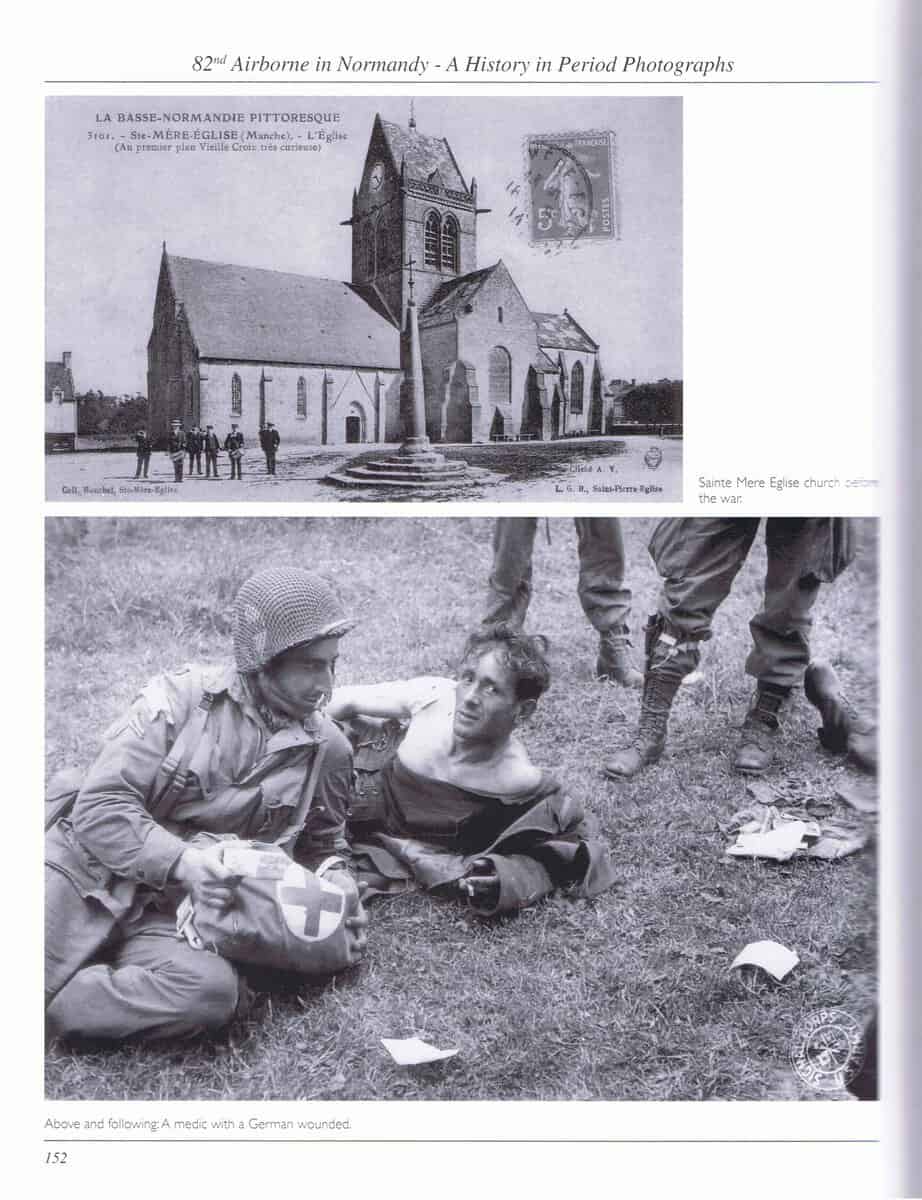
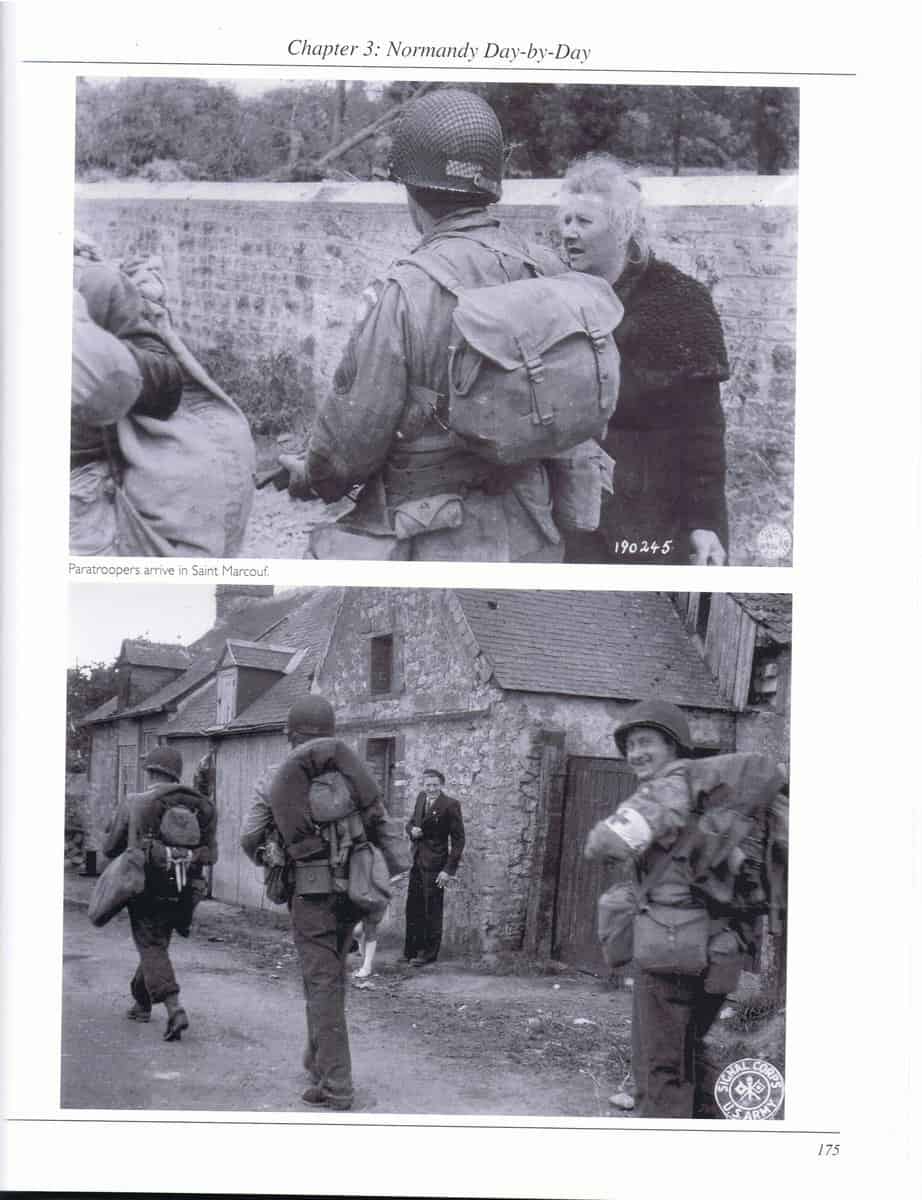
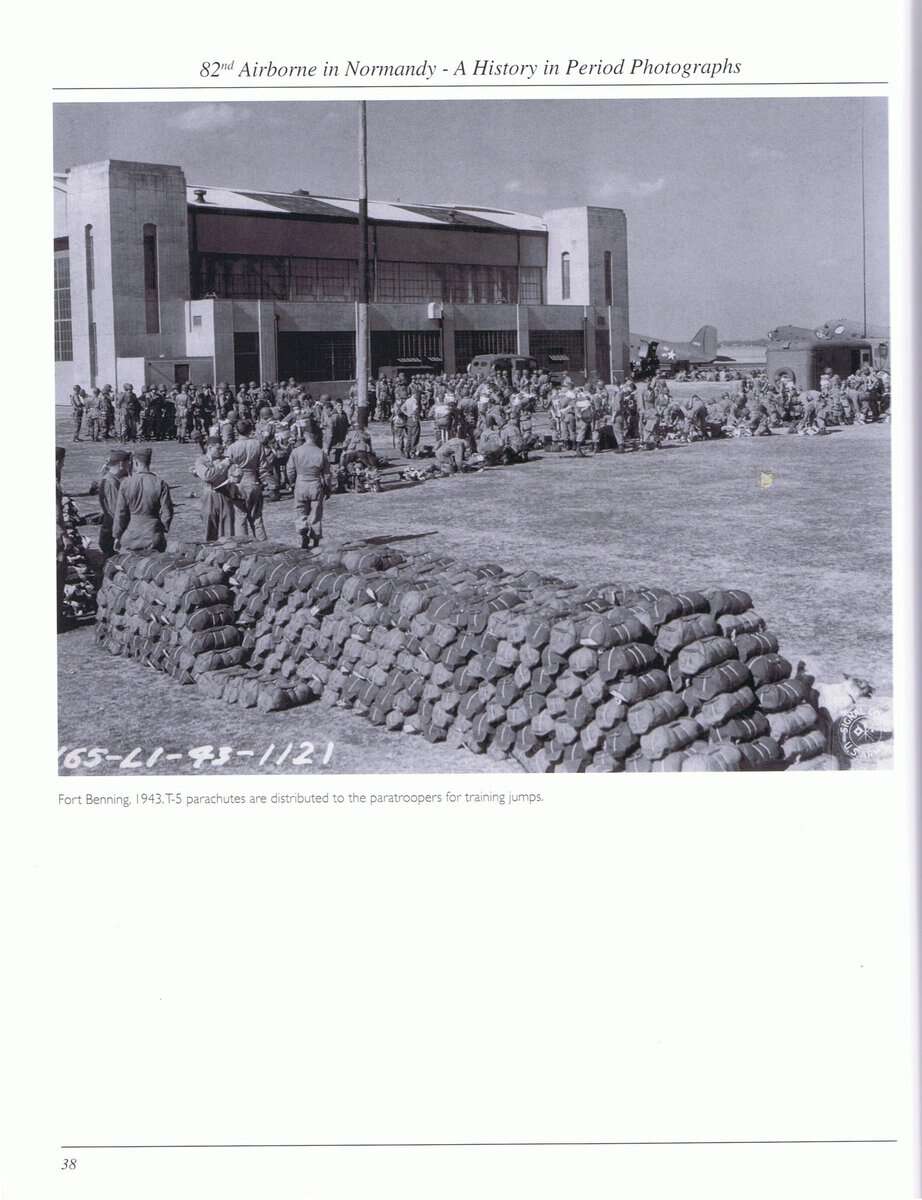
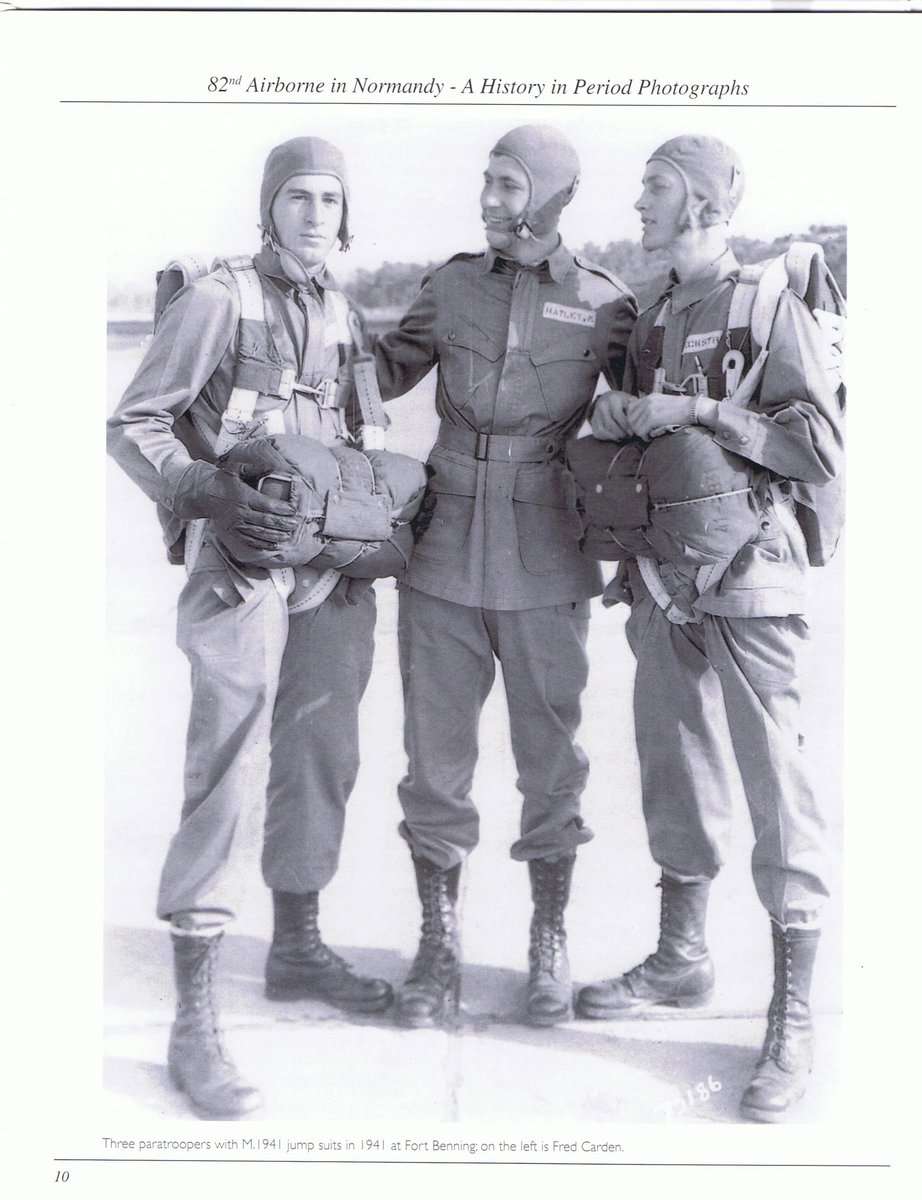
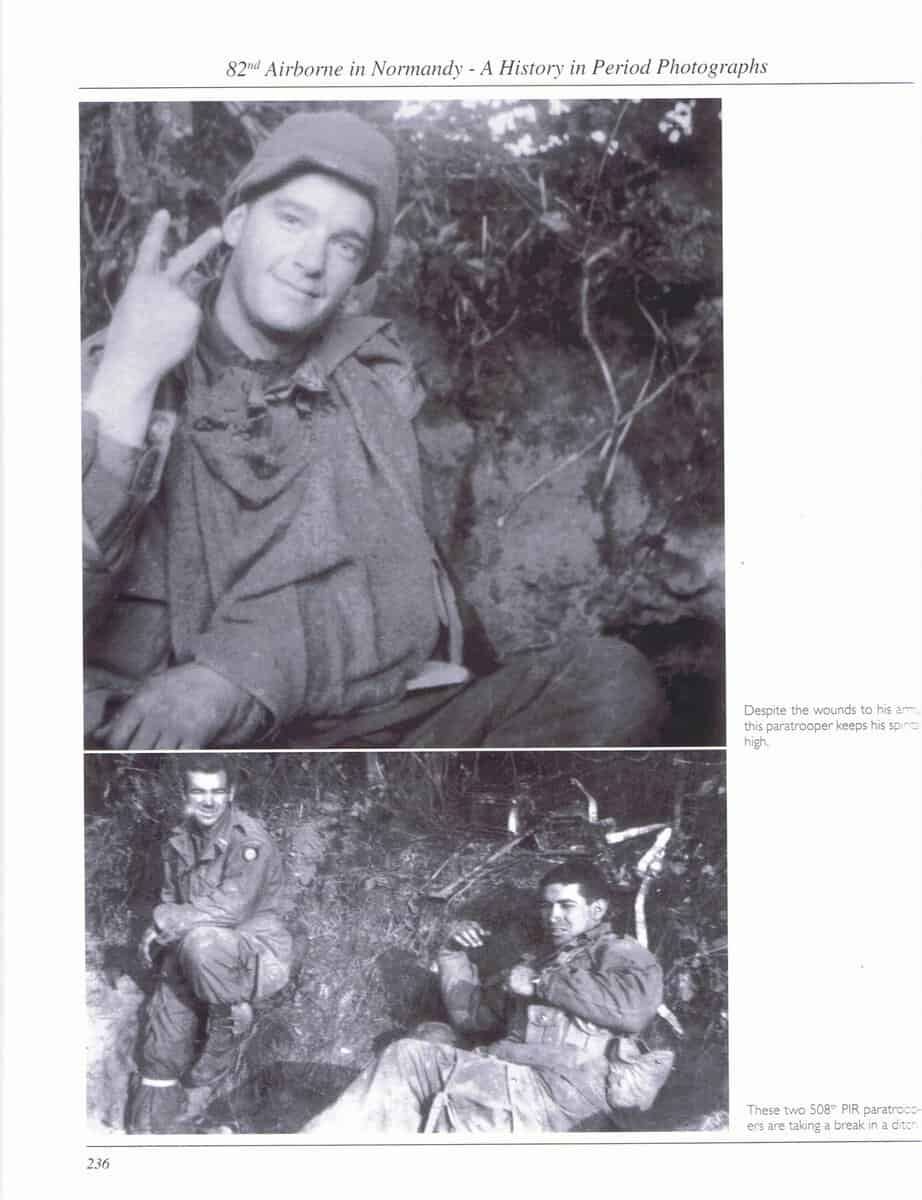
82nd Airborne in Normandy: A History in Period Photographs. Francois, Dominique. 2004. Atglen, PA: Schiffer Military History.
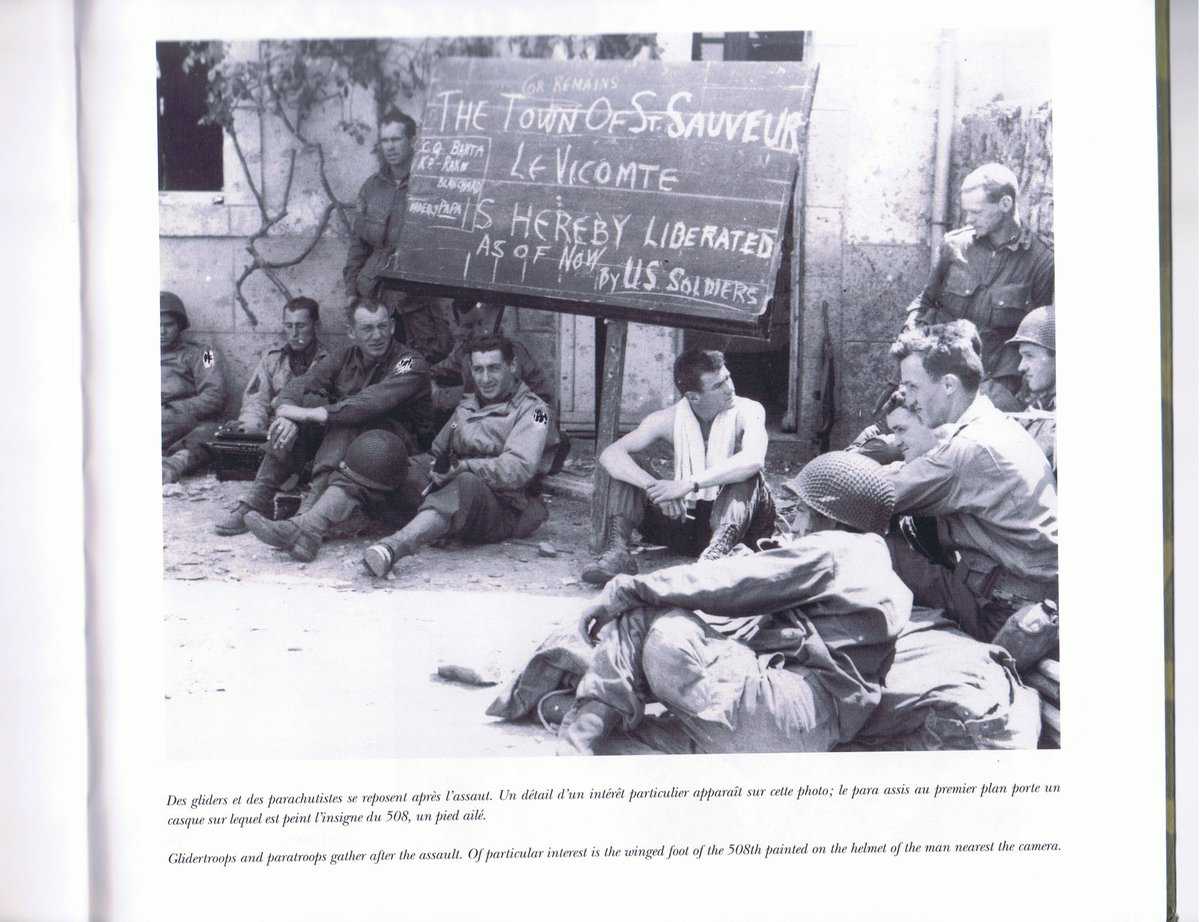
The images below are some high-quality scans that come from the book. Shows aid station images, 507th Parachute Infantry Regiment Basketball Team, beer drinking, dropping supply bundles, private photos taken before departing for Normandy, individual equipment, parachuting dogs, The Tennessee Maneuvers, and others.
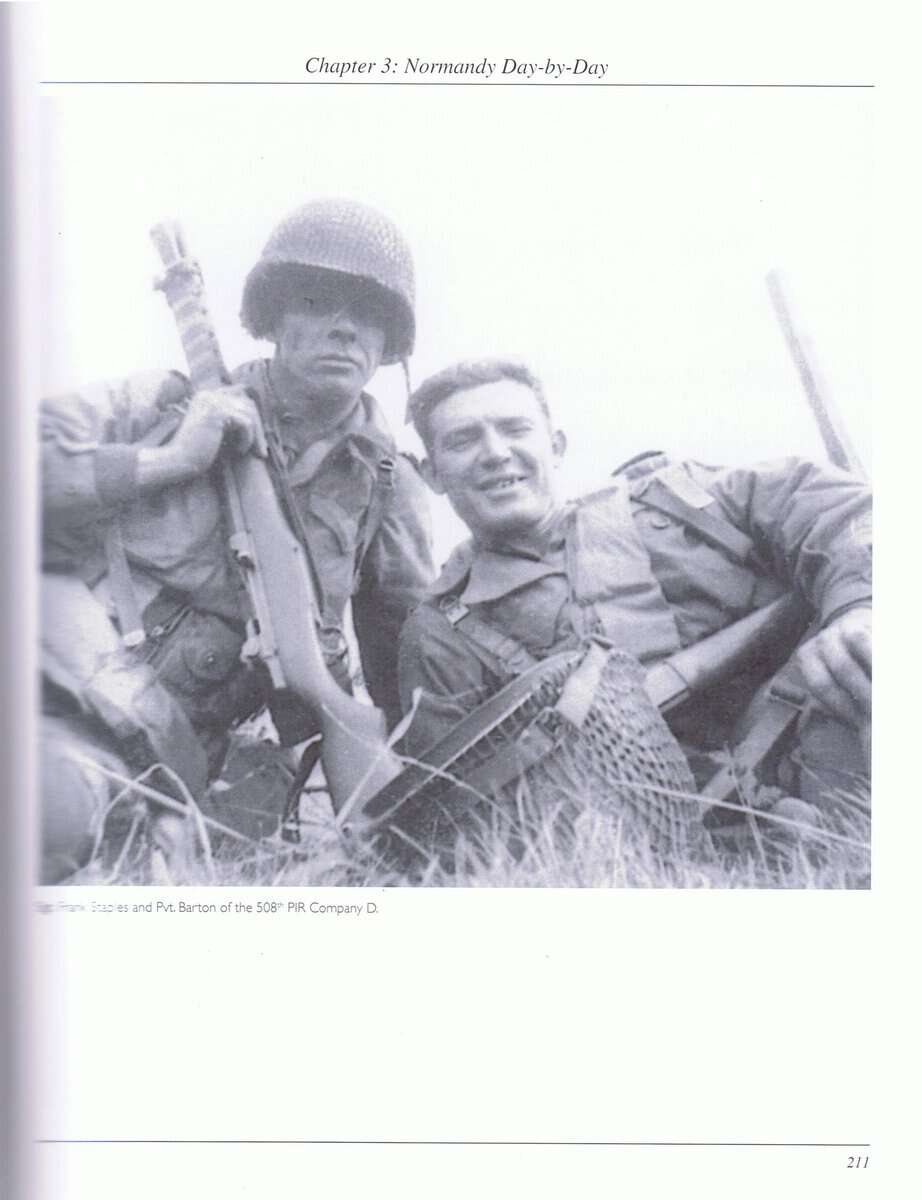
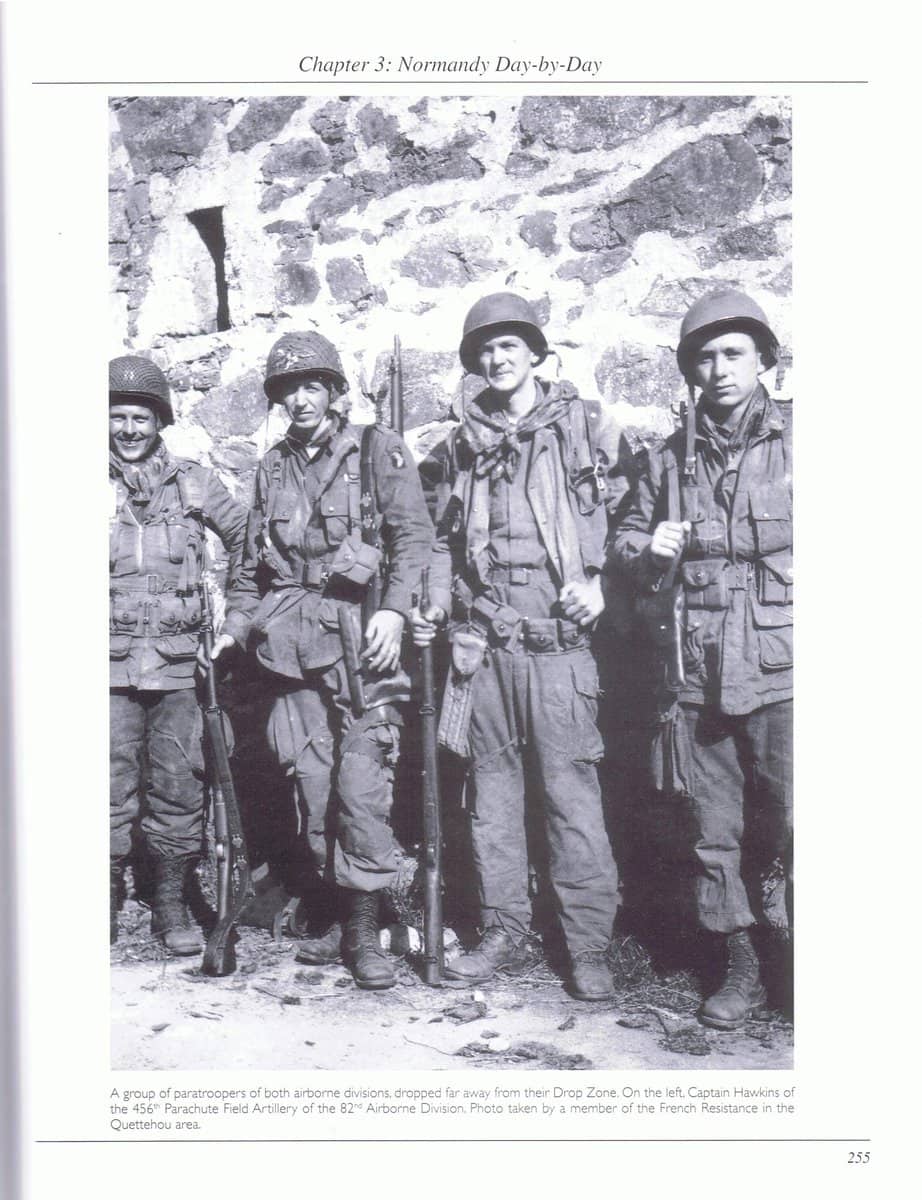
At the Point of No Return: Pictorial History of the American Paratroopers in the Invasion of Normandy Michel de Trez, 1994 D-Day Publishing, Belgium
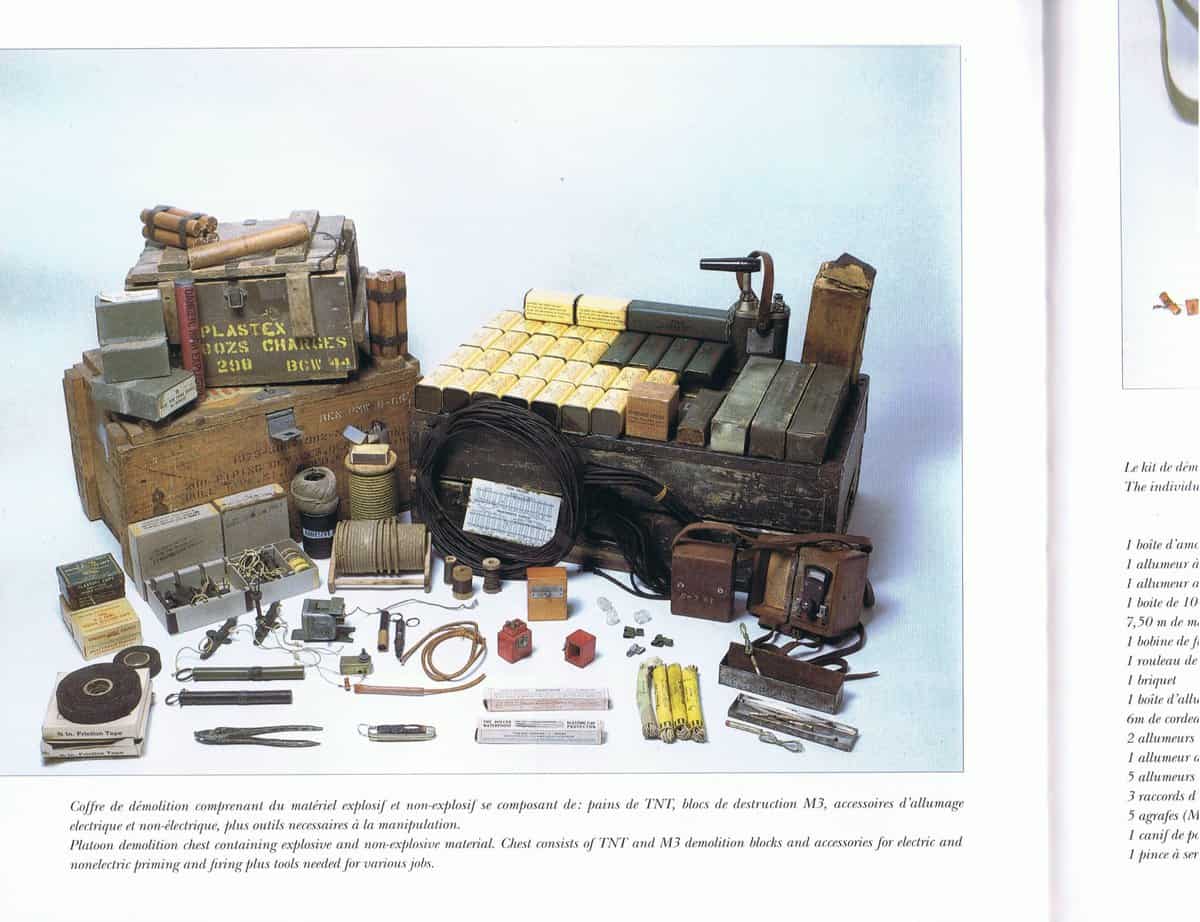
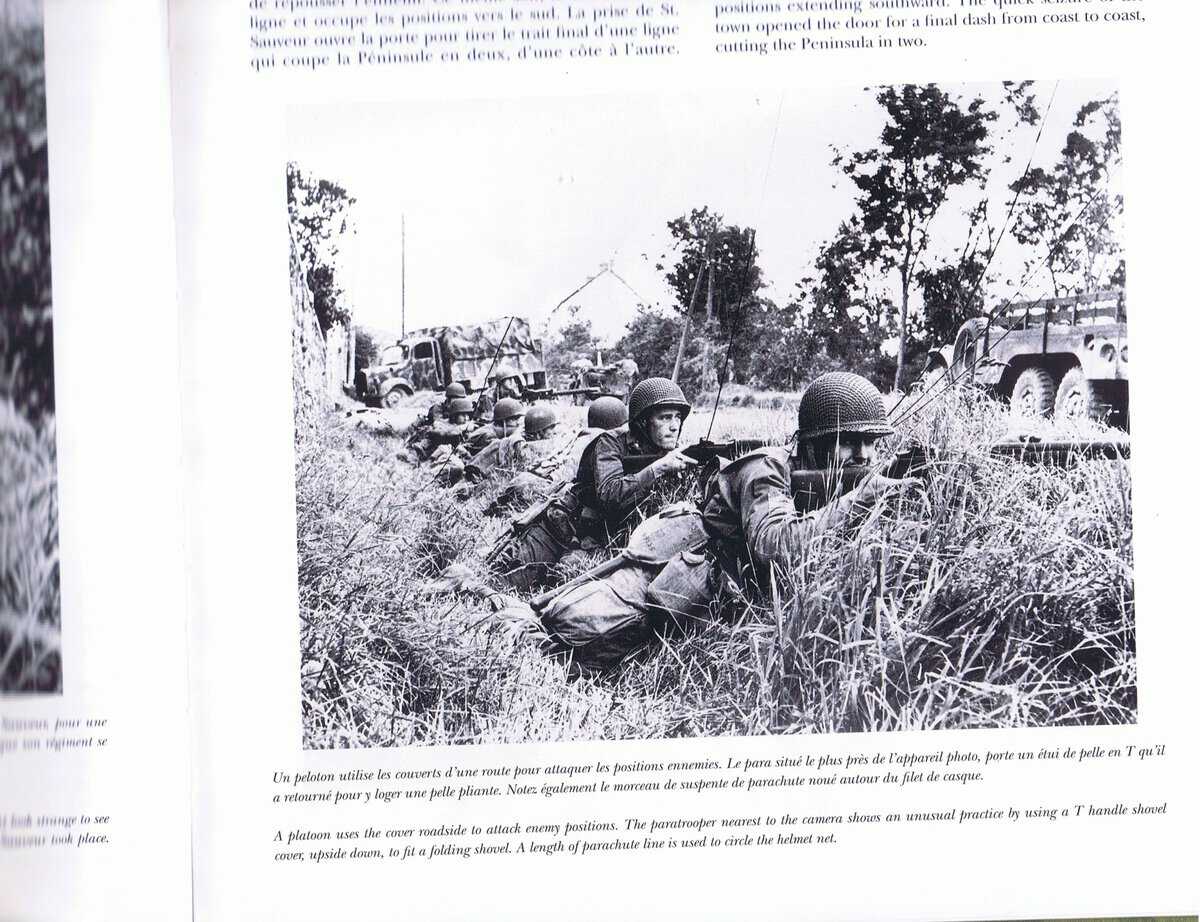
The images below are some high-quality scans that come out of the book. It has examples of rigger-modified medical pouches and kits, platoon demo kits, and individual demo kits, as well as a few pictures of first aid and soldiers taking positions prior to an attack.
Why 1st Aid Kits on 17th Abn Div Helmet Nets by Lt Col David P. Schorr
Why 1st Aid Kits on 17th Abn Div Helmet Nets by Lt Col David P. Schorr – This is a short document from the School of Combined Arms (Regular Course) 1946-1947. Schorr was the Executive Officer of the 193rd Glider Infantry Regiment. It provides a brief explanation as to why the first aid kits were attached to the front of the helmet. Spoiler: It provides a distinctive outline, making “friendlies” easily recognizable in the dark. Now obviously, it only applies to the 17th Airborne Division around Operation Varsity but “attaching stuff to a helmet during a jump” was also something done by the 82nd and 101st on other jumps. It makes it easier to carry more stuff into combat.
Devils in Baggy Pants – Item Company 3/504th – A quick primer on reenacting this unit during Operation Shingle (Anzio).
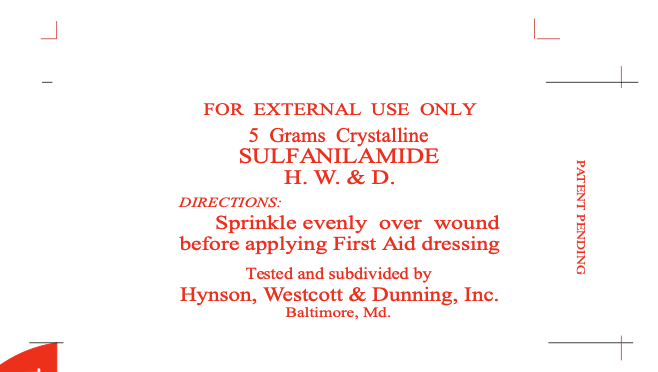
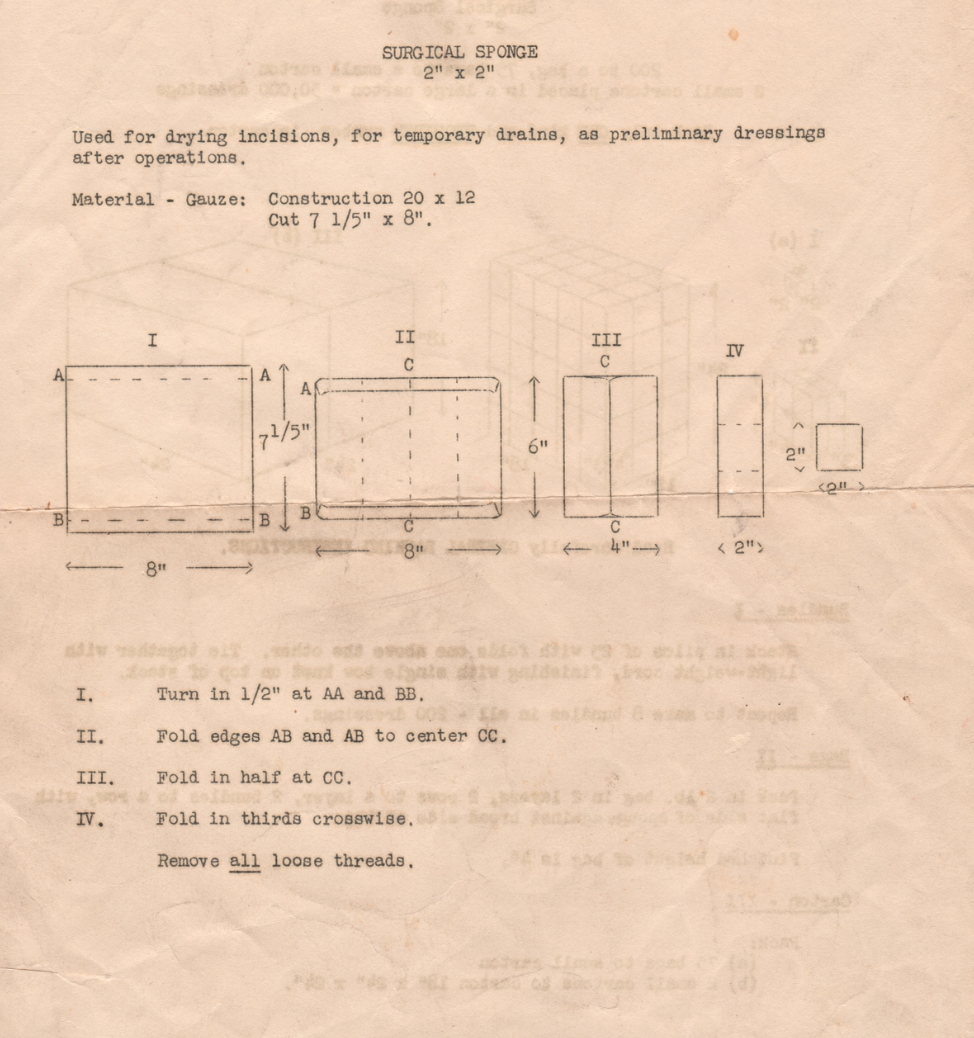
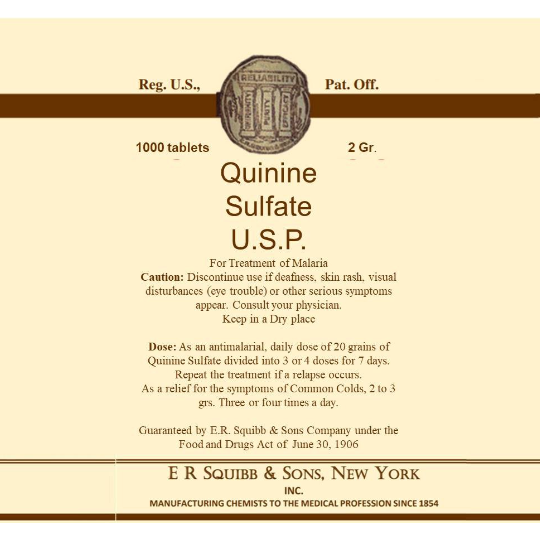
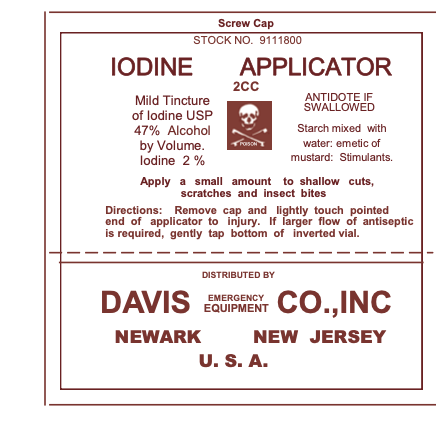
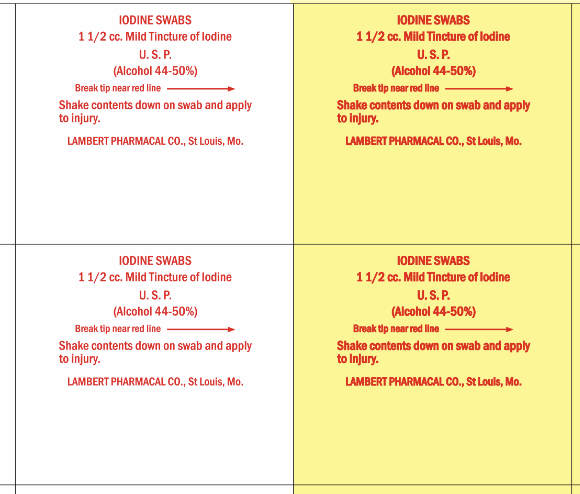
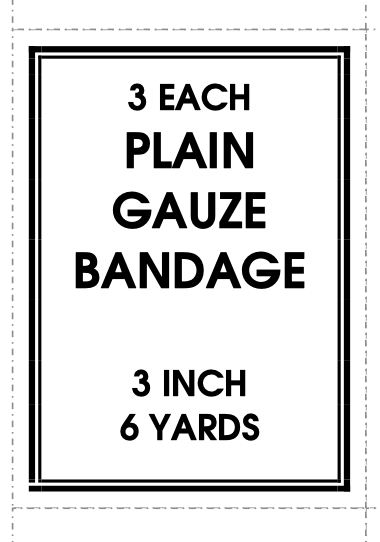
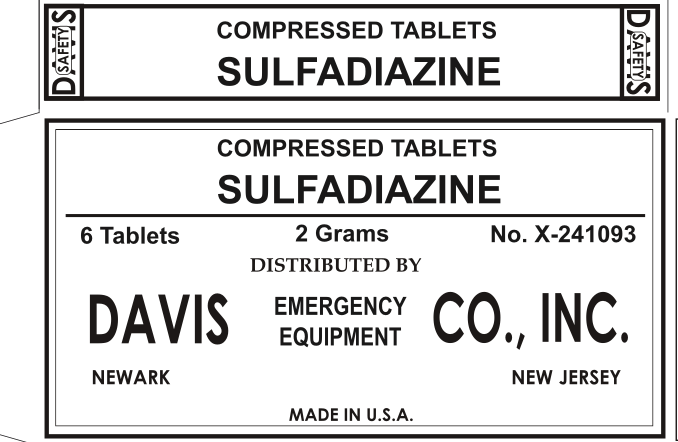
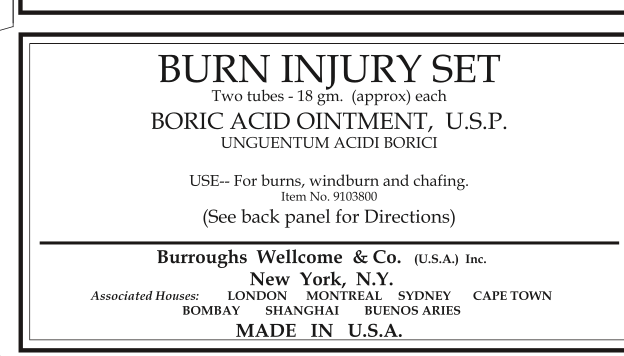
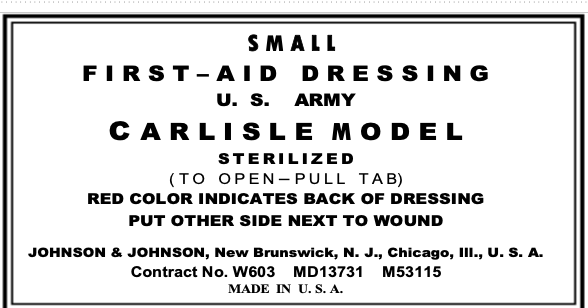
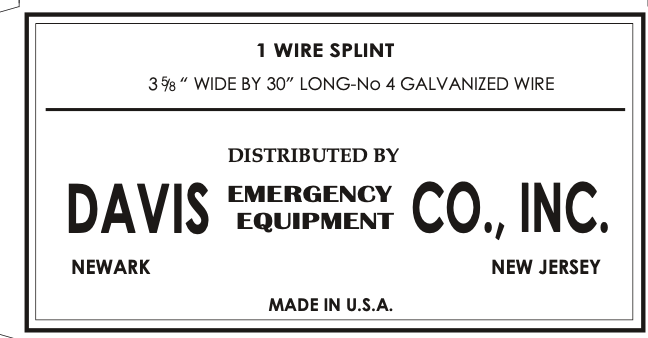
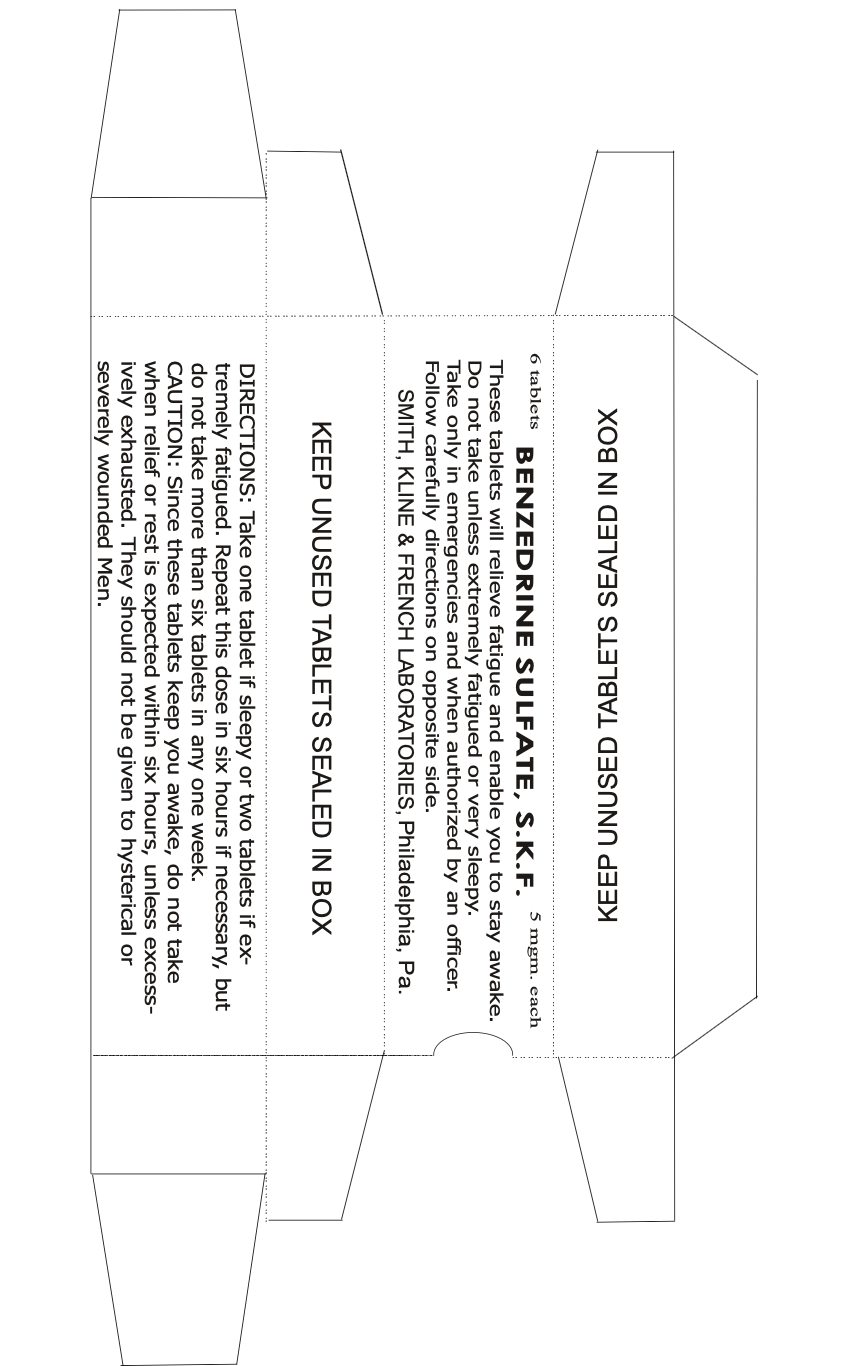
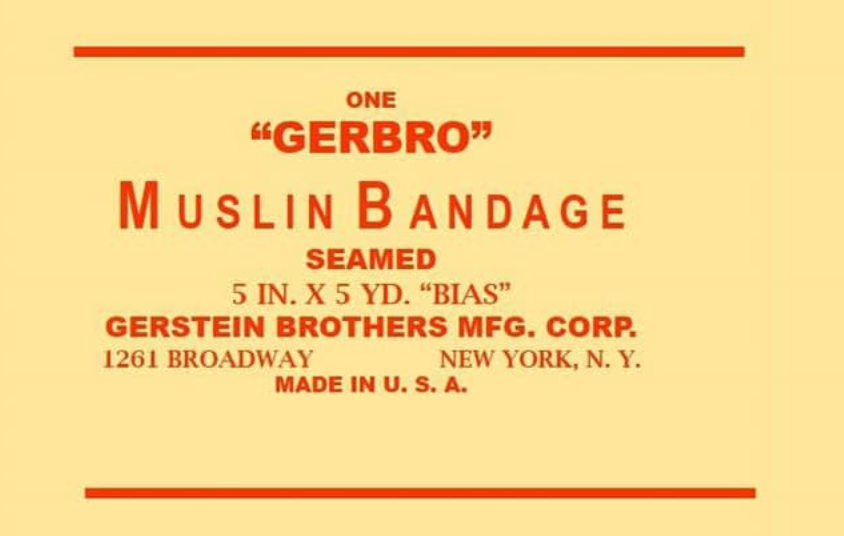
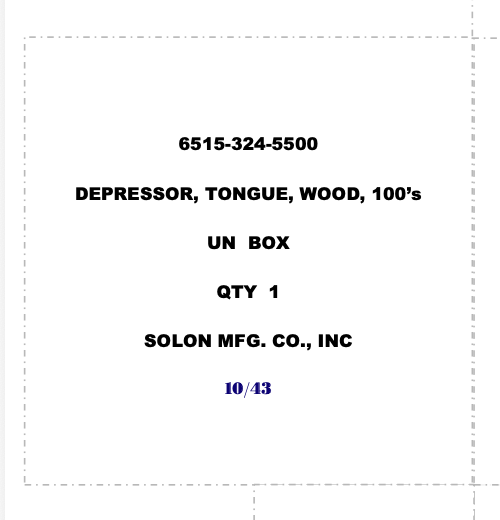
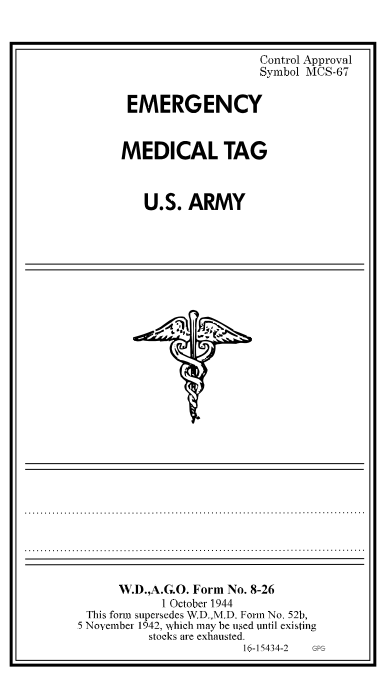
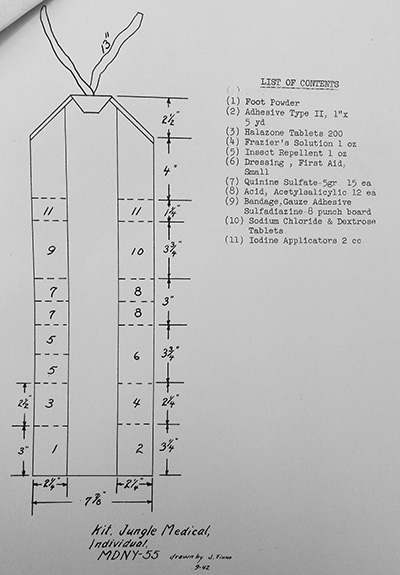
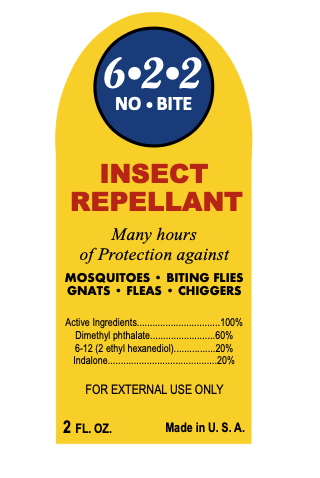
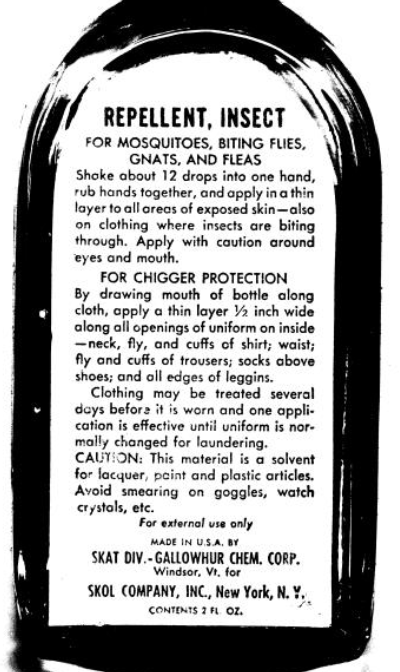
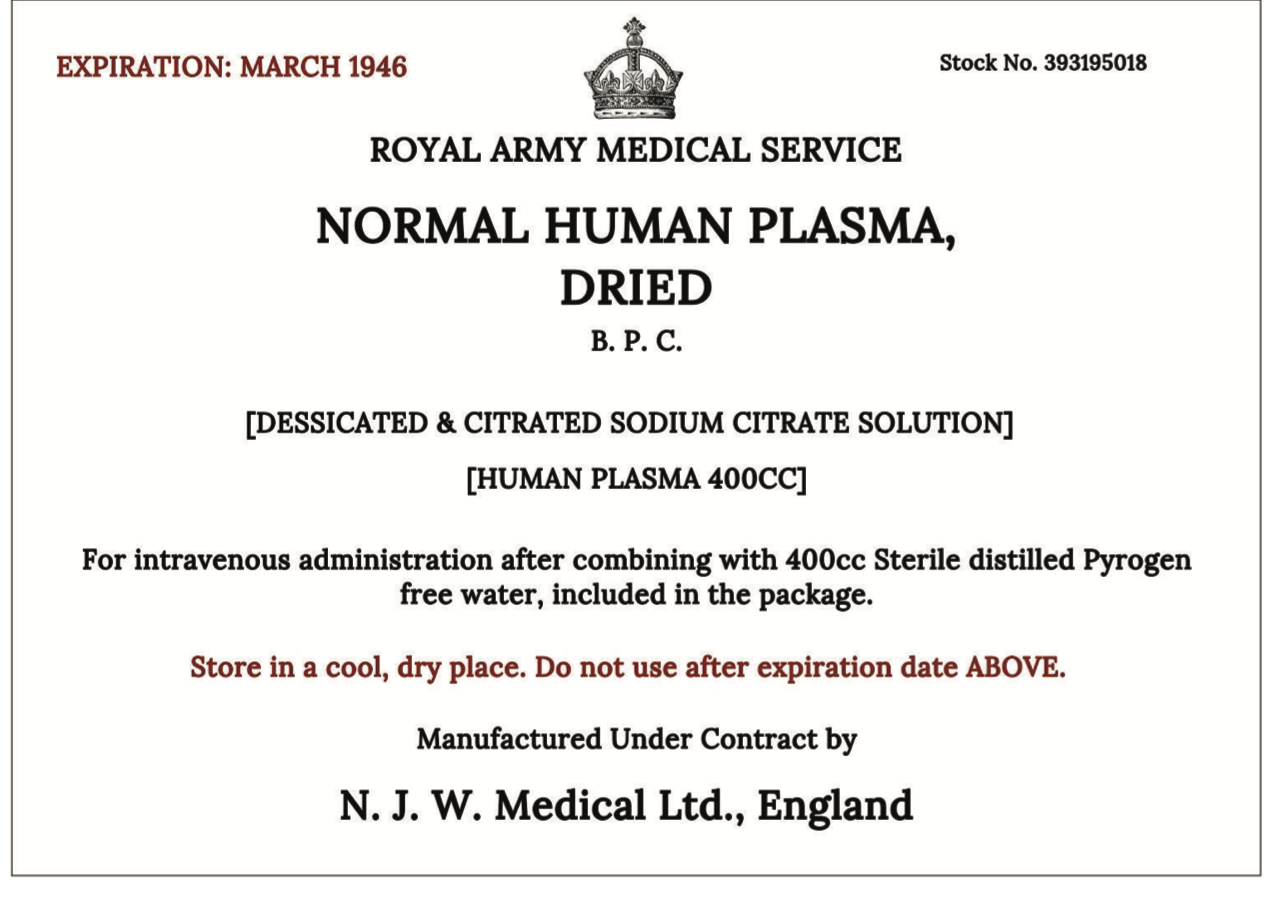
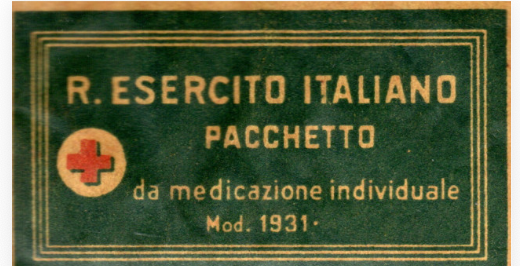
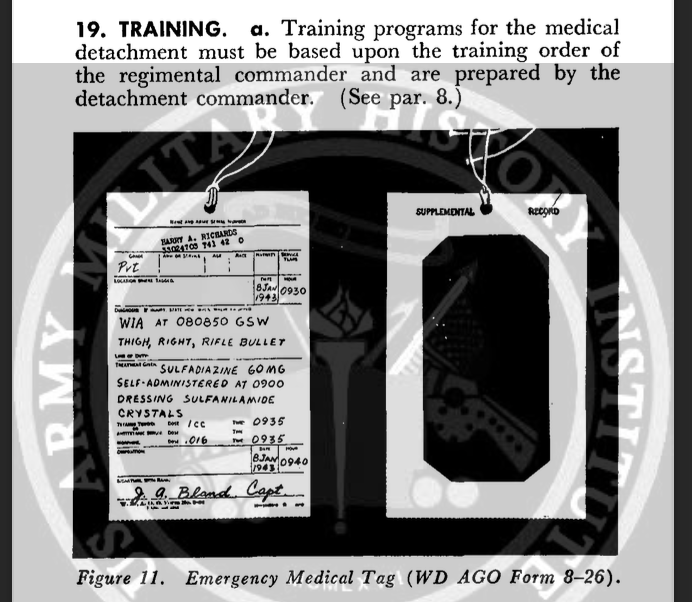
This article will be broken into different sections and contain links to different kinds of medical paperwork and labels that are printable for us and reference for WW2 reenacting.
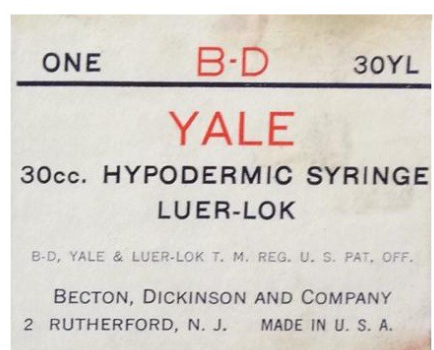
Hypodermic Syringe Luer-Lok 30cc Yale – Label for a 30cc syringe. Yale is a predominant syringe manufacturing company. Syringes in World War Two were glass. You can see an example of the type available at the Smithsonian here.
WWII Navy Corpsman Lejon Medical Brandy – These are Lejon Brandy-branded, Medical Apricot Brandy bottle labels used by Navy Corpsmen in WW2. Includes instructions and labels.
United States Navy Hospital Corpsman 1943 – Pamphlet on hospital corpsmen. Details ladder of advancement, courses, jobs, pay, allowance, and more. Print size unknown.
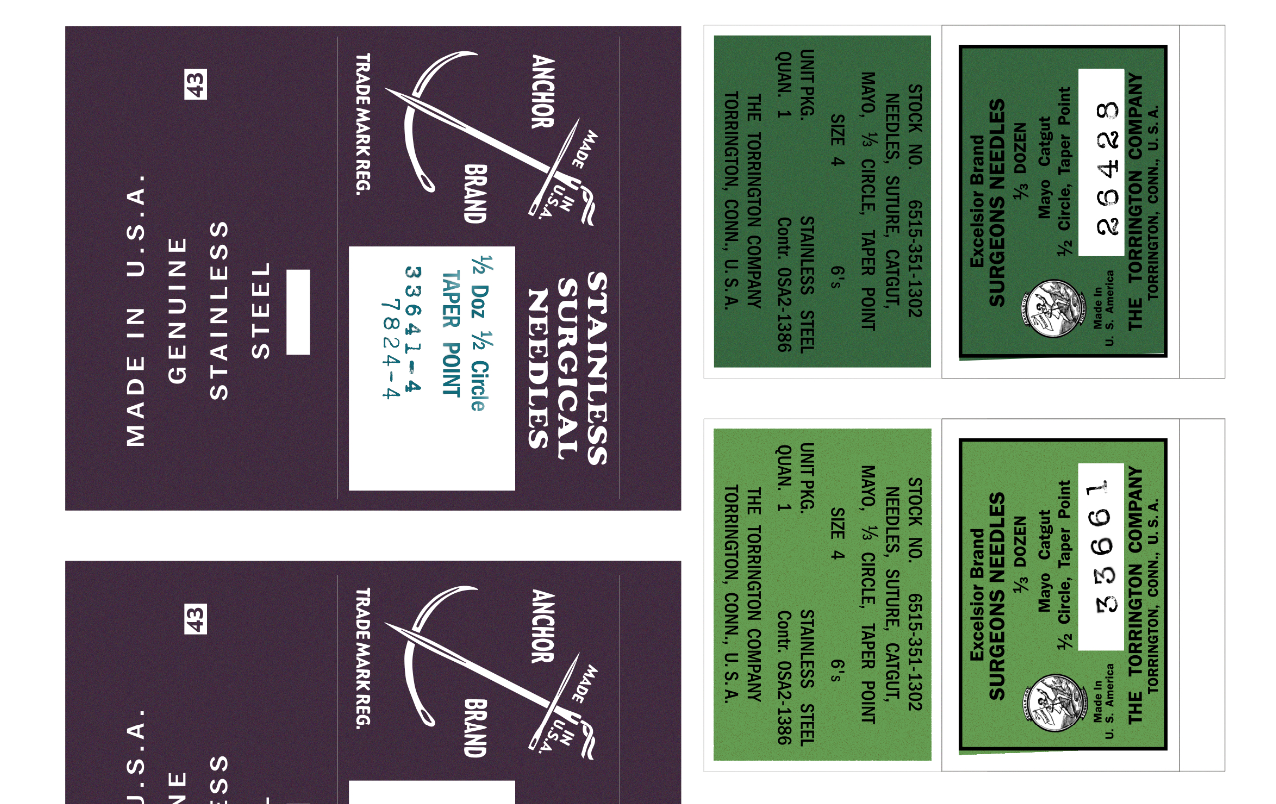
Anchor, I think, is still around, as the brand usually appears on sewing needle packets.
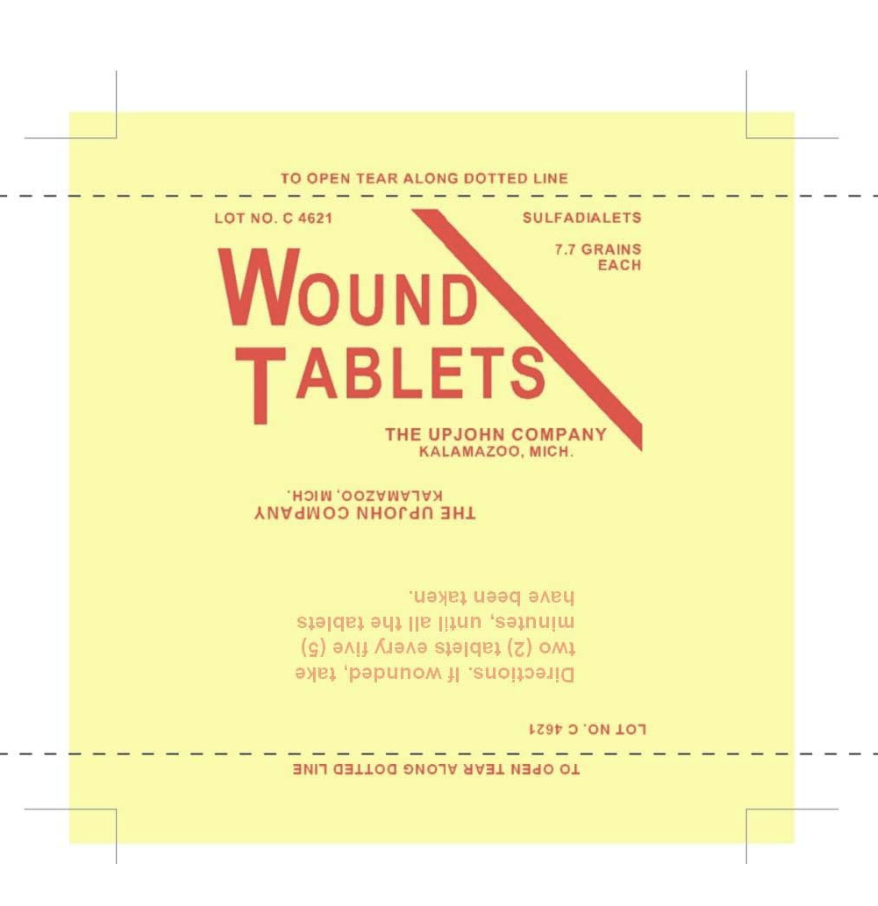
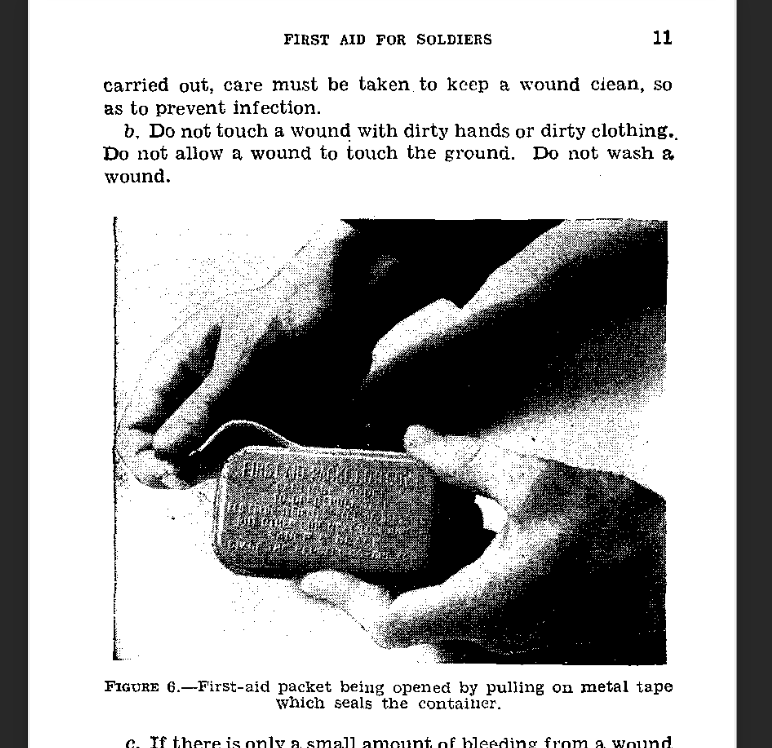
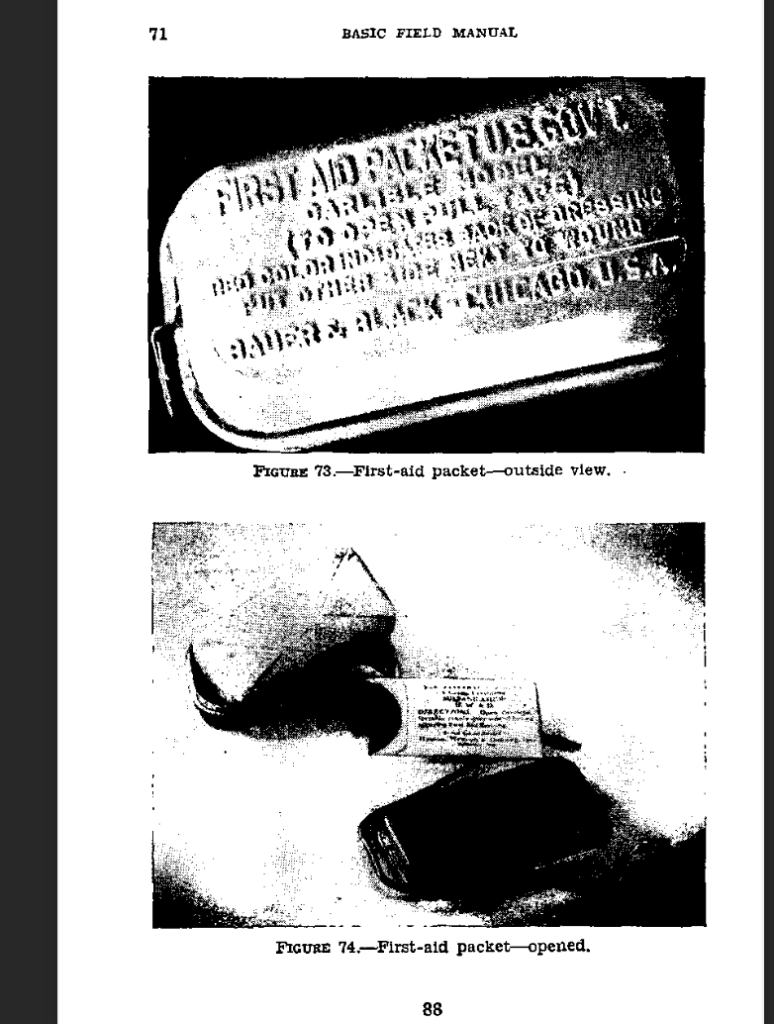
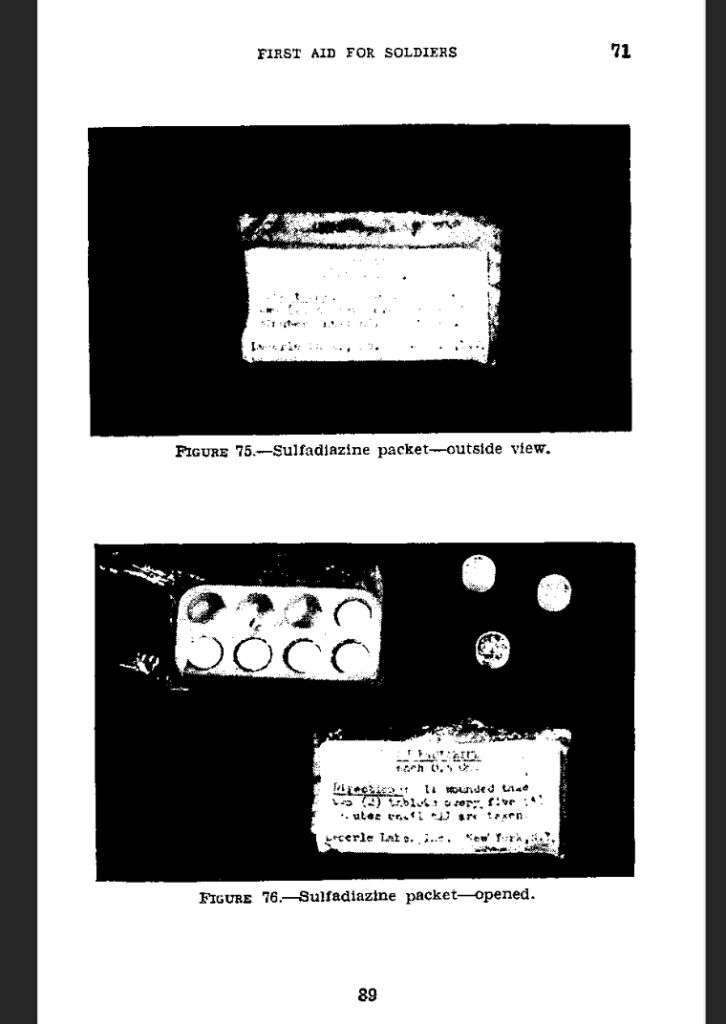
Wound Tablets Style 1 and Wound Tablets Style 2. Put 8 empty blister tablets inside or Smarties. Would go inside the individual First Aid tin. Print on an 8.5×11 piece of paper.
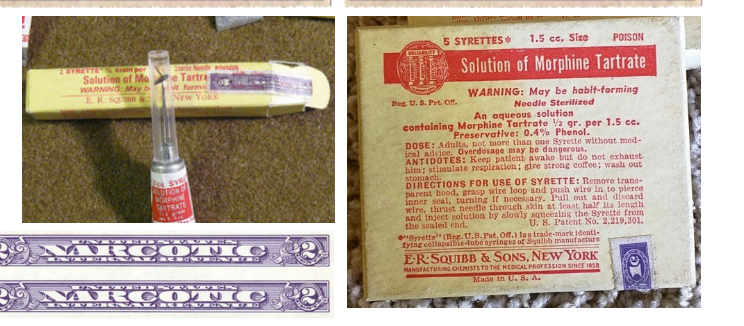
These were a direct result of the Harrison Narcotics Tax Act of 01MAR1915. Designs shown above were used between 1919 and 1964 and came in many more denominations. Narcotics Tax Stamps were used in an attempt to regulate overuse and addiction to Opiates. These are frequently found on original Morphine syrette individual boxes.
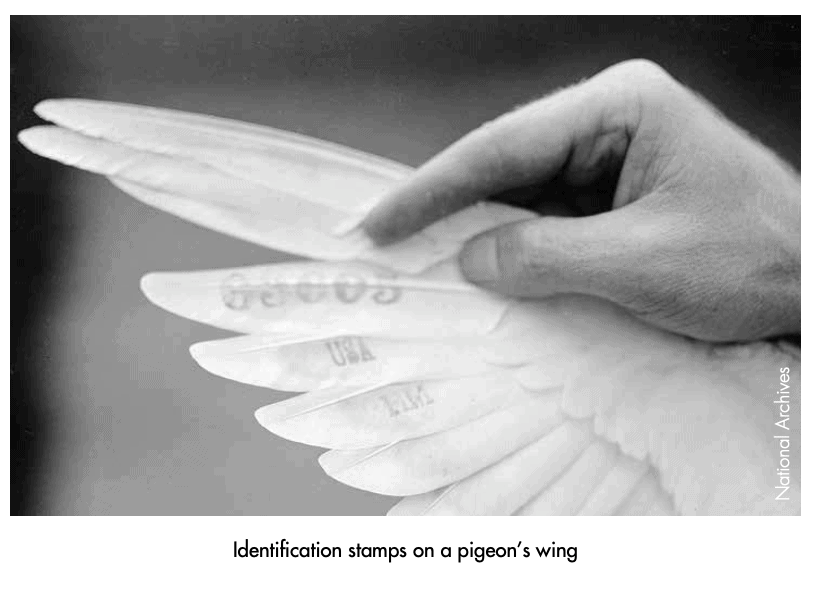
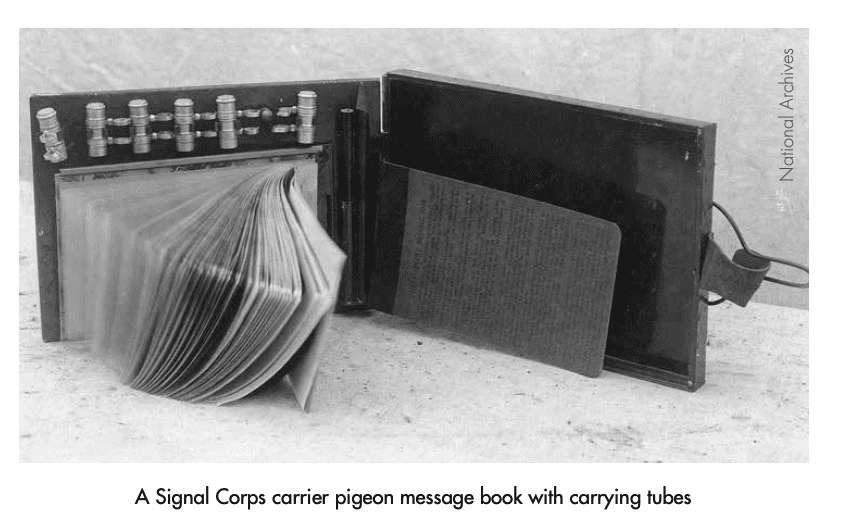
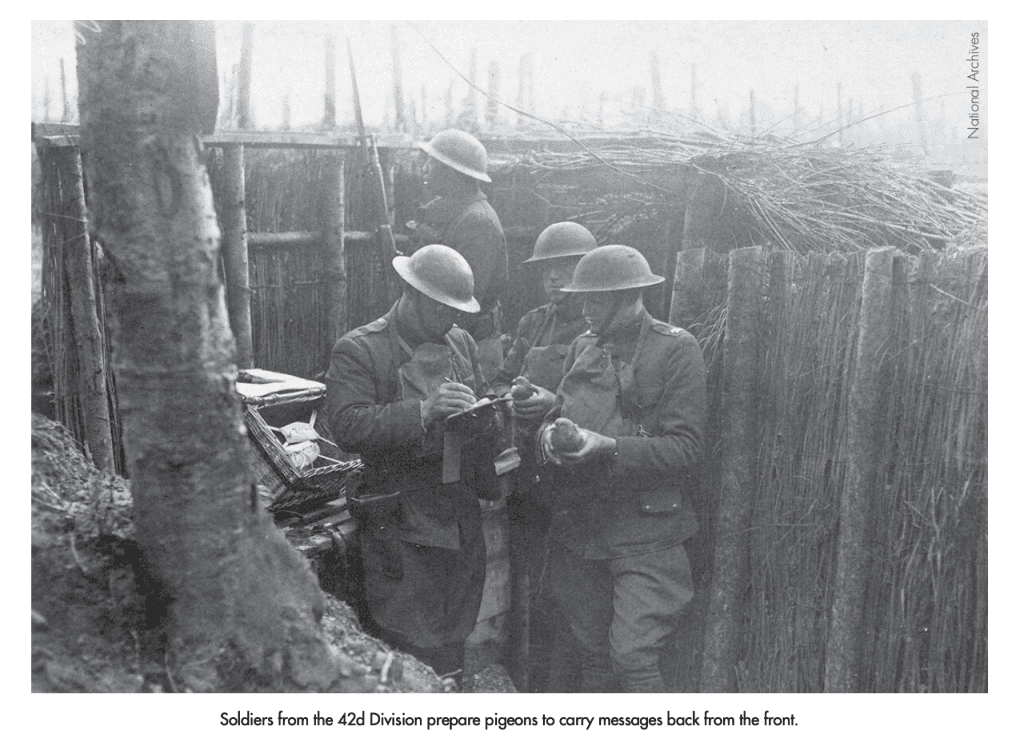
The article discusses the development of the pigeon service, training of pigeoneers, selection of the pigeons, and tactics used to bring pigeon communication as close as possible to the front lines.
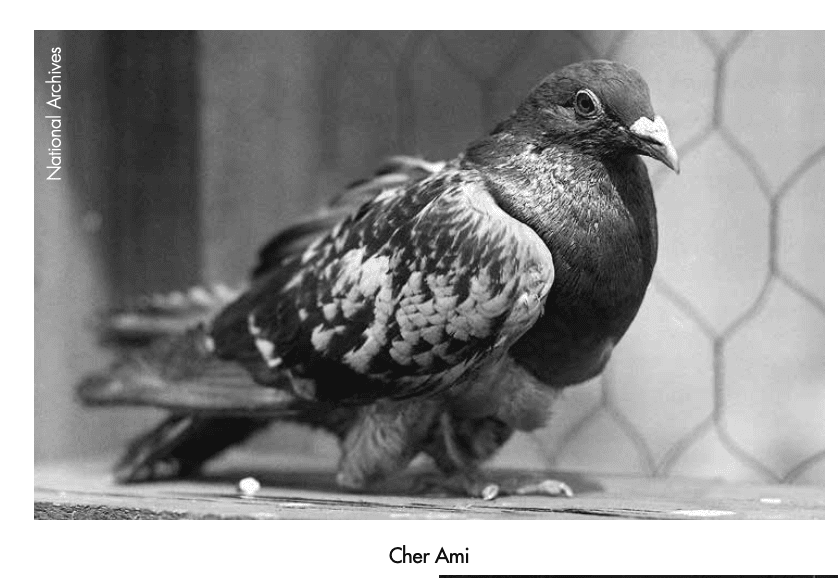
Of course, you cannot mention pigeons in WW1 without a nod to Cher Ami, arguably the most famous pigeon ever. Cher Ami is credited with helping to relieve friendly fire on the Lost Battalion. Cher Ami is currently stuffed and on display at the National Museum of American History in Washington DC.
These types of events are characterized by organizers bringing together a bunch of units and having them fire and maneuver at each other throughout a weekend without any well-defined or planned tactical scenario. Often called a private tactical. These can be fun, but you have to insert yourself, as the organizers rarely think to include signal elements.
Due to the nature of these events, your best bet is to come with several sets of BC-611s. These are usually cheaper, lightweight, and reproductions of them exist. Plus, folks can kinda strap the radio to themselves and still be able to run and gun with their unit. They’re not inherently tied to a radio for the whole event.
I’ve personally done events where I brought a pair of BC-1000s, and while cool, it’s a lot more equipment to lug around. Plus, these are all originals and are prone to breaking (once an original short antenna broke at an event), and heavy and cumbersome. Folks are usually tied to the radio for the whole event.
You would want to get a list of units and approximate strength before the event and work up a set of Signal Operation Instructions (SOIs) that outline call signs and frequencies, as well as which unit gets which BC-611. You would probably want to include some basic communication procedures as well as the phonetic alphabet.
You would then request one soldier from each unit to attend an SOI briefing. Where you go over the BC611 usage, instructions, and communication procedures. You’d likely have anywhere between 15 minutes and 30 minutes before the event starts to do this. So keep the briefing short, quick, and memorable. They should be able to explain it back to you, and they should also be instructed to train several others in the unit.
Printing off the booklet below might be helpful, too.
Pamphlet 24-2 Radio Telephone Procedure Oct 22nd, 1943 – Part 1 and Part 2 | A short and small booklet that explains Radio Telephone Procedure. Print off part 1 on 8.5in by 14in. Beige light cardstock, flip it over, and print off part 2. Then cut and fold.
I haven’t tested it, but it looks like it’s going to end up being some kind of wallet-sized/index card-sized pamphlet. If you want it as an image, you can see part 1 and part 2 here.
You would likely want to keep batteries for the units and other repair tools in a crate near the starting point and instruct folks that if batteries run out, this is the Signal Supply depot.
Units then go out into the field, and you communicate. You pick up the radios at the end of the event or have them drop them off at the supply depot.
Ideally, you should be using wire, but the nature of these kinds of events doesn’t allow for it. Runners are also acceptable, but most folks in this type of event don’t want to stray from their unit or spend the entire weekend running messages.
Static Events
This kind of event is where there’s a fixed side. Italian events usually lend themselves to this kind of concept. The Great War Association in Newville usually has an Italian-type event called Winterline.
Another example is when there is an extended bivouac, like at the D-Day Conneaut event. For these events, there’s a side of the ground that is used as a launching point and where “command and control” can exist.
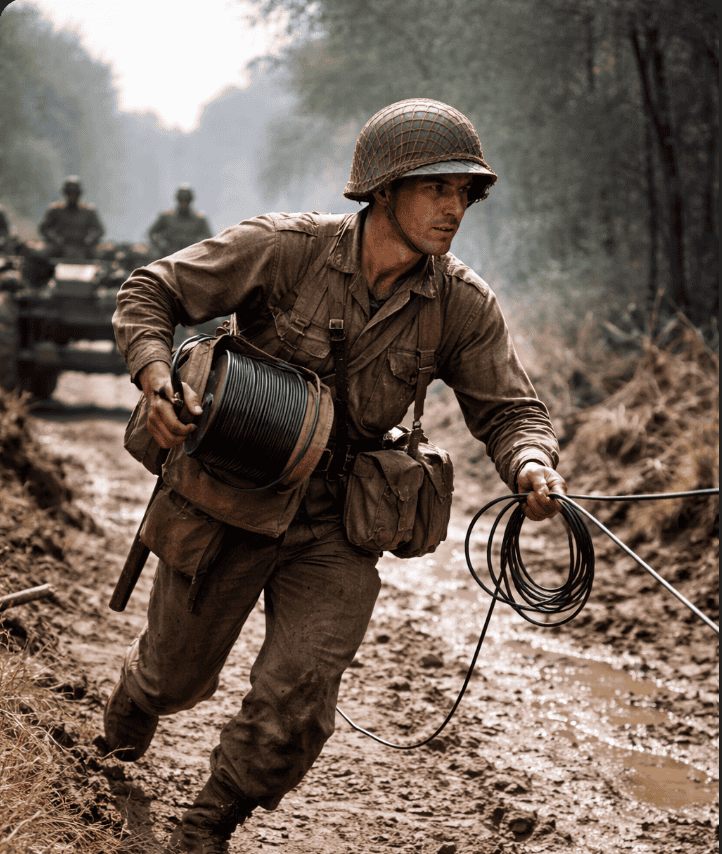
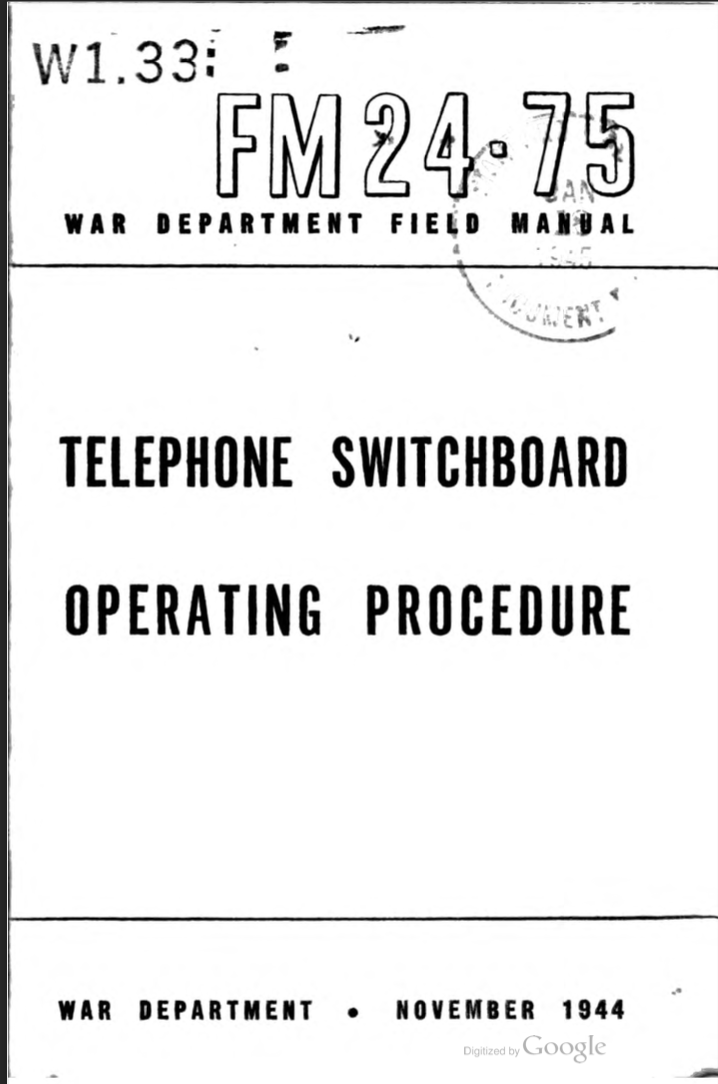
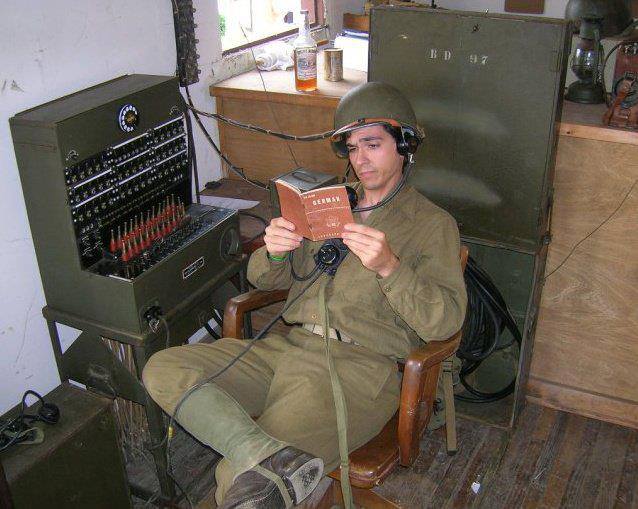
For this kind of event, wire would be more appropriate both in historical terms and in practical terms. You can set up a message center with a switchboard and run field phones and wire out to where units are located. The field phones are easy to set up and move, and aren’t cumbersome. Plus units are typically hanging around their area, so someone will be available to take and make calls.
You could provide a small booklet called a Signal Operations Instruction, which contains the codewords and frequencies. An example is this one: Signal Operation Instructions 84th Infantry Division. The booklet would be given to the unit commanders.
You would probably need one or two other people to assist with set-up, tactical operation, and take-down. Might want to consider rotating people out so the same group of people aren’t stuck doing wire. You would train these people at the headquarters on how to run the switchboard and check wires. You could even do a wire patrol scenario where you go check the wires.
Before the event starts, you would have an SOI briefing with a representative of the units who get field phones. You’d go over the basics of field phone operation and communication, and probably hand them Pamphlet 24-2. Extra equipment, such as batteries and tools, would be located at the Message Center (aka) Headquarters.
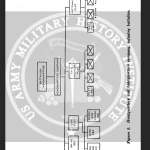
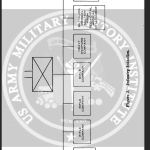
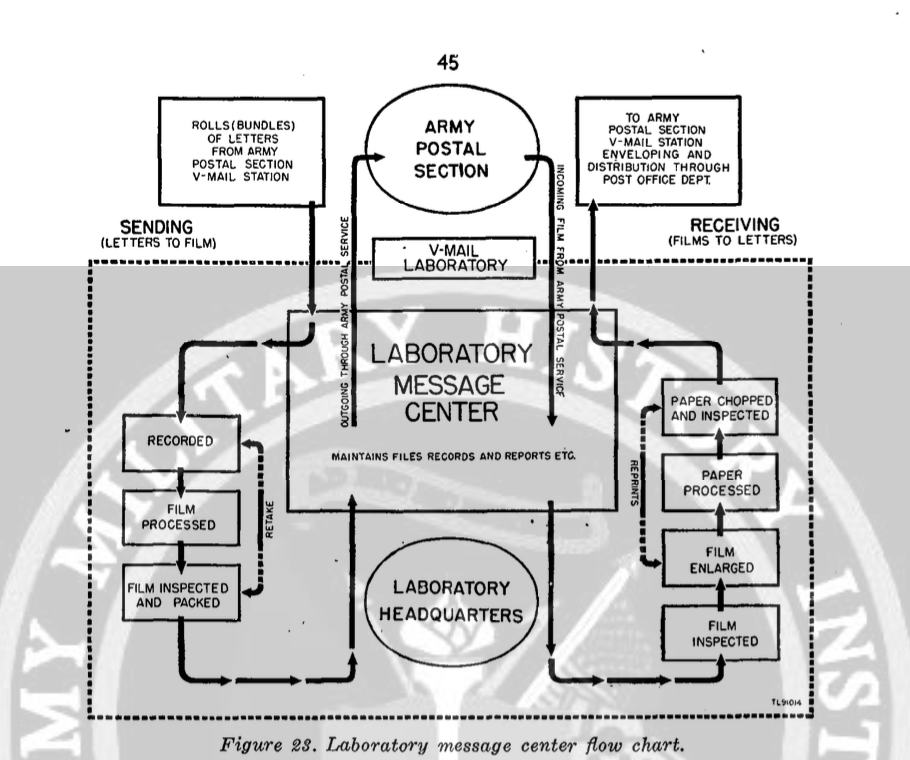
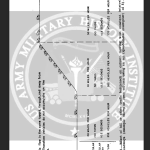
Depending on how much time and how large the event is, you could implement the flow chart below.
Message Routing Procedure Flow Charts – Describes the routing of different kinds of messages when message center facilities are or aren’t available.
Combination Events
These events combine elements of both. Usually, these are more managed and mission-focused. For example, the “command and control” element would create a mission where you have to string 5 field phones to 5 unit positions. Or the event organizers create an expectation that folks will use a radio net. The missions might be worth a certain number of points, and the event has referees to make determinations of points/mission success and/or hits/kills, etc.
I once attended a Sons of Valor event in South Carolina (or maybe North Carolina?) in the early 2010s and provided cover to an engineering unit that actually built a bridge over a ravine and a transportation corps unit that then drove a jeep across it to deliver supplies.
Obviously, this requires event planners or organizers to think holistically and do a lot of planning up front to make it interesting, fun, and memorable.
But there’s more openness to providing SOI briefings and signal corps elements.
Living History Events
These events are characterized as being more for the public and carry an assumption that reenactors will interact with the public and share their displays. Some events include aspects of the above, but it’s mainly about engaging the public.
These can be interesting for signal corps elements, as you could demonstrate pole climbing, have kids run wire, splice wire, or operate switchboards etc.
You could provide folks with an SOI and let them communicate over a radio network.
I’m a sucker for primary sources. This post will be a catalog of sorts that’ll provide links to various diaries, journals, and accounts of World War II.
These will be either hard-to-find accounts or unpublished ones.
WWII DIARY by Pvt. Donald Duane Johnson 1st Edition. Edited by Daughters Mary Johnson Corcoran and Jane Johnson Kill – Tells the story of Pvt, Donald Duane Johnson (1915-1993). Captured October 24, 1944 at Vedriano, Italy with the 351st Regiment, 88th Division, Company G, 2nd Battalion. U.S. Army Recaptured May 1, 1945 by 3rd Army, 319th Regiment, 80th Division, Company E, 2nd Platoon General Patton’s Army.
In this account, Bernard was part of the 12th Armored Medical Battalion providing medical assistance to the 12th Armored Tank Division. Bernard participated in the Battle of the Bulge, helped liberate Dachau, fought in the battle of Herrlisheim, crossed the Rhine, and was pushed into Germany by the war’s end. What I like most about the account is the mention of the little things like using oranges to practice sewing up wounds when he was in basic.
Finally, the account ends with mentions of the 12th Armored (I don’t think he was part of it) securing Werner von Braun‘s supersonic wind tunnel…who hilariously complained to the men that his bike was stolen. As well as an account of a few 12th Armored boys from the 23rd Tank Battalion and 4 infantrymen partaking in the Battle of Castle Itter (which is a super interesting story!).
The Odyssey of a Texas Citizen Soldier – Zip file. By Robert L. Wagner The Southwestern Historical Quarterly, Vol. 72, No. 1 (Jul., 1968), pp. 60-87 (28 pages).
This is the account of Oran C Stovall a commander of the 111th Engineer Battalion which was part of the Texas National Guard unit, the 36th Infantry Division. He supported attacks to secure Naples and saw heavy action trying to cross the Rapido River to outflank Monte Cassino. Crossing the Rapido wrecked the Division. It was eventually sent to Anzio to help with the breakout and then to Southern France as part of Operation Dragoon. To help shore up the division they were assigned the famed 442nd Regimental Combat Team, the segregated Japanese-American unit. The unit ended service securing parts of the Dachau.
Medical Testimonies – A link to the Med-Dept.com which contains a wealth of resources for all aspects of WW2 era medical information including numerous accounts of those working in hospitals (both on land and ship), on the front-lines, and in graves registration units.
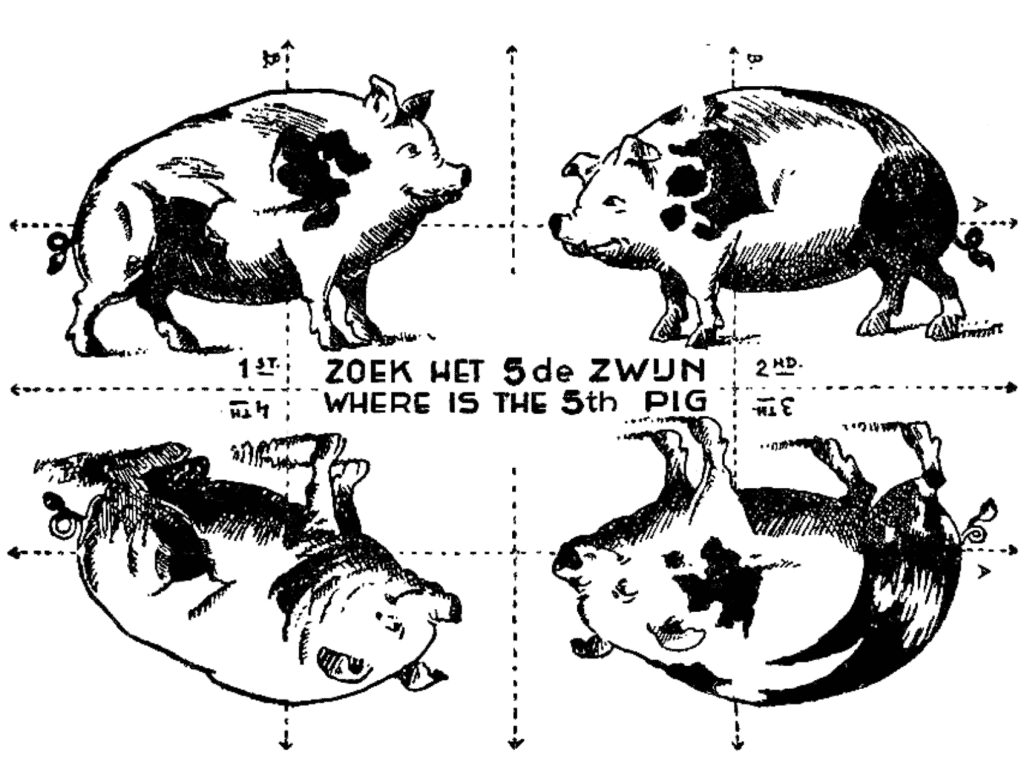
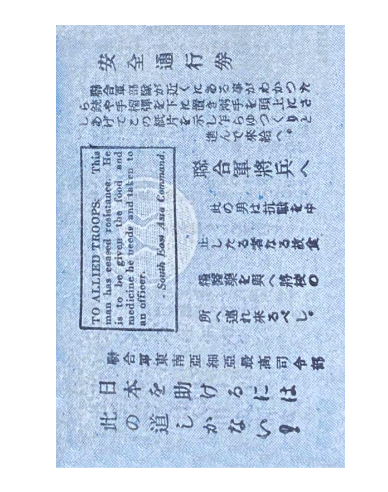
This was a novelty folding puzzle that says Where is the 5th Pig? Or in Dutch: Zoek Het 5 de Zwun? This was a piece of anti-German propaganda that when folded up shows Hitler. They were probably made by the British SOE (Special Operations Executive). These came in a few different varieties and different languages. You can download the pig one here. I’m not sure of the exact size but 8.5×11 printing paper should work as these would have been made as leaflets as cheaply as possible because it’s a “one and done” piece of propaganda.
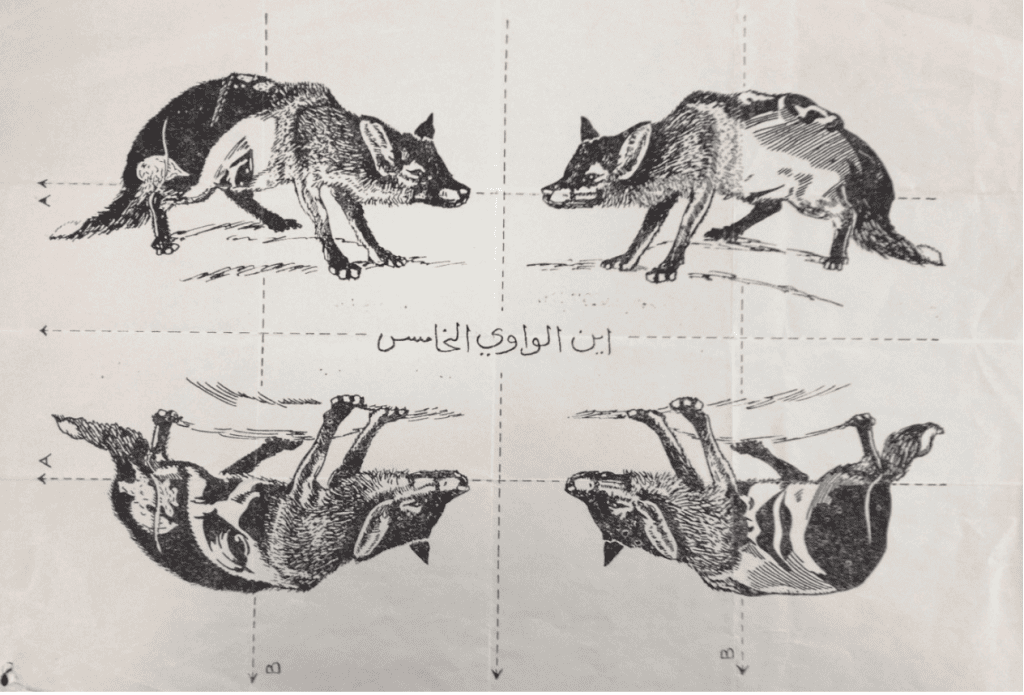
Including one of Jackels that folds up into Mussolini.
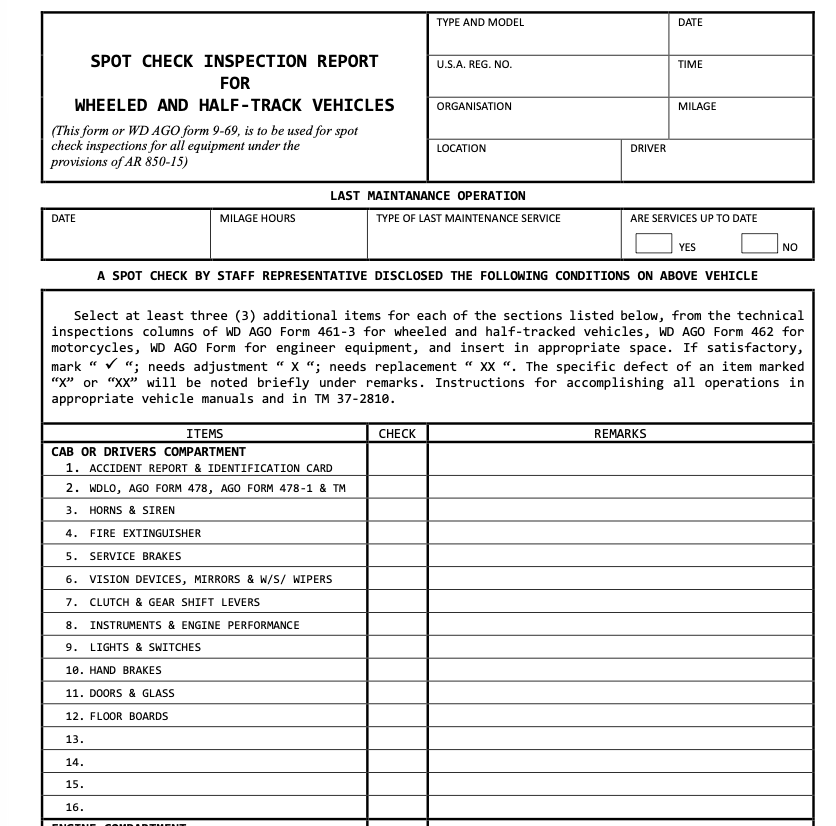
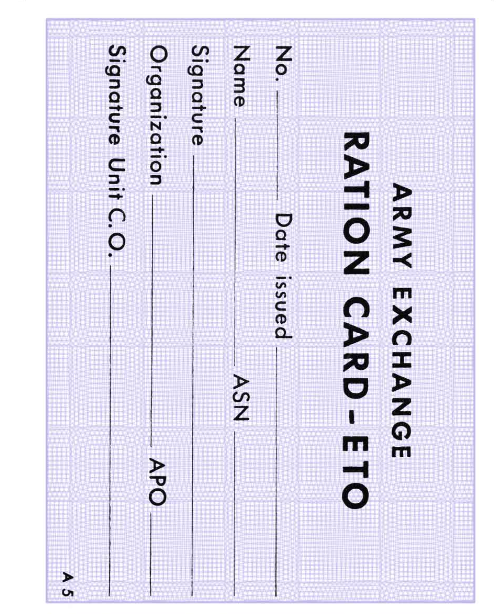
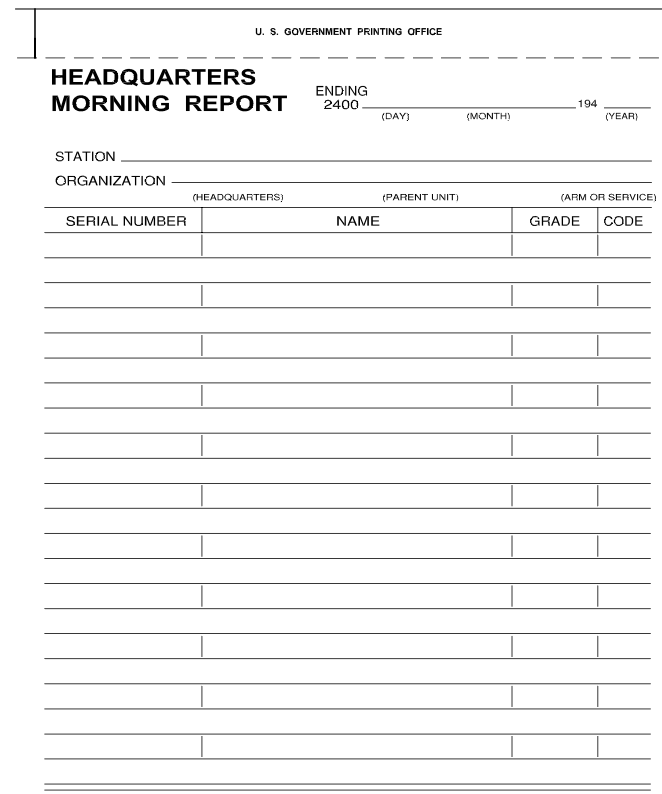
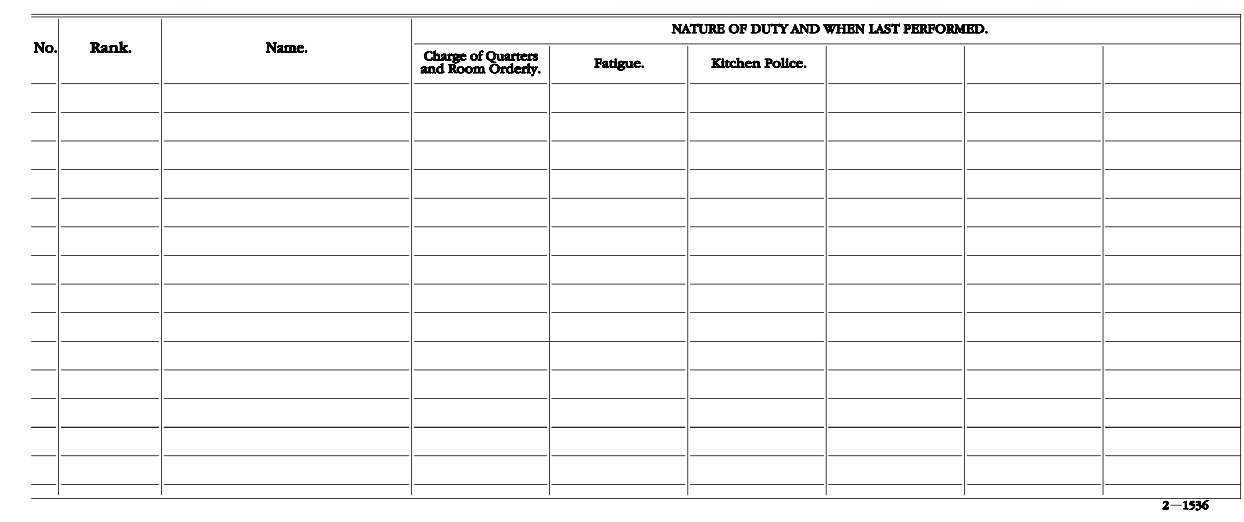
This article will be broken into different sections and contain links to different kinds of paperwork that are printable for us and references for WW2 reenacting.
Most of the paperwork listed will be PDFs. Unless specified differently in terms of size and paper, the PDFs can all be printed on a regular 8.5×11 piece of printing paper.
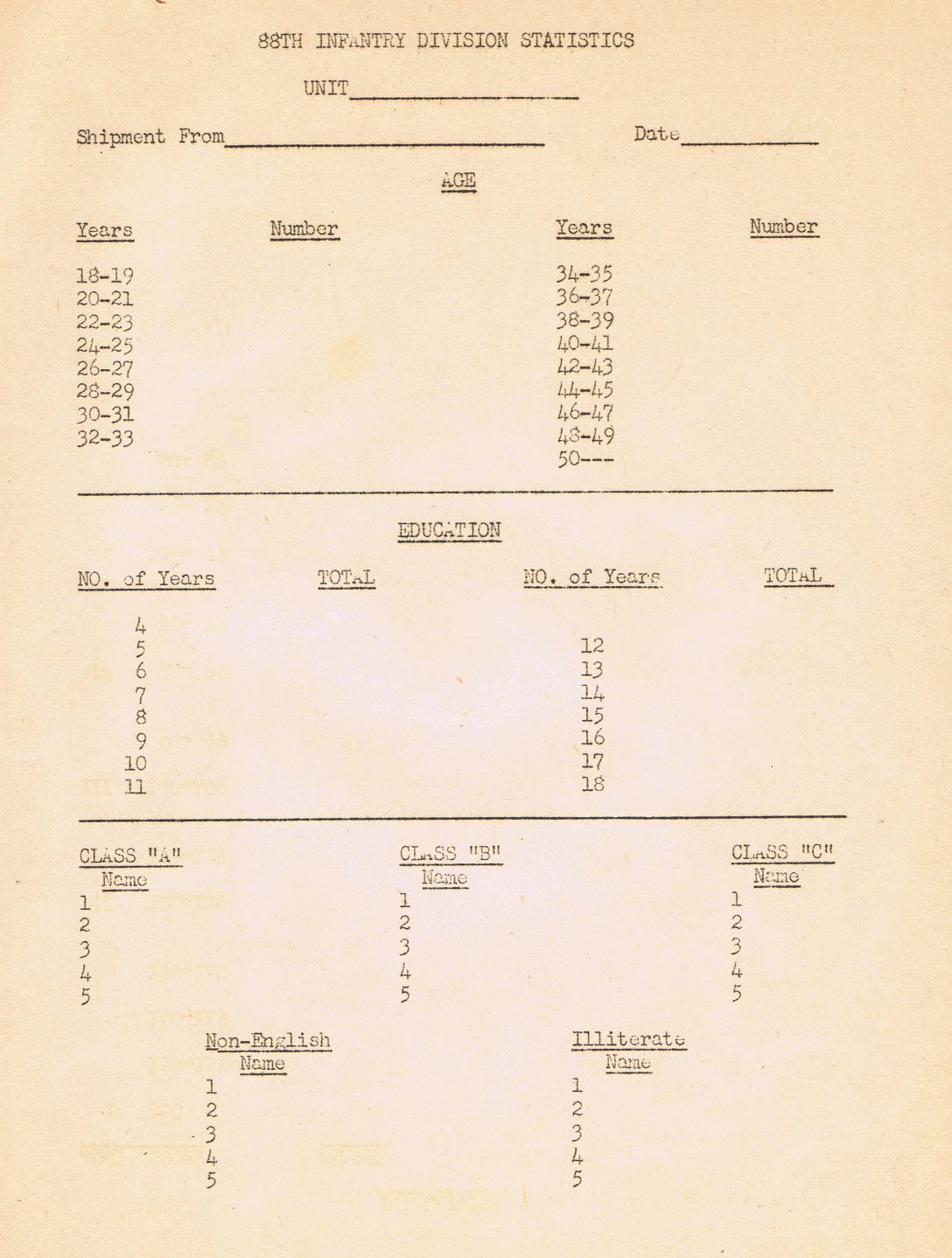
88th Infantry Division Stats Document – A general document to give an idea of what I think might be a shipment of soldiers coming into the unit. The idea is to get a handle on who they are.
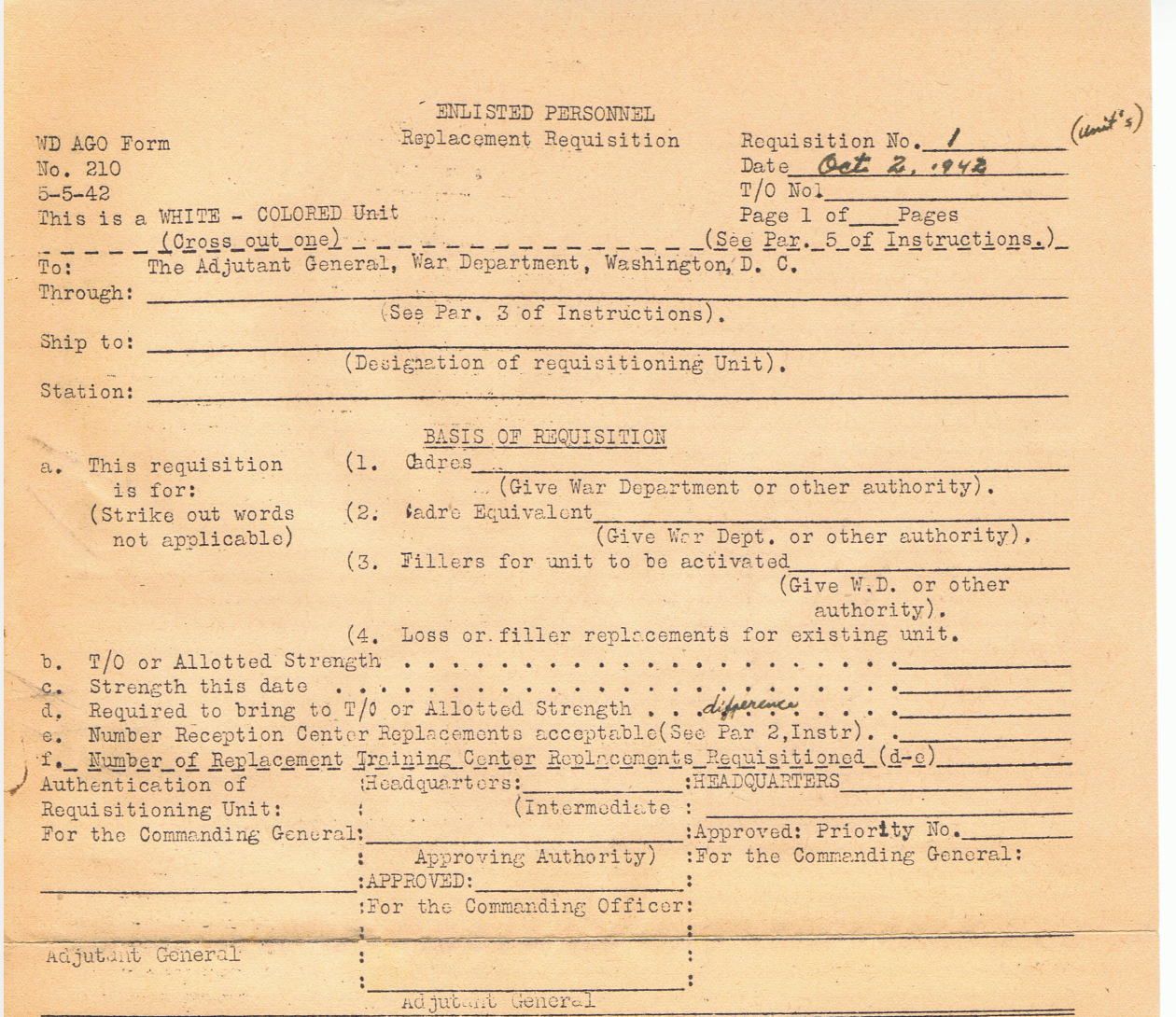
This may have gone with the Enlisted Personnel Replacement Requisition WD AGO Form 210 May 1942
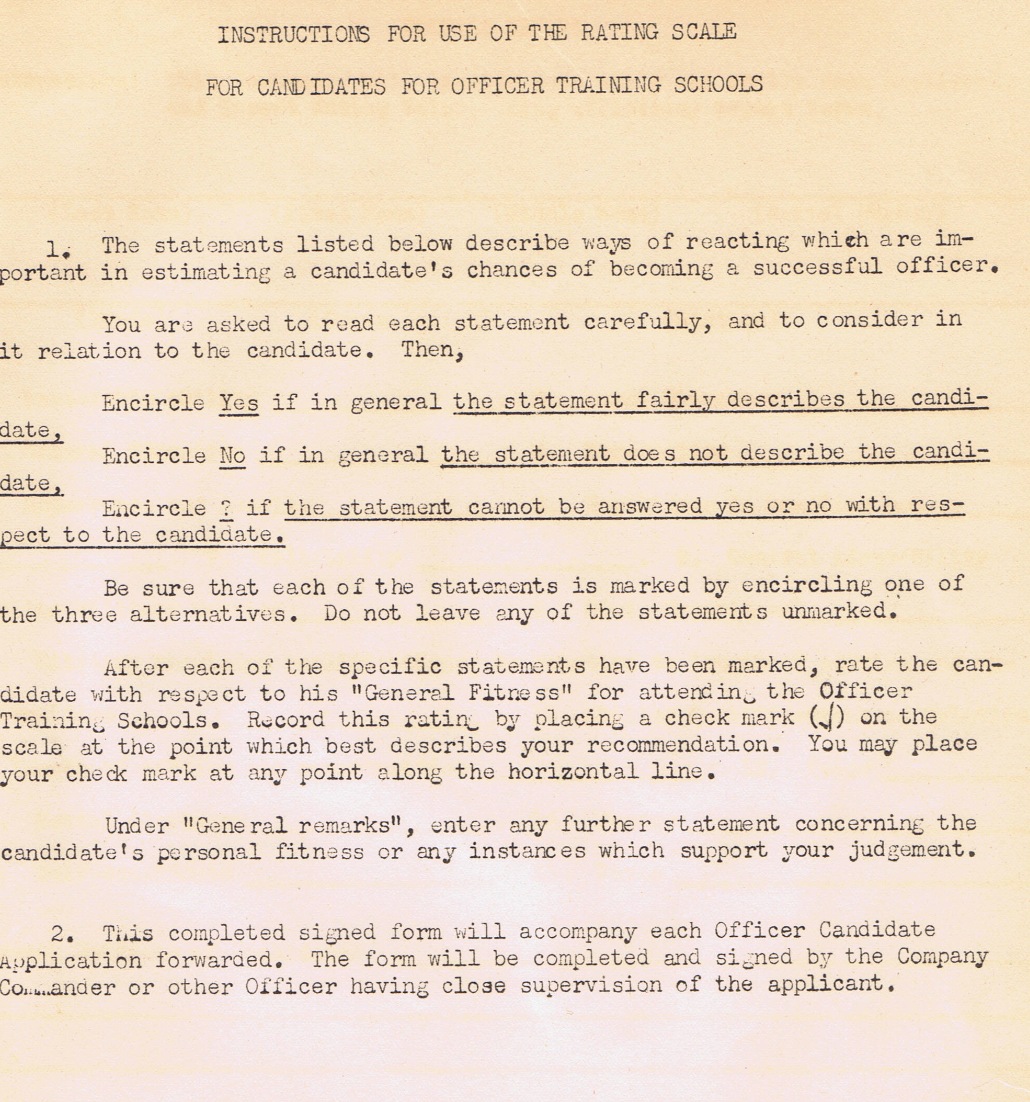
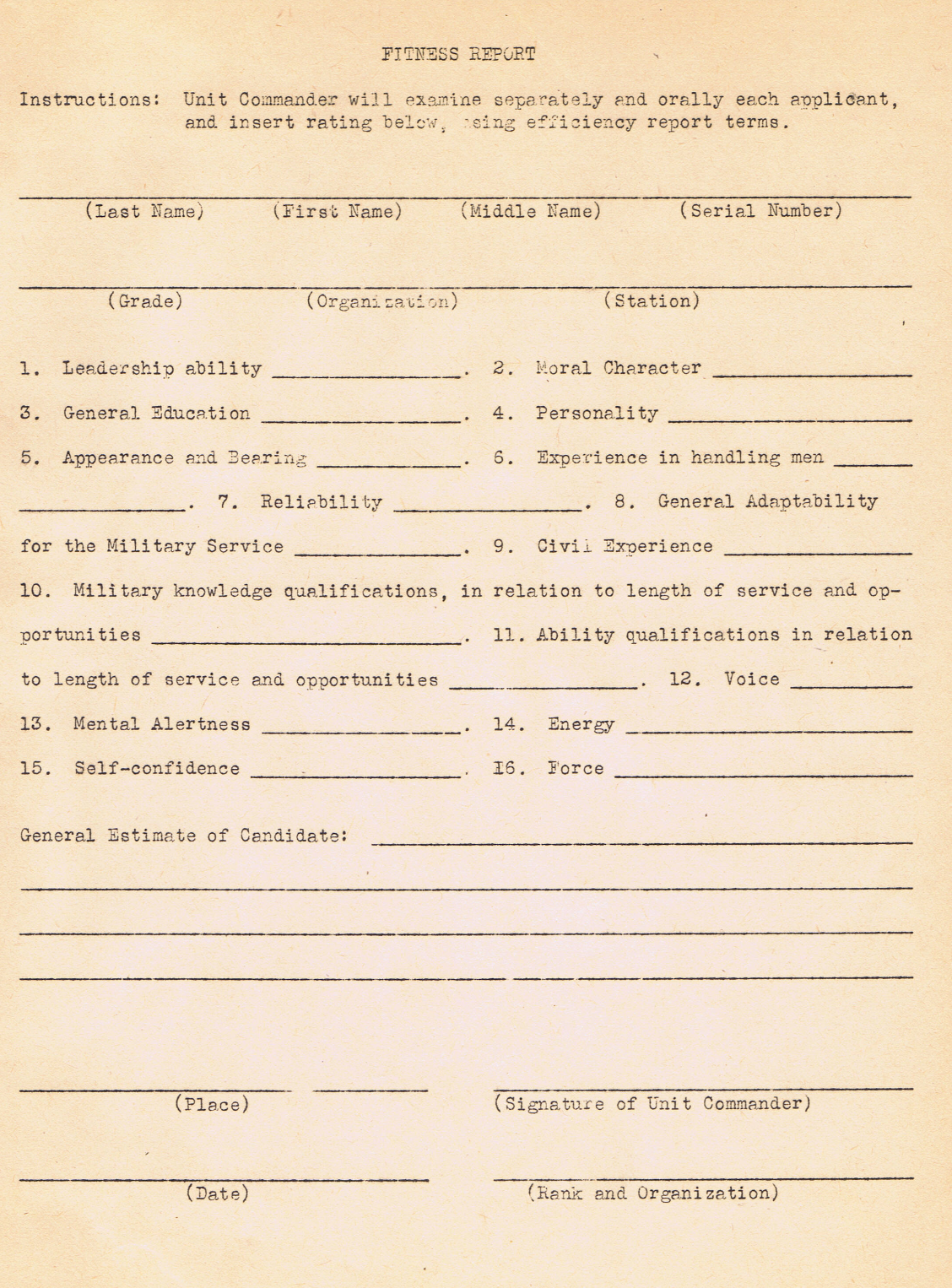
Fitness Report Form – This is a holistic document to assess candidates. My guess is that this went with the Officer Candidate Training instructions and as part of the assessment
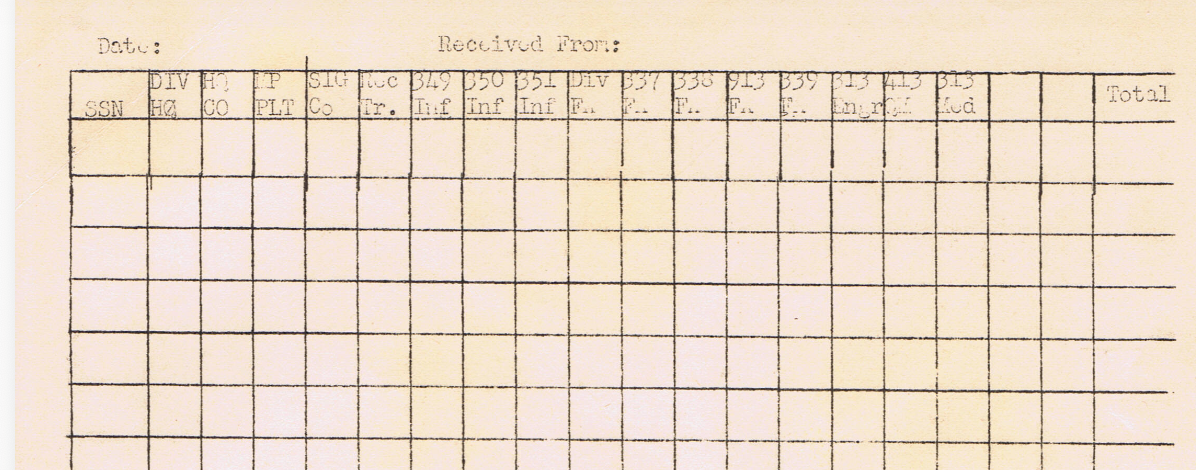
Received from Form – a grid to list out how many men from which 88th Unit got moved around. This is specific to the 88th Infantry Division but all units may have had something similar.
Note that SSN stands for Special Service Number, not Social Security Number
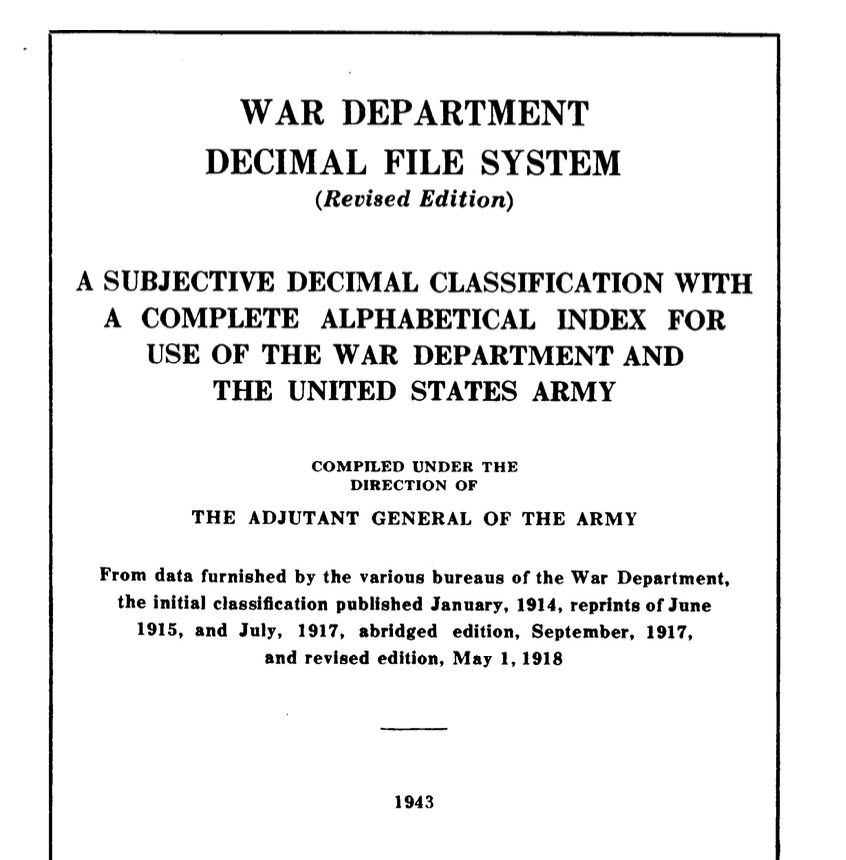
War Department Decimal File System – A subjective decimal classification with a complete alphabetical index for use of the War Department and United States Army, 1943.
Essentially, the official system is used to file paperwork.
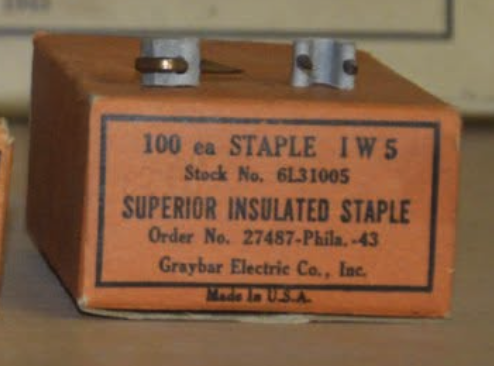
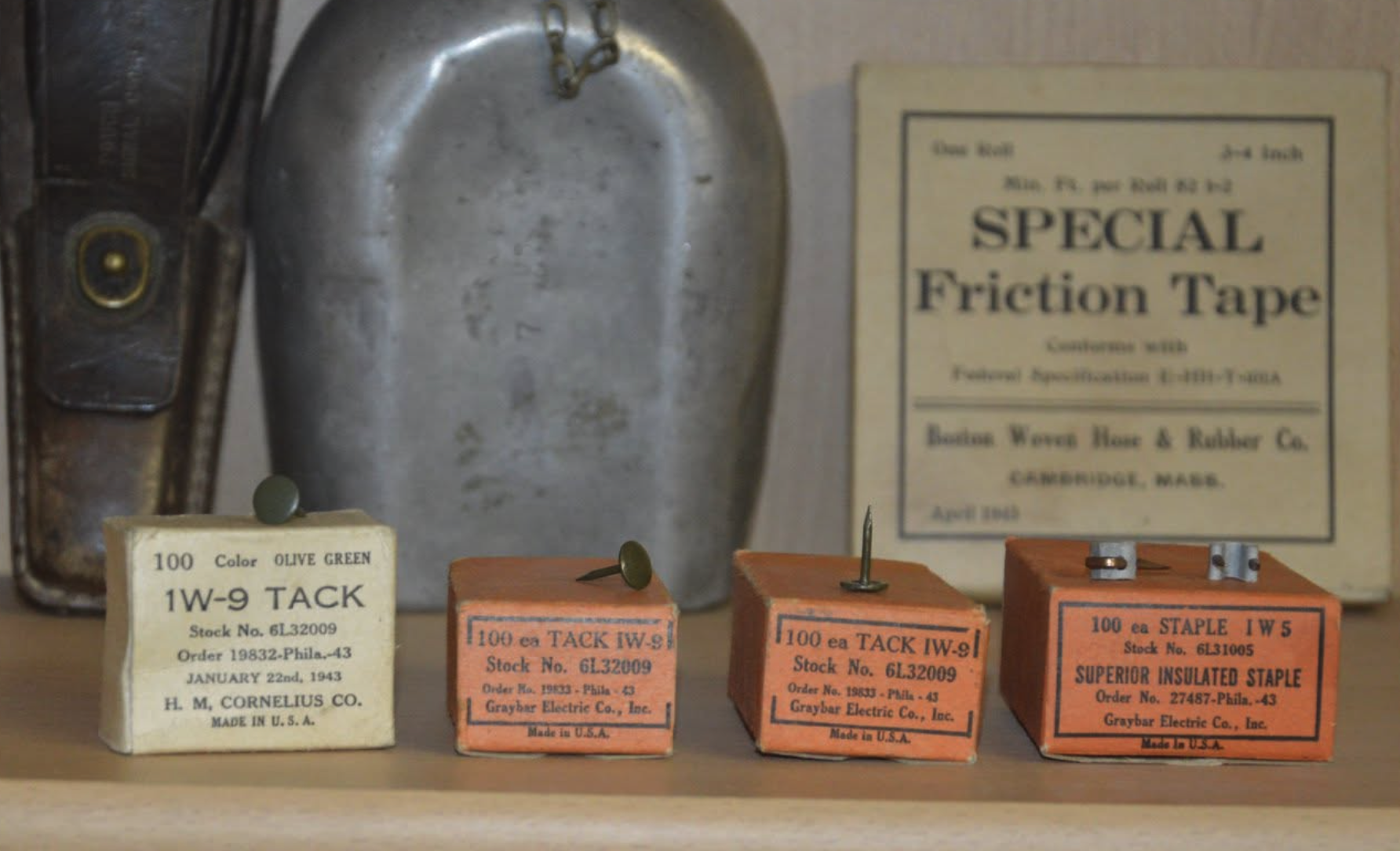
1W-5 Superior Insulated Staple 1943 – These are staples used to tack wires along walls. I suspect the staple is brass or copper, and the insulated part is rubber (nowadays it’s plastic). If I come across a box, I’ll buy it and create a PDF.
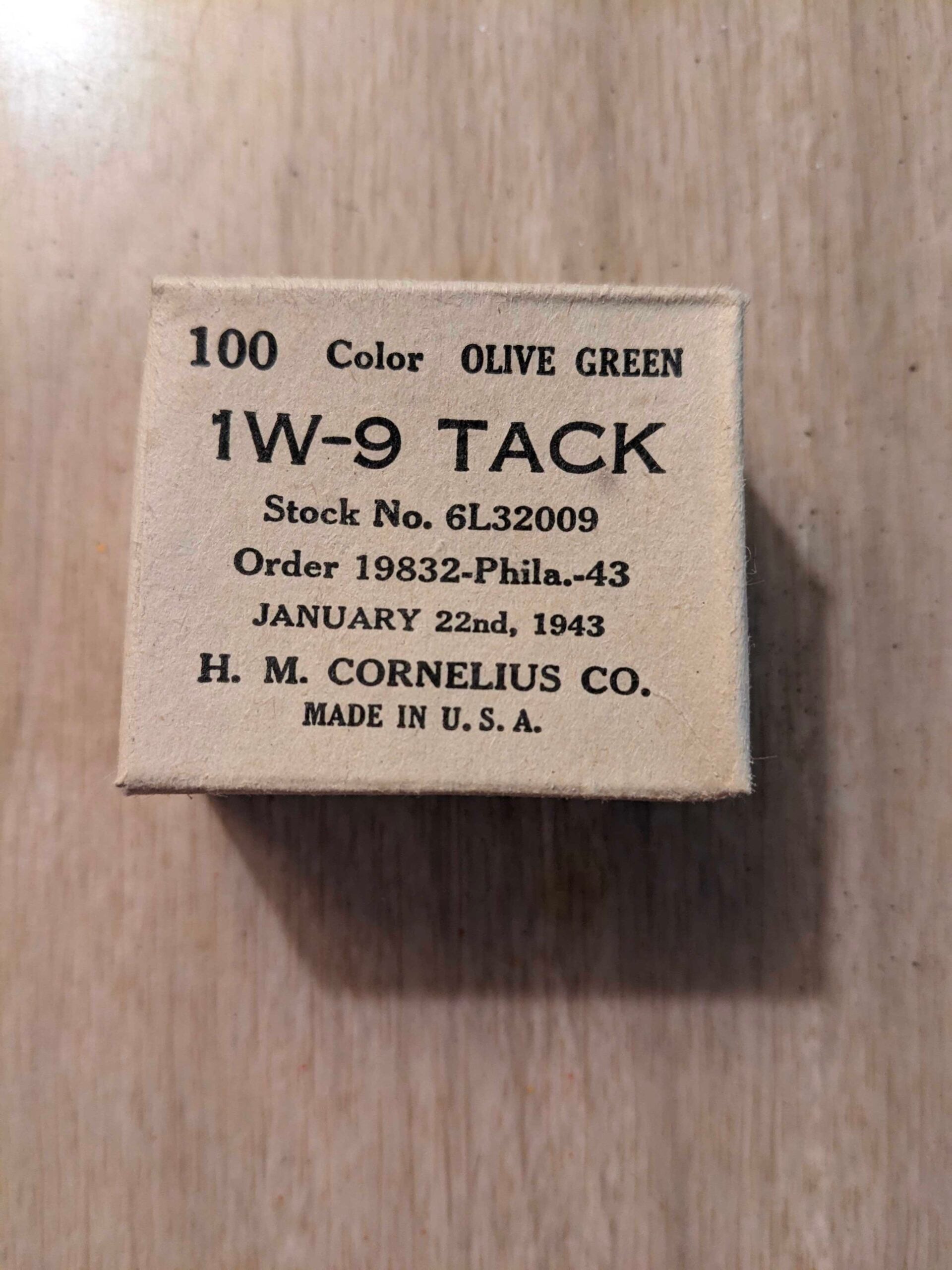
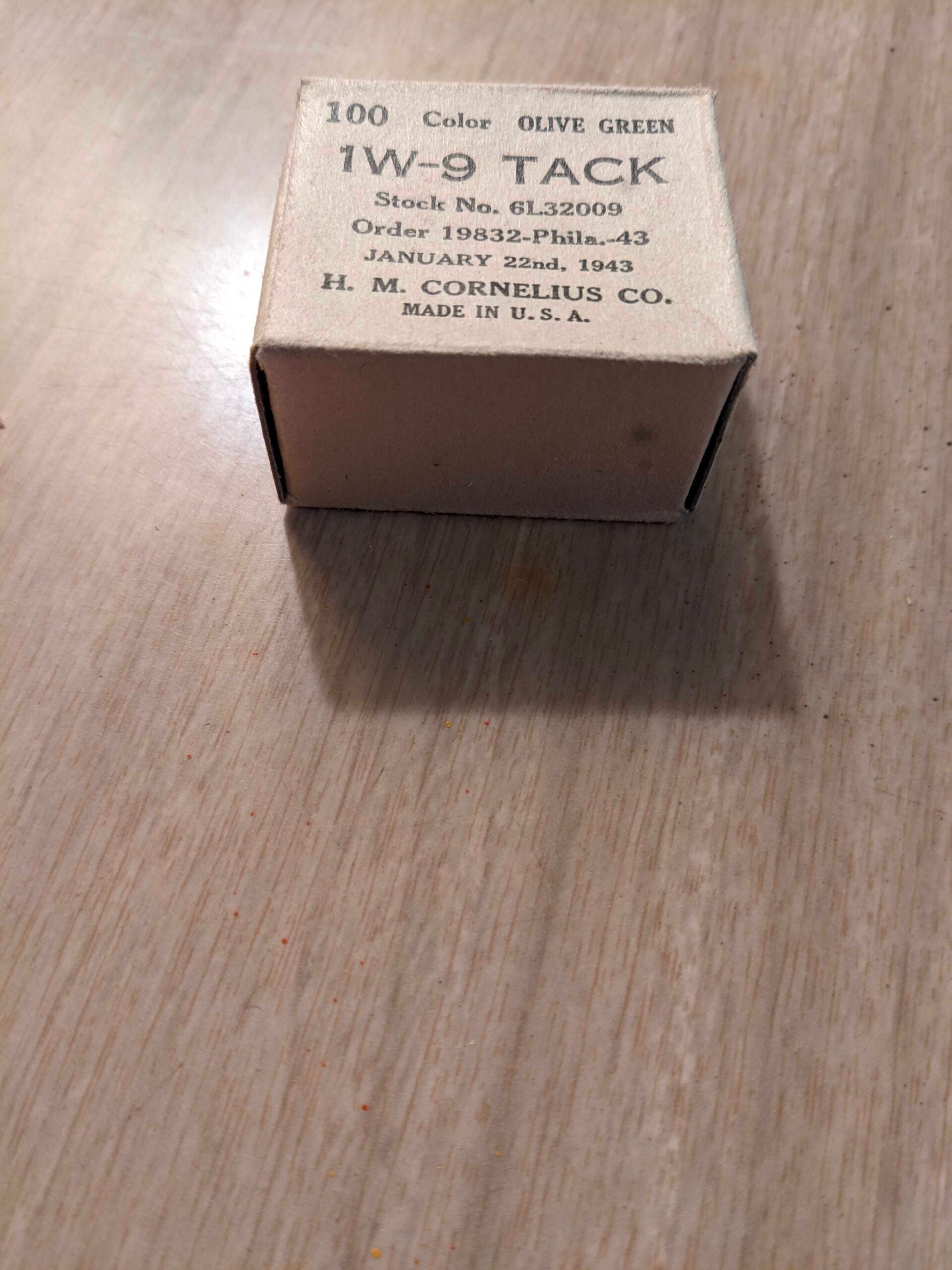
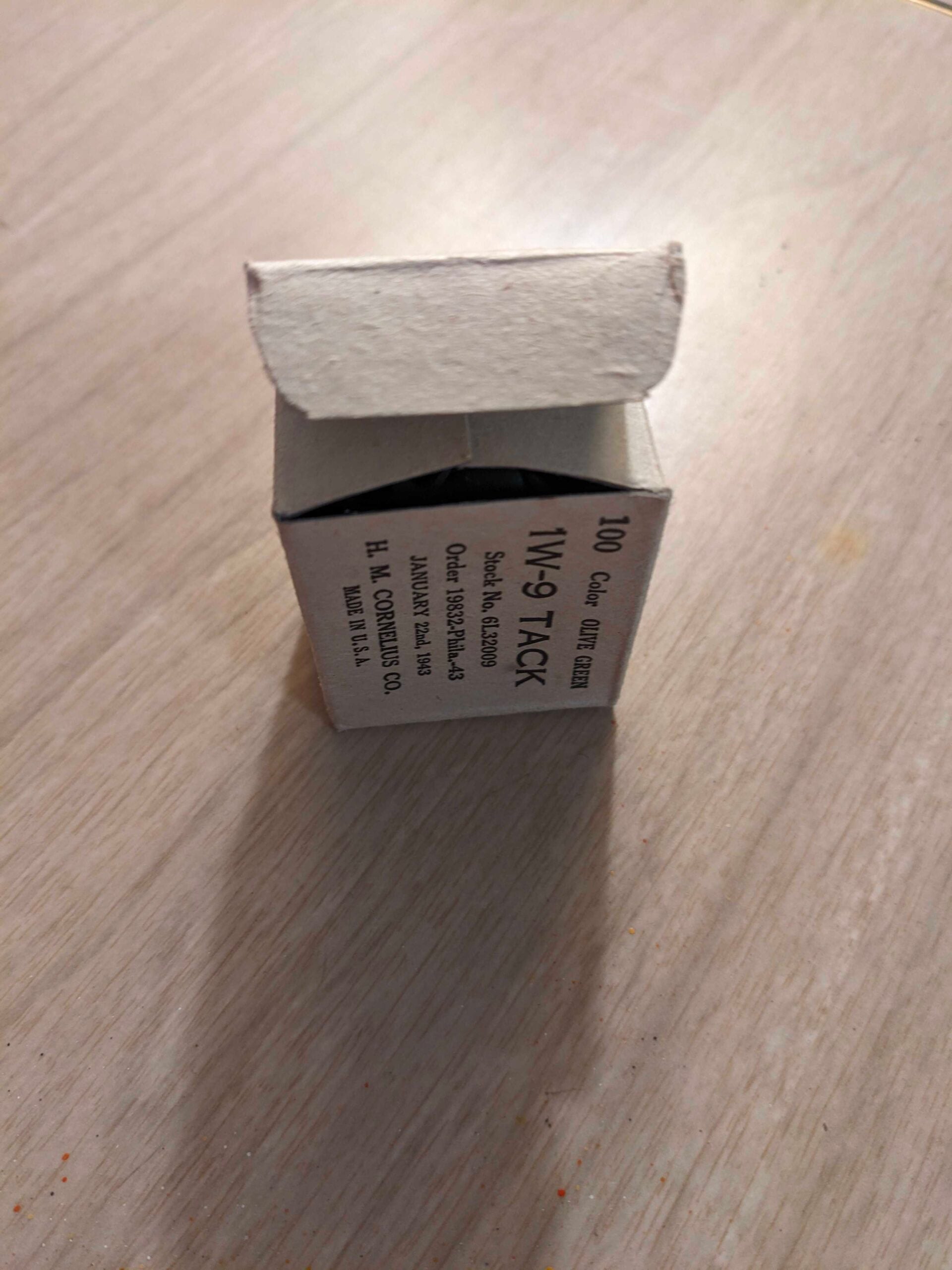
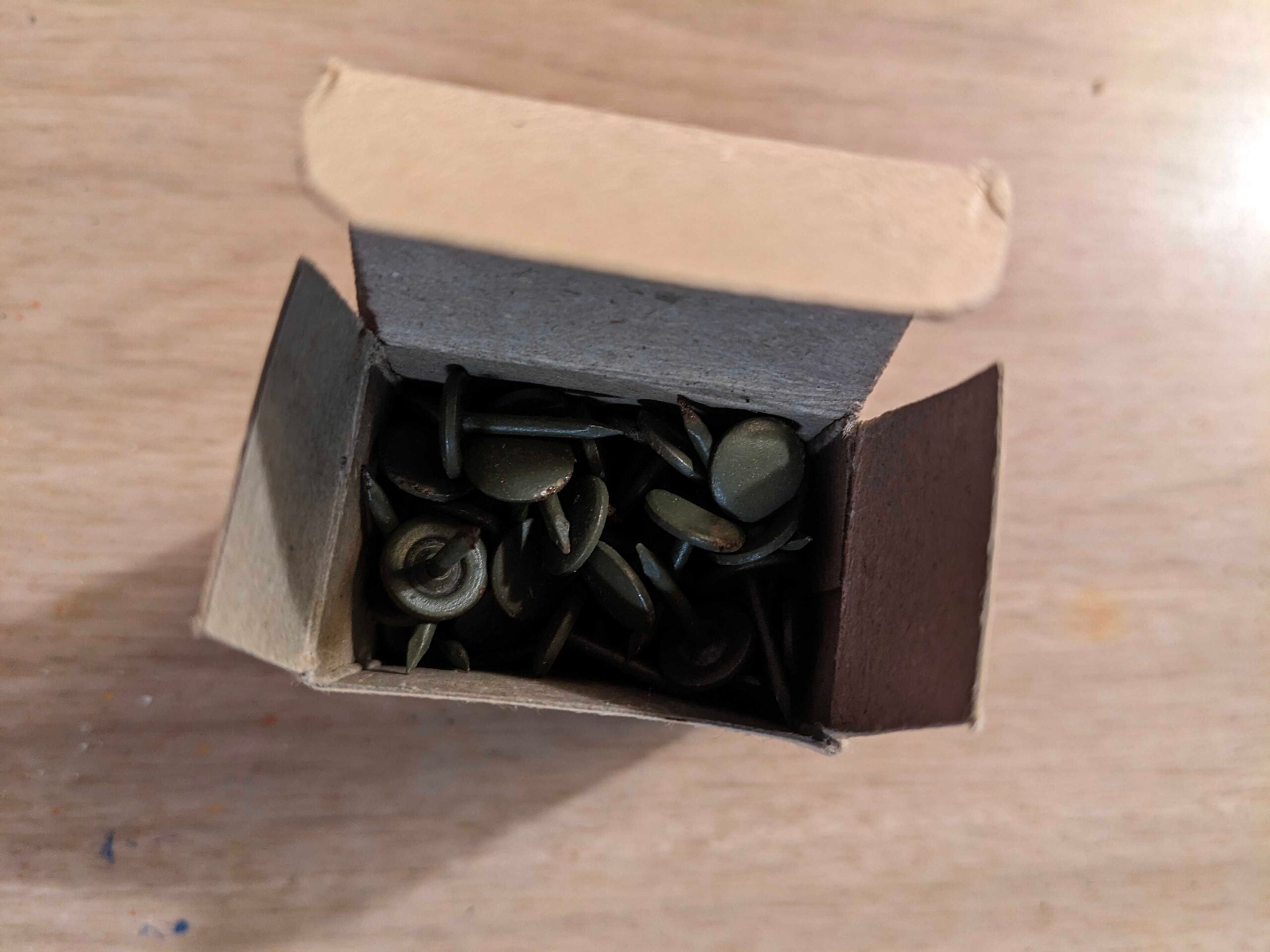
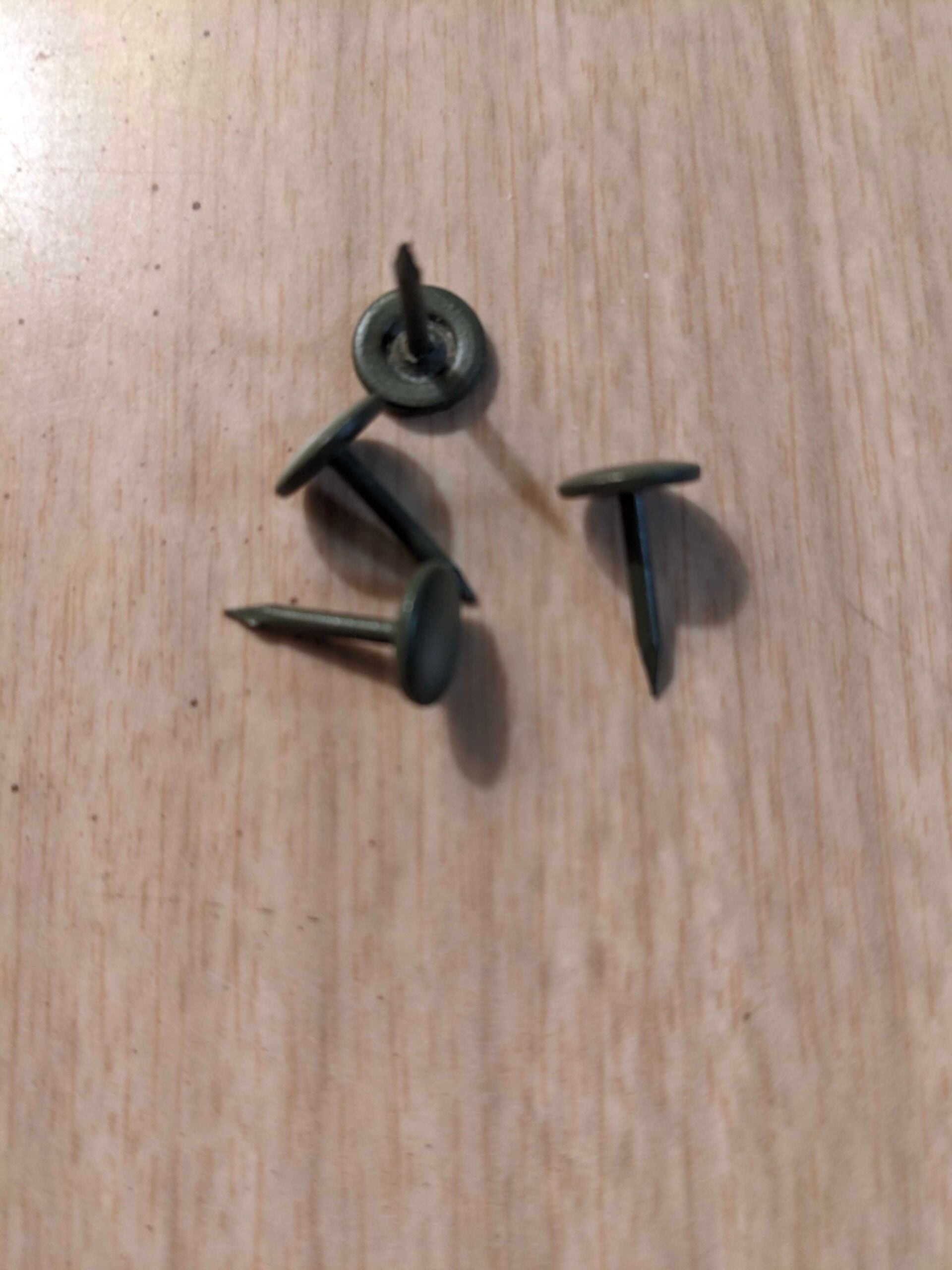
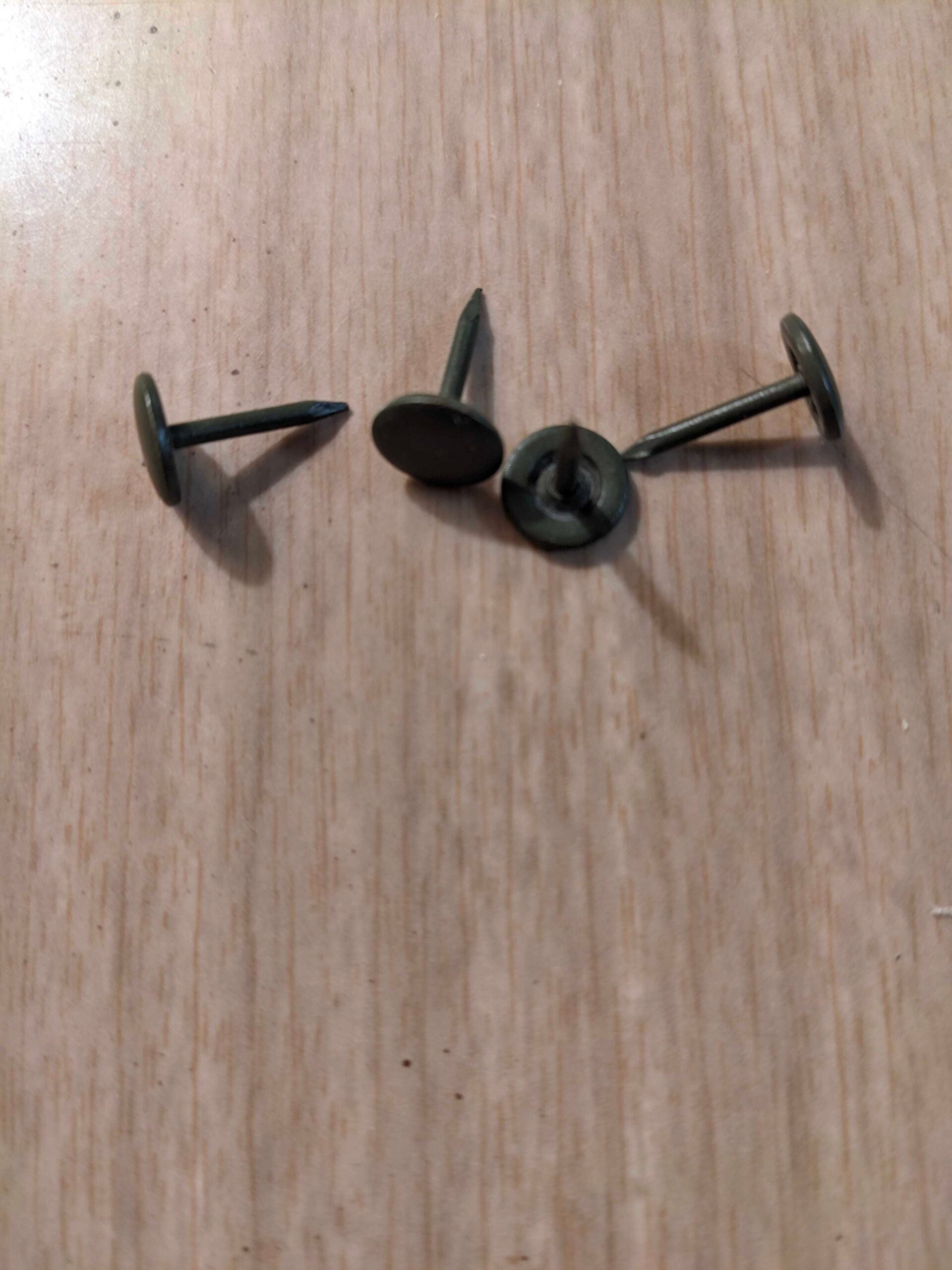
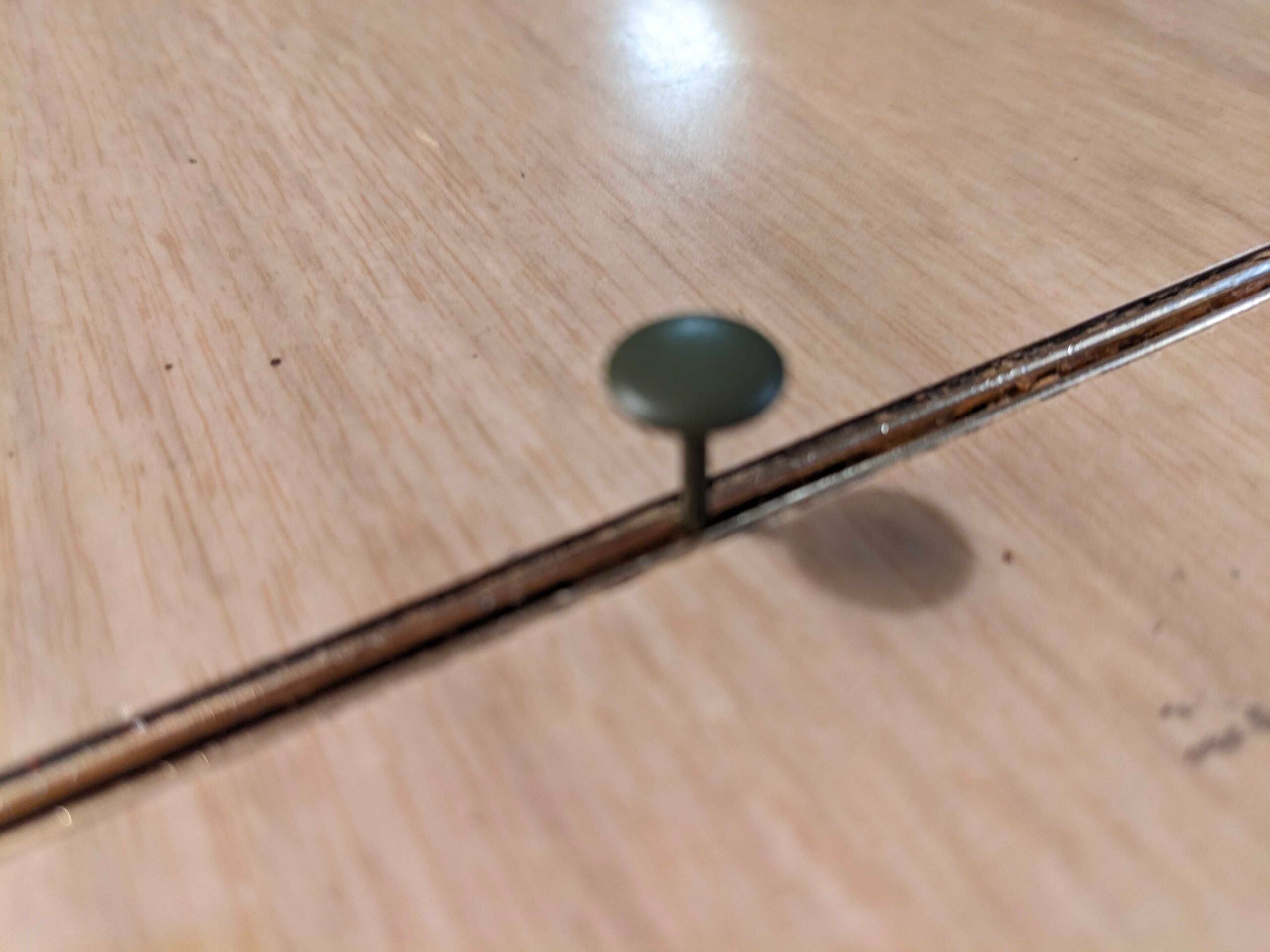
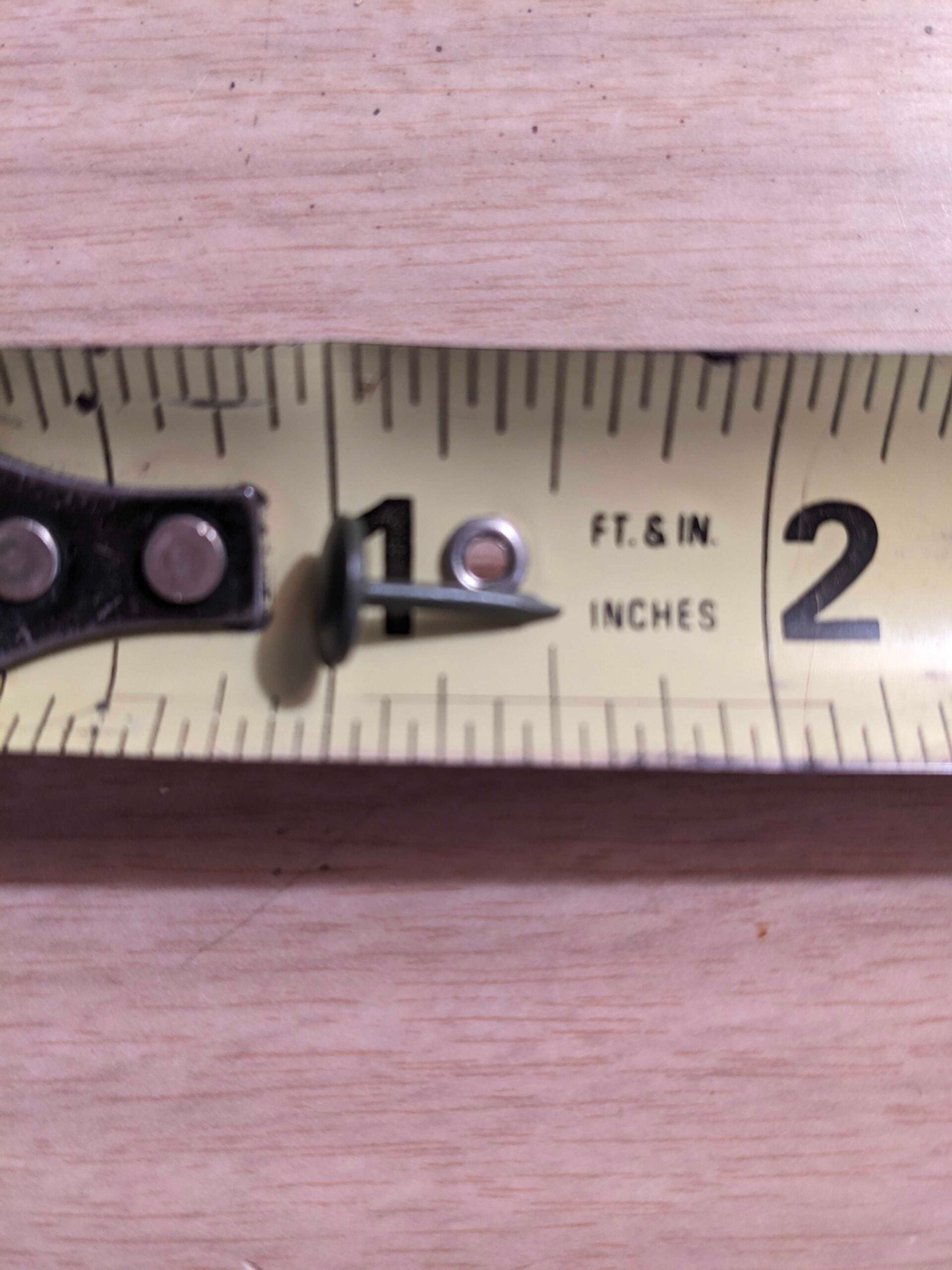
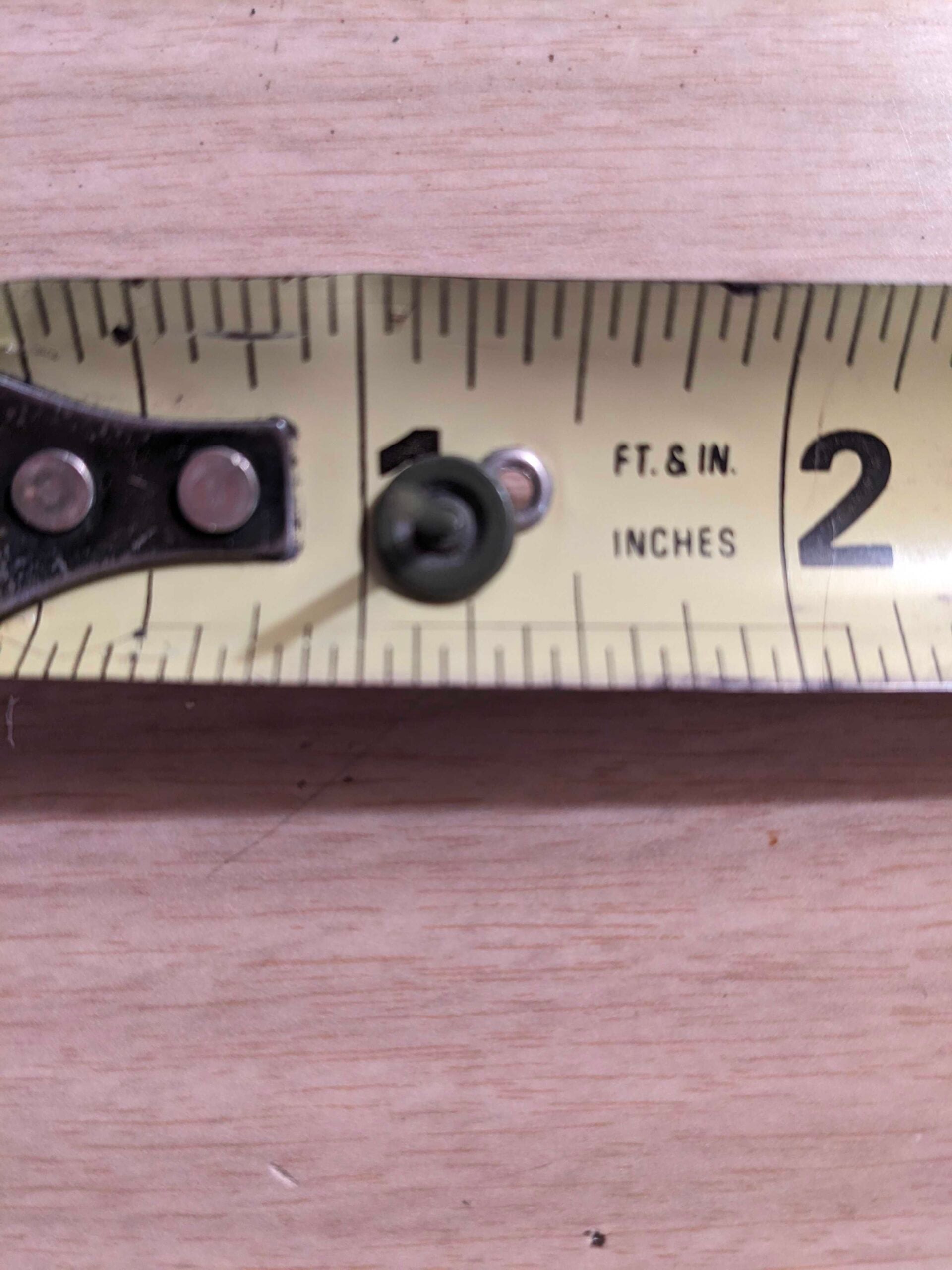
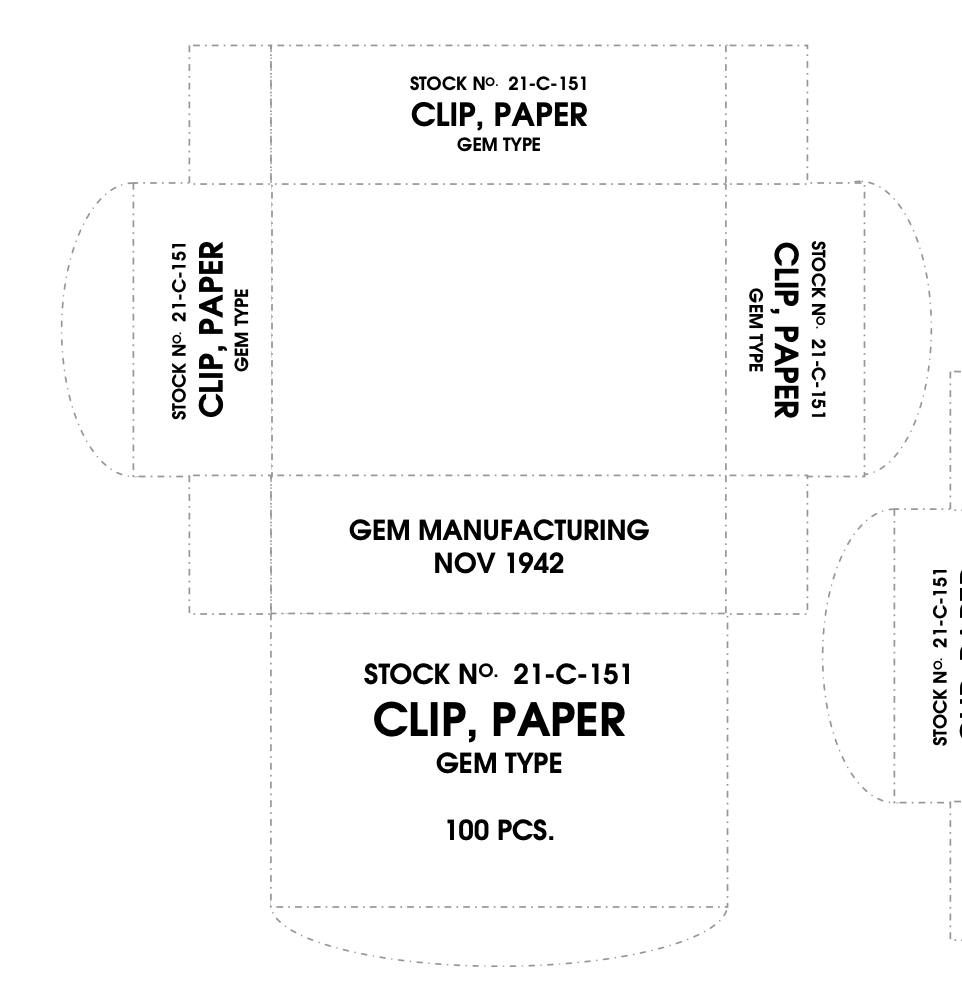
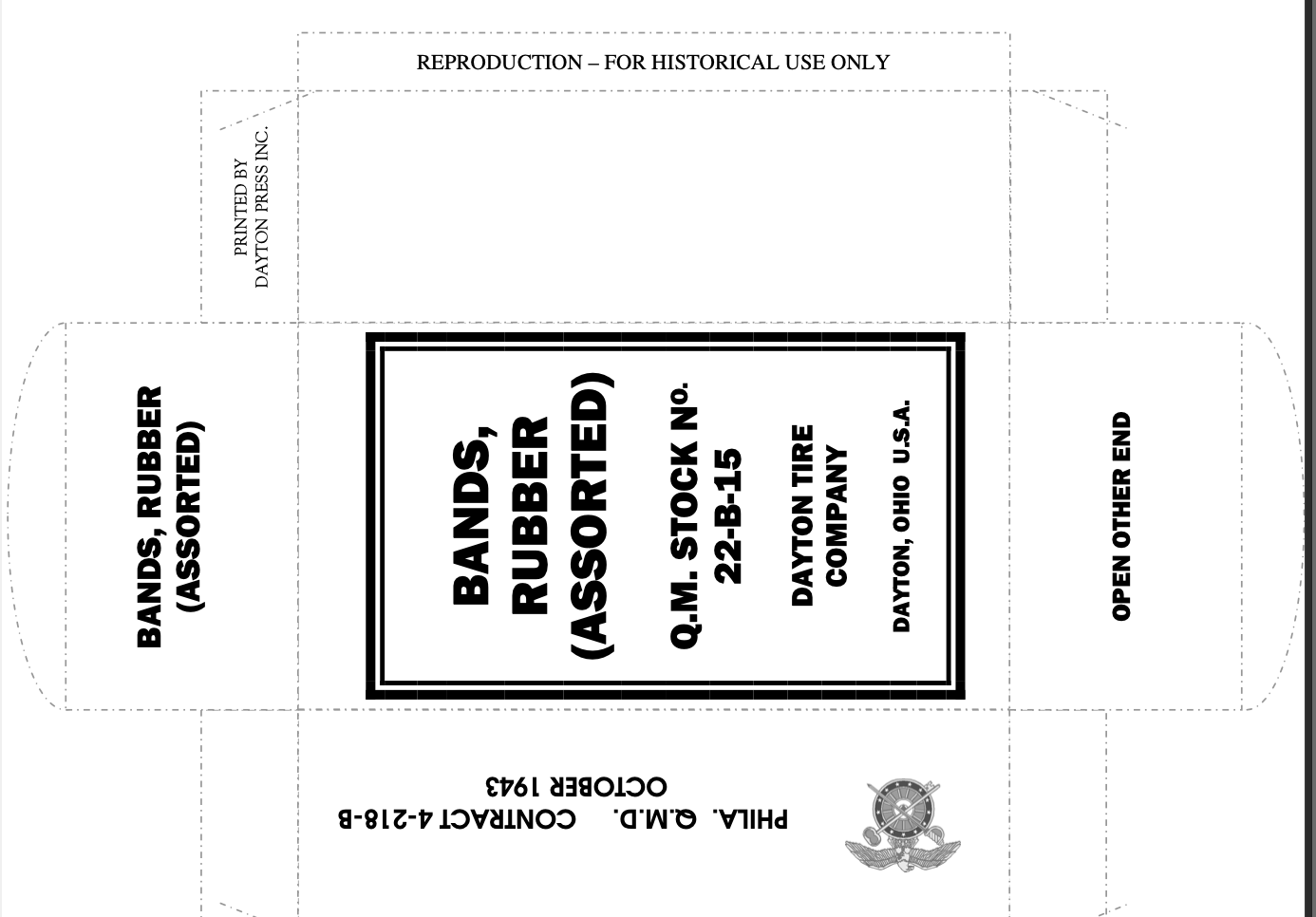
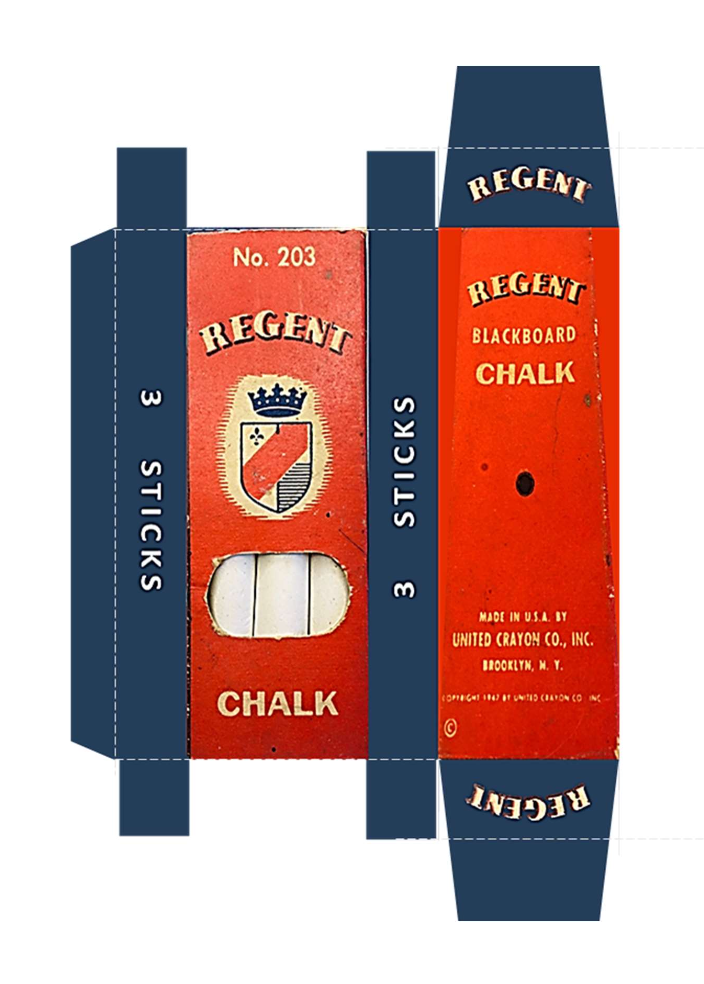
1W-9 Tack Box by H.M. Cornelius Co 1943 – A box of 100 tacks made Jan 22nd 1943. The tacks were made by several different companies (including Greybar Electric Inc) and are used to tack information up onto boards and walls. The tack color is olive green. Boxes came in beige or orange, depending on the company. Looks like Greybar used Orange boxes and others used beige.
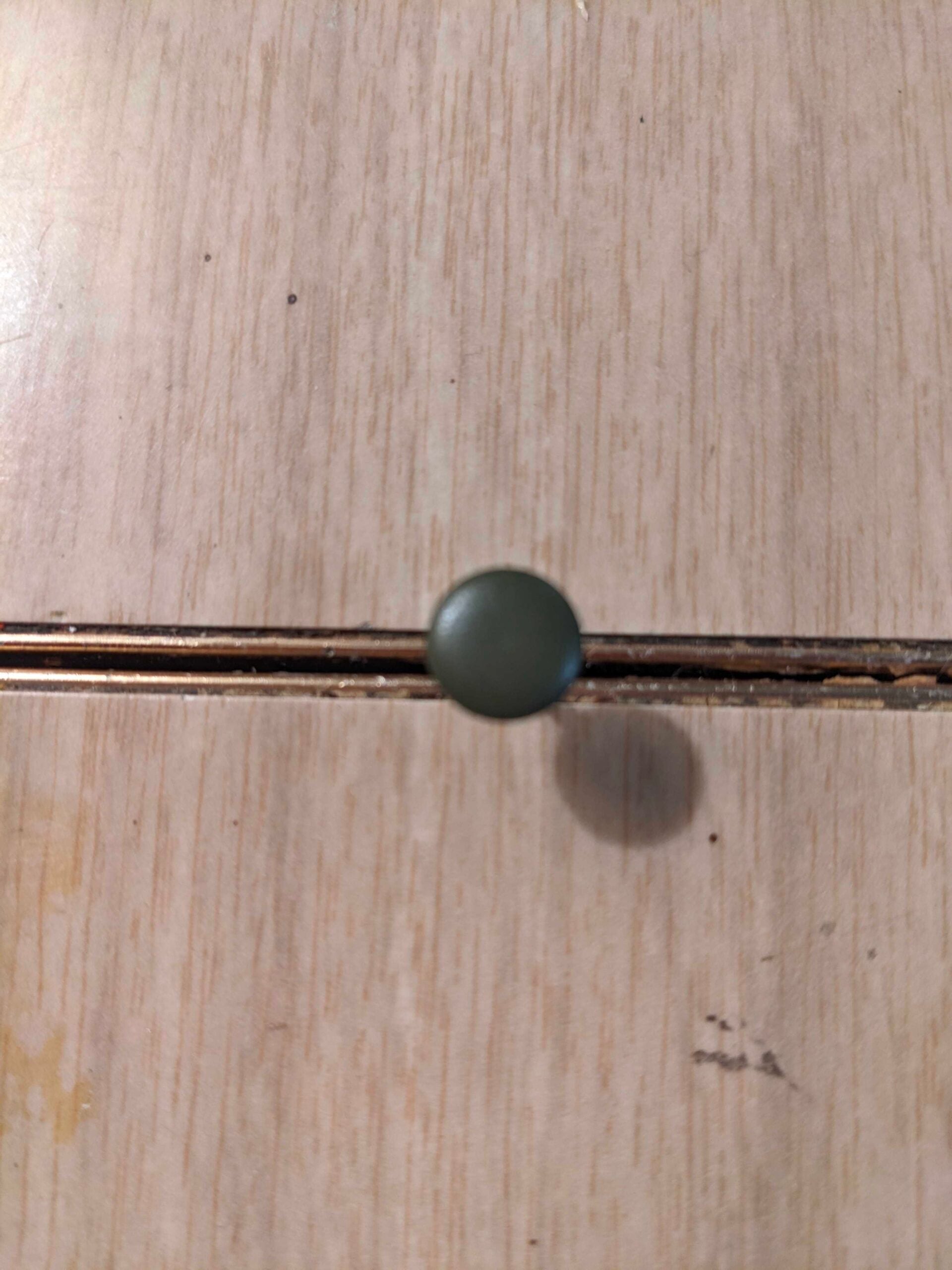
The tack itself seems to be made of steel and is .5 inches long, with the tack head being 5/16ths in diameter.
The PDF is the box scanned from the front and back. I didn’t want to cut open the box for a full scan, and I’m sure someone out there can take the PDFs and use AI to make an easier template. Or maybe I will down the road.
Image from the Signal Corps collectors Facebook group
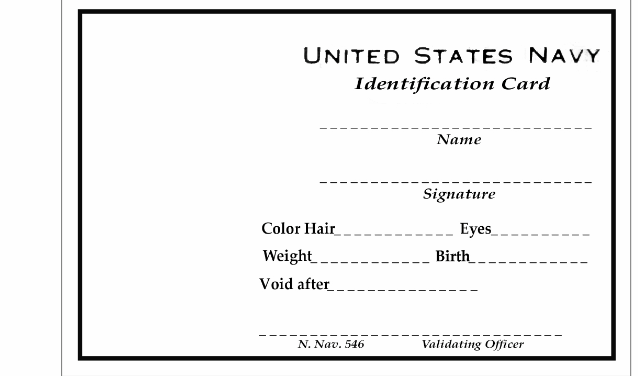
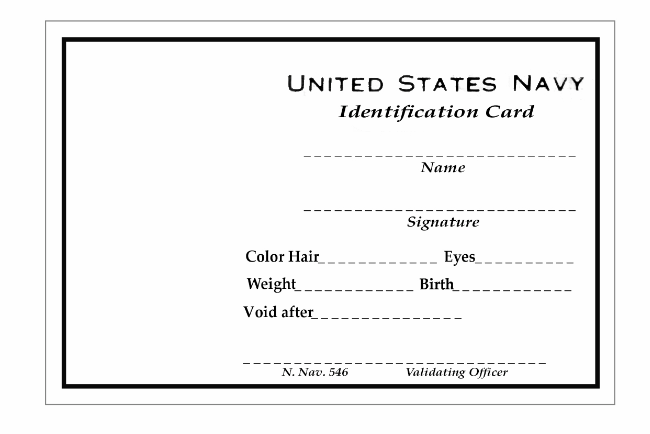
USMC NAVY Photo ID Background – The height background that appears when a military member has their photo taken. Link is in an .EPS file format, so you may need a photo editing program to view it.
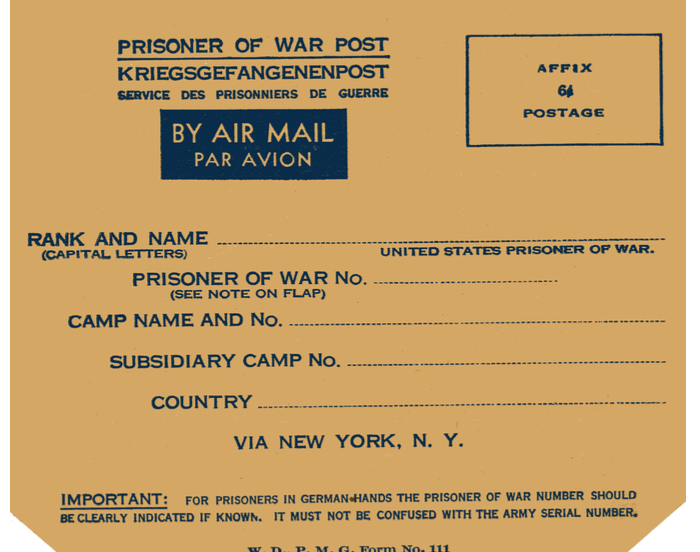
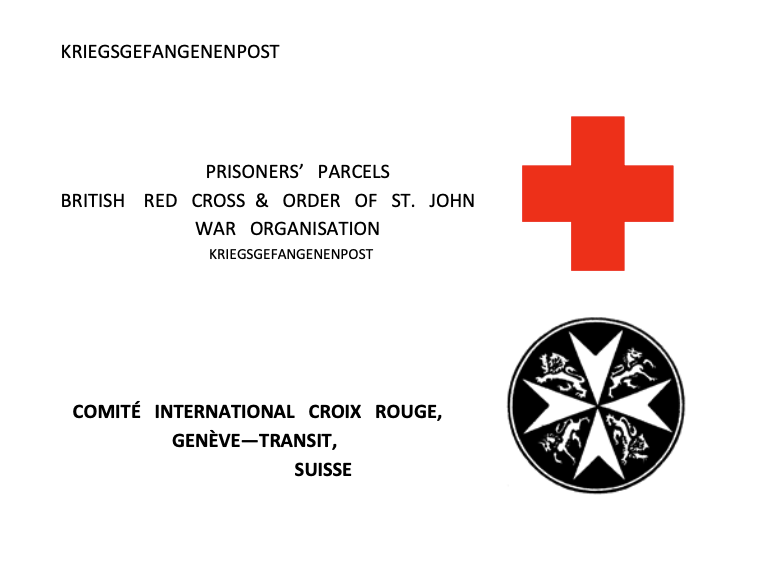
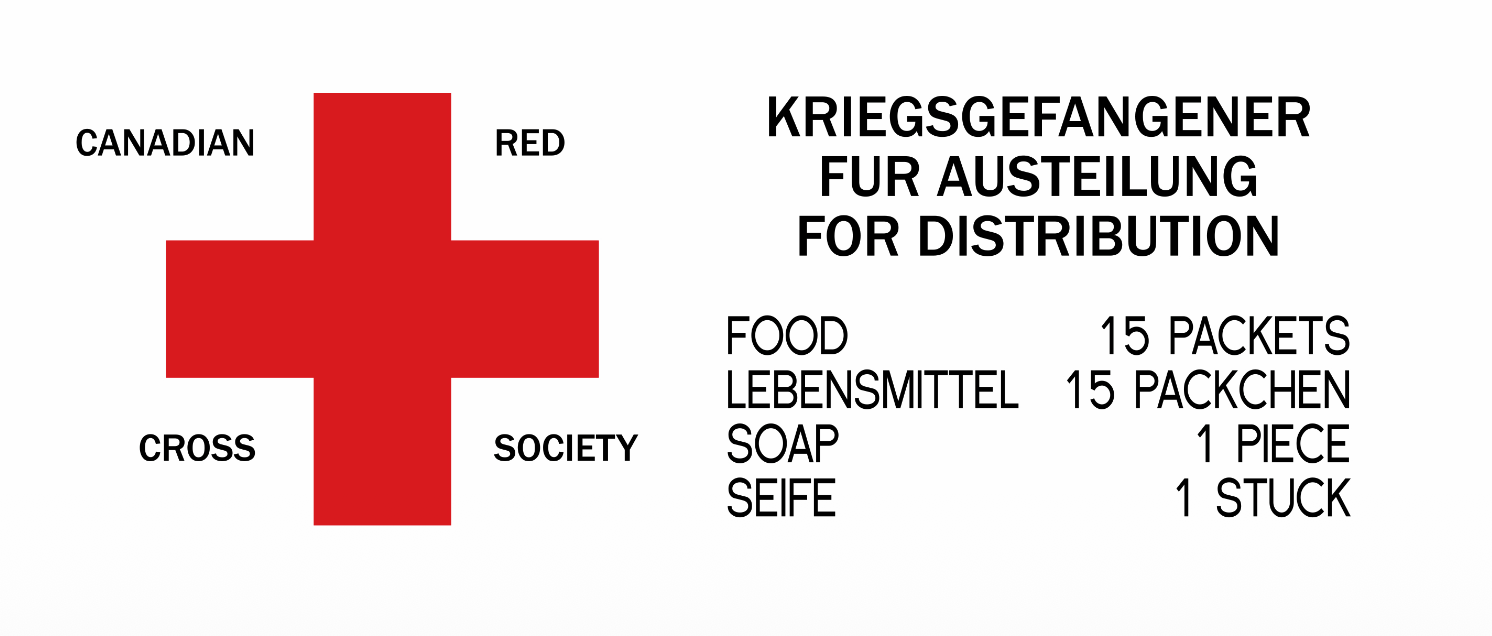
American Prisoner of War Food Package No 10 – food, soap, and other incidentals. The Smithsonian has information on here,as does the Med Dept website here.
US War Ballots Commission Form 1 – Federal War Ballot, you can print off and send to your state’s secretary of state to get a 1944 general or primary election ballot.
Print it off and then flip it so it lines up. The color is a yellow-cream. The size should come out to be 4.5in wide by 3.5in long.
For an analysis of how soldiers voted in WW2, see: Voting in WW2.
Drivers Trip Ticket – Form 48 approved Dec 15th, 1944. Outlines what you need to do before you drive, during your drive, and when you’re done with your drive. You’ll want to use 16lb bond paper (25% cotton content). Try to use a typewriter with 12 characters per inch type. That was the standard/preferred type size for typewriters in the army.
This is only a document file and not a good one at that. I made it years ago in the late 1990s/early 2000s. Hopefully, someone with better skills can come along and make better edits.
1st Division Special Orders 19 May 1945 – An example of a Special Order. The number goes in the top-left and the date in the top-right, and an explanation of what the orders are and who is impacted. In this example, it looks like a bunch of soldiers are transferred to the US for separation or re-assignment following VE Day.
You’ll want to use 16lb bond paper (25% cotton content). Try to use a typewriter with 12 characters per inch type. That was the standard/preferred type size for typewriters in the army.
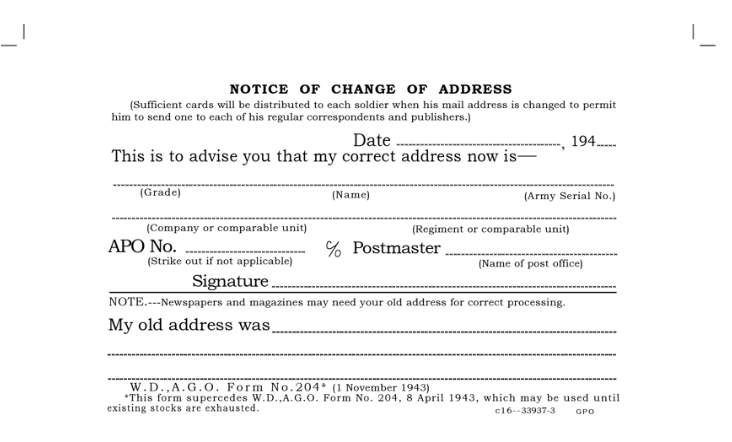
Form 304A Locator Card-1941 – This card was similar to a report of change notice; however, it was used specifically to notify the postal services of where service members were located. TM 12-225: Administrative Procedures goes into more detail on the usage of these cards. Print on tan cardstock or light brown cardstock. 3 can be printed per page. The top right corner has a small notch cut in it as seen in the photo.
The Packing of the Field Desk and Record Chest – Created at Fort Benning, GA, on May 1st, 1943, and describes how to pack the field desk and record chest. There were two types of field desks: an older model and a newer one. The older model field desk is expected to be pressed into service as a record chest (according to the guide). I also wanted to drop some images below of it.
Print double-sided, flip on the long side. Best paper is a light ivory.
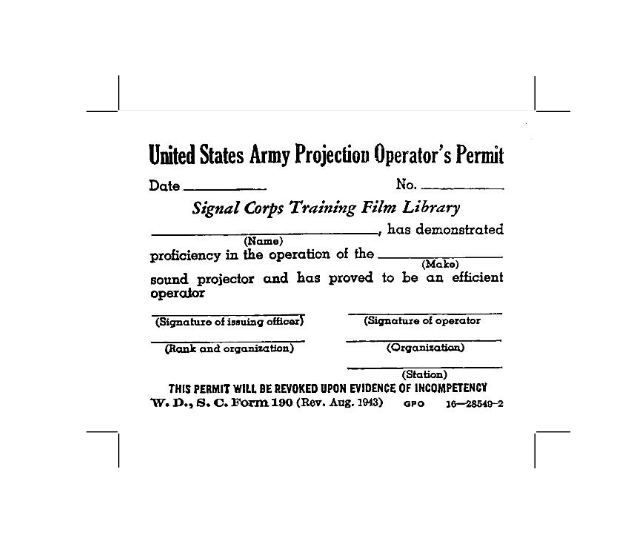
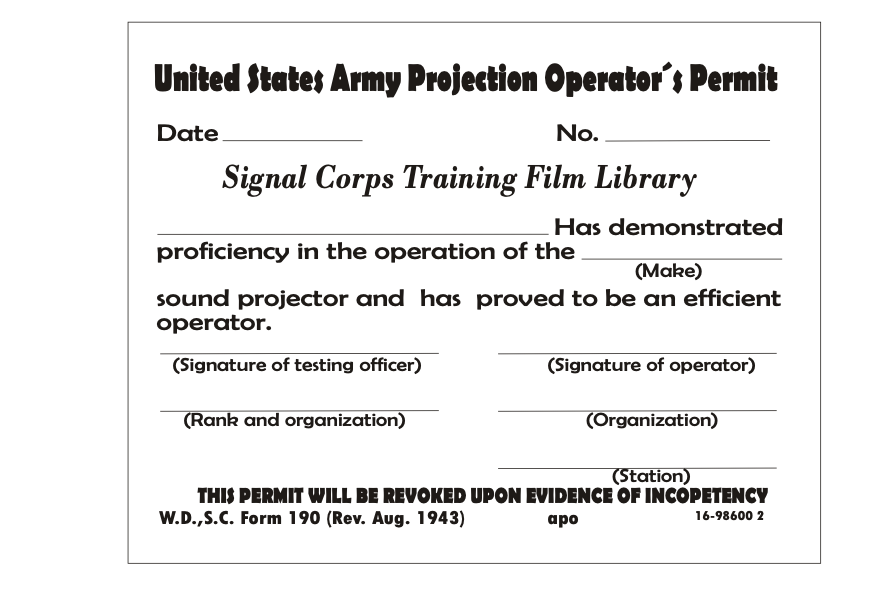
United States Army Projector Operators Permit Form 190, May 1942 and Aug 1943 | Permit to operate a Signal Corps sound projector. This was because film could catch fire, so you wanted someone who could run the projector correctly. It’s a standard US Army ID 2.5 wide x 4 long inches wallet card-type size.
Print it off on paper. Unsure of color, maybe light pink? Almost a salmon?
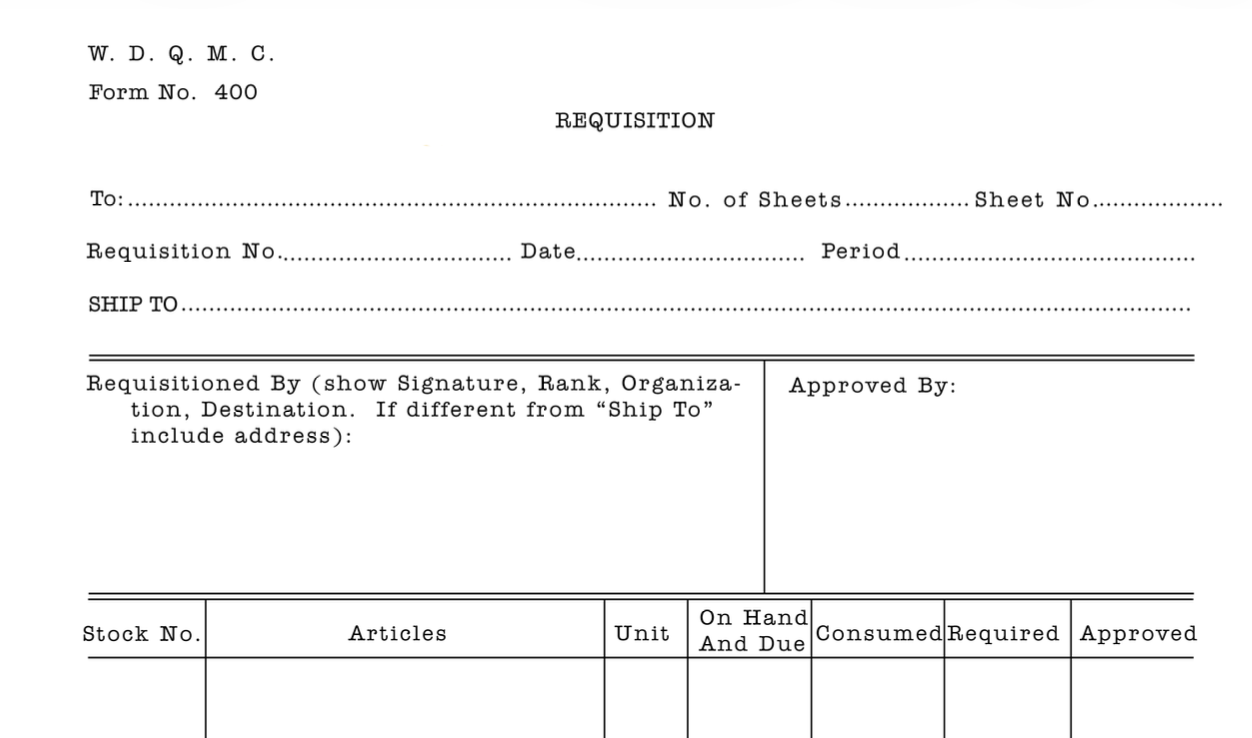
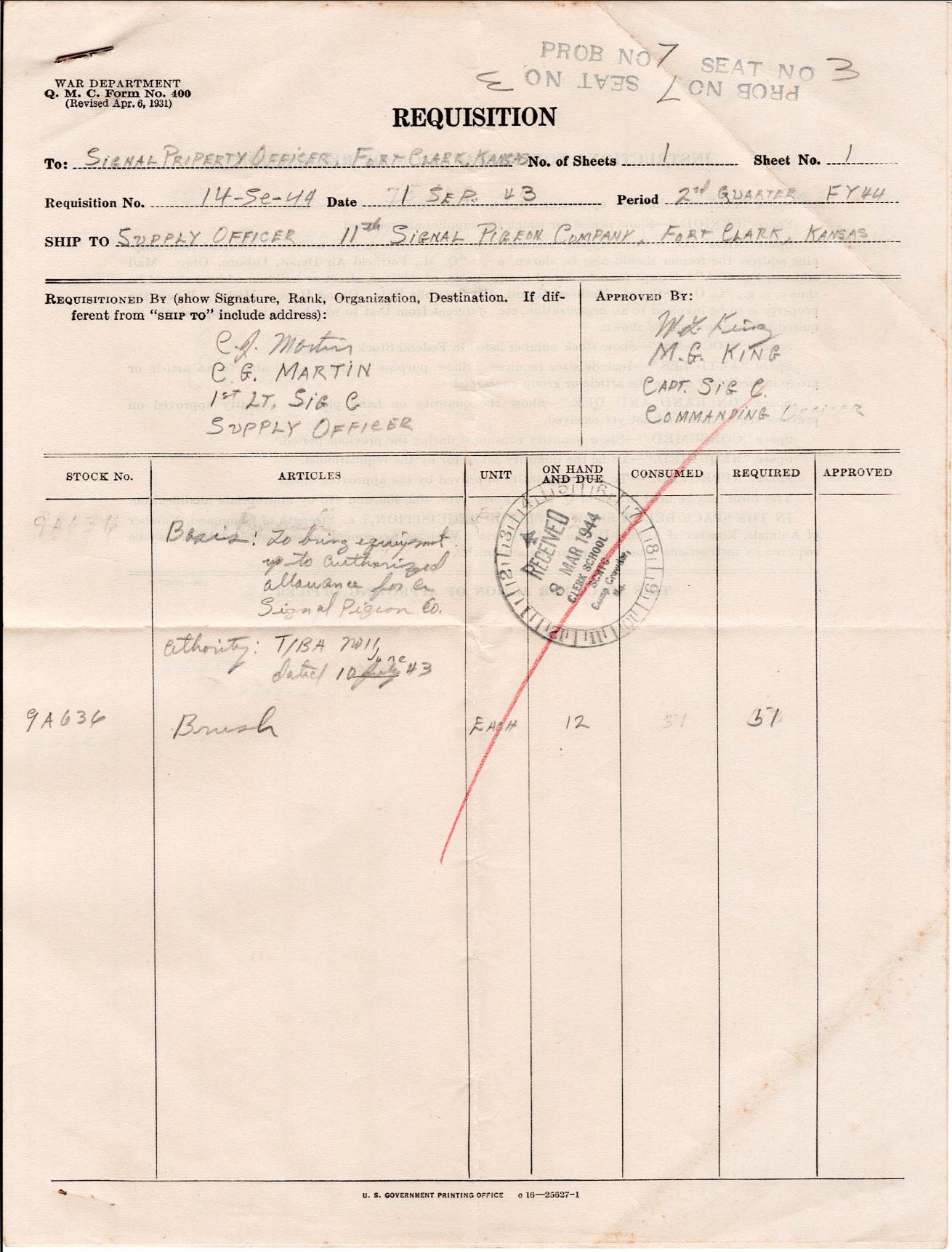
QMC Form No 400 Requisition Form Revised April 6th, 1931 | 10.5 in long by 8 in wide. Used to requisition supplies. This form looks to be a practice form that a person at a clerk school used to practice making requisitions for the 11th Signal Pigeon Company. It came out of a Jan 1943 Central Signal Corps Replacement Training Center book I have.
American Red Cross Stationery sheets – Print on 8.5 x 11in paper. I’m guessing these would go into a pad, as the letterhead dimensions indicate a half paper?
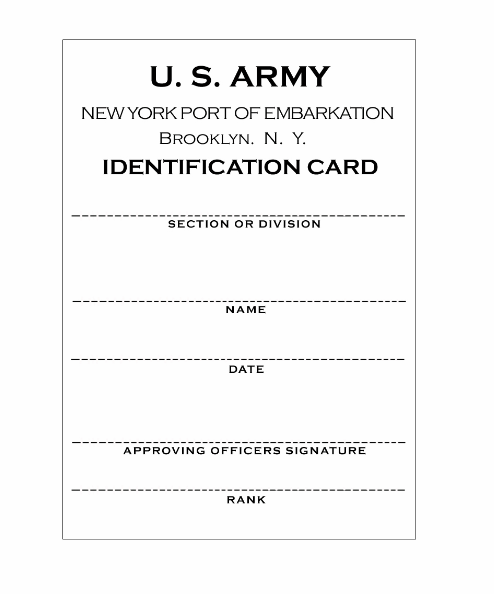
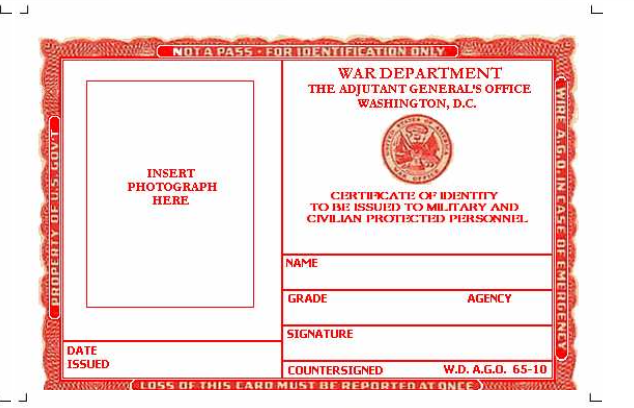
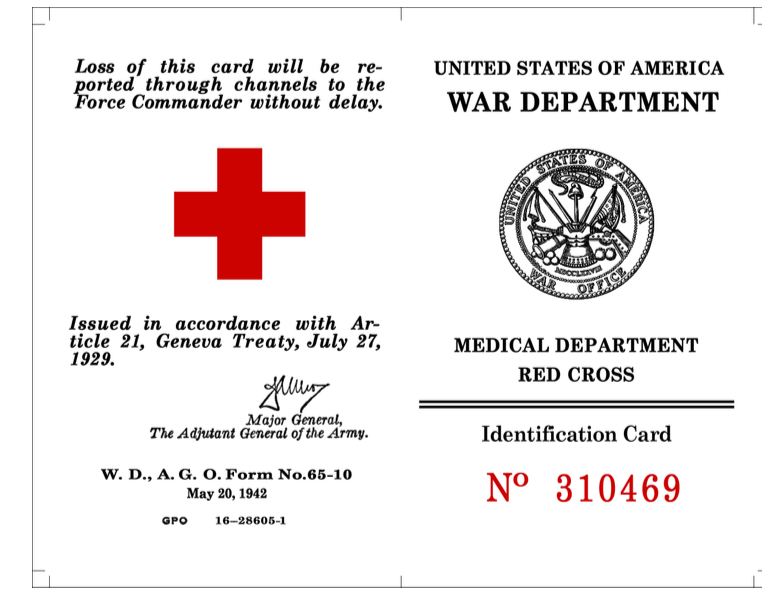
War Department Army ID Card Cover – It looks like paperwork No 16-20107, March 21st, 1942. You should cut it out and glue one side to the other.
You will want to print the front page on maroon cardstock, trimmed to about 1/2″ away from the fonts. The second page can be printed on off-white ivory paper, trimmed to about 1/4″ from the edges. These will be glued together to create your ID card(s). It is suggested to trim them a bit after the glue is dry to make them more uniform in appearance.
Immunization Register Form 81 Jan 1941 Older Type – This is included for historical reasons and was used only up till Sept 1942, at which the newer form, 8-117 is used. The form is filled out by the medical officer and goes with your records to the company clerk.
Also see an example of a filled-out immunization register.
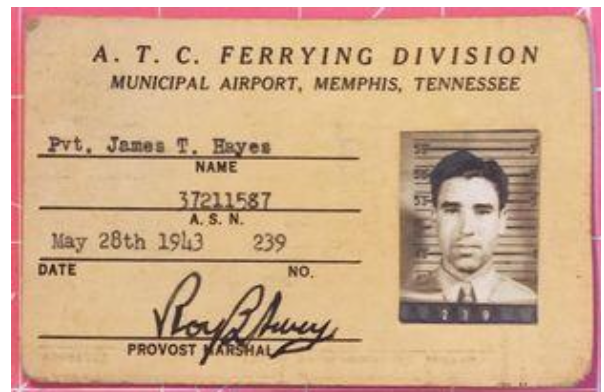
War Department ID – Looks to be From 65. Not sure how this differs from the No 16-20107, March 21st 1942? It might be an updated ID card, possibly from 1944?
It’s a little booklet, and the pages are numbered, and you can print it off and staple it using two staples. One near the top and one near the bottom. Make sure the smooth top part of the staple is facing outside so the tines of the staple go inside the pages and grab them altogether.
Print the cover on a light brown cardstock, and the inside pay record sheets on ivory regular paper. There are cut marks to cut down, and each print makes two! Print the inside on both sides, flip on the long side.
Also included in the image gallery are a few examples.
US Army Air Force Paperwork
These are cached copies, but if you’re looking for various US Army Air Force paperwork and forms, you can find a set here and here.
Some examples include:
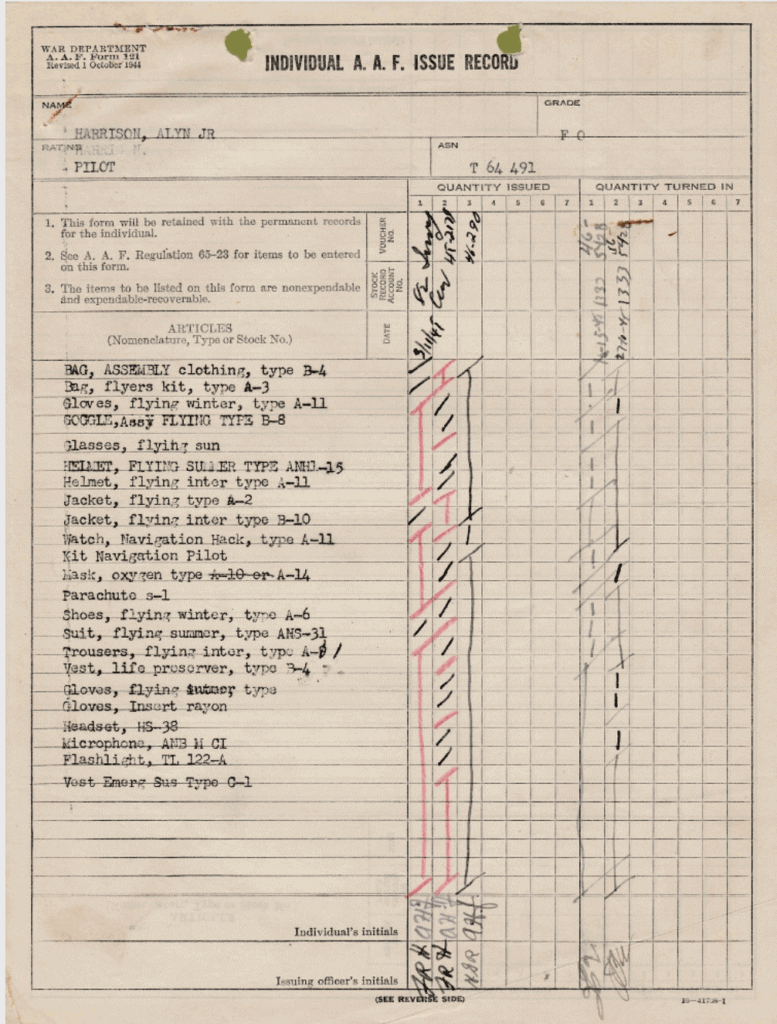
AAF Form No. 121, 104A – the Individual issue form
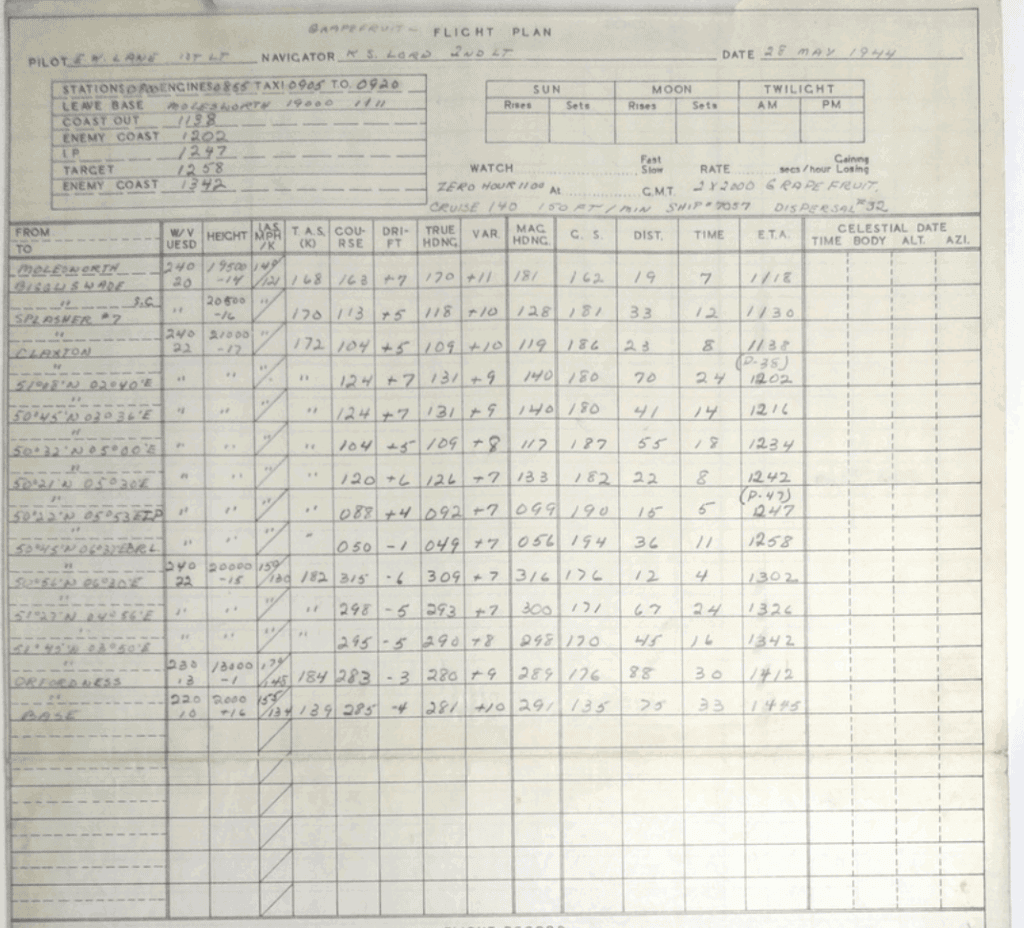
Flight plan and records
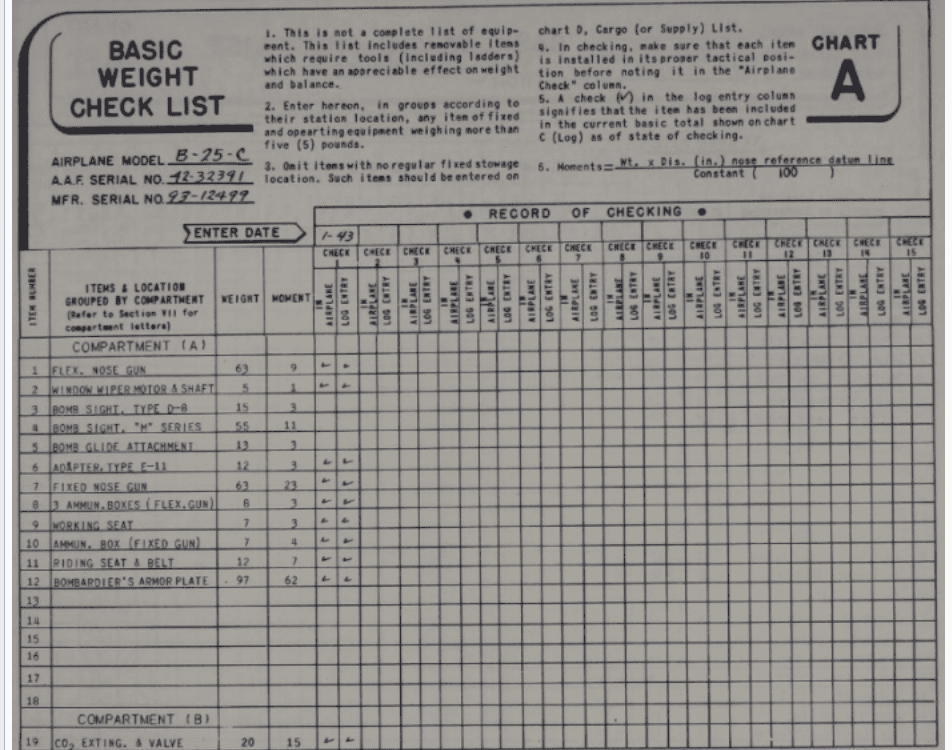
Form A – Weight & Balance Clearance
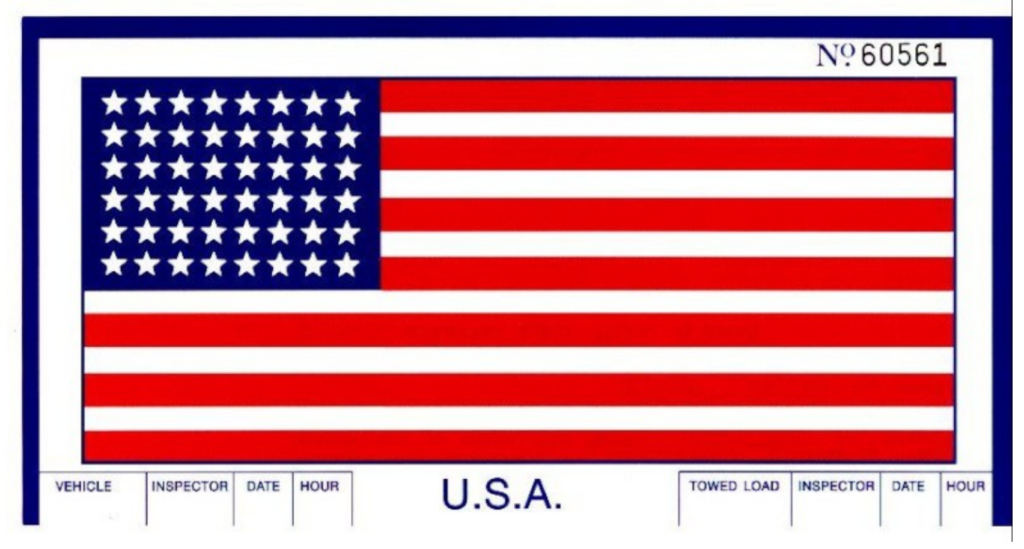
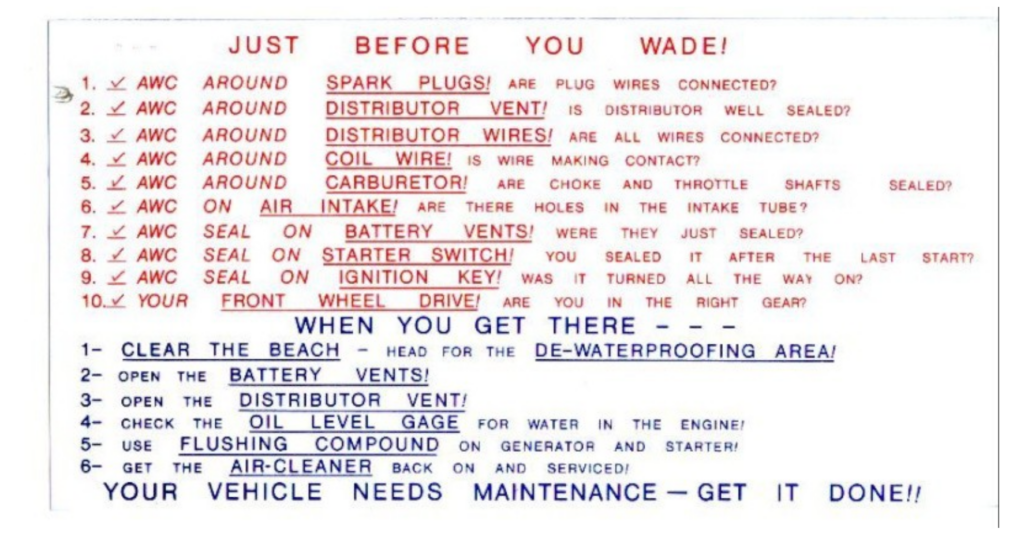
D-Day Invasion vehicle markers 1 and 2– Decals that would go in the windshield of a vehicle showing information about the landing vehicle and some maintenance things to check after landing.
Connecticut Defense Council – A certificate stating that the said person has been a member of the CT Civilian Defense Force. This was something Connecticut created in 1917 during WW1 and just carried over into WW2. It helped with various areas of concern, such as food supply, fuel conservation, transportation, military and naval affairs, and publicity. They probably also engaged in Air Ward Warden activities, aircraft and U-boat spotting, and nightly beach patrols. This is not the stupid pro-gun group in CT or any of the idiotic private militias one might come across. Totally different things.
Moresecode Cheat Sheet – Not totally sure if wartime, but good to have around for working communications and signal.
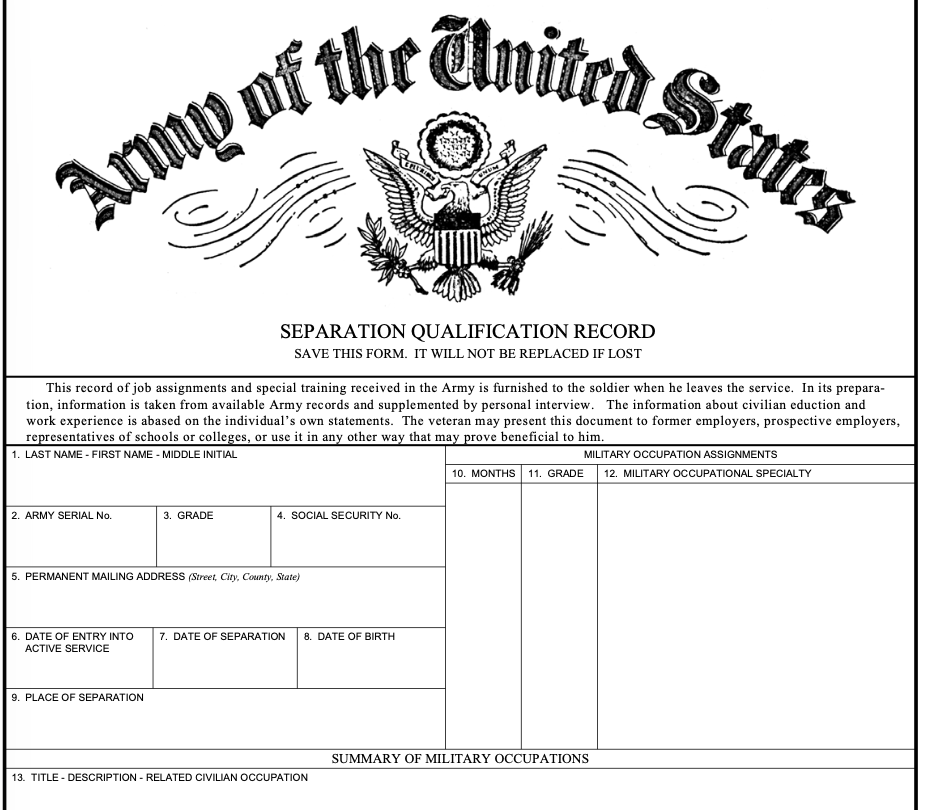
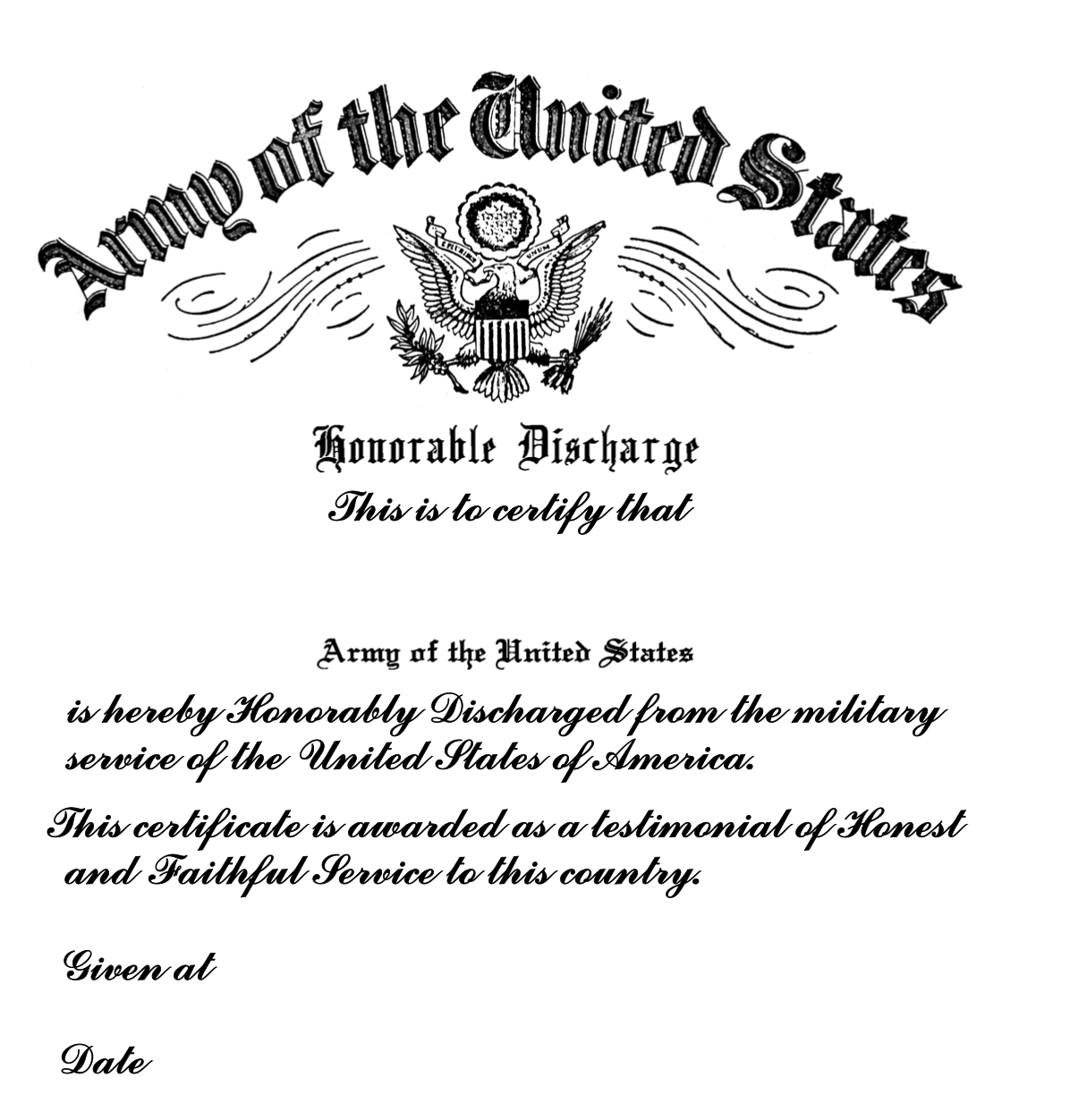
Separation Notice – Form RIUC S-12. I’m not sure if this is a separation notice from the Army, but it could be something civilian contractors or regular workers might have gotten from their jobs back in the 1940s.
It would have been originally done on a carbon stack of paper, cream on top, yellow and pink below. The cream would be submitted to the state, yellow for the employer, and the employee would have the pink. DO NOT PUT YOUR SSN ON THIS SLIP! The reason for separation would be the military branch you are joining.
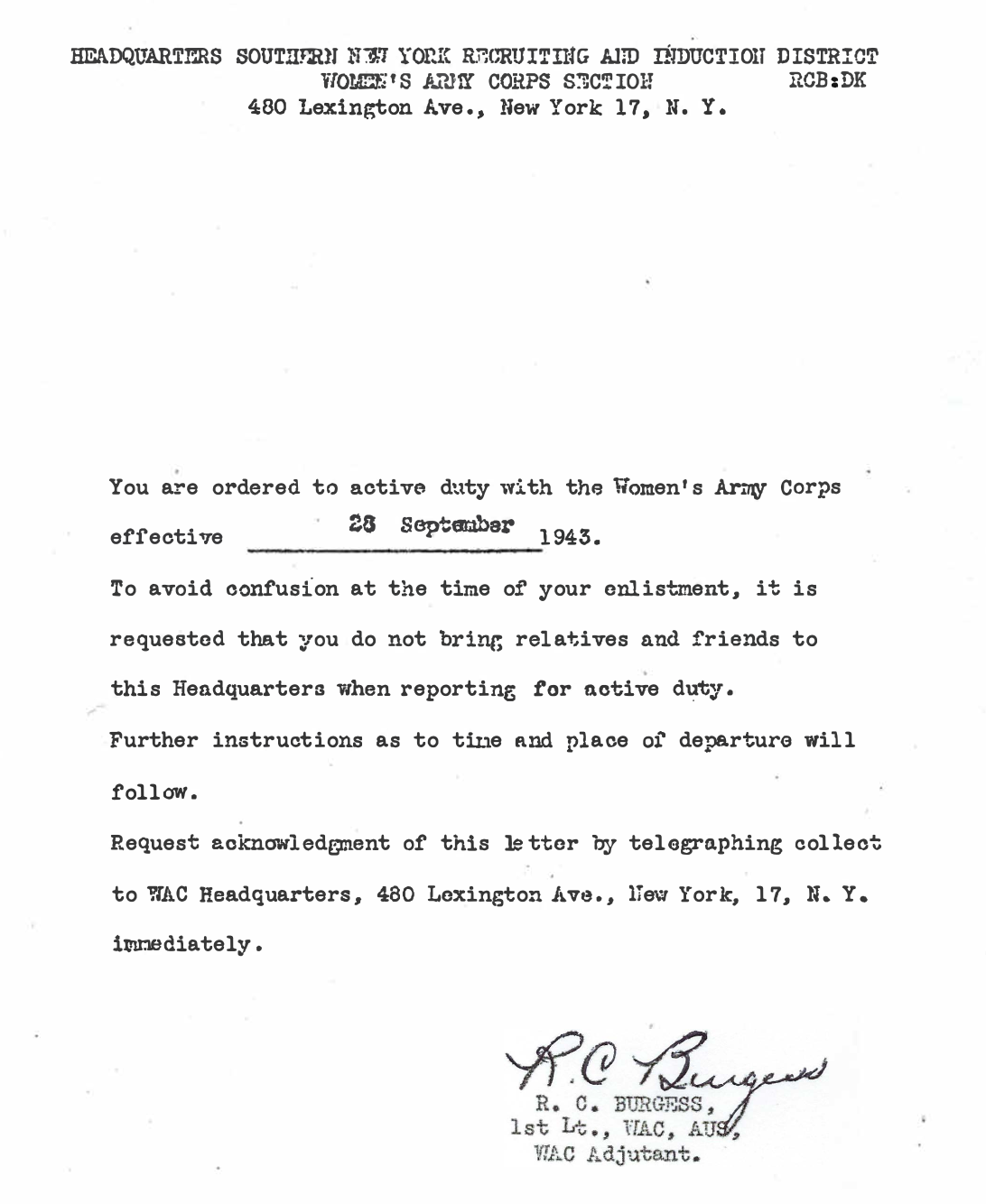
WAC Enlistment Letter – Headquarters Southern New York Recruiting And Induction District Women’s Army Corps Section 480 Lexington Ave, New York 17, NY. This is an enlisted letter that WACs may have gotten. The date is 28th Sept 1943, so you may need to use Photoshop to adjust the date. Hilariously, that location is now a Mexican Restaurant.
How To Use Smith-Corona Portable Typewriters: Floating Shift Models – Likely from 1947 but describes how to use this type of model from that brand. The “float” machines operate quietly thanks to the Smith Floating Shift used in the machine (note the cursive word “Floating” above the shift key). When the shift key was invented, it originally shifted the cylinder, or platen, to be struck in a new position by the capital letters on a typebar. The floating shift moved the typebars up and down instead, allowing for a smoother typing action. You can also download the 1938 version here.
Print first page on a light brown paper, single sided. Print pages 2-7 double sided, flip on long side. Best paper used is a light ivory.
United States Army Color Card of Standard Shades for Slide Fastener Tapes: Dated 1945 and is a supplement to US Army Specification No.100-31. Issued by the Textile Color Card Association (TCAA) of the United States and describes US Army shades for fasteners. The TCCA was created in 1915 as a color consulting, standardizing, and forecasting industry group as the US was cut off from such ideas due to WW1. The TCCA formed close relationships with the US Military and also helped set the standard colors for the US Flag. I dropped the color slide below as it’s kinda neat to see all the colors available –
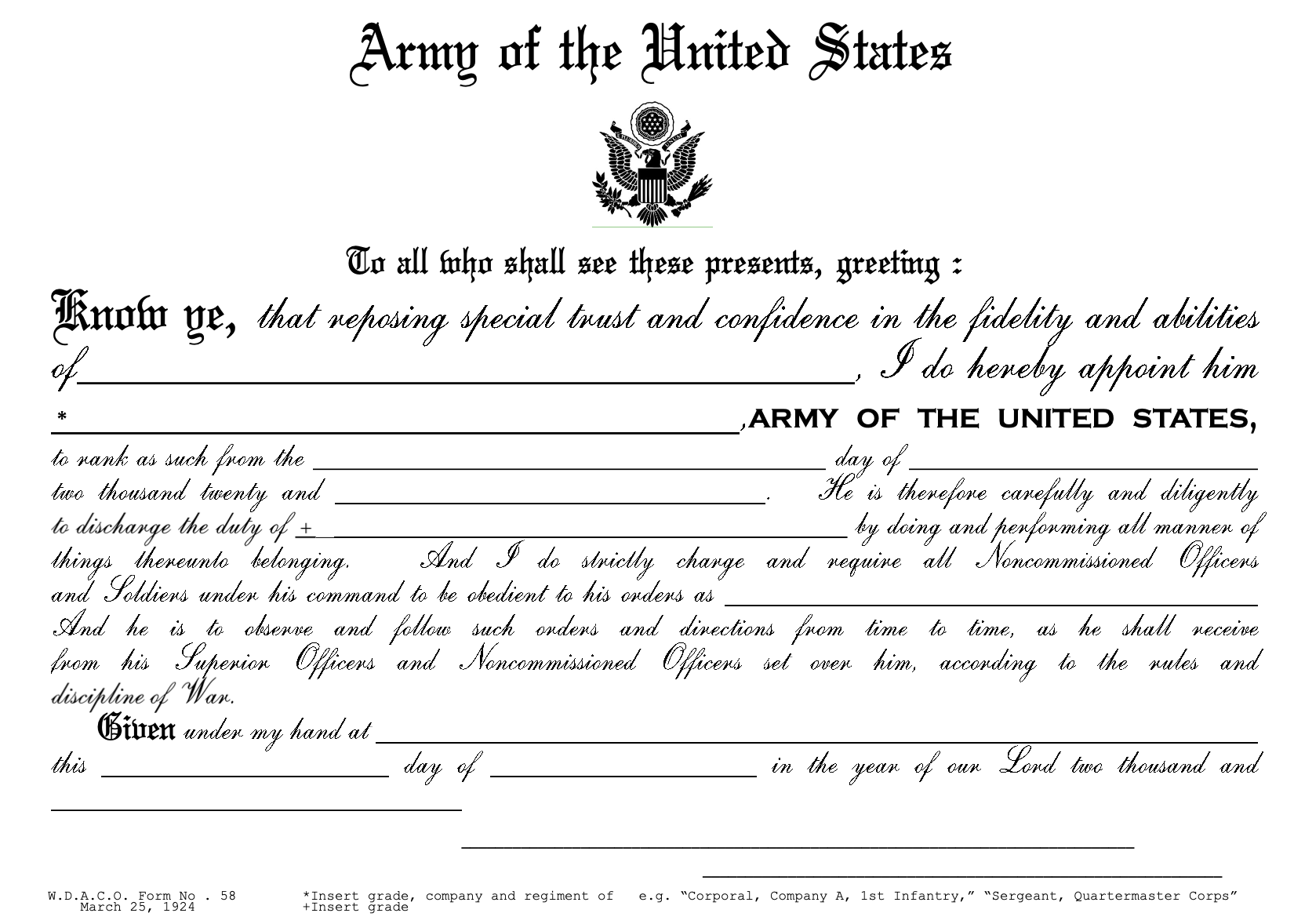
Temporarily Appointed Officer Certificate – Print on ivory legal paper, meaning 8.5″ x 14″.
This link here http://www.questmasters.us/Crates_Page_3.html does a pretty good job at covering cigarettes during World War II. It focuses mostly on Lucky Strikes but includes others like Chesterfield + more.
I really like how it broke down the nuances of the packages and brands so the discerning collector knows what’s period correct and what isn’t.
This page will provide links and information on reproducing certain equipment and field items for the WW2 reenactor.
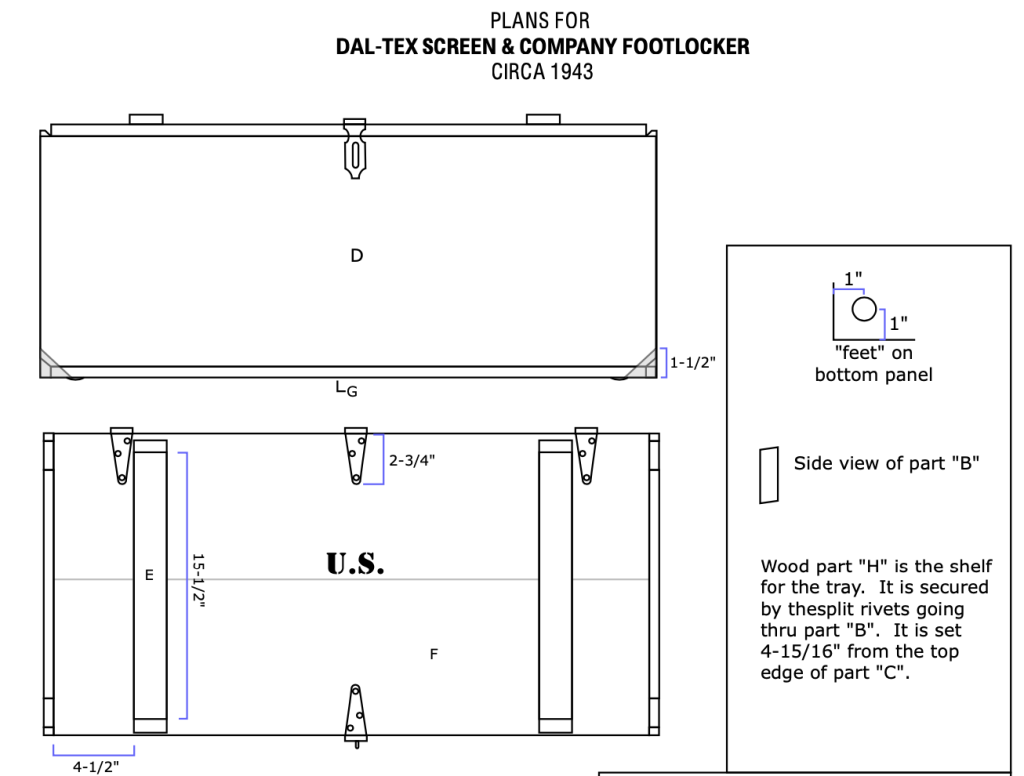
WW2 Era Footlockers 1943 – A schematic on how to reproduce the wooden WW2 era footlocker for enlisted men. I would highly recommend, before attempting to remake it, viewing the two different studies on it here (a .doc file) and here (a .pdf file). This will help get an idea of some of their slight differences.
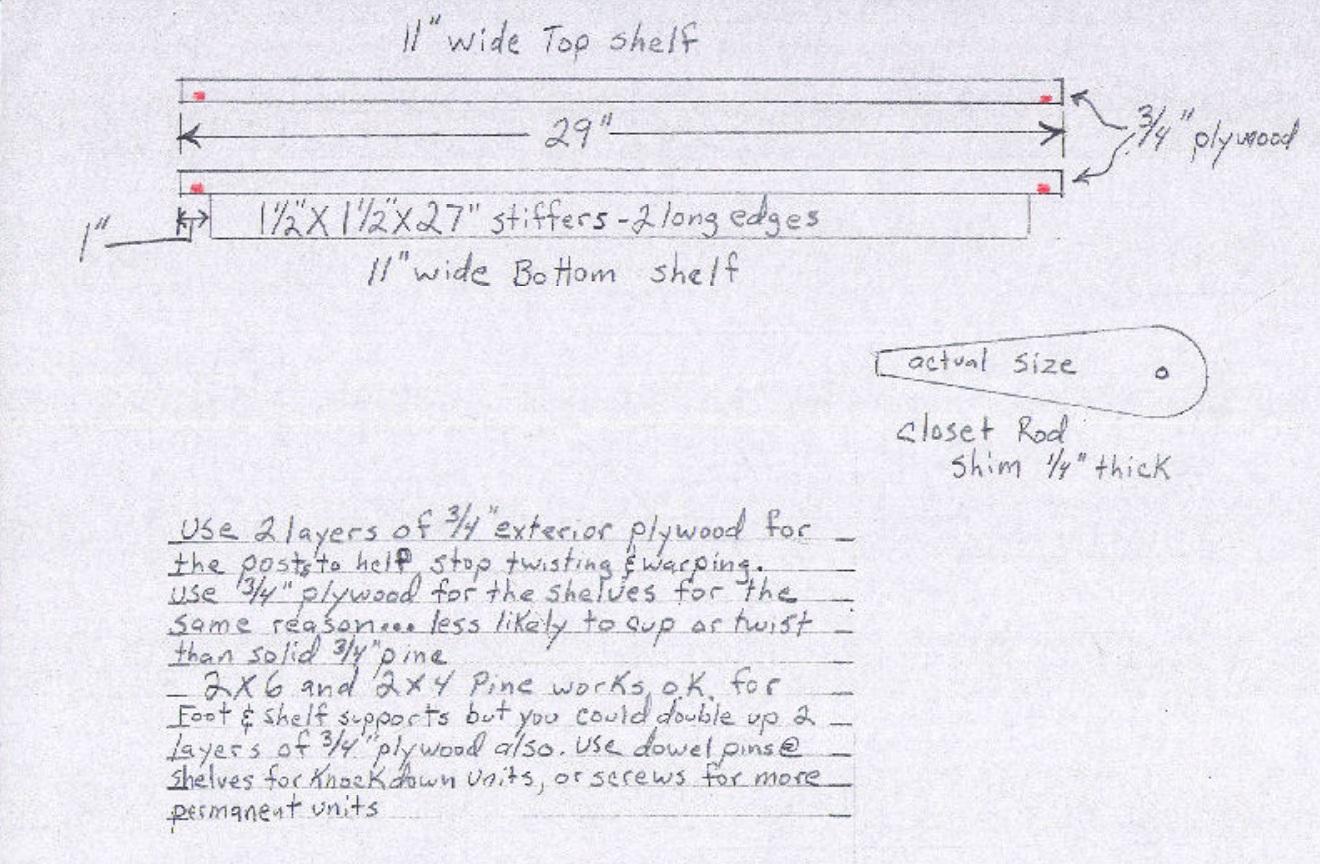
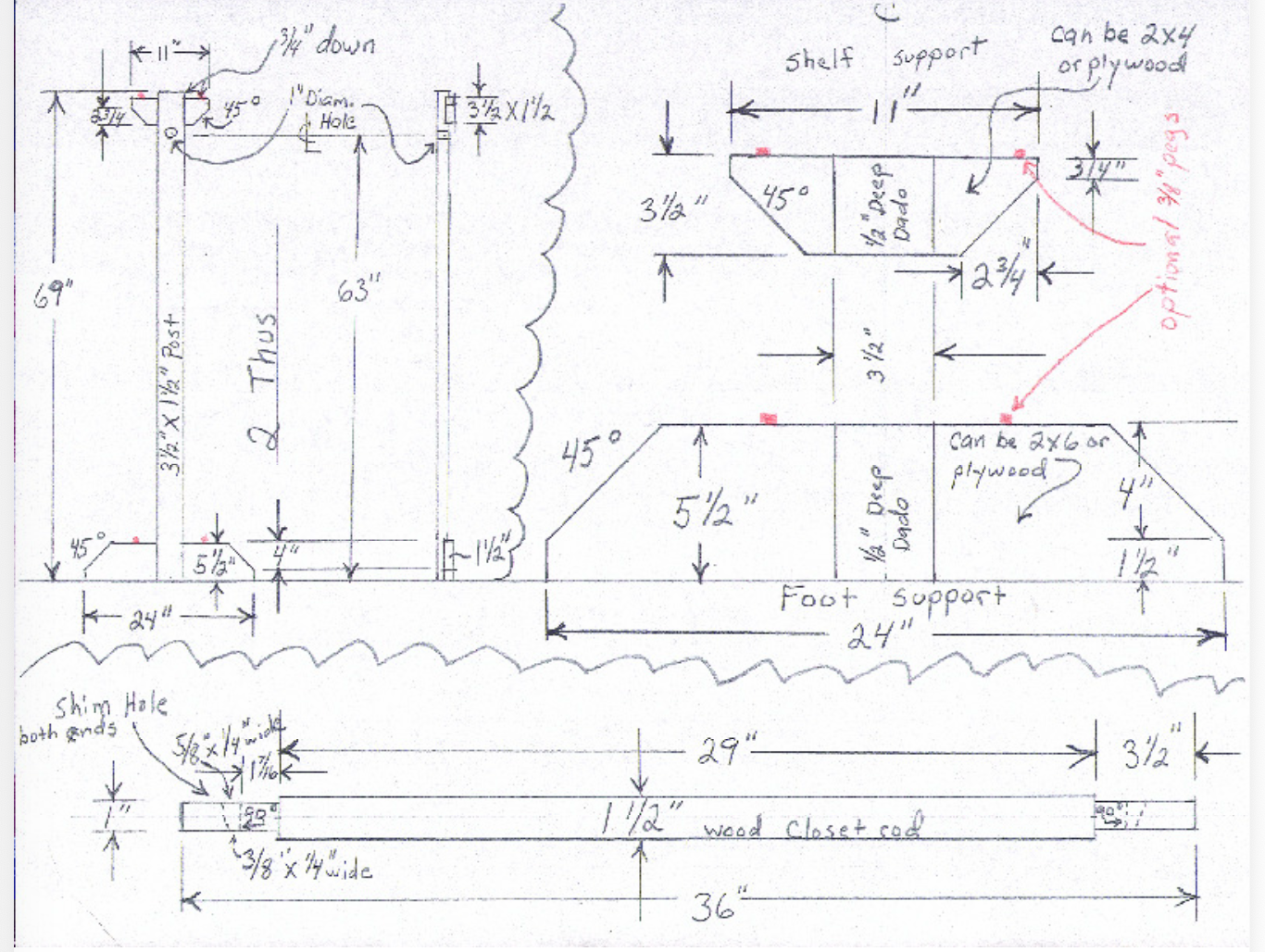
Reenactor Portable Wardrobe – This is a fantasy item made by a reenactor to better store uniforms at events.
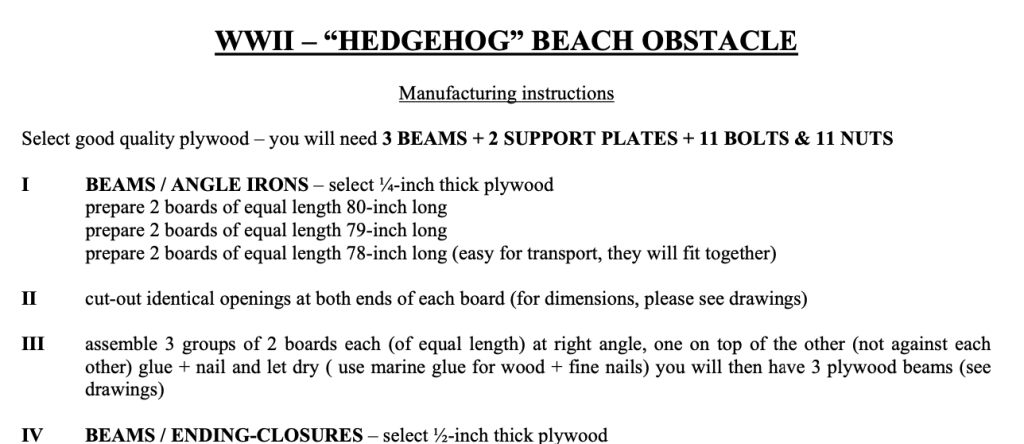
WW2 Hedgehog Beach Obstacle – An outline of how to create and assemble the beach obstacle. This is the kind of obstacle seen at the Normandy Landings.
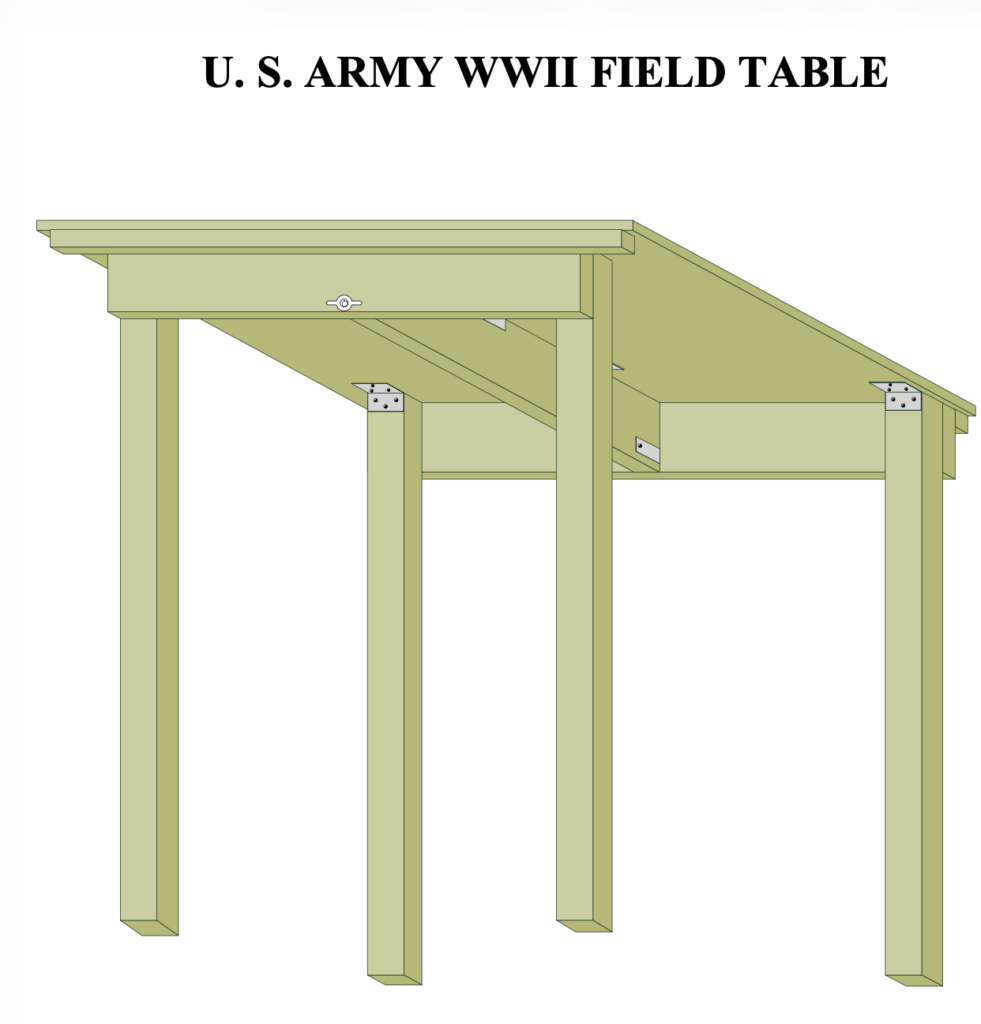
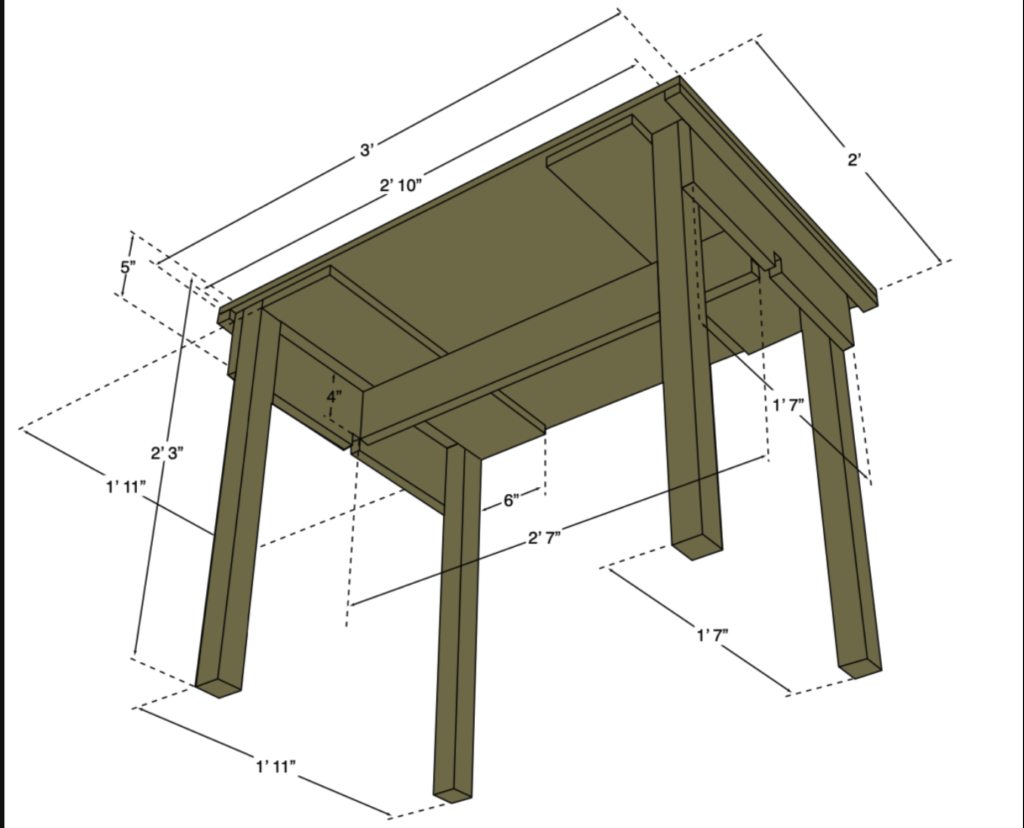
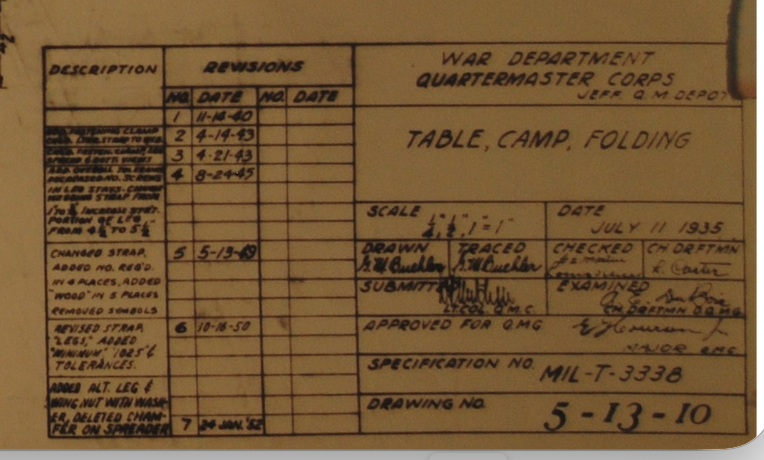
M1943 Field Table – This is the folding field table typically seen at field encampments. It contains the original 1935 blueprint drawing, as well as detailed plans and a parts list to build it.
A Frame Weapons Rack – It’s unclear if this was a WW2 item or a reenactor item used to help store weapons in a “period adjacent manner” for the unit while at an event
Signal Corps
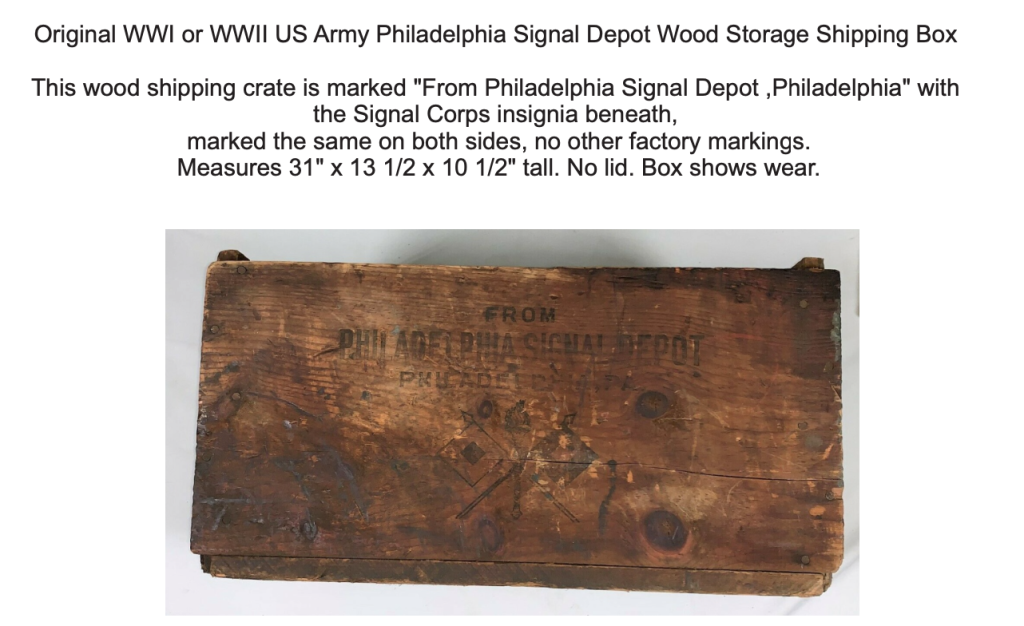
Signal Corps Wood Shipping Box – A PDF with a few notes on how to potentially reproduce a wooden shipping crate. Says “From Philadelphia Signal Depot, Philadelphia” with Signal Corps logo. The wood in use is likely pine (as you can see the pine knots in the images). The Lid would have been flush with 5-6 nails each along the left and right sides (if looking at the box from above) and maybe 3 along the top and bottom (if looking at it from above). These nails would have been cheap “penny nails”.
Field Equipment
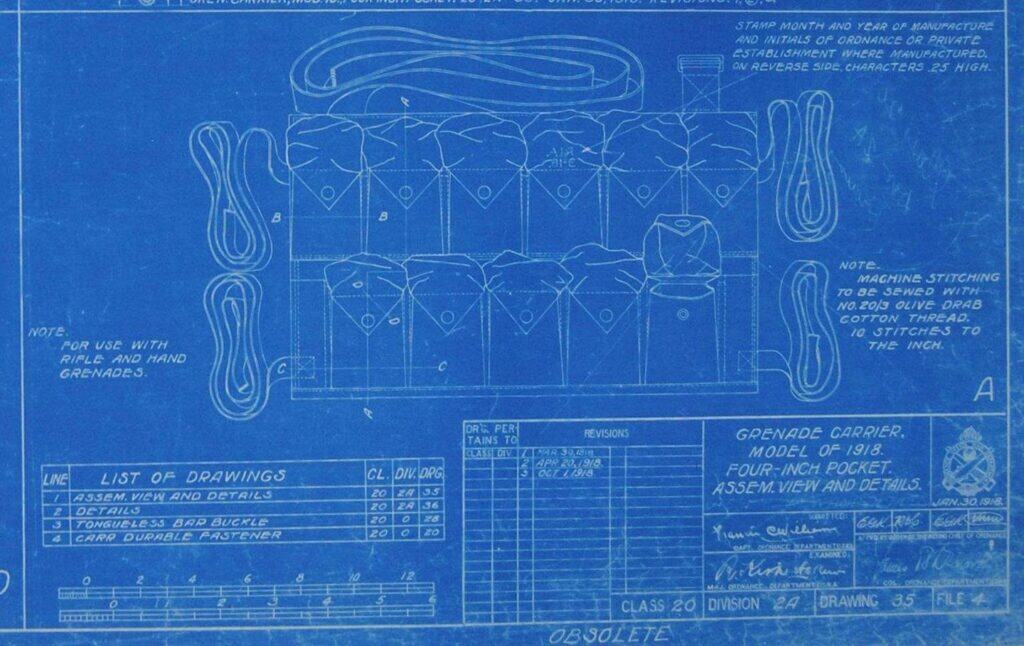
M1918 Grenade Carrier 4in pocket Blueprint – A blueprint design to carry grenades. Dated Jan 30th 1918. These came overseas late into the war, supposedly for the Spring 1919 offensive, which never occurred because of the armistice. There also existed a 6-inch model and a grenade bucket. Photographic evidence of these in use overseas by Americans during World War I doesn’t seem to exist. US Militaria Forum discusses it here. There’s additional discussion about whether the USMC used this in WW2.
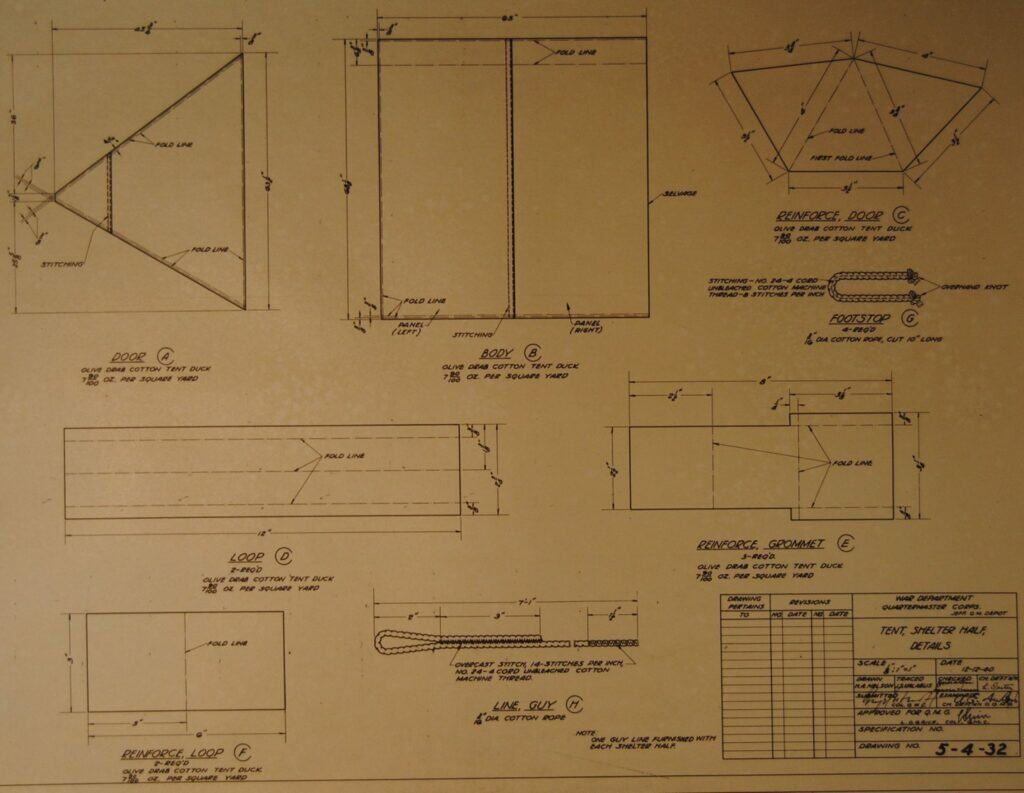
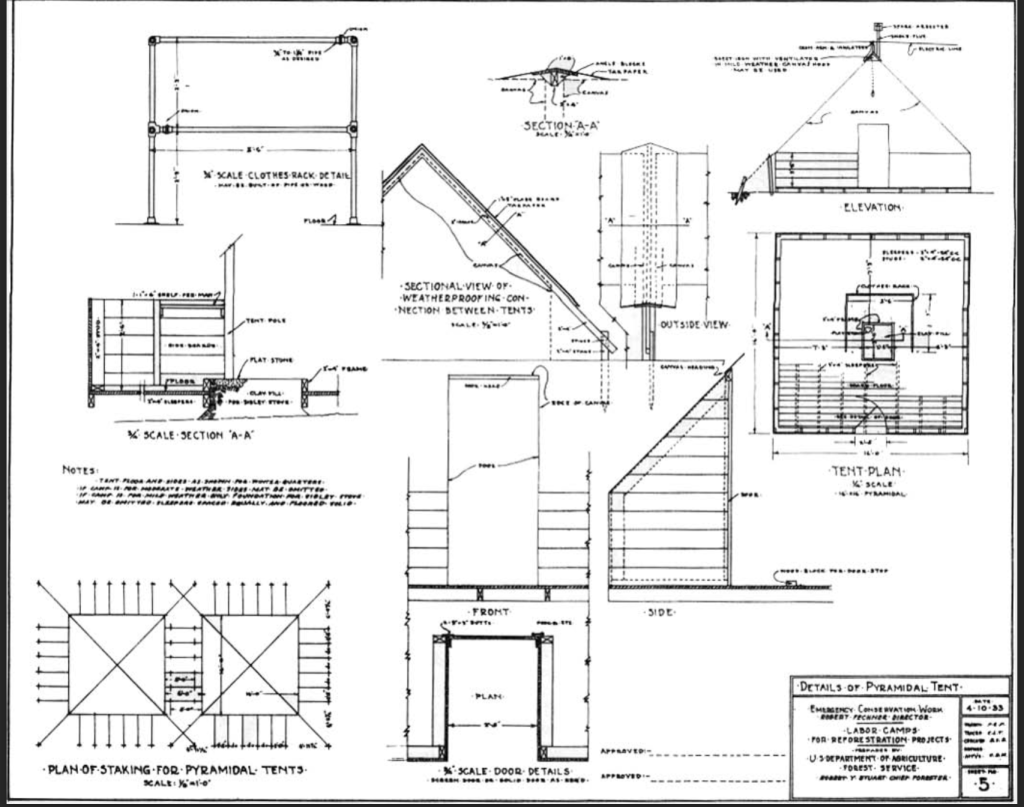
Shelter Half Tent First Model Blueprint – Dated Dec 12th 1940. This is the model that has one end open and the other end closed with flaps. Eventually, a model would be released in 1943 that had both ends closed with flaps.
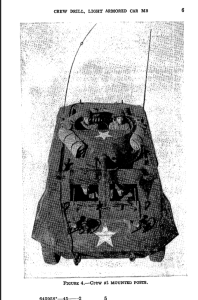
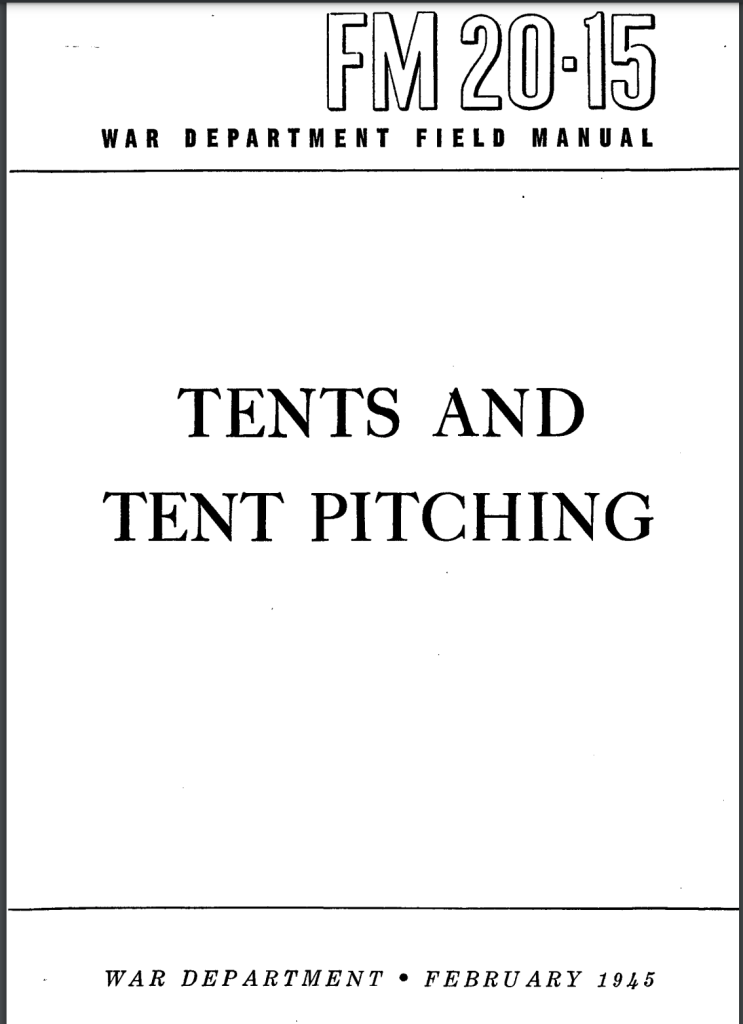
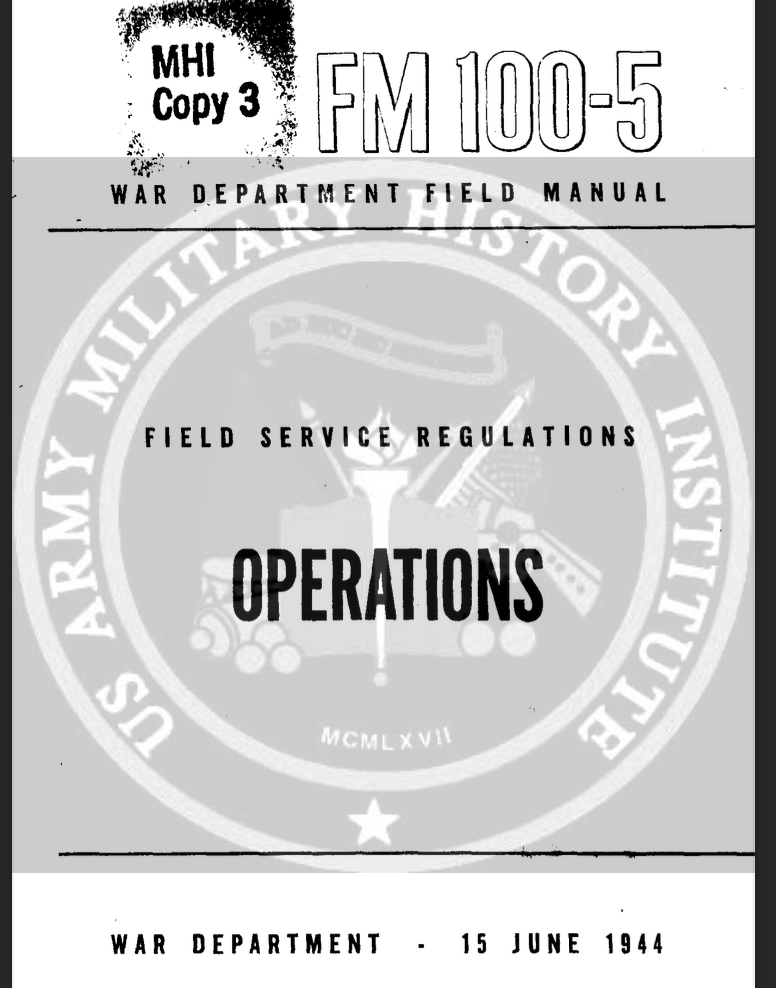
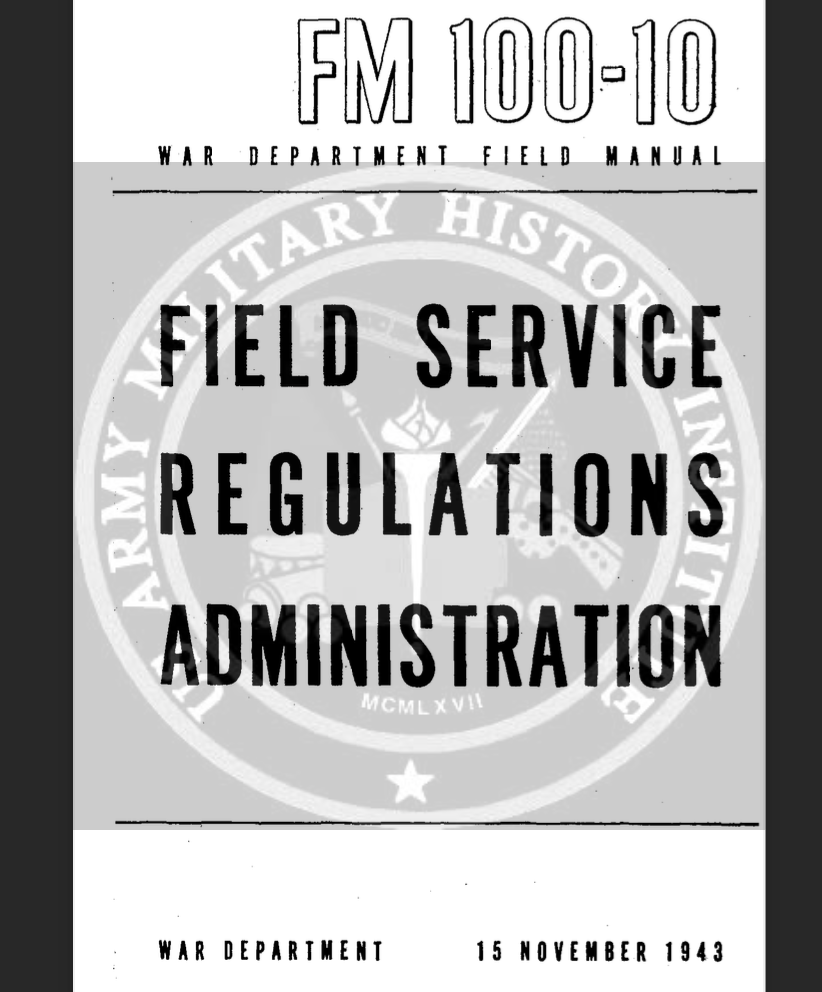
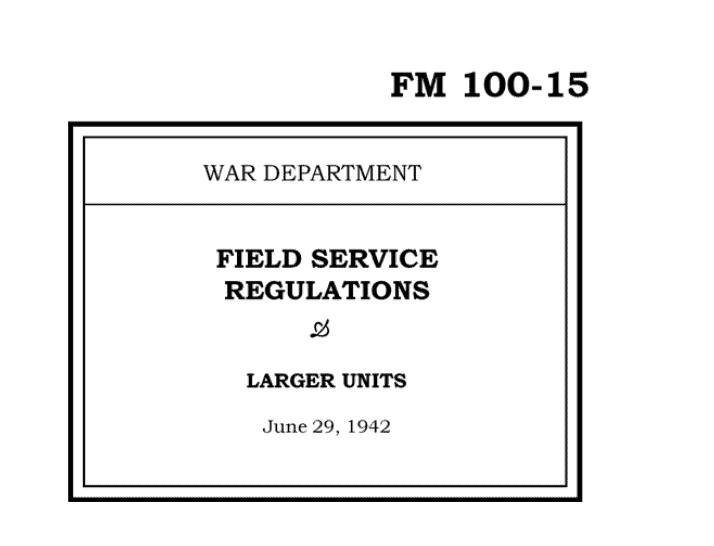
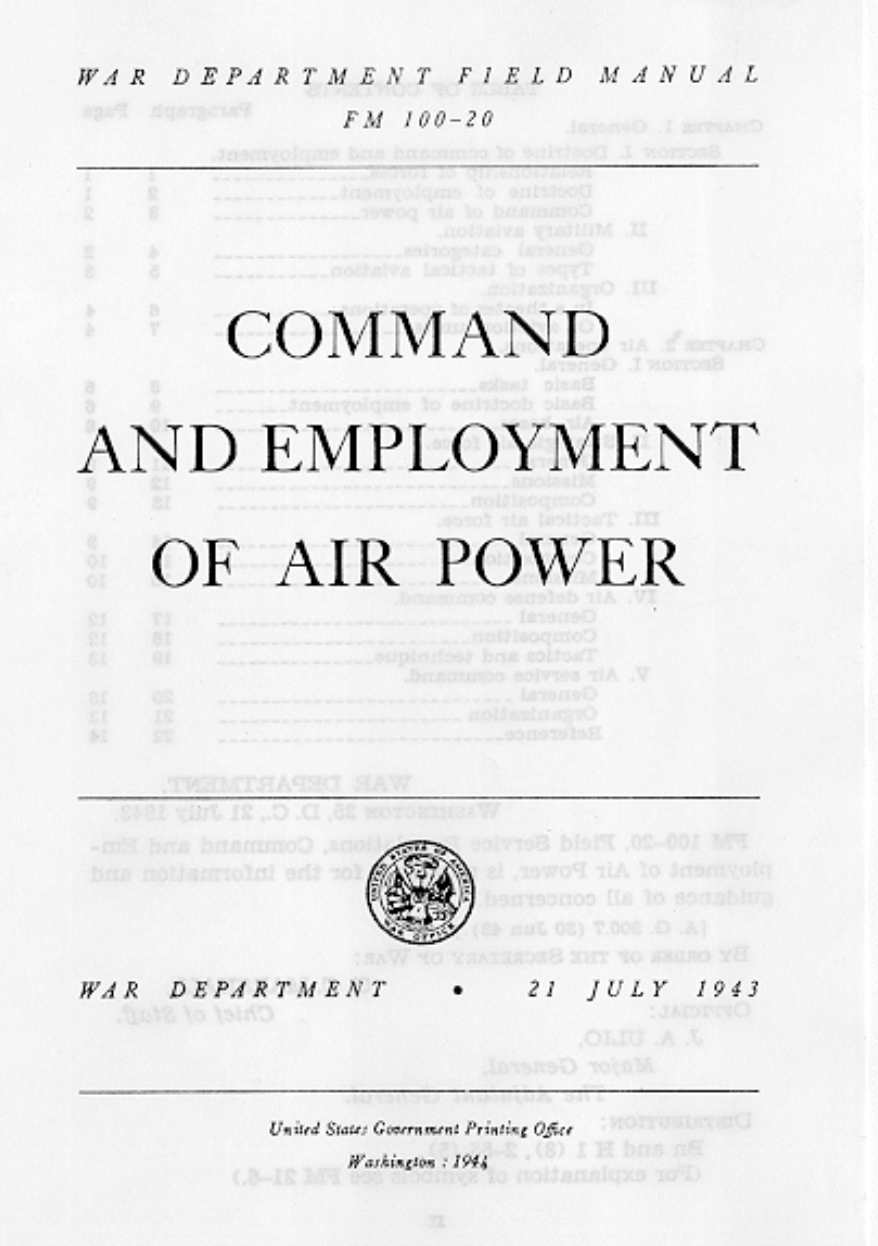
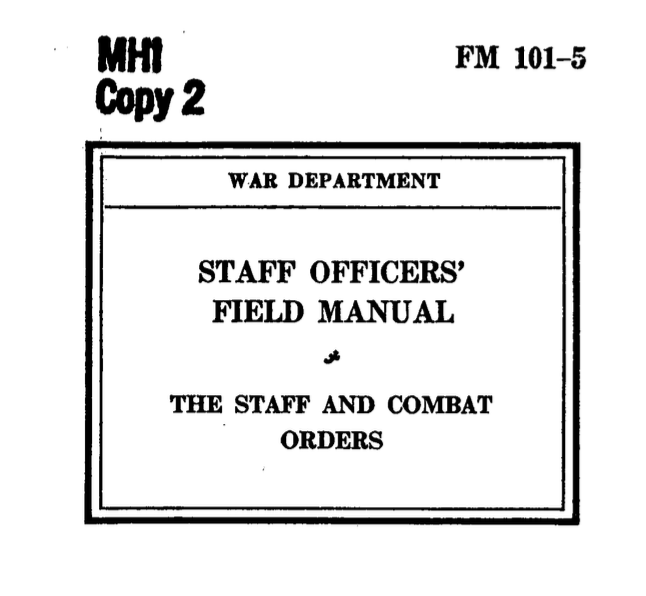
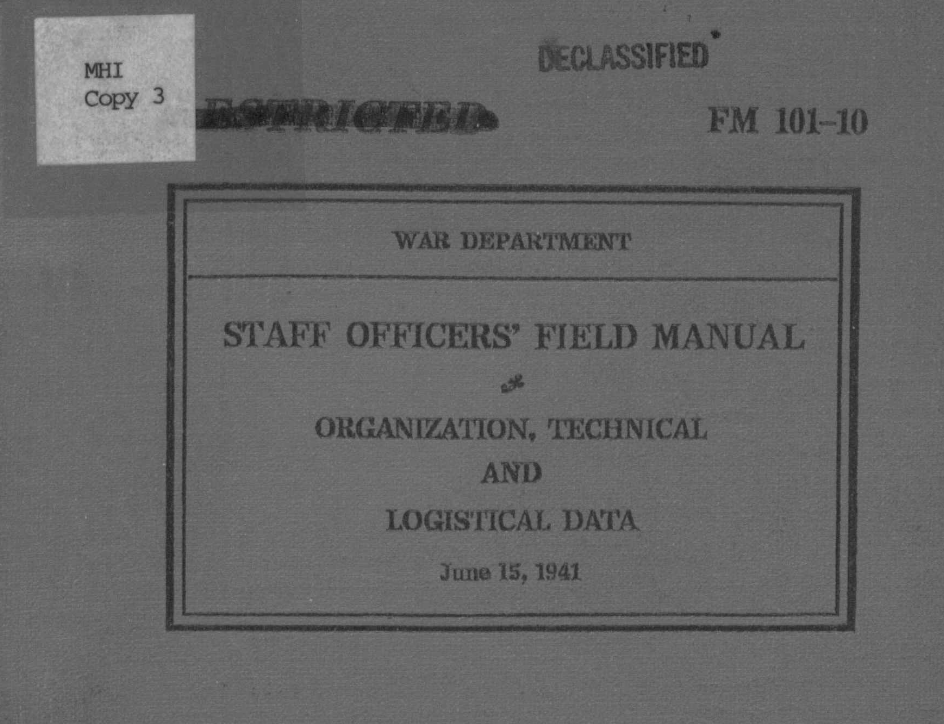
This page will list some Field Manuals that are hard to find or ones that I find interesting. Easy 39th has a larger list of field manuals and Pamphlets, so you can head to that page if you don’t see what you want here.
Finally, if you want field manuals from 1946 to the early 2010s, this Google site lists the field manuals broken down by number. You could likely also review the Archive.org website to locate a field manual.
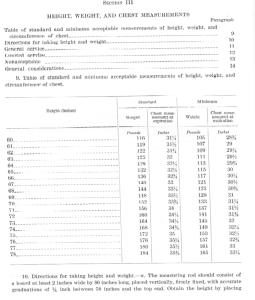
The Army did provide a regulation that if you were overweight, you could still be accepted if the weight could be brought under control. Those under 105 pounds weren’t considered.
Warbird Philosophy has a robust list of vintage aviation manuals and publications. Many of them appear to be Army Air Force-related. More so than what I can list here.
Wikipedia Commons has a list of vintage aviation logos, along with line drawings and silhouettes of planes.
FM 5-5 Engineer Troops Oct 1943 | Outlines structure and duties for different Engineer units like combat battalion, armored, motorized, mountain, airborne, light ponton, heavy ponton, bridge, light, depot, parts, maintenance, dump truck, topographic, camouflage, water supply, special service, base equipment, heavy shop, port repair ship, port construction, petroleum distribution, gas generation, utilities, forestry, and fire-fighting.
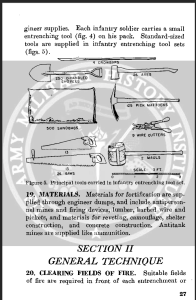
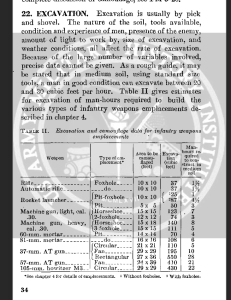
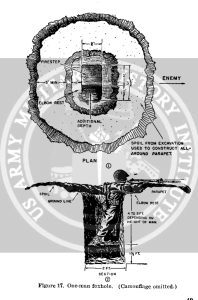
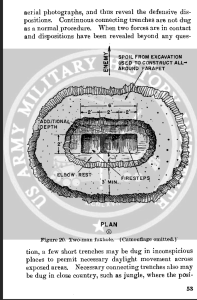
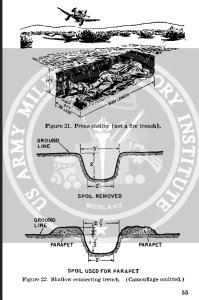
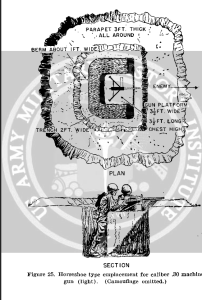
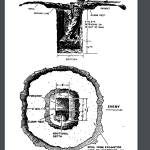
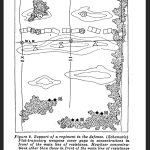
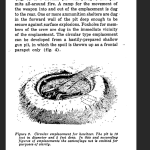
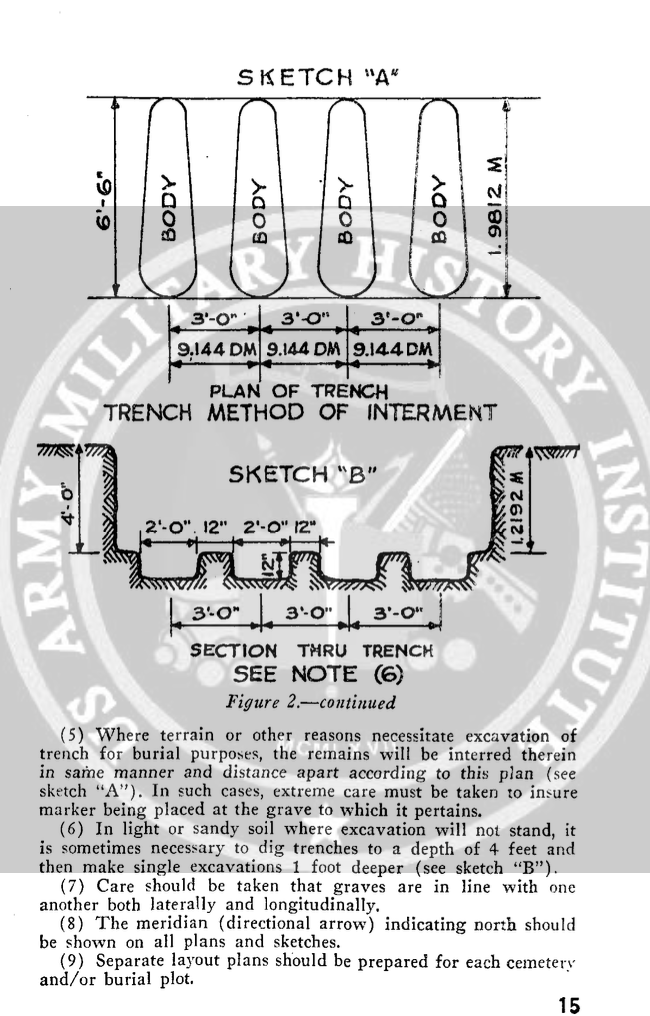
FM 5-15 Field Fortifications Feb 1944 | Explains how to construct various fortifications such as foxholes, machine gun towers, gun platforms, weapons emplacements for mortars, machine guns, anti-aircraft systems, radar, bunkers, and trench systems.
One interesting note is that it’s expected to take 1.5hrs to dig a foxhole for a soldier with a rifle.
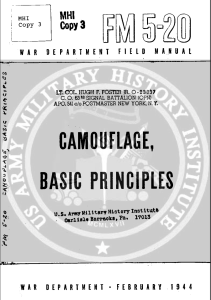
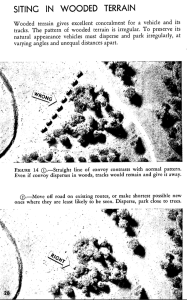
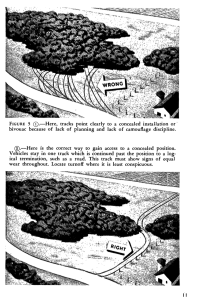
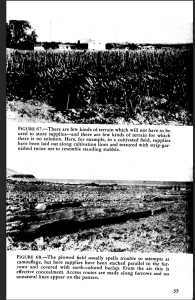
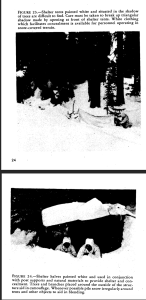
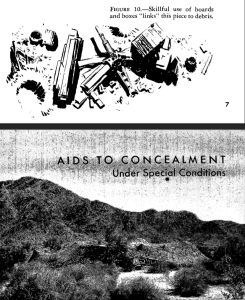
FM 5-20 Camouflage Basic Principles Feb 1944 | Outlines basic camouflage ideas such as form disruption, tone contrasts, and natural and artificial materials. Includes how to camouflage in deserts, jungles, snow, and temperate zones.
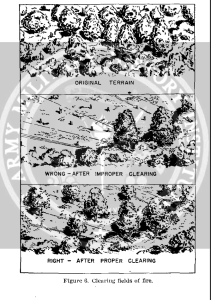
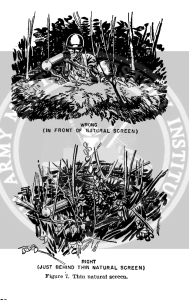
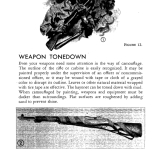
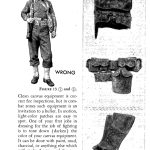
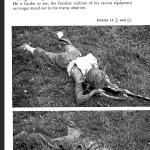
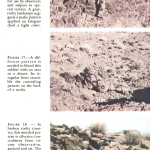
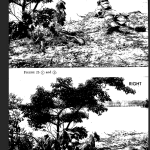
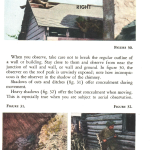
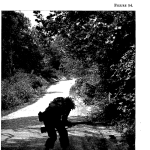
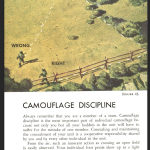
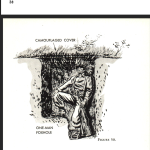
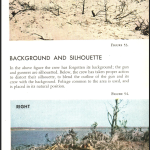
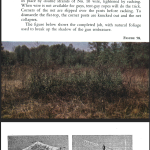
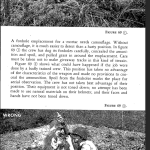
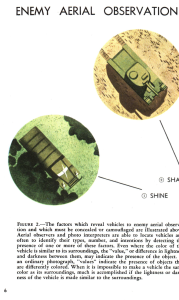
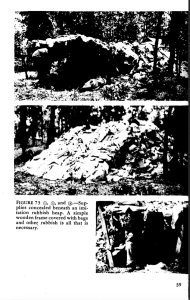
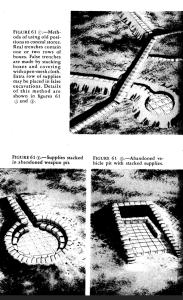
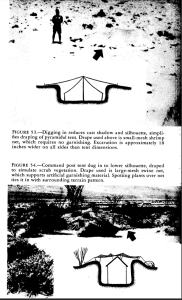
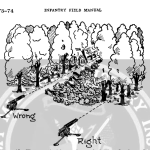
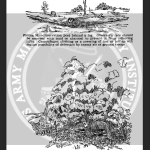
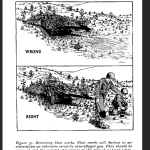
FM 5-20A Camouflage of Individuals and Infantry Weapons Jan 1944 | Outlines dos and don’ts when it comes to blending into patterns, creating foxholes, creating machine gun pits, creating mortar pits, creating anti-tank gun pits, shadows and light, observation, darkening equipment, shines and shiny objects, backgrounds and silhouettes.
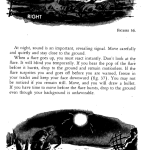
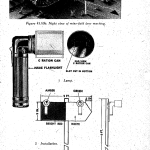
One thing to note is that if you’re moving at night and you hear the pop of a flare drop to the ground. If you cannot stand still and drop your head (the face can shine). Flares give off lots of shadows and mess with your natural night vision. It’s possible the enemy won’t see you standing.
Prior to the concealment operation, there should be a camouflage plan as indicated by the officer in charge.
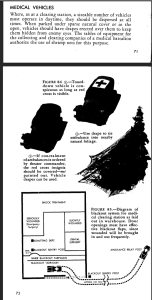
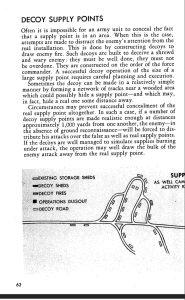
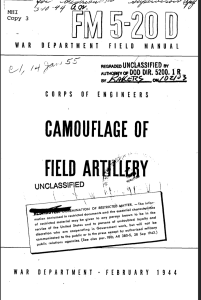
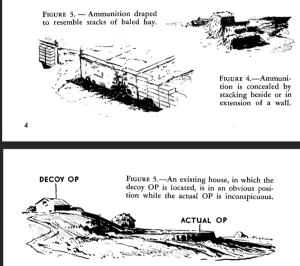
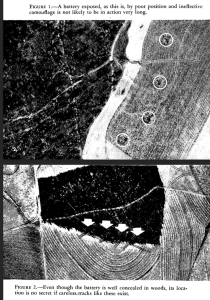
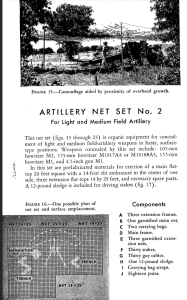
FM 5-20D Camouflage of Field Artillery Feb 1944 | Applies the basics of camouflage to hide artillery. Looks at using decoy positions, aids, and artillery net sets No. 5 and No. 2. In addition, provides information on how to conceal a .50 caliber machine gun, 75mm Pack Howitzer, and how to paint it.
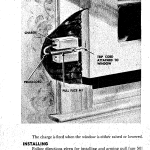
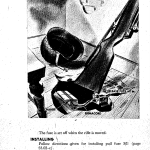
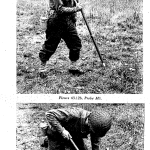
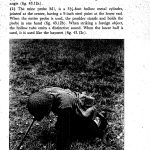
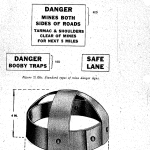
FM 5-31 Land Mines and Bobby Traps Nov 1943 | Explains tools used to lay down a mine field, different types of mine fields, how to create a mine field, how to remove mines, different types of mines from the US, Germany, France, Hungry, Japan, Netherlands, Britan, Italy, and Russian (though no mines are shown). Also includes how to bobby trap with fuzes and what to look for.
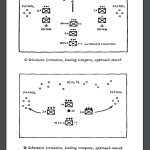
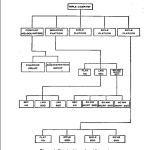
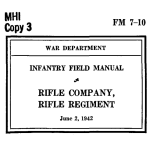
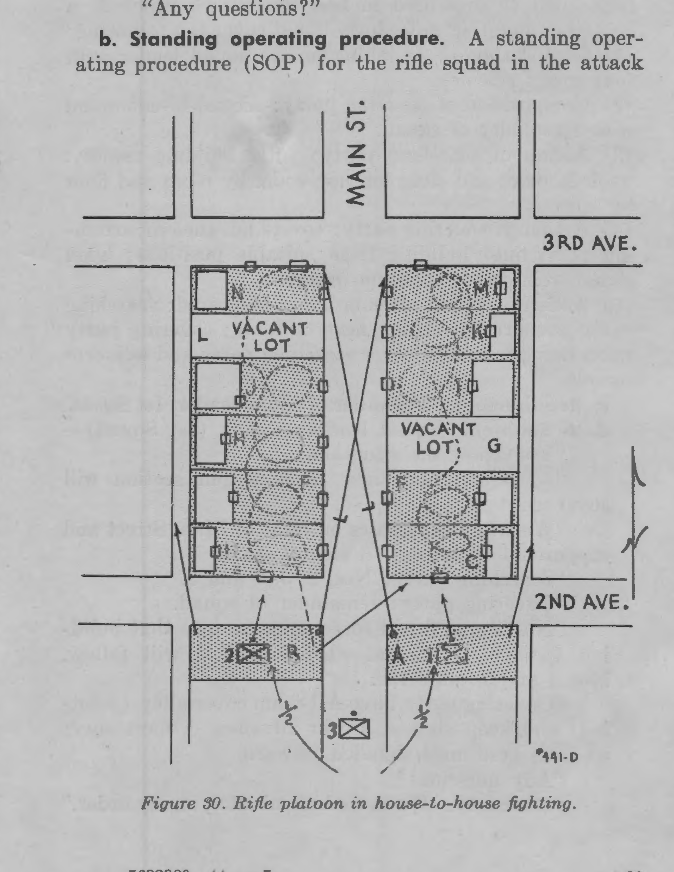
FM 7-10 Rifle Company, Infantry Regiment March 1944 | Describes the structure and organization of the rifle company. Includes riflemen jobs and responsibilities, and the weapons platoon, which uses .30 caliber machine guns and 60mm mortars. Discusses movement, attack, defense, and formations for different tactical considerations.
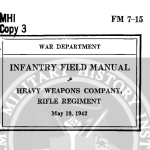
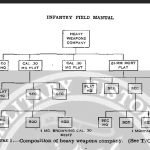
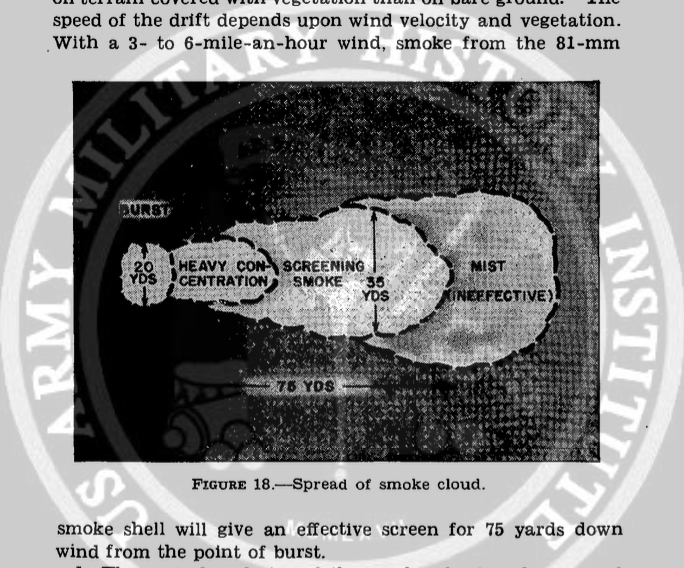
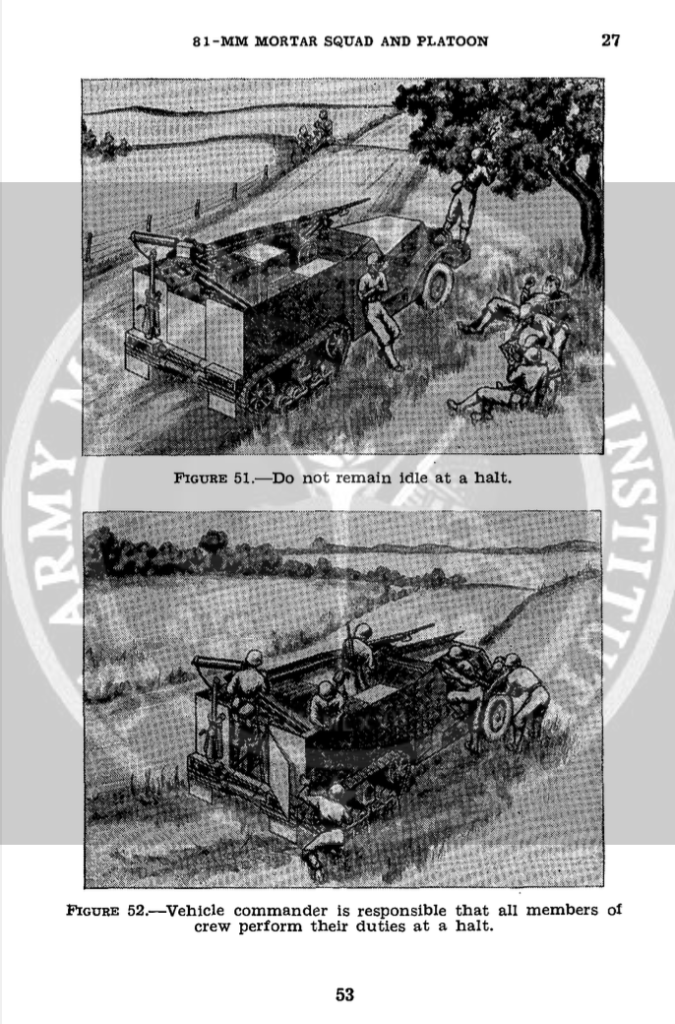
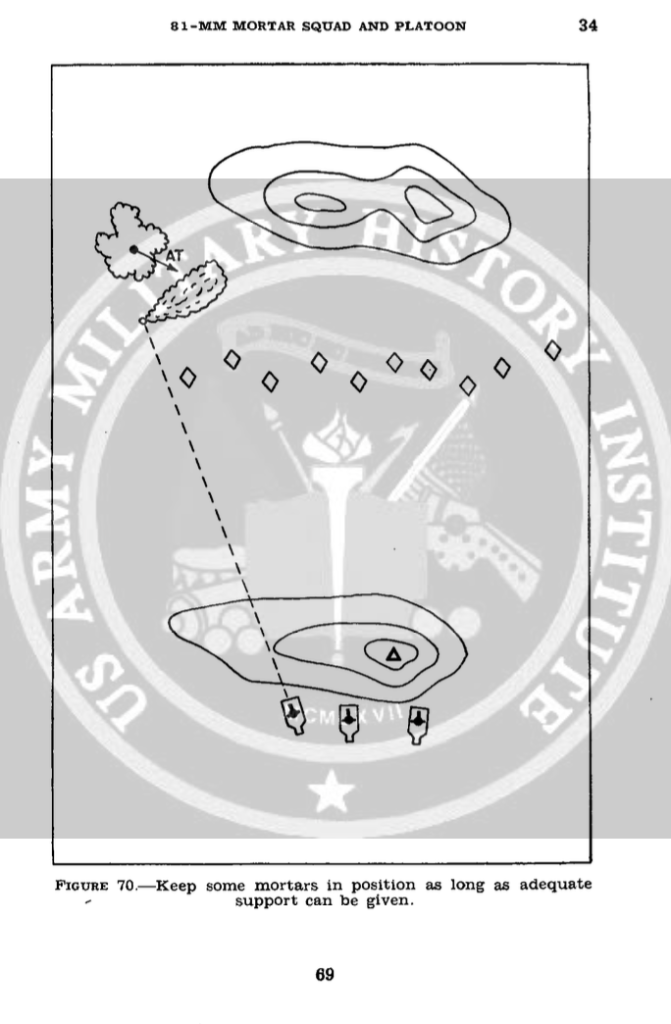
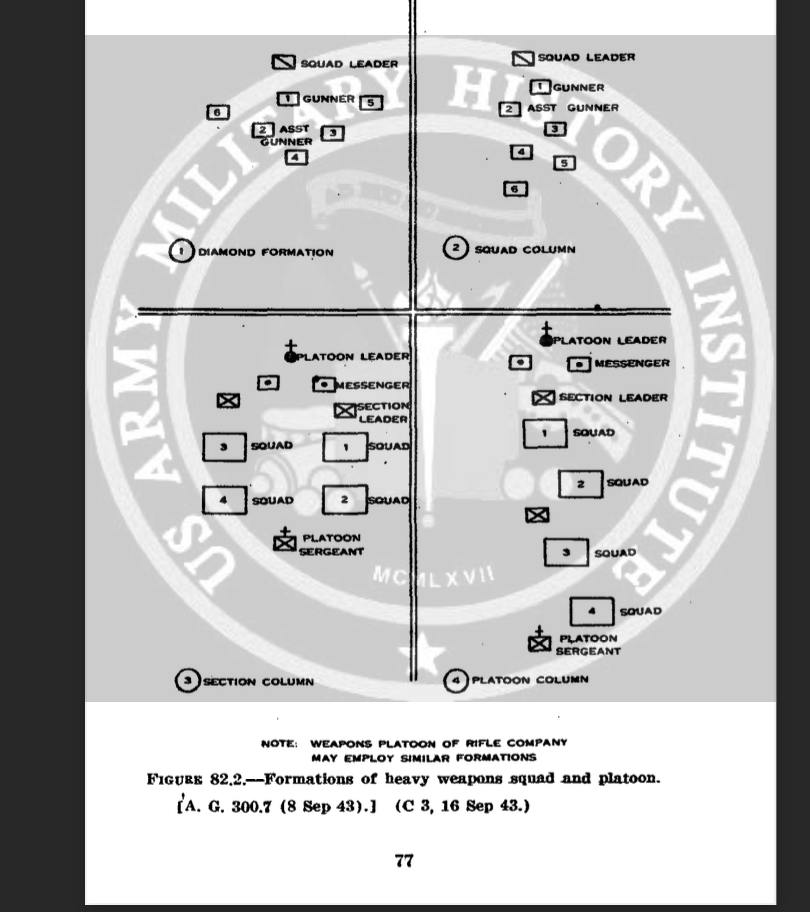
FM 7-15 Heavy Weapons Company Rifle Regiment May 1942 | Describes the structure and composition of the heavy weapons company along with tactical considerations, attacking, defending, movement, and camouflage. Weapons of the company are .30 caliber machine guns and 81mm mortars.
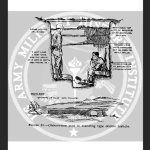
What’s neat is the descriptions of building and conducting observation posts.
FM 7-20 Rifle Battalion Oct 1944 | Describes the role structure and organization of the Rifle Battalion as well as its tactical nature.
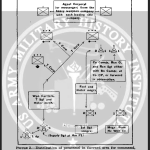
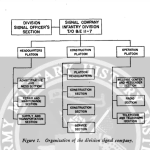
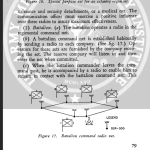
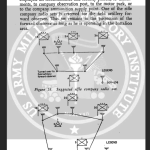
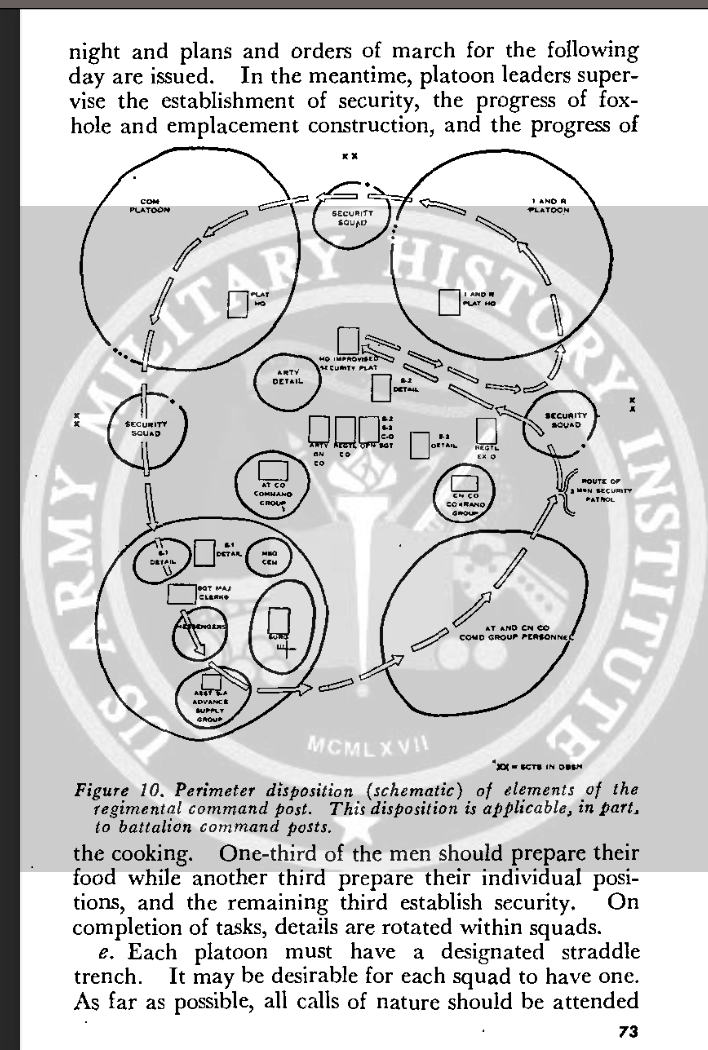
FM 7-24 Communication in the Infantry Division Dec 1944 – Describes the conduct of wire, radio, and other communications of the infantry division during various types of movements. The SCR-536/BC-611 is used at the company level. The SCR-300/BC-1000 is used at the battalion level.
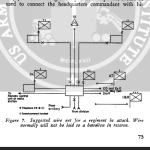
Wire is the primary means of communication in the attack. Division Signalmen will remain with the regimental command post to maintain and extend lines.
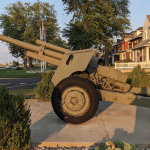
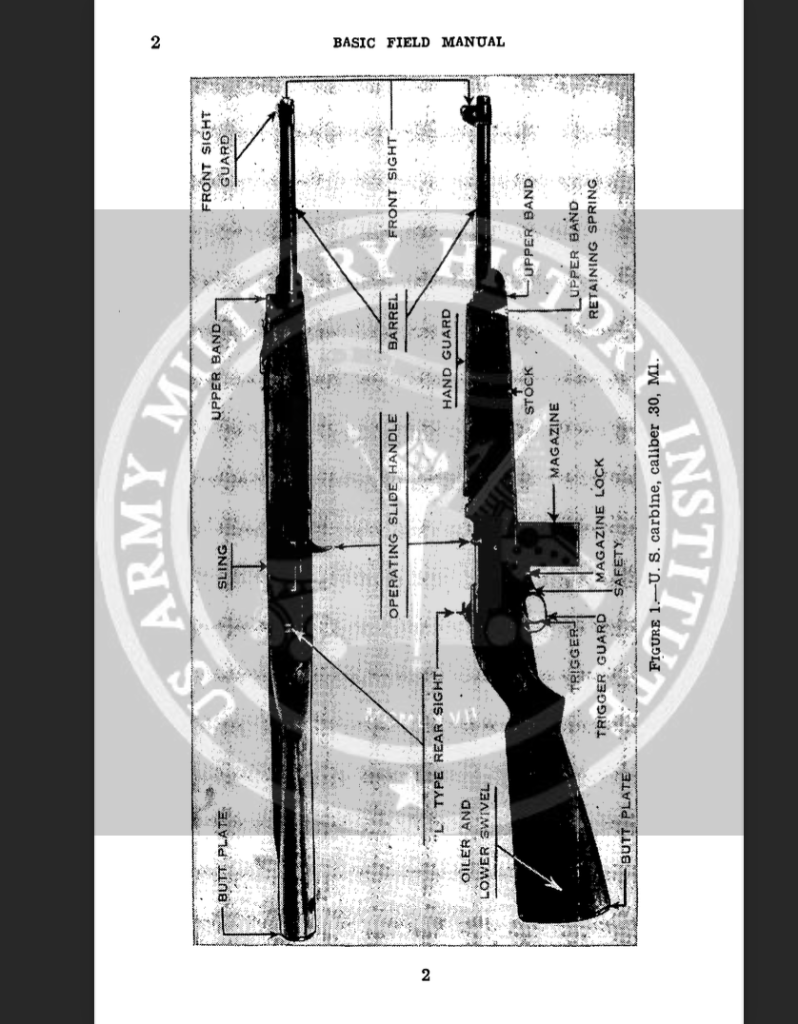
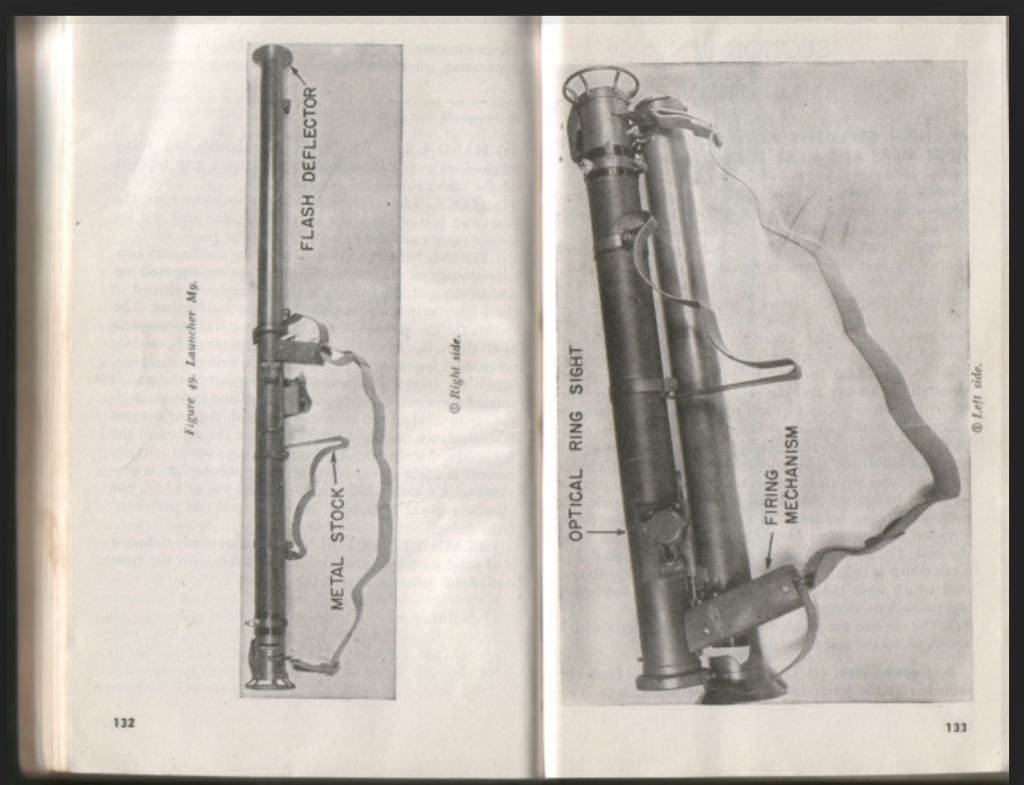
(1) The crew-served weapons are the 105-mm howitzer (the M101A1), the antitank rocket launcher (the Bazooka), and the caliber .50 machine gun.
(2) The individual weapons are the carbine and rifle.
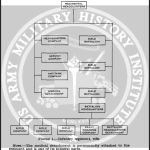
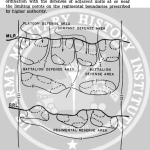
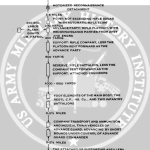
FM 7-40 Rifle Regiment Feb 1942 | Outlines organization and structure along with roles and responsibilities of a rifle regiment. Includes how it operates in different environments such as movement and defense.
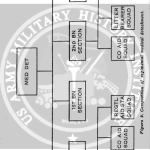
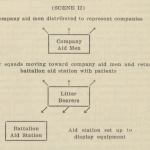
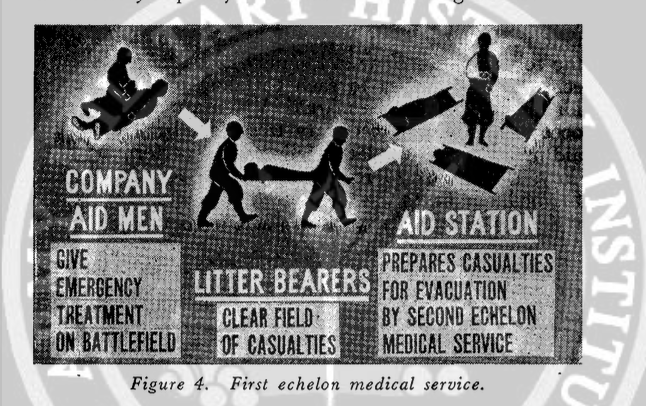
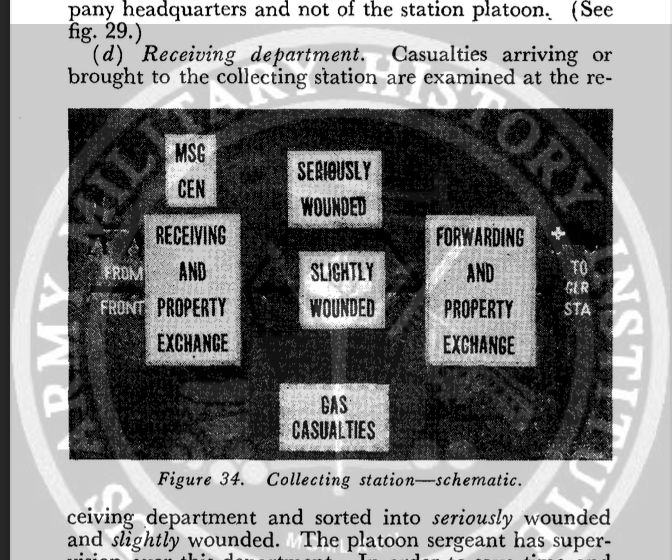
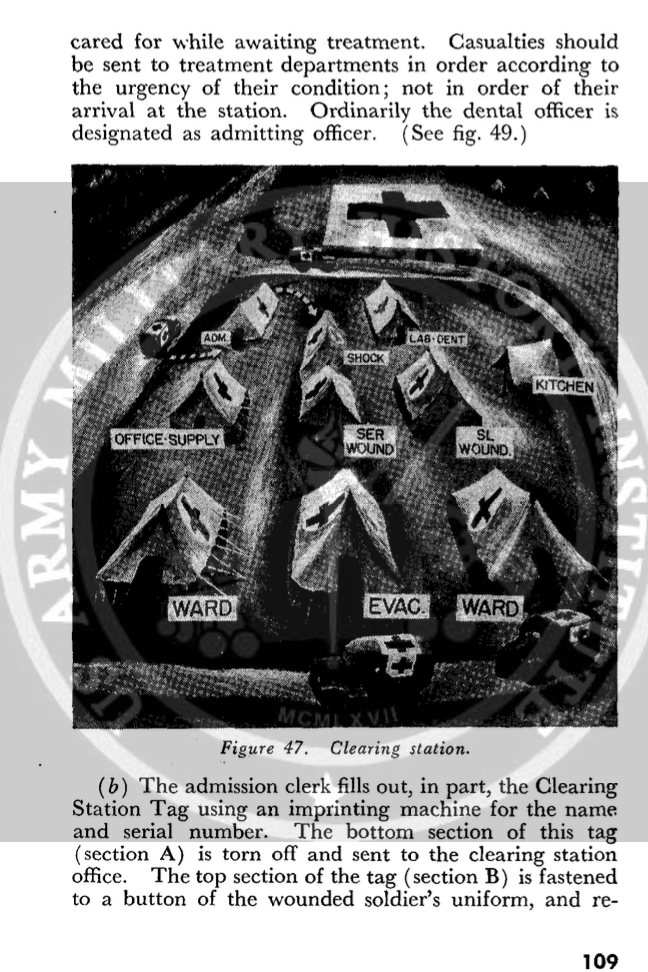
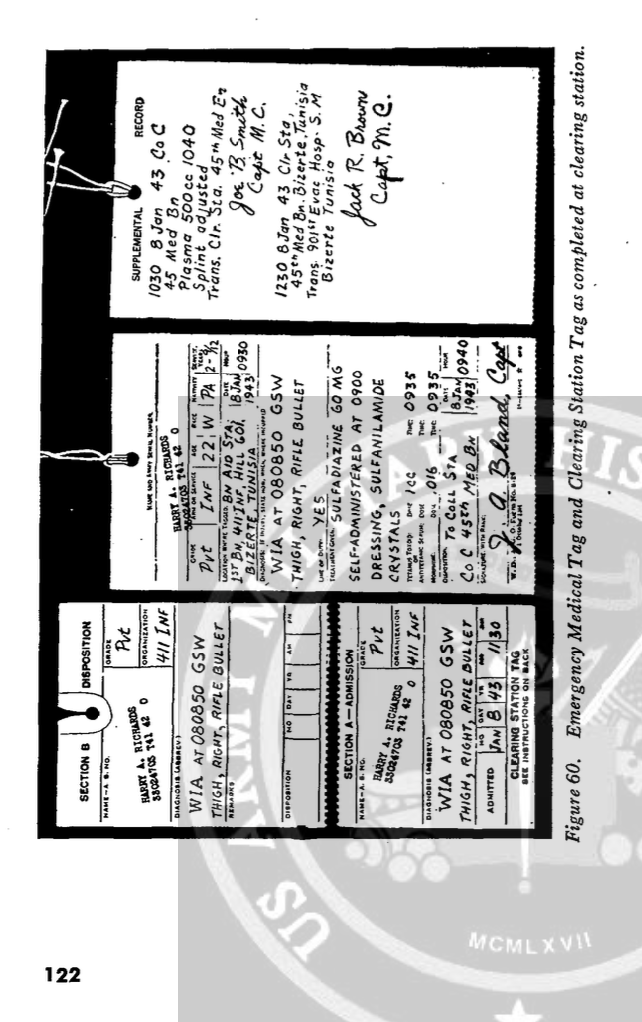
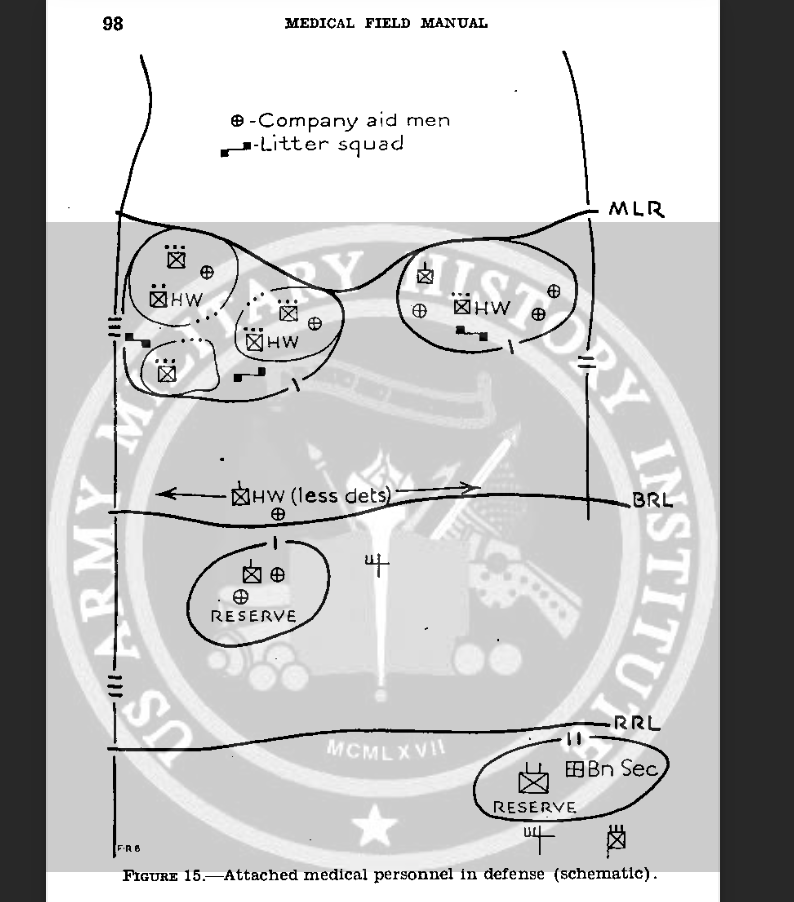
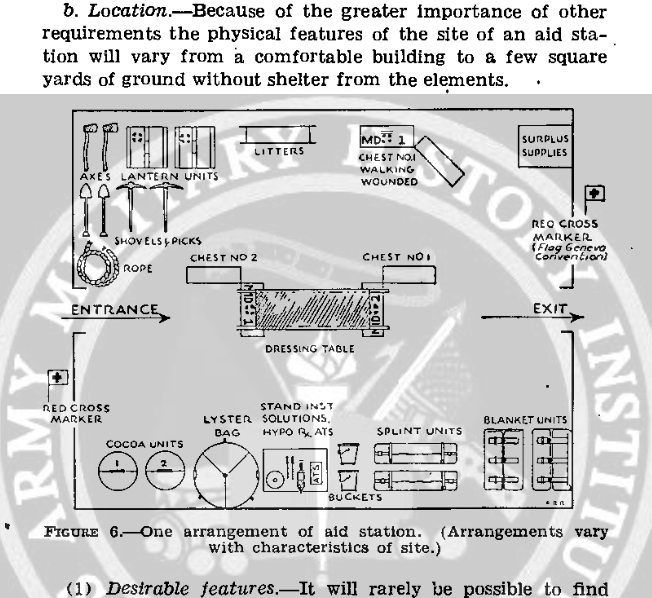
What I find interesting is that it shows what should be part of a battalion aid station and how combat aid men (aka “medics”) are used in the medical organization chart.
Essentially they treat wounded and try to pool them together and litter bearers bring them to the battalion aid station for further treatment.
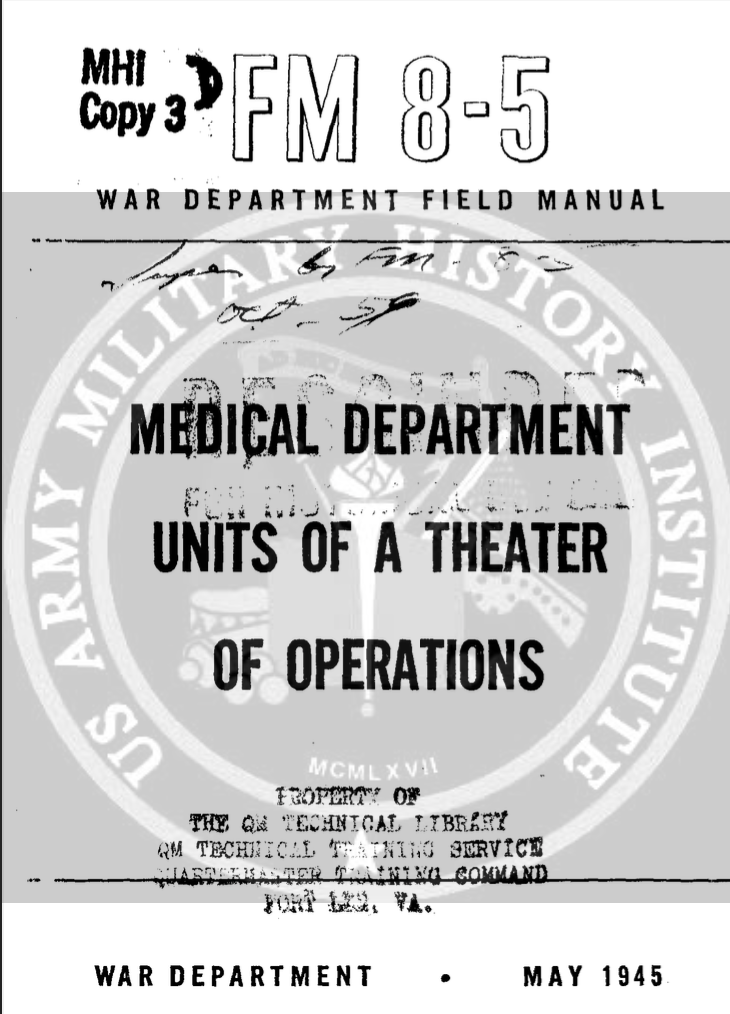
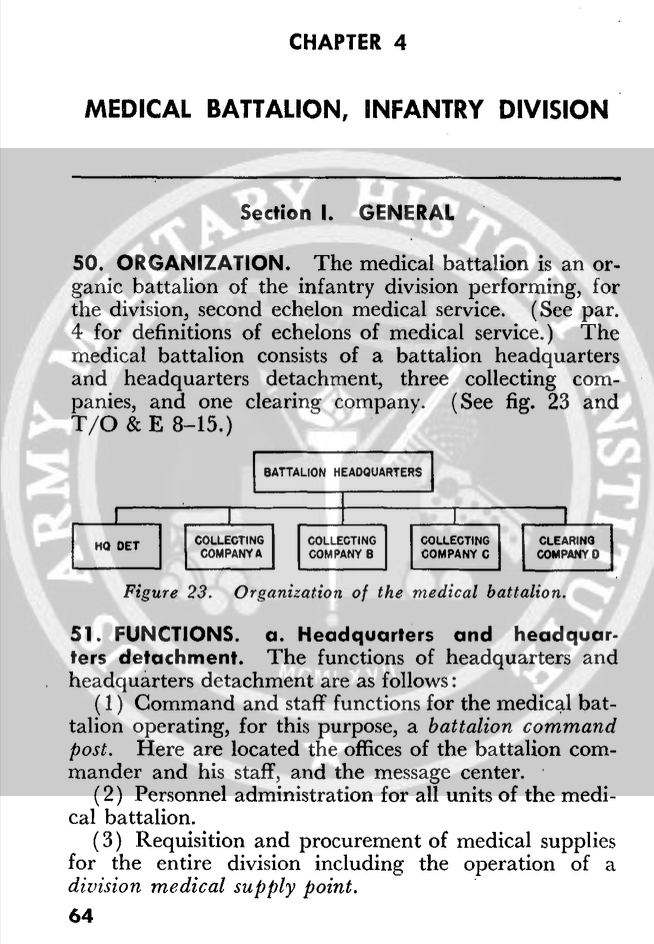
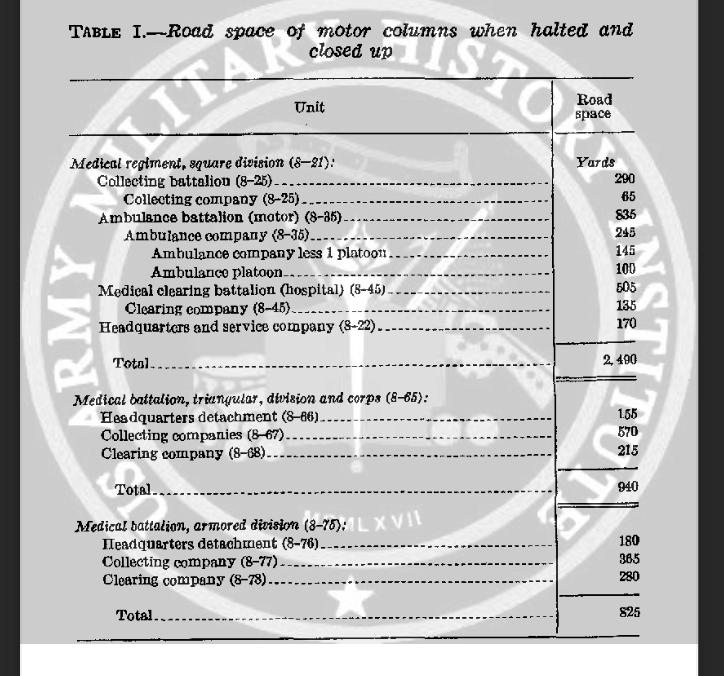
FM 8-5 Medical Department Units of a Theater of Operations May 1945 | Describes how various medical units and subdivisions operate including Infantry, Armored, Airborne, Hospitals, Medical Labs, Medical Depots, Dispensaries, Hospital Ships, Hospital Trains, Medical Air Evacuation, Malaria Control, Veterinary, and Museum and Medical Arts (which outlines new medical techniques and collects specimens).
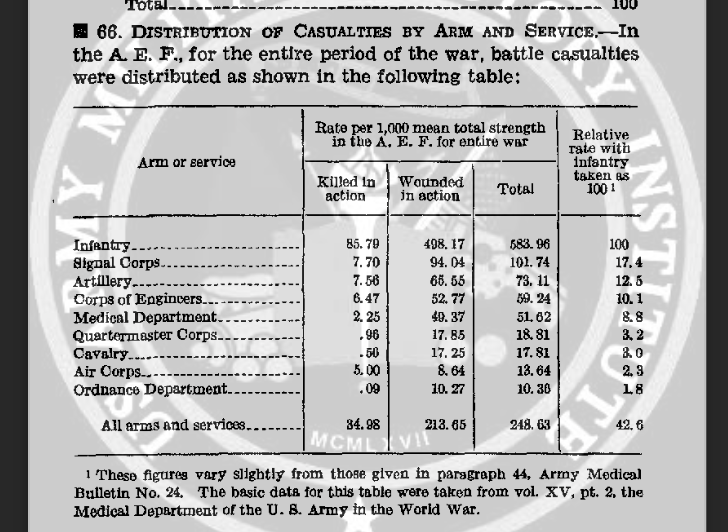
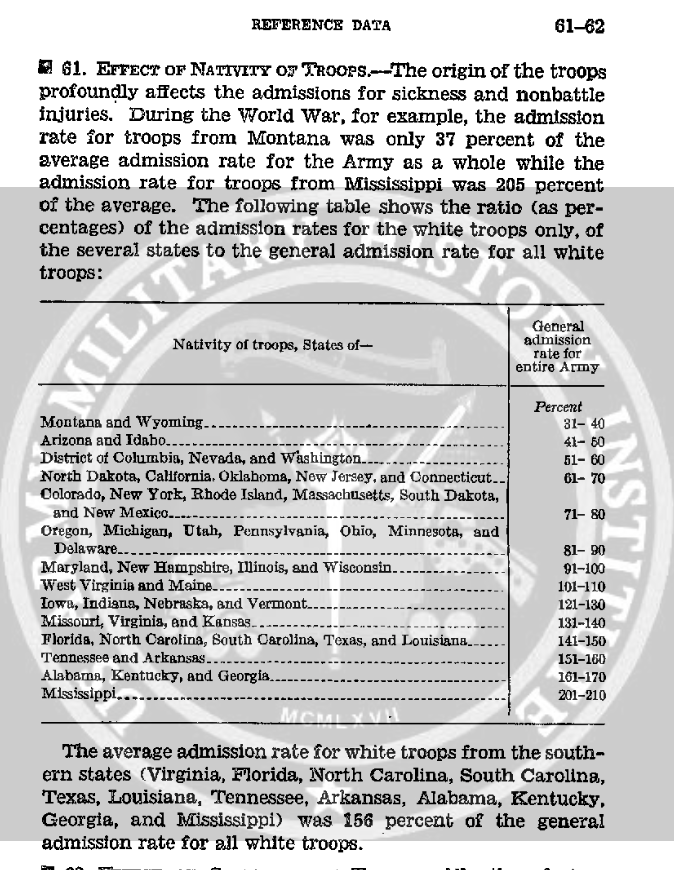
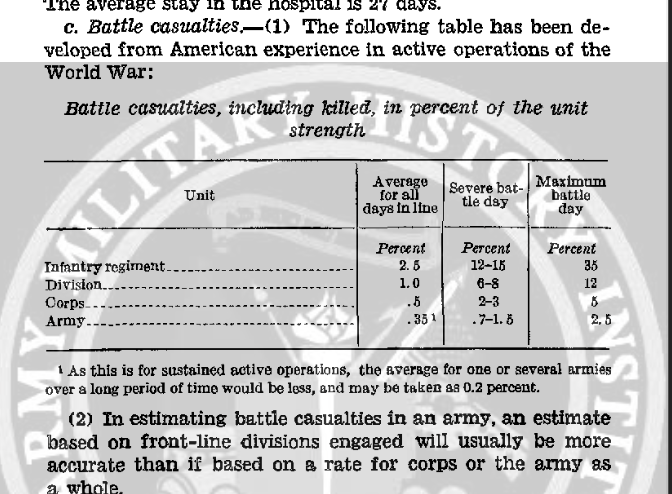
FM 8-55 Medical Reference Data March 1941 | A guide for modeling battlefield casualties and other information related to conducting medical operations. Much of it is based on WW1 stats.
Ordnance Manuals
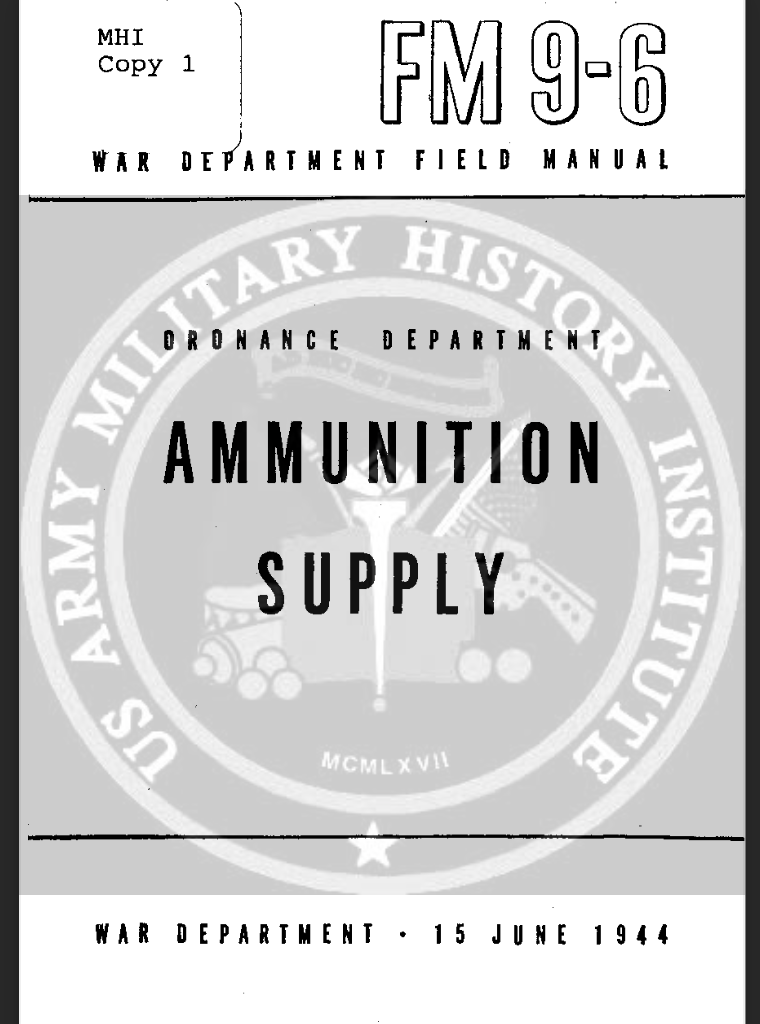
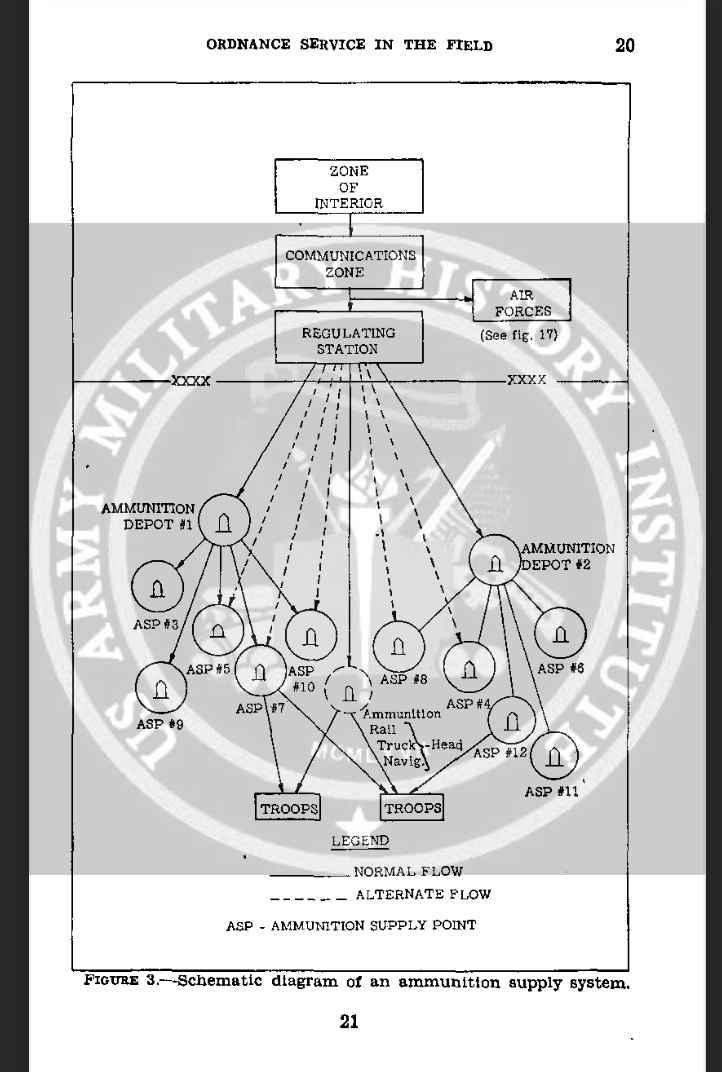
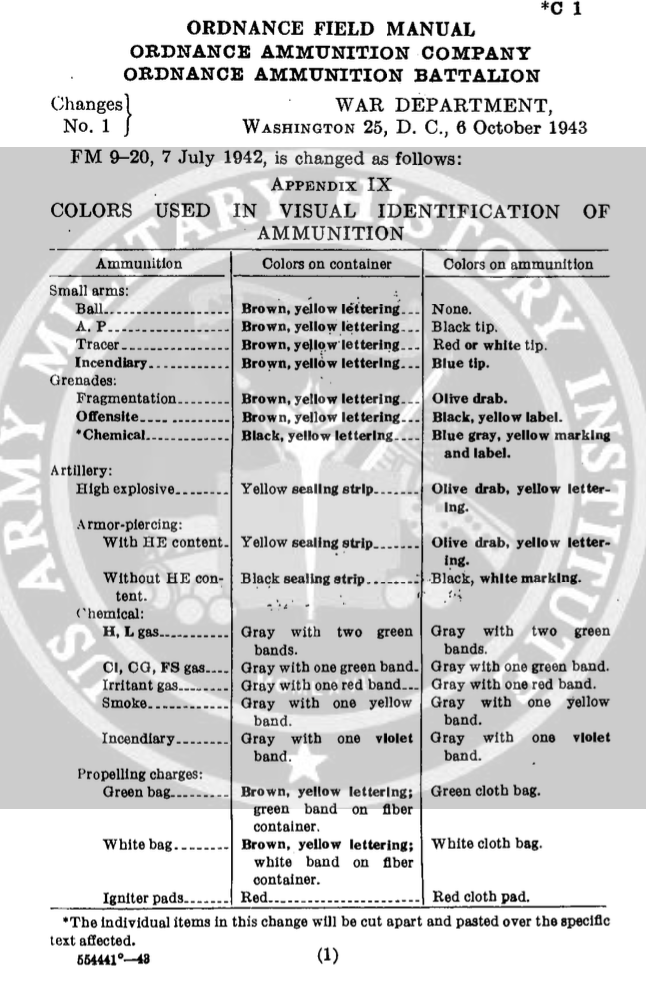
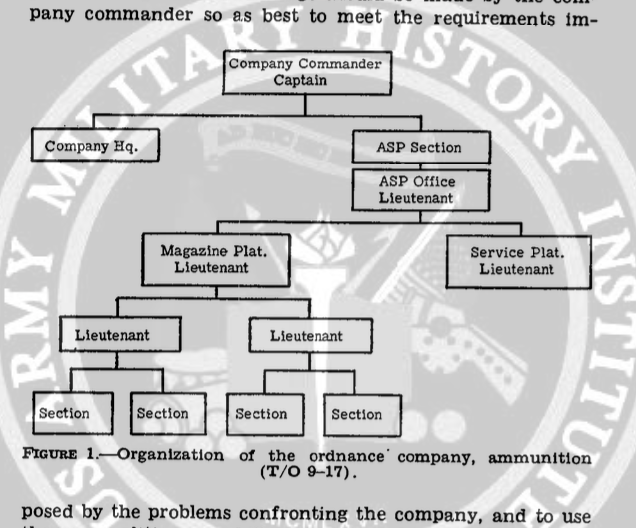
FM 9-6 Ammo Supply June 1944 | Describes how to supply ammunition to units in various situations. Includes forms and management and how to deal with captured ammo.
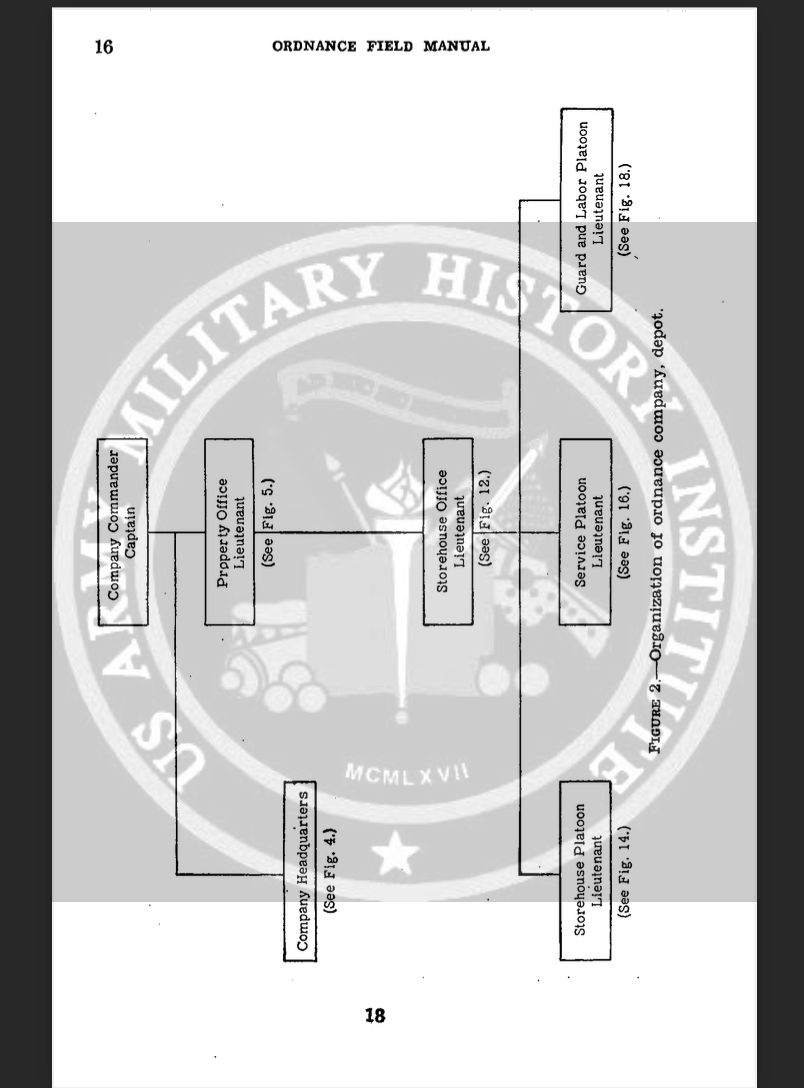
FM 9-25 Ordnance Company Depot Sept 1942 | Describes roles, structure, responsibilities, organization of the company and platoons. Essentially how to run a company ordnance depot.
FM 10-16 General Fabric Repair May 2000 | This isn’t a WW2 field manual but it contains helpful information about how to fix clothing. So I thought it would be good to post a copy here.
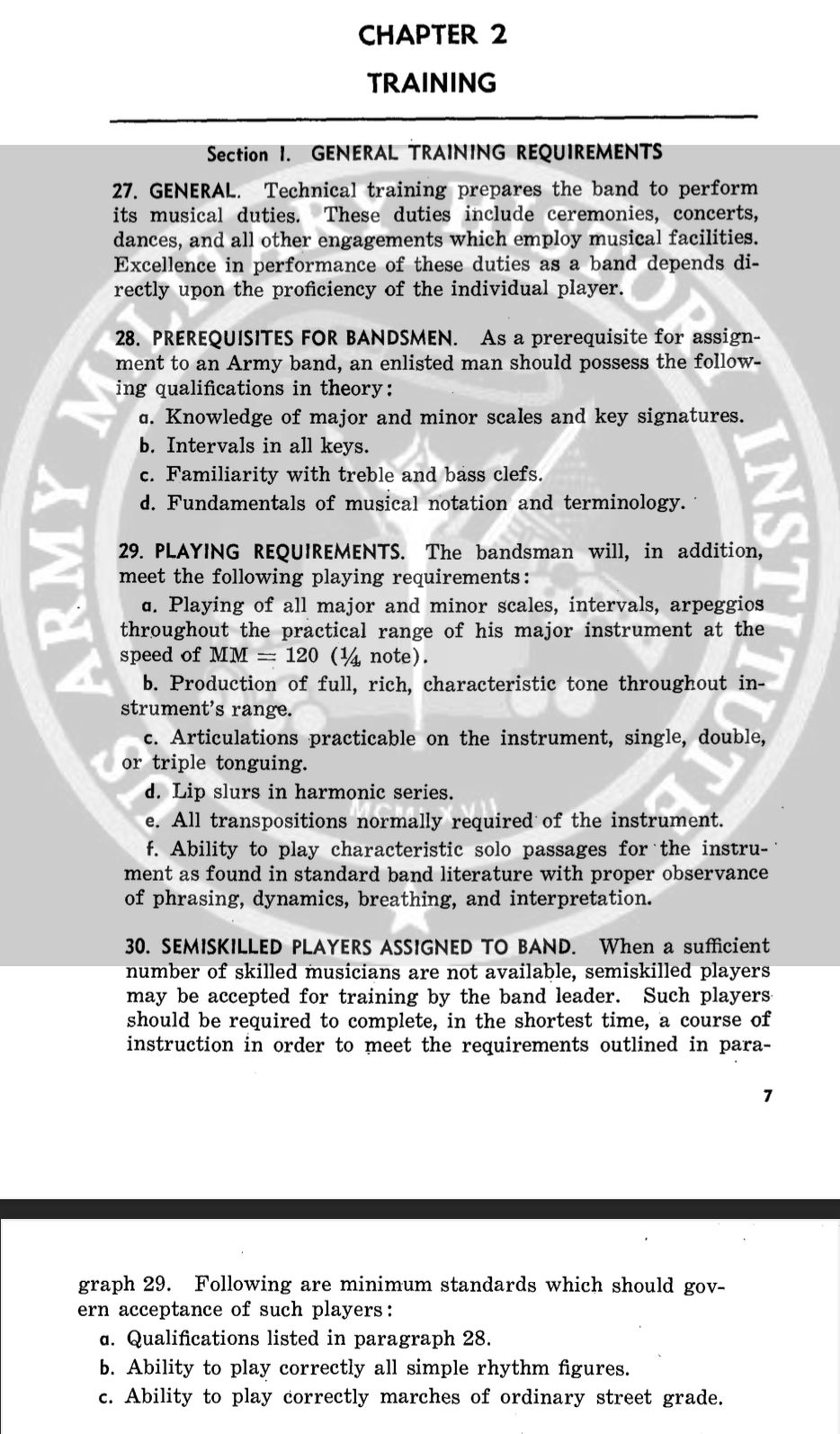
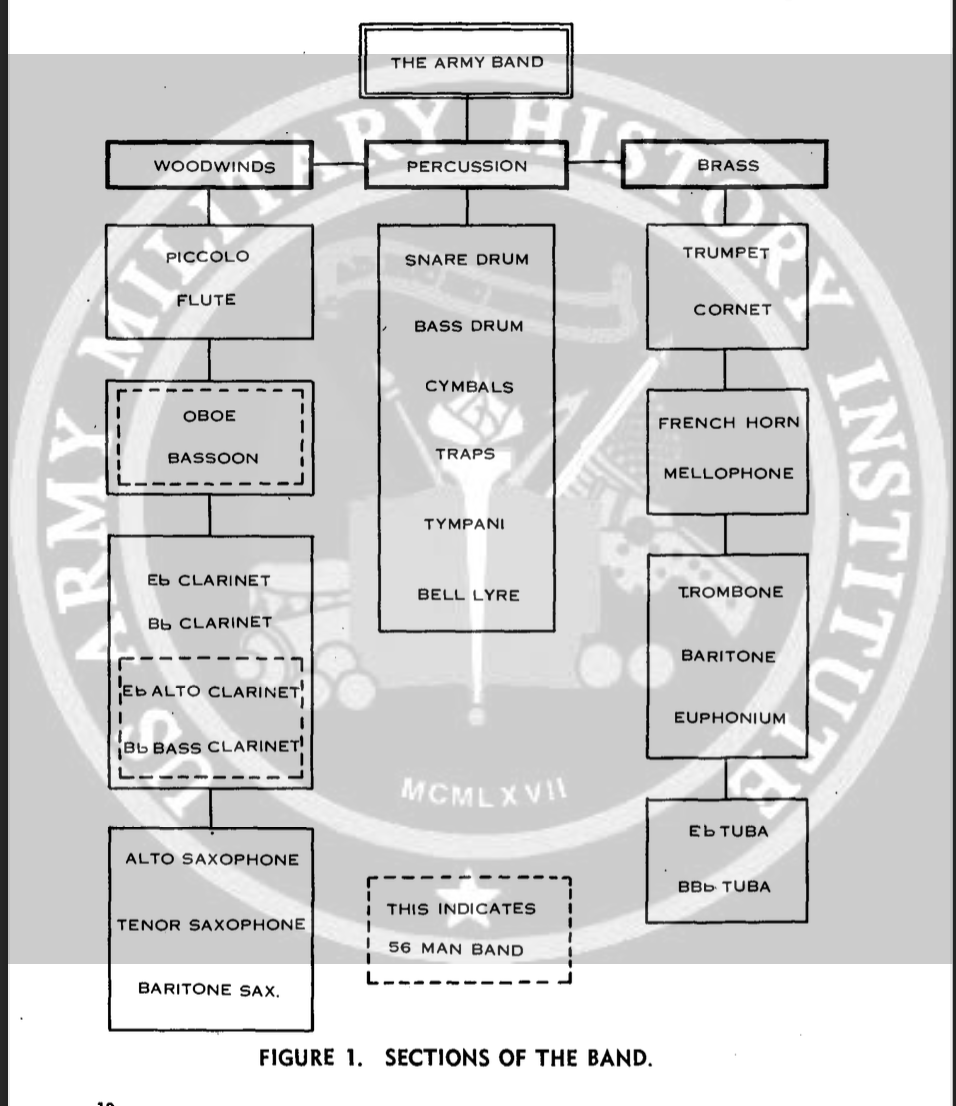
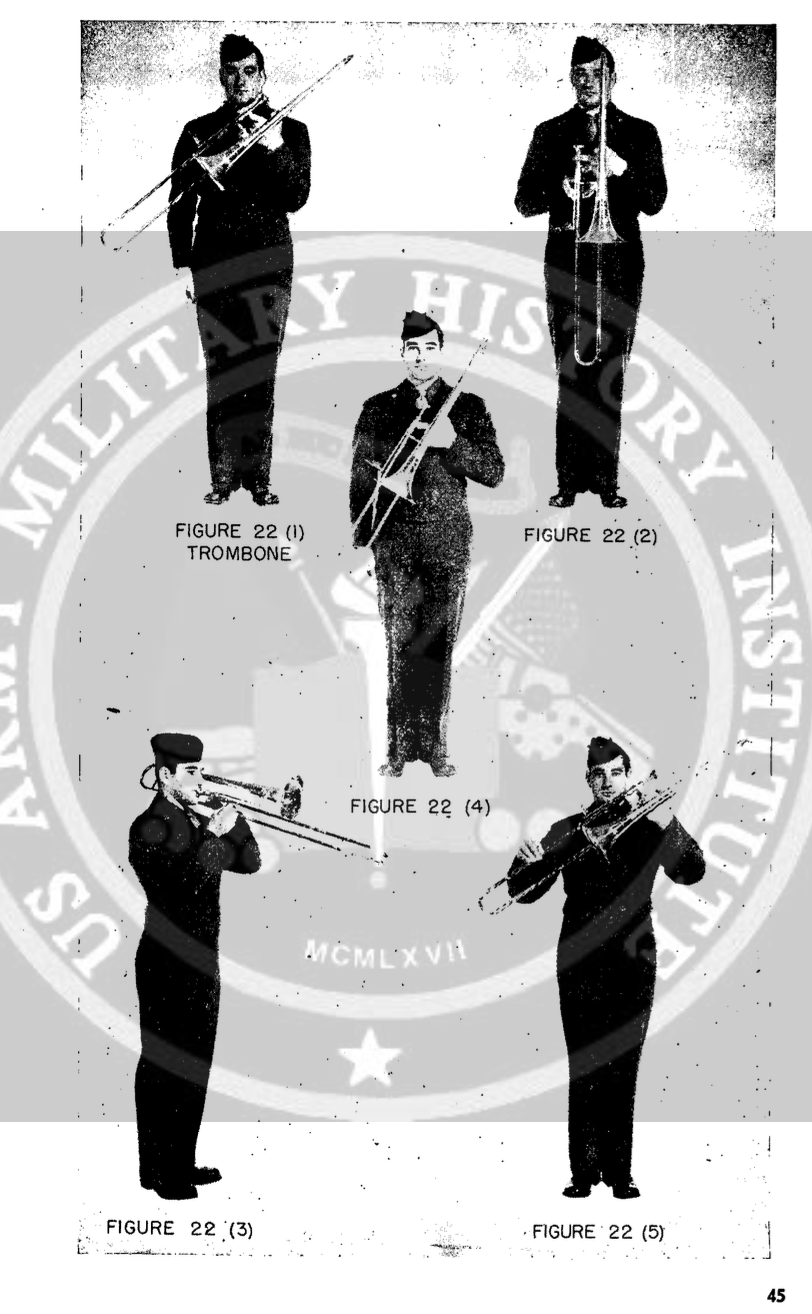
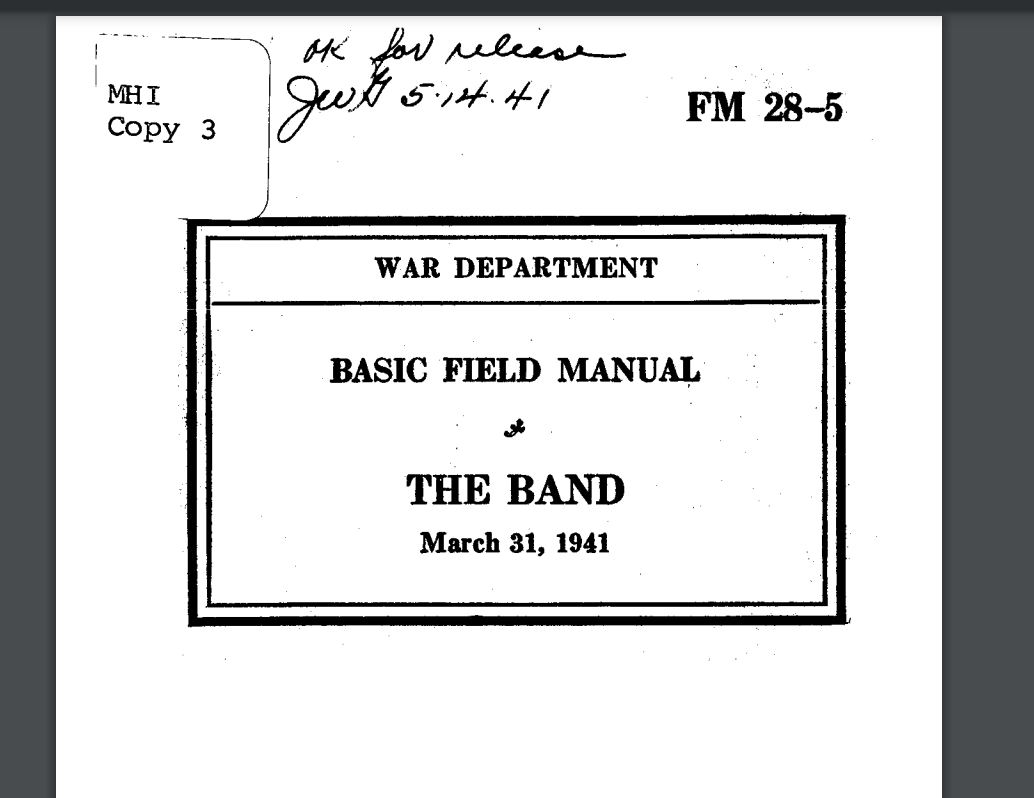
FM 12-50 The Band July 1946 | Outlines structure and organization of The Band. Includes, formations, training requirements, marching orders, instrument diagrams, and instrument cleaning.
Band members have the mission of furnishing music at formations, providing entertainment, and doing combat duties for the unit the band is organically assigned such as:
(1) To provide or assist in providing local security of headquarters and bivouacs. This employment includes antitank defense and defense against troops transported by air.
(2) To serve as prisoner of war escorts and to guard prisoners in unit areas.
(3) To assist the medical detachment by serving as litter bearers.
(4) To assist in handling supplies at dumps and train bivouac areas.
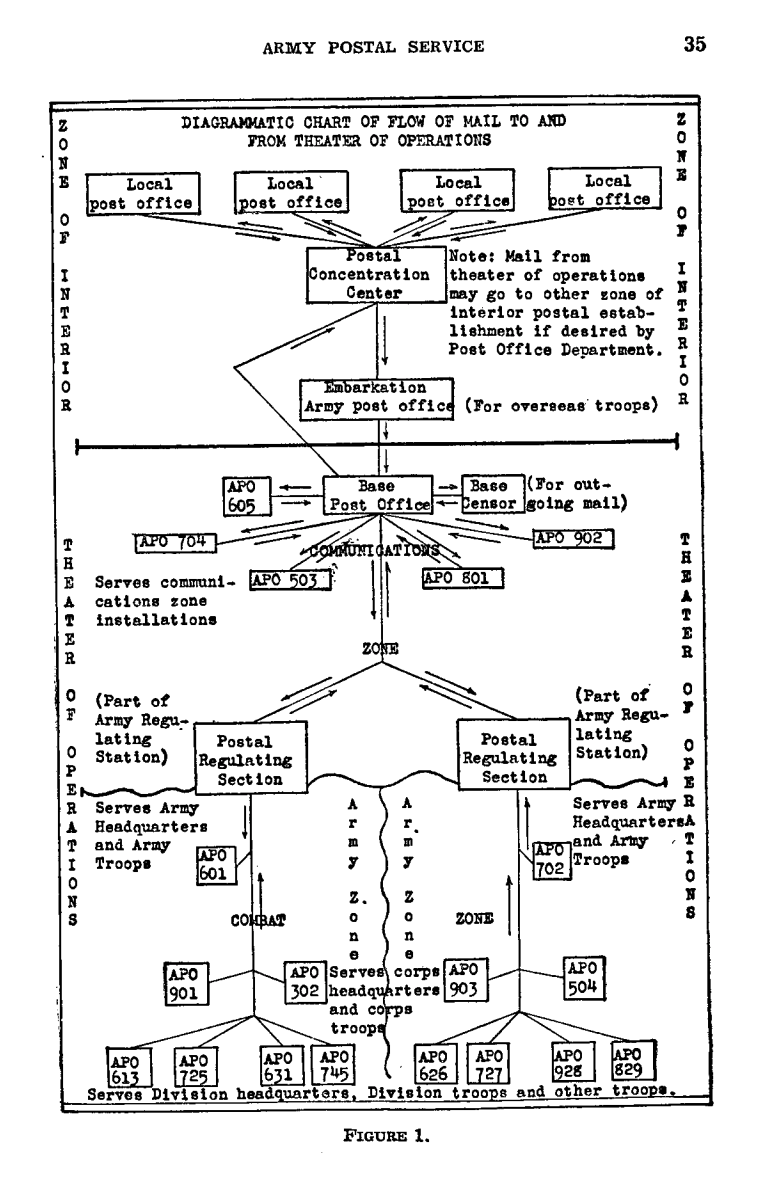
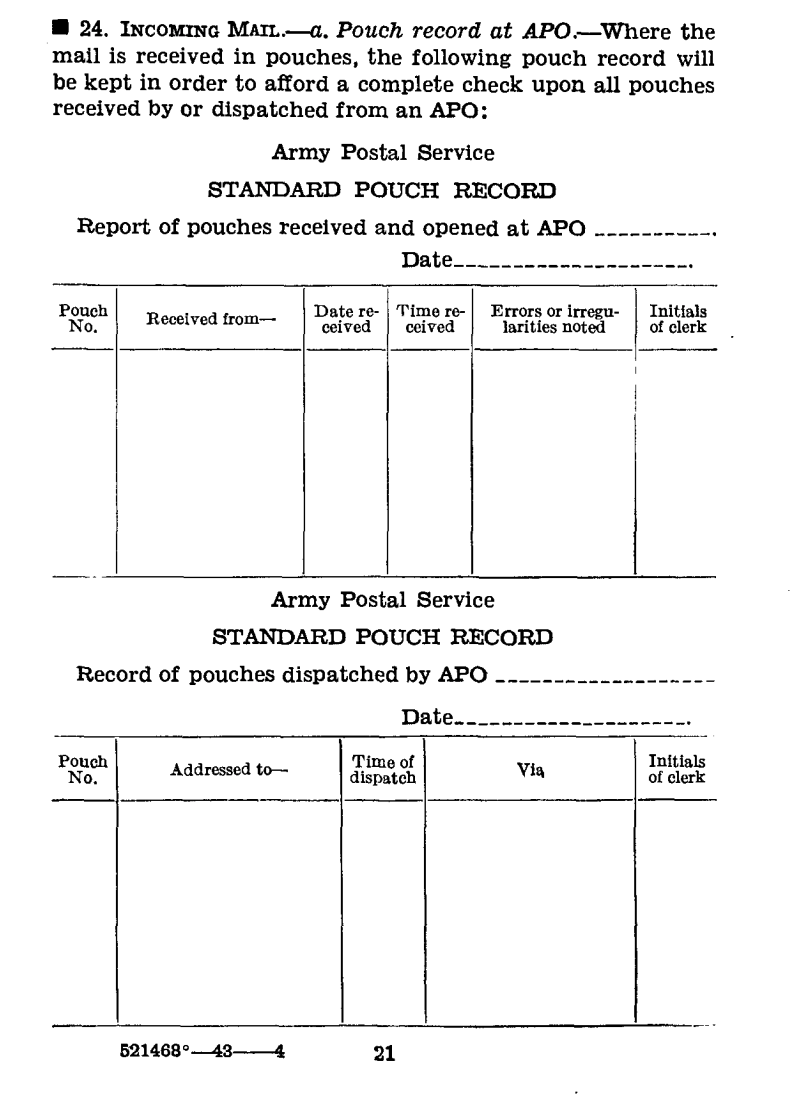
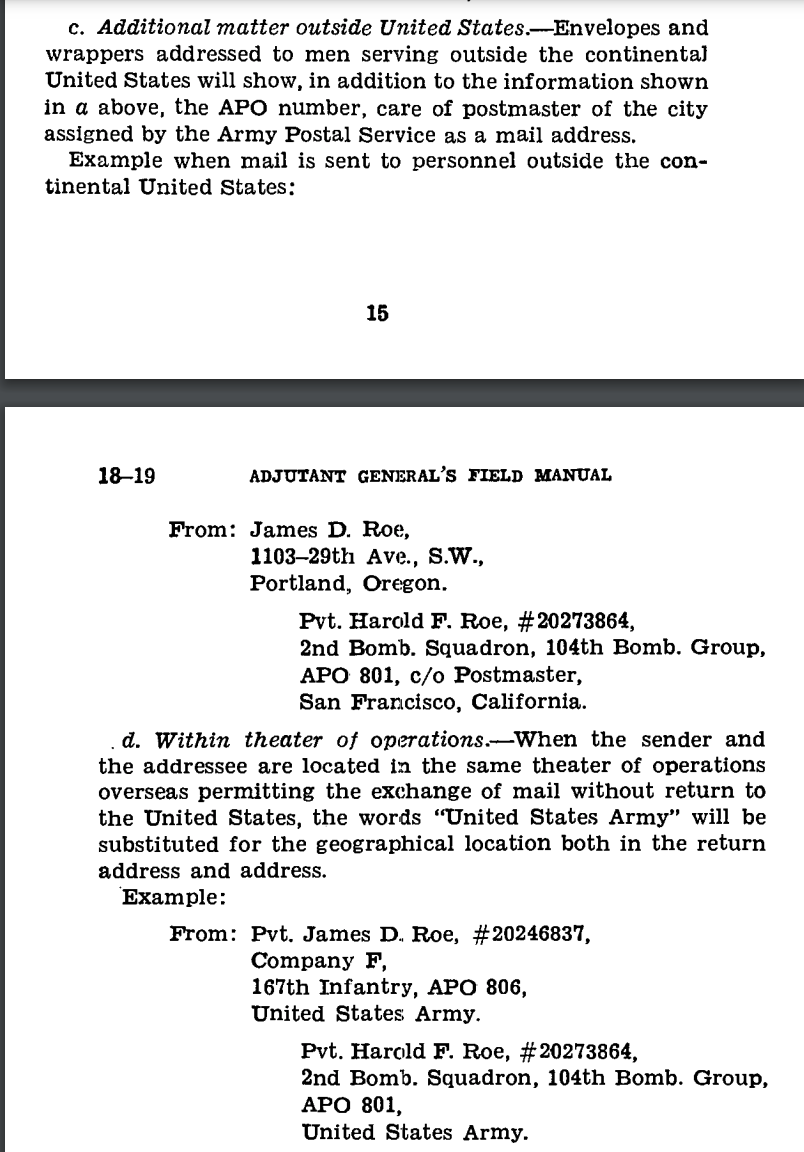
FM 12-105 Army Postal Service May 1943 | Describes duties and responsibilities as well as structure and organization of sending mail, cablegrams, and radiograms.
FM 16-5 The Chaplain Jan 1952 | This is a post-WW2 field manual, but the duties and responsibilities outlined are likely similar to what the Chaplain did.
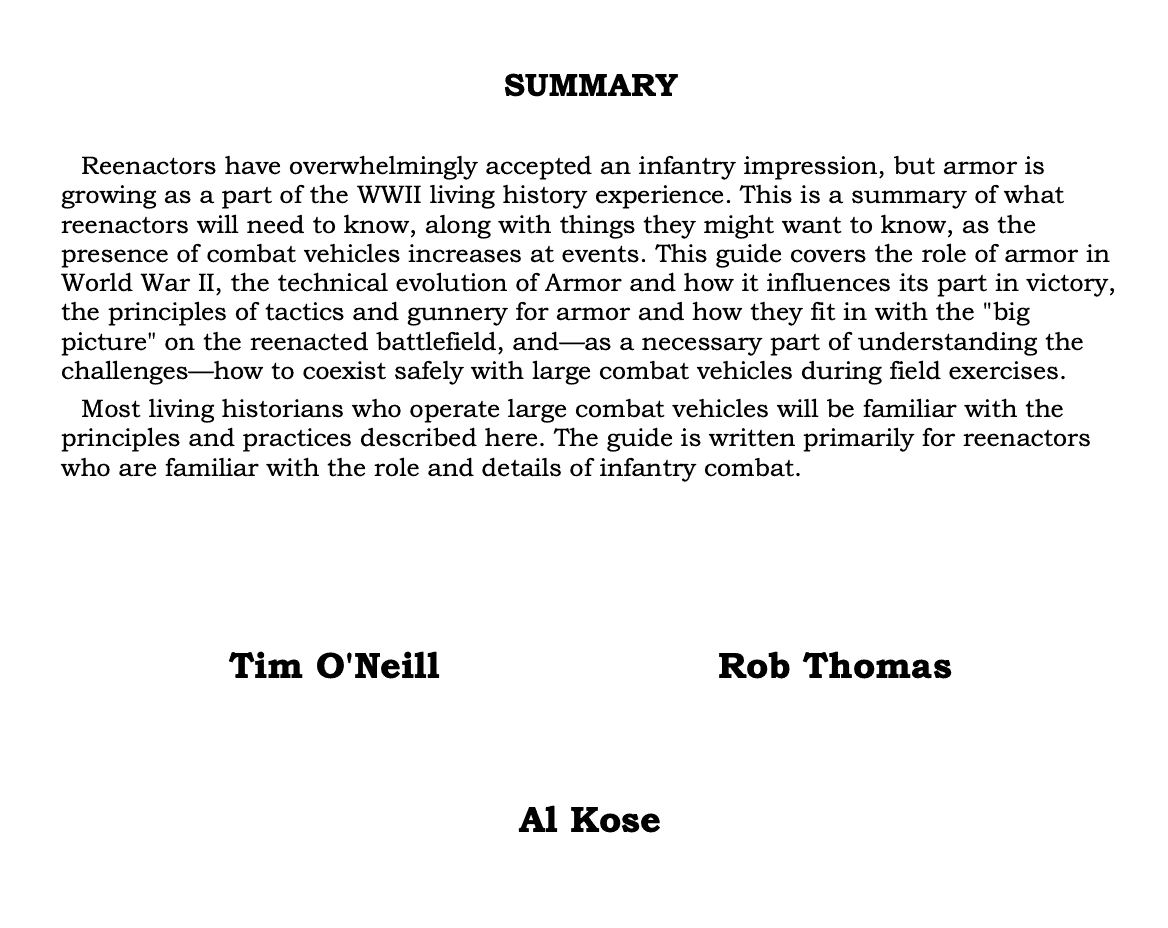
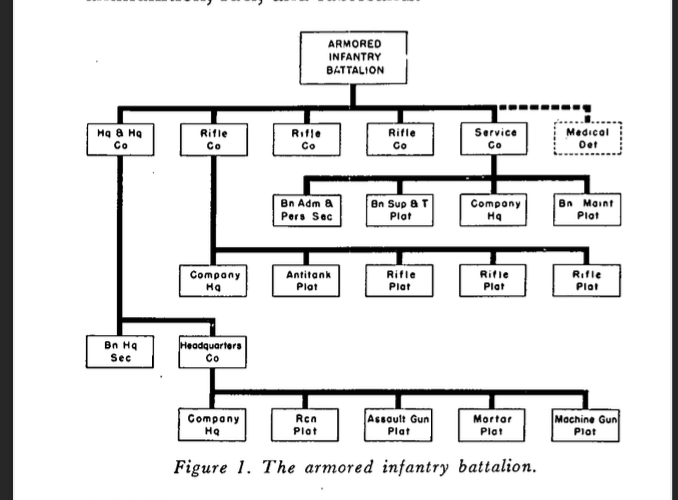
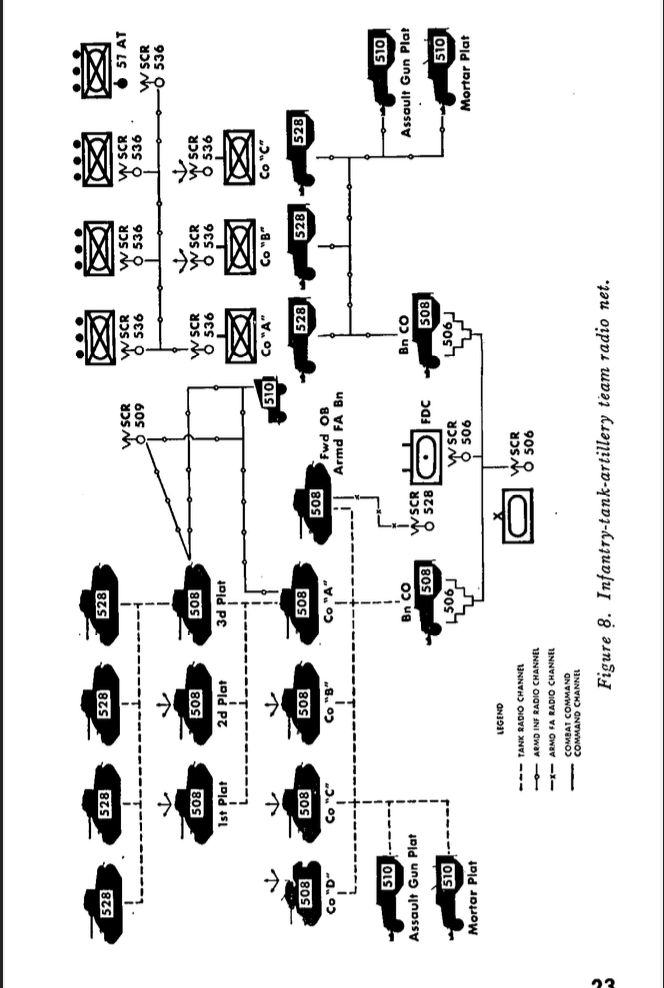
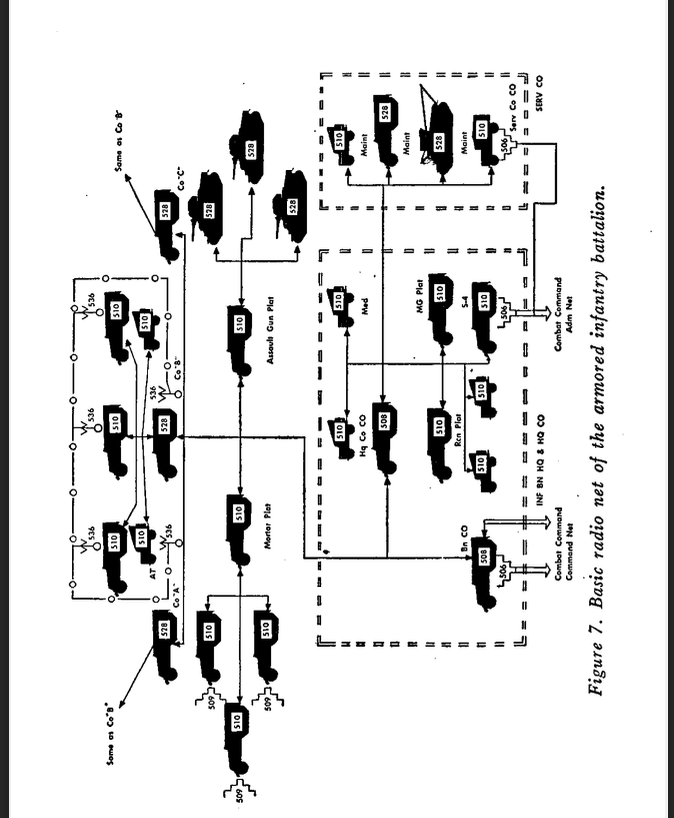
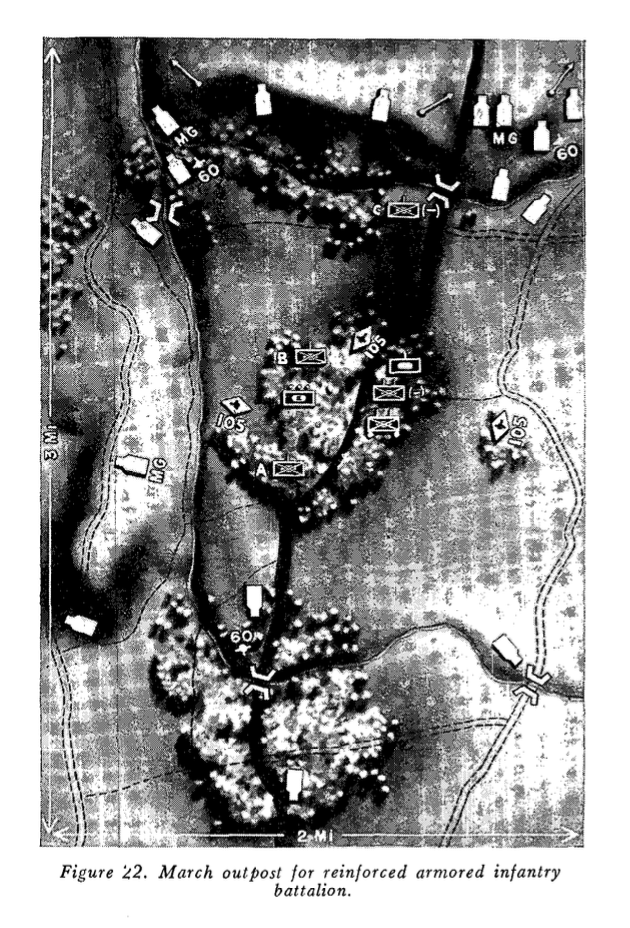
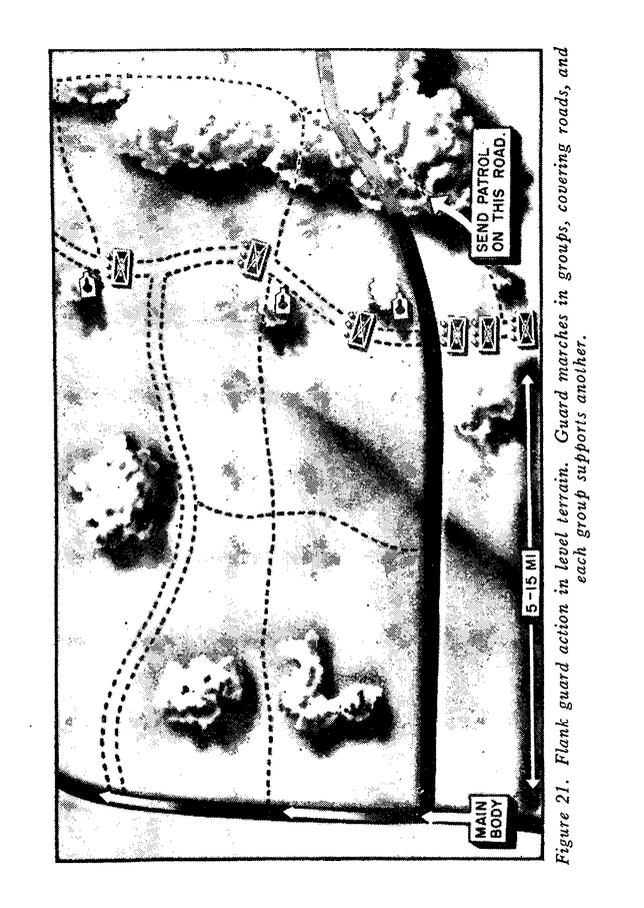
FM 17-42 Armored Infantry Battalion Nov 1944 | Describes the armored infantry battalion’s employment, structure, and tactics. Tim O’Neill has another copy of the book with some intro notes for how to use this correctly in a historical reenactment here.
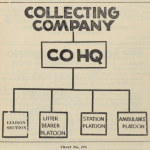
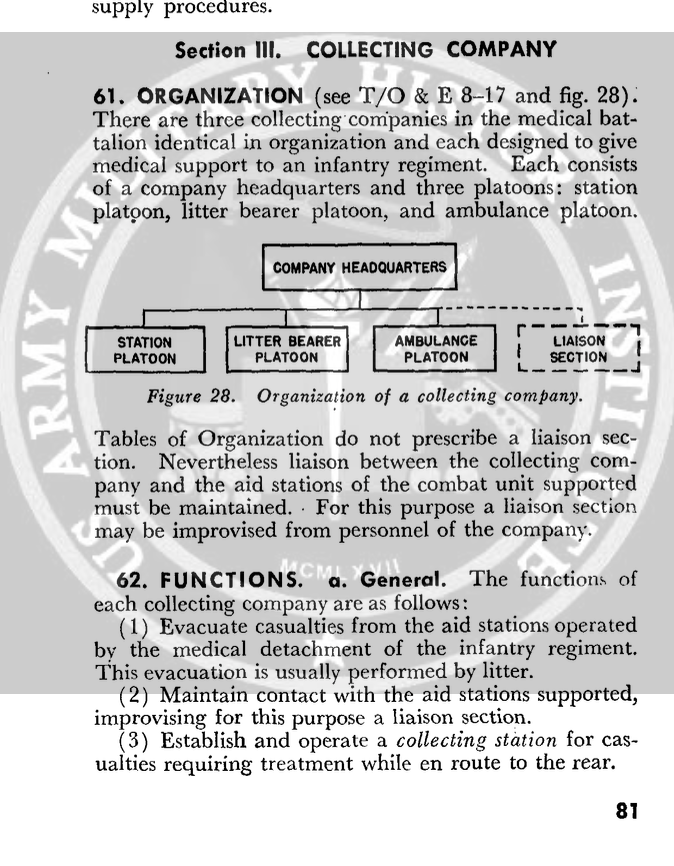
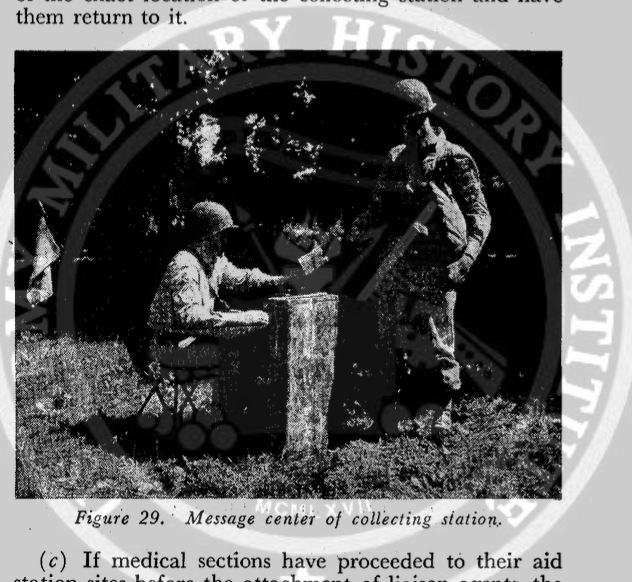
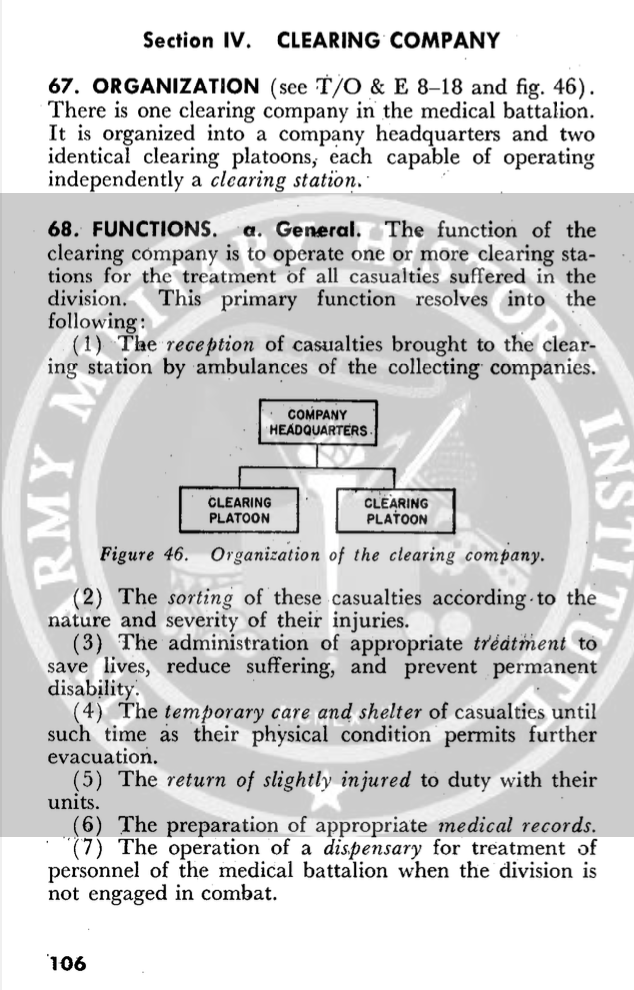
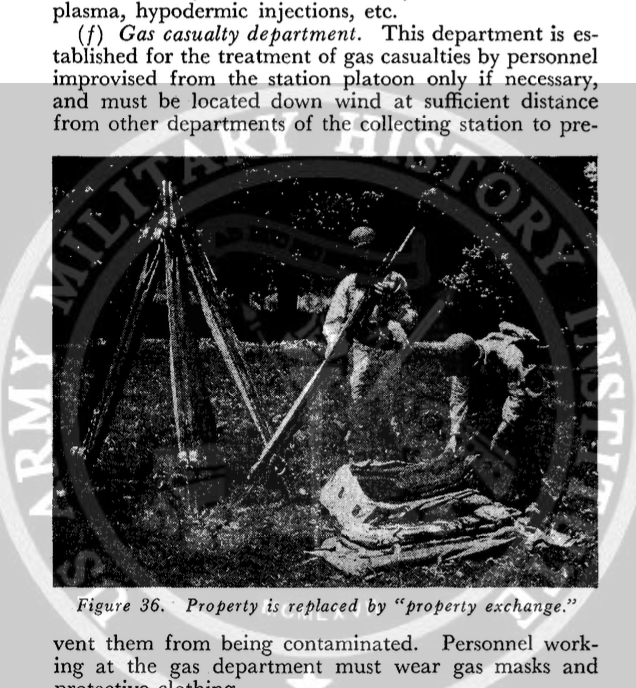
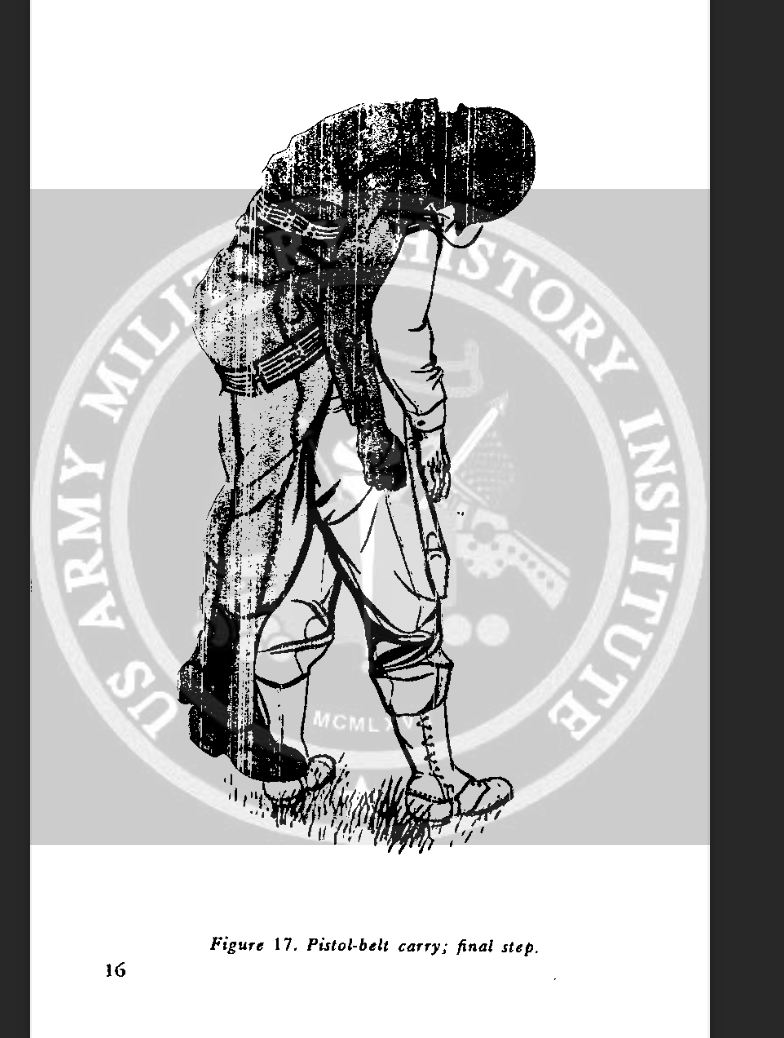
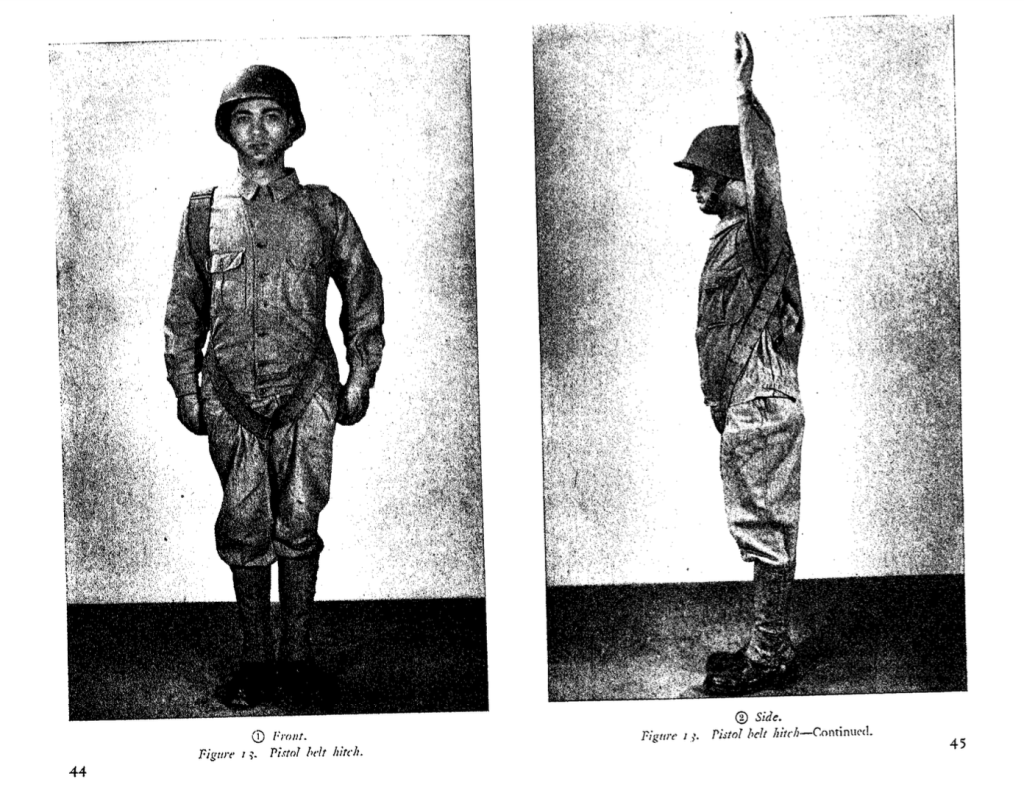
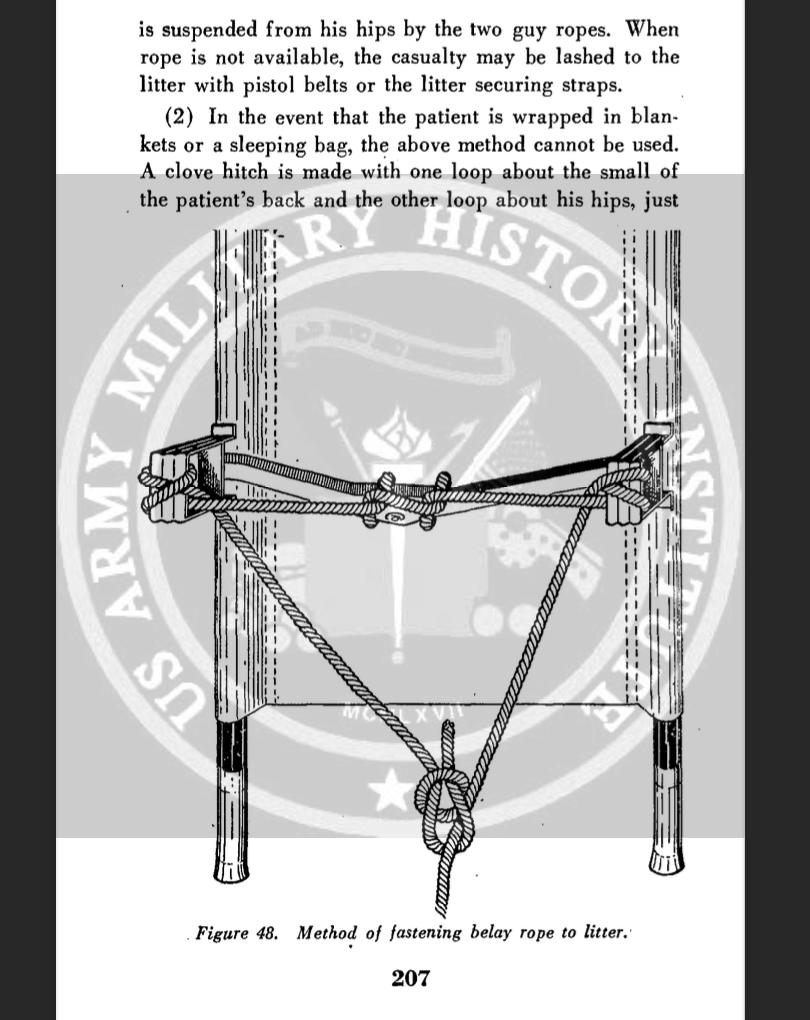
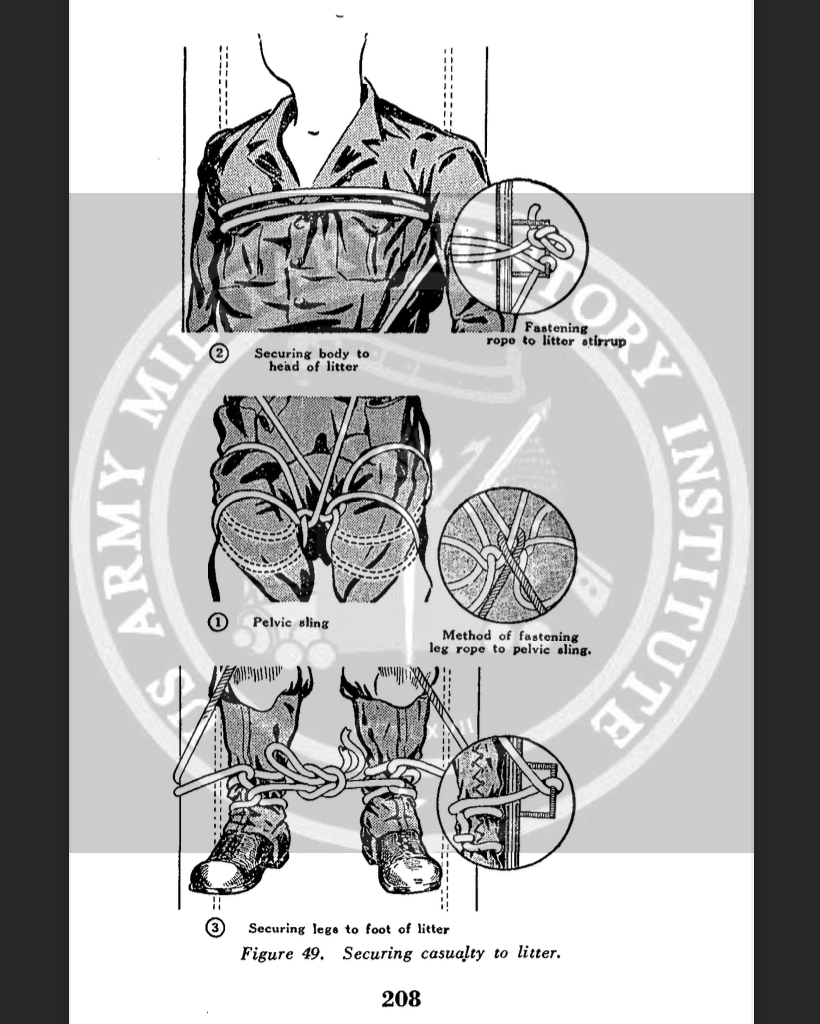
FM 17-80 Armored Medical Units Aug 1944 | Explains the structure and organization of the units involved, such as signal, collecting, and clearing platoons. Describes extraction techniques from tanks, including the Pistol Belt Hitch.
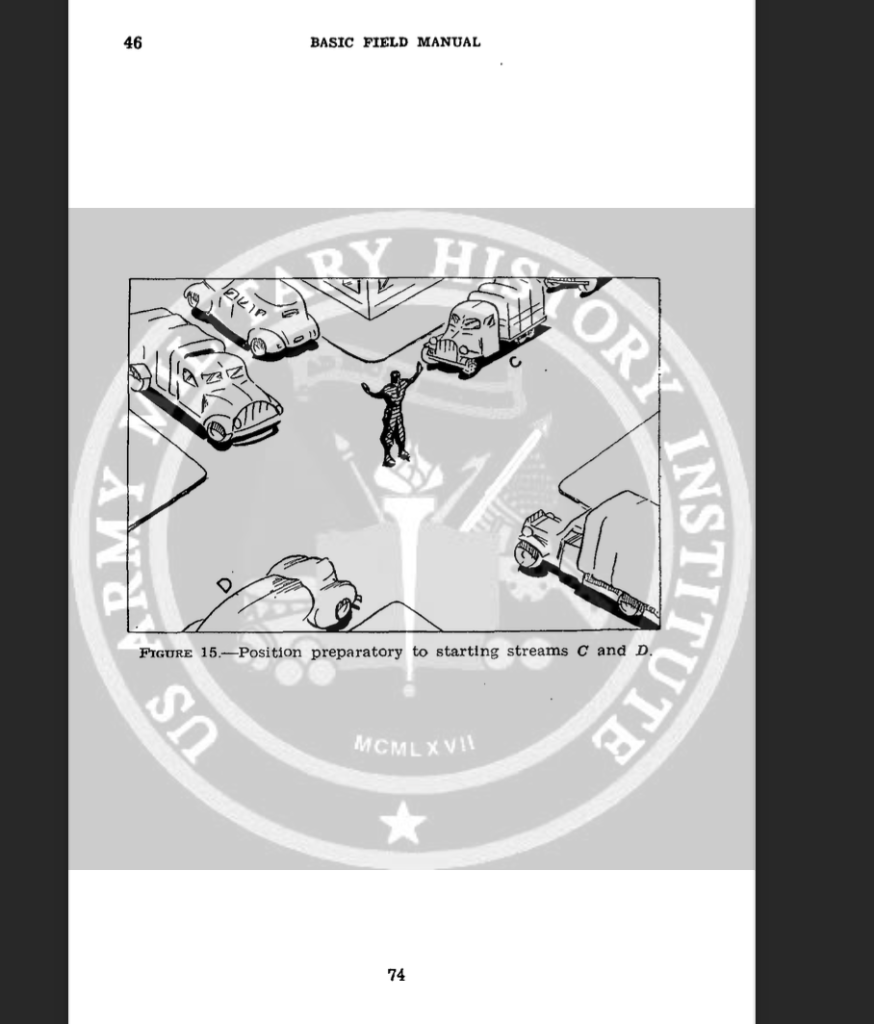
FM 19-5 Military Police June 1944 | Describes roles, duties, expectations, functions, and structure of MP, including patrolling and controlling traffic.
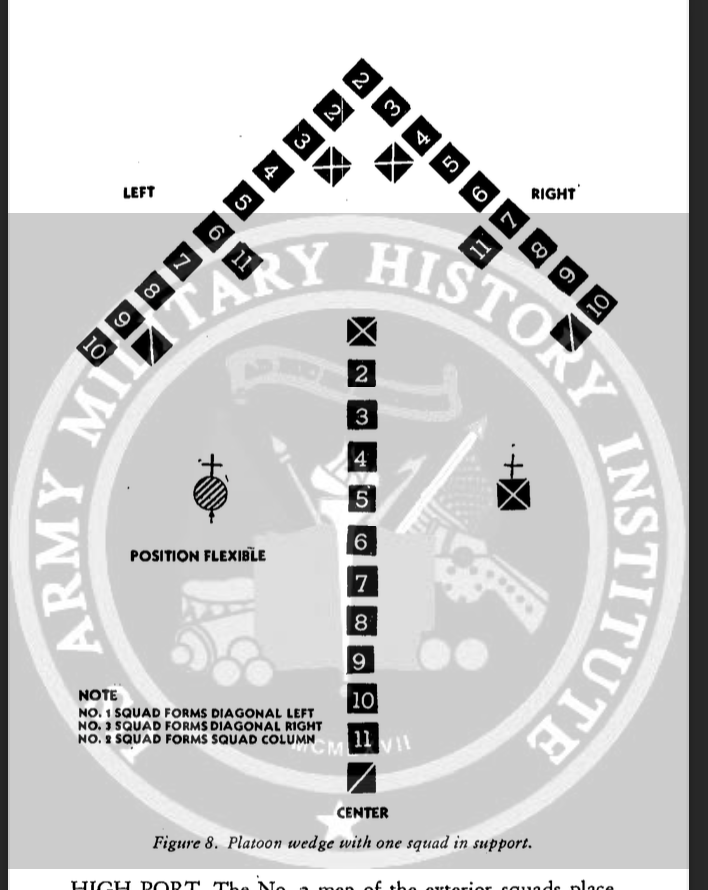
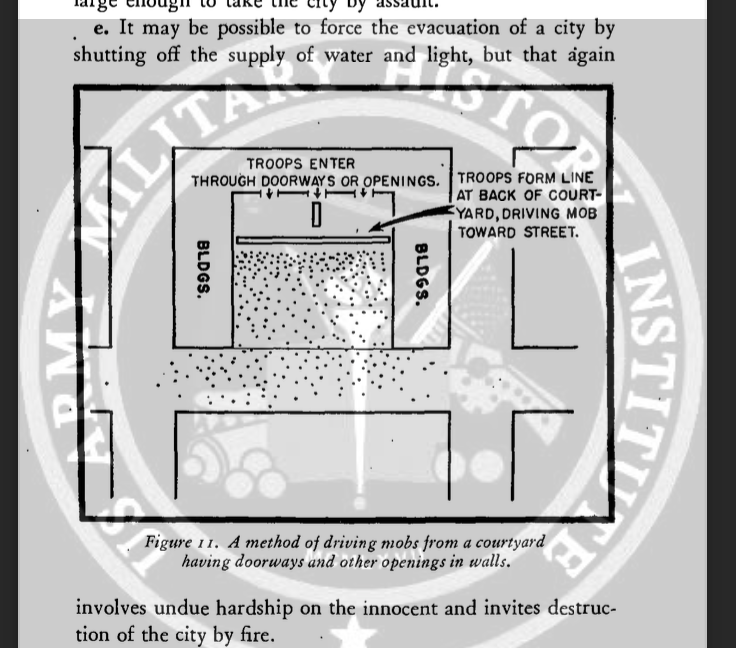
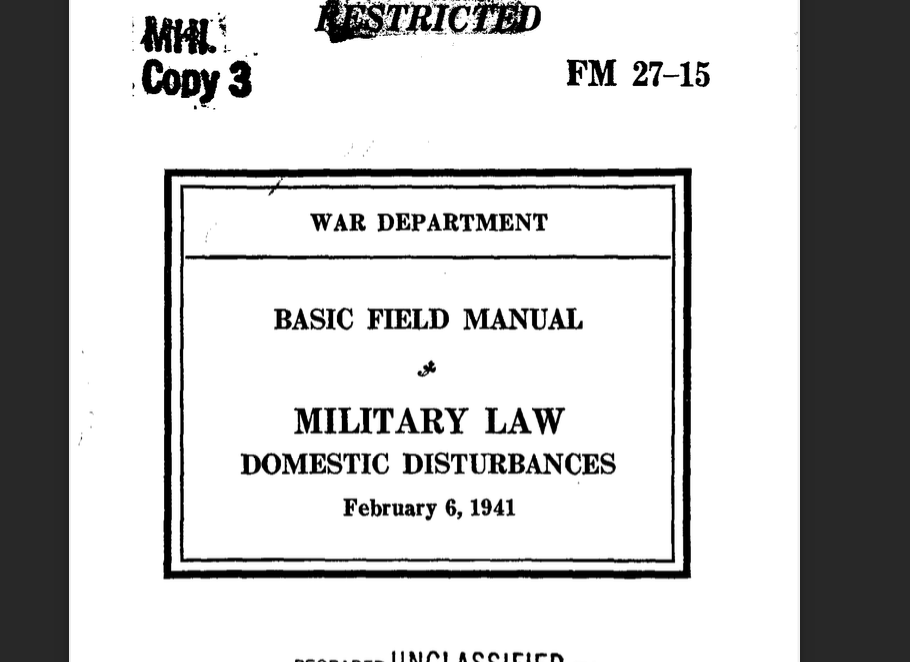
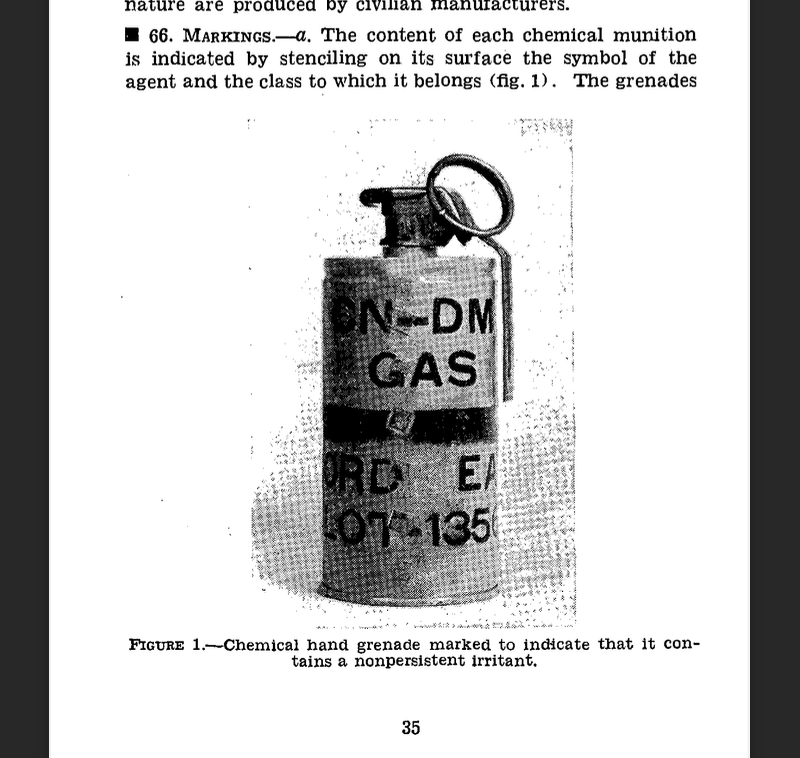
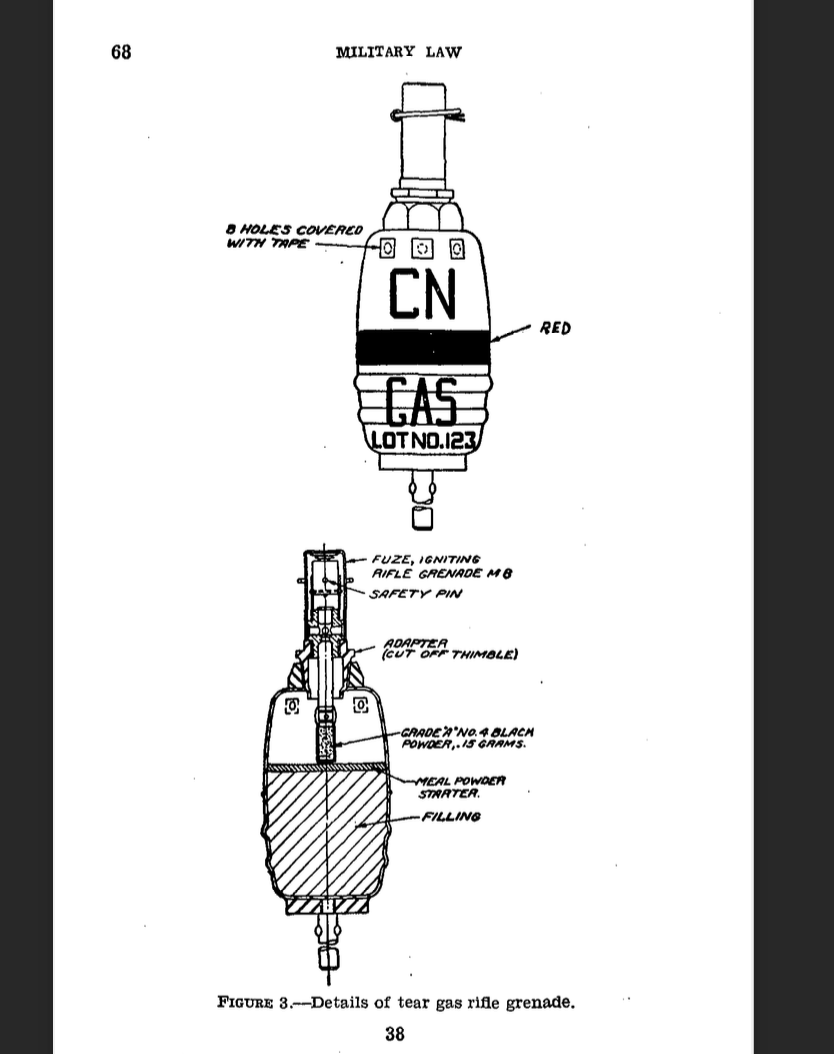
FM 19-15 Domestic Disturbances July 1945 | Describes rules and laws governing the handling of domestic disturbances. Includes formations and tactics, and the use of chemical weapons.
FM 19-10 MPs in Towns & Cities Jan 1945 | Describes how to patrol and secure towns/cities as well as the organization and structure of the Military Police HQ.
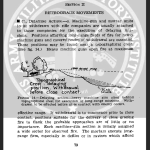
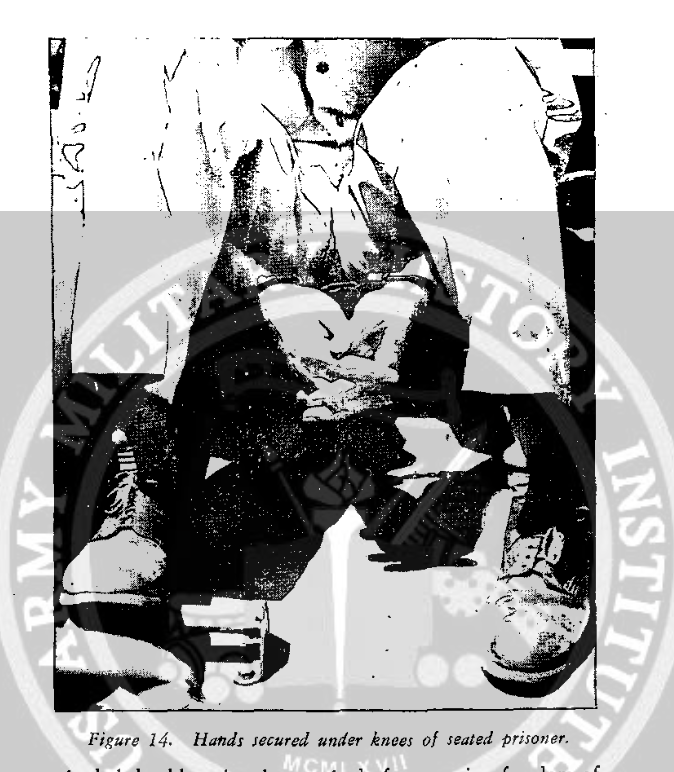
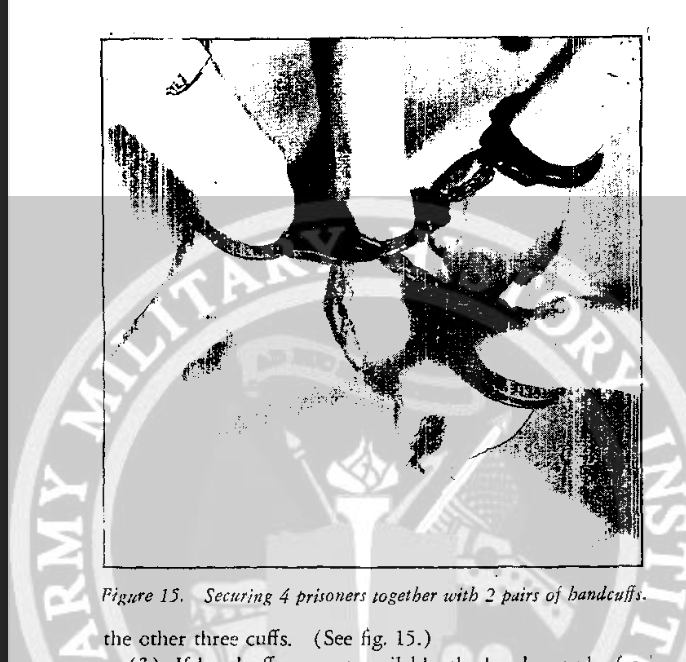
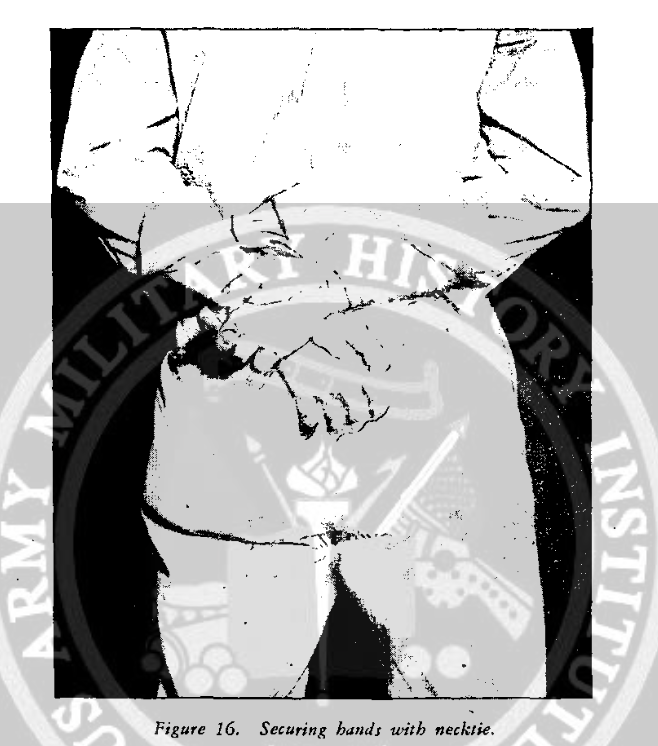
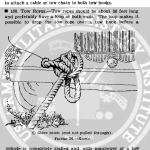
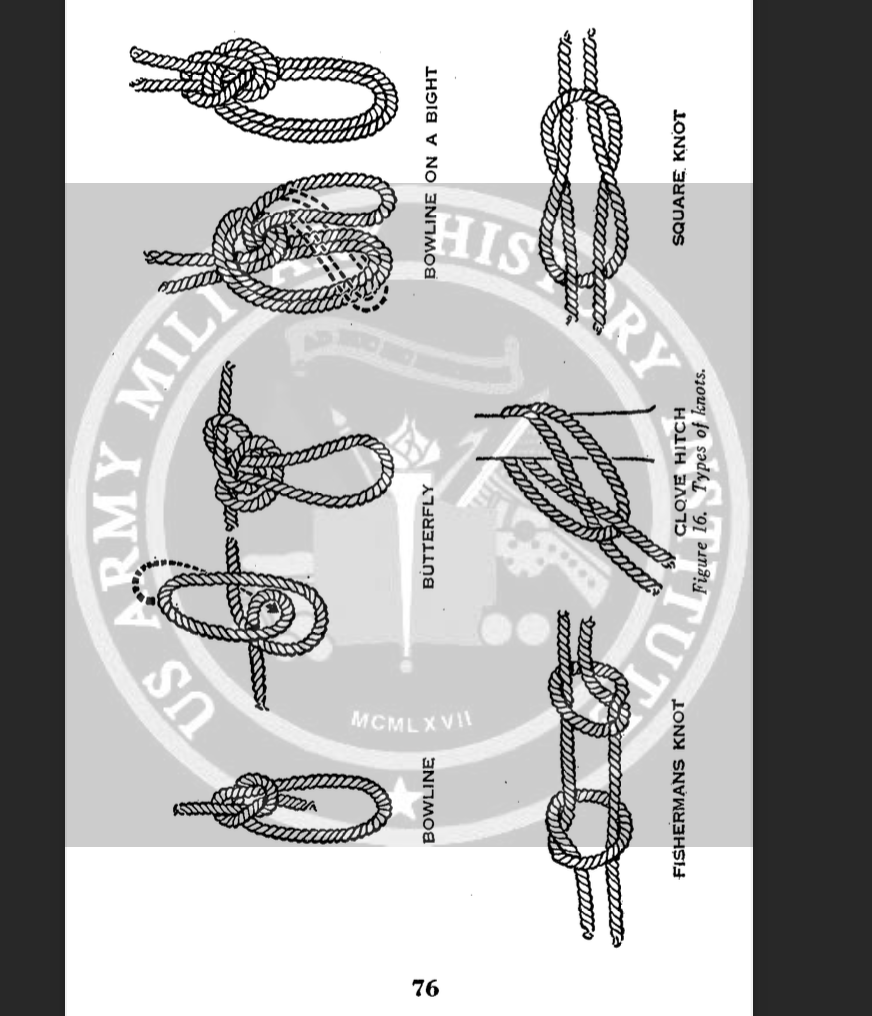
Interestingly, if handcuffs are not available, the hands may be fastened by using a belt or necktie, which is first passed around each wrist, followed by a few turns between the wrists. (See fig. 16.) When the hands are in front, the knot or the buckle should be placed over the hands. It is good practice to secure the belt or necktie to the waist belt of the prisoner.
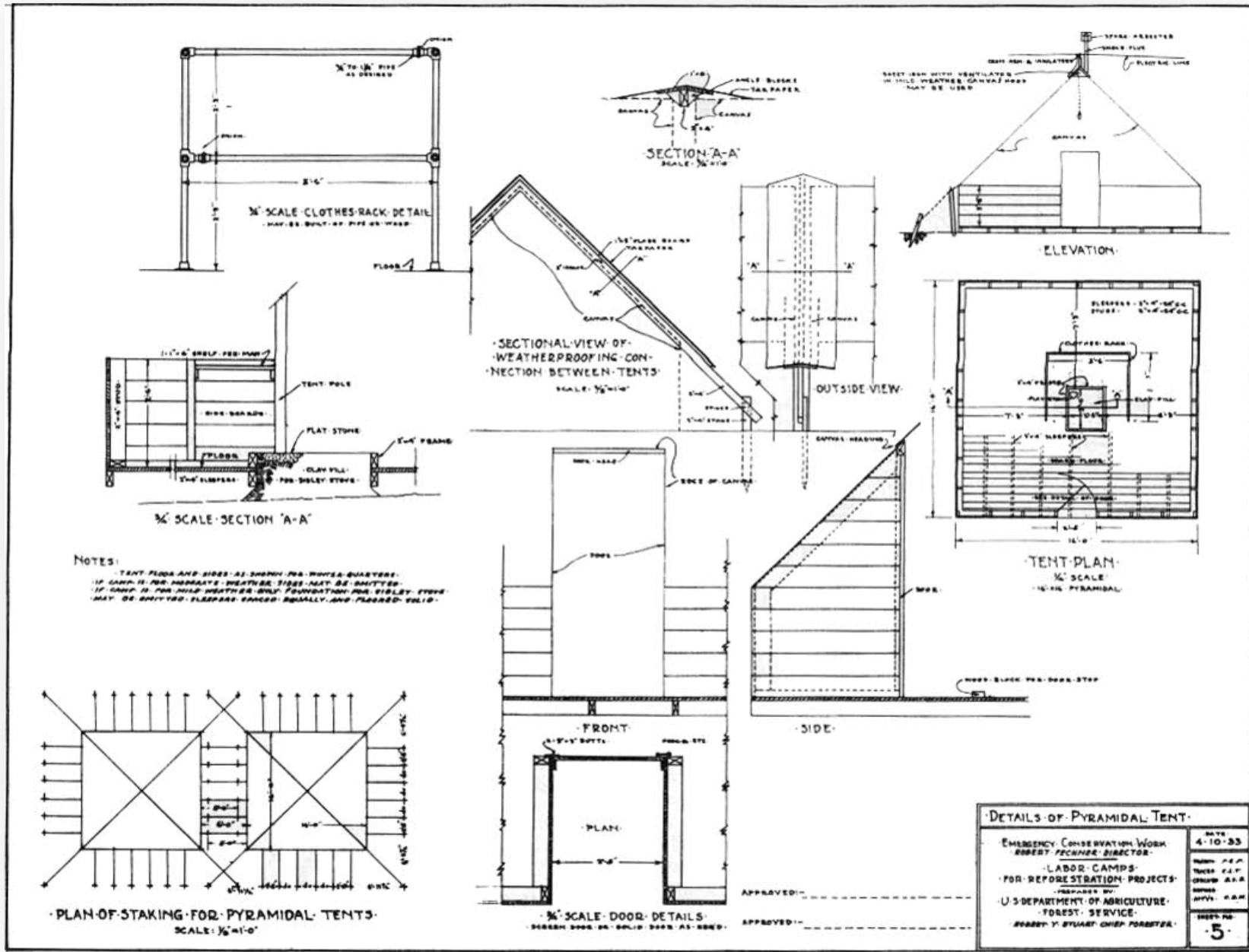
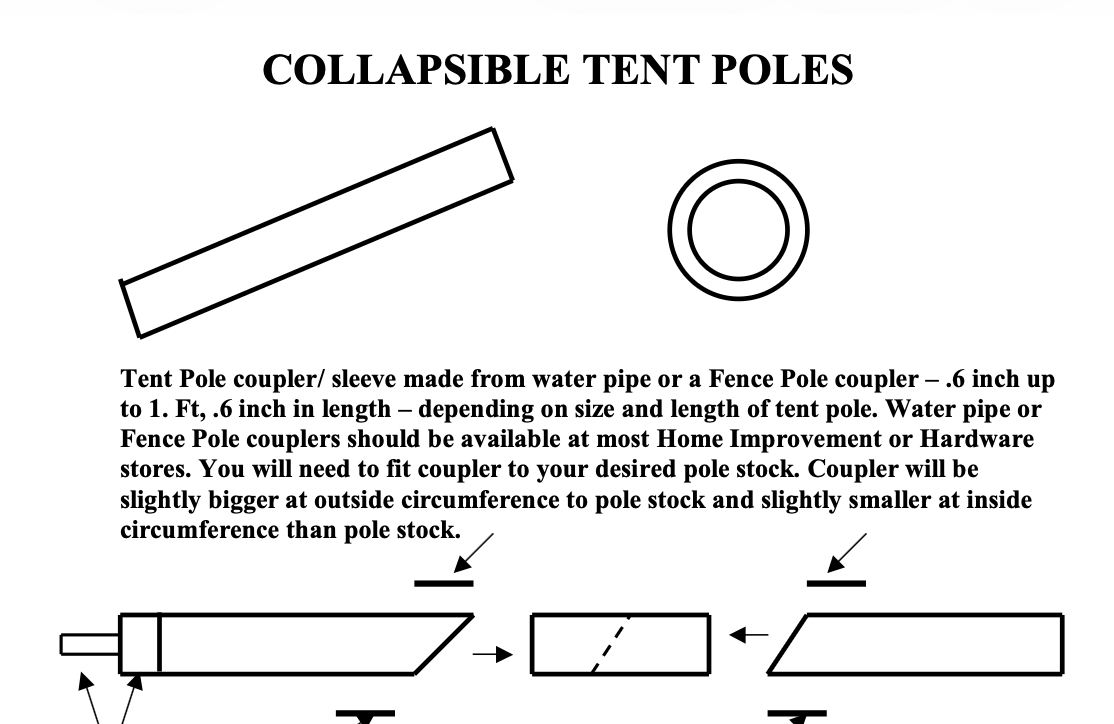
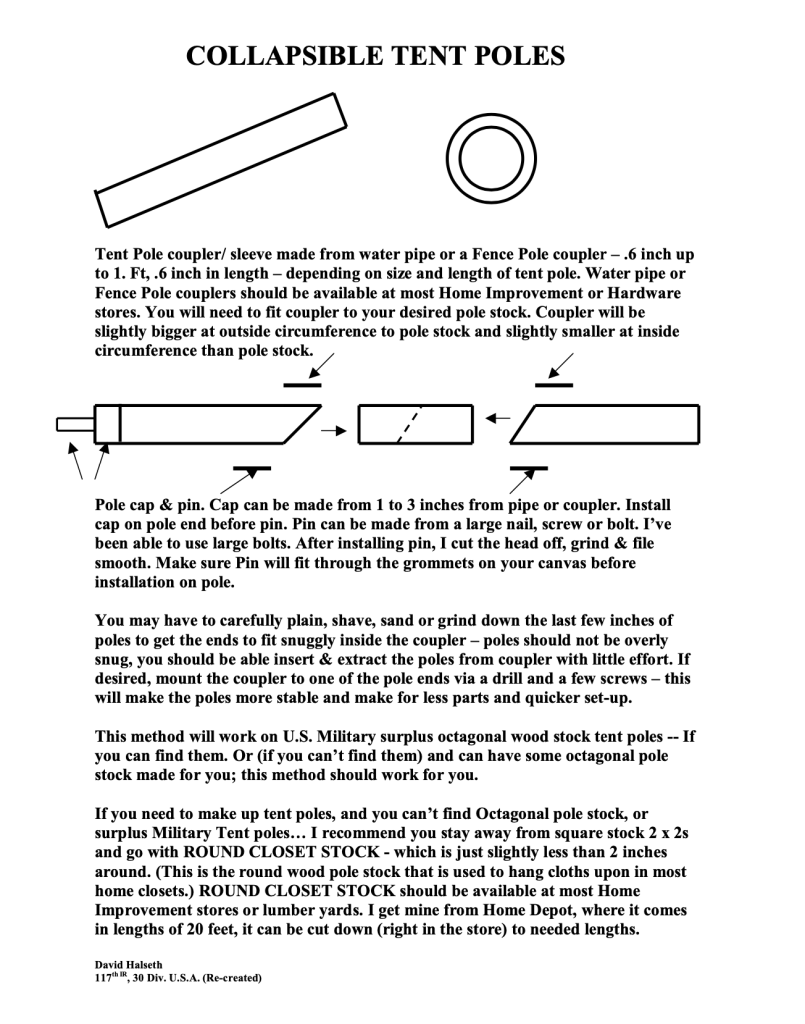
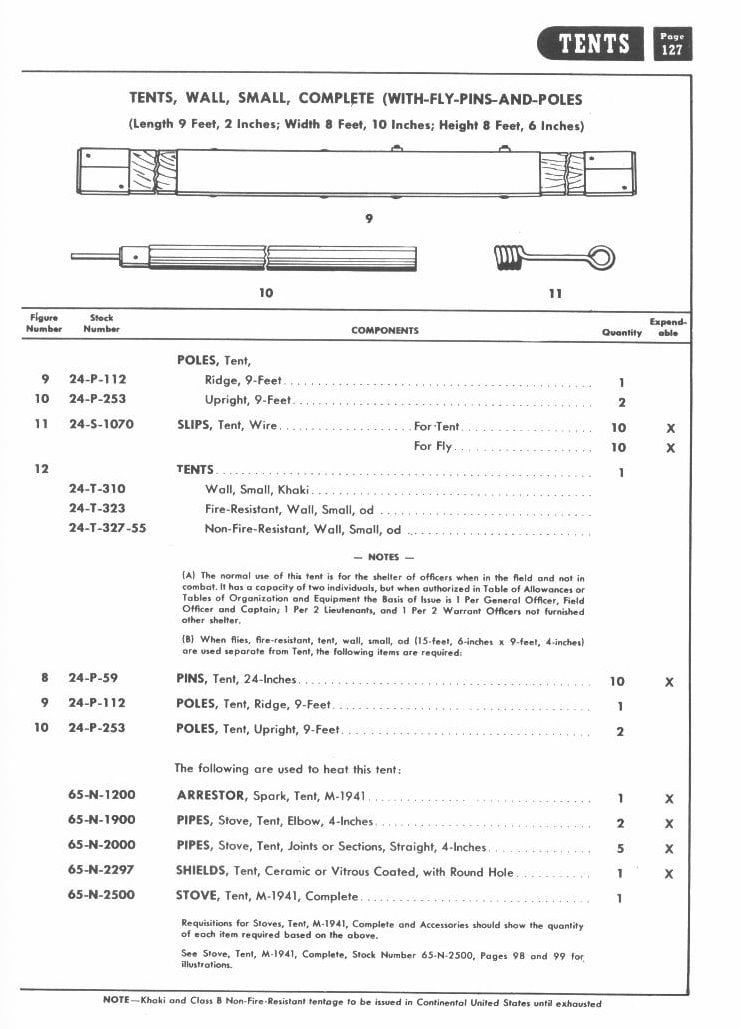
Collapsible tent poles for large tents weren’t, to the best of my knowledge, in WW2, but since these poles are long, breaking them down makes it easier to pack and travel with them.
I had these made for me once, and I used them as the center or ridge pole in my tent.
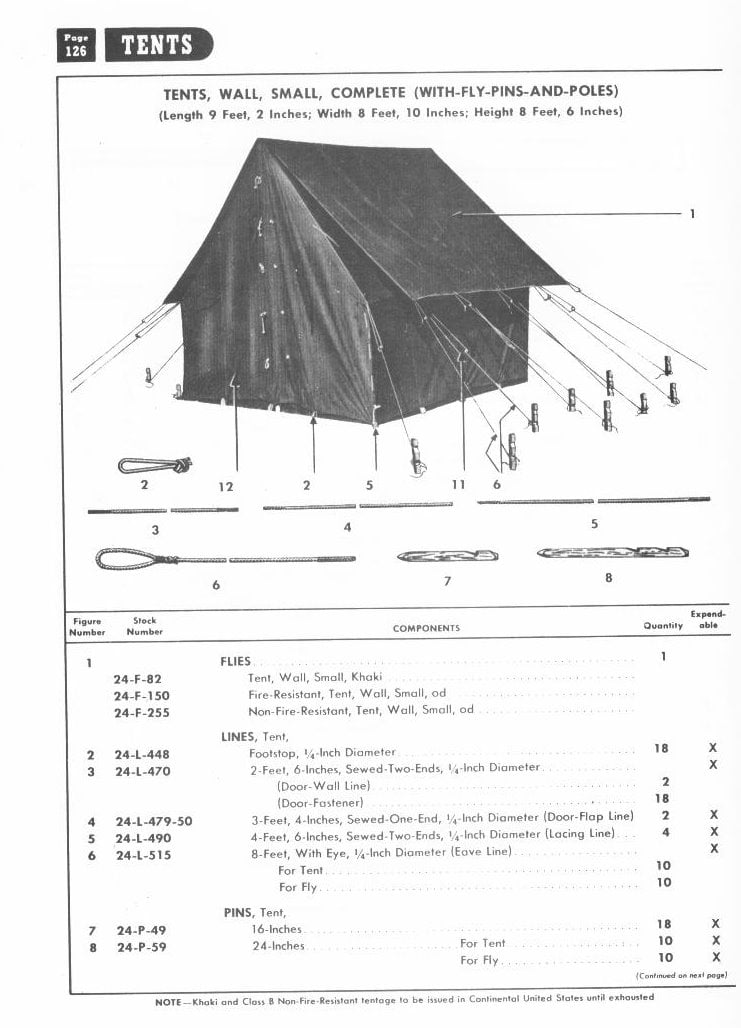
I also included an image of the Small Wall Tent from the Quartermaster Catalog to highlight it.
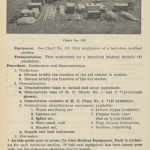
FM 21-5 Military Training July 1941 | Describes how to conduct and create a training program. Gives the Heavy Weapons squad of a rifle platoon as an example training program.
Basically, create the lesson plan, review field manuals, and describe the schedule.
For an earlier version from Oct 1940 with Tim O’Neill notes on using this in a reenactment setting, see here.
FM 21-6 List of Publications for Training Jan 1945 | Describes a list of publications, including Field Manuals, Firing Tables, Lubrication Orders, Mobilization Training Programs, Technical Bulletins, Technical Manuals, and Training Circulars.
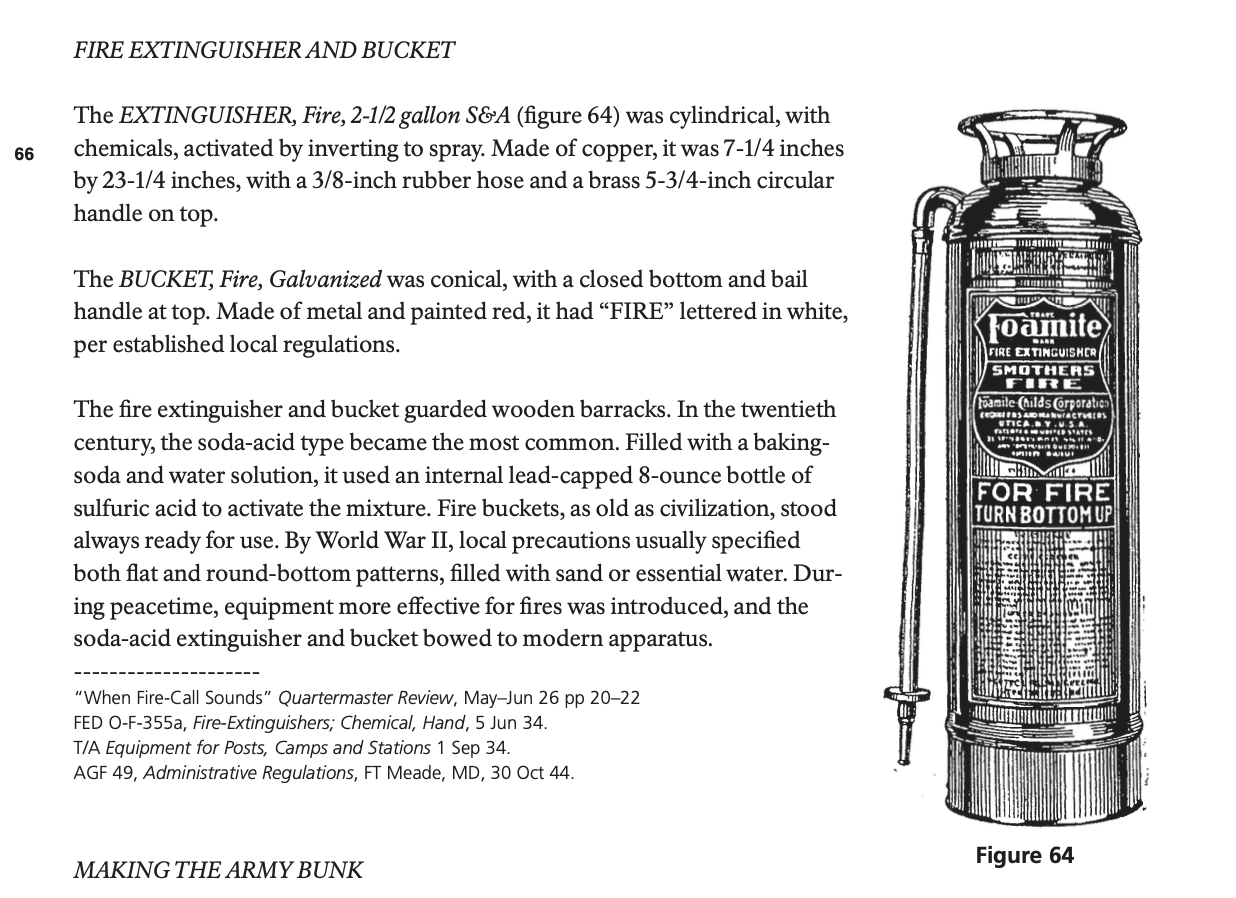
At the end of each film, the instructor should have an activity that enhances or assesses learning, such as a short quiz. Finally, in the 1943 manual (not sure why they’re not mentioned in the others), when showing 35mm films, a fire extinguisher and a bucket of sand should be nearby as the films use flammable nitrate. Also, it looks like to show films on a projector, you need to be certified.
The Chief Signal Officer was responsible for obtaining films.
In 1945, all combat soldiers were required to view the following “Fighting Men” series training films (TF)
21-1007 Snafu.
21-1018 Keep It Clean.
21-1019 Crack That Tank.
21-1020 How To Get Killed In One Easy Lesson.
21-1021 Wise Guy.
21-1024 Kill or Be Killed.
21-1026 On Your Toes.
21-1027 Latrinograms.
21-1028 Heroes.
21-1029 On Your Own.
21-1375 Time Out.
21-2014 Baptism of Fire.
21-2015 Secret Weapon.
21-2056 By Your Command.
In 1945, all military personnel were required to view the following special films and War Information films:
TF 30-1315 Postal Censors
OF 1 Prelude to War
OF 2 The Nazis Strike
OF 3 Divide and Conquer
OF 4 The Battle of Britain
OF 5 The Battle of Russia
OF 16 Know Your Ally – Britain
OF (RF) 51 The Negro Soldier
In 1945, soldiers at reception centers were required to view the following training films:
21-2067 Introduction to the Army.
8-1238 Sex Hygiene
8-2060 PickUp. (Maybe shown in lieu of 8-1238.)
8-155 Personal Hygiene.
21-2048 Military Courtesy.
11-235 Articles of War.
19-2034. A.W.O.L. and Desertion.
8-2047 First Aid for Battle Injuries.
8-2049 First Aid for Non-Battle Injuries.
7-248 Instruction of the Soldier, Dismounted, Without Arms, Position and Facings.
30-2033 SuckerBait.
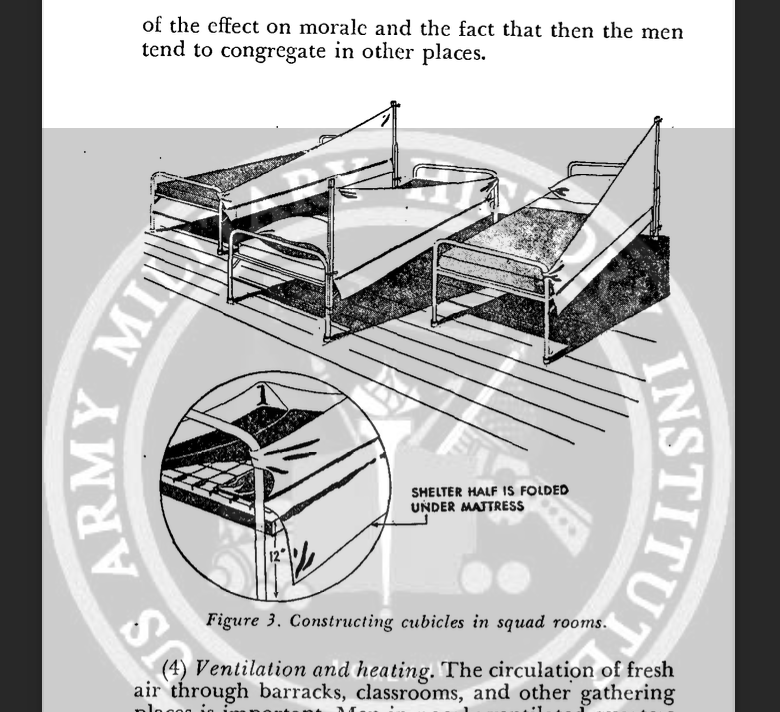
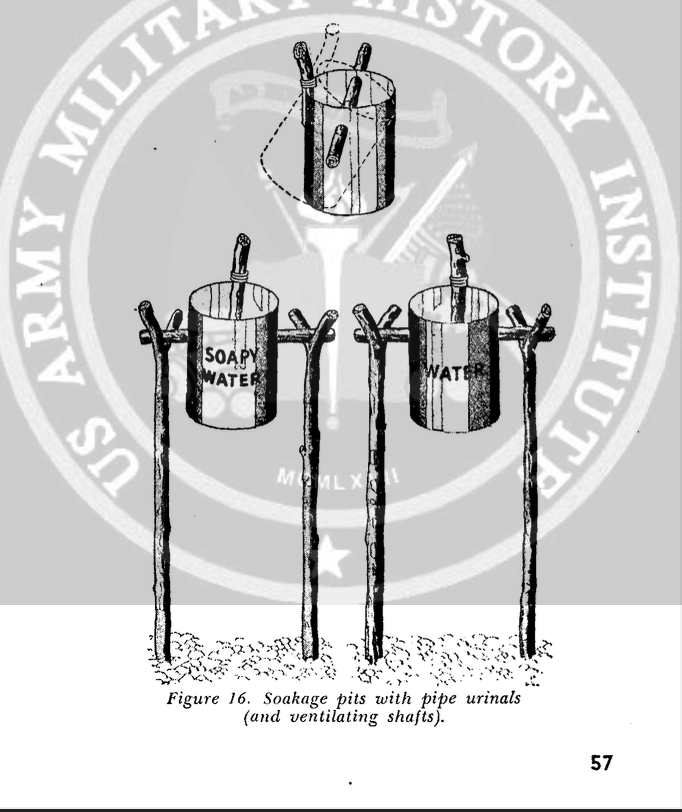
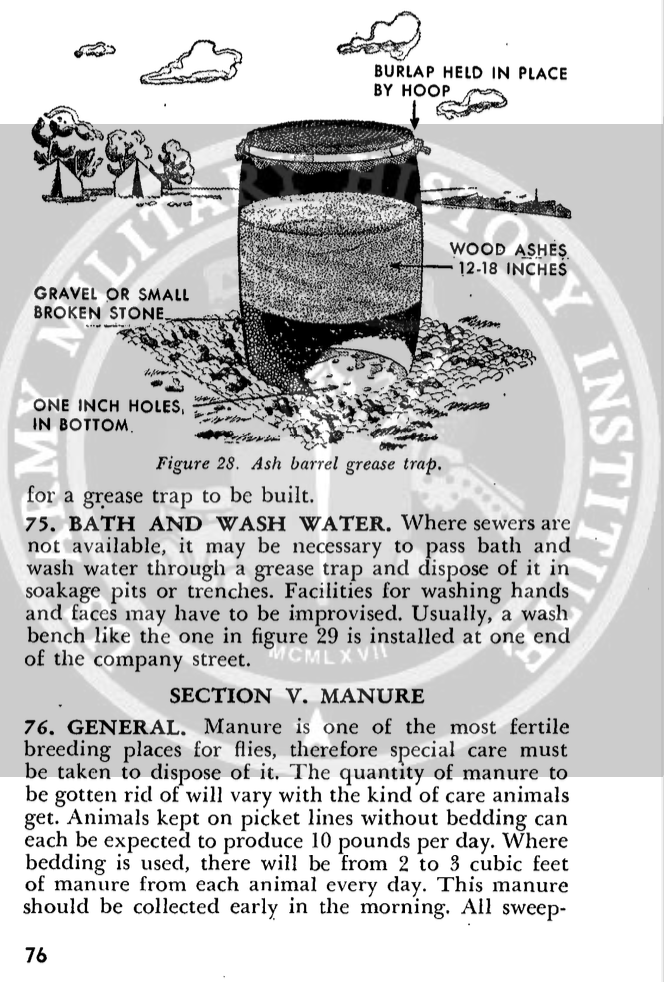
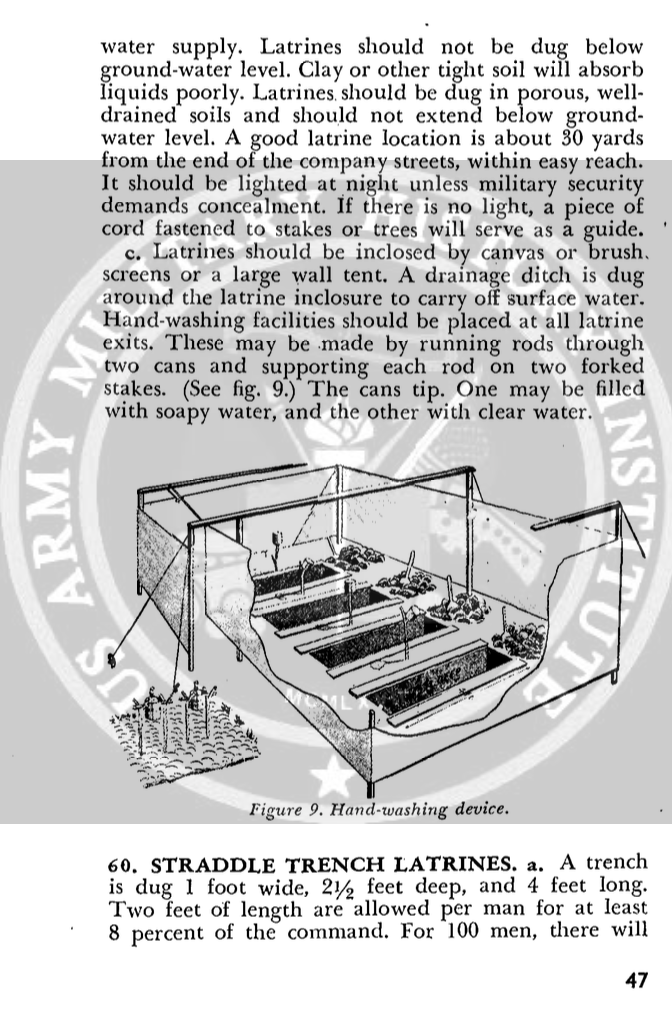
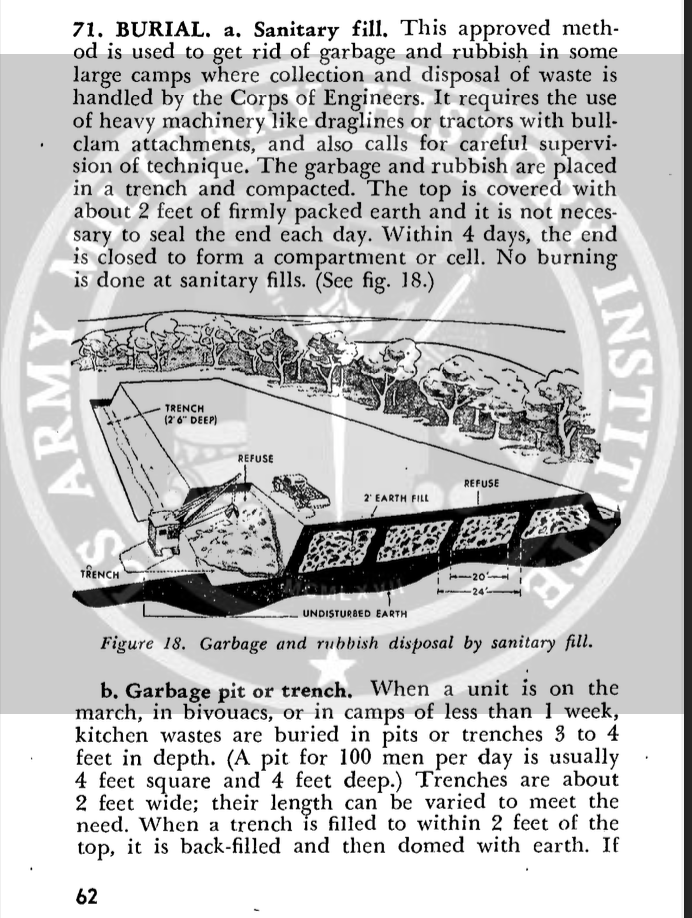
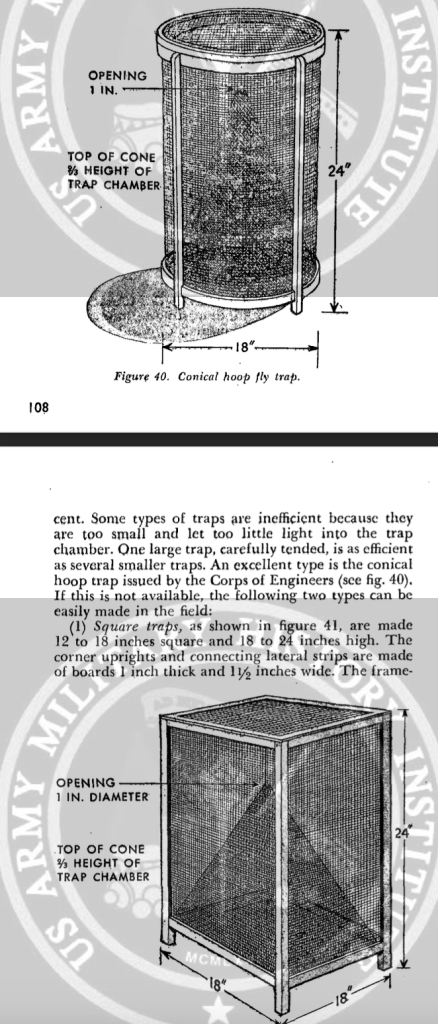
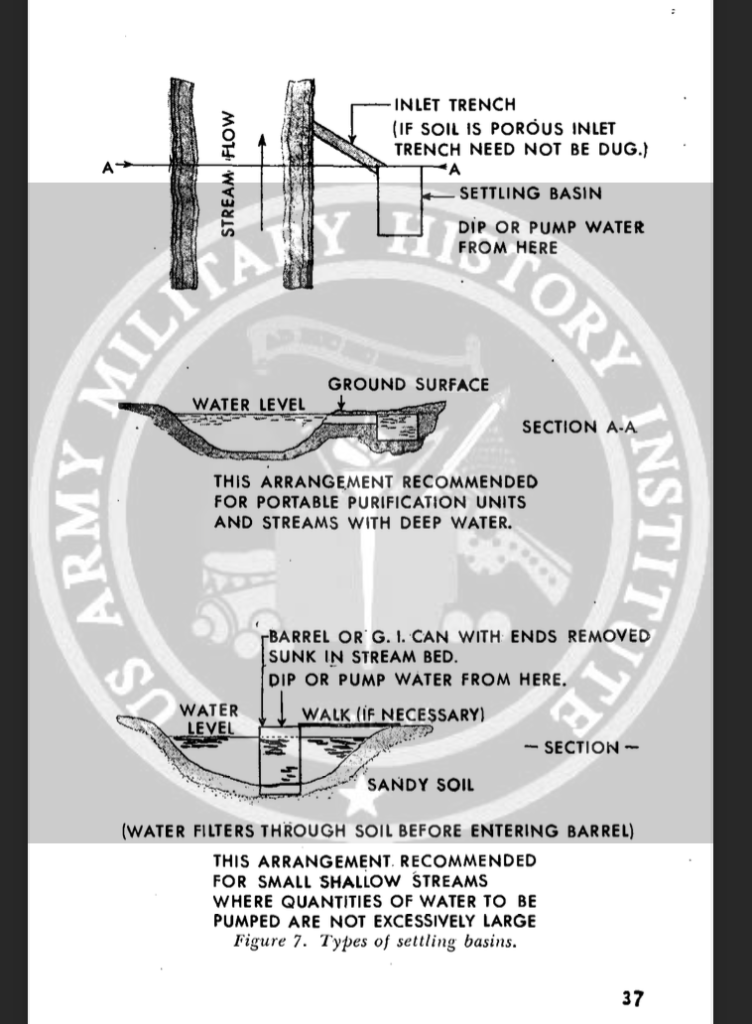
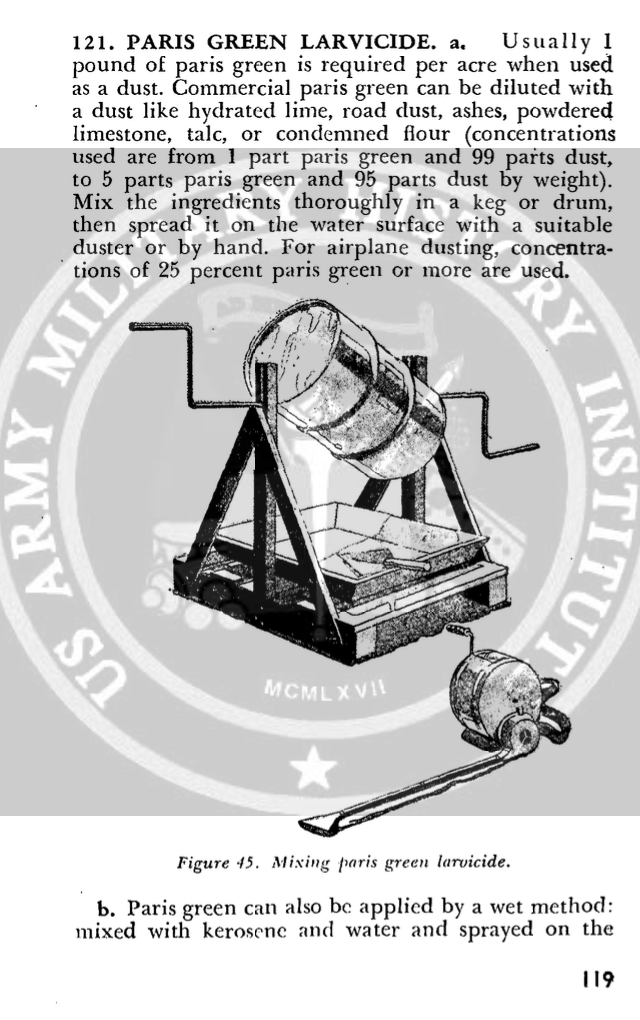
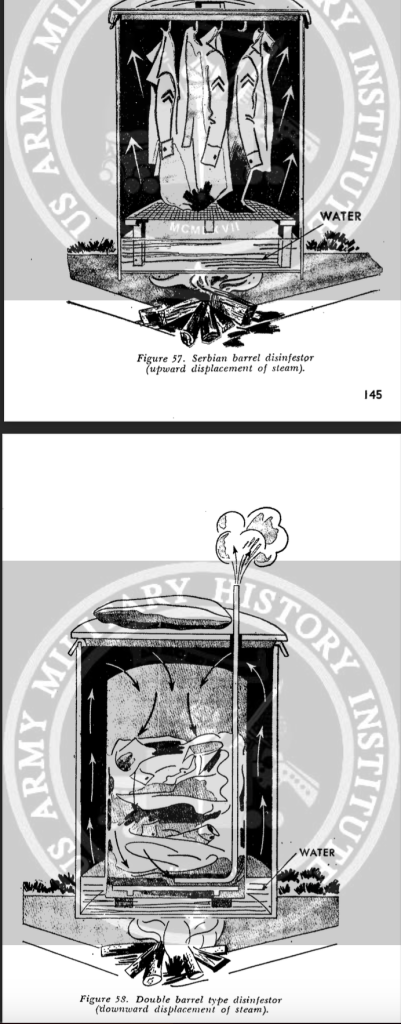
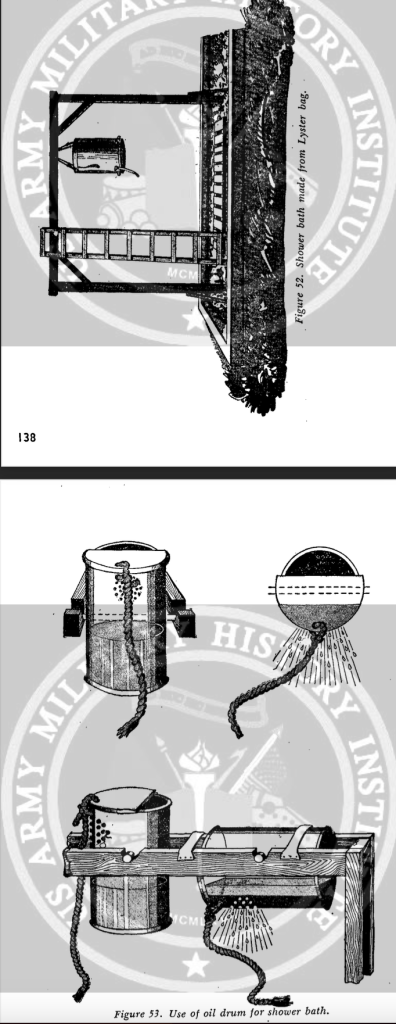
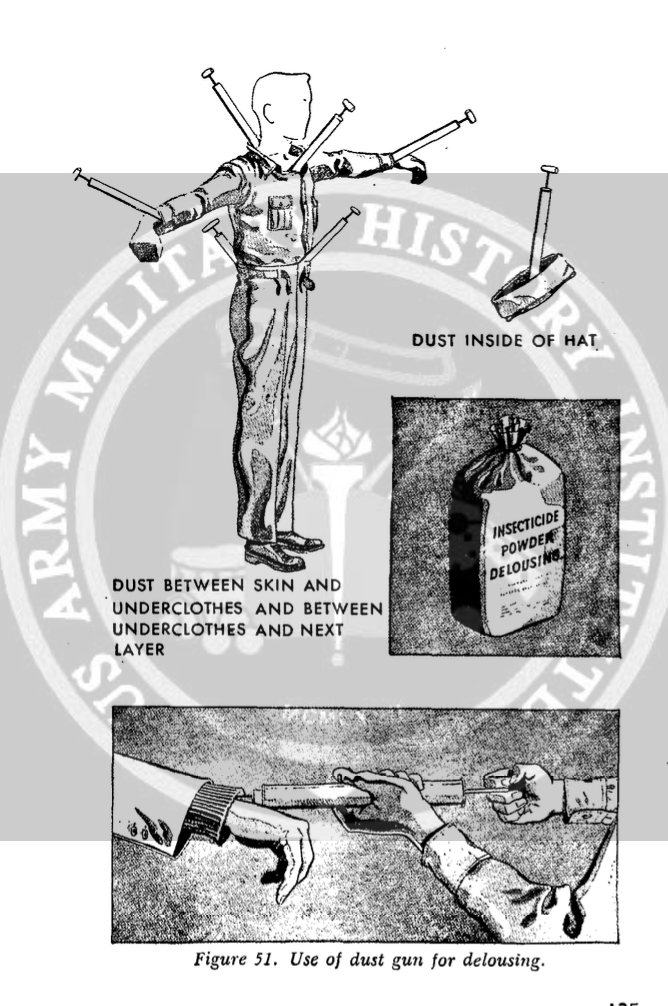
FM 21-10 Military Sanitation July 1945 | Explains how to deal with human waste, ticks, fleas, lice, rats, flies, grease, garbage, showering/bathing, etc. As well as cooking cleanliness.
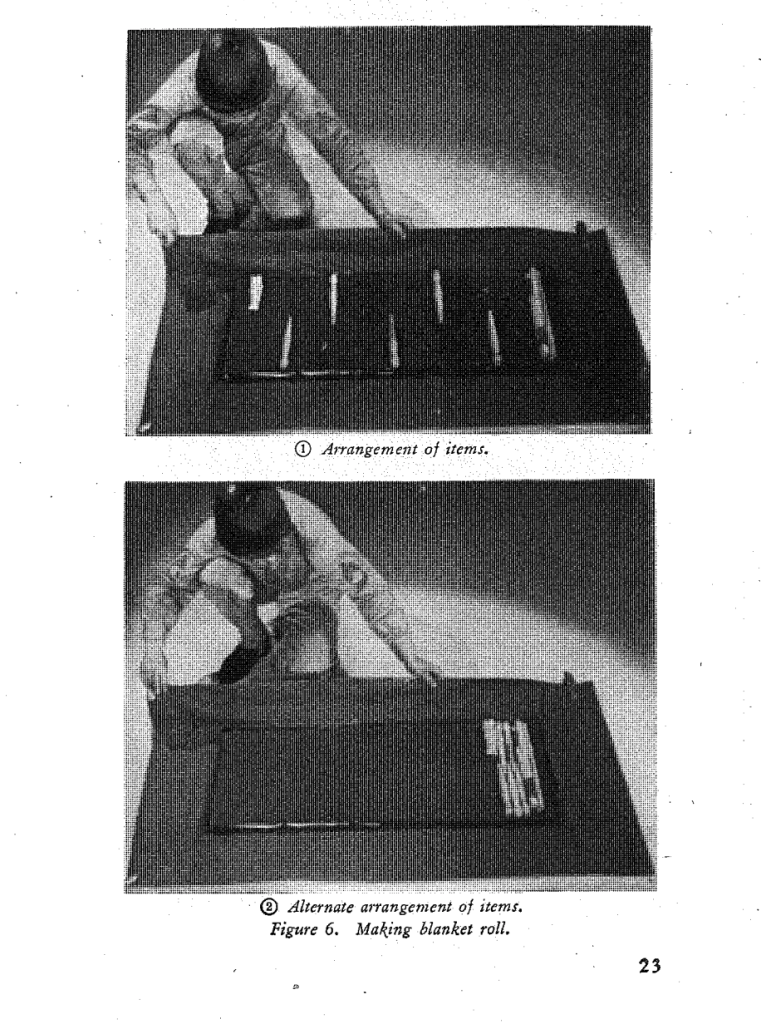
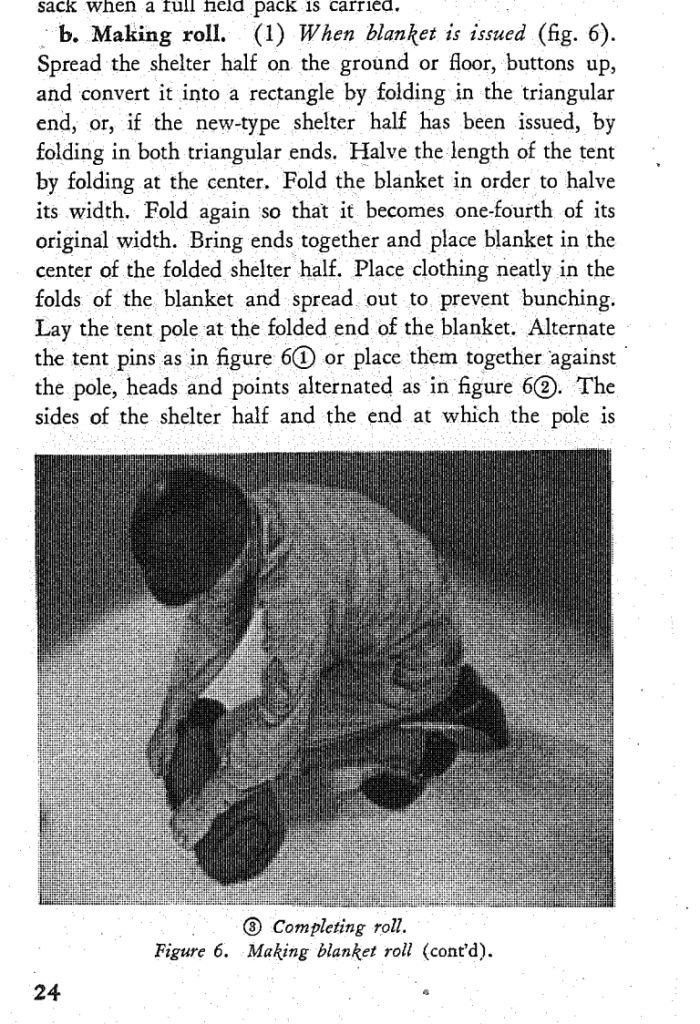
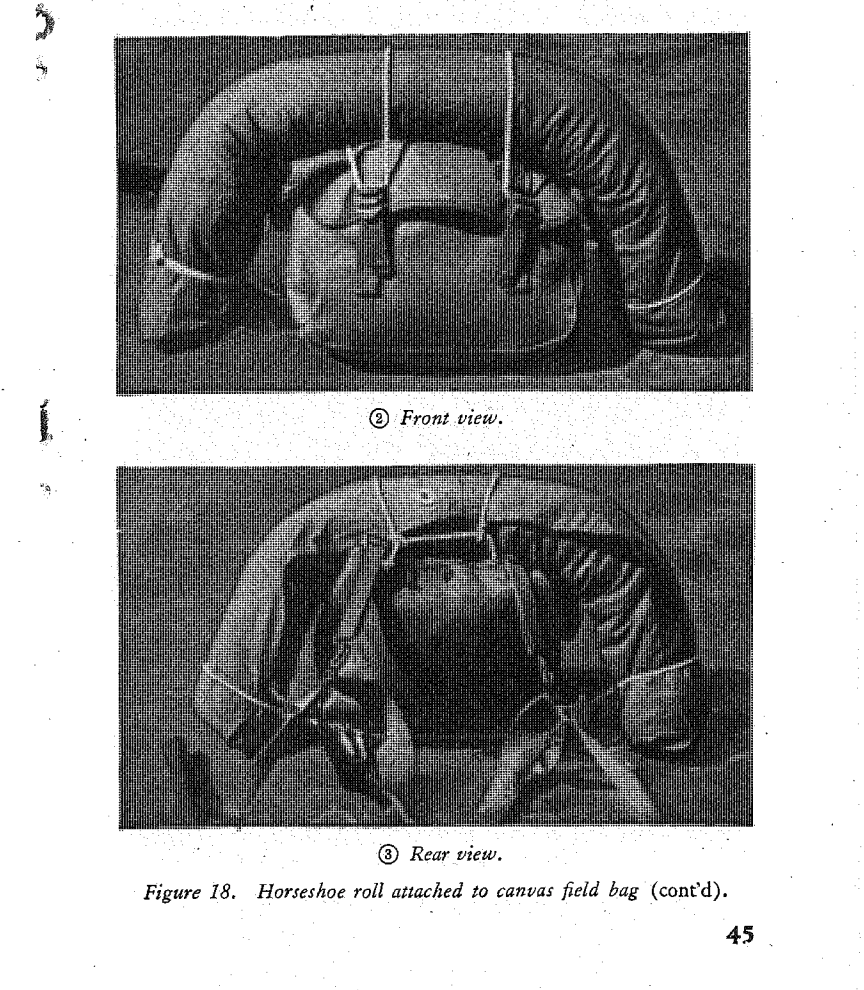
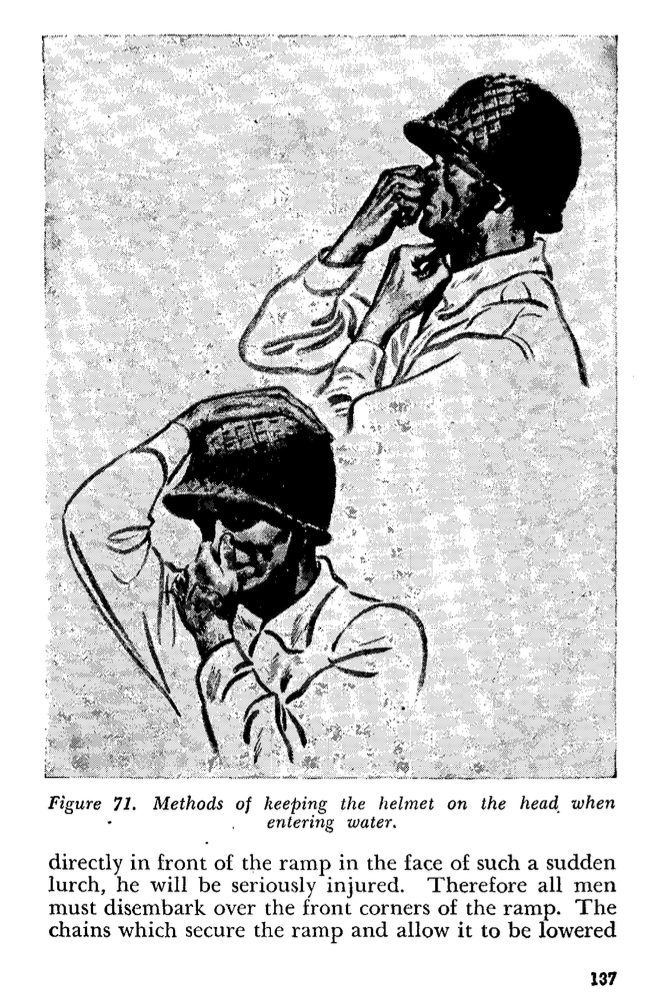
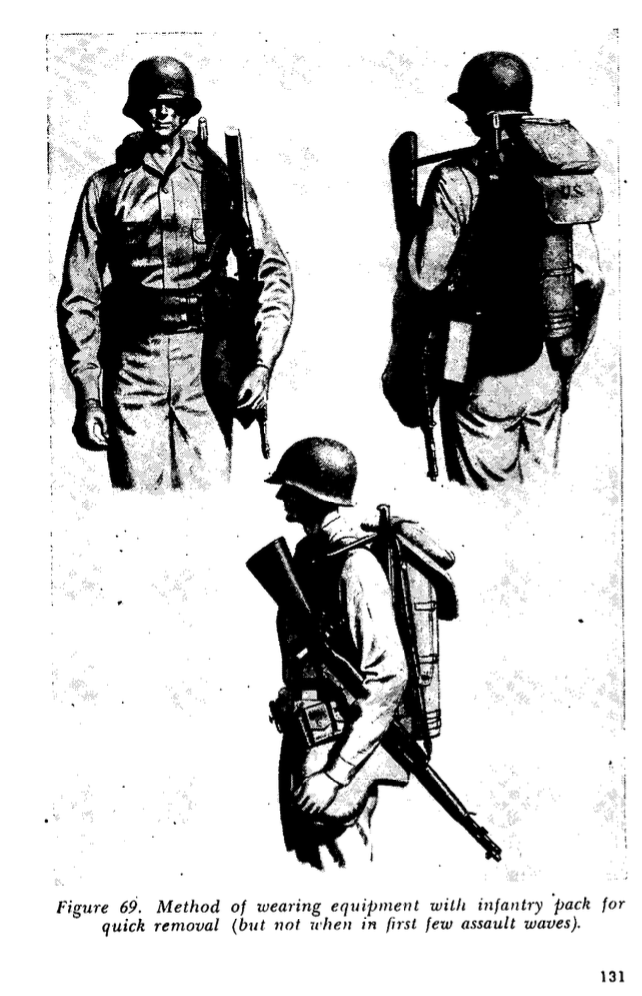
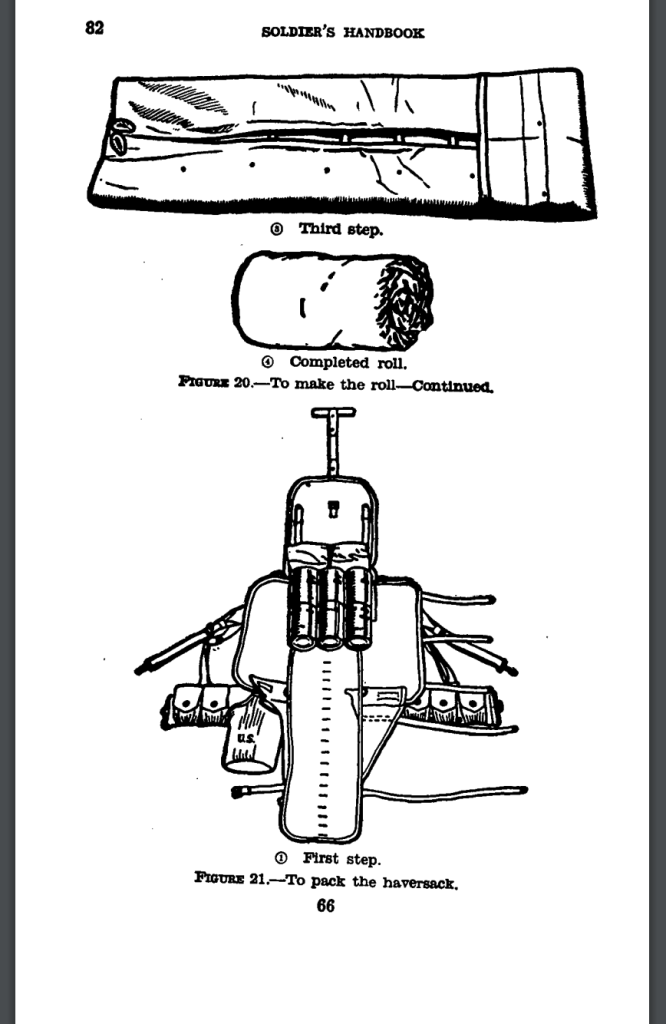
FM 21-15 Individual Clothing and Equipment April 1945 – Describes how to pack equipment and take care of it. Including the M1928 pack and blanket roll, the M1936 Musette bag and the Horseshoe Roll, and the new M1945 upper pack and lower pack. Also describes where the equipment should be located on the soldier.
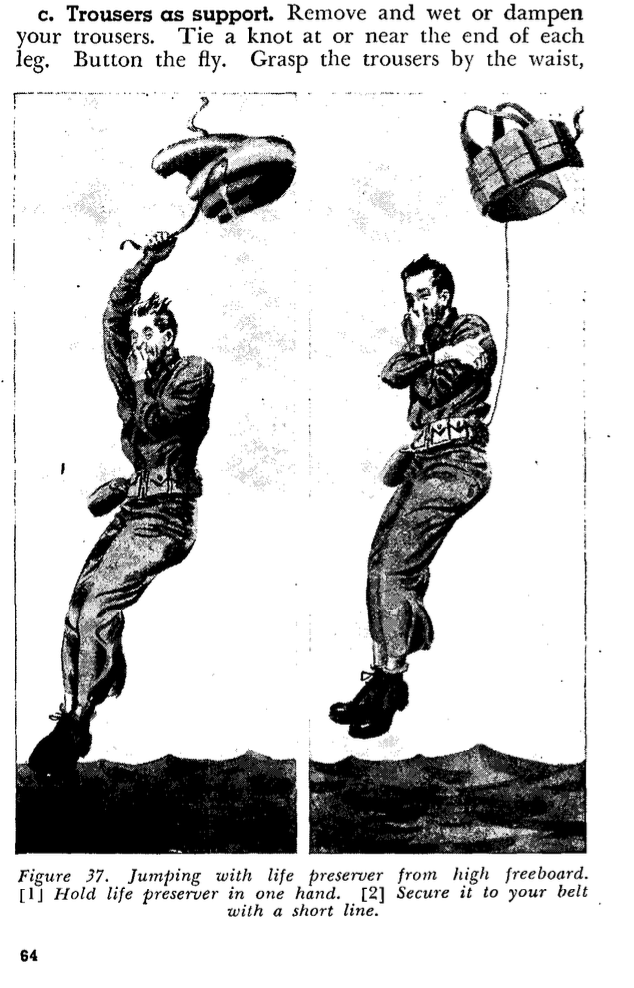
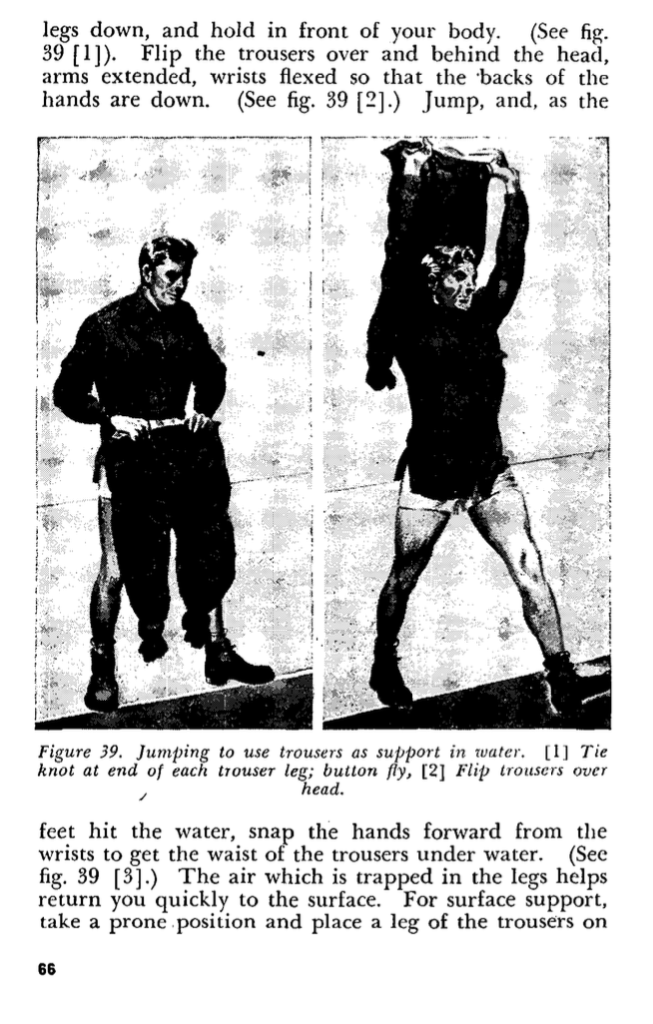
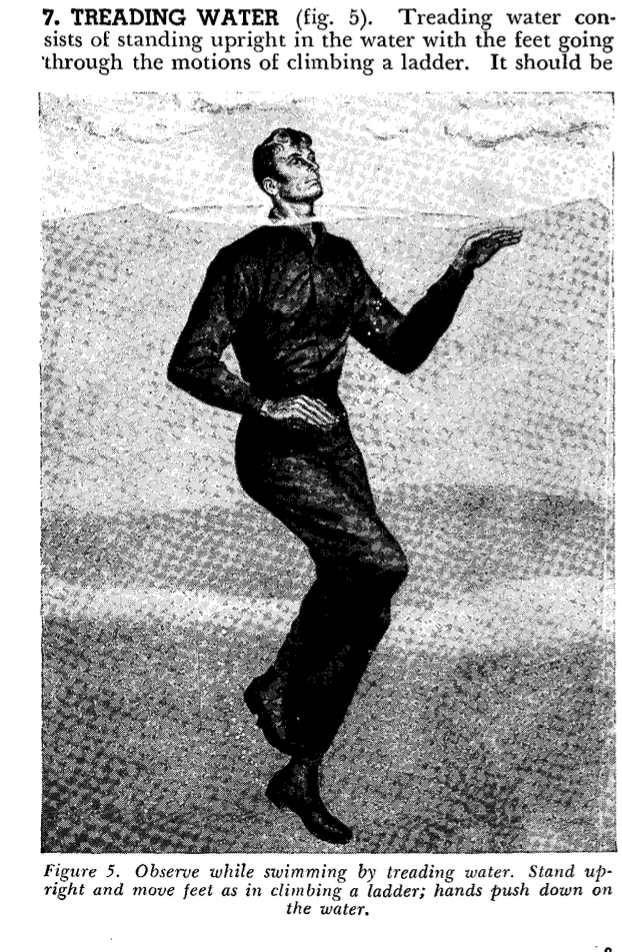
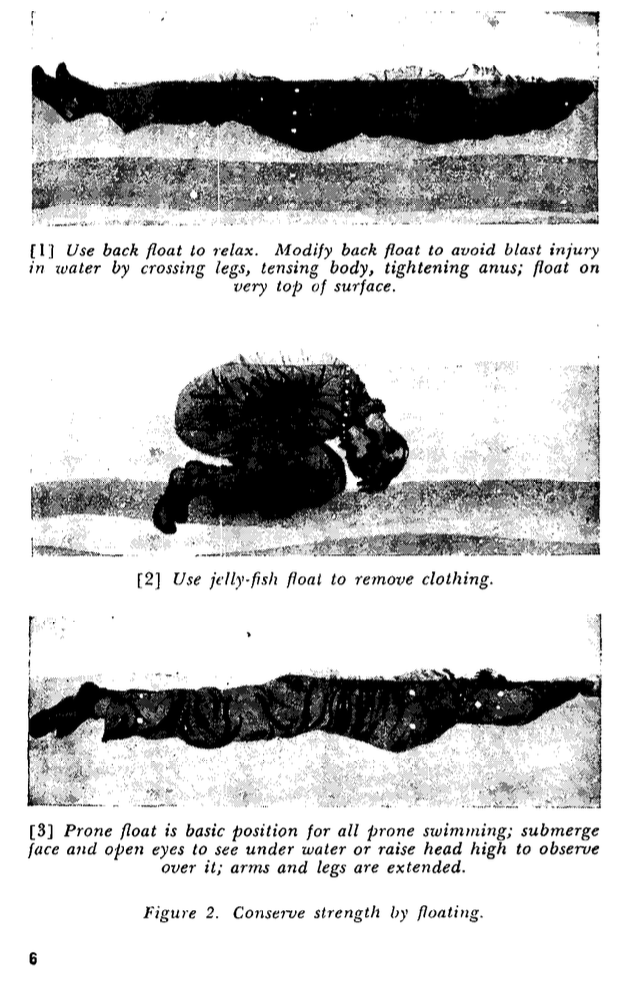
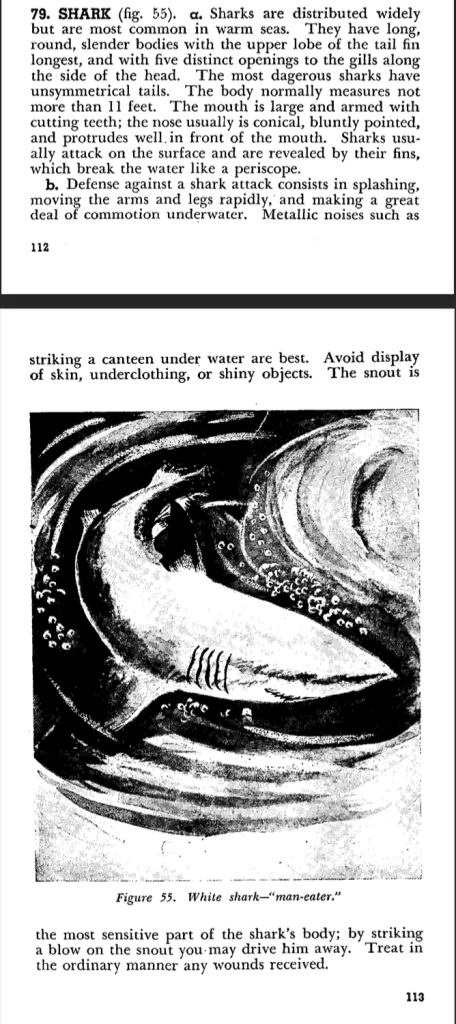
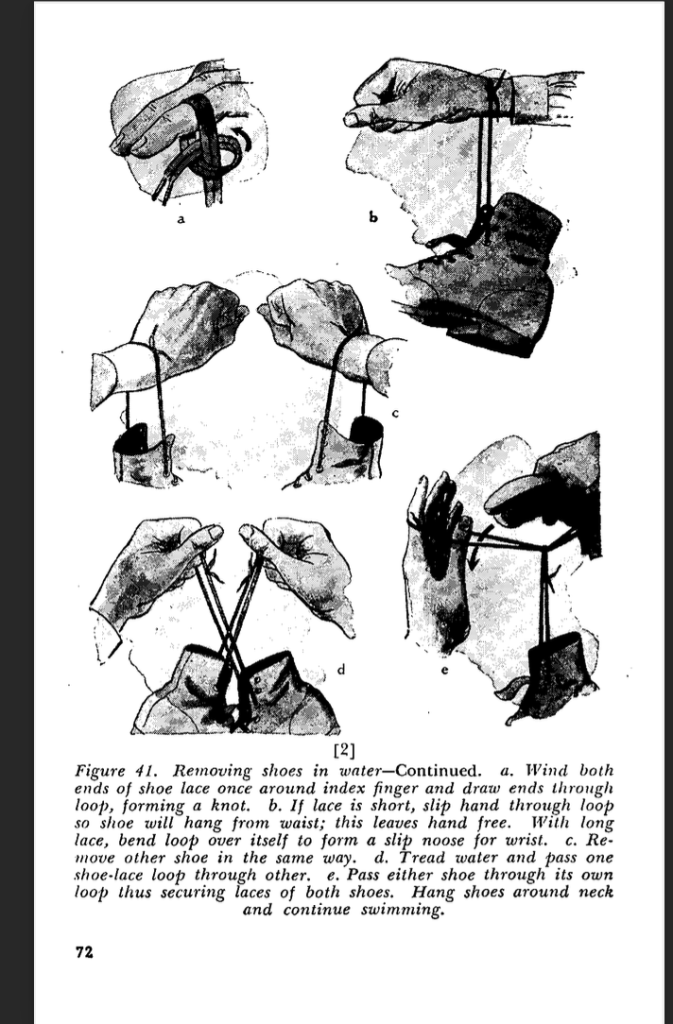
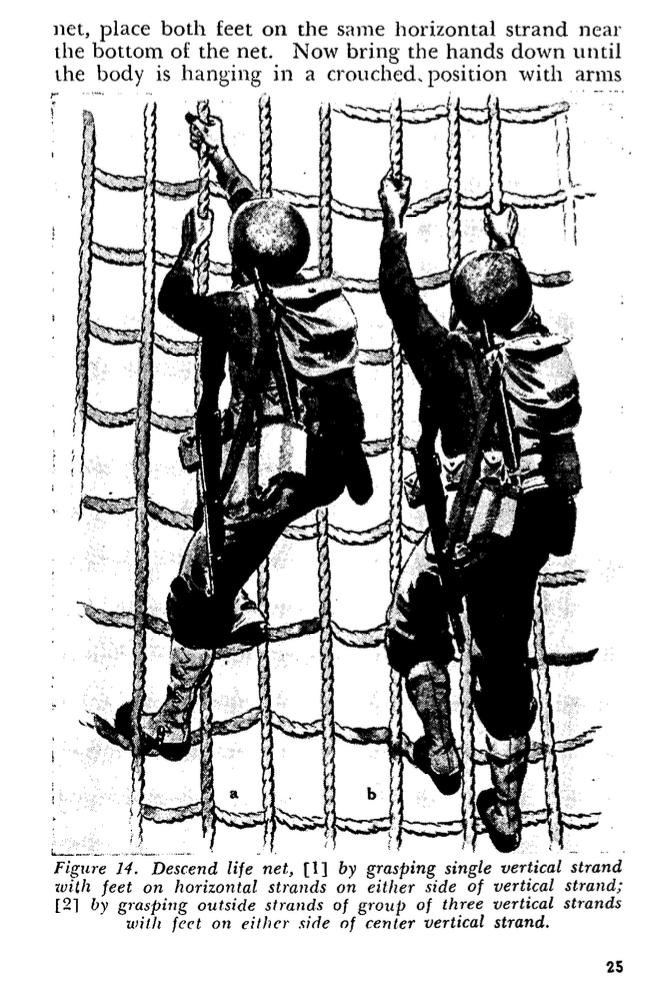
FM 21-22 Watermanship April 1944 | Describes swimming and stroking techniques. As well as how to swim through fire and fight off different animals like sharks.
For sharks hit it on its nose. For swimming through fire when submerged, look for dull areas as it’s less likely to have fire on the service. Bright areas are likely to have fire on the surface.
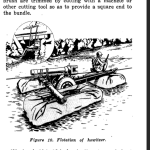
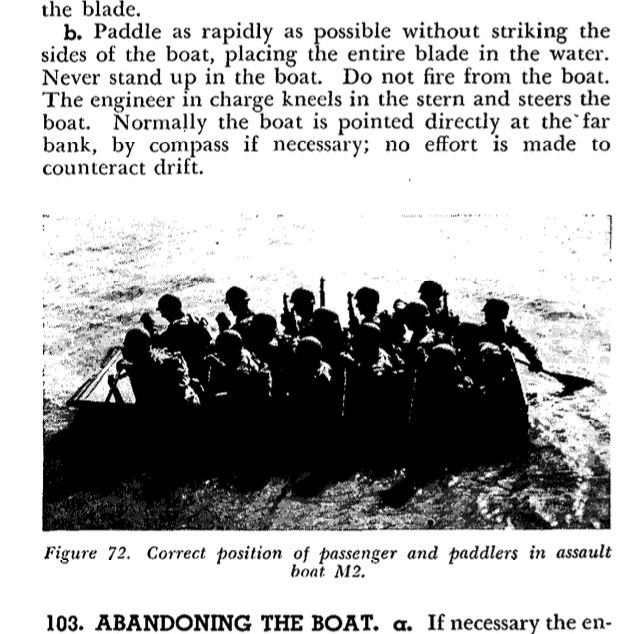
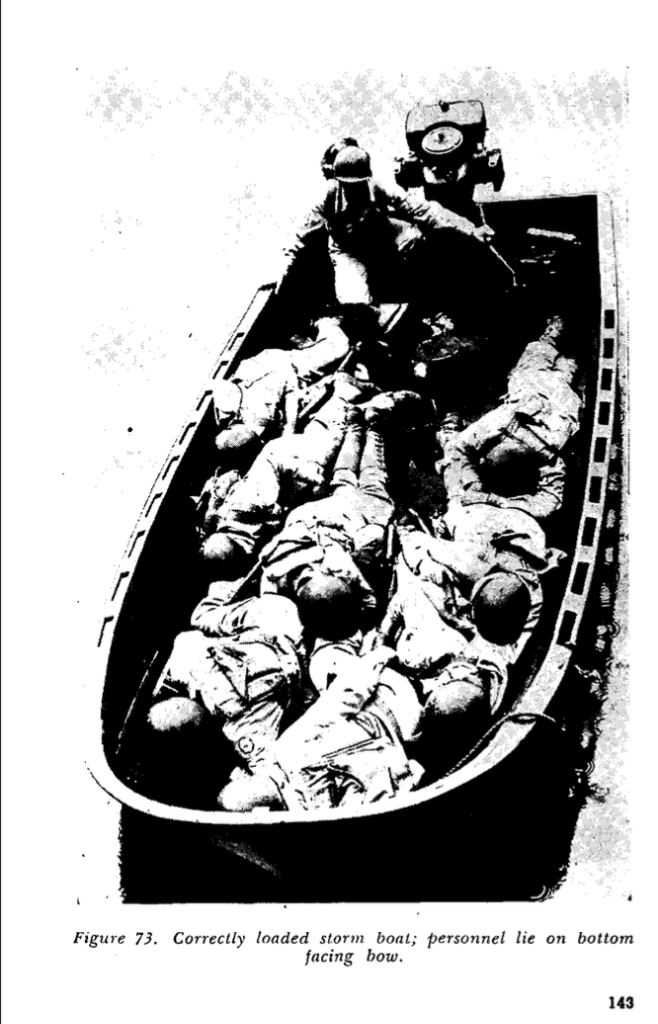
Covers how to board and use, and operate life boats, storm boats, and M2 Assault Boat.
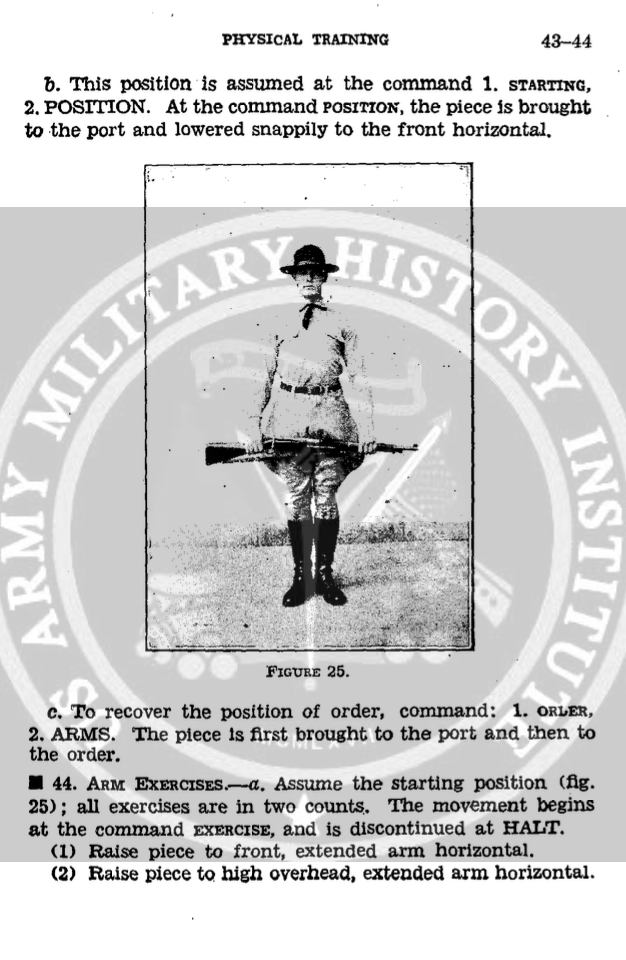
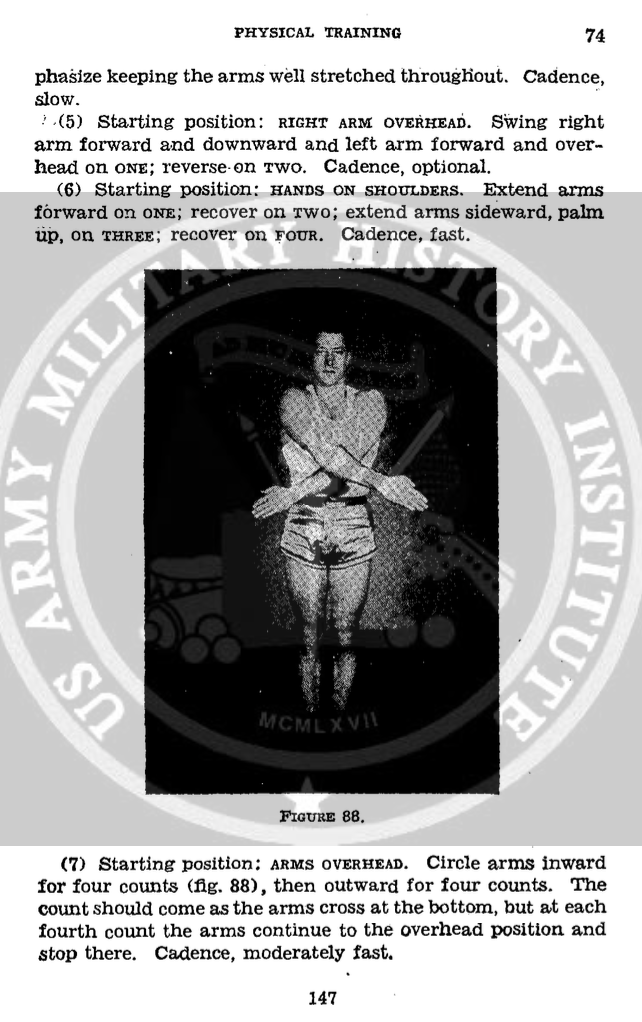
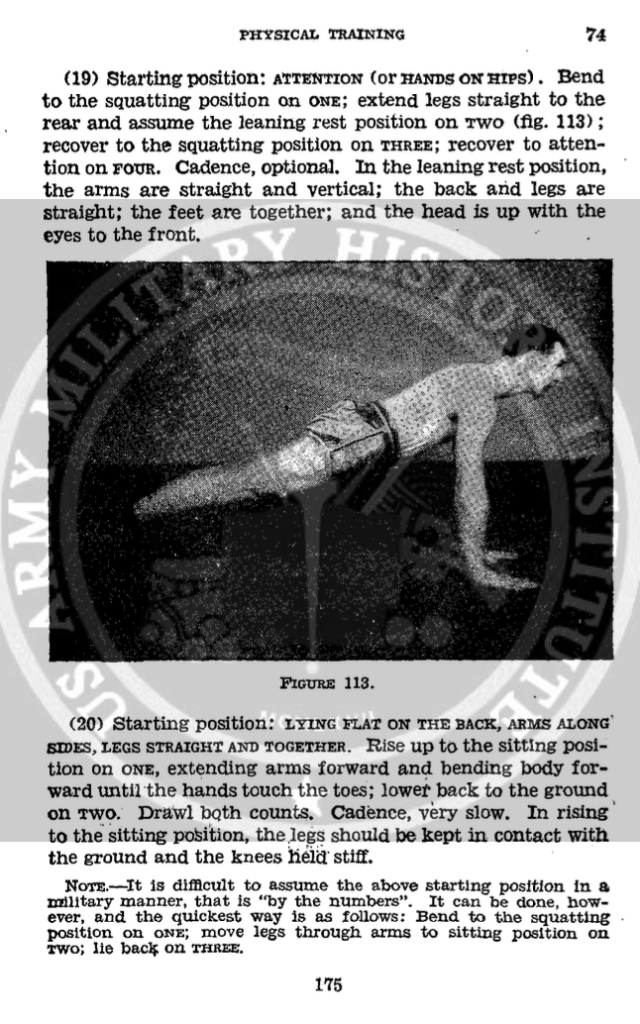
FM 21-20 Physical Training March 1941 | Exercise techniques including stretches, movements (with and without arms), swimming, and physical contests.
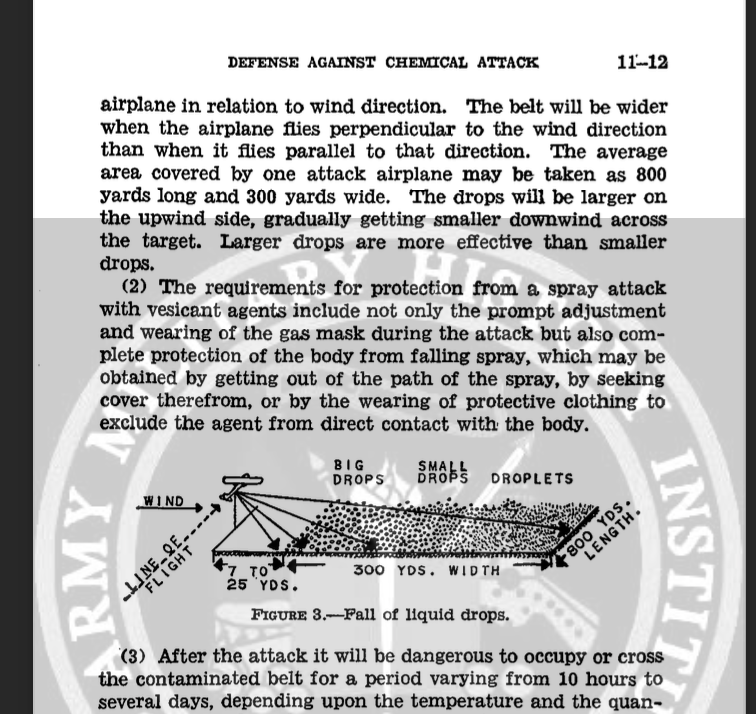
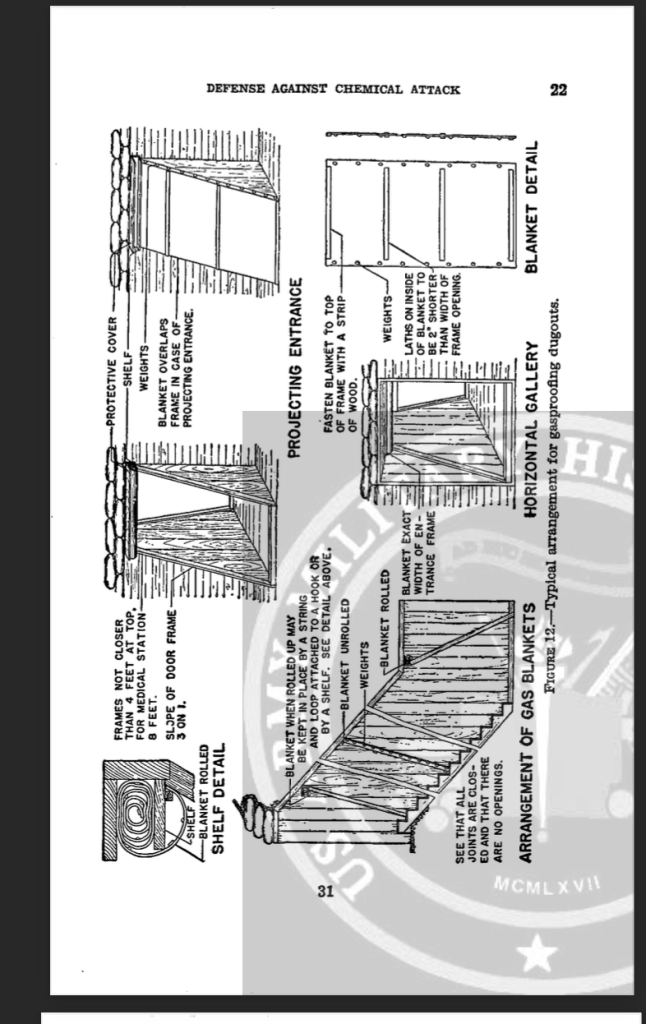
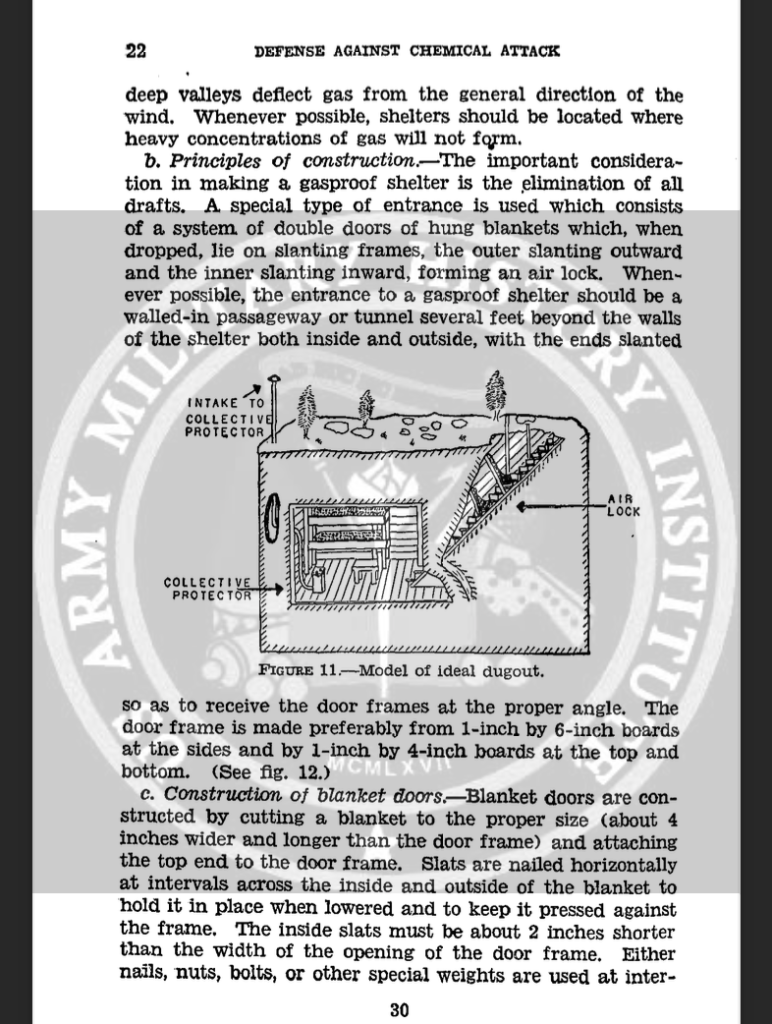
FM 21-40 Defense Against Chemical Attack May 1940 | Describes how to conduct a defense against a gas attack. Includes gas mask usage for cavalry and infantry, dugout construction, and gas operation.
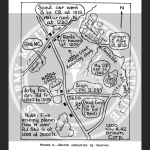
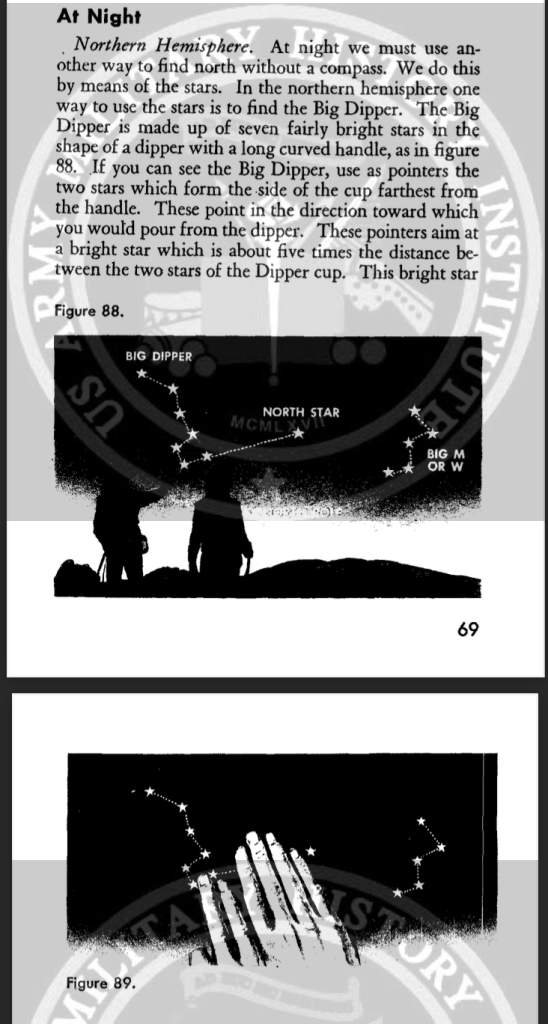
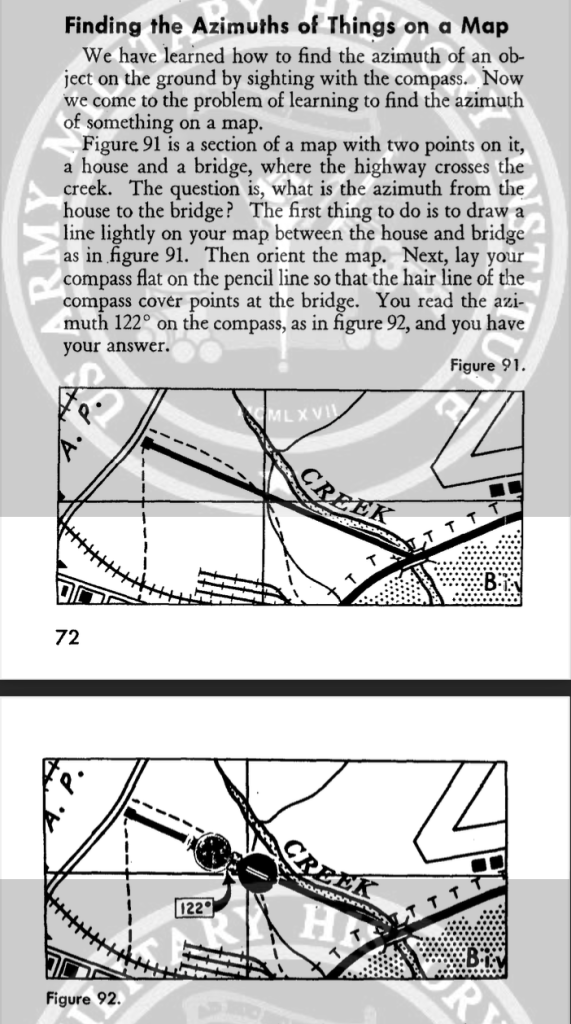
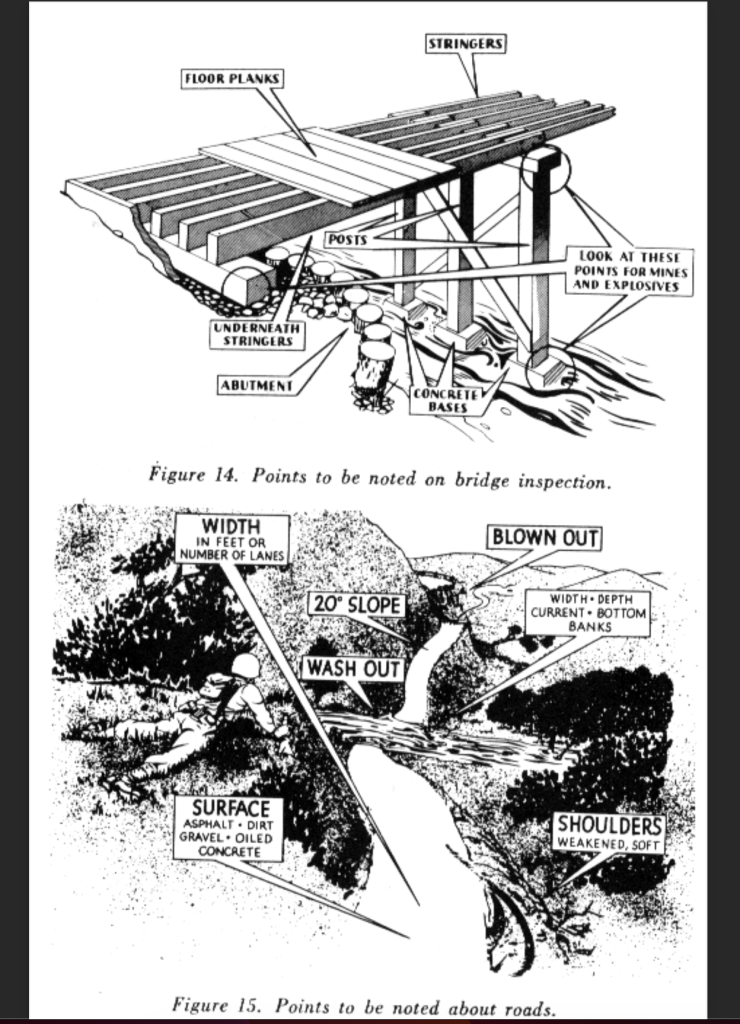
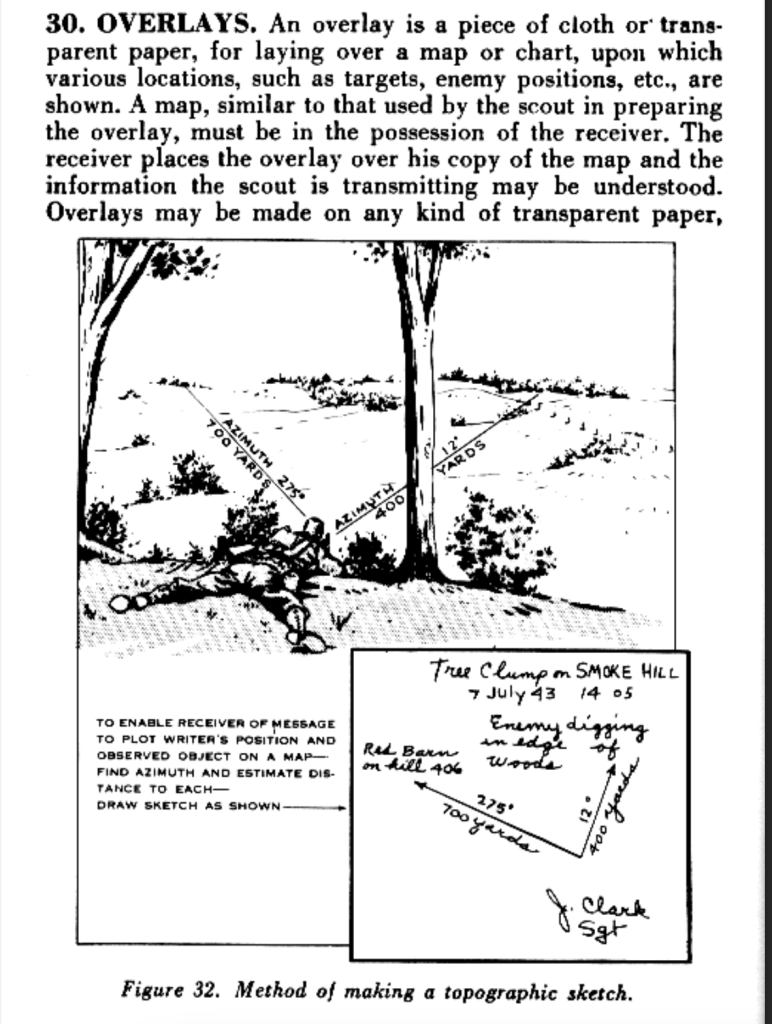
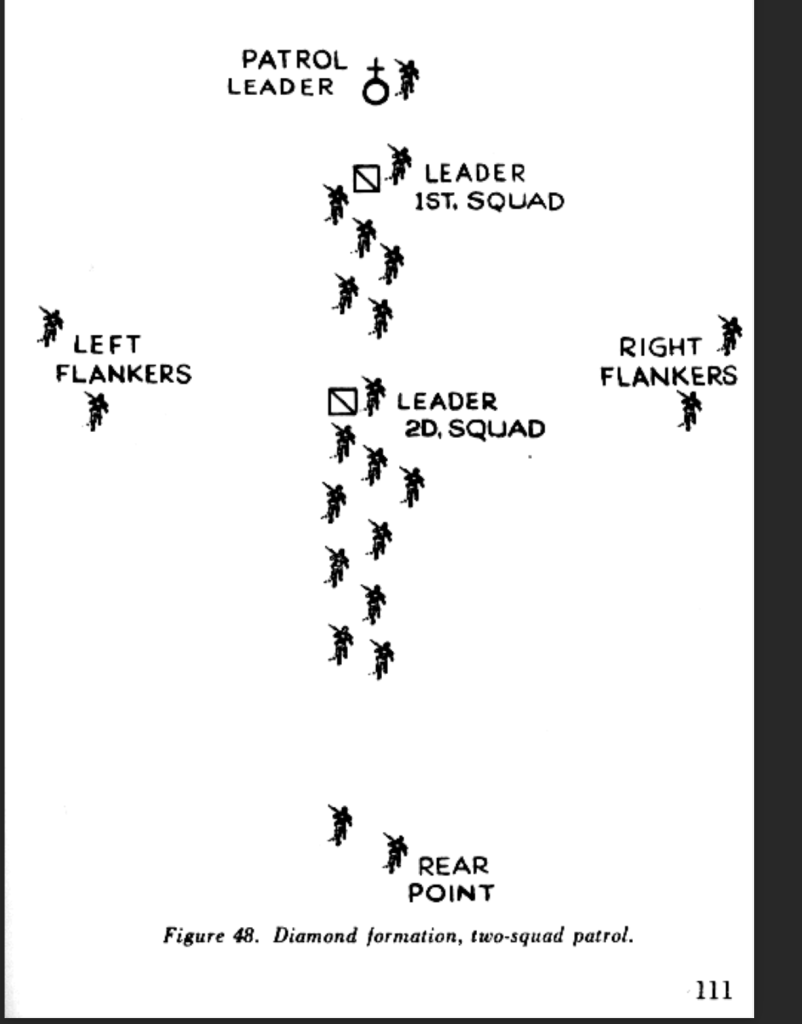
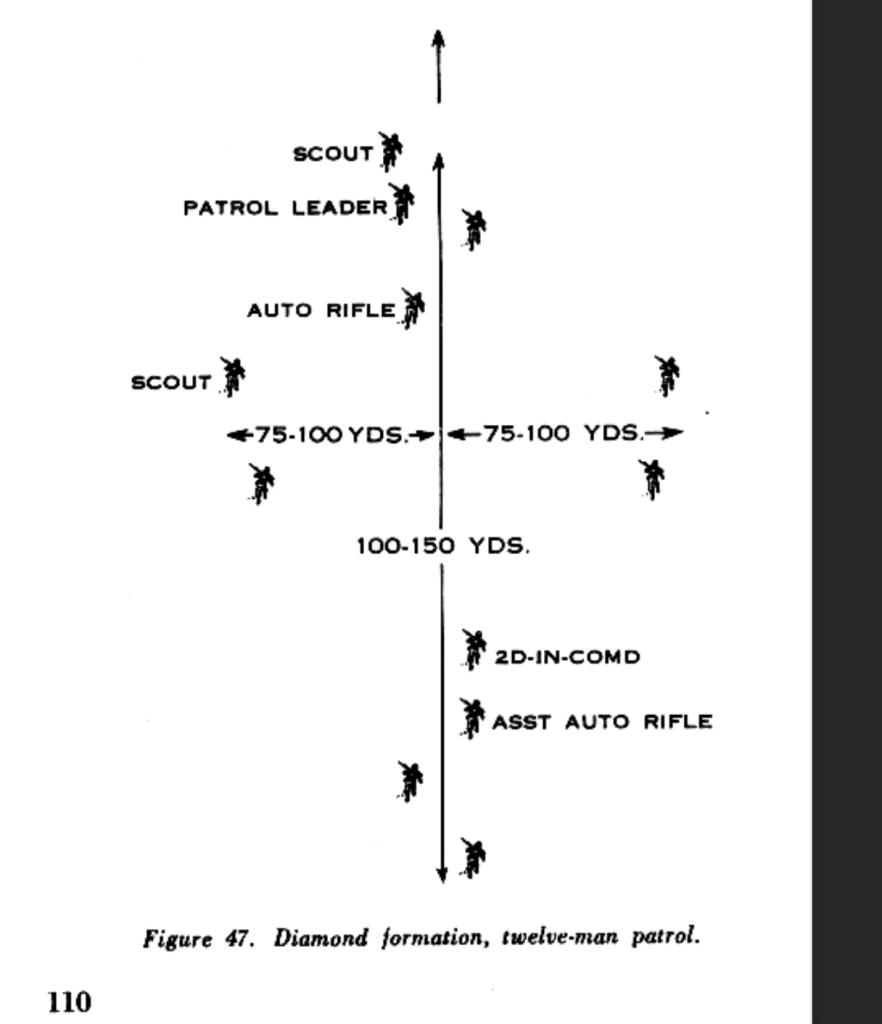
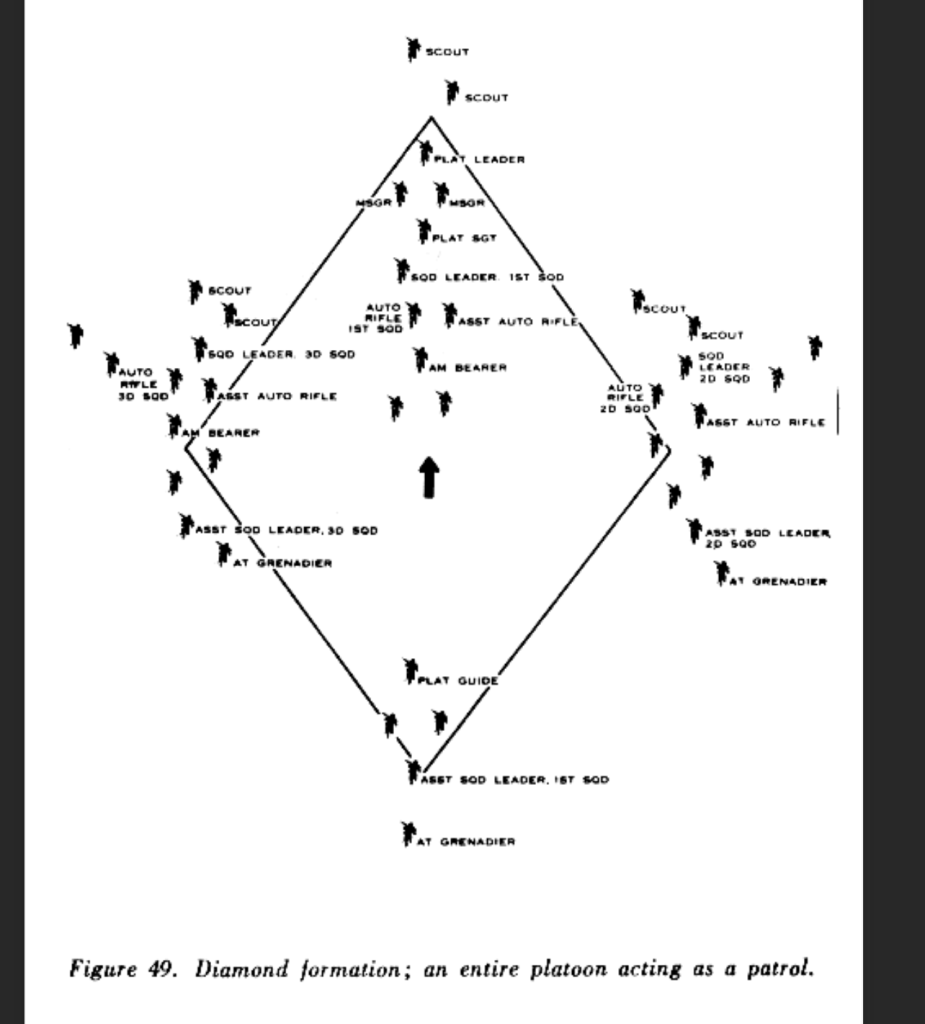
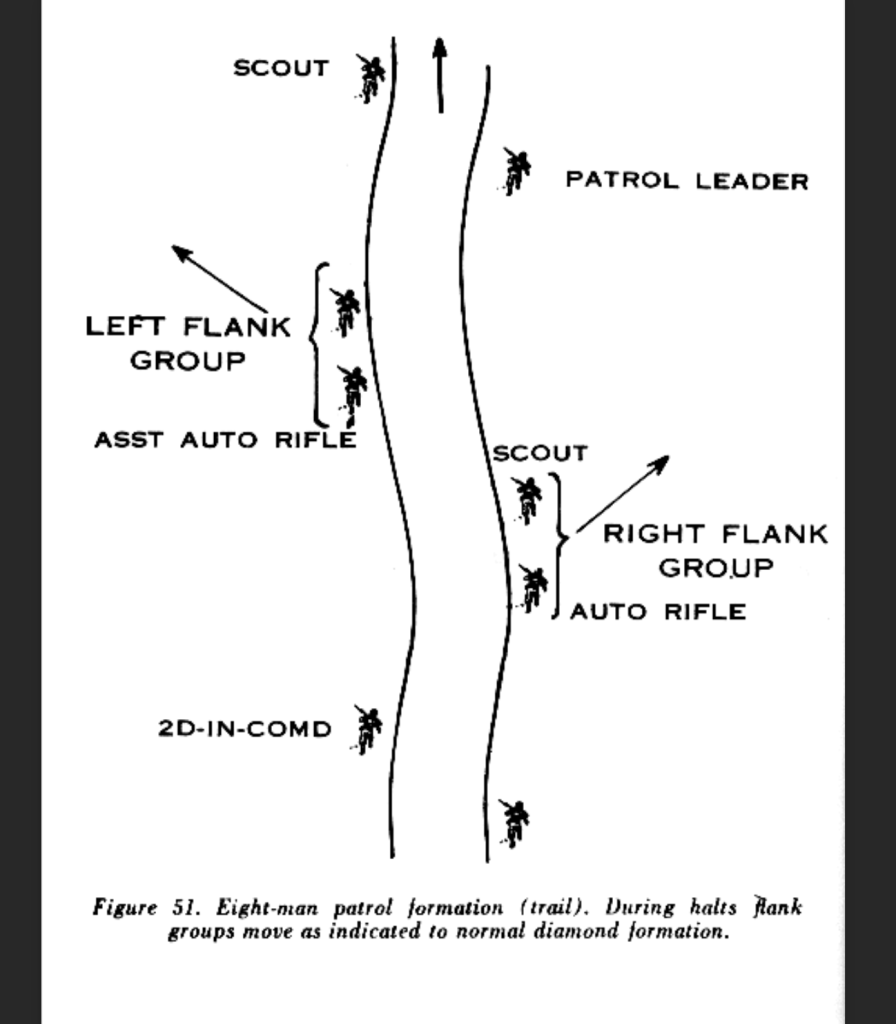
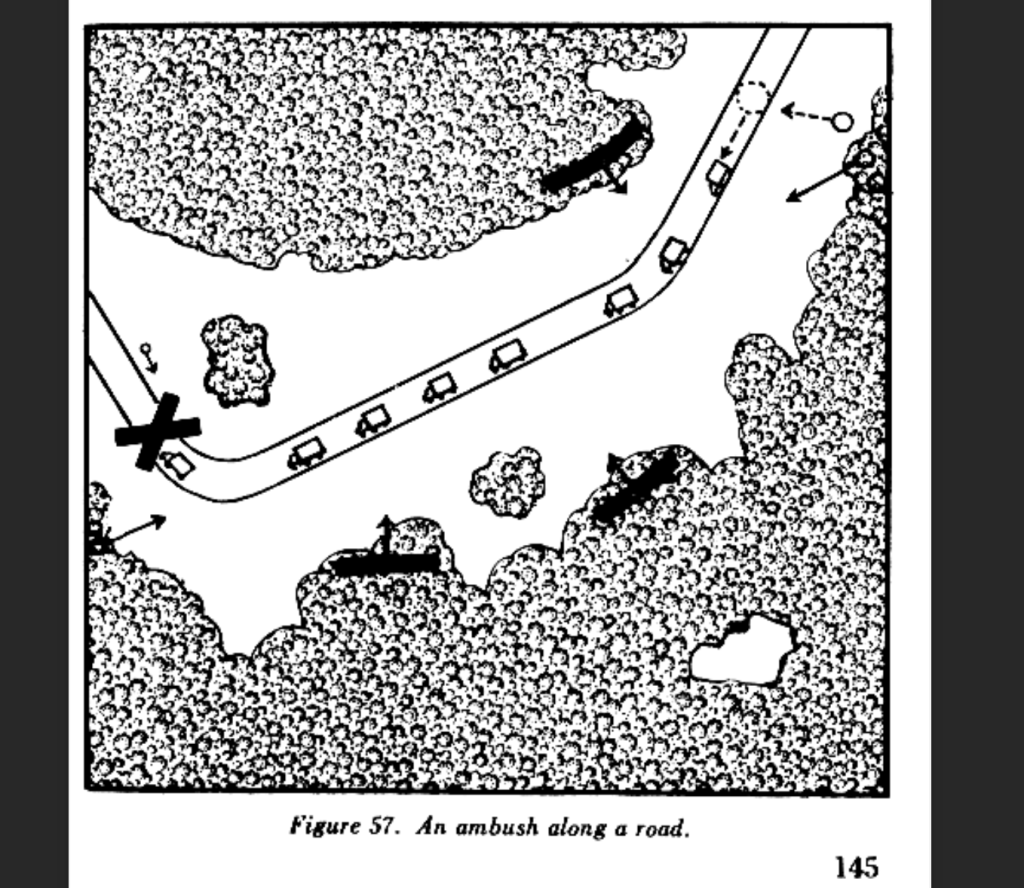
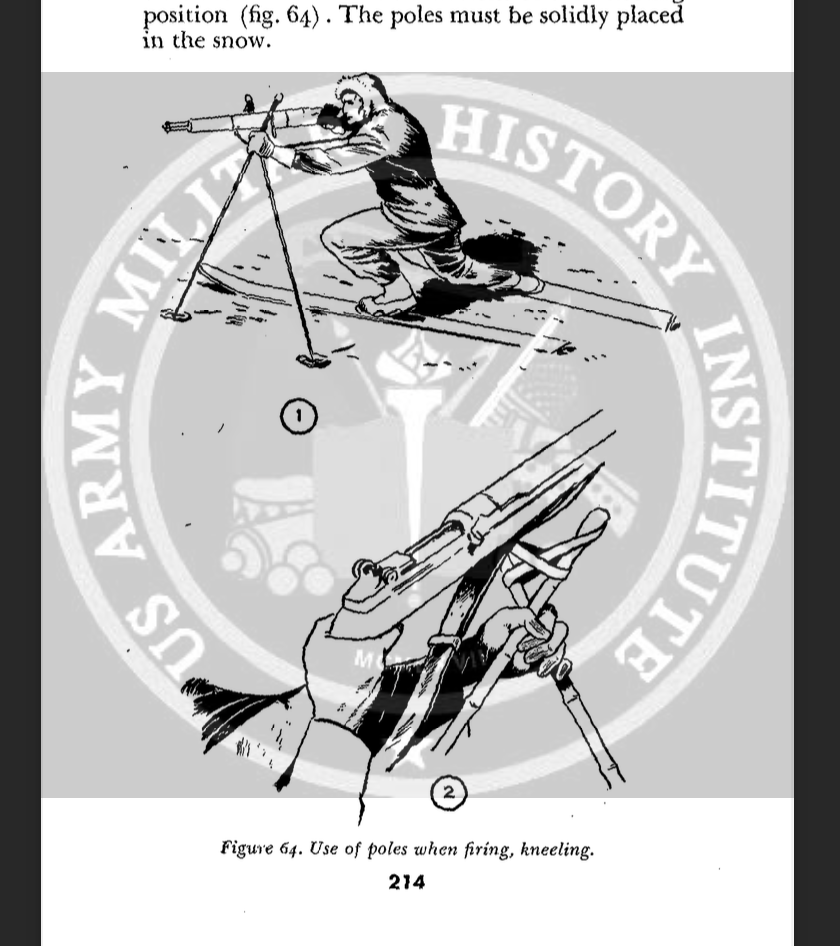
FM 21-75 Scouting, Patrolling, and Sniping Feb 1944 | Explains tactics and movement for scouting, patrolling, and sniping. Includes map making, formations, and conducting patrols in different kinds of environments such as open terrain, roads, jungle, and snow.
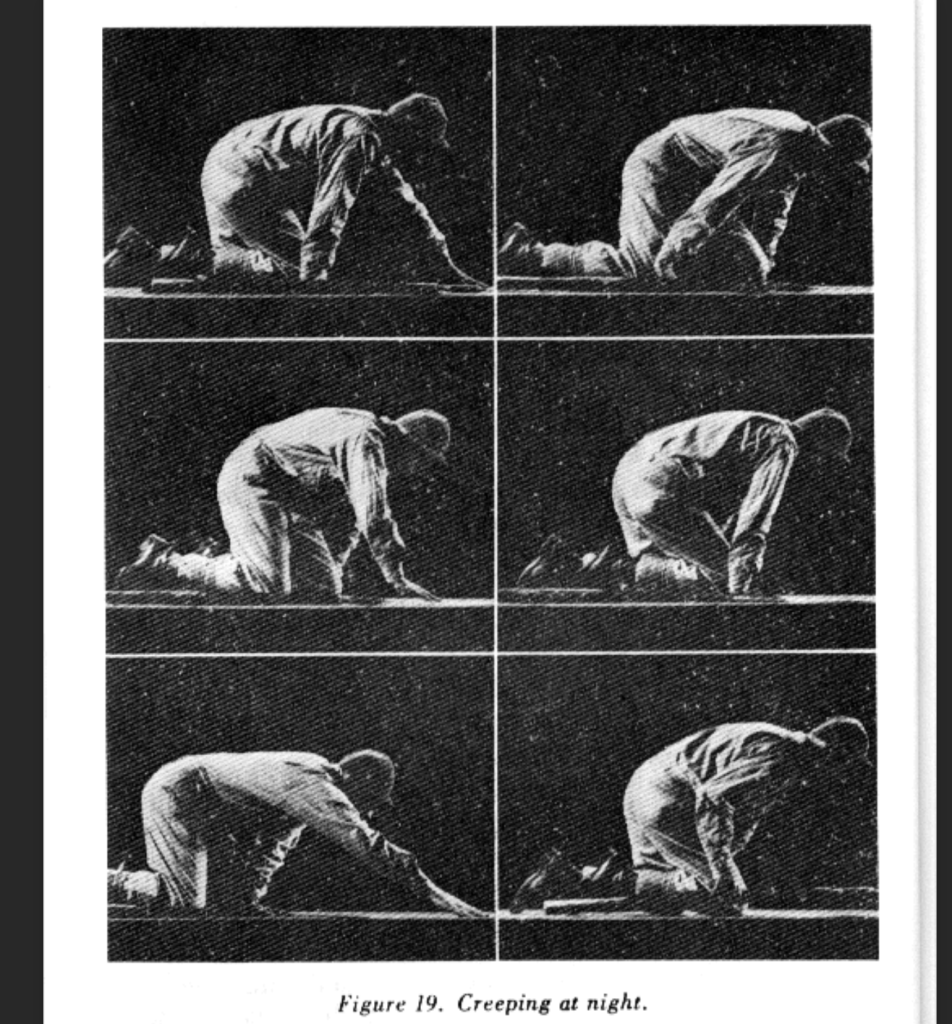
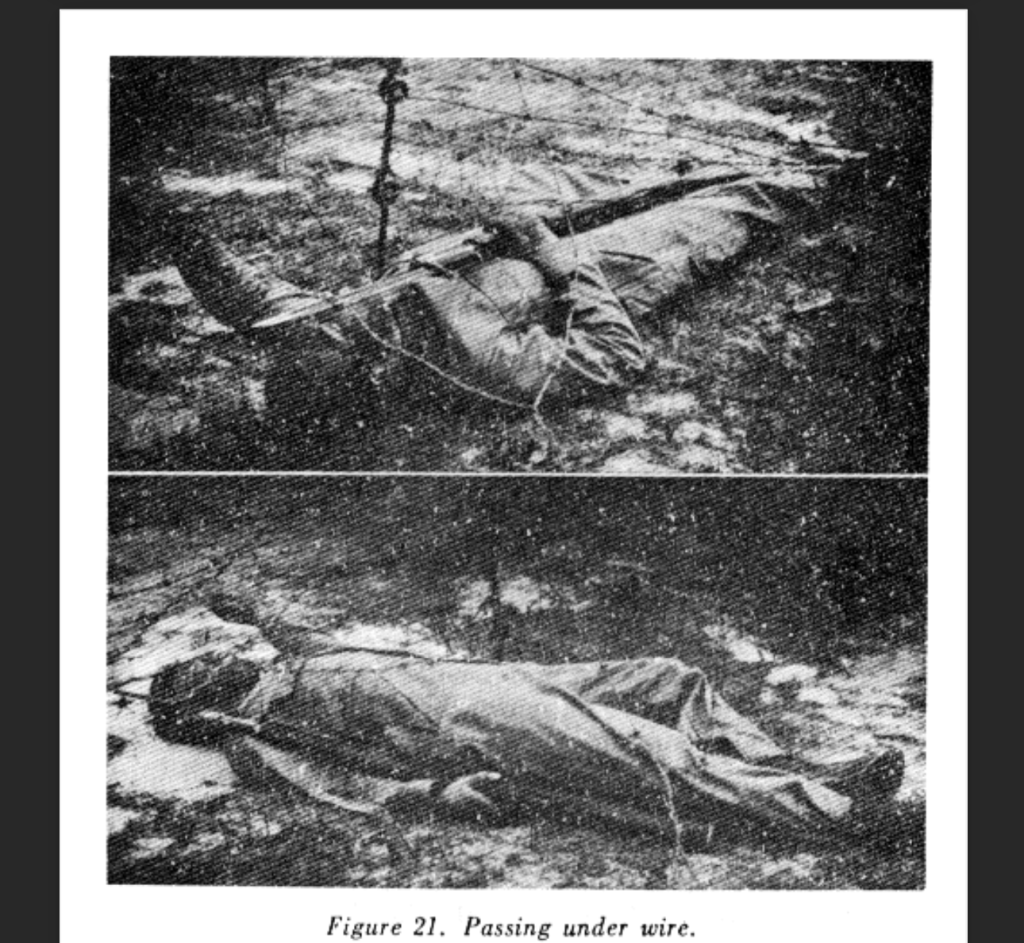
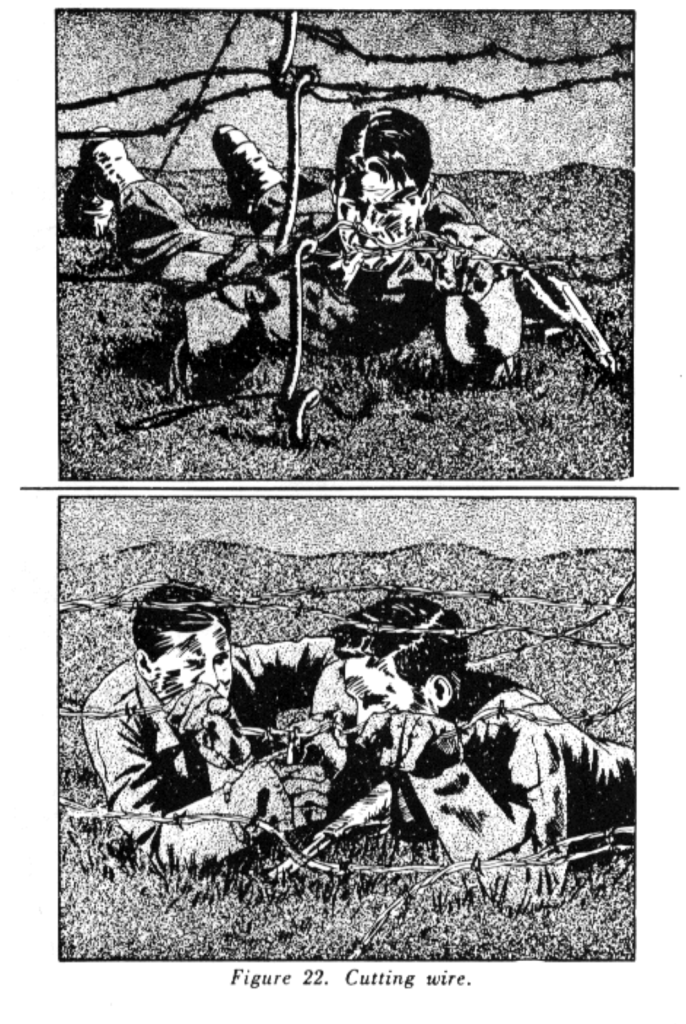
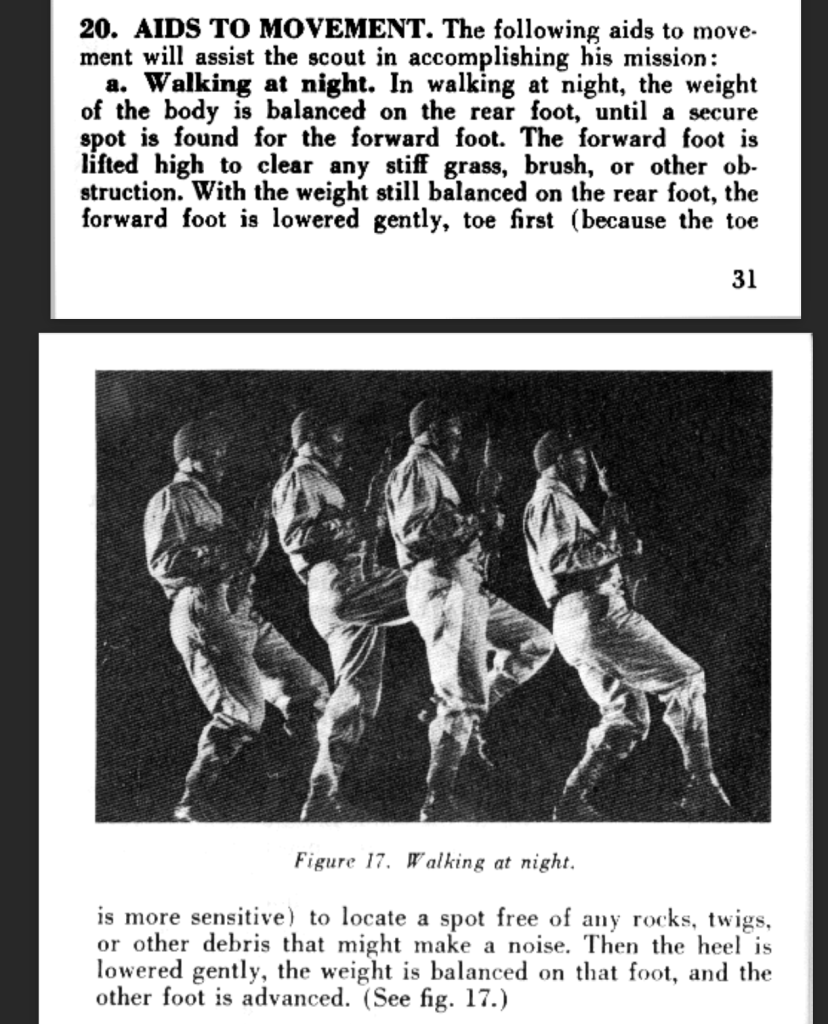
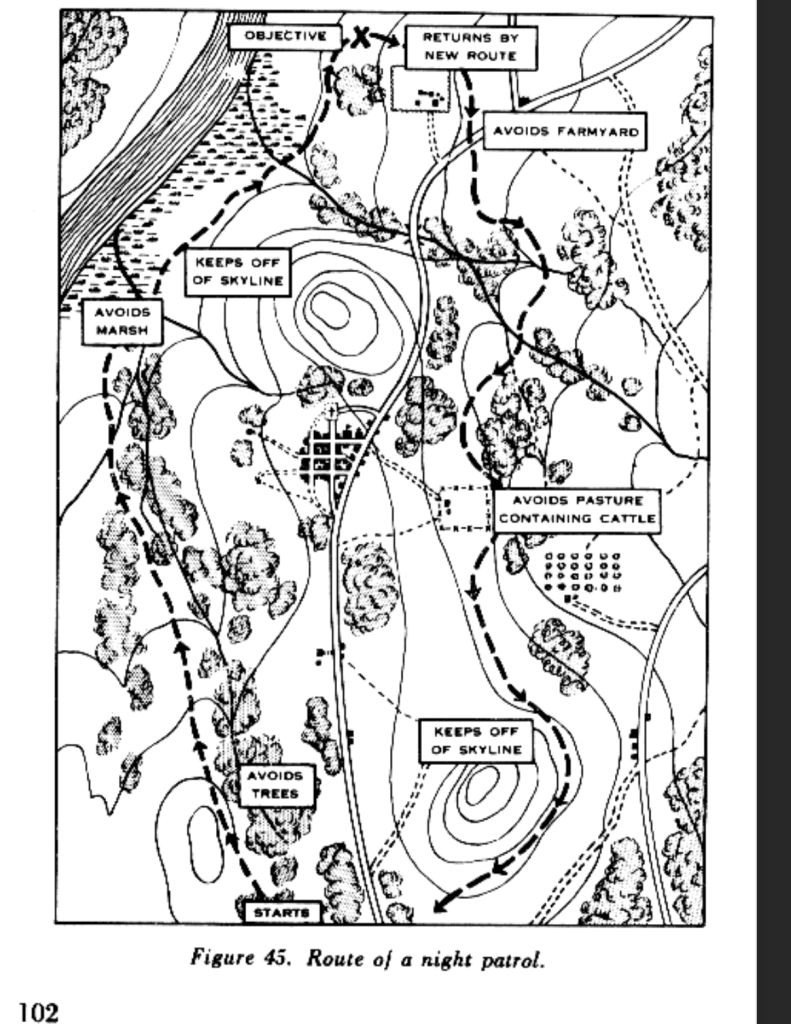
Discusses how to move, ambush employment, and conduct route selection at night. Note: If you hear the flare go off, drop to the ground before it lights up. If it lights up, you should freeze and not move. Movement catches the eye, whereas standing still, you might just look like a shadow.
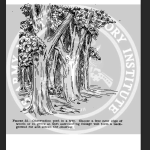
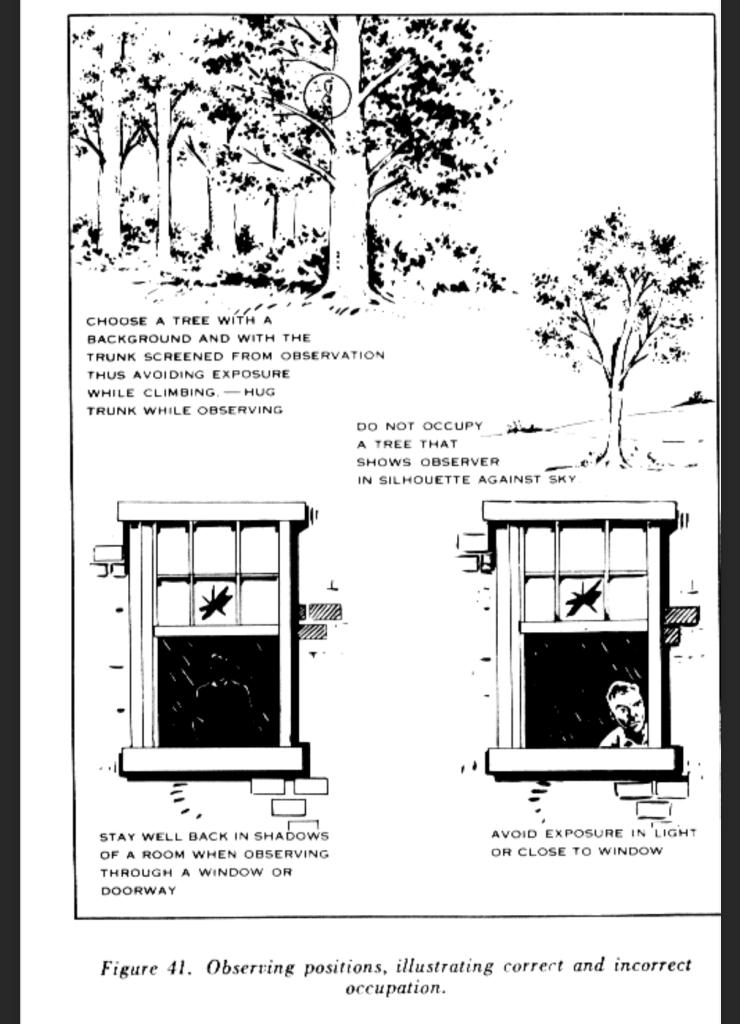
When doing observations, be sure to blend with the background and not be silhouetted against the sky. When peeking out a window, stand back in the shadows.
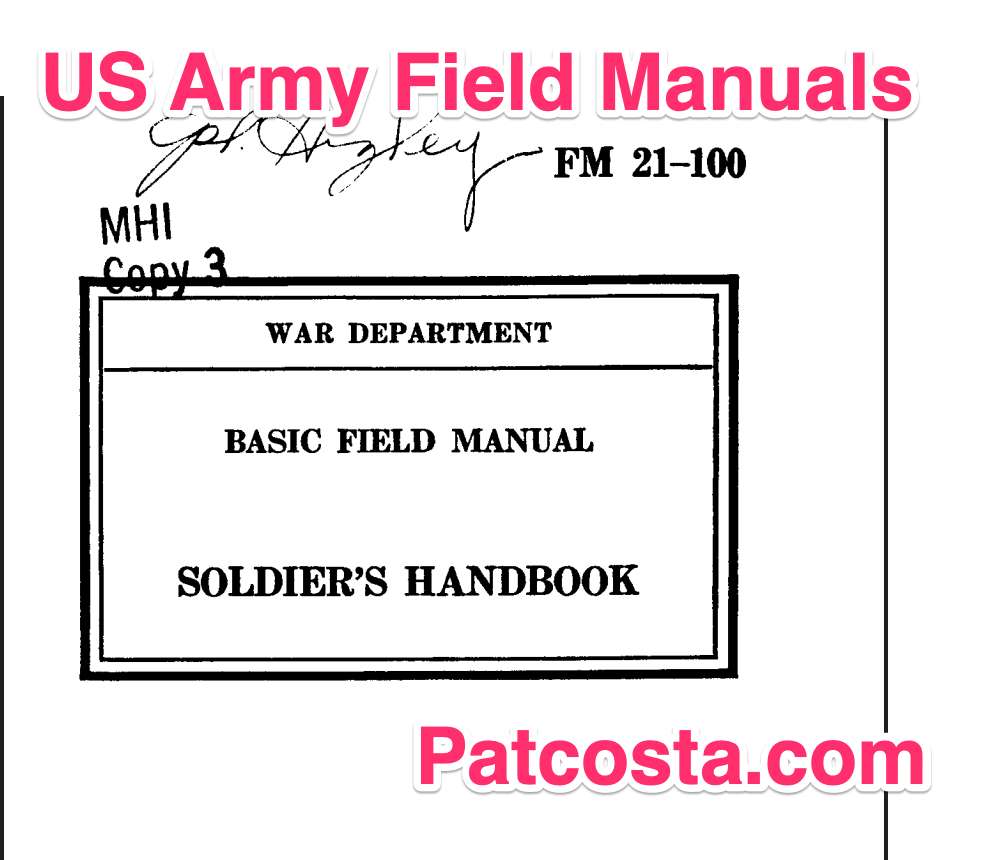
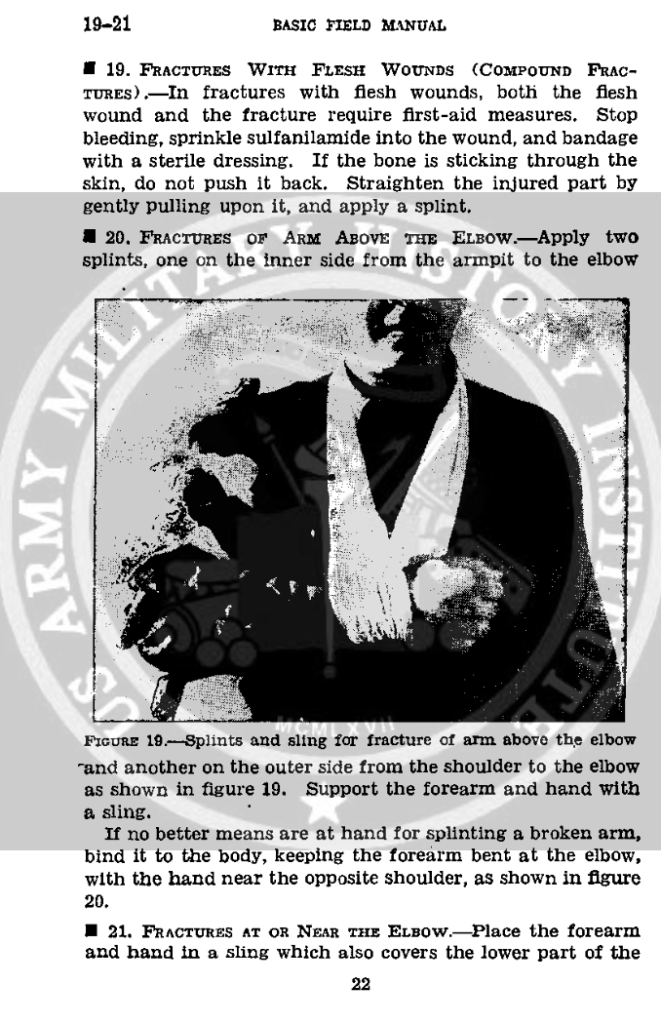
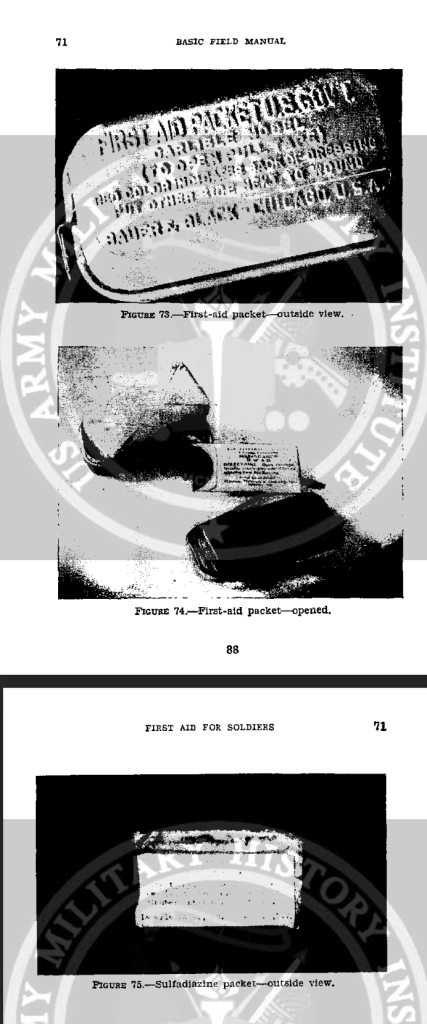
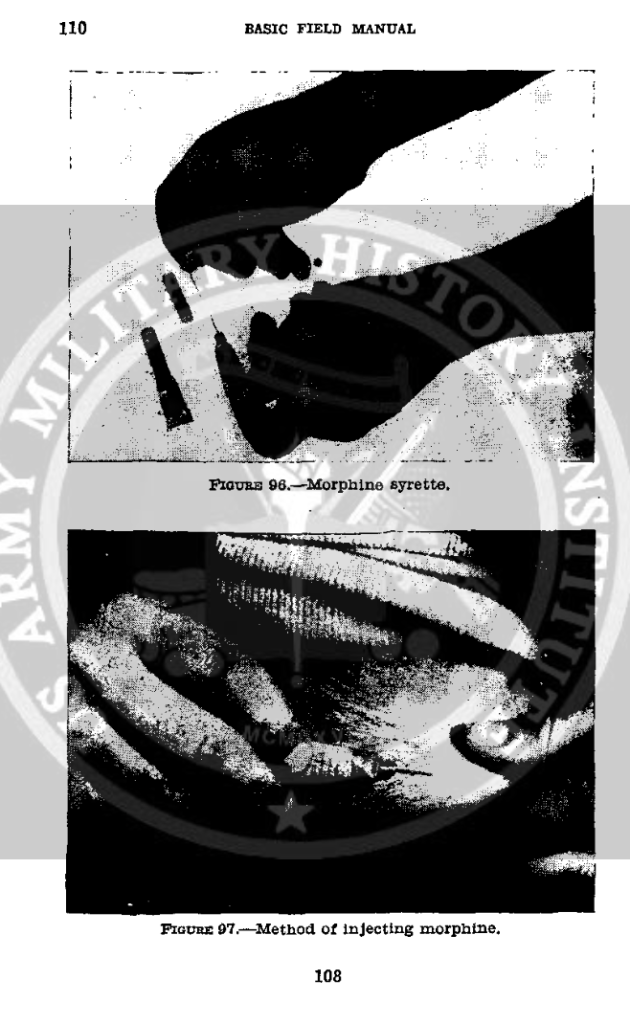
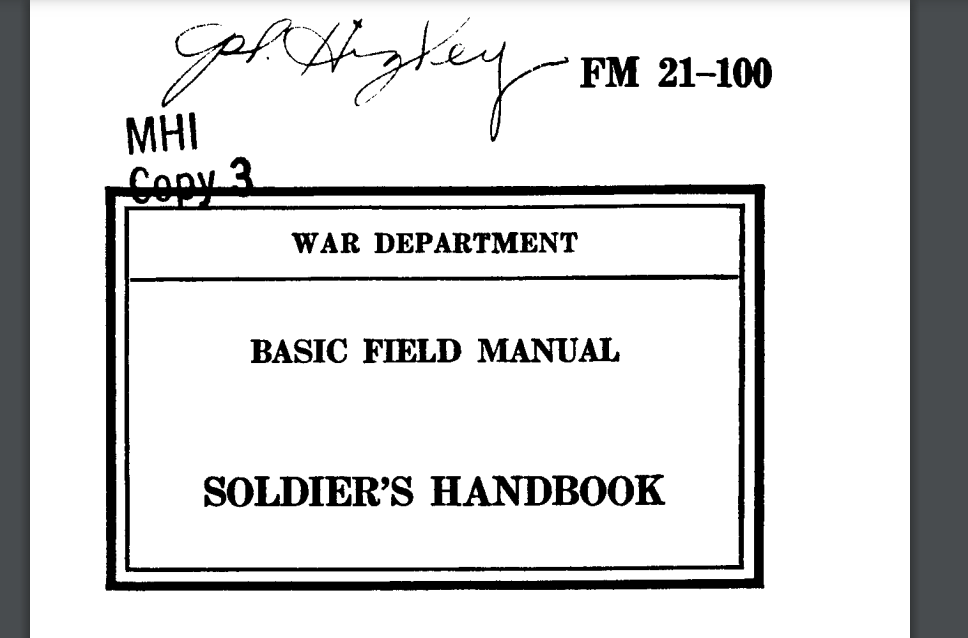
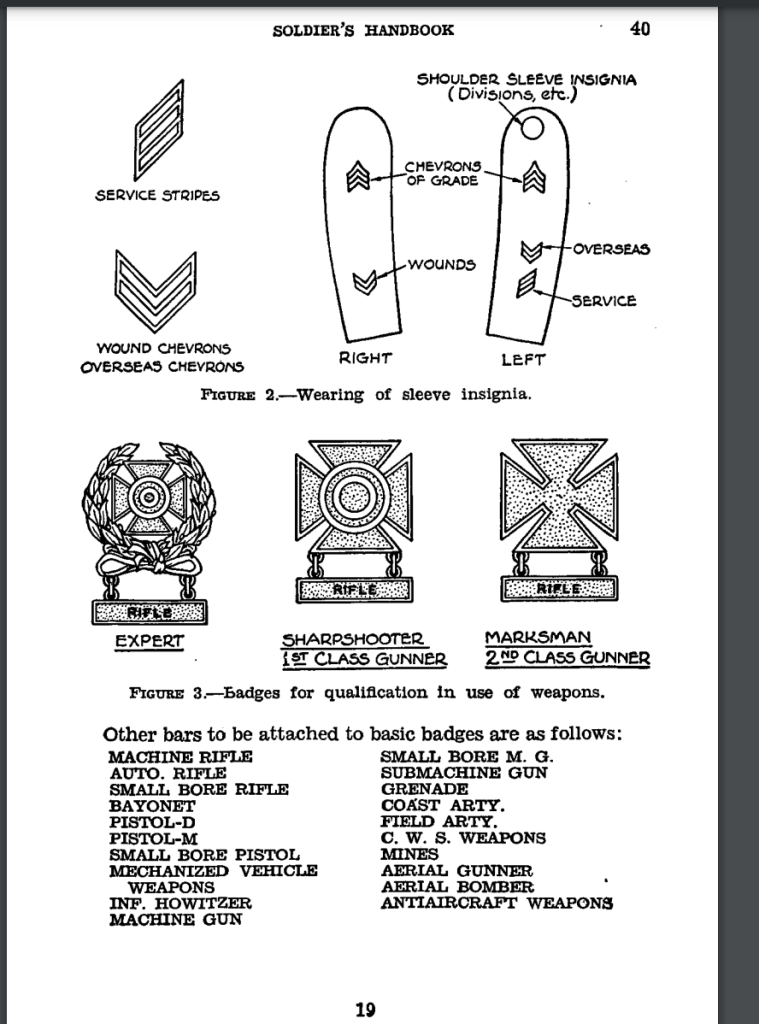
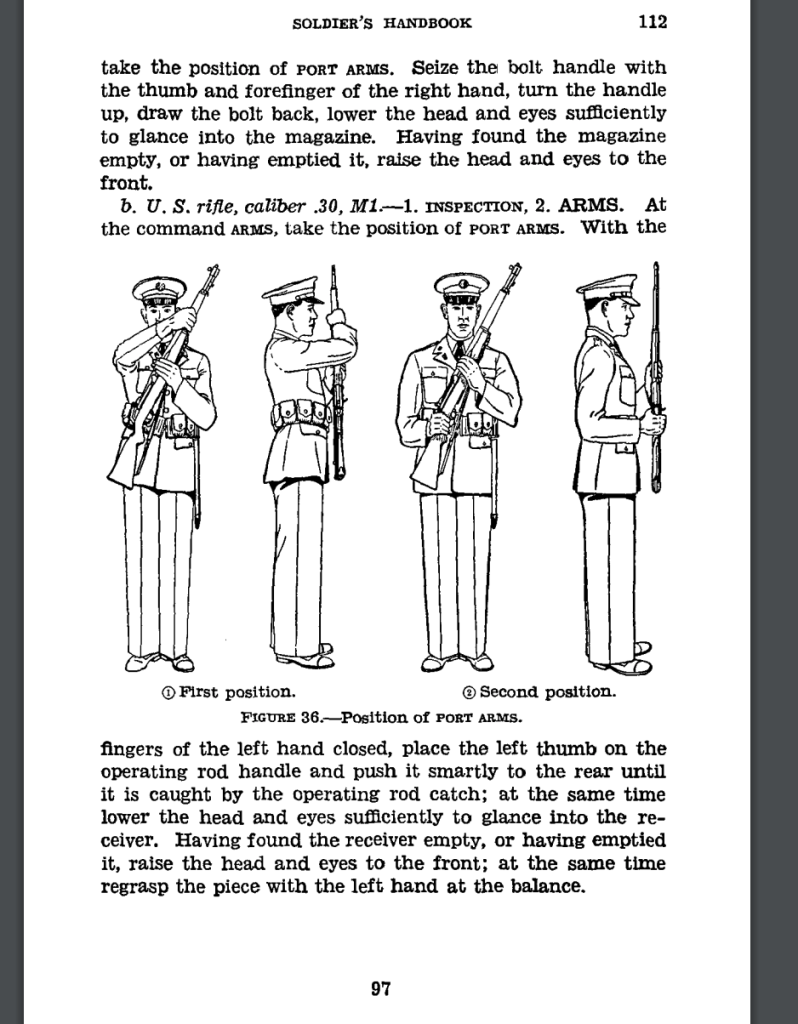
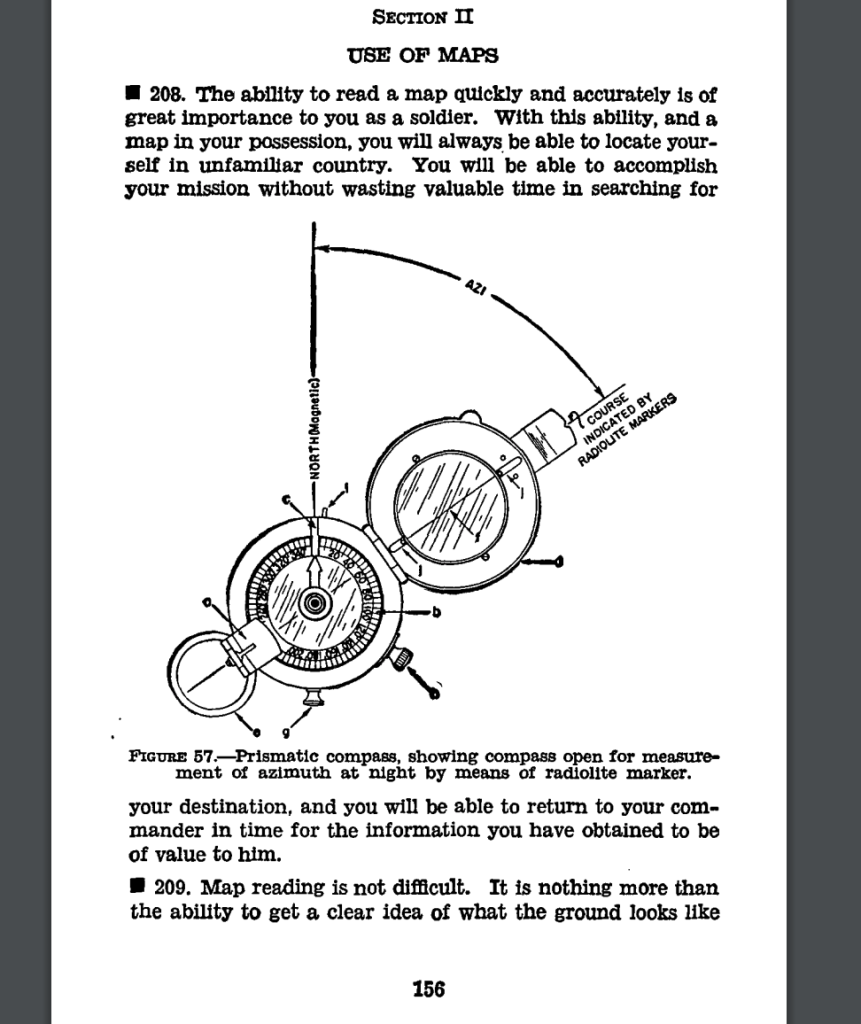
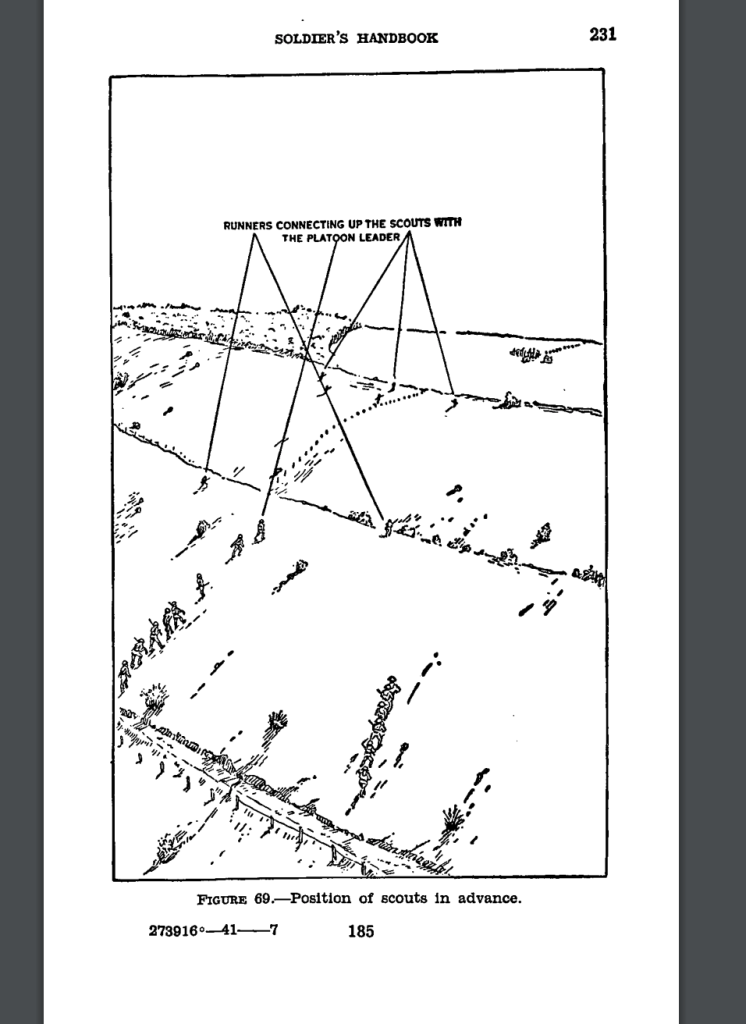
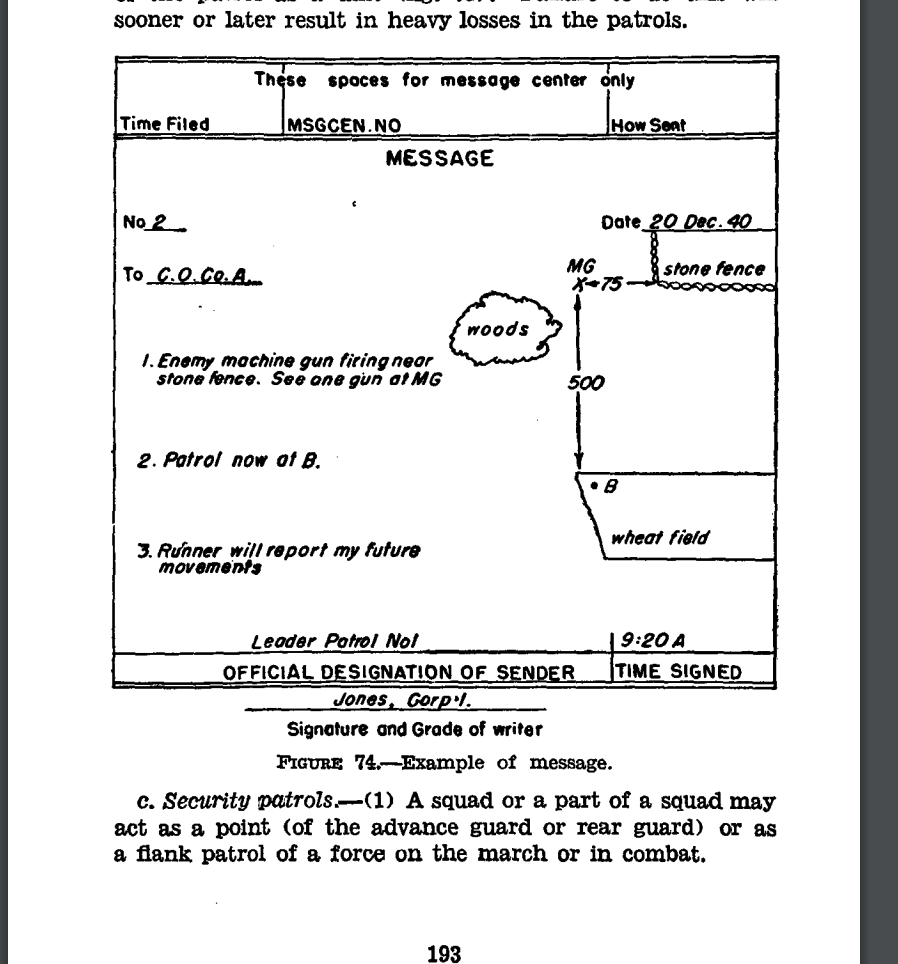
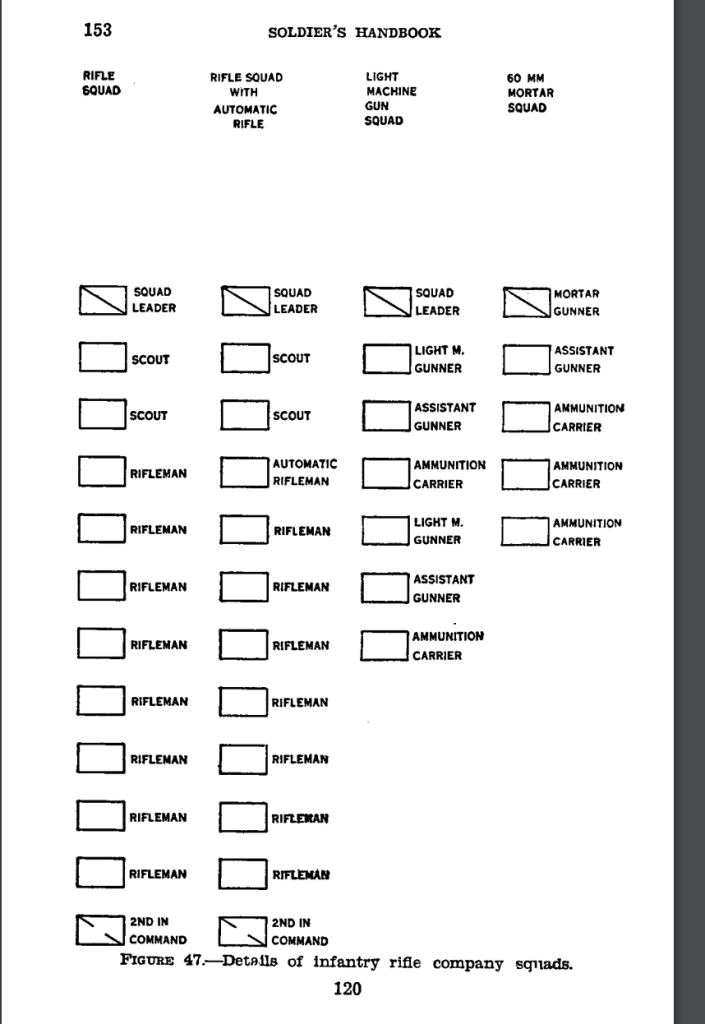
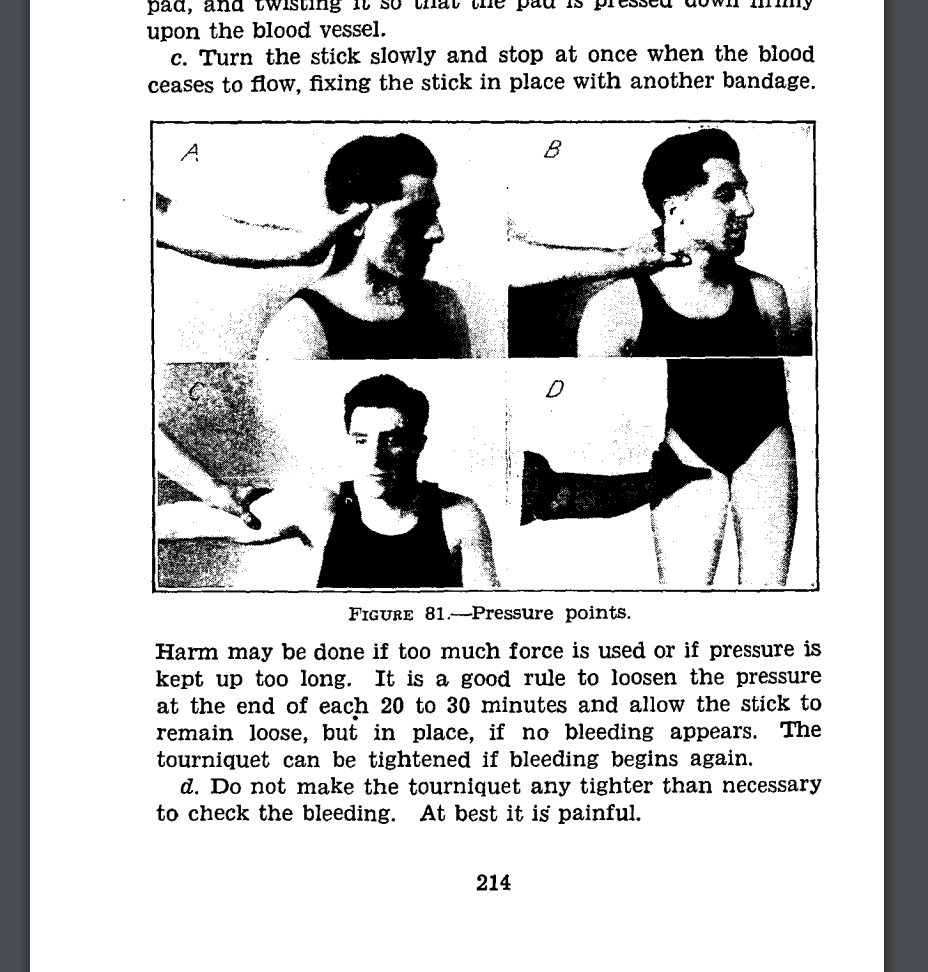
FM 21-100 Soldiers Handbook Dec 1941 | Explains basic information on how to be a soldier. Includes uniform care and wearing, saluting, equipment, manual of arms, squad movement and formation, scouting, orientation, messaging, and first aid.
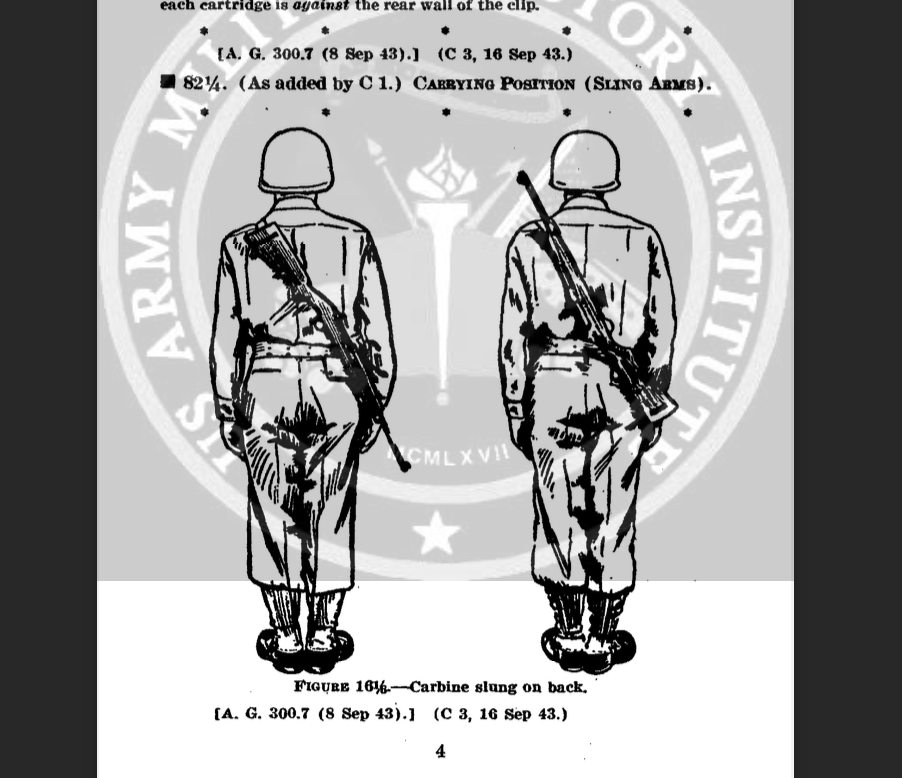
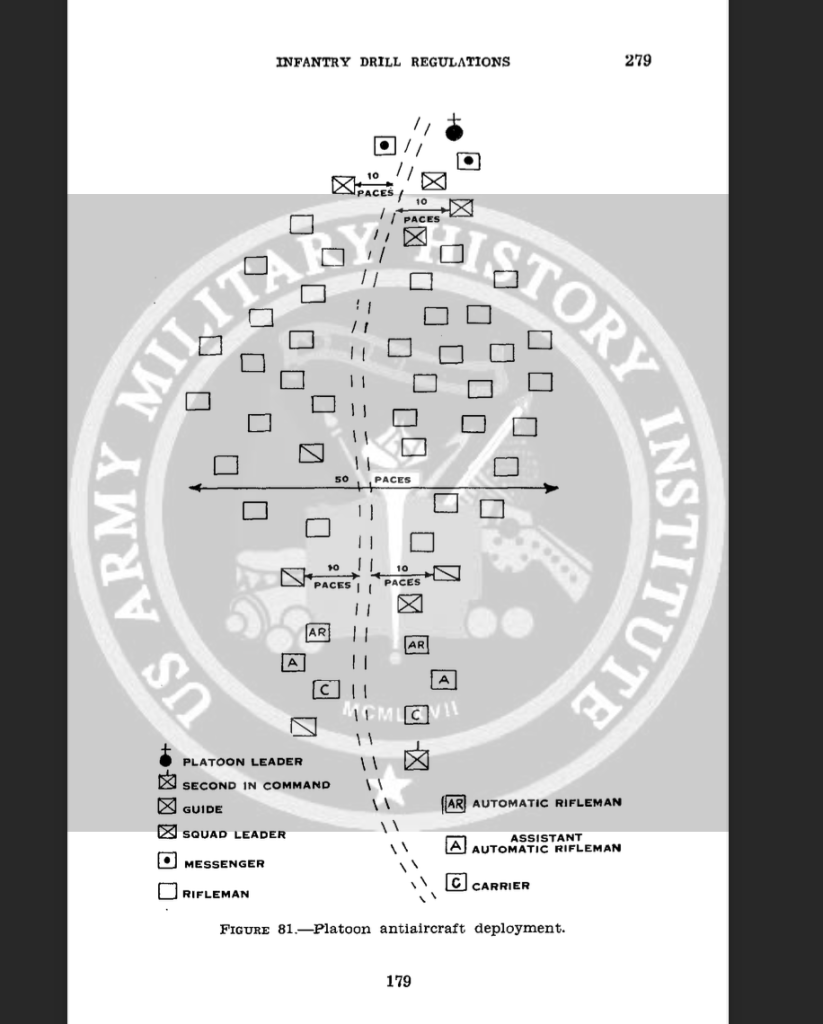
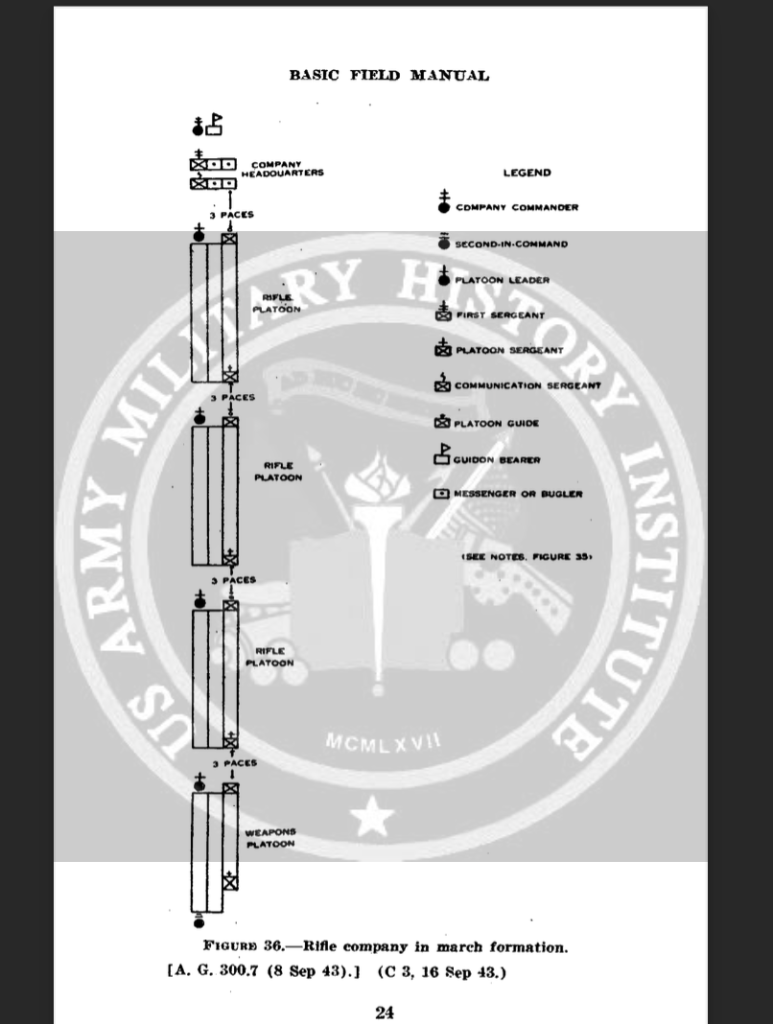
FM 22-5 Infantry Drill Regulations Aug 1941 | Describes marching, movement, and formations for different kinds of scenarios such as approach, skirmish, assault, motor, and anti-aircraft employment.
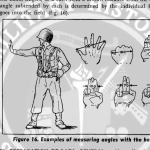
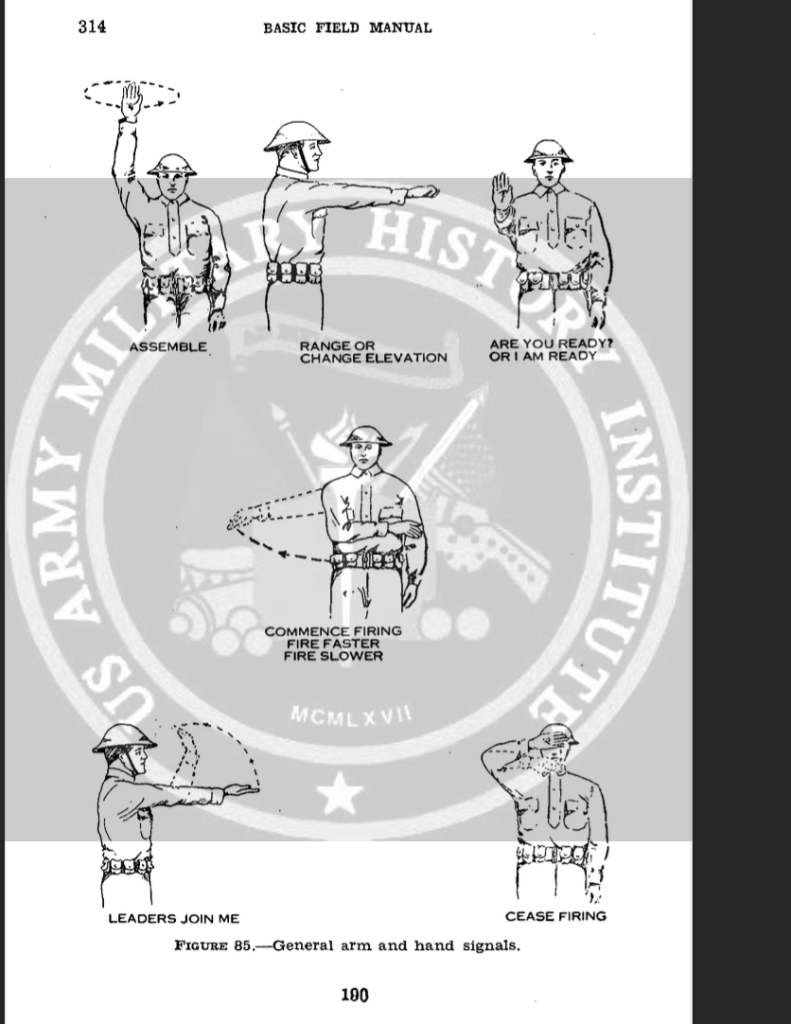
Focuses mostly on the company and the levels below. Includes rifle and heavy weapons. Outlines how to signal with a hand and whistle.
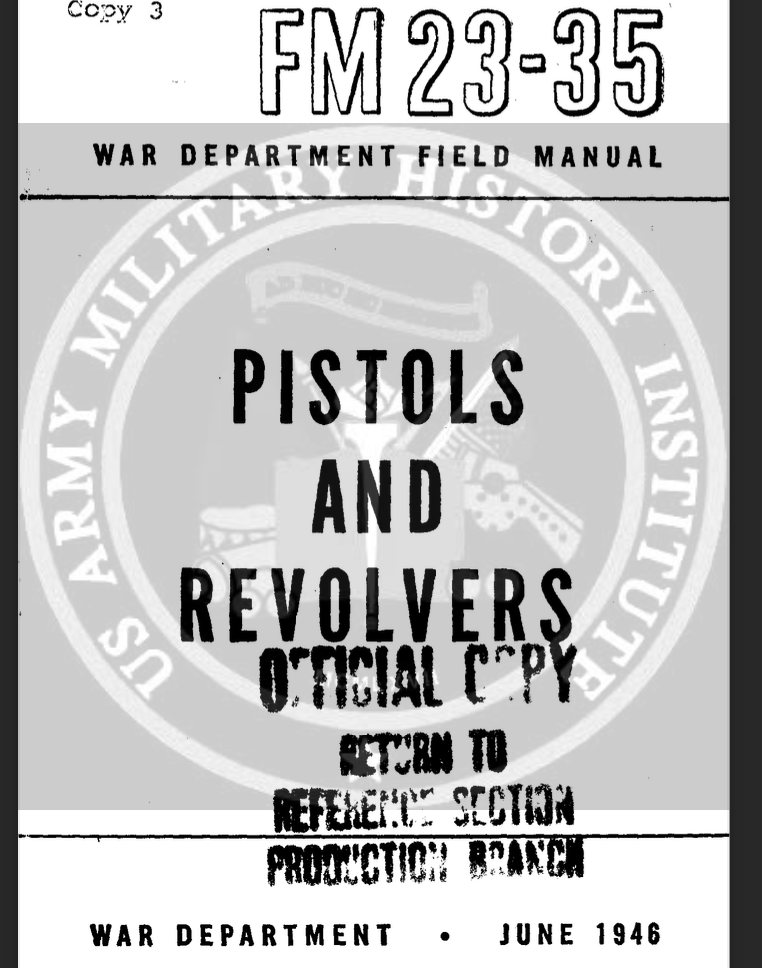
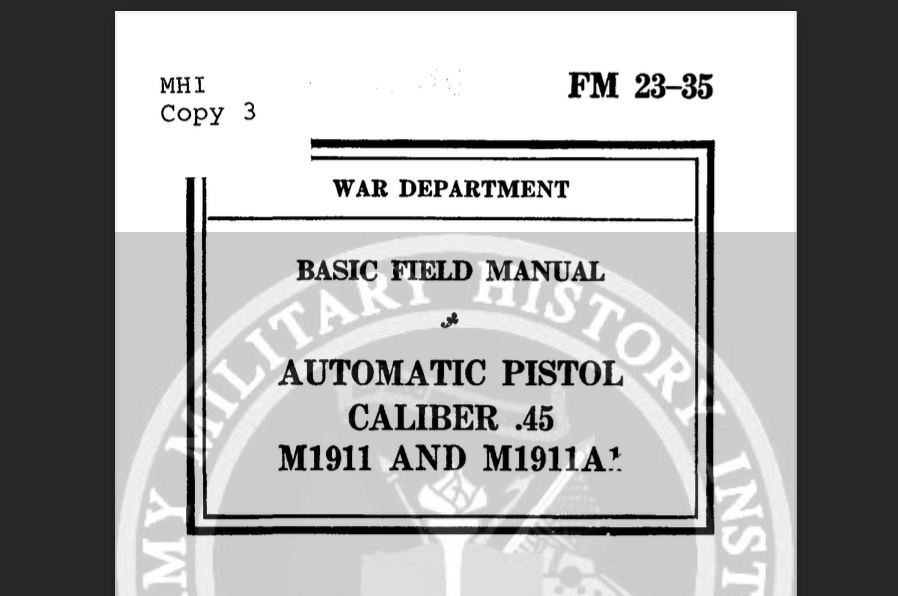
FM 23-35 Pistols and Revolvers June 1946 | Describes care, training, drill, usage, and operation of Colt M1911, Col M1917 Revolver, Smith and Wesson M1917 Revolver.
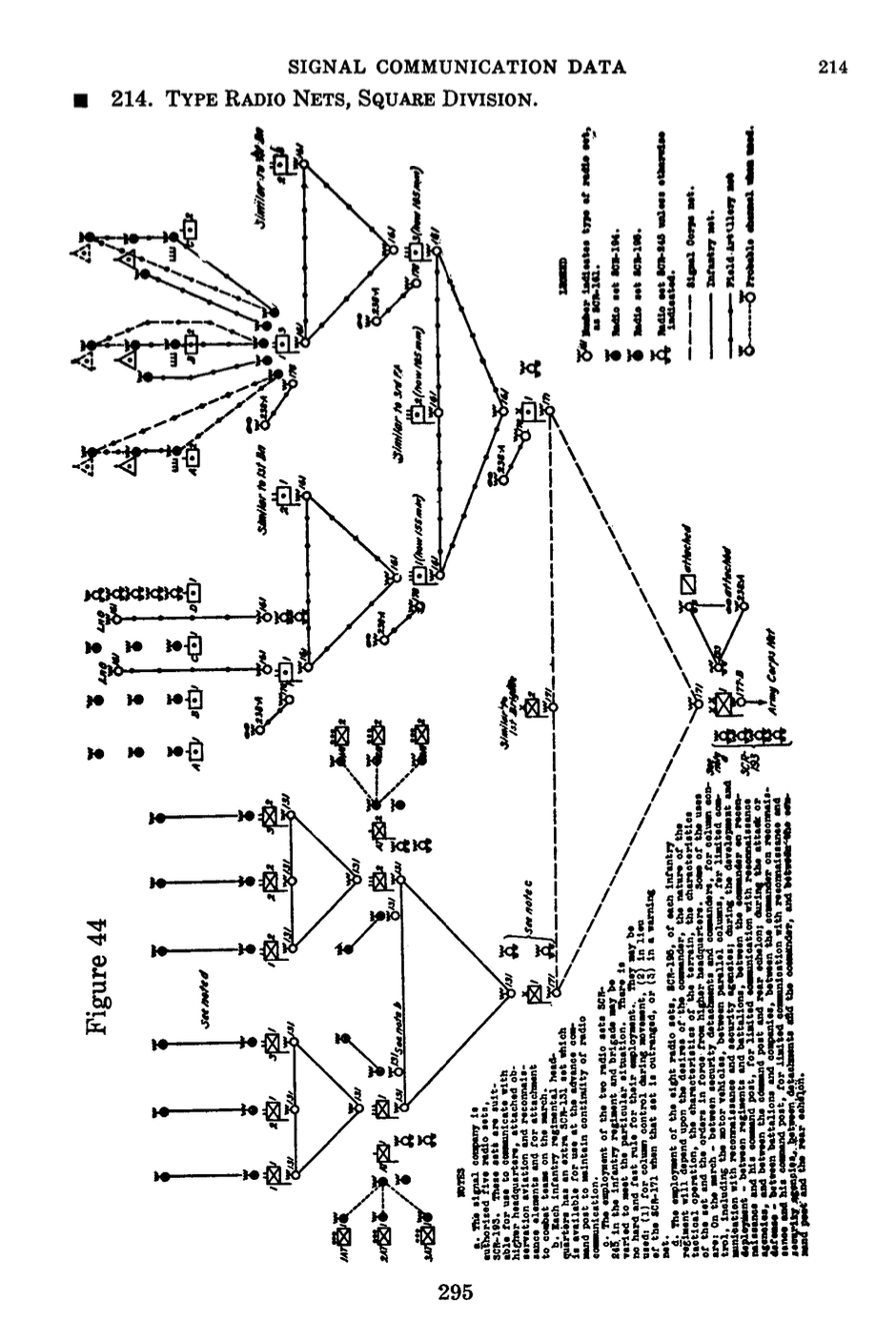
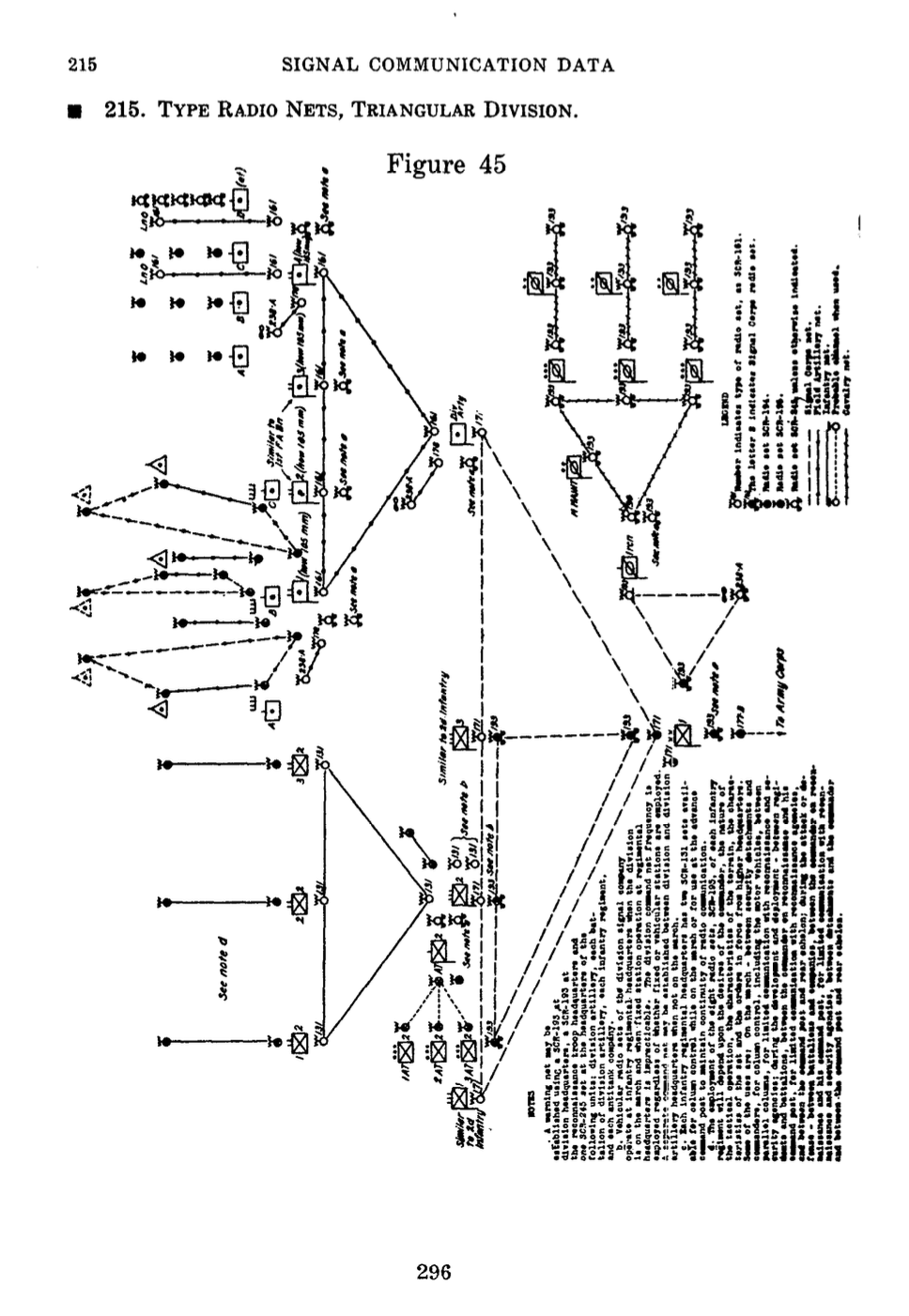
FM 24-5 Signal Communication, Oct 19th, 1942 – Methods and techniques for installing, operating, maintaining, and planning for signal communication within division and smaller units.
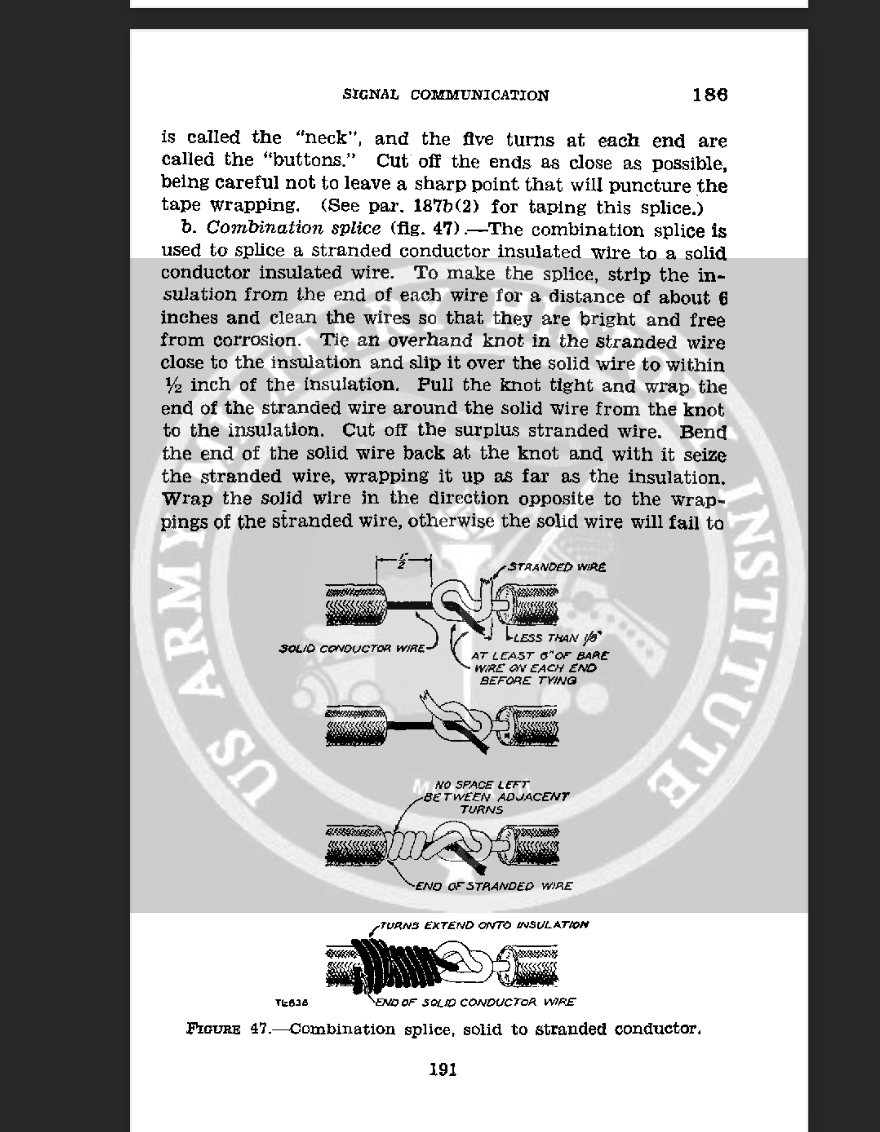
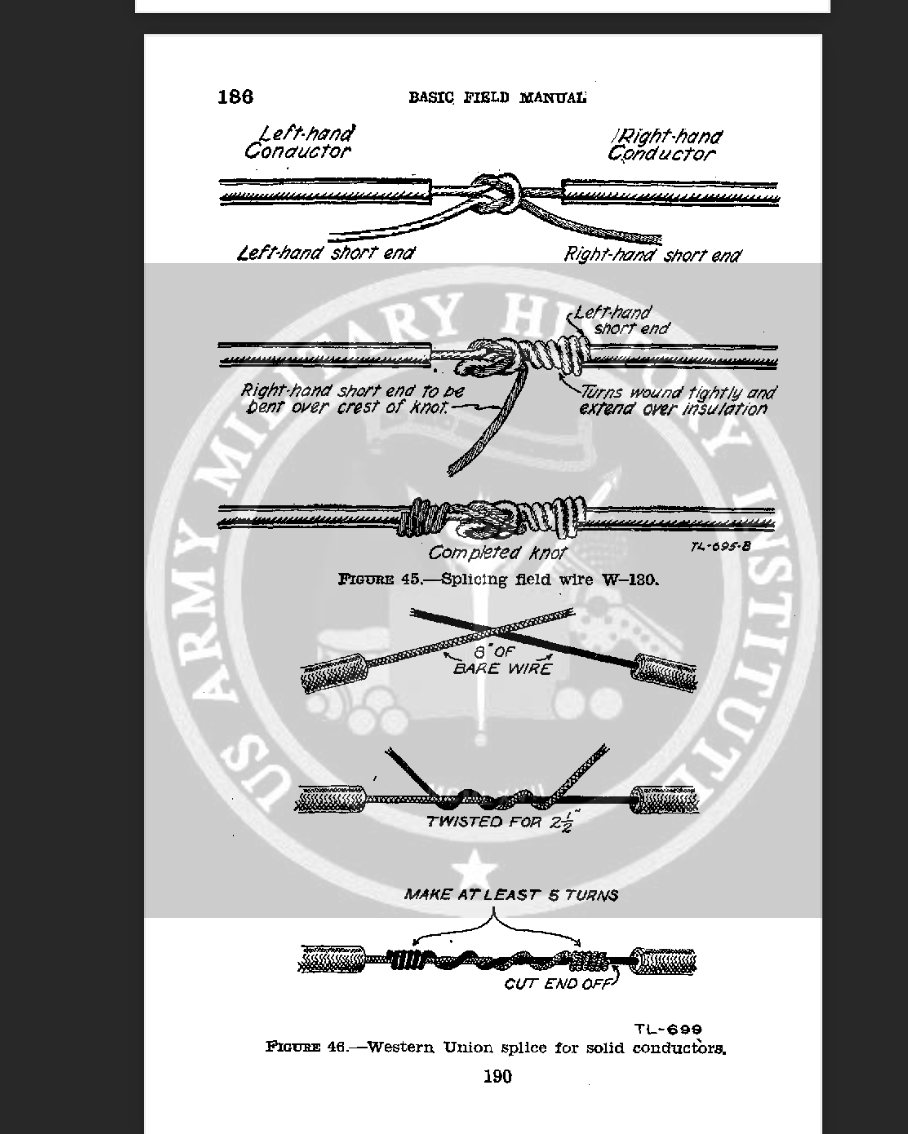
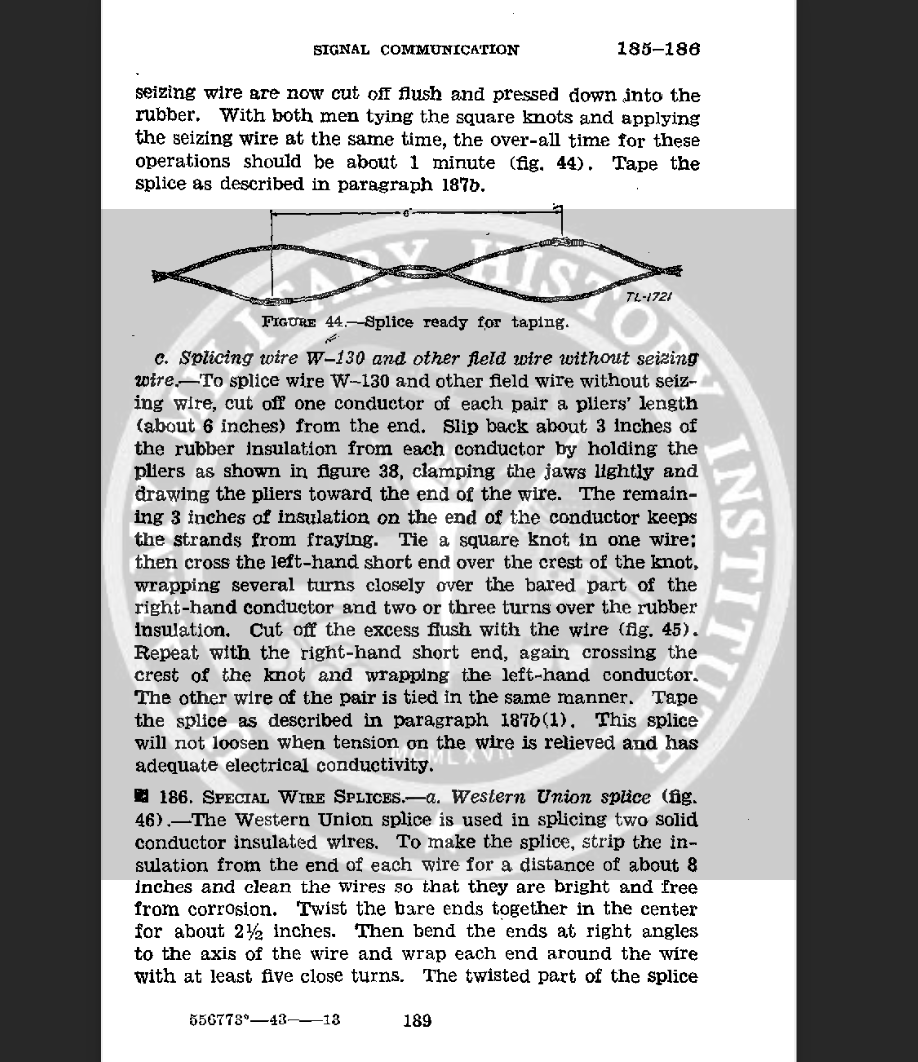
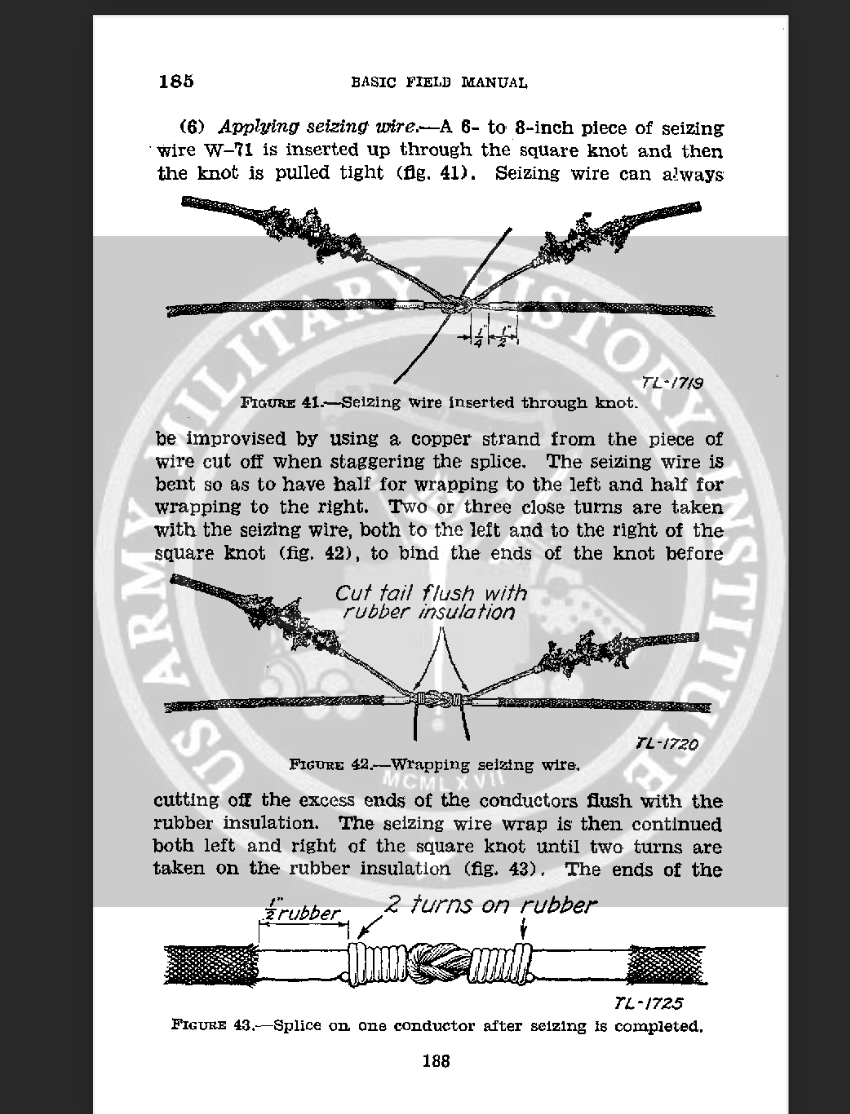
Has sections on splicing, the M-94 and M-209 cipher and convertor cryptography devices, as well as other signal types like visual, pigeon, lamps, panels, radio, morse code, wire etc.
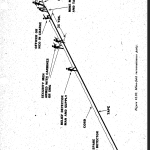
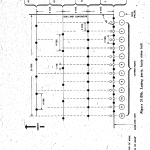
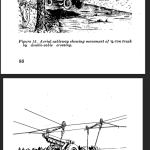
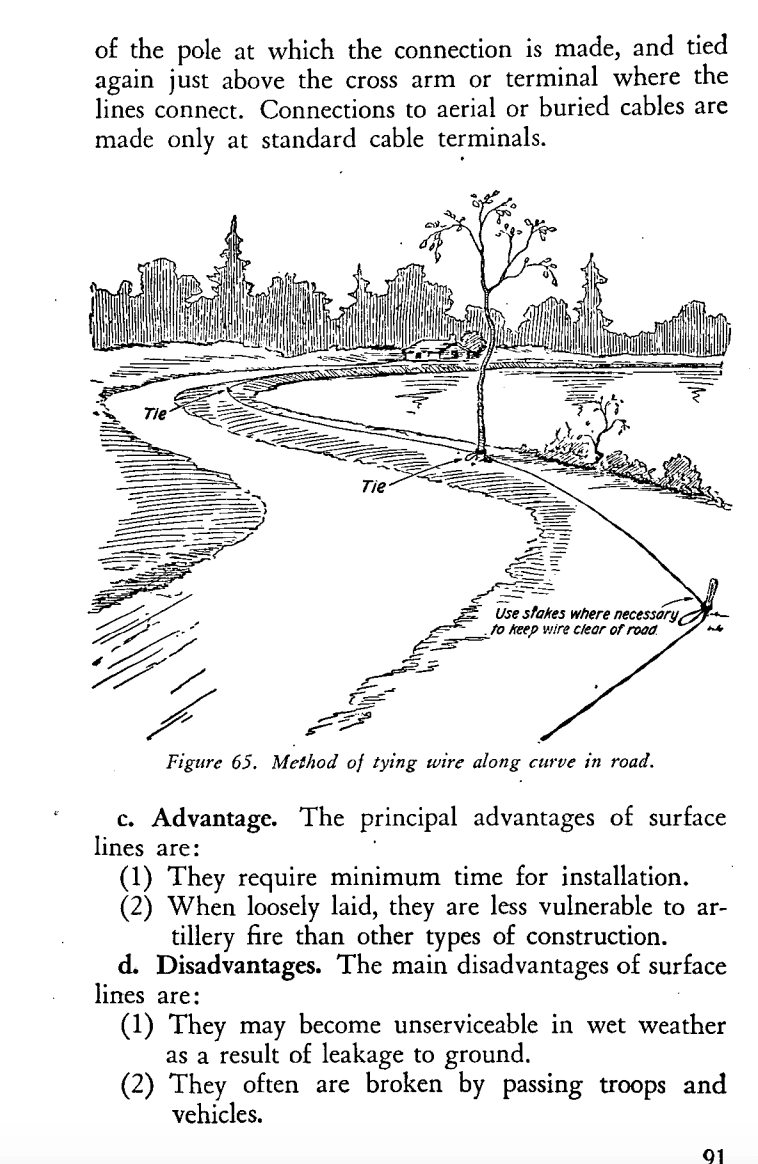
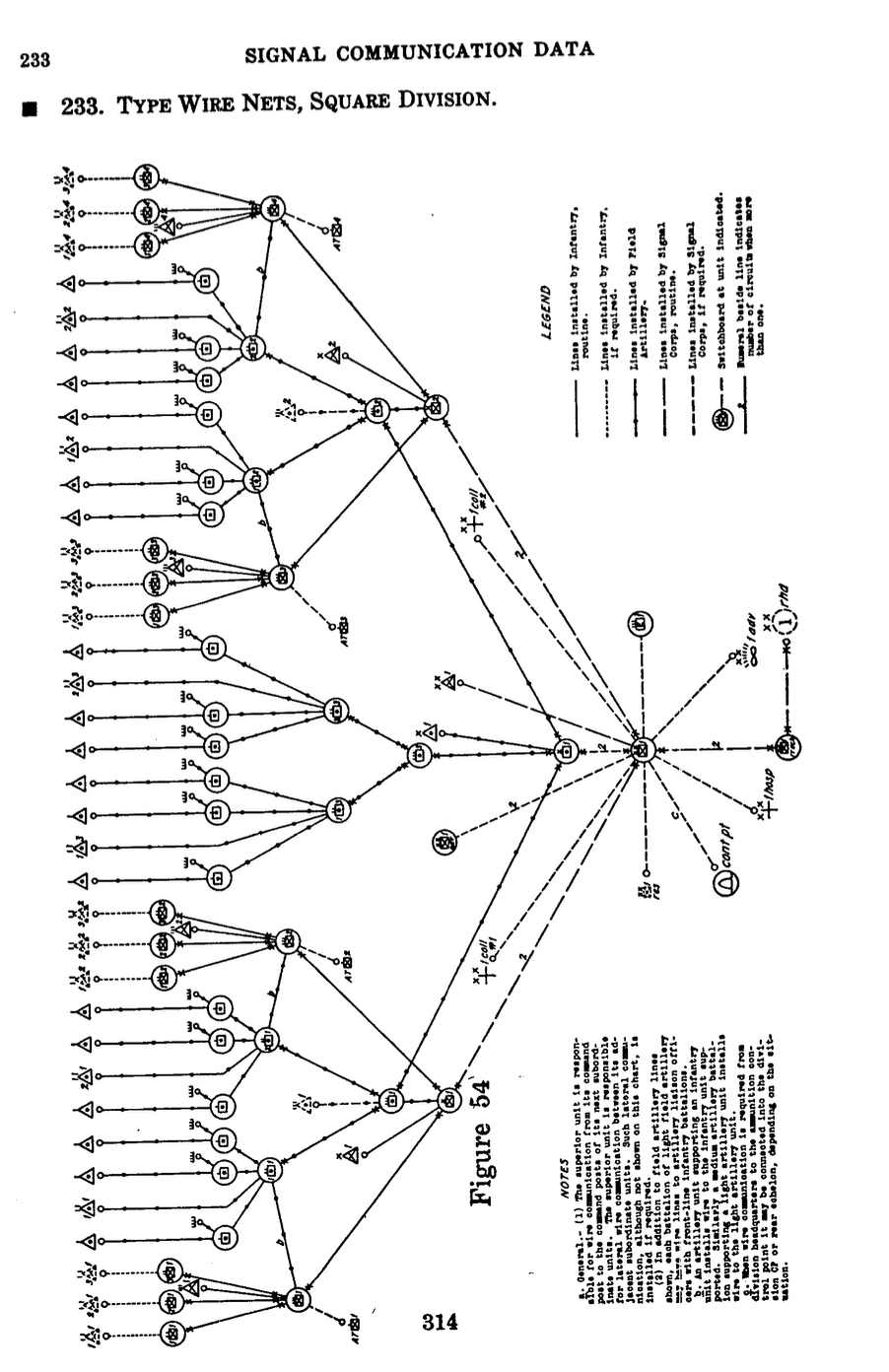
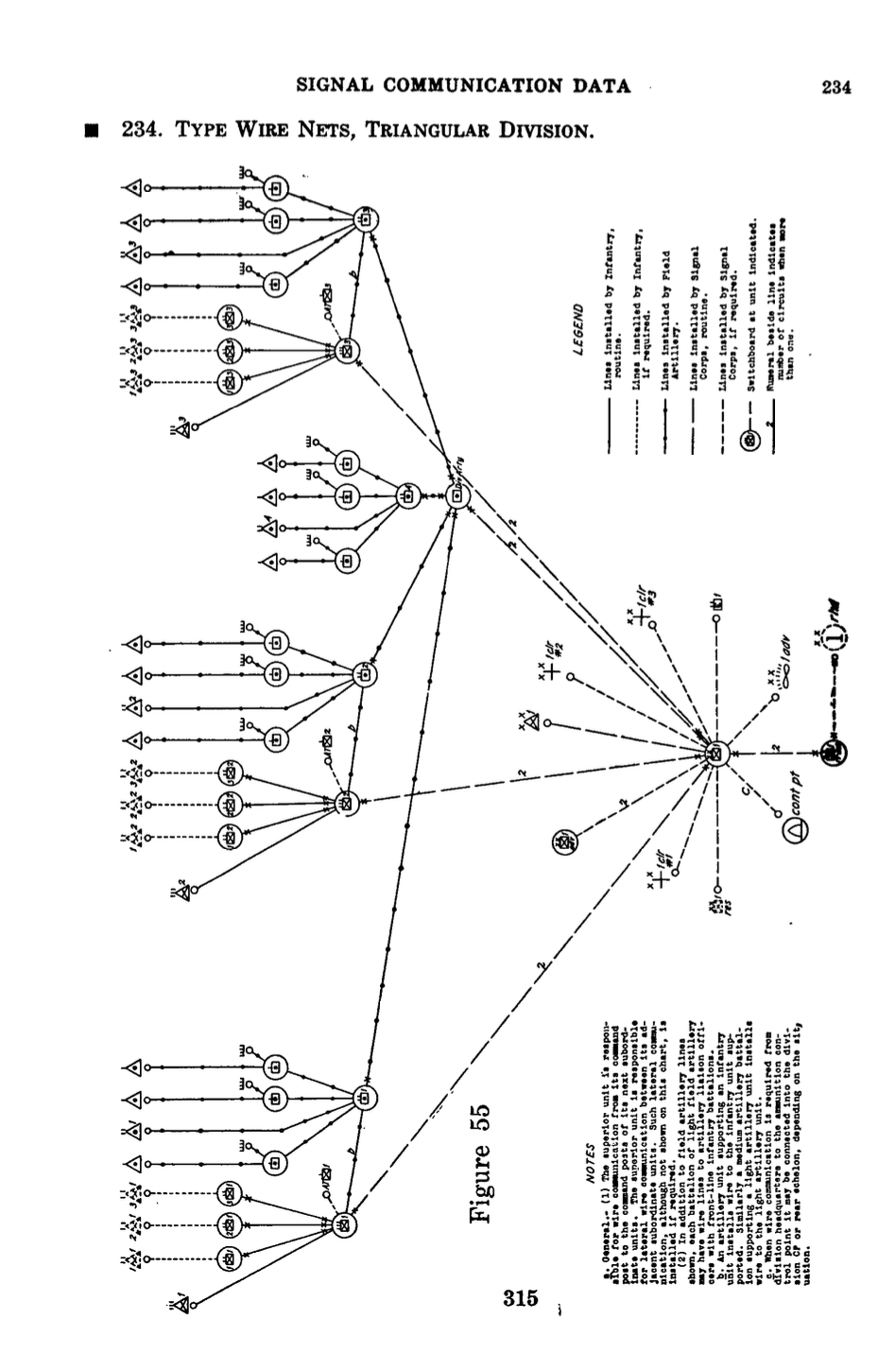
FM 24-20 Field Wire Systems 4 OCT 1944 | Discusses different kinds of wire systems as well as the installation of field phones, switchboards, telegraphs, and other signal corps equipment. Also includes how to maintain the system and an example telephone directory.
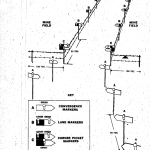
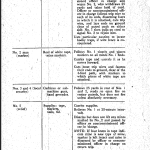
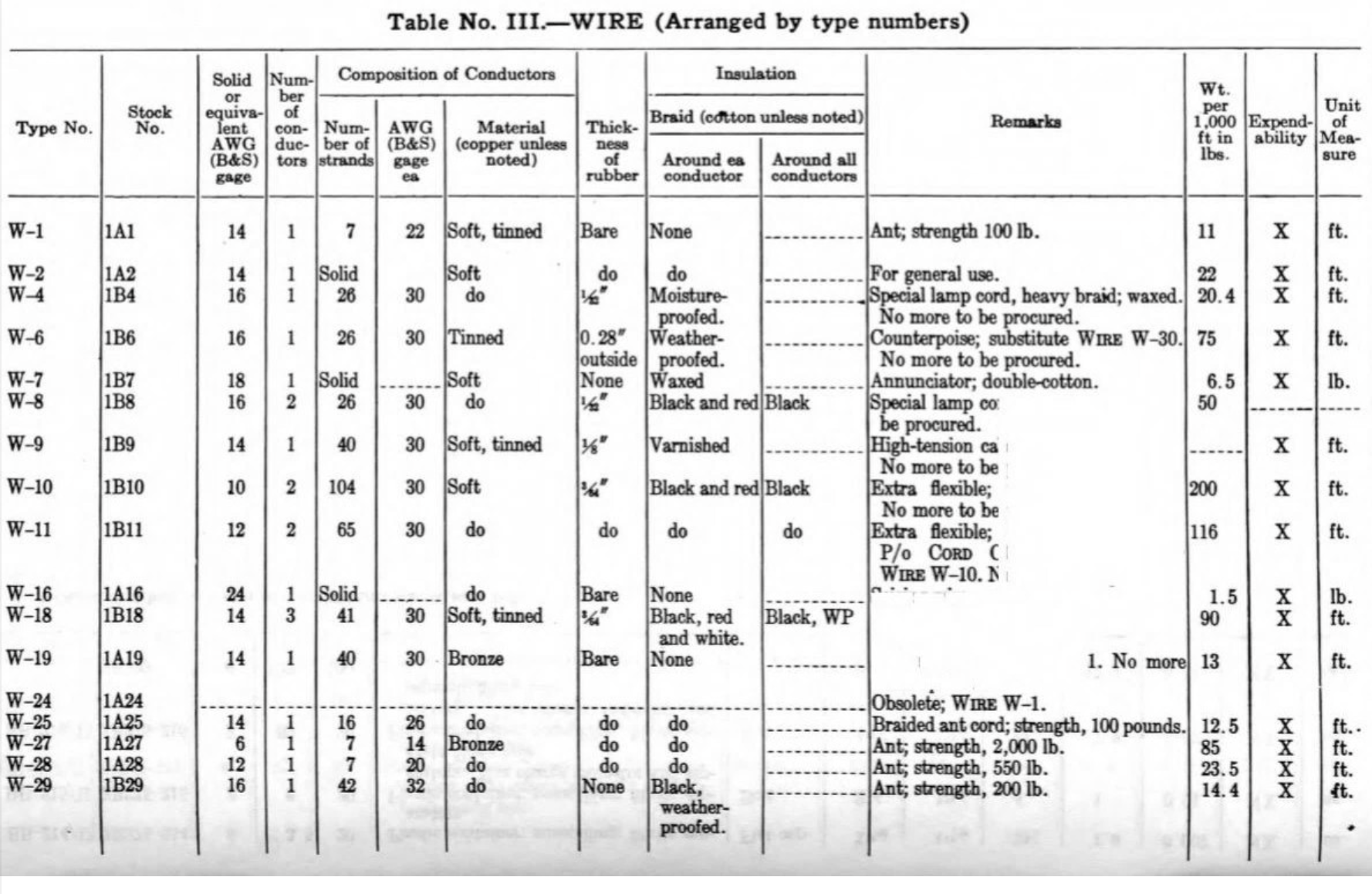
TABLE No III – WIRE – A guide that shows the composition, insulation, weight, measurements, and remarks of the different kinds of wire.
It’s noted that the 130 Assault wire causes a lot of trouble and needs to be protected. Any dampness in it causes issues. So holes need to be patched with tape.
Also, in a report of the 397th Infantry Regiment of the 100th Division regarding W-143 wire, they say
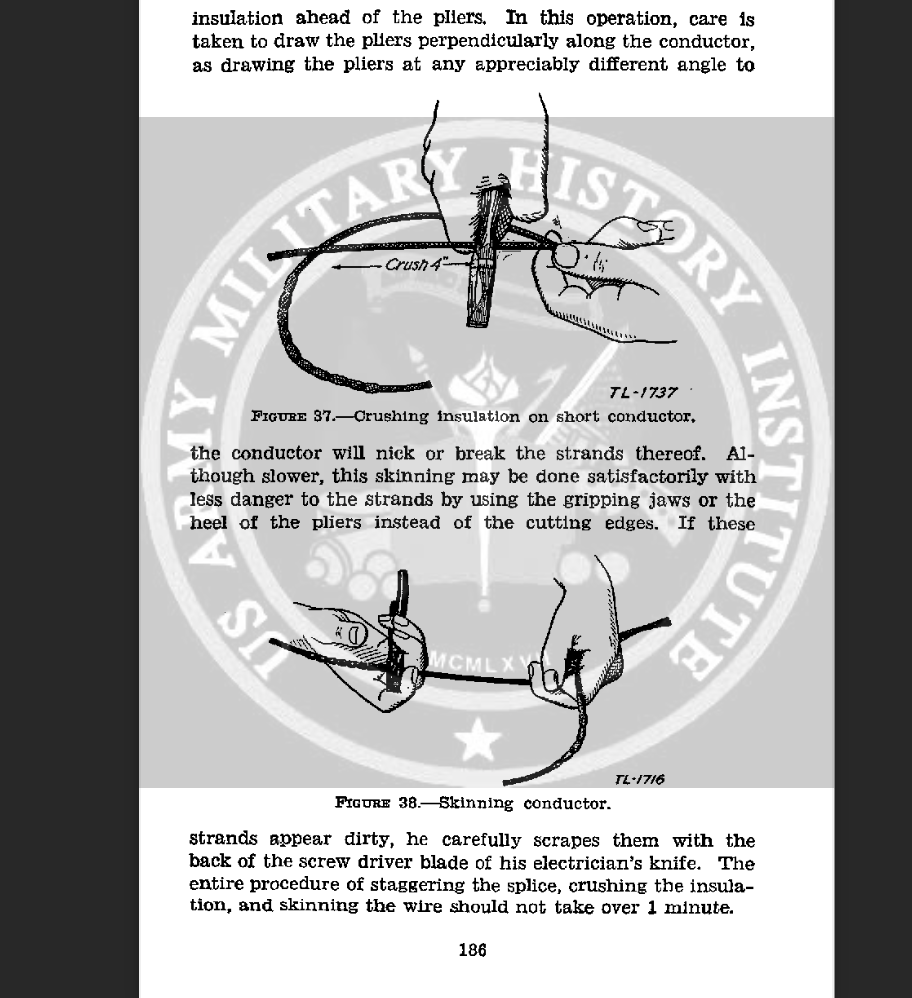
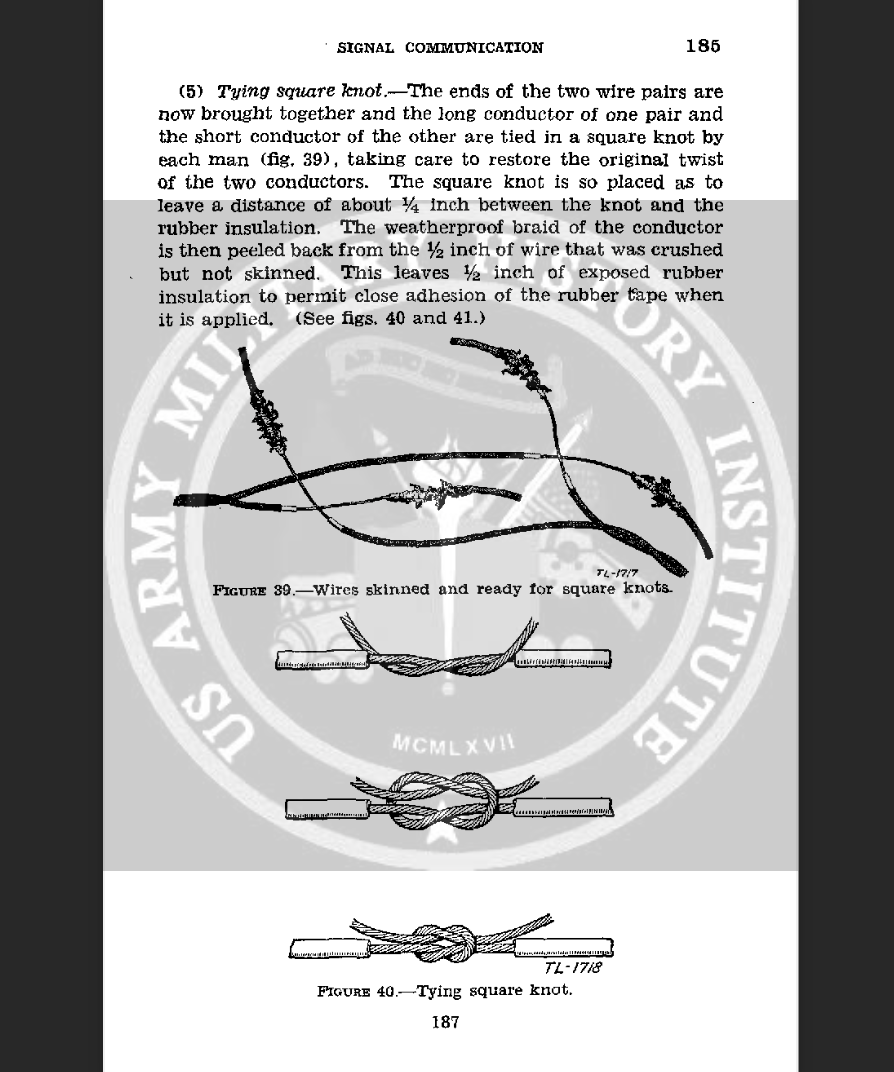
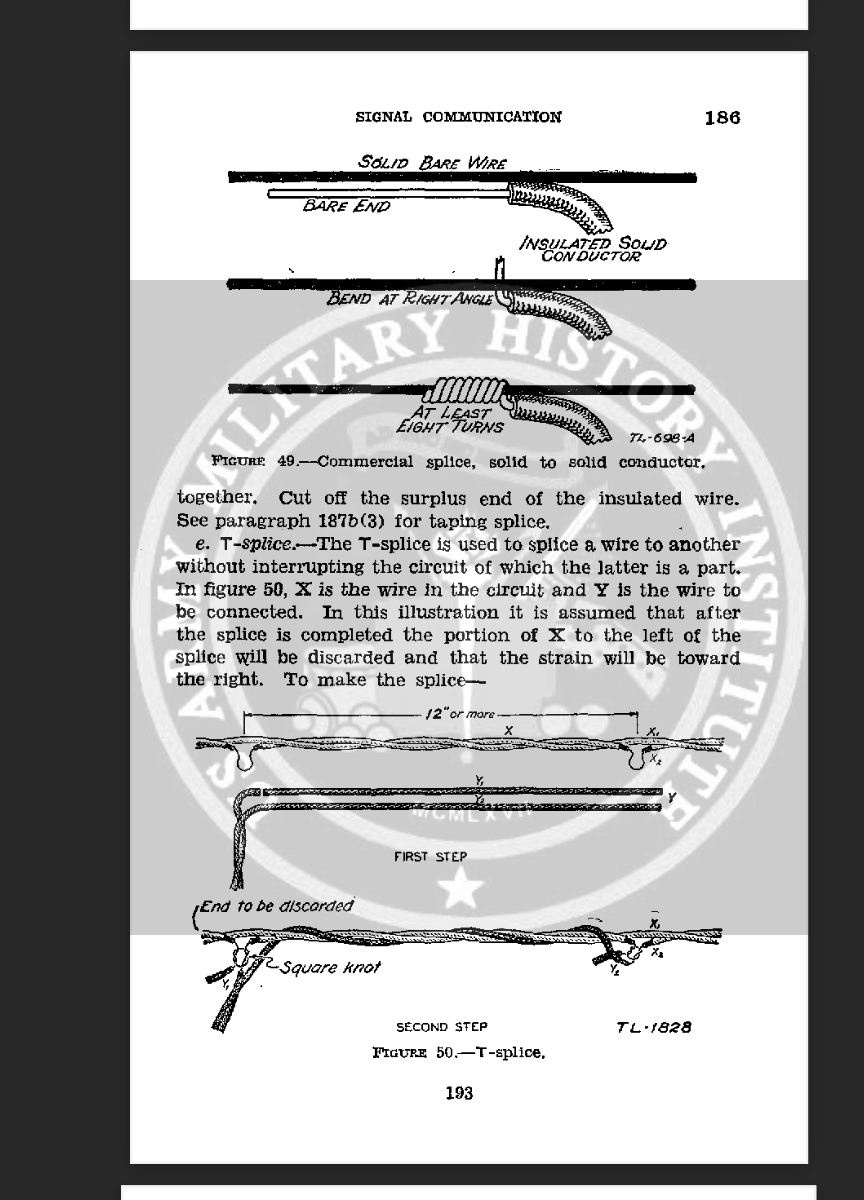
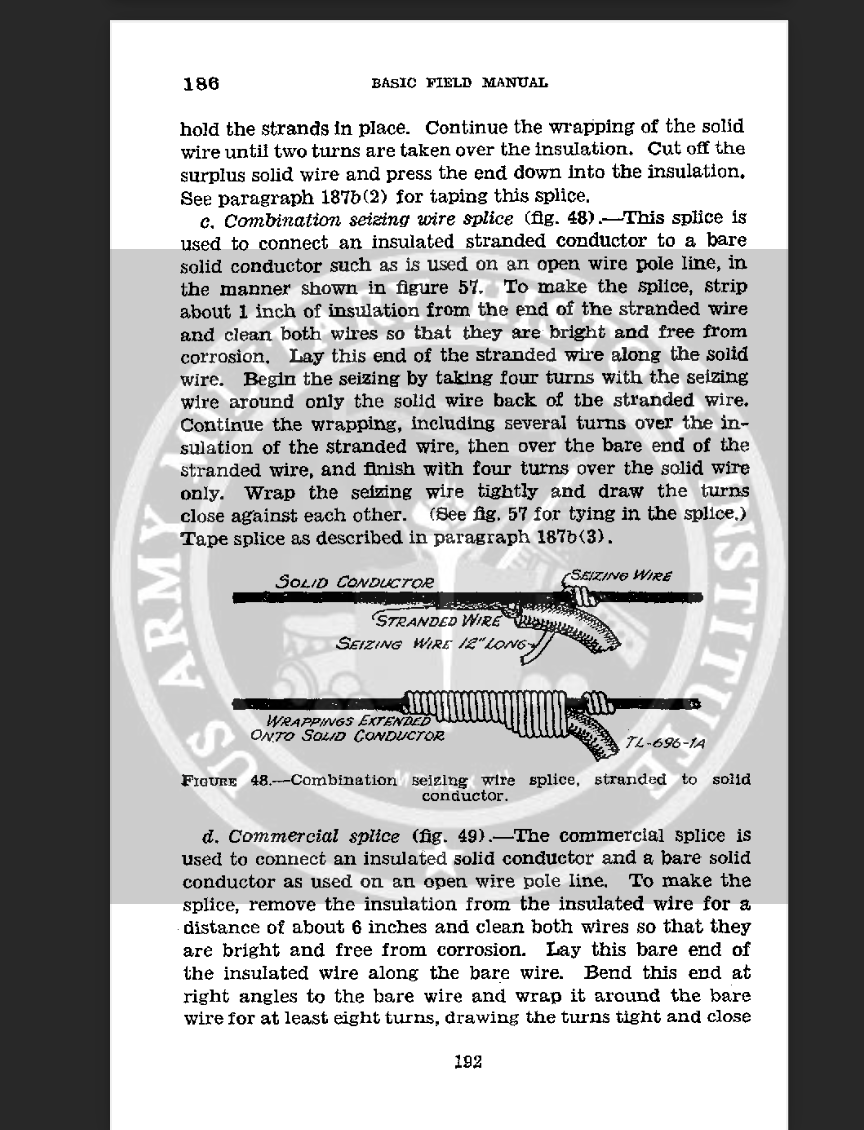
“The wire is unsuited for small units as the wire cannot be sufficiently carried on a reel, the insulation doesn’t break when the wire does, making it hard to troubleshoot, and it takes too long to splice as the insulation doesn’t come off fast enough – especially when under fire.”
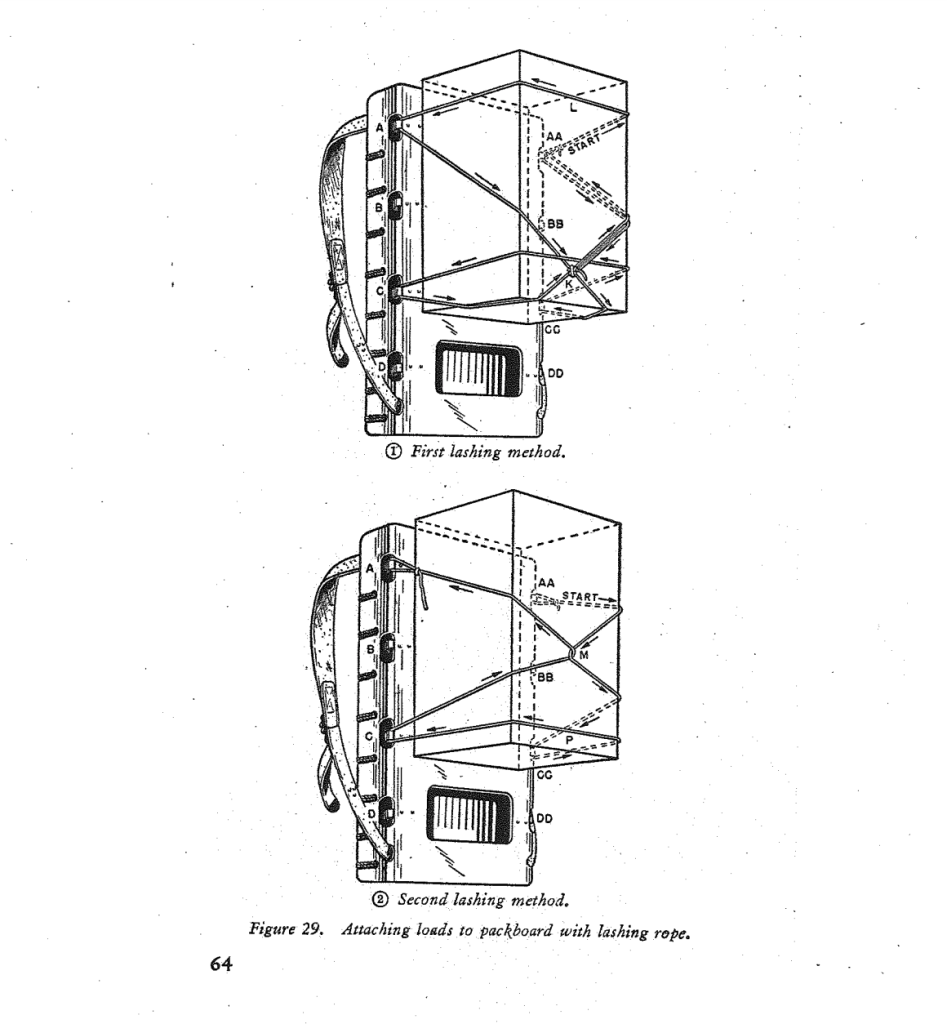
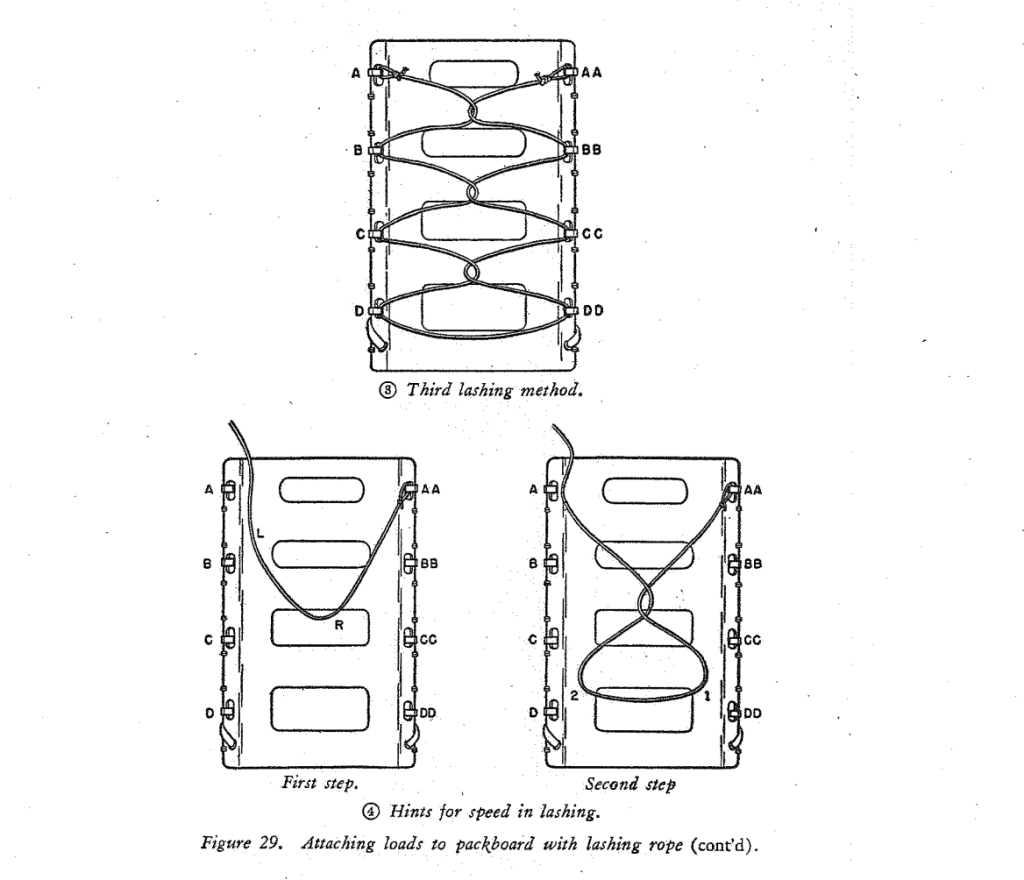
FM 25-5 Animal Transport June 1939 | Describes how to ride, control, manage, and take care of a horse. Includes a description of lashing equipment and saddling. The 1940 change is added.
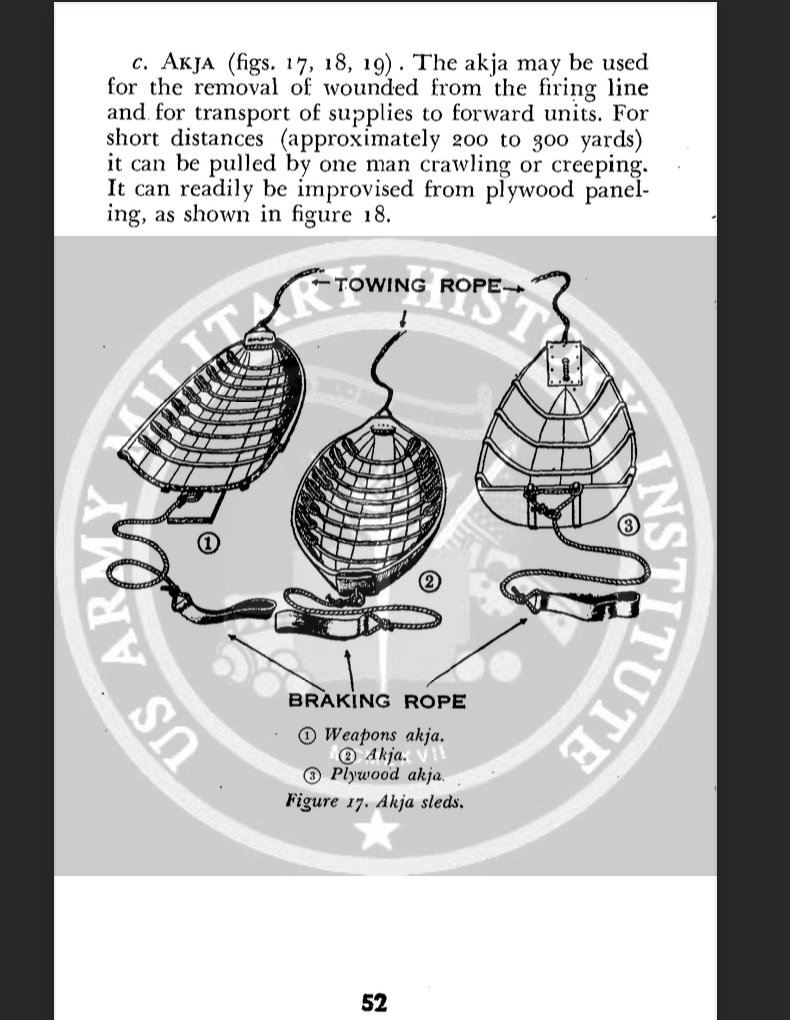
FM 25-6 Dog Sled Jan 1941 | Explains sleds, dog shoes, sled packing techniques, first aid for dogs, harnesses, kennels, food, lashing etc.
FM 26-5 Interior Guard Duty Jan 1942 | How to conduct interior guard duty of military posts and camps. This includes organization and structure, as well as duties/responsibilities, and dealing with prisoners.
FM 28-105 Special Service Company Jan 1944 | Explains the duties of the company, including structure and organization, and the packing of materials, as well as how to provide athletic, entertainment, music, radio, theatrical, motion picture, library, publications (like a soldier newspaper), and field canteens and exchanges.
It includes a list of items of the different kinds of kits:
Kit A and A-1 – Sports and Games. One interesting thing is that the kit describes books to be used in playing the activities. Such as: Active Games and Contests (1935), TM 21-220 Sports and Games May 1942, among others. Kit B and B-1 – Radio and Phonograph Equipment Kit C – Library books Kit D – Musical Instruments and Accessories – Music Books Kit E – Theatrical Equipment and Supplies Kit J – PH-408 Projector Equipment Kit I – Printing and Publishing
FM 29-5 Military Police Dec 1941 | Guidelines for structure and organization for the Military Police, including collecting stragglers during combat, traffic control (in both day and during “blackout” conditions), escorting, and other duties.
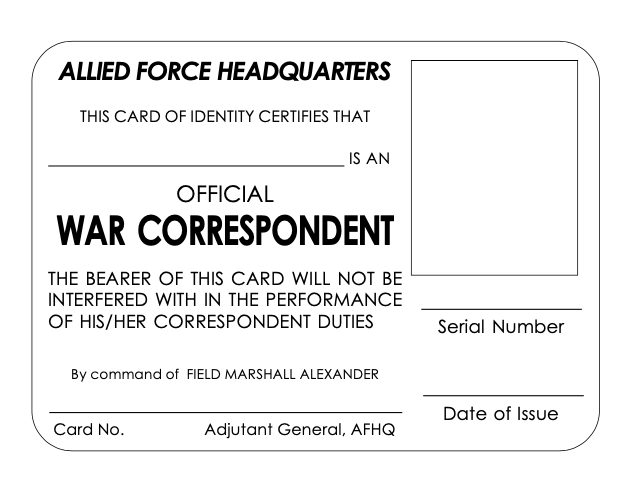
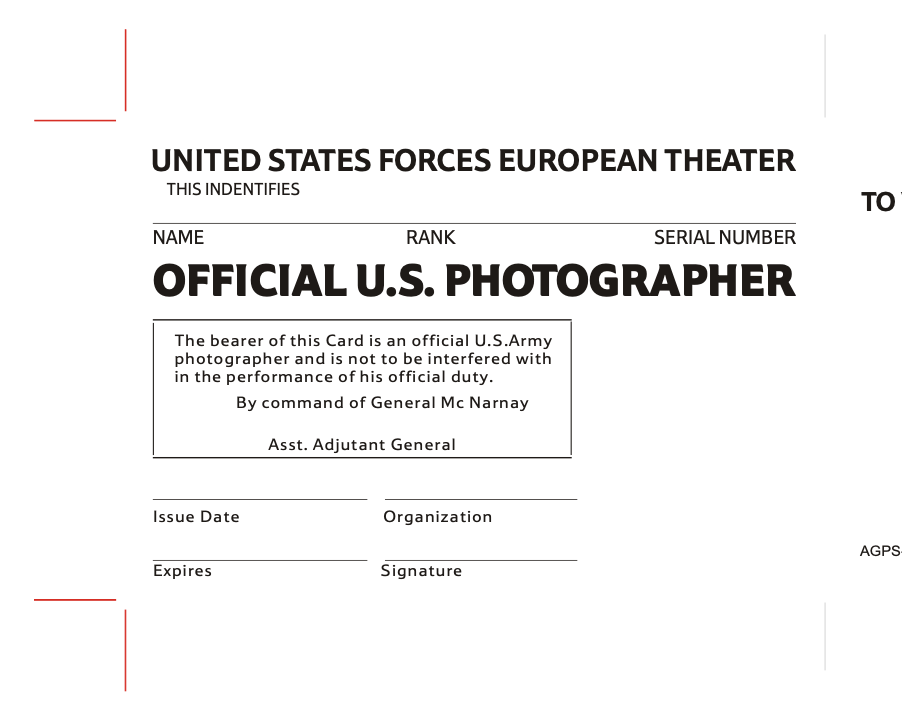
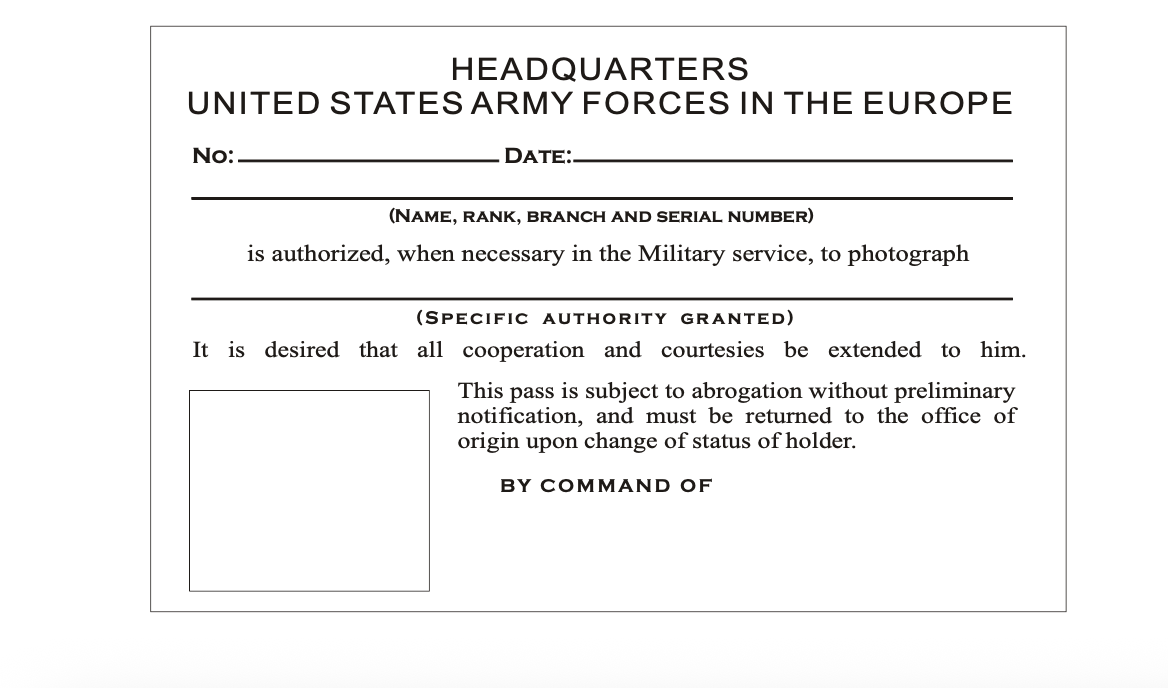
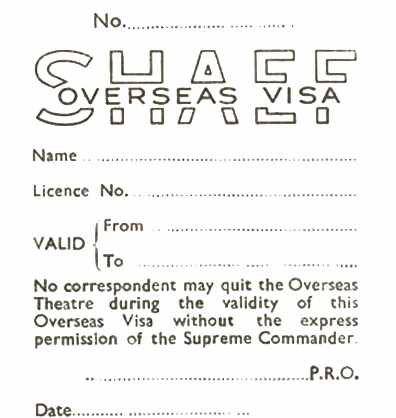
FM 30-26 Regulations for Correspondents Jan 1942 | Outlines rules and uniforms for correspondents. Makes mention of a “visiting correspondent” status that appears to be someone who was authorized outside the normal procedure. Includes the three different changes to the manual.
The proper uniform for accredited correspondents is that of an officer, but without all insignia of grade or arm or service, and without black and gold piping on field caps, officers’ hat cords, or officers’ insignia on the garrison cap if worn.
b. The uniform includes the wearing of the official brassard on the left arm. The brassard is a green cloth band, 4 inches wide, with the appropriate word, “Correspondent,” “Photographer,” “Radio Commentator,” “Correspondent Chauffeur,” “Photographer Chauffeur,” “Radio News Chauffeur,” “Correspondent Messenger,” “Photographer Messenger,” or “Radio News Messenger,” in white block letters 1 /4 inches in height. This will be furnished by the War Department Bureau of Public Relations at the time of appointment.
c. Articles of special clothing and equipment which are issued to officers and enlisted men in cold climates may be issued to correspondents. These articles must be turned in before departure from the theater of operations or base command.
d. Accredited correspondents will not wear civilian clothing while serving with the field force.
For example, Labor requirements for handling supplies are computed on the average of one-half ton per man per hour for 10 hours each day. This figure is for planning purposes only.
Of special note is the battalion radio network for all branches involved. As well as tables at the end that show approximate material/time usage for various activities like digging foxholes and using water.
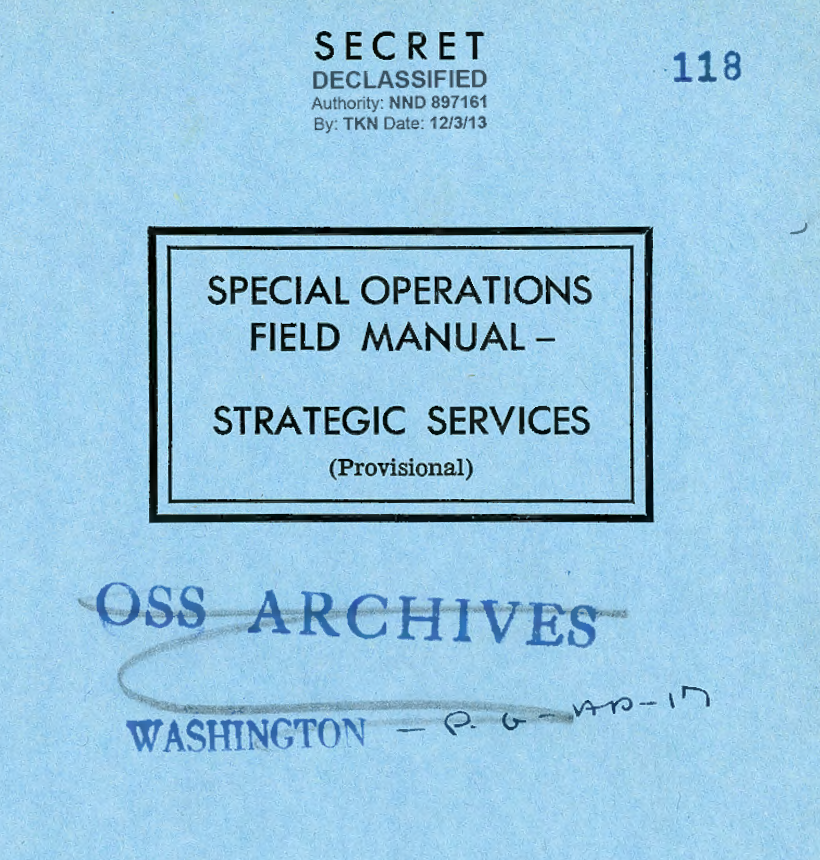
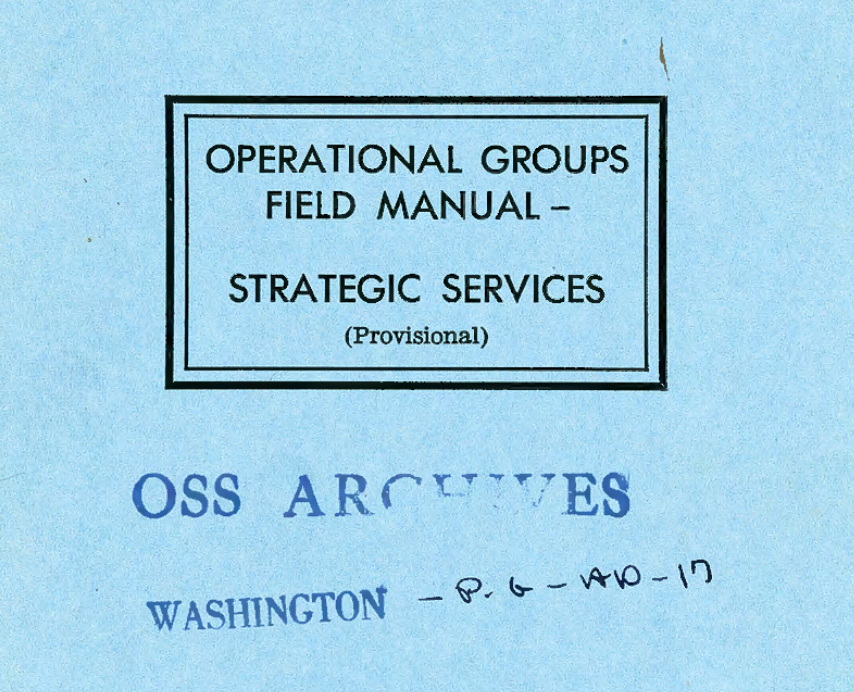
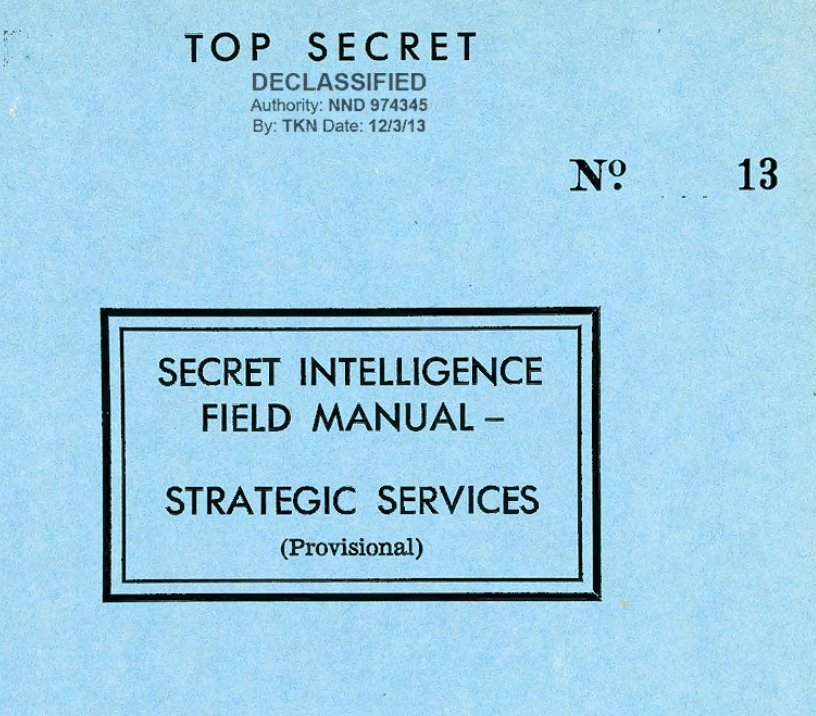
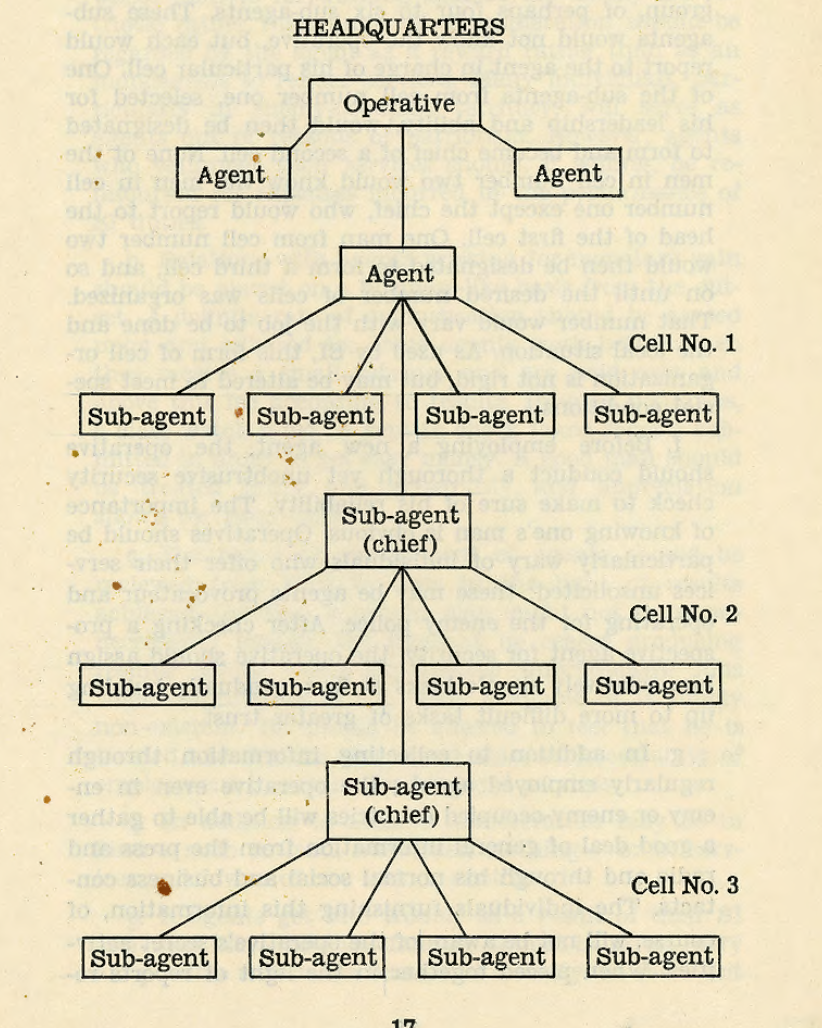
OSS Operational Groups Field Manual April 1944 – Outlines organization, structure, procedures, training, personality types, and supply of Operational Groups (OG). An OG is a small, uniformed party of specially trained and qualified soldiers tasked with carrying out specific missions.
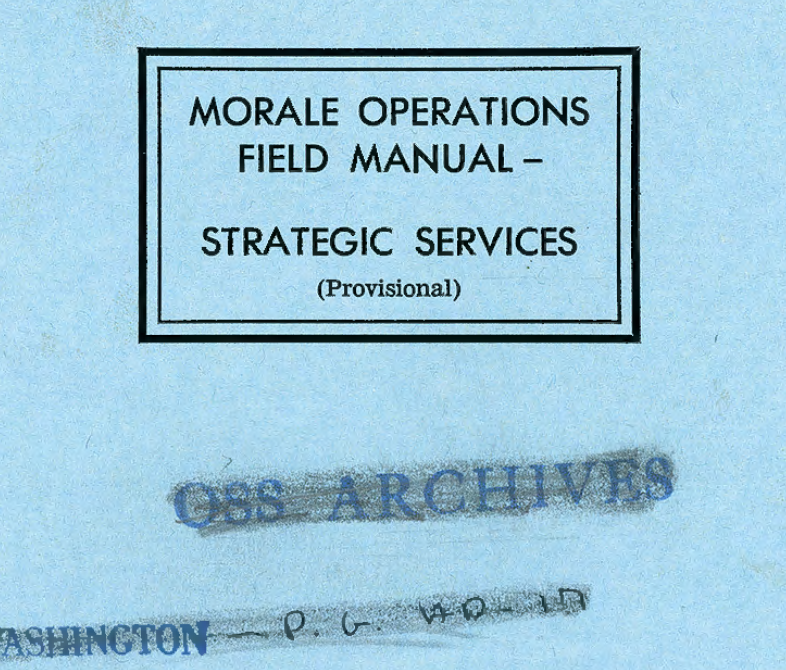
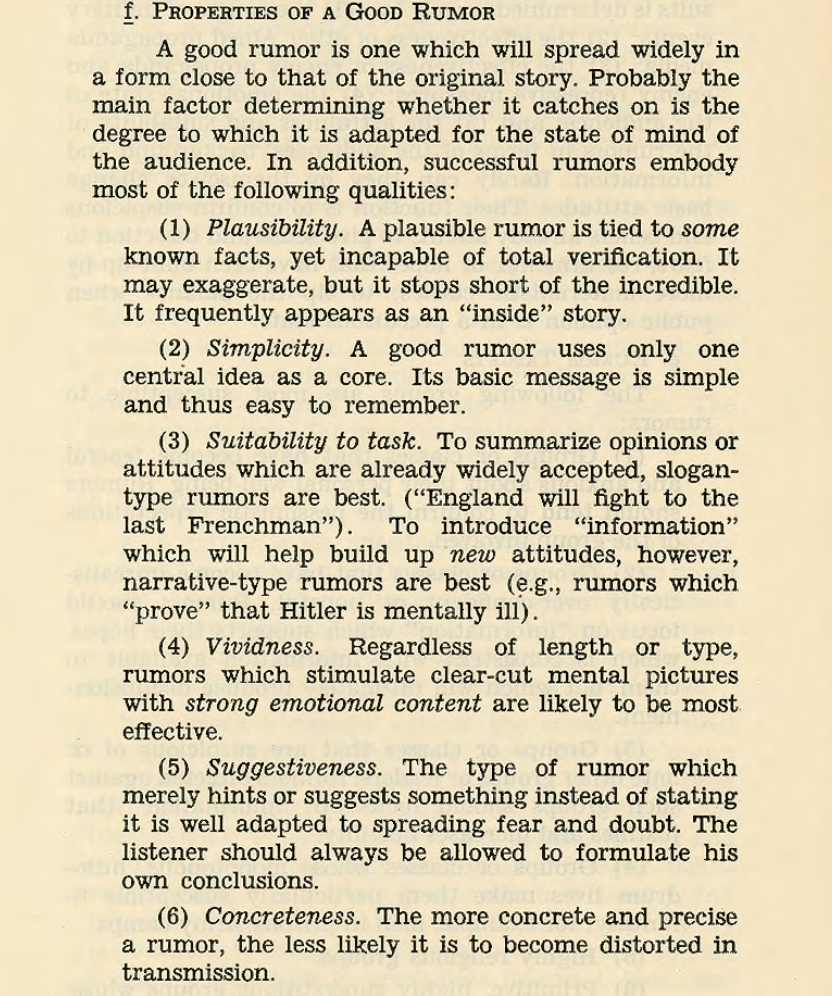
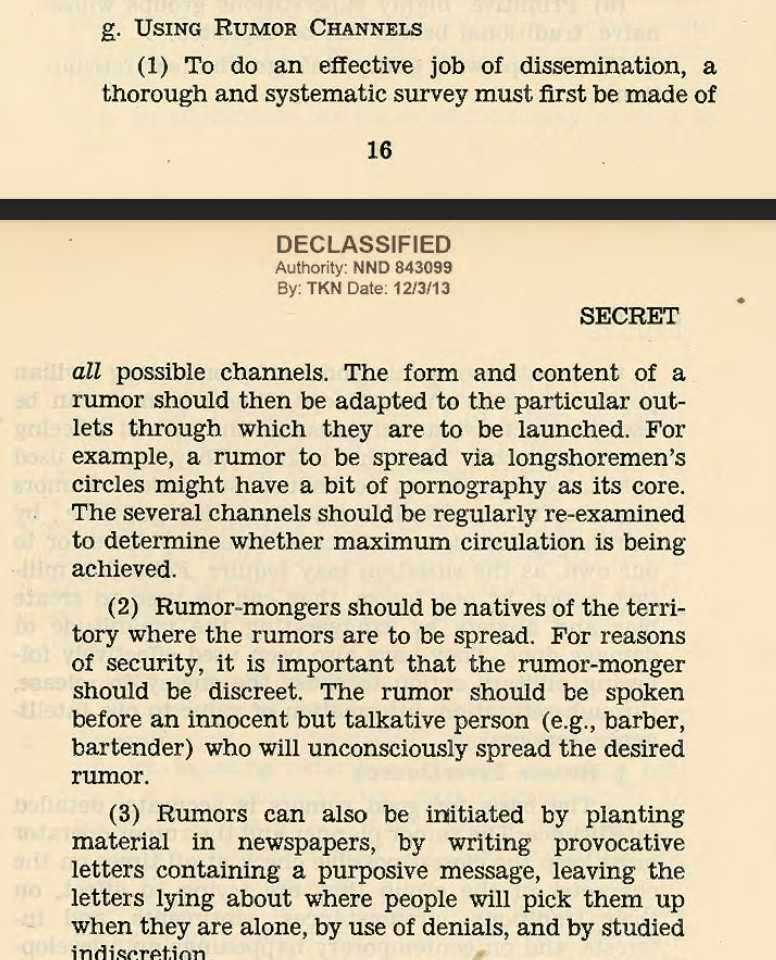
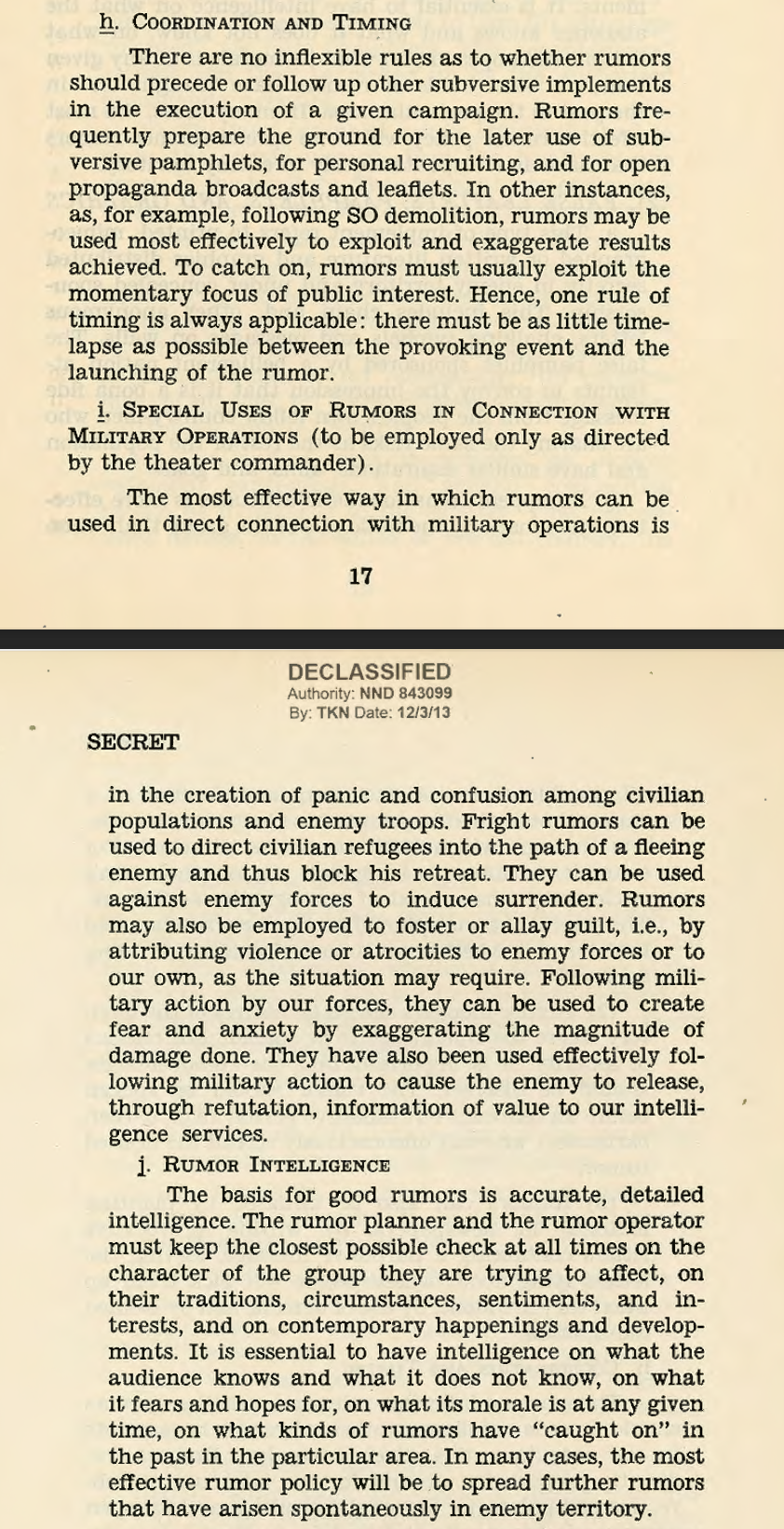
OSS Morale Operations Field Manual, Jan 1943 – Outlines planning of operations for subverting the morale of civilian and military populations. Examples include rumor spreading, blackmail, forgery, creation of and exploitation of “incidents” that can be used to create division, coups, creating distrust, creating false hope, propaganda leaflets etc.
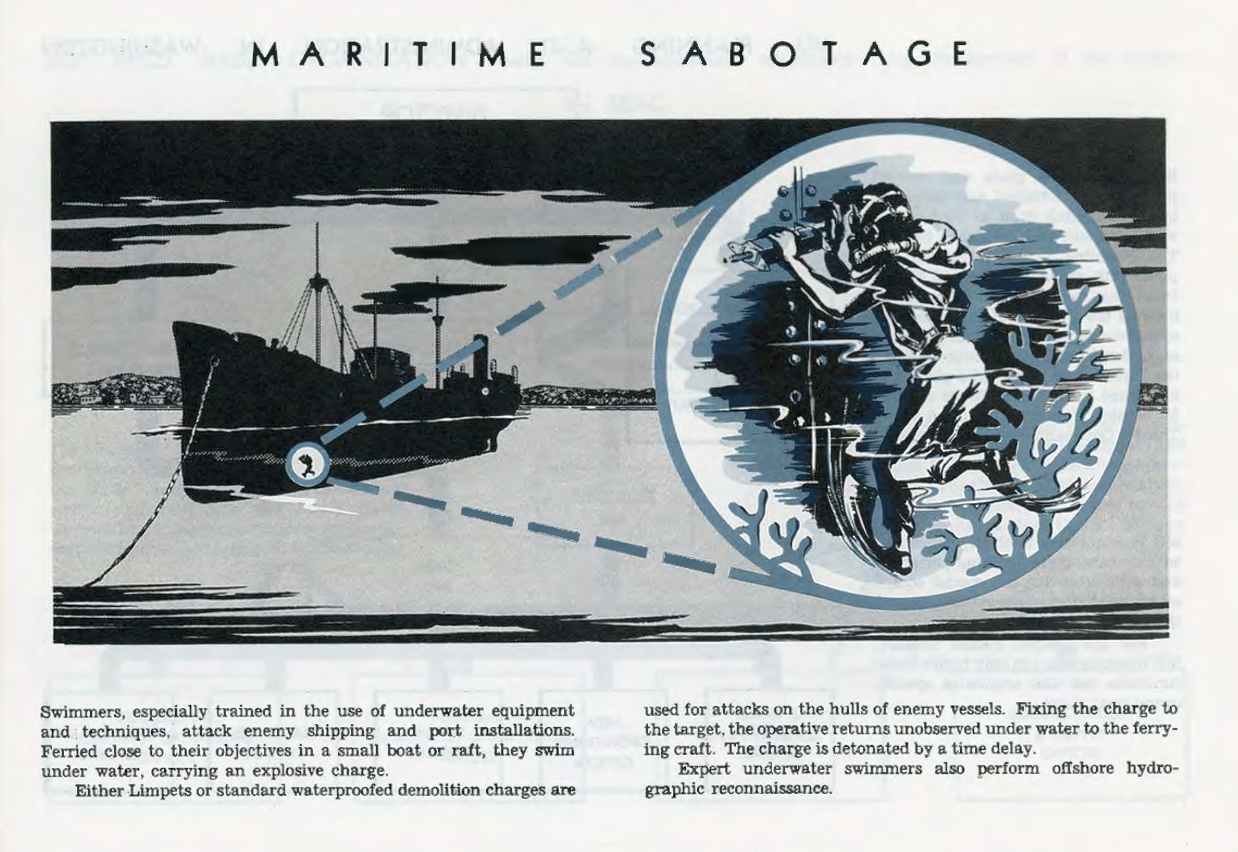
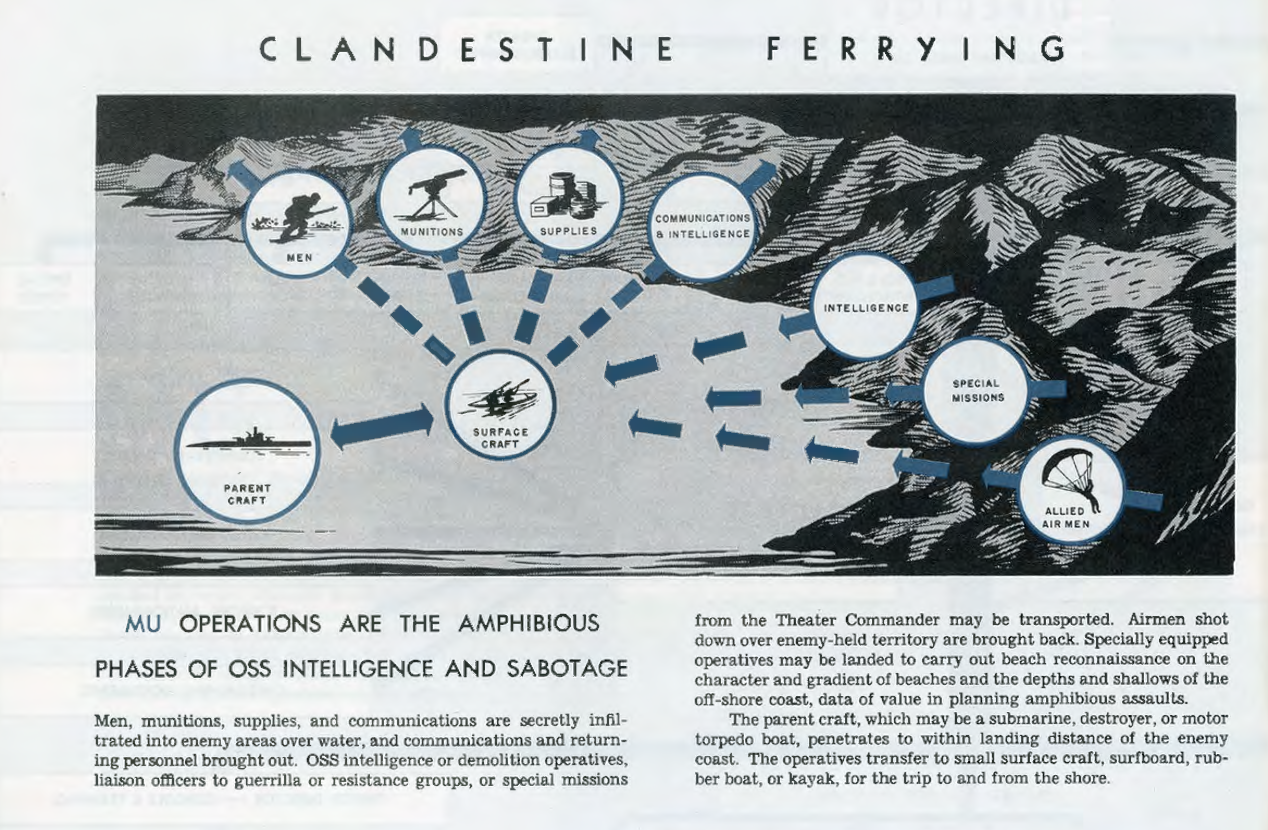
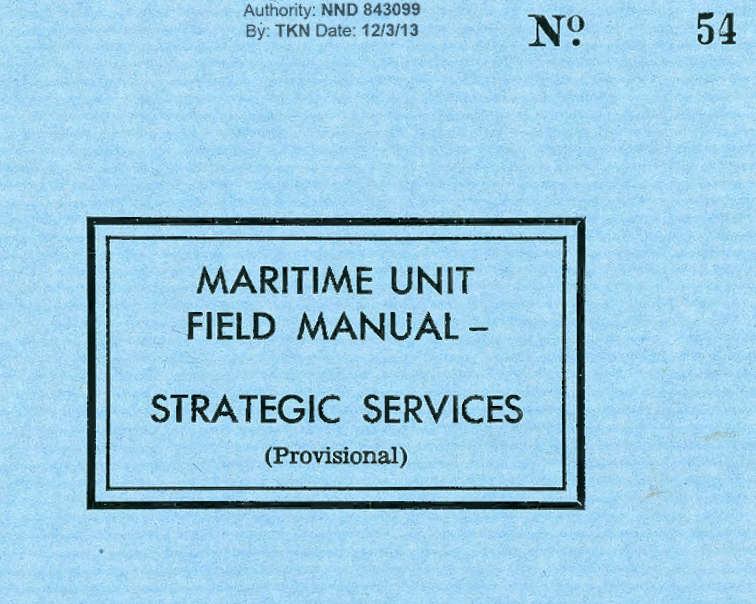
OSS Maritime Unit Booklet – Discusses the structure, command, and control of the Maritime Unit of the OSS. The unit was responsible for providing special equipment like The Limplet explosive device, and Pin-up Girl explosive device, and kayaks. Other equipment includes the Beach Sand Augur and Underwater Pen and Pencil.
As well as providing ferrying operations and maritime sabotage.
Interestingly, “Detailed descriptions of this special equipment are given in a secret pamphlet, ‘Underwater Operations’, prepared for the Maritime Unit, December 1943,” and this pamphlet doesn’t appear to be available online anywhere.
OSS Simple Sabotage Field Manual No 4 Jan 1944 – Discusses things individual citizens can do to sabotage enemy activities. Examples include releasing moths in a movie theater and clogging sewage lines.