Posted on

Spectacles and Glasses in WW2

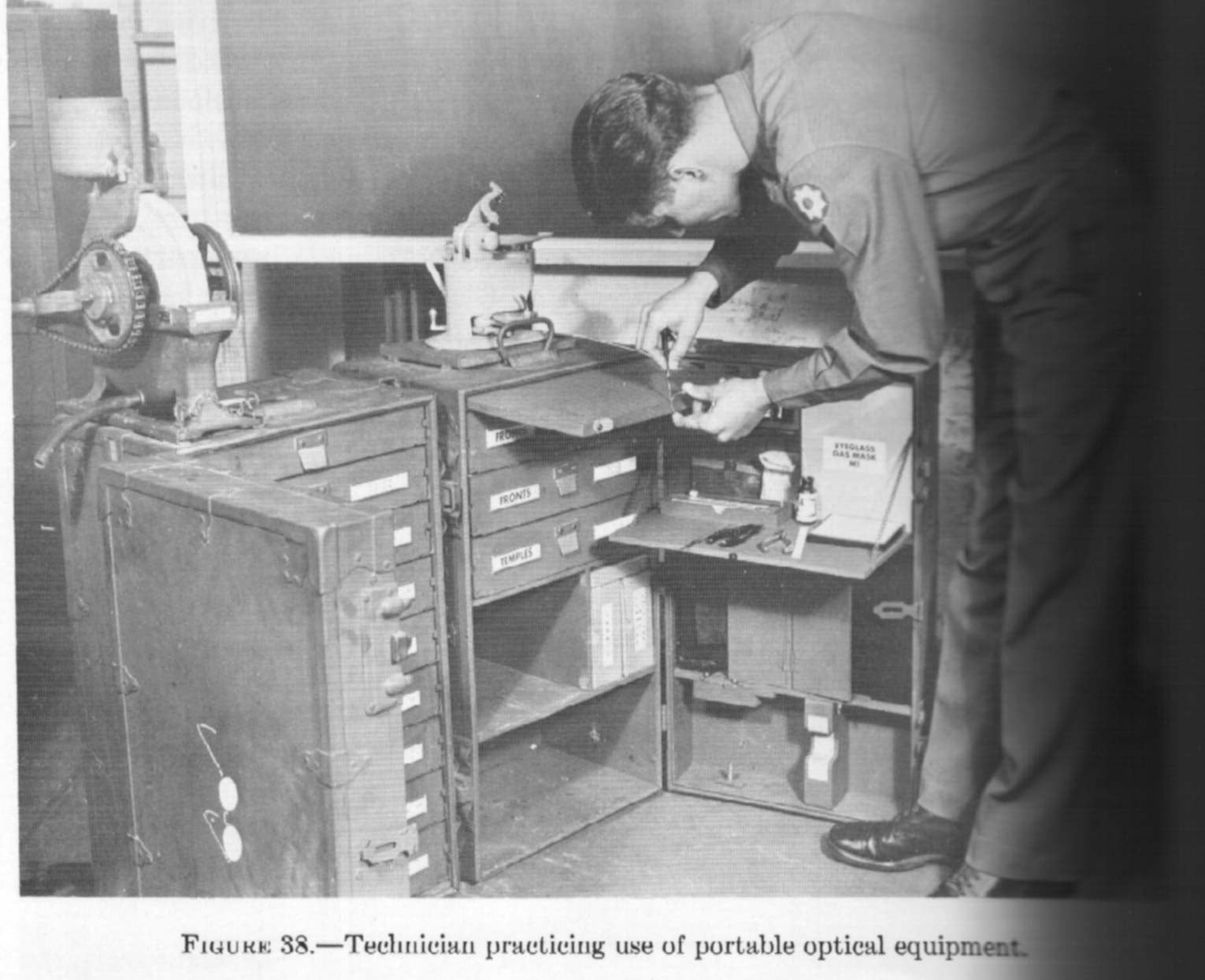
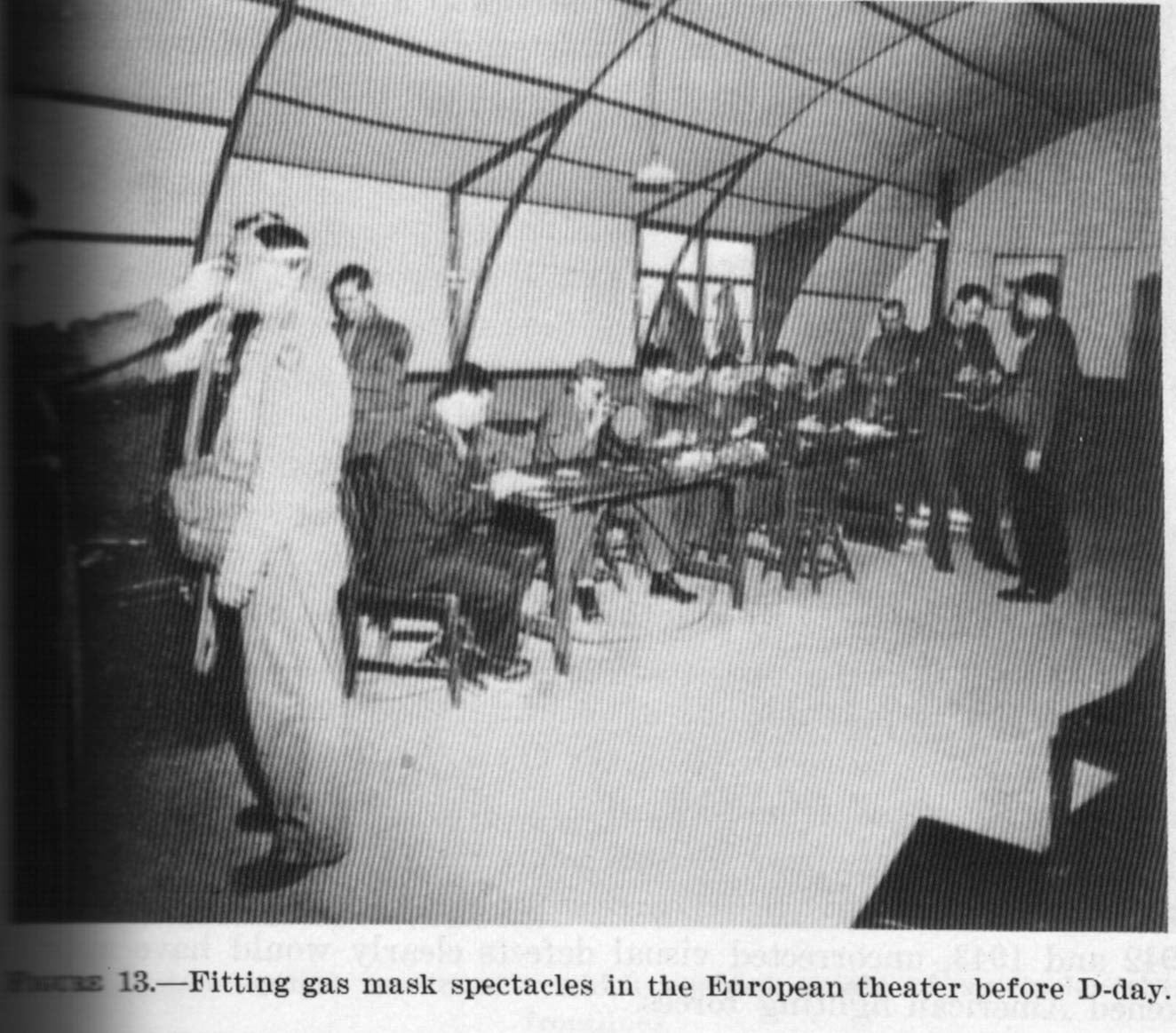
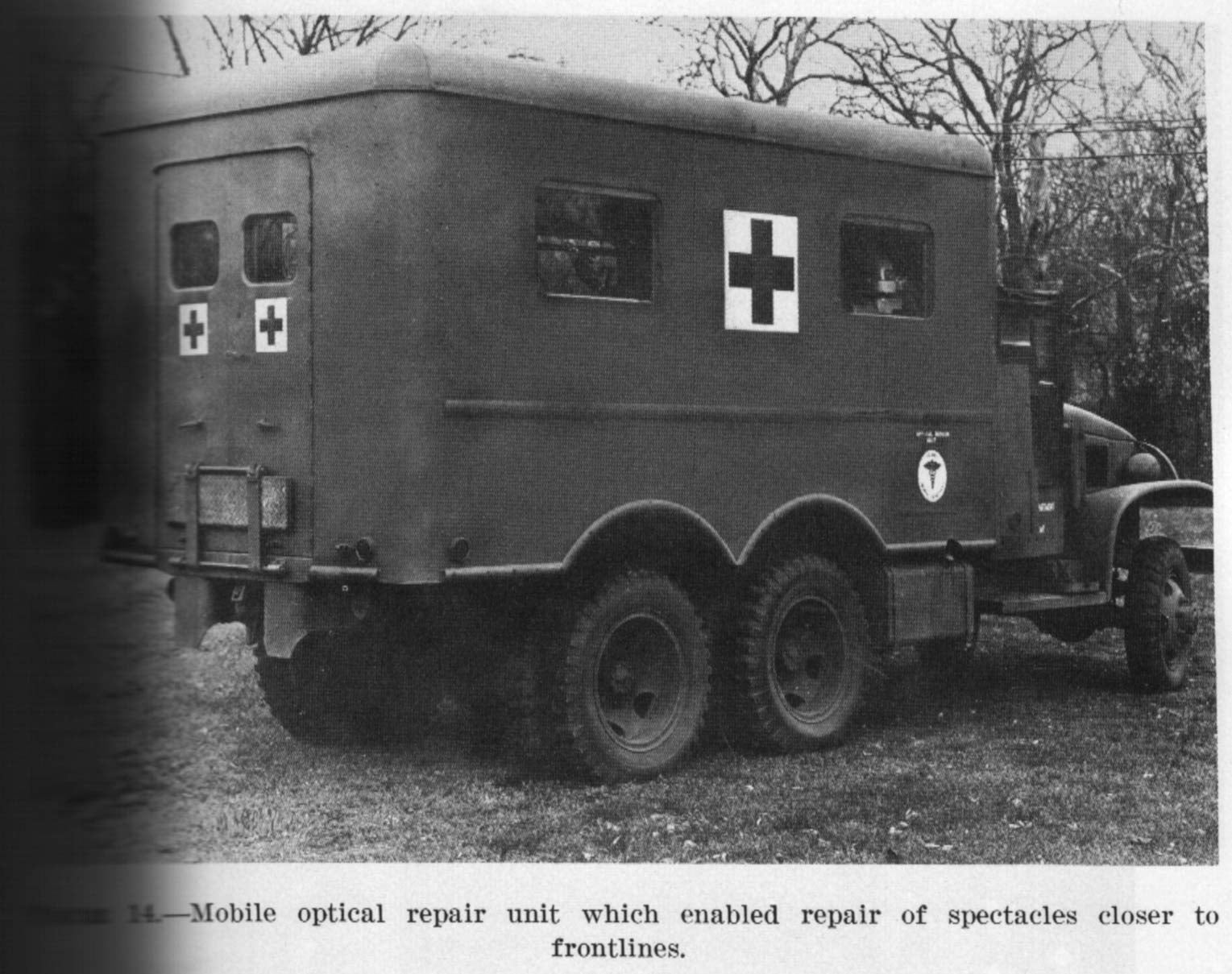
Spectacles had been provided in World War One, but it was not anticipated that this service would again be required. It was believed that the Red Cross would provide any needed spectacles. The only provision for the Army to provide spectacles was found in Army Reg. 40-1705, which authorized procurement only when they were necessary to correct visual defects resulting from violence suffered in the performance of duty. In all other cases the Army doctors would write prescriptions and the soldiers would have to pay out of pocket.

The problem became clear after the first draft when soldiers couldn’t afford out-of-pocket glasses or had broken their personal ones and couldn’t afford new ones. The military glass frame was to be 10% nickel silver with a reinforced bridge. It was found that this frame corroded in hot weather causing discoloration of the skin. An 18% nickel silver frame with the pad arm, pad arm assembly, endpieces, and cable winding of pure nickel solved this problem.

This was essentially the Ful-Vue style of glasses with the P3 frame that GIs wore.

Each man was entitled to two glasses. However, delivery problems abound. It took 5 months to get all the materials needed to make glasses and due to this instead of a 3-day turnaround period, it wasn’t unusual to have a 3-4 months turnaround period for the glasses. Some men never received the glasses, other men got them months and sometimes years later, as the glasses would be forwarded to the post where the men would be, only to find out that the said soldier had moved on.

Part of the problem lay with instead lay with 20% instead of 10% of the men needing glasses and not having enough materials to meet demand. The biggest problem, however, was that the eye examiners kept the receipts from the eye exam 7-10 days after, then forwarded all the accumulated receipts to the optical company.

The optical company couldn’t fill all the orders at once and so a backlogged ensued. Making the desired 3-day turnaround period impossible to fulfill. The frames were about $1.00 and the lenses about 75 cents. The average total cost of a pair of eyeglasses was about $2.50.

See: United States Army Medical Department – Medical Supply in WW2 1968 pp.75-80.

There are several other well written guides that go into glasses in more detail. Such as P3 Glasses – The U.S. Military Spectacles, GI Glasses: Are Modern Reproductions Worth It?, and Four Eyes: Eyeglasses and the WWII GI (a link to my Google Drive for a pdf).

Posted on

WW2 Reenacting Reports and Unit Histories

This page will describe and link to reports by different units as well as various unit histories.

After-Action Reports

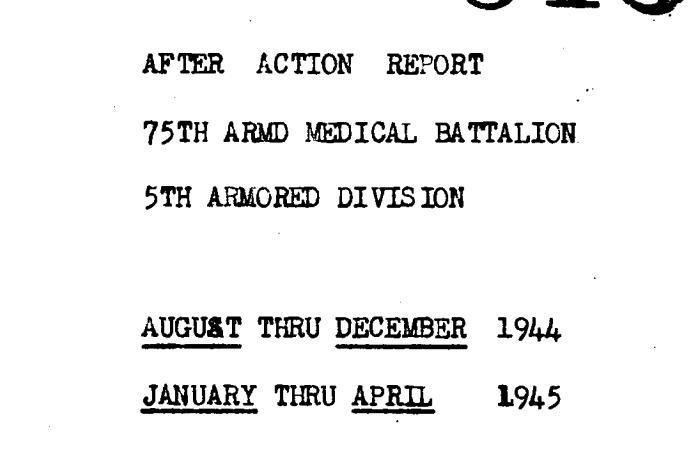
After Action Report for 75th Armored Medical Battalion of 5th Armored Division – Discusses actions related to the medical battalion. Also, a good example of how to write an after-action report and what it looks like.

It covers August 1944 to May 1945 and includes A, B, and C companies. Mostly a mention of movements, events, losses, and personal changes.

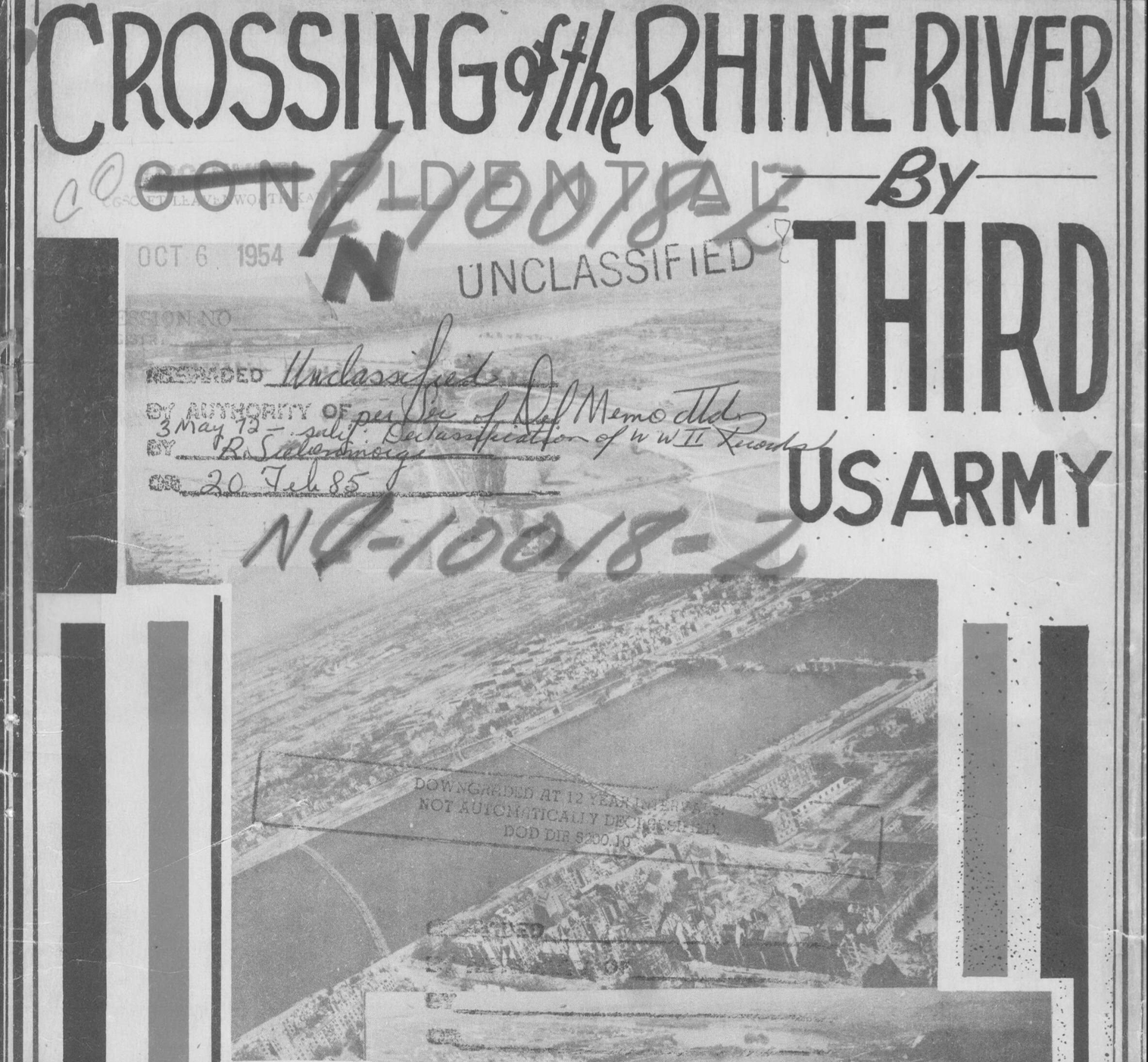
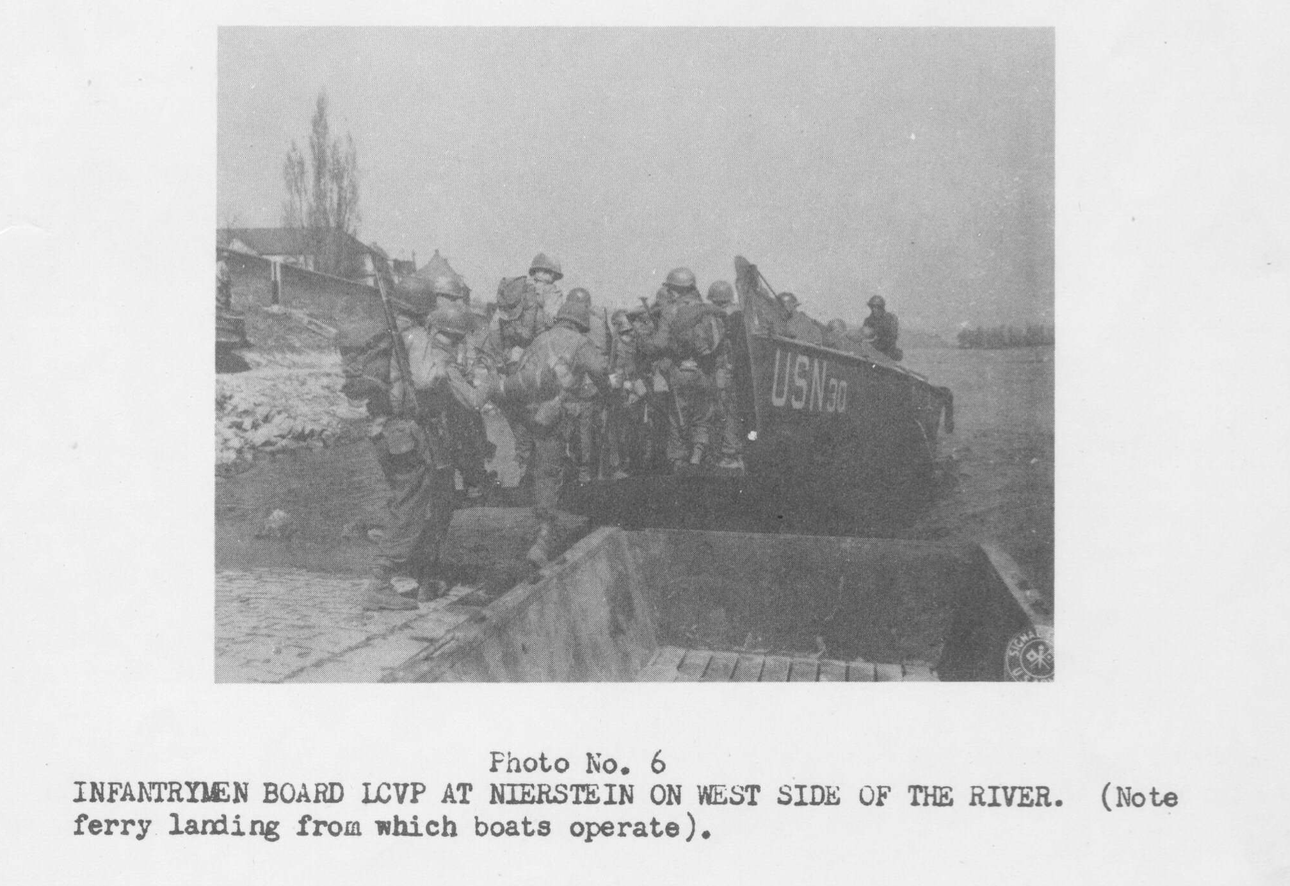
Crossing the Rhine River by the Third Army – Documents the landings at the Rhine River. Storm boats and assault boats were used at the start, and then several hours later, LCVPs were brought up. Includes images.

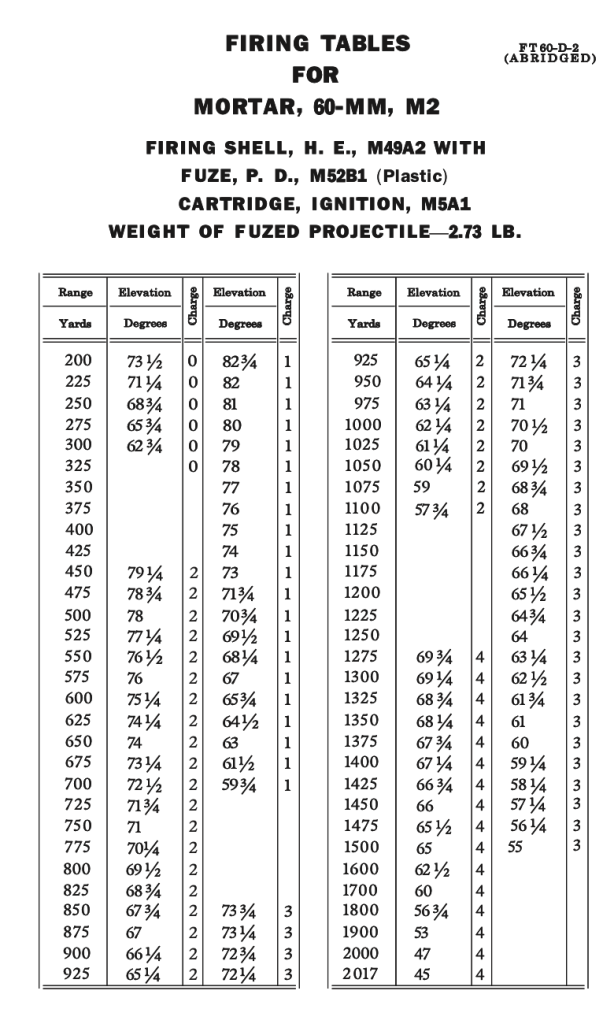
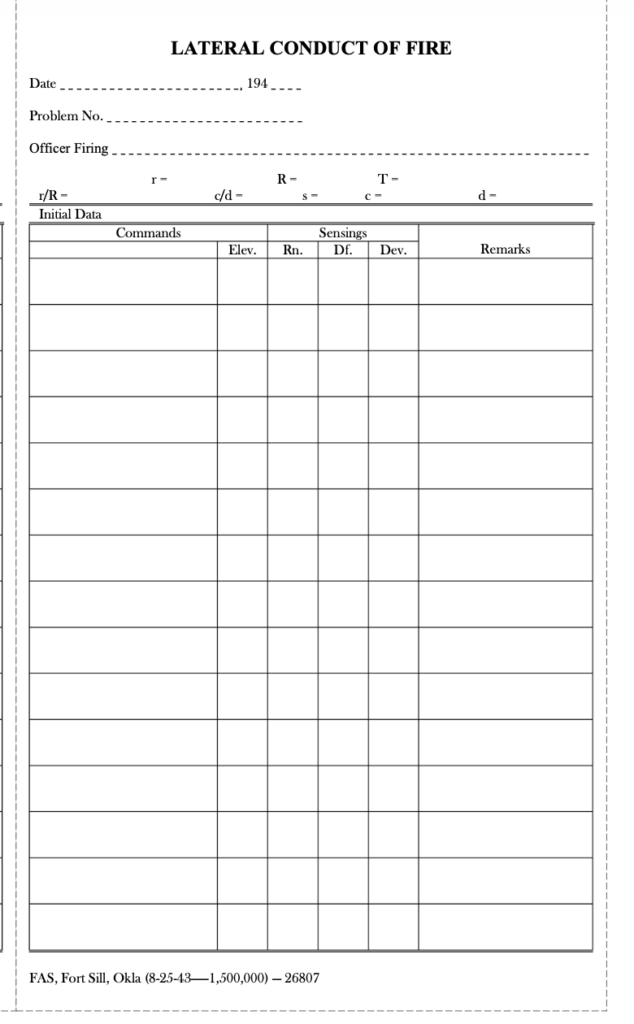
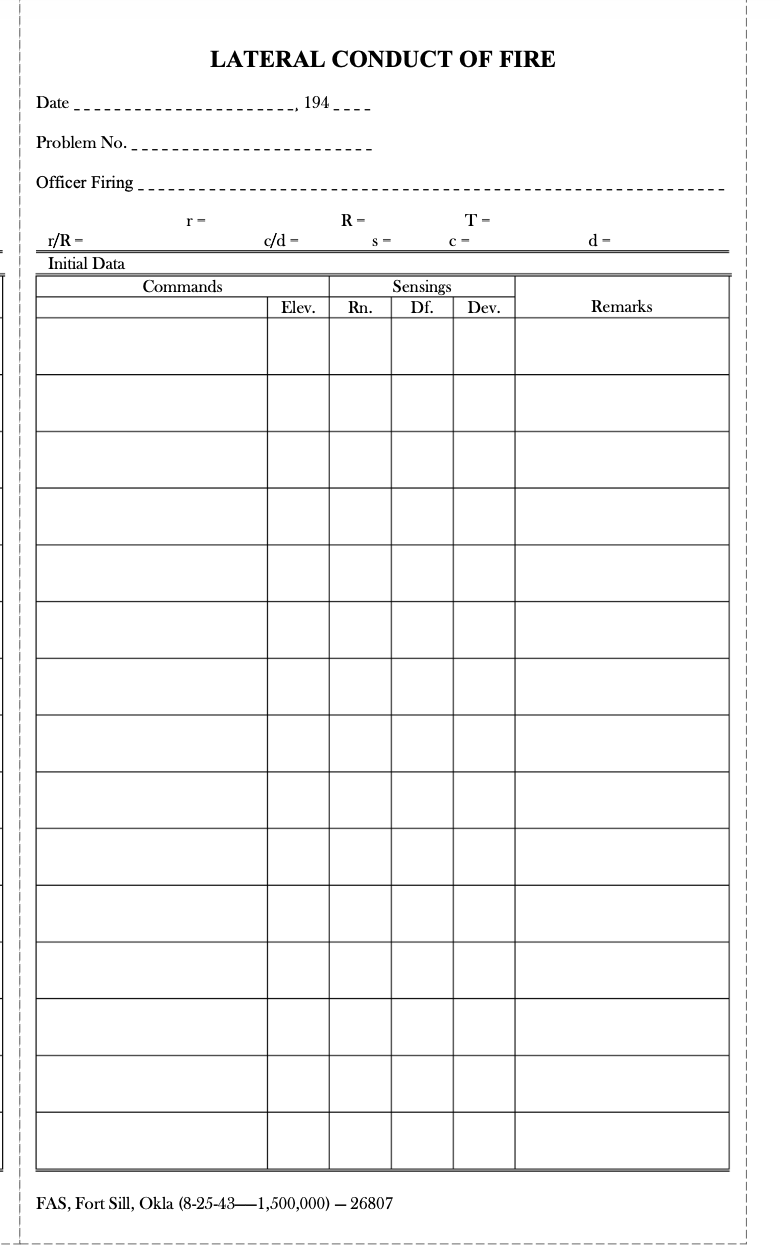
The 60mm Mortar Team in the Assault Section – This isn’t a field manual per se, but some kind of restricted handout. To build a 60mm mortar, see: How to Build a 60mm for WW2 Reenacting. For the firing tables, see: WW2 Reenacting Ordinance and Firearm Printables

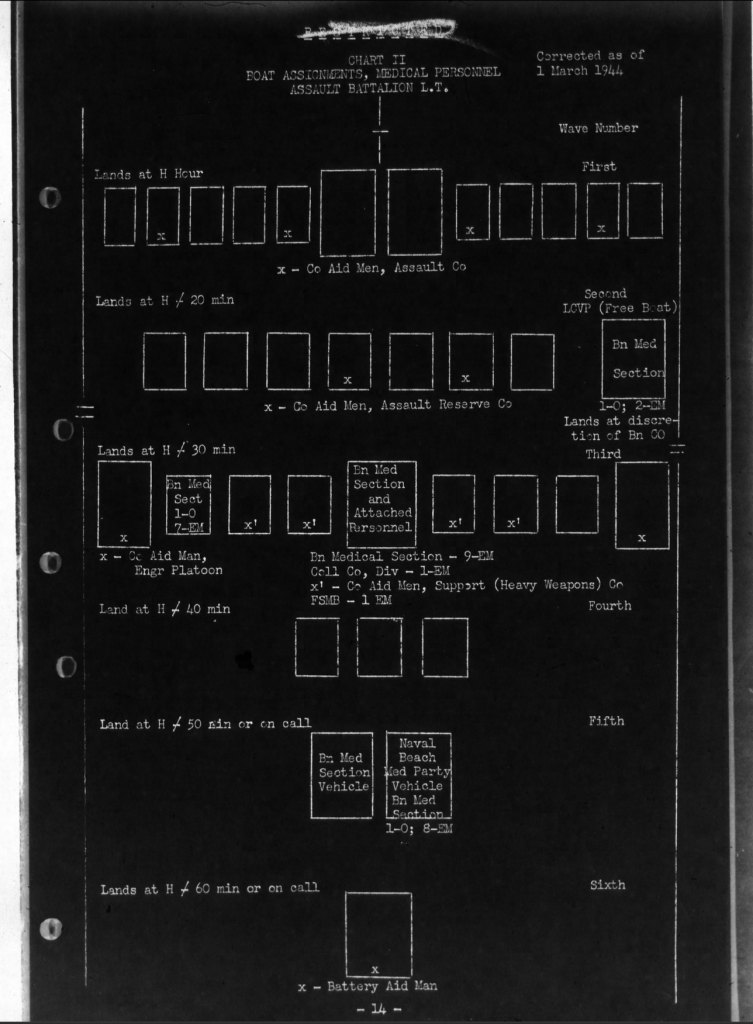
Medical Support of Landing Operations: Assault Training Center March 1944 – A PDF link to my Google Drive. Discusses how to conduct medical triage and operations during a landing. Mentions a few case studies as well as what equipment should be included when, where, and whom.

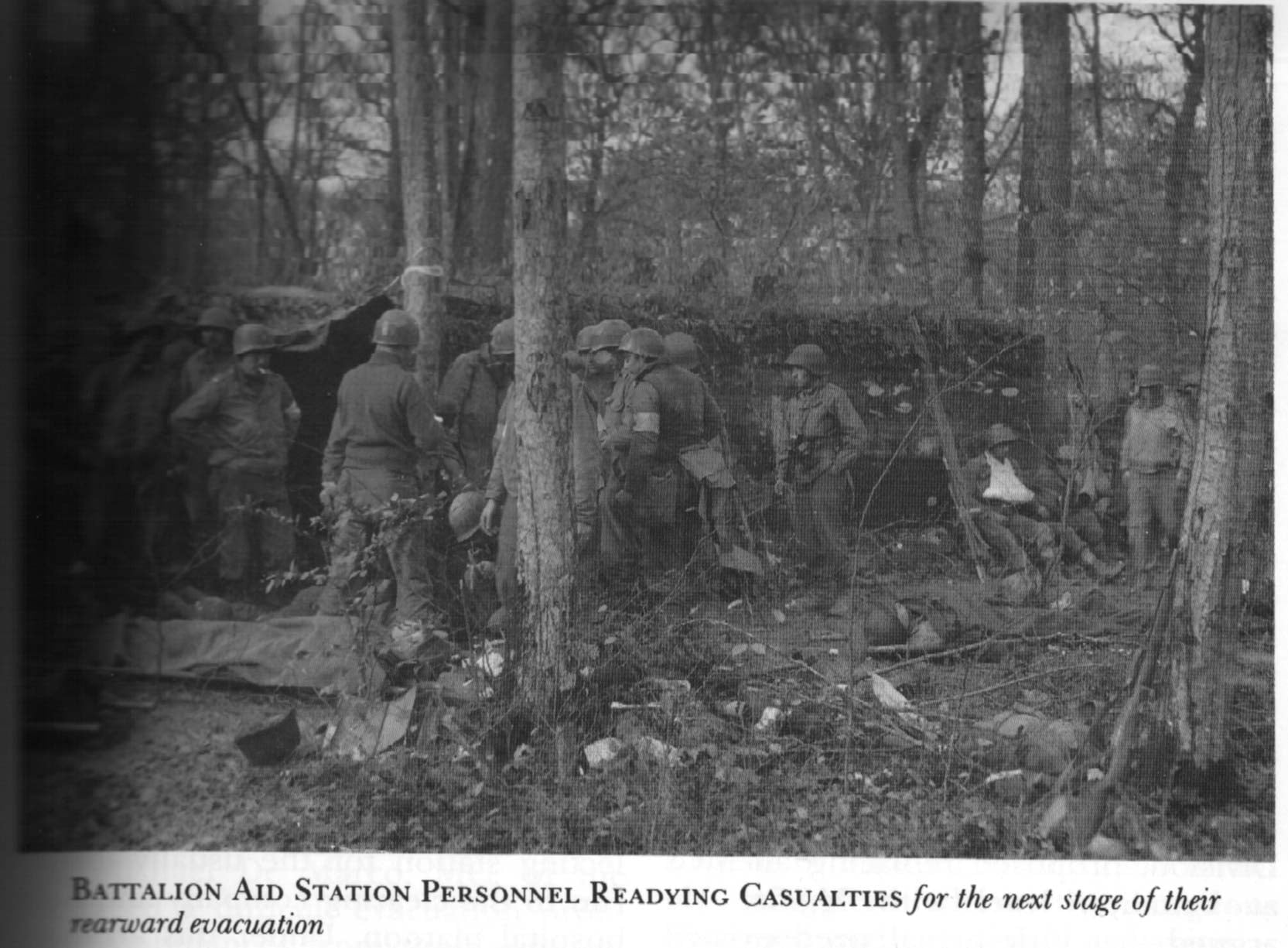
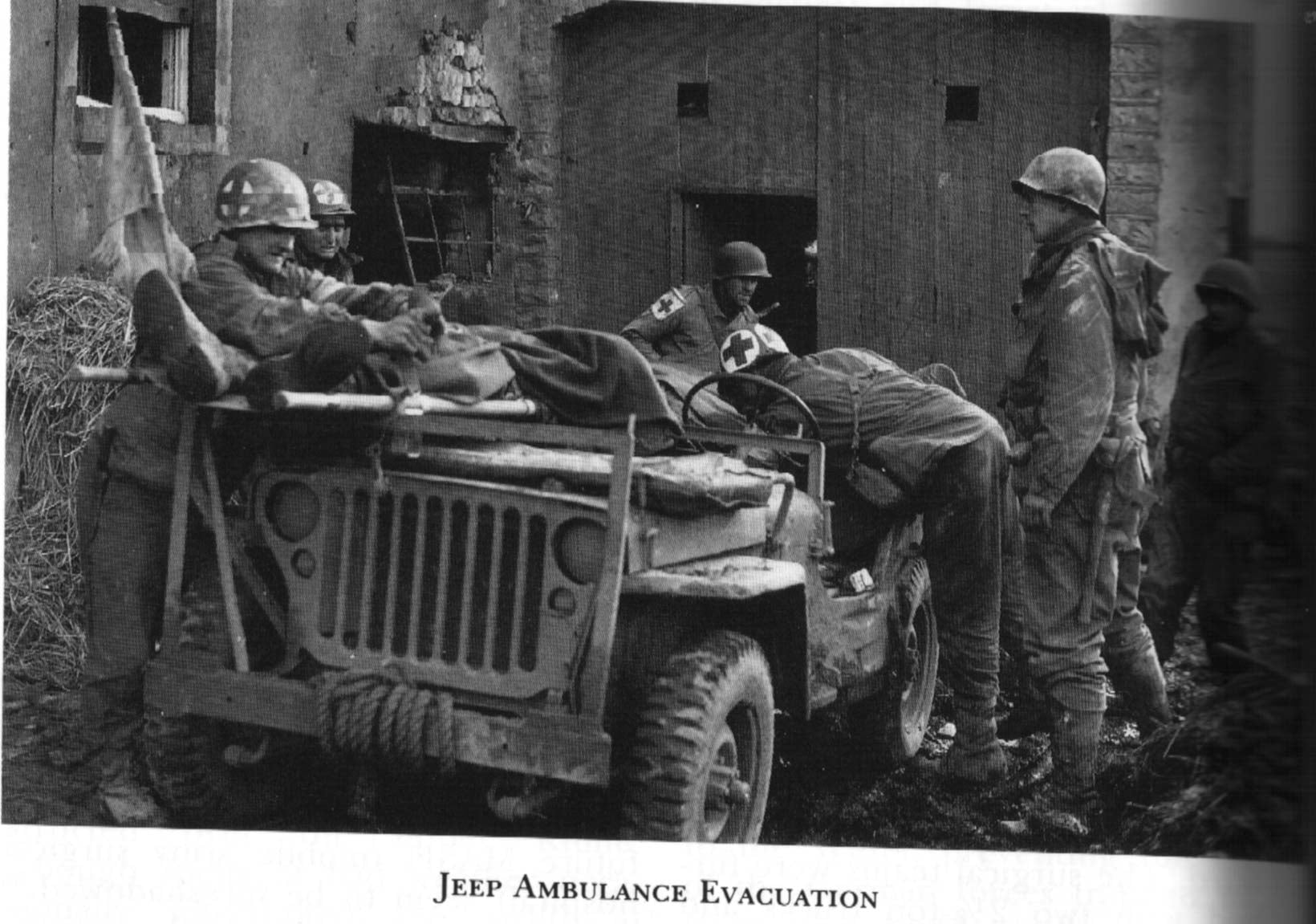
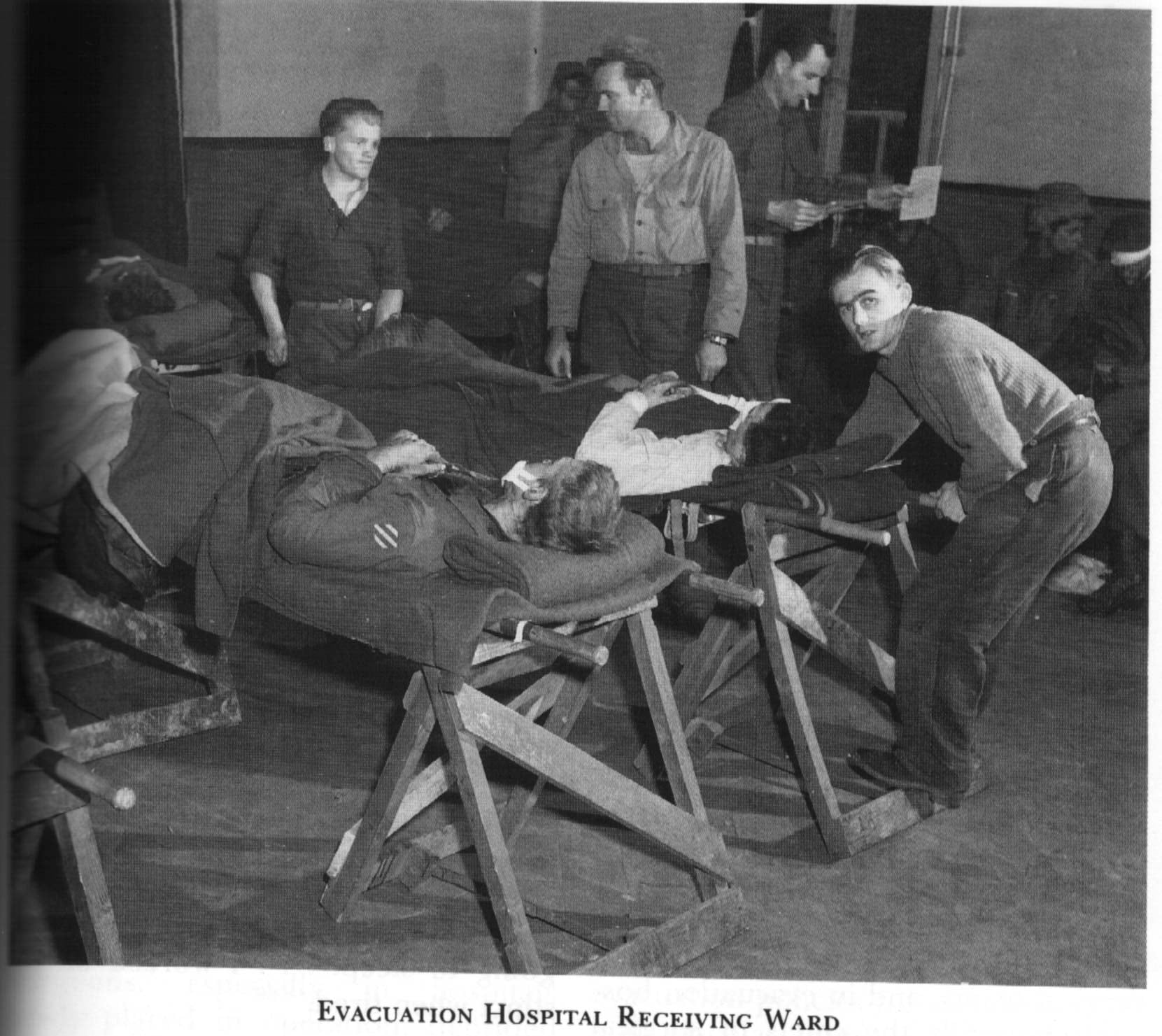
One interesting thing is that it goes into detail about how operations change as the beachhead is expanded. Essentially, the wounded are pooled and treated during the initial 30 minutes. After an hour, a battalion aid station is created. After 3 hours, additional battalion aid stations are created as the beachhead expands forward, close to the front. You also get a primary collection point for all wounded. 12 hours, you get vehicles such as jeeps and ambulances. After about 4 days, you get evacuation hospitals.

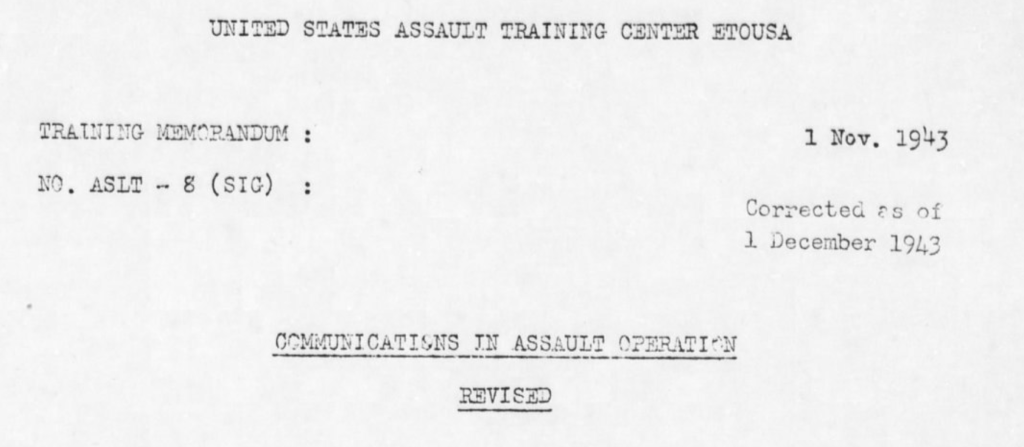
Communications in Assault Operation – Nov 1943 from the US Assault Training Center ETOUSA. Outlines what teams have what kinds of equipment, where they are positioned, and what net they operate on. Essentially, how to have an integrated communication network across visual (ie, flags), wire, and radio between infantry, tanks, field artillery, naval gunships, and aircraft.

Report no. 63 observations of Signal Corps activities, Cherbourg Peninsula, France from June 6th 1944 to July 6th 1944 – A fascinating document that outlines issues faced by the units during the campaign. Includes an example division radio net. Essentially, an after-action report for signal units. The following Signal Units were assessed –

Infantry Division Signal Company
1st Signal Company
2nd Signal Company
4th Signal Company
9th Signal Company
29th Signal Company
90th Signal Company
Armored Division Signal Company
142nd Armored Signal Company
Airborne Division Signal Company
82nd Airborne Signal Company
101st Airborne Signal Company

Joint Assault Signal Companies
Engineer Brigade Group Signal Company
286th Joint Assault Signal Company
293rd Joint Assault Signal Company
294th Joint Assault Signal Company

Signal Service Company
3251 Signal Service Company
3252 Signal Service Company

Corps Signal Battalion Signal Battalion
50th Signal Battalion
56th Signal Battalion

Signal Construction Battalion
29th Signal Construction

Signal Sections
1st Army
V Corps
VII Corps
VIII Corps
XIX Corps

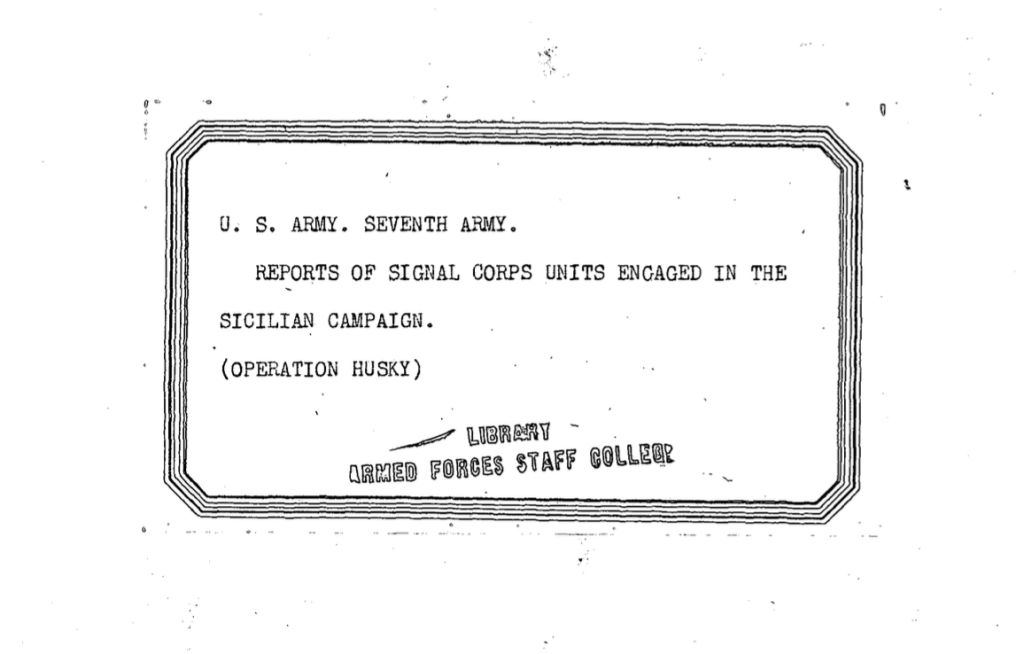
7th Army Signal Corps Report of the Lessons Learned in the 1943 Operation Husky – Husky is the invasion of Sicily, and the document outlines issues and suggestions for improvement in Signal Corps units of the 7th Army.

It’s noted that the SCR-536 was to be used at the company level, either communicating across companies or communicating down to lower echelon units like platoon or section or squad.

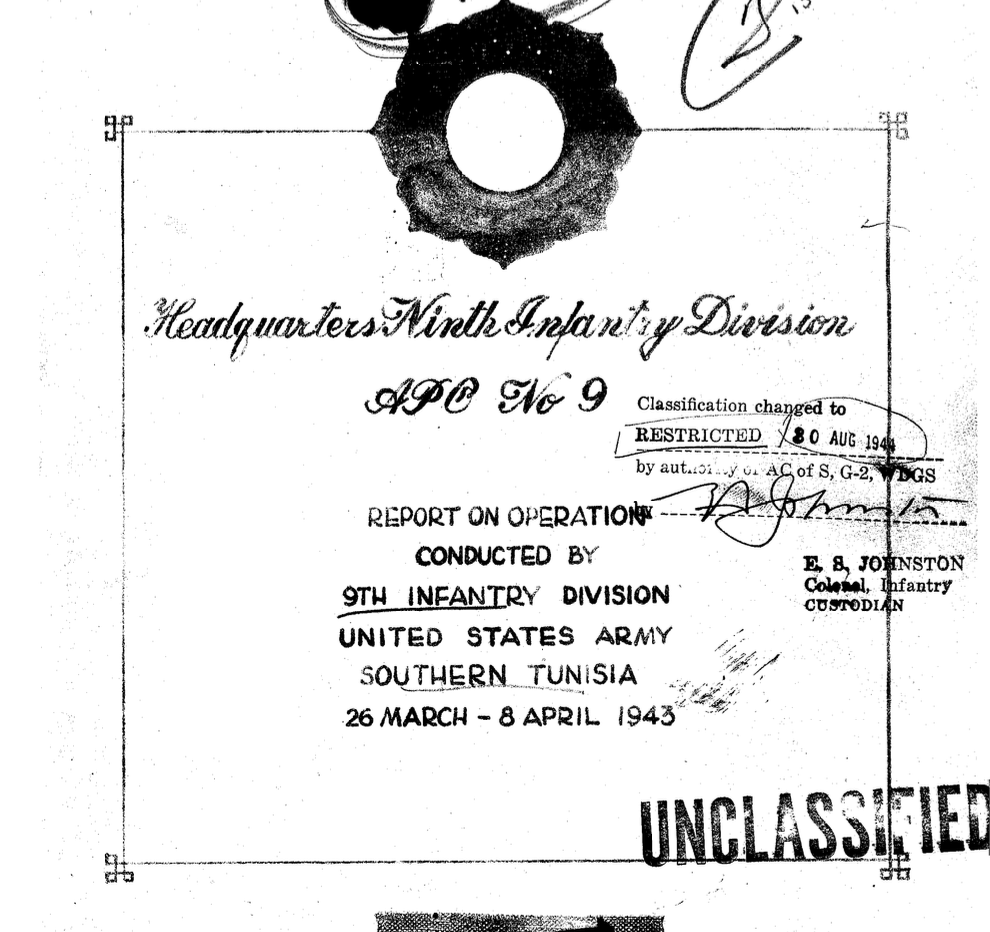
Operational Conduct of the 9th Infantry Division Southern Tunisia March to May 1943 | A fascinating review of the 9th Infantry Division in North Africa. A little “slice of operational life”. The analysis at the end is worth reading. At one point, they had to put the band and other service troops to work as litter bearers. Also, they had up to 22 and 32-mile wire circuits laid out, and switchboard tubes were blowing due to the heat. Interestingly, they had attached to them the Corps Franc d’Afrique, consisting of
(a) 3 Infantry Battalions
(b) 1 Marine Battalion
(c) 4 Tabours of Goums

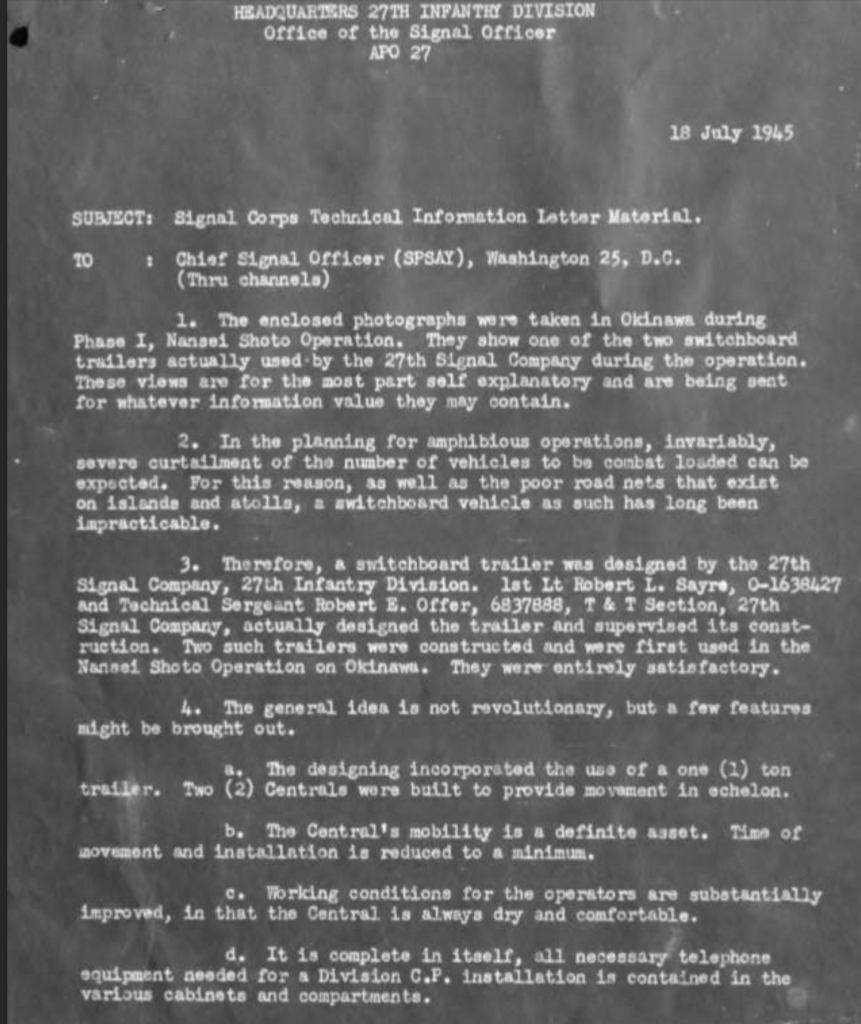
Communication Activities Okinawa June 28th to June 30th, 1945 – A discussion of different issues faced by Signal Corps units during the Okinawa operations.

One big issue was supply. The units responsible for loading up the ships with supplies simply were not able to assemble all the tonnage required by the Signal Corps units in the time frame needed. So items that were supposed to be on a ship scheduled to land during the 7th echelon instead landed in the 12th. Indeed, telephone poles didn’t appear until 60 days later. Fortunately, units were able to improvise and press into service different pieces of equipment (such as substituting different gauge wire) along with reusing captured enemy and civilian wire/equipment.

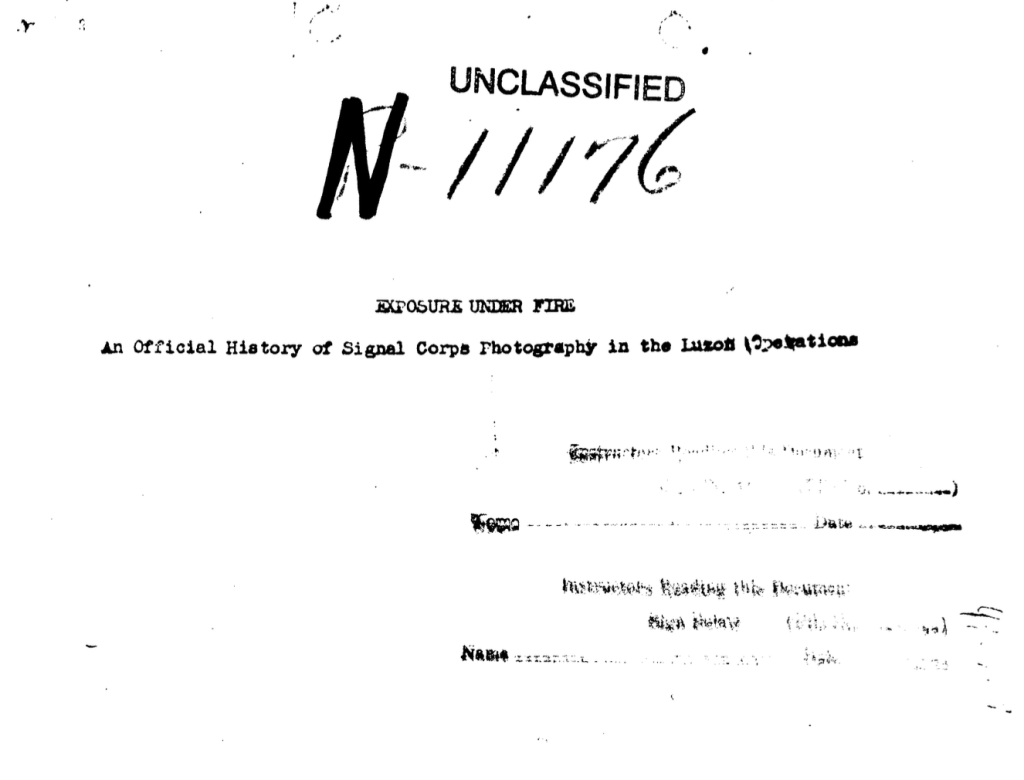
History of Signal Corps photography in the Luzon operations April 1945 – A great narrative of taking motion and still pictures during the campaign.

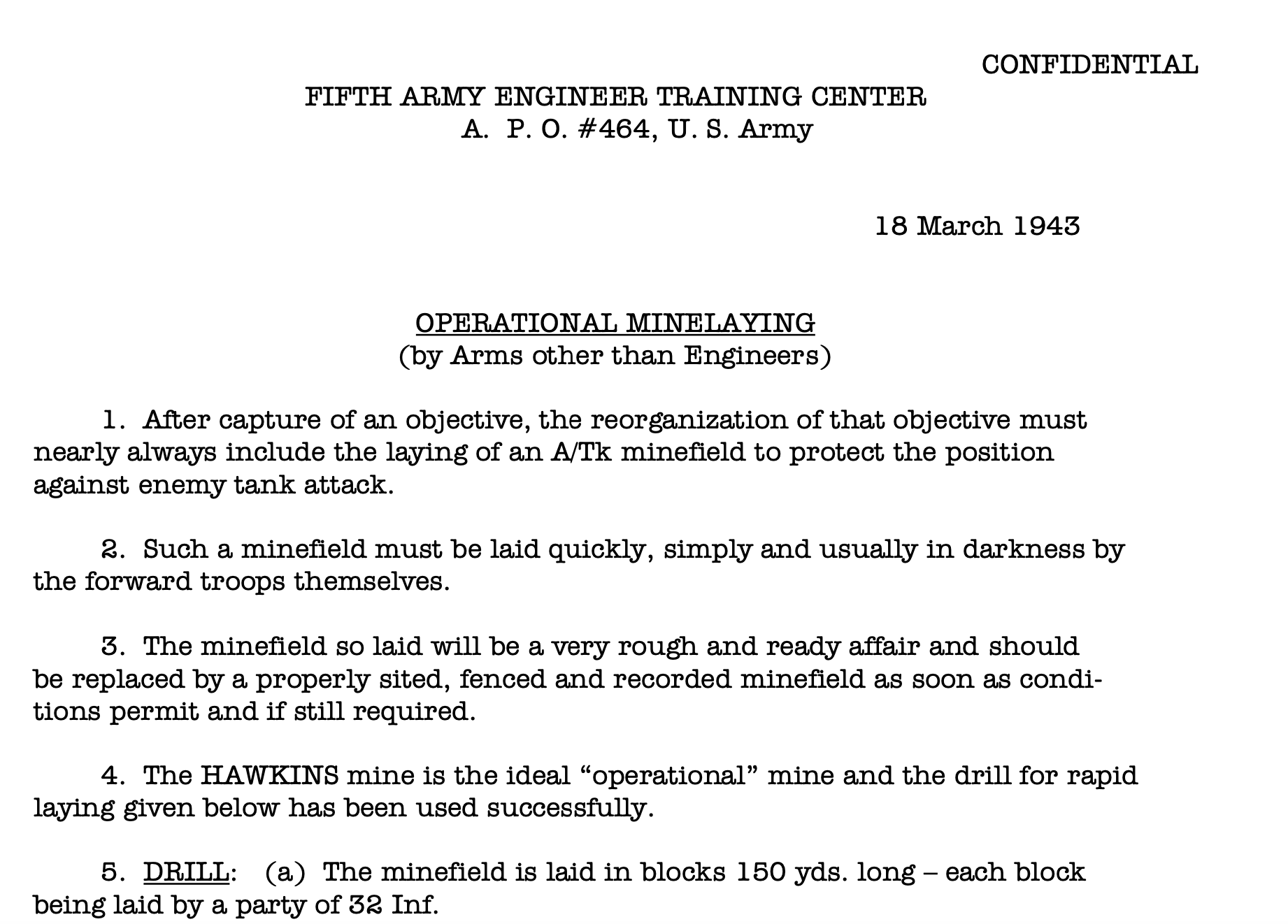
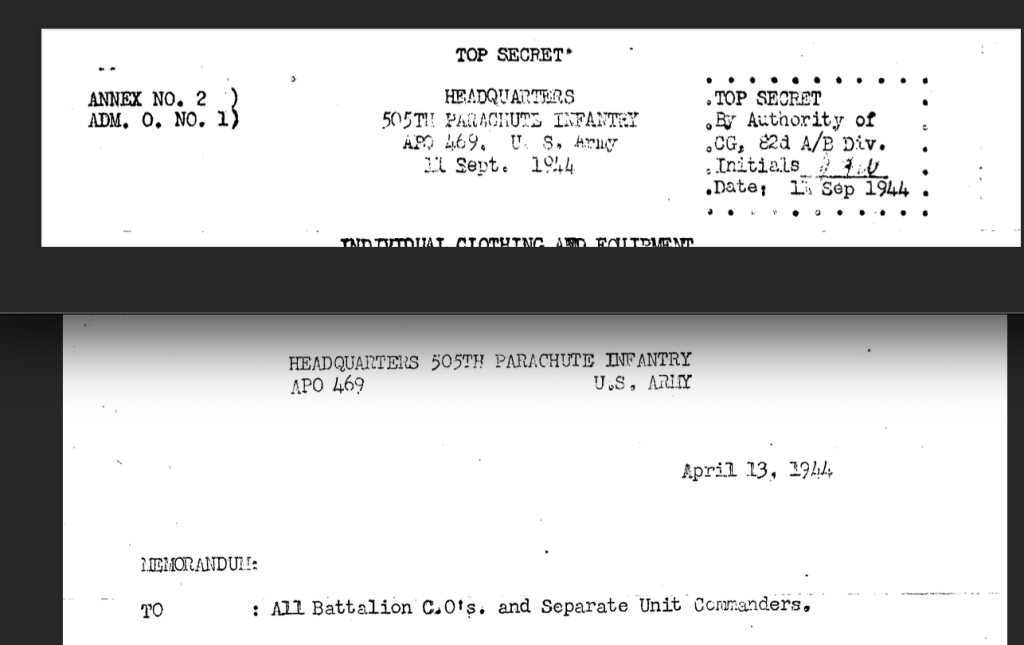
505th Parachute Infantry, 82nd Airborne Division Memorandum and Top Secret – Two documents, one from April 1944 about zeroing in M1 Garands. Another from Sept 11th, 1944, regarding infantry equipment and uniform to wear and what to put in barracks bags in preparation for Operation Market Garden.

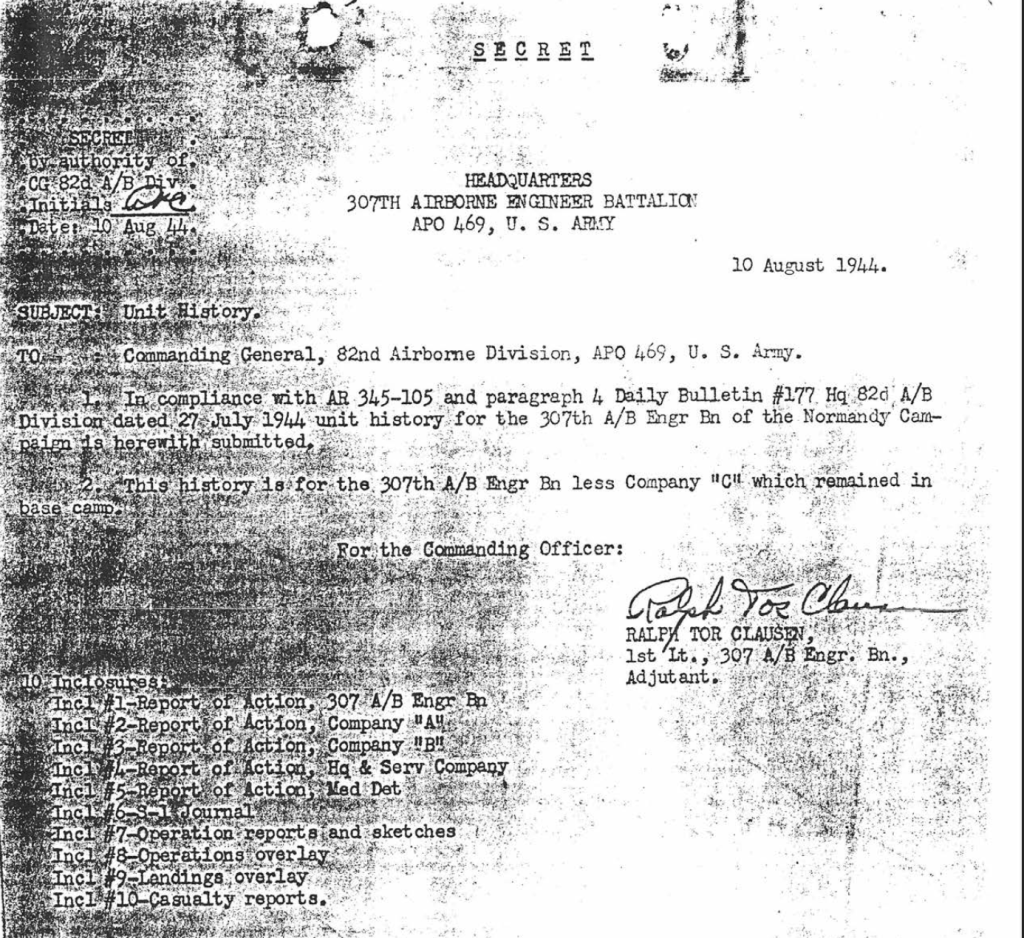
307th Airborne Engineer Battalion US Army – The 307th was part of the 82nd Airborne. The PDF covers the time frame from roughly 6 June 1944 to 17th Sept 1944.

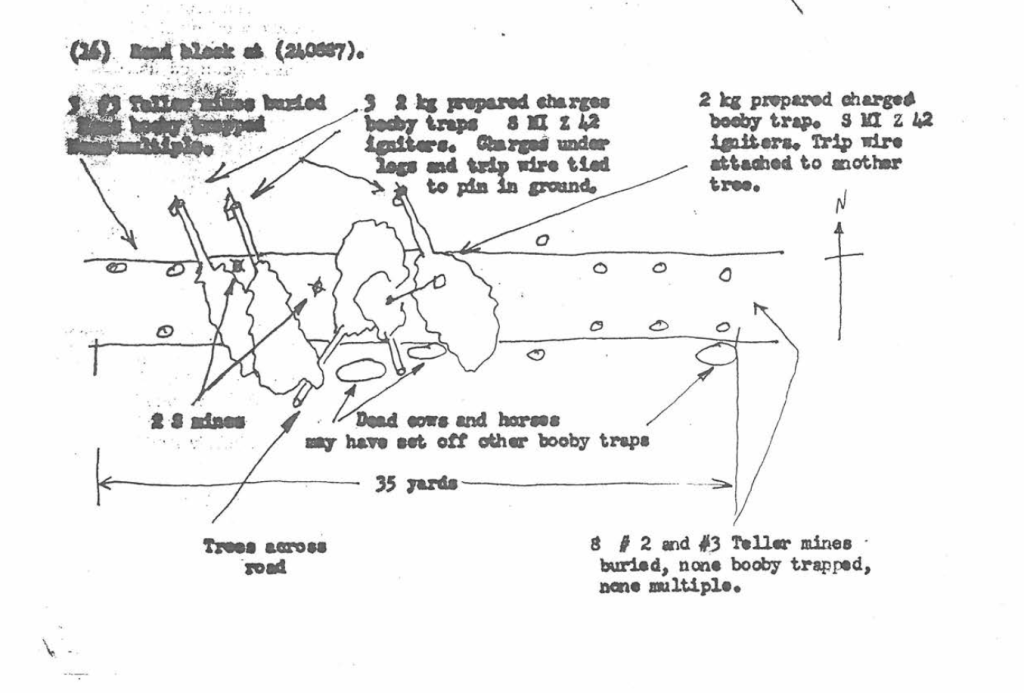
What I find neat about it is the hand-drawn diagrams that show the landing areas for the battalion, as well as an outline of how the Germans blocked roads with Teller Mines and booby traps. The S-1 Journal of events that happen throughout various days is a neat read, too.

The document also reports on the 307th Medical Company, however, more information about this unit can be found at the link.

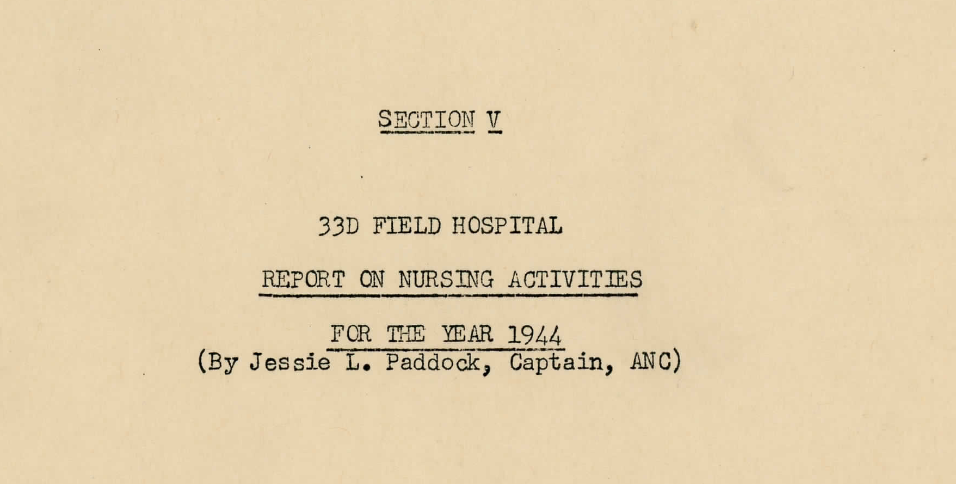
33rd Field Hospital Nursing Report 1944 – Describes the events of the 33rd Field Hospital, which landed at Anzio and was part of the bombing raid on the 95th Evacuation Hospital (the 33rd was across the street from it) on Feb 9th that killed 20 and wounded over 50.

Describes a few humorous incidents, such as Unit C thinking of a Collecting Company (which would be tasked with moving wounded from the front lines to the battalion aid station) for a Clearing Company (who would be tasked with triage of wounded, deciding which kinds of hospitals they go to, and moving them there). They ended up quite near the front line before doing a turnaround!

Signal Supply Repair and Maintenance in the ETO Study Number 112 – A report on signal supply repair and maintenance along with recommendations.

Signal Corps personnel, training, and command and admin structure study number 112 – A report on the training and administrative structure, along with recommendations.

Signal Corps Operations in the ETO Study Number 111 – Discusses issues with wire, radio, facilities, railway, pipeline, and the Press. The Signal Center (ie a larger “message center”), Photography, and Frequency allocation, and provides recommendations.

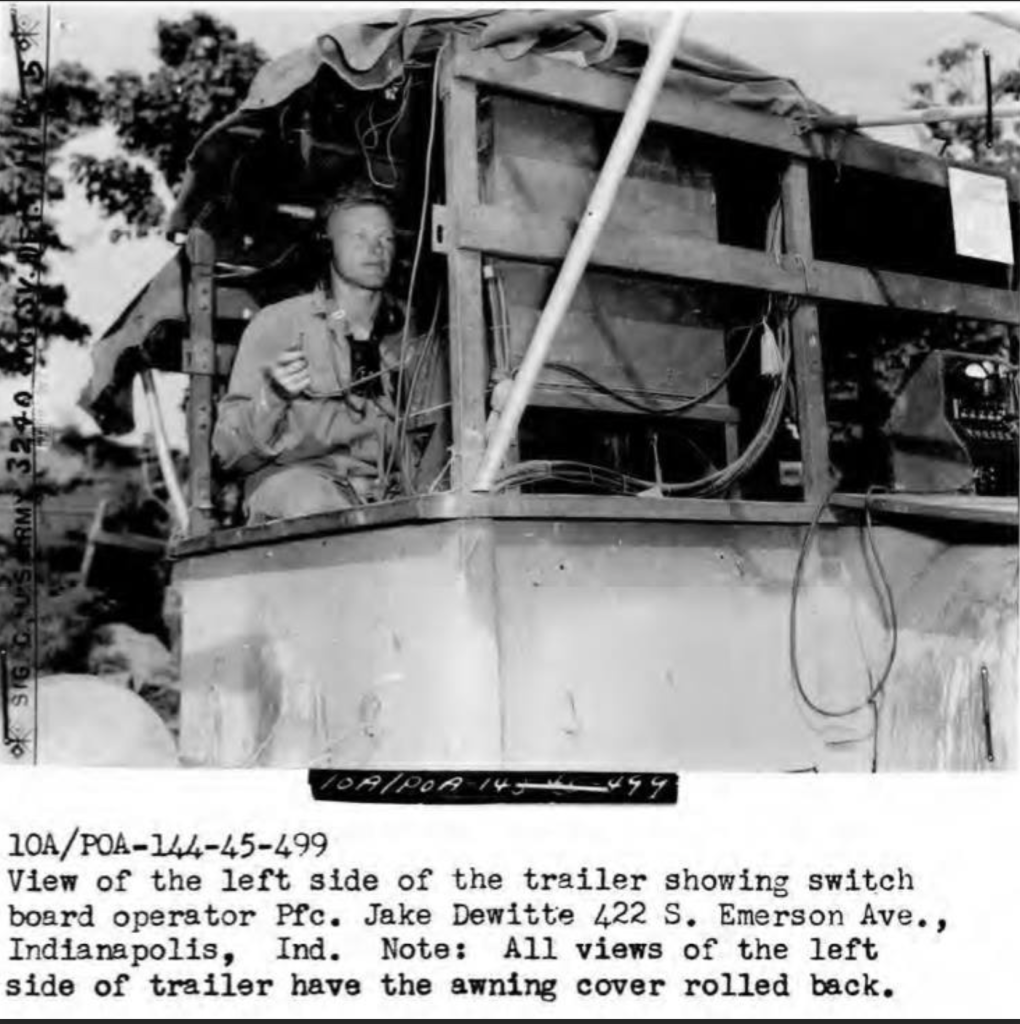
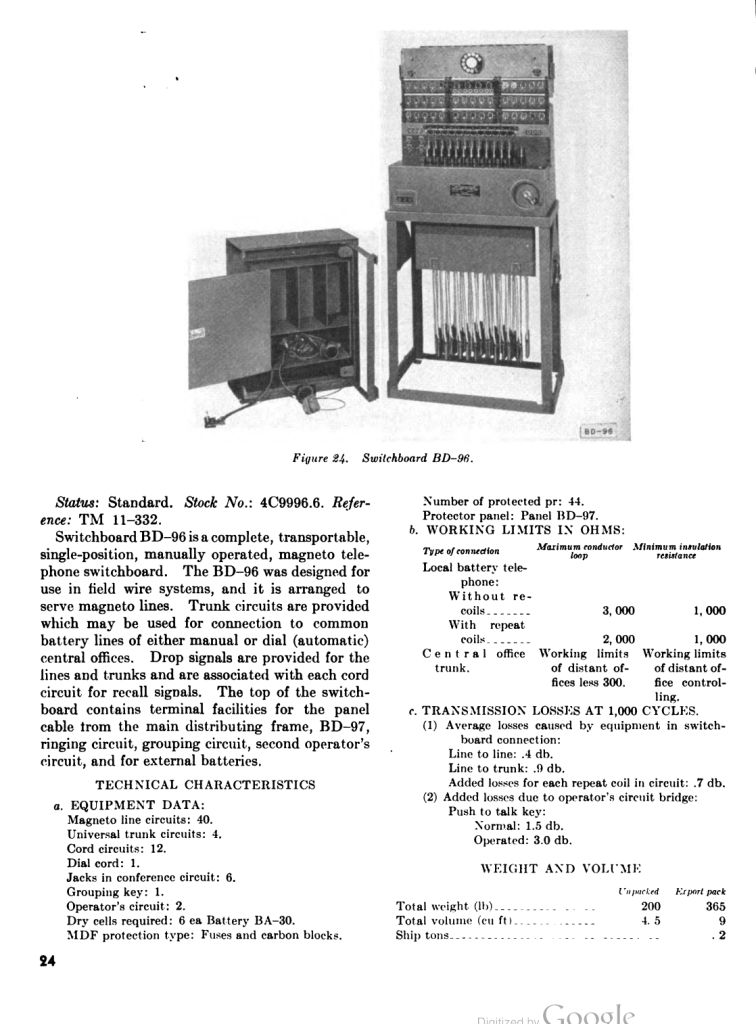
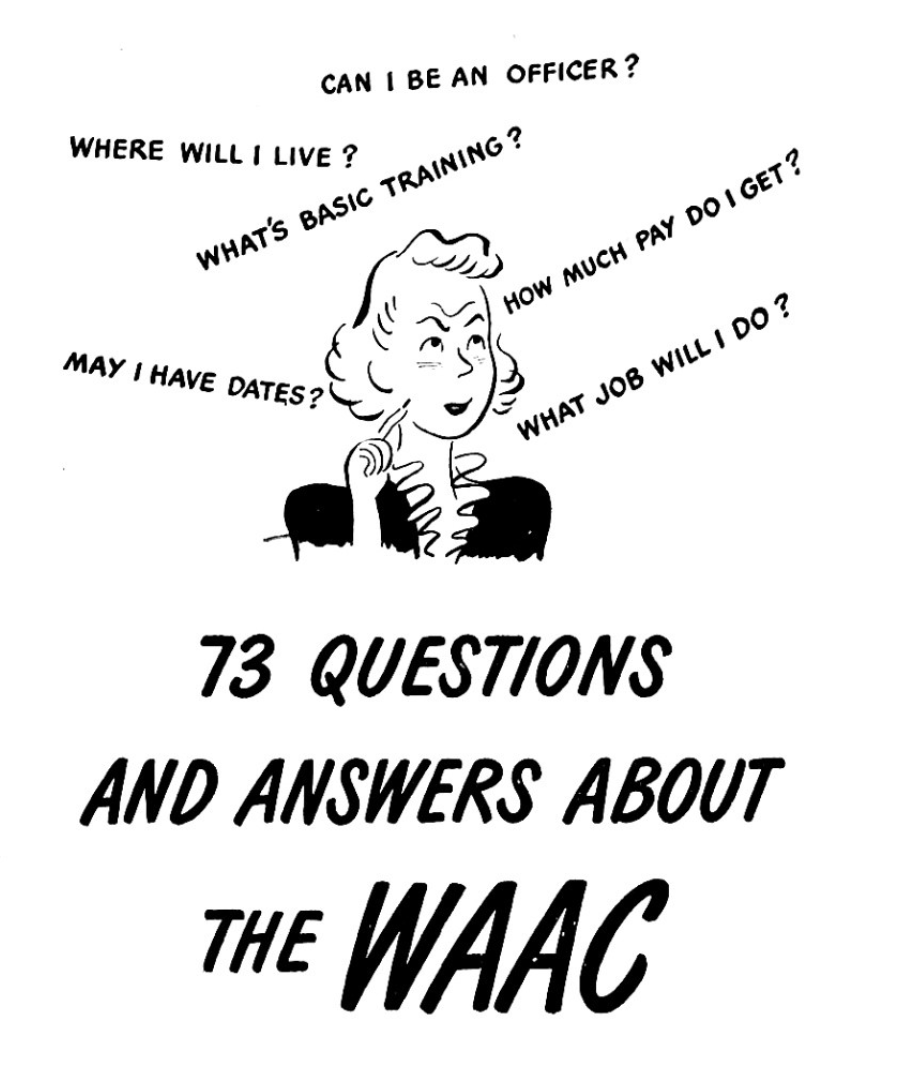
One interesting note is that regarding men using switchboards,”…a truth long recognized by commercial telephone companies again became evident; that men do not have the finger dexterity nor are they temperamentally adapted for efficient operation of large switchboards. As female operators from the Women’s Army Corps became available, they took over the switchboard operation…”

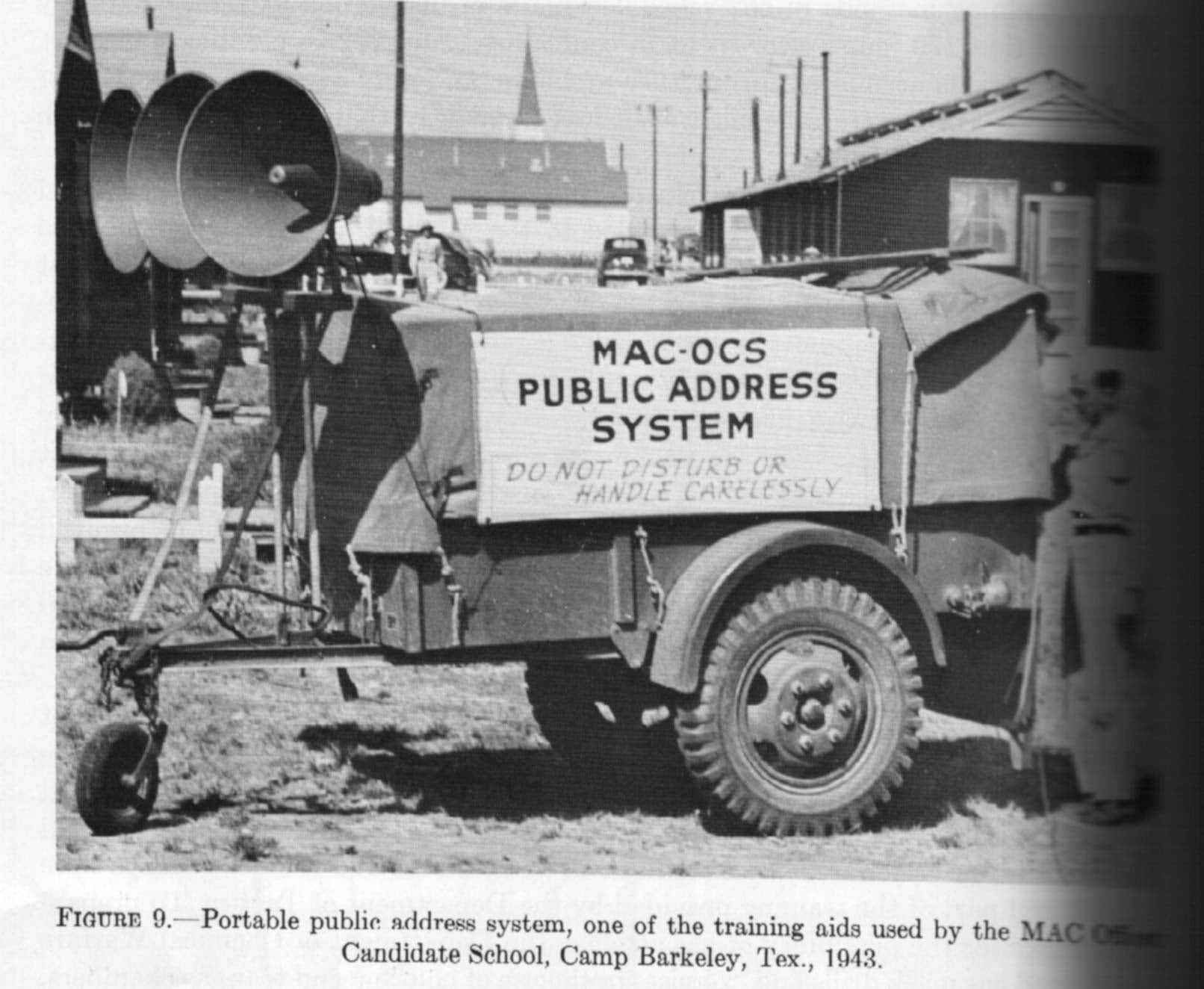
Psychological Warfare in the European Theater of Operations Study 131 – 1945 | A review of psychological operations in Europe. Discuss gathering intelligence and distributing it. Makes mention of problems and issues related to using radio, ariel leaflets, artillery leaflets, and speakers to spread propaganda to induce the enemy to surrender.

One interesting note is a section on mounting a loudspeaker external to a tank.

Operational Study 6 – Combat Replacement Factors Nov.1945 – A series of charts that tries to model the replacement factor for various pieces of organizational equipment between June 1944 to June 1945 in the ETO per 1,000 men per 30 days.

For example, the M1943 field jacket had close to a 20% loss rate and the M1926 utensils had a 10% loss rate.

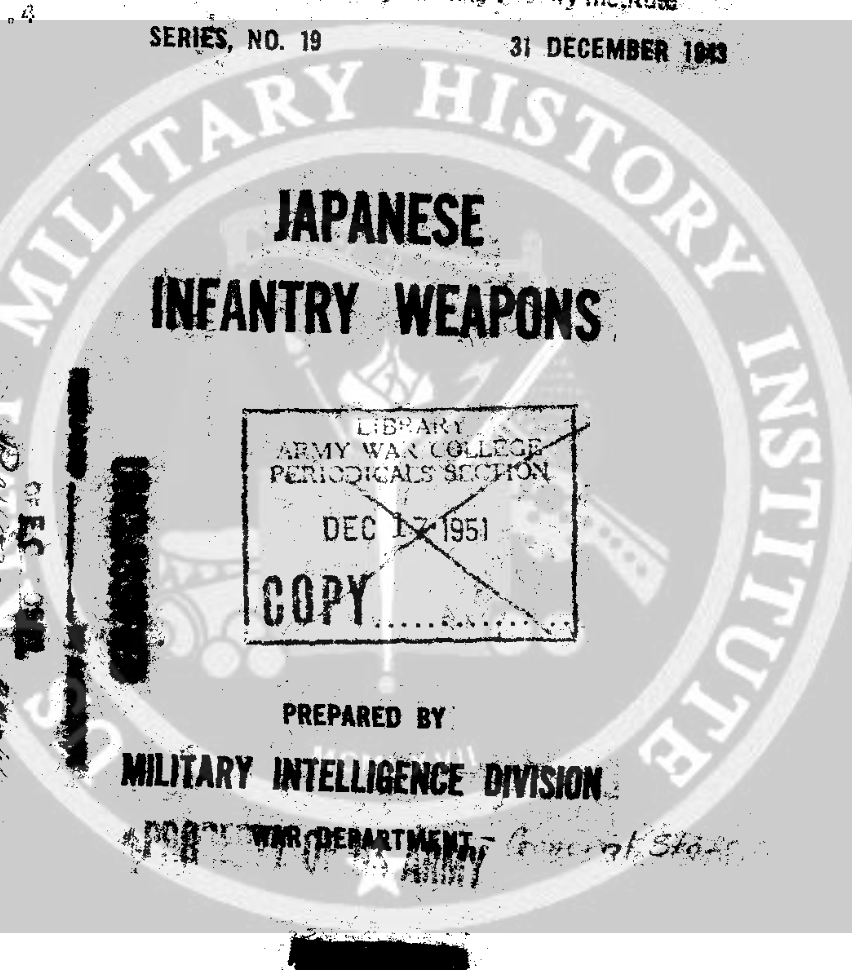
Military Intelligence No 19 Japanese Infantry Weapons Dec 1943 – Outlines with images of the different types of weapons available to the Japanese infantry.

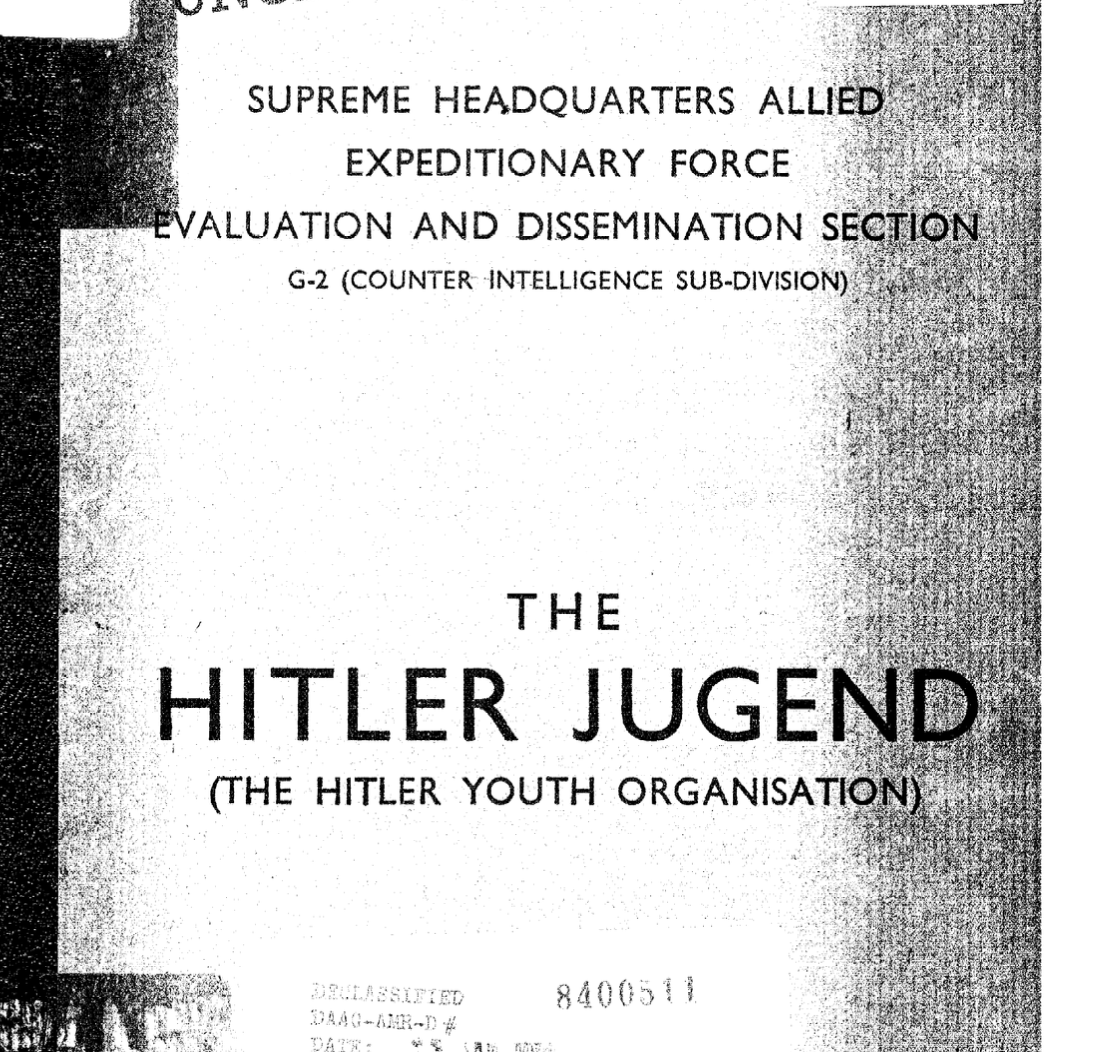
Hitler Jugend – SHAEF Handbook – 1944 | Outlines the history, structure, organization, and uniform of the Hitler Youth organizations. As well as commanders and the location of camps and schools.

Hitler Youth drew from all parts of Germany’s conquered areas and was divided into different branches such as Hitler Youth Army, SS, Marines, Navy, AirForce. They also had a cavalry group but it looks like it was disbanded before the start of WW2.

Also included are the opposition groups such as Edelweiss.

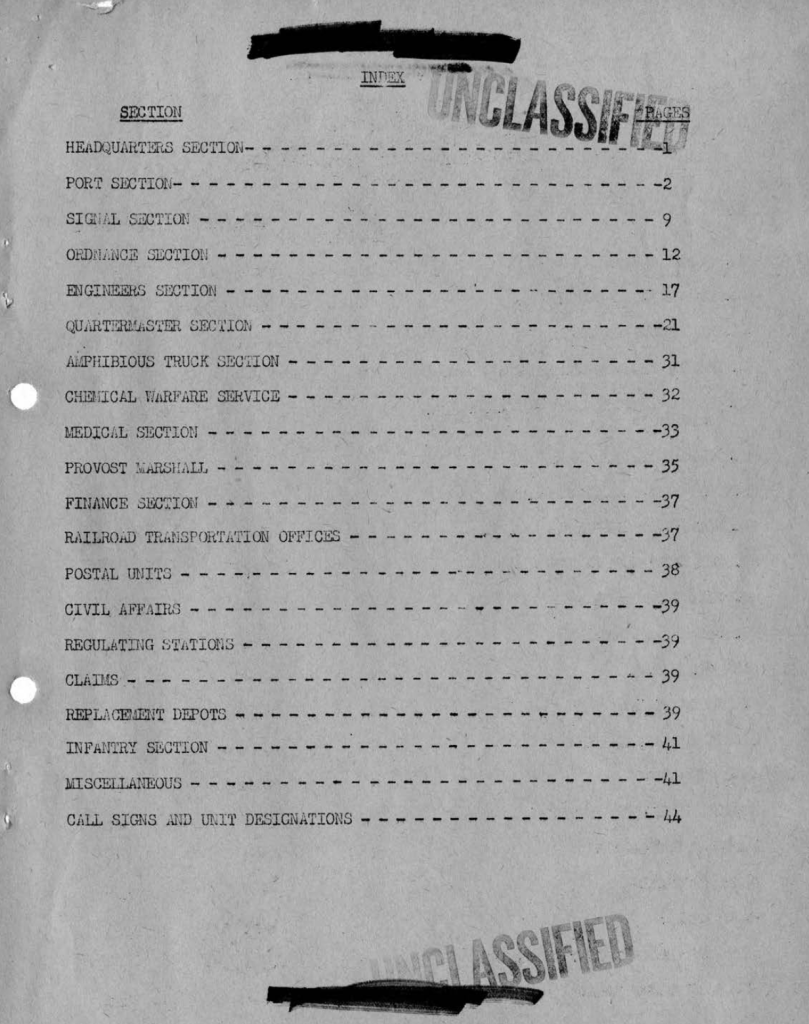
Major Teletype Networks in Europe Jan 1945 – Includes a directory, station names, and call signs. Teletype is the name of the corporation that produced machines that produced specialized communication devices like Teleprinters. These are printers that can send and receive signals and then print out a message.

These “Teleprinters” are the classic news printer sound of “fast clacking metal keys” you may hear in the background of some news reports.

The US Army created a network of these machines in Europe to help with communication.

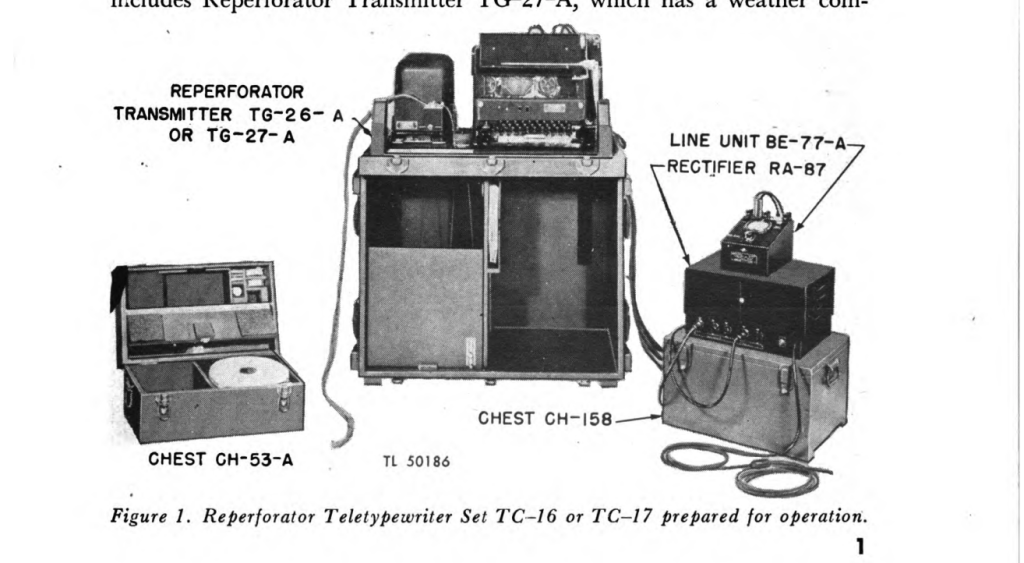
One common model was the Teletypewriter Set TC-16 or 17 as identified in TM 11-2201.

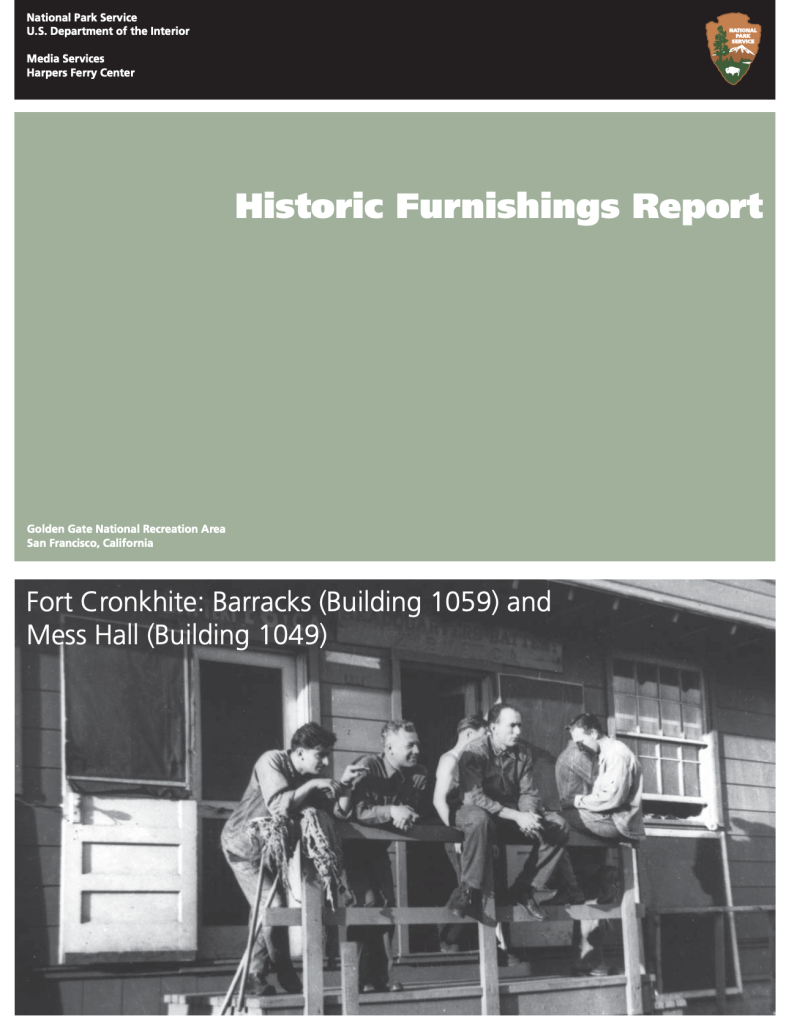
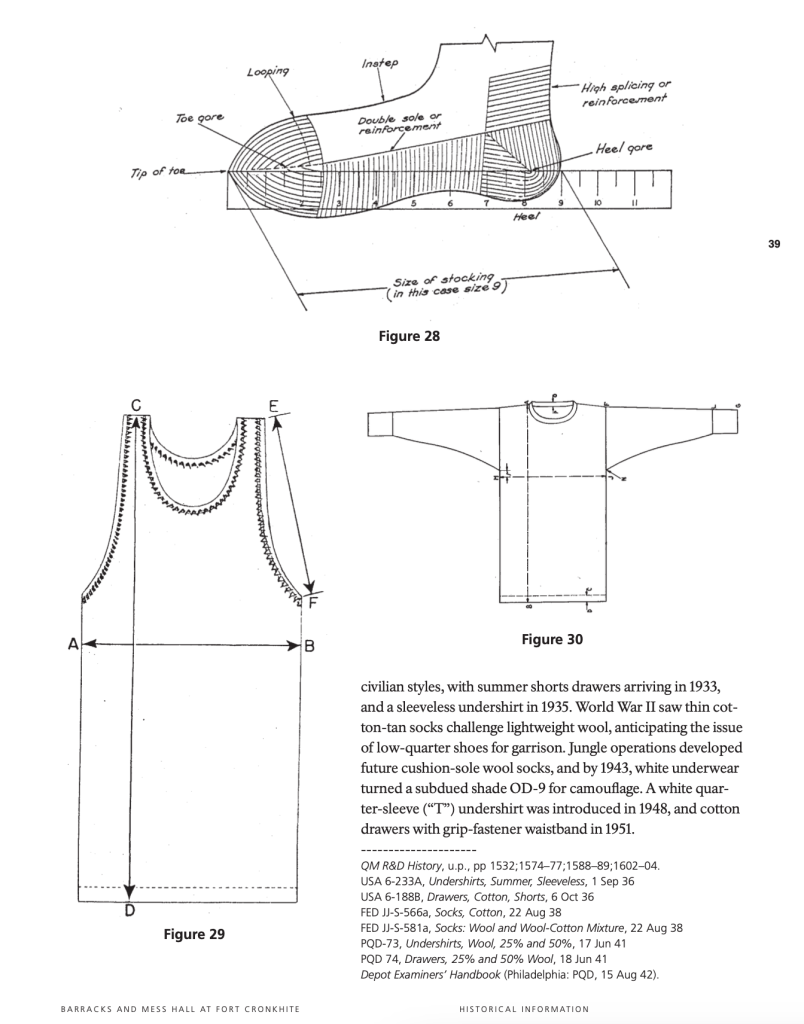
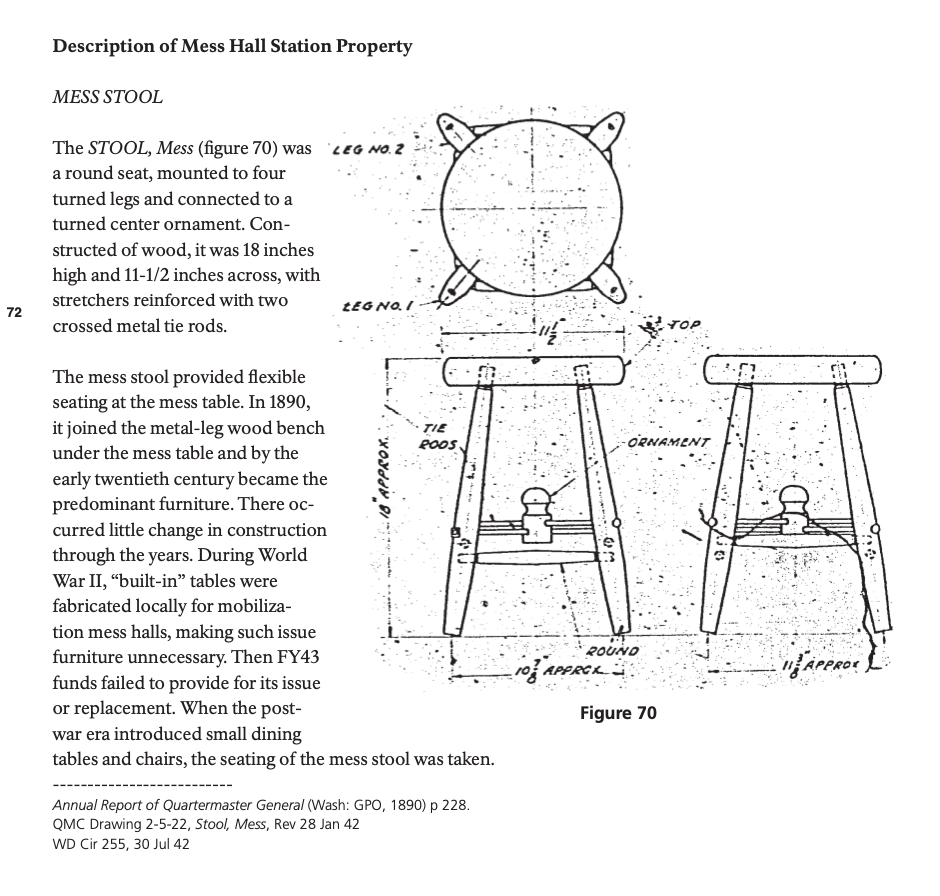
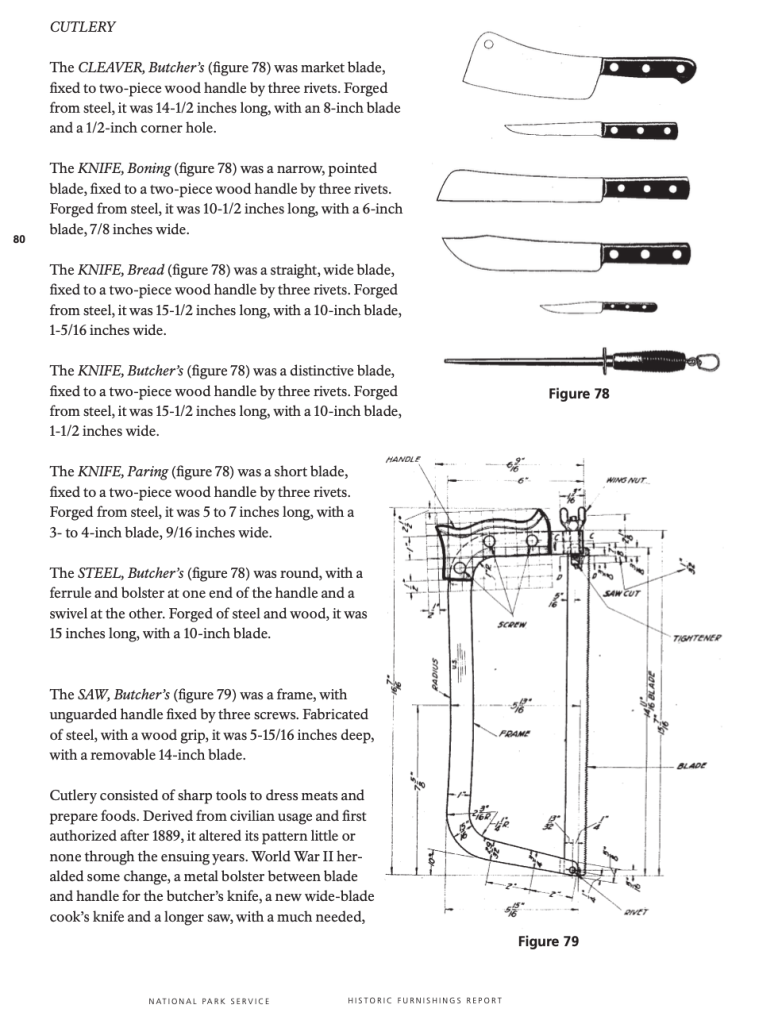
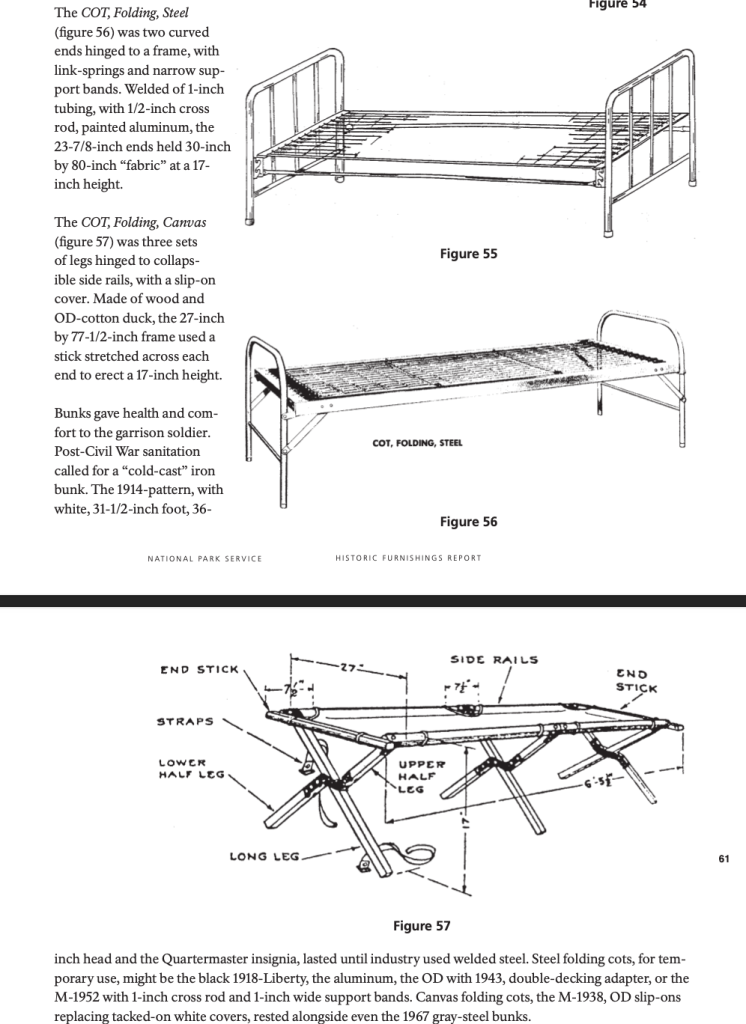
Fort Cronkhite Barracks and Mess Hall Historic Furnishings Report National Parks Service Golden Gate Recreation Area 2005 – A fascinating report created by the Parks Service that analyzes all the items a soldier would have used in a WW2 era Barracks and Mess Hall. From furniture to cooking tools to uniforms. Even includes schematics to build a barracks

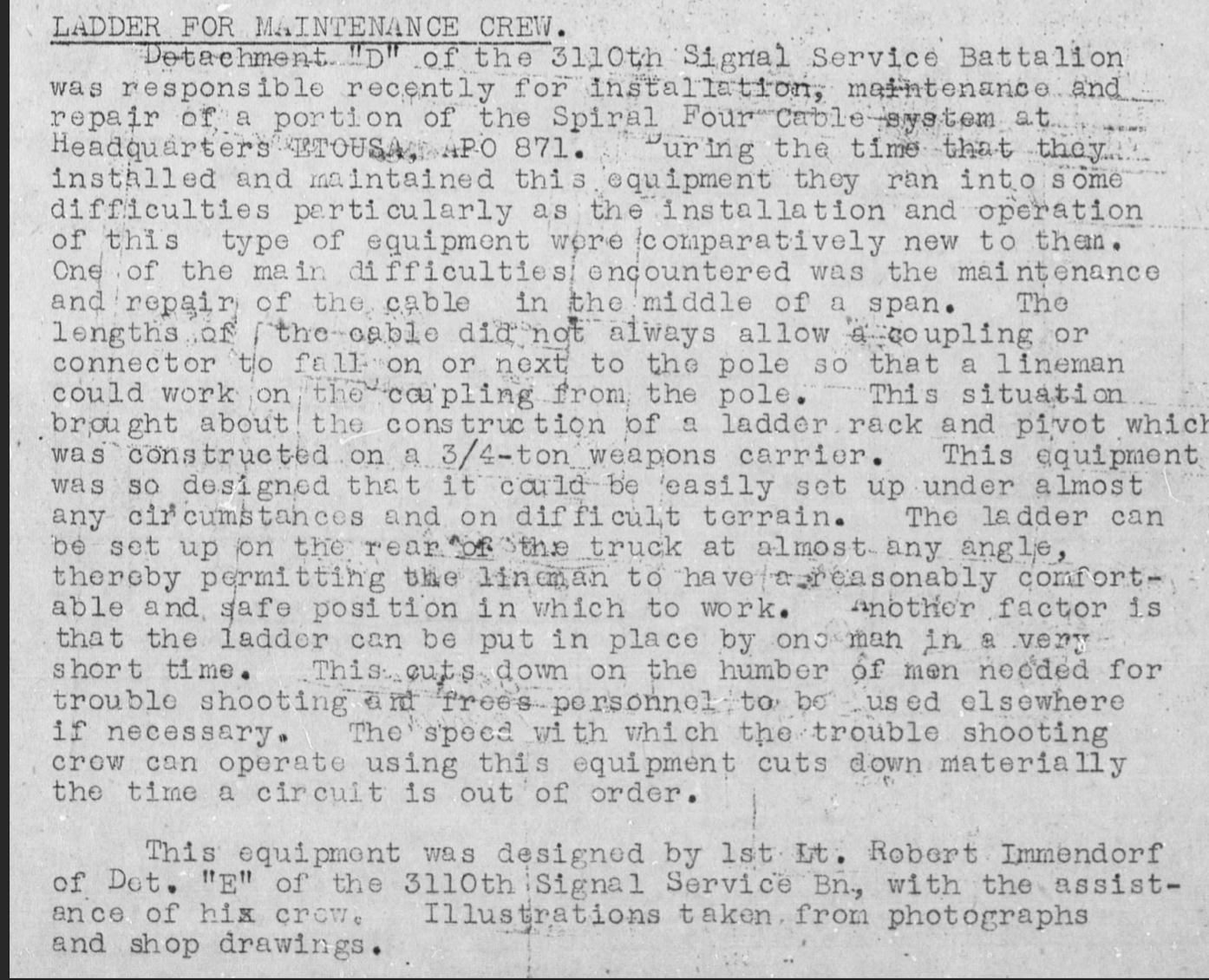
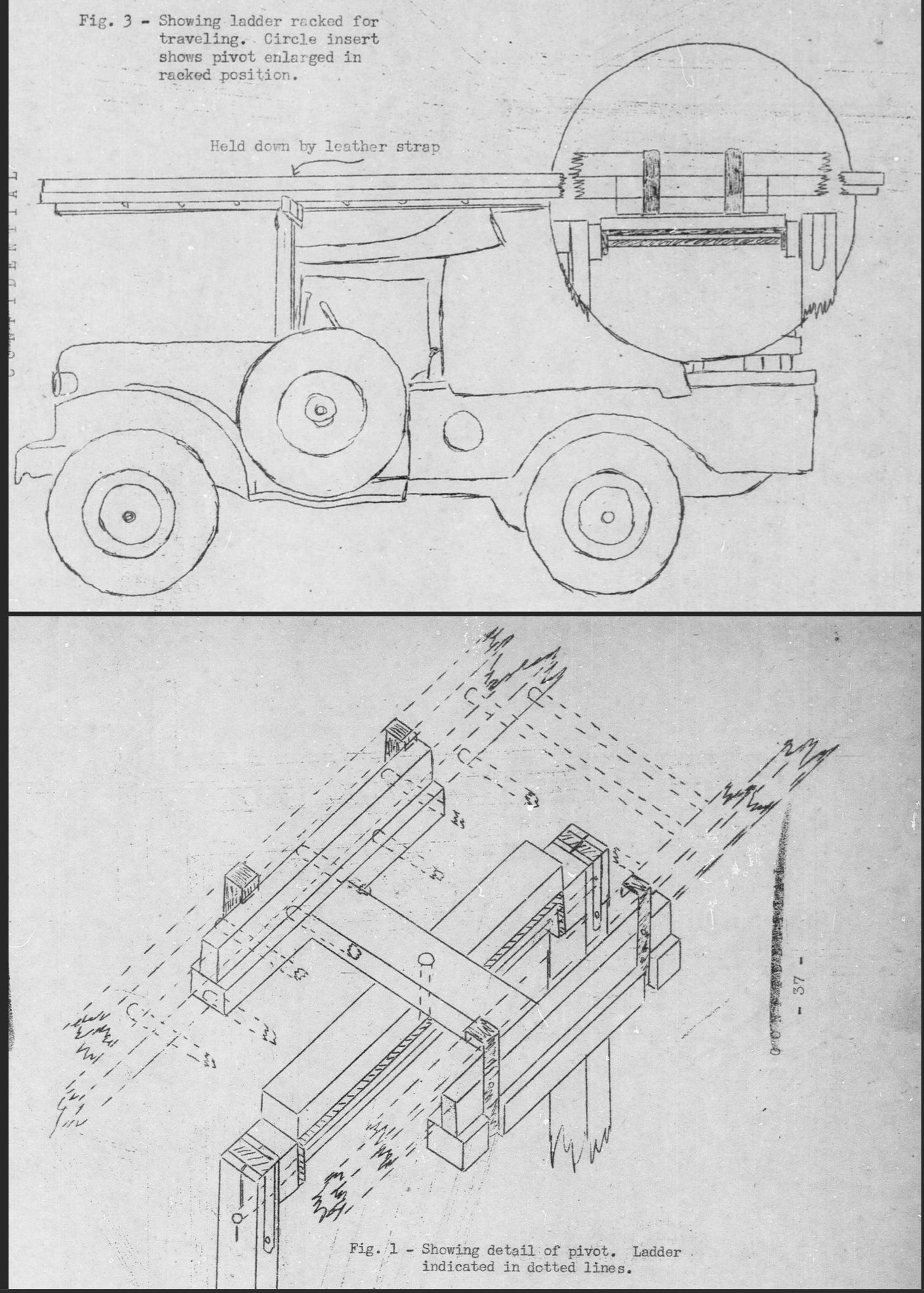
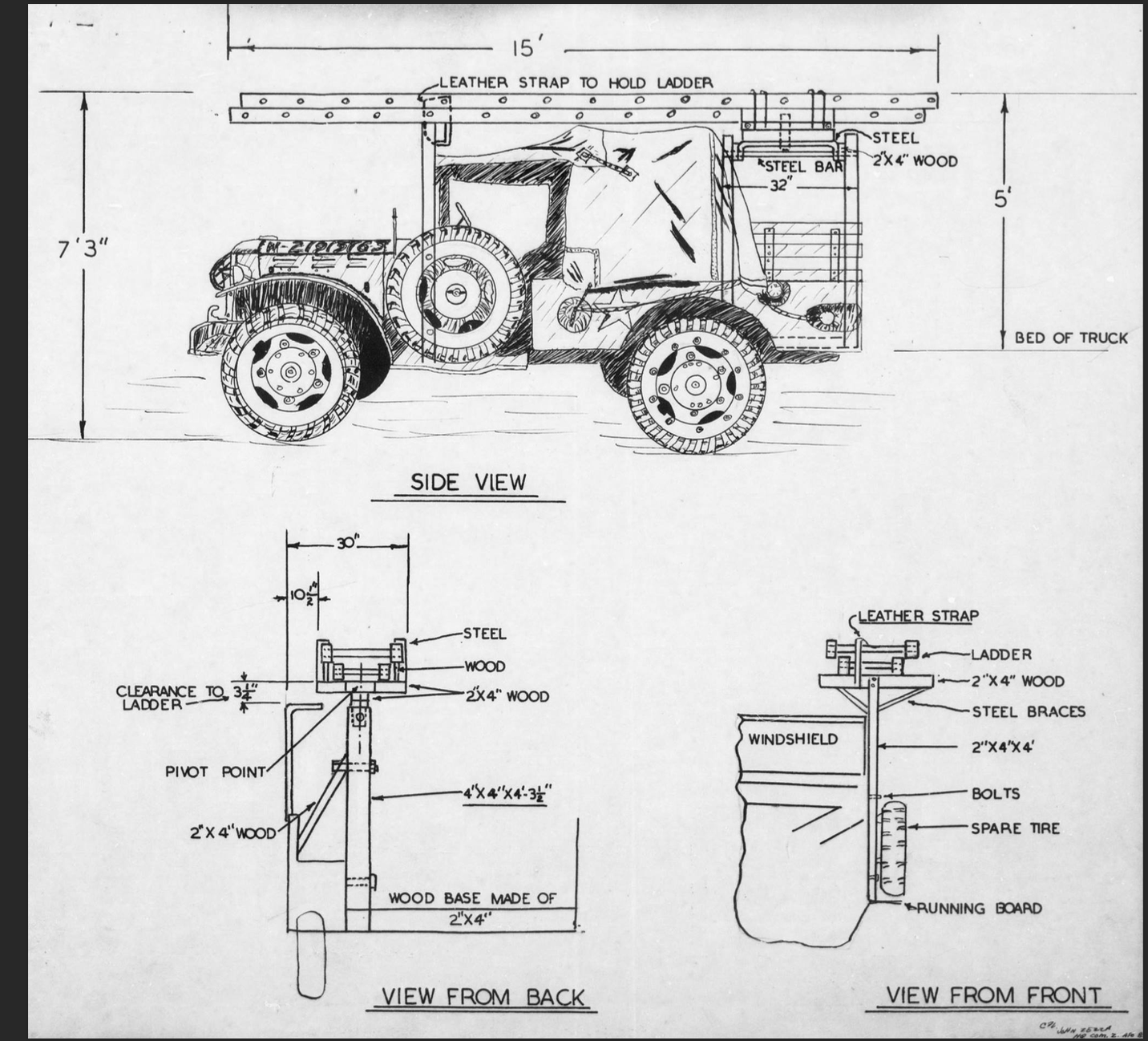
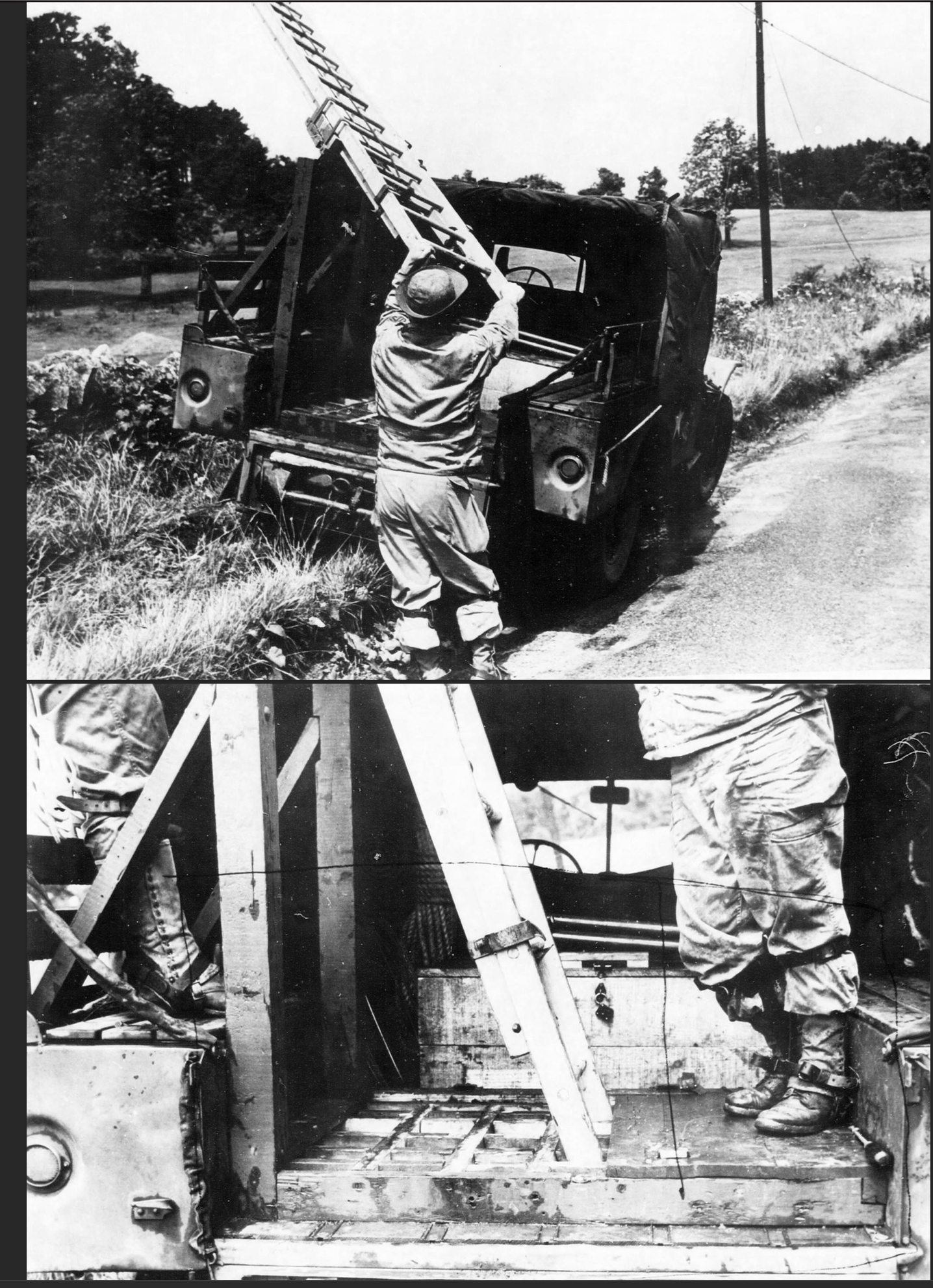
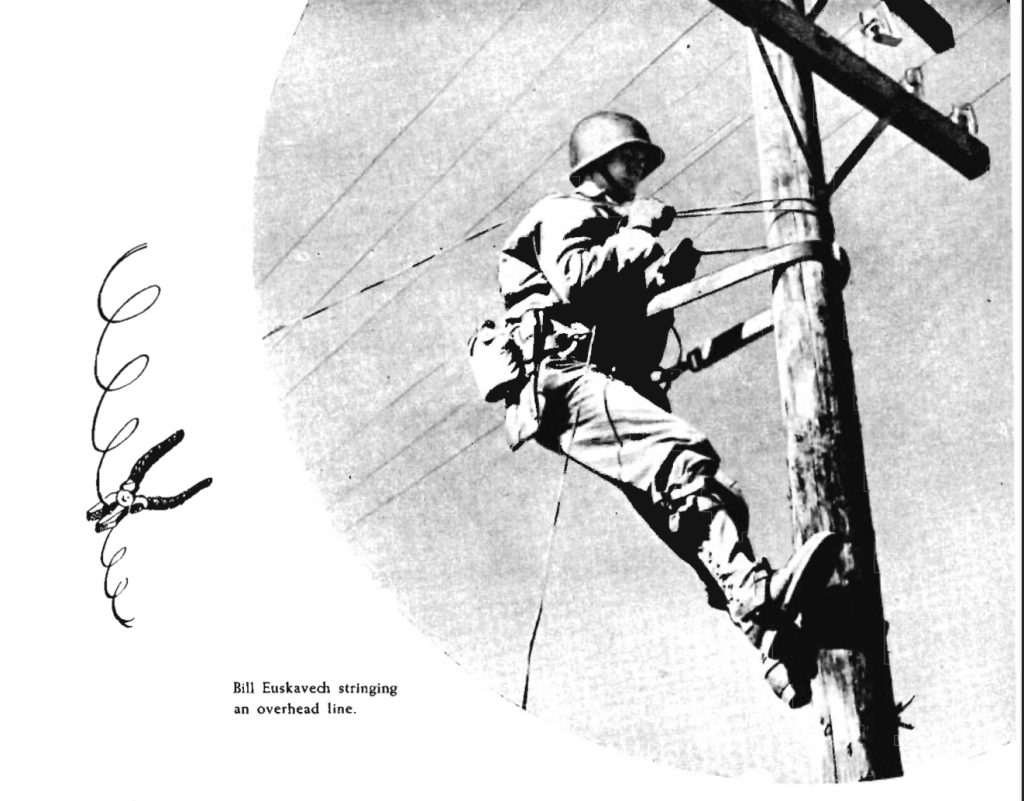
Ladder Pivot Modification to Dodge WC – Detachment D of the 3110th Signal Service Battalion came up with a ladder pivot mechanism that allowed them to work on issues in the middle of cables strung across telephone poles. The ladder gets inserted into the pivot and is affixed to the floor of the Dodge WC bed. Allowing safe and efficient operation for this type of repair.

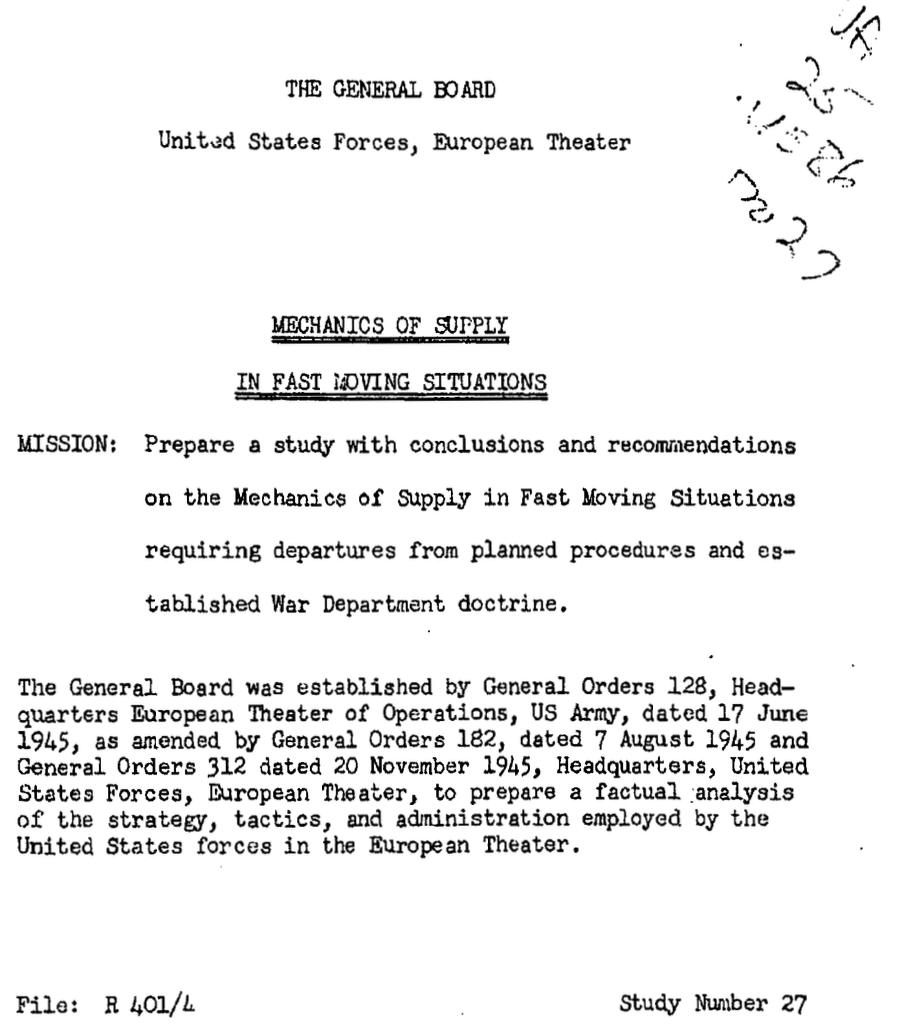
The Mechanics of Supply in Fast Moving Situations No 27 – Date unknown. An analysis of supplying units on the move

Unit History

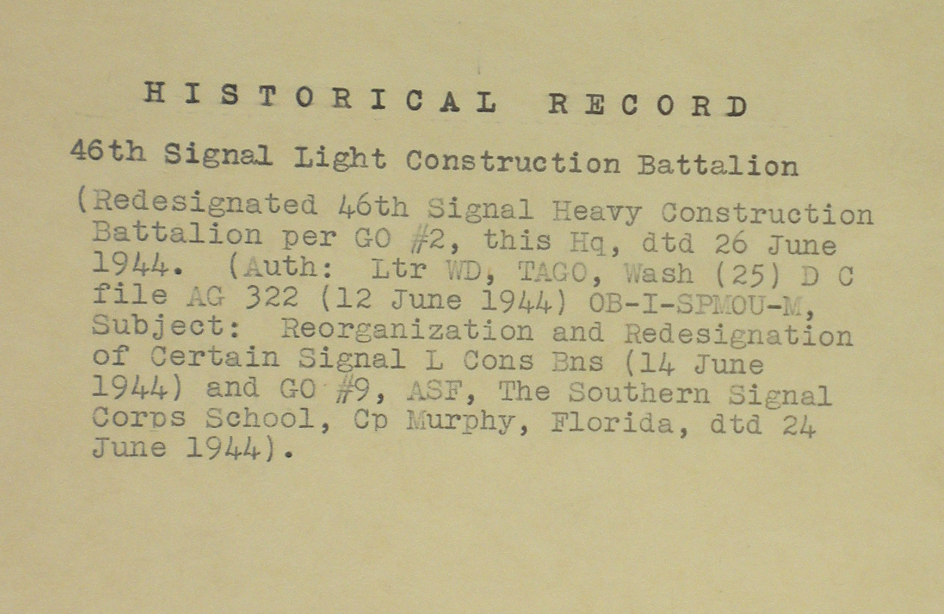
Brief History of the 46th Heavy Construction Battalion – Includes a brief narrative of the unit training then going to Germany and then headed to Japan for Occupation Duty.

Includes day-to-day events stateside during its training. Mostly involves transfers of personnel to other units or schools.

For a detailed and in depth review of the unit see WWII 46th Signal Battalion.

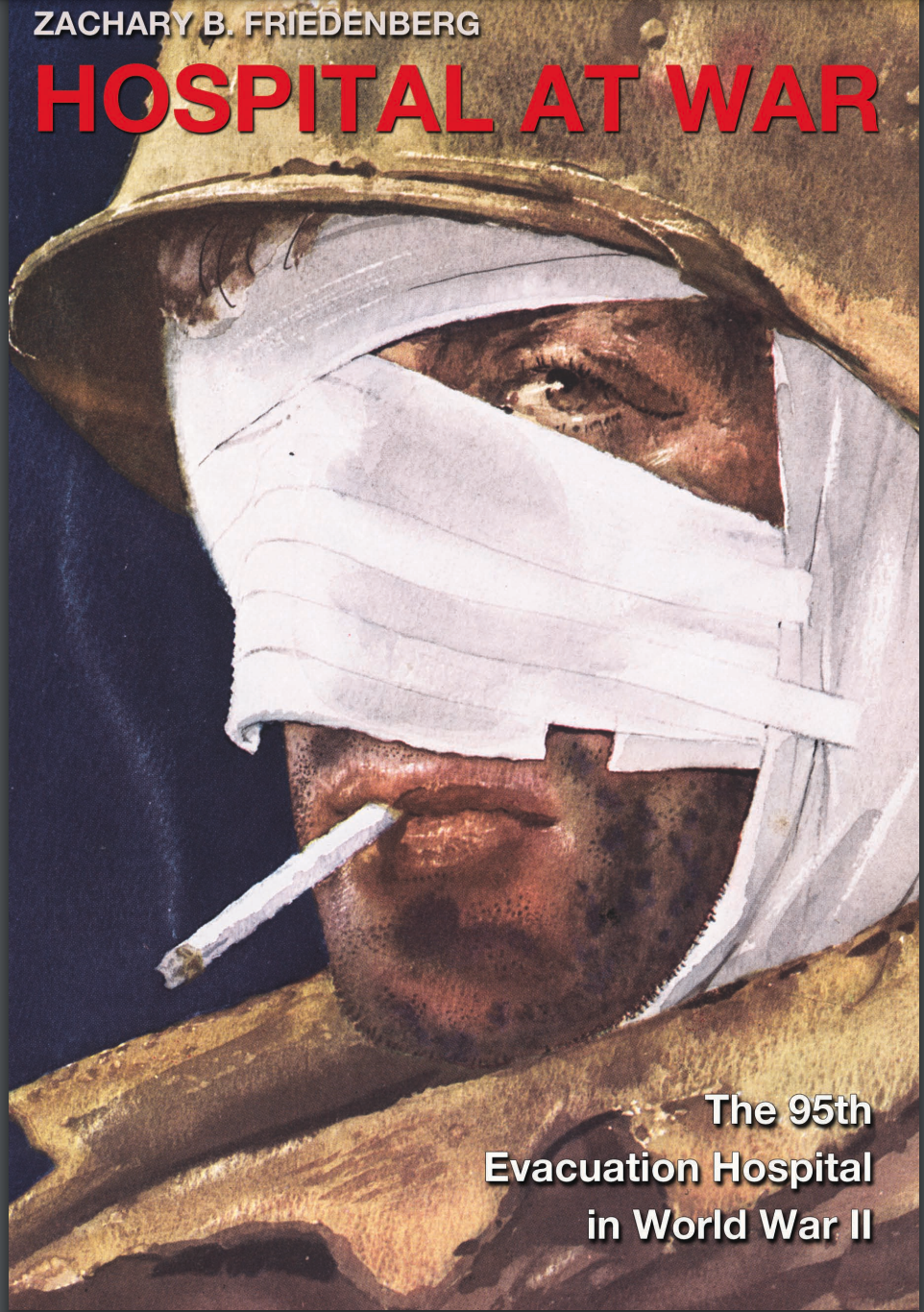
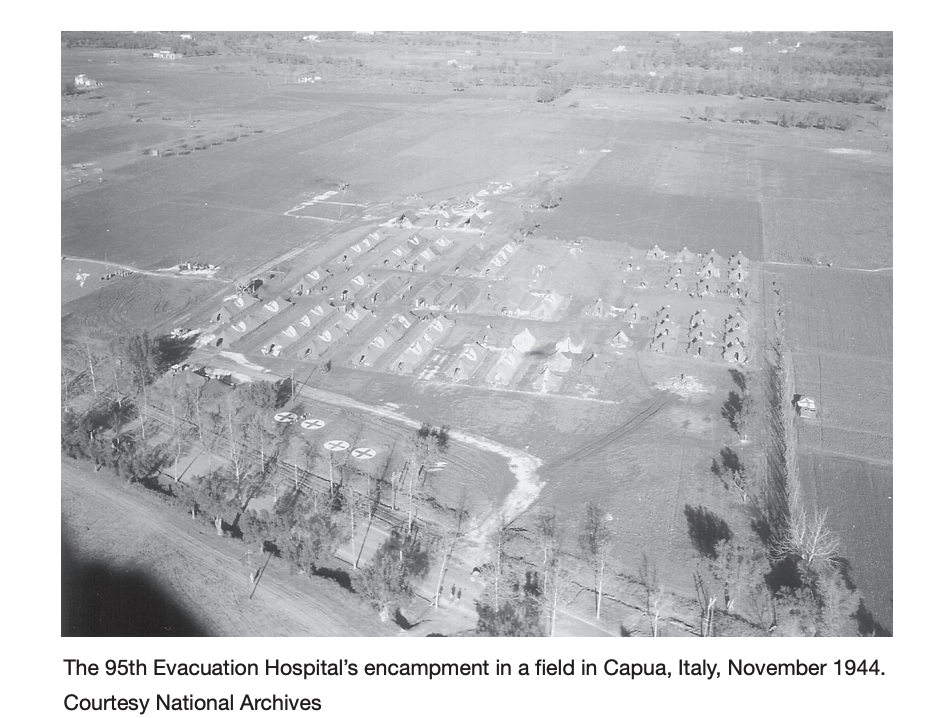
Hospital At War The 95h Evacuation Hospital in World War II by Zachary Friedenberg 2004 – Zachary Friedenberg was a Captain in the unit and wrote the unit’s memoirs in 2004. The unit was in North Africa, in Anzio, and part of the Invasion of Southern France.

At Anzio, it was subjected to an enemy bombing raid that wounded over 50 and killed 20 including patients, doctors, and nurses.

Also included is an article called “‘Don’t Worry About Me’: The World War II Experience of Adeline Simonson, Nurse Anesthetist with the 95th Evacuation Hospital” which is about one nurse’s experience with the unit. This was published in the AANA Journal, Oct 2016, Vol. 84, No.5, ppg. 309-315. The authors are Carolyn Nicholson BSEd, CRNA, Susanne Hillman Ph.D, and Sukumar P. Desai, Ph.D.

You can learn more about the unit at the med-depot’s 95th Evacuation Hospital page.

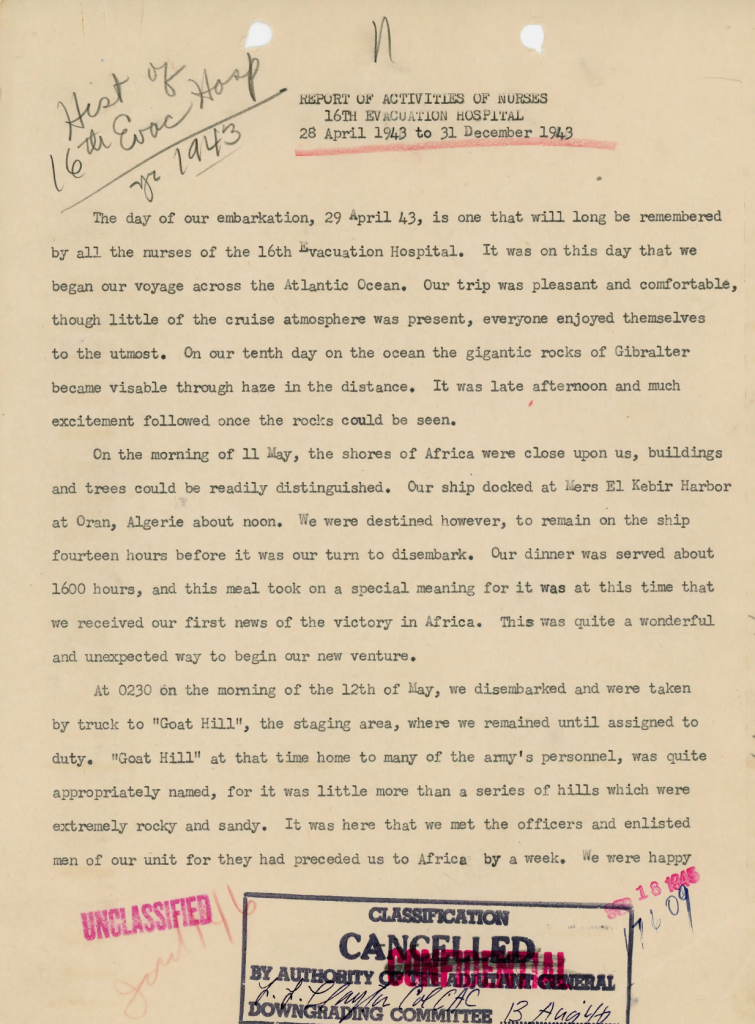
Nursing Report 16th Evacuation Hospital April to Dec 1943 – Describes crossing the Atlantic to North Africa and then heading to Italy on the HMHS Newfoundland which was hit by a bomb and sunk. Eventually, they arrived and set up hospital services.

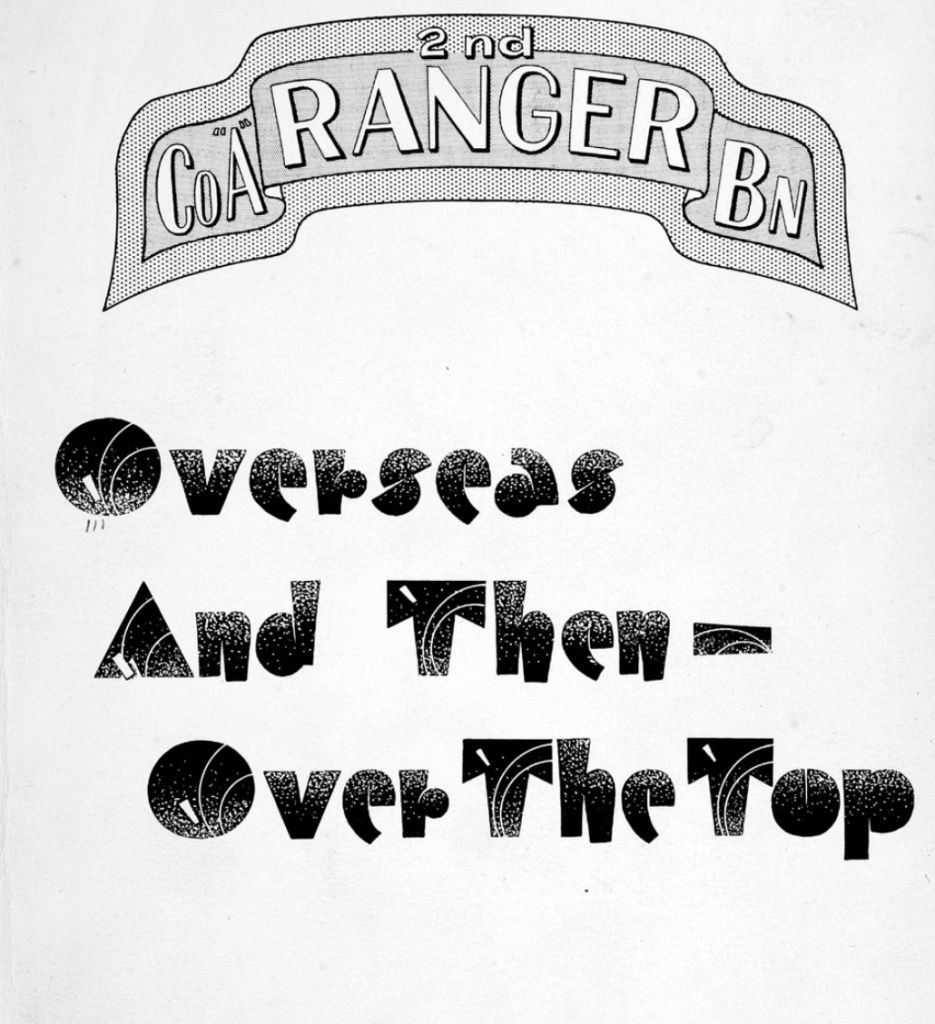
Overseas and then Over The Top Able Company and the 2nd Rangers Battalion by PFC M Prince – A narrative of events from when the 2nd Rangers landed in England for training to D-day, to the day Hitler surrendered.

The D-day landing narrative is a pretty good read of what it must have been like.

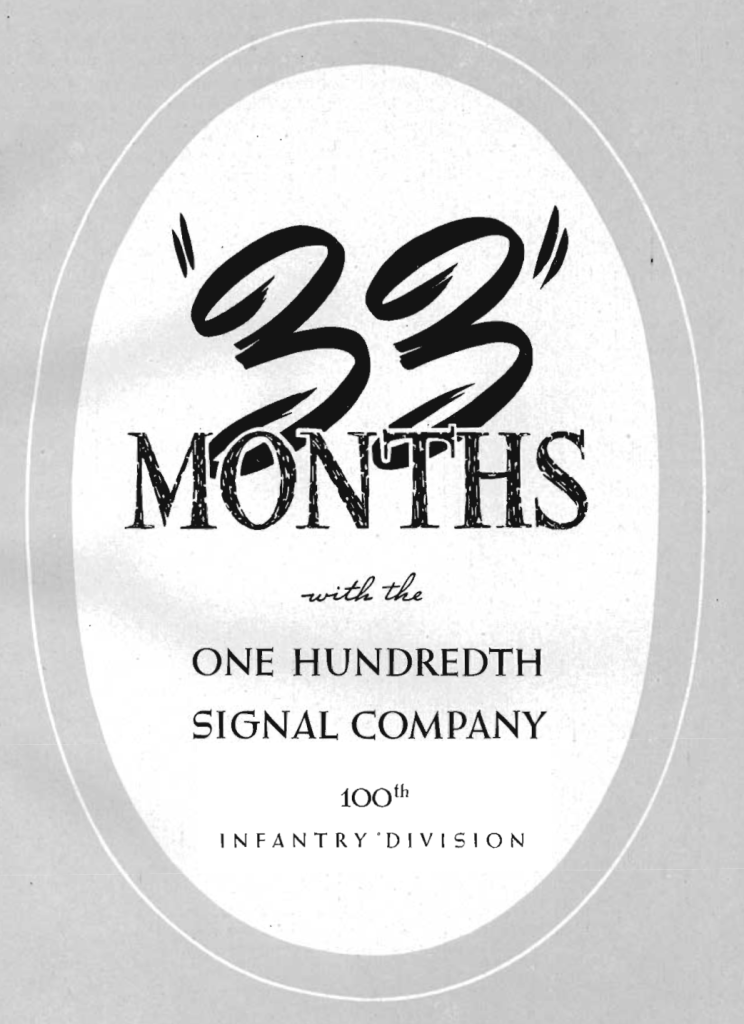
33 Months with the 100th Signal Company of the 100th Infantry Division 1945 – A Narrative of the Signal Company’s involvement. Discusses Construction and how each crew was assigned specific regiments to connect the wire to along with having to repair and replace wire as it was cut or damaged. As well as the Radio section, the “T&T” or telegraph and teletype section, the message center section, the administration section (where presumably the mail clerk worked), the Signal Operations Instructions (SOI) section (which does training and checking of signal installations), Signal Supply section, Repair and Maintenance section, the Motor Pool (responsible for vehicle management and maintenance), the Mess section (responsible for feeding) and the Medical section.

Includes descriptions of training at Fort Jackson and sports and physical fitness testing.

Also makes mention of Tech 5th Chauncey N. Maggiacomo being asked to improve the Reel Unit RL-26, which he did. The old way required lots of manual labor to reel in the wire ensuring it didn’t snag. The new method instead of reeling it in from the back (like a winch) picked the wire up and fed it over a boom on the front of the truck.

Unit Citation and Campaign Participation Credit Register – Pamphlet 672-1. A complete list of what units participated in what actions and what unit citations they got.

Signal Corps Lineage and HERALDIC data and history – Information about heraldic and lineage of different signal corp units. Shows the unit pin. By Rebecca Robbins Raines from the Center of Military History.

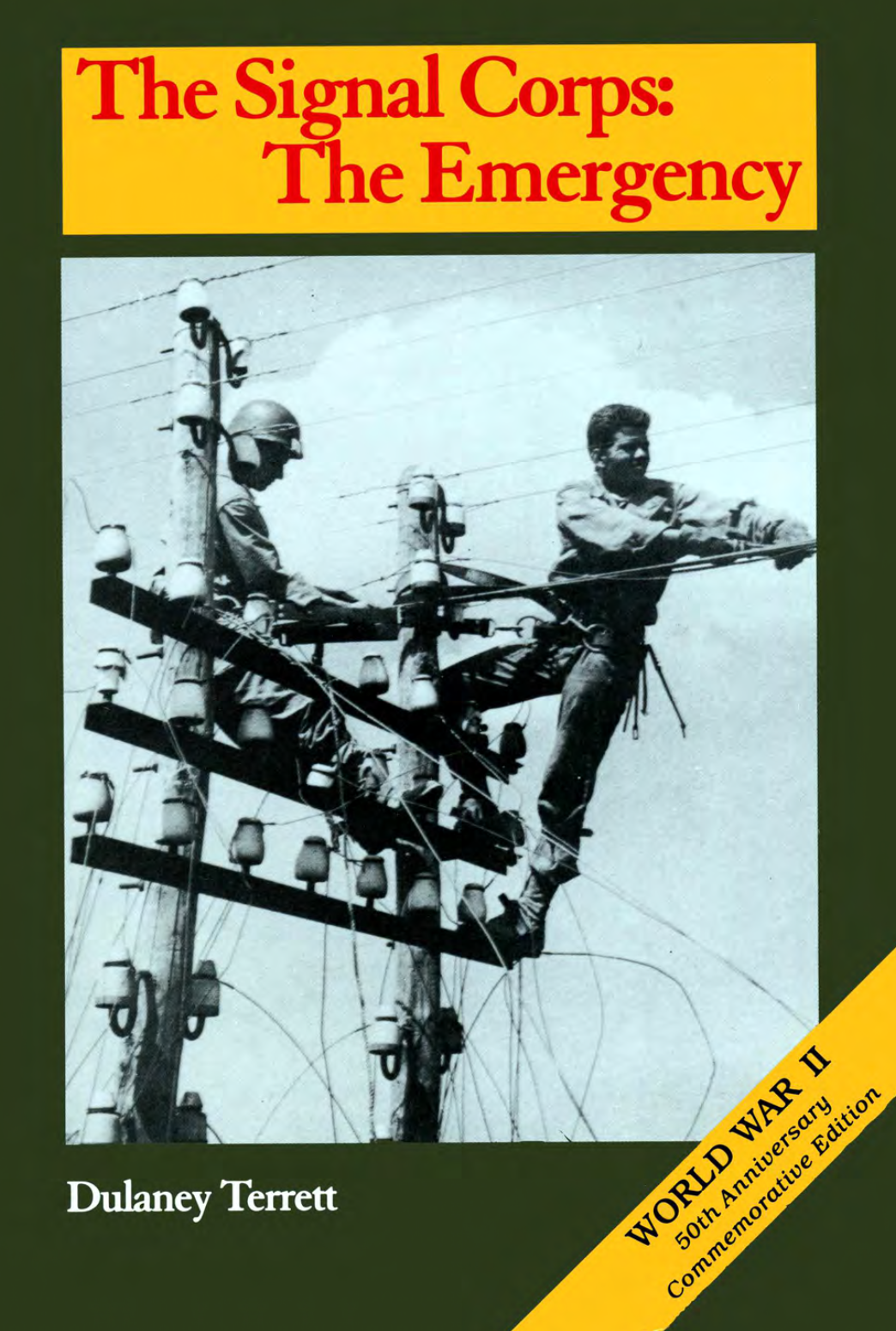
Signal Corps: The Emergency – History of the Signal Corps up till Pearl Harbor. By Dulaney Terrett from The Center of Military History

The Quartermaster Corps: Organization, Supply, and Services Vol I – On the 50th anniversary of the end WW2, the Center of Military History republished various publications that were originally published in 1953.

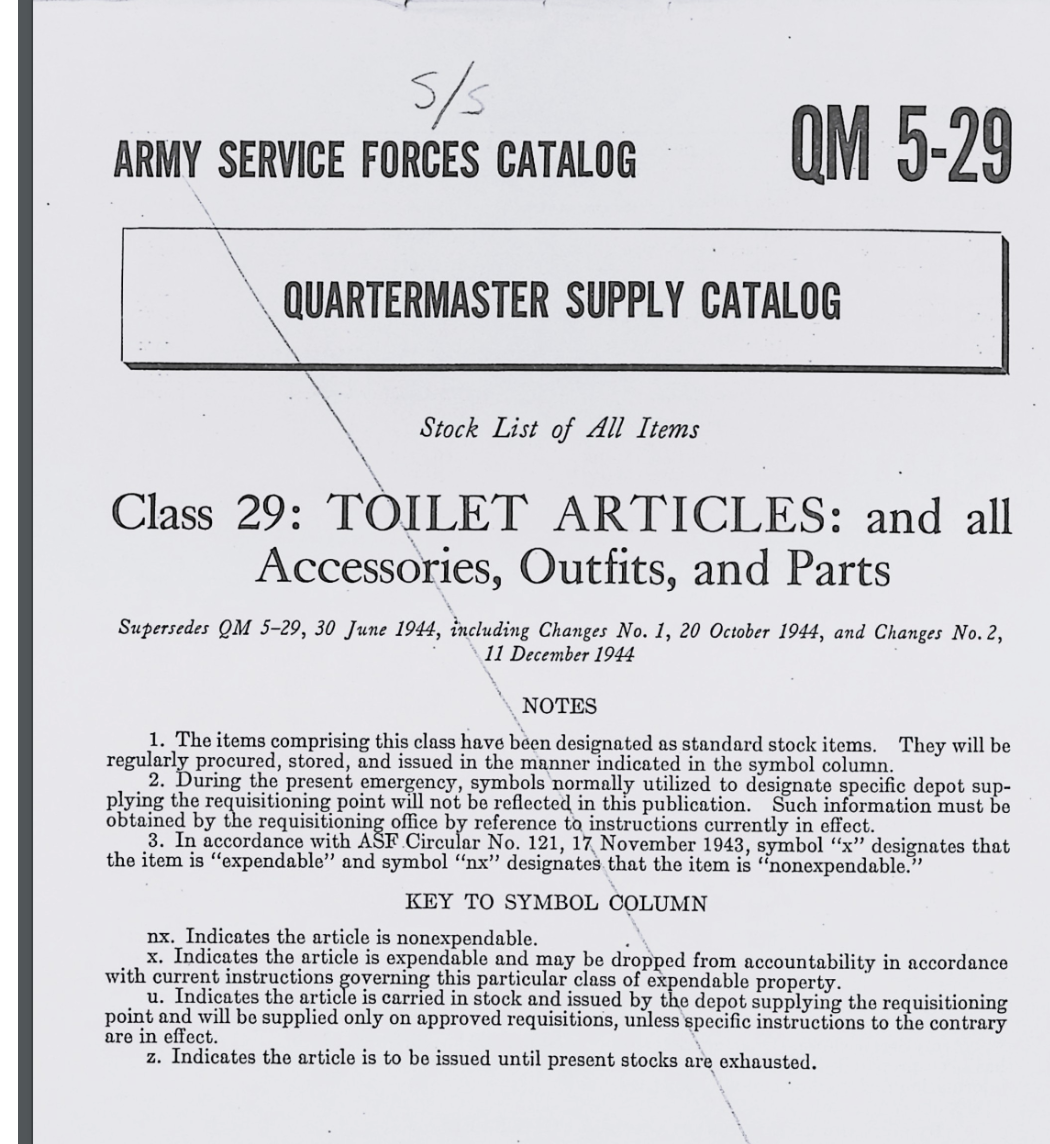
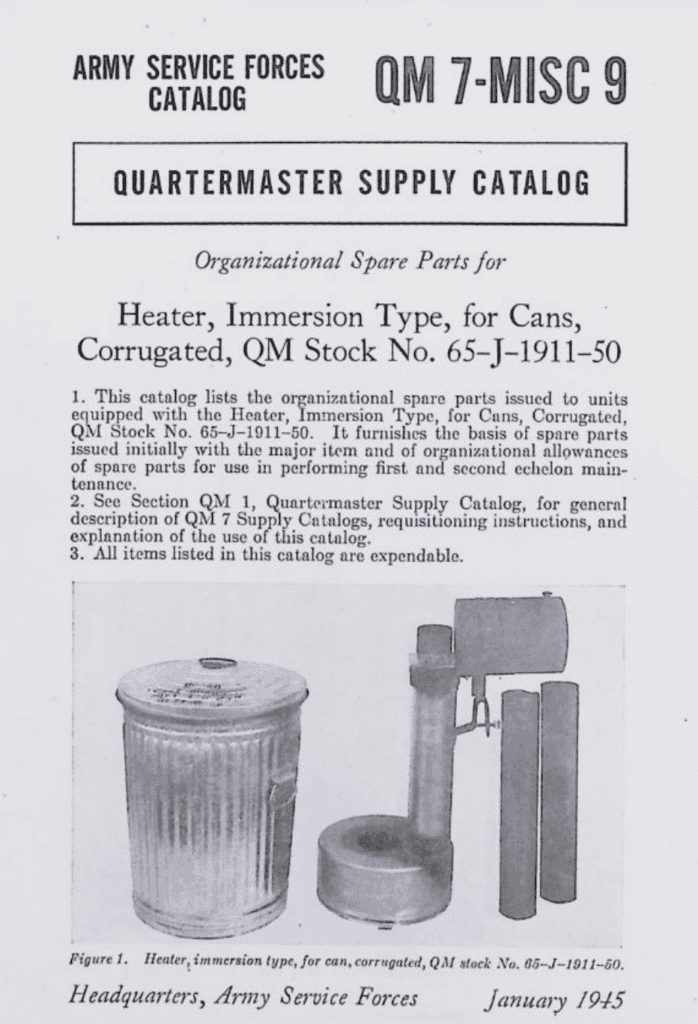
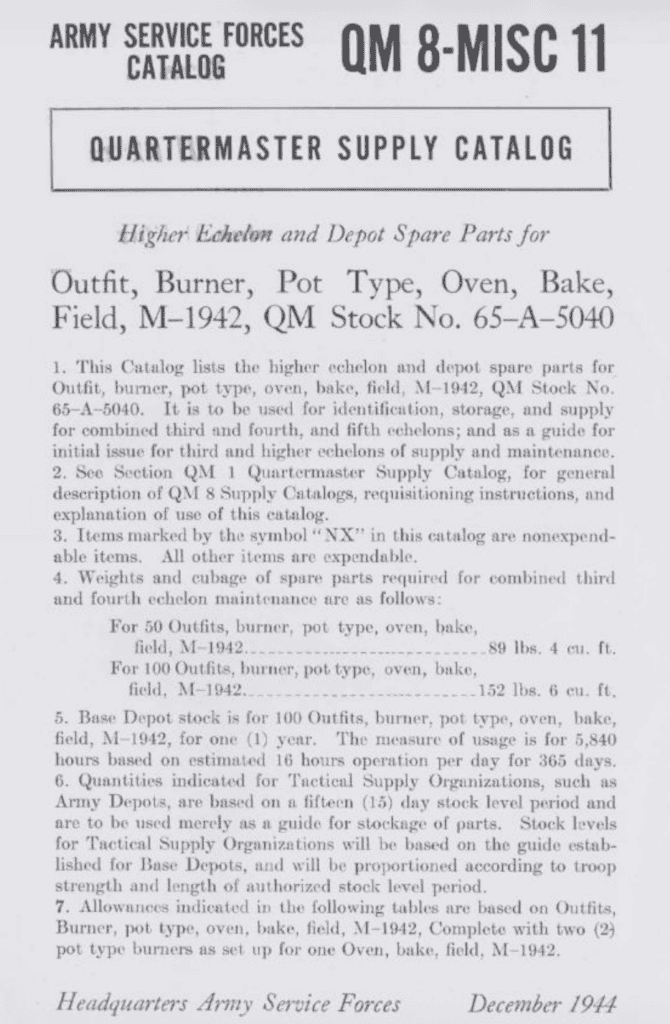
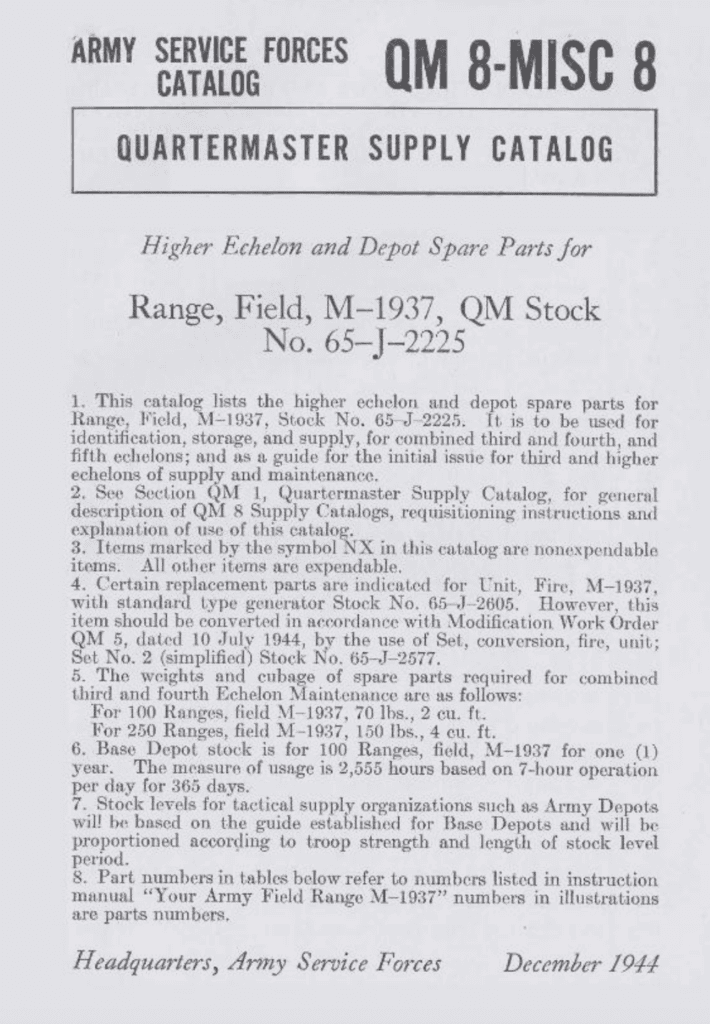
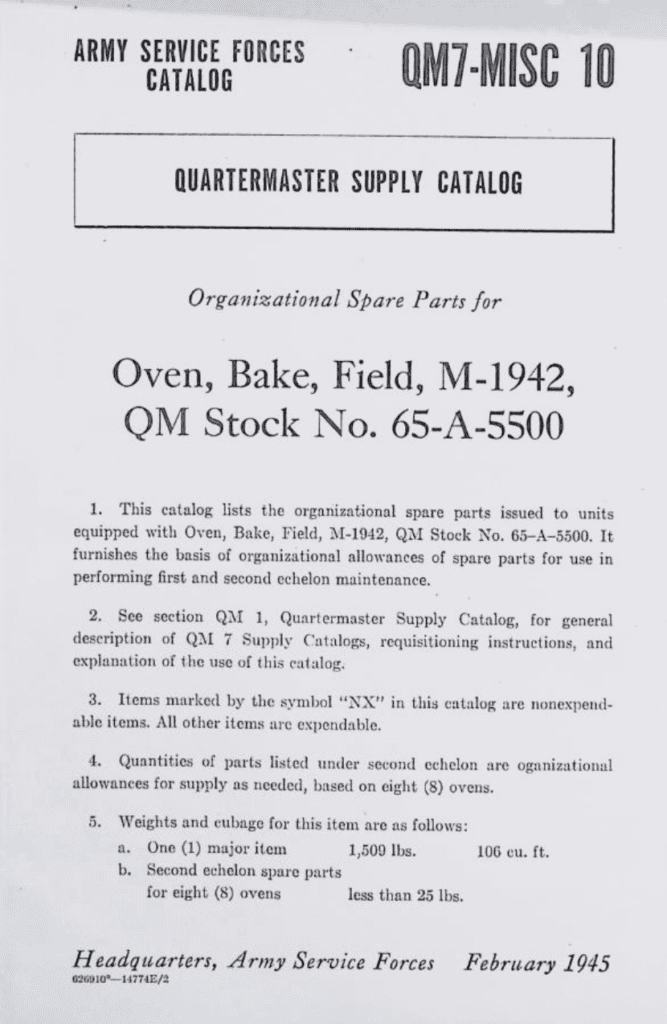
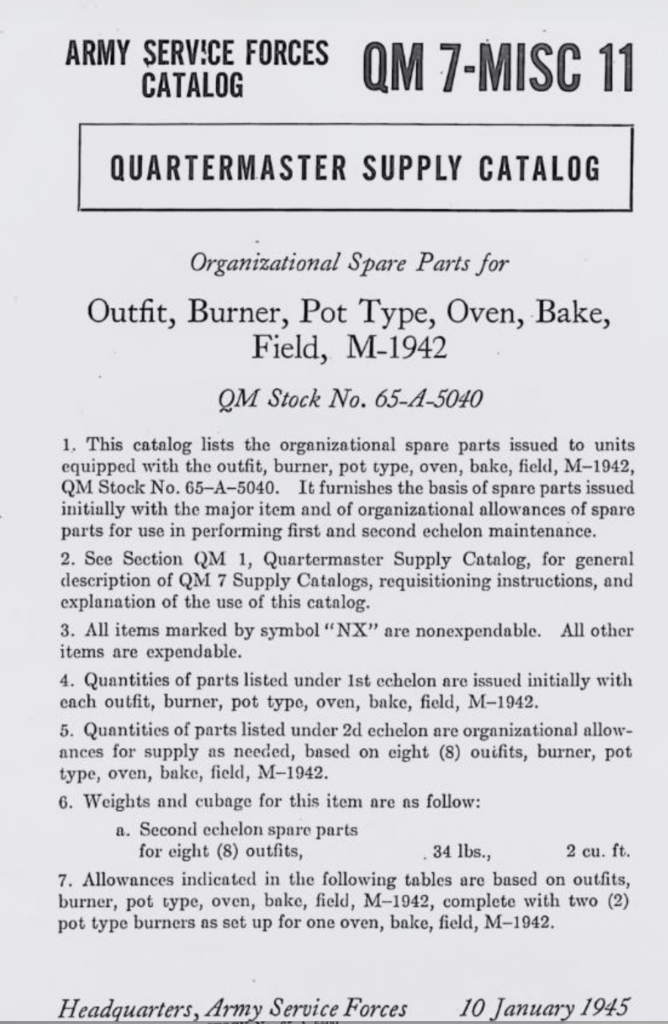
These are a historical narrative and go into detail on the account of the Corps’ actions. Mostly from a high-level overview. I’ll add more as I find them. If you’re interested in the Quartermaster supply catalogs you can find them here.

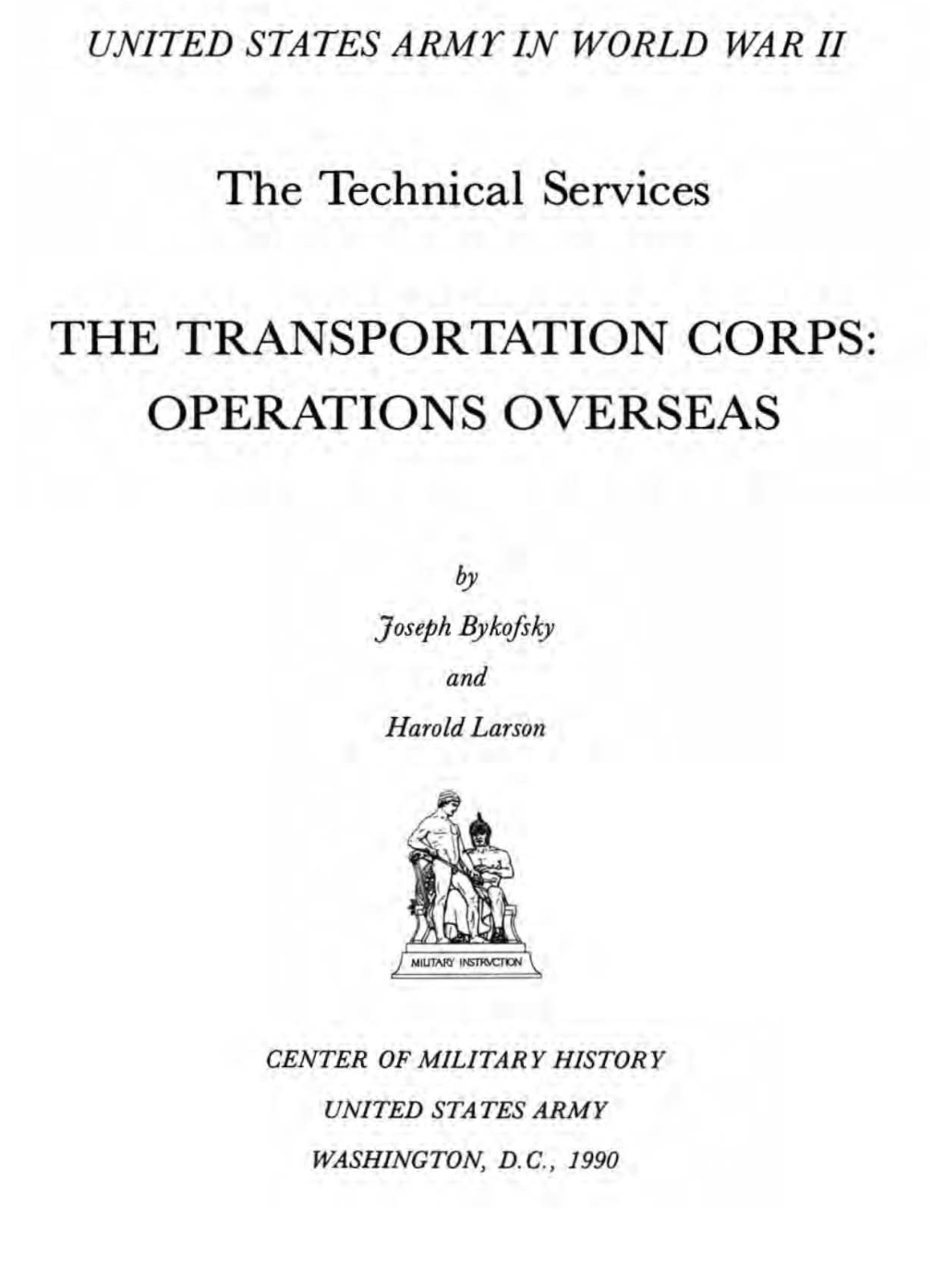
Transportation Corps WW2 Overseas – History of the Transporation Corps.

Home Away From Home: The Story of the USO – The history of the USO organization. Published in 1946

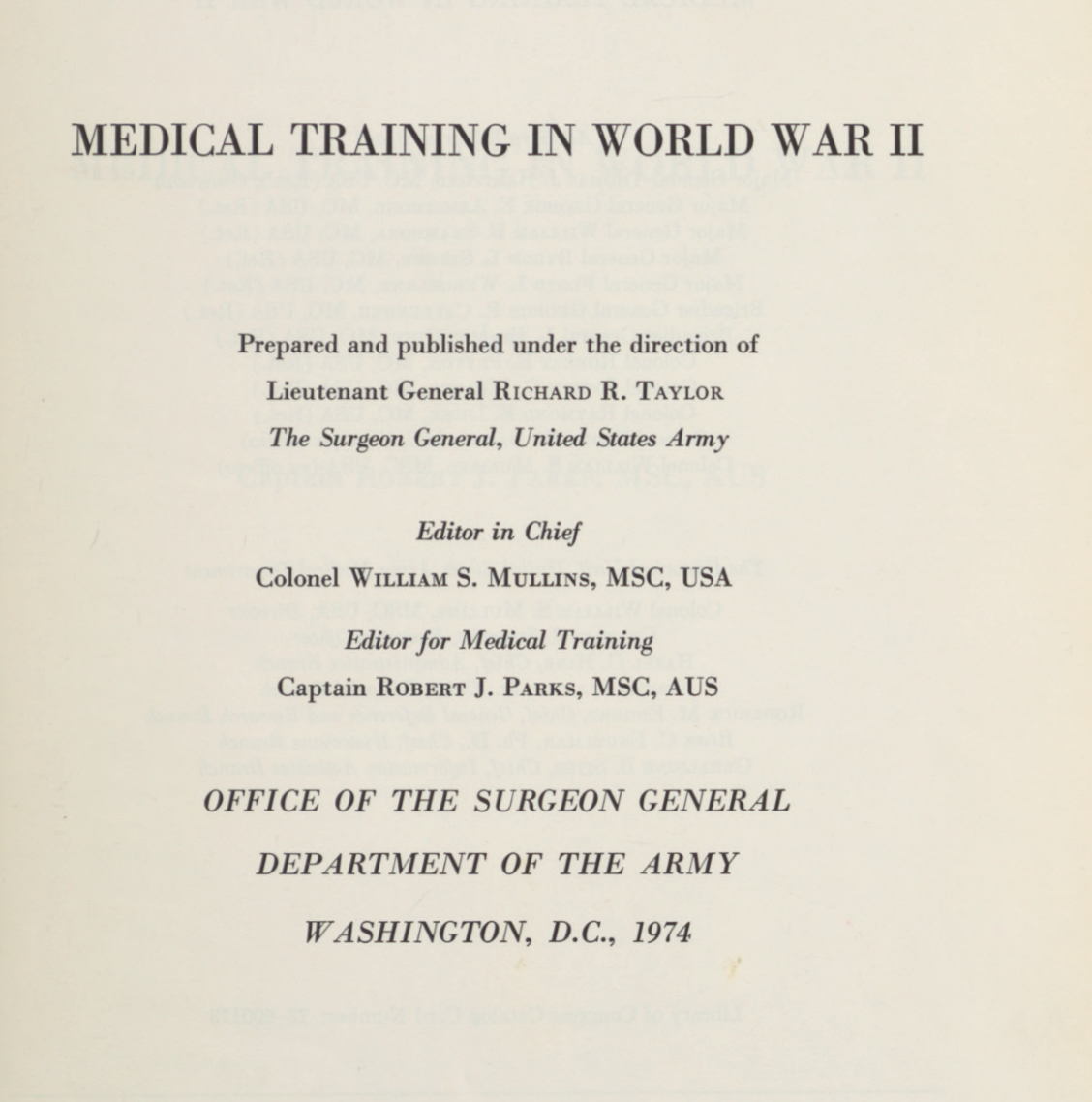
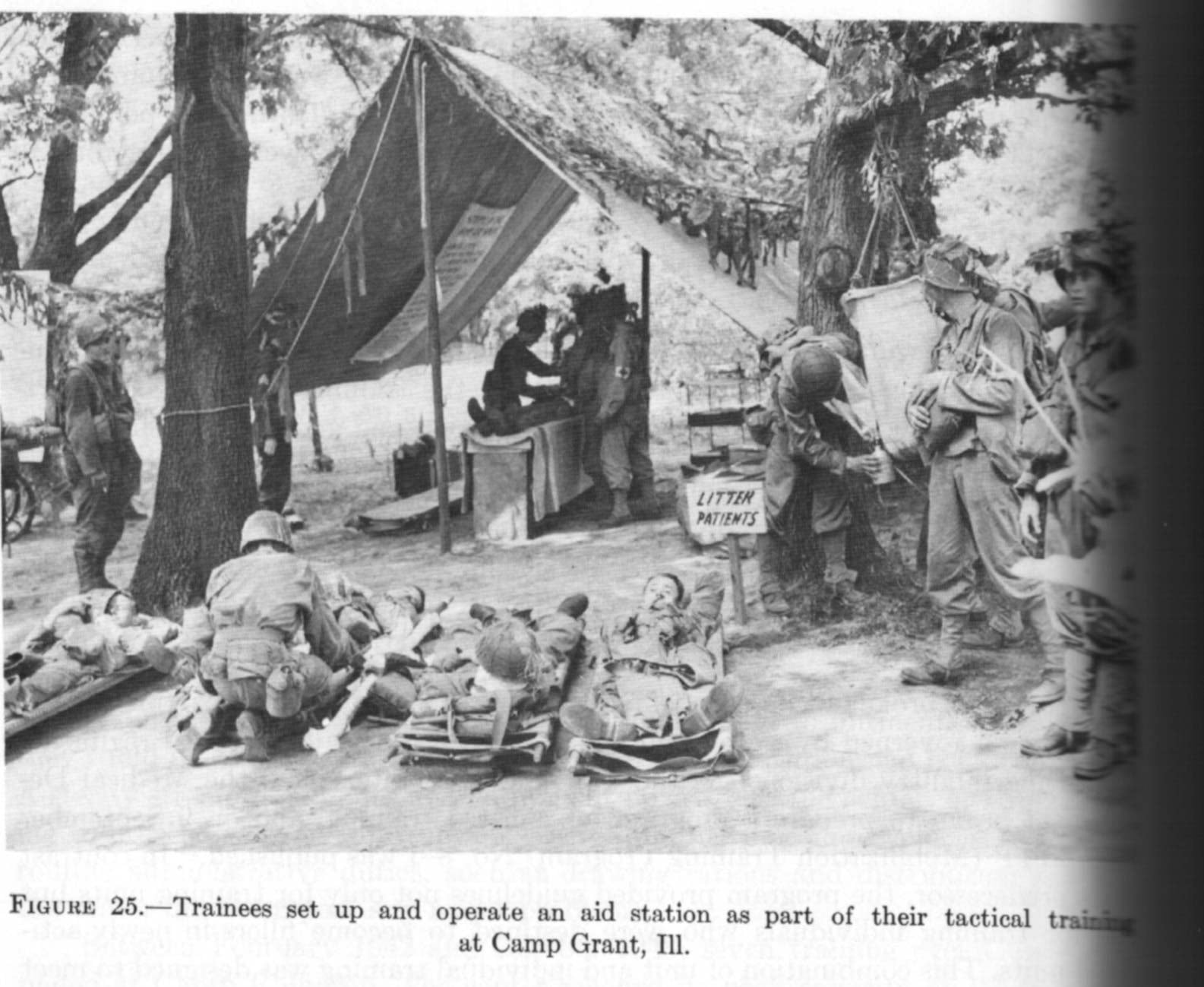
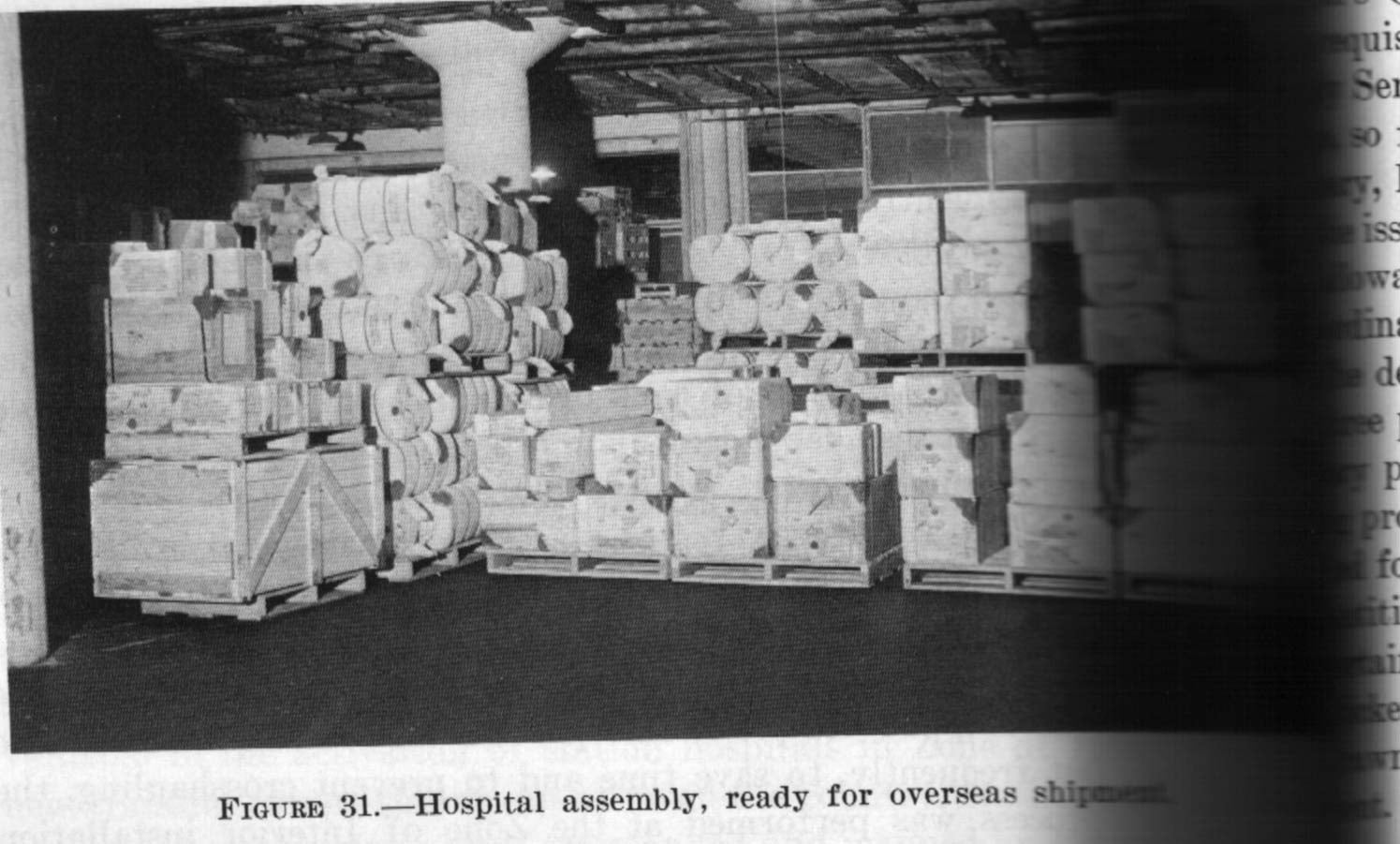
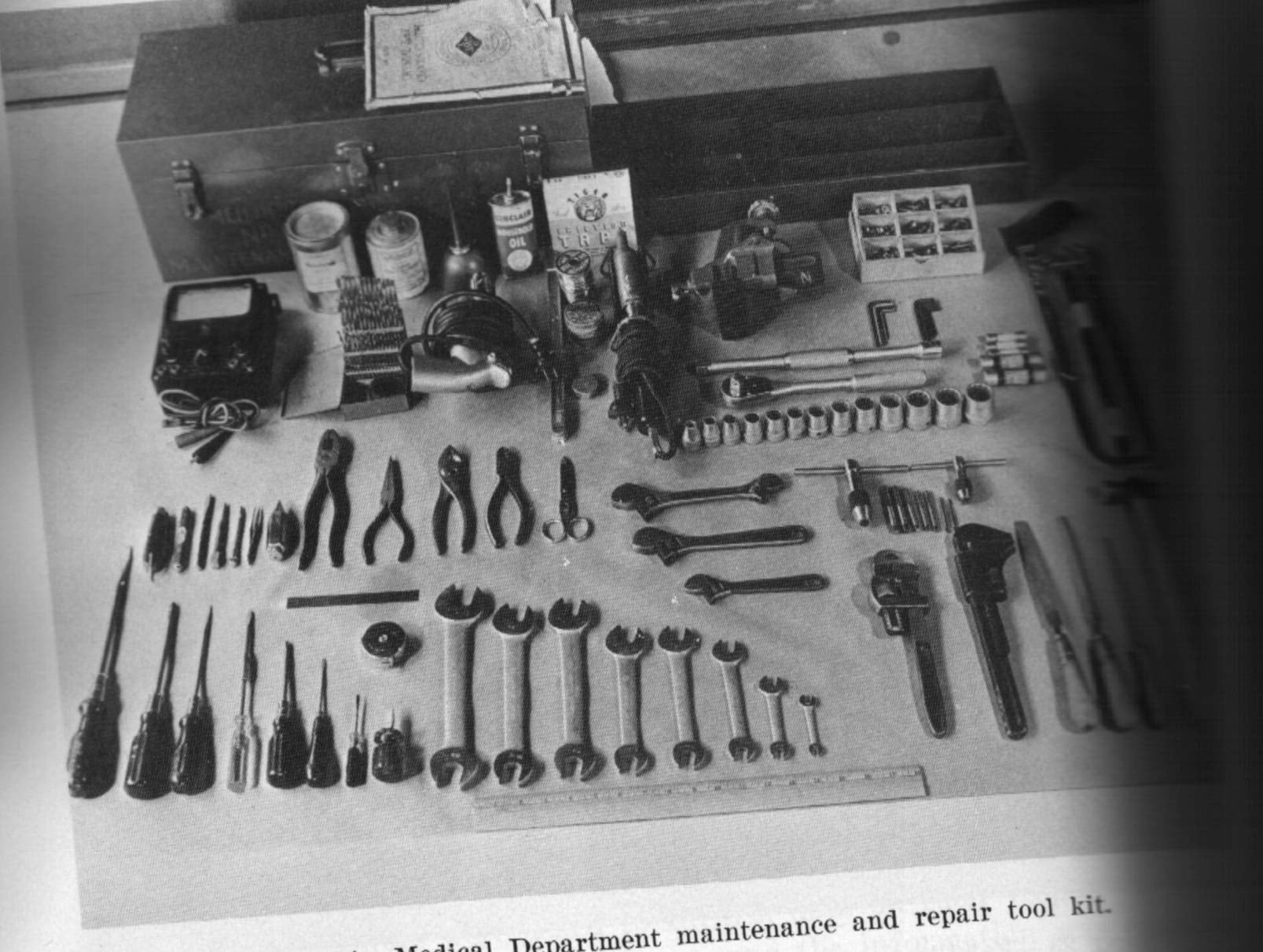
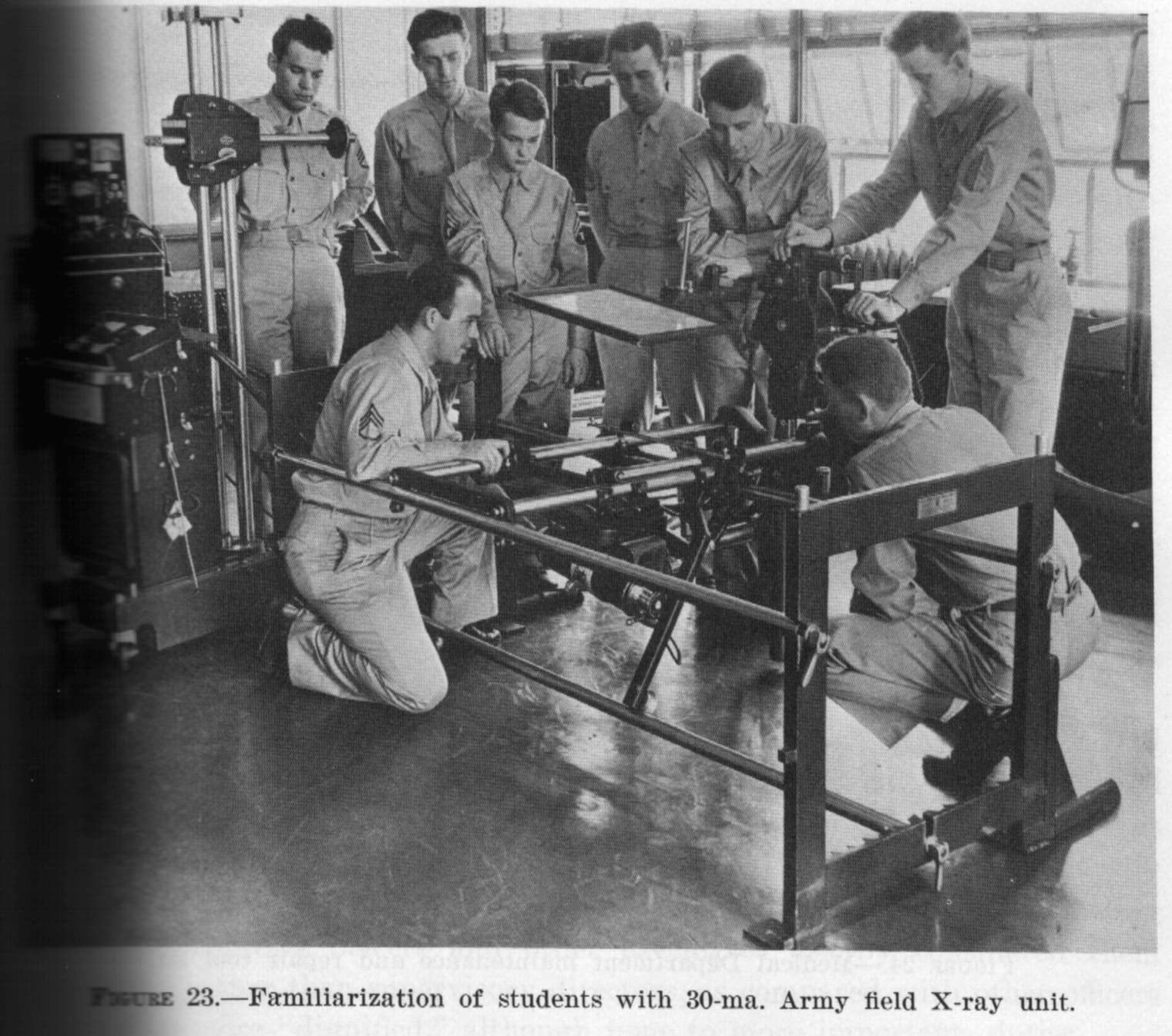
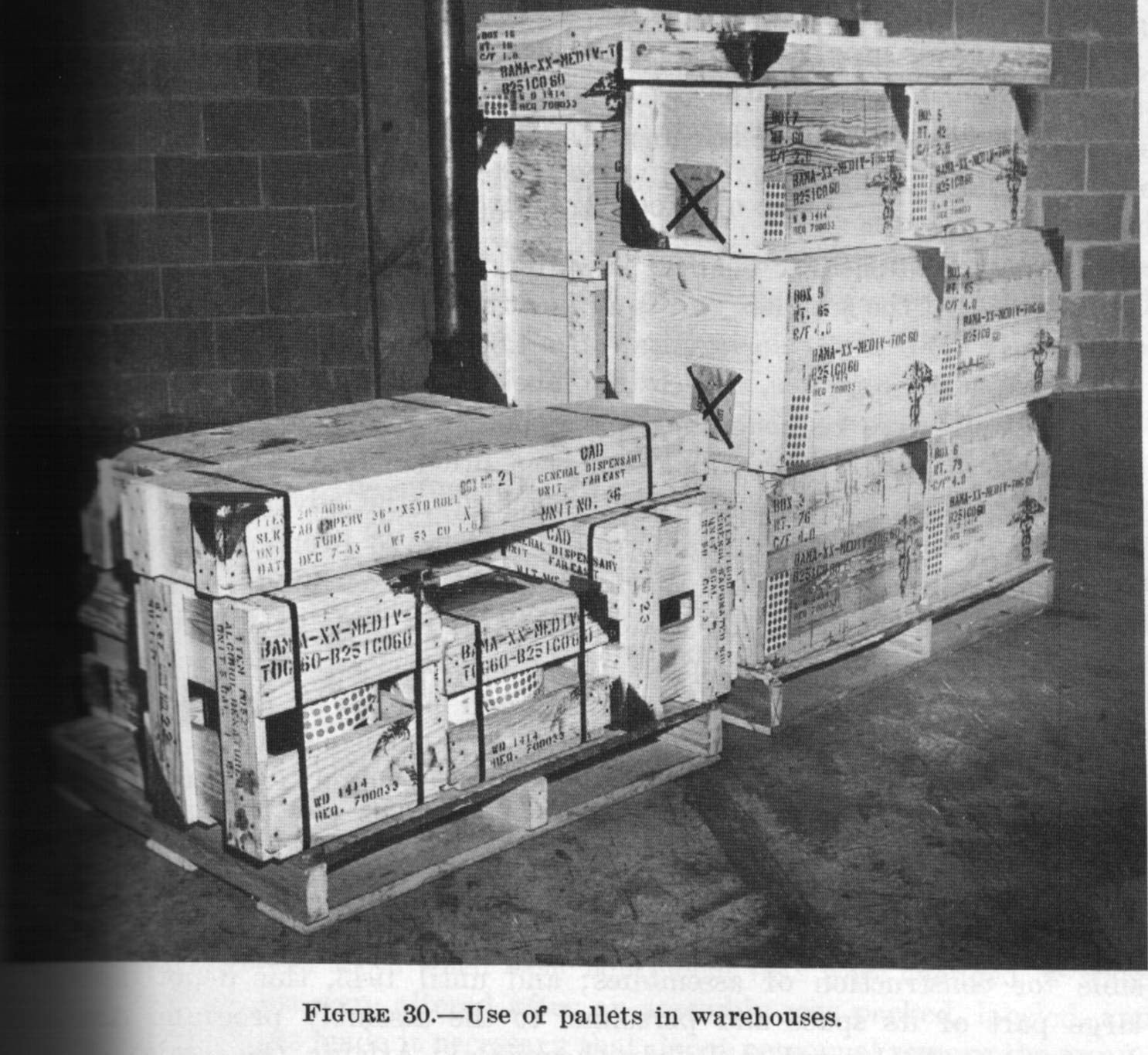
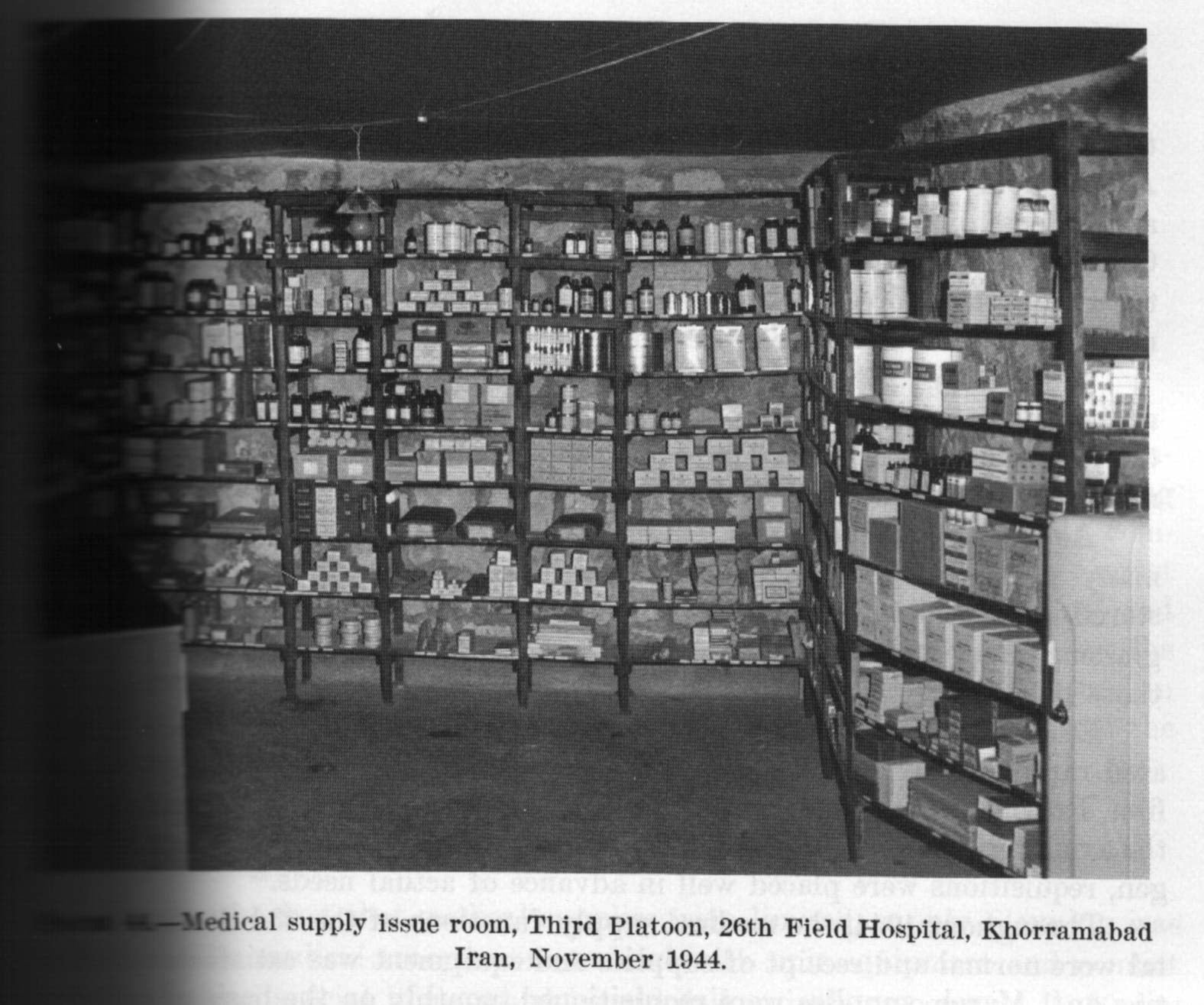
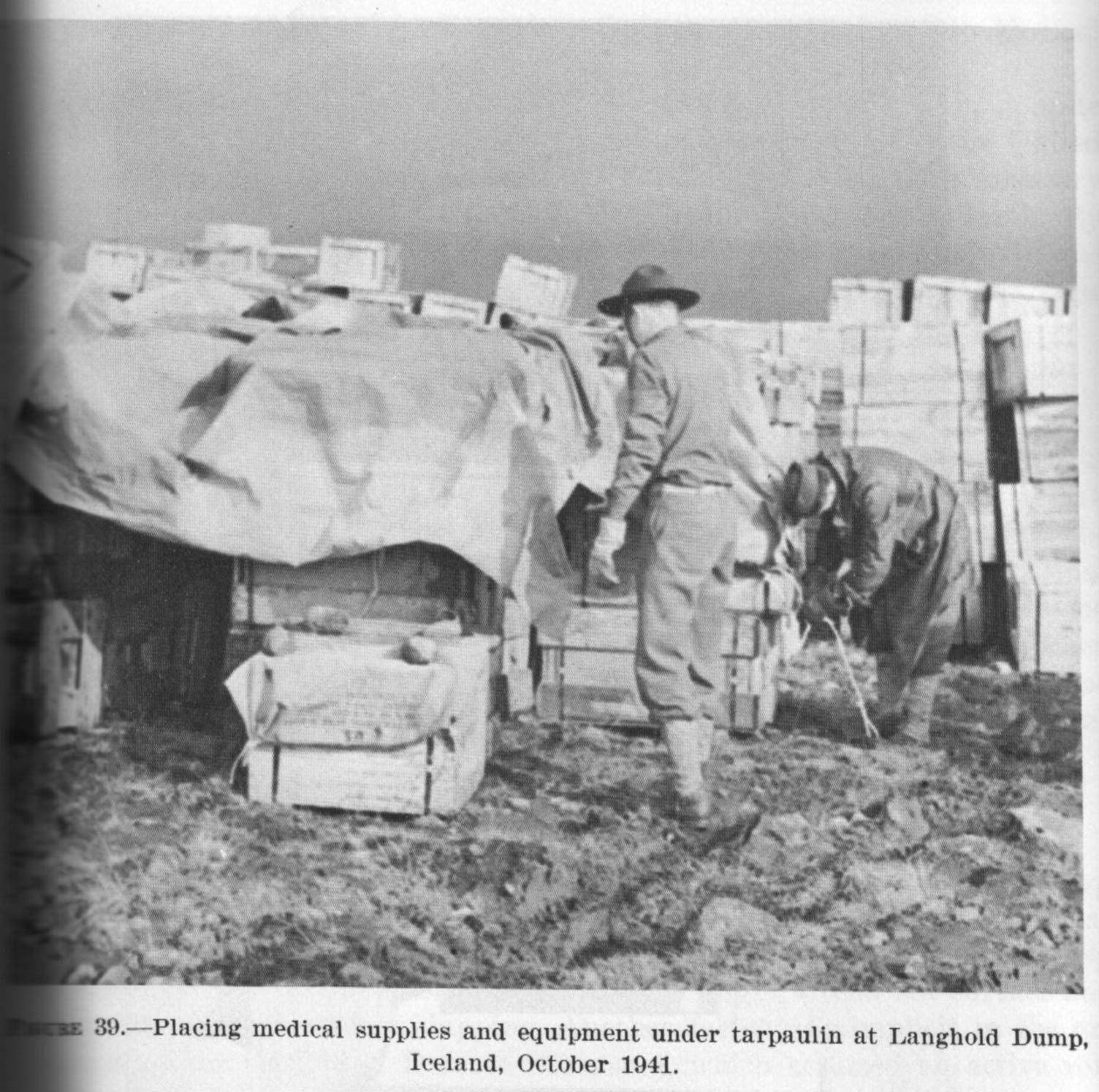
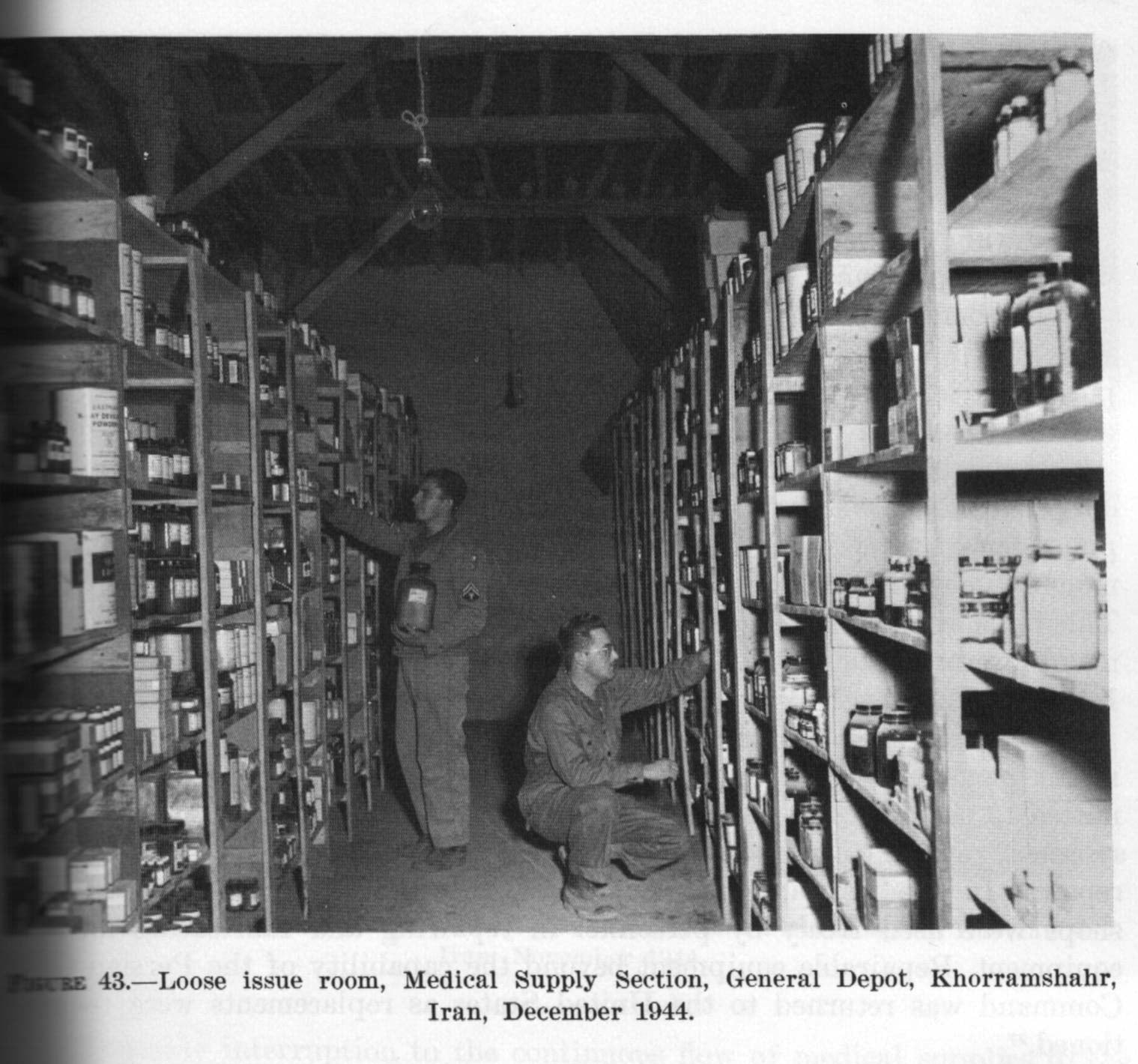
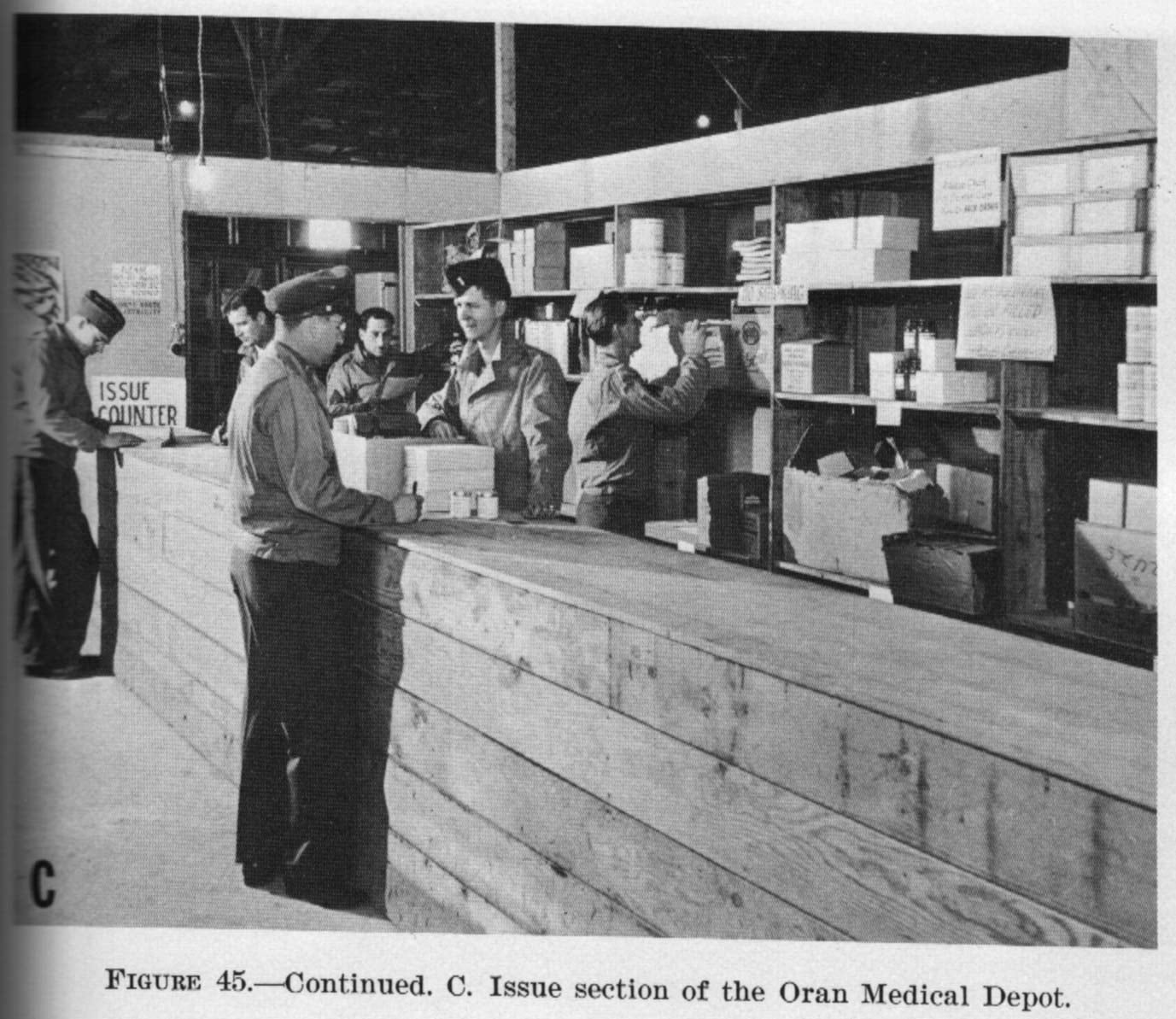
United States Army Medical Department: Medical Supply in WW2, 1968 – You can download the full report from my Google Drive. It’s a great review of all aspects of supplying the medical department in different areas of operations.

For example, regarding camouflage bandages in the Pacific. We started manufacturing them in Sept 1943 as white bandages attracted snipers. By Nov 1943 13 million dyed bandages were
delivered. They came in an adhesive compress, 2-inch, 4-inch gauze bandages, compressed
bandages, small and large first aid dressings, first aid packets and triangular bandages. They were supplied either in field brown or in OD No. 7. (page 65)

See Spectacles and Glasses in WW2 for an analysis.

Engineer Distinctive Insignia Vol 1 Part 1 1-426 by American Society of Military Insignia Collectors Dec 1996 – A detailed description of the different kinds of engineer insignia

The Home Front

The American Home Front: A Review by Tim O’Neill– A cultural review of the home front before the war and during. Includes political life, The Depression, travel, towns and cities, amusement, people, and trivia. I’m unsure of the credentials of Tom, but it seems to be a good intro primer. See also: Who were you before the war, which helps set up a persona.

Posted on

WW2 Reenacting Table of Organization and Equipment

A green army table showing some paperwork with a listing of equipment

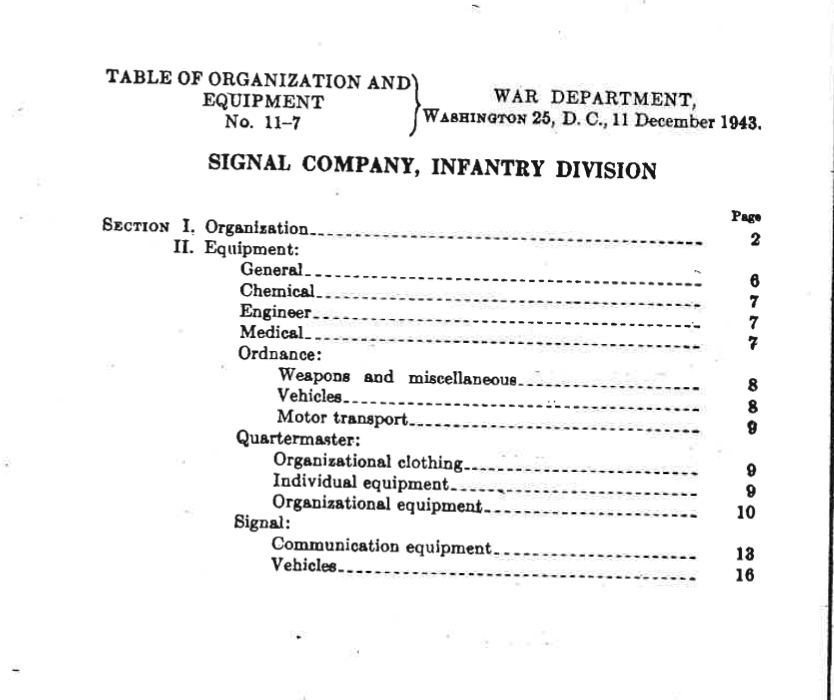
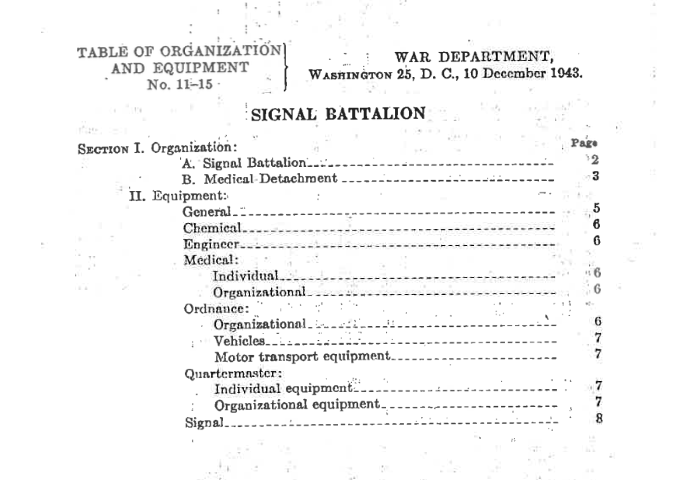
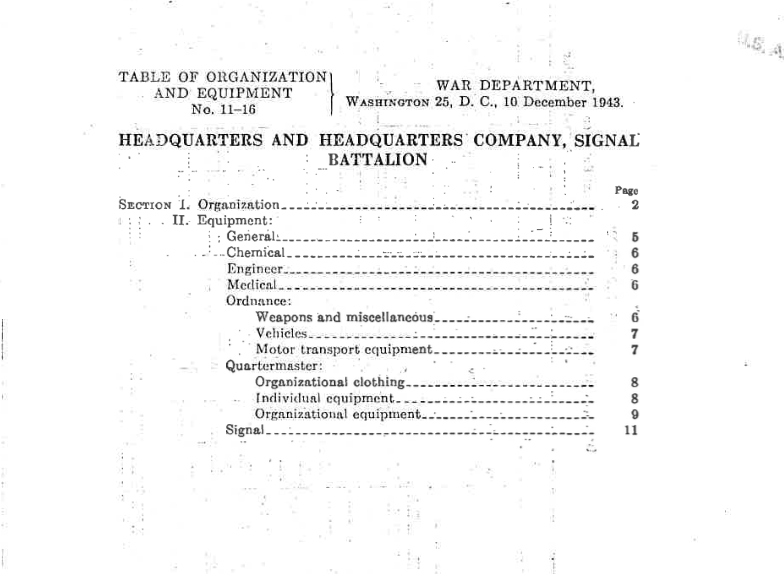
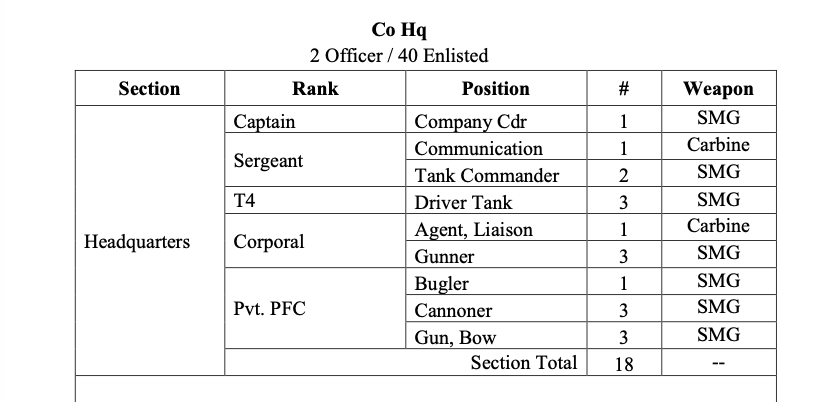
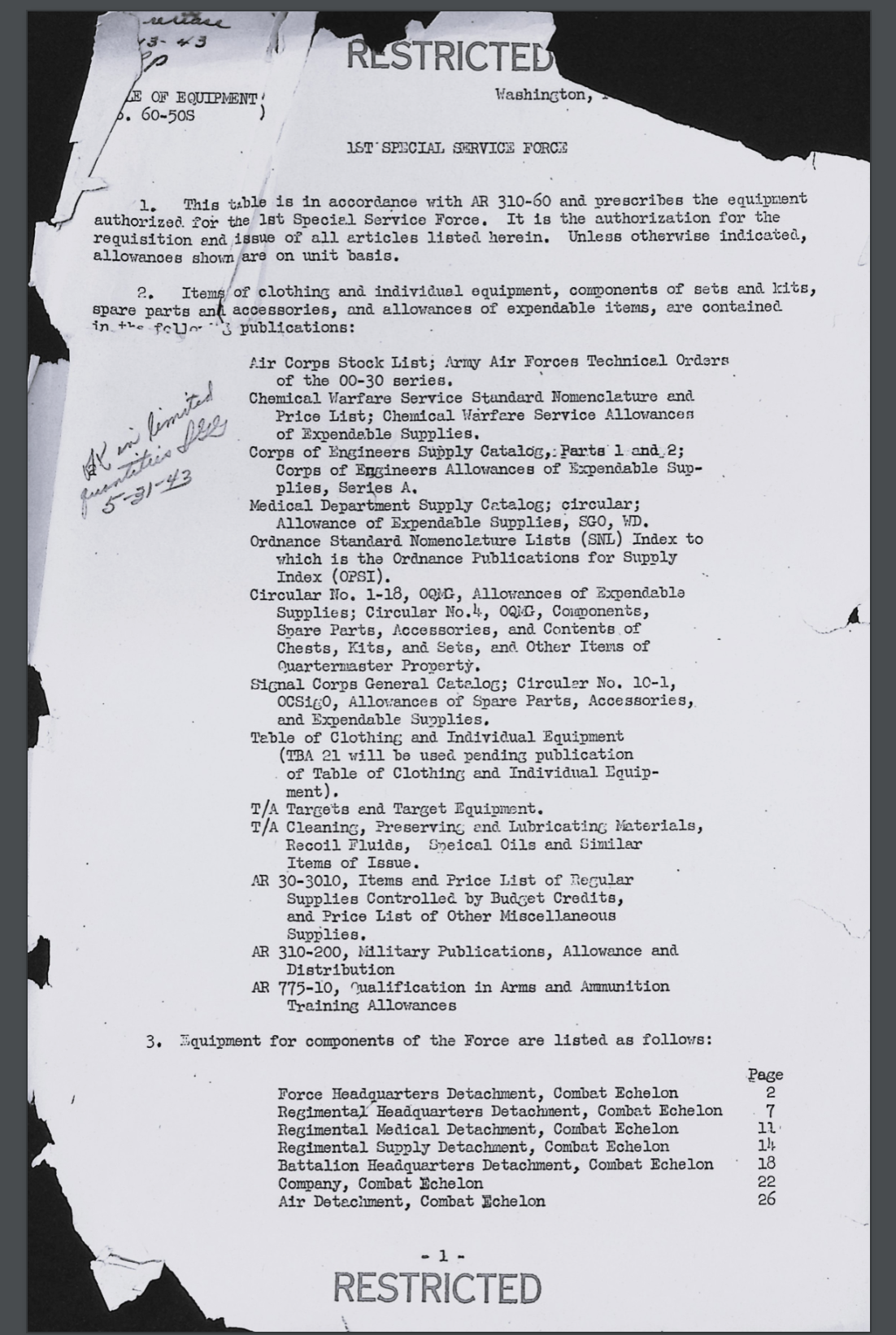
Below are some Tables of organization and Equipment that outline the personnel, equipment, and organization of various types of units. For reenacting purposes, it’s doubtful you’ll ever have this all (and it’s doubtful in WW2 the units in question ever did), but it’s a general guideline on what to aim for.

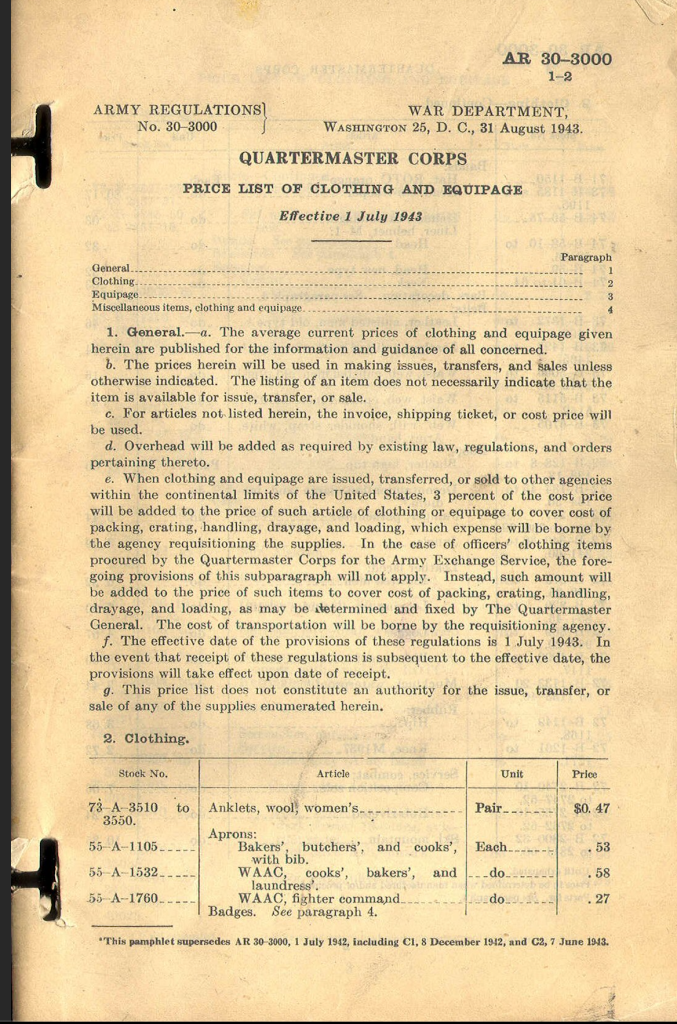
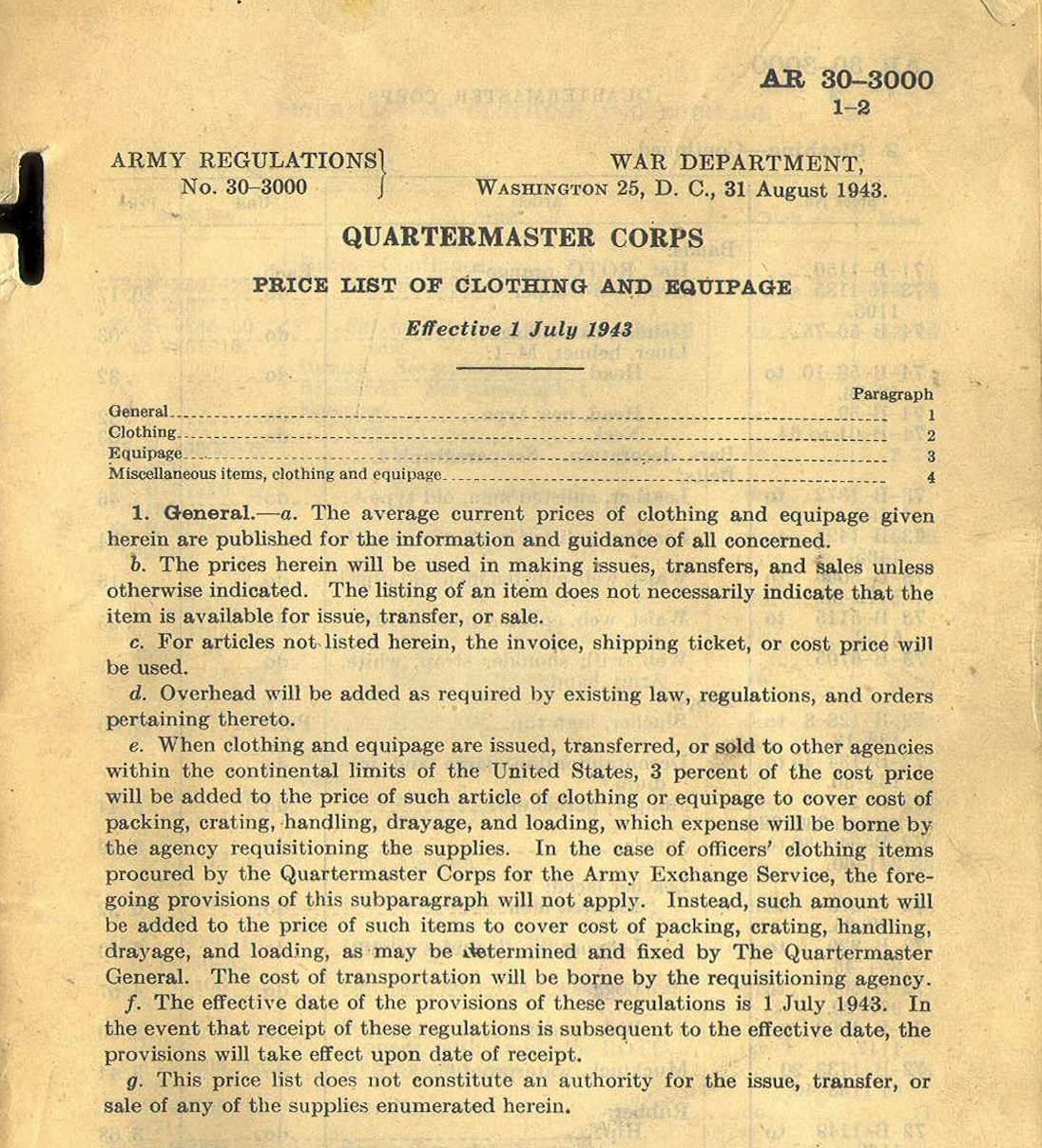
Army Regulations AR 30-3000 Price List of Clothing and Equipage July 1943 – This is a price list of all the clothing available. Zip file.

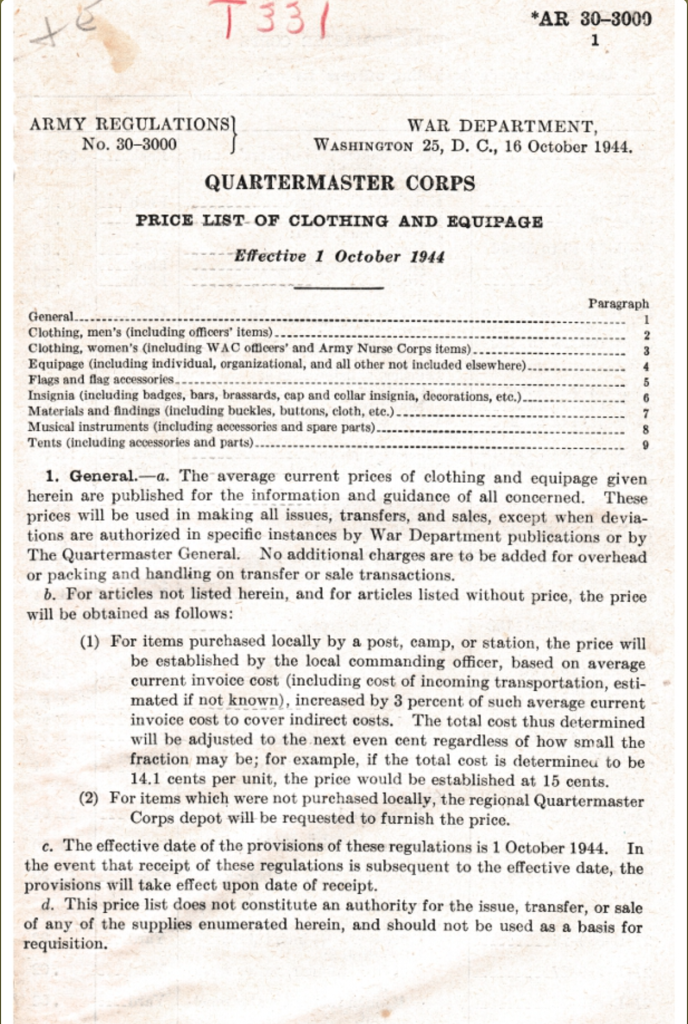
The Oct 1944 version of AR-30-3000 is also available as a link to US WW2 Uniforms.

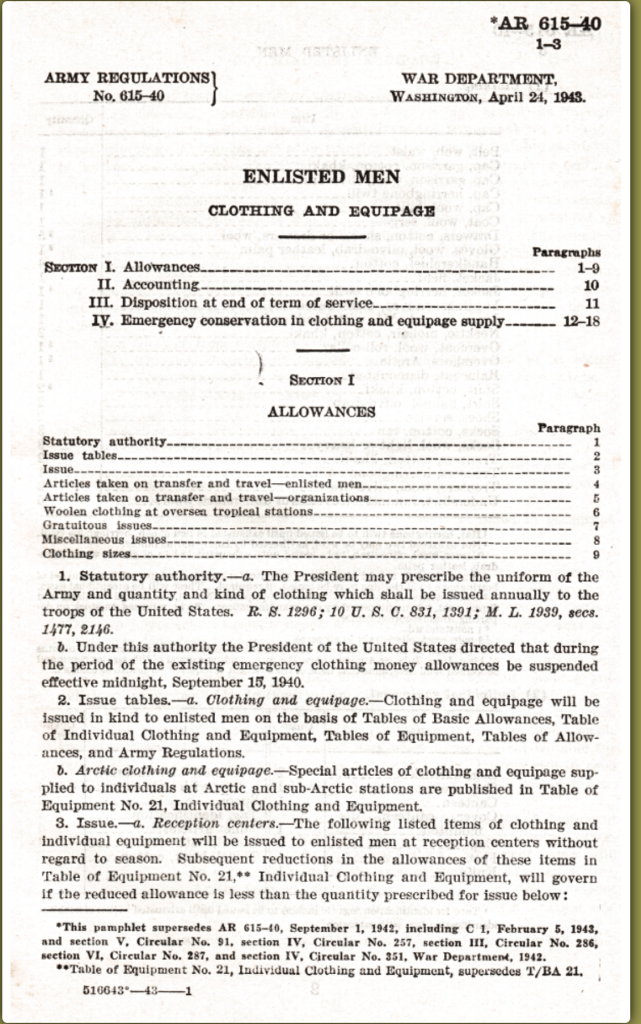
Army Regulations AR 615-40 Enlisted Men Clothing and Equipage Allowances April 1943 – Link to US WW2 Uniforms that lets you scroll through the regulation.

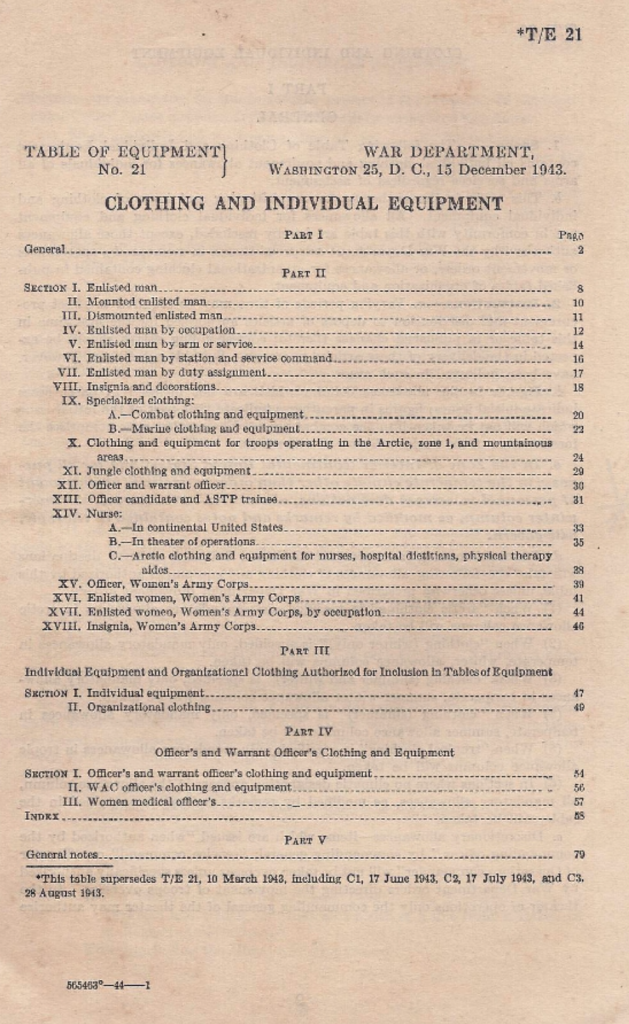
US Army Table of Equipment No 21 Dated 15 December 1943 – Link to US WW2 Uniforms that lets you scroll through the regulation.

Infantry

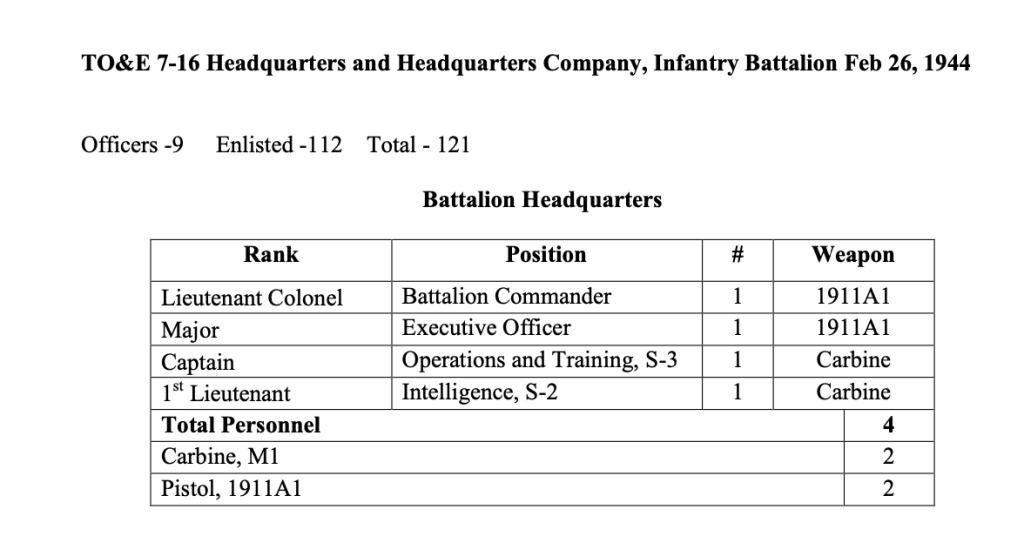
TO&E 7-16 Headquarters and Headquarters Company Infantry Battalion Feb 26 1944 – A table of organization and equipment for a Battalion. Outlines who has what equipment in what part of the battalion and how much. Looks to be a clean-up copy of original source material.

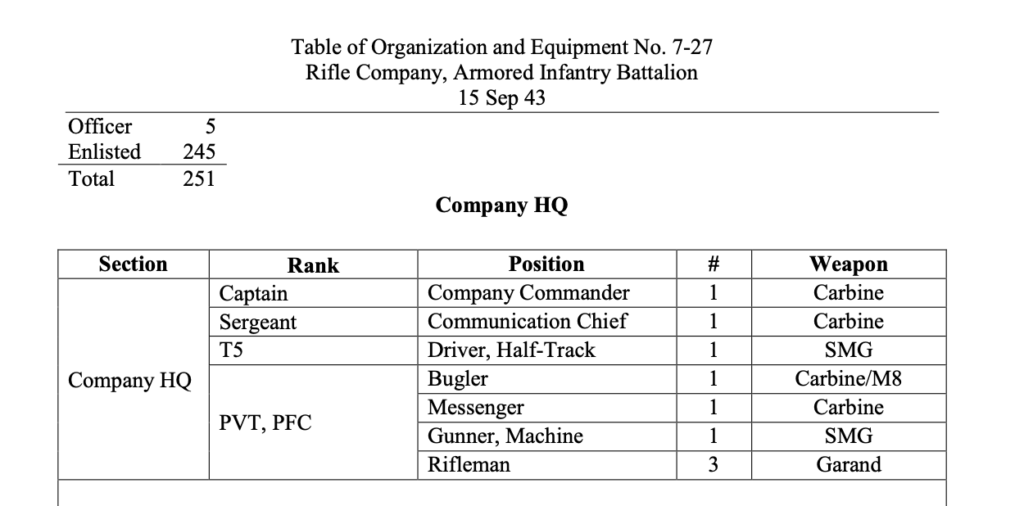
TO&E 7-17 Infantry Rifle Company Feb 26th 1944 – A table of organization and equipment for a rifle company. Outlines who has what equipment in what part of the battalion and how much. To download the original source, use this link

Infantry Parachute

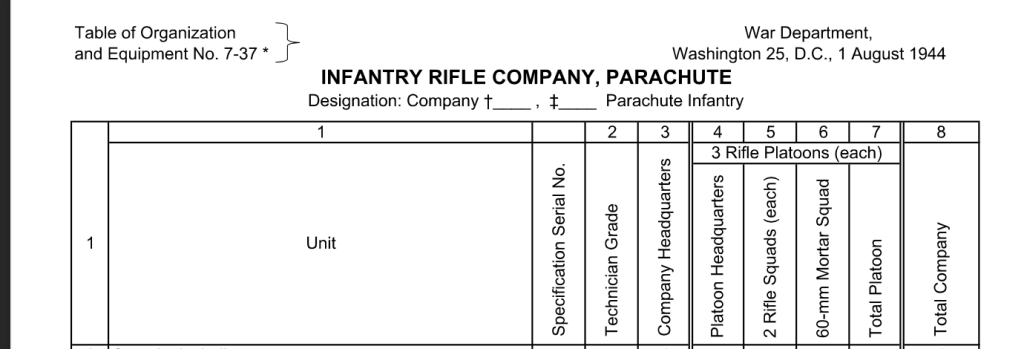
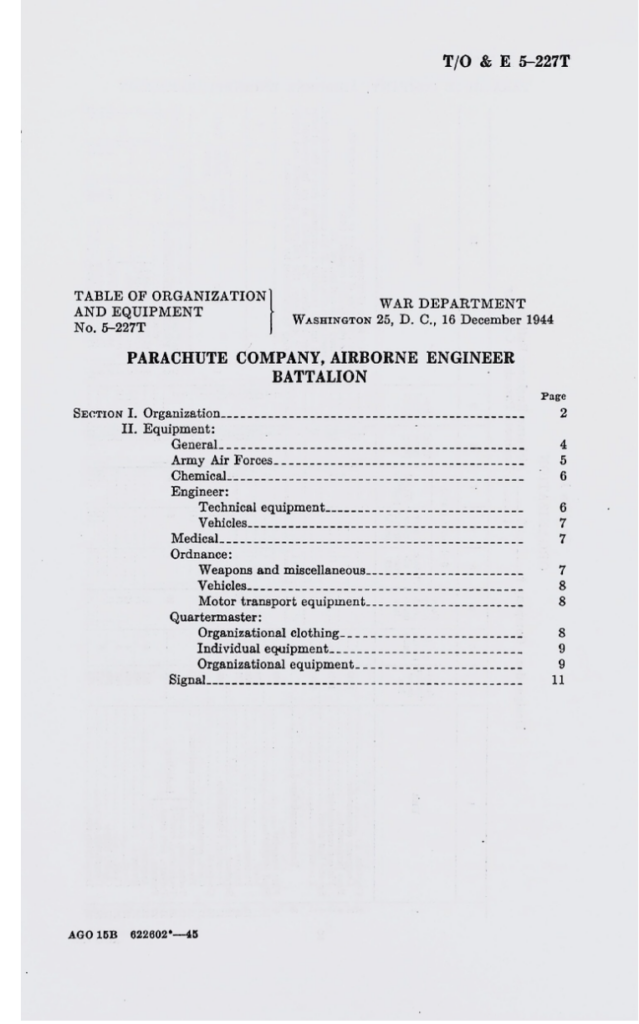
TO&E 7-37 Infantry Rifle Company Parachute – Aug 1st, 1944. A Table of Organization and Equipment for what a rifle company should have in terms of manpower and items. This replaces the 7-37 from Feb 1942.

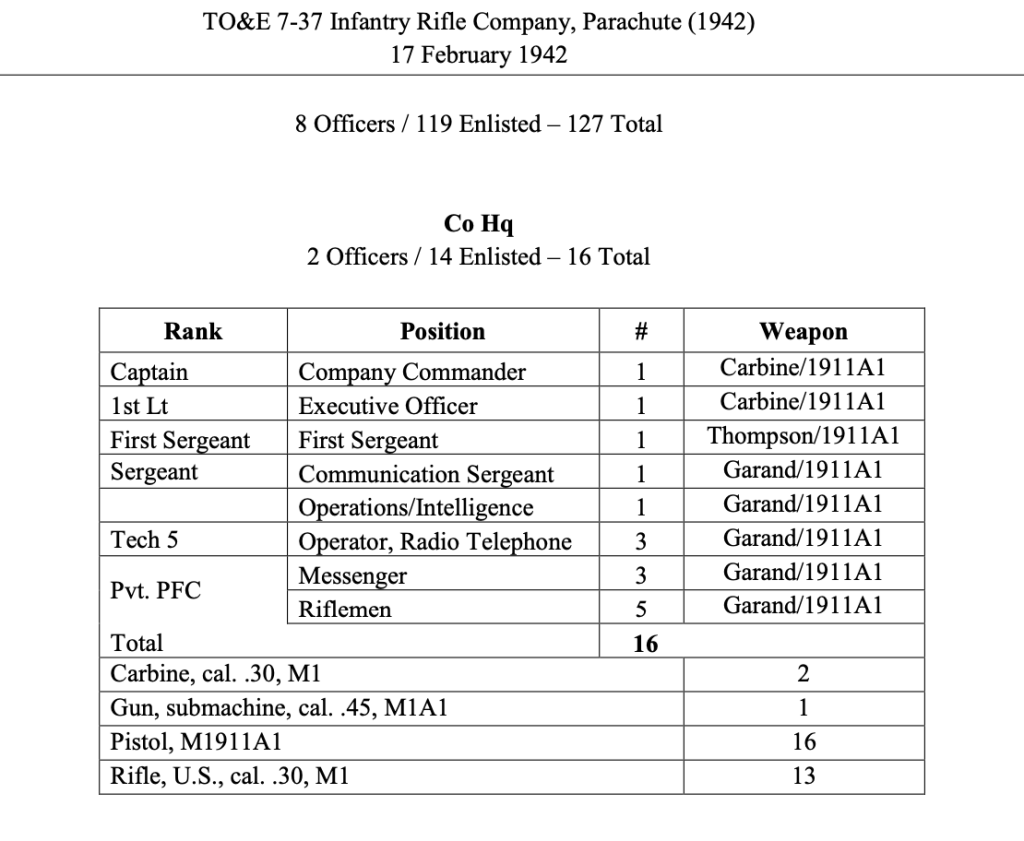
TO&E 7-37 Infantry Rifle Company Parachute -17 Feb 1942. A Table of Organization and Equipment for what a rifle company should have in terms of manpower and items. This is a cleaned-up copy of the source material.

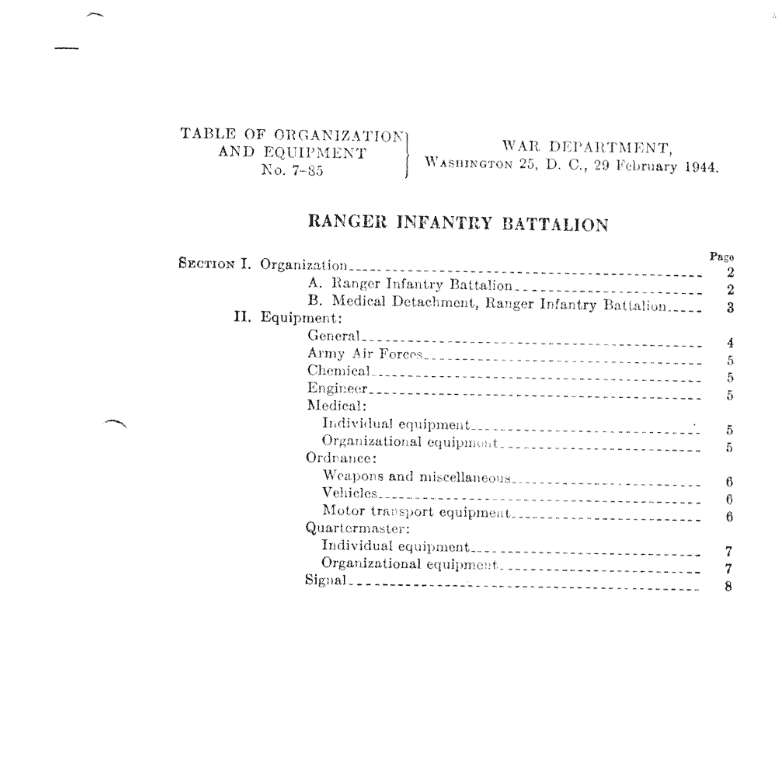
TO&E 7-85 Ranger Infantry Battalion Feb 1944 – Lists out personnel and equipment for the Ranger Battalion.

Engineers

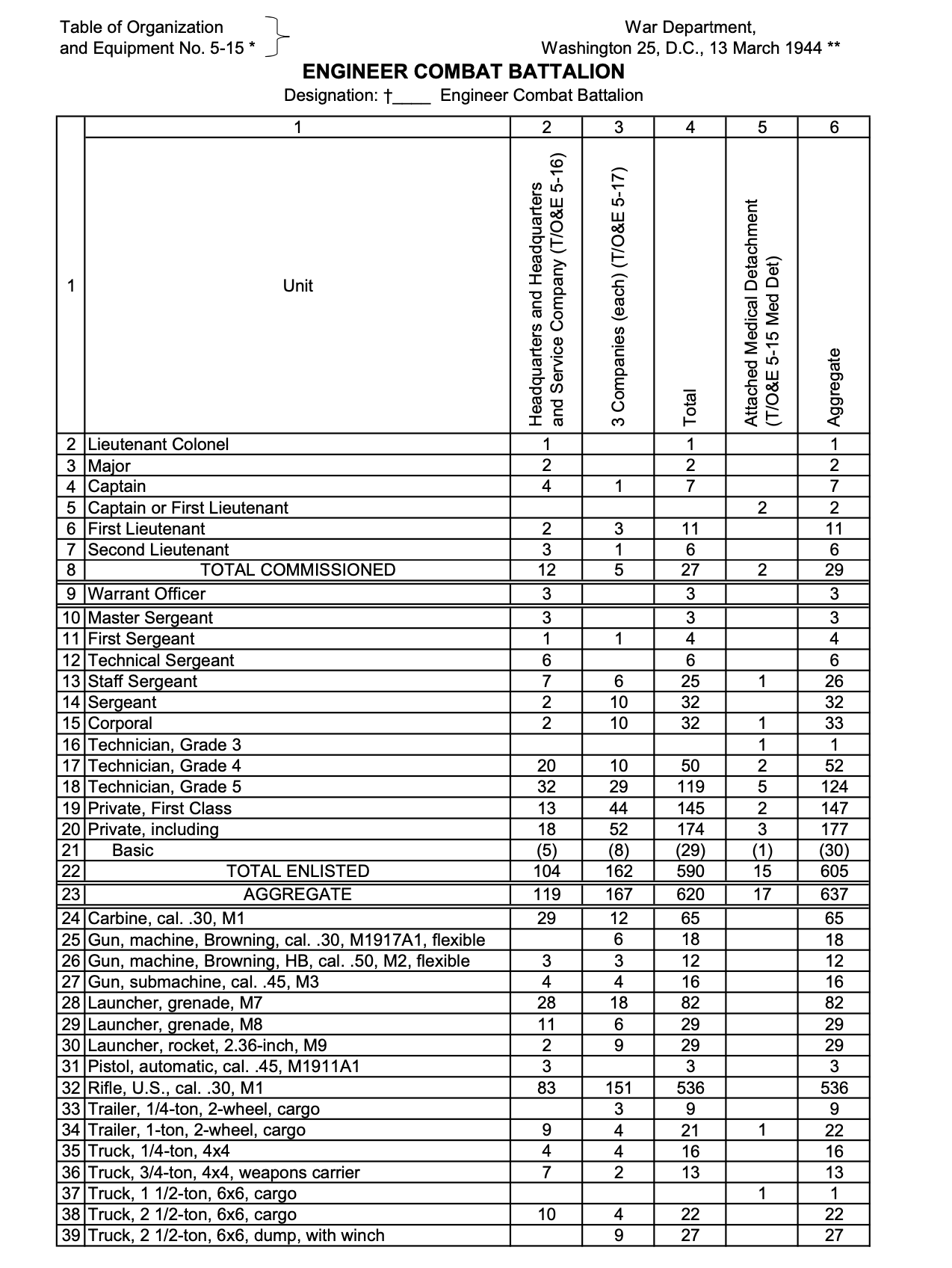
TO&E 5-15 Engineer Combat Battalion March 13th, 1944 | This is a cleaned-up copy of the equipment and personnel the battalion had.

Military Police

TO&E 19-55 MP Battalion 1945 – A Table of Organization and Equipment for what a Military Police Battalion should have in terms of manpower and items.

Signal Corps Units Table of Equipment and Organization

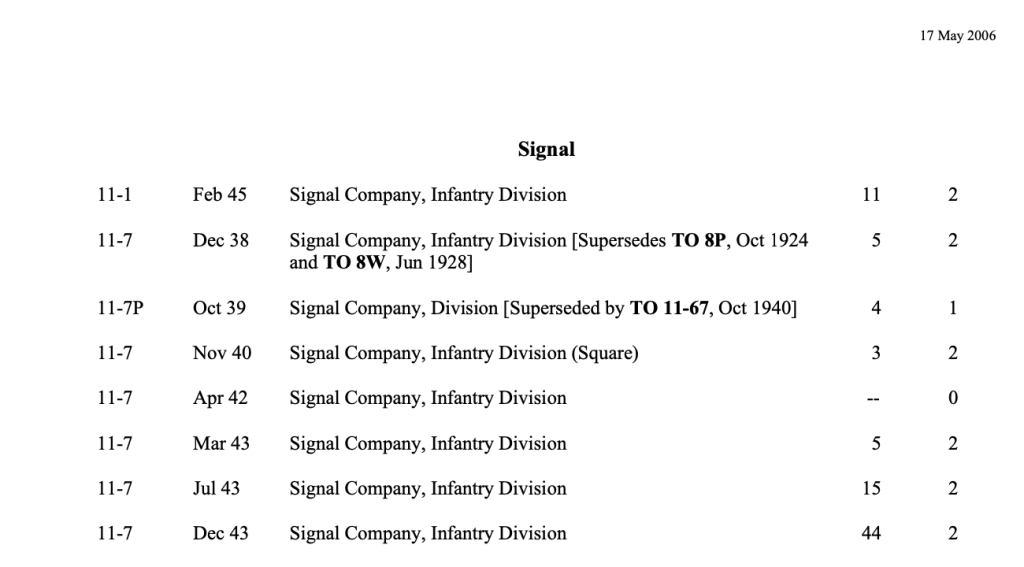
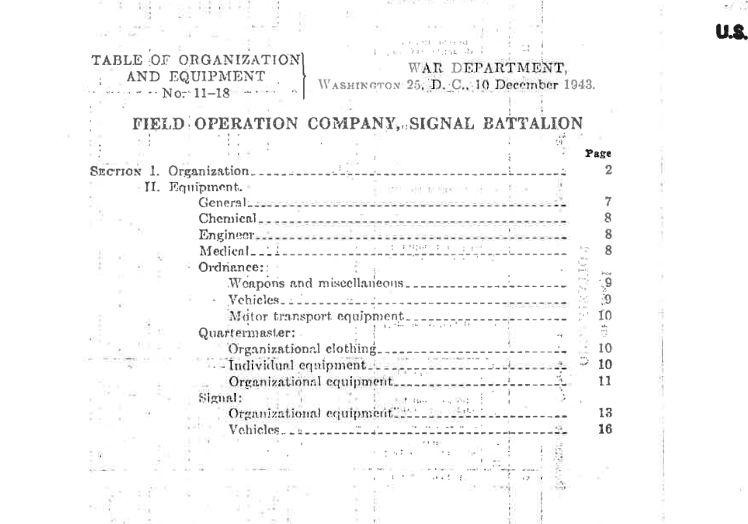
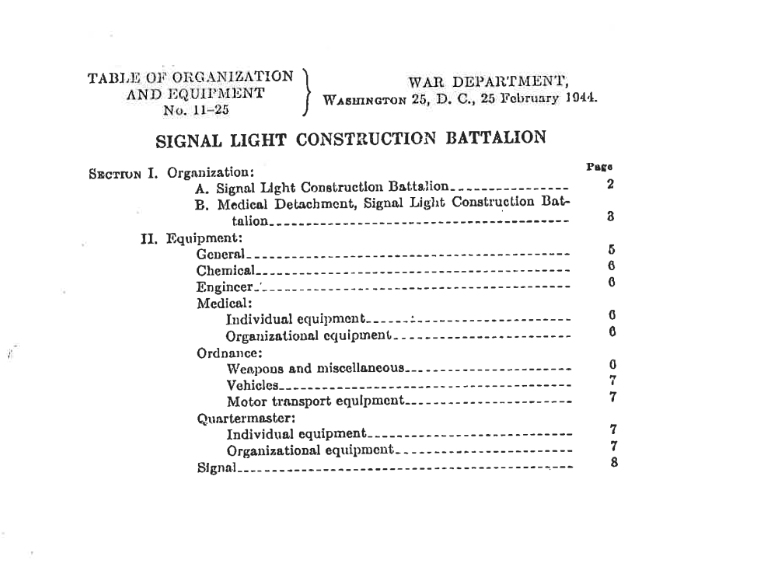
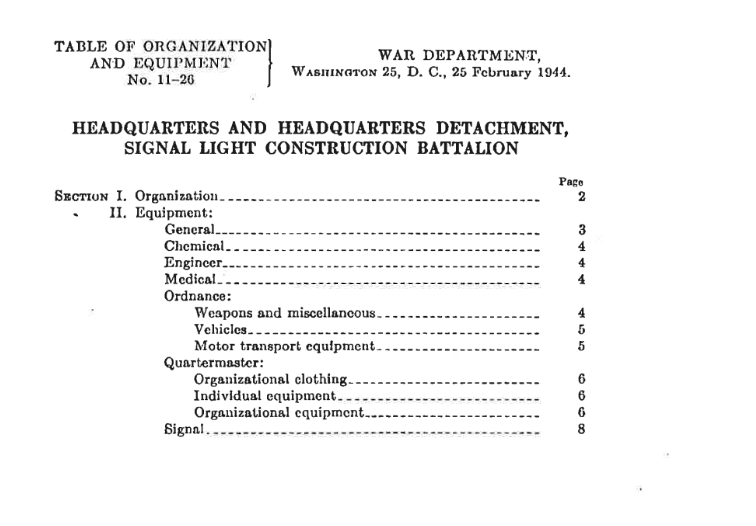
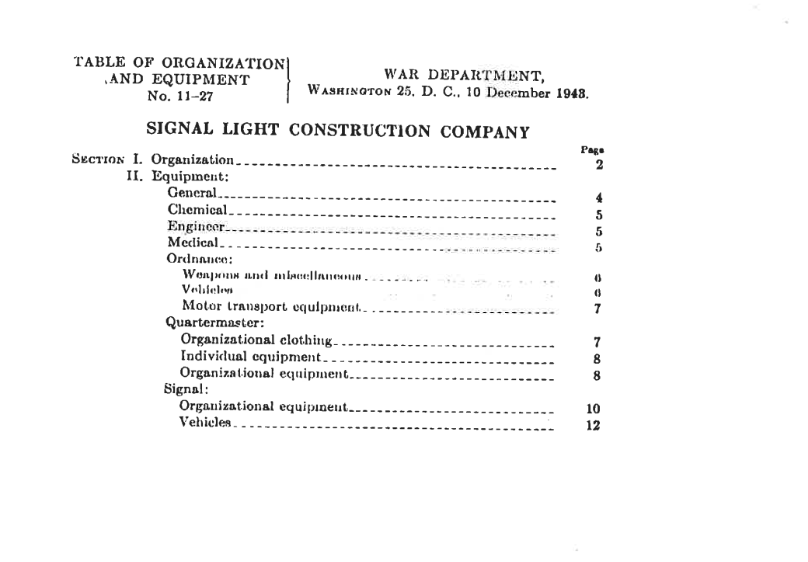
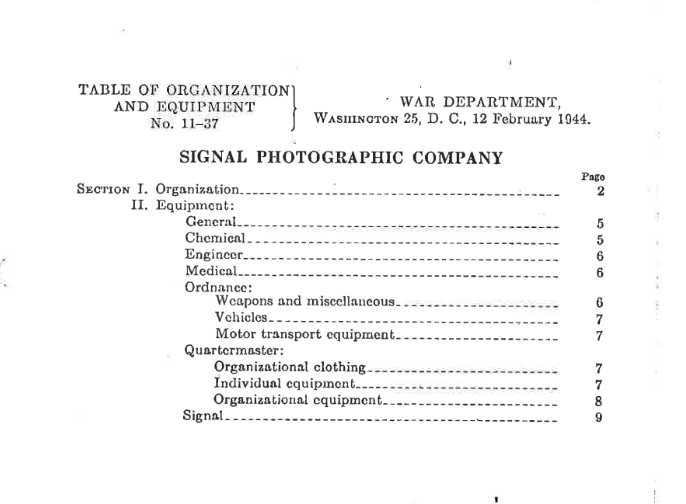
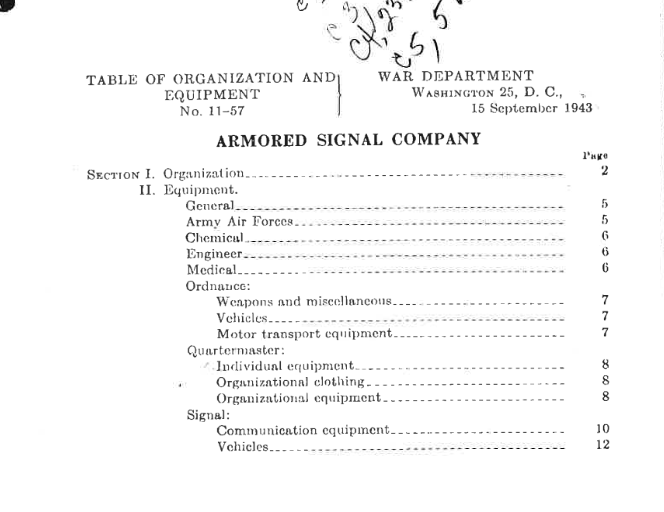
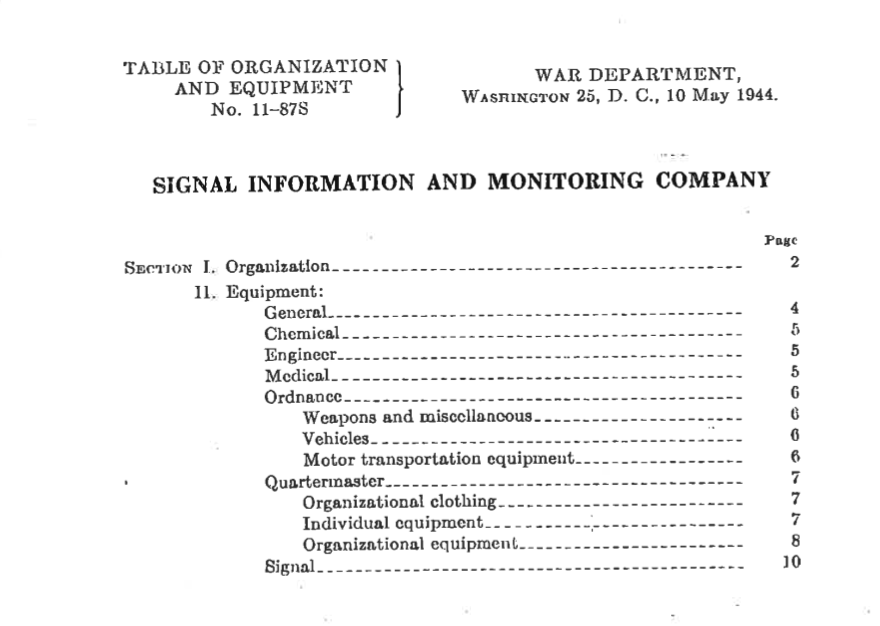
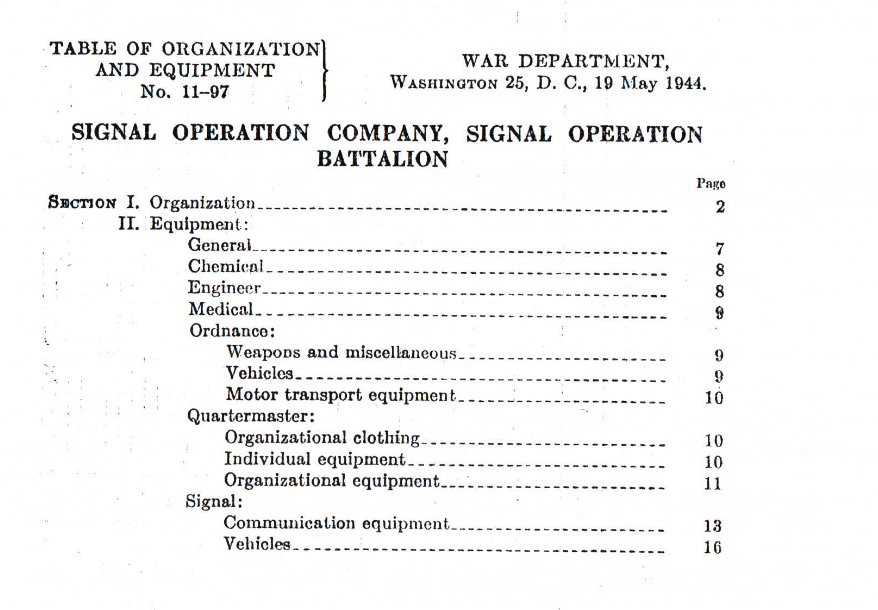
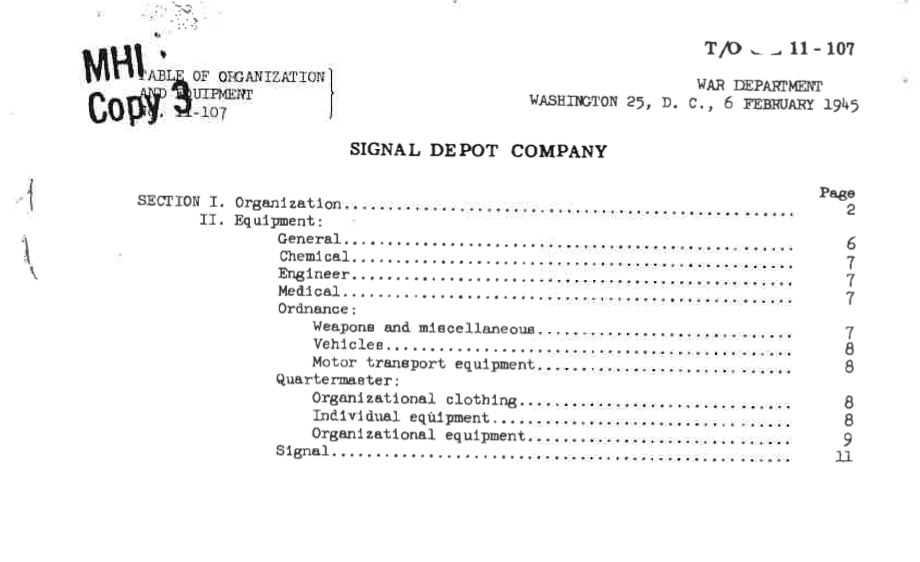
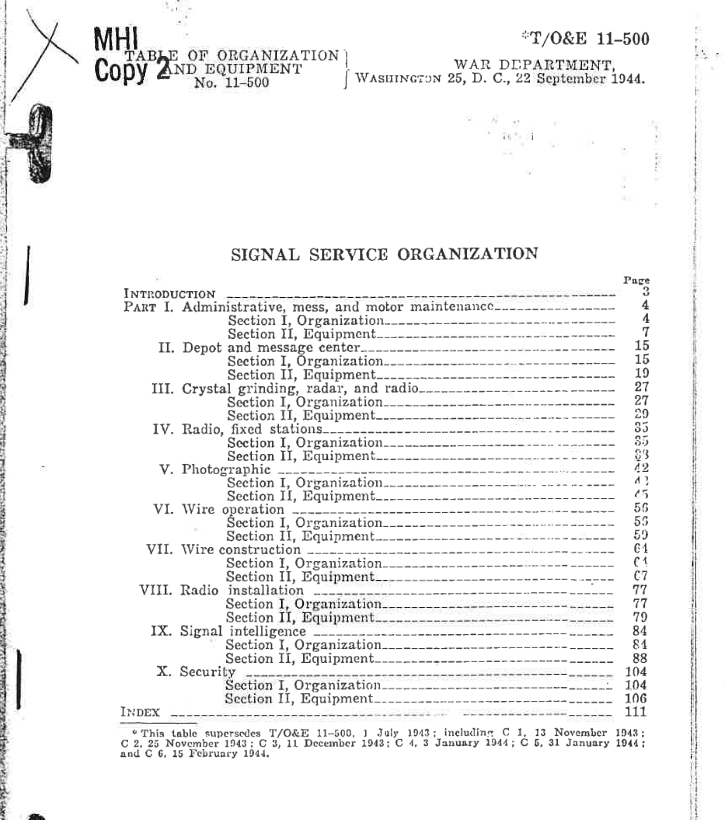
List of TOEs for Signal Corps Units – A list of all the TOE guides for signal corps units. Missing the following:

11-1027 Signal Detachment, Headquarters Ship
11-1050 Film Library Organization
11-1095 Army Signal Battalion, Special
11-1096 Headquarters and Headquarters Company, Army Signal Battalion, Special
11-1097 Wire Operation Company, Army Signal Battalion, Special
11-1098 Signal Construction Company, Army Signal Battalion, Special

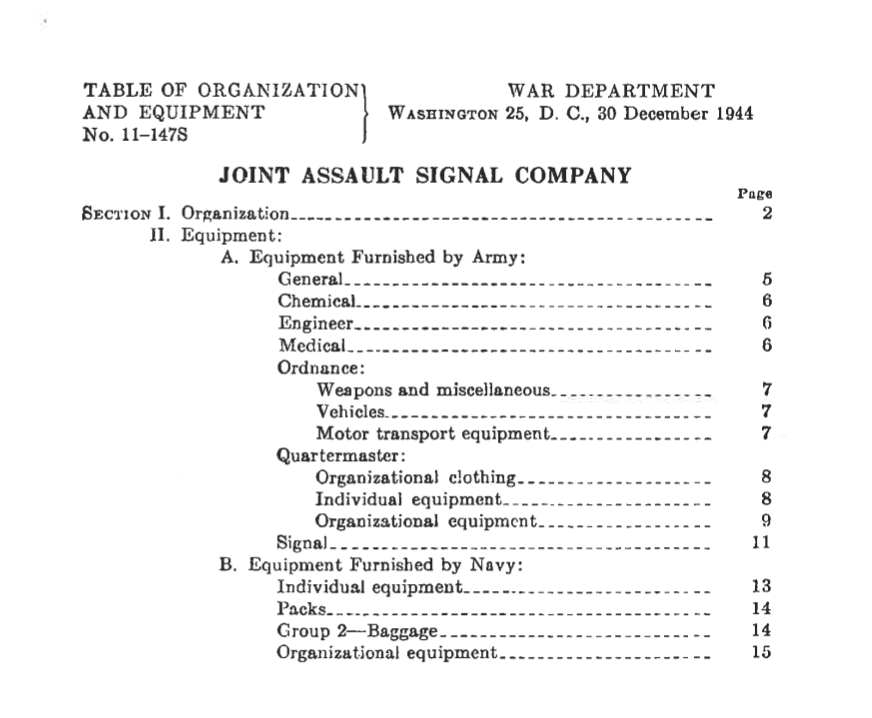
TOE 11-147S Joint Assault Signal Company 12-30-1944 – For an after-action report of the 593rd Joint Assault Signal Company which landed at Leyte Island on Oct 20th 1944 as part of the 96th Infantry Division read: 593rd Joint Assault Signal Company. It goes into detail about the problems it faced as well as the nitty-gritty of how the company was supposed to operate.

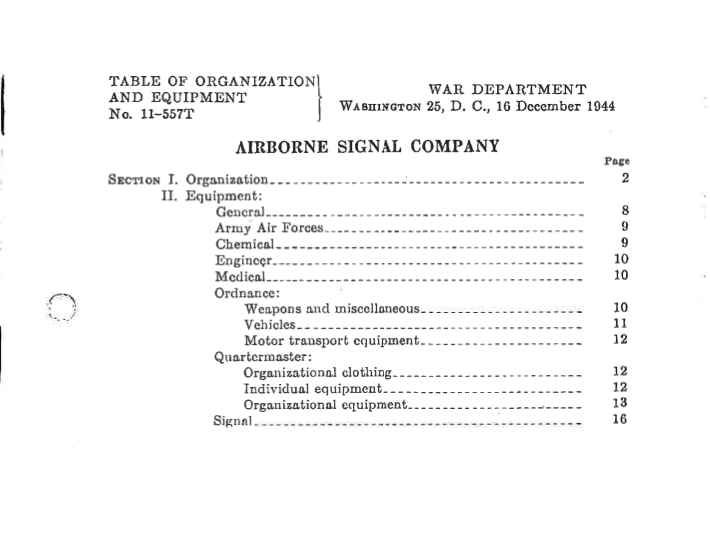
TOE 11-557T Airborne Signal Company Dec 16th 1944 with changes

For the signal items related to an Airborne Division, see: Principal Items of Signal Equipment, Airborne Division. This is just section 3 of the TO&E. I don’t have the full one.

Vehicles

Posted on

WW2 Reenacting Supply and Equipment Catalogs

This lists supply catalogs. Supply catalogs are books filled with descriptions and nomenclature of various items used by different branches.

Signal Corps and Radio and Telephone

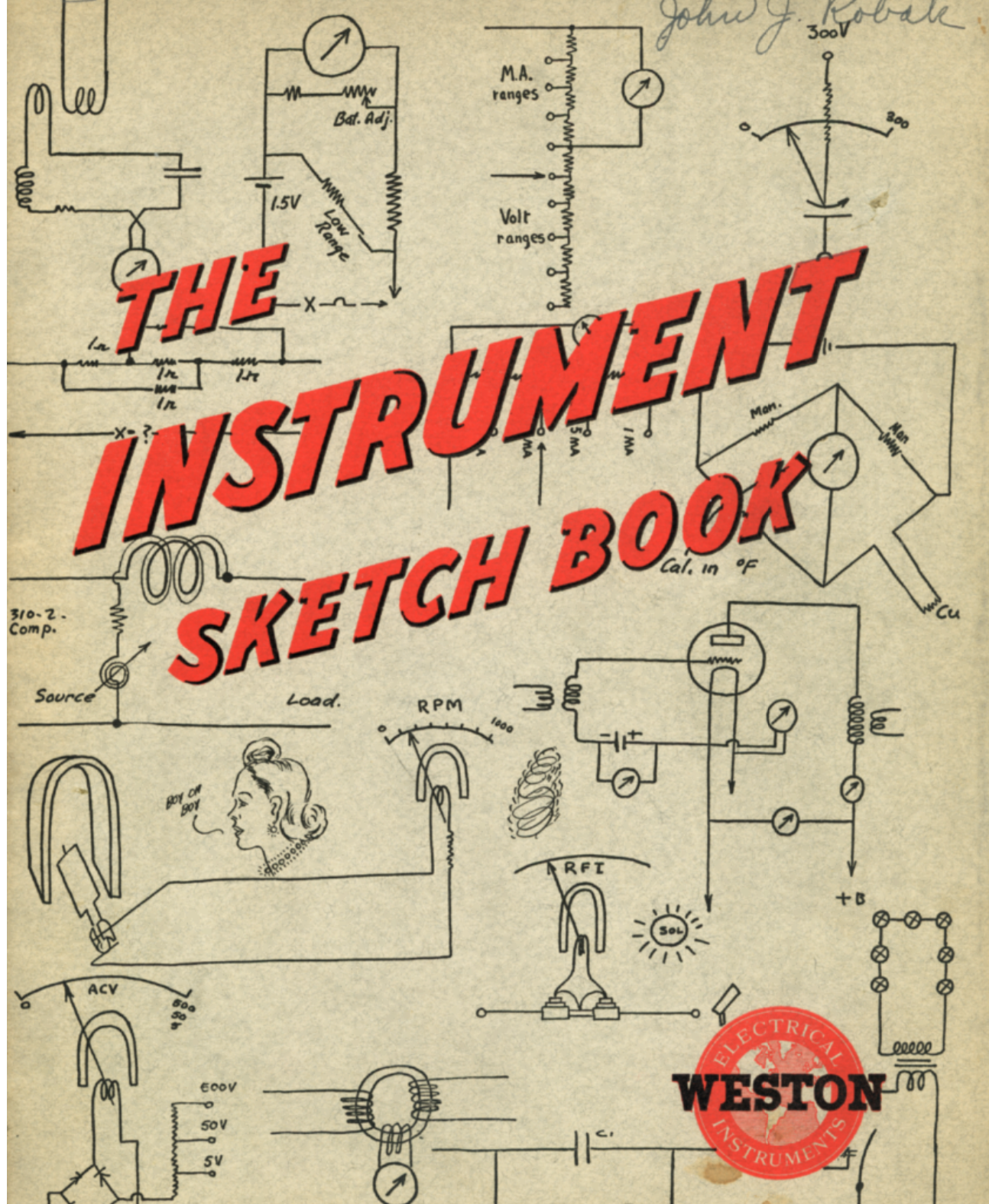
The instrument sketch book Weston Electrical Instruments 1941 – A sales book showing various products. Some of these civilian models may have ended up in Signal Corps hands. Also nice to have a reference guide in case you come across an obscure electrical item that you’re not sure about.

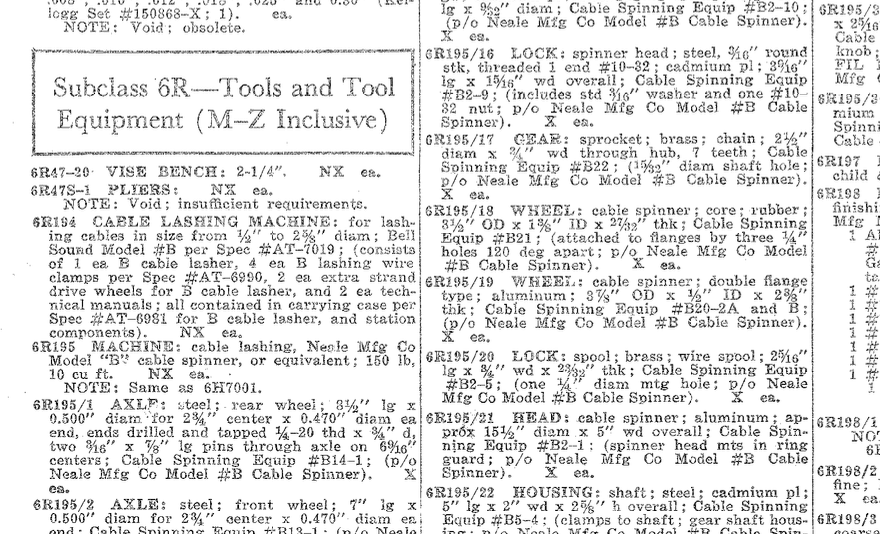
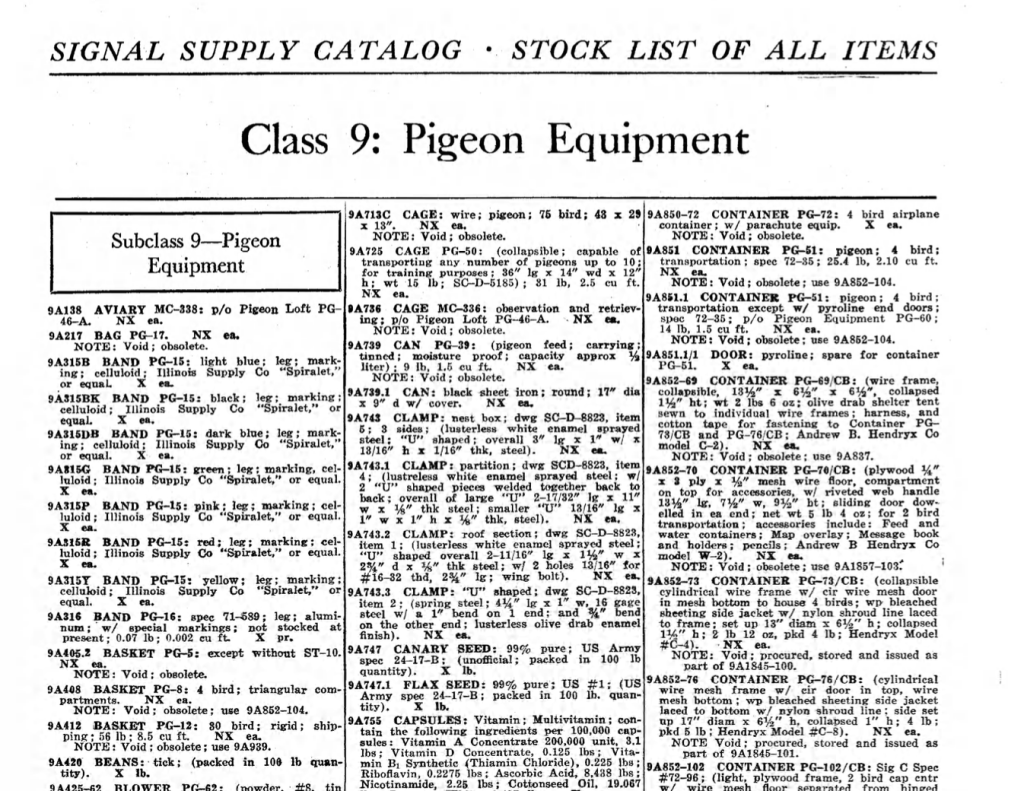
Signal Supply Catalog 1945- SubClass 6r M-Z Tools, Pigeons Class 9, Meteorological Class 7 – A partial listing of the whole Signal Corps Supply Catalog. Consisting of the total stock numbers and nomenclature of all items available to the Signal Corps.

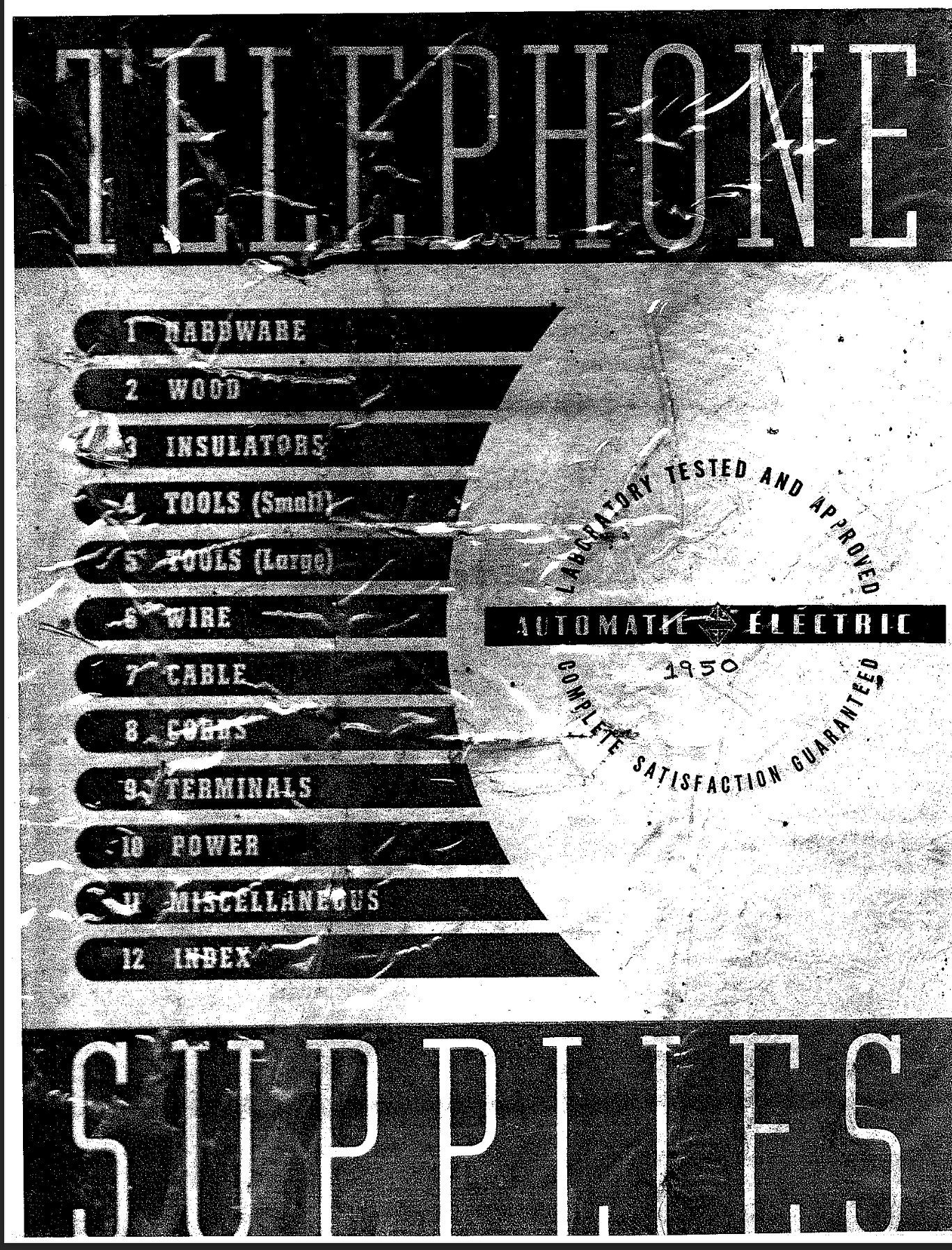
Automatic Electric Telephone Supplies 1950 –Part One and Part Two. A product sales book showing telephone supplies available in 1950. Good for cross-referencing items. Includes hardware, wood, insulators, tools, wire, cable, cords, terminals, power, and miscellaneous items.

Medical Department

Combat Medics of WWII An Exhibit of the National D-Day Memorial, Bedford, VA – Good, quick outline of combat medics from all nations both Allied and Axis.

Medical Supply Catalog Med1 to Med3 March 1944 – This is the medical department’s complete catalog of available products. It lists items available, the associated stock number, as well as the price. It also includes pictures of some of the times. It’s a beefy PDF file that you download from my Google Drive. The Med-dept.com contains a wealth of information that goes into more detail on some of the items in the catalog, such as individual first aid packs.

Medical Department Supply Catalog 1942 – This is the medical department’s complete catalog of available products. It lists items available, the associated stock number, as well as the price. It’s a beefy PDF file that you download from my Google Drive. The Med-dept.com contains a wealth of information that goes into more detail on some of the items in the catalog, such as individual first aid packs.

Medical Department Supply Catalog June 1st, 1943 – A list of items available for the medical department, including costs and supply class. Also includes a section on organizational equipment, medical department assemblages and component parts, and the cost of medical department blank forms.

Identifying and Dating Medical Equipment in use by the US Army in WW2 – By Poppy Mercier Somme Poppies Repros Updated August 2025. Explains how to date medical equipment.

Quartermaster Corps

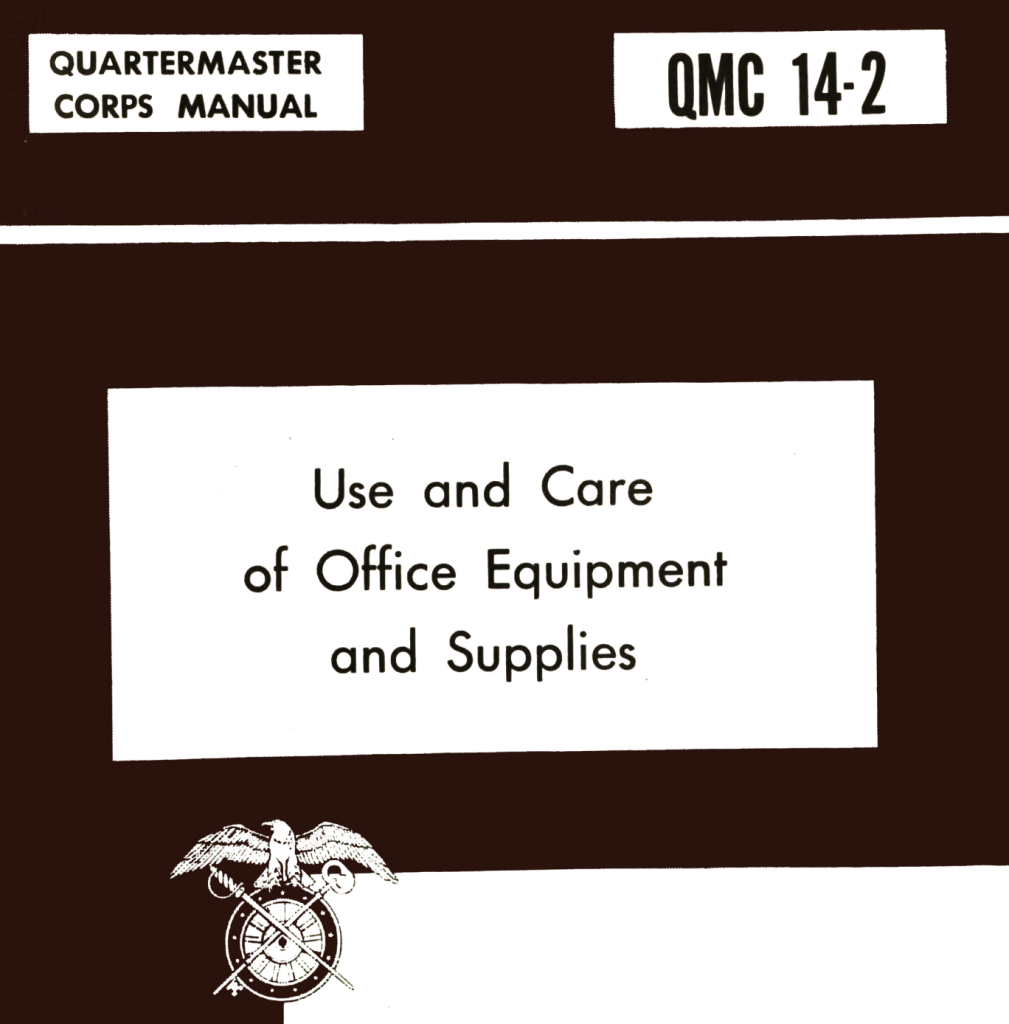
Quartermaster Corps Manual QMC 14-2: Use and Care of Office Equipment and Supplies – Dated Feb 1945. Written in response to the drastic reduction of office supplies, and describes how to use and care for office supplies to make them last longer. Contains nuggets of information like “use both sides of the paper” and “to re-use file folders, flip them inside out”. Also mentions reusing rubber bands as rubber was a wartime ration good. It also has a good section on how to care for typewriters, which, if you don’t know where to begin, is a good place to start! Print on ivory regular paper, 8.5″ x 11″

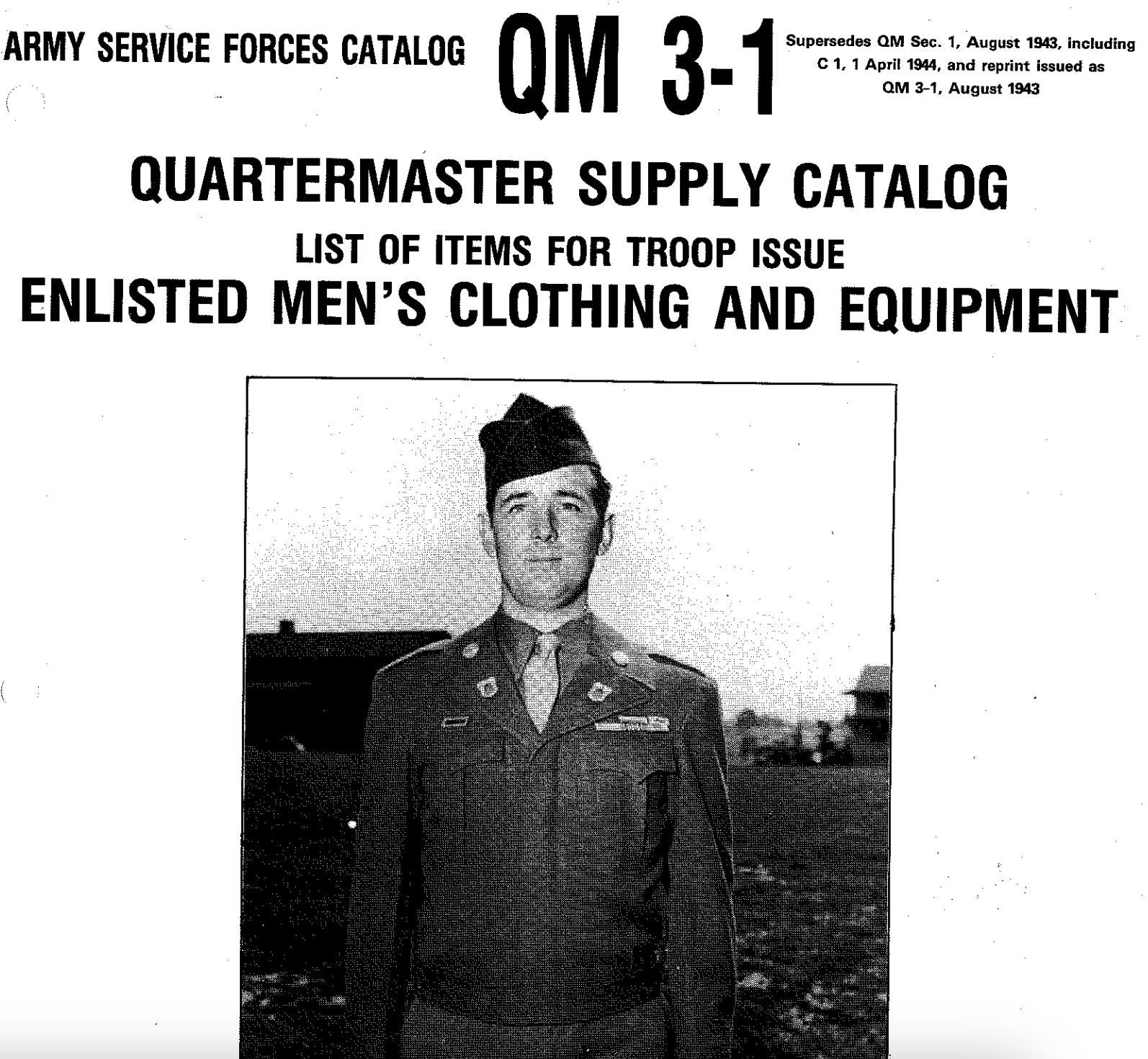
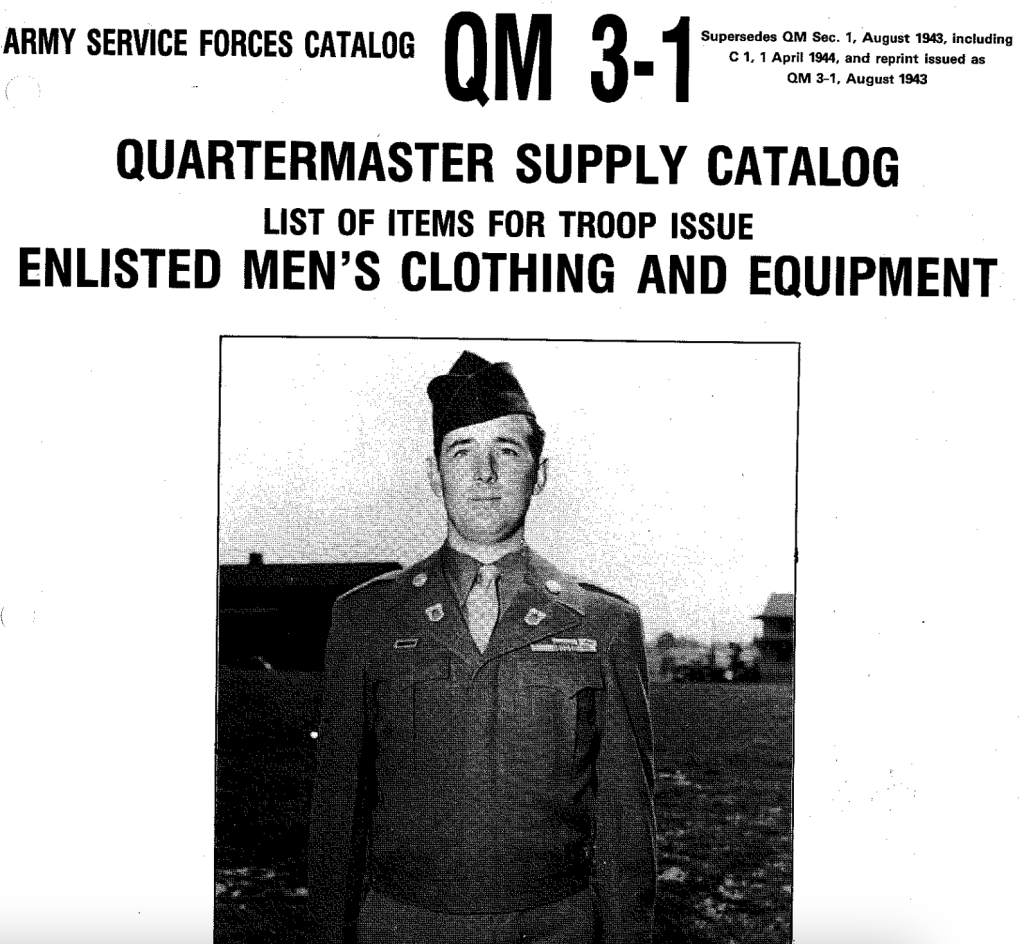
Quartermaster Supply Catalog QM 3-1 1946: List of Items for Troop Issue Enlisted Men’s Clothing and Equipment. This catalog was made in May 1946. Lists out all the things available to troops at the end of WW2. Supercedes QM1.

For the June 1943 version, see QM 3-1.

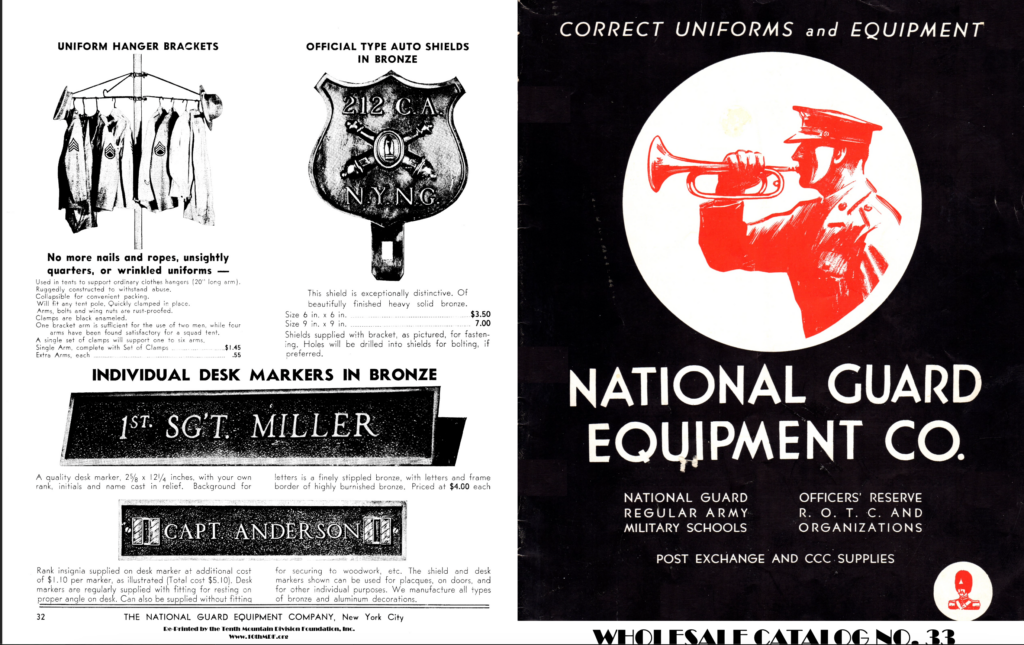
Officers’ Equipment Catalog 1938 No 33 – Lists items available for officers. Somewhat dated for WW2, but stuff would have been around.

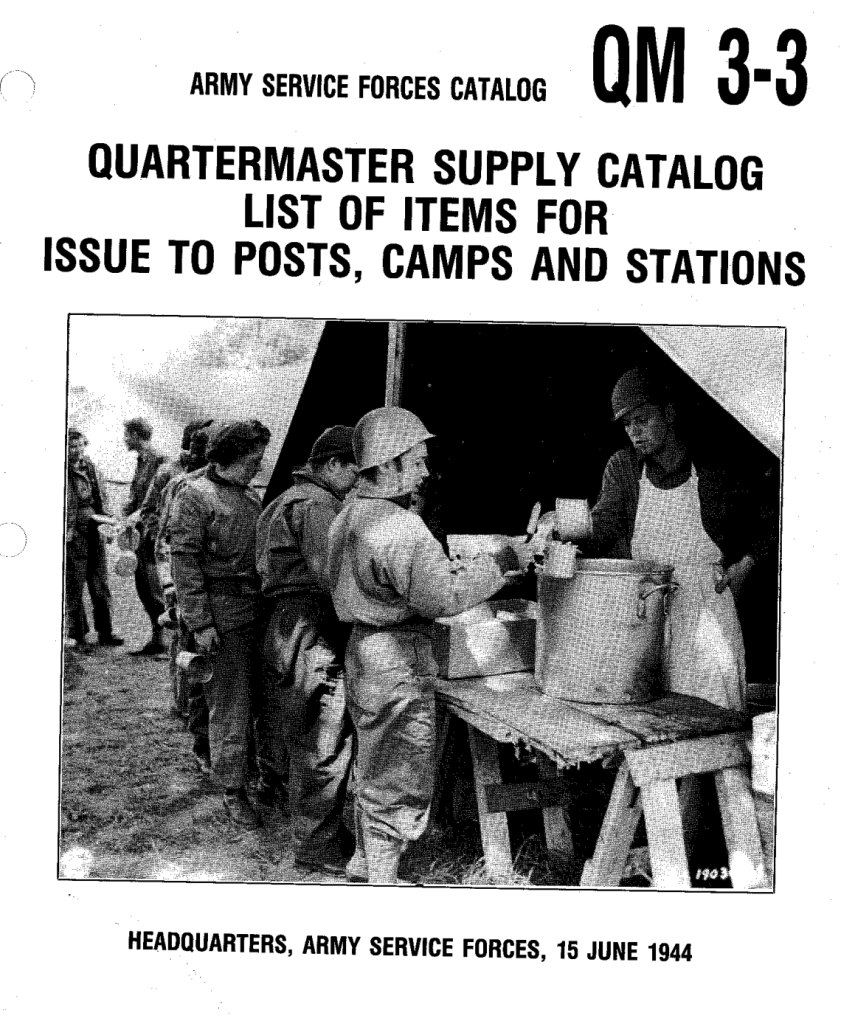
Quartermaster Supply for Posts, Camps, and Stations QM3-3. Lists items that would be available for issue to static places like camps and posts, etc. Published on June 15th, 1944.

Quartermaster Supply Catalog for Enlisted Men QM 1. Lists items for issue to enlisted men at the start of WW2. Published in 1943.

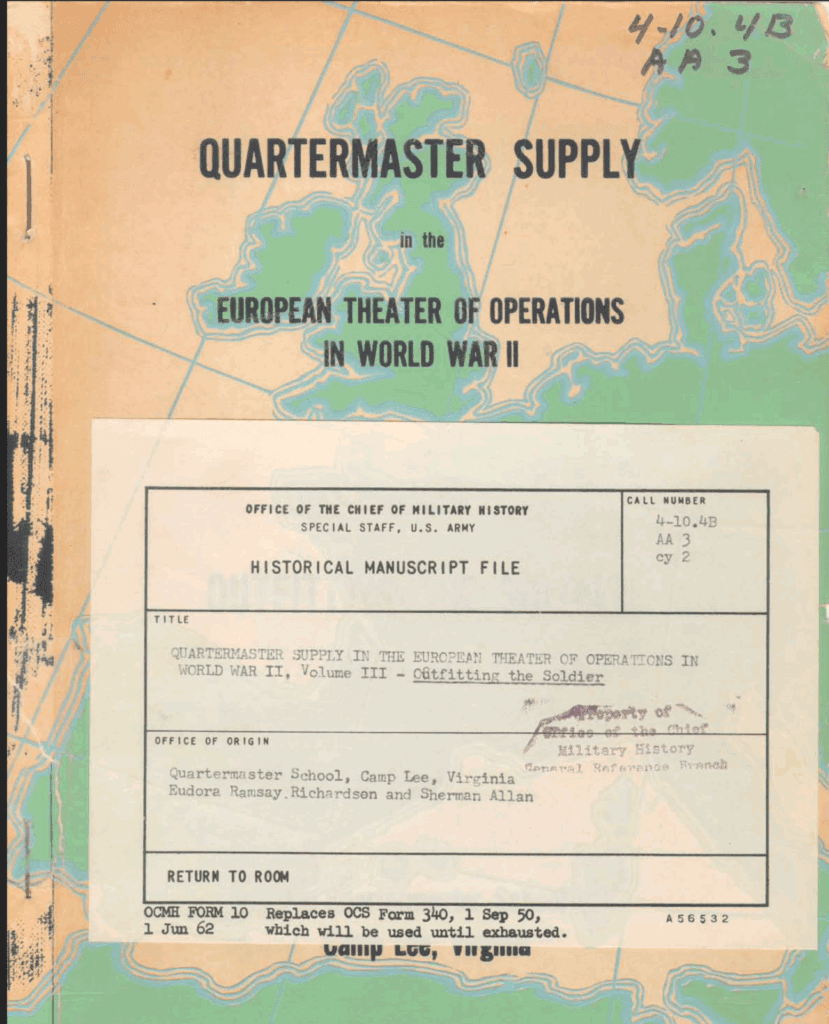
Quartermaster Supply in the European Theater of Operations Vol. III. Published at the Quartermaster School at Camp Lee, VA in 1948. It includes the following chapters:

  • Chapter 1 – Invasion Plans (p. 1)
  • Chapter 2 – Methods of Supply (p. 9)
  • Chapter 3 – Procurement (p. 22)
  • Chapter 4 – Storage and Distribution (p. 40)
  • Chapter 5 – The ETO Field Jacket (p. 58)
  • Chapter 6 – Protective Clothing (p. 66)
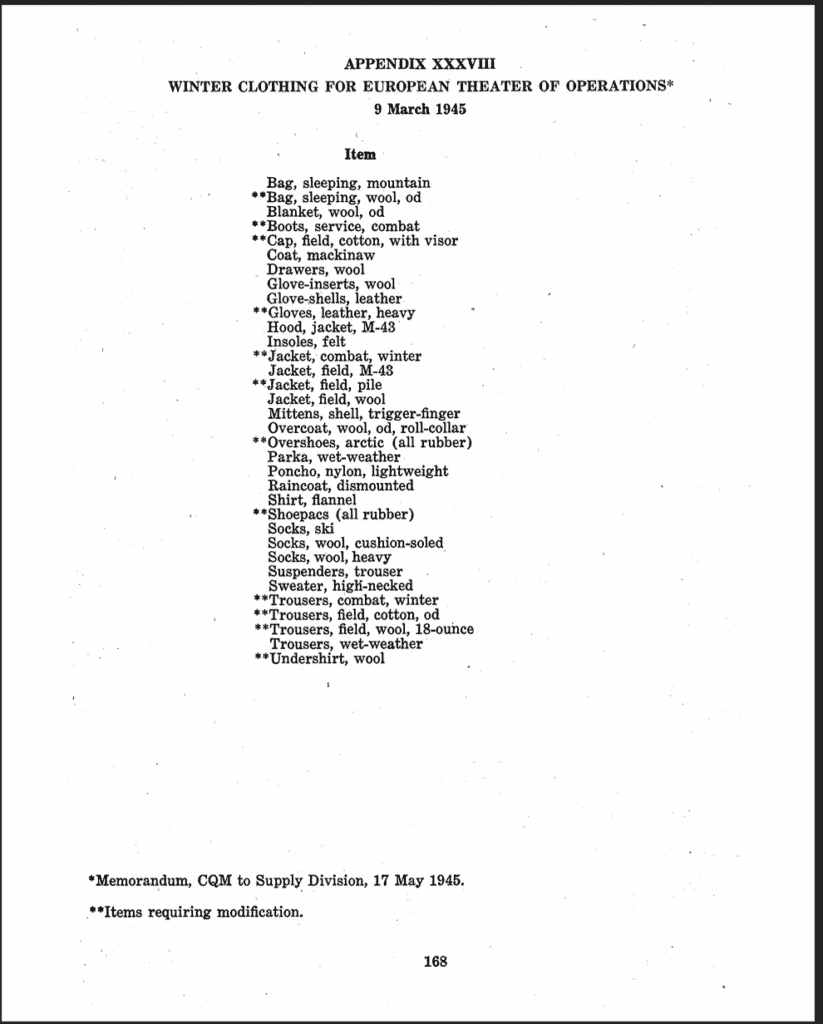
  • Chapter 7 – Winter Clothing (p. 75)
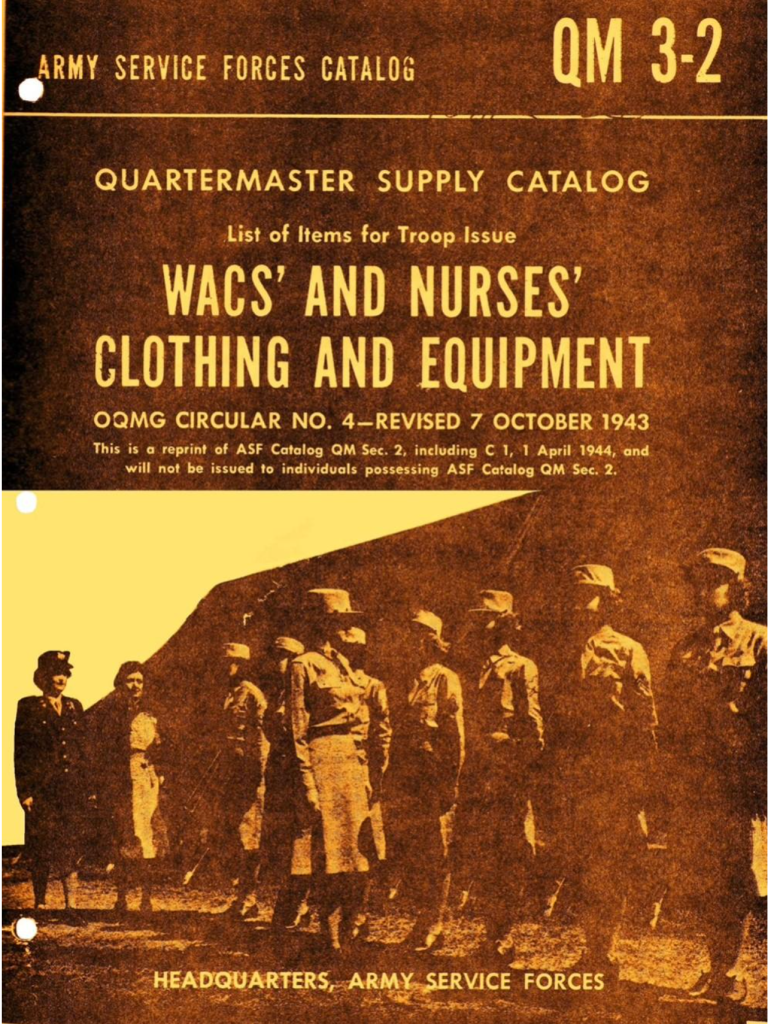
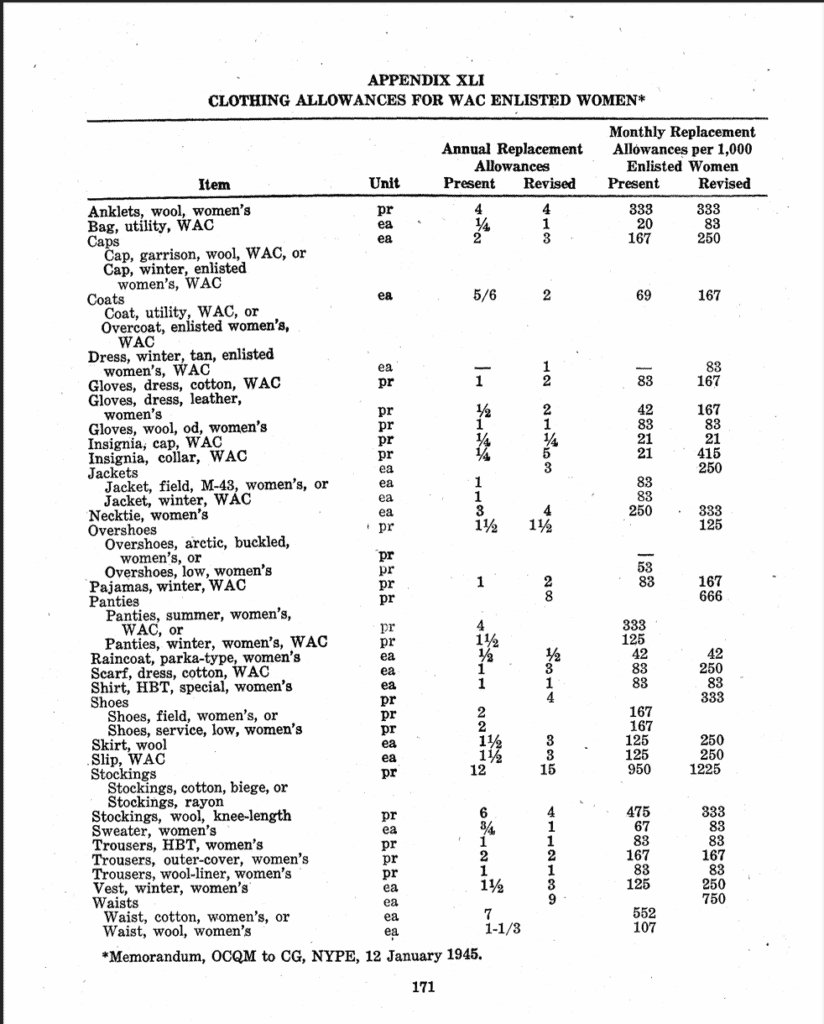
  • Chapter 8 – Outfitting the Woman Soldier (p. 90)
  • Appendix I – Proposal for T/E 21 Clothing and Equipment Accompanying Troops Overseas (p. 98)
  • Appendix II – Equipment of Troops, December 1943 (p. 100)
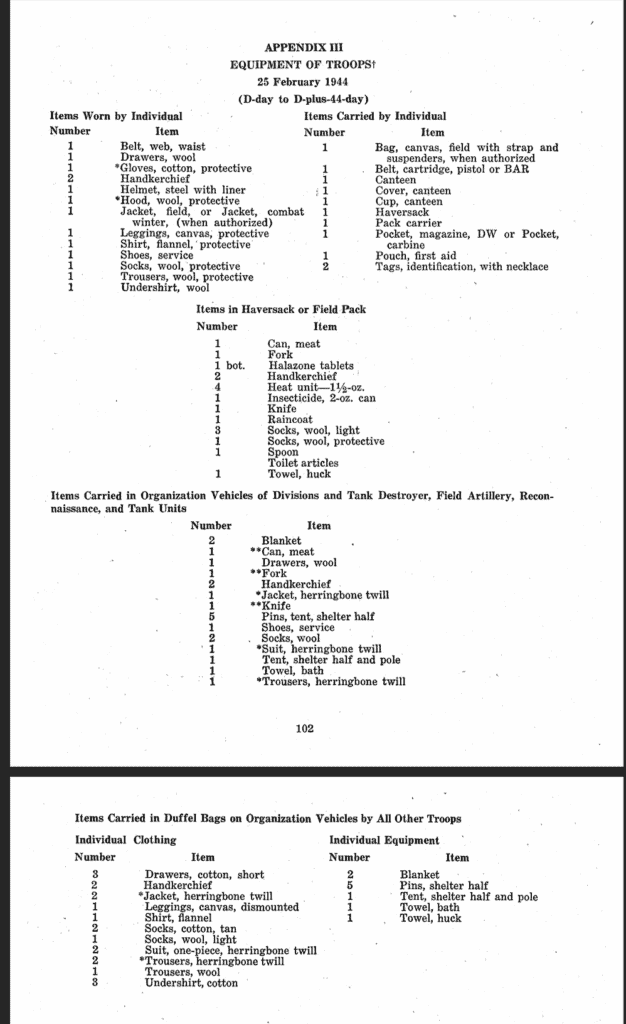
  • Appendix III – Equipment of Troops, 25 February 1944 (p. 102)
  • Appendix IV-A – Class II Beach Maintenance Sets (p. 104)
  • Appendix IV-B – Follow-Up Maintenance Sets (p. 107)
  • Appendix IV-C – Items to Be Stocked for Maintenance Sets (p. 110)
  • Appendix V – Class II Reserve Stocks for Marshaling Areas, 30 March 1944 (p. 114)
  • Appendix VI – Allowances of Clothing and Equipment for Troops Engaged in the Continental Operation, 30 April 1944 (p. 115)
  • Appendix VII – Items to Be Bulk Shipped, 11 May 1943 (p. 120)
  • Appendix VIII – Hospital Stocks, April 1944 (p. 119)
  • Appendix IX – Flow of Clothing and Individual Equipment, 2 February 1945 (p. 121)
  • Appendix X-A – Controlled Items, 10 October 1944 (p. 122)
  • Appendix X-B – Items Controlled by OCQM, April 1945 (p. 123)
  • Appendix XI – Replenishment Requisition and Shipment Flow, 19 March 1945 (p. 124)
  • Appendix XII – Report of Individual Equipment Procured from British Sources, 1943–1944 (p. 125)
  • Appendix XIII – Draft of French Government’s Procedure Establishing General Terms for the Manufacture of Military Clothing, 19 November 1944 (p. 126)
  • Appendix XIV – Raw Materials Import Plan, 18 December 1944 (p. 128)
  • Appendix XV – Comparison of Commodities Required and Procured from Continental Production, February–September 1945 (p. 130)
  • Appendix XVI – Depot Mission in United Kingdom (p. 131)
  • Appendix XVII – Comparison of Clothing and Individual Equipment Requirements and Assets for First Period of a Continental Operation (p. 132)
  • Appendix XVIII – Individual Clothing and Equipment Requirements, Brittany Base Section, 8 September 1944 (p. 133)
  • Appendix XIX – Normal Flow of Class II Supplies (p. 135)
  • Appendix XX-A – Normal Flow of Class II Supplies for United States Forces (p. 136)
  • Appendix XX-B – Normal Flow of Class II Supplies for POW (p. 138)
  • Appendix XXI – Summary of Class II Depot Missions (p. 137)
  • Appendix XXII – Model Stock Clothing, 1 August 1943 (p. 140)
  • Appendix XXIII – Model Stock Clothing, 20 January 1945 (p. 142)
  • Appendix XXIV – Supplemental Size Tariffs for Shoes, Service Type III, 7 November 1944 (p. 154)
  • Appendix XXV – Shoepac Size Tariffs, 1 November 1945 (p. 155)
  • Appendix XXVI – Status of Protective Clothing, 9 February 1944 (p. 156)
  • Appendix XXVII – Status of Items of Clothing and Individual Equipment in Short Supply in the United Kingdom, 15 July 1944 (p. 157)
  • Appendix XXVIII – Items of Winter Clothing Recommended by the Office of the Quartermaster General, November 1943 (p. 158)
  • Appendix XXIX – Clothing and Equipment Recommended for Climatic Conditions Similar to Winter in Northern France and Germany (p. 159)
  • Appendix XXX – Winter Clothing for Special Conditions, 15 August 1944 (p. 160)
  • Appendix XXXI – Winter Clothing for Special Conditions, 9 September 1944 (p. 161)
  • Appendix XXXII – Movement of Winter Clothing to Armies, 20 September 1944 (p. 162)
  • Appendix XXXIII – The Winterizing Program, October 1944 (p. 163)
  • Appendix XXXIV – Additional Winter Clothing Requirements, 2 October 1944 (p. 164)
  • Appendix XXXV – Winter Clothing in ETO Waters, 20 November 1944 – 1 January 1945 (p. 165)
  • Appendix XXXVI – Special Cold Weather Clothing, 3 January 1945 (p. 166)
  • Appendix XXXVII – Total Issues as of 17 February 1945 (p. 167)
  • Appendix XXXVIII – Winter Clothing for European Theater of Operations, 9 March 1945 (p. 168)
  • Appendix XXXIX – Requirements for Local Procurement of Clothing and Individual Equipment for Enlisted Women (p. 169)
  • Appendix XL – 1945 Raw Materials Import Plan: Knit Goods for Enlisted Women (p. 170)
  • Appendix XLI – Clothing Allowances for WAC Enlisted Women

Army Air Forces Equipment Catalogs

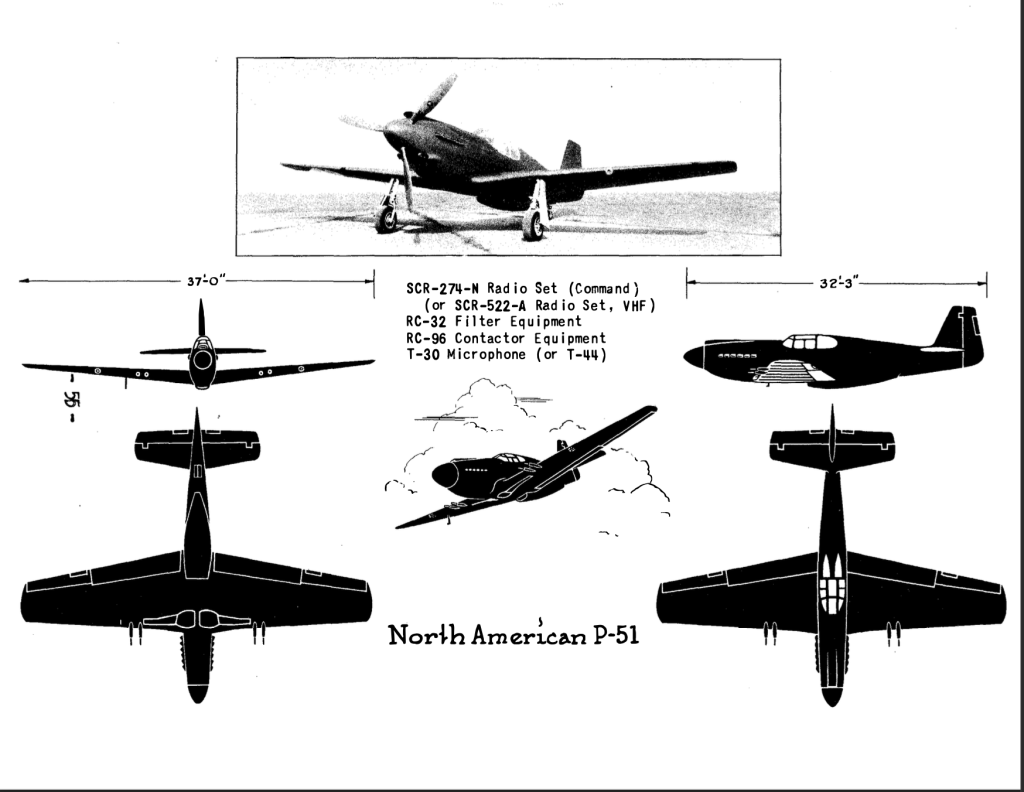
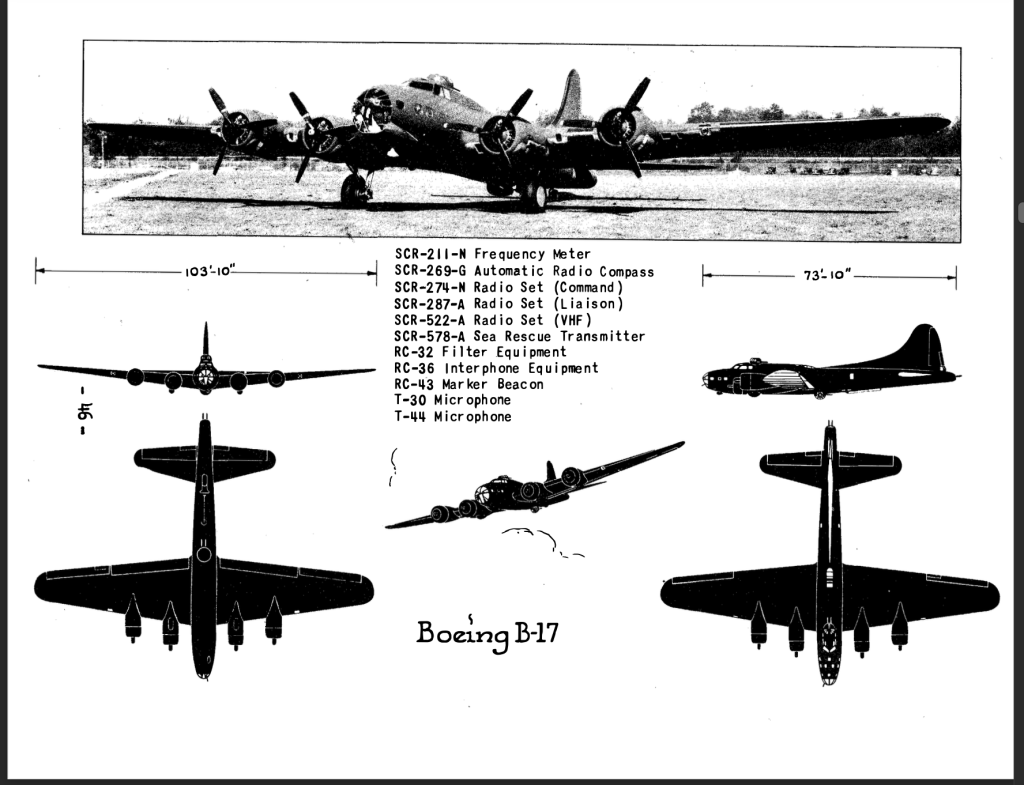
Airborne Radio Equipment Handbook 1943 – A listing of which planes had what radios and where they were on the plane.

Women’s Uniform Guide

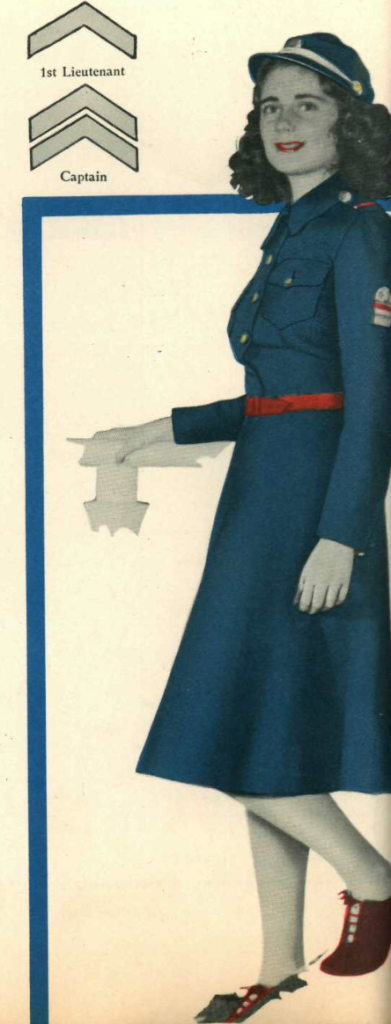
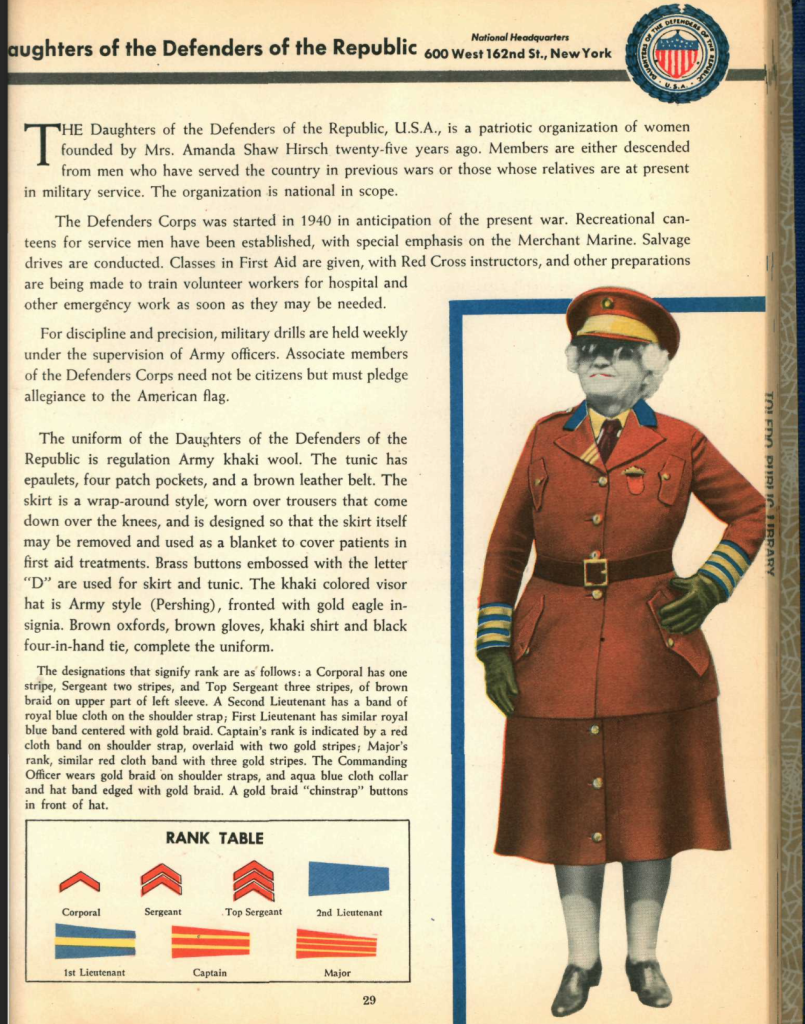
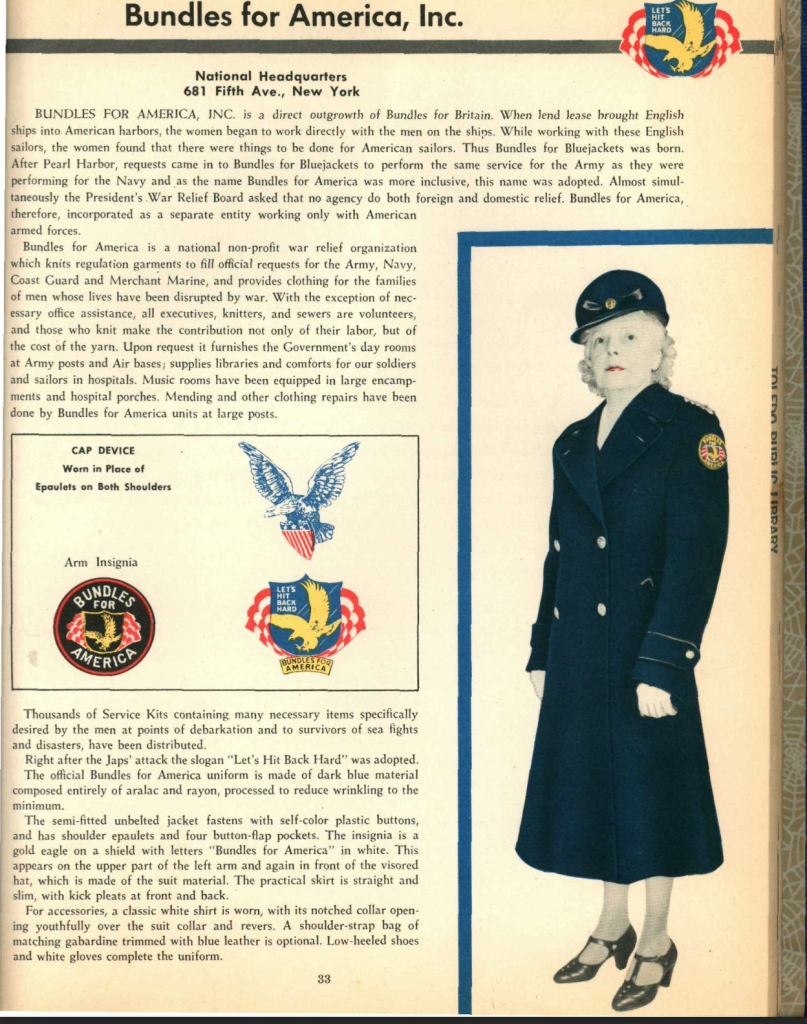
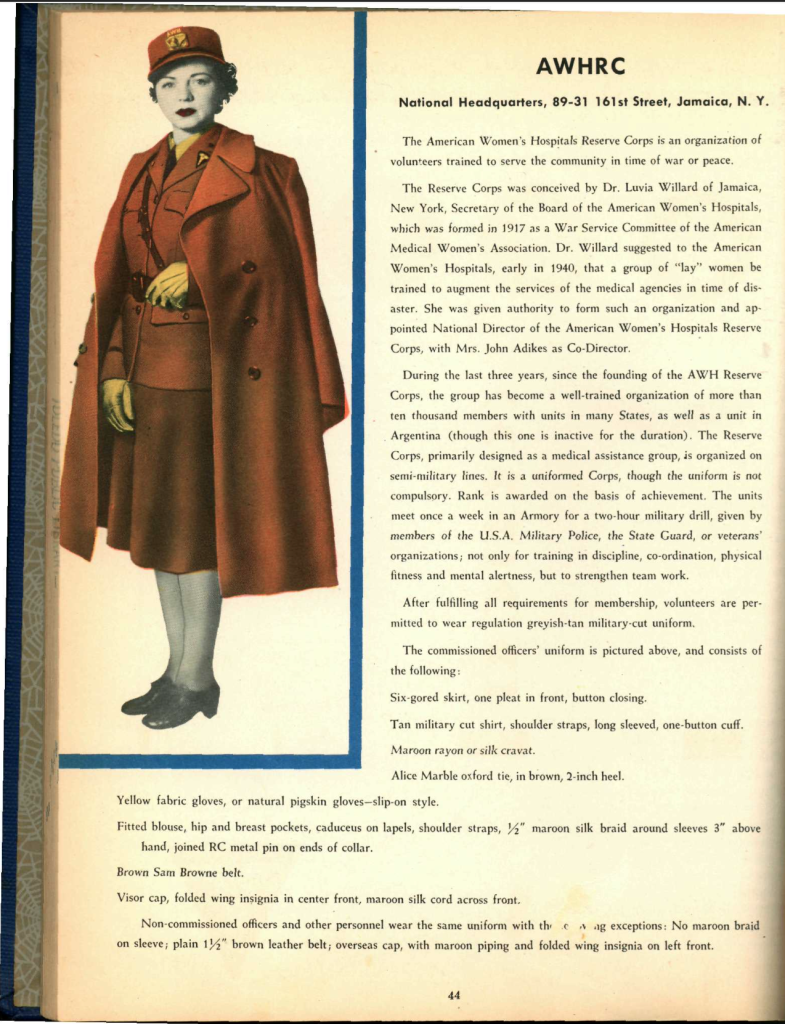
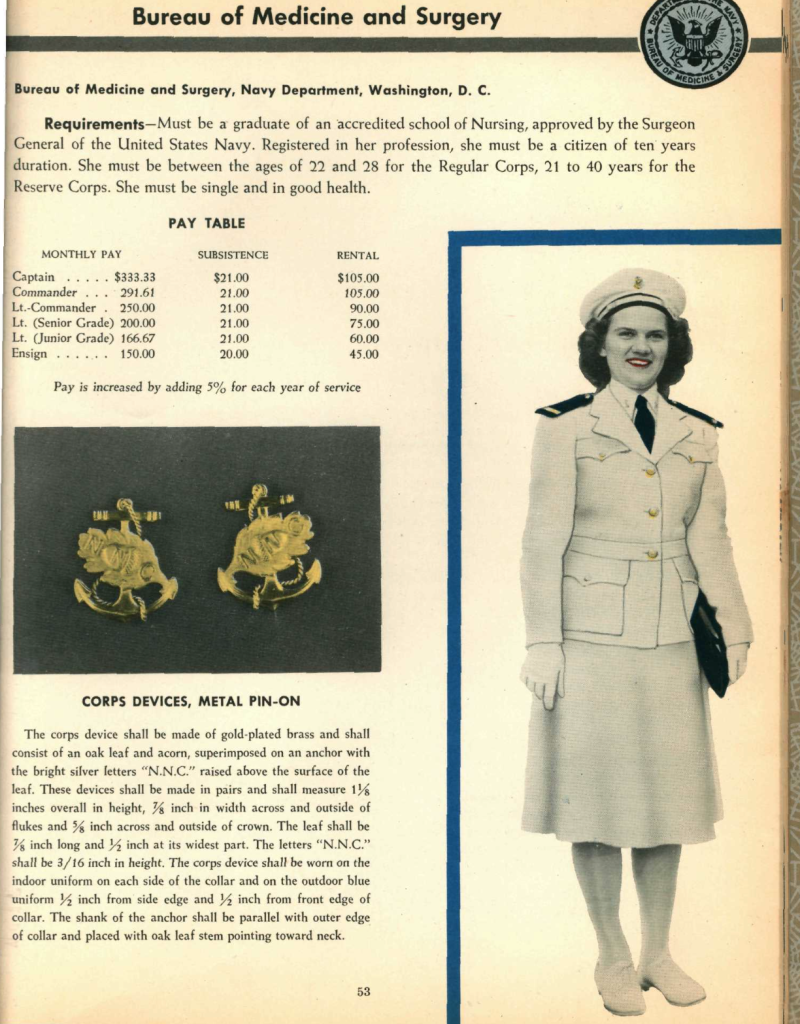
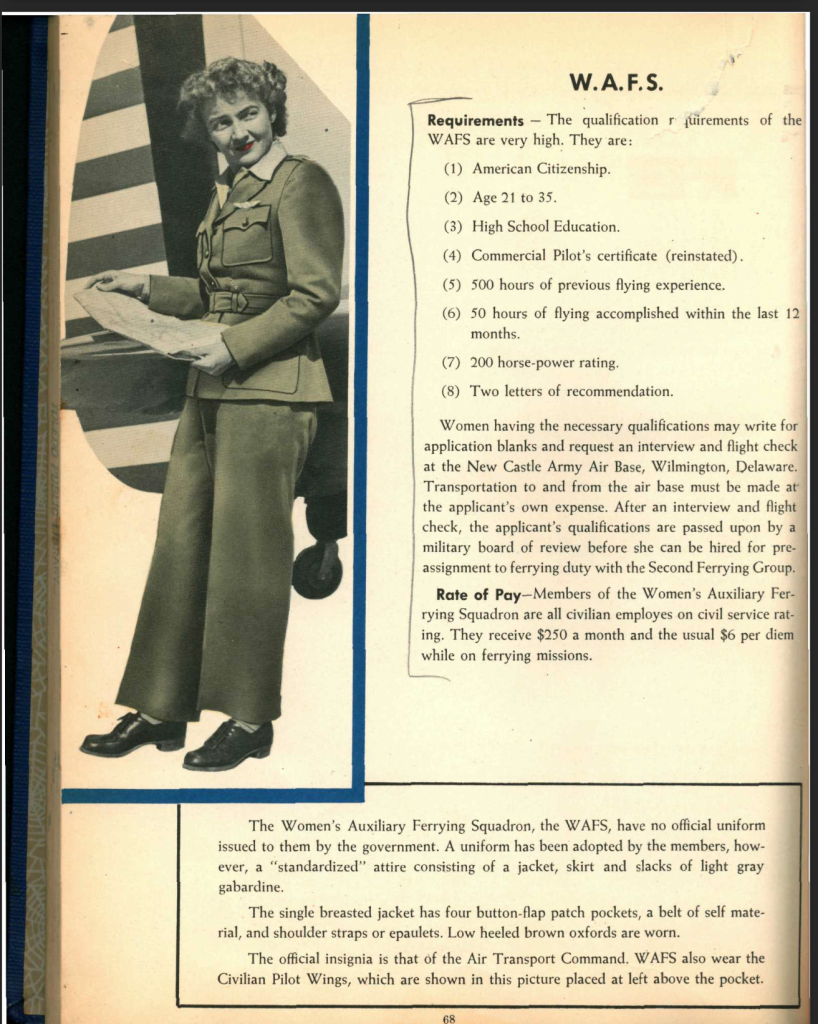
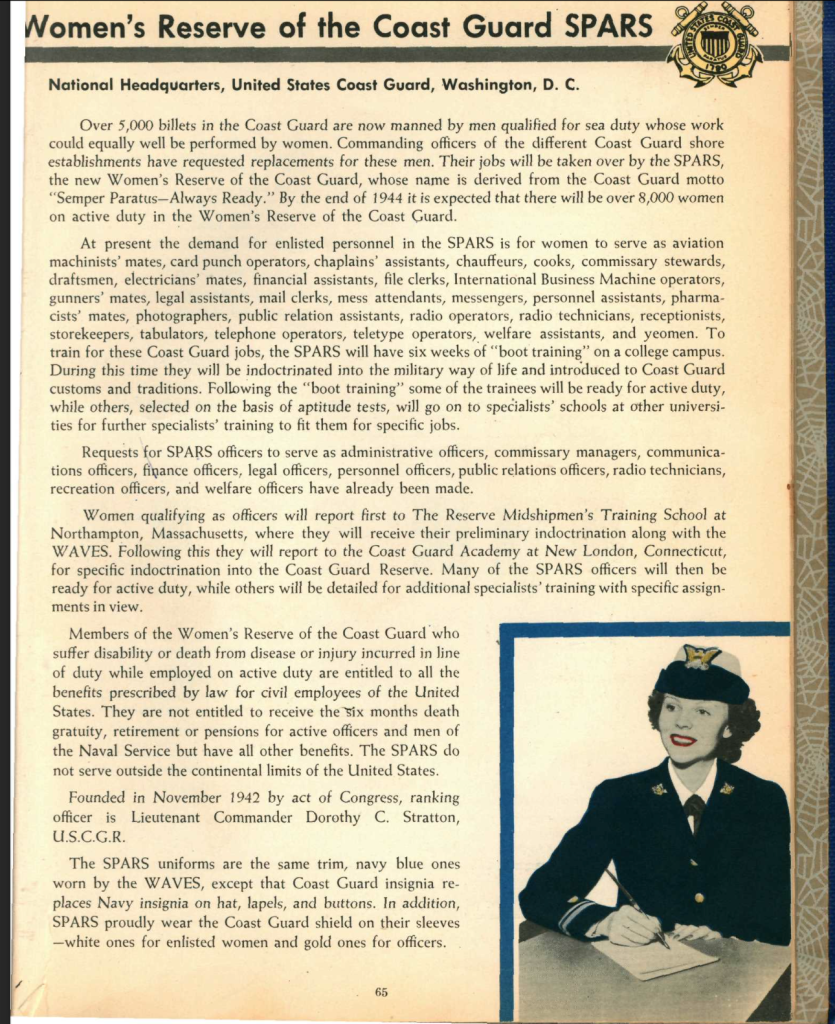
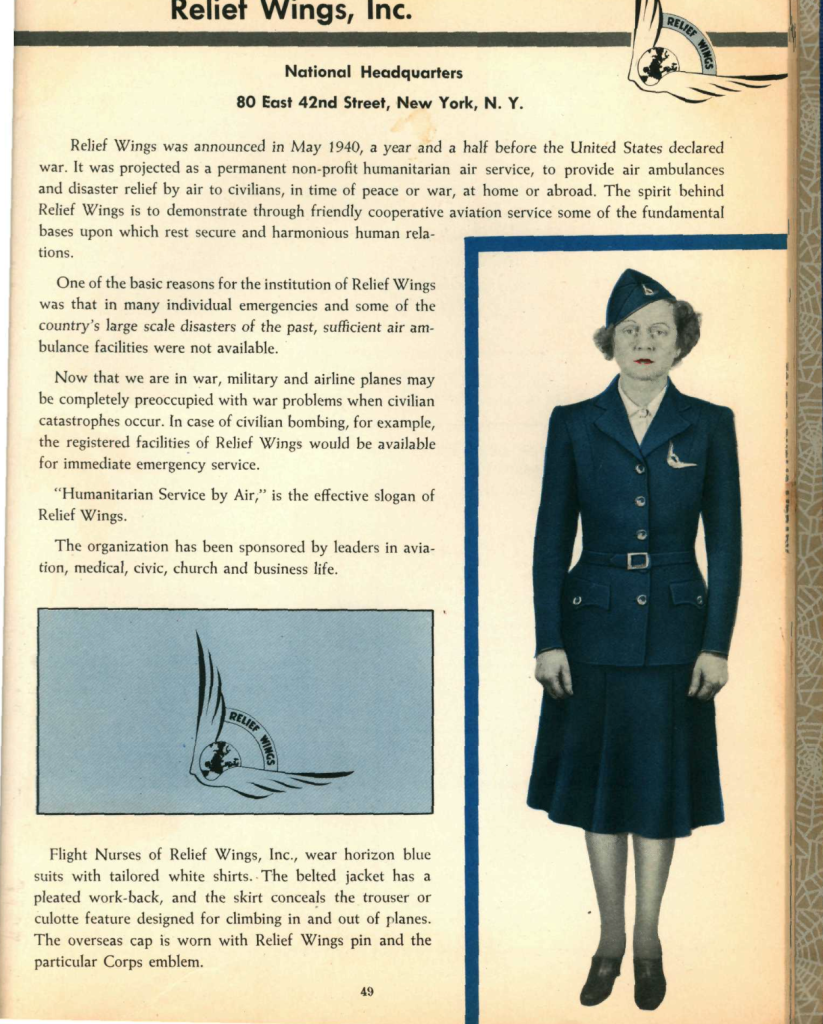
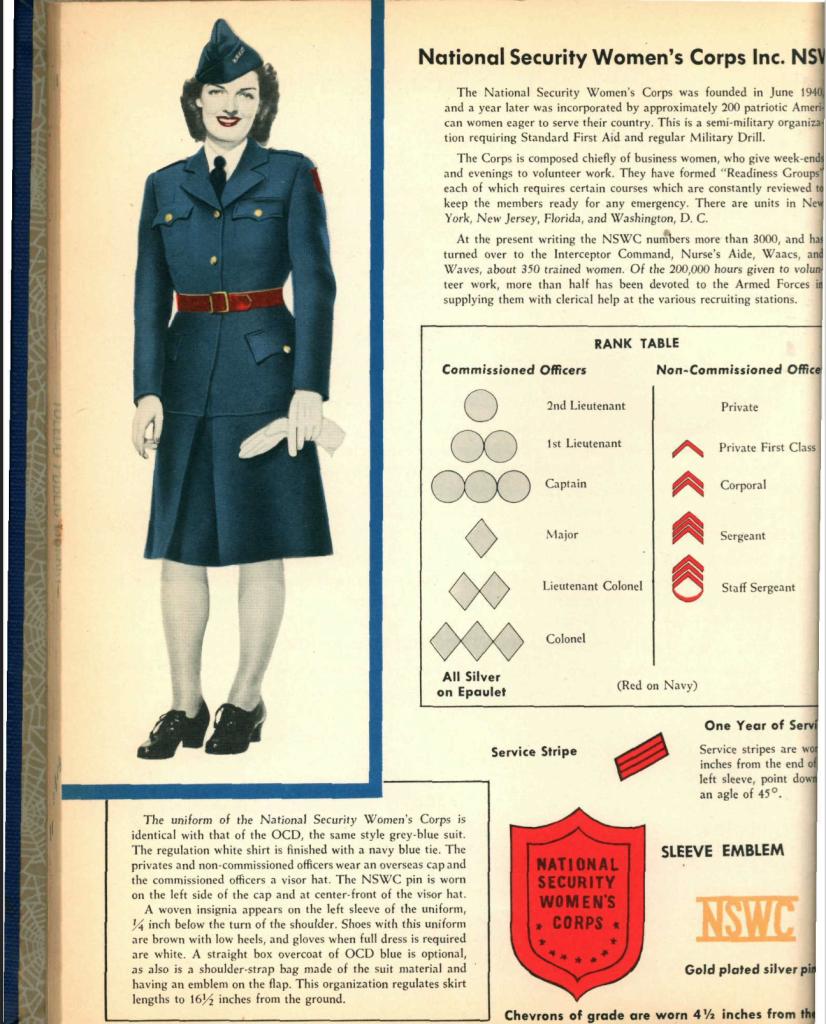
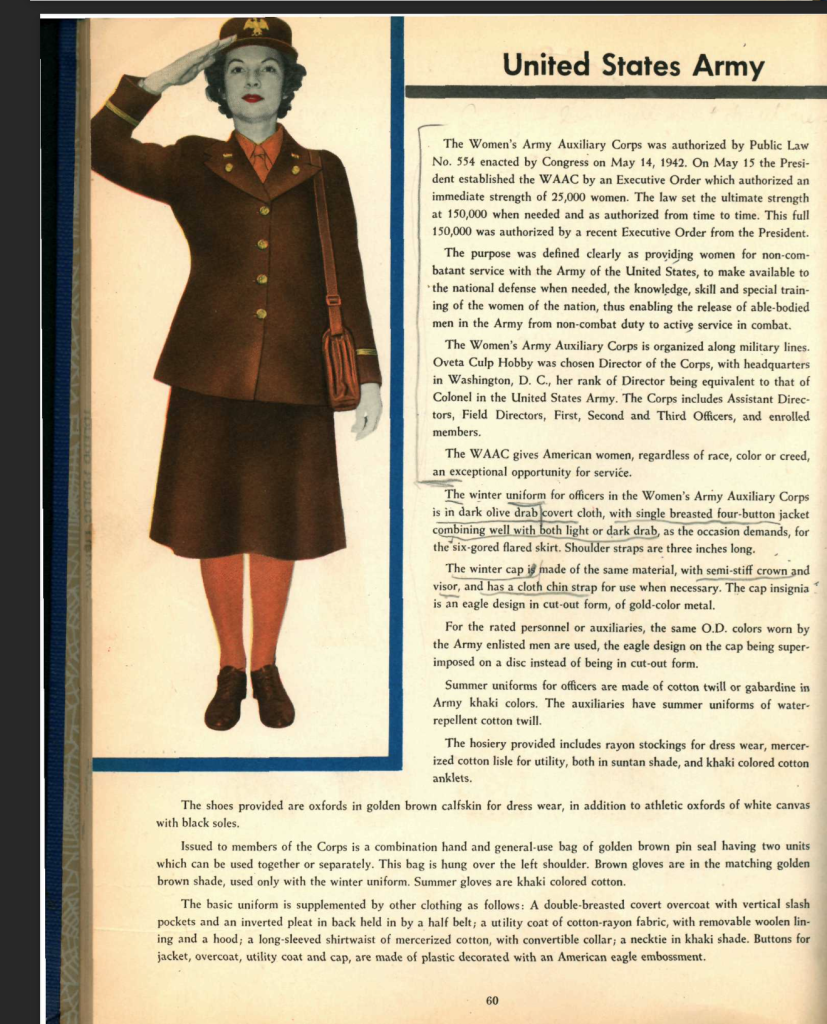
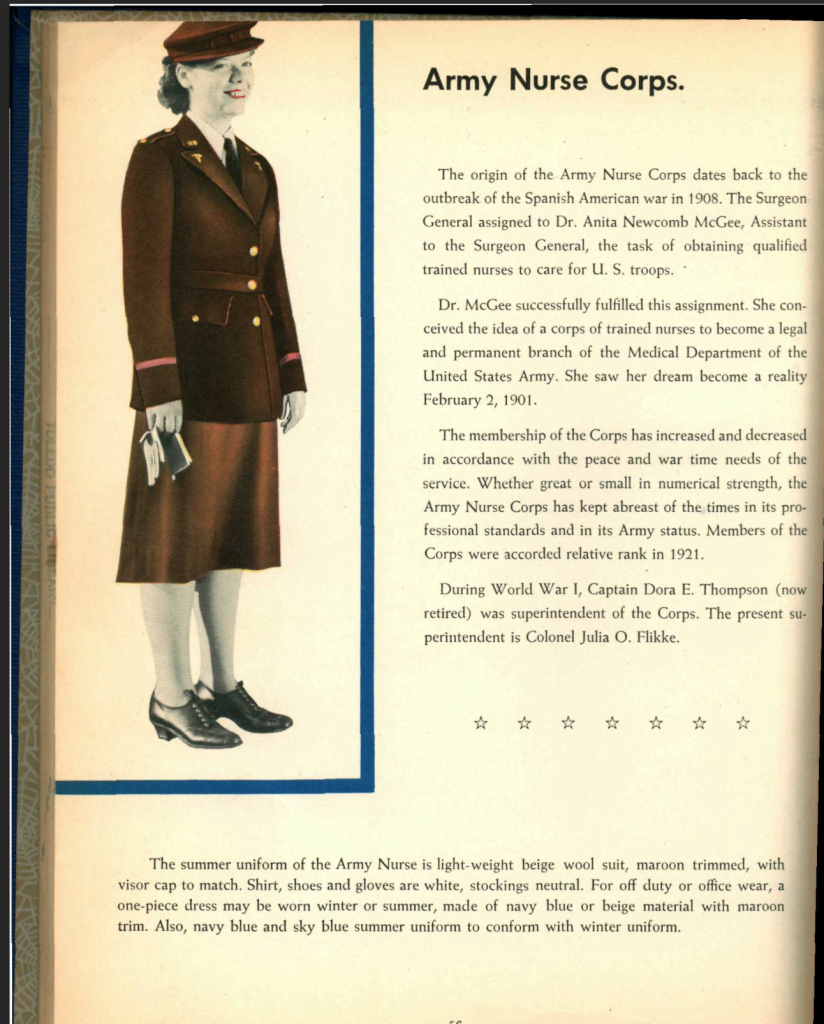
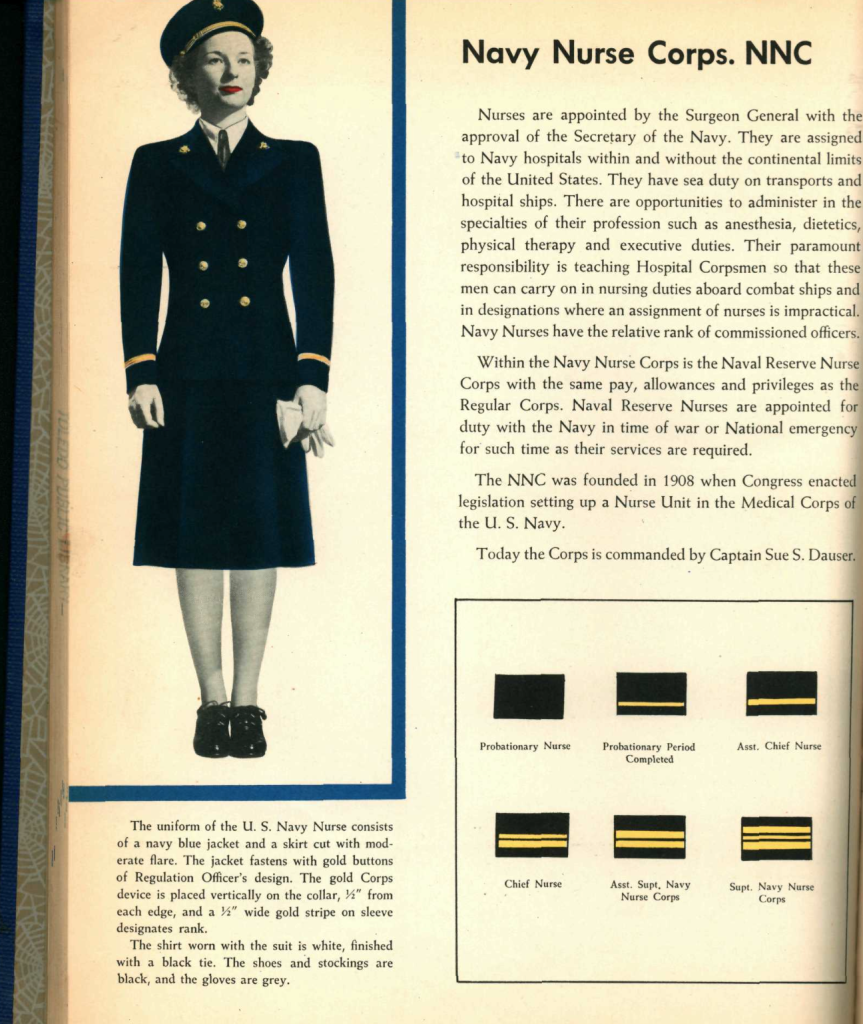
American Women in Uniform 1943 by Mary Steele Ross – A quick overview of different uniformed Women’s organizations, their uniforms, pay, and rank.

Ordnance Catalogs

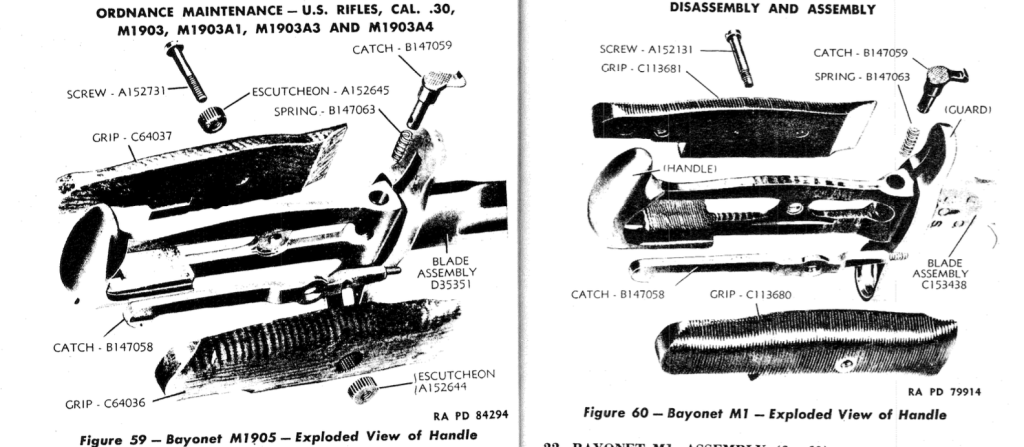
Ordnance Catalog Standard Nomenclature List B3 for M1903, M1903A1, M1903A3, and M1903A4 Sniper Rifles May 1944 – Outlines parts for the M1903 rifle as well as the slings and bayonets.

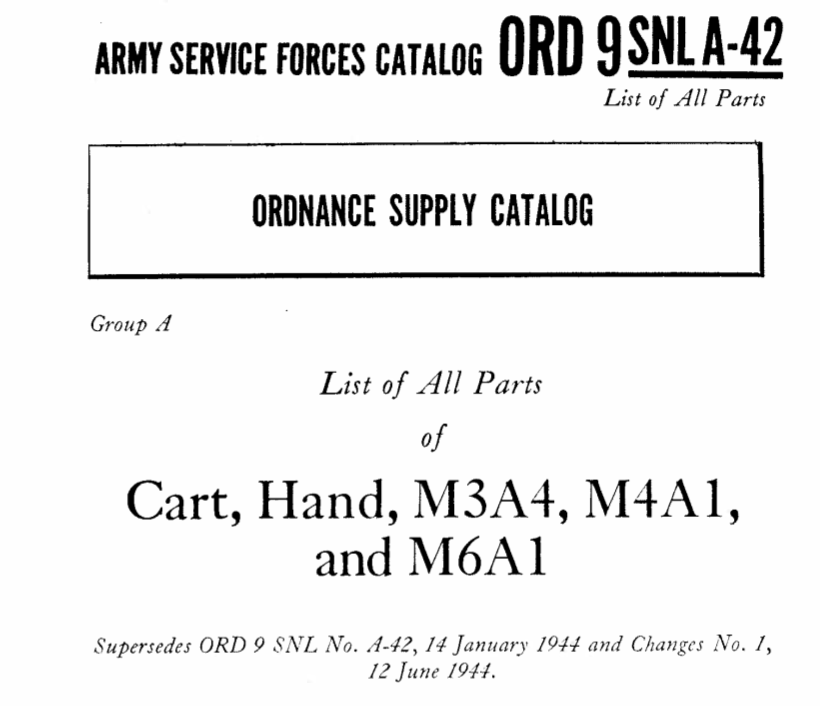
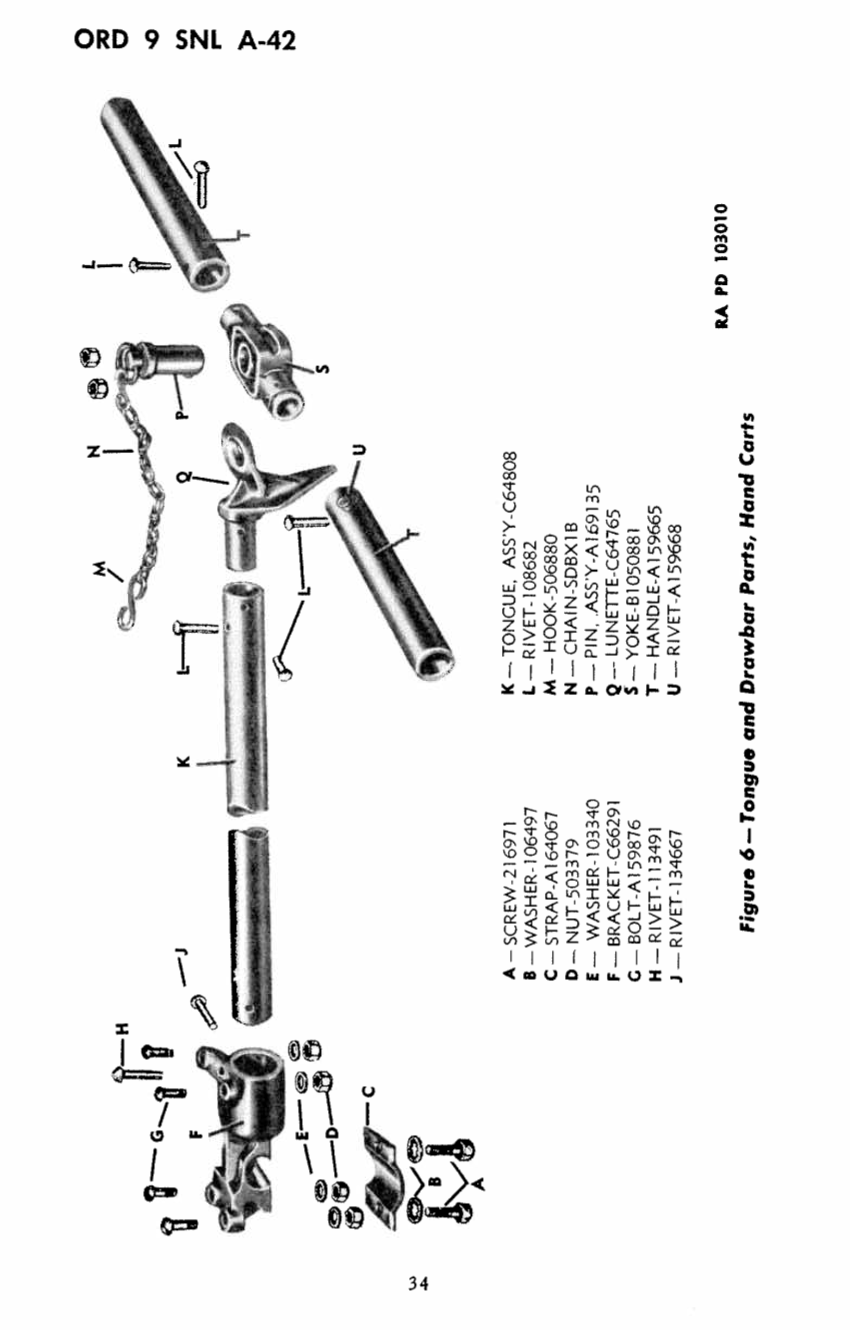
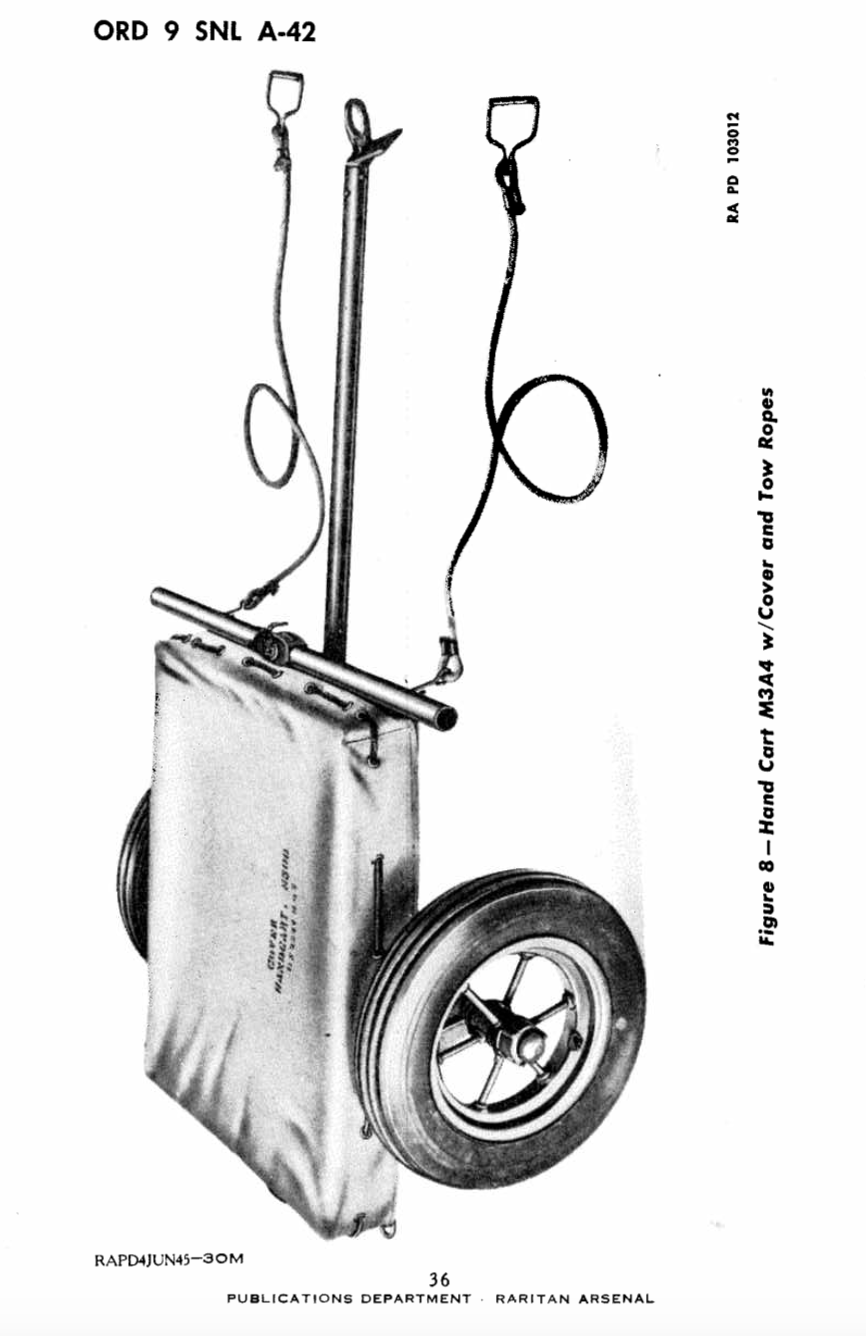
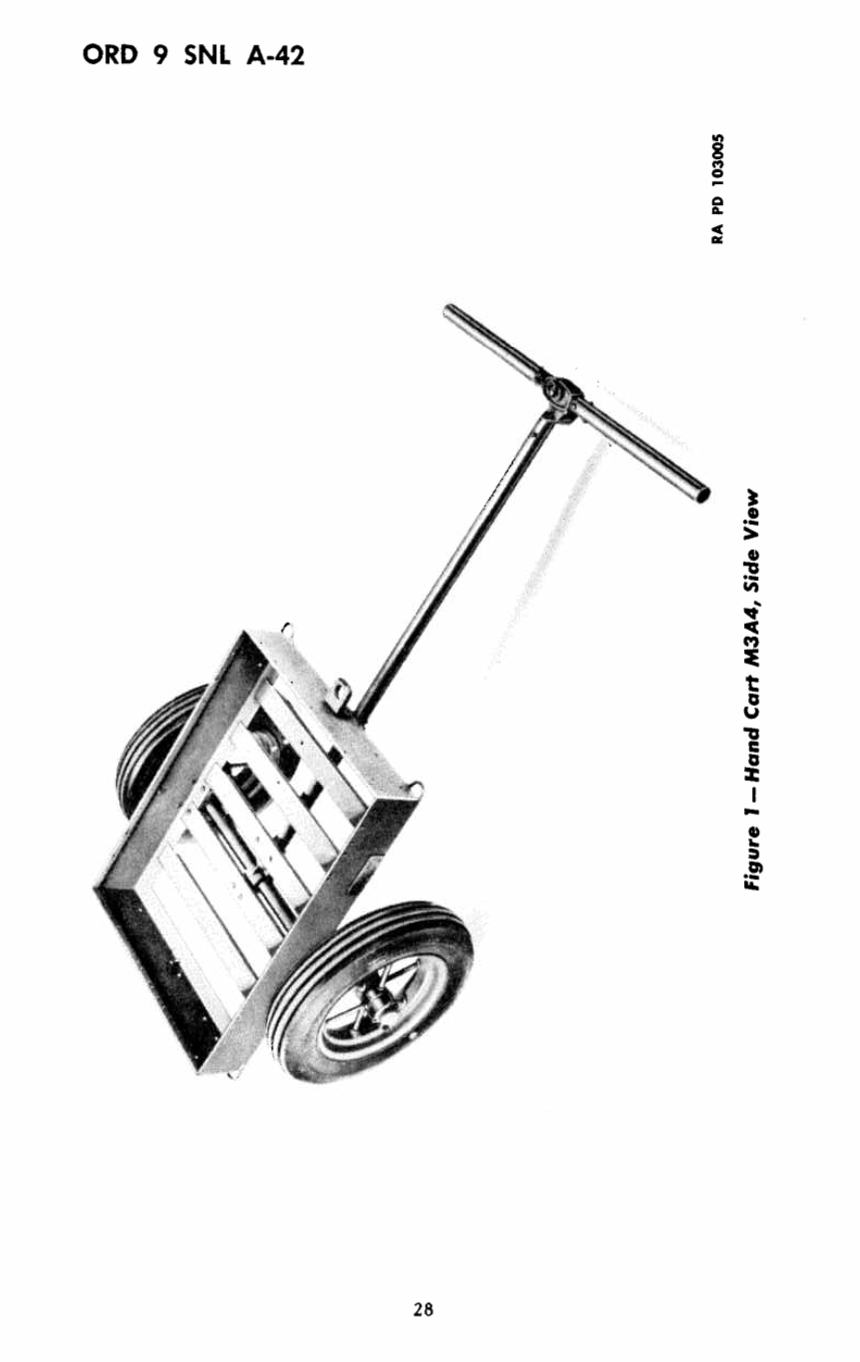
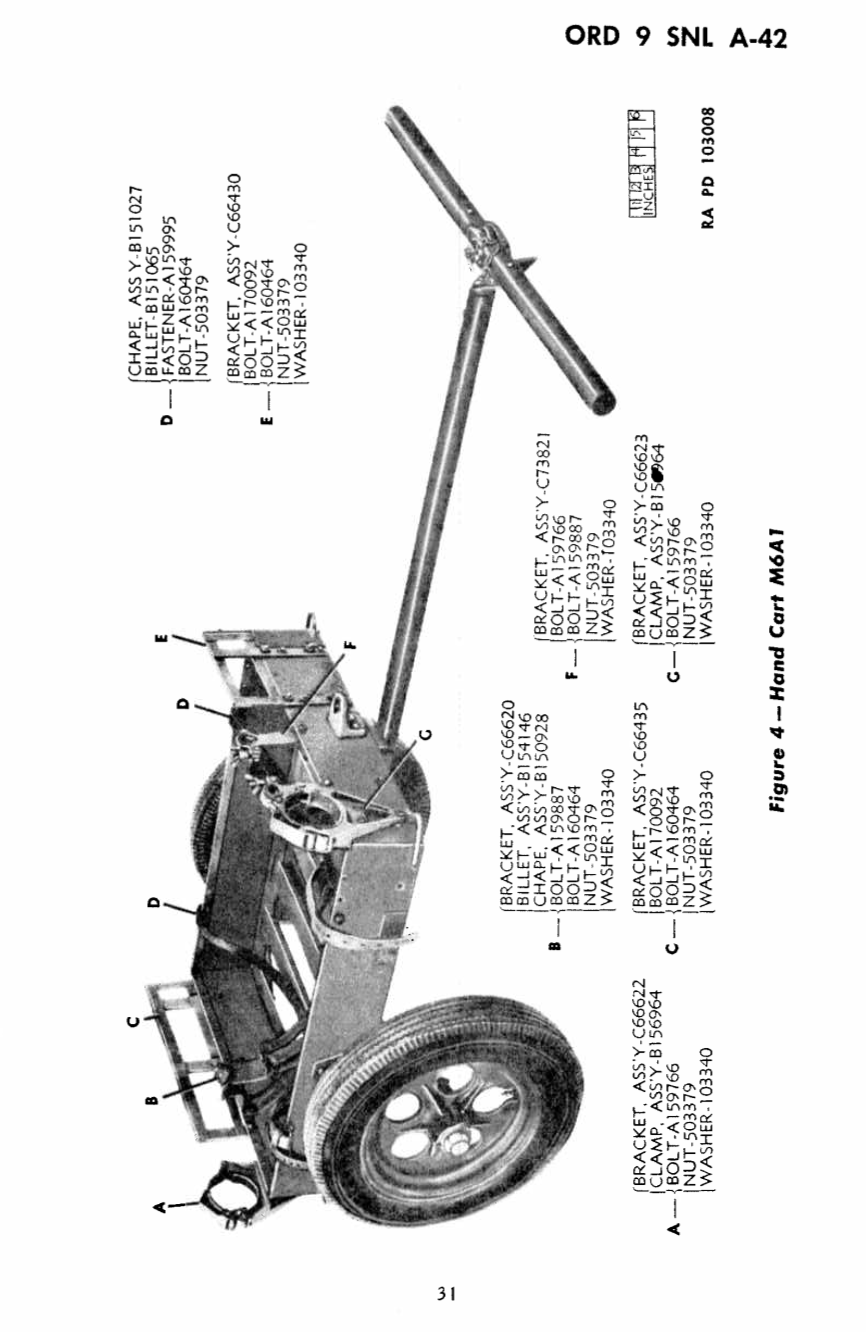
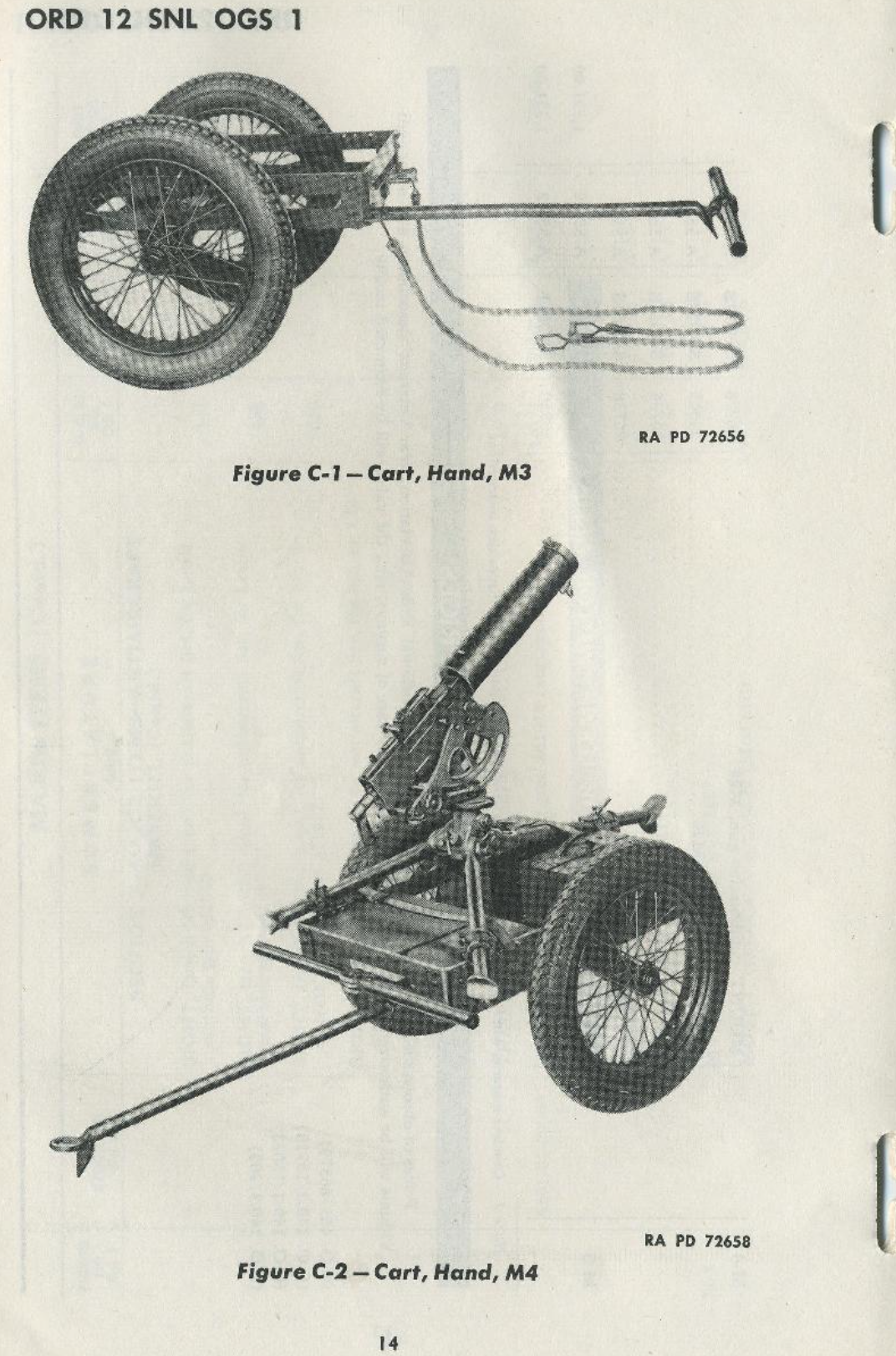
Ordnance Catalog Standard Nomenclature List A-42 for Hand Carts M3A4 M4A1 and M6A1 June 1945 | Outlines the parts and equipment for the M3A1, M4A1, and M6A1 hand carts.

For an additional detailed review, see M3A4 Hand Cart on the Liberator Website.

Ordnance Catalog Obsolete General Supplies of Group A July 1945 – Lists various equipment classified as obsolete, including hand carts.

Posted on

WW2 Reenacting Army Newspapers, Guides, Pamplets, and Bulletins

Easy 39th has a larger list of Pamphlets, so if you don’t see what you want here, you can head to that page. War Time Press is also another site to look at. However, they appear to only send out digital copies. For civilian magazines and newspapers, see: World War Two Civilian Magazines and Newspapers.

Yank

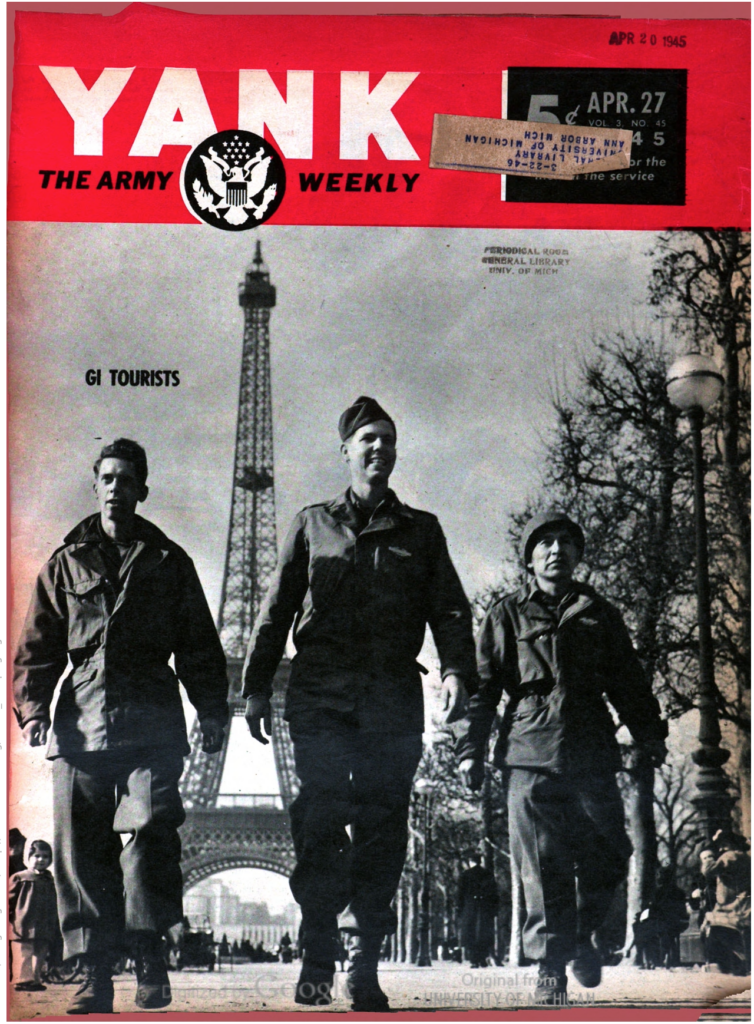
For a complete directory and listing of all WW2-era Yank magazines, see The Unz Review. Note that it only shows based on the individual article. You do not seem able to download a whole magazine. Nobody seems able to reproduce them either.

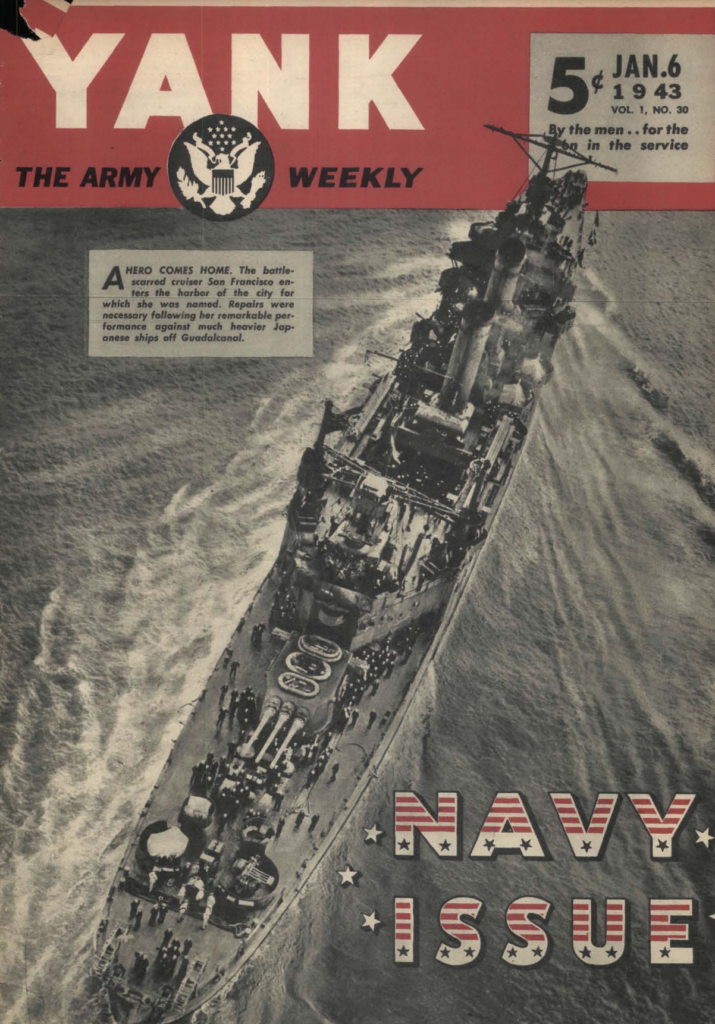
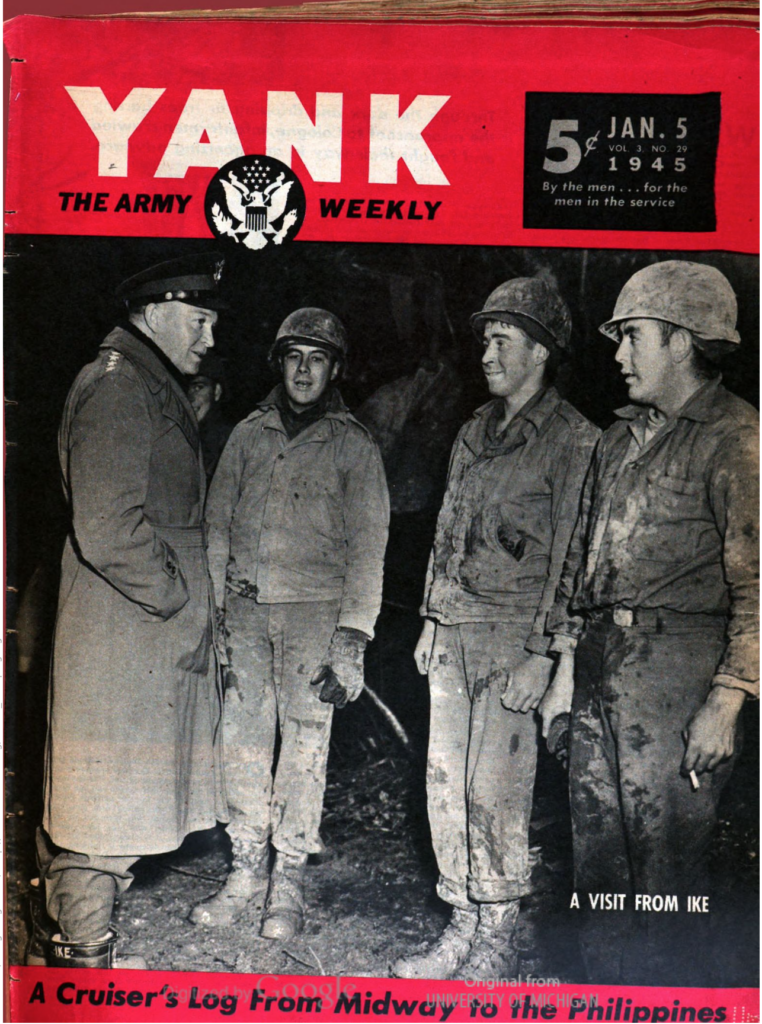
That said, I have some magazines that I’ve found that have been uploaded as a PDF: Yank Jan 6th 1943 The Navy Issue, Yank Magazine Jan 5th 1945, and Yank Magazine April 20th 1945. They are set up to be printed on a standard 8.5×11 piece of computer paper. The problem is that Yank Magazines are 10.25in. high and 14in. wide, and the PDFs contain watermarks and other post-WW2 library catalog information. Also, this is newspaper print, not modern printing paper.

Pocket Guides

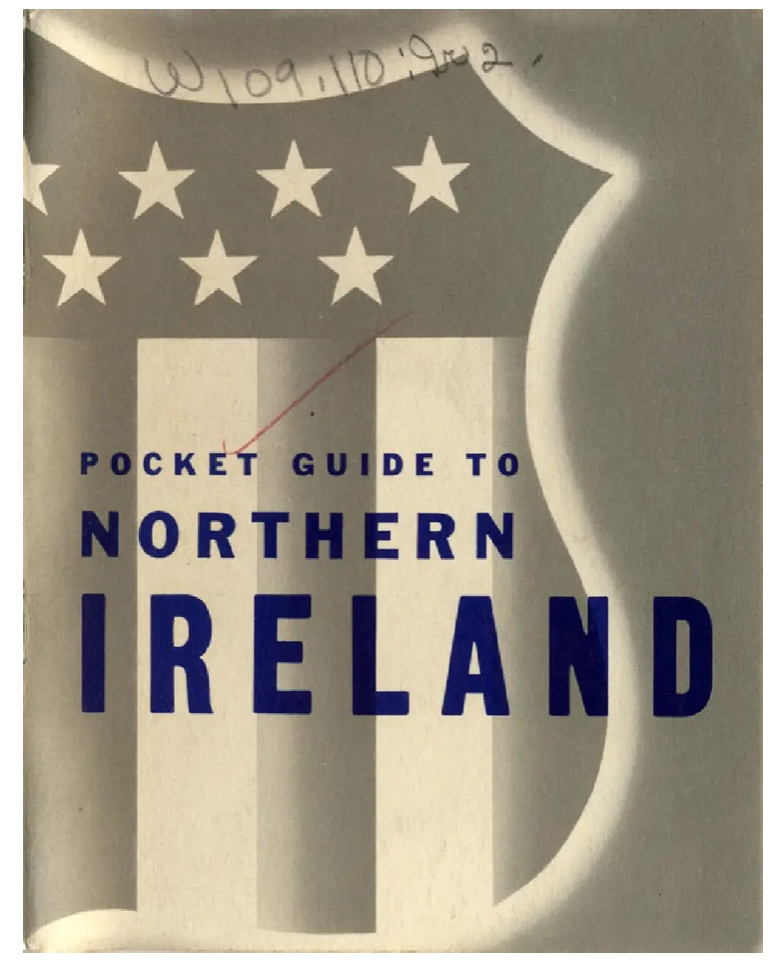
A Pocket Guide to Northern Ireland – War and Navy Departments 1942 – Contains instructions on how to print this off.

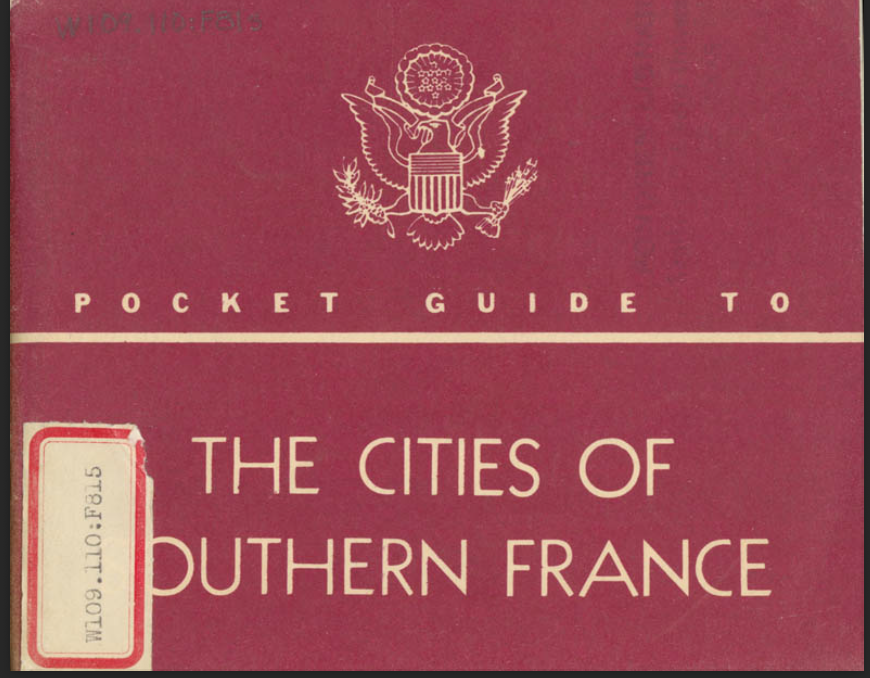
Pocket Guide to the Cities of Southern France 1944 – Guide to cities in southern France. Maybe someone more handy with Photoshop can remove the references to the library in it.

Bulletins

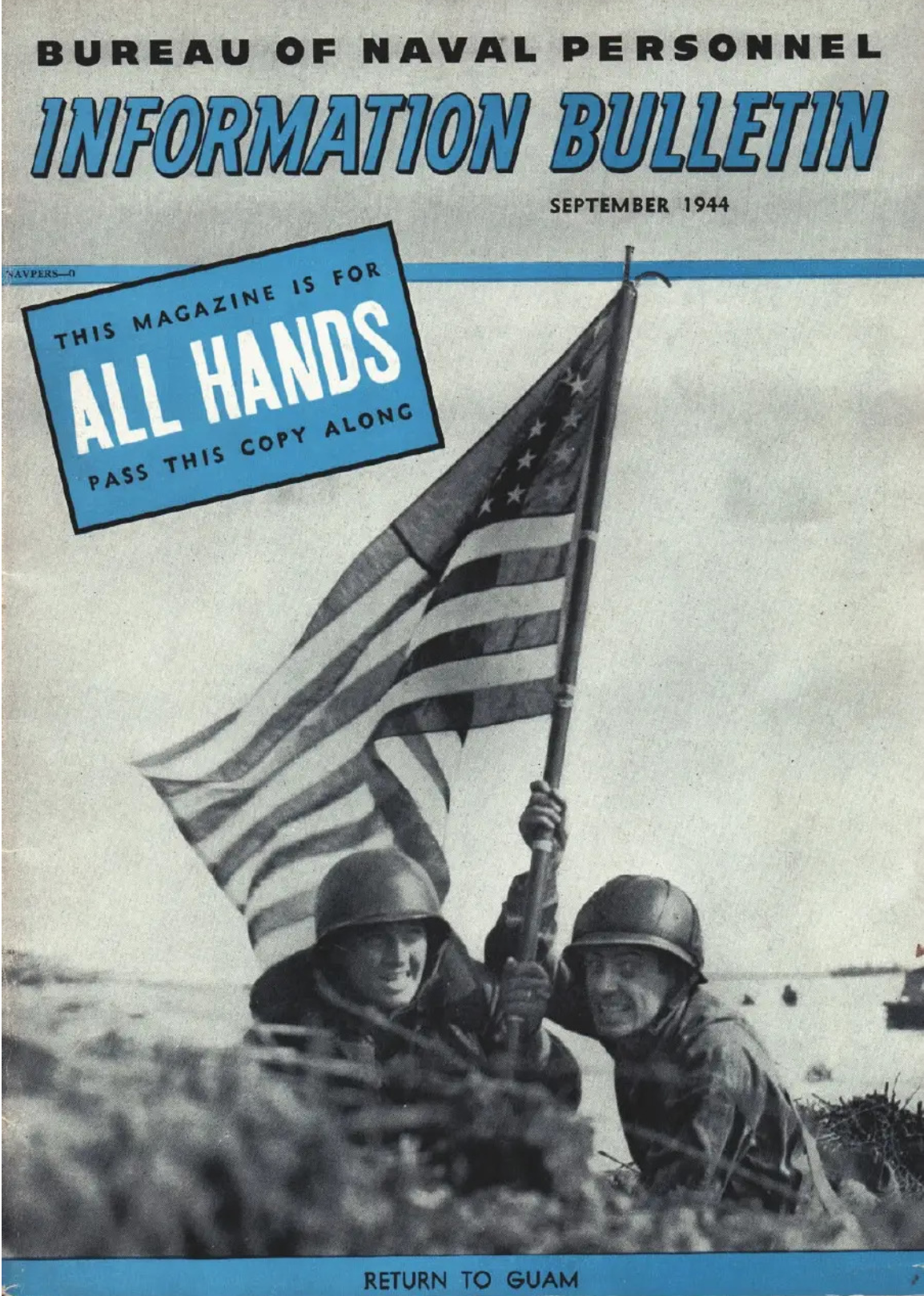
All Hands Naval Personnel Information Bulletin September 1944 11×17 no 330 – a bulletin that contains information about the Navy Personnel’s activities.

Pamphlets and Leaflets

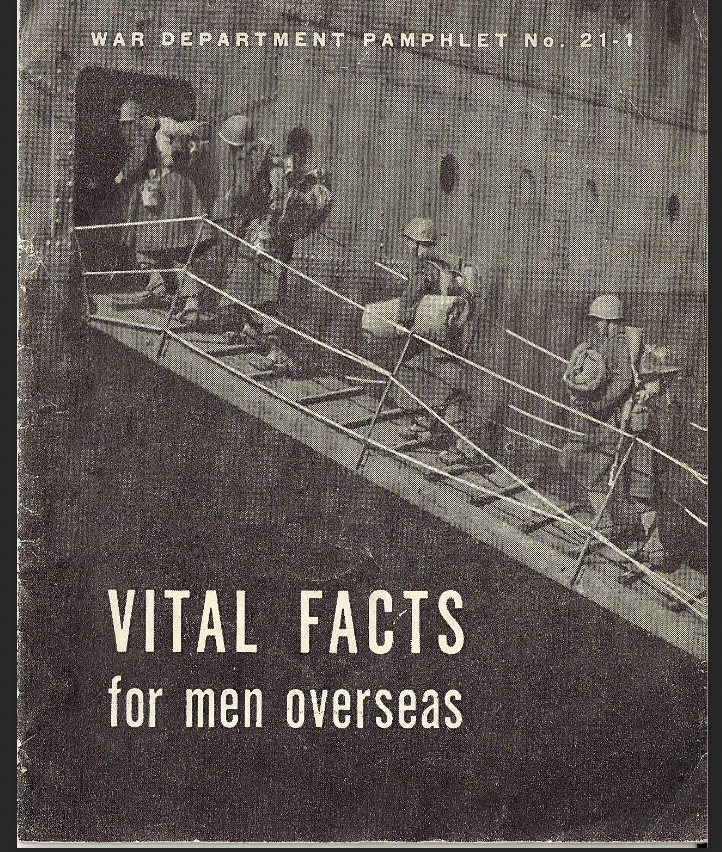
No 21-1 Pamphlet Vital Facts for Men Overseas 1944 – A discussion of security when traveling overseas, censorship, and letter writing. Interestingly, it makes reference to a “Blue Envelope,” which could be used instead of V-Mail for highly personal matters that get examined by the base censor, not the unit censor. Probably because the unit censor would know you and the base censor wouldn’t.

Pamphlet 21-13 Army Life 1944 | A document that goes over basic military introduction. See also a historical primer on Army Life written by Tim O’Neill.

If you wish to print it off, the cover is a brown cardstock.

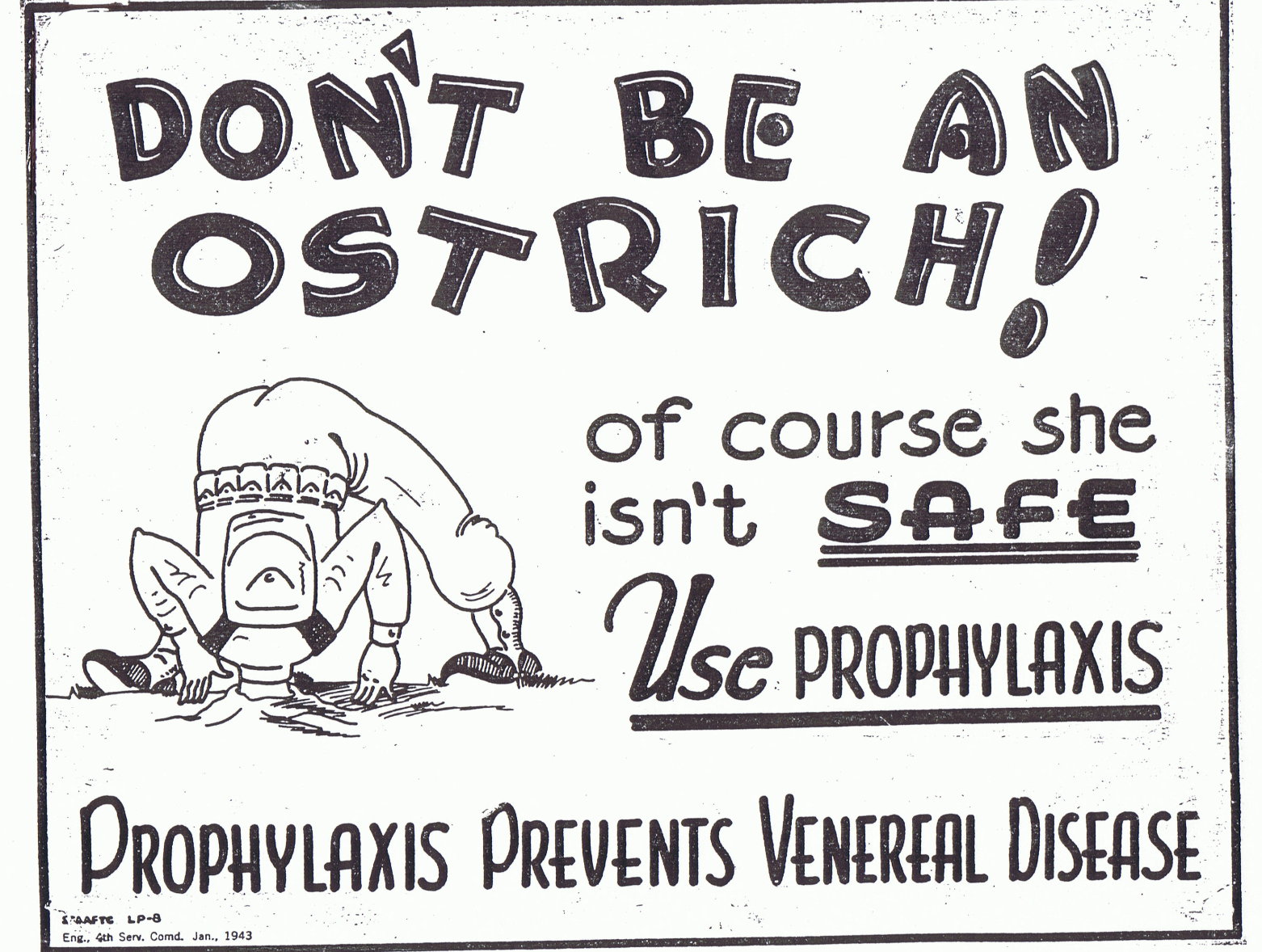
Pamphlet 21-10 Pvt Droop has Missed the War June 5th 1944 | A document that implores soldiers to essentially “don’t do stupid shit with” like driving too fast, hanging out too close to highways, drinking and driving, swimming within 2 hours, and visiting firetraps and cabarets, etc.

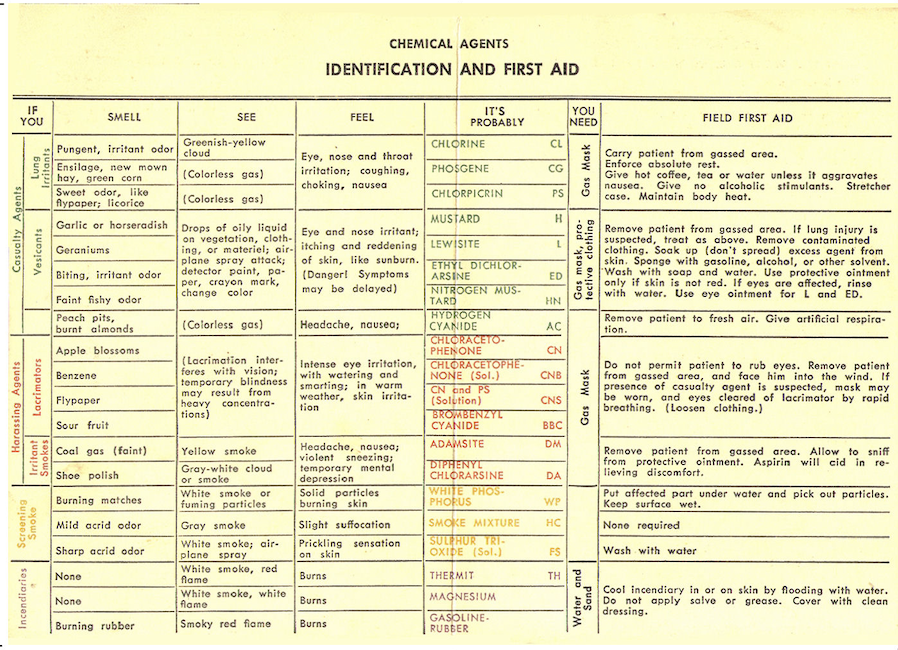
Pamphlet 21-23 Don’t Get Killed by Mines or Booby Traps Nov 17th 1944 | A guide that discusses types of German, Japanese, and US mines, how they work, how to recognize them, and where one might find them.

Essentially, don’t touch stuff.

Note that the pamphlet contains Nazi symbols and offensive imagery of the Japanese.

Pamphlet 23-2 Hits Count 1959 | A post-war document that discusses how to aim with the M1 Garand rifle. While not WW2-related, the tips are relevant.

Pamphlet 24-2 Radio Telephone Procedure Oct 22nd, 1943Part 1 and Part 2 | A short small booklet that explains Radio Telephone Procedure. Print off part 1 on 8.5in by 14in. Beige light cardstock, flip it over, and print off part 2. Then cut and fold.

The actual size is: 4.75in X 3.75in. If you want it as an image, you can see part 1 and part 2 here.

Pamphlet 27-4 Procedure for Military Executions 1944 | Outlines how to execute by firing squad and hanging convicted military personnel.

It is interesting to note that when the prisoner approaches the firing post or gallows, a band plays “The Death March”, which is Frederic Chopin’s Funeral March. When the prisoner is killed, the band plays “..a lively tune”.

For a history of how this song became associated with military executions, see: The History of the ‘Dead March’ played before military executions.

Also of note, when execution by firing squad happens, between 1 and 4 rifles out of the 12 used will be loaded with blank ammunition.

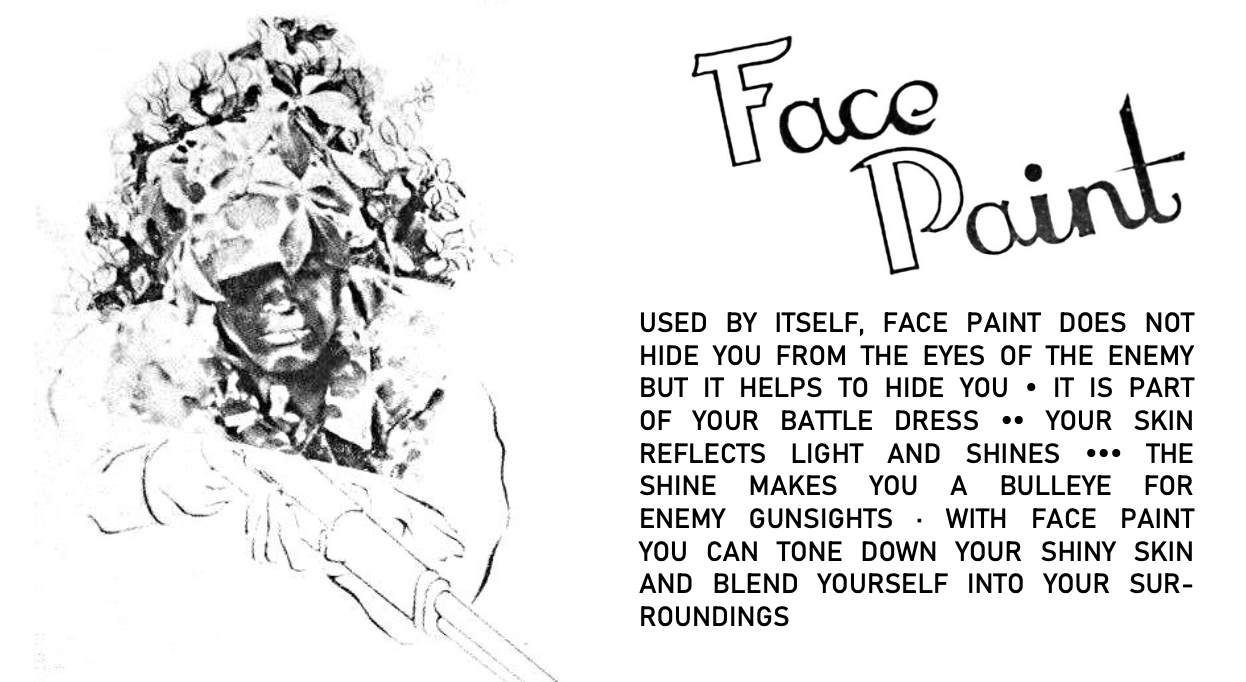
US Leaflet Face Paint – Camouflage – How to use face paint. Facts and how to.

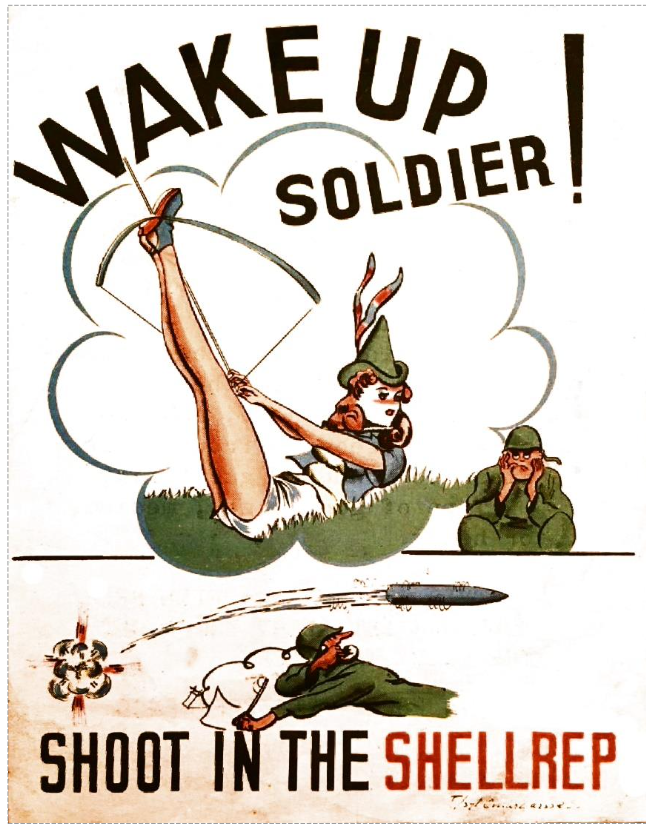
Artillery Barrage Pamphlet 1944 – Things to report during your Shellrep or “Shell Report” that you provide when shelling happens.

Transportation

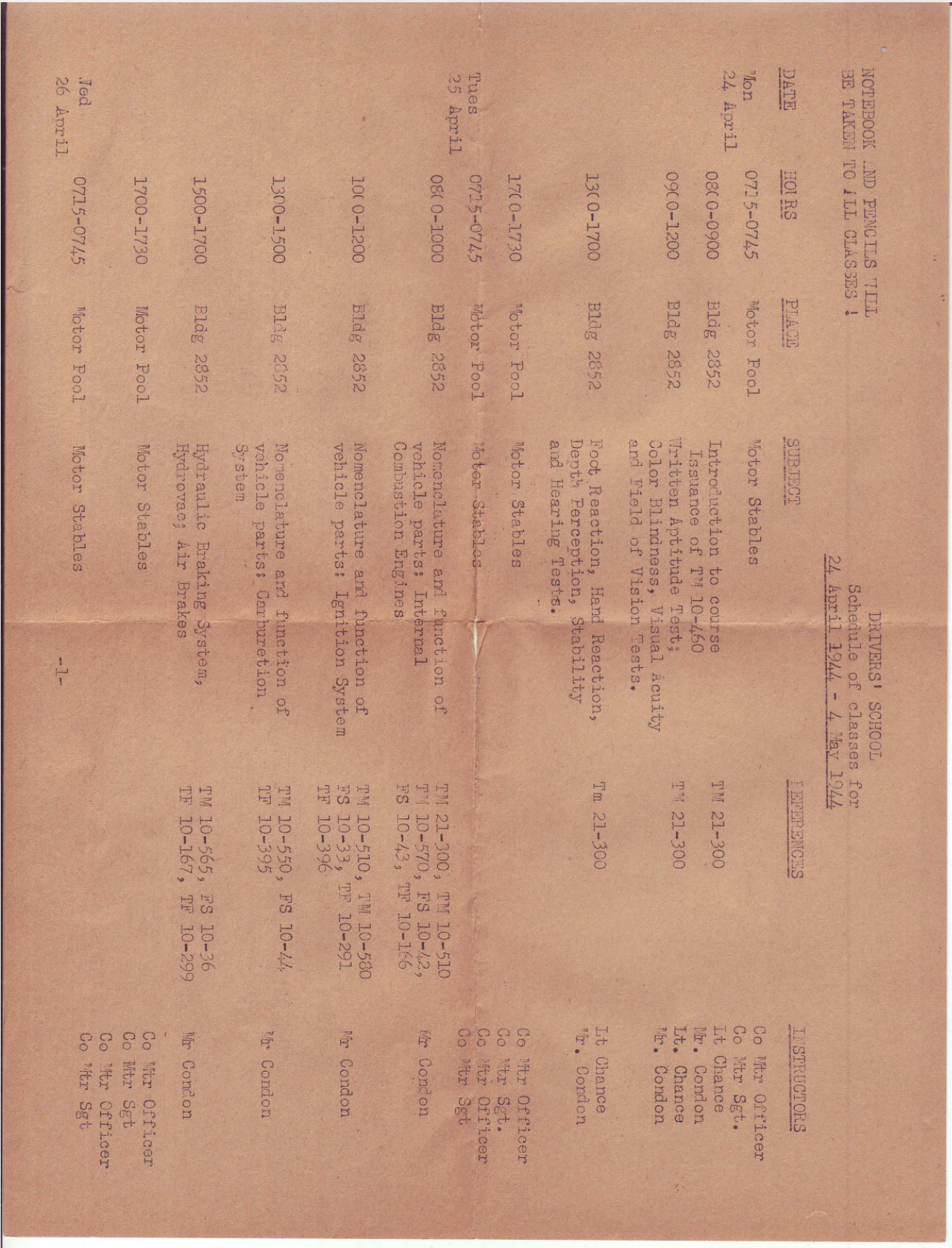
Drivers School Schedule of Classes April to May 1944 – A classroom training schedule for training drivers. Includes topics and relevant field and technical manuals.

Medical

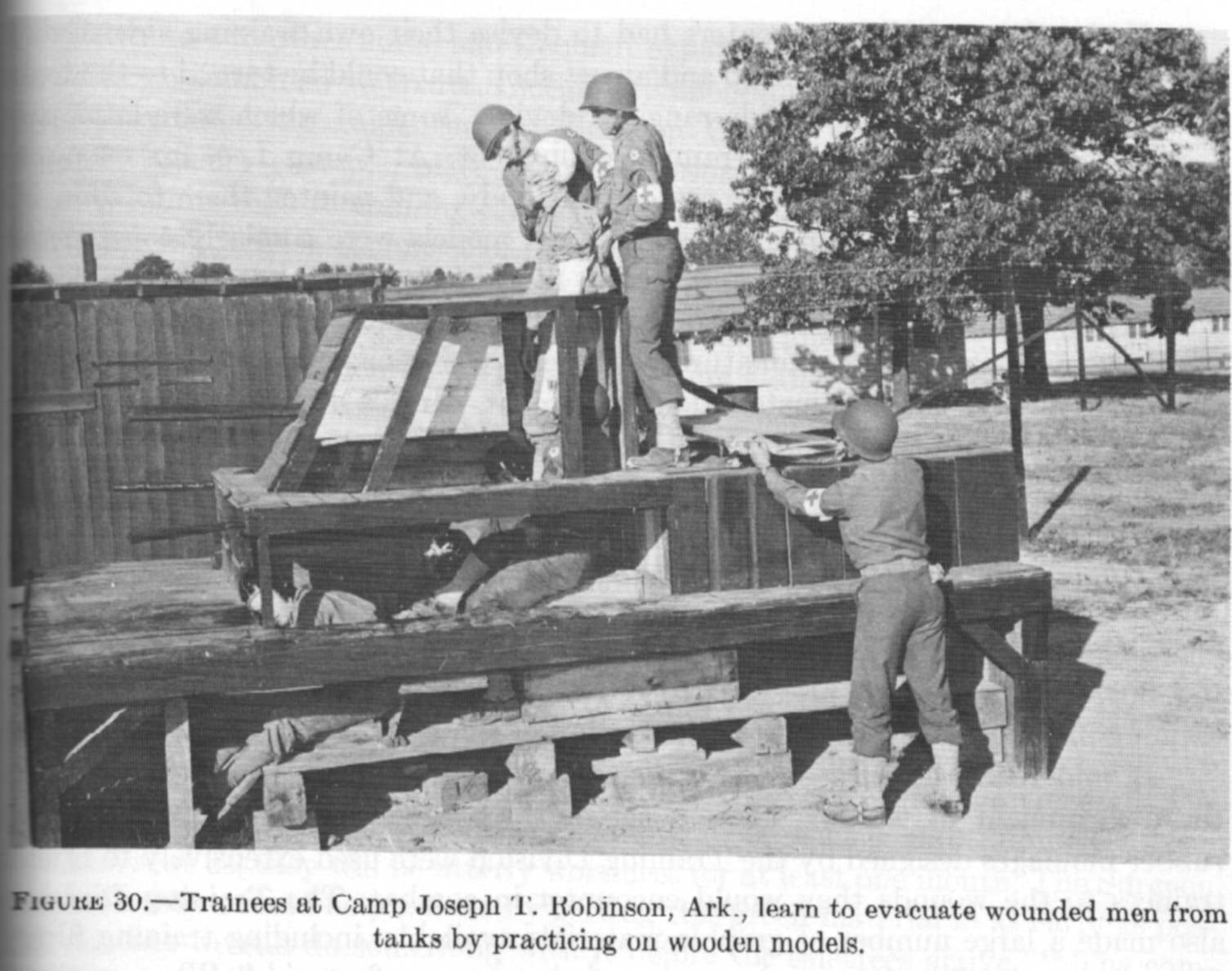
Removal of Wounded from Tanks Information Bulletin No 17 June 5th, 1942 | Discusses ways to remove wounded from tanks such as using slings or pulling them out. Mostly focuses on early war tanks like the Lee and Grant and includes British tanks like the Churchill and Valentine.

The Army Nurse

The Army Nurse Vol 2 No 1-8 Jan to Aug 1945 – The Army Nurse is a magazine-type publication for Army Nurses. It contains news and information related to the organization.

Comes from AFHRA Reel B1795.

The Army Nurse Vol 1 No 1-12 Jan to Dec 1945 – The Army Nurse is a magazine-type publication for Army Nurses. It contains news and information related to the organization.

Comes from AFHRA Reel B1795.

Ordinance and Weapons

How to Shoot the US Army Rifle – The Infantry Journal, 1943.

Misc

Jody Calls | A marching song invented by Private Willie Lee Duckworth in 1944 to help keep up morale during long marches.

This Jody Call Information paper explains more about the history.

Camp Crowder Guide and Telephone Use – Looks to be a little handout given to folks arriving at Camp Crowder, MI.

For a look at some of the soldiers training at Camp Crowder See: Camp Crowder Signal Corps Training Center 27th Battalion, Co D as well as A Camera Trip at Camp Crowder. For a humorous take see the Pvt Roberts Comic Strip.

For additional Camp Crowder information see: https://www.ibiblio.org/cizewski/signalcorps/crowder/index.html.

Radio War Guide July 1st, 1942 | A handout that outlines things a civilian radio station can take to help spread factual information about the war and help with general war-related programming.

Alphabetical list of APOs Jan 1942 to Nov 1947 | Lists out all the APOs for postal mailing.

If Captured These Are Your Rights 1944 War Department Pamphlet No 21-7 | A handout that outlines what your rights are if captured.

You should be able to print it out on 8.5in by 11in paper and then cut and trim pages. However, the front page may be cardstock.

Should get two staples along the outside seam.

Men-at-Arms German Combat Equipments 1939-45 – An Osprey publication that outlines what the German Equipment looks like.

Cohesion and Disintegration in the Wehrmacht by Edward Shils and Morris Janowitz Public Opinion Quarterly Vol. 12 No. 2 1948 | Discusses why the German Army was effective and why it collapsed. Essentially, it was effective when there was trust and not when there wasn’t.

Camouflage Simplified 1942 by Eric Sloane | A book describing ways to camouflage buildings from aerial observations through shadowing, pattern blending, painting etc.

Post-WW2

There’s a small number of post-WW2 manuals and guides I thought I might post here because they’re too cool and interesting not to share.

150 Questions For A Guerrilla – Alberto Bayo – Paladin Press – 1996. It is an interview conducted with General Bayo before he died. Likely as part of his experience with the Cuban Revolution.

Posted on

Rangers and Special Forces in WW2

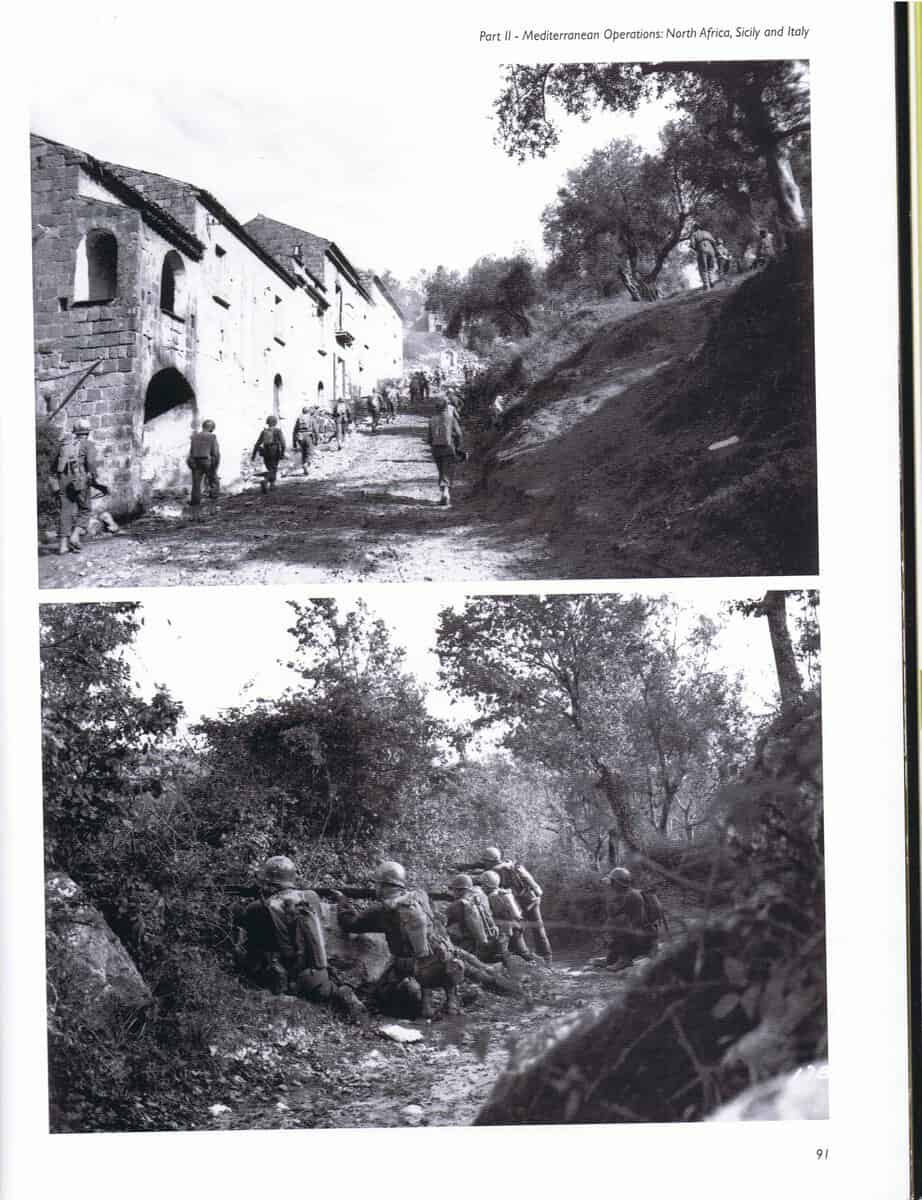
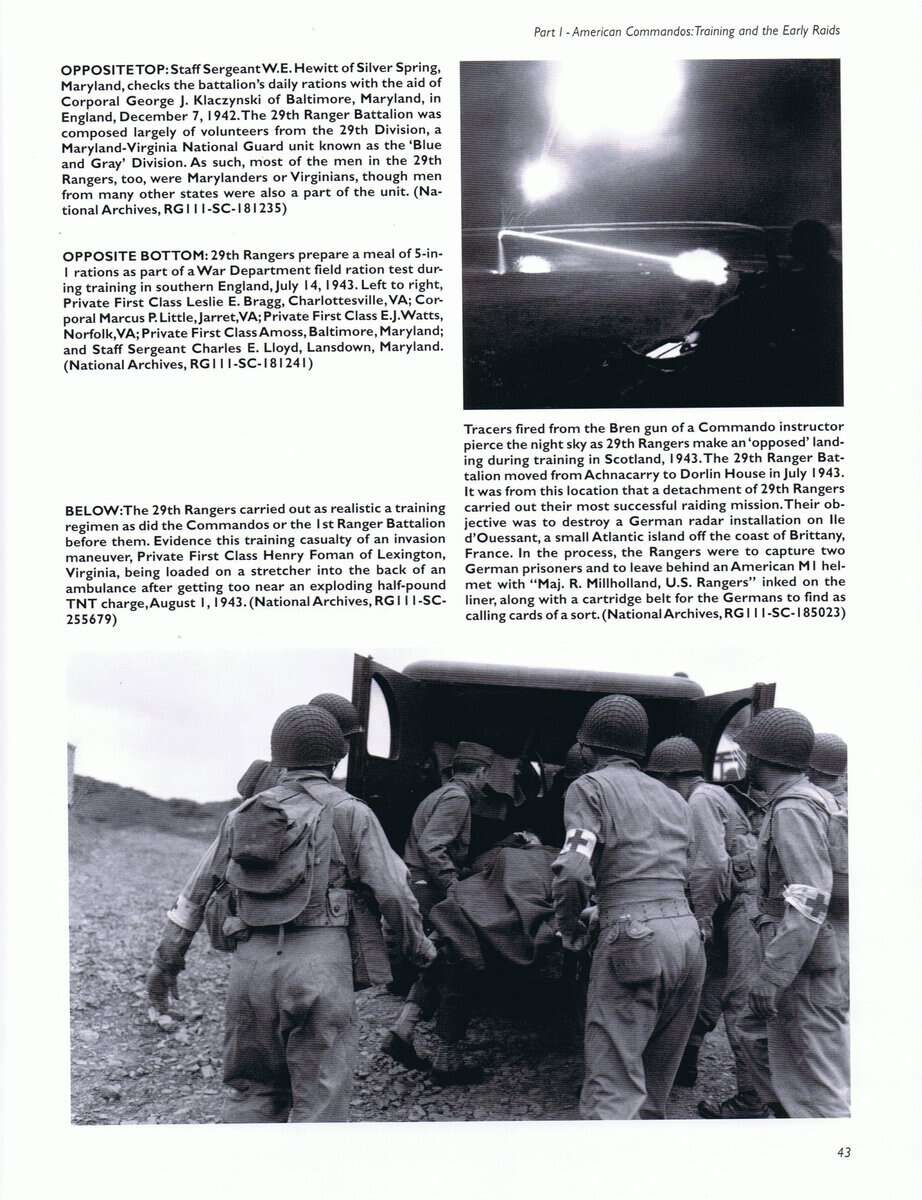
I typically reenact 5th Rangers, D Co. This post isn’t meant to rehash the history of the 5th Rangers (or Special Forces) but to provide some interesting information about them. I’ve divided the information into a few distinct sections. The images below cover all rangers unless otherwise specified in the image.

The images come from Ross, Robert Todd. US Army Rangers & Special Forces of World War II: Their War in Photographs. Atglen, PA: Schiffer Military History, 2002.

Rangers in the Field

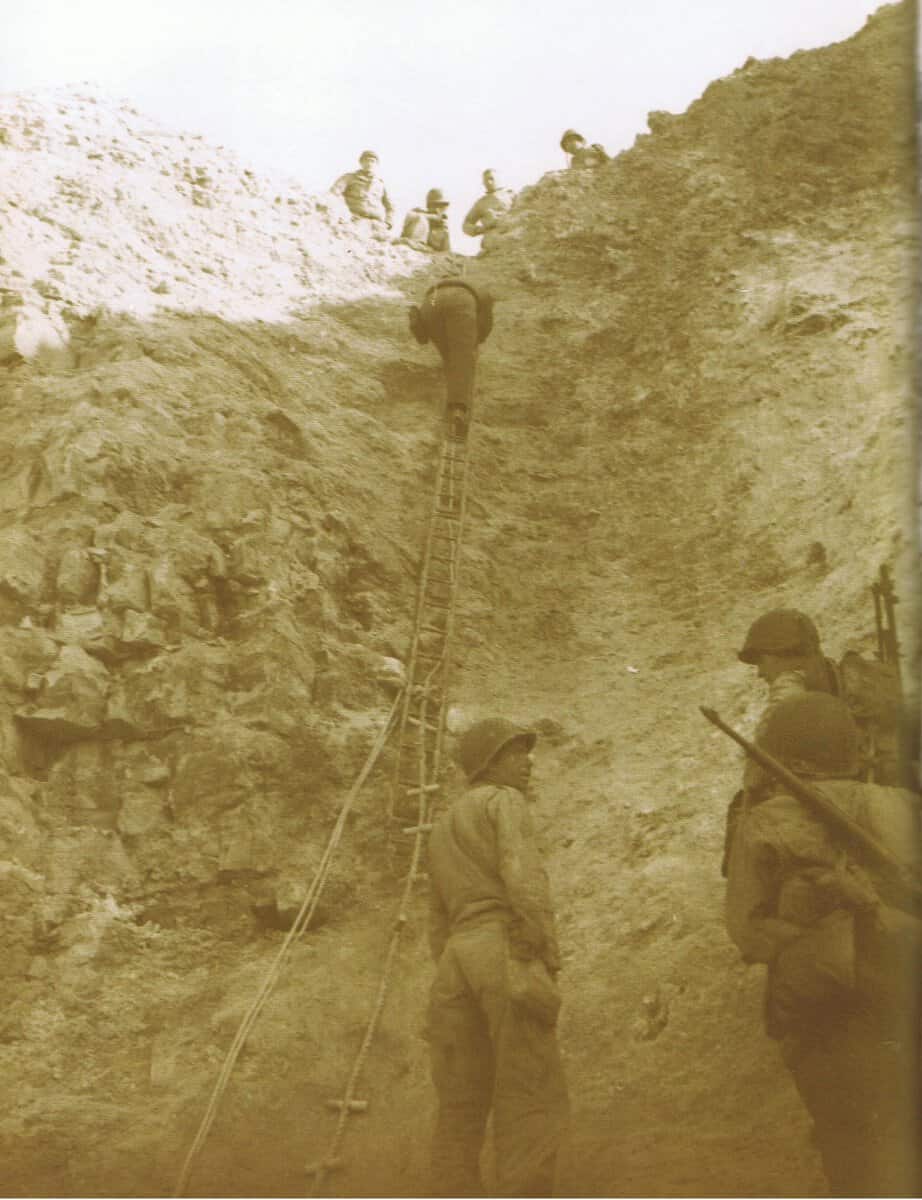
Ranger Toggle Ropes

A close-up of the Ranger toggle ropes used on Dday. Probably taken from a training landing or a few days after.

While this next image isn’t from the book it does describe the location of where folks were in a landing craft. Source unknow.

Darbys Rangers

The images below show a Table of Organization and Equipment for Darby’s Rangers but are instructive in a general sense for what the 5th Rangers ultimately had.

Ranger Helmet

The images show some examples of a Ranger helmet. To learn more about how to paint the diamond see: Painting a Ranger Diamond.

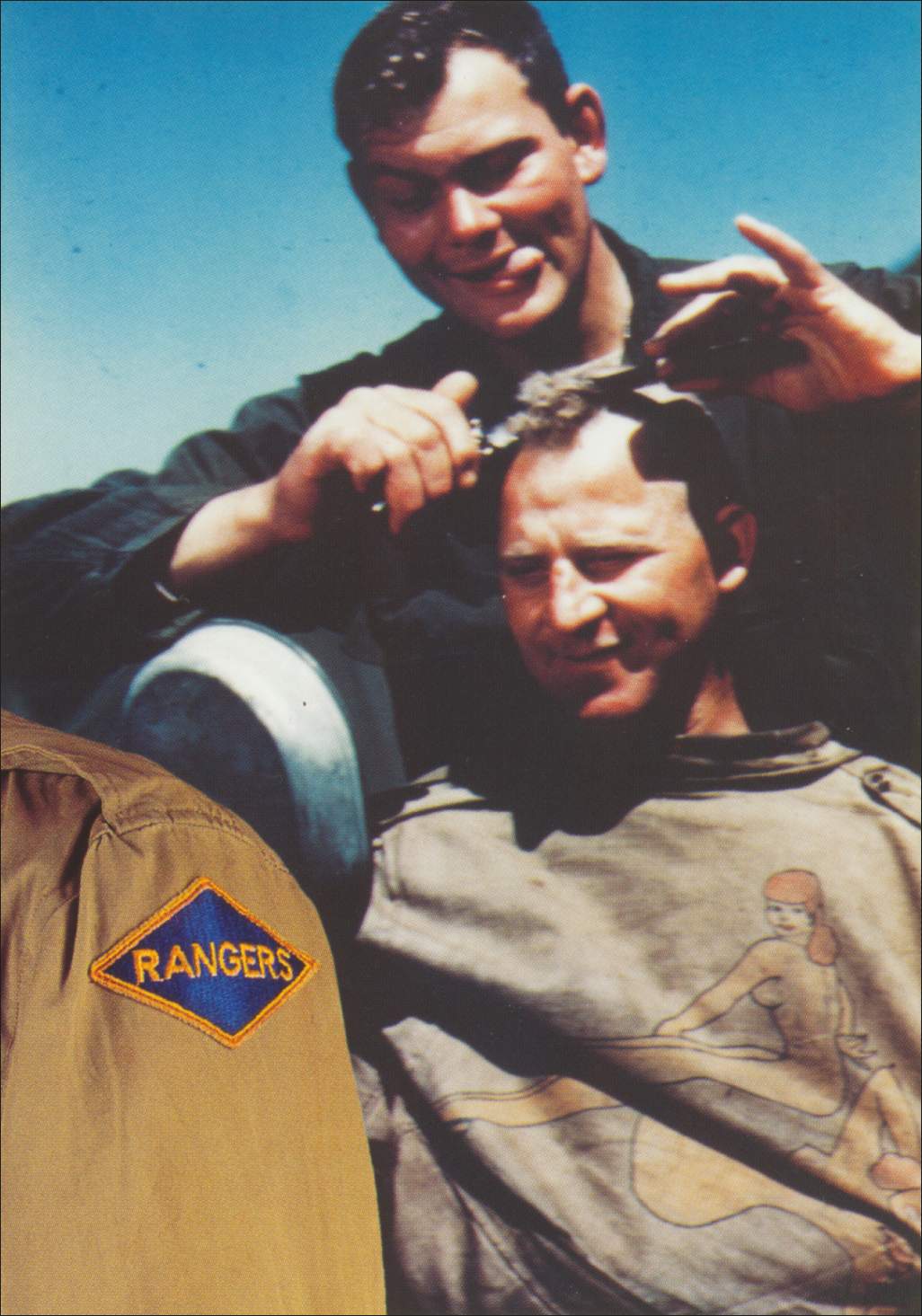
Ranger Patch

The image below shows an example of a ranger patch on HBTs and 4 pocket tunics.

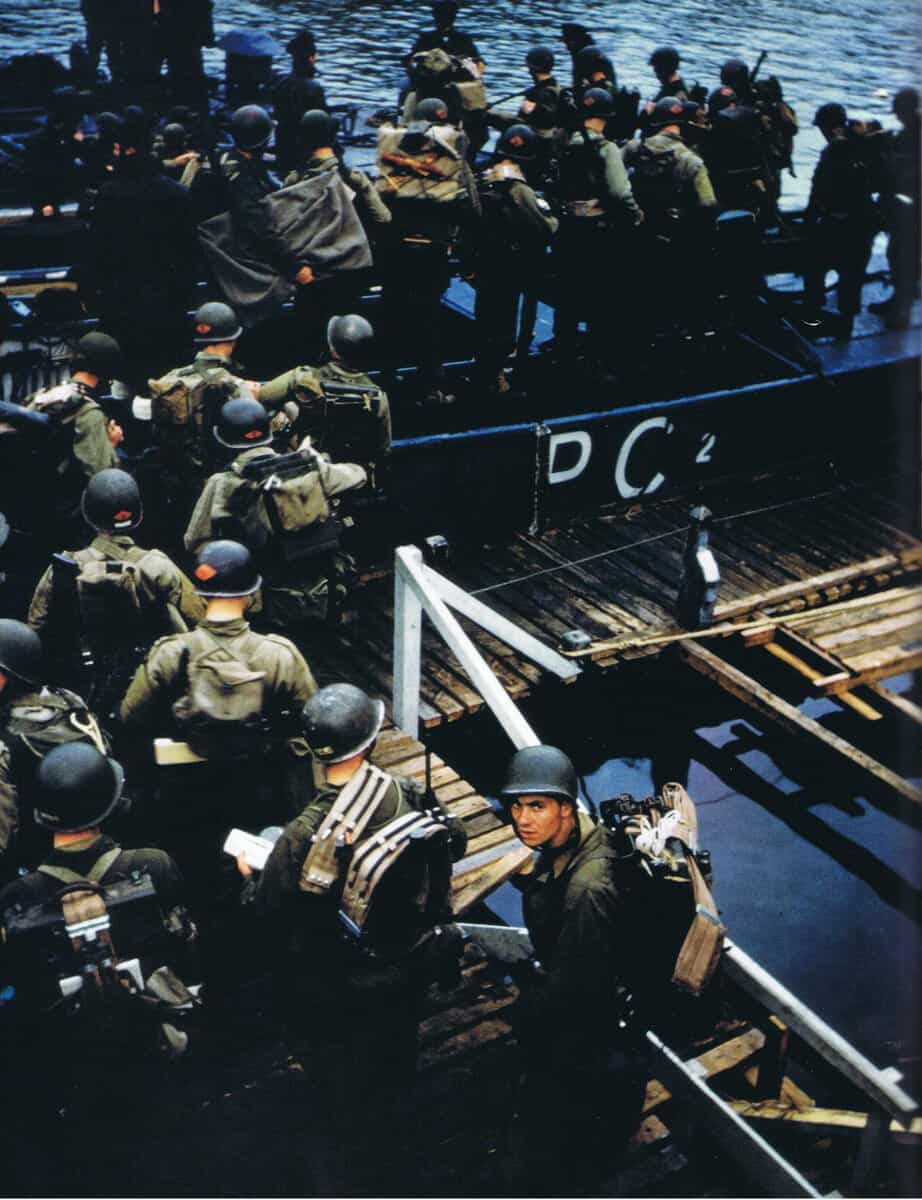
D-Day Embarkation

The images below highlight activity around the Rangers as they prepare for Dday. In one image you can see a few BC1000s radios.

Unique Uniform and Equipment Placement

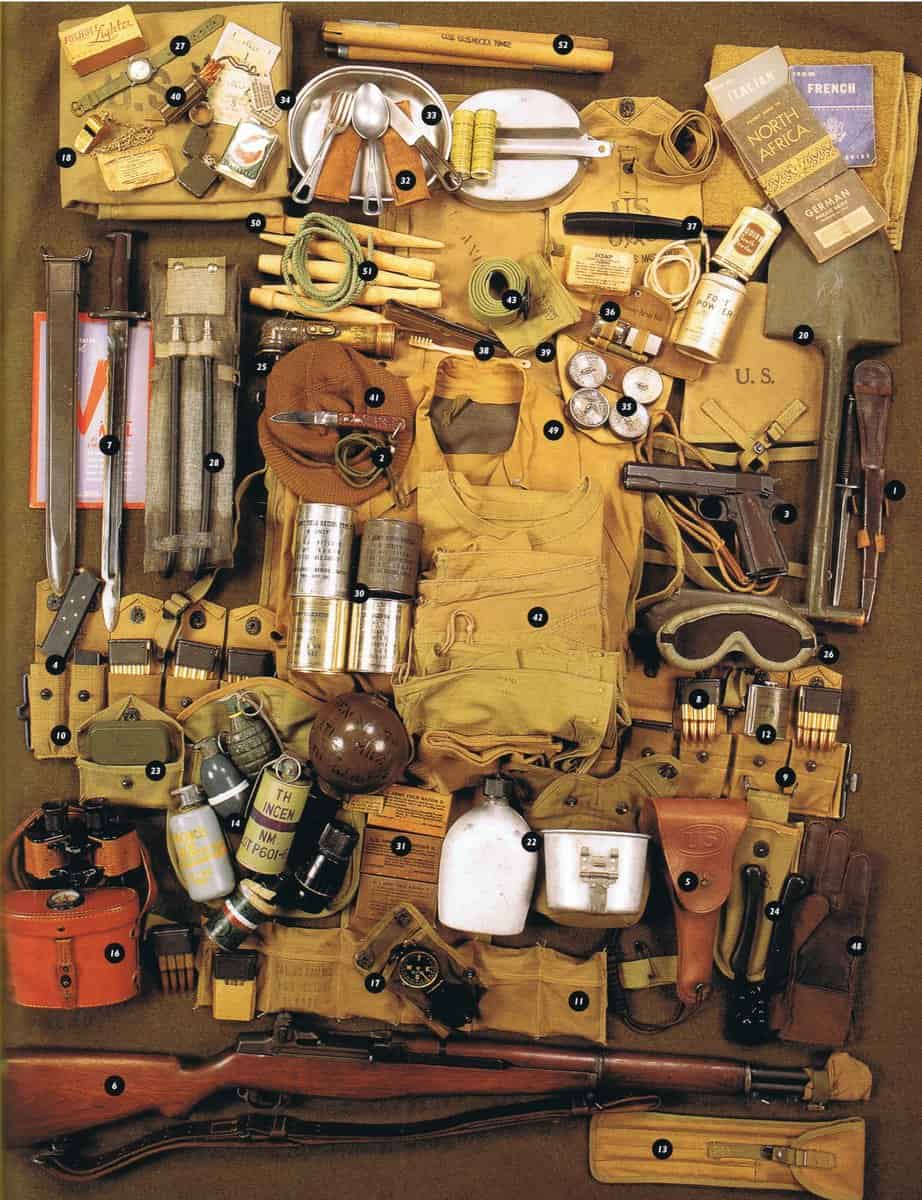
The images below highlight a few unique placements of field equipment. Such as a meatcan pouch attached to a belt.

Ranger Training

The images below show a few examples of Ranger training for D-day and in general. It also shows an example of “Ranger Training” for other units. As in some soldiers in other units were selected to take a “Ranger course” and be certified.

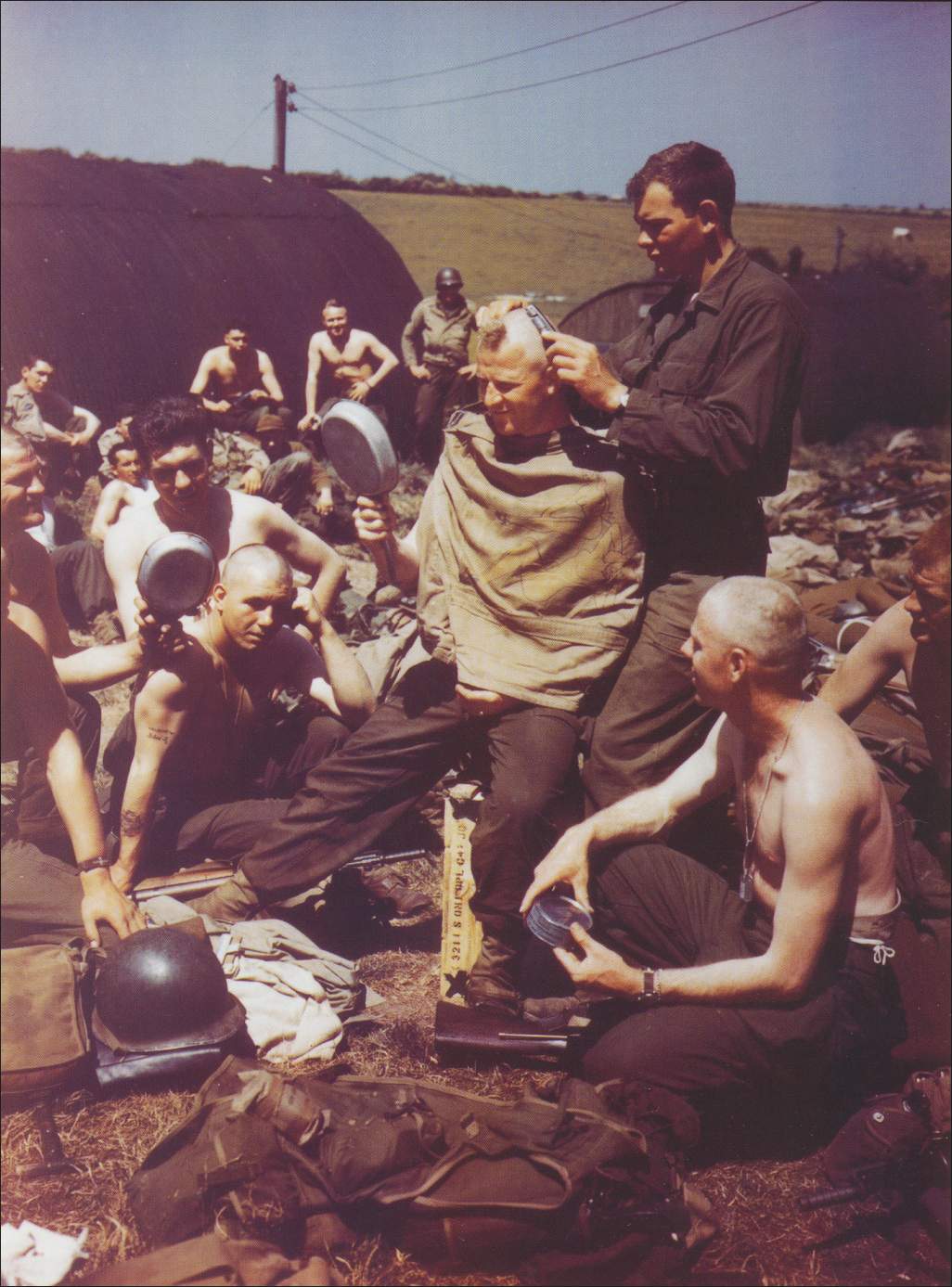
Ranger Haircuts

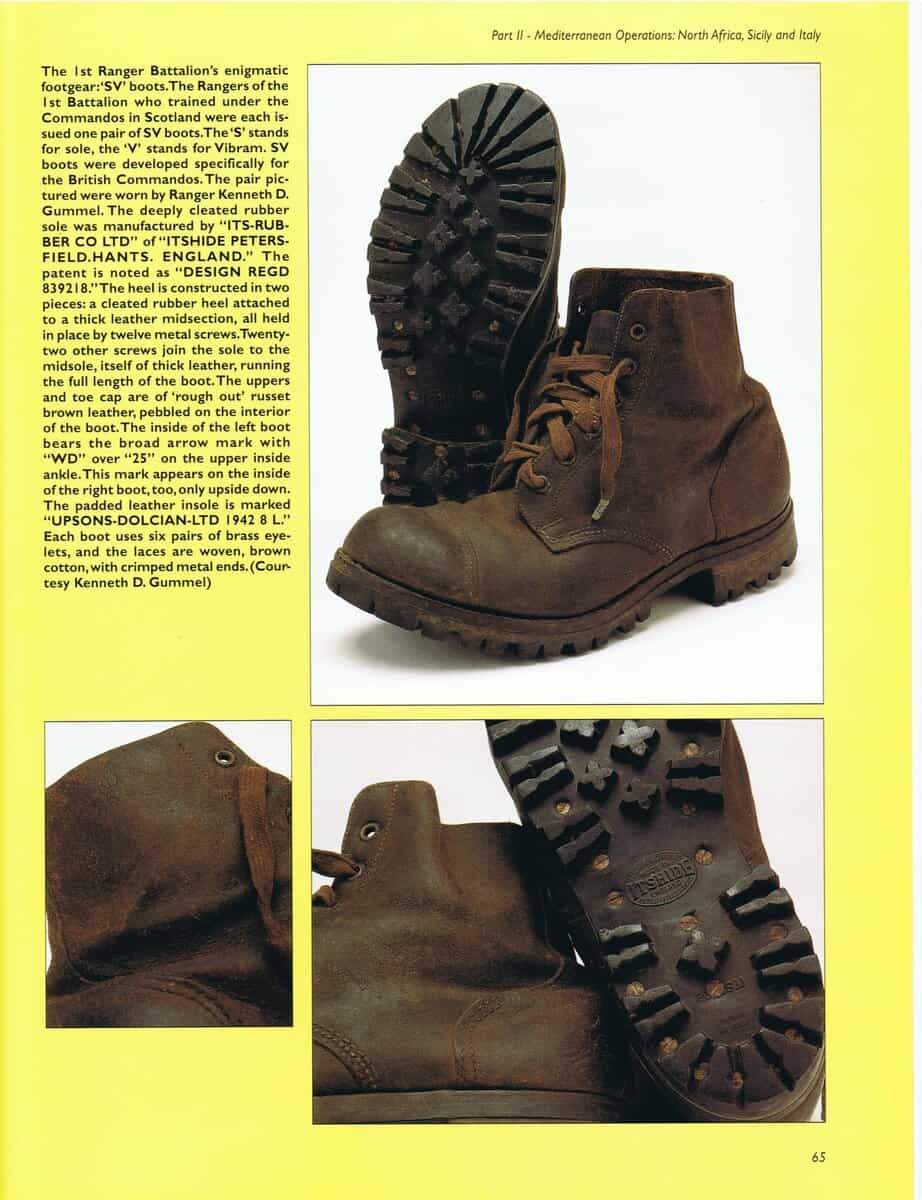
1st Ranger Battalion SV Boots

The 1st Ranger Battalion had SV books. With “S” meaning sole and “V” meaning Vibram.

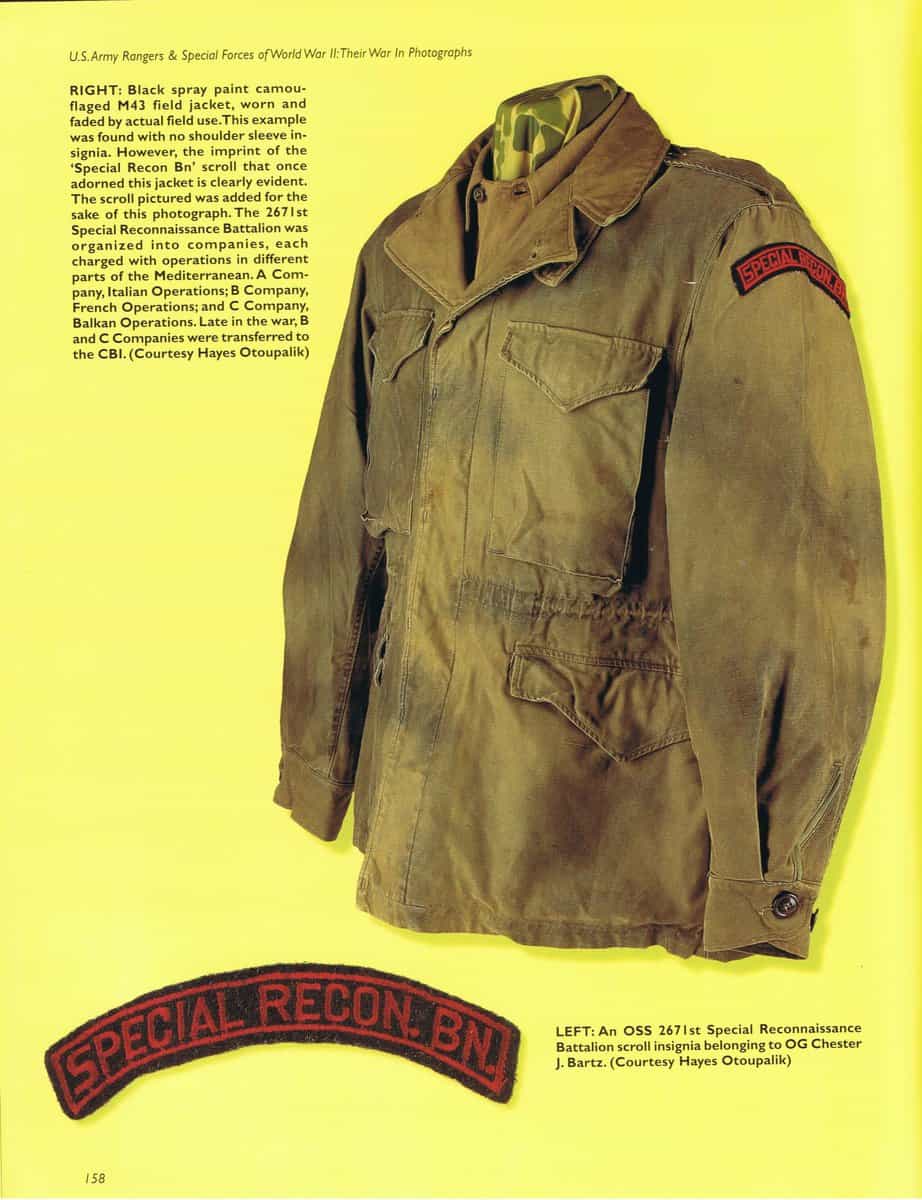
2671st Special Reconnaissance Battalion

The 2671st Special Reconnaissance Battalion was an OSS unit. They spray-painted their M1943 with black stripes to help camouflage it during operations. This doesn’t apply to the 5th Rangers but cool to show.

Posted on

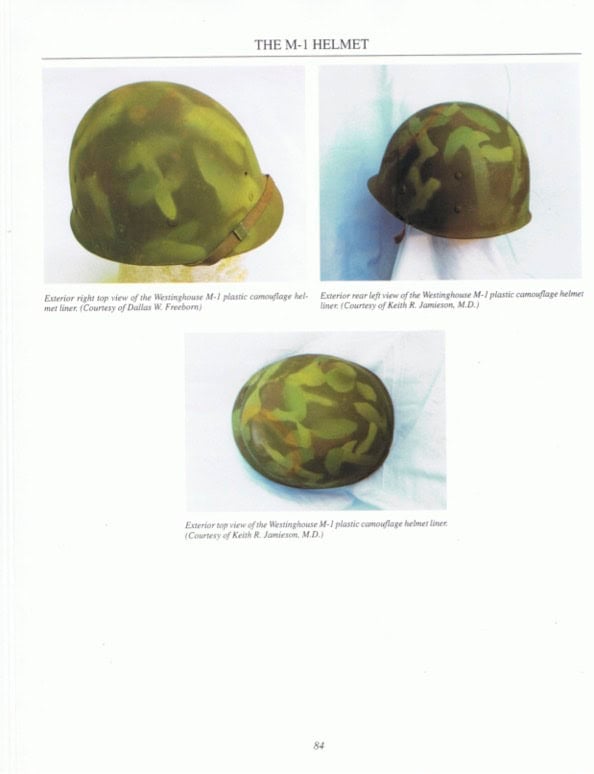
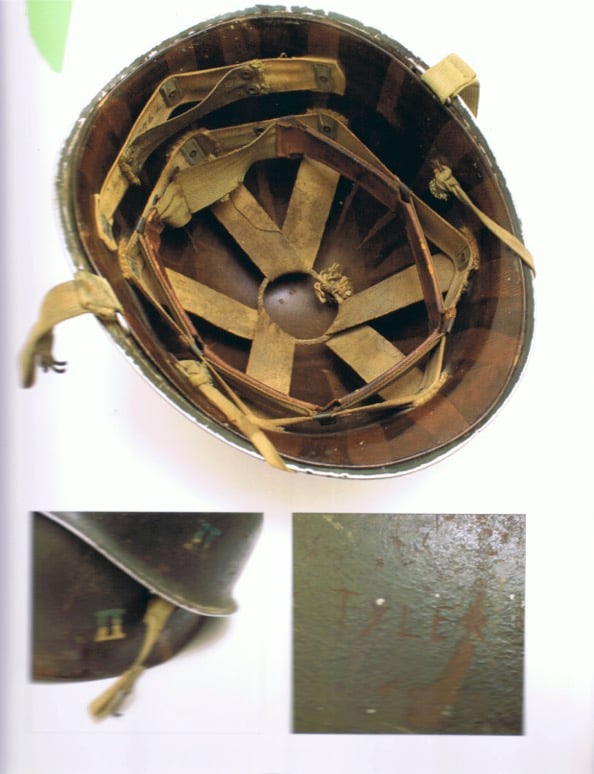
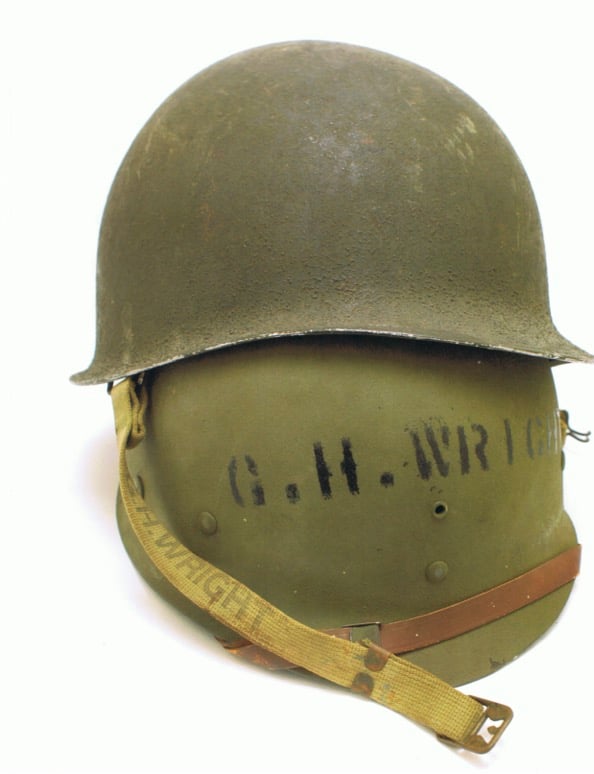
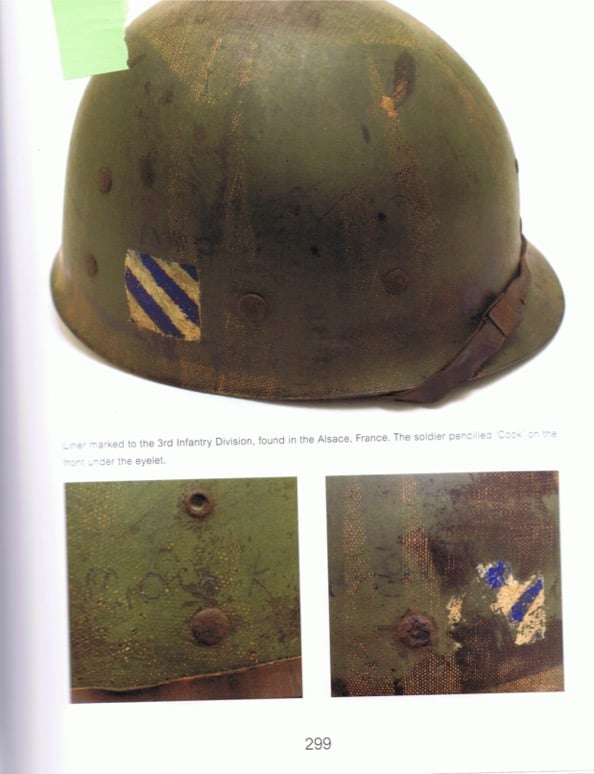
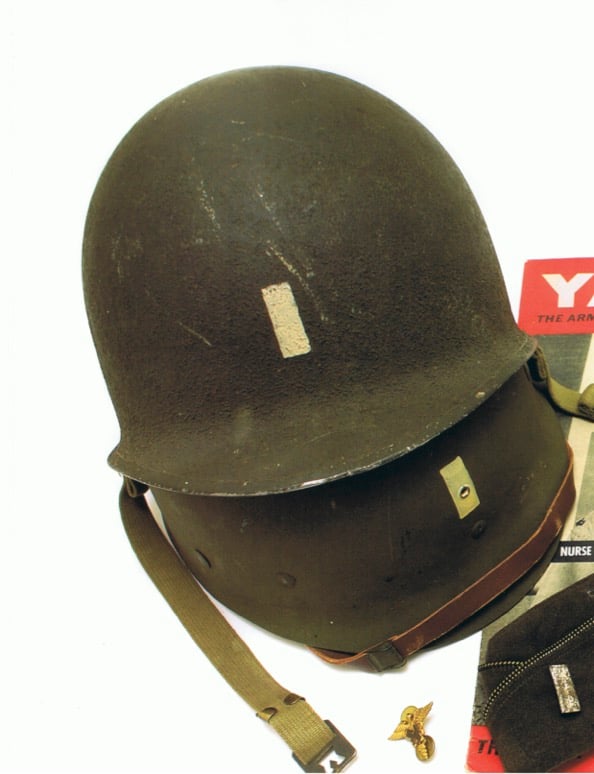
The M1 Helment for WW2 Reenacting

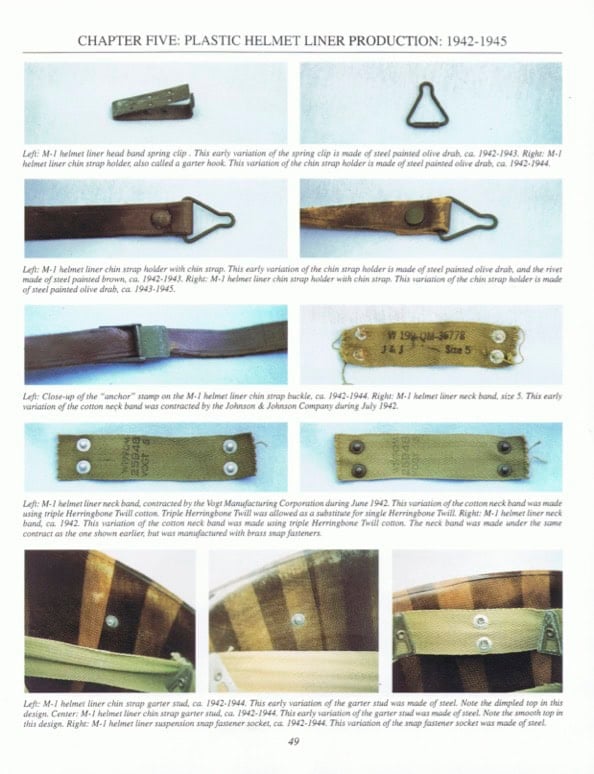
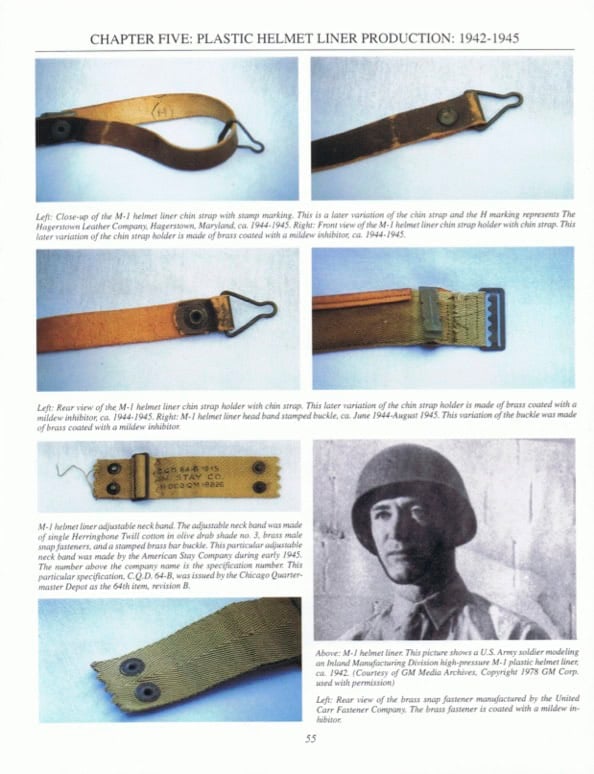
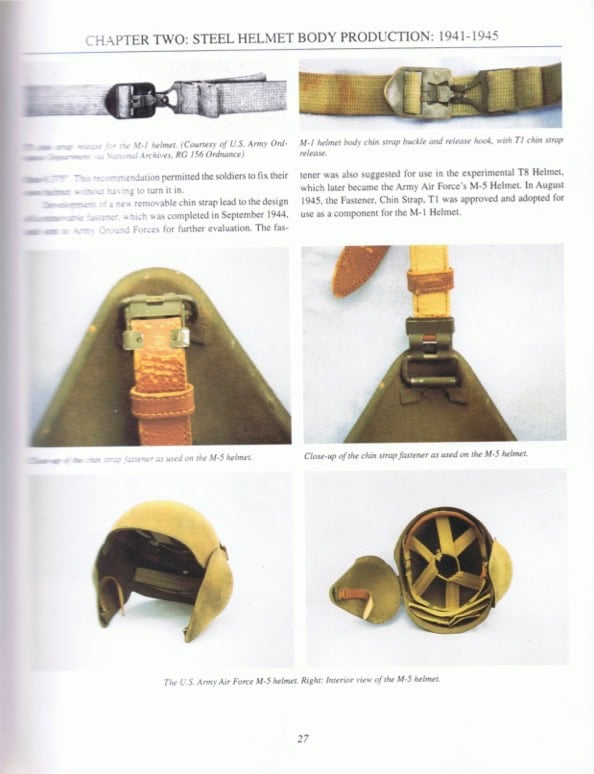
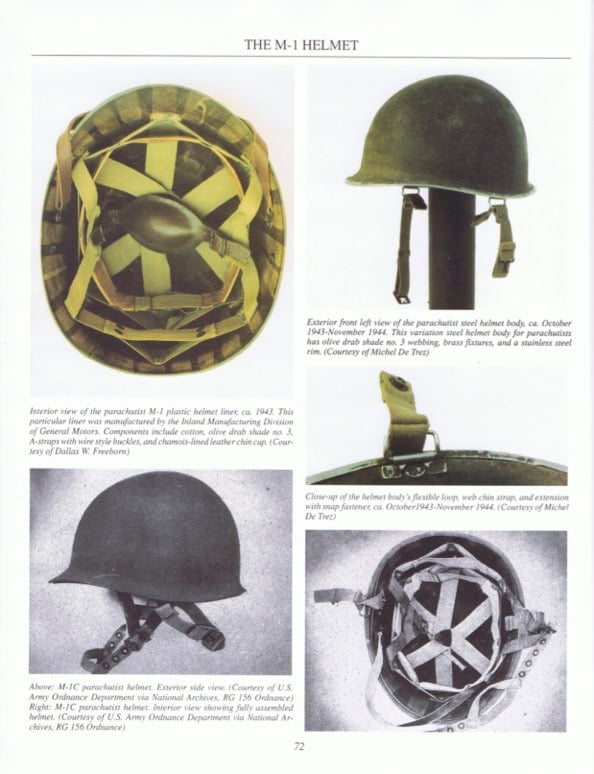
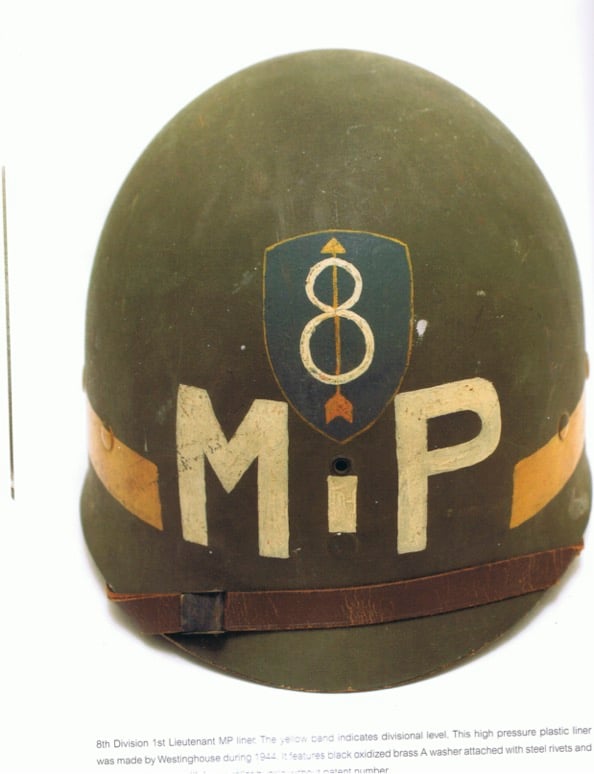
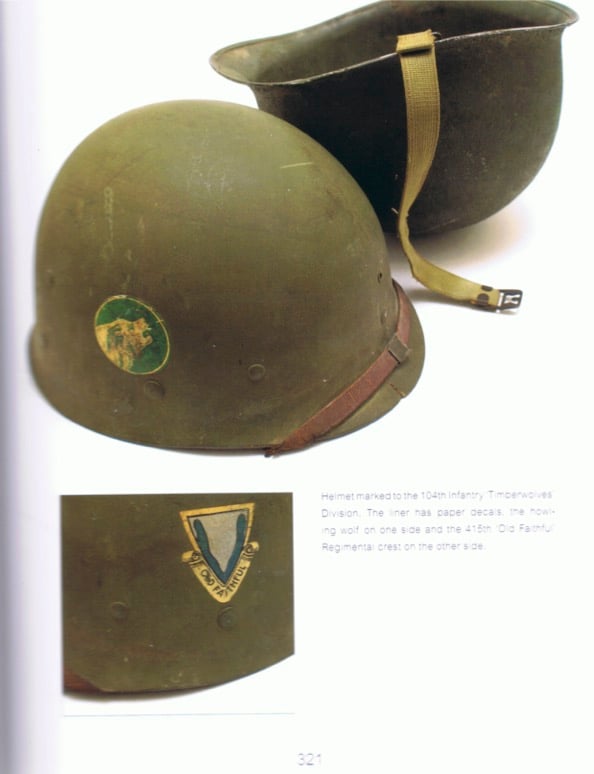
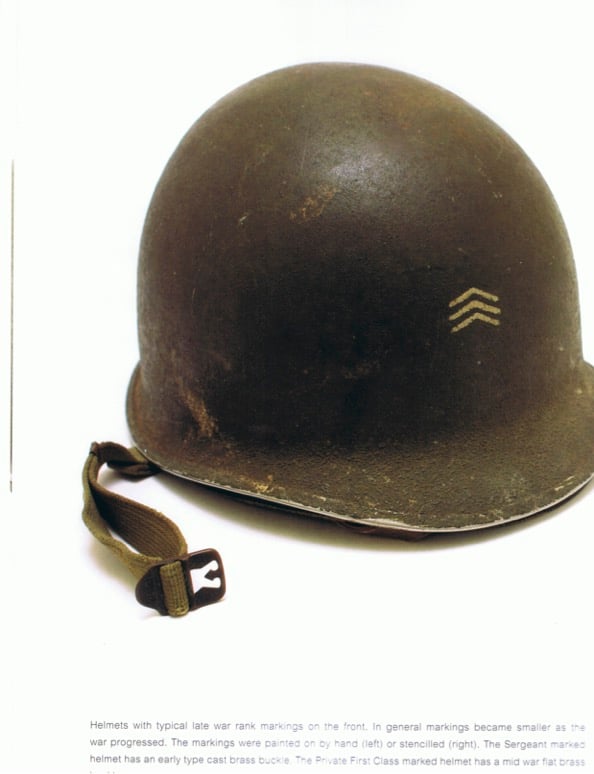
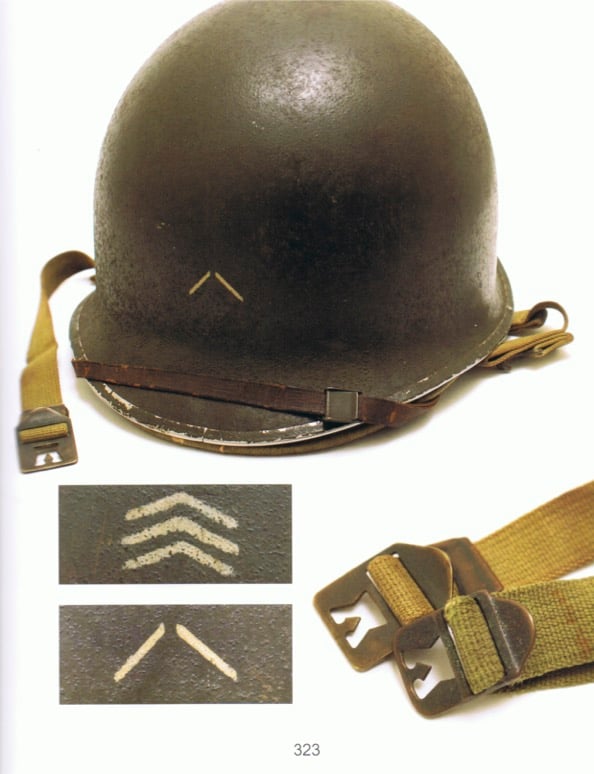
This will document some interesting things about the M1 Helmet that might be germane to reenacting. The images below unless otherwise mentioned come from two books –

The M1 Helmet: A History of the US M1 Helmet in World War II. by Mark A. Reynosa, 1996. Schiffer Military History, Atglen, PA. Images from this book are marked MR.

The M1 Helmet of the World War II GI: A Reference based on the M-1helmet.com collection. by Pieter Oosterman, 2010. Schiffer Military History, Atglen, PA. Images from this book are marked PO. To view part of the collection please visit M-1 Helmet.com

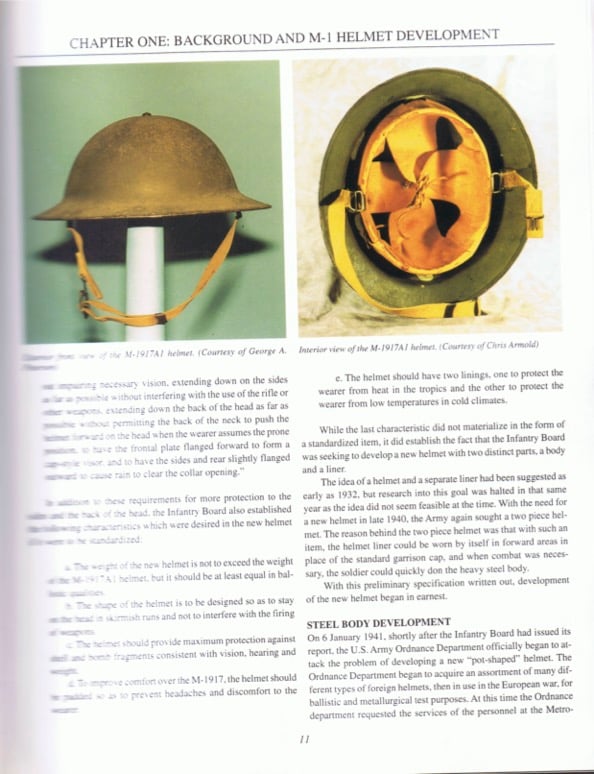
M1917a1 Helmet

The M1917a1 helmet is the same m1917 helmet design but with an improved liner.

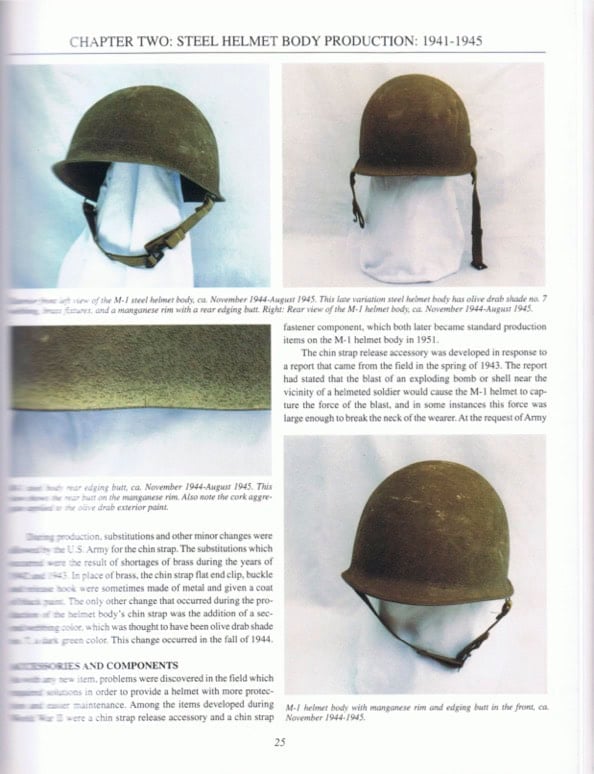
Steel Helmet Production: The Helmet, Liner, and Straps

M1 Helmet Liner Manufacturing Companies: How to ID

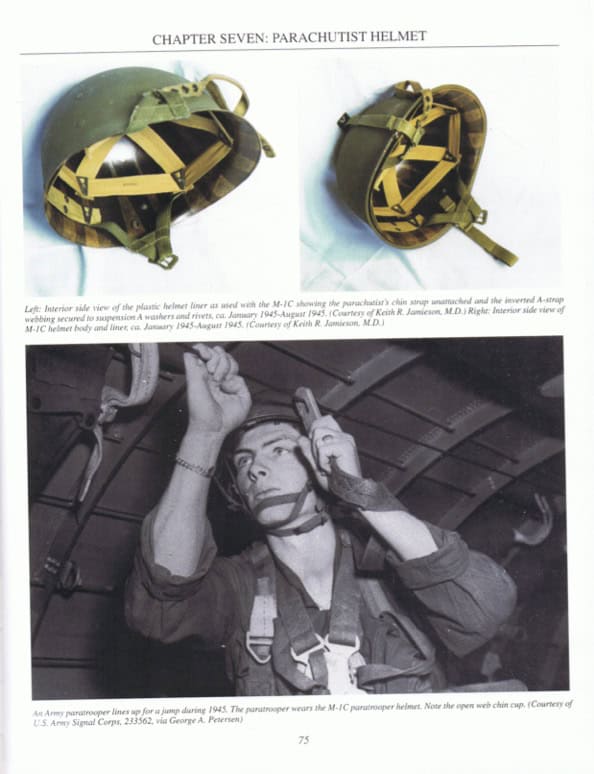
Paratrooper’s Helmet

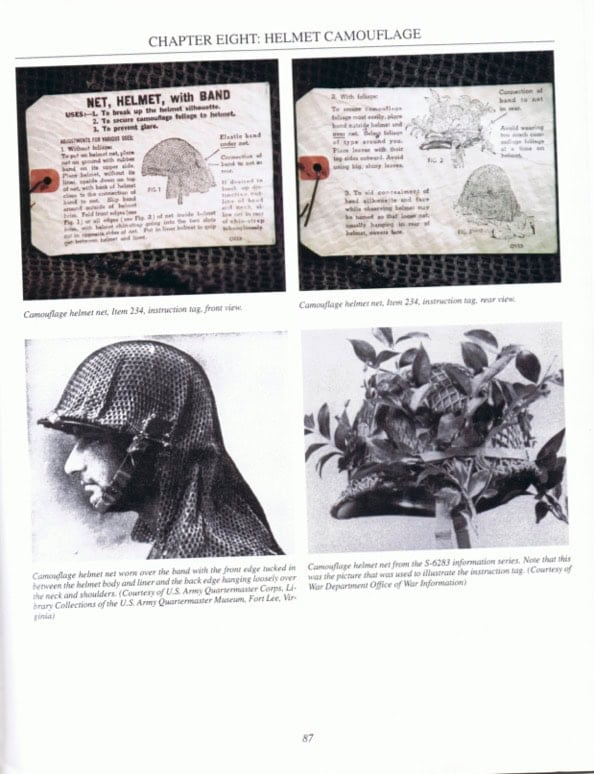
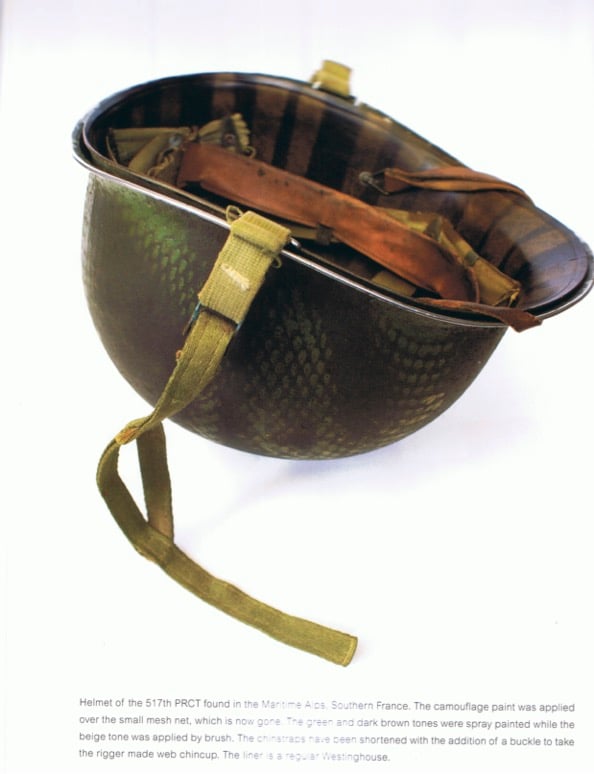
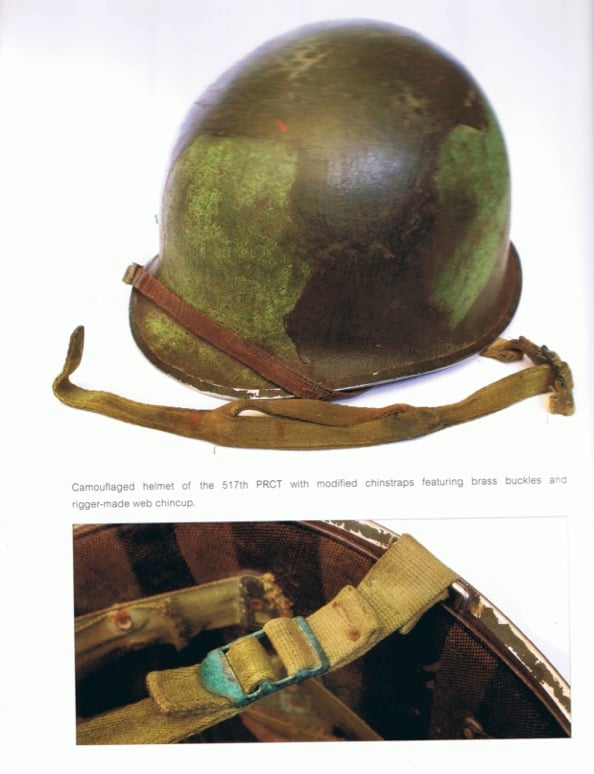
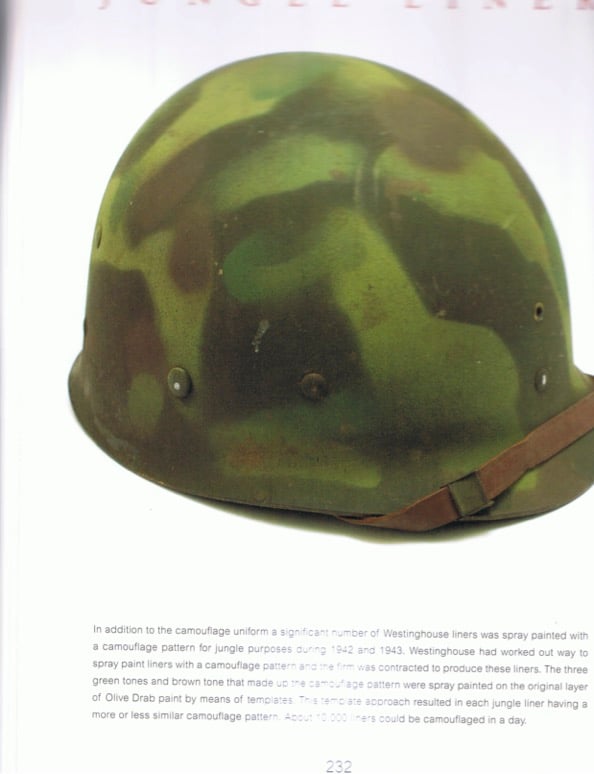
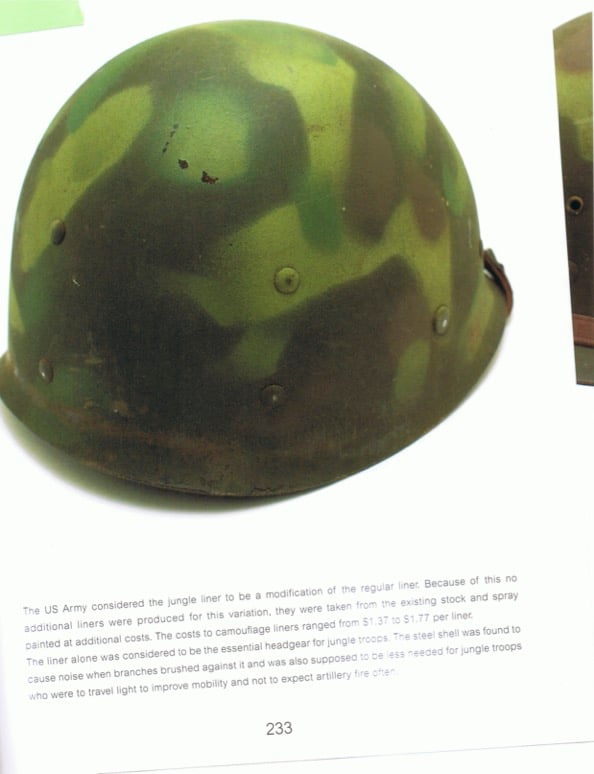
Helmet Camouflage and Nets

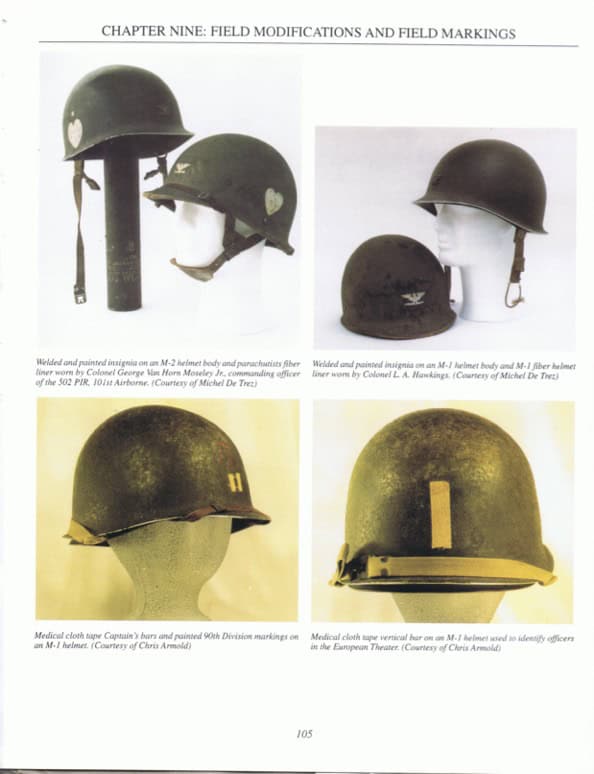
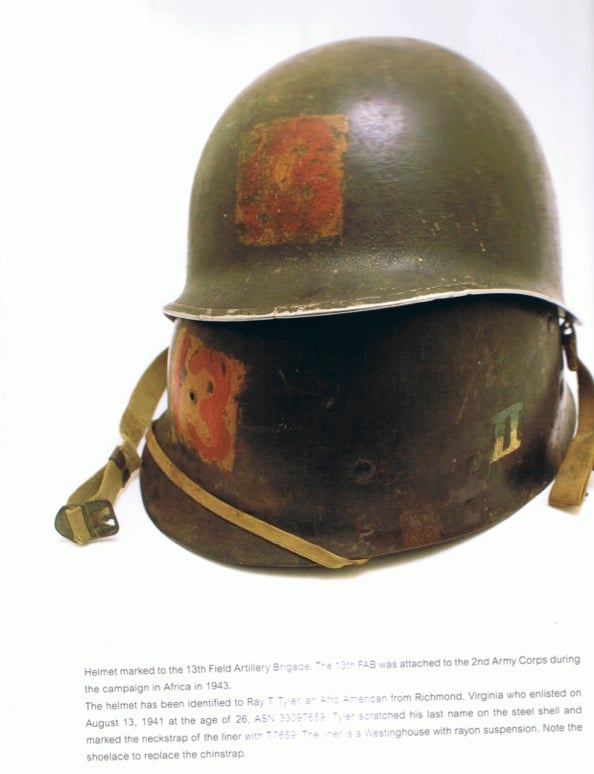
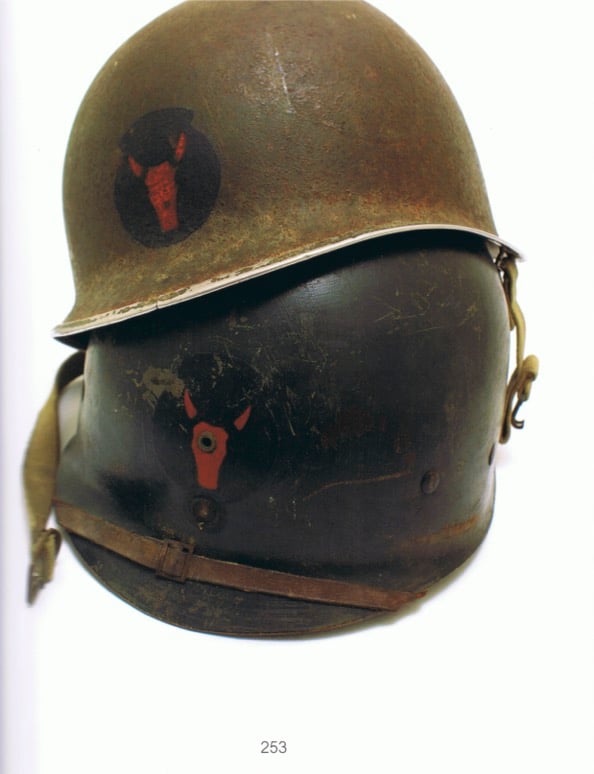
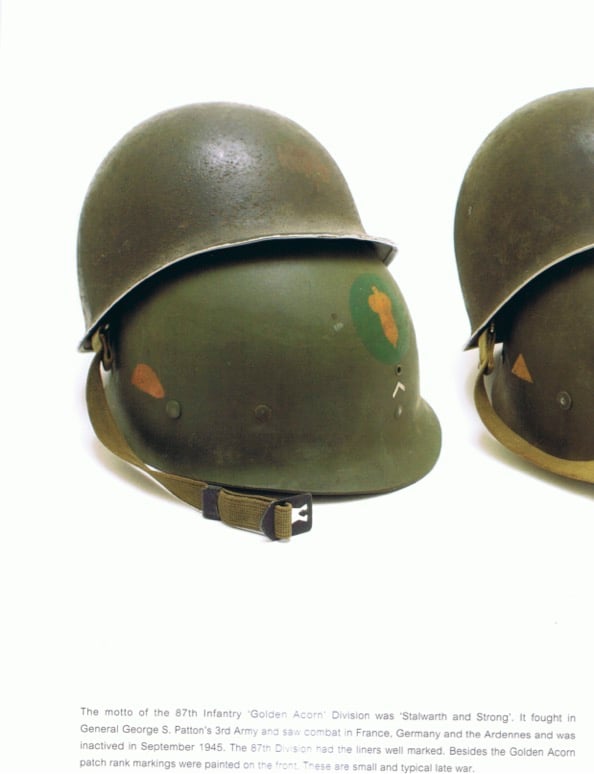
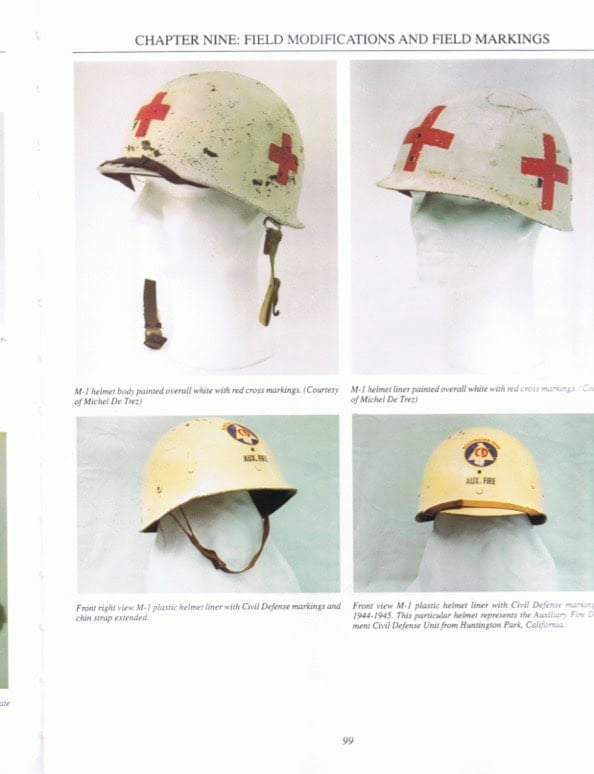
Field Modifications and Field Markings

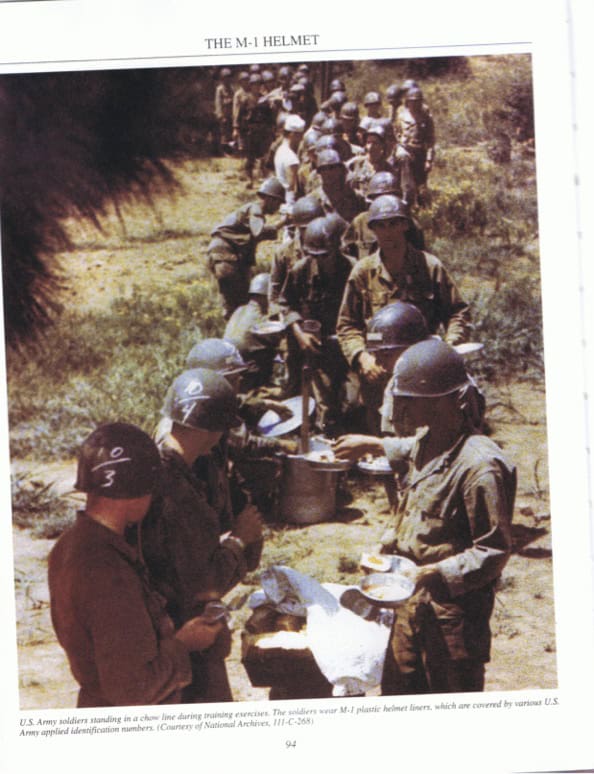
Identifying your Helmet

GIs would write their name on the liner or chinstrap or etch it into the metal of the helmet itself.

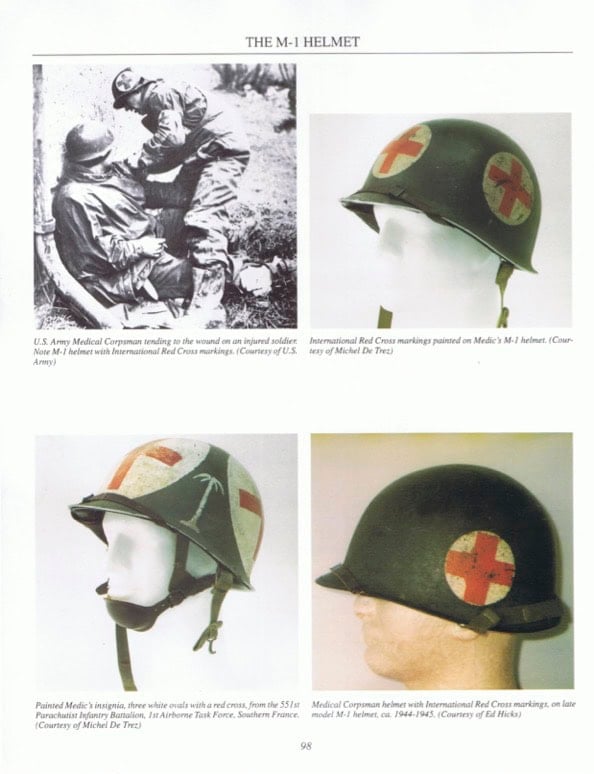
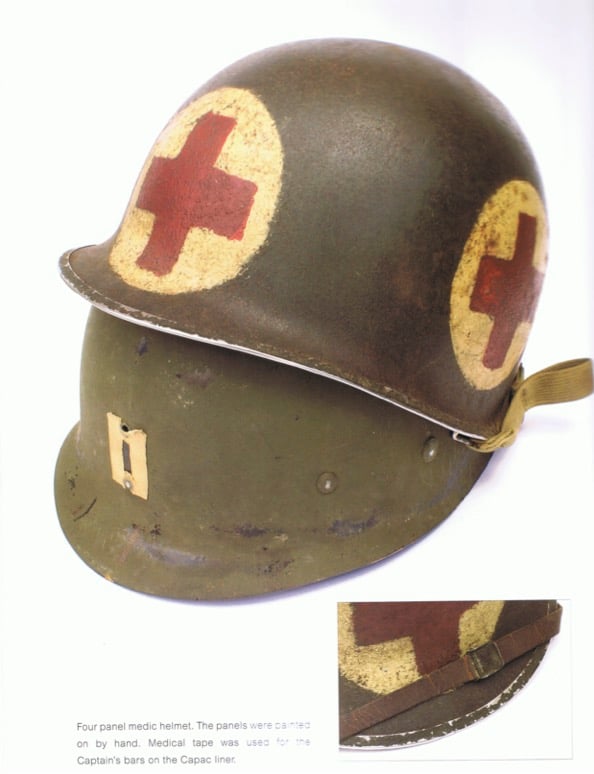
Medic Helmets

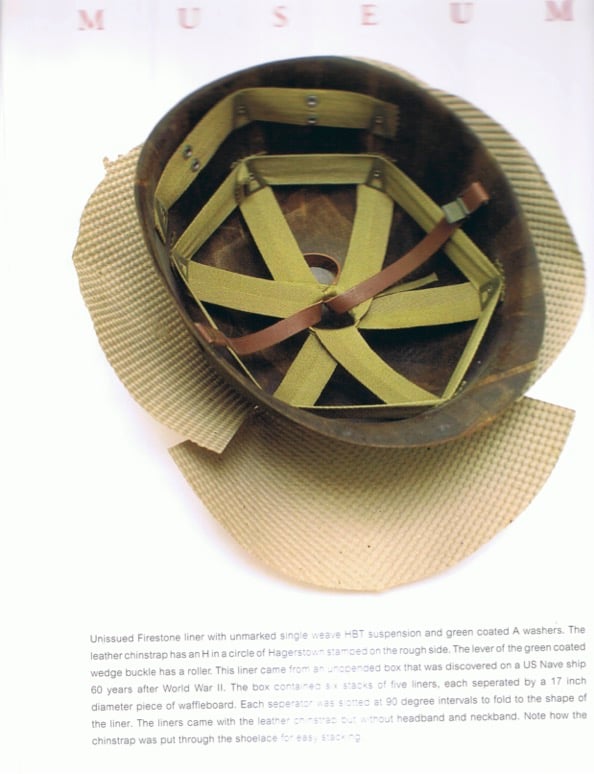
Unissued Liners

Below shows how the liners were packed from the maker.

Posted on

Pens for WW2 Reenacting

Pens started off as quills. These quills became wrapped in different materials like ivory or even metal. This shifted to hard rubber in the 1850s, celluloid in the 1860s, caesin in 1910s, cellulose nitrate in the early 1920s, cellulose acetate and acrylics in the 1930s, and pressure plastics in the 1940s.

This permitted different kinds of patterns and finishes.

Parts of a Pen

Pen Filling Systems

Pen companies competed with each other to design a pen that was self-filling and didn’t need eyedroppers to refill. Piston fillers, Crescent Fillers, Button fillers, and Lever Fillers were different kind of pen filling methods. Each pen company specialized in one type of filling system. Some other lesser-known systems include: Blow fillers, coin fillers, matchstick fillers, and sleeve fillers.

Eversharp Wahl – Lever
De La Rue – Piston
Onoto – Piston
Chilton- Piston
Wyvern – Button
Conway Stewart – Button
Parker – Button
Waterman – Lever
Shaeffer – Lever
Swan – Level
Conklin – Cresent

Lever Filler – Used to fill bladder in Pen, invented in the early 1900s
Button Filler – Used a button press beneath the cap to fill bladder. Used in 1920s
Safety Pen – The pen point is screwed outward for writing and screwed back in after being used
Snorkel- Turn the plunger at the end of the barrel. Move the plunger up and down the pen fills. Shaeffer is the only one to use this system.
Capillary System – Uses cartridges in the Parker 61
Eyedropper– Use an eyedropper to drop ink into the barrel.
Push Filler – Similar to button filler but the cap cannot be fully unscrewed. Montblac is the only company to make pens this way.
Vacumatic – Similar to button filler but the pen can hold more ink. Invented by the Parker company.
Touch Down– The end of the barrel is unscrewed and pushed up and down to pull up the ink. Used by the Shaeffer company.
Leverless – Used by Swan in the thirties. Turn the barrel to fill the ink

By 1952 most companies are making ballpoint pens.

By the 1930s all companies except Waterman used a variety of systems. Probably to increase market share and sales during the Depression.

Flat Top Pens

Pens were created from about 1905 to the late 1920s with a flat top and bottom. This was the style of the time and probably partially a result of using new materials to create new designs. Indeed, post-WW1 found pen companies experimenting with different kinds of plastics and synthetic polymers.

In 1924 Shaeffer made pens from cellulose nitrate called “Radite”.

In 1922, Parker introduced the “Duofold” and proved so successful they introduced new models and colors.

Other companies like Mabie Todd and Eversharp Wahl used woodgrain effects.

Waterman introduced the “94” pen in 1929 which had a ripple design.

Streamlined Pens

The Depression caused many companies to fold resulting in “The Big Four” surviving: Eversharp Wahl, Parker, Shaeffer, and Waterman in the US. In Germany, you had Pelikan and Montblanc.

The surviving pen companies introduced new designs using different production methods. One popular design is the streamlined look. This gives pens an aerodynamic look.

Shaeffer introduced cigar-shaped pens in the 1930s. A popular model was the “Balance”.

Parker created the “Streamlined Duofold”.

Waterman created the “Patrician” pen. Black is the rarest color with turquoise, moss agate, and emerald being the most valued.

Pelikan created the “100” a classic of the 1930s. Green being the most common color. Lizardskin and Pearlescent are the most prized.

Eversharp Wahl created the “Doric” style as part of the Personal Point design.

Pens of the 1930s

Parker created the “Vacumatic” which involved expelling air from the barrel allowing ink to fill. To capitalize on the needs of the US Army, Parker also introduced the “Military Clip”. Essentially a small clip at the top of the pen so it could be carried inconspicuously. A few companies also made lookalikes like those from Plexor and Waterson.

Pens of the 1940s

Most companies switched to war-time manufacturing and worked to develop new materials. Most pens on the market were the same as those in the 1930s. Indeed, MacArthur used a 1928 Parker Duofold to sign the September 2, 1945 Japanese Instrument of Surrender on the deck of the USS Missouri

One example is the Skyline Pen, made in 1941 for air travelers. Produced by Eversharp Wahl. There were also some victory models provided in Britain with a herringbone look.

Another example is the Parker 51 which Eisenhower used to sign the German surrender. The 51 was made in 1941.

For a good overview of pens in WW2 see: Mightier Than the Sword: The Parker Pens That Ended World War II and The Pens that Ended WW2.

For a deep dive into WW2 Pens see World War II and the Fountain Pen. For Pens in Britain during WW2 see: Reenacting Tip – Pens and Pencils.

Pen Companies Product Timeline

Below is a brief chronological outline of different pen companies and when their products were introduced

Montblanc Simplo GmbH aka Montblanc Firm (1908)

Lever fillers from 1921-1929.
1924 = Masterpiece Pen also called Diplomat 
1928 = Colored Masterpiece Pens
1929 = First button fillers 
1933 = Pix Pressure Pencil introduced 
1934 = onward Masterpiece pens have piston filers

May have used a number system?

Number System: 1935-1947. Consists of three 3 digits –
First digit:   1=Masterpiece  2=Second Quality   3=Student Pen  4=Stylograph
Second digit:  0=Safety Filler    2=Button or Push filler    3=Piston Filler
Third digit: 2=Pen Size
Letter Pattern/Design:  E=Rose   G=Smooth  P=Pearl Gray  PL=Silver Gray/Black   S=Guilloched

Parker (1888)

1916 = Button Filler Pen and Jack Knife.
1921 = Duofold Pen (had hard rubber and no cap bands)/ Big Red Duofold. Many colors were produced.
1923 = All pens come with cap bands.
1923 = Parker Vacumatic Pen also had the Parker arrow clip.
1926 = Pens go plastic. The plastic is called Permanite.
1926 = Duofold Quality (DQ).
1926 = Moire a lady pen.
1928 = True Blue.
Depression Era = Thrift-Time Pens.
1933 = Vacumatic, with arrow clip.in 1939 a blue diamond was added to the top of the arrow clip. 
1930s/1940s = Parkette (side filler), Challenger, Premier, Televisor introduced.
1941= 51 Pen, had a covered point. Used the Vacumatic system with a hooded nib.

Pelikan (1838)

A German company that made typewriter ribbons, ink, drawing pads, tinplate paint boxes, and carbon copy paper.

1929 = The 100 Is the First Pen model.
1932 = Ibis pen (black or marble). The school version was called Rappen.
1934 = Toledo Pen had 24k gold.
1934 = Refillable pencils produced.
1937= 100N (many colors, green and black most common). It had a smooth conical-ended piston.

Shaeffer (1913)

1918 = Sharp Point pencil introduced.
1920 = Creates the first fountain pen for the company called the: Lifetime Pen. In 1923 it got a white dot somewhere on the pen. Lifetime is written on the nib.
1923/1924 = White dot as symbol. Pens now uses plastic, not hard rubber as case material. Plastic is called Radite. 
1929 = Balance Pen. Conical shaped.
1930 = Pen and pencil combination. Balance Pen introduced. 
1934 = Makes a pump filler model. Avoid those from Shaeffer as the ink sac crumbles over time and leaks. 
1942 = Triumph Series.
1946 = The Ballpoint pen is produced.
1940s = Touchdown pen series (might be post-war).

Waterman (1883)

1907 = Safety fountain pen. The point could be extended. Leakproof.
1915 = First lever filled pen.
1923 = Red/Black Ripple series. In 1927 the Ripple series went to #7 Hard rubber.
1929 = Patrician model. Plastic. 
1930 = #94 was also plastic.
1933 = #7 plastic. Lever filler system.
1935 = Ink-Vue.
1939 = Hundred Year Pen. Pen cap and barrel unbreakable for 100 years. Point had 100 year lettering. Plastic.
1940 = Pens made of steel introduced.
1942 = Commando Pen.
1947 = Pantabille four-color ball-point pen. It has a numbered series.

Vmail and Laundry

Pens were used for writing V-Mail but also for marking laundry. You could purchase a nib set to swap out nips for thicker or darker lines. Some kits came in different colors. A few images show this below. A US Militaria Forum discussion outlines it a bit more here.

Some people think felt-tip pens were used. It’s unlikely they were used to mark laundry as early felt-tip pens weren’t commercially viable and the technology didn’t advance enough for them to be in wide use by the start of WW2. As indicated in a forum post:

” The first felt-tip marking pen was patented in 1910 by Lee Newman. It was basically a cylinder filled with ink that led to a felt tip. Benjamin Paskach patented his “fountain paintbrush” in 1926. It had a sponge-tipped handle and was filled with different paint colors. These marker pens were not commercially viable and didn’t sell.

In 1944, Walter J. De Groft patented a “marking pen” that held ink in liquid form in its handle and used a felt tip. This is the patent that will become a “Sharpie” pen in 1964. First modern (and usable) marker pen was Sidney Rosenthal’s “Magic Marker” which he invented and started selling in 1953. This marker had glass tube of ink for a body and a felt wick and its name comes from a fact that it was able to write on any surface. Yukio Horie of the Tokyo Stationery Company invented a modern fiber-tipped pen in 1962. “

So What Should I Use?

Ideally, a pencil. That would have been the cheapest and most convenient way to write. Soldiers would write Vmail in pencil or pen. That said, if you were in a rear area or a static position for a while you might see pens around. You’d encounter pens at camps, duty stations, ships etc. If you’re moving around a pencil would be more common.

So if the event is more public a pen would work. If it’s more private a pencil would work. If you wanted to buy a pen you could go with an original and probably a 51 or something from the 1930s like a Duofold.

I’m not sure if this is 100% accurate but the modern fountain pens from WWII Soldier look close.
Posted on

WW2 Airborne Reenacting Information

This page will catalog some information related to reenacting US airborne divisions during WW2. I have an 82nd Airborne impression that I don’t often use. It’s a secondary impression that I’ll occasionally pull out, but I’ve acquired various documents related to the 82nd in crafting the impression.
Geronimo US Airborne Uniforms Insignia and Equipment in World War II. Bill Rentz, 1999. Schiffer Military History. Atglen, PA

The images below are some high-quality PDF scans that came out of the book. Shows the 82nd in North Africa, individual equipment issued prior to a jump, how patches were sewn on, medical harness equipment, Arm Identification flag examples, 82nd patch examples, and stenciled jump jacket, among others. For a complete view, you can download the pdfs in a zip file here.
82nd Airborne in Normandy: A History in Period Photographs. Francois, Dominique. 2004. Atglen, PA: Schiffer Military History.
The images below are some high-quality scans that come from the book. Shows aid station images, 507th Parachute Infantry Regiment Basketball Team, beer drinking, dropping supply bundles, private photos taken before departing for Normandy, individual equipment, parachuting dogs, The Tennessee Maneuvers, and others.

At the Point of No Return: Pictorial History of the American Paratroopers in the Invasion of Normandy
Michel de Trez, 1994 D-Day Publishing, Belgium

The images below are some high-quality scans that come out of the book. It has examples of rigger-modified medical pouches and kits, platoon demo kits, and individual demo kits, as well as a few pictures of first aid and soldiers taking positions prior to an attack.

Why 1st Aid Kits on 17th Abn Div Helmet Nets by Lt Col David P. Schorr

Why 1st Aid Kits on 17th Abn Div Helmet Nets by Lt Col David P. Schorr – This is a short document from the School of Combined Arms (Regular Course) 1946-1947. Schorr was the Executive Officer of the 193rd Glider Infantry Regiment. It provides a brief explanation as to why the first aid kits were attached to the front of the helmet. Spoiler: It provides a distinctive outline making “friendlies” easily recognizable in the dark. Now obviously, it only applies to the 17th Airborne Division around Operation Varsity but “attaching stuff to a helmet during a jump” was also something done by the 82nd and 101st on other jumps. It makes it easier to carry more stuff into combat.

Posted on

WW2 Reproduction Medical Labels and Paperwork Printables

This article will be broken into different sections and contain links to different kinds of medical paperwork and labels that are printable for us and reference for WW2 reenacting.

Combat First Aid How to Save a Life in Battle 1944 By The Infantry Journal – A quick recap of how to deal with various injuries in battle such as broken bones and gunshot wounds in various locations such as the snow, the heat, and the jungle.

For a short analysis of this guide see: COURAGE UNDER FIRE: COMBAT FIRST AID IN WWII.

Medical and Surgical Technician’s Manual from Brooke General Hospital Jan 1944: Military First Aid – This is a refresher medical care manual for Enlisted Medical soldiers. You can find the complete manual at the Internet Archive. This document, however, only covers only basic Military First Aid

WWII Navy Corpsman Lejon Medical Brandy – These are Lejon Brandy branded, Medical Apricot Brandy bottle labels used by Navy Corpsmen in WW2. Includes instructions and labels.

United States Navy Hospital Corpsman 1943 – Pamphlet on hospital corpsmen. Details ladder of advancement, courses, jobs, pay and allowance, and more. Print size unknown.

Anchor and Excelsior and Torrington Brand Stainless Surgical Needles 1943 – Surgical needles from the Anchor and Torrington companies.

The anchor package would contain 6 needles, some with a 1/2 circle cutting edge and others with a 1/2 circle taper point.

The Torrington and Excelsior packets contain 4 needs and cover catgut, intestinal, and fistula sutures.

Torrington was originally called Excelsior and retained that as a brand to help sell needles. Wikipedia has a good history on the company.

Anchor, I think, is still around, as the brand usually appears on sewing needle packets.

Wound Tablets Style 1 and Wound Tablets Style 2. Put 8 empty blister tablets inside or Smarties. Would go inside the individual First Aid tin. Print on an 8.5×11 piece of paper.

Style 2 would contain 8 tablets as well.

Sterile Crystalline Sulfanilamide 5g – Two types. Contains a sulfa powder used to sprinkle into open wounds to help prevent infection.

Narcotic Stamps –

United States Narcotic – 1-cent and 2-cent stamps

United States Narcotic 2-cent Stamp

United States Narcotic 5-cent Stamps

These were a direct result of the Harrison Narcotics Tax Act of 01MAR1915. Designs shown above were used between 1919 and 1964 and came in many more denominations. Narcotics Tax Stamps were used in an attempt to regulate overuse and addiction to Opiates. These are frequently found on original Morphine syrette individual boxes.

World War Two US First Aid Boxes Printables -Contains the following templates

  • Small First Aid Packet Carlisle Model Dyed and Small
  • Carlisle Bandage Large Box
  • Carlisle Bandage Small
  • Triangular Bandage Box
  • Gauze Box
  • 10 Metal Covered Camouflaged First Aid Packets Carlisle Model with Sufanilamide Box
  • Burn Injury Set
  • Davis Wire Splint
  • Muslin Bandage
  • Sulfadiazine Compressed 6 Tablets Box
  • Benzedrine Sulfate Box

Individual Jungle Medical Kit – List of contents and specifications for you jungle medical kit freaks.

Frazer Solution for the M2 Jungle Pouch – Print on paper and paste onto a bottle. For the bottle, you would need to find a 1oz glass bottle.