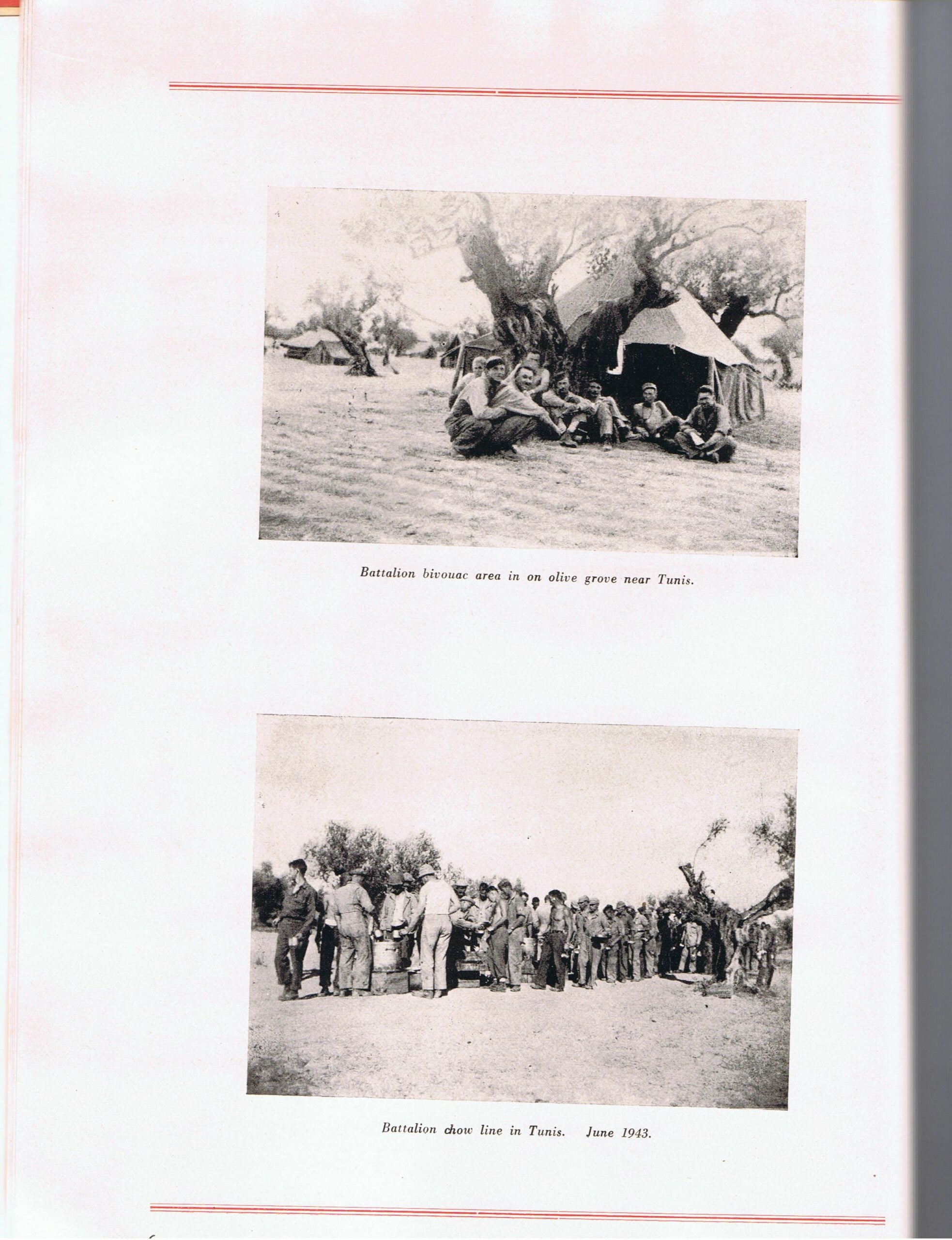
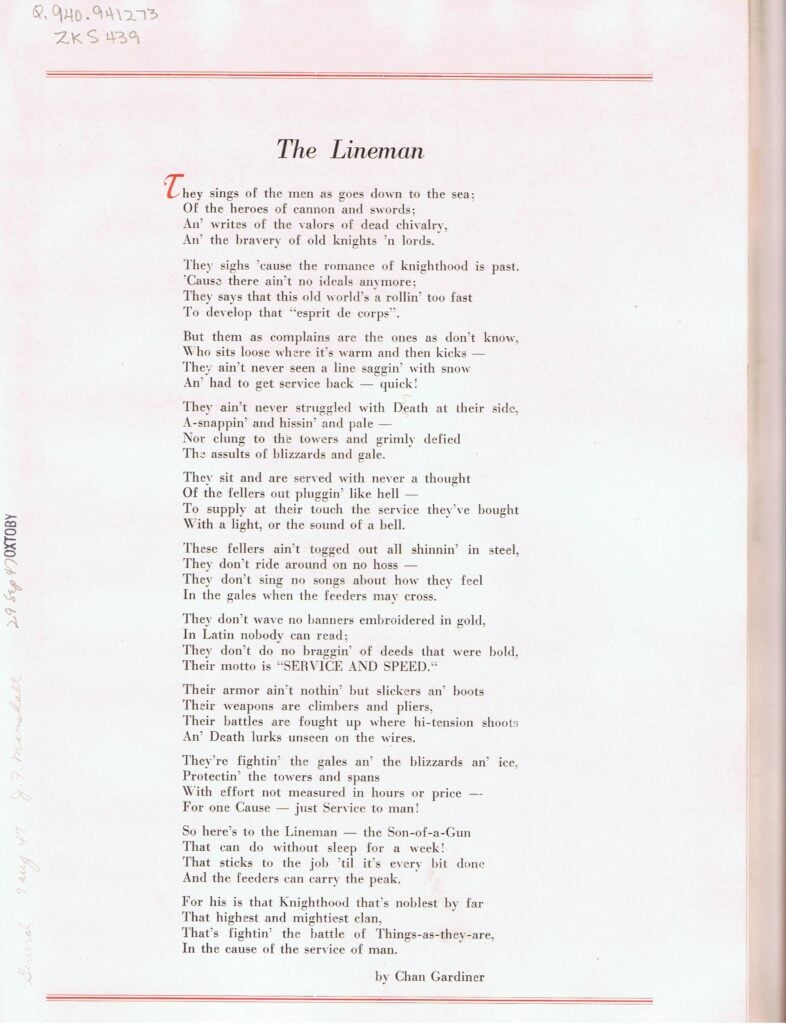
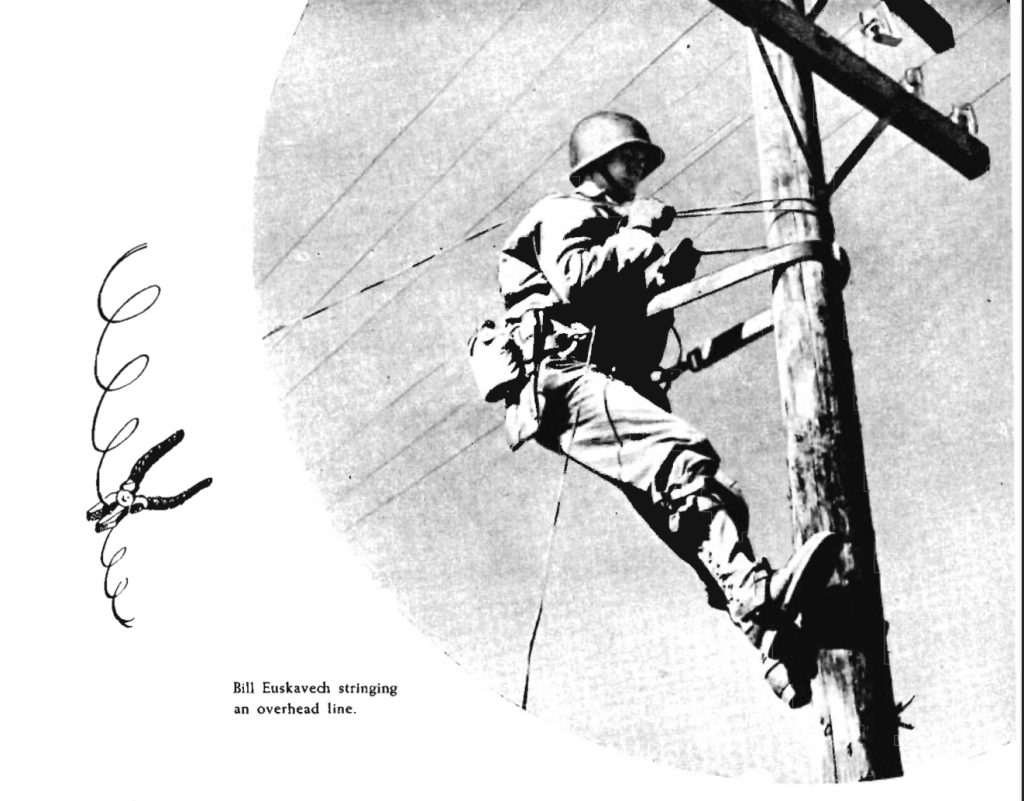
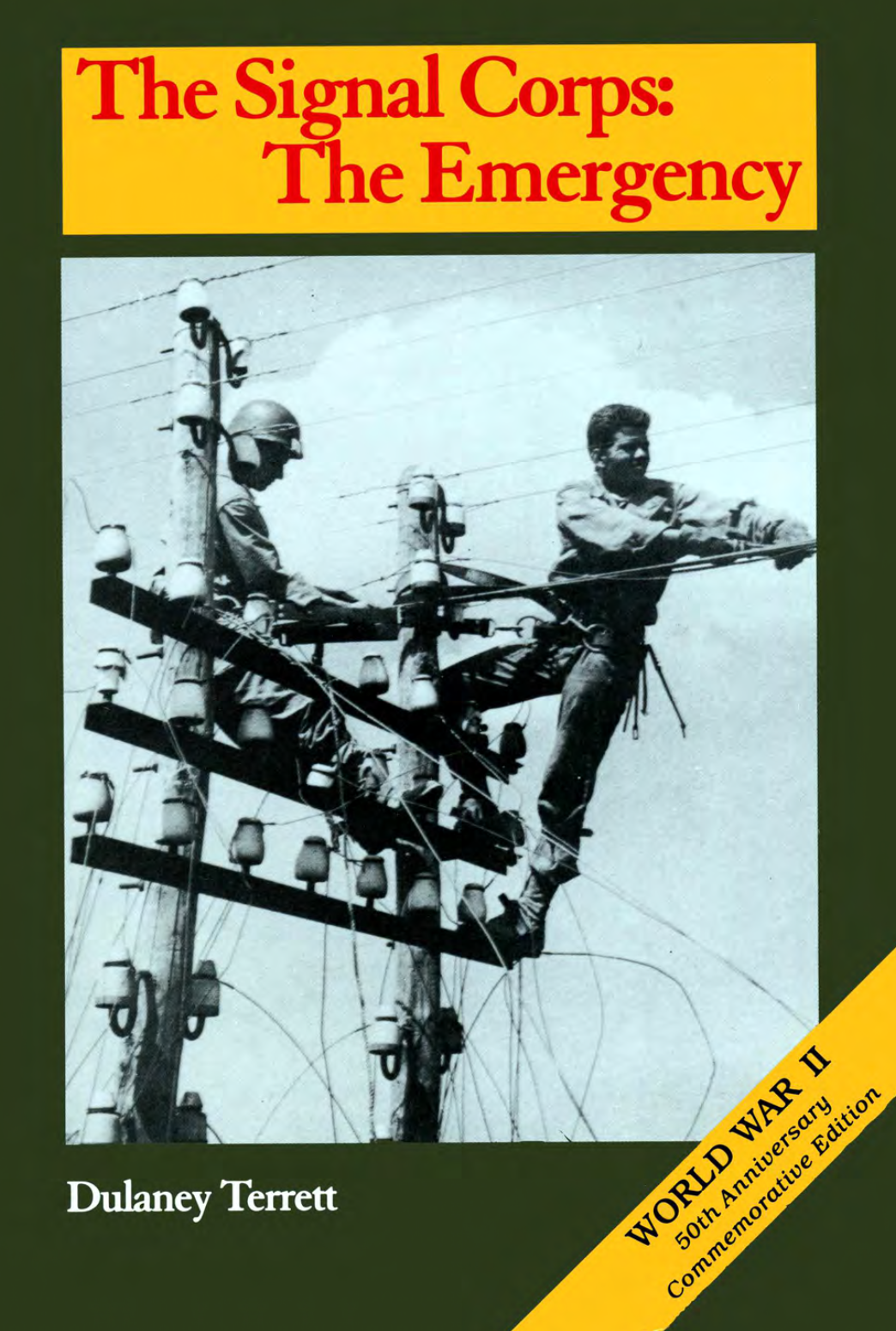
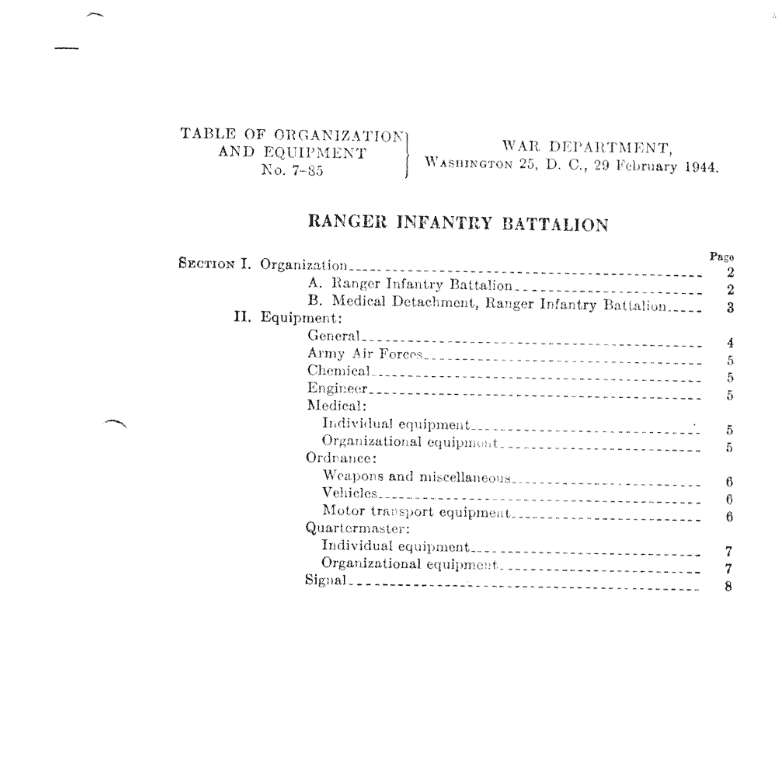
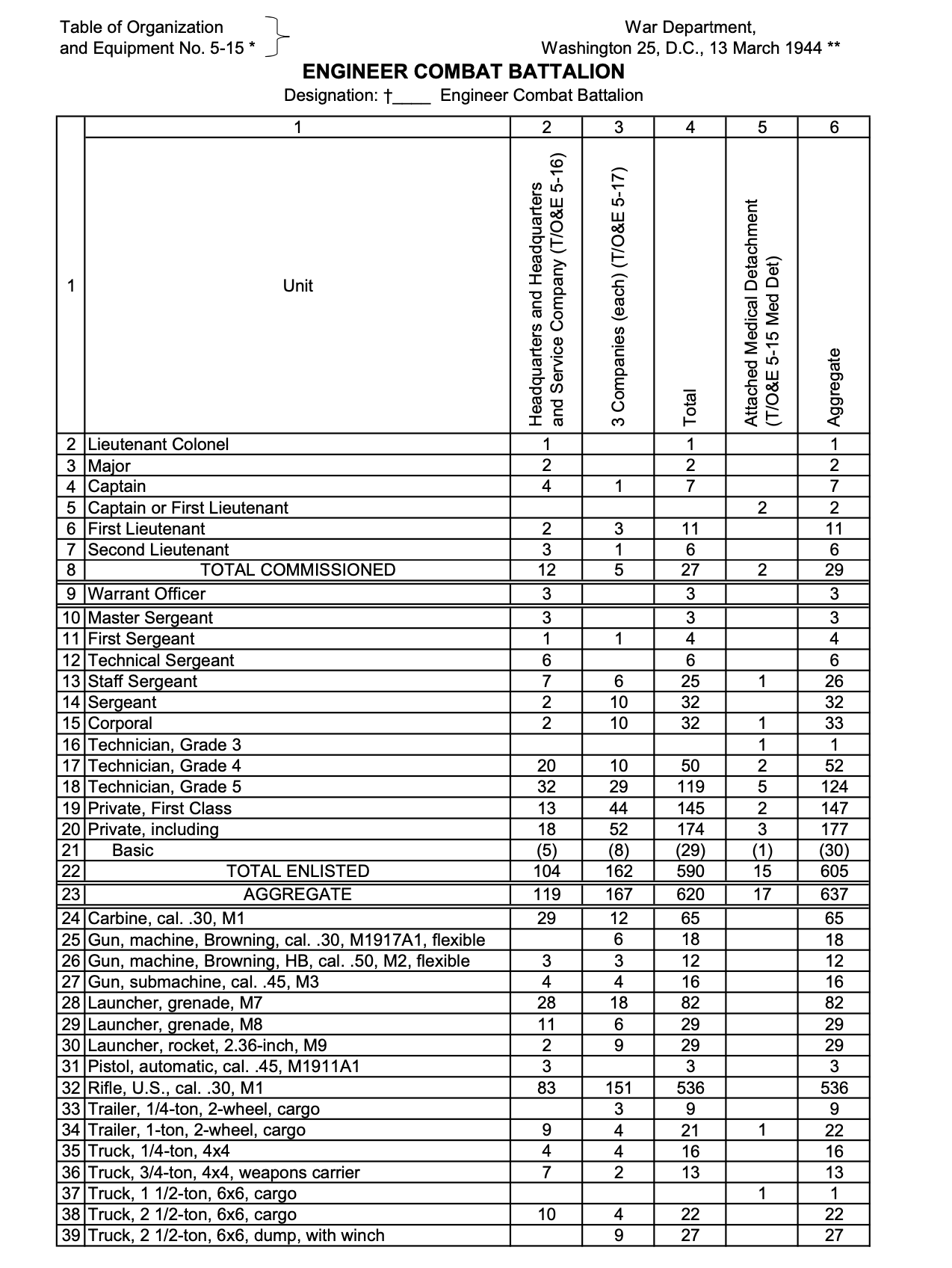
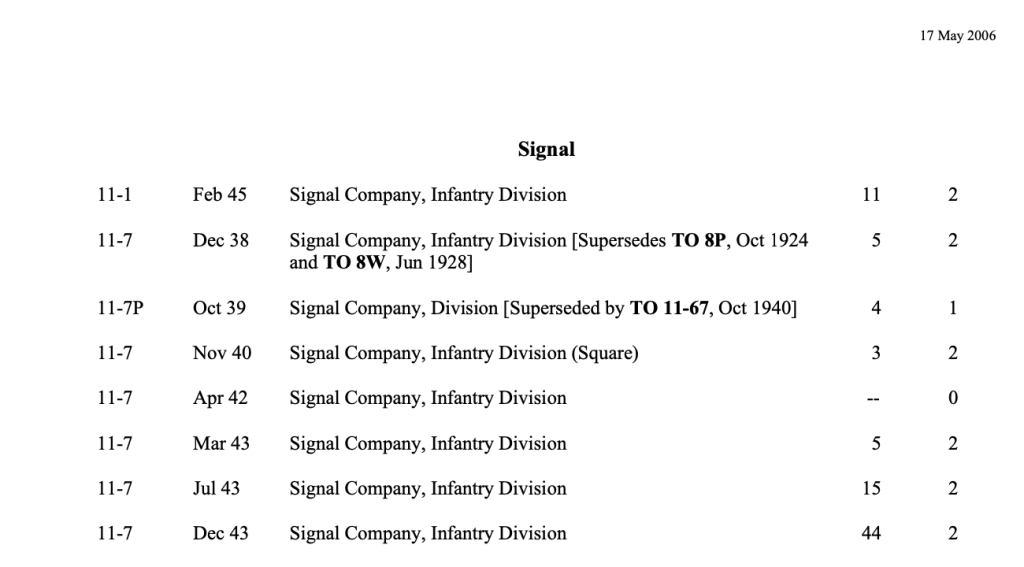
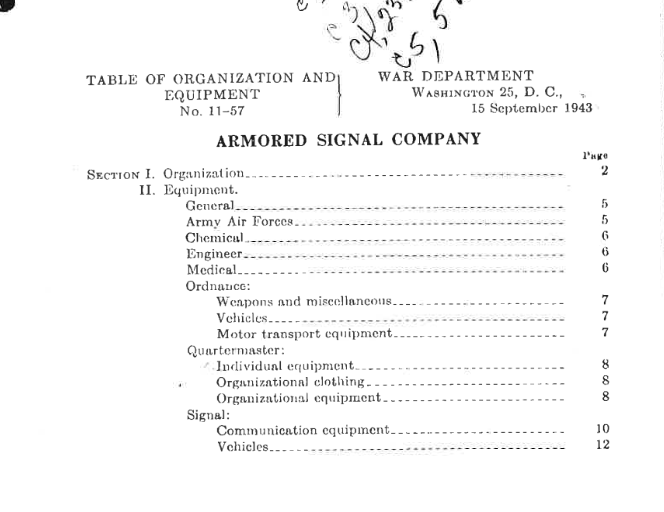
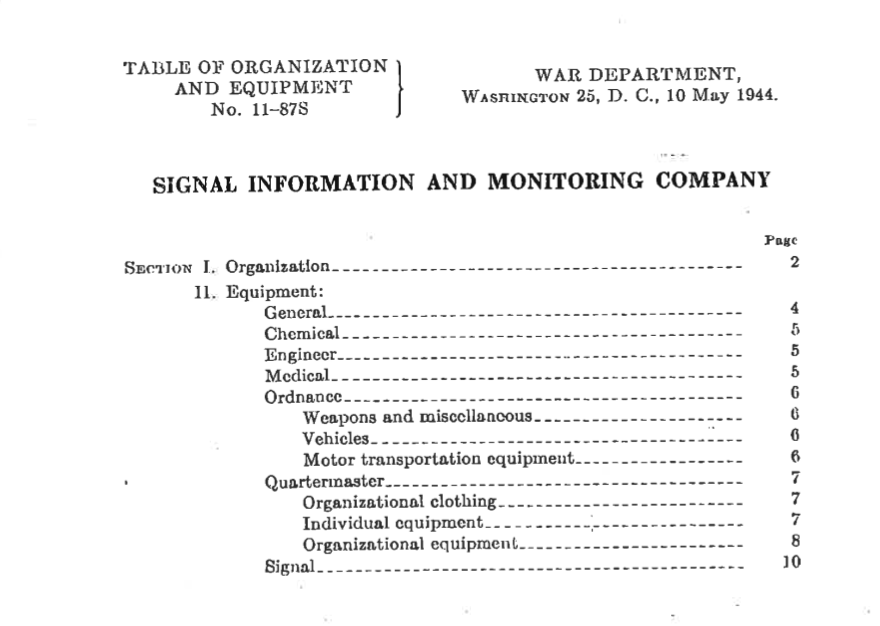
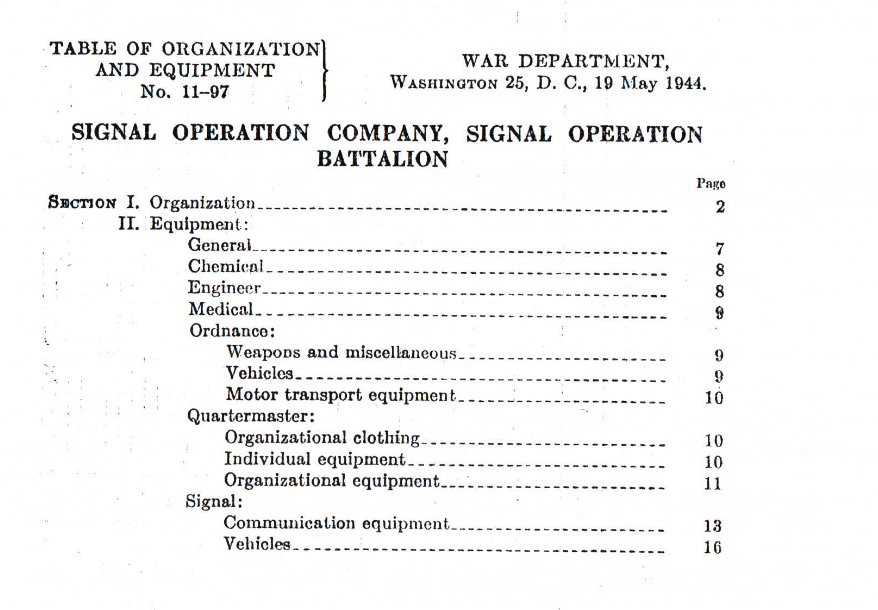
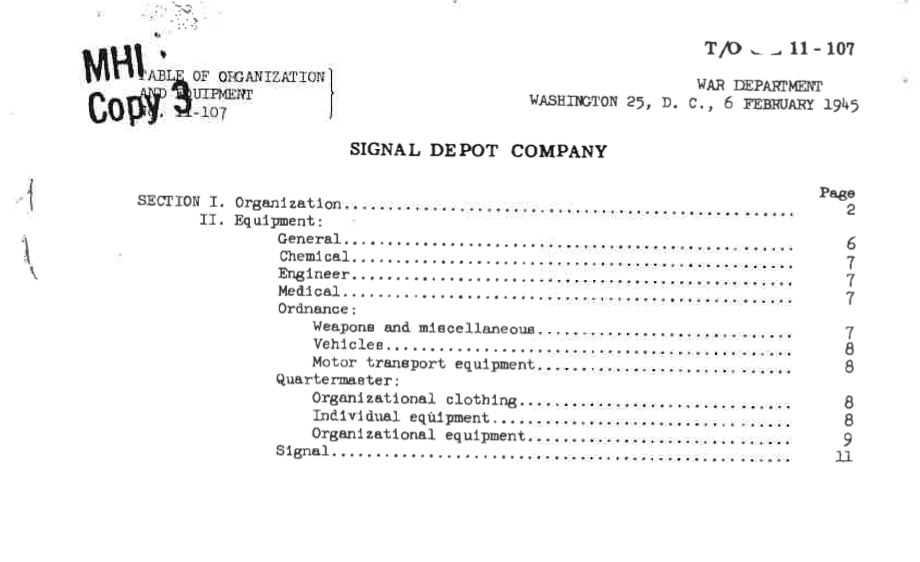
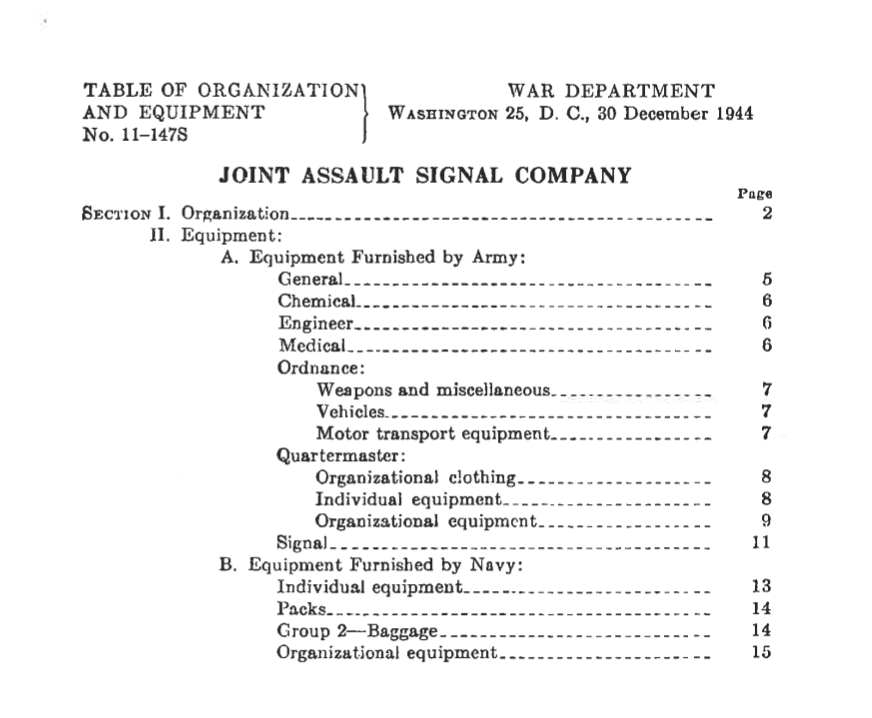
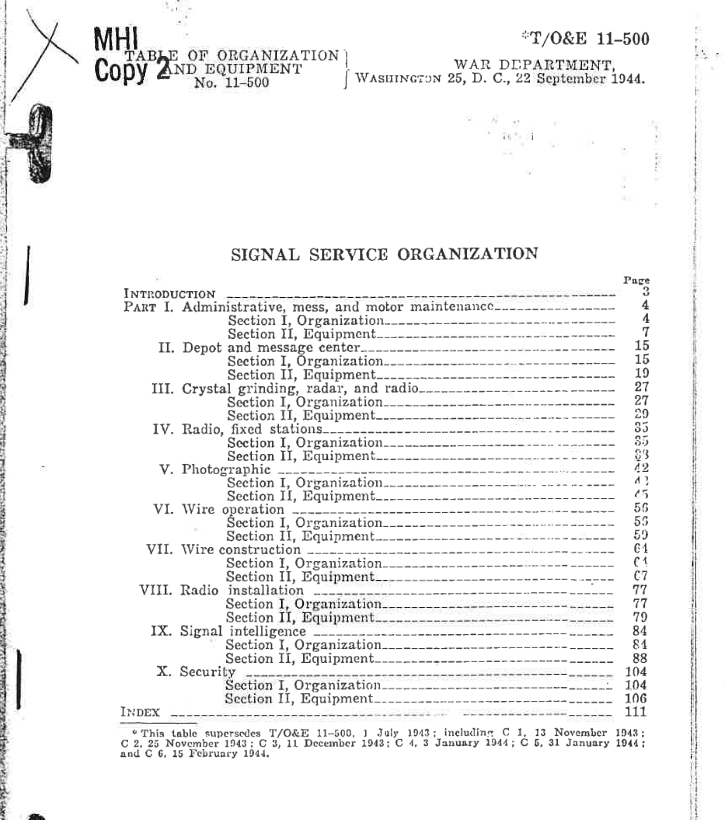
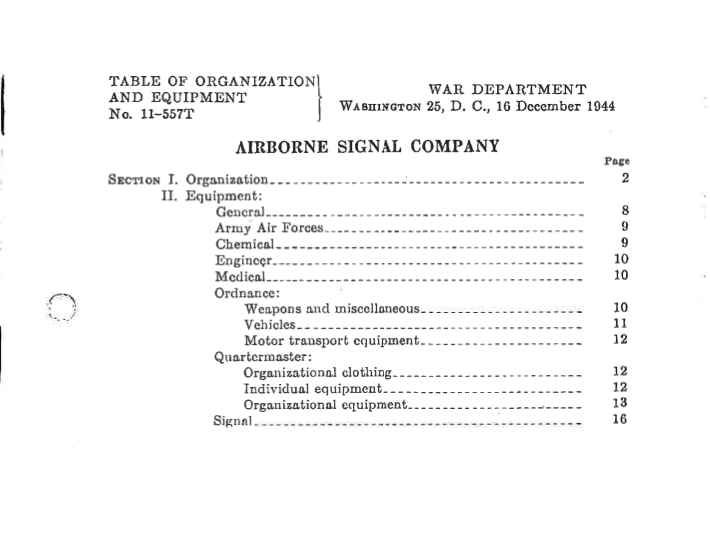
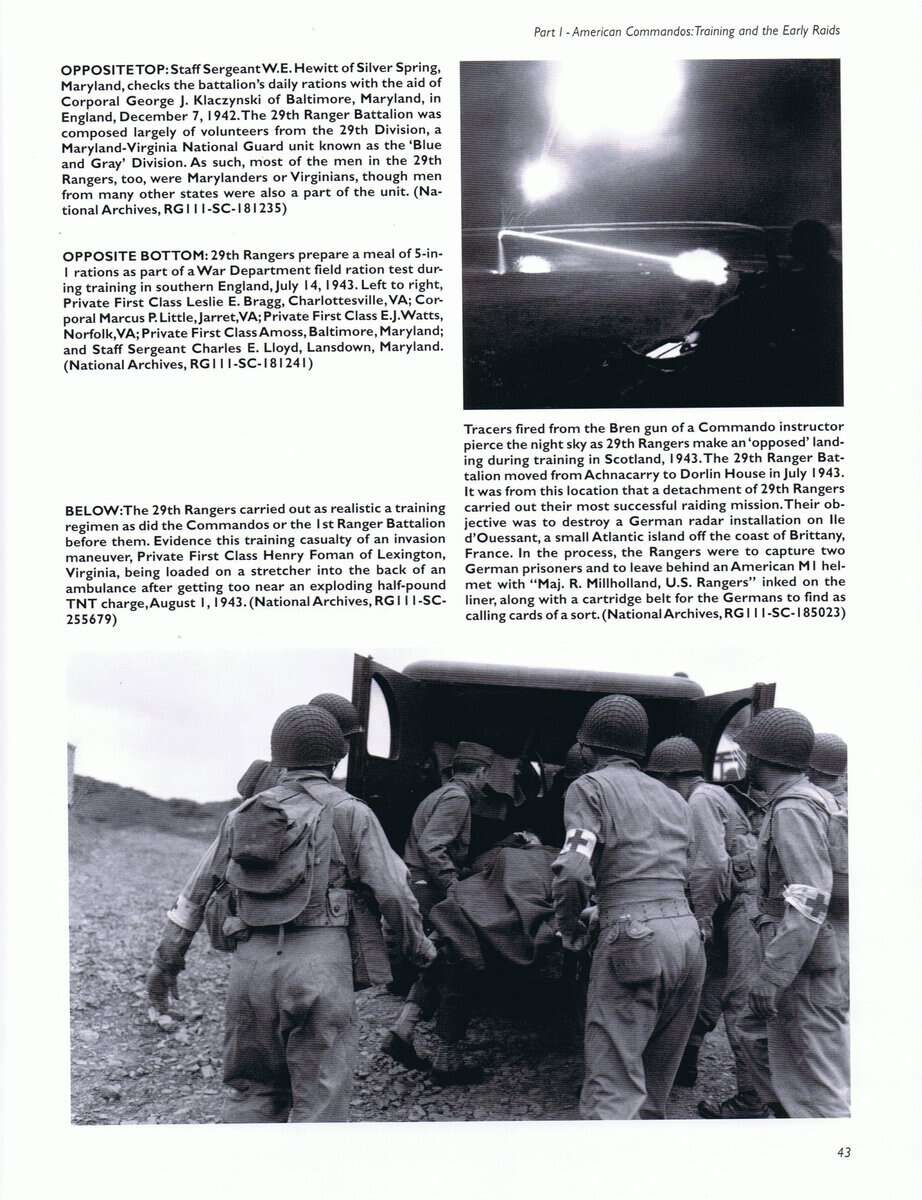
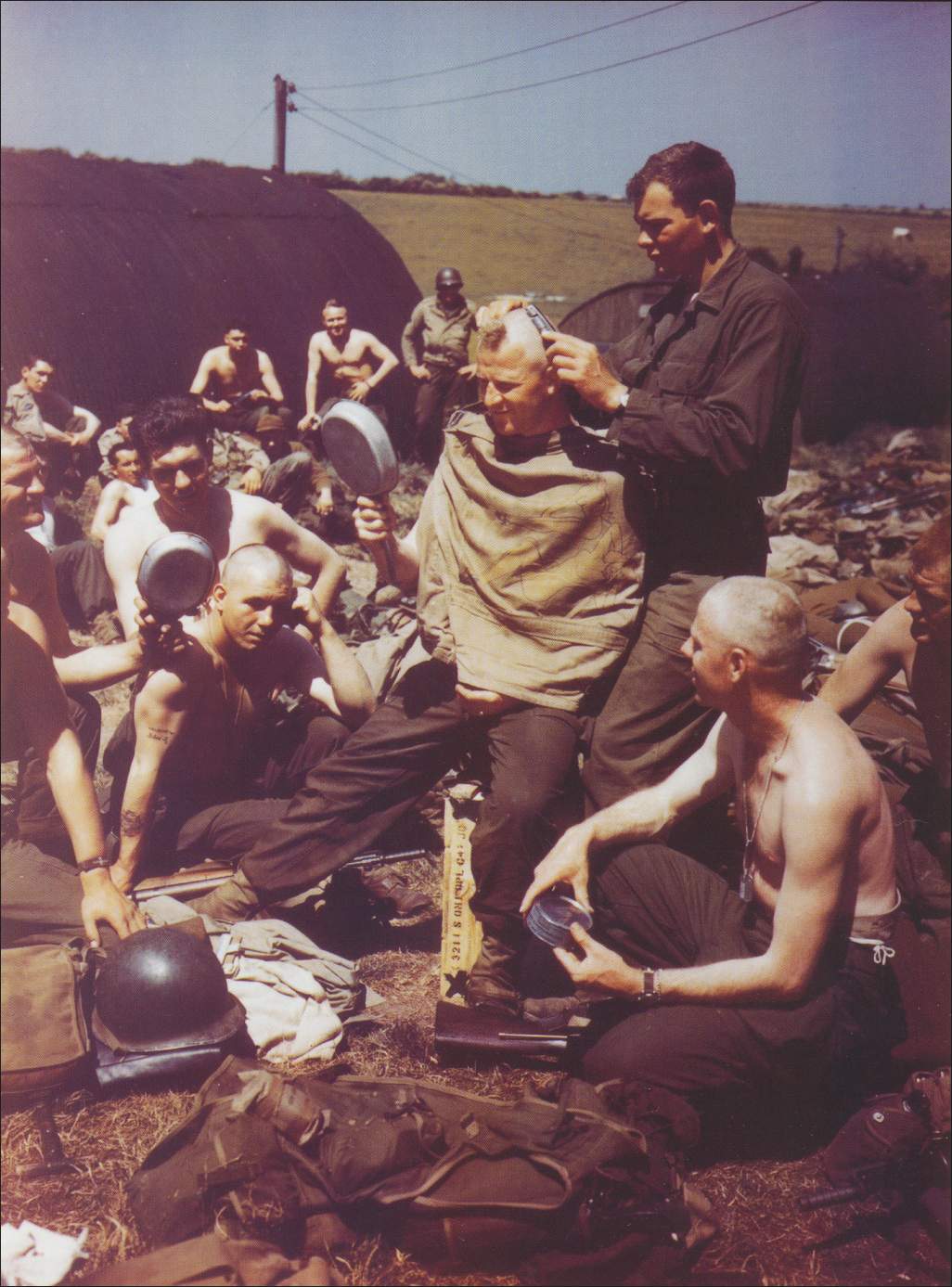
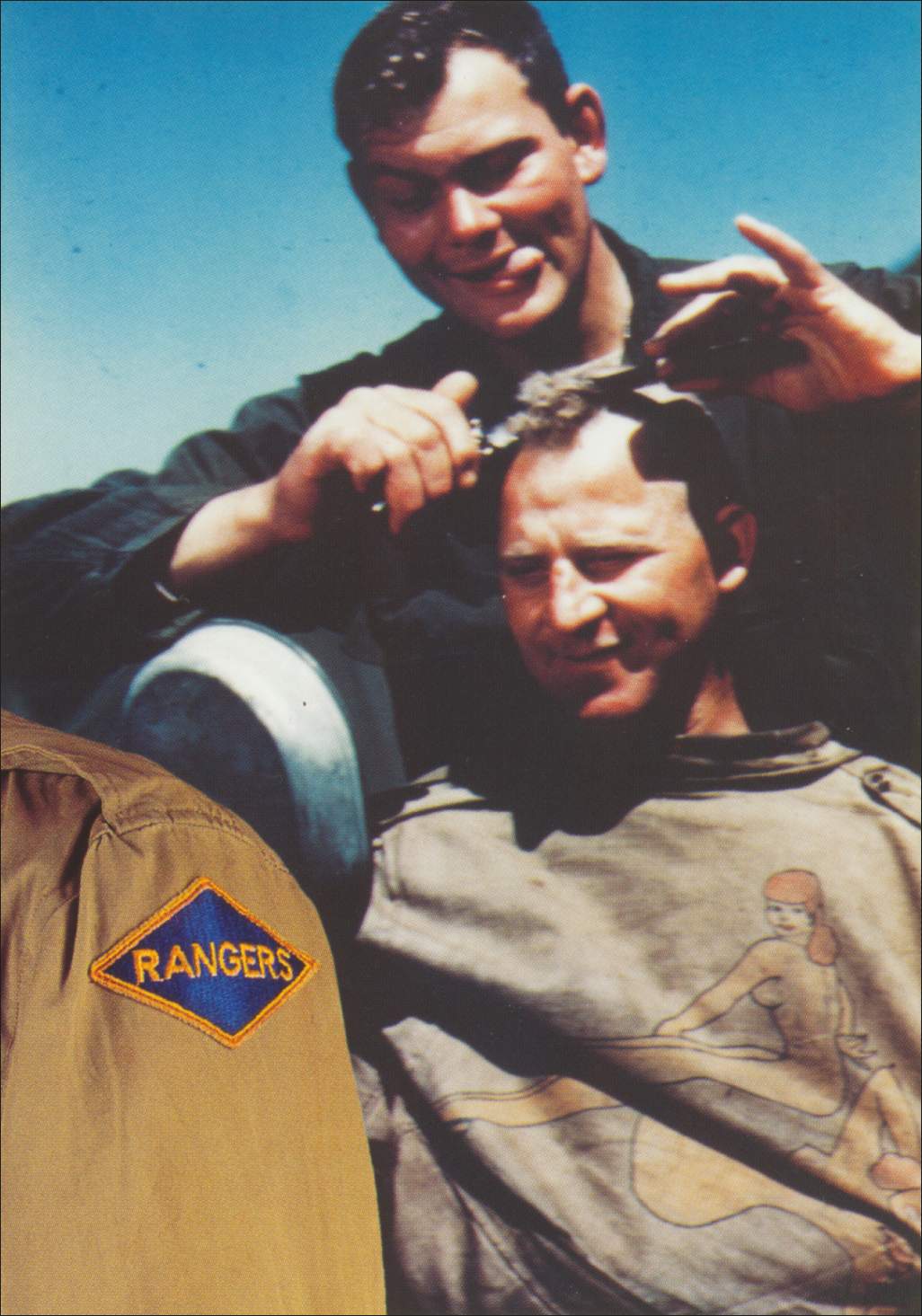
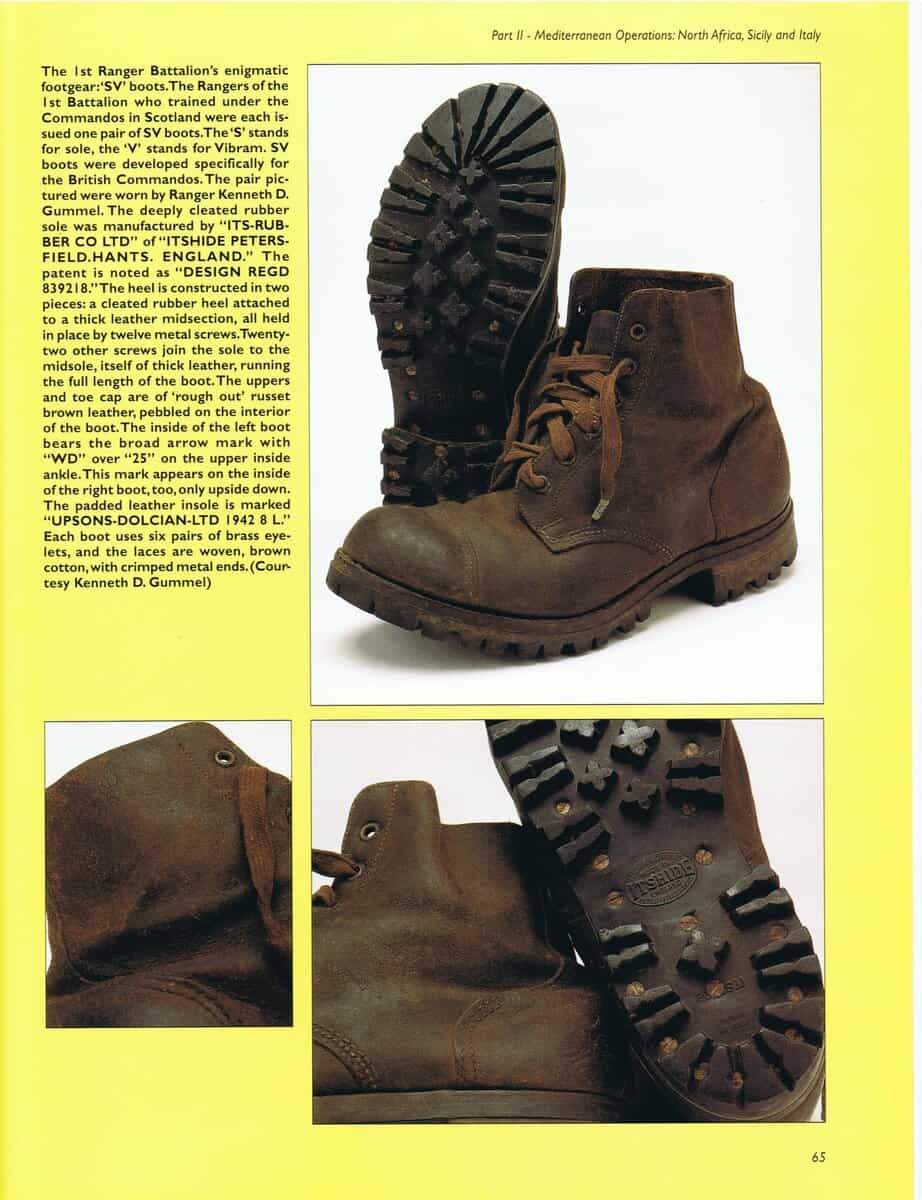
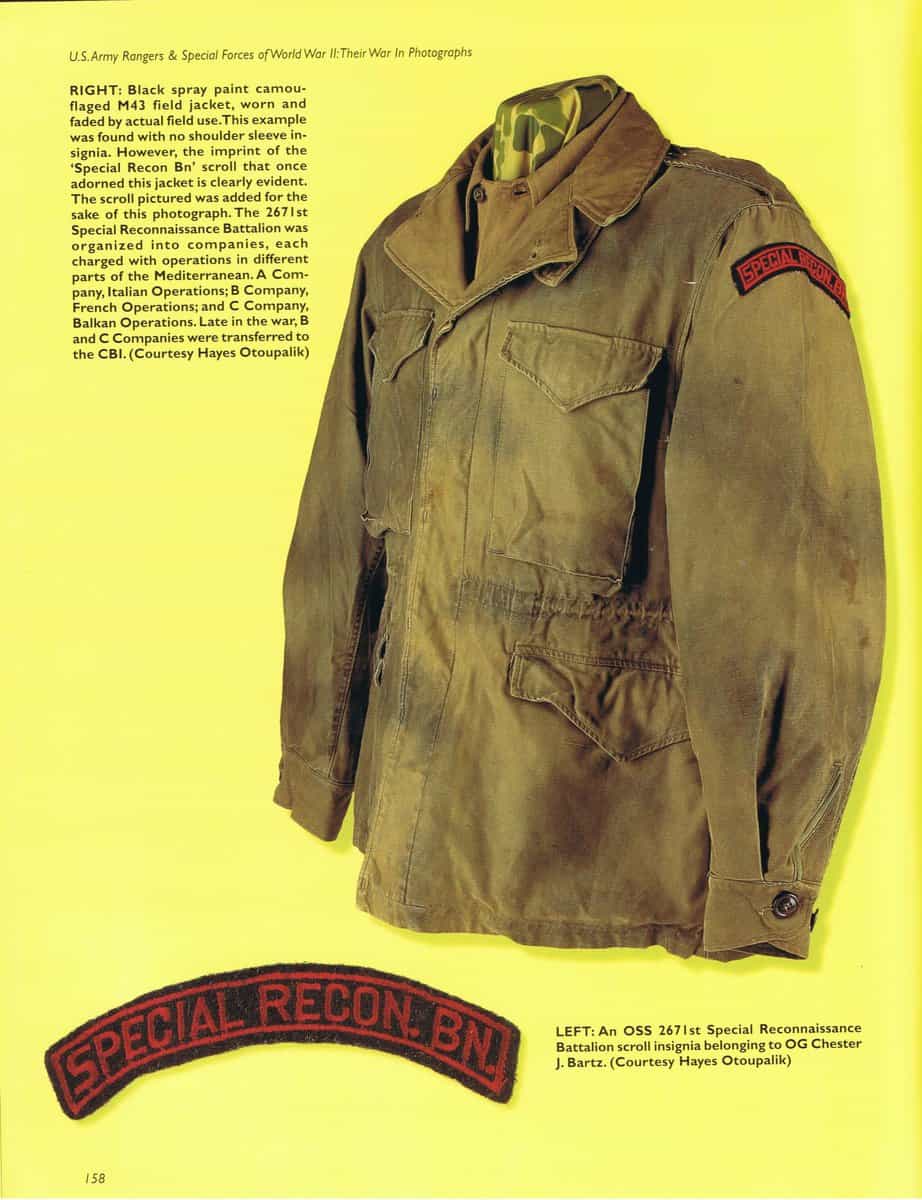
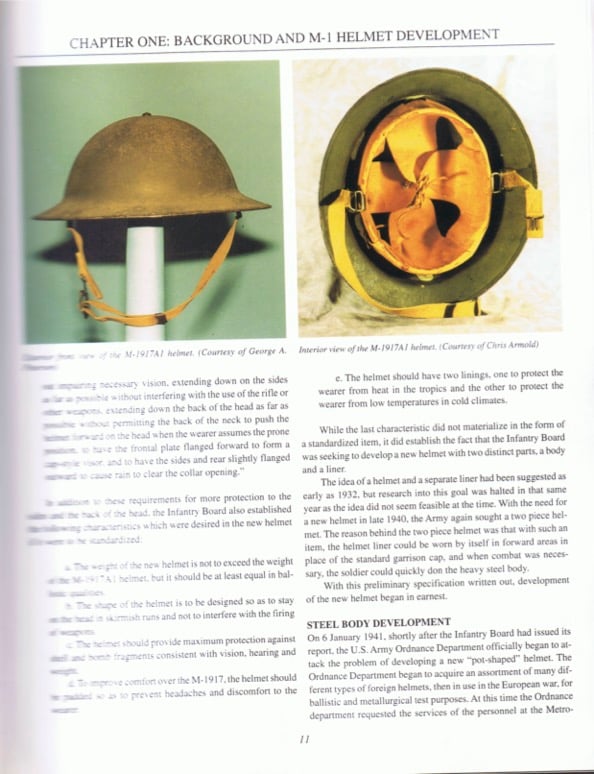
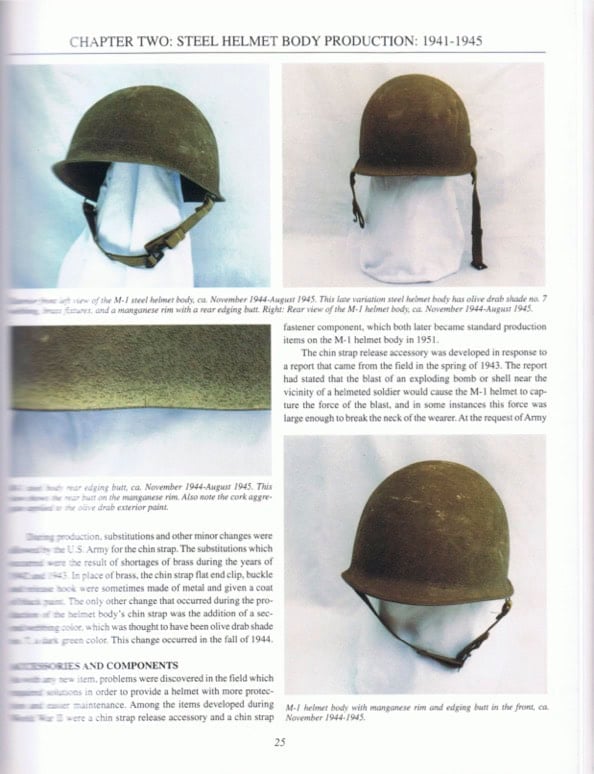
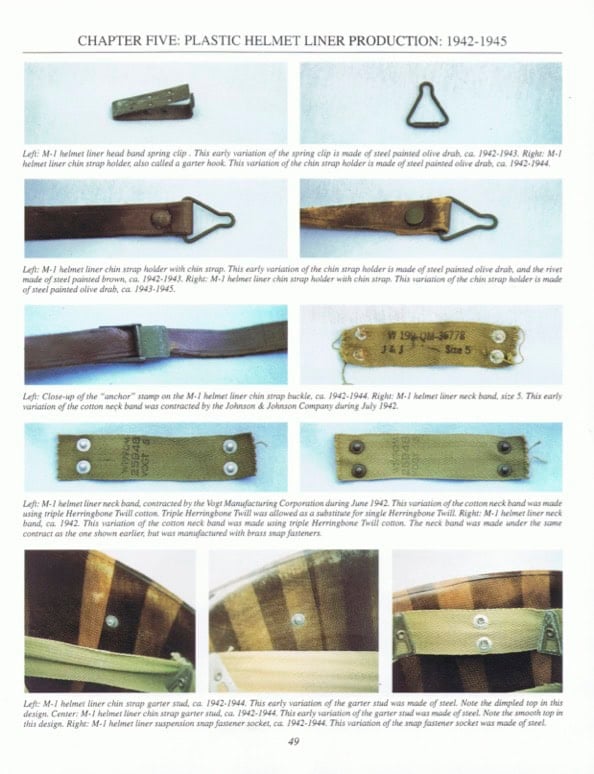
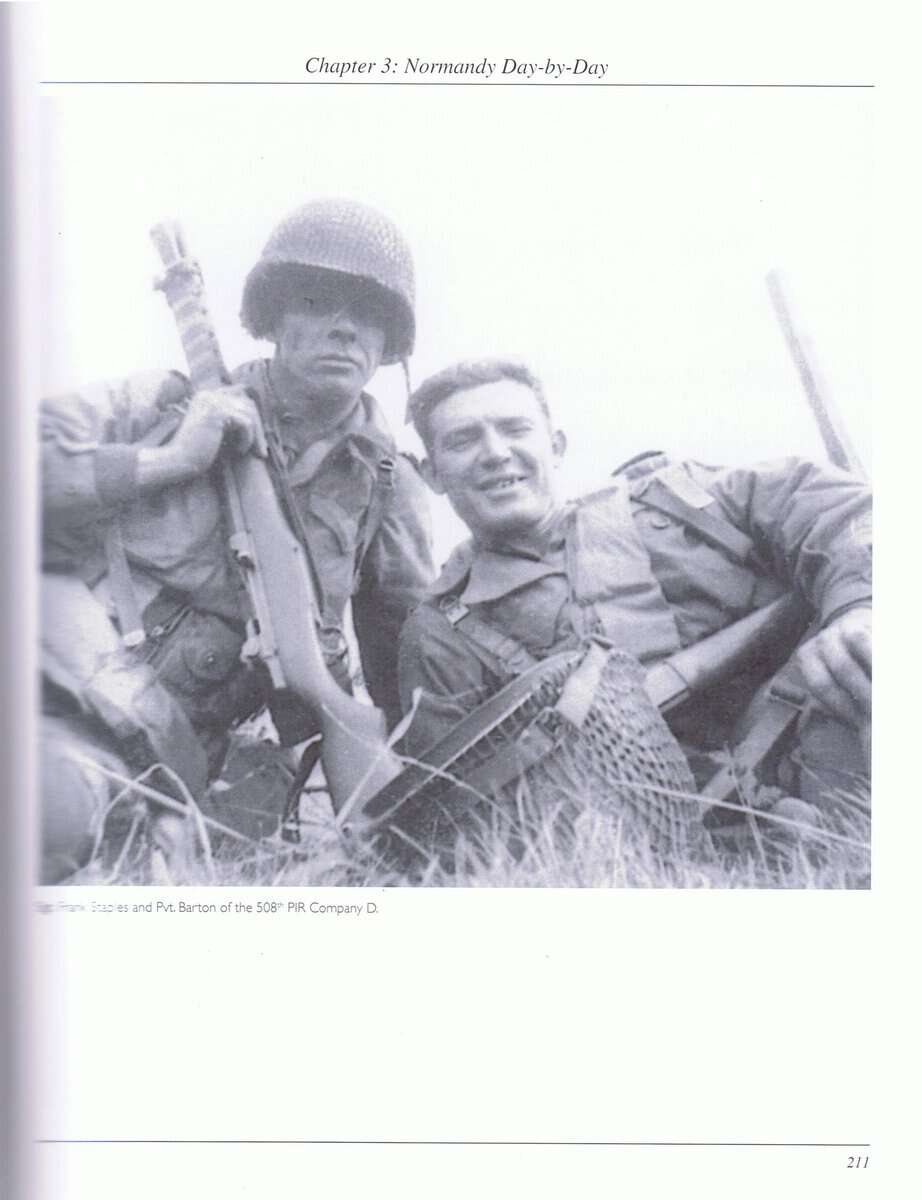
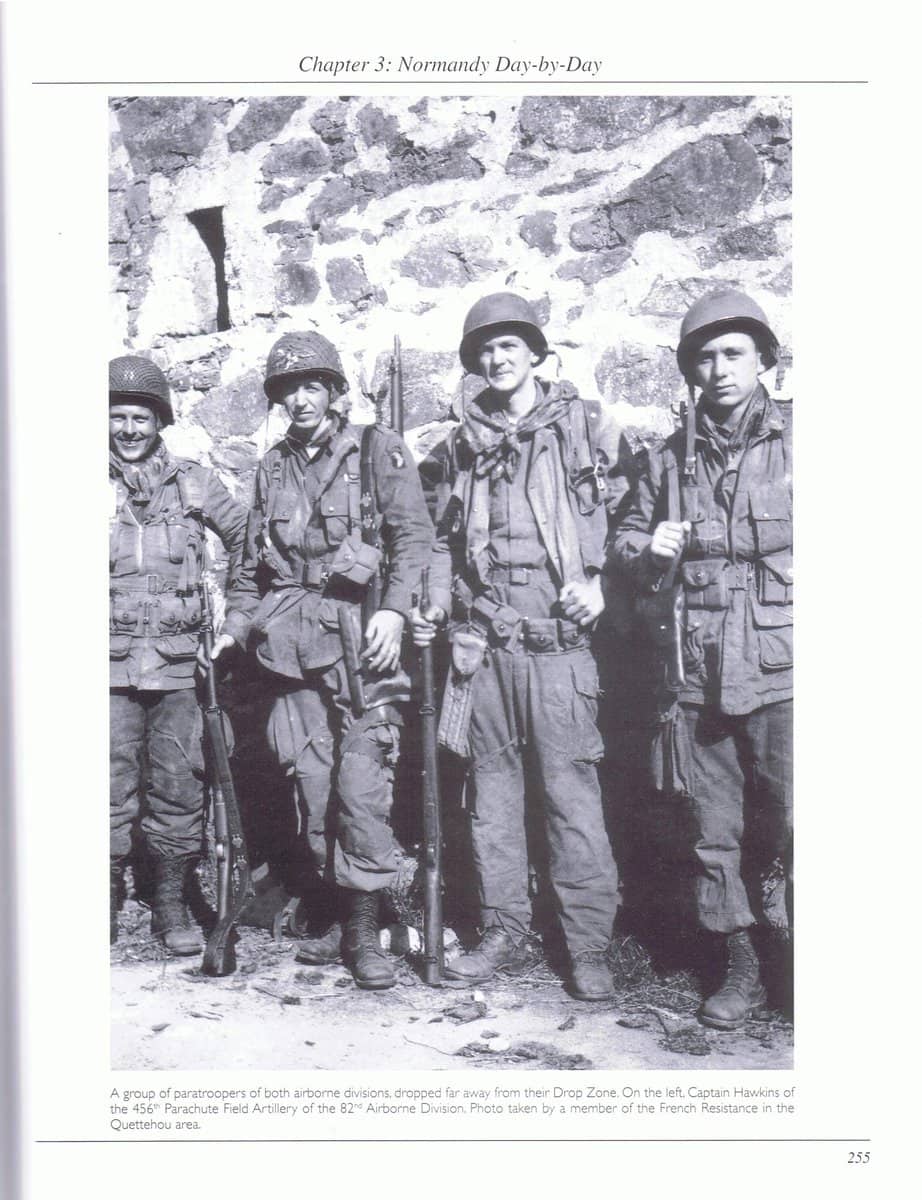
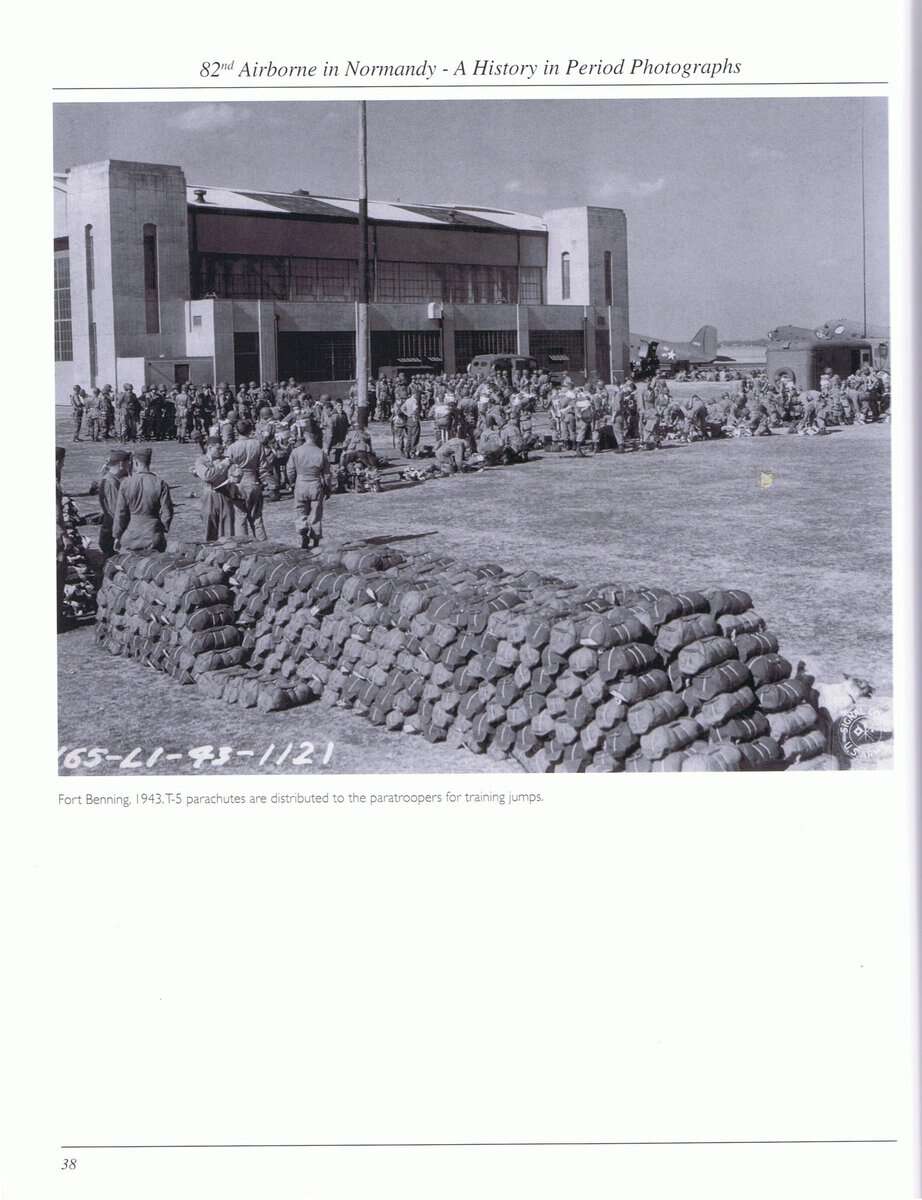
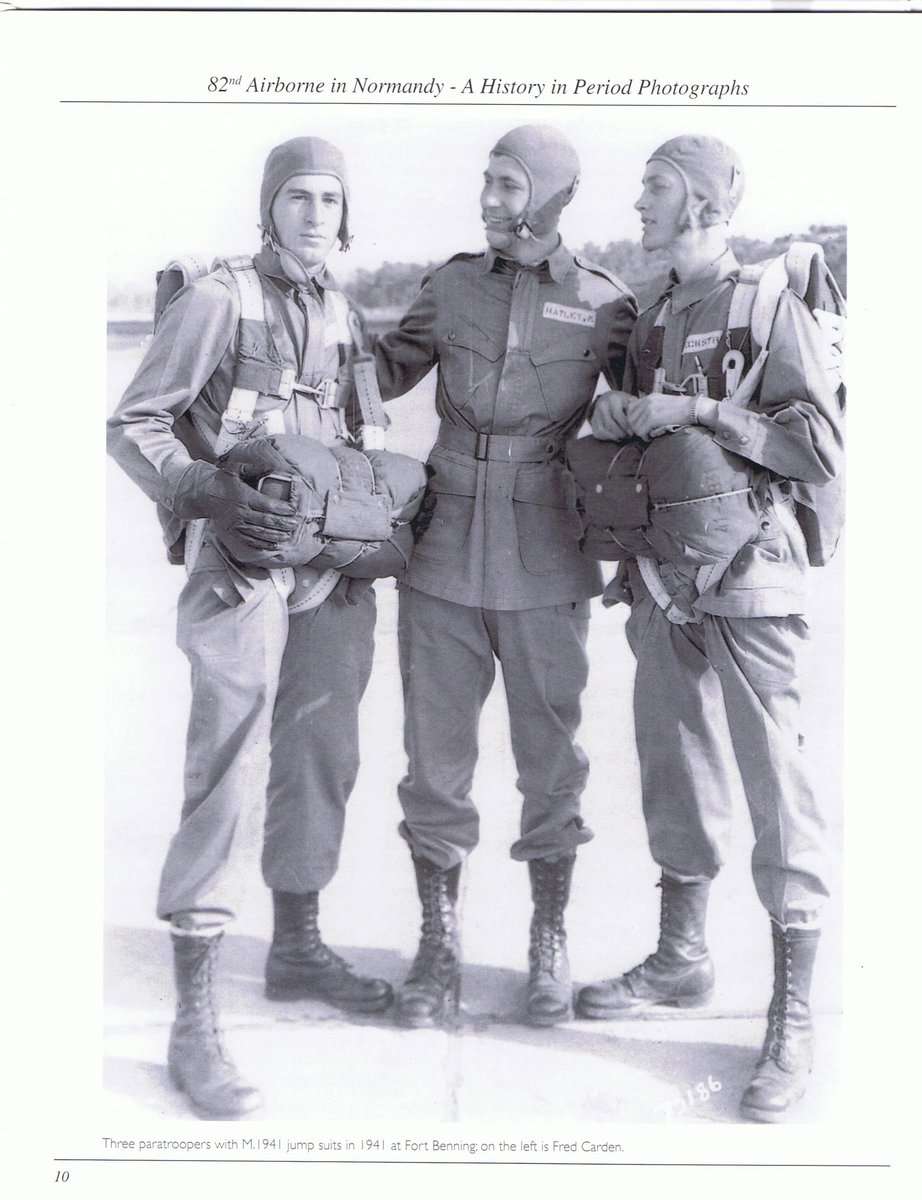
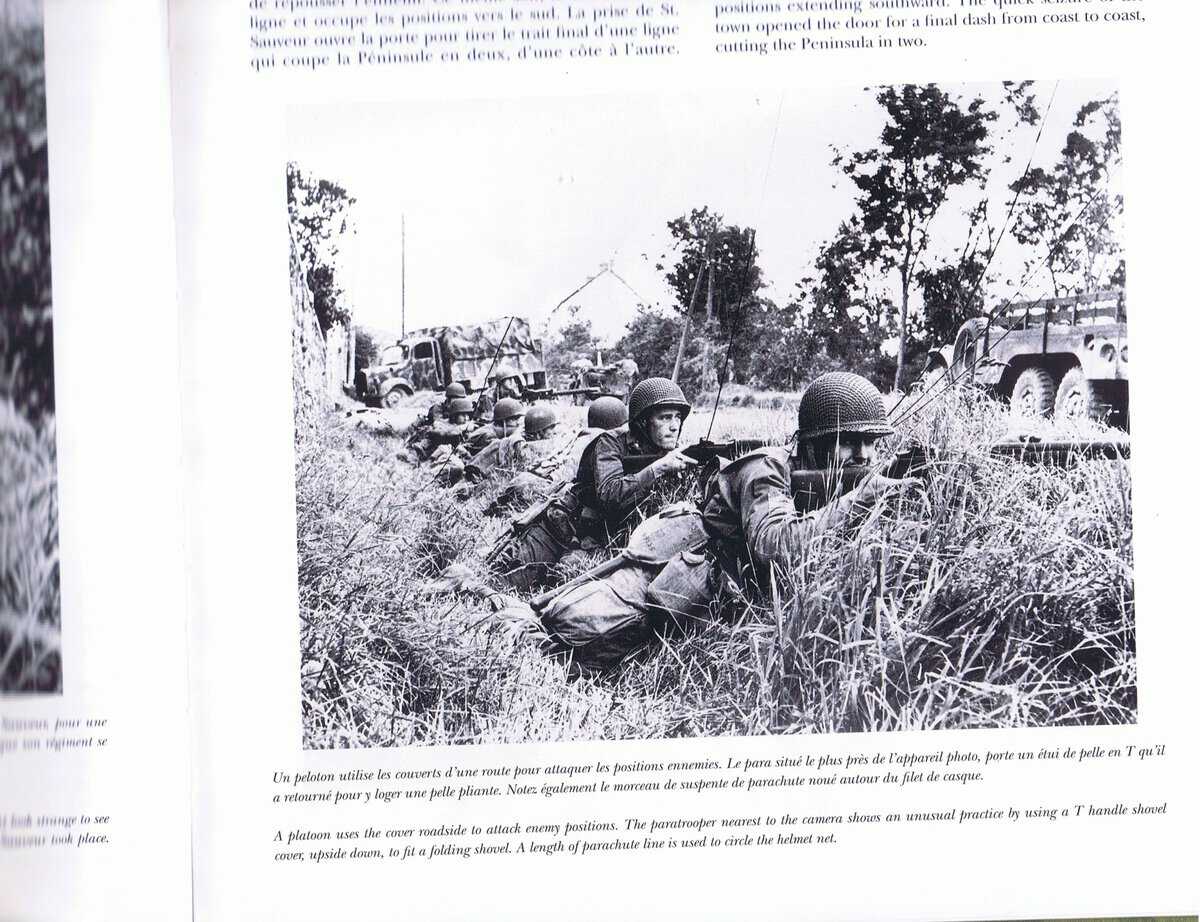
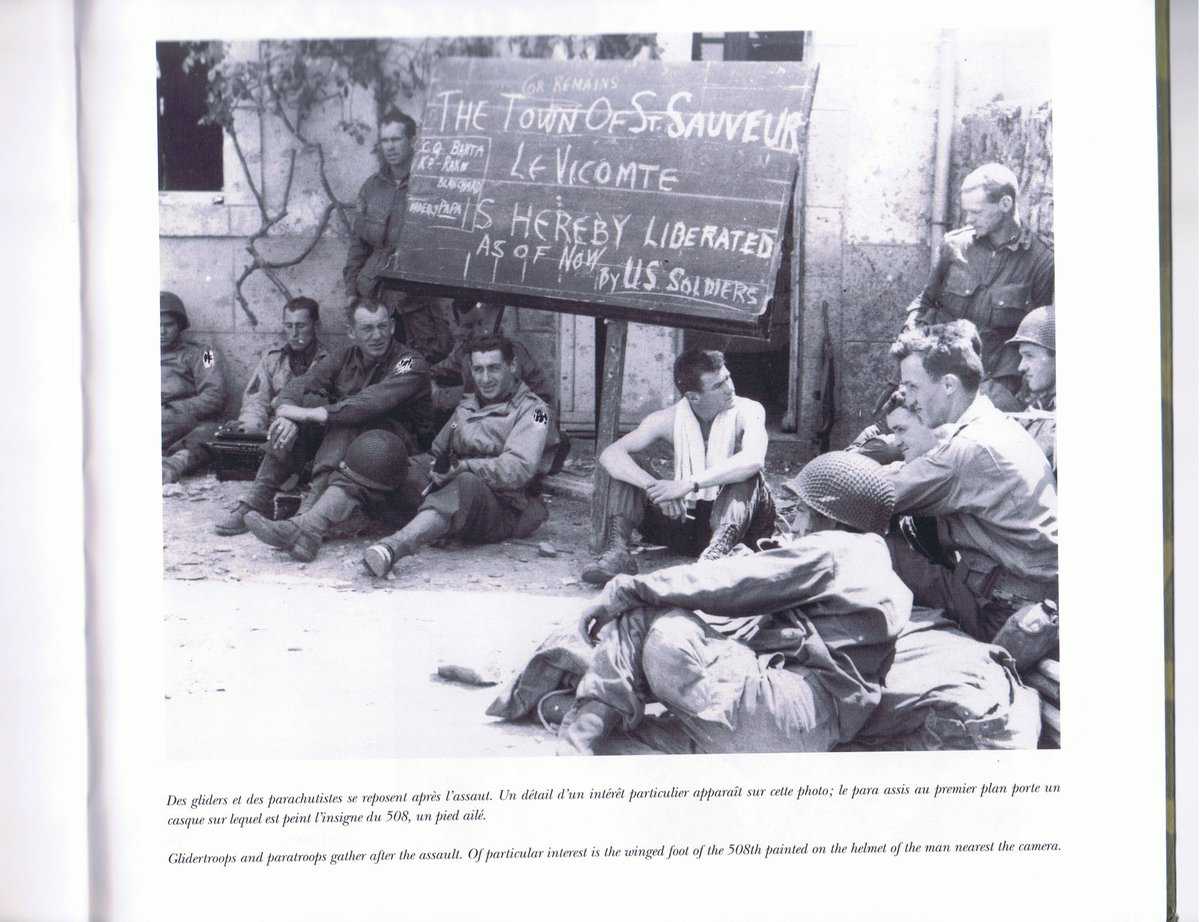
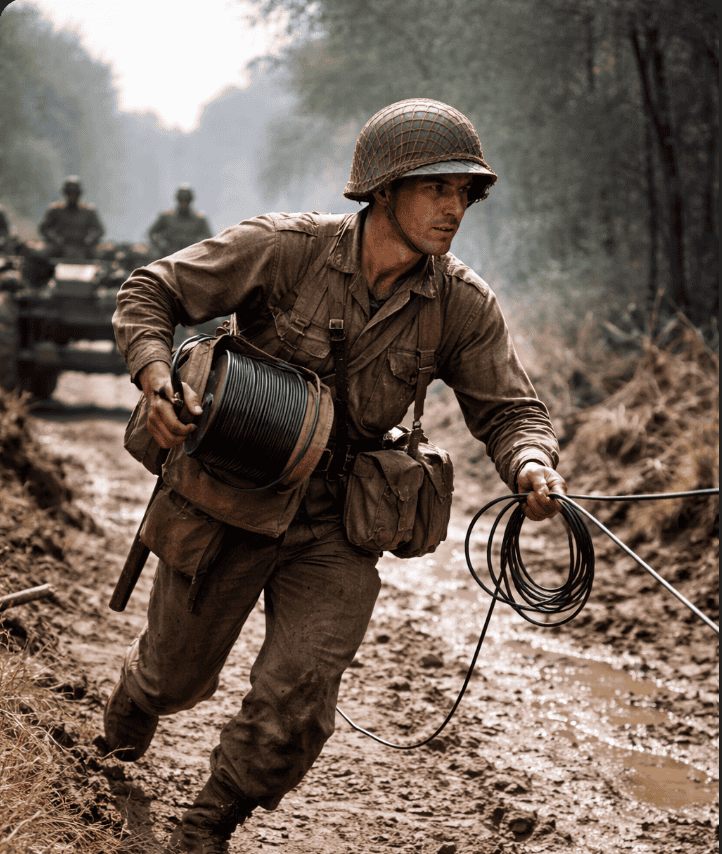
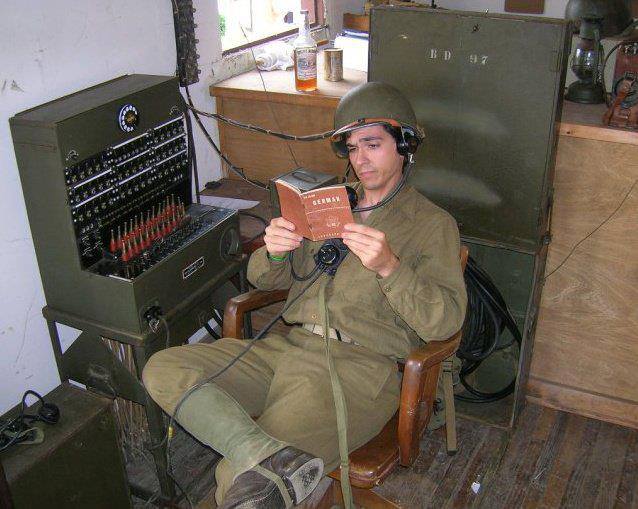
World War II is an area that I enjoy studying and learning about. When I was younger, I did a lot of WW2 Reenacting and attended lots of different events across the East Coast, portraying mostly a US Infantry impression like Signal Corps Lineman (with the 33rd Signal Construction Battalion), 5th Ranger, 88th Infantry Division Rifleman, 3rd Infantry Division Rifleman, and 82nd Airborne Paratrooper (which is hilarious because I don’t like heights and aint no way I’m jumping out of a perfectly good airplane).
Birthday Card 2-21-44 Frontcover From the Estate of Ray and Anita Sexton, Oneida, TN
Birthday Card 2-21-44 Inside From the Estate of Ray and Anita Sexton, Oneida, TN
WWII Valentine’s Day Cards
Valentines Day 2-7-44 Inside From the Estate of Ray and Anita Sexton, Oneida, TNValentines Day 2-7-44 Frontcover From the Estate of Ray and Anita Sexton, Oneida, TN
WWII Postcards
These could often be found at post exchanges or other on-base facilities.
Postcard 1941 Front From the Estate of Ray and Anita Sexton, Oneida, TNPostcard 1941 Back From the Estate of Ray and Anita Sexton, Oneida, TN
WW1 Postcards
American Expeditionary Field Service Post Card – Sent to Marg (or Mary?) W Ostrander in Grenola, KS. Grenola is a super small town in KS. Probably by her brother or another relative. I’m guessing based on research that she married TJ Starker. The field service postcard is just a way to send a quick message home letting family know what’s happened to you. In this case, it looks like the signer wanted to get a quick message out that he got their letter and will send a letter soon. Postcard is dated Oct 16th, 1918. Size is 5.5in length by 3.5in width.
Remembrance From France Postcard – This is a thank-you note from a WW1 soldier (American Expeditionary Forces, 7th Division, 3rd Infantry (?), Machine Gun Company). He’s writing to a girl named Frances, thanking her for a New Year’s card she sent him and telling her how much it meant to him while stationed in France. Dated Jan 19th, 1919. Size is 5.5in length by 3.5in width.
Old Nick’s Here With Greetings to You WW1 Christmas Postcard – A soldier named Prestin (?) or Herby (?) describing how the shift works at the switchboard he’s stuck at. The shifts are 4 hours on and 12 hours off. It looks like just a quick New Year’s/Christmas card he sent home. Dated Dec 25th, 1918.
It is produced by hand-cutting glass. Cut glass used to contain heavy amounts of lead, and to get the right designs, glass-makers would add crystal or “flint” to it. Cut glass is used primarily for tableware and comes in many styles. Most glassware was signed with the name of the producer, etched into the glass. Reproductions of cut glass tend to have signatures embossed.
Carnival Glass (1900s-1930)
Carnival Glass is pressed glassware produced in the 1900s-1930s. The glass came in many colors, including brights (like red, green, blue, purple, etc.) and pastel colors (like clear, white, smoke, lavender, and opalescent). The pastel colors have less of a finish. Red is the most highly collectible color as it requires fair amounts of gold oxides to produce it. Marigold is the most widely available color. When the depression hit and glass styles changed, producers of carnival glass gave it away to…carnivals as prizes.
It was sprayed with a metallic finish that made it look oily in nature. Five companies produced the majority of it in the US. 1. Fenton Art Glass Co. of Williamstown WV 2. Imperial Glass Corporation of Bellaire, OH 3. Millersburg Glass Company of Millersburg, OH 4. Northwood Glass Company of Wheeling, WV 5. Dugan Glass Company of Indiana, PA
Depression Glass (1920s-1930s extending to 1970s):
Cheaply produced colored glassware, as automation and industrialization finally caught up to glassmaking. This glassware was marketed for middle-income and working-class Americans. This glassware came with purchases from stores or mail-order catalogs. Glassware was of any kind, including bowls, shakers, dishes (all kinds), creamers, sugars, vases, jars, pitchers, measuring cups, etc. Pink is the most common glass color, followed by Green and Amber. The rarer Depression glass colors are red, black, cobalt blue, and yellow. The rarest types of Depression Glass are the ones that incorporate glass bases for citrus juices (reamers).
Fiestaware (1936 to 1970)
Fiestaware is brightly colored pottery. It was produced from 1936 to 1973. It was restarted in 1986. Collectors seek the original colors: Red, Yellow, Cobalt, Light-Green, Ivory, Turquoise. Fiesta Red was pulled from the market in 1943 as it used uranium to help create its color, and the uranium was needed for the war effort. Chartreuse(gray and rose-colored) was added as a color scheme in the 1950s, and earthy tones arrived by the 1970s. The rarest color is medium green.
Glass Companies
Cambridge Glass Company of Cambridge, OH:
Produced glass from the early 1900s to the 1950s. Focused mostly on crystal or cut glass. Can find designs of stars, swirls, squares, etc. Produced mostly bowls, plates, tumblers, and cocktail glasses. The most collectible of Cambridge Glass is the Square Series, produced shortly before it went out of business. It would eventually be bought by Imperial Glass.
Imperial Glass:
This company began reproducing Carnival glass in the 1960s using some of the original molds; however, the difference between period-correct Carnival glass and Imperial Glass Reproductions is that the new glass is marked IG at the bottom.
Fenton Glass:
Produced Carnival and then Depression glass. Before 1970, most Fenton glass had a sticker. If no sticker look for an absence of the pontil mark (typically seen as a dimple, chipped-looking section, or lumpy bump that indicates the punty rod was detached from the glass as it was cooling). Fenton Glass used a different kind of punty rod that left clean breaks. After 1970, Fenton glass will mark the piece of an “F” or “Fenton” somewhere on the item See: https://web.archive.org/web/20130126045835/http://www.ehow.com/how_7330459_authenticate-fenton-glass.html http://entertainmentguide.local.com/detect-fake-fenton-glassware-8067.html
Heisey Glass (1860s-1957):
Produced Art Glass, Cut-Glass, and Carnival Glass. The symbol is an “H” inside a diamond.
Libbey Glass:
Produced all kinds of glassware, but not much of Carnival or Depression. Glass marked with the word “Libbey”
Westmoreland Glass (1890-1985):
Produced some carnival and depression, but mainly milk glass. Early Westmoreland marks were a “W” within what appears to be an upside-down lampshade. The intertwined “W” and “G” were not developed until 1949. In 1983, all Westmoreland glass was marked “Westmoreland.”
Others include:
Anchor-Hocking and Fire King: Jeannette Glass Company Liberty Works MacBeth-Evans Glass Company US Glass Company Hazel Atlas Company Indiana Glass Company Fostoria Glass Company Federal Glass Company Paden City Glass Company McKee Glass Company New Martinsville L.E. Smith Company Lancaster Glass Company US Company (?) Belmont Tumbler Company Dell Glass Diamond Glassware Company Homer-Laughlin China Company-Fiesta Ware
Sources:
1. Florence, Gene. 1999. The Pocket Guide to Depression Glass and More: 1920s-1960s. 11th Ed. Collector Books. This is a Good source that puts pictures with the different pattern types. 2. Pickvet, Mark. 1996. Collecting Glassware. Alliance Publishers. This is a general overview of glass history, glass styles, and glass companies.
WW2 Red Cross Reproduction Knitting Patterns for WW2 Reenactors
During World War I and again during World War II, the American Red Cross launched nationwide, volunteer-driven knitting campaigns to supply soldiers and war refugees with warm clothing. These volunteer knitters belonged to a Red Cross unit called the Production Corps that also produced bandages and sewn garments (such as pajamas) for veterans and civilian hospitals.
Military knitting patterns were designed to be compatible with soldiers’ and sailors’ uniforms and were required to be knitted in olive drab or navy blue. Production Corps volunteers would also knit from patterns designed for convalescing soldiers, such as the “Walking Cast Toe Sock,” the “Cap for the Bandaged Head,” and the “Man’s Coat Sweater.”
The chart below shows some different patterns for knitting. The Wristlets pattern comes courtesy of the Estate of Ray and Anita Sexton, Oneida, TN (*).
**The pattern calls for 4/8 sweater yarn and has no needle size or gauge. Above are approximations based on pattern description. The Center for Knit and Crochet, Inc, says:
…the Woman’s Bureau decided to specify three standard “Red Cross Needle” sizes, and printed their diameters in inches. Because knitting needles were not yet standardized…
During World War II, the Red Cross Production Corps was by far the most popular unit with over 3.5 million members, spread throughout 3,304 chapters. Unlike other volunteer jobs, there was no prerequisite training, and recruitment and task assignments were accomplished quickly. The women, and in some cases the men, who volunteered enjoyed the camaraderie and the fact that workrooms were set up not only at chapter buildings, but also at schools, churches, and other public or private facilities for their convenience.
From 1939 to 1946, the volunteers of the Production Corps made: 63,552,649 garments for civilians and the military, 1,403,158 infant garments, 31,237,900 kit bags containing cigarettes, playing cards, soap, etc., and 2,481,951,637 surgical dressings. The Production Corps volunteers were broken down into committees organized by task. They included surgical dressings, sewing, and knitting.
Detailed instructions, patterns, and supplies were issued by the National Headquarters to chapters and each was assigned a quota to fill. Chapters had volunteers in charge of inspection, planning and supplies, workrooms and equipment, instruction, and packing and shipping
Men’s Sweaters at Work and Play Book No.188
This was a knitting booklet made in 1942 by Chadwick’s Red Heart Wools, a knitting company. It’s 22 pages long and has knitting instructions for the following garments
The “Blueprint” for America Button-up Sweater
The “At Ease” Sweater
The Champion V-neck Sweater
The Grandstander – a scarf and glove set
The Match Play Sweater Vest
The Victory Sweater Vest
The Defense Worker Button-up Sweater
The Practical Worker Button-up Sweater Vest
Top Flighters Sweater Vest
The Double or Nothing Sweater Vest
The Football Heroes Pullover Sweater
The Standby Sweater – which is illustrated on the cover
This was a knitting booklet made in 1941 by Chadwick’s Red Heart Wools, a knitting company. It’s 22 pages long and has knitting instructions for the following garments. It has instructions for the following patterns
Round or Turtleneck Pullover
Crew Neck Pullover
Plain gloves and scarf
Chest Protector
Helmet with or without ear flats – designed to go under an M1 Helmet
Mittens
Sleeveless V-Neck Pullover
Square Neck Pullover and Cap
Sleeveless High-Neck Pullover
Trigger Gloves – gloves that have slots just for your thumb and index finger
Marksman’s Gloves – gloves that stop at the 2nd joint of a finger
Plain Sock
Spiral Sock
V-Neck Pullover
Knit for Defense: a 1941 kitting guide by Chadwick’s Red Heart Wools
Practical, Warm Hand Knits for Service Men WW2 Red Cross Knitting Patterns
This is another Red Cross knitting pattern. The booklet is Volume 318, dated 1940. Below are some images from the booklet and external links which explain more about the patterns.
External Links
The links below are a digitized copy of the content found in the Red Cross knitting document, Warm Hand Knits for Servicemen. Read Me First: WWII Knitting FAQ
Hand Knits for Service Men – 40 Garments for Men in the Armed Forces
This is a 26-page book that includes 40 different knitting patterns. It was copyrighted in 1944 by Book Productions Industries Inc and published by Ethel Evans.
Ethel Evans is actually the pen name of Ethel Rodman. She is a minor celebrity in the world of knitting and crocheting, as she published several authoritative books in this manner. Her brother is Edward Ray Goetz, a Hollywood producer, songwriter, and musician, who at one time was married to actress Irene Bordoni.
This is a knitting guide made in 1947 by the Jack Frost Yarn Company. The company itself may have first started in 1928, according to the date it was trademarked.
Jack Frost Two Needle Mittens Vol 56 1947 Front Cover
The booklet contains the following patterns. Much of it seems to be kid-focused, and there may not be much use for WW2 Reenacting, but the Men’s or Lady’s mittens might work
While this page covers US knitting instructions, you can find a listing of British Knitting instructions: 1940s knitting patterns. It includes the following patterns
Fatigue Cap
When you’re “off duty” jumper
The balaclava helmet
Knitted Turbans
Spiral-spun waistcoat
Gloves for women
Fair Isle gloves and cap
Bed socks
Victory jumper
Pants and vest in mesh stitch
Men’s mittens
Mittens for women
Fishnet stockings
A practical pullover
“A Happy thought” tea-cosy
Sirdar Design No. 1237
Sirdar is a British Knitting company founded in the 1800s. For a history of the company, this article from Knit and Nibble is pretty condensed. Sirdar produced knitting patterns such as the pullover with collar and as a vest seen below. You can download this pattern here. Sirdar also has copies of 40s patterns (among other eras) in their Heritage section here. Many of which would have been found amongst the civilian and army populations of World War II.
Lister Lavenda Hand Knitwear for the Services
This is another British company, Lister & Co. Ltd, that produced knitting patterns. You can download the book here. It contains the following
MEN’S GLOVES ON 2 NEEDLES
MEN’S MITTENS ON 2 NEEDLES
BED SOCKS ON 2 NEEDLES
HOSPITAL STOCKINGS ON 2 NEEDLES
KNEE CAPS
SPIRAL SEA BOOT STOCKINGS
SPIRAL SOCKS
FLYING JERSEY
HELMET WITH HOLES FOR EARPHONES
CAP SCARF
Canadian Red Cross Knitting Patterns
The book was issued by the Canadian Red Cross Society in February 1940 and is 16 pages long. It contains at least 17 different patterns for the Army, Navy, and Air Force.
Priscilla War Work Book Comforts for Soldiers and Sailors 1917 – Includes patterns for: Mufflers, Sleeveless Sweaters, Knitted Helmets (types 1 and 2), Medium Size Man’s Socks, Thumbless Mittens/Wristlets, Thumbless Mittens, Hospital Bed Socks, and Balaklava Sleeping Caps.
Also includes a neat discussion on the needs for hospital and surgical gowns, hospital bed shirts, pajamas, bed socks, operating leggings, convalescent gown, operating gowns, hot water bag covers, and ice bag covers.
In addition, it shows how to make comfort kits (types 1, 2, and 3) via a pattern.
It also has a few Boy Scout items, but since that’s not really related to WW1, I’m not adding the images.
Fleisher’s knitting & crocheting manual / the Fleisher Yarns 1918 – The first 30 or so pages focus on service-related items (search for “service” or “army). They have a neat section on different kinds of blankets to make, as well as sweaters, hats, scarves, socks, and wristlets.
World War One Red Cross Socks and Wristlets: The Red Cross issued a few patterns. Attached is a zip file with instructions. Comes from: Knitting America: A Glorious Heritage From Warm Socks to High Art by Strawn, Susan. Voyager Press, 2007.
Bear Brand Blue Book No. 18 1918 – Descriptions of how to crochet and knit, as well as showing different kinds of stitches. It has a few items for soldiers and sailors in World War I. Hilariously, it includes a dog sweater pattern (page 128).
Helmet No. 8111
Wristlets No. 8049
Wristlets No. 8110
Muffler No. 8048
Sock No. 8125
Bed Sock No. 8112
Knitted Knee Cap No. 8114
Trench Cap No. 8115
Abdominal Band No. 8054
Marksman’s Glove No. 8141 (instructions on page 127)
Service Sweater No. 8118 – Seems to be made for civilians in mind, but could be used for military.
Military Cap No. 8109 – Looks to be a stylish wool hat for women.
Military Sweater No. 8091 – Looks to be a stylish sweater for women.
Below is a listing of WW2 reproduction currency of Russia, the Netherlands, France, Germany, Italy, and Japan. The files are all .pdf and may be printed off and used at reenactments.
Some WW2 reproduction currency files below have two files, a front and a back. They are designed to be printed on either a two-sided copier or printed once and then fed back into the printer in the opposite direction so the sides line up.
Others have only a single side. These were also designed to be flipped and fed back into the printer.
A selection of WW2 American Red Cross Recipes for the World War Two Reenactor.
“Red Cross records indicate the organization purchased enough flour between 1939 and 1946 to make 1.6 billion doughnuts. Red Cross women were serving doughnuts at the rate of 400 per minute during the years 1944-1946.
Red Cross Doughnuts
1.5 cups of sifted flour 1/4 tsp. baking soda 1/4 tsp. salt 1/4 tsp. butter or substitute, melted 1/4 tsp. ginger 1/4 cup molasses 1/4 cup sour milk (buttermilk) 1 egg, well beaten
Combine half of the flour with soda, salt, and ginger. Combine egg, molasses, sour milk, and melted butter or substitute. Blend with flour mixture and stir until thoroughly mixed and smooth. Add remaining flour to make dough of sufficient body to be rolled. Roll on floured board, to the thickness of 1/4inch. Cut with doughnut cutter. Fry in deep hot fat (360 degrees) until lightly browned, about 2 to 3 minutes. Drain on brown paper.”
Christmas Packages
Shipping the WW2 American Red Cross Recipes such as in a package required following special guidelines.
“Anyone hoping to send a package overseas was advised to mail early–anytime from Sept 15 through Oct 15. The post office listed a series of guidelines for those mailing packages
‘…The weight limit is 5 pounds. Parcels may not be more than 15inches in length and 36inches in length and girth combined.’ ” Later on, a gift container was manufactured (sorry no picture) it measured 10 by 6 by 4 inches. (119)
“We searched for small compact items that packed well and could survive being shipped thousands of miles. We collected stationery, pencils, airmail stamps, paperback books, Western and detective magazines, canned foods, candy bars, chewing gum, fruit-flavored powdered drinks, dried packaged fruit such as raisins, dates, and prunes, hometown newspapers, Readers Digests, playing cards, heavy socks, and of course snapshots of home folks were especially welcome” (120)
“Packing Cookies took special care. Even though cookies were wrapped and rewrapped in layers of shredded waxed paper or tissue, and then tucked inside tin boxes, they still often arrived in bits and pieces. Not many complained, though. Instead, they shared the contents of their Christmas boxes with buddies not so fortunate” (121)
Soft Oatmeal Cookies (p.121)
1 cup raisins and 1/2 cup water. Cook until hot.
Simmer 10-105 minutes. In a bowl add the following and cream well:
1 cup brown sugar
1 cup shorting (margarine is ok)
1/2 tsp. salt
Add: 2 eggs, beaten well
Mix in: 2 cups flour
Add 1/2 cup nuts, chopped
1/2 cup coconut
2 cups oatmeal
1 tsp vanilla
Drain the raisins, save the liquid and measure 5 T. raisin liquid. If there is not enough juice, add water to make 5 T. Dissolve 1 tsp. baking soda in the juice. Add the cookie batter and stir in the raisins last. Drop by tsp. on greased cookie sheet. Bake at 350 degrees, 12 to 15 minutes.
Wartime Cookies
1 beaten egg
2 cups molasses
3/4 cup melted shorting
1 cup warm milk
2 T. baking soda; dissolve in 2 T. warm water
5 cups flour
2 tsp. cinnamon
1.5 tsp cloves
1/2 tsp. salt
2 tsp. ginger
Add ingredients in the above order, mixing thoroughly after each addition. Be sure to stir in the flour (sifted with other dry ingredients) a little at a time. Drop on a greased baking sheet with a teaspoon and bake at 375 degrees until lightly browned.
Brownies
1/2 cup shortening
1 cup sugar
2 eggs
3 T. cocoa
1/2 cup flour
1 tsp. vanilla
1/2 cup chopped nuts
Mix well, put in a greased 9×9 cake pan. Bake at 350 Degrees for 20 to 25 minutes. Frost when cool.
Serviceman Special Candy
2 cups sugar
1 tsp. vanilla
1 cup cream
1lb marshmallows
1 T. butter
1 cup nuts
1.5 squares bittersweet chocolate
3 cups graham cracker crumbs
Combine sugar, cream, butter, chocolate, and vanilla. Cook to softball stage. Remove from fire and stir in remaining ingredients. Spoon into buttered pan. Press firm and cut into squares.
Victory Muffins (p.85)
2 T. shortening
1 egg
3/4 cup milk
1 cup All-Bran
1 cup sifted flour
2 1/2 TSB. baking powder
1/2 TSB. salt
DIRECTIONS: Beat shortening and egg together until well blended. Add All-Bran and milk and let stand for at least 20 minutes. (This may be done in the evening, adding dry ingredients in the morning.) Sift flour, baking powder, and salt together. Add to the first mixture, stirring only until liquid and dry ingredients are combined. Fill greased muffin pans 2/3 full. Bake in preheated 400-degree oven. For small muffins, bake 25minutes; for large muffins, bake 30 minutes. Makes 12 small or 8 large muffins.
Raisin Honey Sandwiches (p.162)
1 cup raisins, chopped
1/8 TSB. salt
1 T. mayonnaise or salad dressing
1/4 cup nuts, chopped
1 1/3 T. lemon juice
3 T honey
DIRECTIONS: Combine ingredients. Mix thoroughly. Use as filling between thin buttered slices of either brown or white bread.
Military Punch
2 cups boiling water
1 to 3 cups lemon juice
1 cup sugar
1 T. rum extract
2 cups cold strong tea
1 large bottle of ginger ale
1 cup orange juice
Ice
Boil water and sugar for 5 minutes. After it has cooled, add orange juice, lemon juice, extract, and tea. Add ginger ale and ice and serve.
Halloween Cider Punch
2 cups pineapple juice
1 cup lemon juice
1 cup orange juice
Lemon rind
Ice
2 Quarts cider
2 cups strong tea
2 quarts ginger ale
Orange rind
Mix fruit juices and orange and lemon rind, cut into pieces. Add cider and tea and put in a large punch bowl. Just before serving, add ginger ale and ice. Serves 65-70. A sugar syrup may be added.
V Loaf (p.63)
2 cups cooked rice
1/2 cup fine dry bread crumbs
1/2 cup chopped nut meats
1 cup cooked tomatoes
1 egg
1/2 tsp. salt
1/8 tsp. black pepper
2 T. green pepper chopped
4 t. melted butter or margarine
1 small onion, chopped
DIRECTIONS: Mix all together to form a loaf. Bake in a greased loaf pan in a 350-degree oven for 30 minutes. Cover with mashed potatoes put back in the oven to brown. Serve with tomato sauce. This recipe defies detection as a substitute meatloaf and is very good.
Mr. John Burger (p. 24)
1 pound hamburger
1/2 tsp horseradish mustard
1 egg
Small onion, chopped
Salt and pepper to taste
DIRECTIONS: Mix well and spread on bread slices. Makes about 9 slices. Broil until brown–about 9 minutes.
Red Cross POW Packages
” In the beginning of the war commercial firms put together these packages. Later on, the Red Cross volunteers took over [. . .] [t]hey assembled monthly packages for French, Polish and other allied prisoners [. . .] [a]long with the food packages, clothing, shoes comfort articles and medical supplies were also sent” (79 Edson).
The packages measured “10 inches square and 4.5 inches deep and weighed exactly 11 pounds, as prescribed by the German postal regulations. Red Cross nutrition experts had put together a list of items determined as most effectively supplementing prison camp diet. The boxes contained a variety of items that may have included:
A five-ounce box of raisins; a half-pound of American cheese; one pound can of powdered milk; 12 ounces of corned beef from Argentina; a 6 ounce can of ‘Brunch’ (Pork Luncheon Meat) which consisted of chopped pork, salt, water, sugar, and sodium nitrate; a 2 ounce can of coffee; a 7 ounce can of tuna fish; a half-pound box of sugar cubes; a 6 ounce box of army K2 biscuits; four bars of guest size toilet soap; one pound can of oleomargarine; four Hershey chocolate bars; and a can of pate (Liver Paste) which was a mixture of milk, chopped pork livers, pork fat, onions, oats, soy, grits, whole wheat, yeast, defatted wheat germ, and hydrolyzed plant protein.
The Red Cross also sent seeds and tools, along with cookbooks to the prison of war camps, where prisoners were sometimes allowed to cultivate vegetable gardens.
Many times a word from home did more good than anything. The ‘Red Cross News.’ a publication containing favorite comics, news items, sports news, and special articles was distributed to the prisoners of war on a regular basis” (79).
WW2 American Red Cross Recipes Source
Edson, Laurie J., “American Red Cross 50th Anniversary World War Two Cookbook.” Cedar Falls, IA, Woolverton Publishing Company. 1993. Amazon link here
Army Talks was a series of short works published for GIs in the European theater of World War II “to help them become better-informed men and women and therefore better soldiers.”
Army Talks began publication in 1943 and continued through the end of the war in Europe. Issues were usually published on a weekly or biweekly basis, and each had its own title and topic. The pamphlets contained articles, combat tips, proclamations, maps, drawings, cartoons, news, updates, and other general information.
Some links download from this site, while other links go to my Dropbox account. If DropBox gives you errors or cannot connect, please try clearing your browser’s cache and cookies and disable any third-party plugins (such as AdBlocker or Privacy Badger) as they may interfere with the ability of DropBox to render the PDFs. Special thanks to the 90th ID for making some of these available.
If you would like to purchase copies, you can do so through Wartime Press. It looks like you get a digital copy as a PDF. I’m not sure if the copies are exact reproductions. If they are, it would be very neat to see them in the field.
If you want all the Army Talks Volumes, you can download the zip file via my Google Drive here.
The Rank and file in combat, what they are doing, how they are doing it. The suggestions in Combat Lessons are drawn from the experience of the World War II American Soldiers in both Europe and the Pacific.
This article was written by a friend of mine, Corey Hodgson, and reprinted as permitted. If you have any specific questions, you may contact him: chodgson1945@gmail.com, with the subject line “GI camera guide”. You may also download a copy of this article in a PDF format here.
The following guide is an attempt to inform WWII reenactors, portraying a typical US soldier in Europe. While the guide can be used for those portraying infantry and Marines in various other parts of the global conflict, be sure to research what cameras would be available to a soldier (for example, a Leica or other German-made cameras would be next to impossible to obtain for a Marine on Tarawa).
This guide is not meant to be a guide for those wishing to portray a War Correspondent or a member of the United States Signal Corps. While some did choose to use 35mm and 120mm cameras (Like Robert Capa, who chose to use Leica, Contax, and Rollei branded cameras throughout his time in the Mediterranean and European Theater of Operations), the primary choice for the Signal Corps was the trusted Graflex Anniversary Speed Graphic (this was standard equipment), with its massive 4×5 negative.
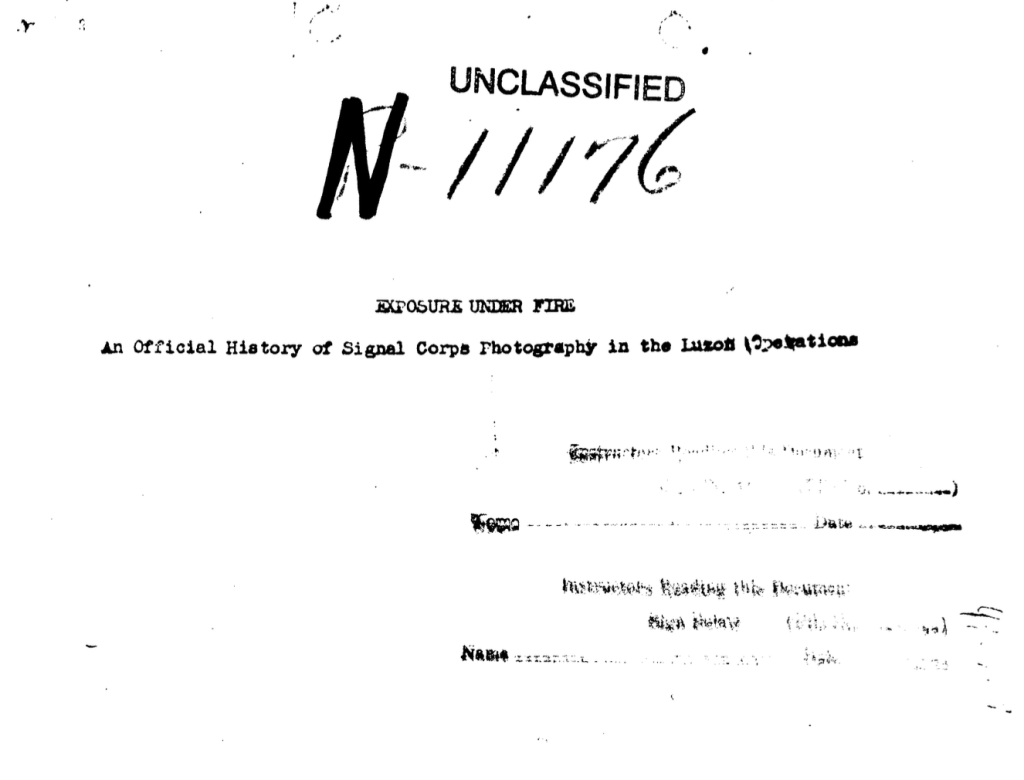
Signal Corps Photographic Units used wide-angle lenses and 10in. telephoto lenses on Speed Graphics. This helped to take the correct images. See: History of Signal Corps photography in the Luzon operations, April 1945, pg. 29.
There was also the Combat Camera PH-501/PF produced by Simmons, which Signal Corps Photographic units used to a limited extent. Only about 250 were made before the war ended. See TM 11-2364, Dec 1944.
One ended up on Corregidor and “…proved superior for that type of operation because of its lightness and the protection of its working parts. Disadvantages of it reported by the cameramen were inadaptability for filters (he taped on a Graphic filter on the second day of the operation), bad paralax on closeups and the difficulty of getting used to the log ride of the shutter release, a plunger that appears to lave exposed when i;; [not sure what’s said here] has only opened the interior blind. Most photographers disliked the combat camera, chiefly because the negative is only 2 × 3¾ instead of 4 x 5. ” See: History of Signal Corps photography in the Luzon operations, April 1945, pg. 29.
There are also video cameras, such as the Model Q Eyemo, which was quite heavy and sometimes converted to Model Ks via aluminum parts made by Ordinance. Photographers also liked the Compact Turret Eyemo as a second chance since it was lighter. These were used by Signal Corps Photographic Units and wouldn’t have been available to regular infantrymen.
Please research your specific impression before purchasing any cameras, as you can easily spend a great deal on something you cannot (or rather should not) use.
Cameras we obtained in three major ways: Gifted to the soldier, purchased by the soldier, and stolen by the soldier.
Rollei
A twin lens reflex is a camera that has two lenses, stacked one above the other, that allows the user to focus using the top one and expose a 6x6cm negative on 120mm film. The Rollei has, and still is, a rather expensive camera. The build quality is above average, being created for professionals, most lasting longer than the original owners themselves. Robert Capa was known to use a Rolleiflex “Old Standard” (made before 1939) during his WWII travels.
Appropriate for use would be the Rolleiflex Original, Standard, New Standard, Baby 4×4 (all pre-war models made from 1931-1943) Automat Model 1, and Automat Model 2. Also appropriate would be the cheaper entry-level Rolleicord, any models manufactured between 1933 and 1949 (The Models Ia Type 3 and IIc were both manufactured through the war and continued for a few years after the war).
A word of warning, though, the average GI attempted to reduce weight as often as possible, and a Rollei TLR is not the smallest or lightest camera available. Therefore, I highly recommend that you avoid taking this camera in the field, instead using it as a “pre-invasion” camp camera. These cameras would have also been very expensive, costing far more than the average GI could afford.
A cheaper alternative would be the Ciroflex Model A, manufactured in Detroit, Michigan prior to the war and then in Delaware, Ohio, during the war. Only the Model A was made during the war. Also available would be the Primarflex I made in Germany prior to the war.
Original (New and Old Standard made between 1932-1941) Rolleiflex cameras look like this:
Rolleiflex Camera
While Rolleiflex Automats (Models 1 and 2 made between 1937 – 1945) look like this:
Rolleiflex Automats
Leica
Just as it is today, the Leica brand was one that was known worldwide for quality and an enormous price tag. There are two types of Leica cameras to look at: With a Rangefinder and without a Rangefinder.
Unlike today’s cameras, which allow you to see what you shoot before you shoot it, a rangefinder shows the photographer only what will be in focus. A rangefinder splits the image, and when the photographer makes the two images overlap perfectly (creating one image on the item you wish to focus on), the focus is set, and the picture can be taken. Without a rangefinder, the photographer has to either know or guess the distance between the camera and the subject.
Leica cameras load from the bottom, and I would highly suggest you do independent reading on cutting and loading film for any Leica or Leica copy (the Soviet made Zorki and FED cameras), as the film leader must be cut to load film into vintage Leicas.
Acceptable models for use are Leica I, Ic, IIc, IIIa, IIIb, and IIIc. Avoid all gold versions, or ones marked with Luftwaffe markings (and other Nazi markings on the top). 9 out of 10 times, these cameras are going to be fakes, and while they might be mechanically sound, they usually aren’t due to them being bastardized Soviet copies (A Soviet Copy of a German camera, made to look like a German camera).
Leica cameras are relatively expensive, and again, the average GI would not have ordinary access to any of the cameras – unless they stole them or found them.
Soviet models, that would be acceptable for just playing around with, include any of the FED 1’s (not the 2, 3, 4, or 5!) and the Zorki 1 and 2.
Made in Ann Arbor, Michigan, the Argus A and Argus C3 popularized the 35mm format in the United States. These cameras were relatively inexpensive for consumers to purchase and were very common. The cameras take 35mm film, are built like bricks (the C3 was, and still is, affectionately named “The Brick”), and are very durable. These would be more common amongst the average Joe. For more information on the Argus: http://camerapedia.wikia.com/wiki/Argus
Typical Argus A:
Argus A
Typical Argus C3:
Argus C3
Kodak
Kodak produced many inexpensive cameras, made to encourage everyone to enjoy photography (and purchase the film that Kodak produced). Cameras were manufactured in two primary locations: The Rochester, New York factory, and the Kodak AG factory in Stuttgart, Germany.
Acceptable Models: Kodak 35, Kodak 35 RF (not very common due to the $48 USD pricetag – $700 USD in 2007), PH 324 (Very rare and not suggested because of that. Due to the US government’s contract with Kodak, the PH 324 cameras were collected and bulldozed as to not flood the commercial market), Retina I (Types 117, 118, 119, 126, 141, 143, 148, 149, 167), and Retina II (Types 122 and 142). Refer to TM-2361 for the manual on PH-324.
Retina cameras were made by Kodak AG in Germany, and after 1941, production ceased for the remainder of the Second World War.
On the success of Leica, another German company (Zeiss Ikon) created the Contax I to compete with Leica. These high-end models were known for their wonderful focusing abilities, a removable back for loading film, a quick and reliable brass shutter, and a new bayonet mount lens system (as opposed to Leica’s screw mount lens system).
There are three acceptable models for the time period: The Contax I, II, and III. The III has a selenium light meter on the top to calculate exposures with. While this feature was revolutionary at the camera’s creation in 1936, today, this feature is at best, barely accurate. It is best to use a different form of metering for your exposures, as over time, the selenium cells have grown to be less accurate than at their creation. After the war, Contax began production in West Germany of the Contax IIa and IIIa. These cameras are also acceptable for use as they are hard to distinguish from the pre-war models (the rangefinder window is smaller, but these cameras are still recommended over the Soviet Copies).
These cameras would not be common amongst the average GI, instead being common in the hands of professional photojournalists like Robert Capa.
There are Soviet copies of the Contax II & III, as the Soviets had taken the machinery from the factory and brought it back home as war spoils – in fact, the Soviets brought back not only the machinery used to make the Contax cameras, but they brought back ALL the parts that remained. This resulted in the first batch of Kiev II cameras having the Contax logo on the inside, with the Soviet KIEV printed on the front. Models that are suggested are the Kiev II and the Kiev III.
The Kiev 4 features a different appearance, and it is generally not suggested that you purchase one for reenacting. The author has used the Kiev II in reenacting previously, and while the camera performed well, the KIEV print on the front stood out rather well. Soviet copies should be avoided if you are looking for a 100% authentic impression.
In Germany, the two major producers of optics and camera equipment were Zeiss and Leica. Zeiss Ikon was the product of four major German camera companies in 1926. Known for innovation, quality, and for their excellent medium format cameras, Zeiss Ikon cameras were fairly common – in the author’s view, they were along the lines of Kodak in America.
Zeiss Ikon produced many 120mm folders, including the Nettar, Ikonta, and Super Ikonta (an Ikonta folder with a coupled rangefinder). Acceptable models for the use by reenactors include the Nettel, Super Nettel I & II, Nettax, Nettar (510, 510/2, 515, 515/2, and 515/16), Ikonta (A, B, and C models that begin with 520 or 521), and Super Ikonta (A, B, and C). For specific information on the many models, please do research on Camerapedia or on Pacific Rim Camera.