Posted on

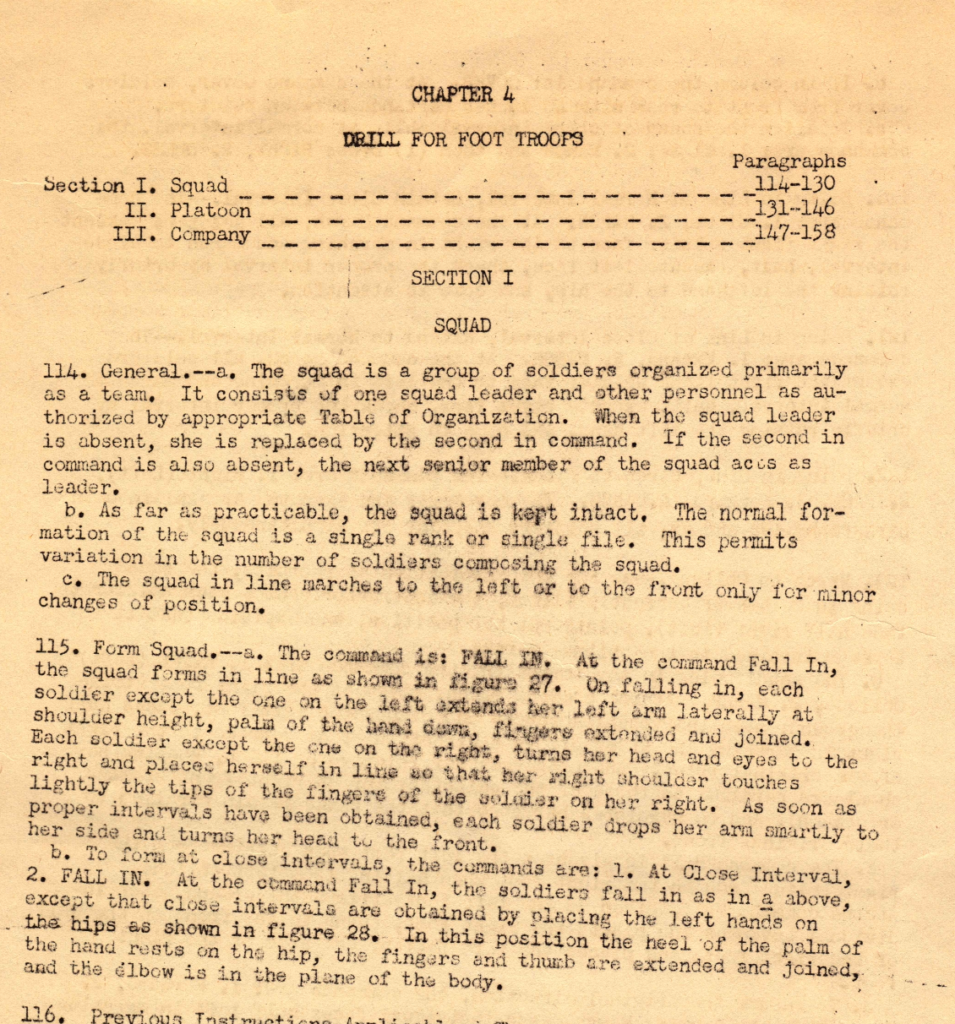
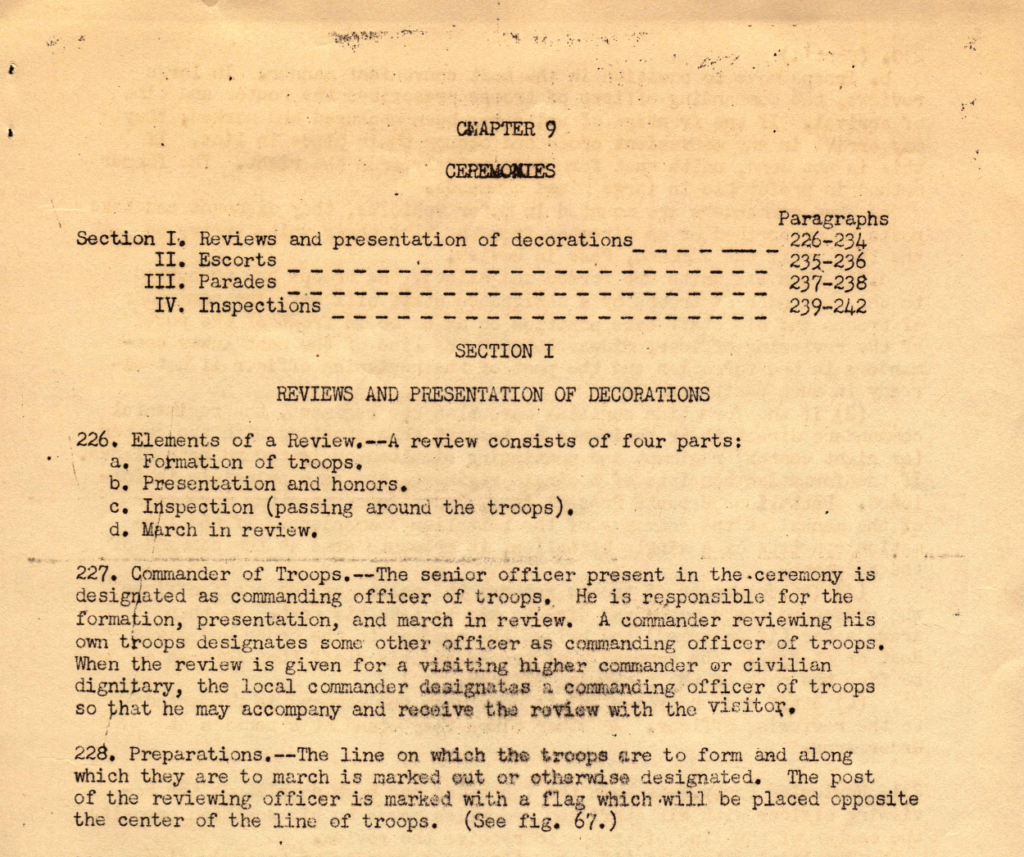
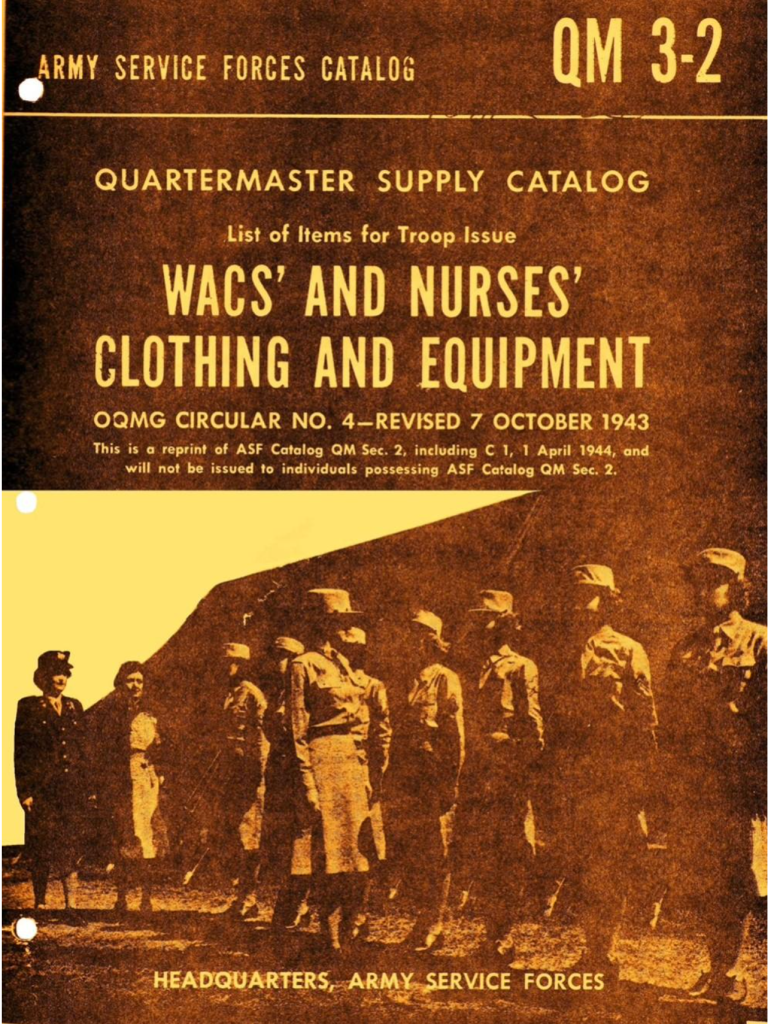
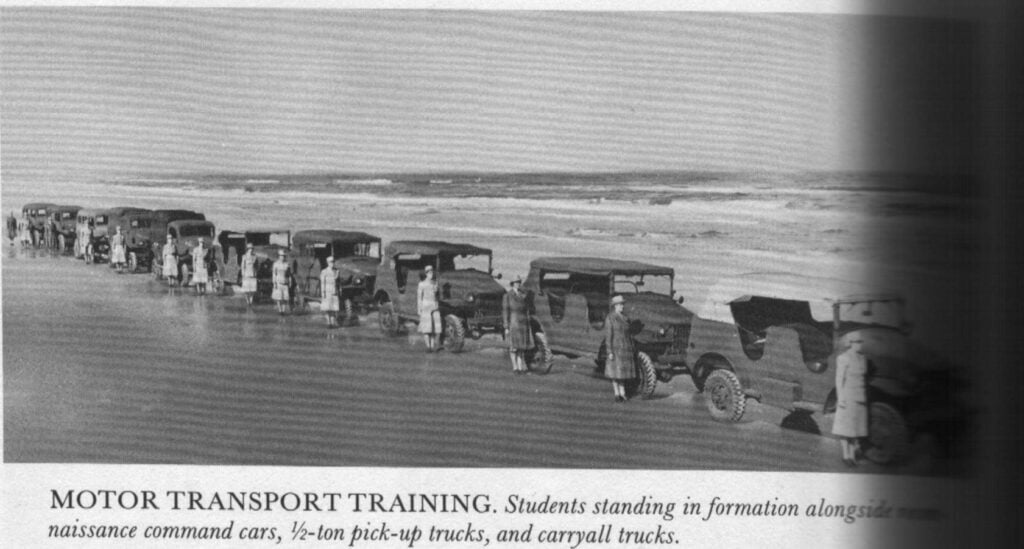
WW2 Reenacting Army Newspapers, Guides, Pamphlets, and Bulletins

Easy 39th has a larger list of Pamphlets, so if you don’t see what you want here, you can head to that page. War Time Press is also another site to look at. However, they appear to only send out digital copies. For civilian magazines and newspapers, see: World War Two Civilian Magazines and Newspapers.

Yank

For a complete directory and listing of all WW2-era Yank magazines, see The Unz Review. Note that it only shows based on the individual article. You do not seem able to download a whole magazine. Nobody seems able to reproduce them either.

That said, I have some magazines that I’ve found that have been uploaded as a PDF: Yank Jan 6th 1943 The Navy Issue, Yank Magazine Jan 5th 1945, and Yank Magazine April 20th 1945. They are set up to be printed on a standard 8.5×11 piece of computer paper. The problem is that Yank Magazines are 10.25in. high and 14in. wide, and the PDFs contain watermarks and other post-WW2 library catalog information. Also, this is newspaper print, not modern printing paper.

Pocket Guides

A Pocket Guide to Northern Ireland – War and Navy Departments 1942 – Contains instructions on how to print this off.

Pocket Guide to the Cities of Southern France 1944 – Guide to cities in southern France. Maybe someone more handy with Photoshop can remove the references to the library in it.

Bulletins

All Hands Naval Personnel Information Bulletin September 1944 11×17 no 330 – a bulletin that contains information about the Navy Personnel’s activities.

Pamphlets and Leaflets

Packboard Shelf and Use of the Packboard General Instructions

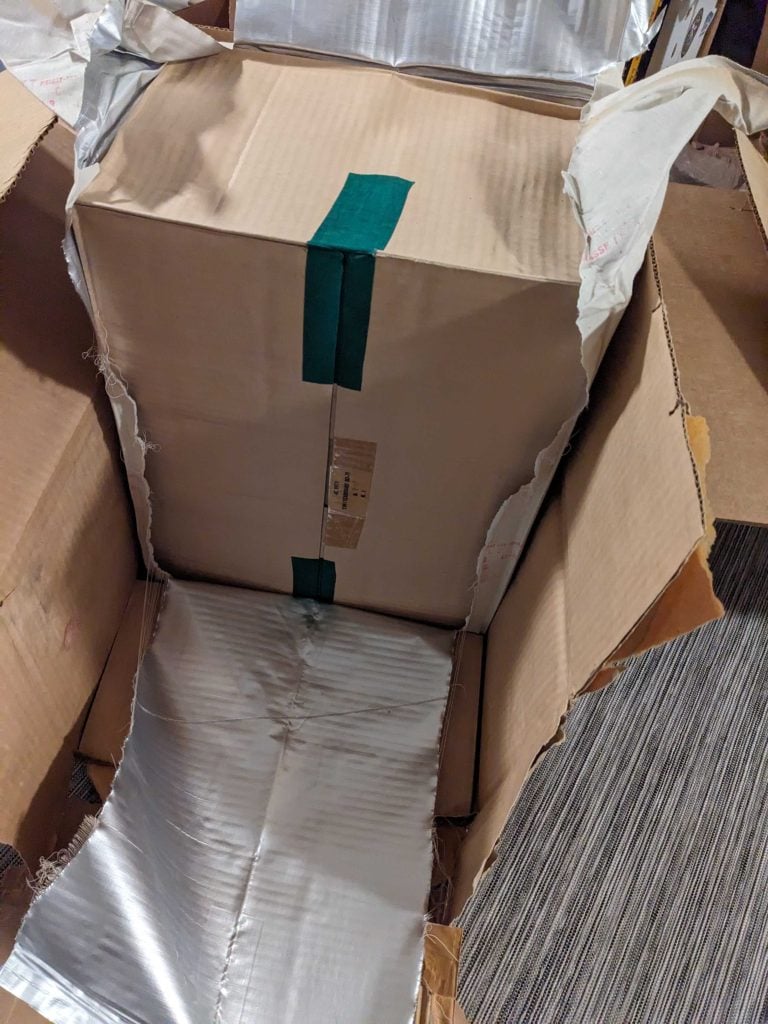
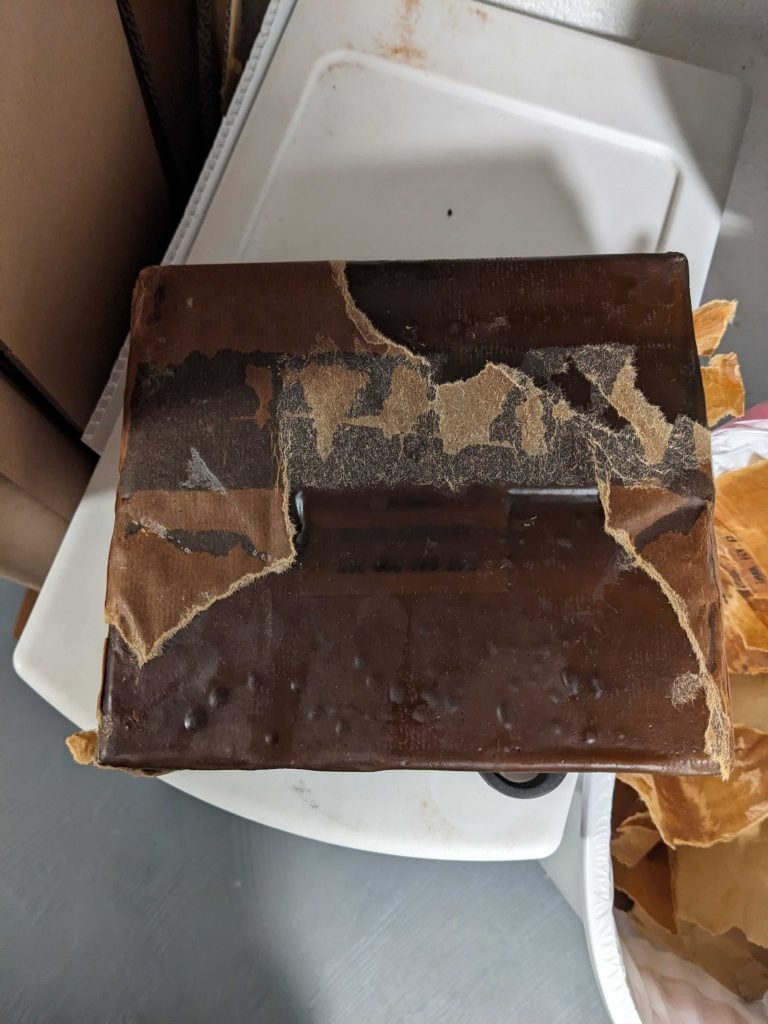
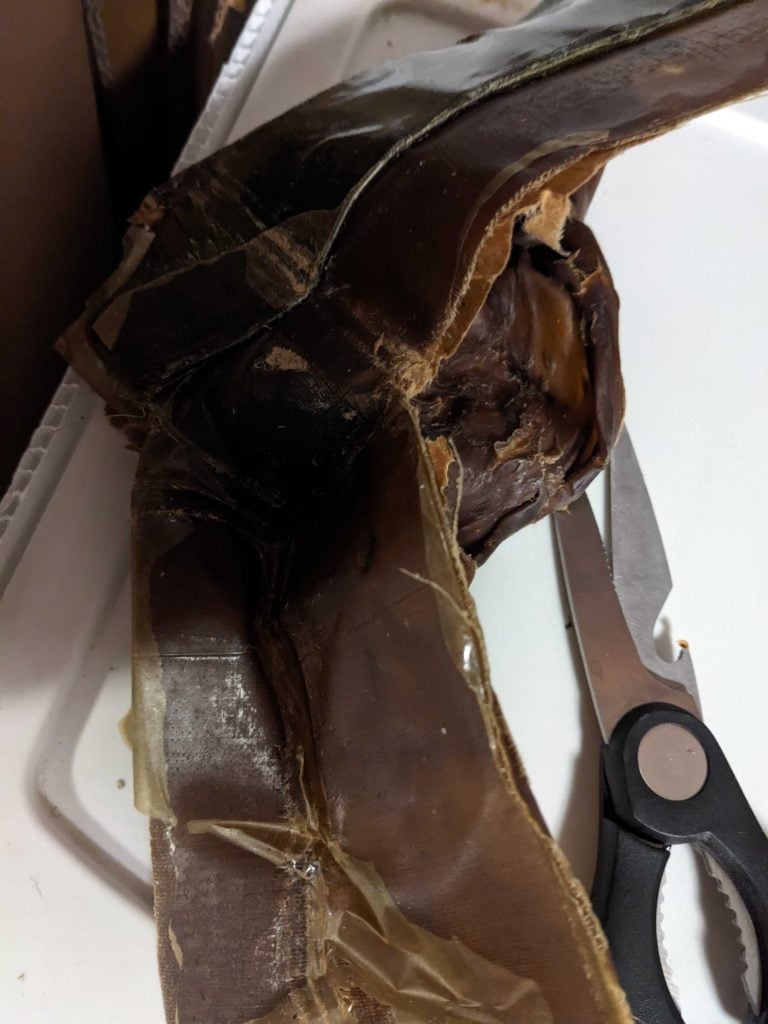
I purchased 3 packboard shelves off of eBay for the M1944 packboard, and the seller must have just taken some out of a crate or something because it looks like how they would have originally come.

The three all come with the instruction sheet, folded up and tucked under the shelf prongs. A single piece of tape is used to secure the folded instructions. When folded, it’s 2.5 inches wide and 9.25 inches long. It has 8 folds.

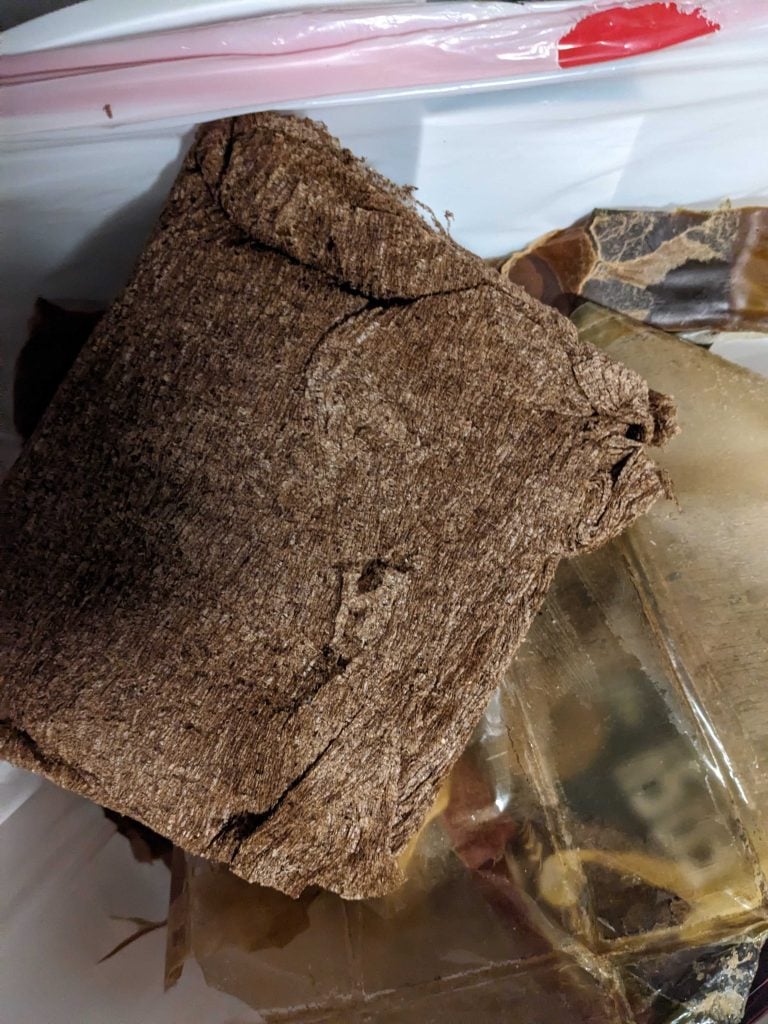
Between each shelf is some yellowish tissue paper, obviously used as packing protection.

The instruction sheet is 9.25 inches long and 17 inches wide. I have no idea how you might print that, but you can take the instructional sheet and try to print those out and glue them together.

No 21-1 Pamphlet Vital Facts for Men Overseas 1944 – A discussion of security when traveling overseas, censorship, and letter writing. Interestingly, it makes reference to a “Blue Envelope,” which could be used instead of V-Mail for highly personal matters that get examined by the base censor, not the unit censor. Probably because the unit censor would know you, and the base censor wouldn’t.

Pamphlet 21-13 Army Life 1944 | A document that goes over basic military introduction. See also a historical primer on Army Life written by Tim O’Neill.
If you wish to print it off, the cover is a brown cardstock.

Pamphlet 21-10 Pvt Droop has Missed the War June 5th 1944 | A document that implores soldiers to essentially “don’t do stupid shit with” like driving too fast, hanging out too close to highways, drinking and driving, swimming within 2 hours, and visiting firetraps and cabarets, etc.

Pamphlet 21-23 Don’t Get Killed by Mines or Booby Traps Nov 17th 1944 | A guide that discusses types of German, Japanese, and US mines, how they work, how to recognize them, and where one might find them.

Essentially, don’t touch stuff.

Note that the pamphlet contains Nazi symbols and offensive imagery of the Japanese.

Pamphlet 23-2 Hits Count 1959 | A post-war document that discusses how to aim with the M1 Garand rifle. While not WW2-related, the tips are relevant.

Pamphlet 24-2 Radio Telephone Procedure Oct 22nd, 1943Part 1 and Part 2 | A short small booklet that explains Radio Telephone Procedure. Print off part 1 on 8.5in by 14in. Beige light cardstock, flip it over, and print off part 2. Then cut and fold.

The actual size is: 4.75in X 3.75in. If you want it as an image, you can see part 1 and part 2 here.

Pamphlet 27-4 Procedure for Military Executions 1944 | Outlines how to execute by firing squad and hanging convicted military personnel.
It is interesting to note that when the prisoner approaches the firing post or gallows, a band plays “The Death March”, which is Frederic Chopin’s Funeral March. When the prisoner is killed, the band plays “..a lively tune”.

For a history of how this song became associated with military executions, see: The History of the ‘Dead March’ played before military executions.

Also of note, when execution by firing squad happens, between 1 and 4 rifles out of the 12 used will be loaded with blank ammunition.

US Leaflet Face Paint – Camouflage – How to use face paint. Facts and how to. Likely from 1944.

Artillery Barrage Pamphlet 1944 – Things to report during your Shellrep or “Shell Report” that you provide when shelling happens.

Transportation

Drivers School Schedule of Classes April to May 1944 – A classroom training schedule for training drivers. Includes topics, relevant field, and technical manuals.

Medical

Removal of Wounded from Tanks Information Bulletin No 17 June 5th, 1942 | Discusses ways to remove wounded from tanks, such as using slings or pulling them out. Mostly focuses on early war tanks like the Lee and Grant, and includes British tanks like the Churchill and Valentine.

Don’t be an Ostrich use Prophylaxis LP-8 – A humerous handout designed to encourage soldiers to use condoms. Looks to be given out by the Eng 4th Service Command Jan 1943. Maybe as a handout or a poster or an insert. Size is unknown.

The Army Nurse

The Army Nurse Vol 2 No 1-8 Jan to Aug 1945 – The Army Nurse is a magazine-type publication for Army Nurses. It contains news and information related to the organization.

Comes from AFHRA Reel B1795.

The Army Nurse Vol 1 No 1-12 Jan to Dec 1945 – The Army Nurse is a magazine-type publication for Army Nurses. It contains news and information related to the organization.

Comes from AFHRA Reel B1795.

Ordinance and Weapons

How to Shoot the US Army Rifle – The Infantry Journal, 1943.

Education

Drivers School Schedule of Classes – This document lists the date, place, hours, subject, references, and instructors for a 10-day course in 1944 on driving US Army vehicles.

The cool thing about this is that you can use this schedule as a template to make your own coursework for a WW2 training weekend.

Better yet, I’d be interested in feeding this document into an AI built upon WW2 manuals so that it can instantly create a course.

Misc

Jody Calls | A marching song invented by Private Willie Lee Duckworth in 1944 to help keep up morale during long marches.

This Jody Call Information paper explains more about the history.

Camp Crowder Guide and Telephone Use – Looks to be a little handout given to folks arriving at Camp Crowder, MI.

For a look at some of the soldiers training at Camp Crowder See: Camp Crowder Signal Corps Training Center 27th Battalion, Co D, as well as A Camera Trip at Camp Crowder. For a humorous take, see the Pvt Roberts Comic Strip.

For additional Camp Crowder information, see: https://www.ibiblio.org/cizewski/signalcorps/crowder/index.html.
Radio War Guide July 1st, 1942 | A handout that outlines things a civilian radio station can take to help spread factual information about the war and help with general war-related programming.

Alphabetical list of APOs Jan 1942 to Nov 1947 | Lists out all the APOs for postal mailing.

If Captured These Are Your Rights 1944 War Department Pamphlet No 21-7 | A handout that outlines what your rights are if captured.

You should be able to print it out on 8.5in by 11in paper and then cut and trim pages. However, the front page may be cardstock.

Should get two staples along the outside seam.

Men-at-Arms German Combat Equipments 1939-45 – An Osprey publication that outlines what the German Equipment looks like.

Cohesion and Disintegration in the Wehrmacht by Edward Shils and Morris Janowitz Public Opinion Quarterly Vol. 12 No. 2 1948 | Discusses why the German Army was effective and why it collapsed. Essentially, it was effective when there was trust and not when there wasn’t.

Camouflage Simplified 1942 by Eric Sloane | A book describing ways to camouflage buildings from aerial observations through shadowing, pattern blending, painting, etc.

Post-WW2

There’s a small number of post-WW2 manuals and guides I thought I might post here because they’re too cool and interesting not to share.

150 Questions For A Guerrilla – Alberto Bayo – Paladin Press – 1996. It is an interview conducted with General Bayo before he died. Likely as part of his experience with the Cuban Revolution.

Posted on

Rangers and Special Forces in WW2

I typically reenact 5th Rangers, D Co. This post isn’t meant to rehash the history of the 5th Rangers (or Special Forces) but to provide some interesting information about them. I’ve divided the information into a few distinct sections. The images below cover all rangers unless otherwise specified in the image.

The images come from Ross, Robert Todd. US Army Rangers & Special Forces of World War II: Their War in Photographs. Atglen, PA: Schiffer Military History, 2002.

Rangers in the Field

Ranger Toggle Ropes

A close-up of the Ranger toggle ropes used on Dday. Probably taken from a training landing or a few days after.

While this next image isn’t from the book it does describe the location of where folks were in a landing craft. Source unknow.

Darbys Rangers

The images below show a Table of Organization and Equipment for Darby’s Rangers but are instructive in a general sense for what the 5th Rangers ultimately had.

Ranger Helmet

The images show some examples of a Ranger helmet. To learn more about how to paint the diamond see: Painting a Ranger Diamond.

Ranger Patch

The image below shows an example of a ranger patch on HBTs and 4 pocket tunics.

D-Day Embarkation

The images below highlight activity around the Rangers as they prepare for Dday. In one image you can see a few BC1000s radios.

Unique Uniform and Equipment Placement

The images below highlight a few unique placements of field equipment. Such as a meatcan pouch attached to a belt.

Ranger Training

The images below show a few examples of Ranger training for D-day and in general. It also shows an example of “Ranger Training” for other units. As in some soldiers in other units were selected to take a “Ranger course” and be certified.

Ranger Haircuts

1st Ranger Battalion SV Boots

The 1st Ranger Battalion had SV books. With “S” meaning sole and “V” meaning Vibram.

2671st Special Reconnaissance Battalion

The 2671st Special Reconnaissance Battalion was an OSS unit. They spray-painted their M1943 with black stripes to help camouflage it during operations. This doesn’t apply to the 5th Rangers but cool to show.

Posted on

The M1 Helment for WW2 Reenacting

This will document some interesting things about the M1 Helmet that might be germane to reenacting. The images below unless otherwise mentioned come from two books –

The M1 Helmet: A History of the US M1 Helmet in World War II. by Mark A. Reynosa, 1996. Schiffer Military History, Atglen, PA. Images from this book are marked MR.

The M1 Helmet of the World War II GI: A Reference based on the M-1helmet.com collection. by Pieter Oosterman, 2010. Schiffer Military History, Atglen, PA. Images from this book are marked PO. To view part of the collection please visit M-1 Helmet.com

M1917a1 Helmet

The M1917a1 helmet is the same m1917 helmet design but with an improved liner.

Steel Helmet Production: The Helmet, Liner, and Straps

M1 Helmet Liner Manufacturing Companies: How to ID

Paratrooper’s Helmet

Helmet Camouflage and Nets

Field Modifications and Field Markings

Identifying your Helmet

GIs would write their name on the liner or chinstrap or etch it into the metal of the helmet itself.

Medic Helmets

Unissued Liners

Below shows how the liners were packed from the maker.

Posted on

WW2 Airborne Reenacting Information

This page will catalog some information related to reenacting US airborne divisions during WW2. I have an 82nd Airborne impression that I don’t often use. It’s a secondary impression that I’ll occasionally pull out, but I’ve acquired various documents related to the 82nd in crafting the impression.

Geronimo US Airborne Uniforms Insignia and Equipment in World War II. Bill Rentz, 1999. Schiffer Military History. Atglen, PA

The images below are some high-quality PDF scans that came out of the book. Shows the 82nd in North Africa, individual equipment issued prior to a jump, how patches were sewn on, medical harness equipment, Arm Identification flag examples, 82nd patch examples, and stenciled jump jacket, among others. For a complete view, you can download the pdfs in a zip file here.

82nd Airborne in Normandy: A History in Period Photographs. Francois, Dominique. 2004. Atglen, PA: Schiffer Military History.

The images below are some high-quality scans that come from the book. Shows aid station images, 507th Parachute Infantry Regiment Basketball Team, beer drinking, dropping supply bundles, private photos taken before departing for Normandy, individual equipment, parachuting dogs, The Tennessee Maneuvers, and others.

At the Point of No Return: Pictorial History of the American Paratroopers in the Invasion of Normandy
Michel de Trez, 1994 D-Day Publishing, Belgium

The images below are some high-quality scans that come out of the book. It has examples of rigger-modified medical pouches and kits, platoon demo kits, and individual demo kits, as well as a few pictures of first aid and soldiers taking positions prior to an attack.

Why 1st Aid Kits on 17th Abn Div Helmet Nets by Lt Col David P. Schorr

Why 1st Aid Kits on 17th Abn Div Helmet Nets by Lt Col David P. Schorr – This is a short document from the School of Combined Arms (Regular Course) 1946-1947. Schorr was the Executive Officer of the 193rd Glider Infantry Regiment. It provides a brief explanation as to why the first aid kits were attached to the front of the helmet. Spoiler: It provides a distinctive outline, making “friendlies” easily recognizable in the dark. Now obviously, it only applies to the 17th Airborne Division around Operation Varsity but “attaching stuff to a helmet during a jump” was also something done by the 82nd and 101st on other jumps. It makes it easier to carry more stuff into combat.

Devils in Baggy Pants – Item Company 3/504th – A quick primer on reenacting this unit during Operation Shingle (Anzio).

Posted on

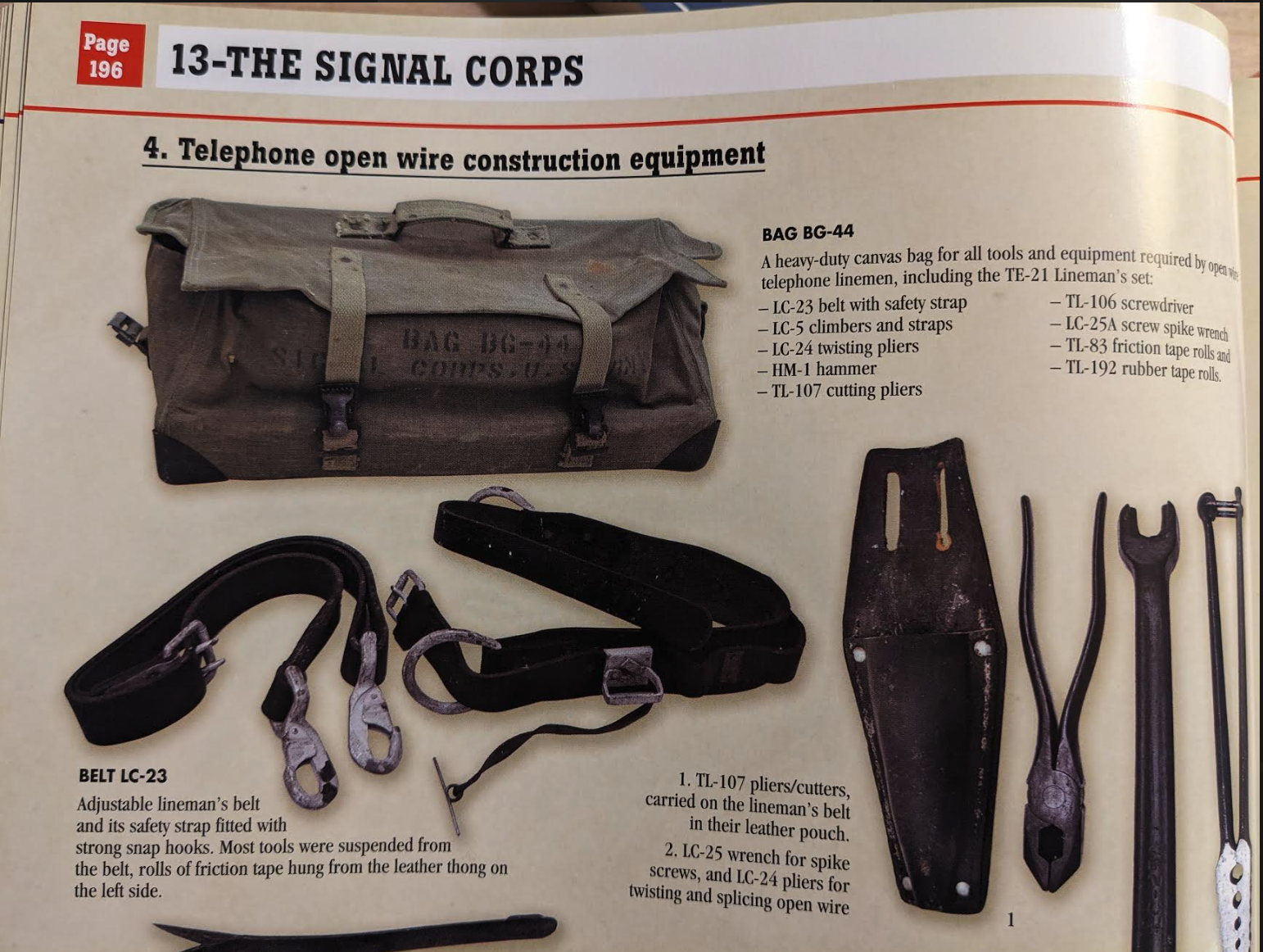
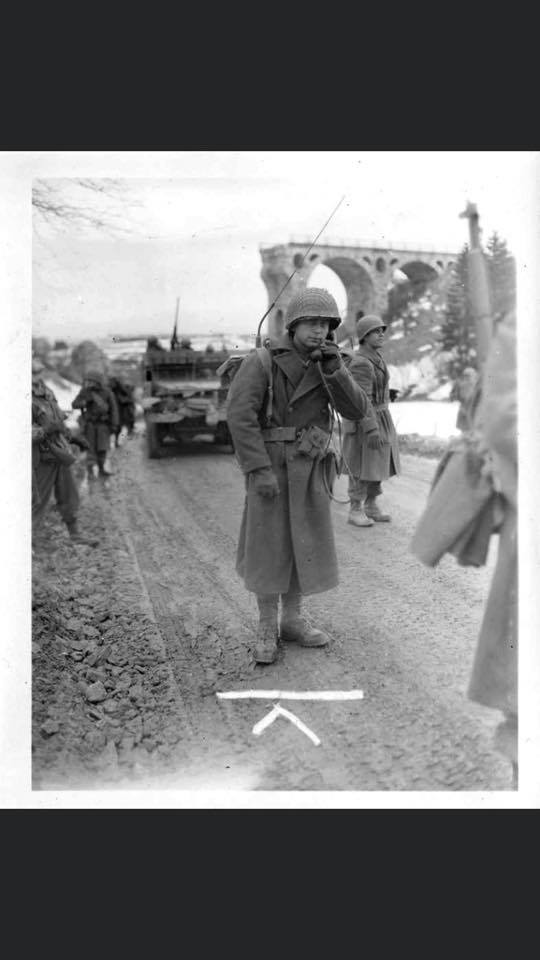
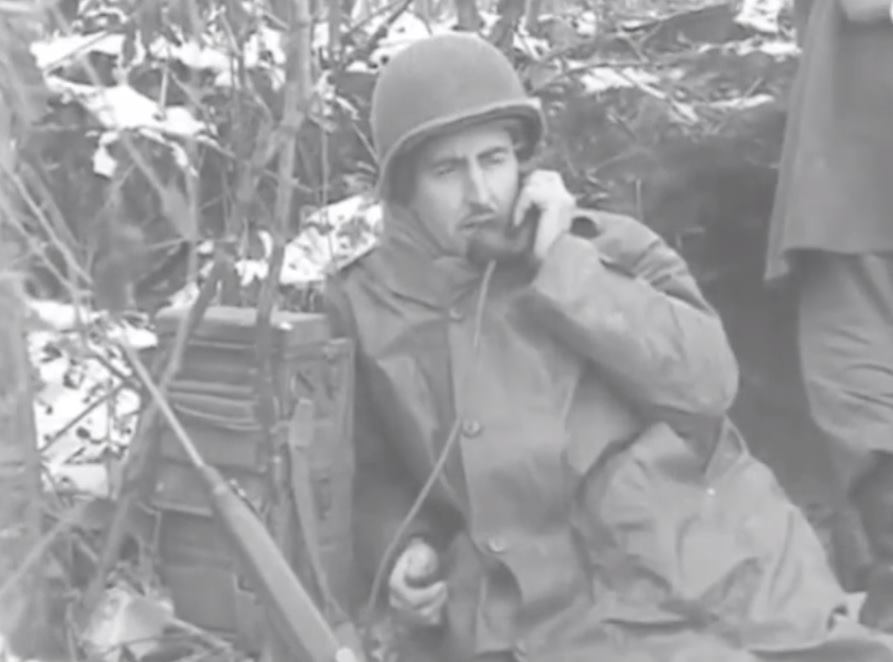
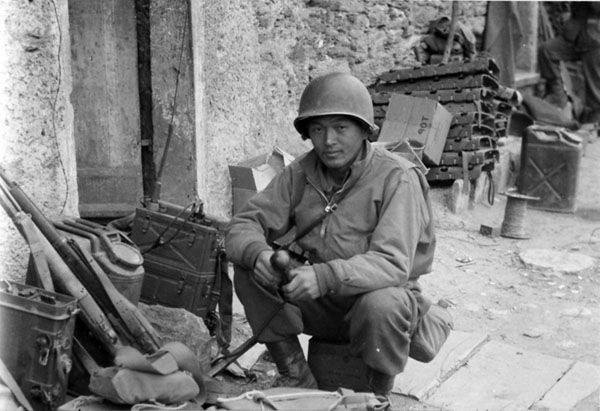
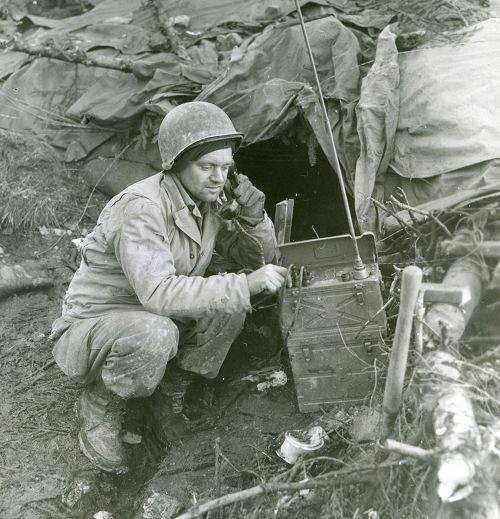
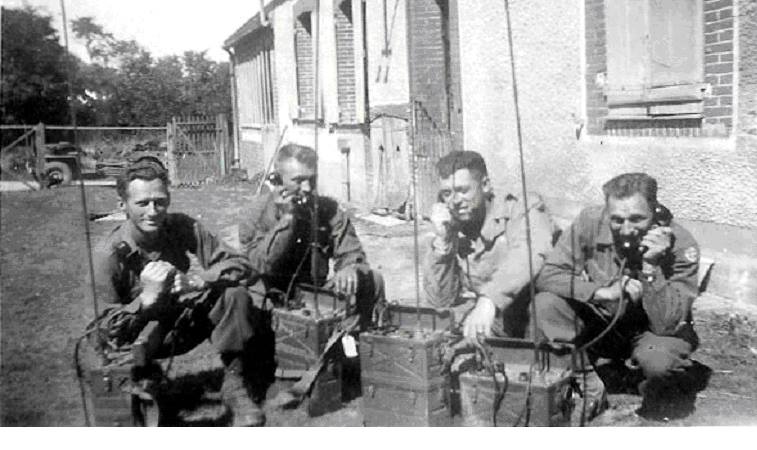
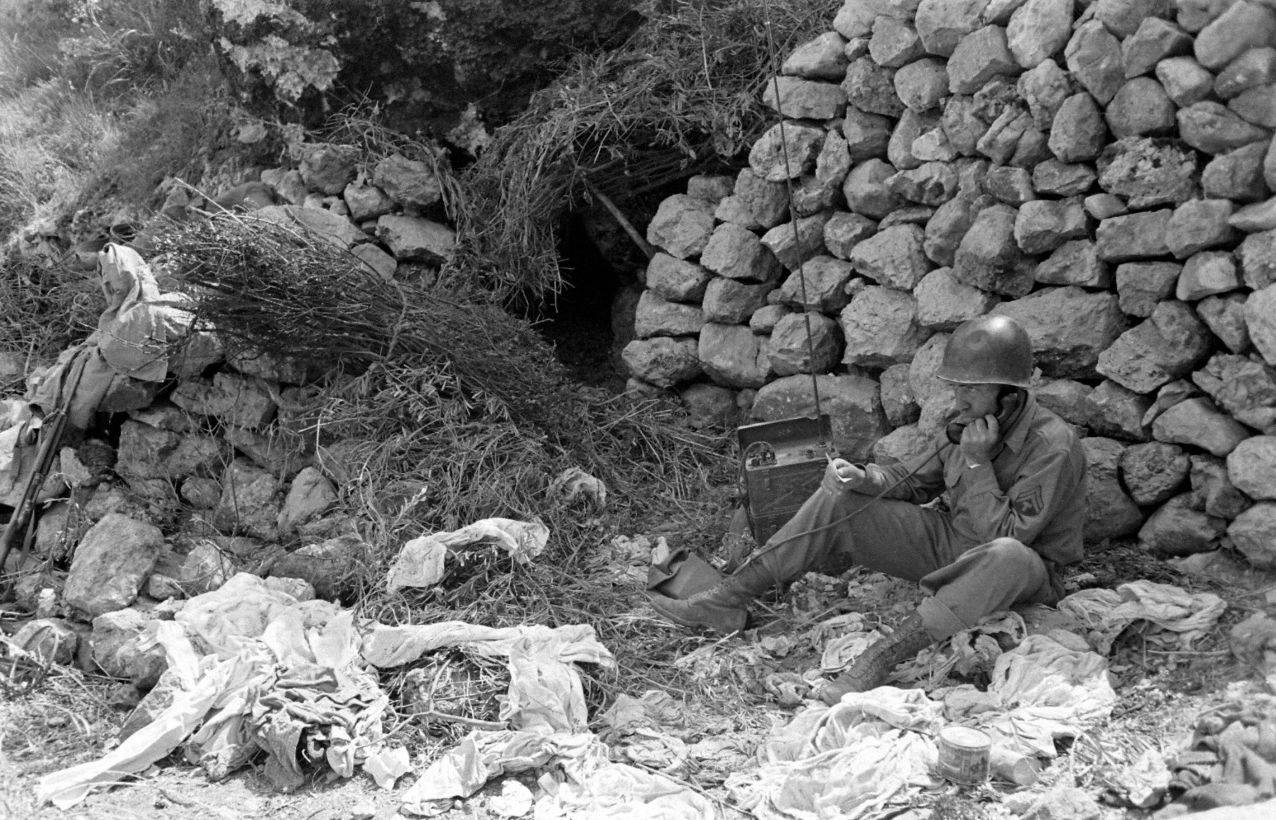
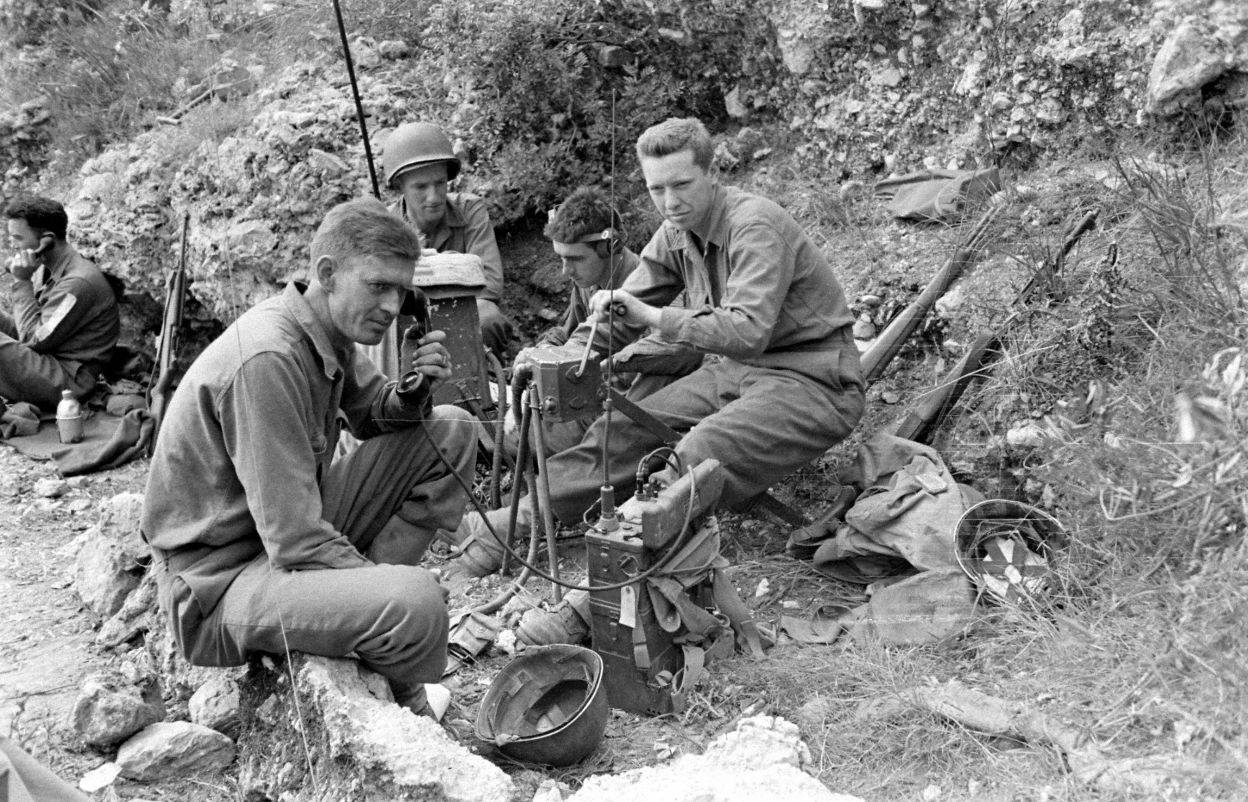
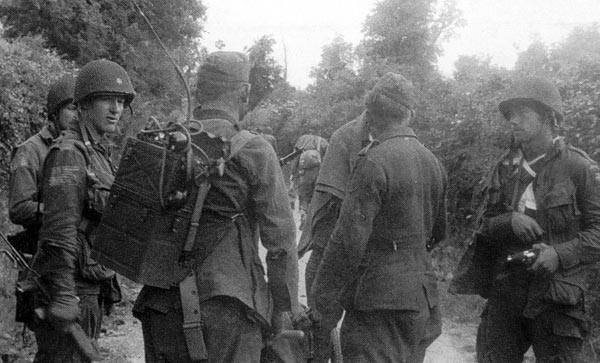
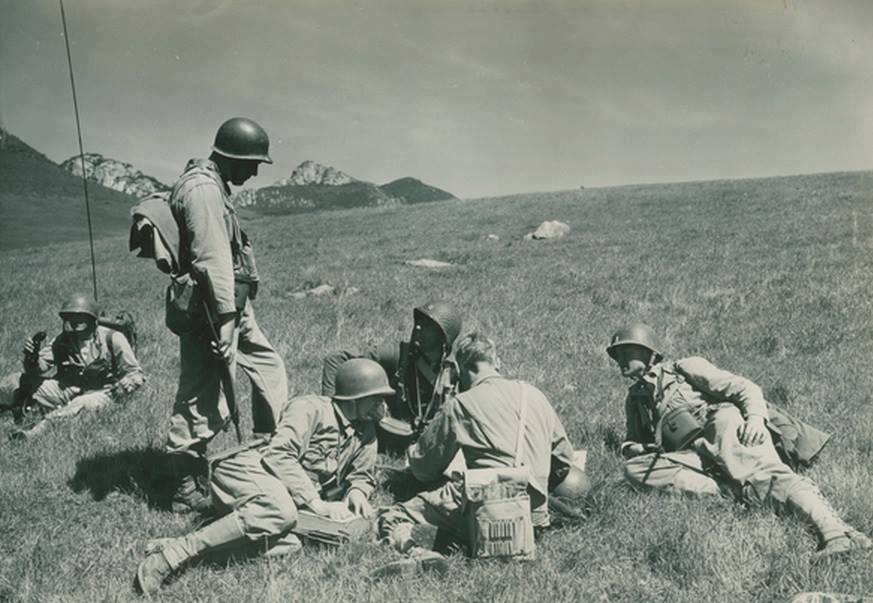
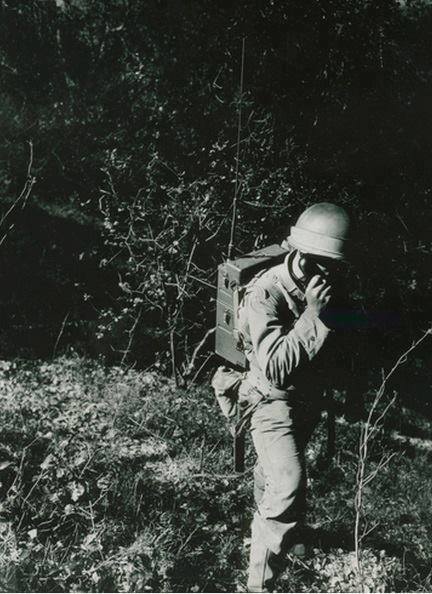
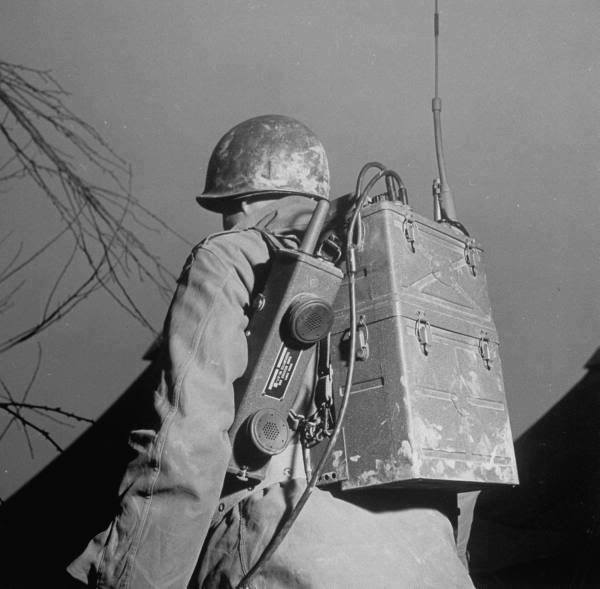
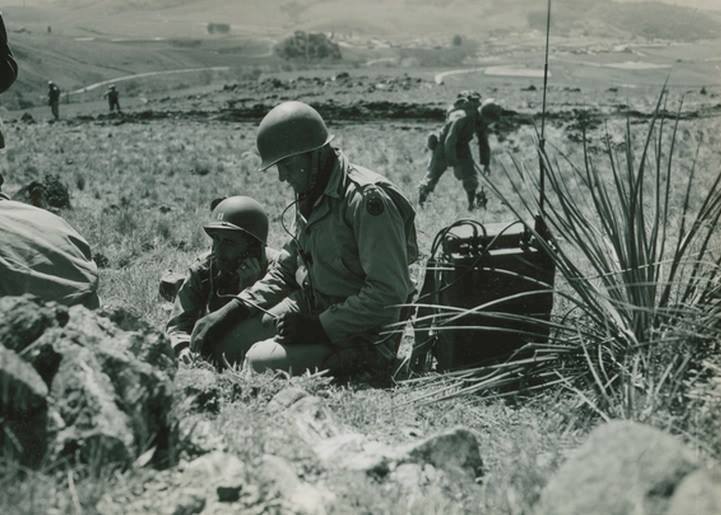
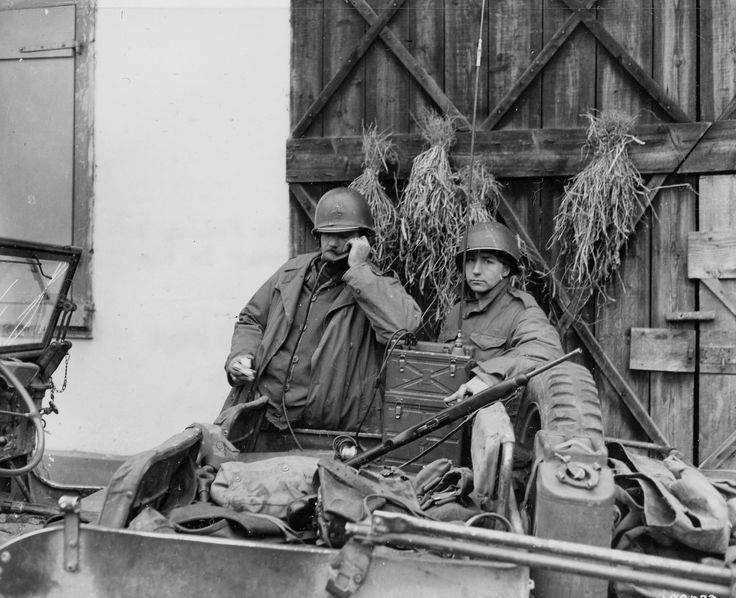
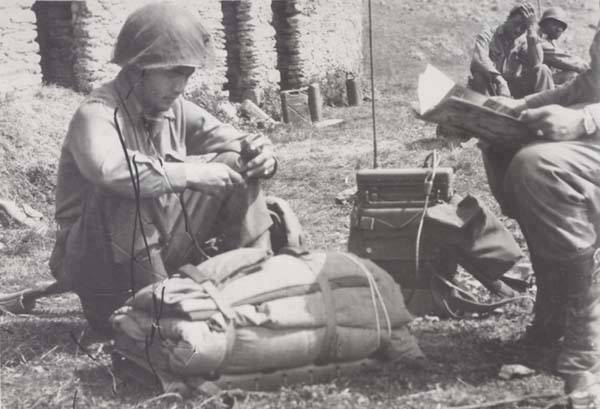
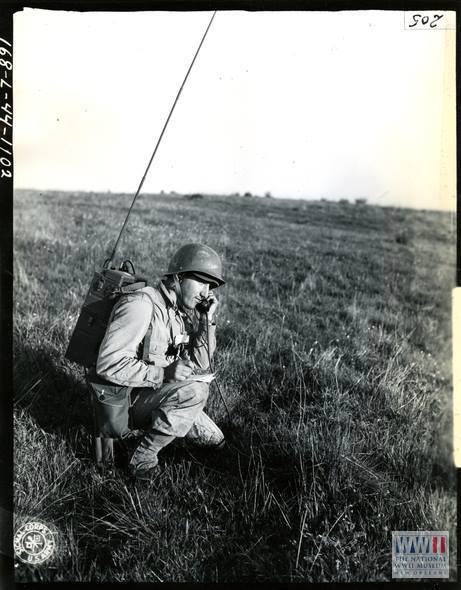
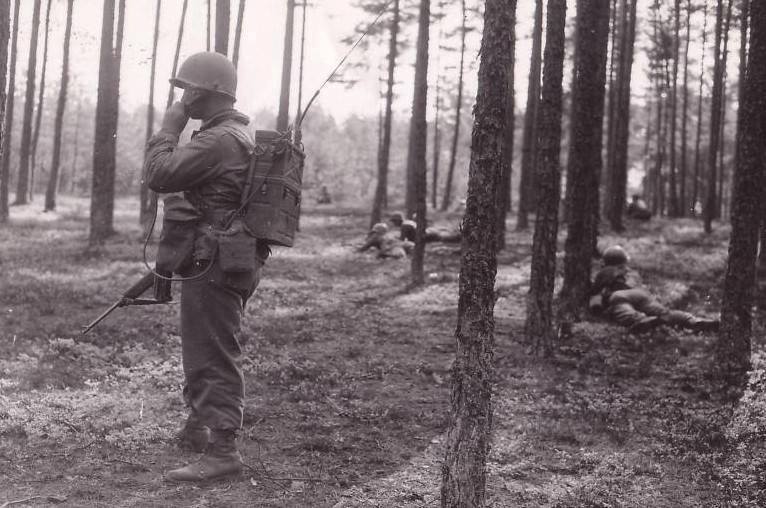
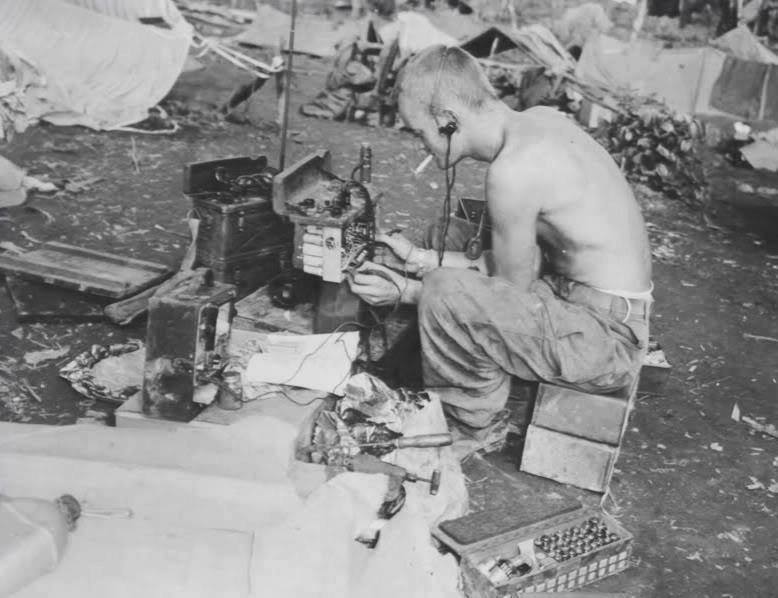
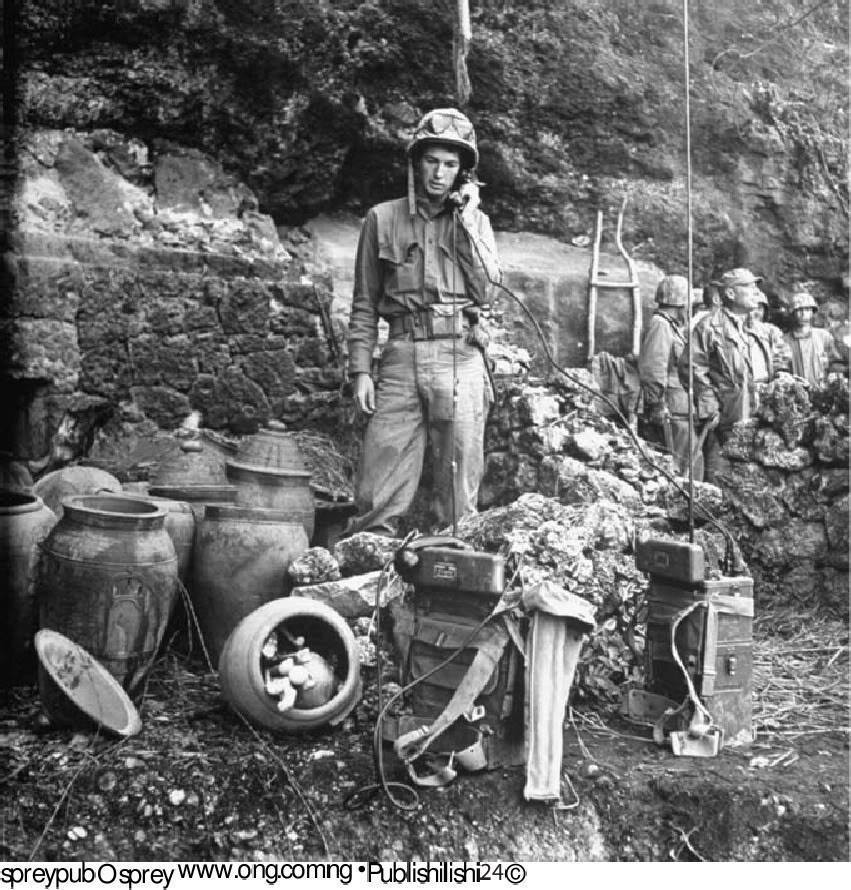
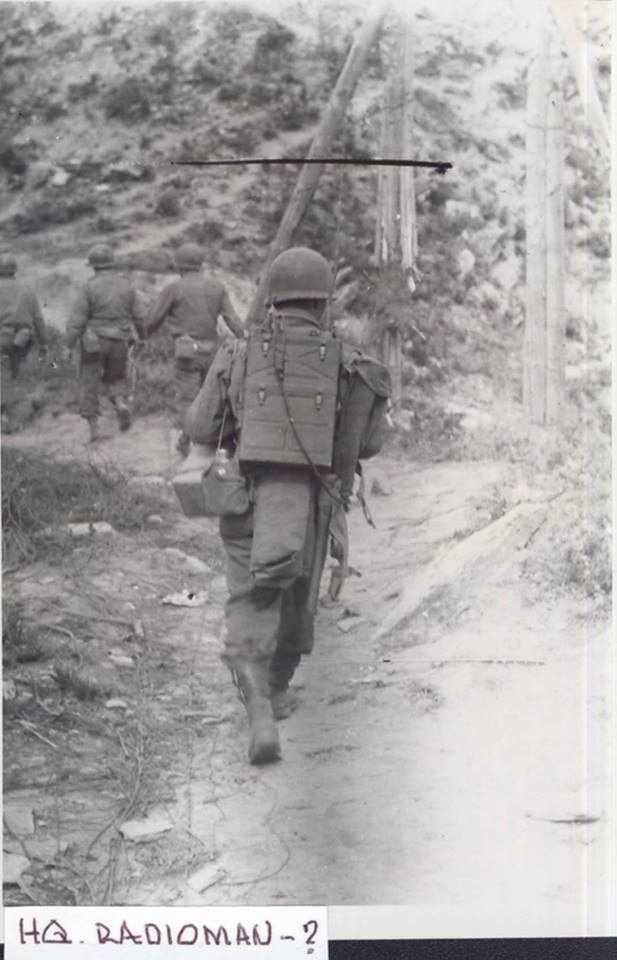
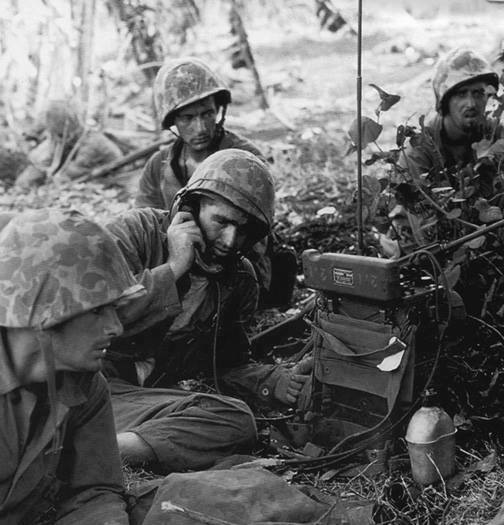
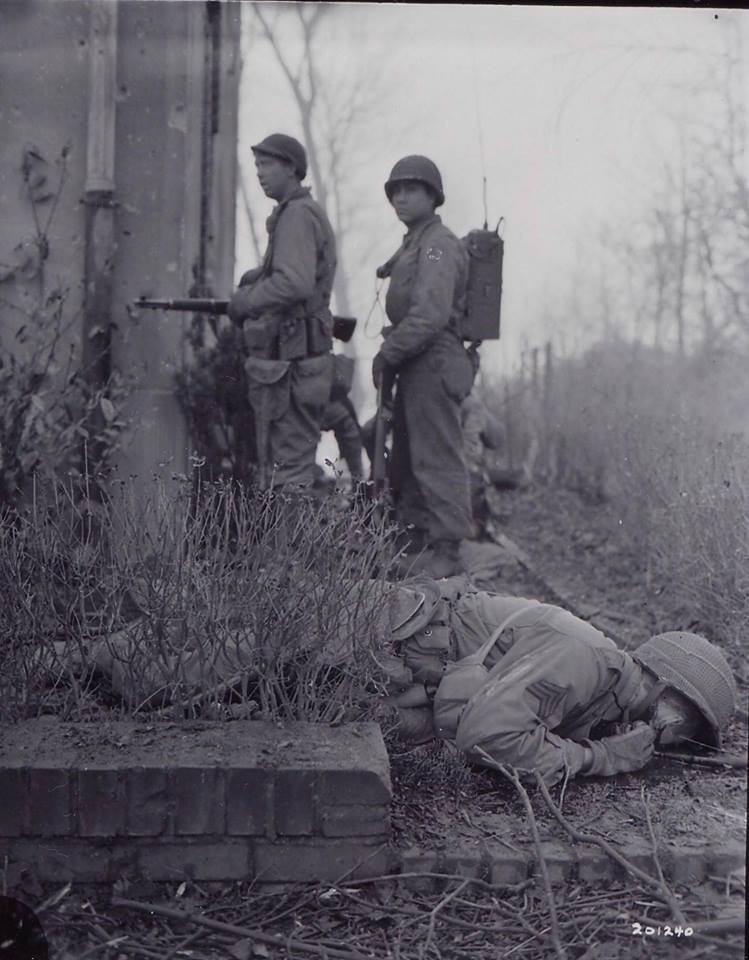
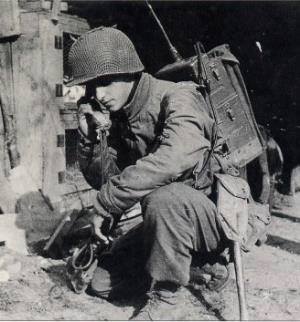
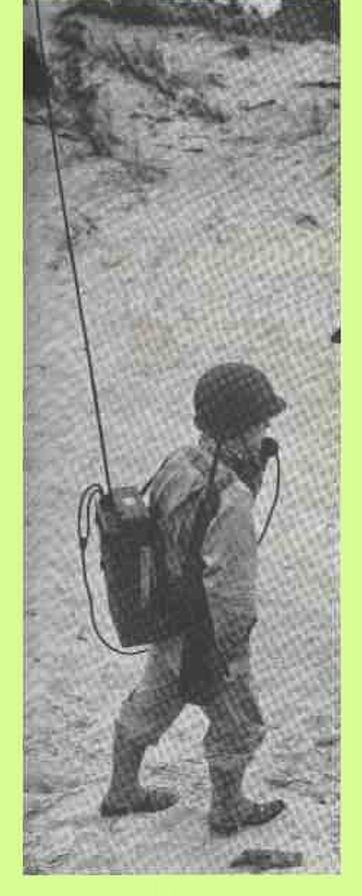
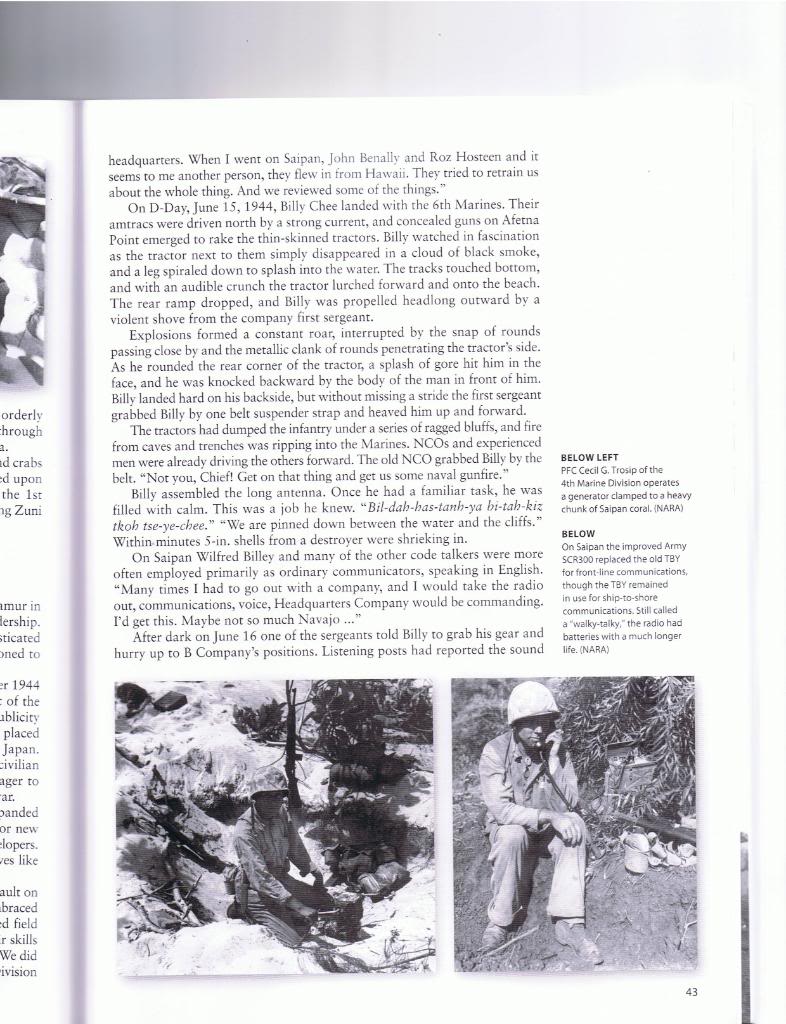
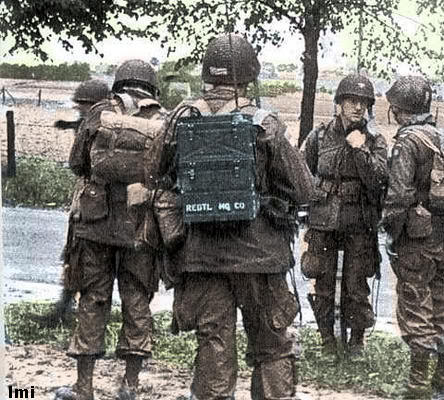
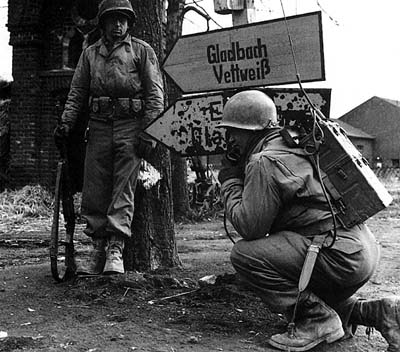
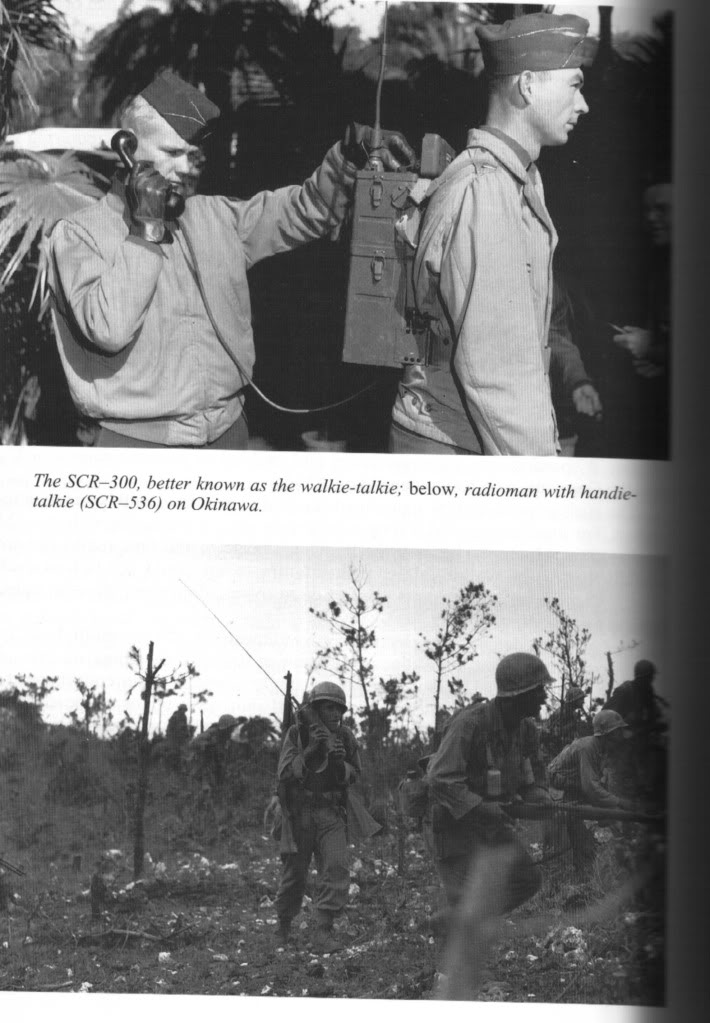
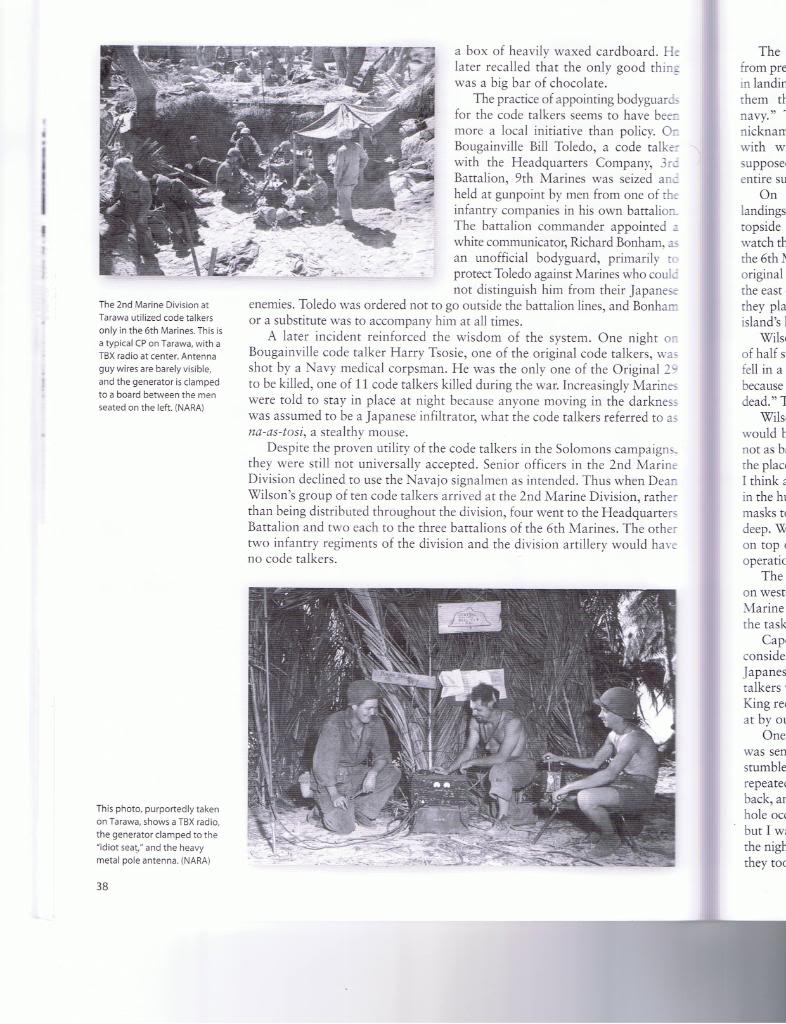
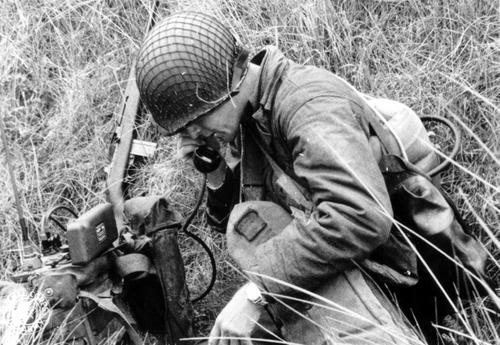
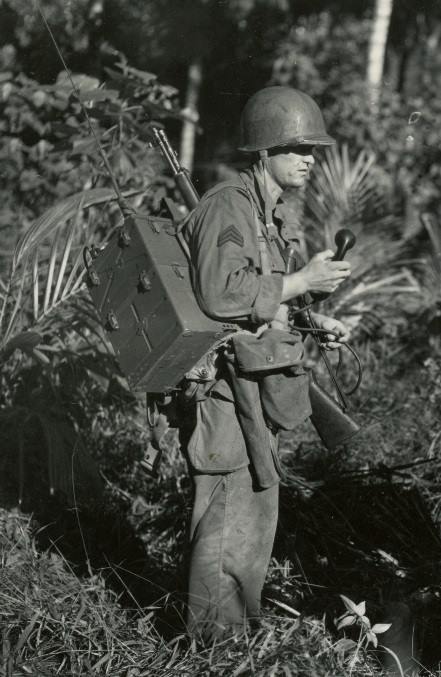
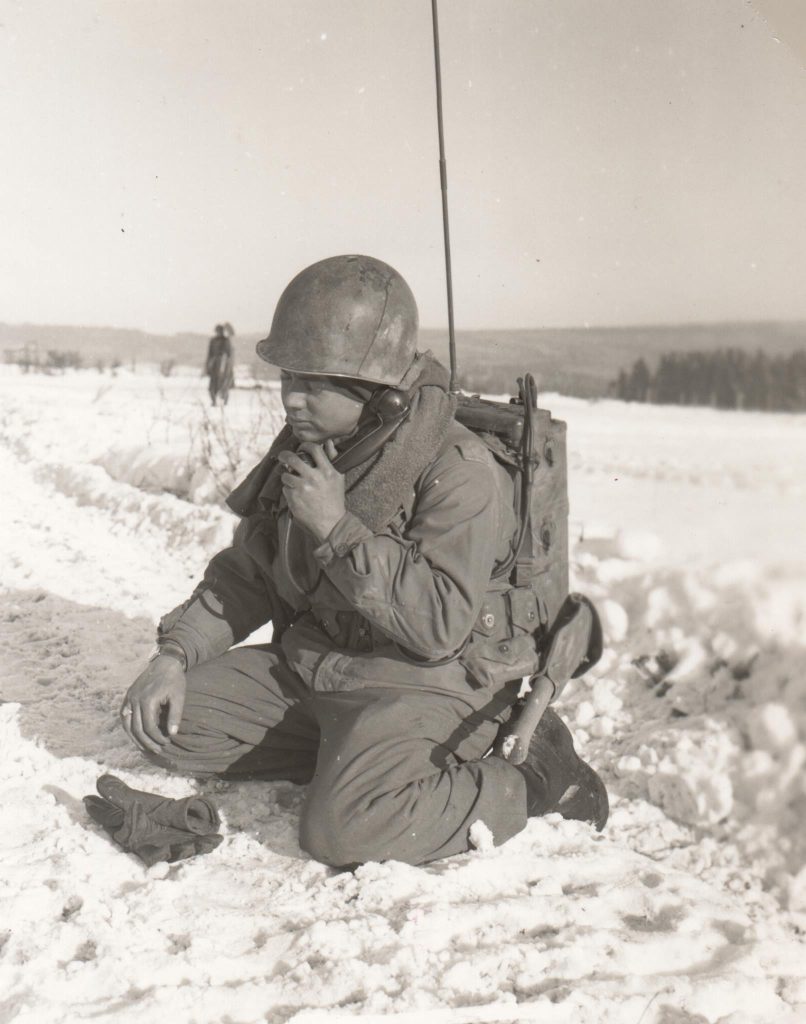
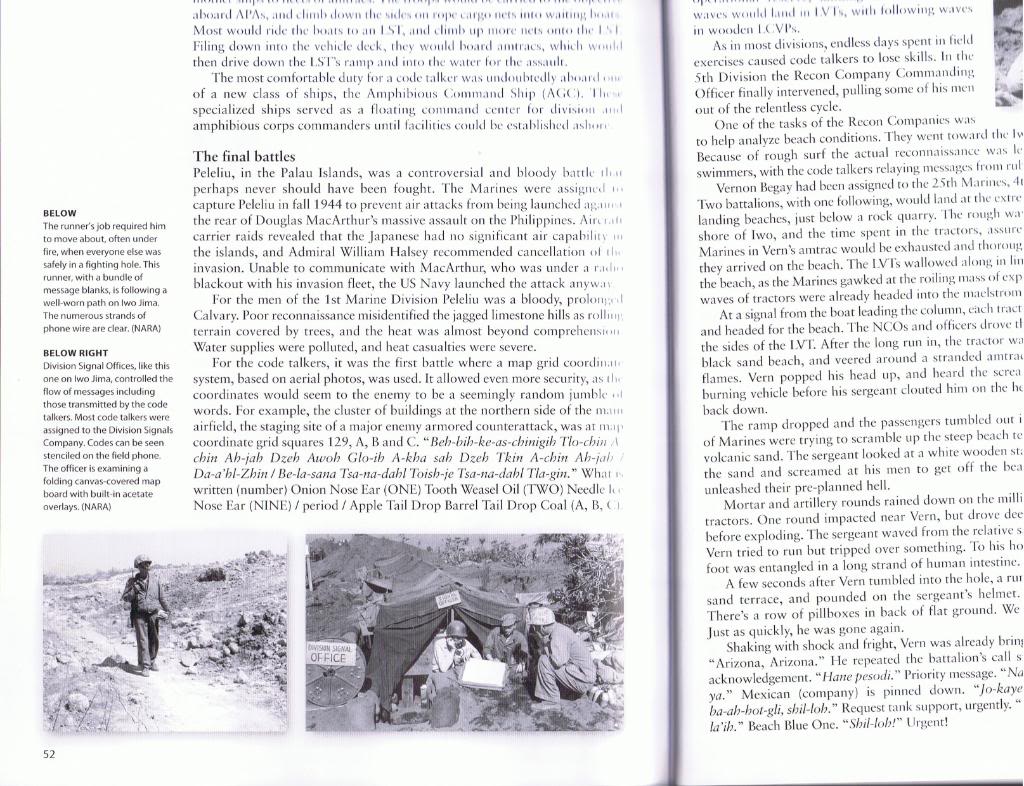
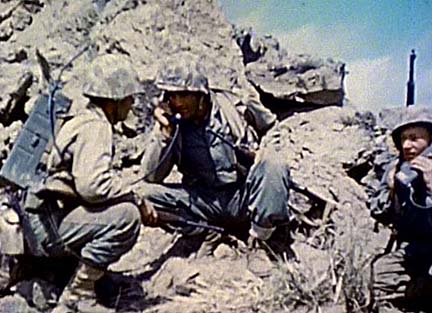
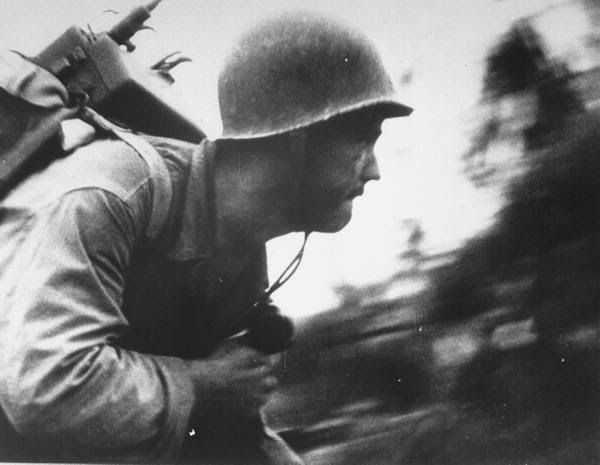
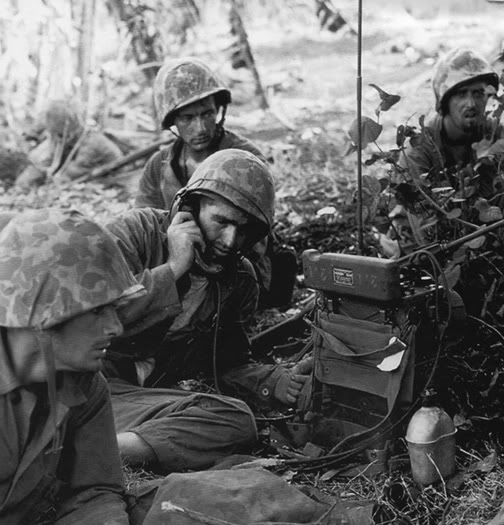
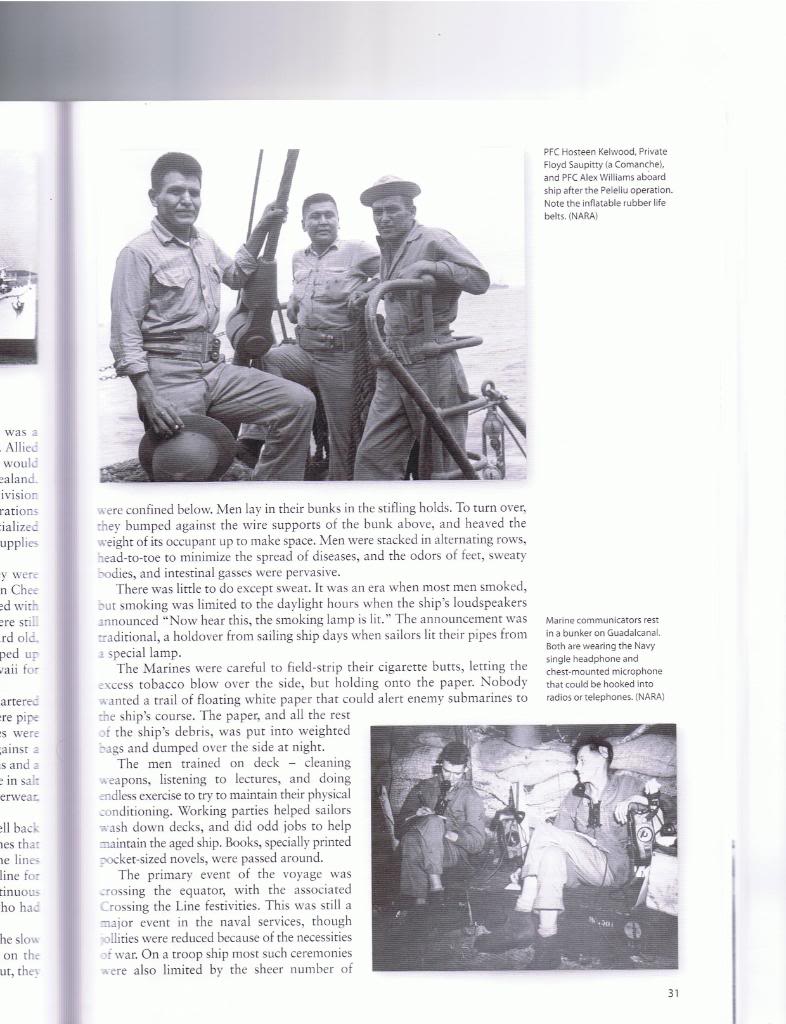
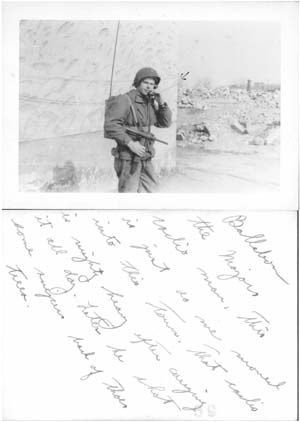
Signal Corps Communication at World War Two Reenactments

“Run and Gun” Events

These types of events are characterized by organizers bringing together a bunch of units and having them fire and maneuver at each other throughout a weekend without any well-defined or planned tactical scenario. Often called a private tactical. These can be fun, but you have to insert yourself, as the organizers rarely think to include signal elements.

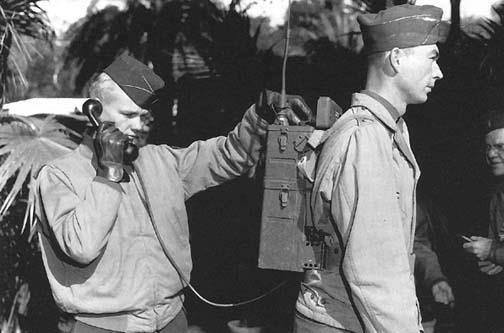
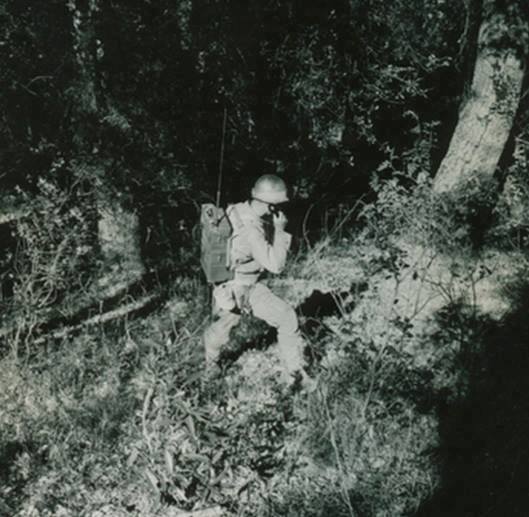
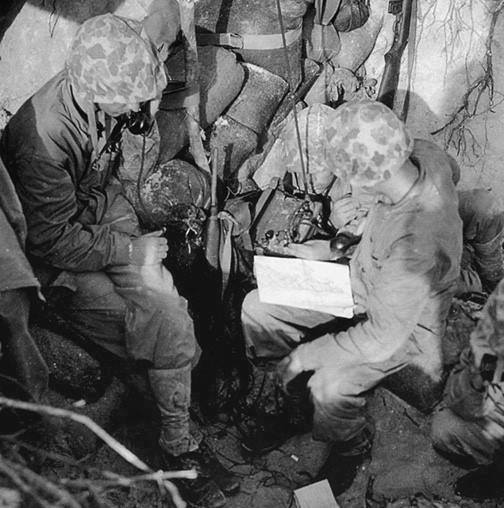
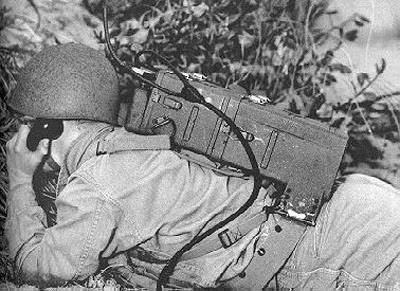
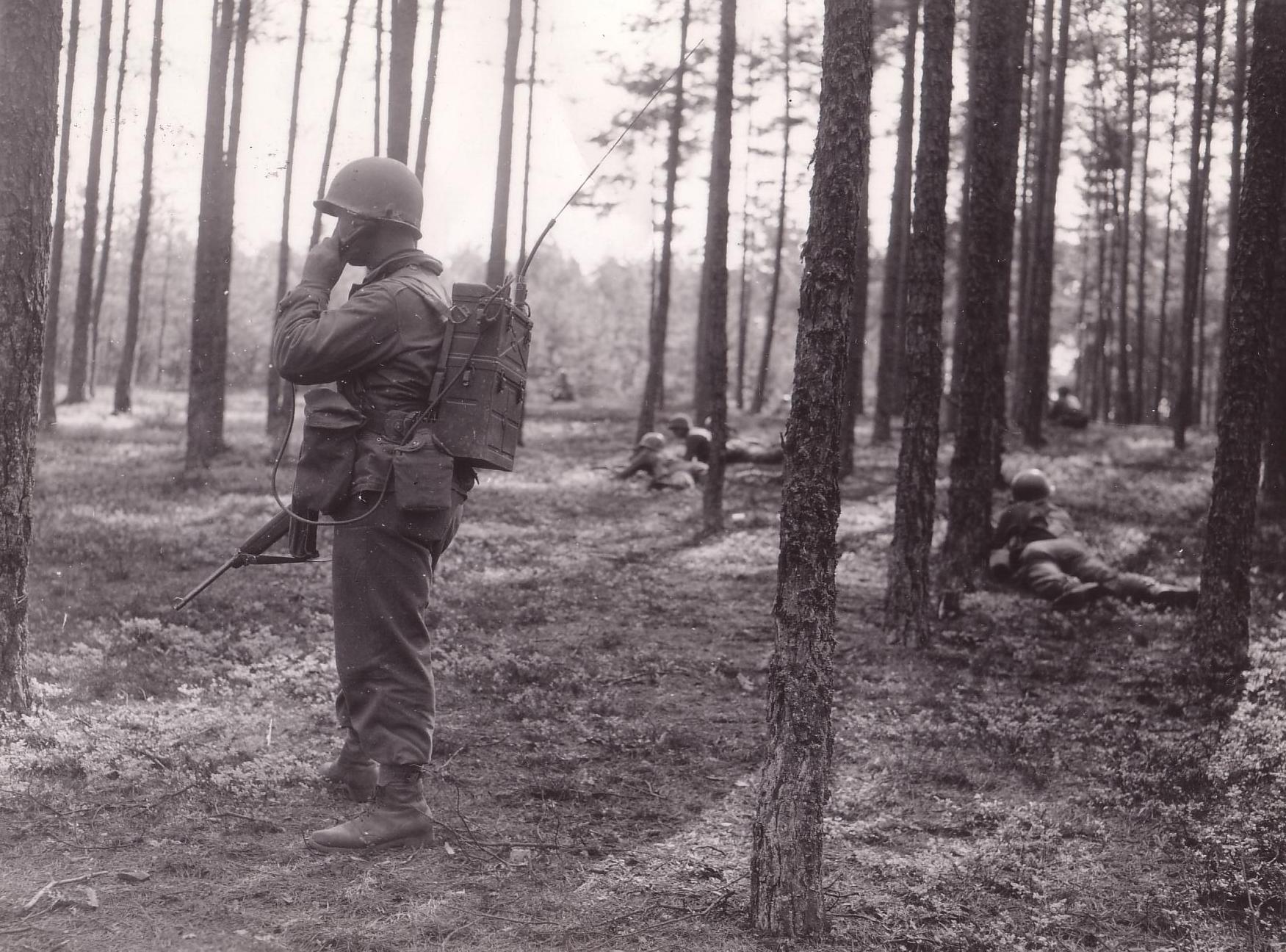
Due to the nature of these events, your best bet is to come with several sets of BC-611s. These are usually cheaper, lightweight, and reproductions of them exist. Plus, folks can kinda strap the radio to themselves and still be able to run and gun with their unit. They’re not inherently tied to a radio for the whole event.

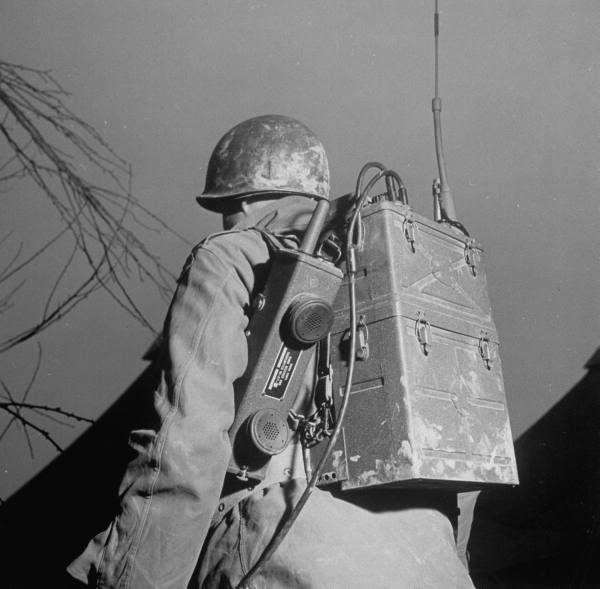
I’ve personally done events where I brought a pair of BC-1000s, and while cool, it’s a lot more equipment to lug around. Plus, these are all originals and are prone to breaking (once an original short antenna broke at an event), and heavy and cumbersome. Folks are usually tied to the radio for the whole event.

You would want to get a list of units and approximate strength before the event and work up a set of Signal Operation Instructions (SOIs) that outline call signs and frequencies, as well as which unit gets which BC-611. You would probably want to include some basic communication procedures as well as the phonetic alphabet.

You would then request one soldier from each unit to attend an SOI briefing. Where you go over the BC611 usage, instructions, and communication procedures. You’d likely have anywhere between 15 minutes and 30 minutes before the event starts to do this. So keep the briefing short, quick, and memorable. They should be able to explain it back to you, and they should also be instructed to train several others in the unit.

Printing off the booklet below might be helpful, too.

Pamphlet 24-2 Radio Telephone Procedure Oct 22nd, 1943Part 1 and Part 2 | A short and small booklet that explains Radio Telephone Procedure. Print off part 1 on 8.5in by 14in. Beige light cardstock, flip it over, and print off part 2. Then cut and fold.

I haven’t tested it, but it looks like it’s going to end up being some kind of wallet-sized/index card-sized pamphlet. If you want it as an image, you can see part 1 and part 2 here.

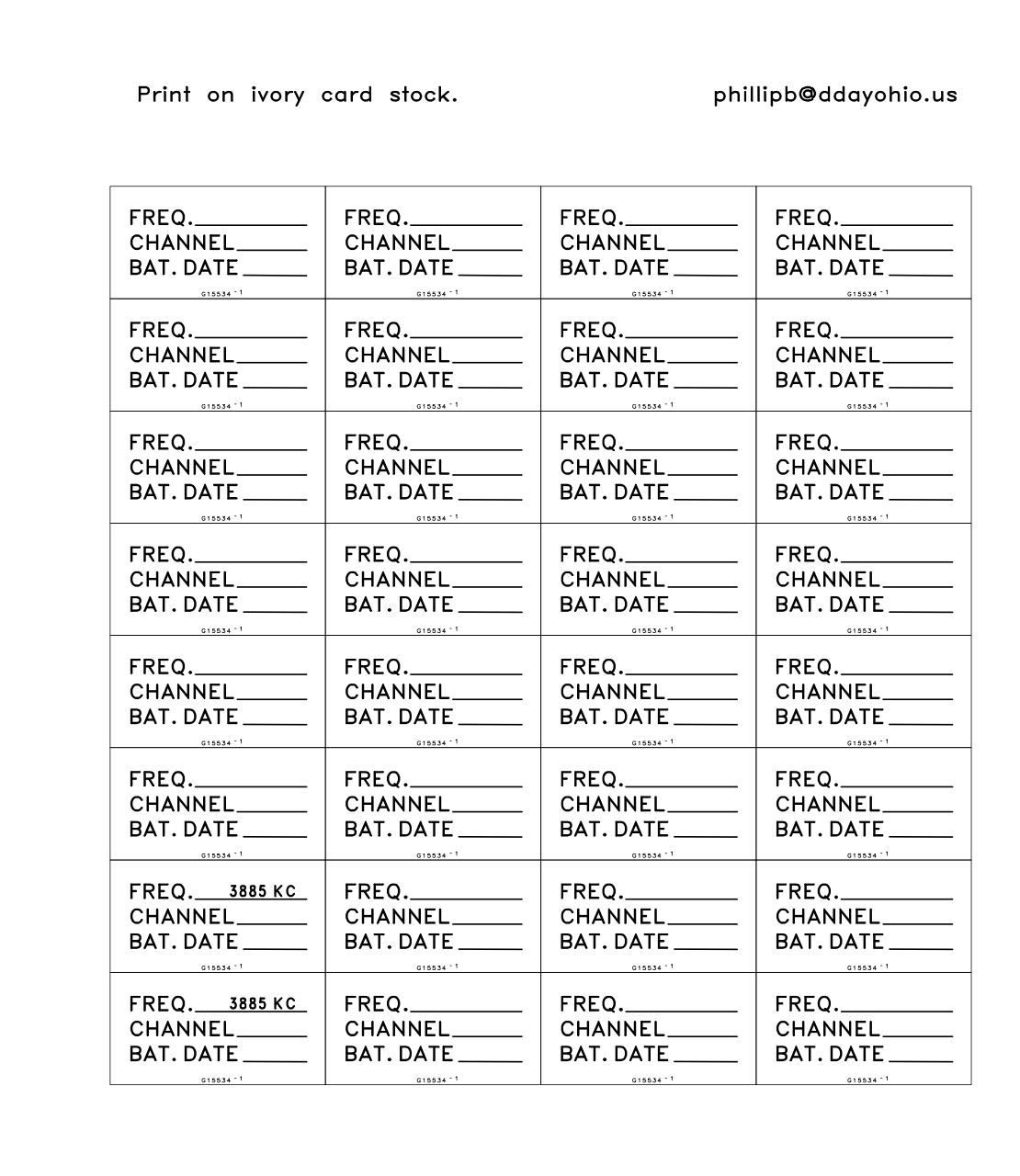
You would likely want to keep batteries for the units and other repair tools in a crate near the starting point and instruct folks that if batteries run out, this is the Signal Supply depot.

Units then go out into the field, and you communicate. You pick up the radios at the end of the event or have them drop them off at the supply depot.

Ideally, you should be using wire, but the nature of these kinds of events doesn’t allow for it. Runners are also acceptable, but most folks in this type of event don’t want to stray from their unit or spend the entire weekend running messages.

Static Events

This kind of event is where there’s a fixed side. Italian events usually lend themselves to this kind of concept. The Great War Association in Newville usually has an Italian-type event called Winterline.

Another example is when there is an extended bivouac, like at the D-Day Conneaut event. For these events, there’s a side of the ground that is used as a launching point and where “command and control” can exist.

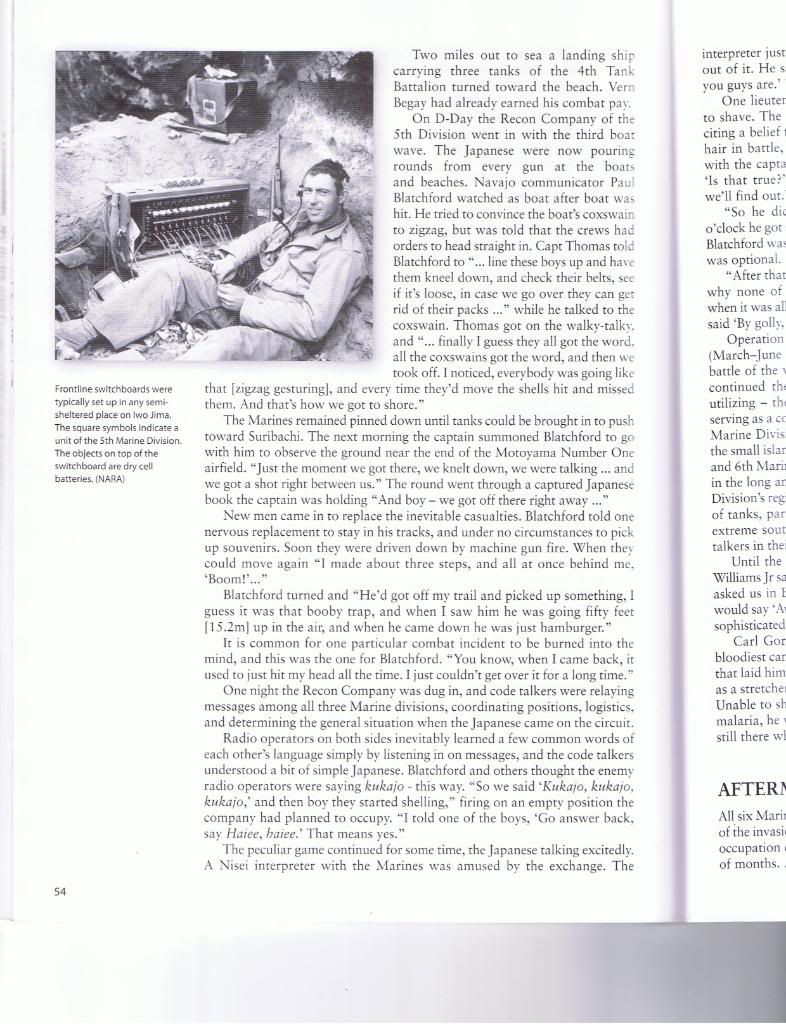
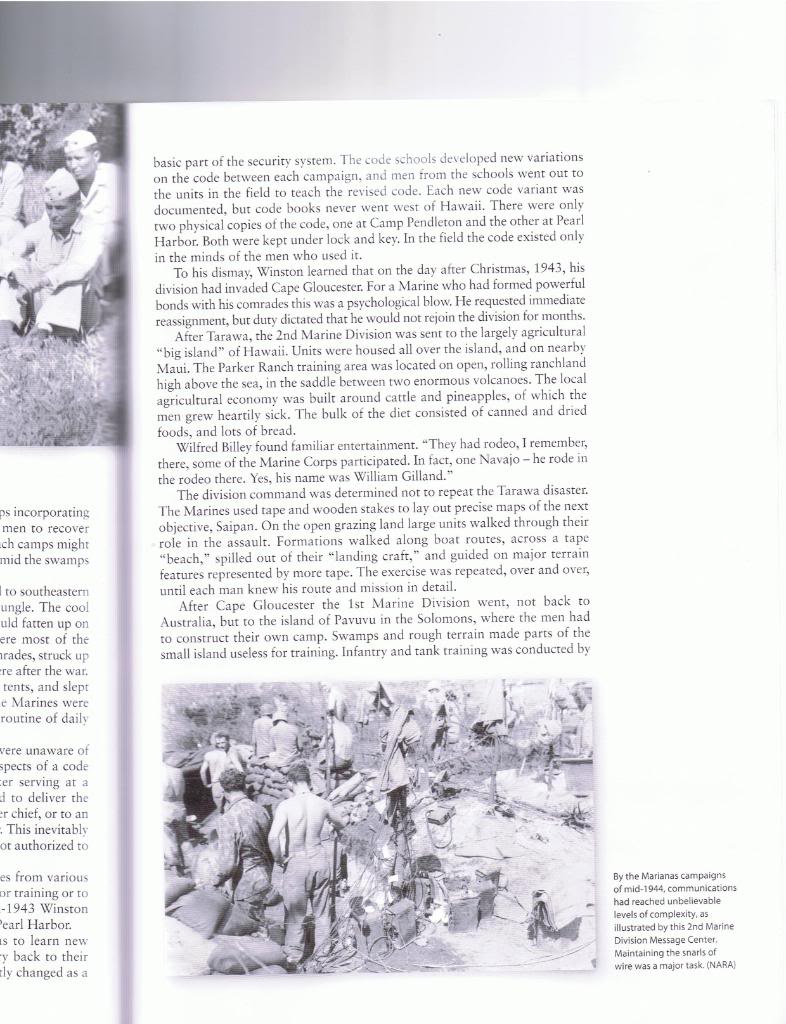
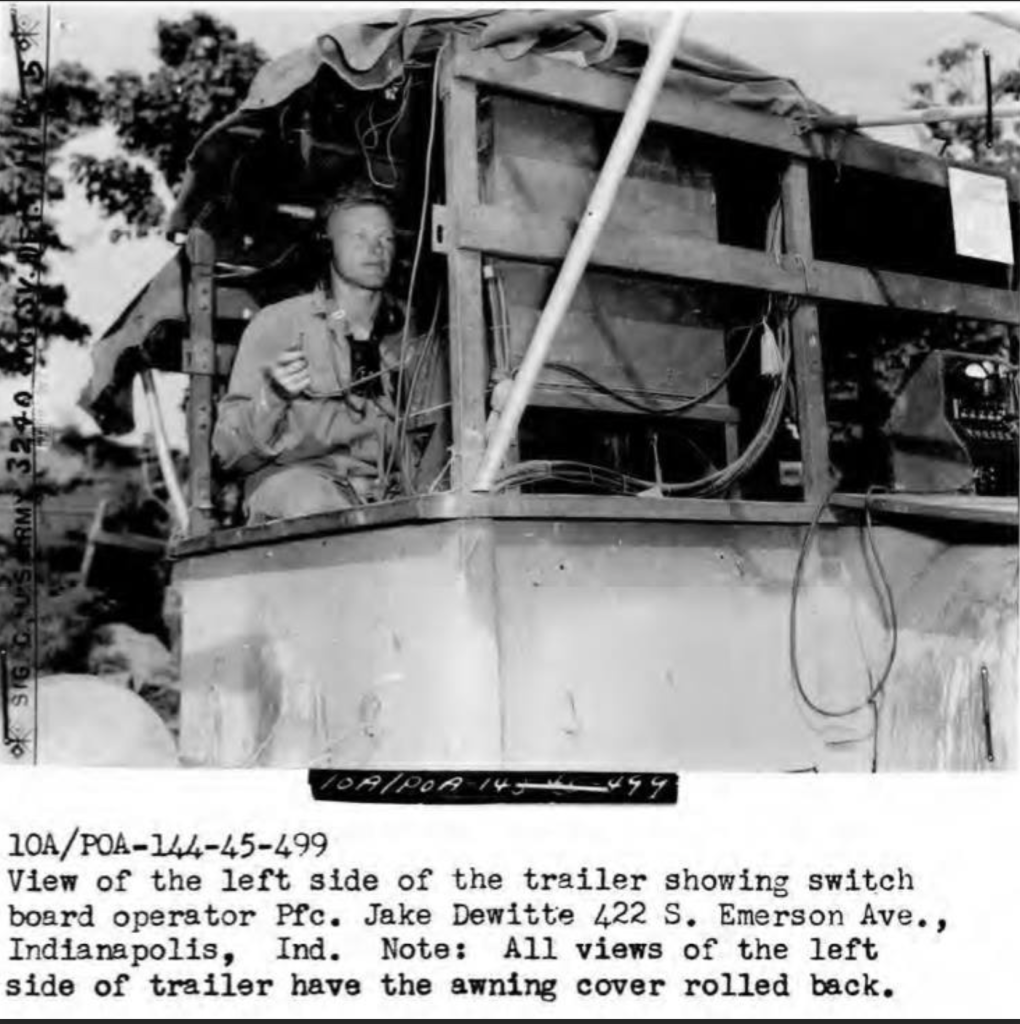
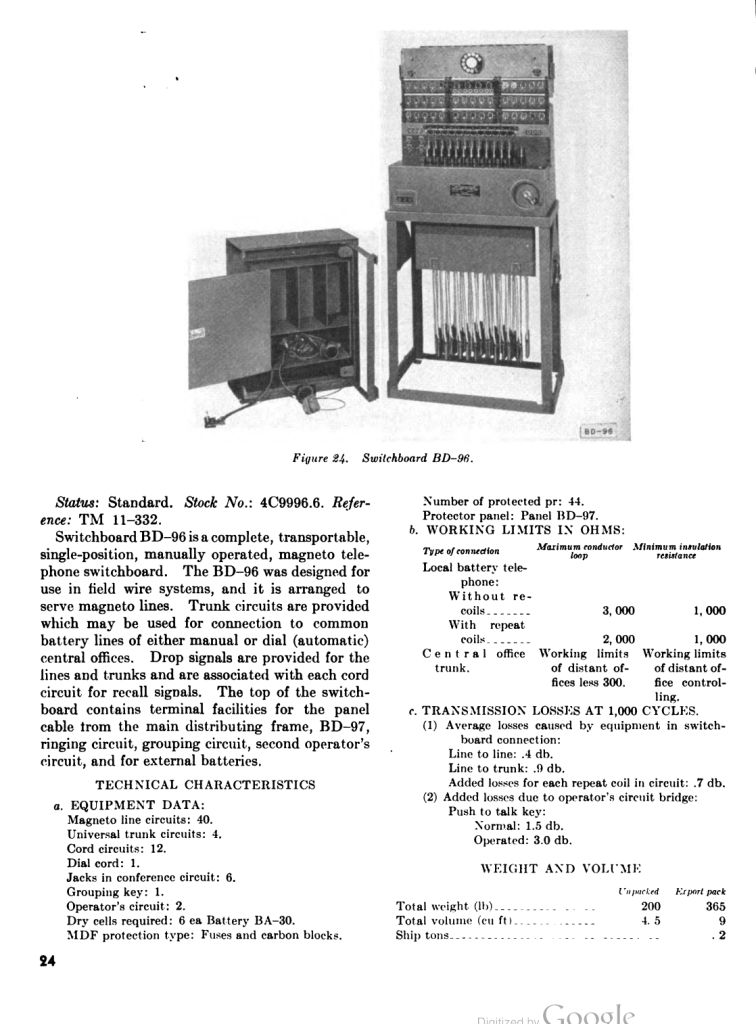
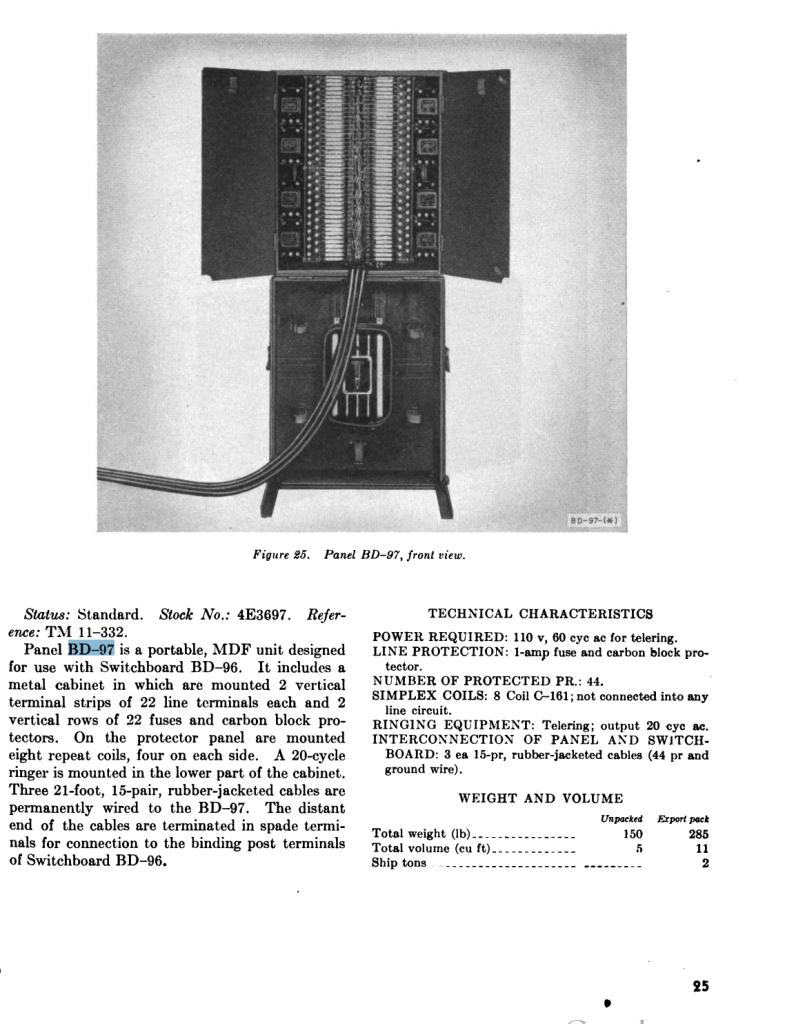
For this kind of event, wire would be more appropriate both in historical terms and in practical terms. You can set up a message center with a switchboard and run field phones and wire out to where units are located. The field phones are easy to set up and move, and aren’t cumbersome. Plus units are typically hanging around their area, so someone will be available to take and make calls.

You could provide a small booklet called a Signal Operations Instruction, which contains the codewords and frequencies. An example is this one: Signal Operation Instructions 84th Infantry Division. The booklet would be given to the unit commanders.

You would probably need one or two other people to assist with set-up, tactical operation, and take-down. Might want to consider rotating people out so the same group of people aren’t stuck doing wire. You would train these people at the headquarters on how to run the switchboard and check wires. You could even do a wire patrol scenario where you go check the wires.

Before the event starts, you would have an SOI briefing with a representative of the units who get field phones. You’d go over the basics of field phone operation and communication, and probably hand them Pamphlet 24-2. Extra equipment, such as batteries and tools, would be located at the Message Center (aka) Headquarters.

This article from Paratrooper.be has additional thoughts on using the field phones at an event.

Depending on how much time and how large the event is, you could implement the flow chart below.

Message Routing Procedure Flow Charts – Describes the routing of different kinds of messages when message center facilities are or aren’t available.

Combination Events

These events combine elements of both. Usually, these are more managed and mission-focused. For example, the “command and control” element would create a mission where you have to string 5 field phones to 5 unit positions. Or the event organizers create an expectation that folks will use a radio net. The missions might be worth a certain number of points, and the event has referees to make determinations of points/mission success and/or hits/kills, etc.

I once attended a Sons of Valor event in South Carolina (or maybe North Carolina?) in the early 2010s and provided cover to an engineering unit that actually built a bridge over a ravine and a transportation corps unit that then drove a jeep across it to deliver supplies.

Obviously, this requires event planners or organizers to think holistically and do a lot of planning up front to make it interesting, fun, and memorable.

But there’s more openness to providing SOI briefings and signal corps elements.

Living History Events

These events are characterized as being more for the public and carry an assumption that reenactors will interact with the public and share their displays. Some events include aspects of the above, but it’s mainly about engaging the public.

These can be interesting for signal corps elements, as you could demonstrate pole climbing, have kids run wire, splice wire, or operate switchboards etc.

You could provide folks with an SOI and let them communicate over a radio network.

Posted on

World War Two: Diaries, Journals, and Accounts

I’m a sucker for primary sources. This post will be a catalog of sorts that’ll provide links to various diaries, journals, and accounts of World War II.

These will be either hard-to-find accounts or unpublished ones.

The first one is, of course, the diary I helped edit and publish.

WWII DIARY by Pvt. Donald Duane Johnson 1st Edition. Edited by Daughters Mary Johnson Corcoran and Jane Johnson Kill – Tells the story of Pvt, Donald Duane Johnson (1915-1993). Captured October 24, 1944 at Vedriano, Italy with the 351st Regiment, 88th Division, Company G, 2nd Battalion. U.S. Army Recaptured May 1, 1945 by 3rd Army, 319th Regiment, 80th Division, Company E, 2nd Platoon General Patton’s Army.

Recollections of a World War II Combat Medic -Zip file. By Bernard L. Rice. Indiana Magazine of History , Vol. 93, No. 4 (December 1997), pp. 312-344 (33 pages).

In this account, Bernard was part of the 12th Armored Medical Battalion providing medical assistance to the 12th Armored Tank Division. Bernard participated in the Battle of the Bulge, helped liberate Dachau, fought in the battle of Herrlisheim, crossed the Rhine, and was pushed into Germany by the war’s end. What I like most about the account is the mention of the little things like using oranges to practice sewing up wounds when he was in basic.

Finally, the account ends with mentions of the 12th Armored (I don’t think he was part of it) securing Werner von Braun‘s supersonic wind tunnel…who hilariously complained to the men that his bike was stolen. As well as an account of a few 12th Armored boys from the 23rd Tank Battalion and 4 infantrymen partaking in the Battle of Castle Itter (which is a super interesting story!).

The Odyssey of a Texas Citizen Soldier – Zip file. By Robert L. Wagner The Southwestern Historical Quarterly, Vol. 72, No. 1 (Jul., 1968), pp. 60-87 (28 pages).

This is the account of Oran C Stovall a commander of the 111th Engineer Battalion which was part of the Texas National Guard unit, the 36th Infantry Division. He supported attacks to secure Naples and saw heavy action trying to cross the Rapido River to outflank Monte Cassino. Crossing the Rapido wrecked the Division. It was eventually sent to Anzio to help with the breakout and then to Southern France as part of Operation Dragoon. To help shore up the division they were assigned the famed 442nd Regimental Combat Team, the segregated Japanese-American unit. The unit ended service securing parts of the Dachau.

Medical Testimonies – A link to the Med-Dept.com which contains a wealth of resources for all aspects of WW2 era medical information including numerous accounts of those working in hospitals (both on land and ship), on the front-lines, and in graves registration units.

Posted on

12th Army Group Headquarters Movements

This book is Vol .IX of the 12th Army Groups Report of Operations (final after-action report). It describes the actions of the Headquarters Commandant Section and Special Troops.

You can download The Report of Operations: 12th Army Group vol. IX here.

What I find neat about the report is that it describes units typically attached to higher-echelon units and outlines (briefly) what they did. It’s a lot of units you would never think about but would be needed to help make the 1.3 million men in the group function.

For example, the 18th Finance Disbursing Section made between Feb 3rd, 1944 to June 30th, 1945 140,751 payments totaling $7,887,428.59. Also noted…they never had a case of VD or court martial.

And the 114th Signal Radio Intelligence Company which listened for lower-level German Army radio traffic and was able to locate a gas dump that US Army tanks were able to capture and use to gas up.

Of course, they also had the Office of the Chaplain who oversaw religious services for the men. It looks like the Chaplains were mostly Catholic or Protestant but also gave sermons to those of the Hebrew Faith, Mormon, and Christian Science faiths. It’s noted that:

“A listing of all the locations in which services were held would in itself give some insight into the variety which belongs to the experiences of Special Troops Chaplains. Apple orchards, world famous cathedrals and well known
shrines garages, moving picture houses, and stables, historic court churches, day rooms, and mess halls: magnificent private chapels, dingy billets, and in the bombed out ruins of what had once been churches, are just half the story of where our men knelt or stood with their heads bowed. The services were held in times of fair weather and bitter cold, in times of quiet and in times when gunfire could be plainly heard.”

And the 585th Army Postal Unit which was bombed on March 14th and the men worked through the night fixing and salvaging so they could be open for business the next day.

The book also contains a neat map of their movement. You can download it as a pdf here or look at the image below.

Posted on

Keynote Records – Red Army Choir of the USSR

Keynote Records was founded by Eric Bernay in 1937. It focused on left-wing folk music and pro-communism songs. The label included works by Woody Guthrie, Pete Seeger, and Paul Robeson. The offices for the label were at 522 Fifth Avenue, New York 18, N.Y.

Keynote logo. A musical note with the circle a record and the word Keynote resting on top of it.
Keynote Records Logo

In 1943, to find a wider audience, he turned to Jazz.  Dinah Washington‘s recording debut was with Keynote at the end of 1943. 

In 1947, the label made an attempt to manufacture its own records that didn’t go as planned, resulting in the business being acquired by Mercury Records in 1948.

One popular record by Keynote was Songs of the Lincoln Brigade. It was produced in 1937. It is a collection of songs praising the soldiers who went to fight against fascism in the Spanish Civil War.

Eric Bernay died on Nov 5th, 1968, according to his obituary in the New York Times –

Eric Bernay obiturary article
New York Times, November 5, 1968, pp 44.

Many years ago, I was traveling along the I-81 through the Shenandoah Valley in Virginia when I stopped at an antique store. Not sure of the town, but I think it was North of New Market. I found a neat 78 record set in mint condition. As well as a few single records.

The 78 record set was The Red Army Chorus of the USSR conducted by Alexander Vasilyevich Alexandrov. It is Keynote Records Album number 103.

The Red Army Chorus of the USSR front cover. As an image embedded on it of soviet soliders singing and dancing. Red in color.
Front cover

Opening it up showed the lyrics of the songs. It was four 78 records (so 8 songs total)

  • From Border to Border
  • The Young Birch Tree
  • Cossack Song
  • If Tomorrow Brings War
  • Snowstorm
  • Song of the Tachanka
  • Meadowland
  • Along the Vales and Hills
Lyrics of the album
Inside cover

One interesting thing is on the back cover. It has a Restricted Use Notice saying that the record is for non-commercial use on phonographs in homes and cannot be resold for any other use.

Inside back cover

It took a while, but I was eventually able to digitize the songs below as an MP3. If you would like the .wav version of the songs, feel free to contact me, and I can send you a copy. Enjoy!

From Border to Border

This song is number K209-A in the set and looks like it was composed by Ivan Ivanovich Dzerzhinsky. The song runs about a minute and 50 seconds. You can download the MP3 here or listen to it below. Sung by the Red Army Choir of the USSR.

The Young Birch Tree

The Young Birch Tree is song number K210-B. Music is adapted and conducted by Alexander Vasilyevich Alexandrov. Soloist is V. Pankov. You can download the MP3 or listen to it below.

Along the Vales and Hills

Along the Vales and Hills sung by The Red Army Choir of the USSR and conducted (and composed) by Alexander Vasilyevich Alexandrov. It also looks like C. Alimov helped to create it, too. Number K208-A. You can download the MP3 here or listen to it below.

Cossack’s Song

Cossack Song (or Cossack’s Song) is sung by The Red Army Choir of the USSR and conducted by Alexander Vasilyevich Alexandrov. Composed by Ivan Ivanovich Dzerzhinsky. Song number K209-B. You can download the MP3 here or listen to it below.

If War Breaks Out Tomorrow

If War Breaks out Tomorrow (or If Tomorrow Brings War). Song number 201-A. sung by The Red Army Choir of the USSR and conducted by Alexander Vasilyevich Alexandrov. Composed by Dmitry Pokrass and Daniil Pokrass (they were brothers), as well as Vasily Lebedev-Kumach.

The lyrics note that the Red Army Chorus of the USSR was created in 1928 with 12 performers. It has won many awards and now has 200 performers coming from both the Red Army and the Red Navy.

You can download the MP3 here or listen to it below.

Meadowland (Song of the Plains)

Meadowland (Song of the Plains) is number K208-A. Sung by The Red Army Choir of the USSR and conducted by Alexander Vasilyevich Alexandrov. The song was composed by Viktor Gusev and Lev Knipper.

You can download the MP3 here or listen to it below.

Snowstorm

Snowstorm is number K210-A. Sang by The Red Army Choir of the USSR and adapted and conducted by Alexander Vasilyevich Alexandrov. Soloist is V. Pankov.

You can download the MP3 or listen to it below.

Tachanka

Tachanka is number K201-B. Sung by The Red Army Choir of the USSR and conducted by Alexander Vasilyevich Alexandrov. Lyrics by Mikhail Ruderman and composed by Konstantin Listov. A tachanka is a horse-drawn machine gun, mounted on a peasant cart.

machine gun mounted on a cart with two soliders standing nearby on a street.
Tachanka was used in WW1 (and the Russian Civil War)

According to Wikipedia, there are a lot more verses and/or the lyrics are a bit different depending on how translated. You can download the MP3 here or listen to it below.

From Kiev to Lubin

This is a single record that I also bought at the same time. It is number K213-B and is sung by the Ukrainian State Choral Ensemble. I’m not sure of the lyrics, though it appears to be a Ukrainian Folk song.

You can download the MP3 here or listen to it below.

From Kiev to Lubin record

The Internationale

The Internationale is a left-wing song used by various social and communist movements. It was composed by Pierre De Geyter. This is number K213-A and is sung by the Bolshoi Theatre Chorus and Orchestra. It looks like the group associated with the Bolshoi Theatre at the time they sang it.

You can download the MP3 here or listen to it below.

Forward to Victory (Charge of the Tanks)

This was also part of the collection I purchased. Though this doesn’t appear to be Keynote Records. Instead, it is Forward to Victory (Charge of the Tanks). Number 6309B. Taken from the film The Red Tanks and sung by the Moscow Military Chorus (courtesy of Artkino Pictures). The Pokrass brothers composed it. It’s essentially a single from the movie’s soundtrack.

Artkino Pictures was the official distributor of Soviet media (like movies and music, etc) in North America between 1950 to 1980. See The Unspooling of Artkino: Soviet Film Distribution in America by James Krukones (2009) for a treatment of this company.

The Red Tanks, or Tankisty, was a movie made in 1939. You can find the full film on YouTube here.

You can download the MP3 here or listen to it below.

Forward To Victory label. Lettering in gold against a black background. Outline of soviet worker at top above spindle.

Song of the Fatherland

Song of the Fatherland, number 6309-A. Sung by the Moscow Military Chorus (courtesy of Artkino Pictures). A single from the film, One Day in Soviet Russia, was produced in 1941. The film is essentially a propaganda piece to help garner pro-Soviet sympathy after Germany invaded it. It was narrated by Quentin Reynolds, a journalist who was very much anti-communist in the 1950s.

You can download the MP3 here or listen to it below.

Song of the Fatherland label. Lettering in gold against a black background. Outline of soviet worker at top above spindle.

The Internet Archive

The Internet Archive has Along the Vales and Hills, Snowstorm, From Border to Border, Cossack’s Song, The Young Birch Tree, and Meadowland available for download too. So if the MP3s aren’t to your liking, you can find more copies there.

The archive also includes other Keynote Record songs like The Clouds Fly High and Blue Night. All were sung by The Red Army Choir of the USSR and conducted by Alexander Vasilyevich Alexandrov.

I’ve embedded both of those below.

Blue Night

Clouds Fly High

Posted on

World War II Reproduction Equipment and Field Items

This page will provide links and information on reproducing certain equipment and field items for the WW2 reenactor.

WW2 Era Footlockers 1943 – A schematic on how to reproduce the wooden WW2 era footlocker for enlisted men. I would highly recommend, before attempting to remake it, viewing the two different studies on it here (a .doc file) and here (a .pdf file). This will help get an idea of some of their slight differences.

Reenactor Portable Wardrobe – This is a fantasy item made by a reenactor to better store uniforms at events.

WW2 Hedgehog Beach Obstacle – An outline of how to create and assemble the beach obstacle. This is the kind of obstacle seen at the Normandy Landings.

M1943 Field Table – This is the folding field table typically seen at field encampments. It contains the original 1935 blueprint drawing, as well as detailed plans and a parts list to build it.

A Frame Weapons Rack – It’s unclear if this was a WW2 item or a reenactor item used to help store weapons in a “period adjacent manner” for the unit while at an event

Signal Corps

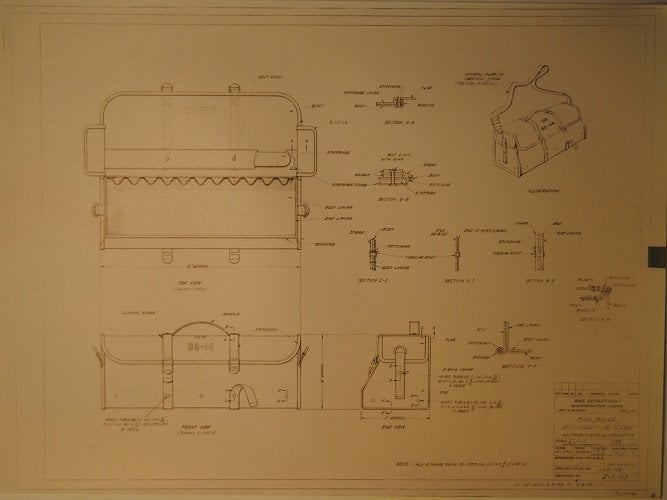
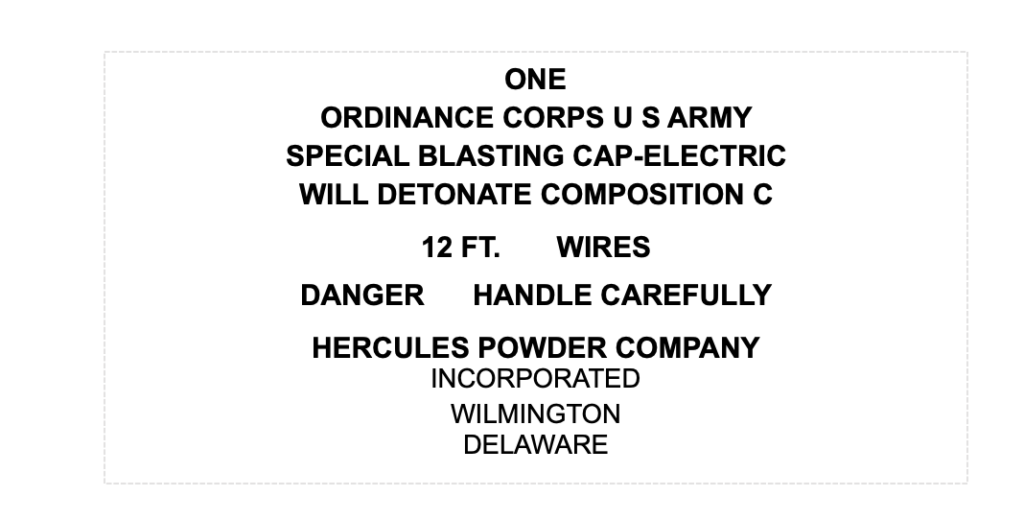
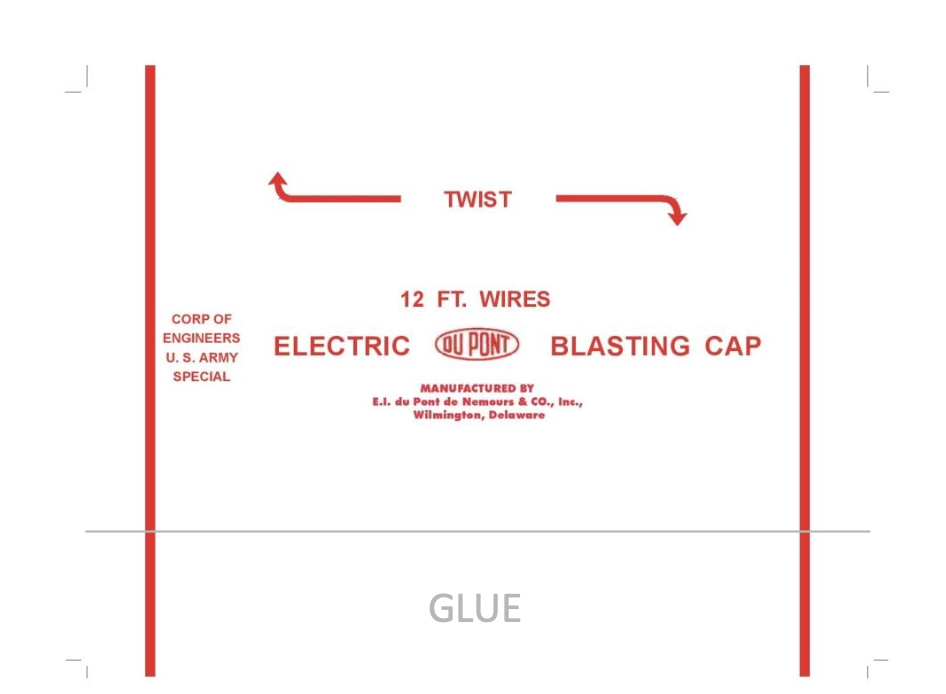
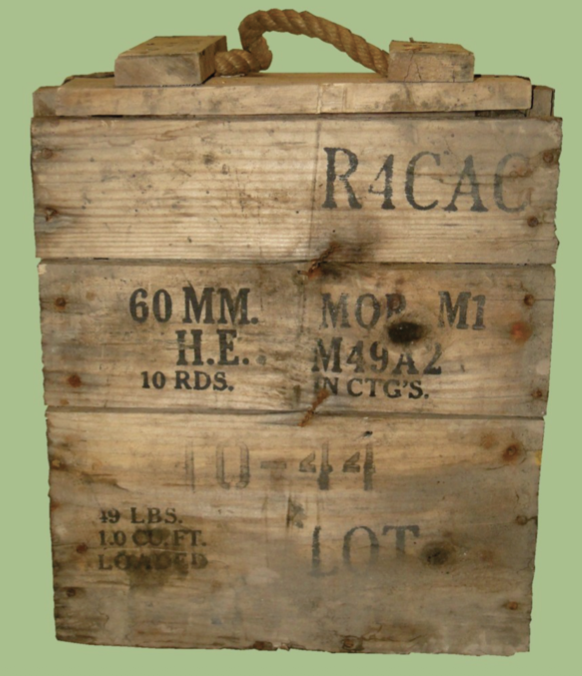
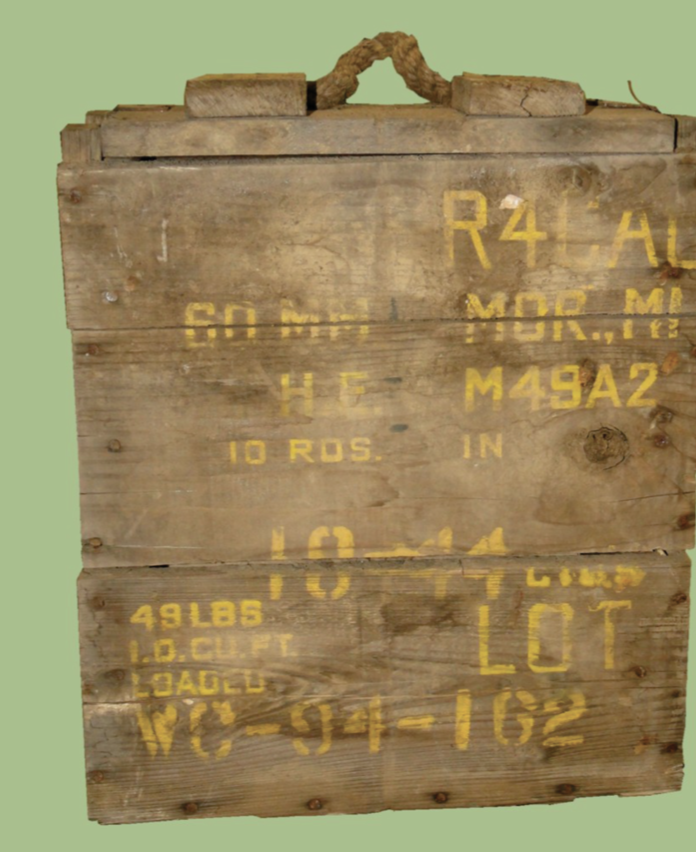
Signal Corps Wood Shipping Box – A PDF with a few notes on how to potentially reproduce a wooden shipping crate. Says “From Philadelphia Signal Depot, Philadelphia” with Signal Corps logo. The wood in use is likely pine (as you can see the pine knots in the images). The Lid would have been flush with 5-6 nails each along the left and right sides (if looking at the box from above) and maybe 3 along the top and bottom (if looking at it from above). These nails would have been cheap “penny nails”.

Field Equipment

M1918 Grenade Carrier 4in pocket Blueprint – A blueprint design to carry grenades. Dated Jan 30th 1918. These came overseas late into the war, supposedly for the Spring 1919 offensive, which never occurred because of the armistice. There also existed a 6-inch model and a grenade bucket. Photographic evidence of these in use overseas by Americans during World War I doesn’t seem to exist. US Militaria Forum discusses it here. There’s additional discussion about whether the USMC used this in WW2.

Shelter Half Tent First Model Blueprint – Dated Dec 12th 1940. This is the model that has one end open and the other end closed with flaps. Eventually, a model would be released in 1943 that had both ends closed with flaps.

Collapsible Tent Poles – I don’t think these were a thing in WW2 but needed to collapsible tent ridge poles to fit into a car.

Fort Cronkhite Barracks and Mess Hall Historic Furnishings Report – a fantastic report on all the things that go into building and furnishing a barracks and a mess hall, including chairs, pots and pans, glassware, uniforms etc.

Army Dog Crate 1948 – Post WW2 design.