Posted on

Computer Part Layout Assignment

Computer Layout Assignment:

Select one of the following methods to access the document (Drive, PDF, Word). If you cannot access the document try switching to a different browser such as Chrome or Firefox.

Google Drive Document. Note: You must be logged into Gmail.
Computer Part Labeling Activity

PDF Document
Computer Part Labeling Activity

Word Document
Computer Part Labeling Activity

Posted on

Arduino Intro Comic Assignment

Open the following comic, read it, and answer the following questions below on a separate piece of paper:

Arduino Intro Comic in a pdf
arduino_comic_v0004

Questions:
1. Explain the difference between Digital Information and Analog Information
2. What is the difference between a switch and a sensor?
3. What is voltage, current, and resistance?
4. How do you launch the Arduino Software?
5. What are sketches?
6. What is the difference between Setup and Loop?
7. What is the purpose of a breadboard?
8. What do you need to connect from an Arduino board to a Breadboard in order to bring power to the breadboard?
9. What is the difference between anode and cathode?
10. What two buttons need to be selected to input your program on the arduino?

Posted on

Arduino Resister Assignments

Arduino Resister Assignment
Use the following Resister Color Chart to identify the Ohms in each of the following resisters. If you are unable to view the images try the following troubleshooting solutions: Use a different device (tablet, phone, laptop), change your browser (Firefox or Chrome), restart your device.
Continued trouble? Email me.

Color Chart
Resister Color Chart
Resister 1:
homework 2

Resister 2:
Homework1

Posted on

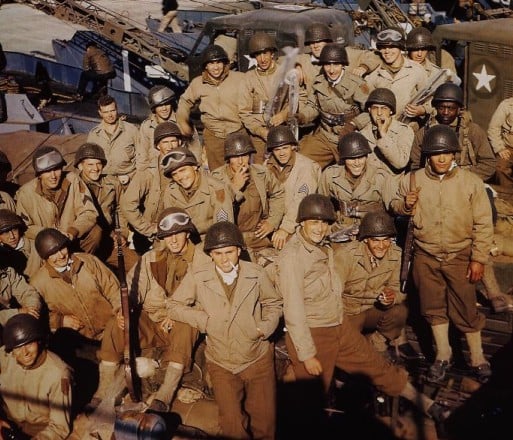
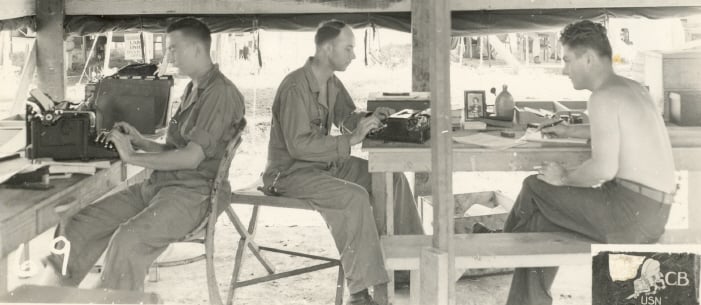
WW2 Signal Corps Impression

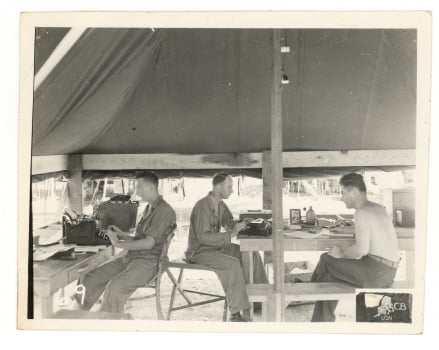
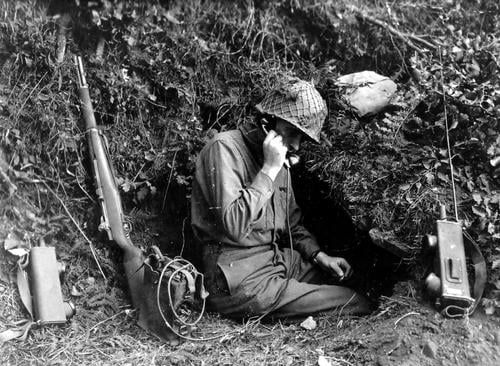
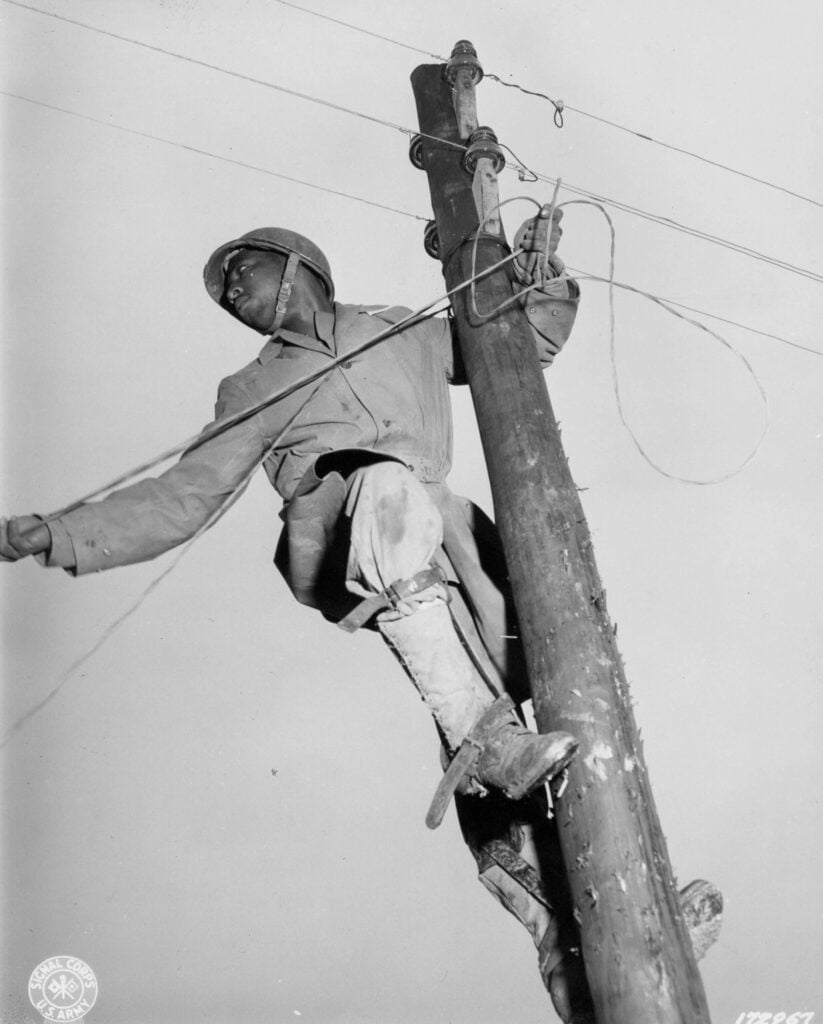
This will document my World War II US Army Signal Corps Impression. Now, per Chad Phillips, who is an expert in World War II Signal Corps impressions, research, and documentation in the WW2 Signal Corps Facebook group, indicated that for a basic Lineman and Groundsman Impression, you should have the following –

Lineman:

LC-1 Axe: LC stands for Line Construction, and would say LC-1 on it, and might say “True Temper Kelly Works” or “True Temper Flint Edge”.

Kelly Axe Manufacturing Company produced axes but was bought by American Fork and Hoe in 1930. They then began the True Temper brand of axes. AFH likely kept the name “Kelly Works” on some of the “True Temper” brand of axes. For a look at the 1938 American Fork and Co. catalog, see: True Temper Tools General Catalog 1R.

The LC-1 Axe Handle may be around 18 inches in total length. 2 inches inside the axe head, and 16 inches showing. The handle may have been painted green and installed with a few splits inside the head. The green paint might be a field modification as “load out” images that show all the tools on display; the ax is left unpainted, suggesting the paint came in the field. Indeed, the original ones look glossy black and dark blue.

A close-up of the LC-1 Ax head in this image shows that the handle is painted green. If you wanted to paint it green, Krylon 4293 (which seems to be found only at Lowe’s) would be a good color to use. Midwest Military sells a Signal Corps green color, but it’s unclear if it’s the right color green.
The handle likely came in different styles, such as straight. Though images that show items on display show that the handle is slightly curved.
LC-23A and LC-23B belt w/strap [late ’44 date]: Came in two styles. A canvas and a leather version. Also came in multiple sizes. LC-23-A is likely the canvas version. LC-23-B is the leather version. This matches the EEa and EEb phone designs as well.

According to the May 1947 TM 11-372 field manual, the belt is sewn with linen thread and locked-stitched with copper rivets. It’s tested up to 1,500 lbs. The belts come in D-ring sizes of 18, 20, 22, 24, 26, 28, and 30. Size is determined in inches between the D-rings. Comfort with the belt is dependent on the right size in proportion to the hip bone. Each belt also had a safety strap, which was used to wrap around the pole.

To obtain a proper fitting belt, measure the distance across the back between the desired location of the D-rings and order a belt of that size (nearest inch). The punched end of the strap of the body belt is sufficiently long to permit passing around the abdomen of the largest workman.

To obtain a proper fitting belt, measure the distance across the back between the desired location of the D-rings and order a belt of that size (nearest inch). The punched end of the strap of the body belt is sufficiently long to permit passing around the abdomen of the largest workman. When this length of strap is not required, it can be shortened by cutting off the excess end without impairing the safety factor. Safety straps are furnished in 61-inch, 68-inch, and 70-inch lengths. When suitable, the short strap should be ordered.

Body Belts and Safety Straps for the LC-23 A and B
Measuring LC-23 A and B

LC-5 Climbers: The spikes are called gaffs. Included with the climbers are a leather strap and a coarse cloth square pad, SAE F3 Felt.

They came in multiple sizes; see the notes section of the image below, which describes the sizes for the LC-23 belt and the LC-5 climbers.

According to the May 1947 TM 11-372 field manual, they are measured from the bottom of the stirrup to the upper end of the leg iron. To determine the correct size of climber to fit the wearer, measure the distance from the bottom of the projecting knee bone to the underside of the shoe at the arch, as shown in the figures below, and subtract .5 inches.

Don’t wear the climbers unless needed, and be sure the gaff (the pointy part of the LC-5 climbers) is maintained well to dig into the wooden pole.

Prior to LC-5, there were two other LC climbers: an LC-6, which was 16″, and the LC-7 was 17″. When LC-5 came out, it superseded both of these climbers as it came out in various sizes, thus negating the need for a specific size-based model.

Note that the straps around the LC-5 climbers are made of leather and go through a square pad, which secures them to the upper calf and prevents chaffing. One side of the pad is leather, and the other side is the kind of cloth used to insulate the interior of canteen covers. This cloth is SAE F3, which is still in use today.

Lineman’s Climbers LC-5

Below are some images showing the straps

The images below show the measurements of the leg strap, leg strap loop, and calf pad. Images are taken from a New Old Stock (NOS) unit. The calf pad is about 4inches in width and length. The calf pad loops on the back are about .5 inches long. Calf leg strap is about 1.25inches wide. The calf strap loop is about an inch wide. The calf leg strap is about 22inches long.

The document below shows how to measure your leg and calf to be fitted for the pole climber size.

One thing to keep in mind when looking at the LC-5 Climbers is that there are two types. One for pole climbing and one for tree climbing. Each crew had a set of tree climbers, which appear to be just some kind of commercial tree spikes. These tree spikes appear to have no designated catalog number. You can tell they are tree spikes because the gaff is much longer for digging into the meat of the tree.

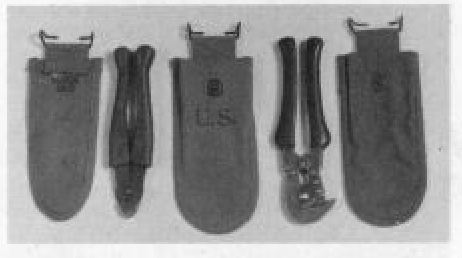
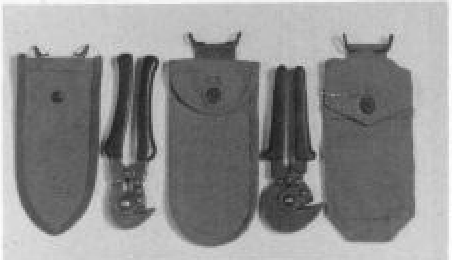
LC-24 Twisting Plier, also called a Clamp: Used to crimp, twist, and splice wire.

TL 107 Pliers, 8″: 8in in length, straight nose, steel.

Sig5, Class 6, 6R

TL-106 Screwdriver: The screwdriver is similar to the Stanley 1934 # 25 driver. It had a 10-inch blade with a 3/8ths tip and 17in overall length. In 1934, it cost .85 cents.

Note that some screwdrivers might say “Forval” on the handle. This appears to be a French-made screwdriver. It’s unclear if this is a post-WW2 production or if the US Govt contracted with French companies after D-Day to produce these, which would make them “wartime dated”.

Now the specs say “or equal,” and there were other tool companies, such as Irwin, making tools during World War II. The IRWIN 800 seems like it would be a close equivalent. It is 14inches overall, the blade is 10 inches, and the blade tip seems to be close to 3/8ths (though depending on how you eye it, it might be 1/4th)

Additional images of the TL-106 Screwdriver can be found on Worthpoint here and here.

Sig5, Class 6, 6R

LC-25-A Lineman Wrench: The LC-25-A Wrench was used to secure cross beams to telephone poles. It differs from the LC-25 wrench. See the “load out” images towards the bottom for the differences in appearance.

Sig5, Class 6, 6R

LC-29 Gloves, Rubber: This was not part of TE-21 but something they likely kept on hand. Black in color. Likely worn under the leather gloves for working with exposed lines, as rubber is an electrical insulator. It came in three different sizes, I believe.

LC-29 Gloves, Leather: It’s unclear to me if the gloves below are World War II vintage, but I suspect the gloves looked similar

TL-144 Gaff Gauge: Used to measure the spikes on the climbers. This was not part of TE-21 but something they likely kept on hand. It may have come in a few different designs, as shown below. However, neither design shows any kind of cut in the base/short reference line area.

From FM 24-5 Signal Communication Oct 1942, pg. 208. The word “gage” is likely a misspelling.

Lineman’s equipment TE-21: When laid out, it looked like this. I suspect some of this stuff was traded off between the guy on the pole and the guy on the ground. Also, the image might be a post-war one, as the Hammer, HM-1, isn’t listed. Instead, a TL-39 Hammer is listed.

Via RadioNerds: A display “load-out” type image
From TM 11-487 Oct 1944, pg 144. Shows the equipment for TE 21, TE 23, and TE 27a. I suspect that many of the tools were interchangeable on the job site.
Linemans Equipment TE-21
Post War Lineman’s Equipment TE-21 March 1951 via TM 11-487B; A display load out type image
A display “load-out” type image. This is probably a later image because the LC-25-A Lineman Wrench appears
Lineman’s Equipment TE-21 “load out” type image. This is an earlier one because it shows the LC-25 Lineman Wrench.

Groundman’s Equipment:

LC-23 belt w/o strap [late ’44 date]:

LC-10 Gloves, Leather:

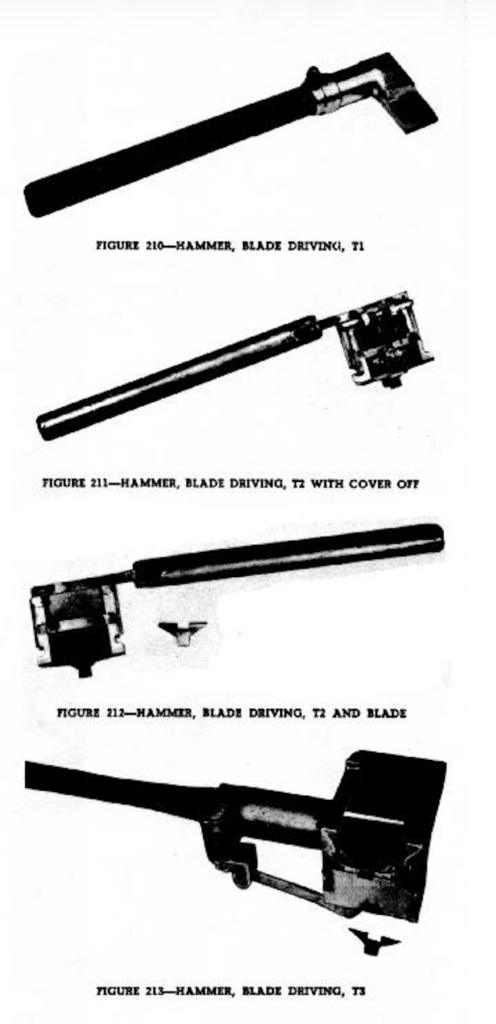
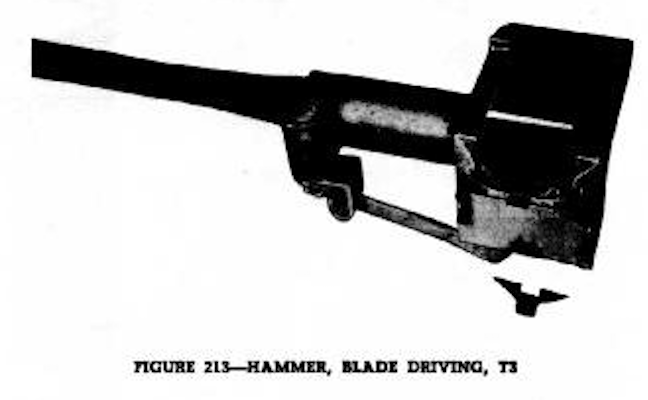
HM-1 Hammer, 2lb: This is a double-faced engineer’s hammer with a 16-inch handle and a weight of 2 pounds.

Now, according to the May 1947 TM 11-372 field manual, the HM-1 hammer is also called a Lineman’s Hammer and is 2.5 lbs and 15 inches in overall length. I guess that some “bean counter” must have mis-measured it, and it’s the HM-1. There’s also a TL-39 Hammer, which is the Claw Hammer. Though I’m unsure why they used the TL “Tool” nomenclature rather than the HM “Hammer” one to describe this hammer.

Groundman’s Equipment TE-23: When laid out, it looked like the following:

Groundman’s Equipment TE-23 March 1951 via TM 11-487B

Other items:

2 DR-4 reels [no -A suffix]:

2 DR-8 handheld reel rigs [no -A suffix]:

1 Bag, BG-44:

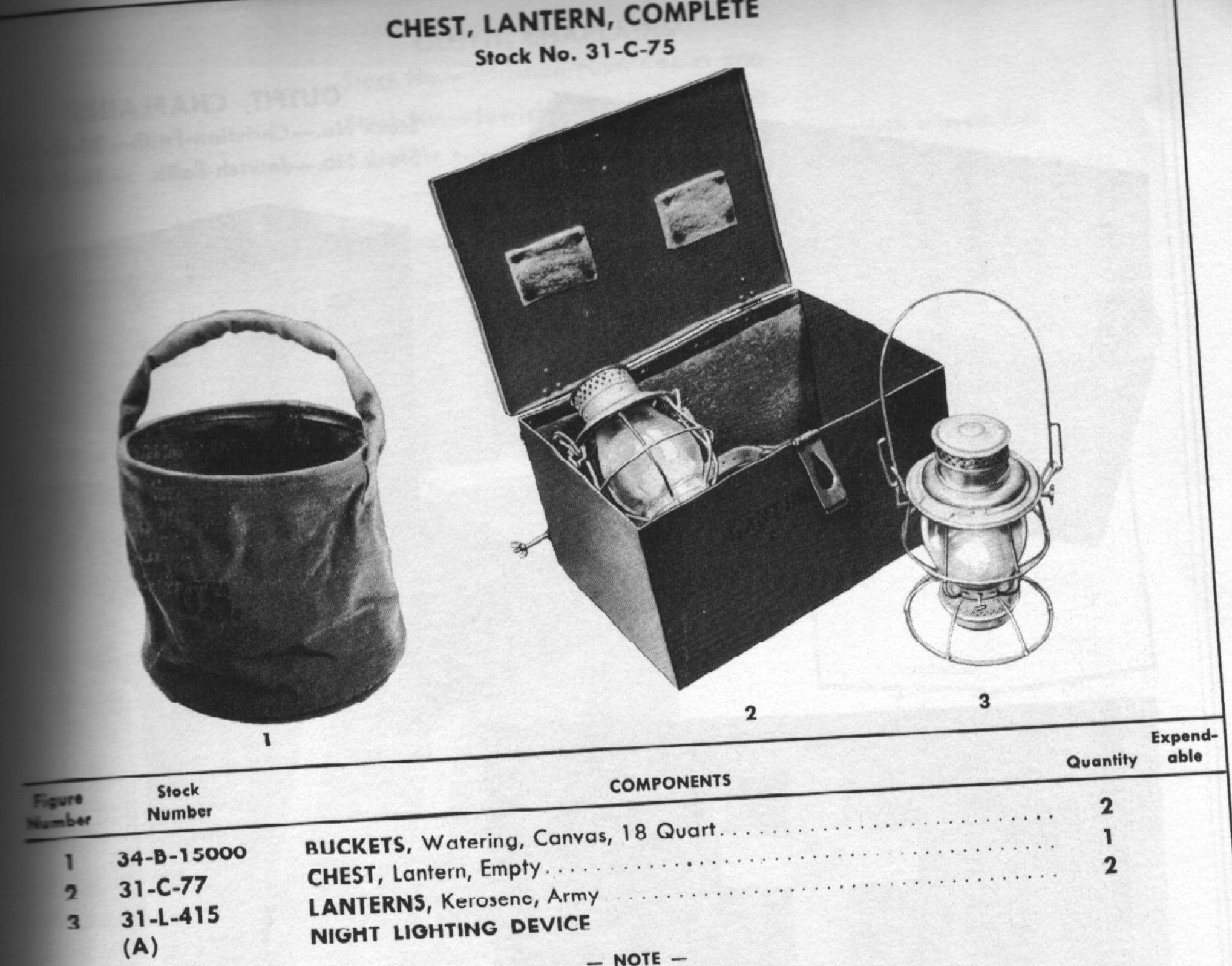
2 LC-57 Buckets, Canvas: A white canvas bucket for, likely, hauling tools around and up poles.

According to the TM 11-372 Telephone Cable Splicing Manual from May 1947, the LC-47 circular tool bag bucket is made of unbleached cotton duck cloth with an oak tanned leather bottom. 12 inches at the top, 8 inches at the bottom, and either 12, 16, or 20 inches in depth. It had rope handles fitted into a metal ring. Now, the fact that the bucket came in different depths presupposes that there are different model variants of the LC-57.

Describing materials and sizes of the LC-57 Bag Bucket
An example of a probable commercial LC-57 bucket

LC-25-A Lineman Wrench Wrapper

The LC-A wrench looked different when compared to the A version.

The LC-25-A Wrench was used to secure cross beams to telephone poles. I purchased mine off of eBay for 30 dollars in March 2025, shipped. It came in new, unopened condition. It was wrapped in two brown paperish wrappers with a paper tag attached to it.

The first tag was an inspection wrapper dated 3/1960. The second tag was the initial packing tag. It was dated 11/1951.

Now, to my knowledge, the wrench didn’t change between WW2 and the Korean War. I don’t have the wrappers, but the 11/1951 wrapper is 6in long and 2in wide. The 3/1960 is 7in long and 2in wide. You can download a pdf here if you want to try and recreate it.

Tool Set TE-16 and Tool Set TE-56

Below is the list of tools and equipment contained in both sets. They come from the TM 11-372 Telephone Cable Splicing Manual from May 1947. While post World War II, it seems the equipment for the sets wouldn’t have varied by much, if at all.

Posted on

PRC-6 JHY-3B4 Electron Tube Package

Before Fair Radio went out of business, I had the opportunity to pick through it a bit. Much of the WWII stuff was gone, but they did have a few PRC-6s.

I was able to find enough parts to complete the unit, including the mic and antenna.

The one thing it was missing was this JHY 3B4 tube. I found one on ebay for 9 dollars in Jan 2024. Below is what the box looked like. It was 4.5in long (from one end of the box wings to the other) and 2in high. You can download a pdf of the box if needed.

It was also missing the primary crystal, CR-23/U Quartz Radio Crystal HC-6/U, and the spare. I bought two for 32 dollars in Jan 2024. It did not come with box.

Posted on

WAAC Documents

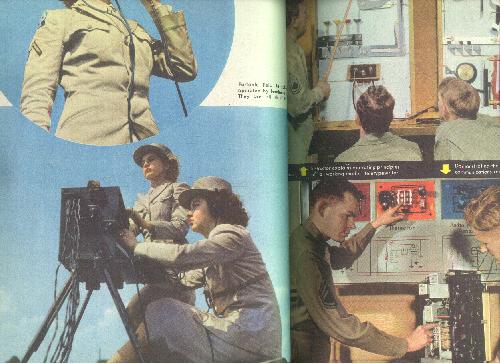
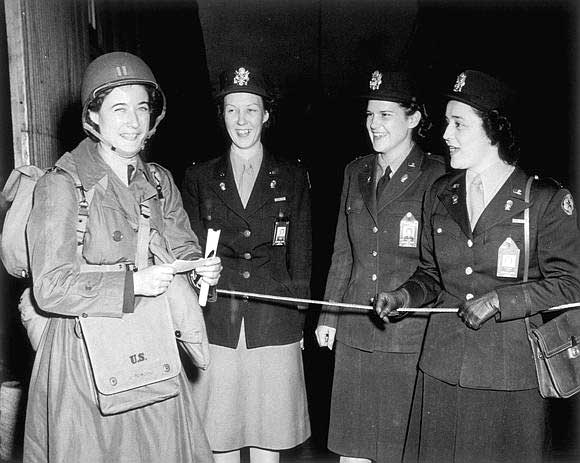
Below are some documents related to the Women’s Army Auxiliary Corps.

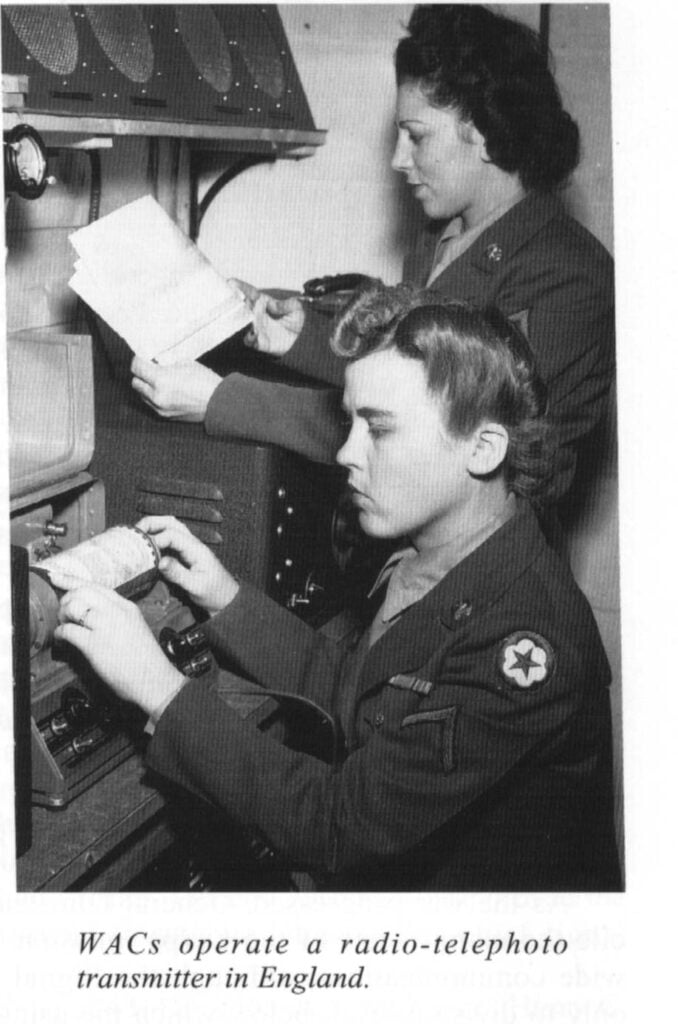
Morning Report HQ % 3341 Signal Service Battalion Dec 11th 1944 – An example of a morning report. This report comes from the % 3341st Signal Service Battalion, which was made up of Women Army Corps soldiers (WACs).

The % isn’t a typo but a way to designate on paper that the unit is WACs. The battalion operated what was likely the largest message center outside of Washington DC.

Posted on

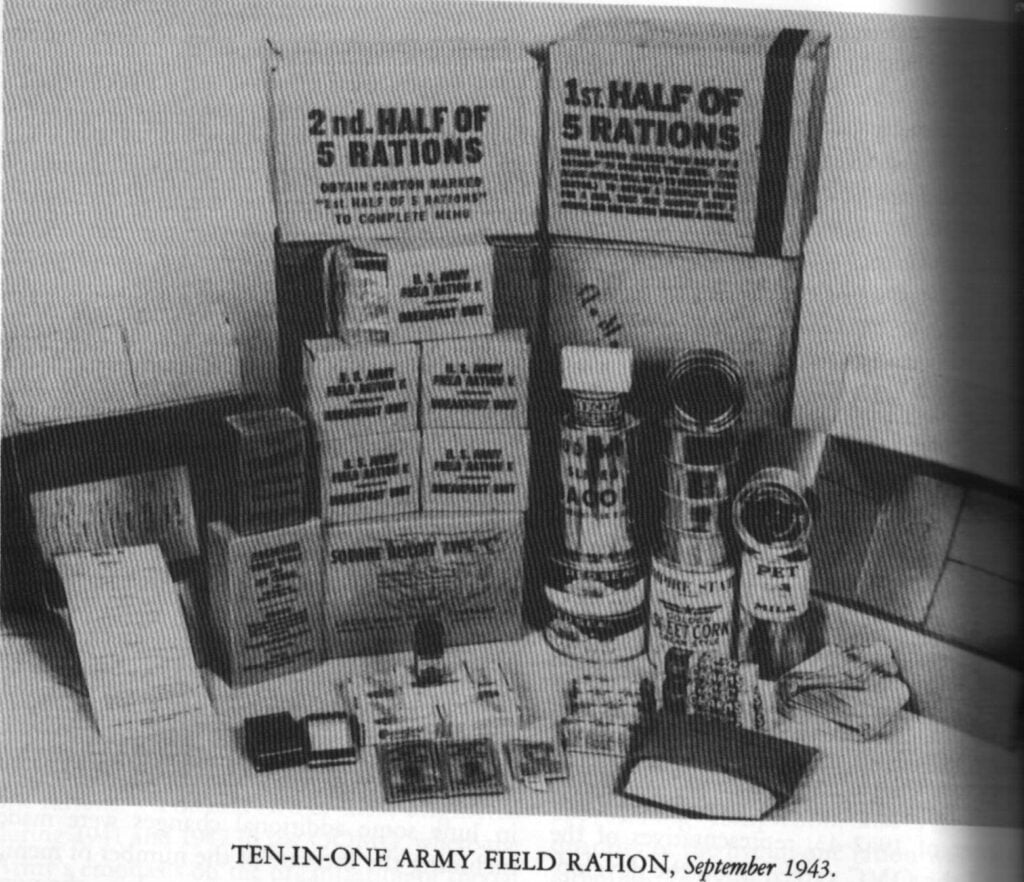
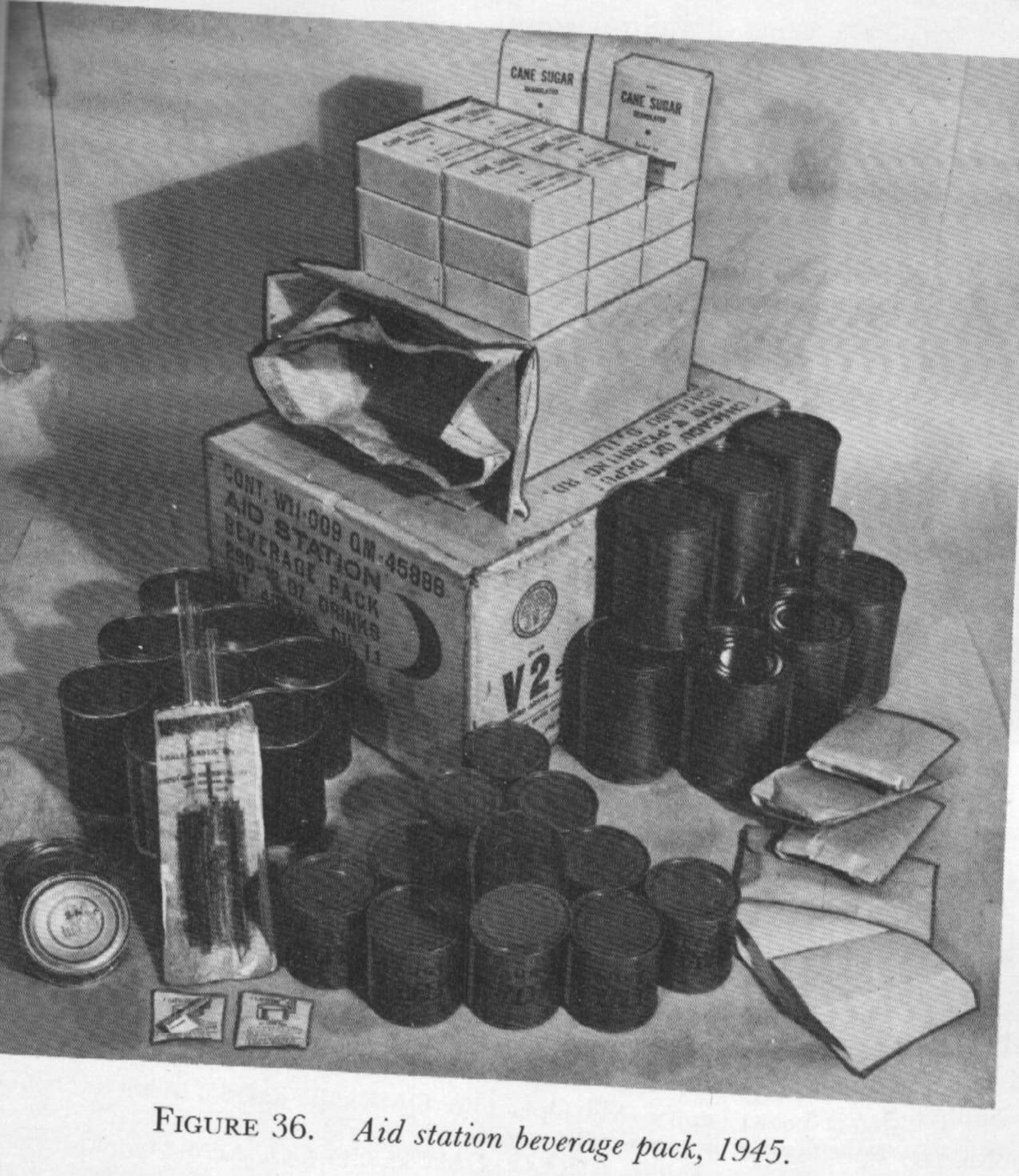
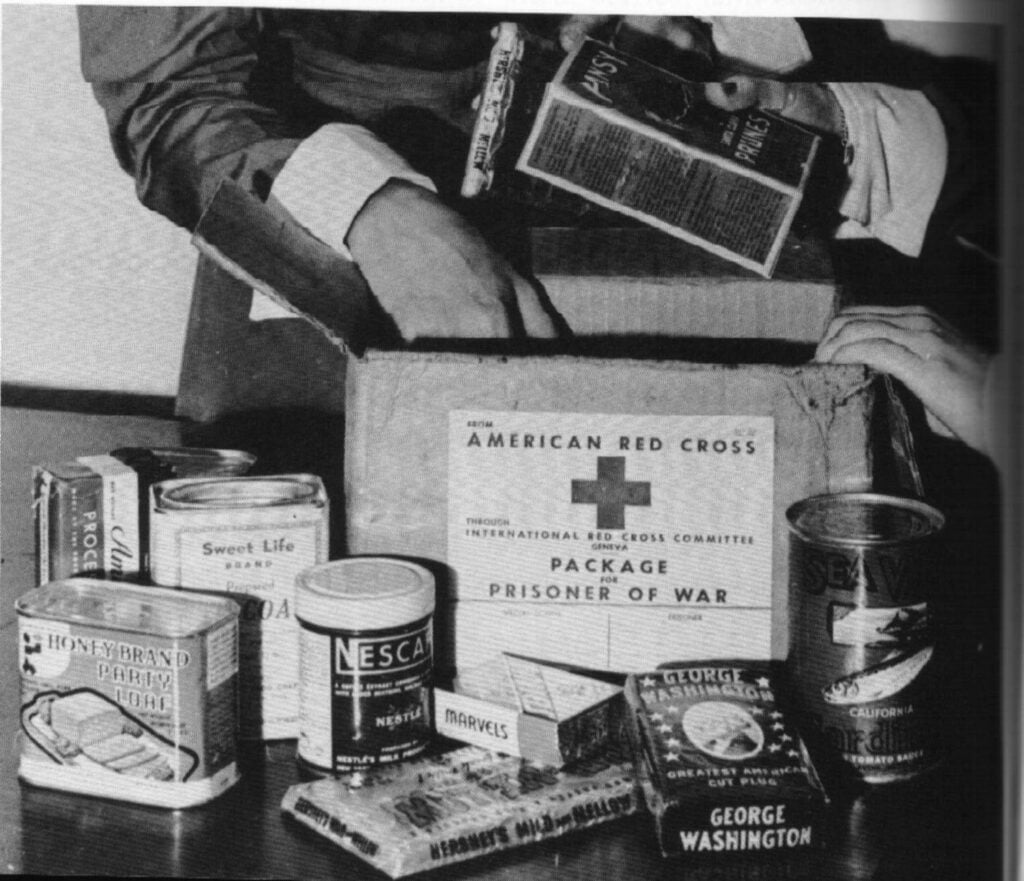
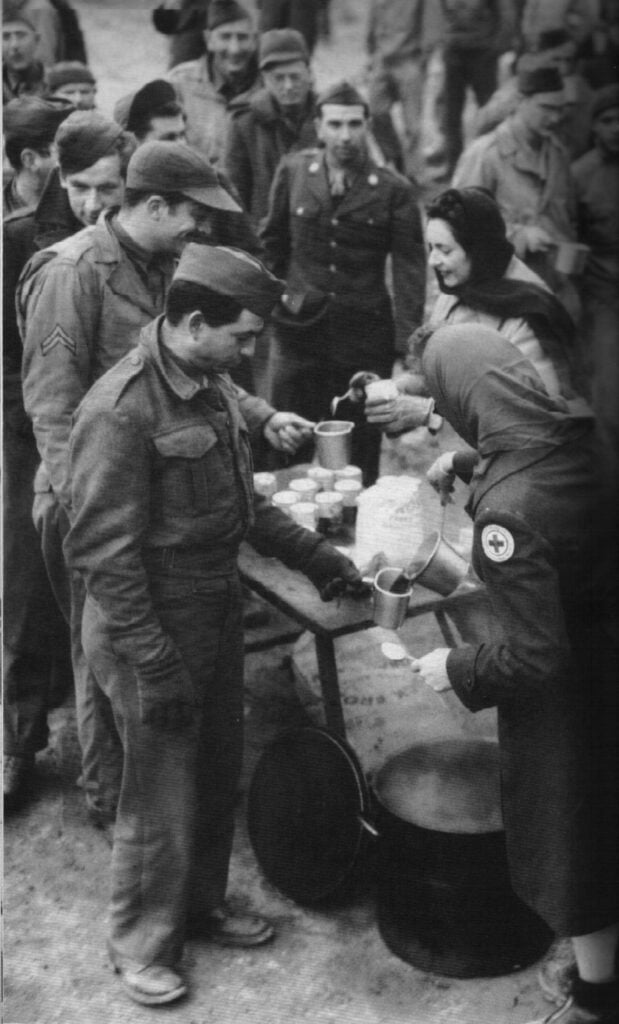
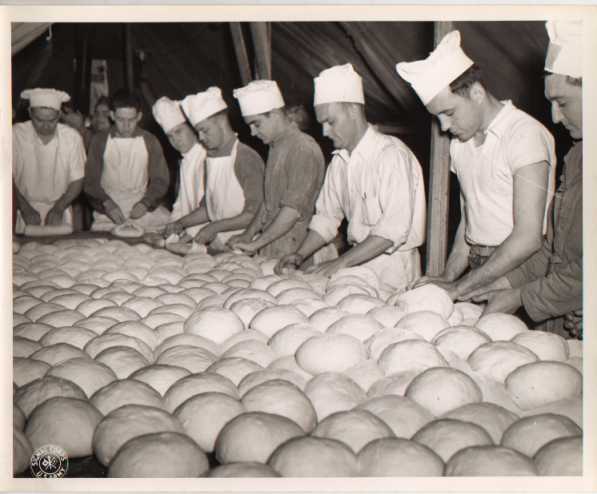
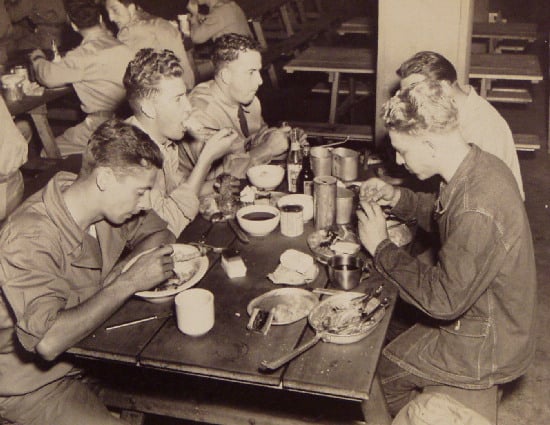
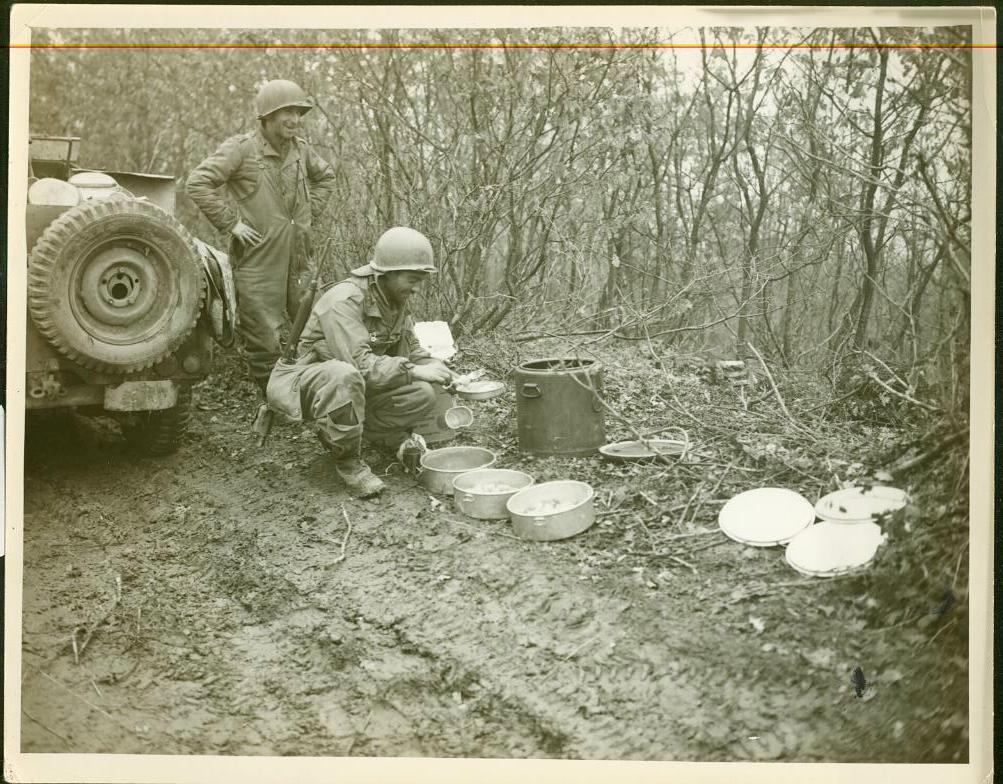
WW2 Reenacting Food and Drink and Ration Printables

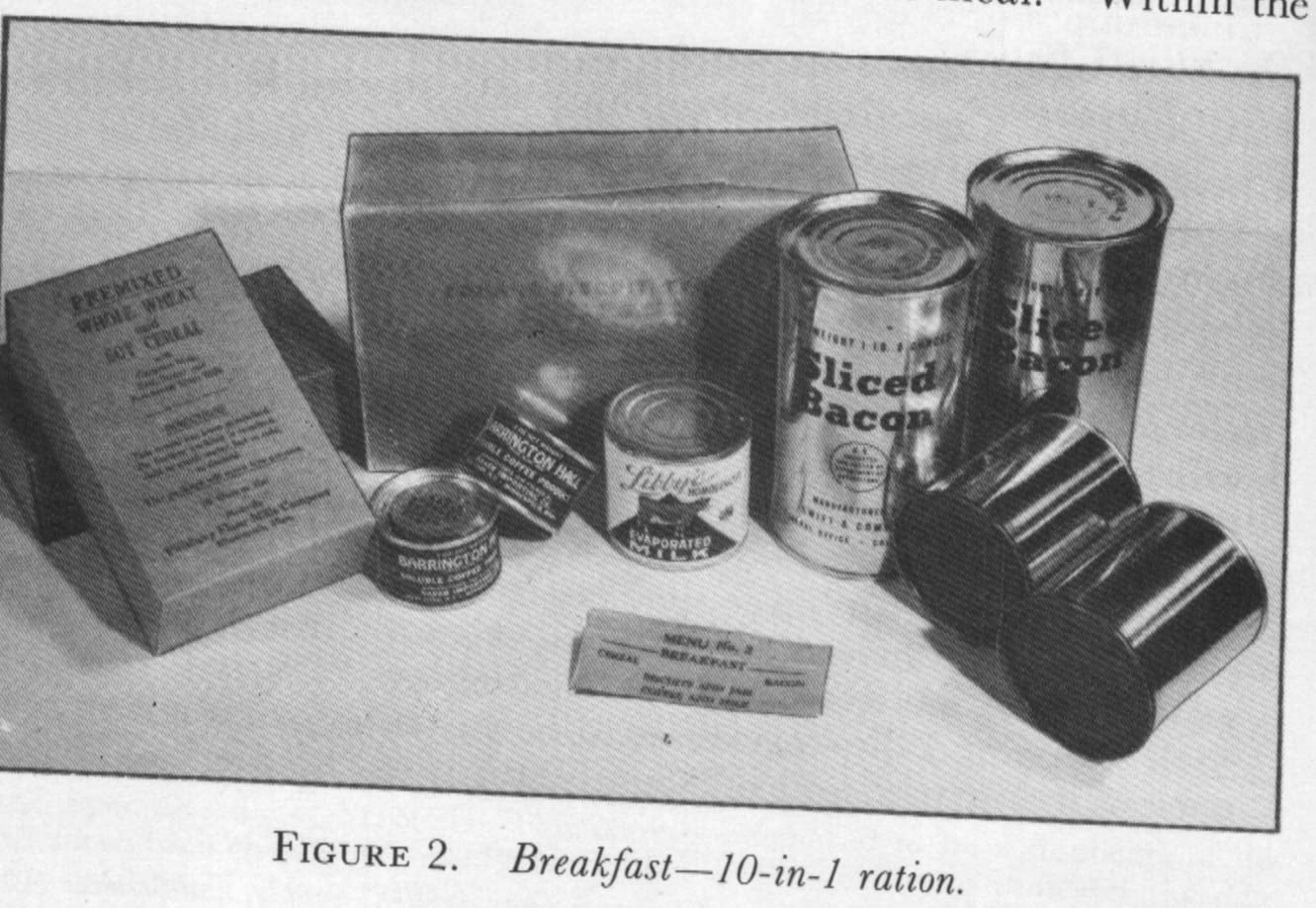
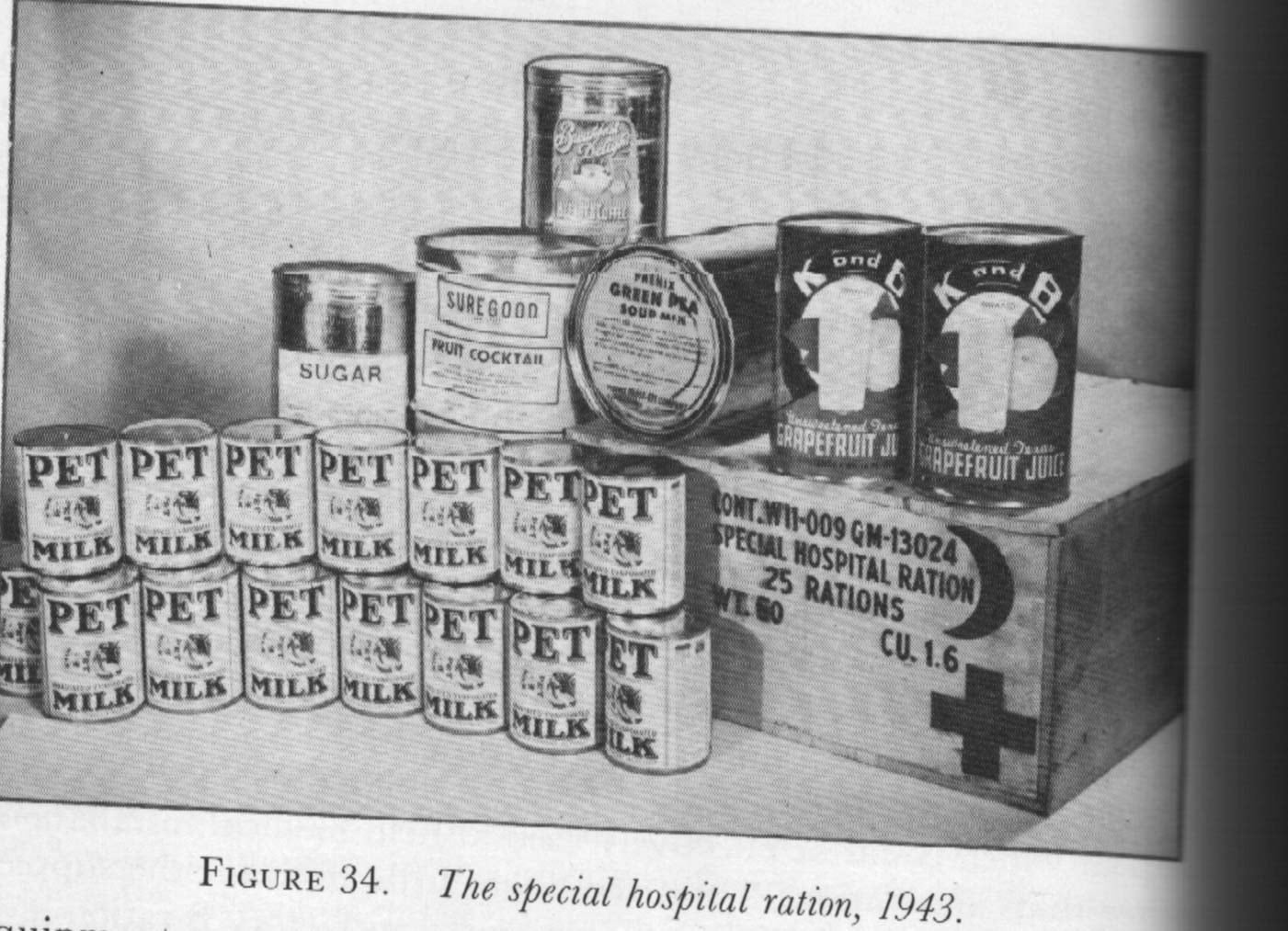
This page will outline food box and label printables associated primarily with the US Army or the home front. Other countries are listed if I have a box or label for them.

Wartime Recipes

For a listing of wartime recipes, the 1940s Experiment has a list of 100+ British recipes. You can also see my Red Cross recipes post.

Drink

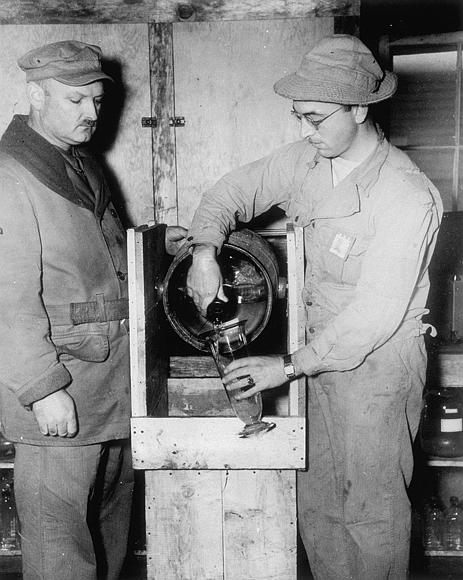
Vat 69 Blended Scotch Whisky – A curved whiskey label to print off on standard 8.5 x 11 printer paper. Then, glue the label to the Whiskey bottle. I’m not sure what kind of glue is needed, but you’ll likely need an original VAT69 bottle. Attributed to ChrisNZ.

There’s also a rectangle label you can download here. Bottle type is unknown.

For the stopper and the wax seal stamp, you can 3D print them using this guide. Use black for the stopper and red wax.

The bottles are green in color, and you can pick them up at various places online, like eBay.com or Etsy.com, etc. Google Images is a good place to start to see what’s available, as well as the old advertisements, to see where the label parts get placed. For a short history of Vat 69, see A History of VAT 69.

While not Vat 69, for an overseas cocktail recipe that could pass censors, see the Ration Recipe Section Cherry Jar Cocktail.

Food

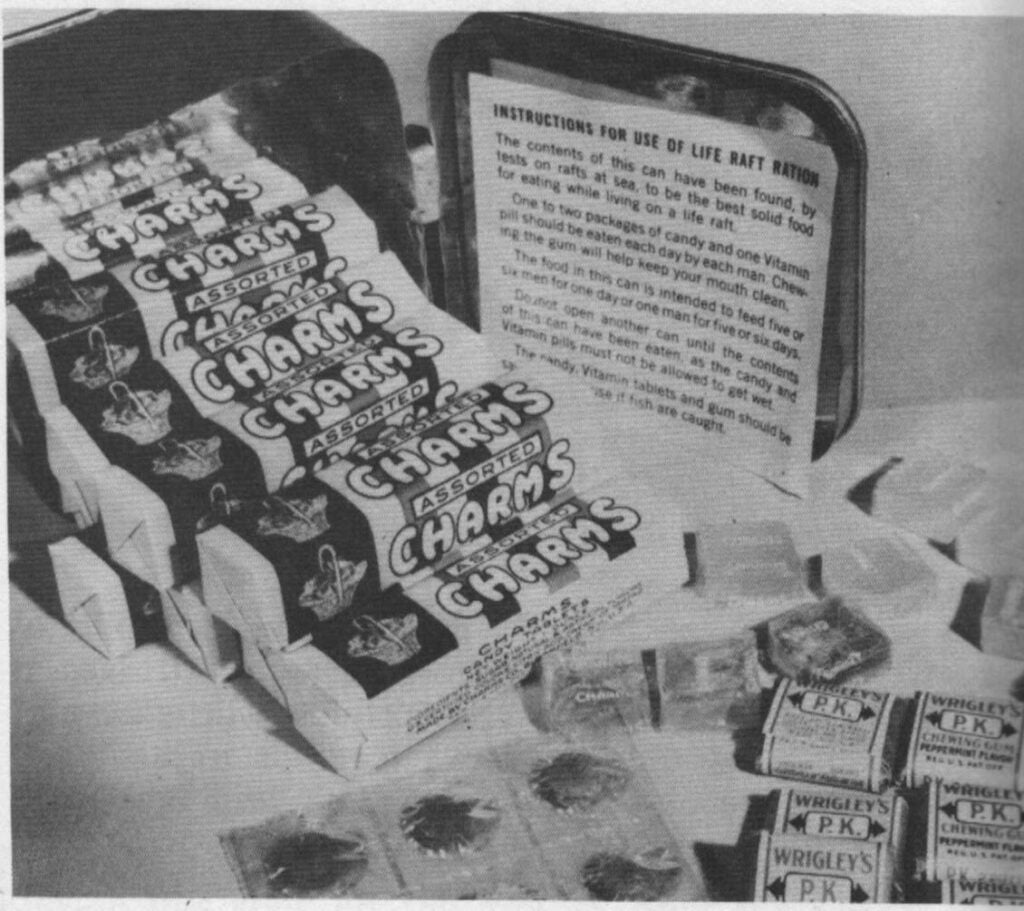
WW2 Wrigley’s Army Ration Cinnamon Chewing Gum Wrappers – A PDF that shows two styles of the gum wrapper. The top is model ODC-1, and the bottom is ODC-2. I have not printed these off or tested the size.

Note that with this PDF, you may need to play with the .doc file (that I’ve included) to find the right size.

There are also better options, such as buying the wrapper from an online source that didn’t exist when I first attempted to make these.

Wrigley’s developed Cinnamon gum because the mint gum that was included in K-rations made everything taste like mint.

Poor Man’s D-Ration: When I first started WW2 Reenacting back in the late 1990s, there wasn’t much way to get the authentic rations. This was a broke kid’s attempt to make a D-ration.

Essentially, print off the wrapper on brown cardstock. You may need to adjust tones (half-tone seemed to work in the past).

Trim, cut, and fold it. Use a few dabs of Elmer’s school glue to glue the sides together.

In the past, I used Hershey bars as the D-Ration, which is just ridiculous. These days, I might either make the D-ration myself or buy some protein bars, wrap them in wax paper, and stick them inside.

Once you have your ration inside, use a few glue dots to close the lid. That way, you can re-open it without damaging it and continue to reuse the box.

If you want to make edits to the image size, you can download the document file here.

You can also refer to the Ration Recipes D-bar section for another.

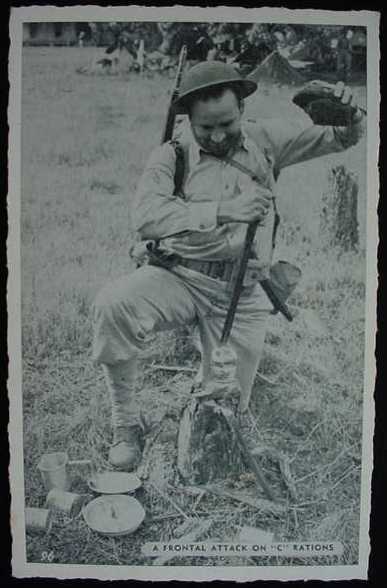
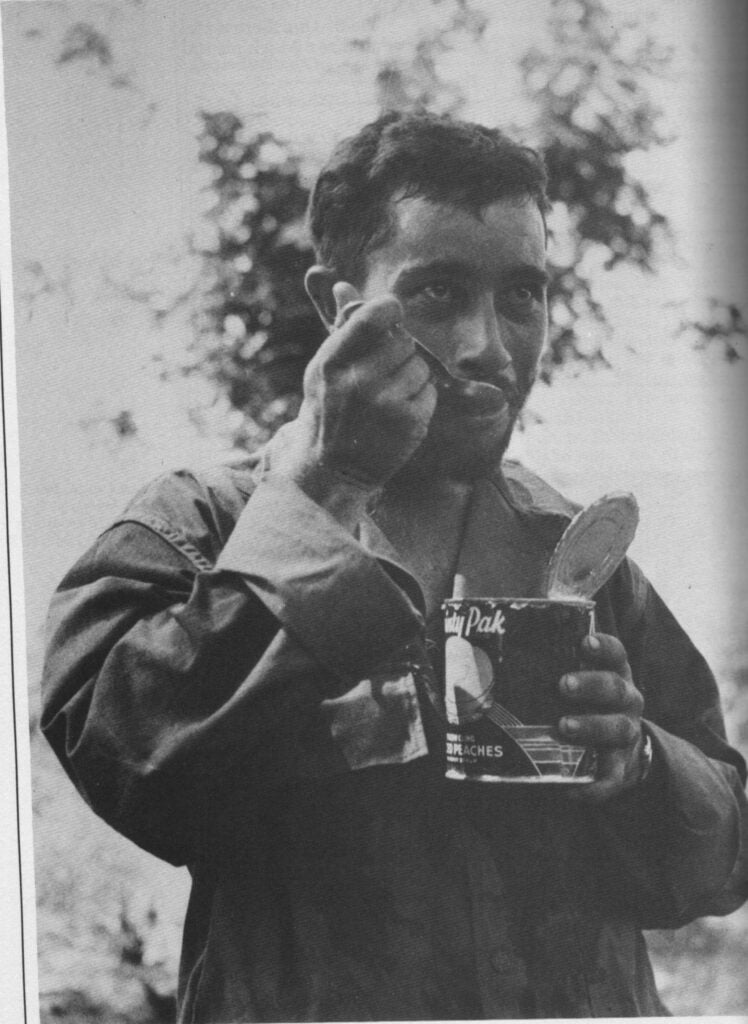
Poor Man’s C-Rations: When I first started WW2 reenacting back in the late 1990s, there wasn’t much way to get the authentic rations.

The unit I was with, 88th Infantry Division, 350th RCT, came up with a poor man’s way to make rations. We were all poor high school and college kids trying to make it work.

Essentially, buy two 12-oz cans. One can, the “M” unit, would be an off-the-shelf Pork n’ Beans. The other one, the “B” unit, would be a cheap 12-oz can. You then take a can opener that doesn’t leave rough edges and cut the top till you have about a fingertip left. The idea is that you could open and close the can and reuse it.

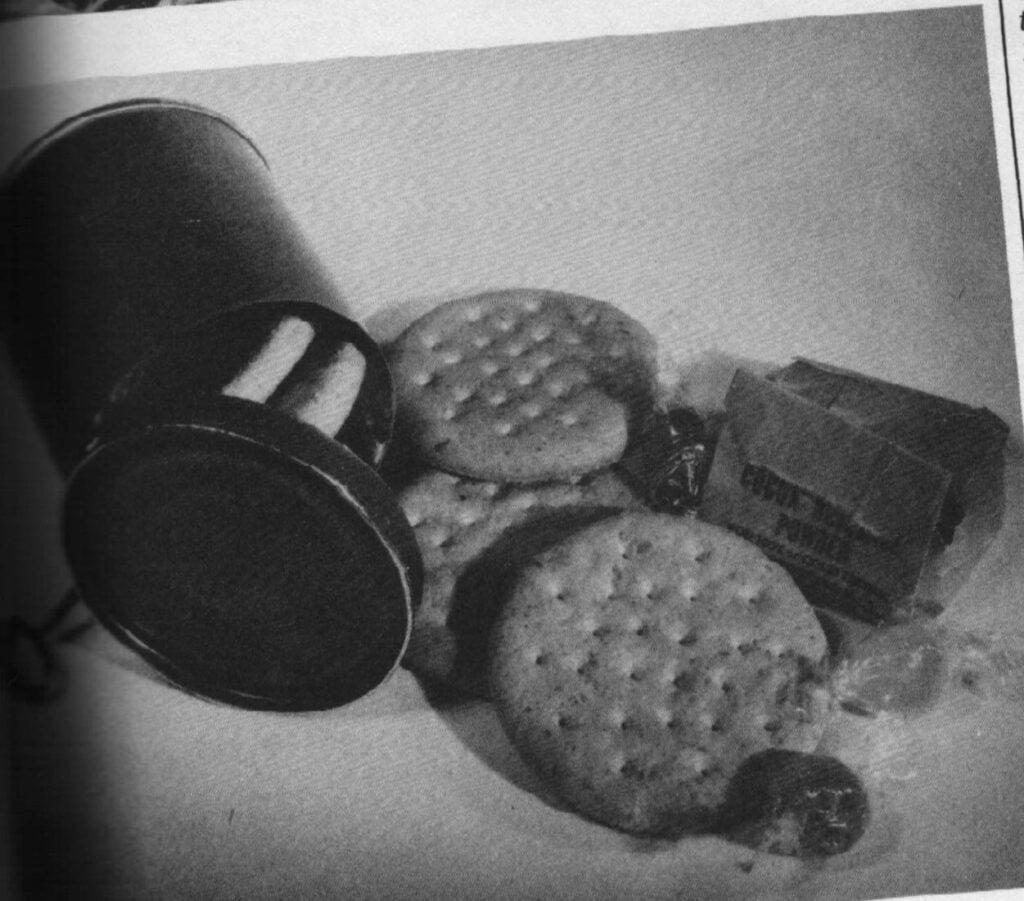
You then fill the “B” unit with biscuits (wrapped in wax paper), 3-5 caramels, a few sugar packets, and travel-size instant coffee.

You then print the label using gold-colored/foil paper, wrap it around the can, and glue it.

There are better places to find more authentic C-rations. Etsy appears to have a few that make them. But in a pinch, if you’re just starting, this could work.

Another way to make the units can be found in this document: Making WW2 C-Rations for Reenacting.

You can also refer to the Ration Recipes C-Ration Biscuit section for more information.

German

This will show a listing of German boxes and labels. For an example of a recipe, see Ration Recipes, German Goulash for Field Kitchen.
Butter-Keks are a brand of crackers. Wikipedia goes into more detail on the brand’s history. Looks like you can print it on cardstock. I’m unsure how many crackers go into the box. I would also guess the crackers would’ve been wrapped in some kind of craft or wax paper.

For printing dimensions, see: Label and Packaging Information for German.
Knackebrot – For printing dimensions, see: Label and Packaging Information for German.
Milchkaffe– For printing dimensions, see: Label and Packaging Information for German.

Dauerbrot – a bread ration. For printing dimensions, see: Label and Packaging Information for German.

Der Komet – A scrubbing cleaner. For printing dimensions, see: Label and Packaging Information for German.

Nivea Fusspuder front and back – Foot powder. For printing dimensions, see: Label and Packaging Information for German.


Weisse Kernseife – White soap. Made by the Kappus Soap Factory, 1942 version. For printing dimensions, see: Label and Packaging Information for German.

Nadelsortiment – Sewing needle assortment. For printing dimensions, see: Label and Packaging Information for German.

Breckmann Zahnpulver and Ero Zahnpulver (front and back) | Toothpaste. For printing dimensions, see: Label and Packaging Information for German.

Odol Mundwasser | Mouth Wash. For printing dimensions, see: Label and Packaging Information for German.

Schreiblblock | Writing Pad. For printing dimensions, see: Label and Packaging Information for German.

Taschenlampe Batterie | Flashlight batteries. For printing dimensions, see: Label and Packaging Information for German.

Iron Ration– This was a German ration which appeared to have a unit of bread (Hartkeks) and a unit of meat (Fleischkonserve, Rinderbraten, Truthahnstucke, Schinkenstucke, and maybe Huhnstücke, but I’m unsure). The Fleischkonserve is essentially canned mystery meat. I don’t do German, but I guess some kind of potted meat or canned tuna, etc., type can would work with that label. The Hartkeks’ label goes with some unit of hardtack/crackers. The Halbeiserne Portion label that has both on it would be placed on top. So the meat and crackers are combined in a package, and that label goes on top. I guess the label could be white or the blue and tan colors shown in the colored images.

For printing dimensions, see: Label and Packaging Information for German.

Posted on

World War Two Civilian Magazines and Newspapers

This will be a collection of WWII-era Civilian magazines and newspapers. If you don’t see what you’re looking for, War Time Press has a selection as well. However, it appears you only get a digital file.

If you would like information on Army Talks and Combat Lesson publications, see World War II Combat Lessons and Army Talks.

For Army magazines and newspapers, see: WW2 Reenacting Army Newspapers, Guides, Pamphlets, and Bulletins.

For information on Men’s Adult Magazines, see my post: WW2 Men’s Magazines.

Popular Mechanics – The 1940s versions are available for viewing in Google Library, but you do not seem able to download them. You can download the 1940, 1941, 1942, 1943, 1944, and 1945 years via the Internet Archive. My guess is that you could print this on an 8.5×11 standard piece of printing paper (though back then, it appears to have been closer to newsprint?)

Collier’s – Is another popular American Magazine. This one was weekly, so there are a lot of issues to look through. Like other magazines, this one also captures the products available during the War years. You can find the full collection at Unz Review, though they don’t appear to be downloadable.

Below are the editions with Wartime Covers

April 21th, 1945
March 24th, 1945
February 3rd, 1945

November 25th, 1944
September 30th, 1944
June 24th, 1944
May 6th, 1944
March 4th, 1944
February 19th, 1944
February 5th, 1944
January 3rd, 1944

July 31st, 1943
February 20st, 1943

Click

Look

Liberty

Pic

Pic

See

Time

Life

Saturday Evening Post