Posted on

World War Two US Army Wirecutters

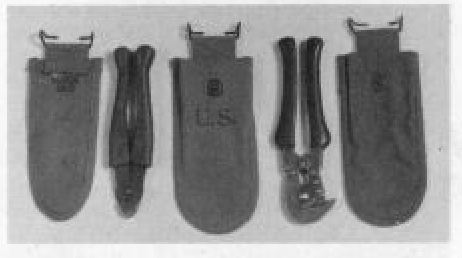
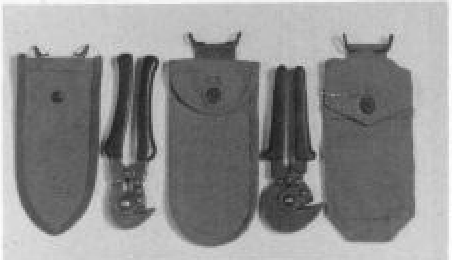
Shown on the left is a pair of Model 1910 wire cutters with a pouch dated 1918. The metal jaws are marked “U.S.”, and “5000-V” is molded into the rubber handle. These cutters were dual-purpose tools, featuring a wire-cutting slot as well as serrated jaws that allowed them to be used as pliers.

On the right is a pair of M-1938 wire cutters, stamped “U.S., HKP, 1944.” Unlike the Model 1910 cutters, the M-1938 functioned solely as wire cutters. Accompanying them are two pouches: a light olive drab pouch dated 1942 on the left and a dark olive drab pouch dated 1944 on the right.

Shown on the left is an undated USM pouch designed for the standard M-1938 wire cutters, used during the early years of World War II.

The cutters on the far right are stamped “USMC 1944.” The purpose of their enlarged head is uncertain, though it may have been intended to provide additional strength. The cutting blade is sharpened along only half of its length, with the remaining portion being serrated.

The pouch to the left of these cutters is dated 1944, while the pouch on the right is British-manufactured and dated 1945

Posted on

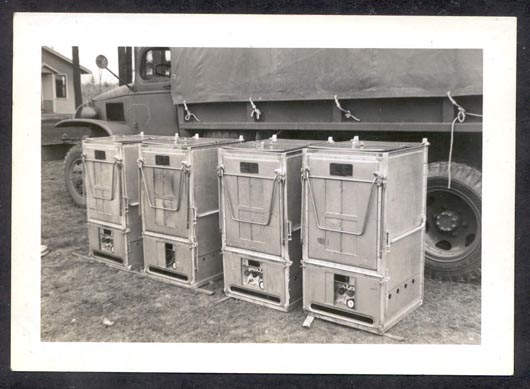
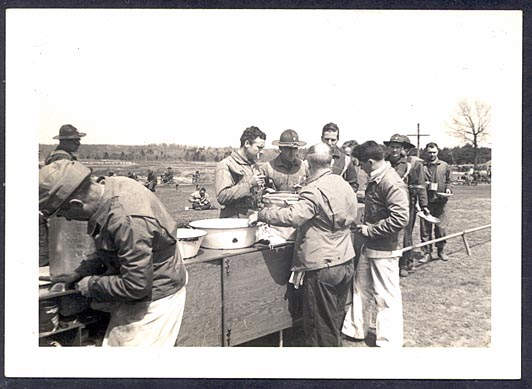
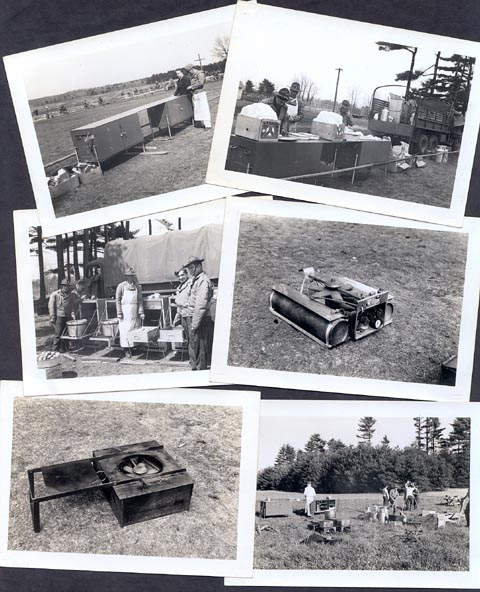
Original World War Two Mess Pictures and Equipment

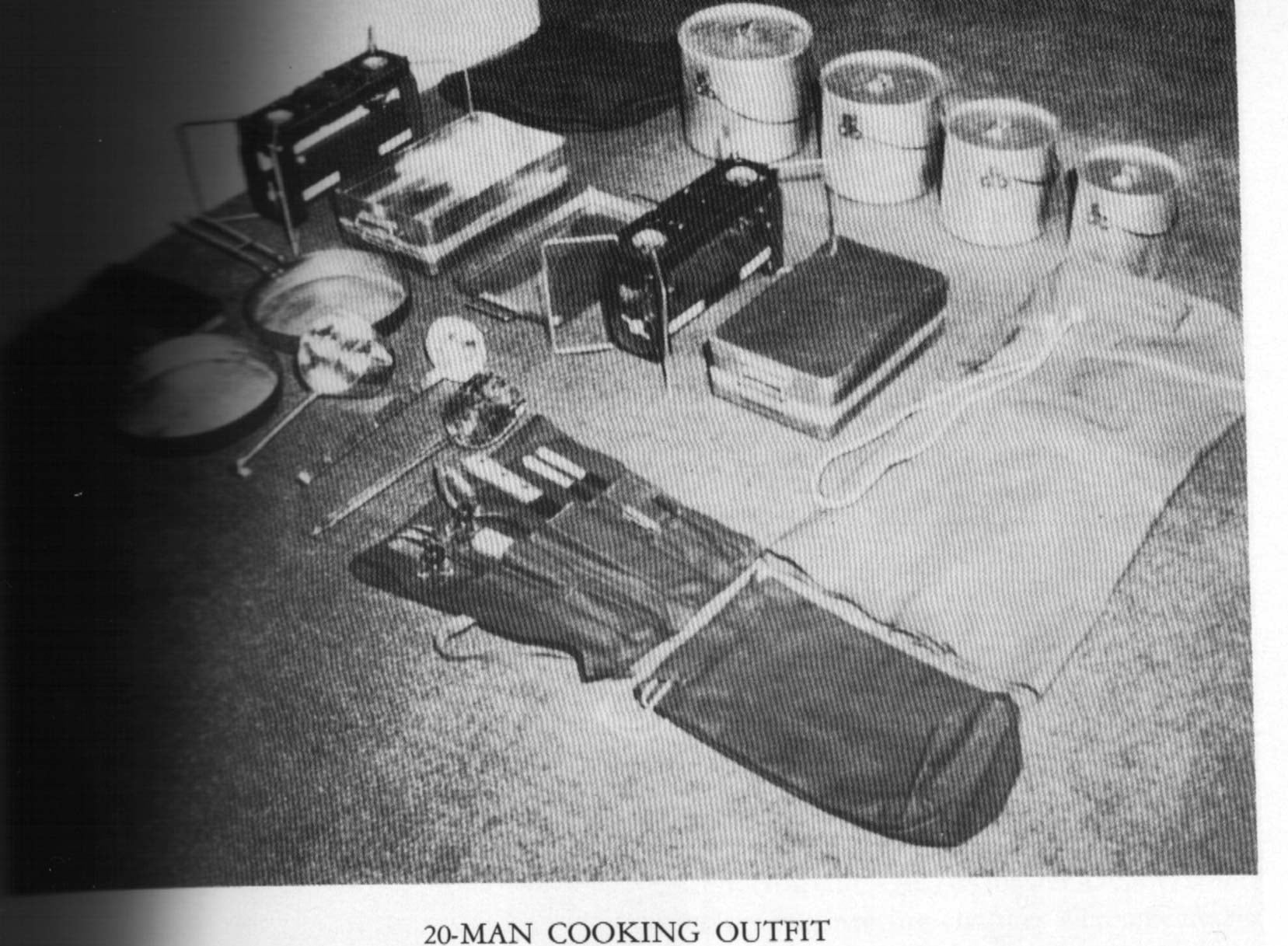
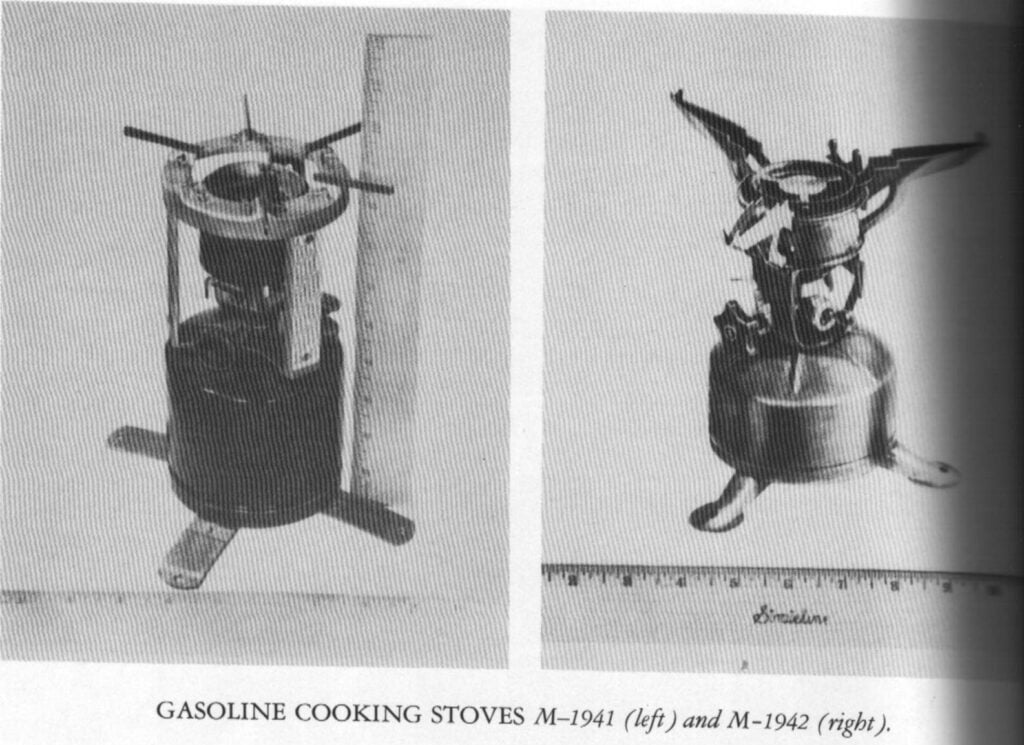
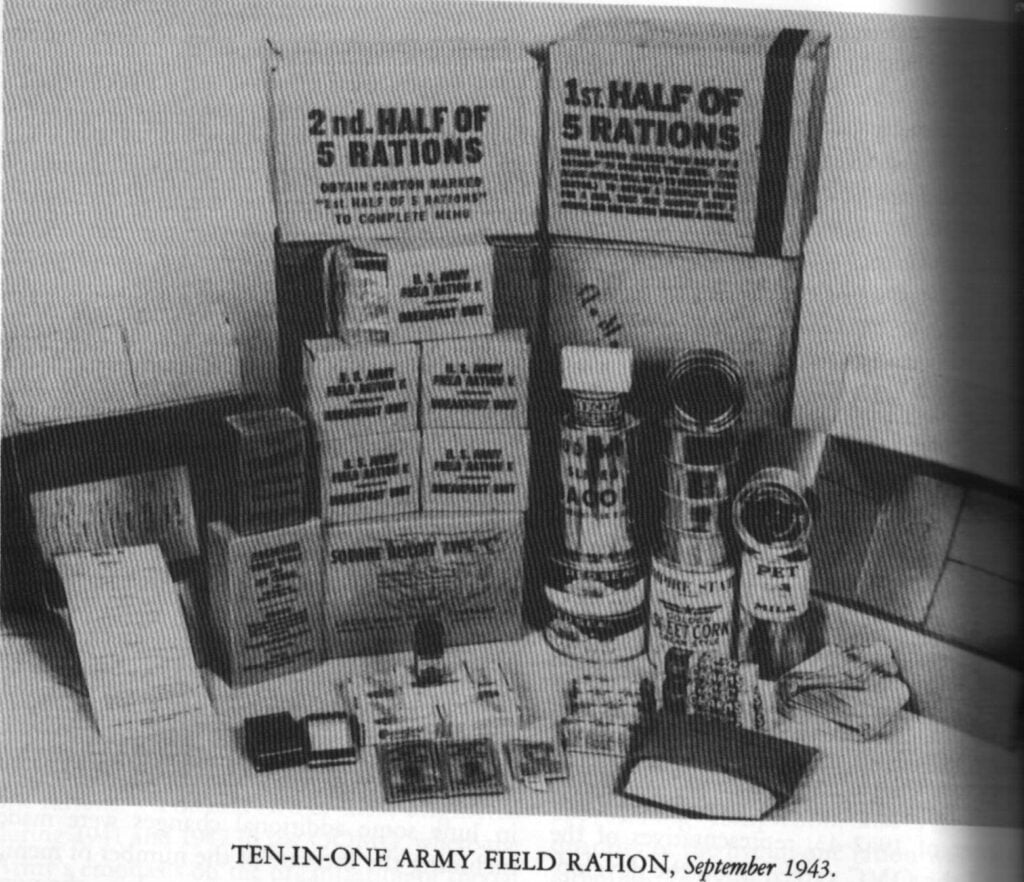
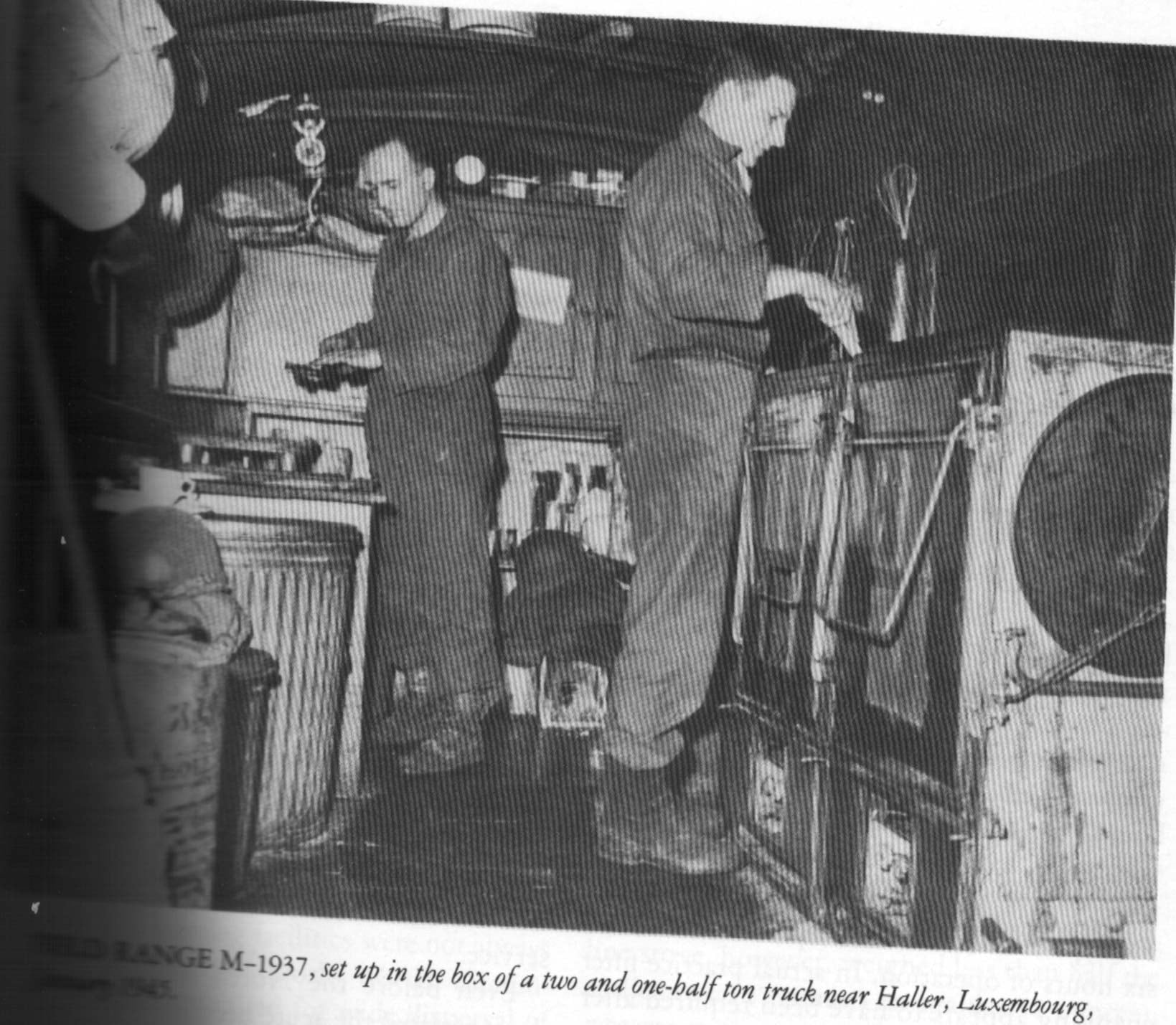
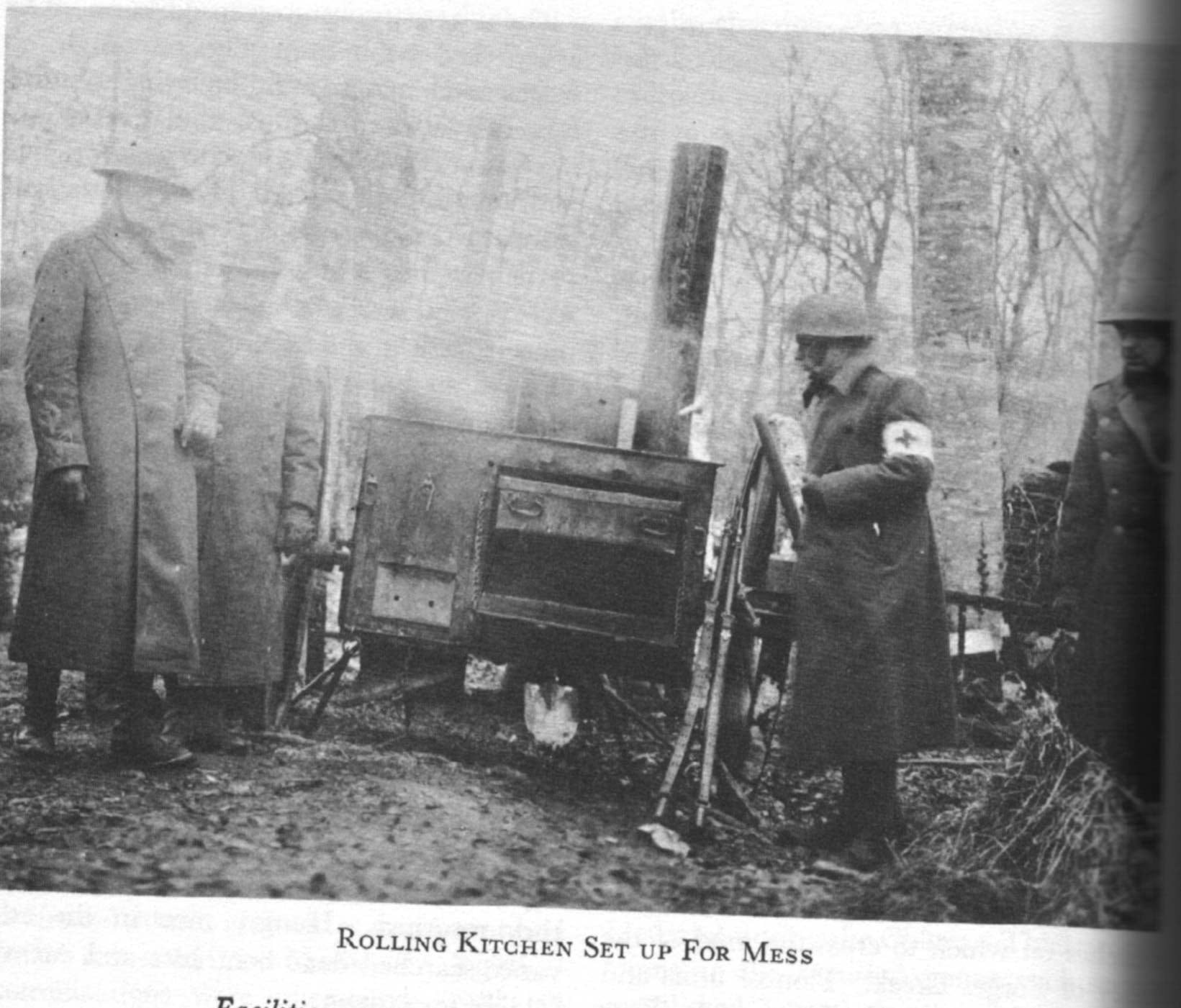
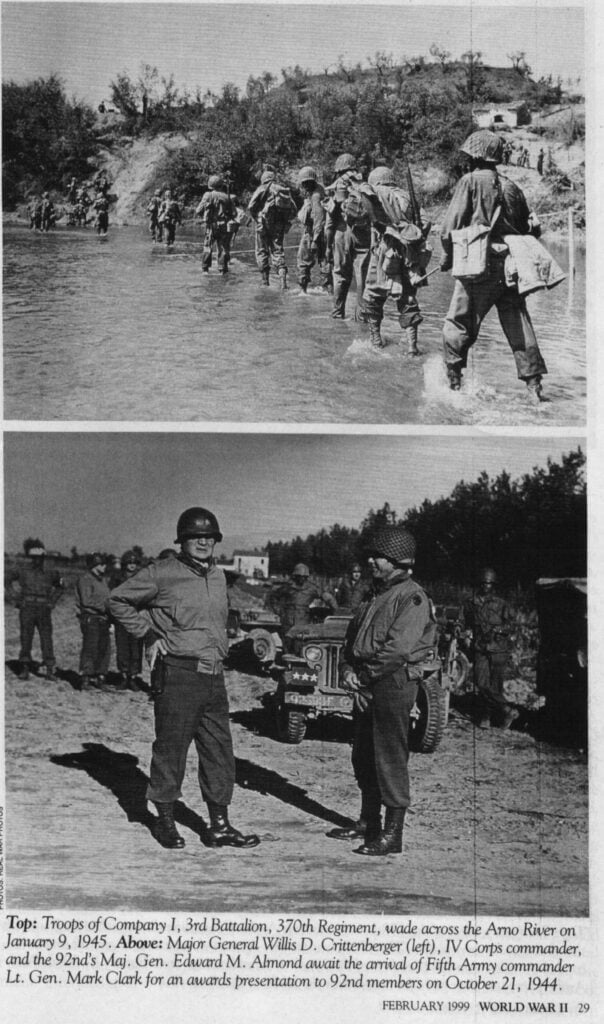
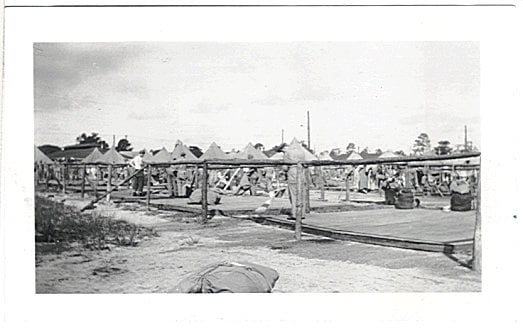
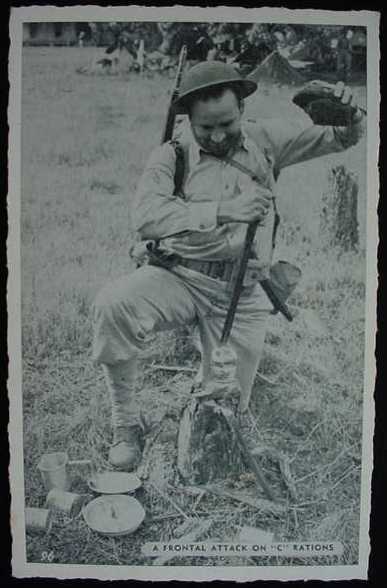
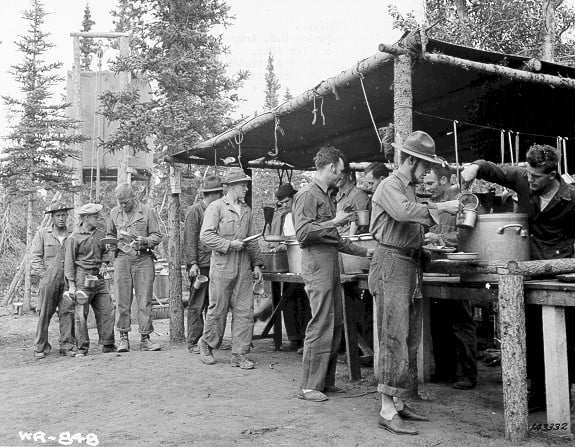
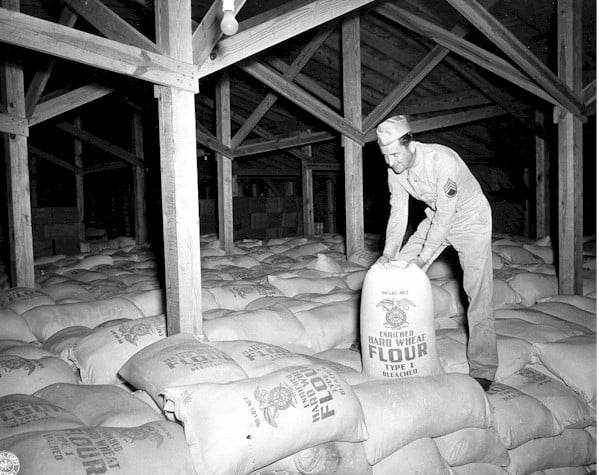
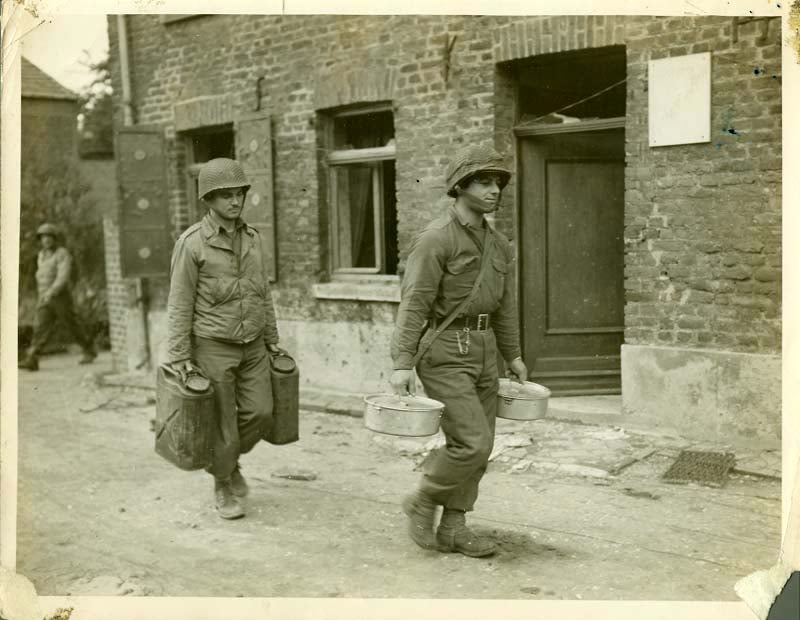
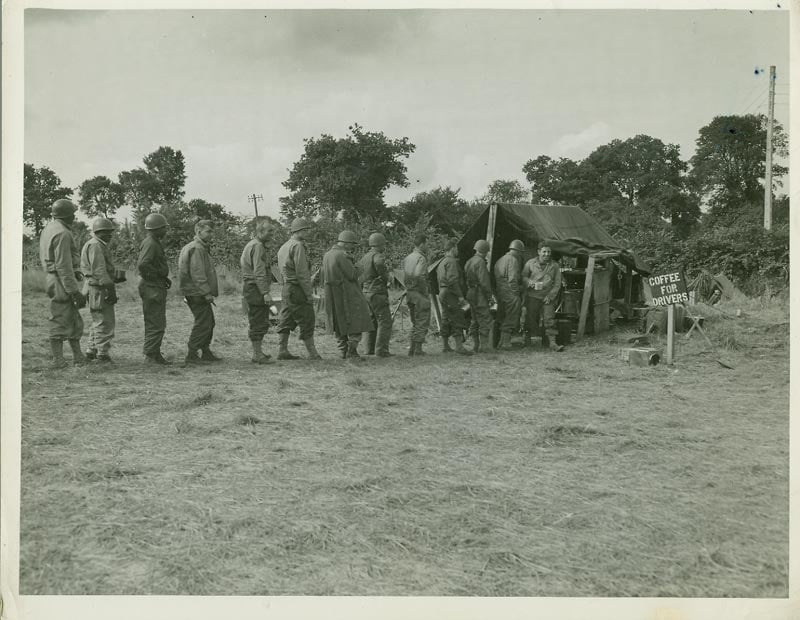
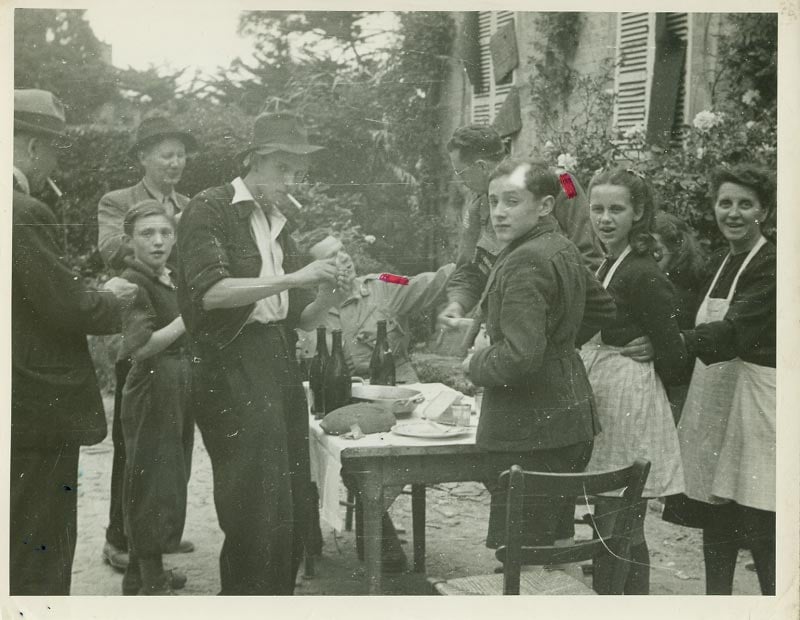
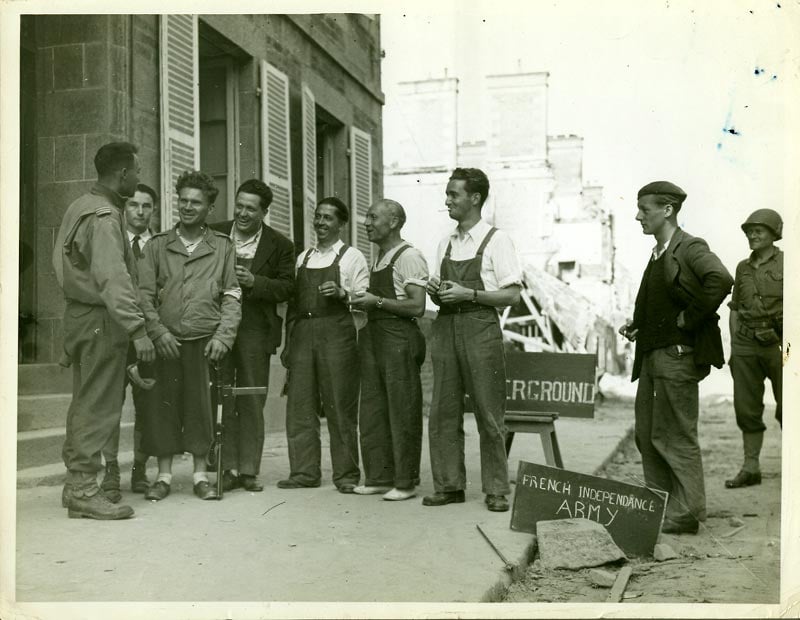
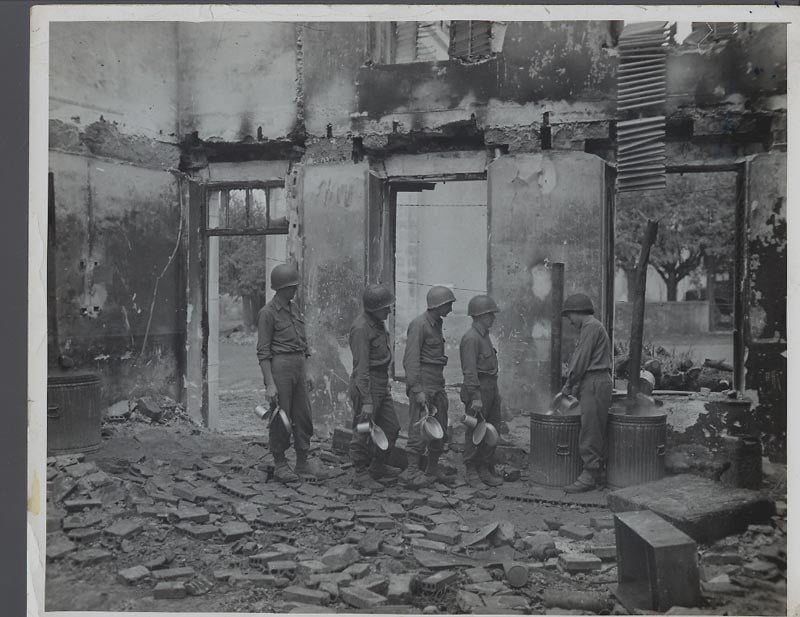
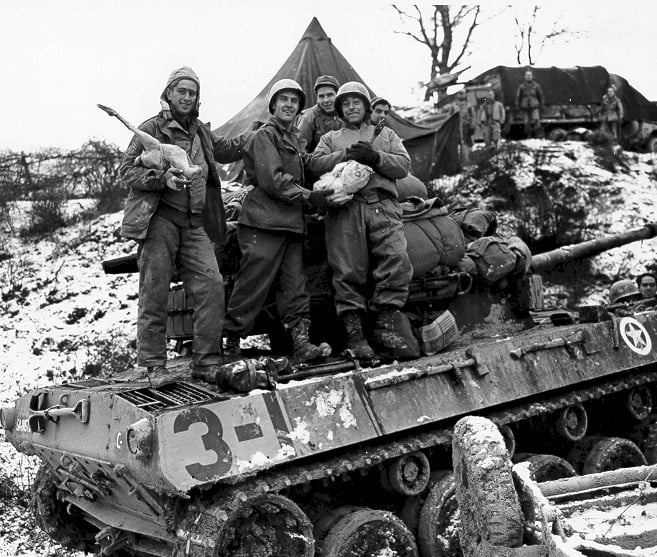
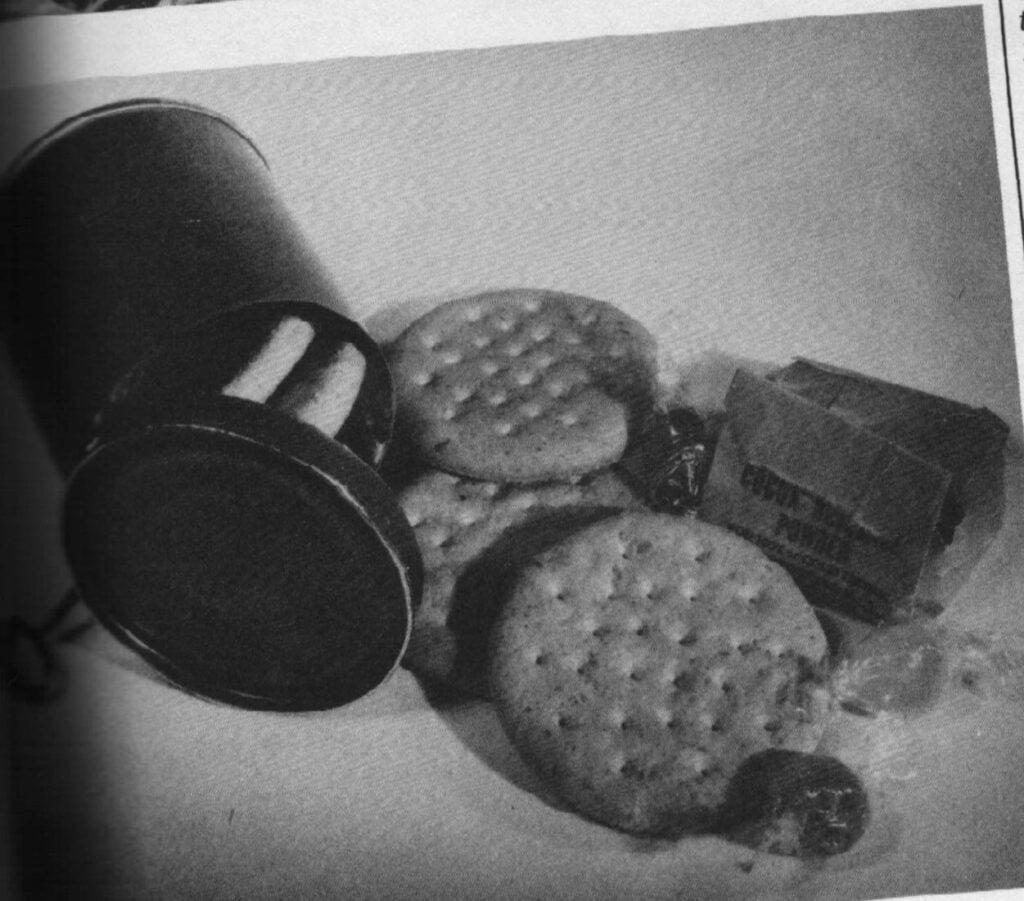
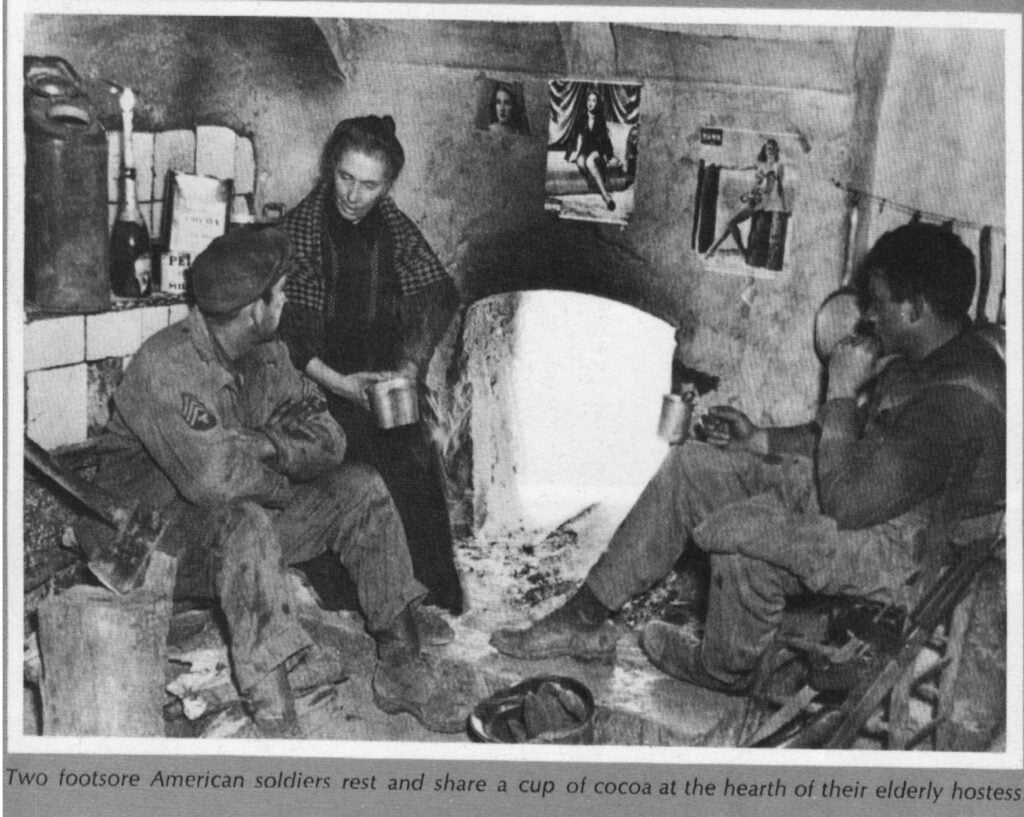
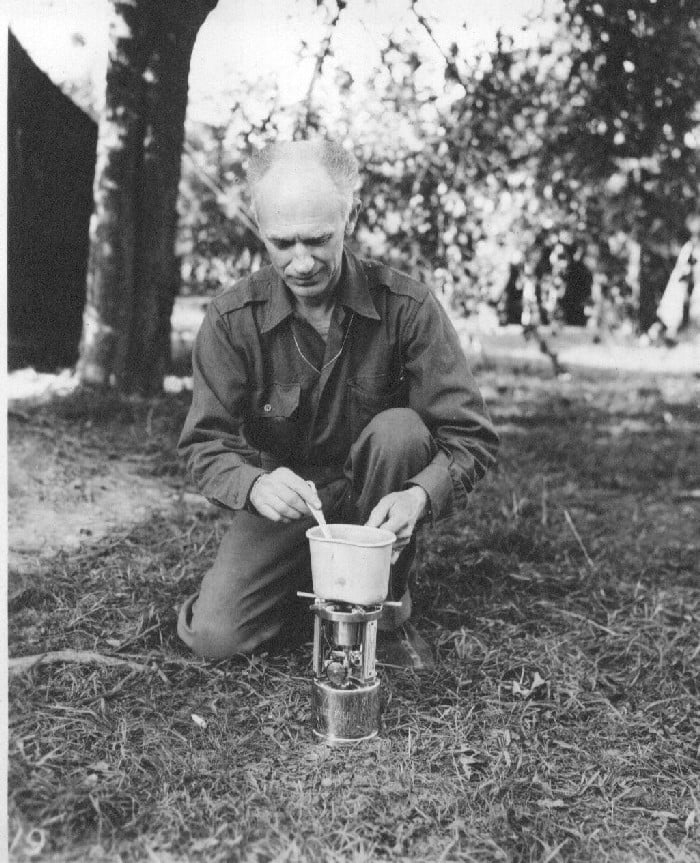
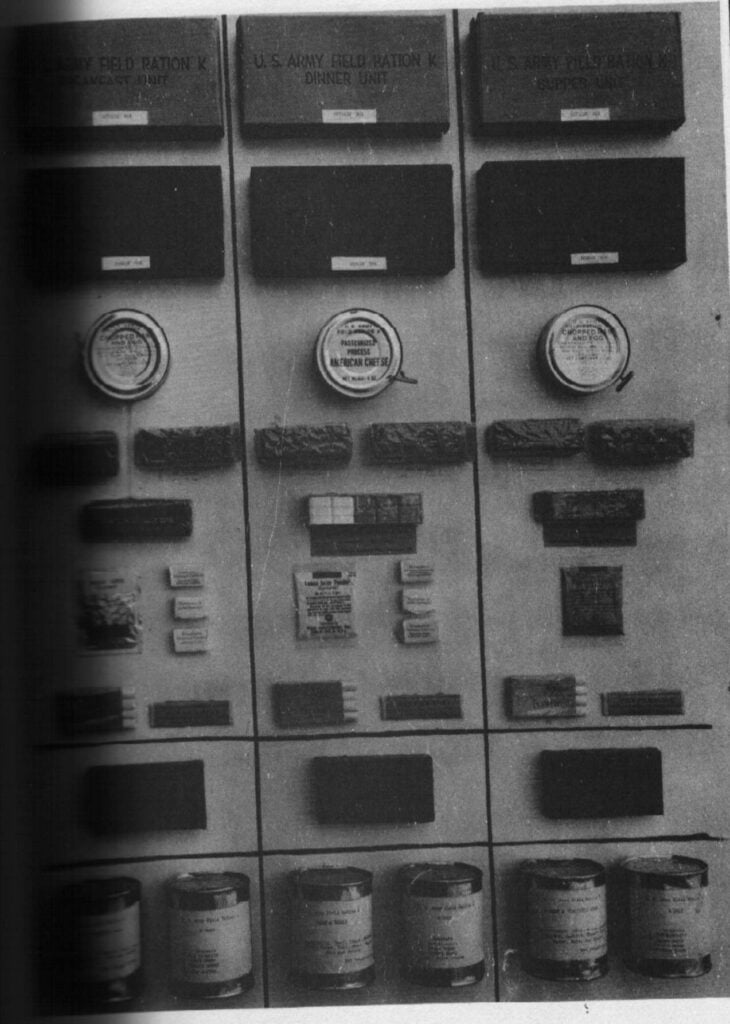
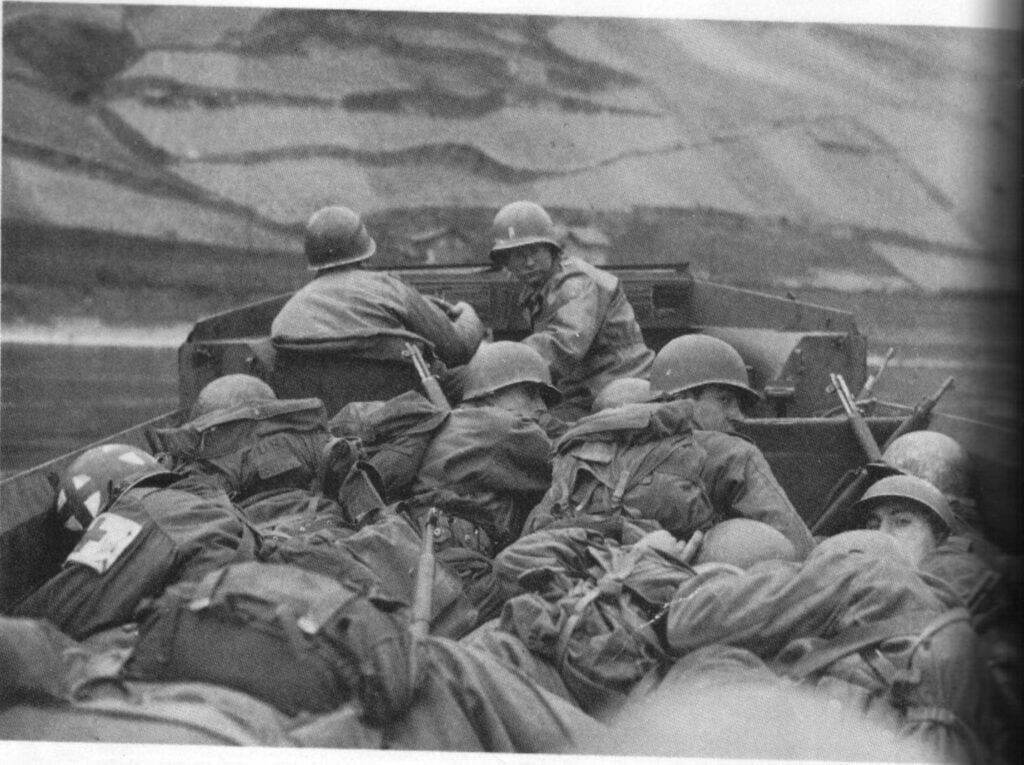
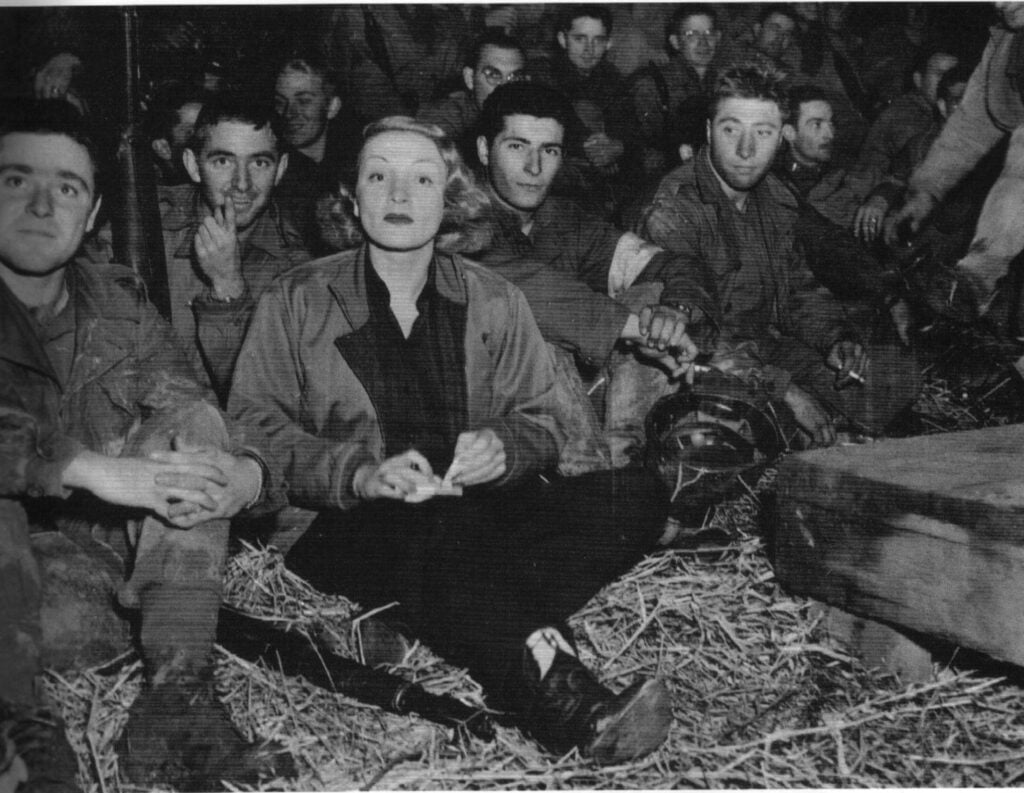
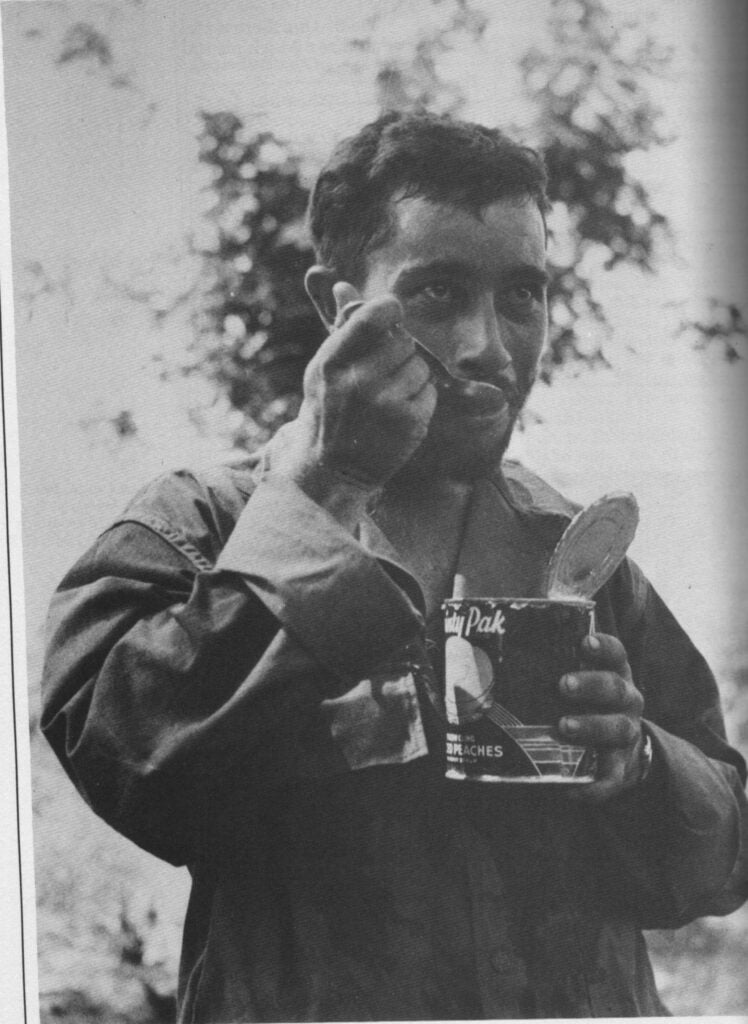
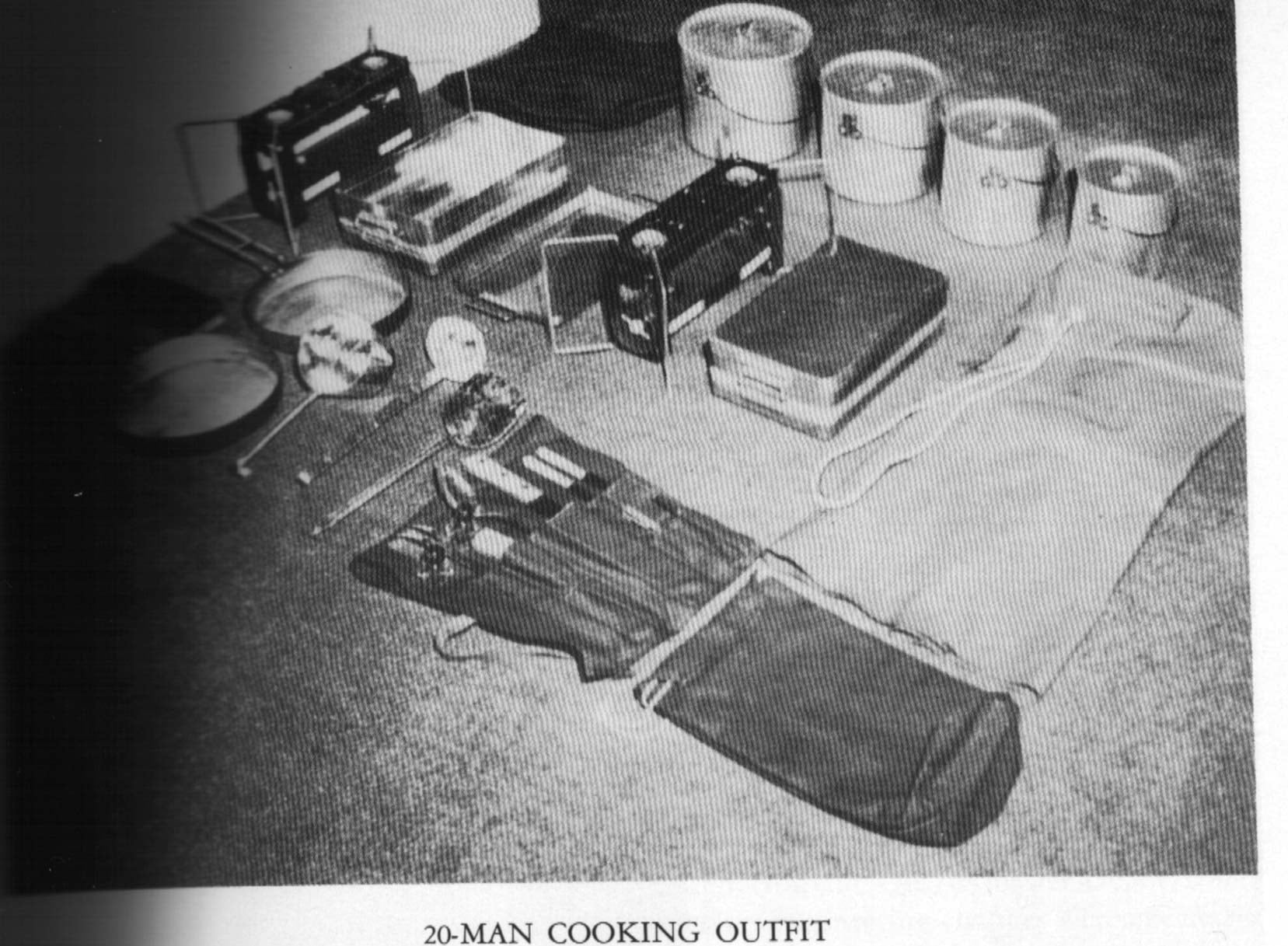
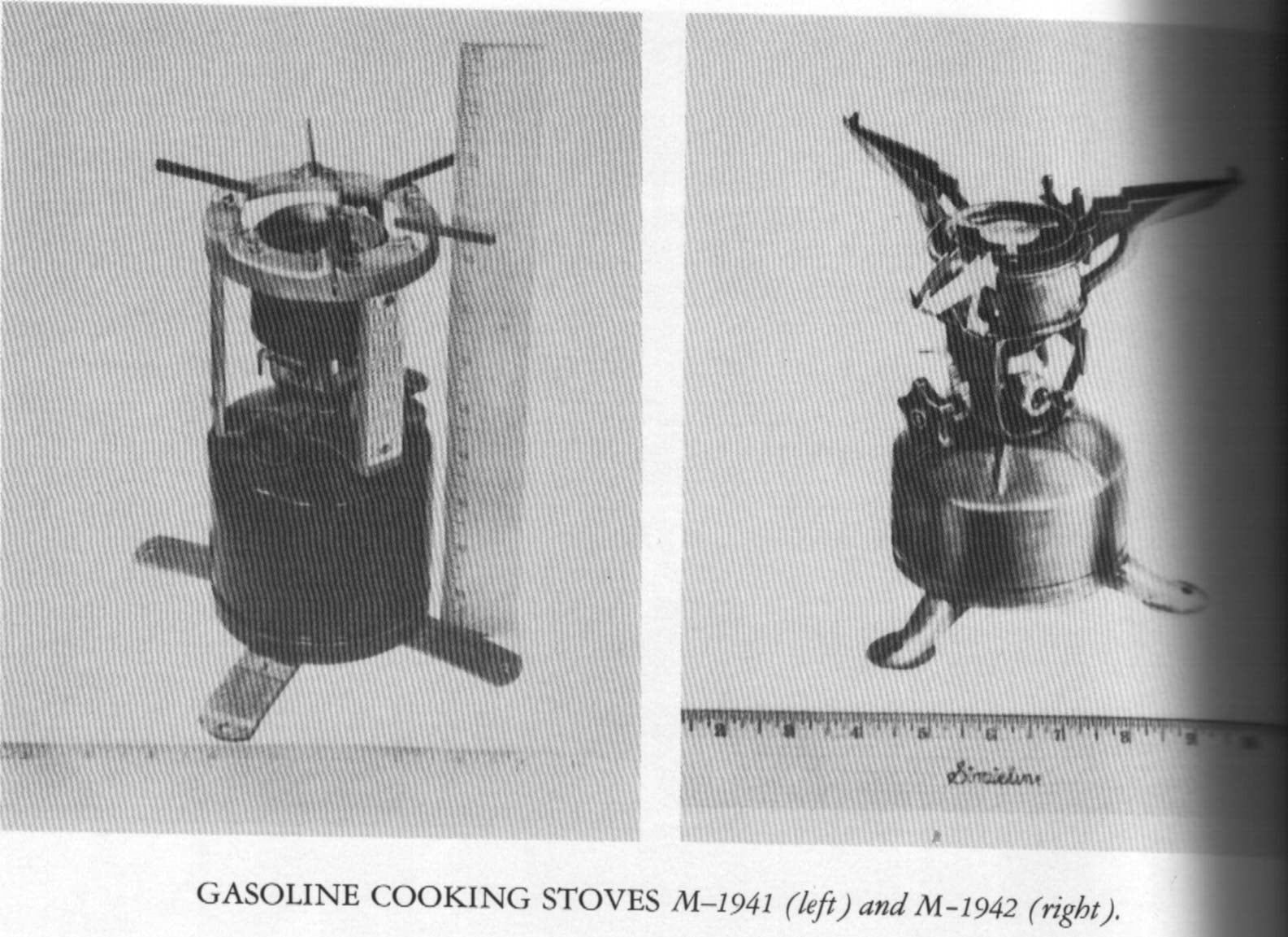
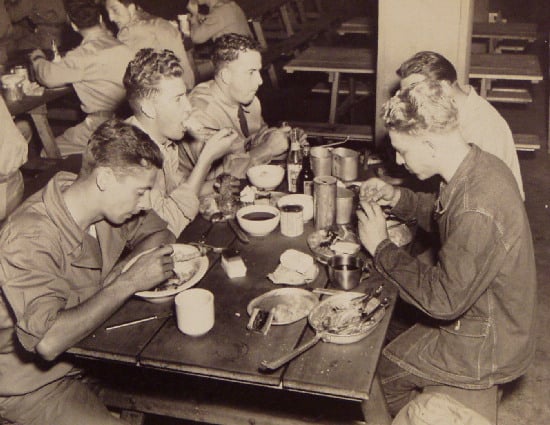
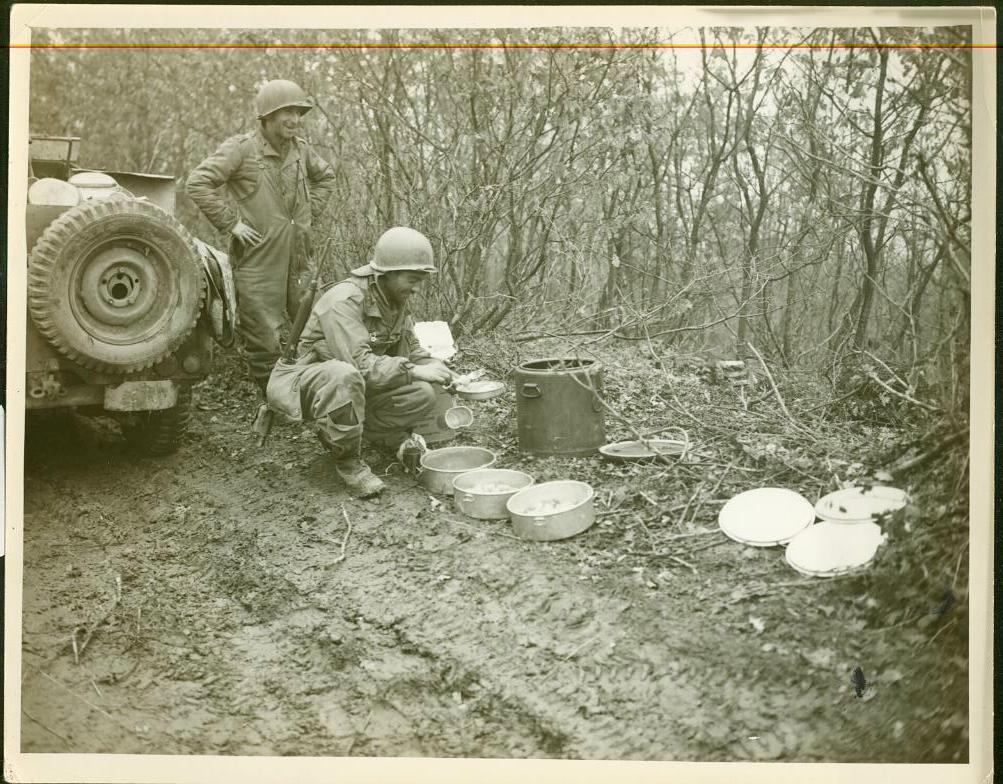
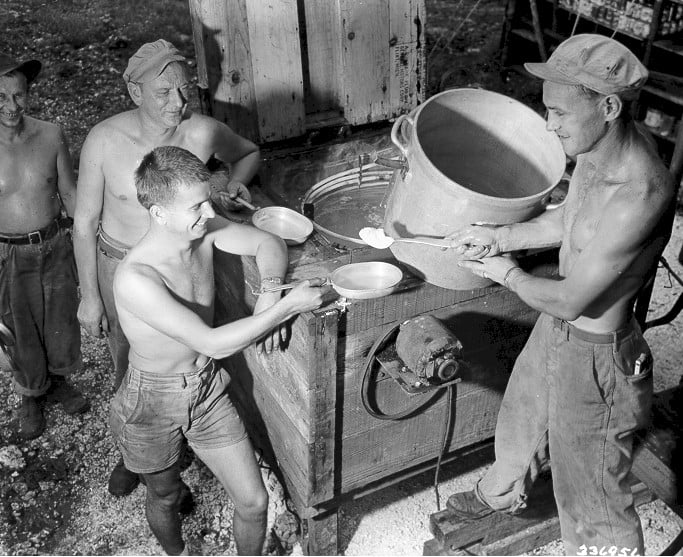
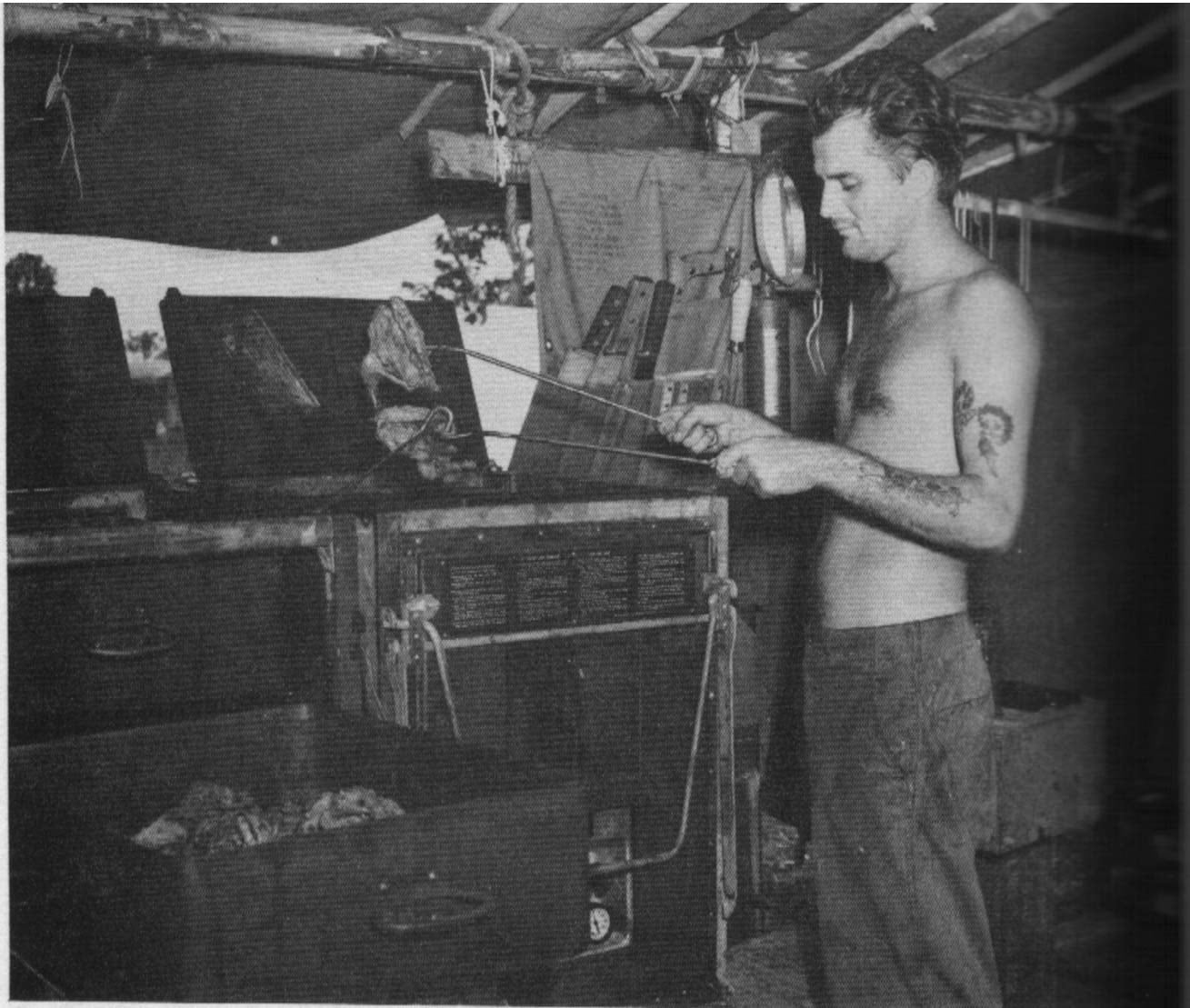
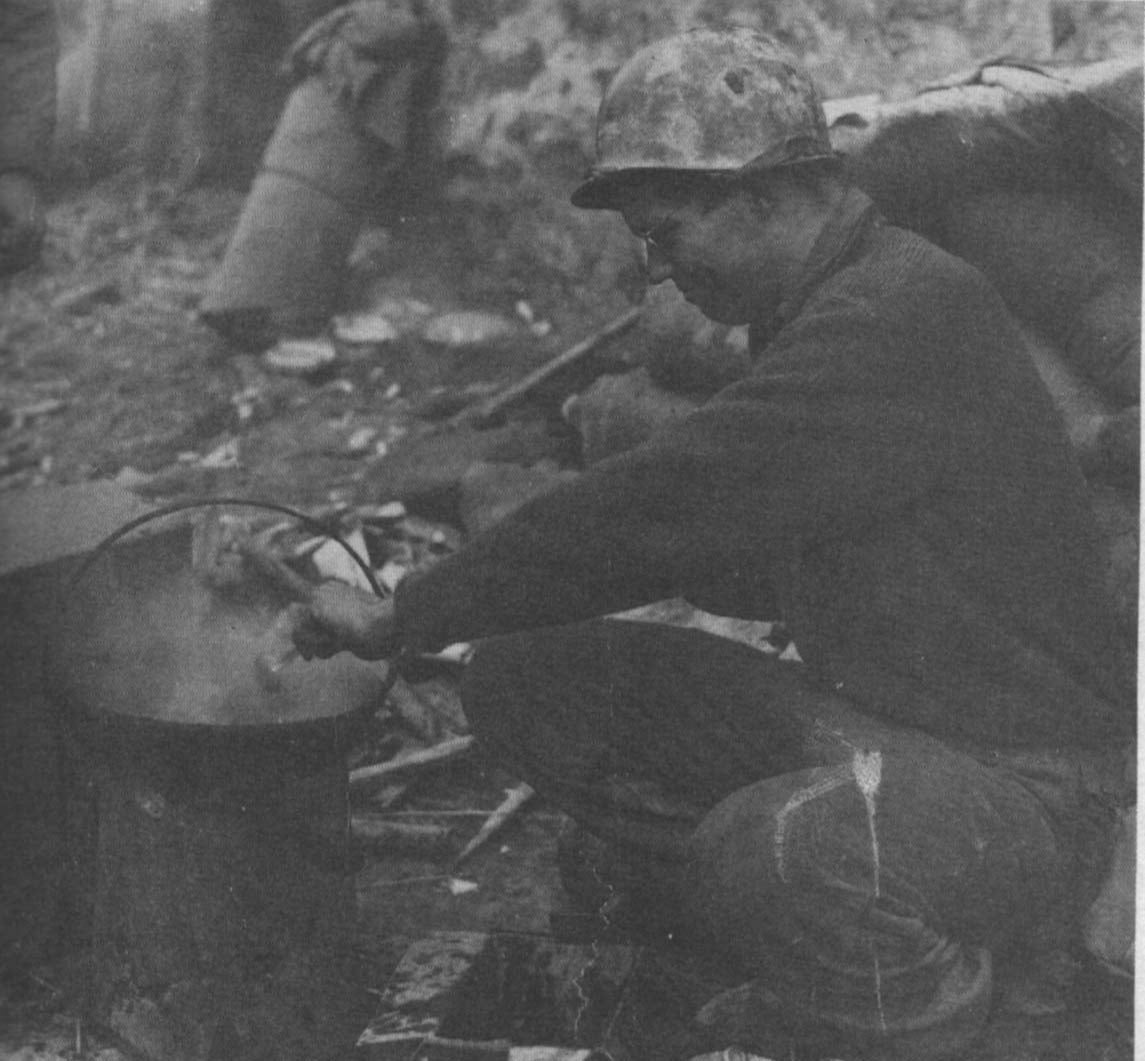
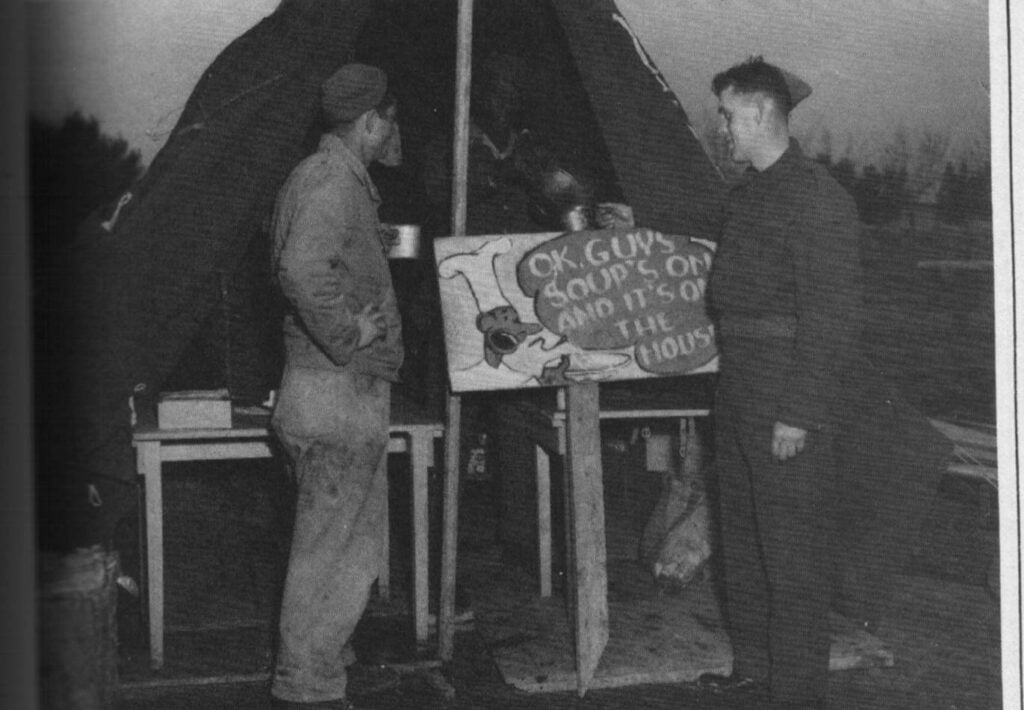
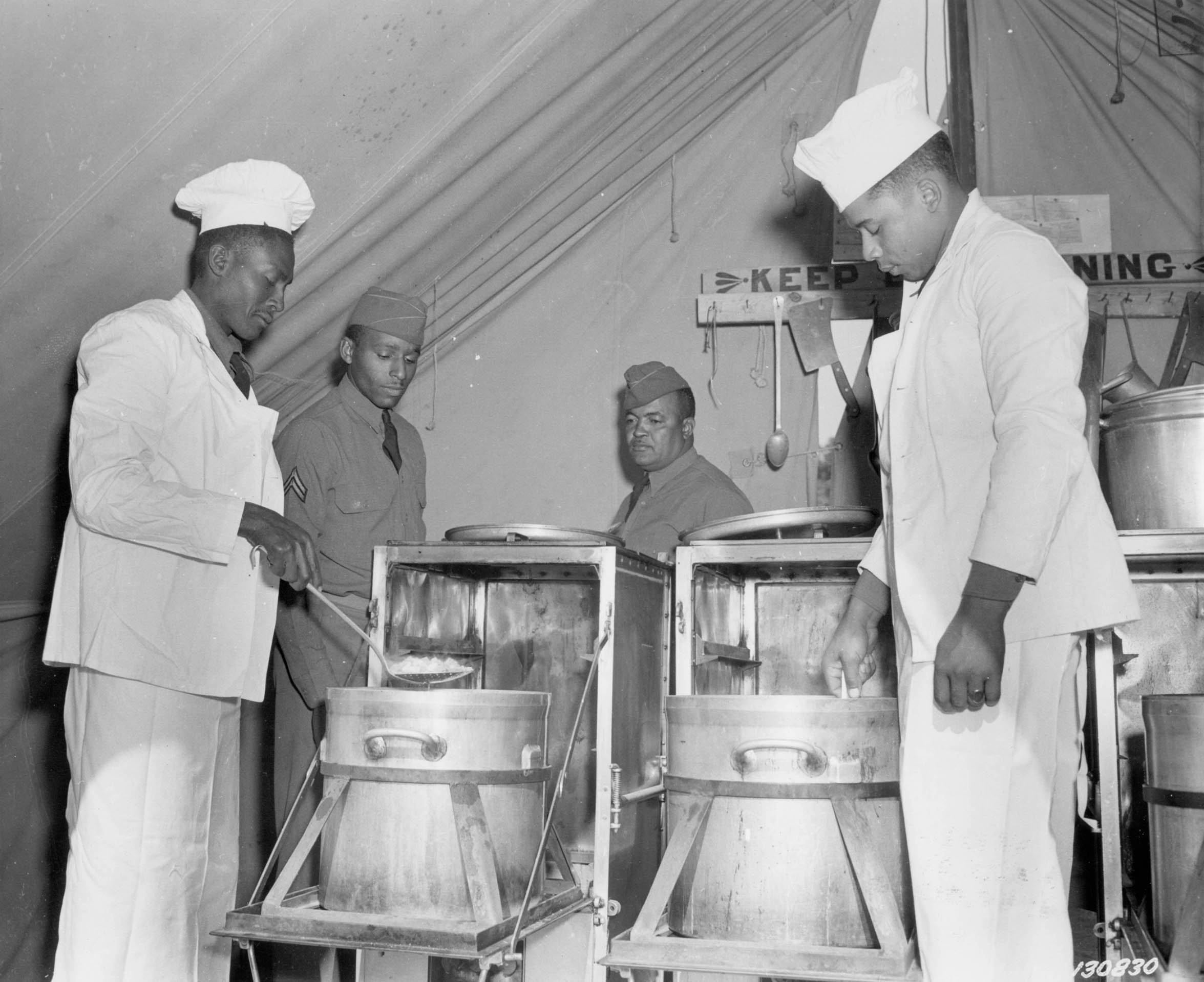
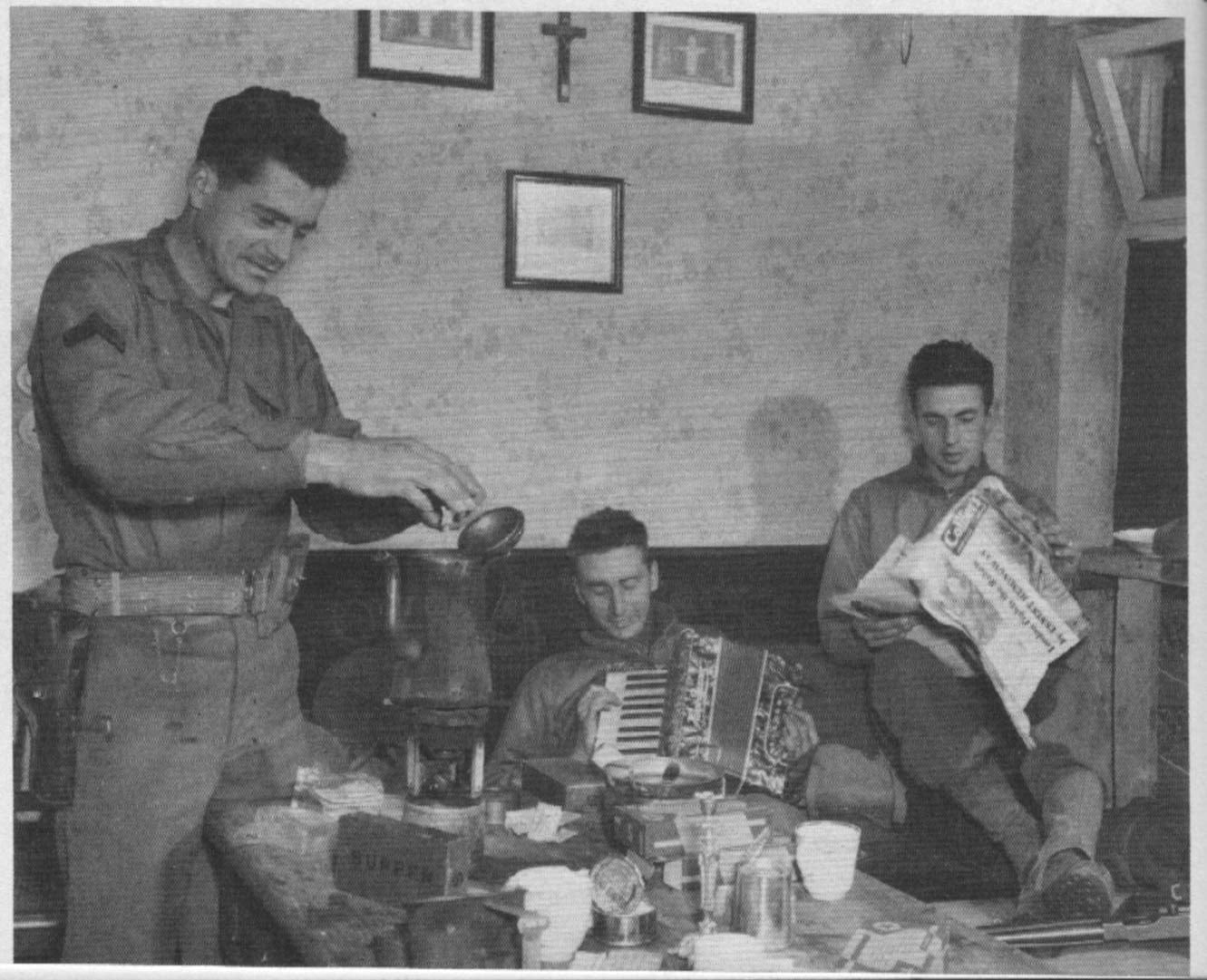
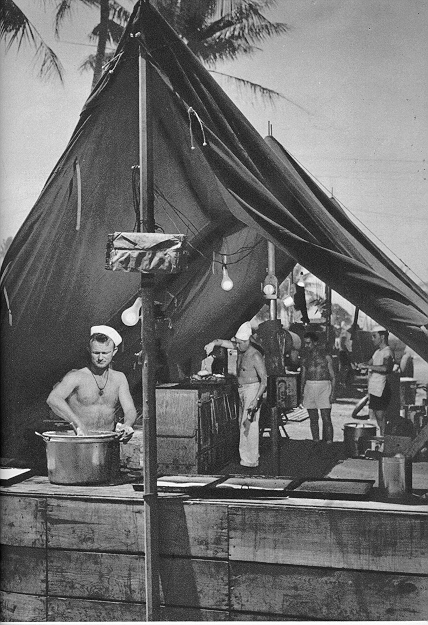
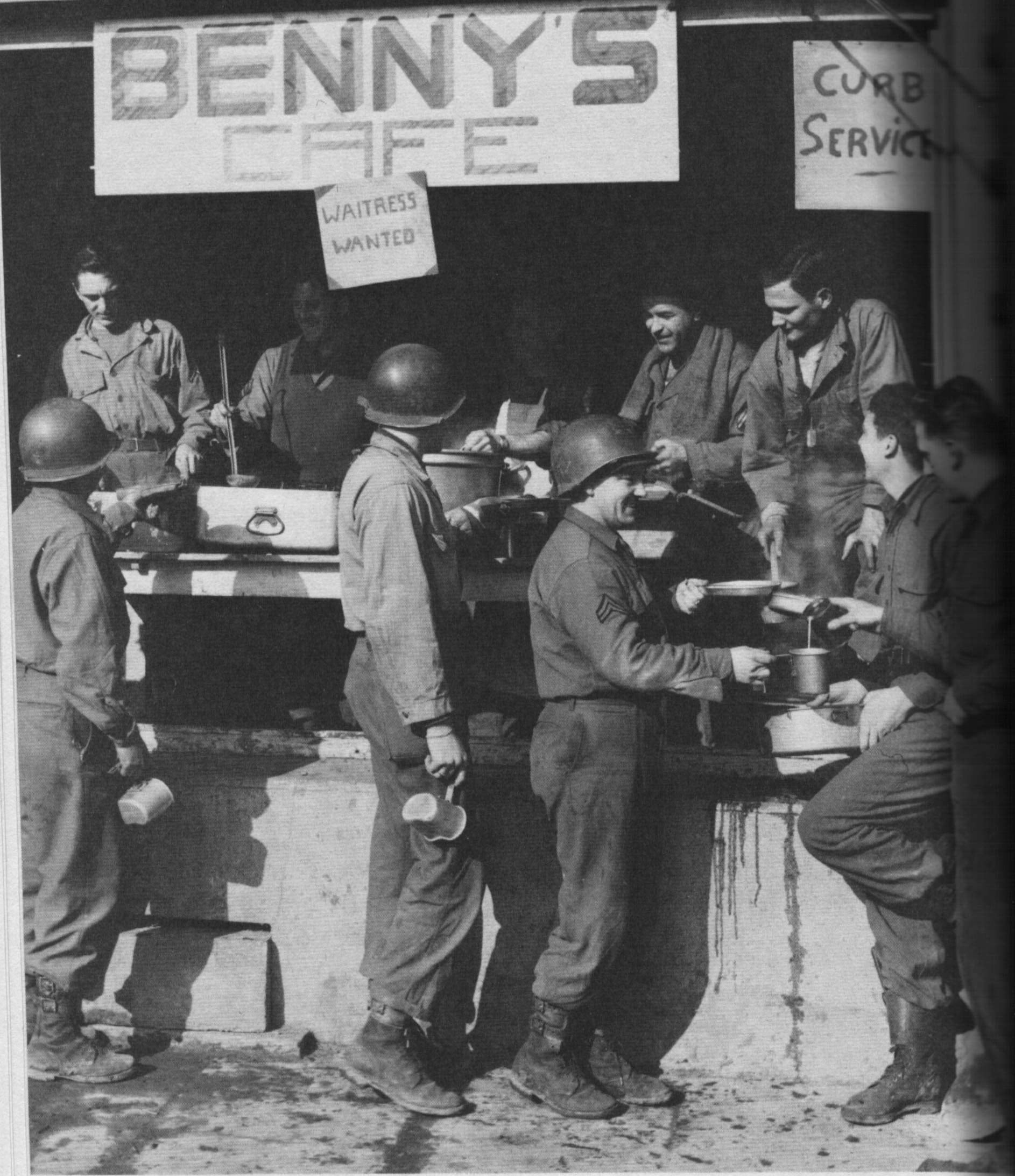
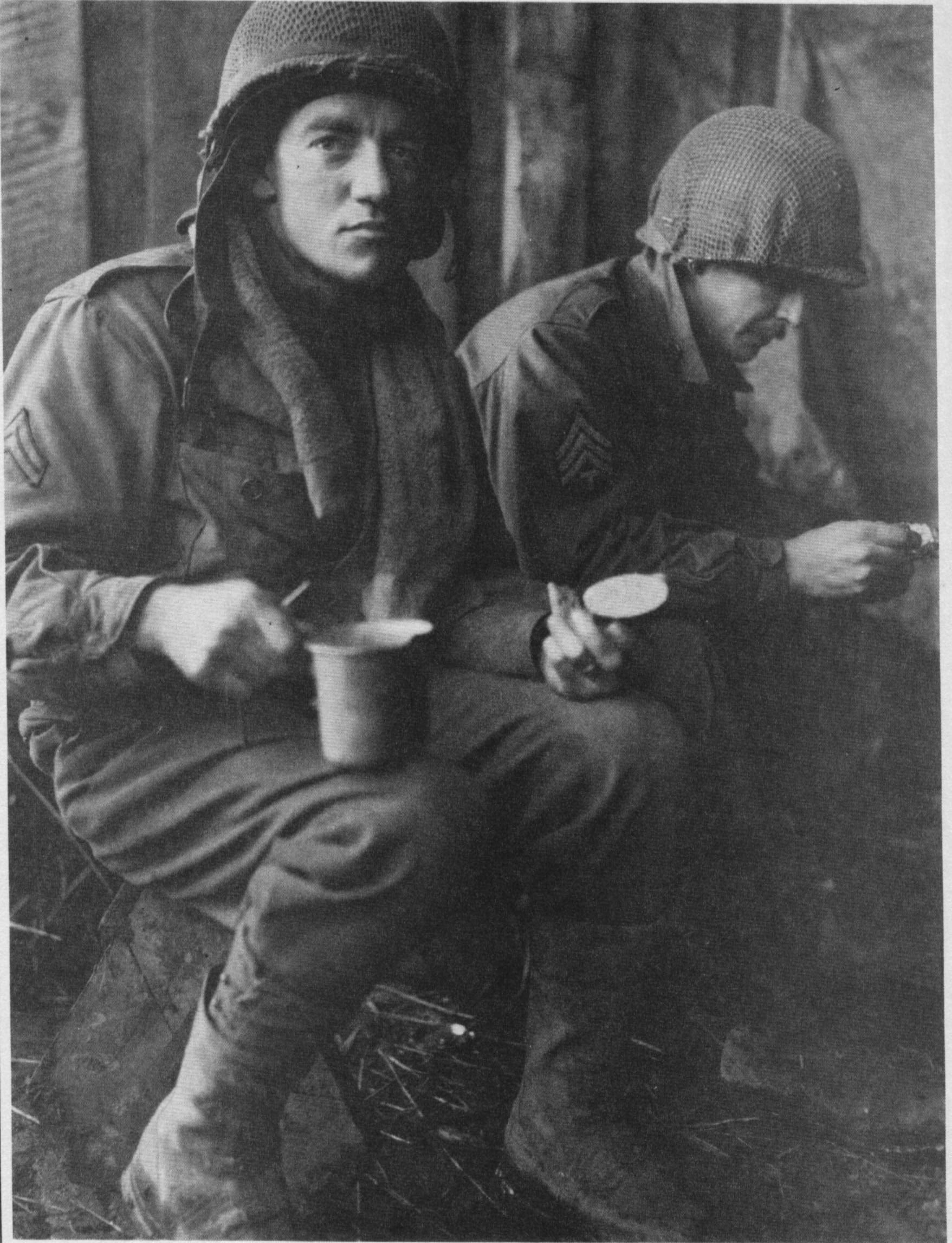
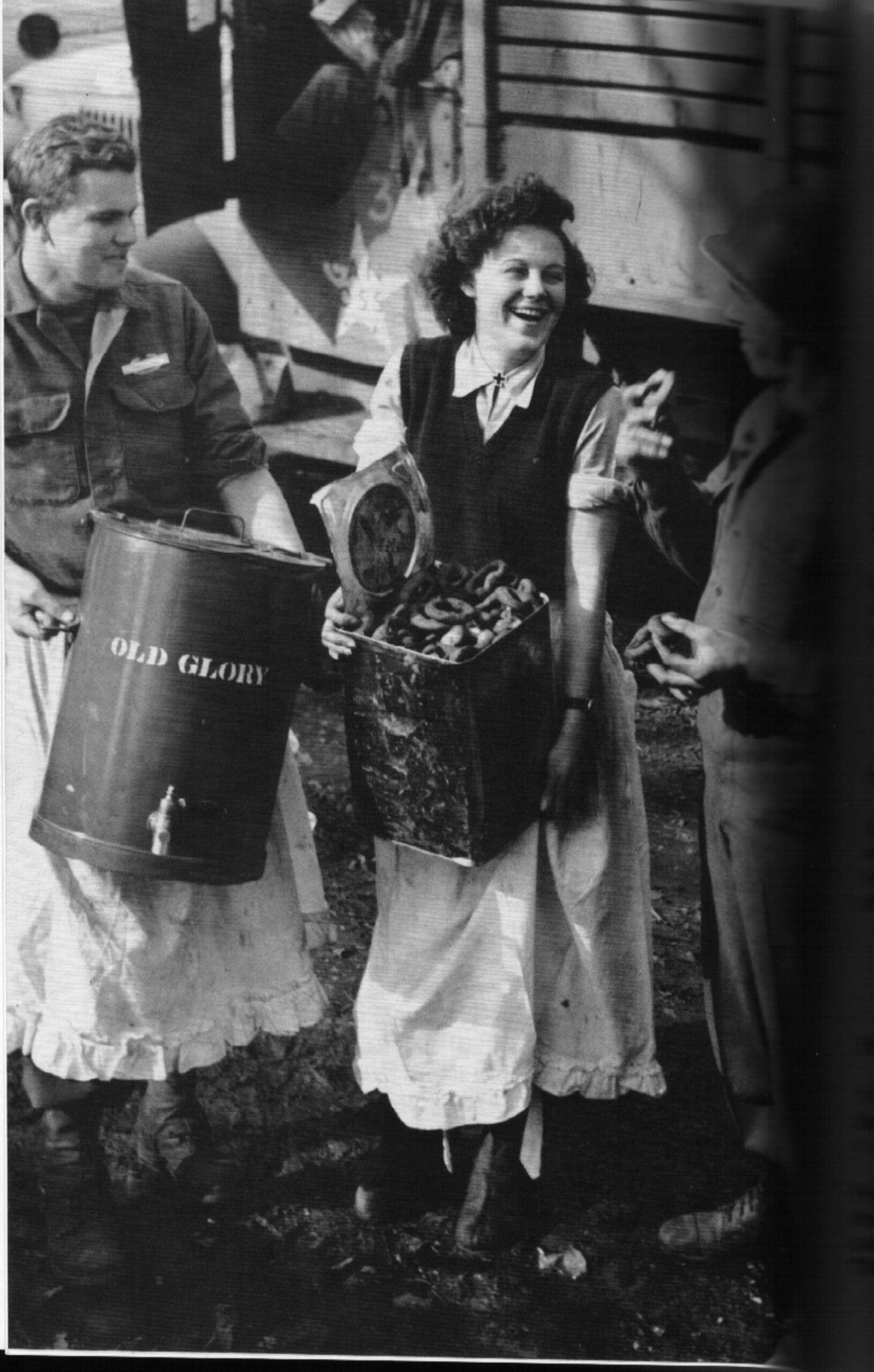
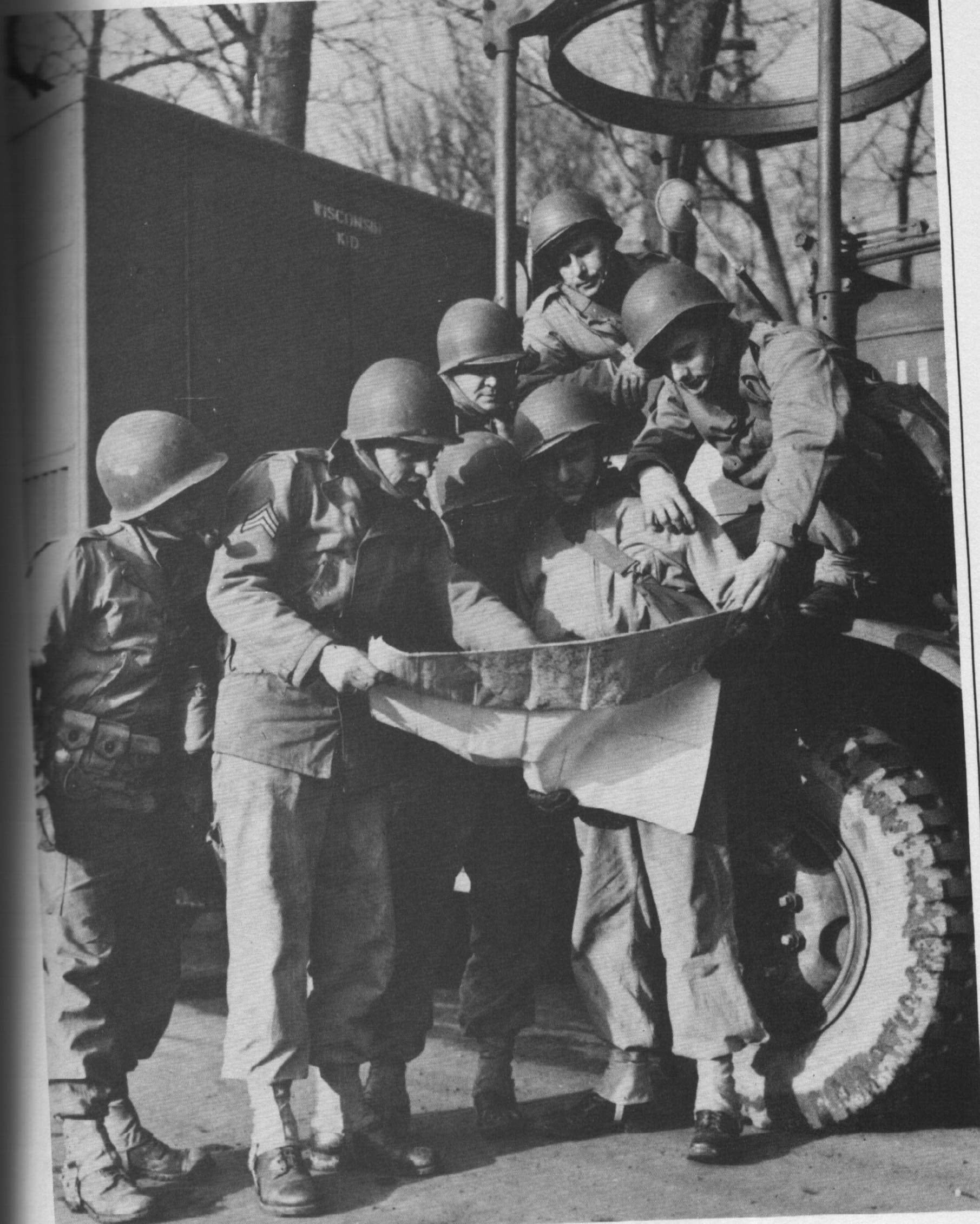
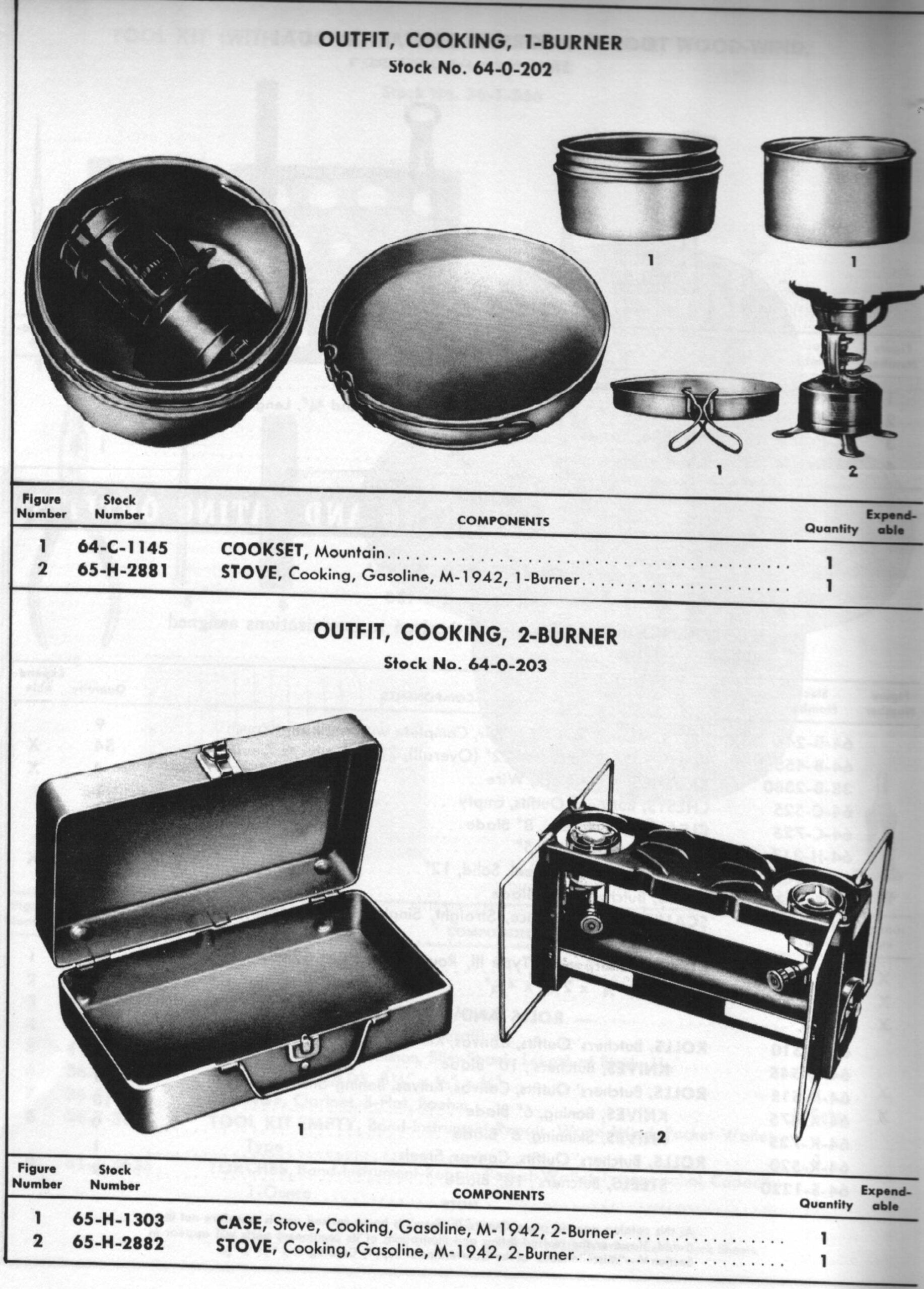
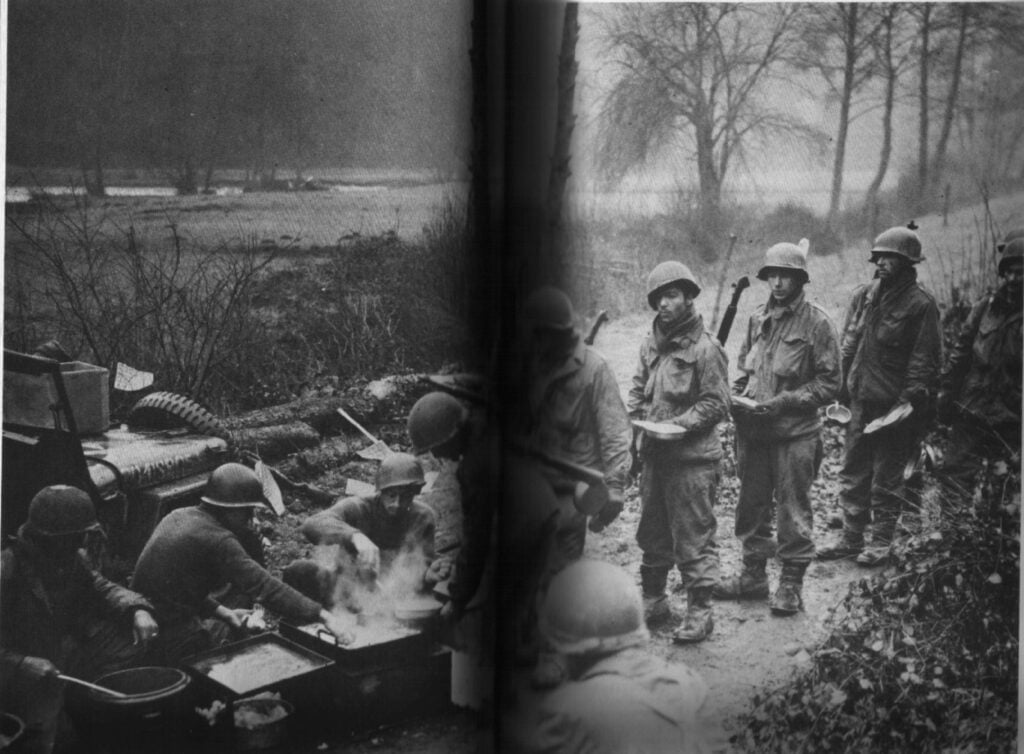
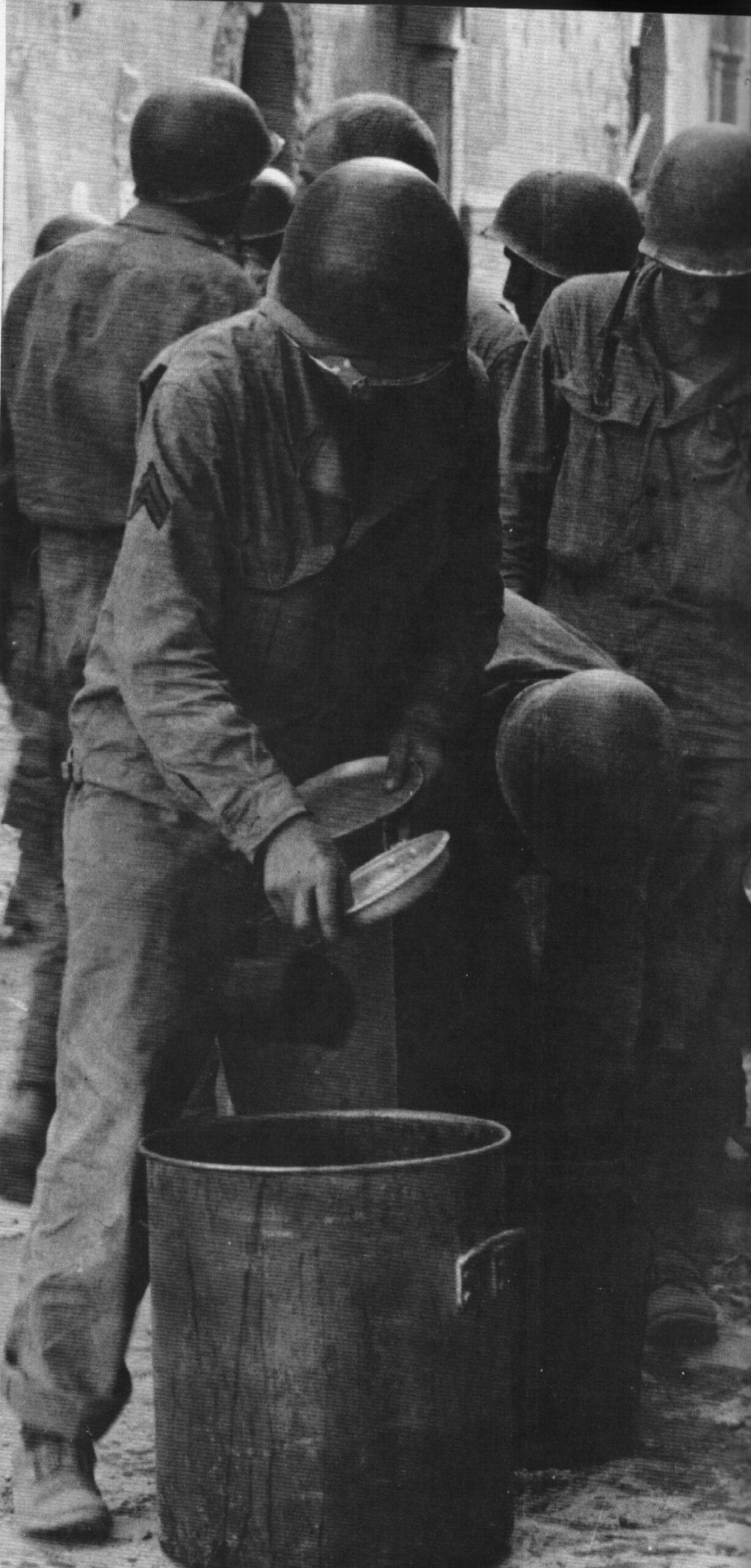
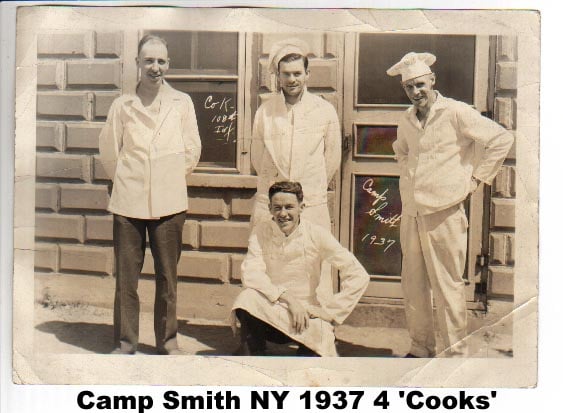
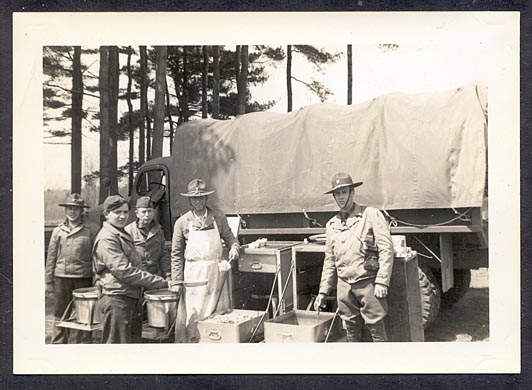
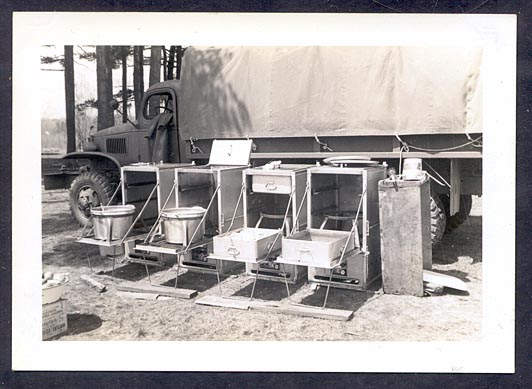
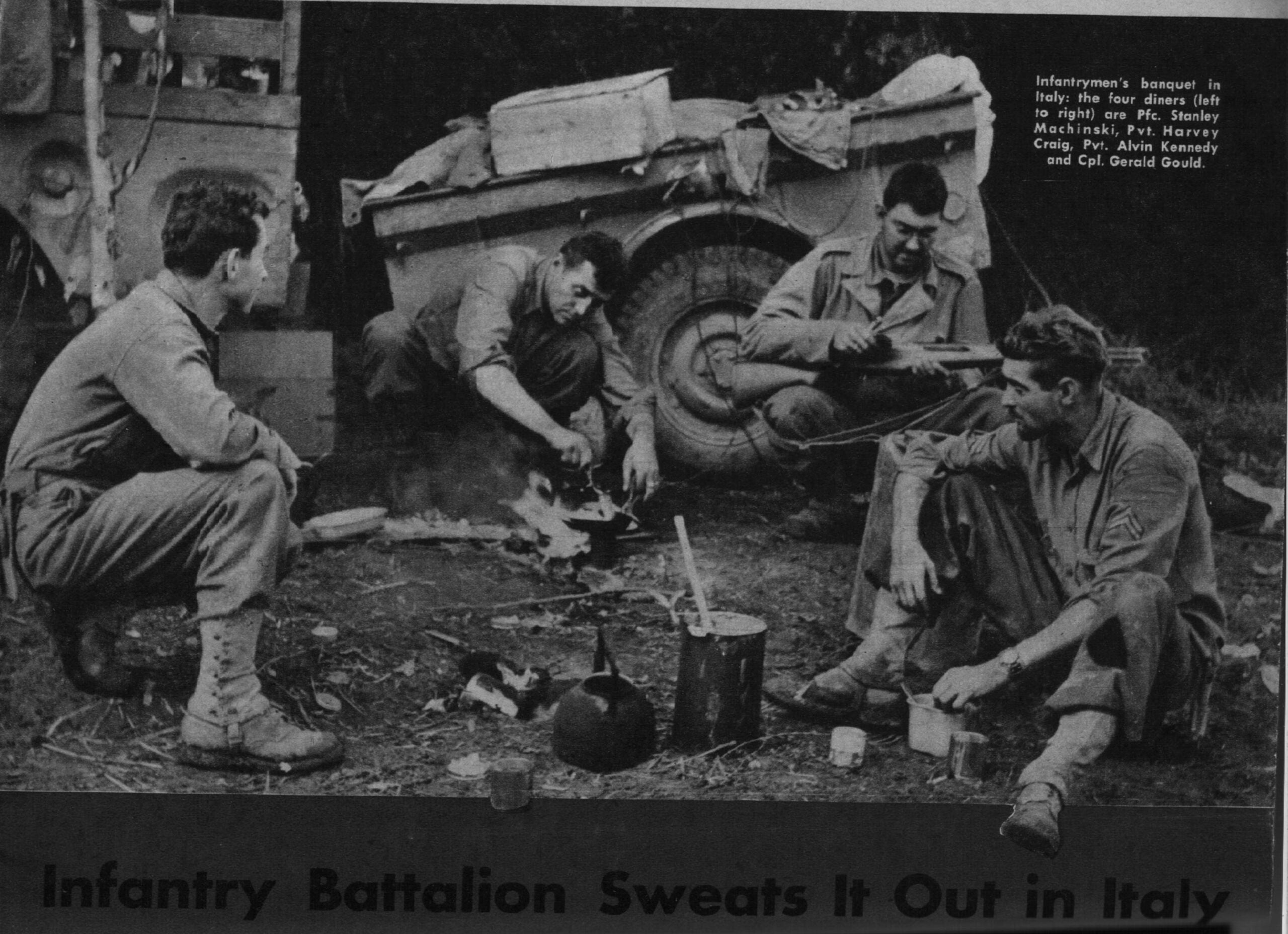
These are just some examples of images I’ve collected over the years, as it pertains to field messes and Army cooking and eating.

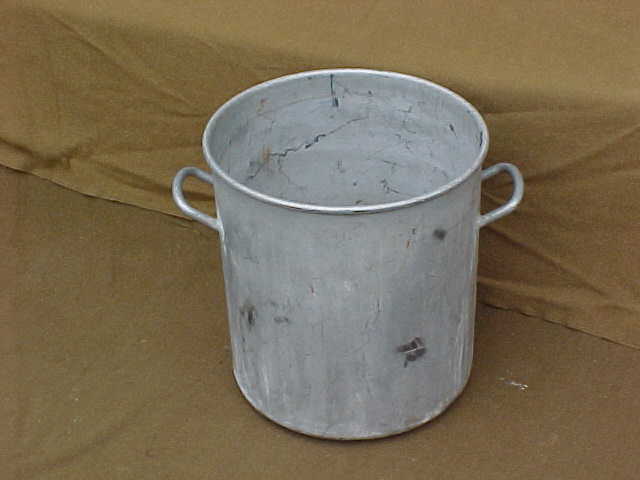
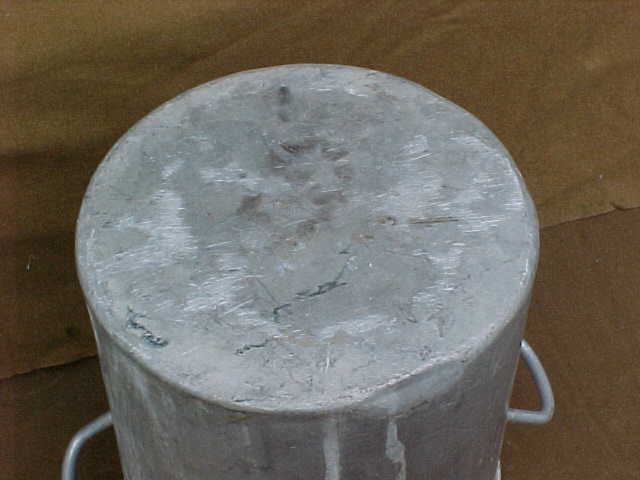
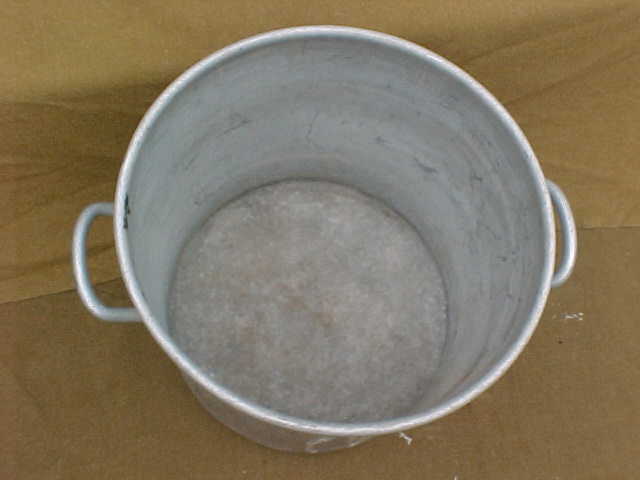
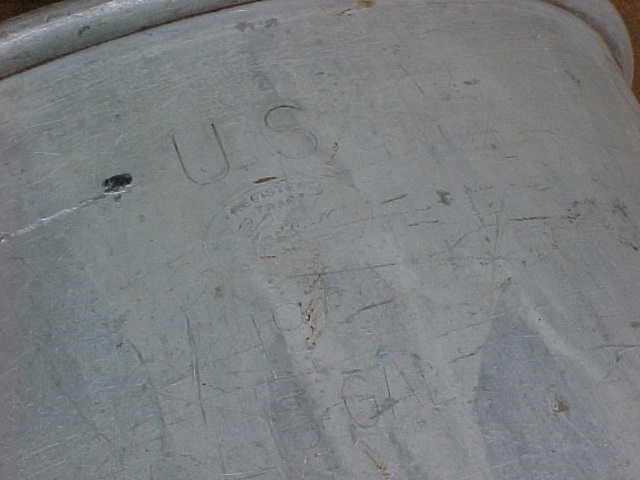
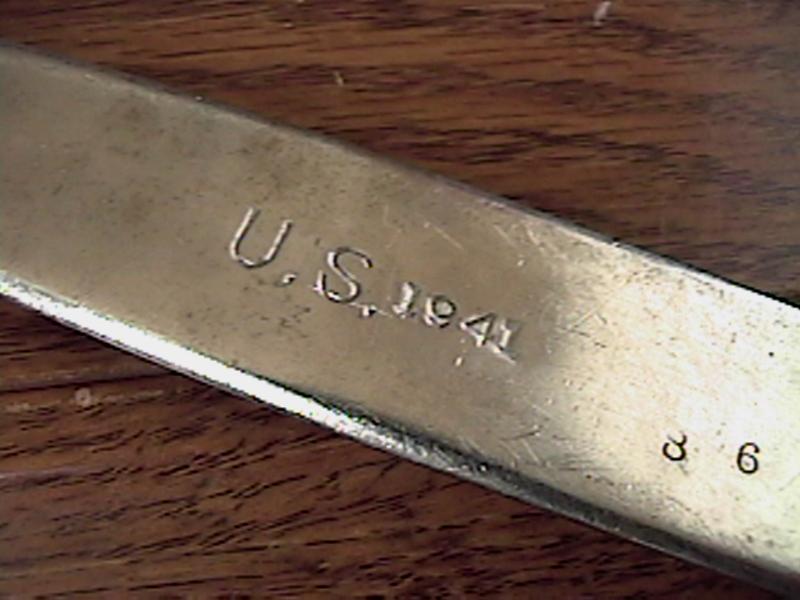
US Army Cooking Pot – size and type unknown

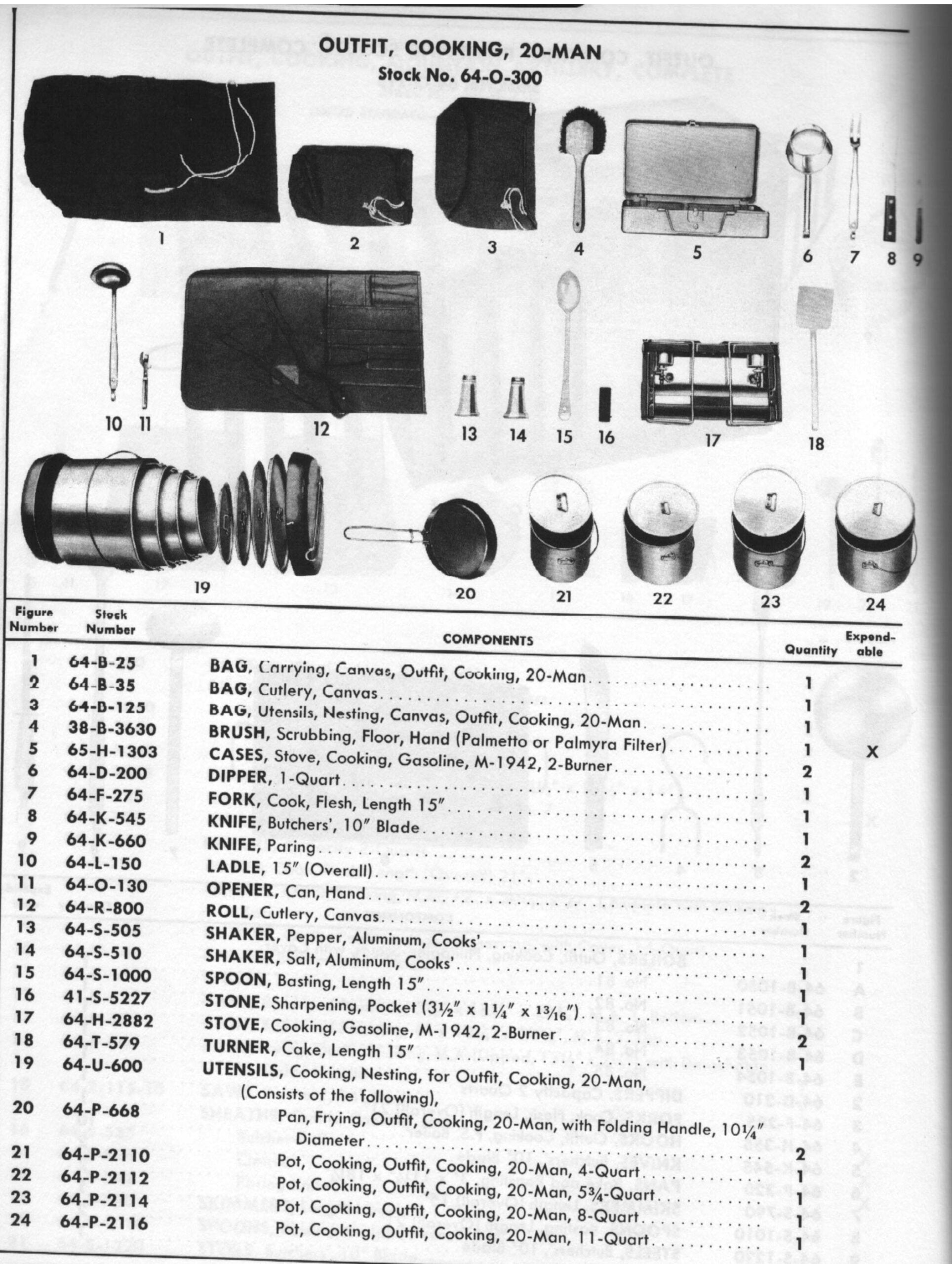
Paring Knife

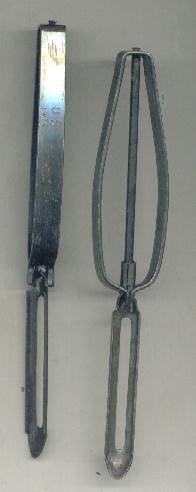
Potato Peeler

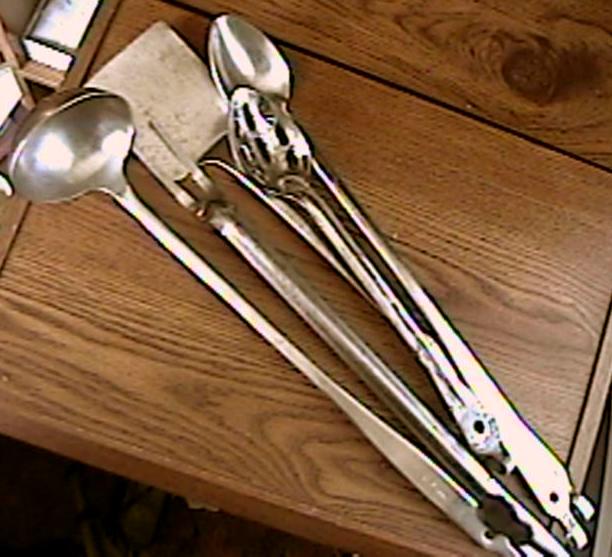
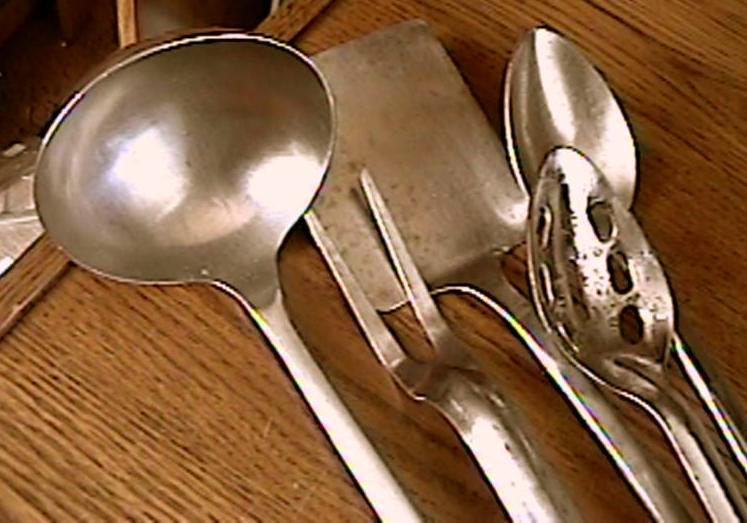
Ladel, 2 Prong Fork, Spatula, Spoon, Slotted Spoon Kitchen Utensils

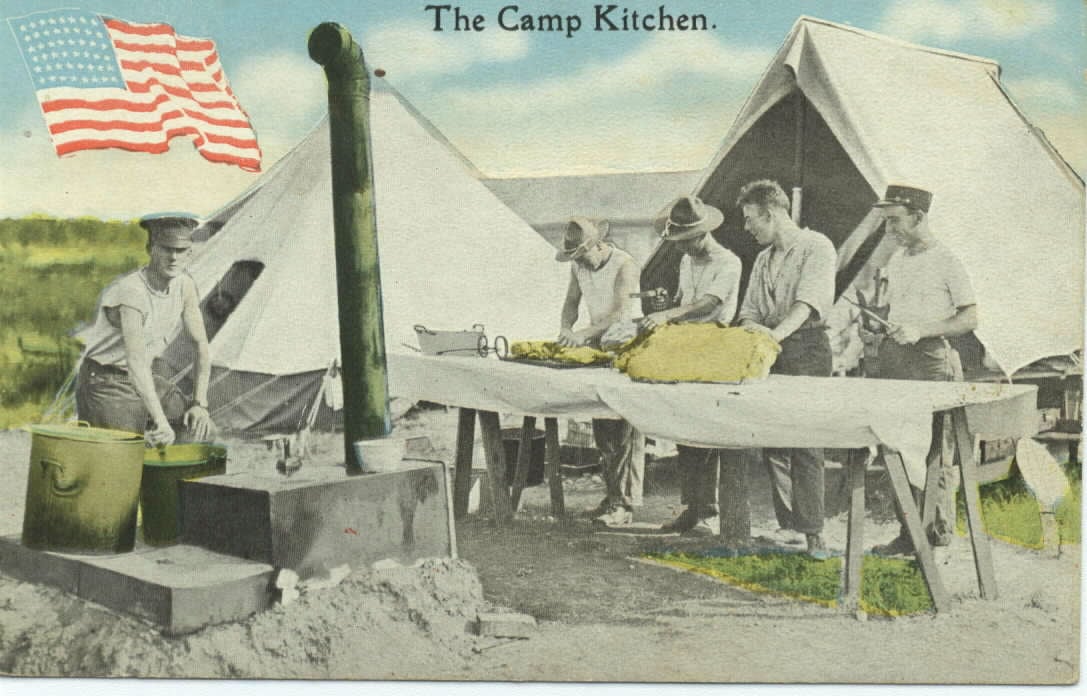
Camp Kitchen Postcard – I don’t have a date on this, but it looks like maybe 1920s-1930s, and they’re cutting up part of an animal.

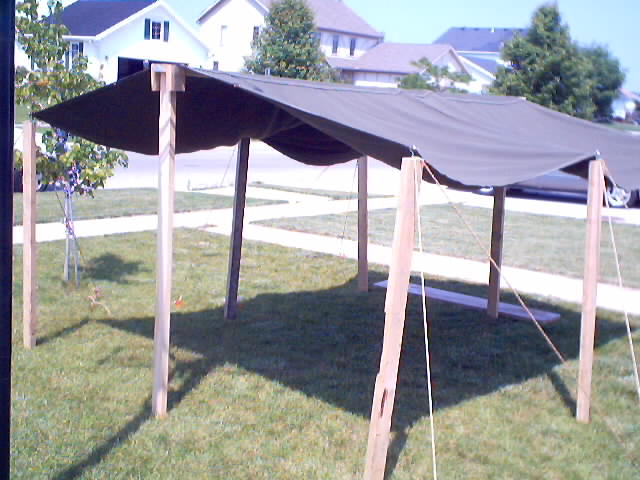
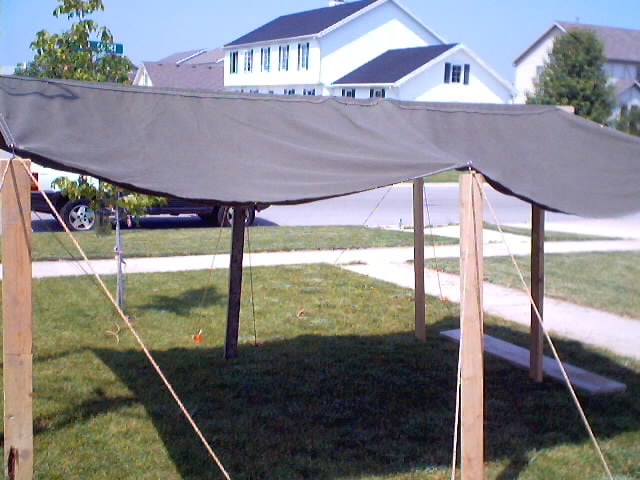
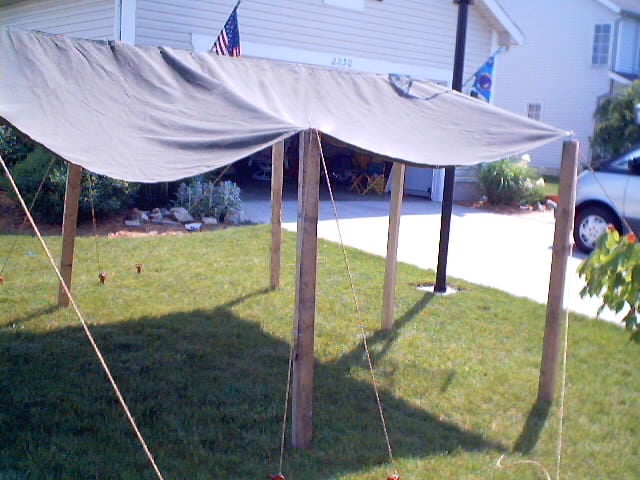
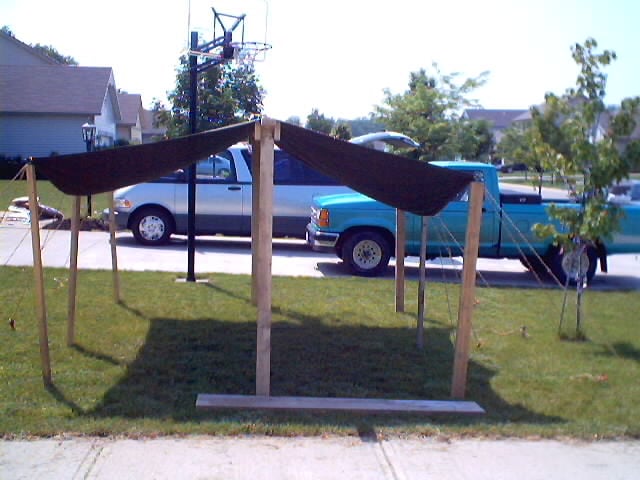
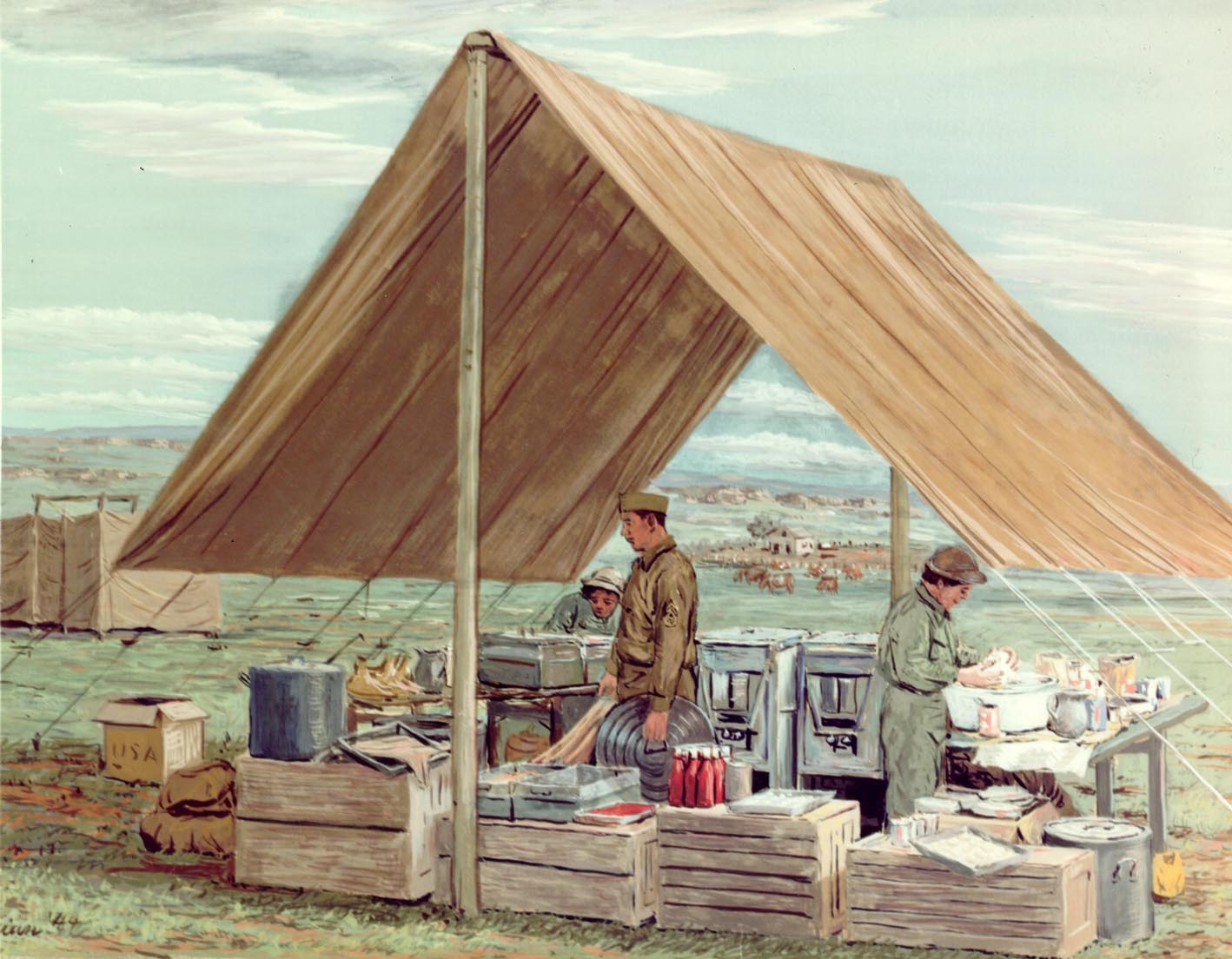
Mess Tent – This is a fantasy piece I cobbled together after drawing inspiration from period photos. I purchased a large olive drab canvas tarp that had grommets all around it. I think the grommets were brass, and I may have painted them black (though I’m unsure if that’s even period correct).

I bought some 2x4x6 or 2x4x8 (I don’t recall the height) and created the poles. Or maybe I bought eight 2x4x8s and cut six of them down to be 6 feet high to act as the edge poles, and two to be 8 feet high to act as supports for the ridge pole.

I then drilled a small hole in the center of each edge pole and screwed in an eyelet, which then went through the grommets. I used Manila rope and two stakes per pole to secure it to the ground. The stakes were the Vietnam era orange ones, but for WW2, they should’ve been large wooden circus-type stakes.

Now, the ridge pole itself, I’m unclear how I made it. If I were to make it today, I’d probably figure out a way to lag bolt the ridgepole to the 2x4x8 pole. I’d also make the ridge pole collapsible. If I were using 2x4s as the ridge pole, I’d cut the pole in half and use lag bolts to attach adjoining pieces of wood to each half.

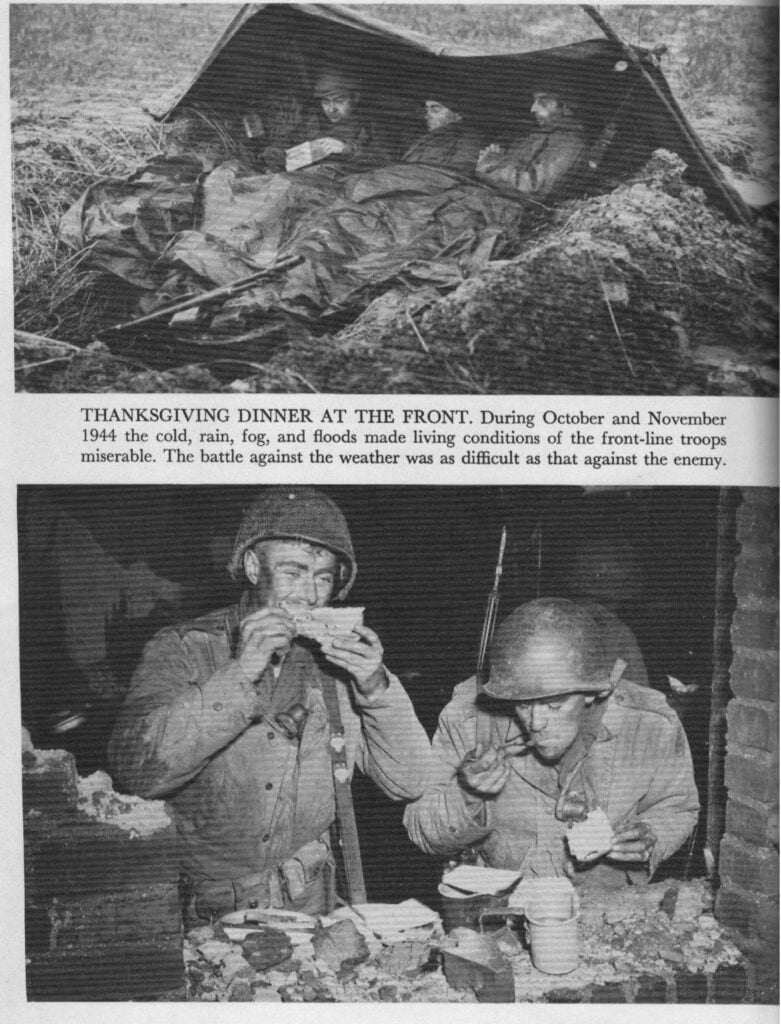
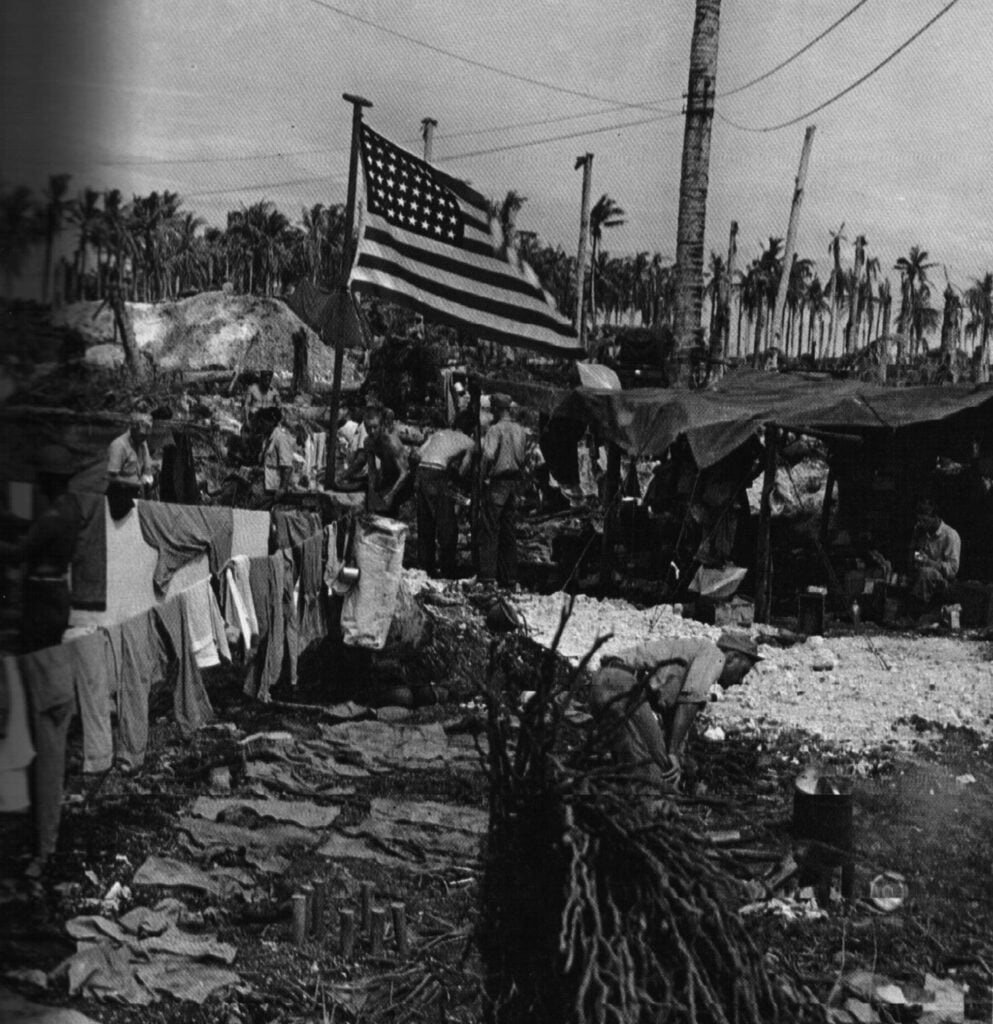
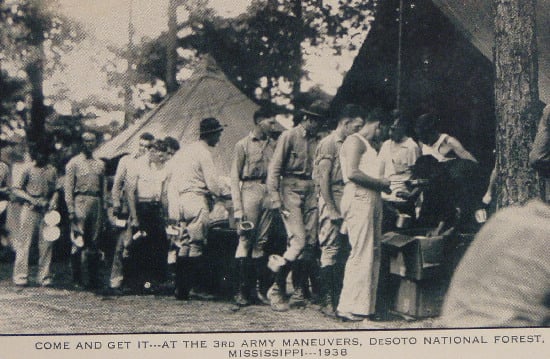
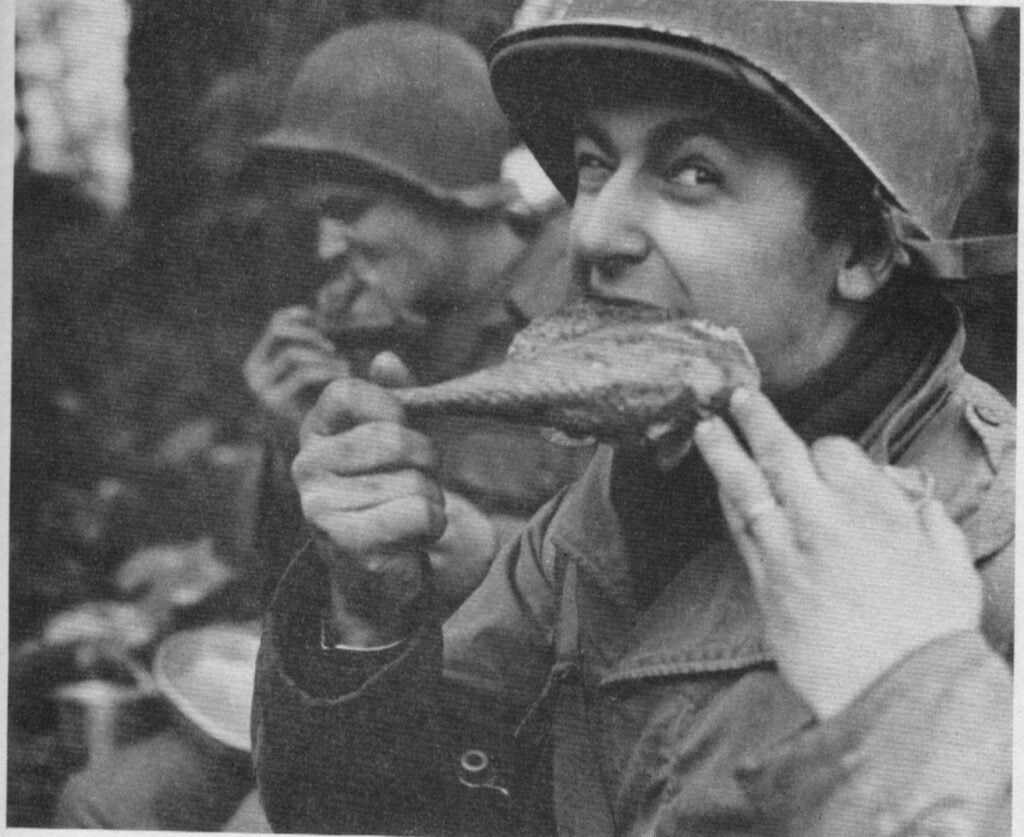
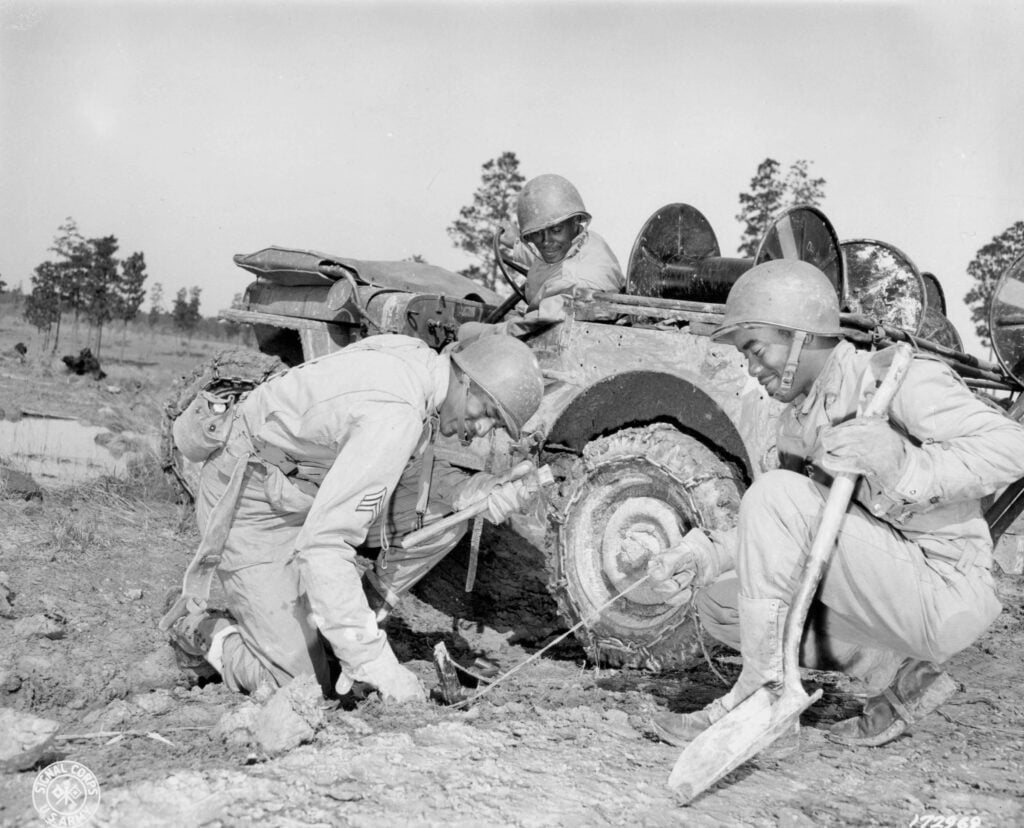
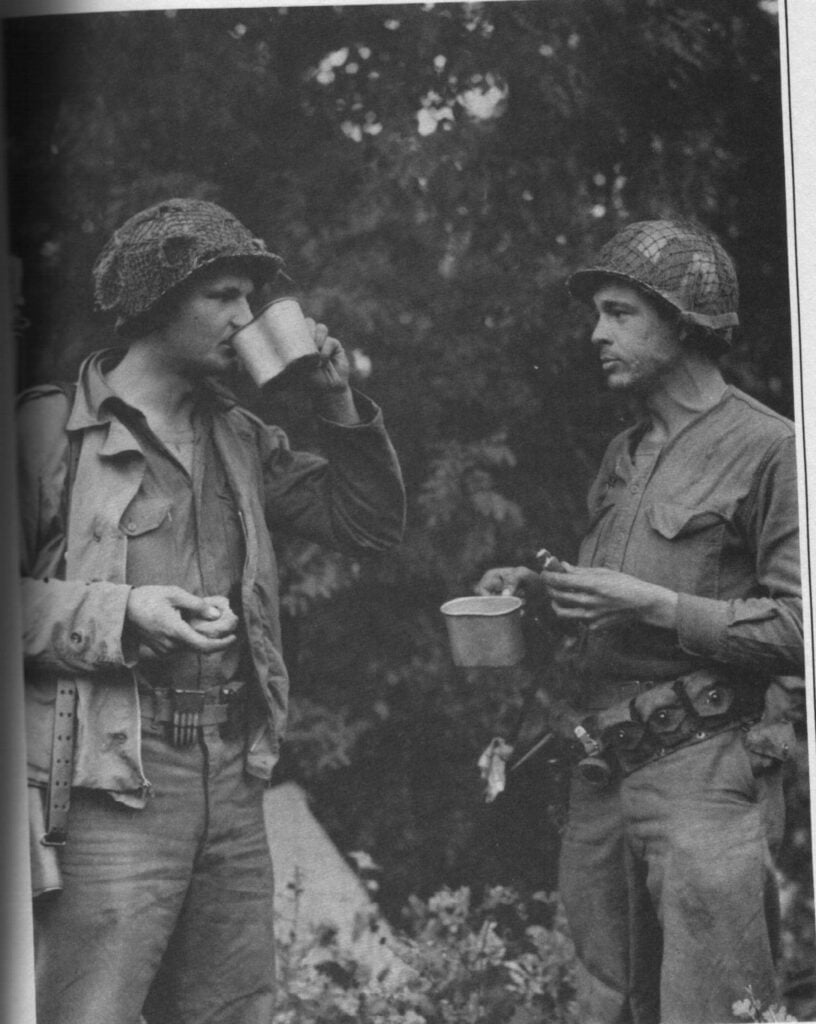
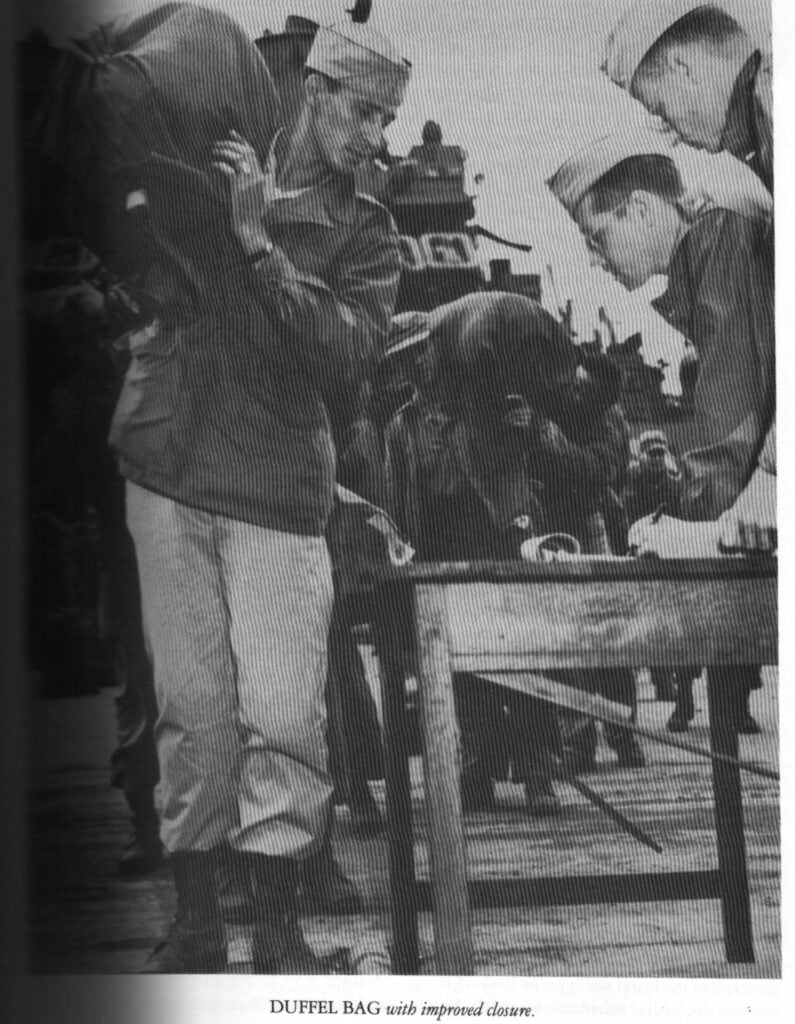
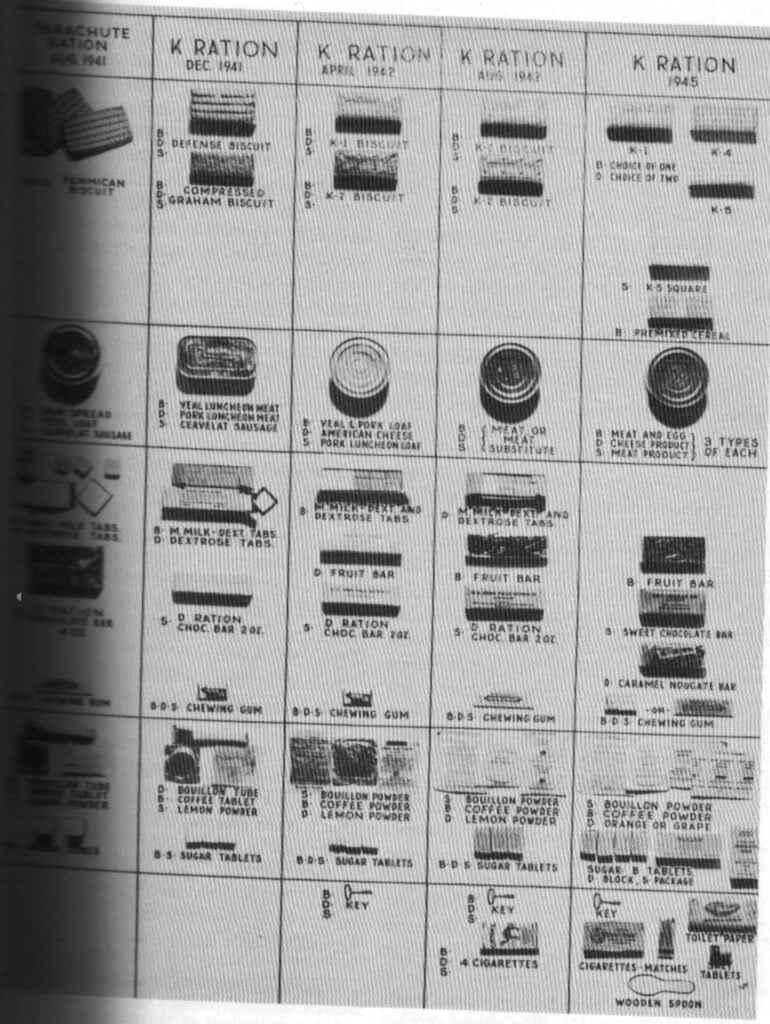
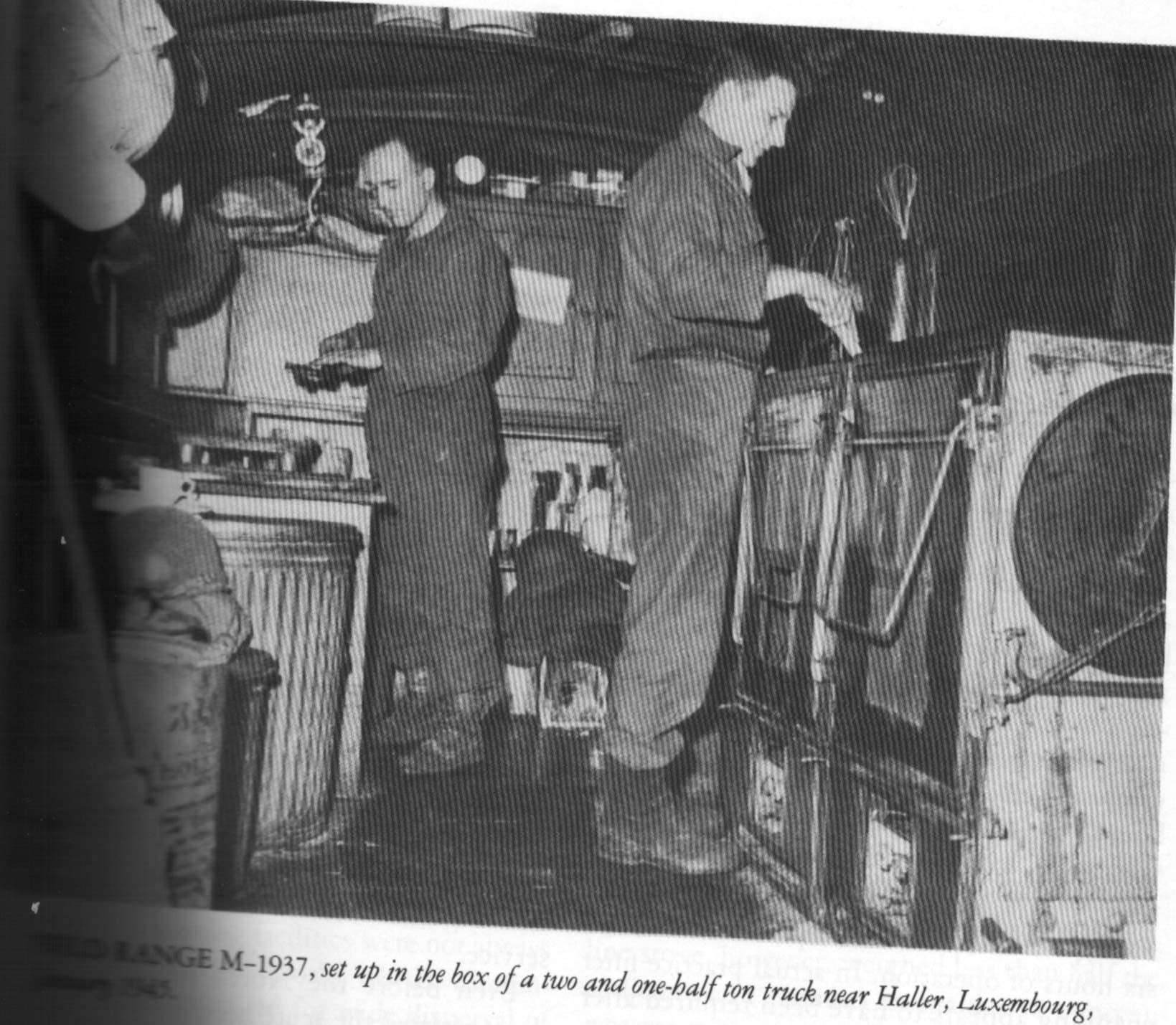
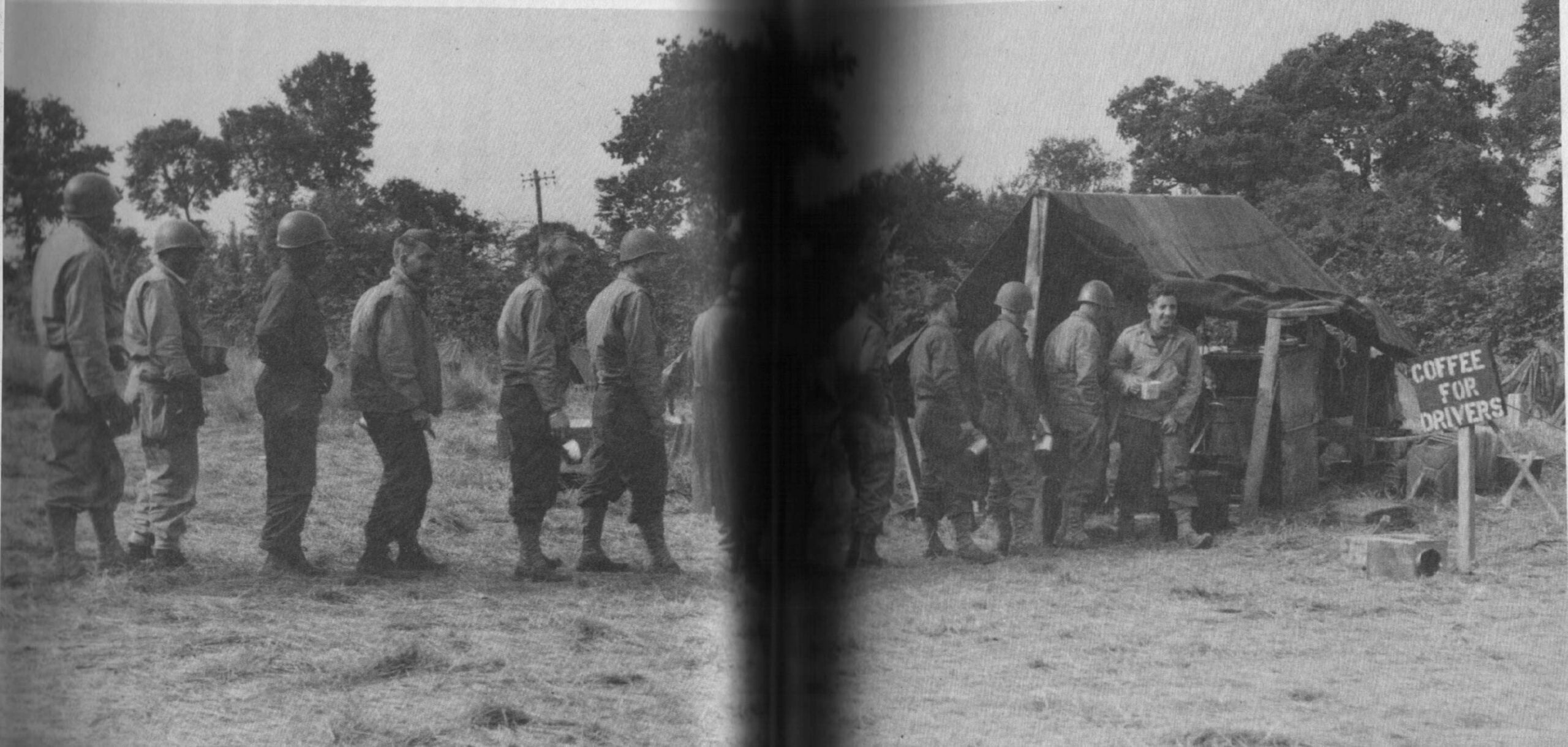
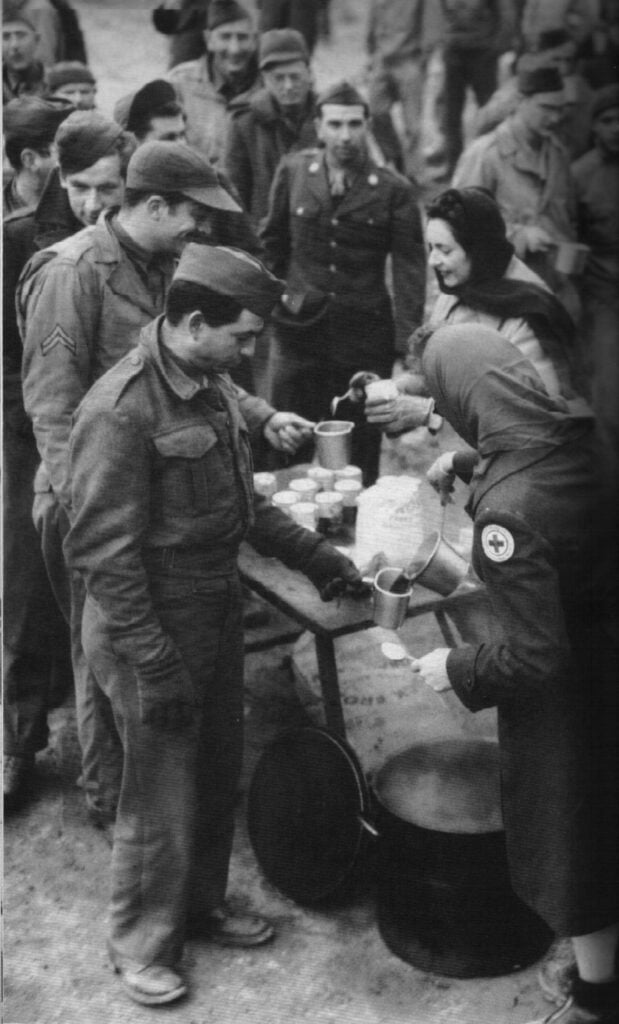
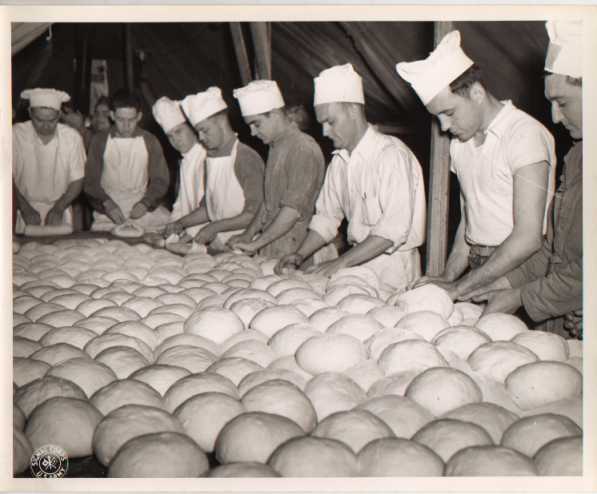
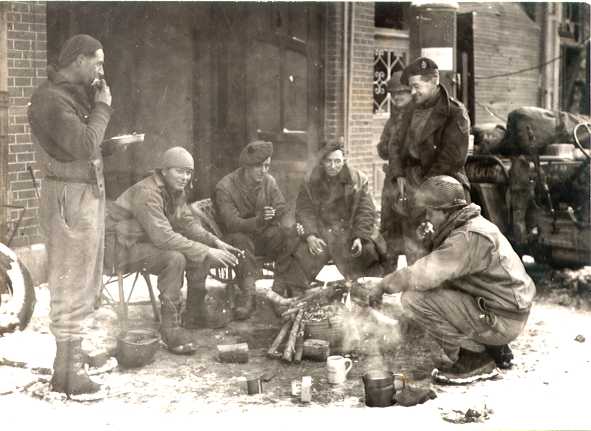
Images of Messes, Bakeries, and Soldiers in the Field Eating

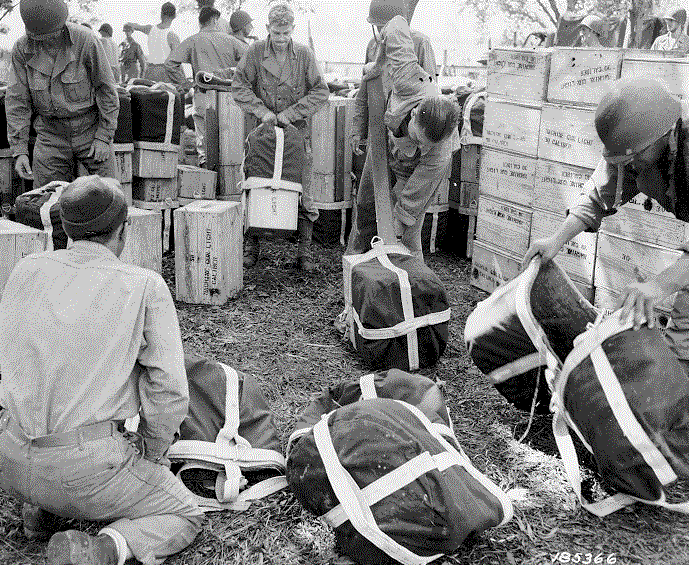
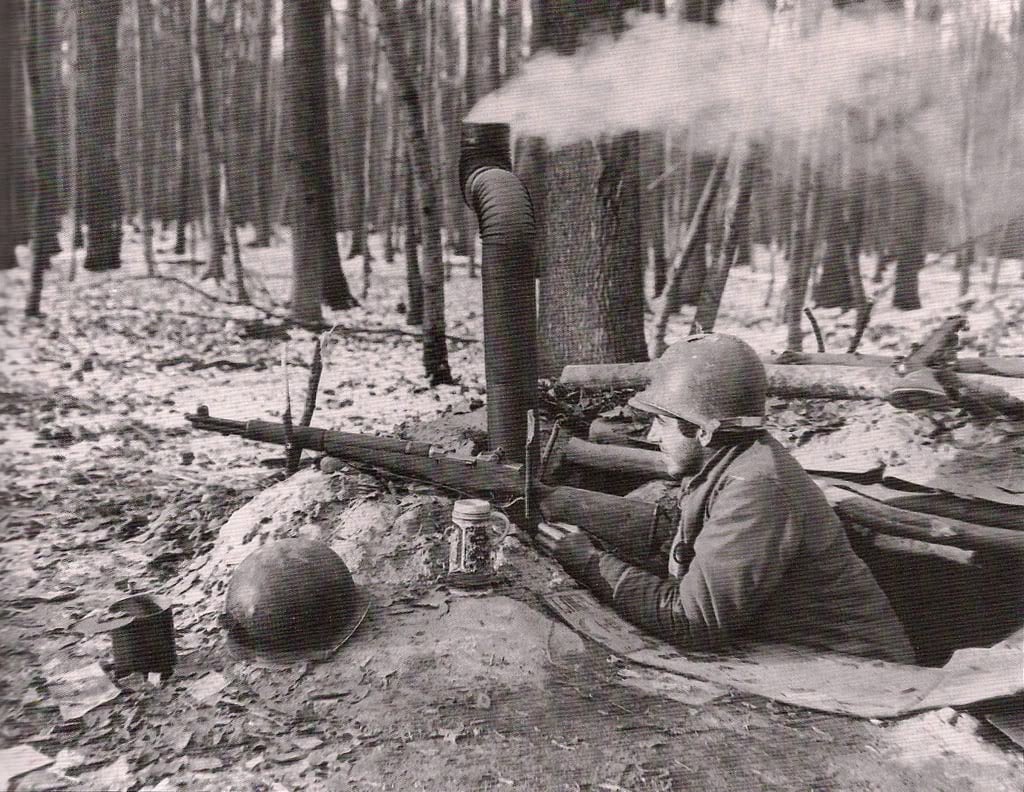
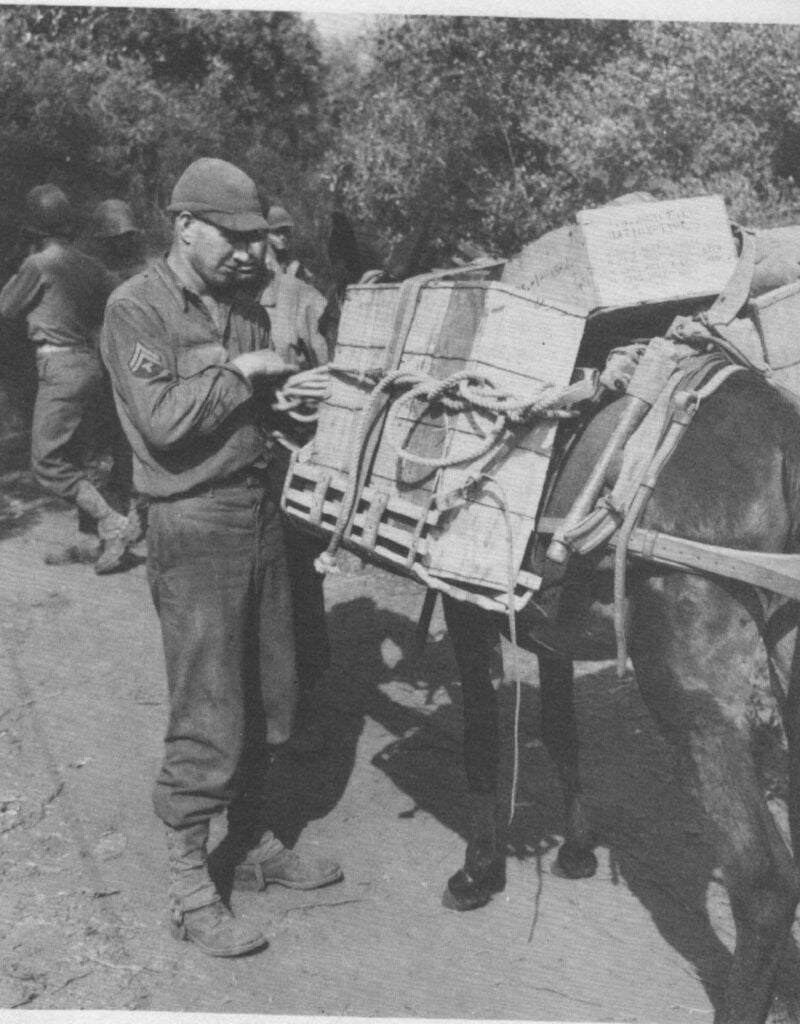
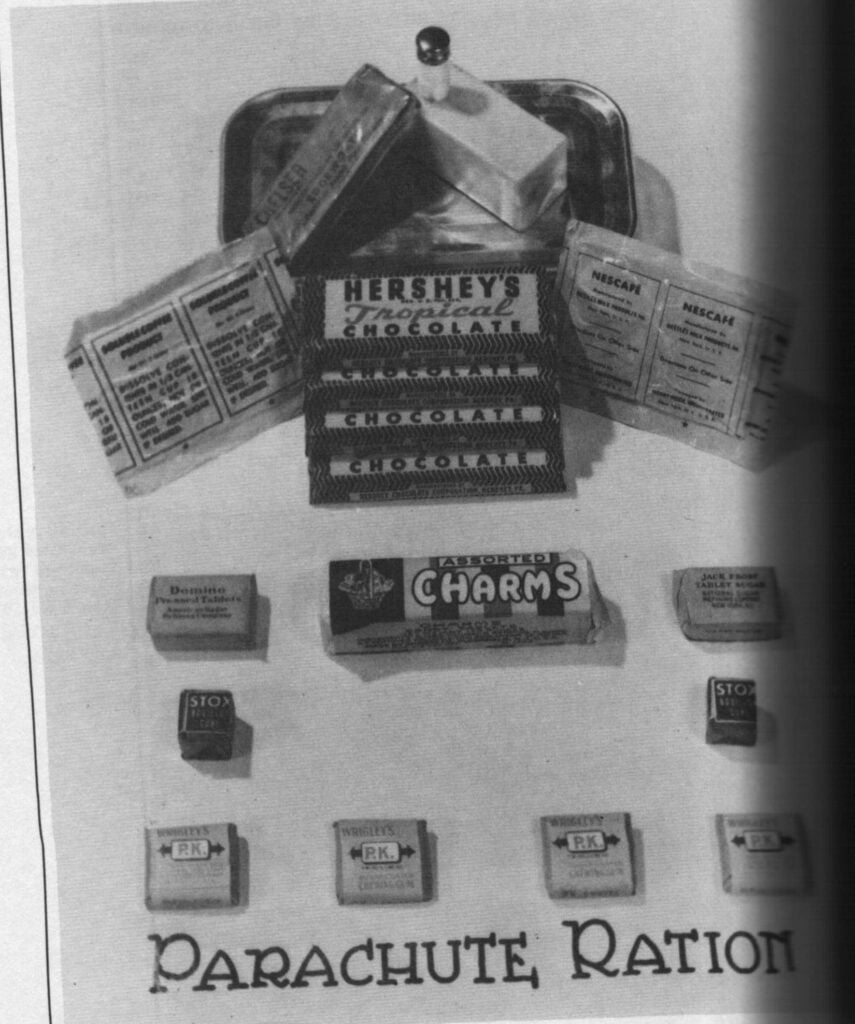
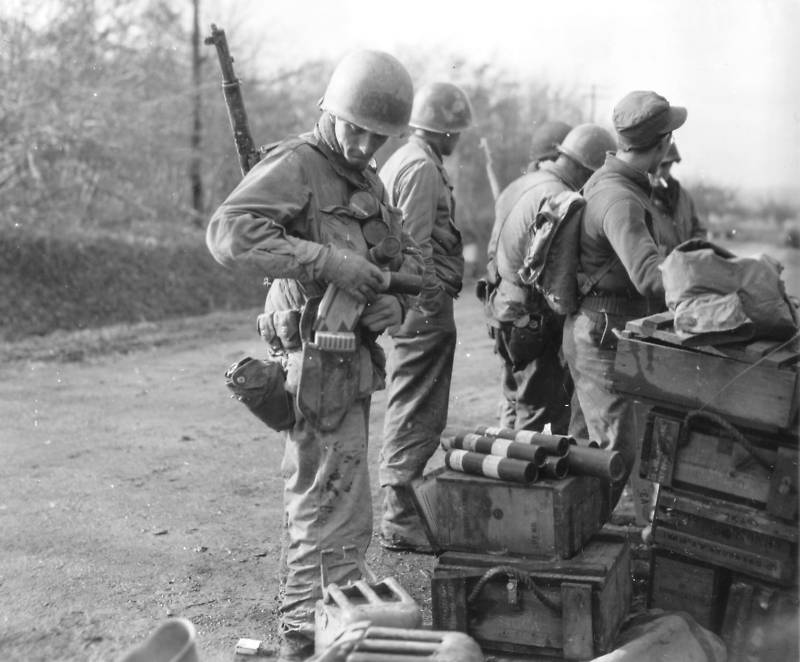
A really cool image of a small supply depot showing rations, water, and other items needed before heading out. The neat thing, too, is that the soldier uses the shovel cover as a holder.

Posted on

World War Two Anti-Tree Climbing Devices

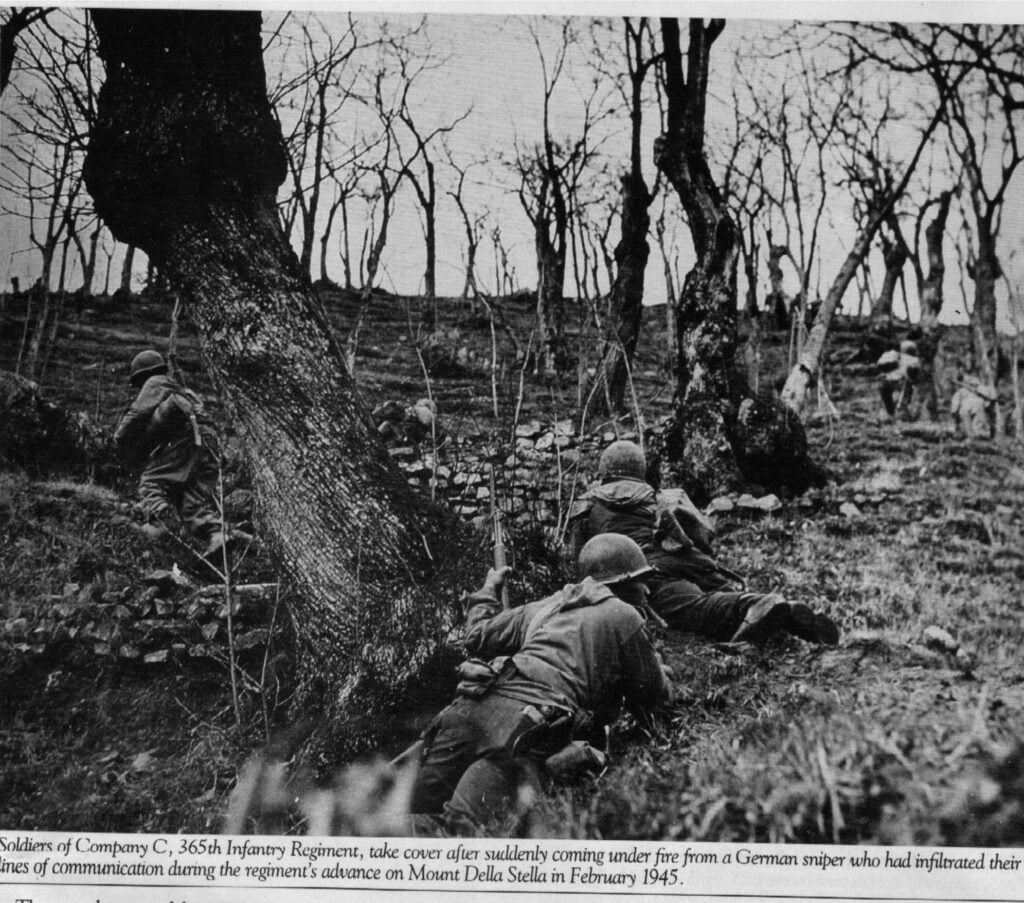
Early in January 1944 it was established that razor blades had been used as an anti-sniper device in action against the Japanese. The insertion of several blades in trees which were likely to be used by enemy snipers provided an effective means of preventing these snipers from taking position in these trees after infiltrating through the lines at night.

Initially, investigation was made toward the possibility of utilizing tools similar to stapling tools and glazier’s point driving tools to accomplish the desired results. However, it was found that a fully automatic device based on such designs would be entirely too heavy.

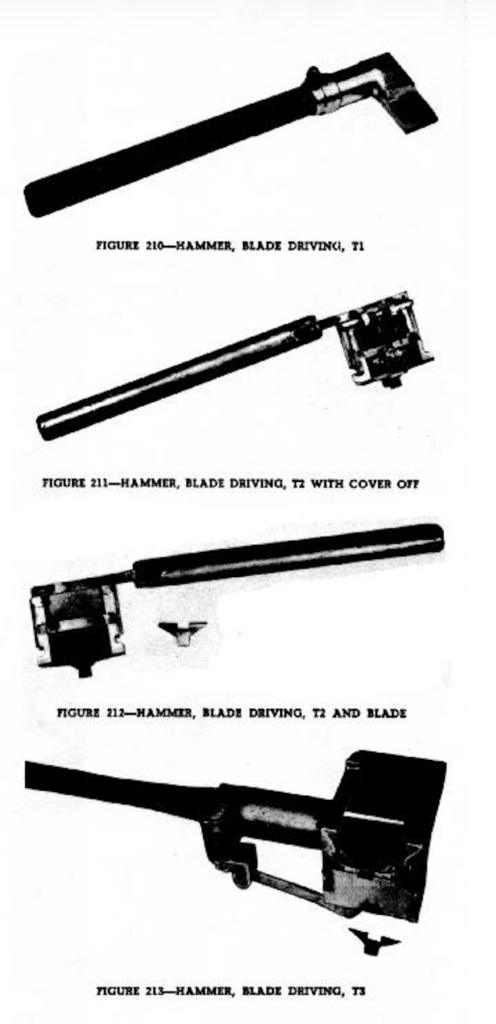
Further investigation and development resulted in the following described types of blade-driving hammers:

a. Hammer, Blade Driving, T1

A wood handle with a metal head which holds a triangular-shaped blade. Individual blades are inserted into trees by swinging the device in a manner similar to using a regular hammer. This item was developed by the Magazine Repeating Razor Company (Fig. 210).

b. Hammer, Blade Driving, T2

A metal handle with a metal head containing a magazine and feeding device. A single “T”-shaped blade is inserted into the tree with each stroke of the hammer head, the device recocking itself with each backward stroke. This item weighs 13½ pounds and was developed by the International Staple and Machine Company (Figs. 211 and 212).

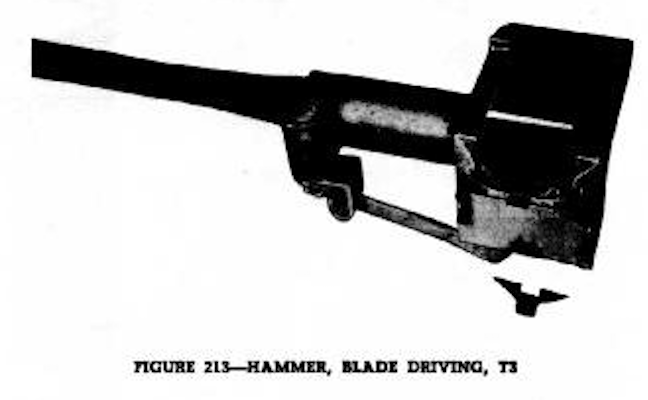
c. Hammer, Blade Driving, T3

A brass handle with a steel head containing a blade magazine. This device is semi-automatic in operation and is hand cocked each time it is desired to drive a blade into a tree. This item was also developed by the International Staple and Machine Company (fig. 213).


The T3 Blade Driving Hammer together with the specially designed blades were submitted in turn to Headquarters, Army Ground Forces and the U.S. Marine Corps who indicated that mechanical means were not required to accomplish the desired results and recommended that no further development be undertaken.
Posted on

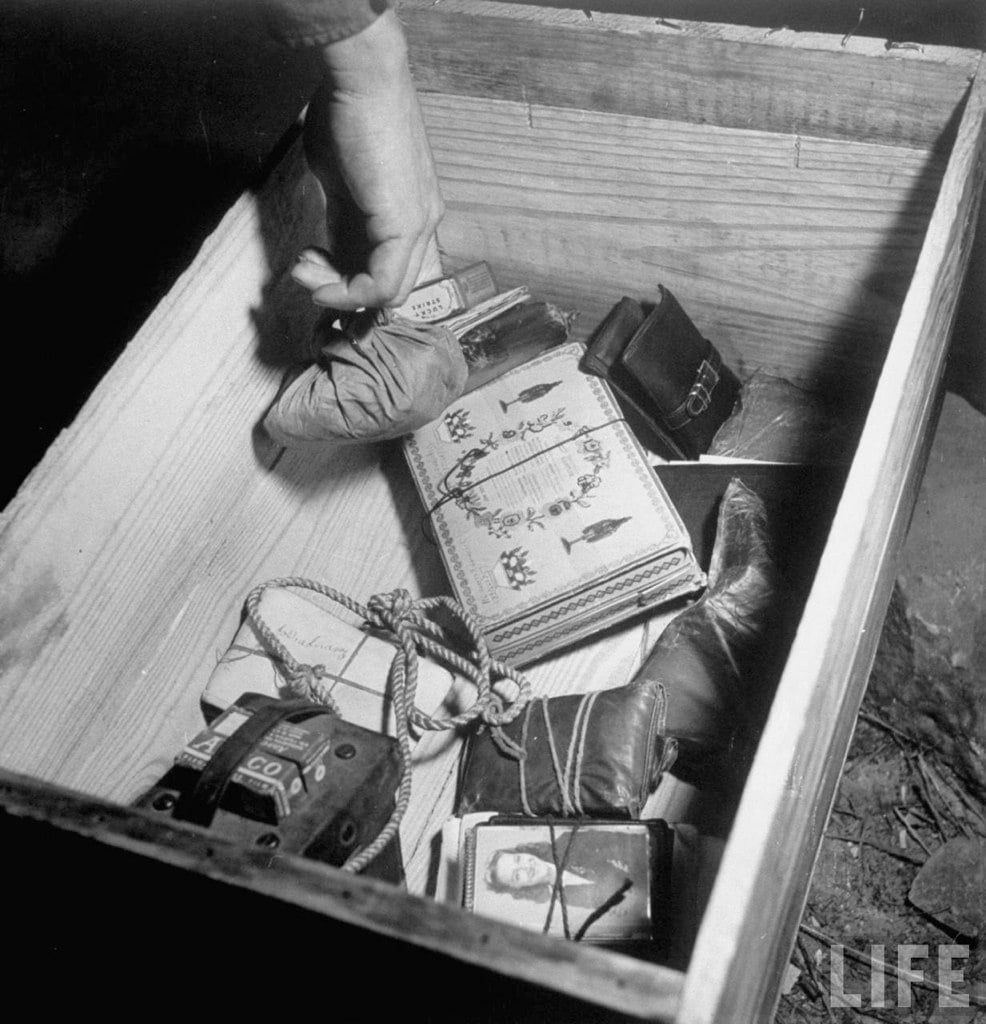
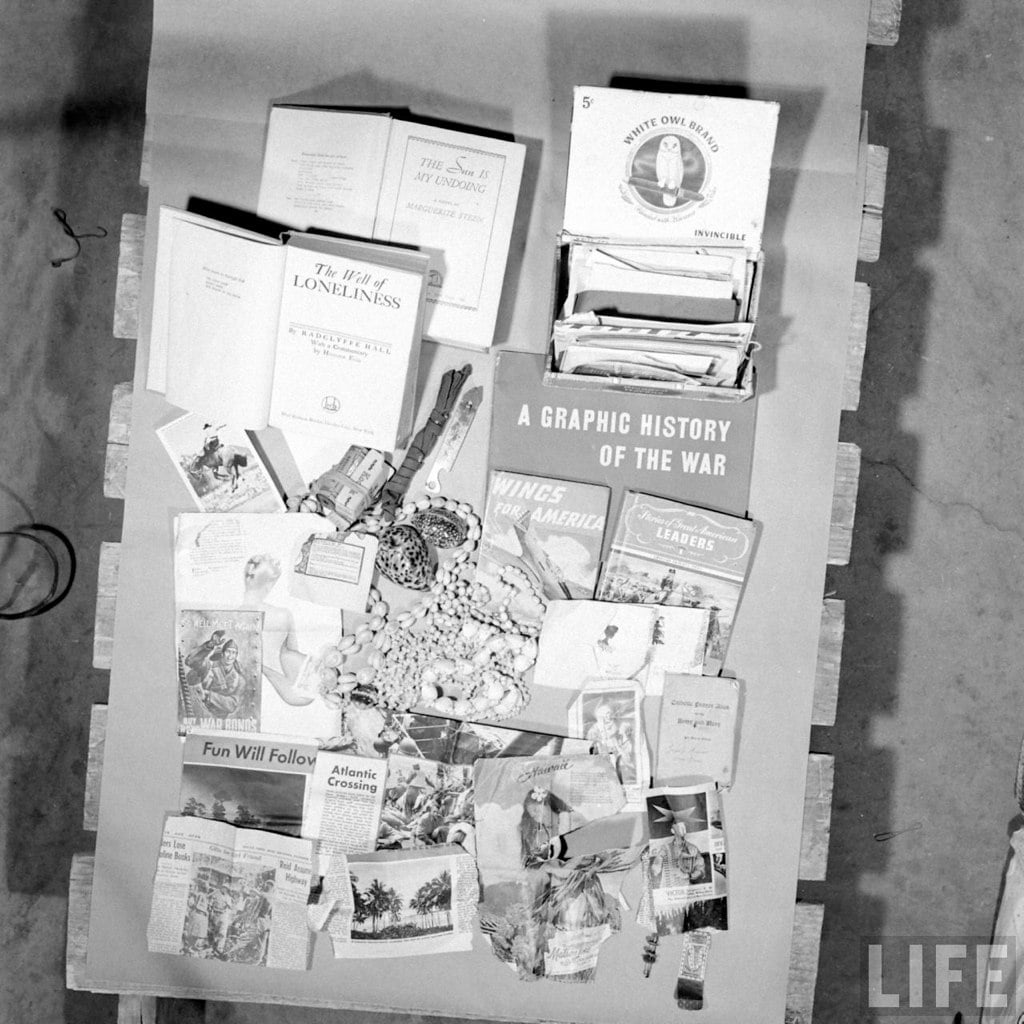
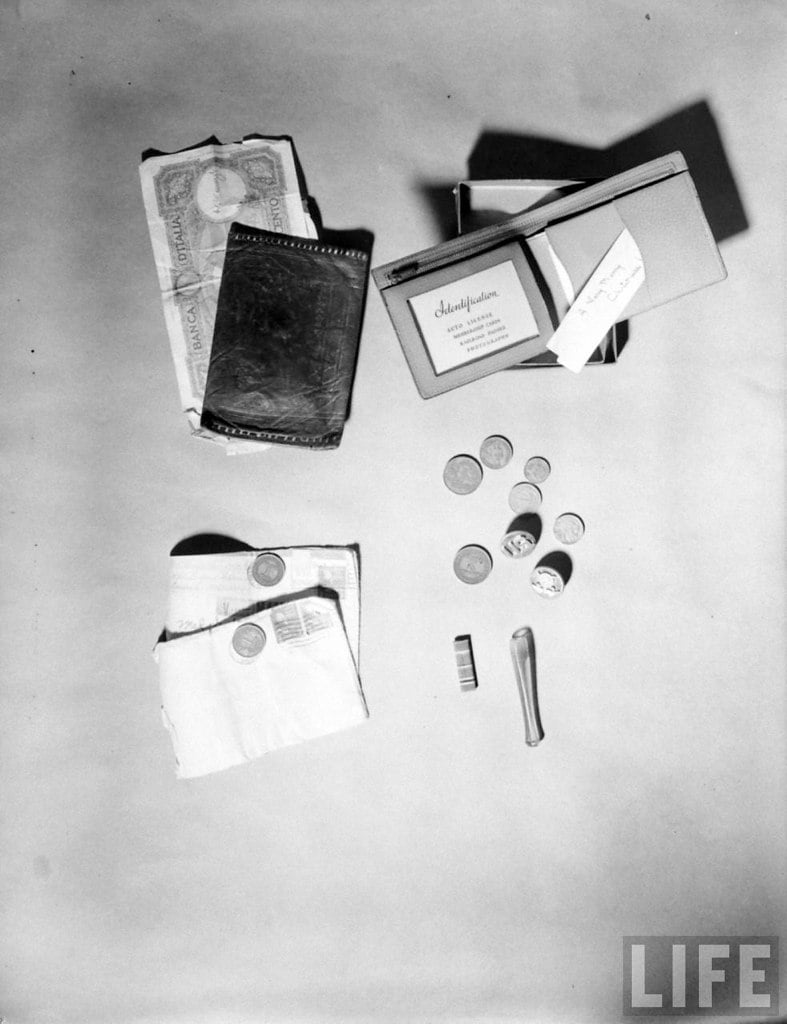
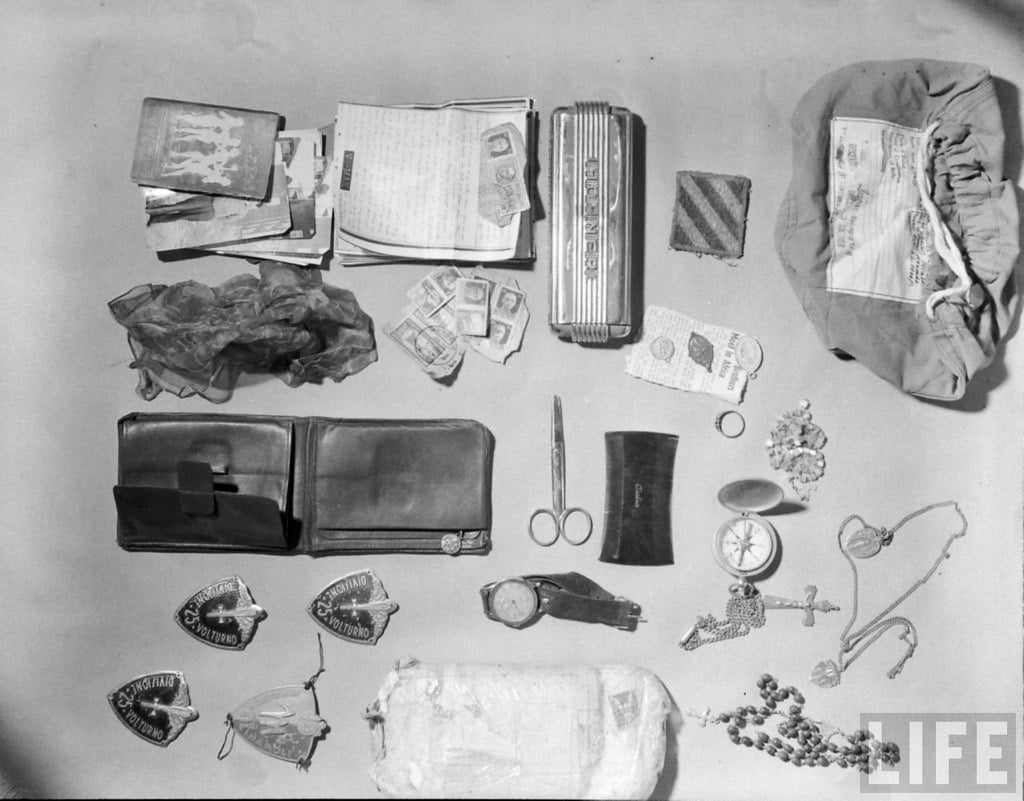
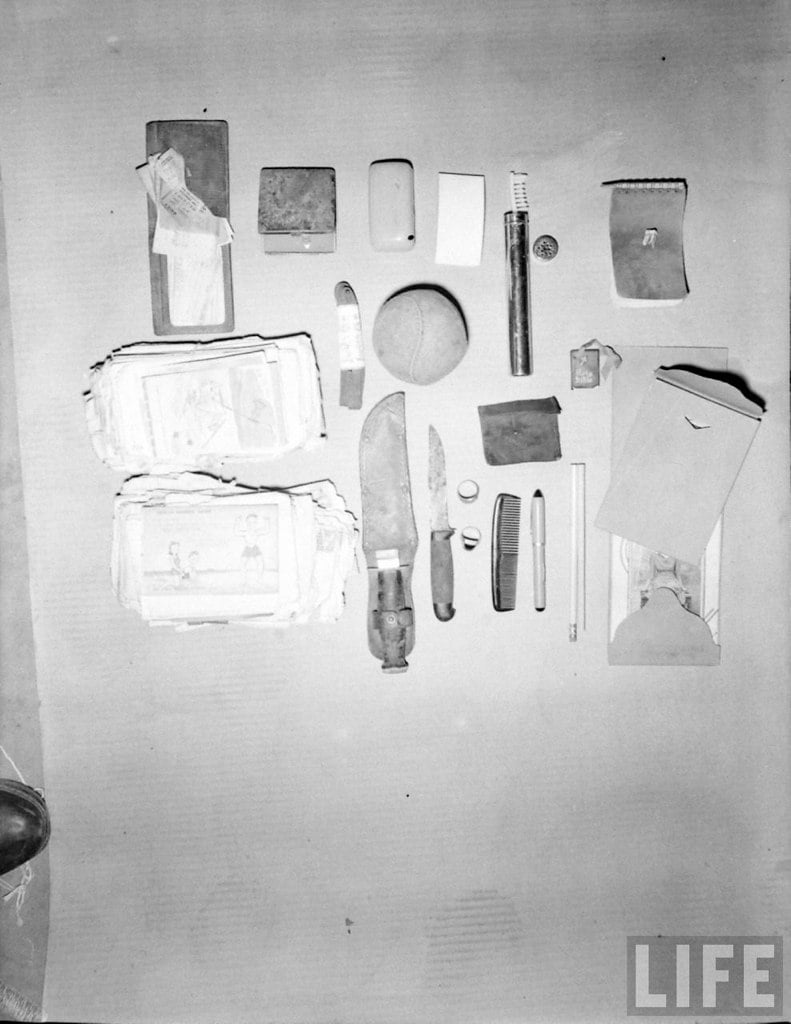
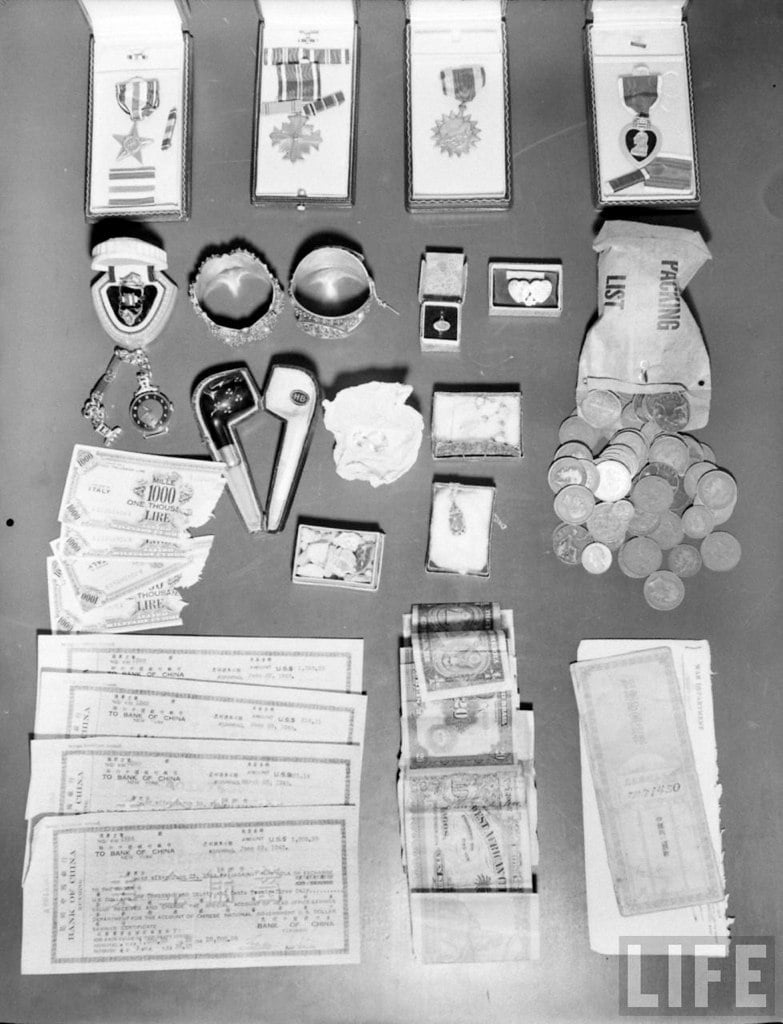
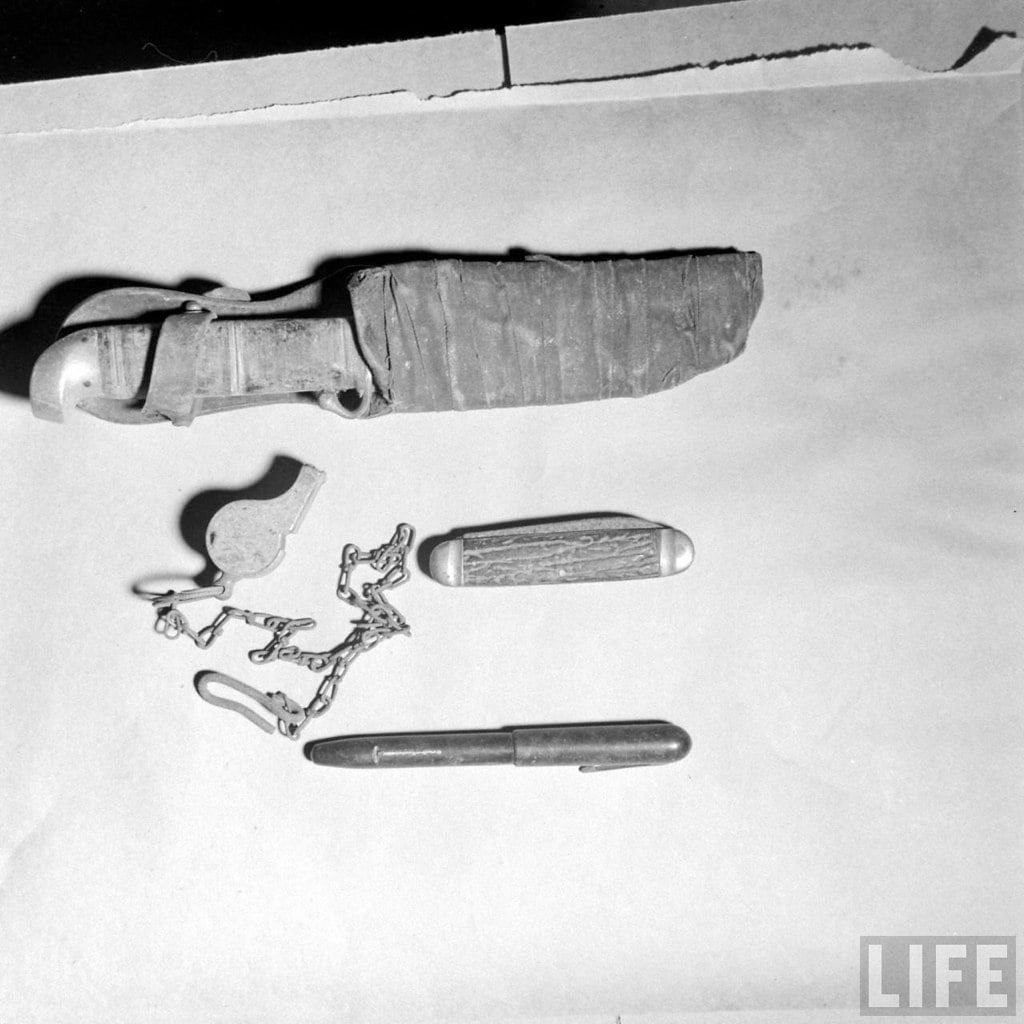
Original World War Two Personal Effect Images

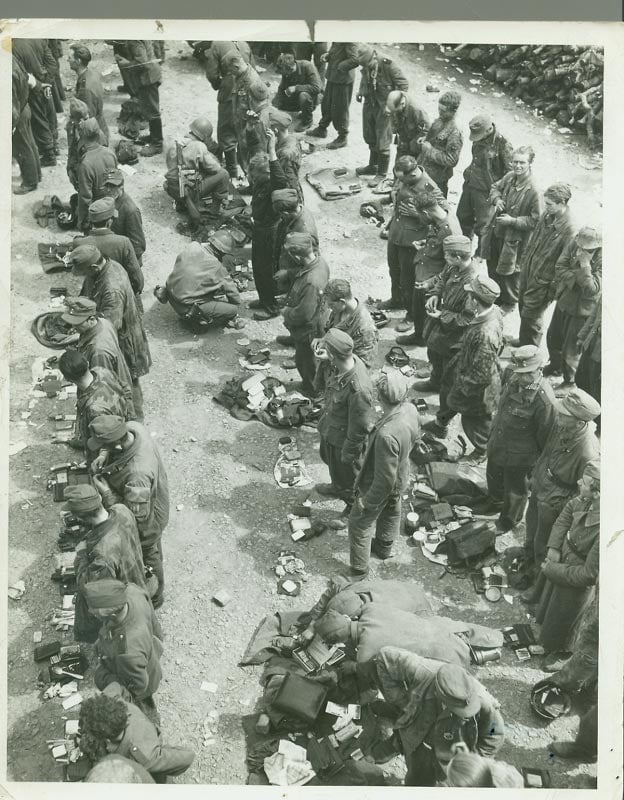
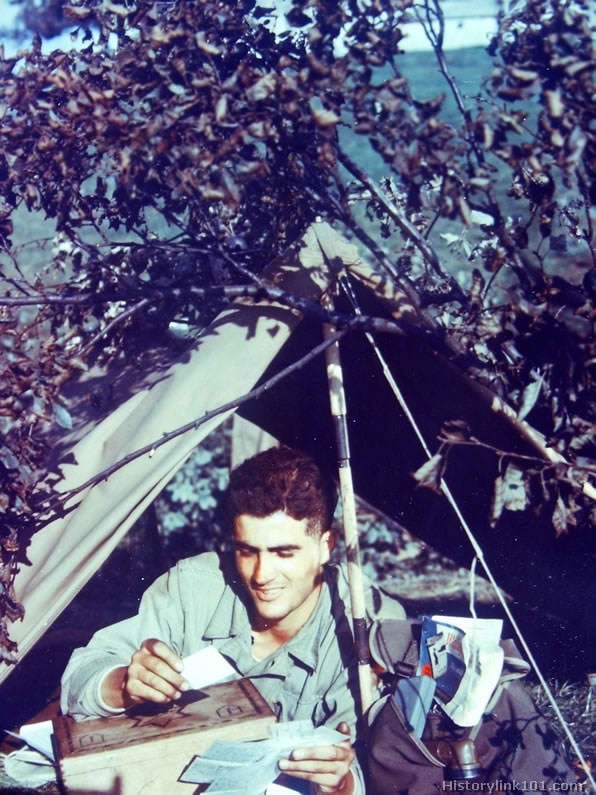
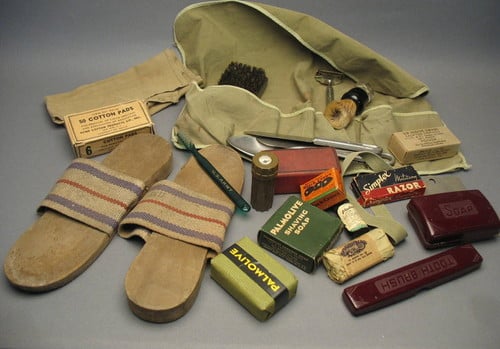
Below are some pictures from my personal archive of personal effects of soldiers in WW2. The Timelife ones are, I think, taken from airmen who perished during their mission.
The Timelife ones are, I think, taken from airmen who perished during their mission.
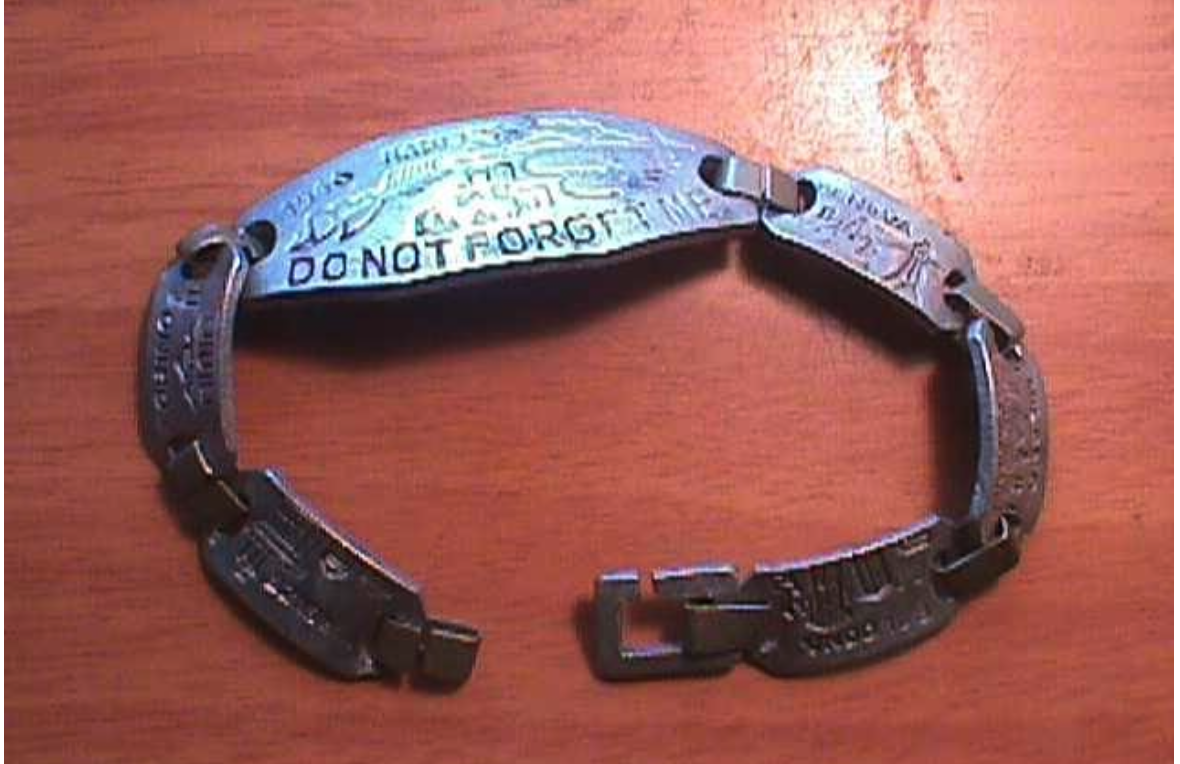
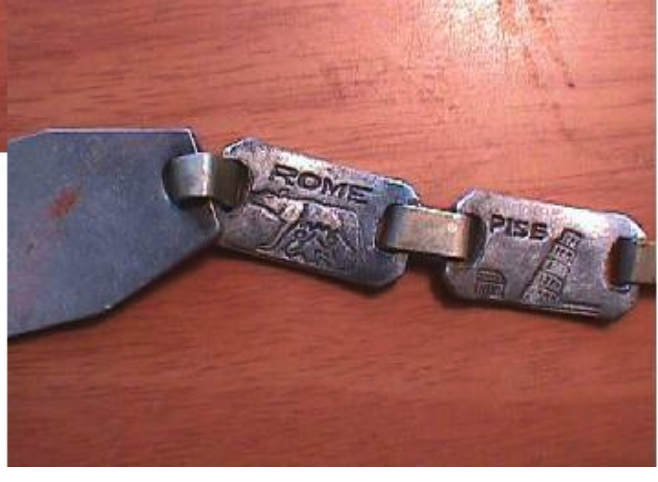
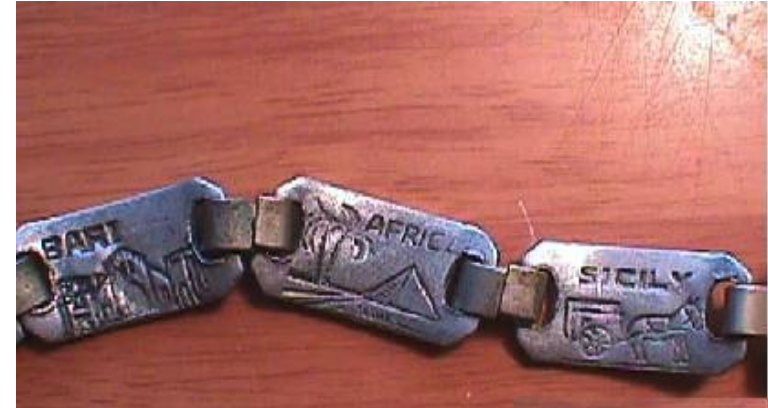
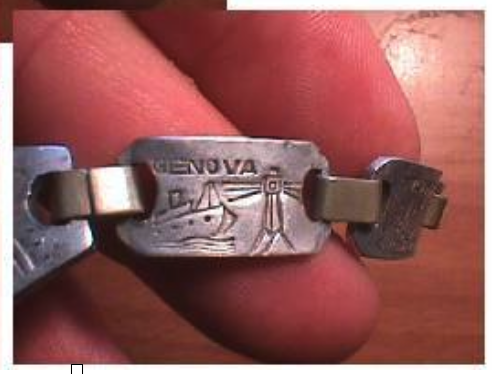
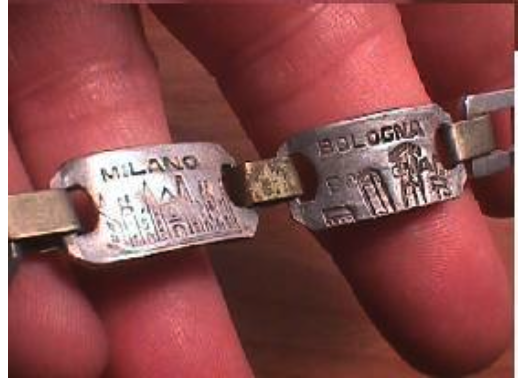
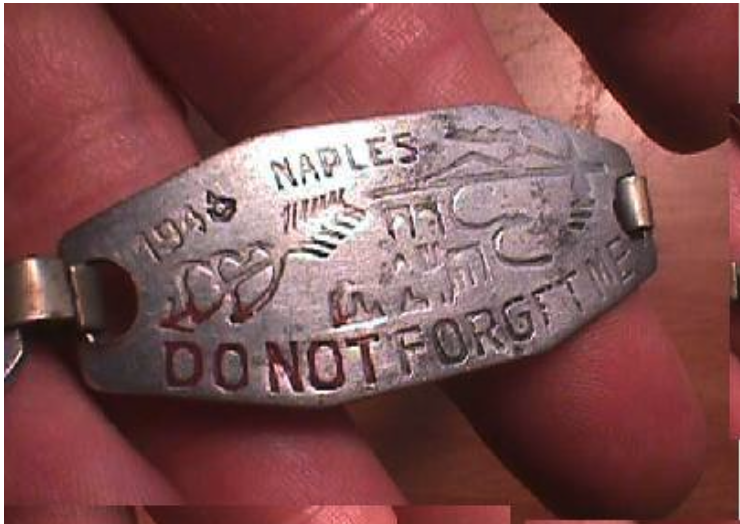
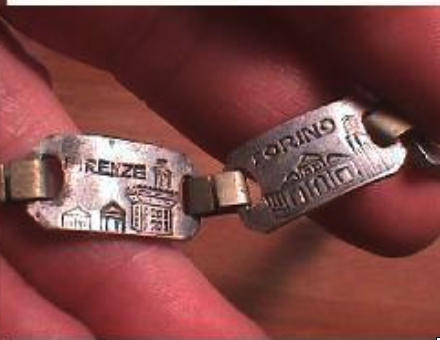
Bracelets – This is taken from an old eBay listing of the 88th Infantry Division, 351st Regiment. Made of maybe aluminum. Shows a timeline of their service in Italy.

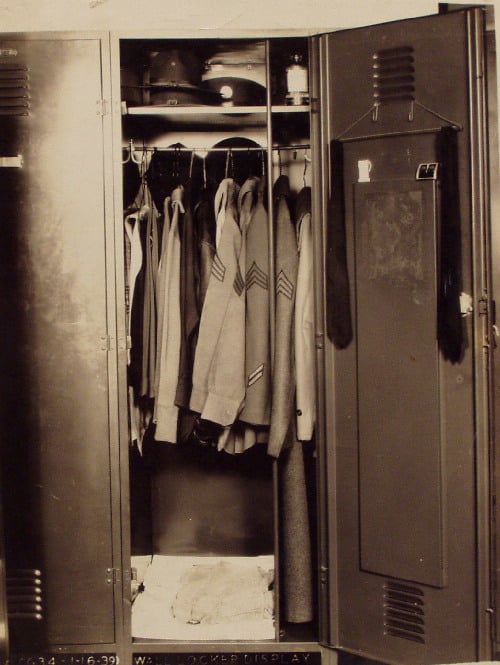
Footlocker images –

Posted on

Fat Soldiers in World War Two

There’s often been a discussion of weight as it pertains to soldiers in WW2. The US Army had height and weight requirements, but I suspect wartime demands may have overlooked them for certain situations.

Indeed, the US Army had a set of Mobilization Regulations No 1-9 created in Aug 1940 that set physical standards –

They then changed it in April 1944, which set physical standards but the height and weight requirements don’t seem to have changed.

You can download a few more physical standard PDFs here in this zip file

Arguably, I think you’d be in a tough position to prove that an exceptionally tall or exceptionally overweight soldier would be on the front line in a foxhole. However, there’s enough evidence that such soldiers did fight in WW2, but likely in a rear or support position.
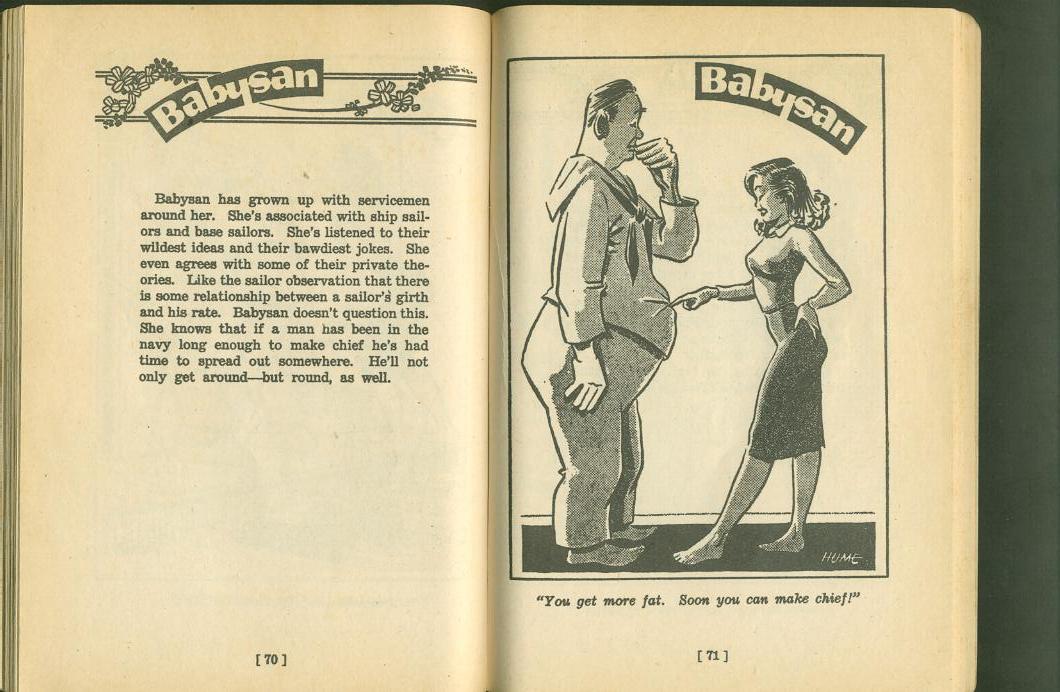
Indeed, there are a few publications that created humorous cartoons alluding to this fact (especially with the Navy).
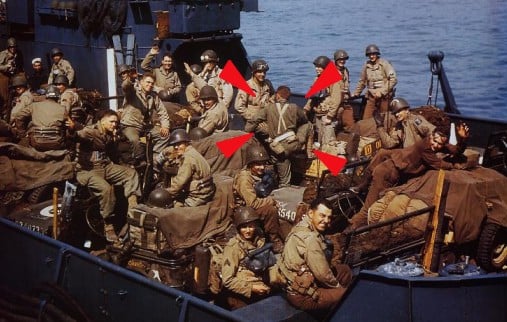
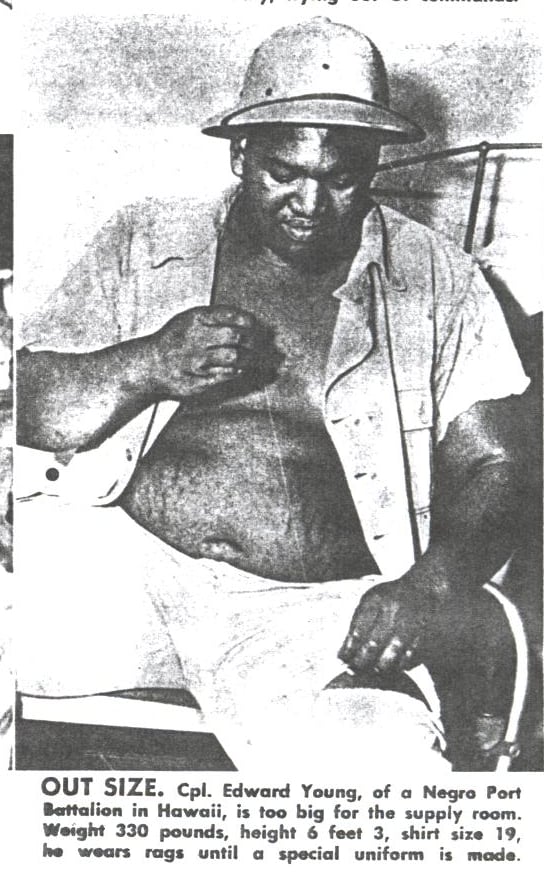
Cpl Edward Young of the Nergo Port Battalion in Hawaii is probably the heaviest African-American, weighing in at 330 pounds.

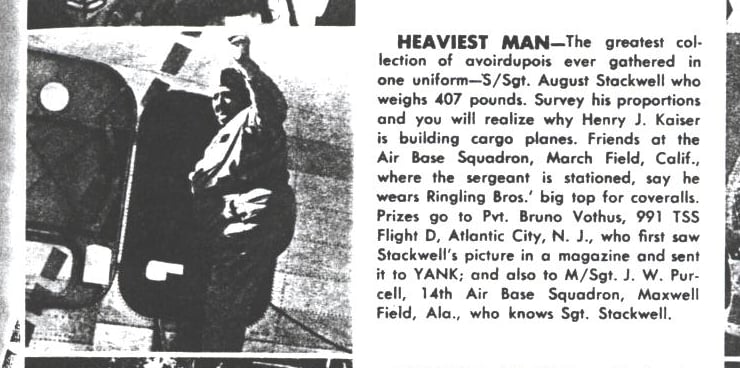
S/Sgt August Stackwell from the Air Base Squadron in March Field, CA, is likely the heaviest white soldier, weighing in at 407 pounds.

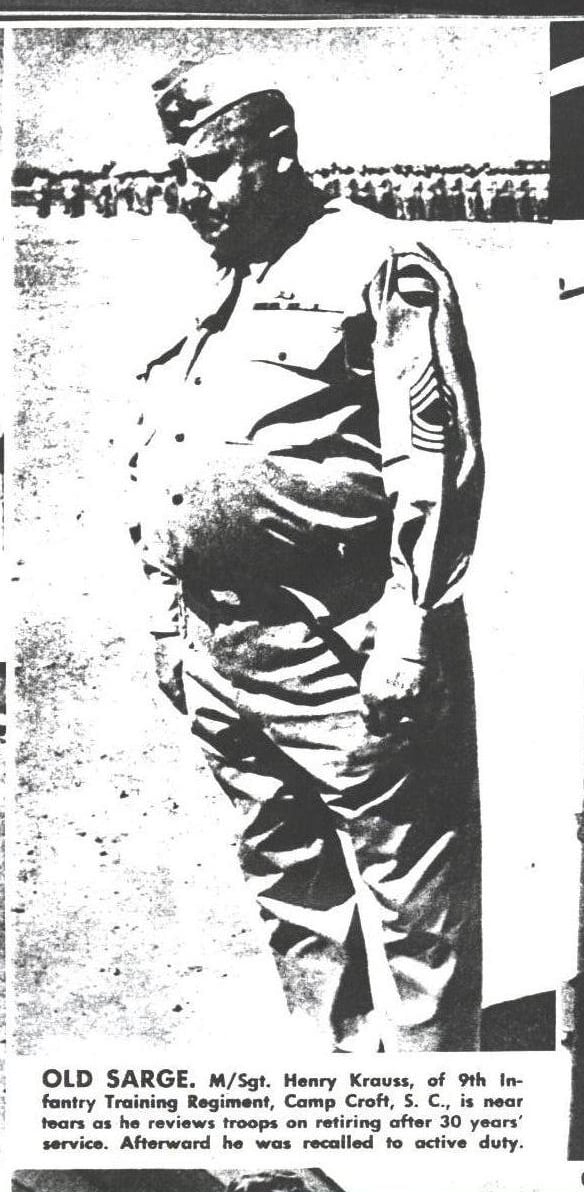
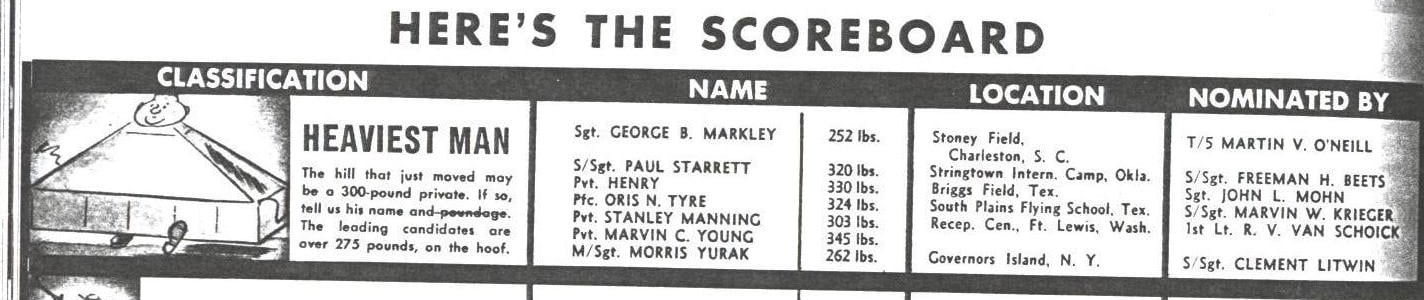
Yank Magazine also profiled a few persons and collected nominations for who the heaviest soldiers are.

Below are some images that highlight that fact.

Posted on

World War Two 88th Infantry Division

When I first started reenacting, this was the unit my friends and I decided to reenact. It was a draftee division made up of average Americans, and we thought it fitting. Over the years, I’ve collected lots of information related to this unit, and I’ll be putting it here. I also had the opportunity to correspond with a few 88th Veterans: Carlos Cordova, Frederic Lincoln, Bob Wells, Leonard J. Dziabas, John Mezinarch, Thomas O Kinney, and Donald Zucker. I also worked with James Brindy and helped edit his diary: Echoes of War: The Memoirs of a 976th and 913th Field Artillery Battalion Wireman in Italy during World War II.

The 88th Infantry Division Archive has more historical resources available.

As well as the 88th Infantry Division Archive.com Discussion Group on Facebook.

349th Infantry Regiment

350th Infantry Regiment

Country Boy Infantry: Bluedevils 88th Infantry, 1944-1945 by Carey E. Ashcroft. Yellow Springs, OH: Keahey Graphics, 1997. – Images are taken from that book. Consists of a narrative of the 350th Cannon Company.

Book may be hard to find/out of print?

The Anti-Tank Company 350th Infantry and the Po Valley Battle – A short history of that company’s involvement in the battle. Includes a roster.

351st Infantry Regiment

2nd Lt Clyde William Morrison Jr, Co M 351st Infantry Regiment – Diary account of time in service. Includes a few Heave Ho scanned publications at the end. Heave Ho was a publication made either by the soldiers on the ship or the navy personnel to help pass the time on the voyage back to the States. A few racy and nude drawings are included.

1st Lt Frederick J. Kraics 351st Regiment Co H 2nd BN, Interview – He was a machine gunner in charge of 4 machine guns.

351st Santa Maria Infante Small Unit Actions May 1944 – About the battle for Santa Maria Infante

Leonard J. Dziabas, H Company, 351st Infantry Regiment – This is some personal correspondence I had with him back in 2003. He’s been featured in a few documentaries and other interviews, such as this Witness to War one.

He passed away in 2012.

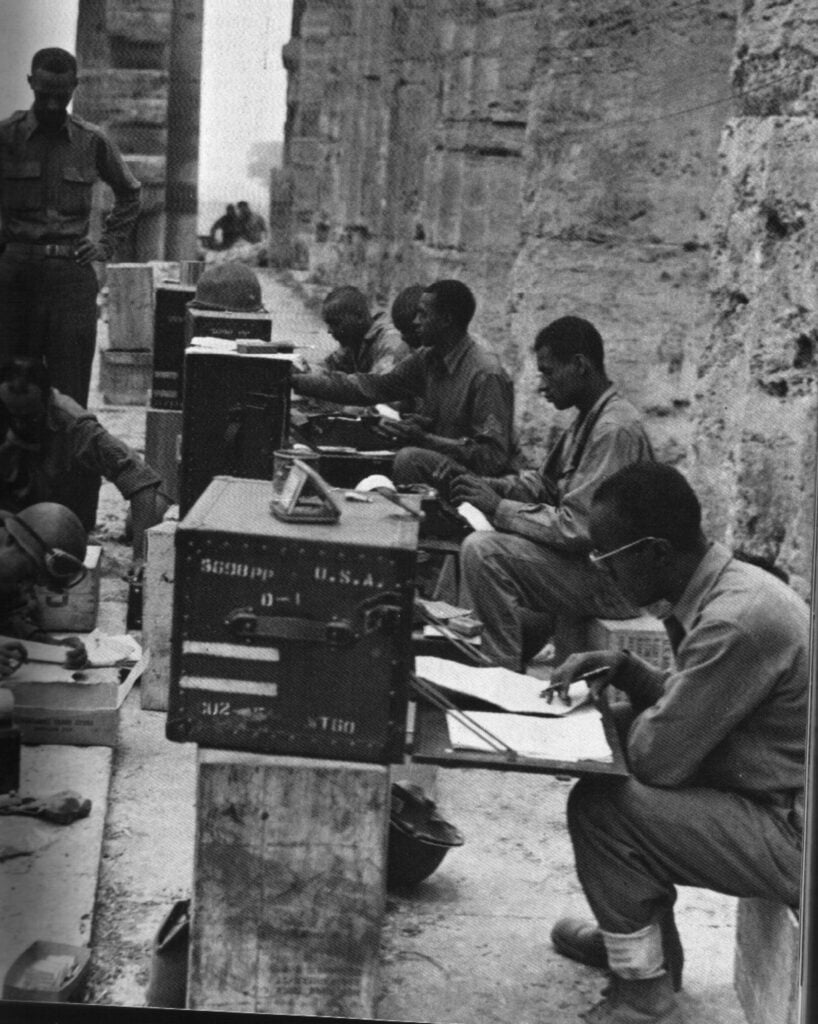
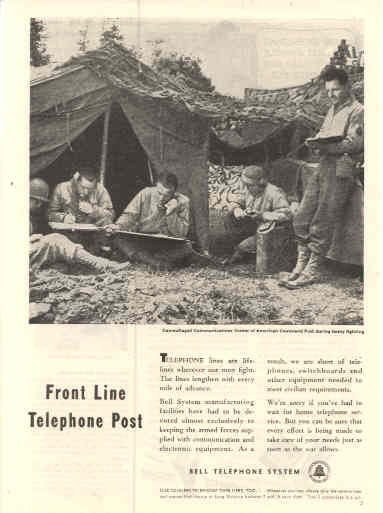
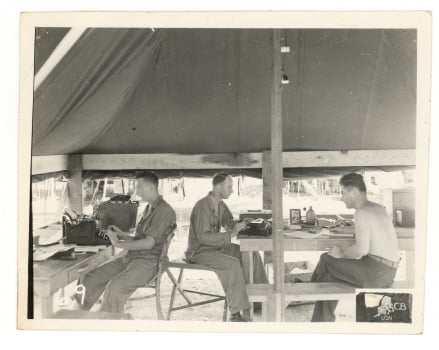
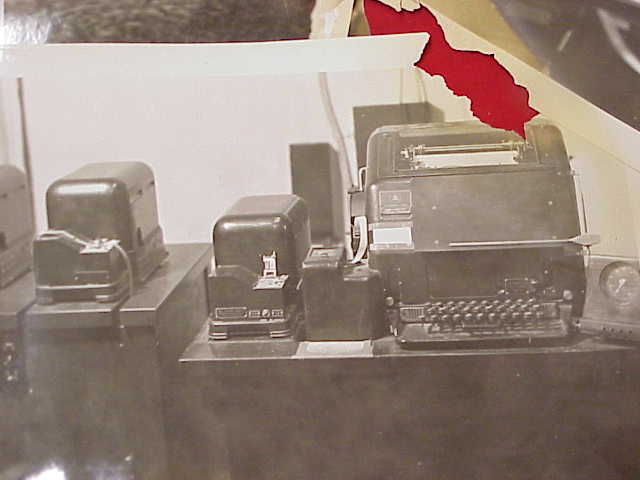
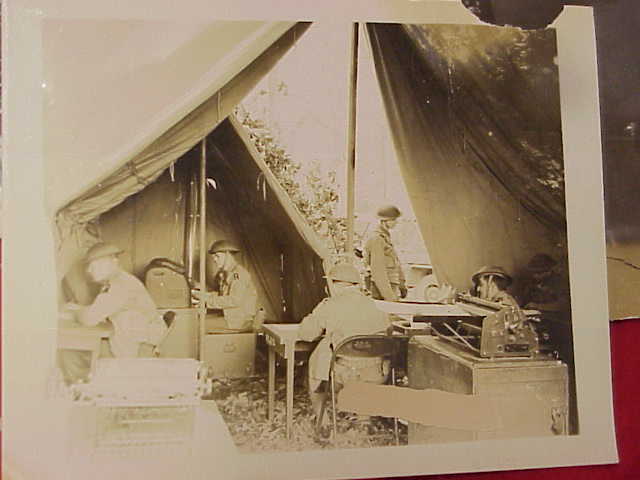
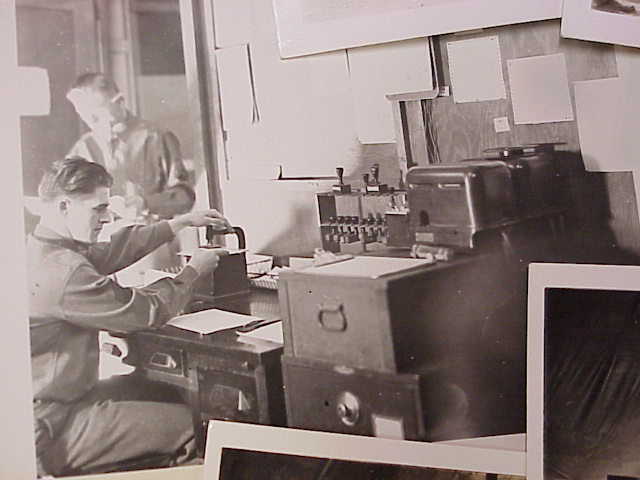
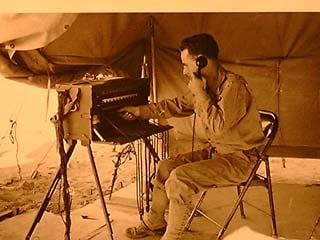
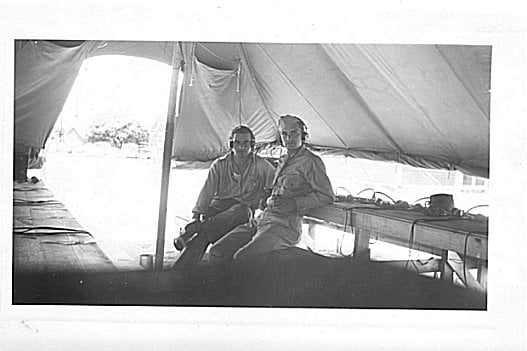
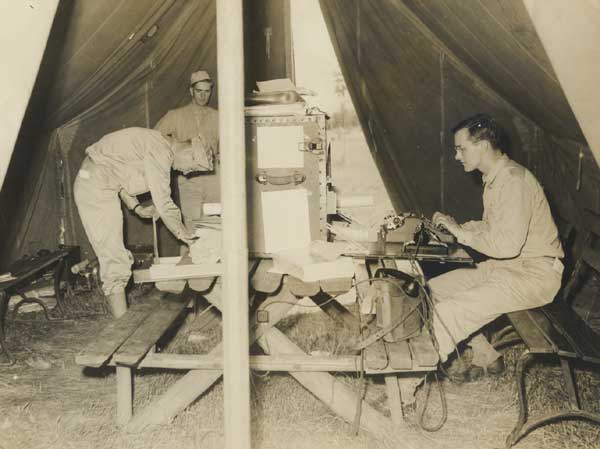
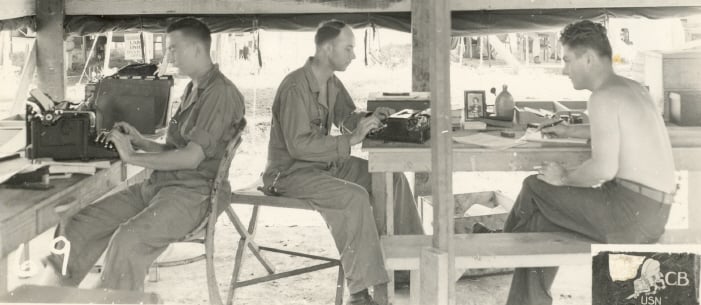
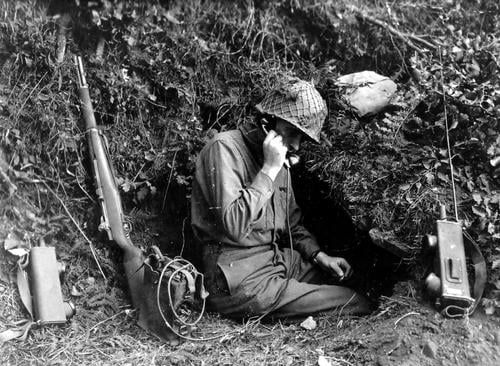
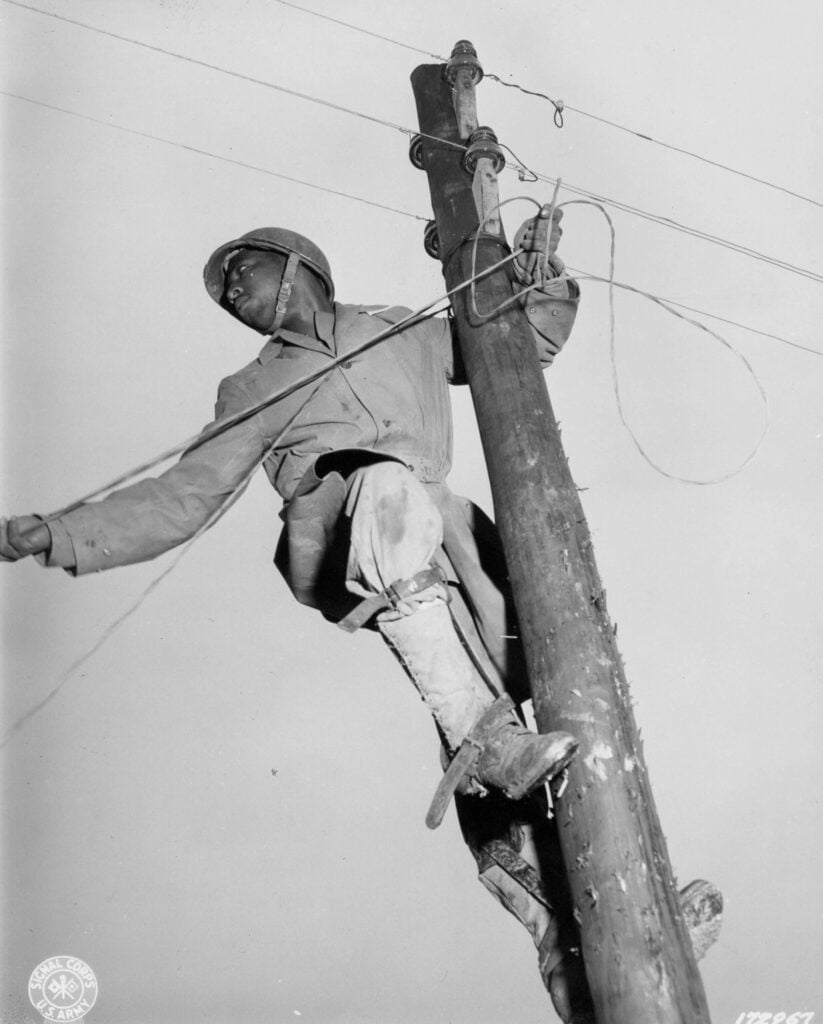
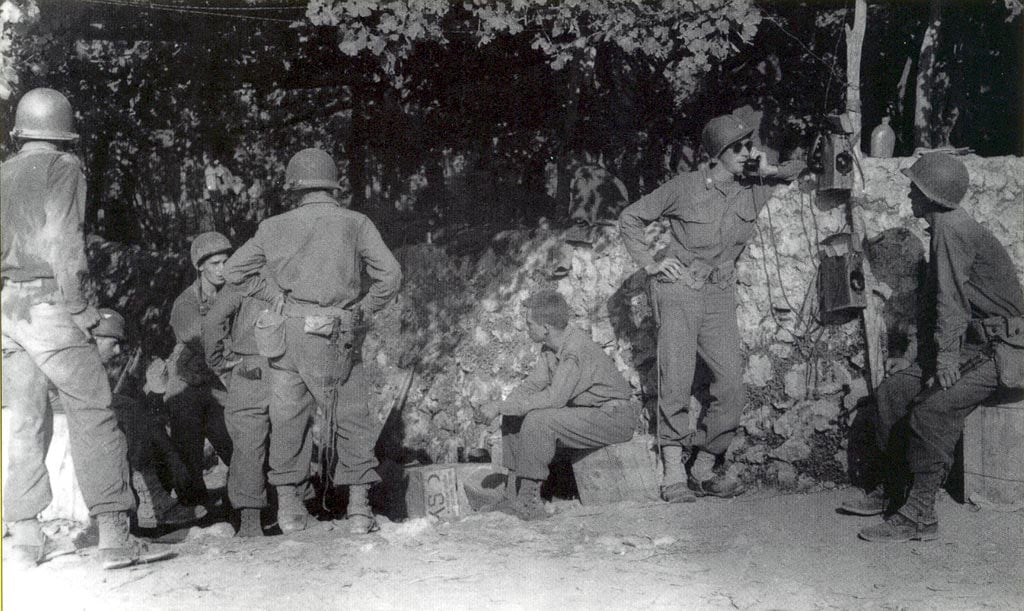
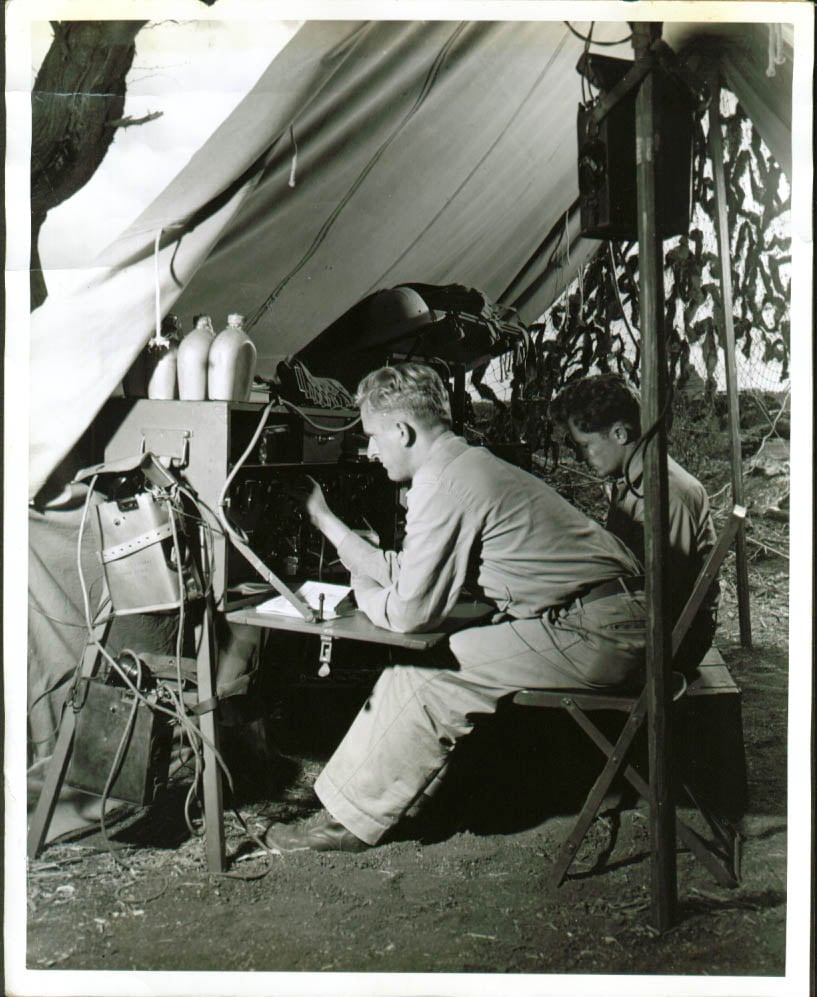
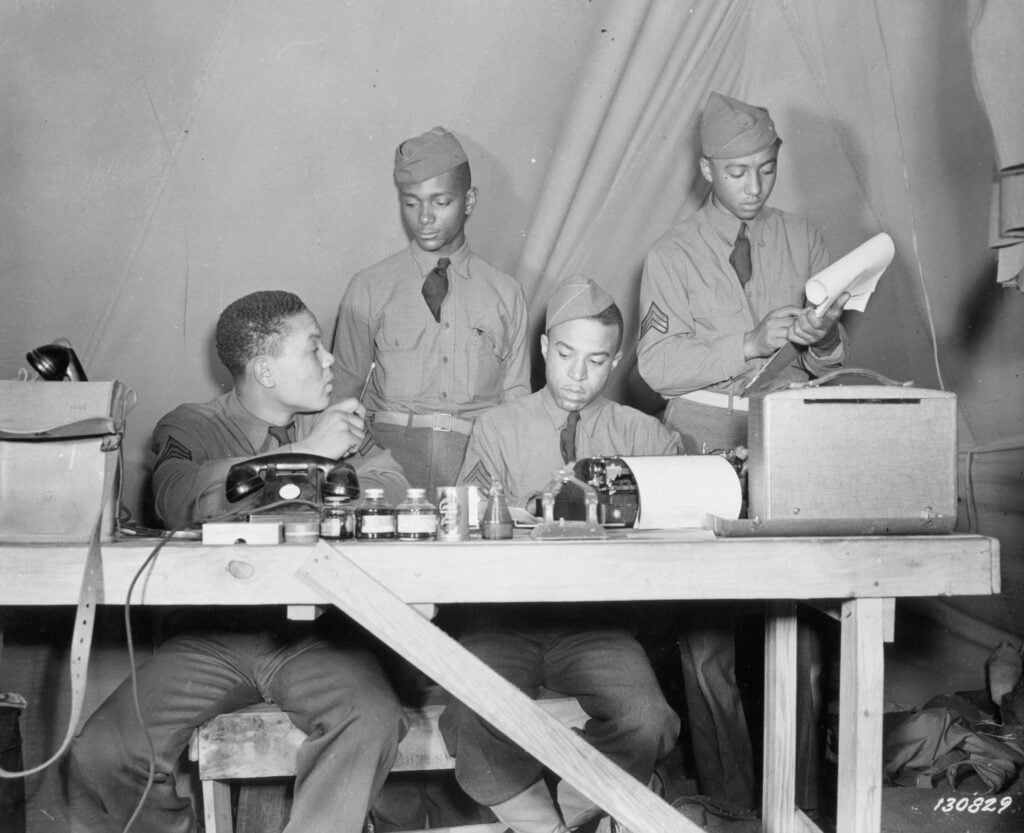
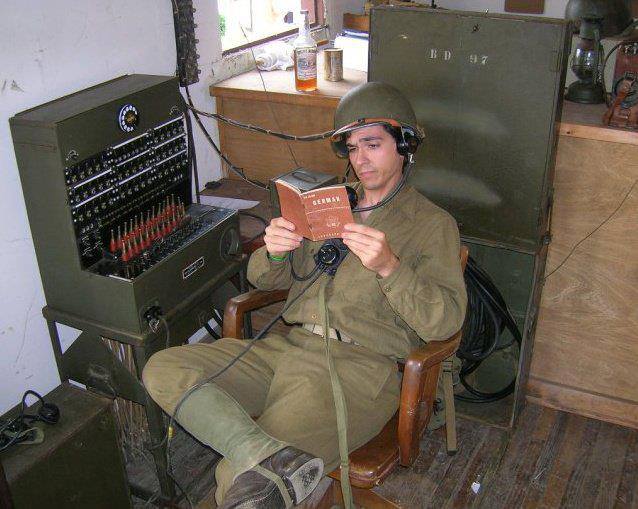
351st S-2 Journal Oct 23rd and 24th 1944 – A neat example of a probable radio operator (though it could be wire!) listening to radio traffic and transcribing it. This is probably at the regimental level as the regiment is communicating with different battalions (white and blue).

Fr means from, and To means to.

I’m unsure who Seagull and Sunray are.

351st 3rd Battalion Bulletin from March 26th and 27th 1944 – Looks like some kind of battalion-level news sheet. A partial copy.

What’s hilarious is that someone obviously asked about getting pin-ups, and it has to be explicitly mentioned that “the battalion does not anticipate reproducing pin-ups.”

351st Santa Maria Infante Attack Route Maps and images – a zip file containing a historical map analysis of the attack routes as well as images of the roads and ruins around Santa Maria Infante.

351st Oct 24th 1944 Daily S-4 Report to G-4 by Maj William H Klein – a status report of needed supplies and units.

Other Units and Misc Reports

913rd Field Artillery Battalion – 88th Infantry Division attached field artillery

Muzzle Flash – a report from a field artillery unit in Italy and in Europe. I’m unsure if it was or wasn’t with the 88th.

88th Infantry Division Stats Document – A general document to give an idea of what I think might be a shipment of soldiers coming into the unit. The idea is to get a handle on who they are.

It may go with: Enlisted Personnel Replacement Requisition WD AGO Form 210 May 1942.

88th Infantry Division Images

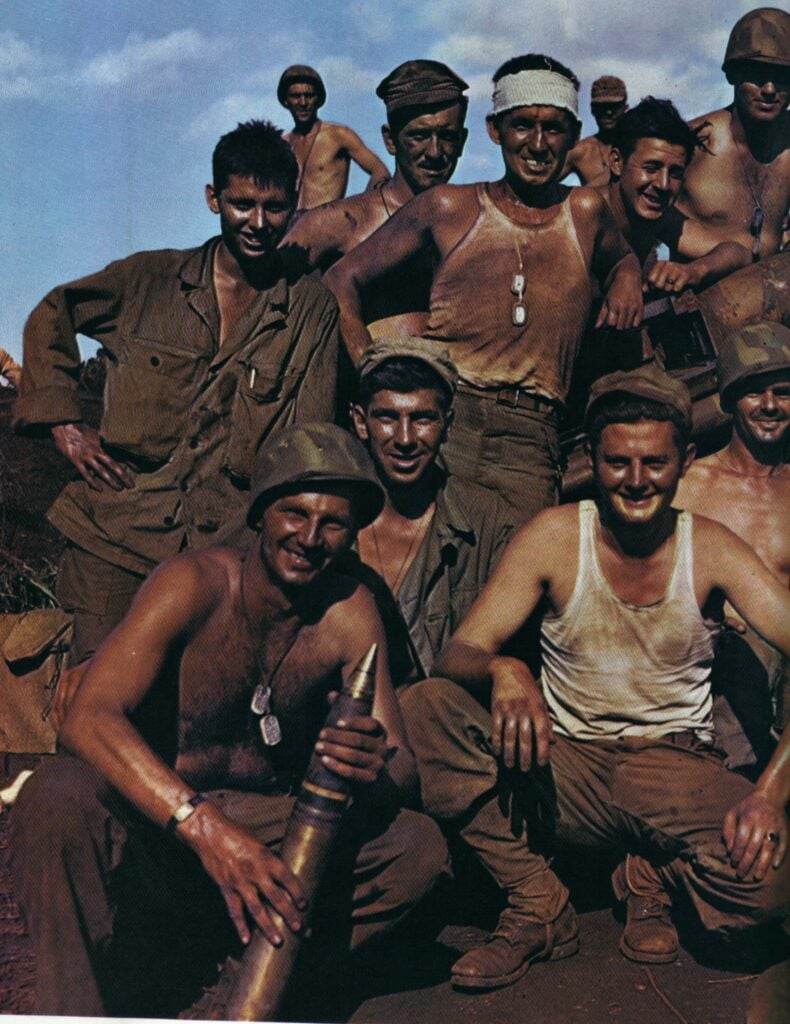
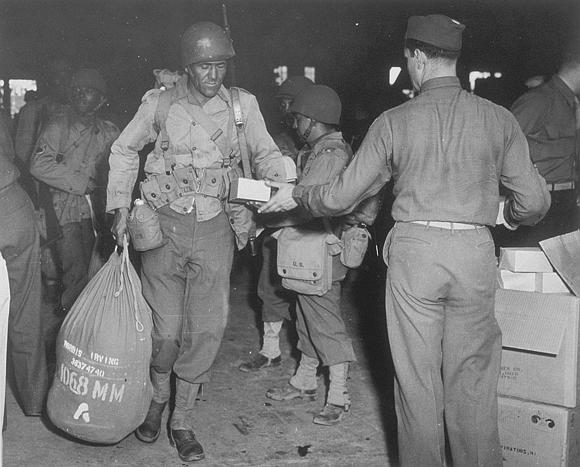
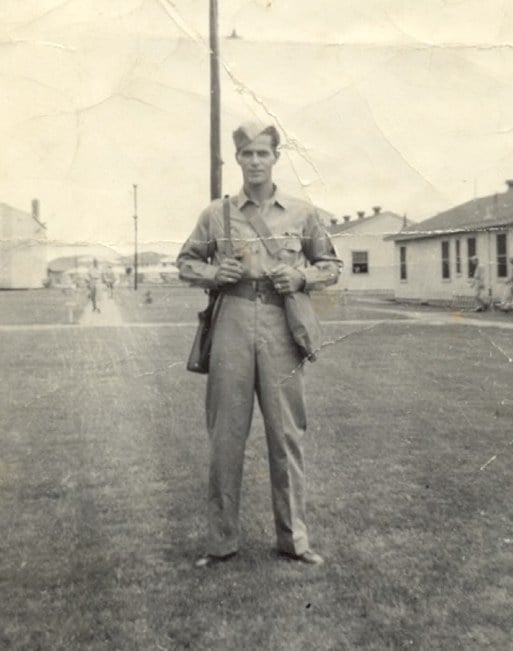
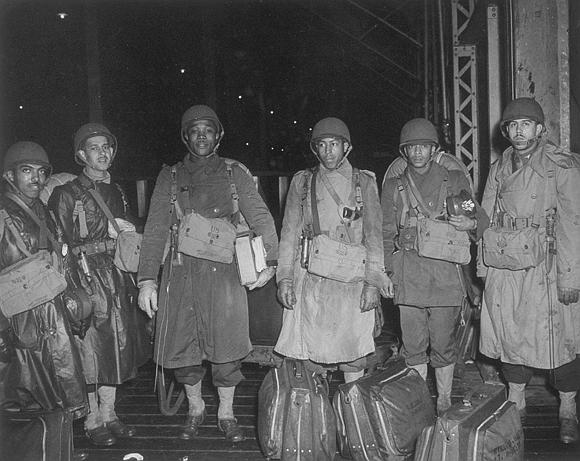
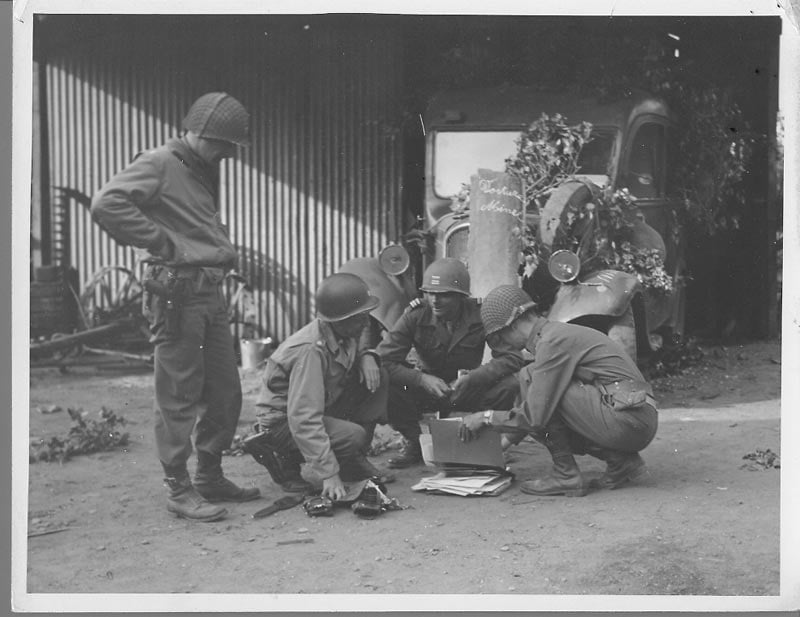
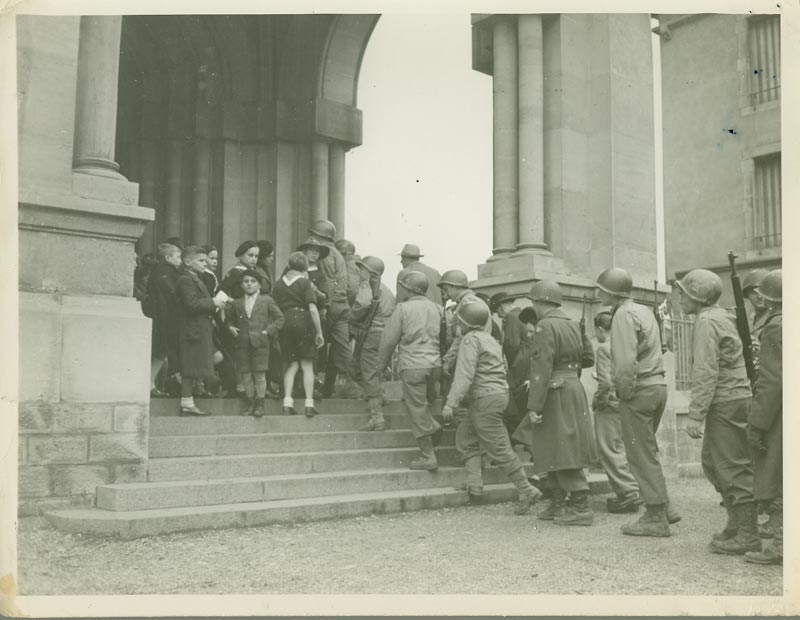
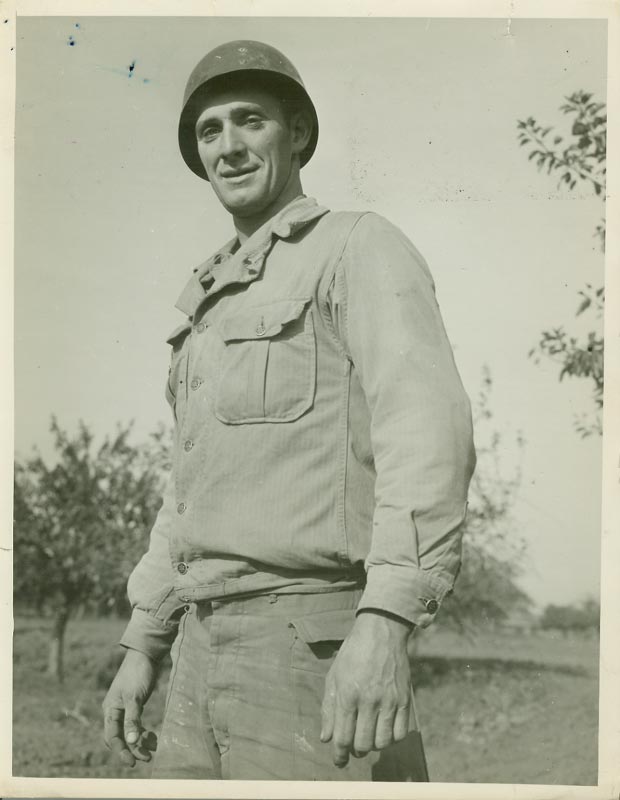
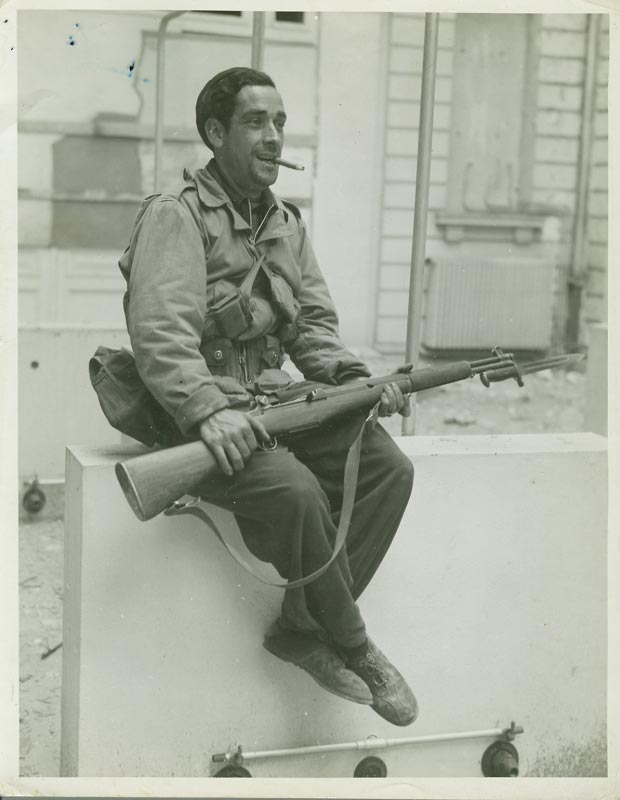
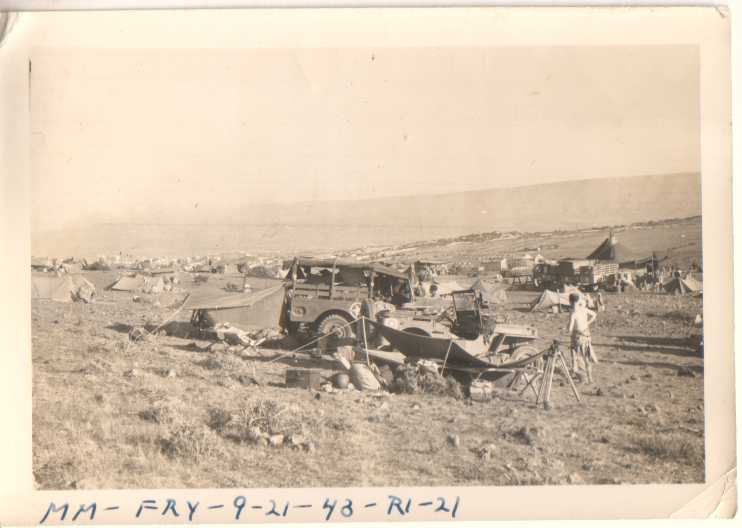
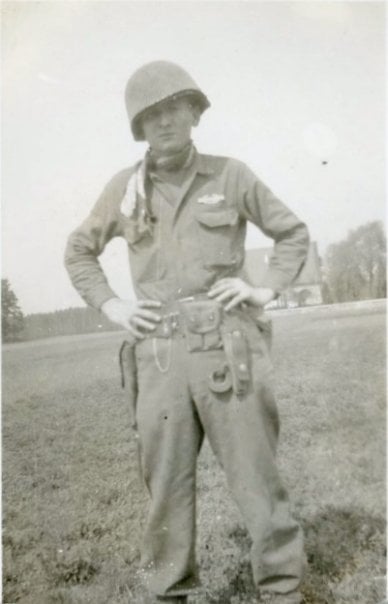
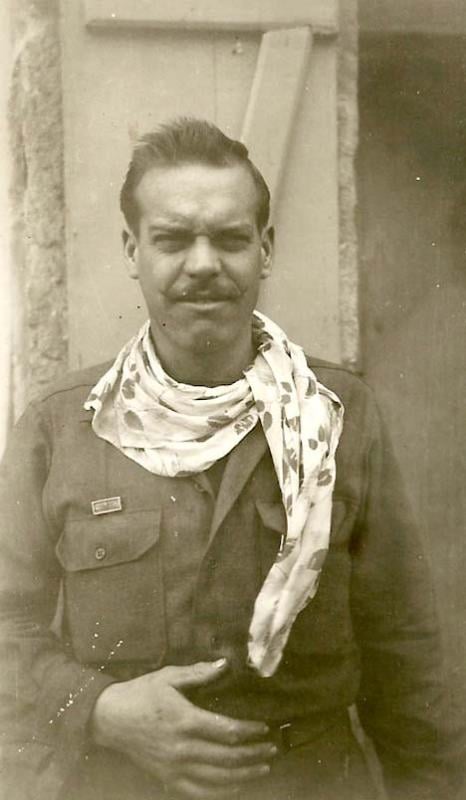
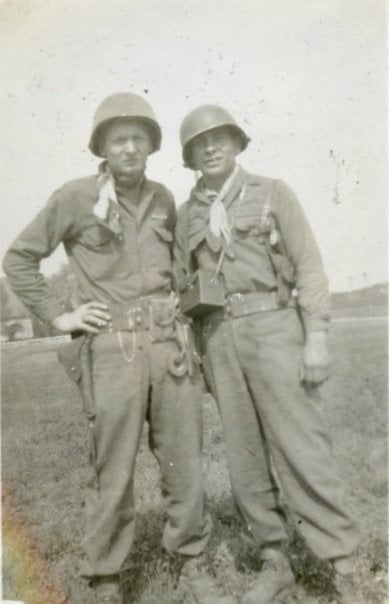
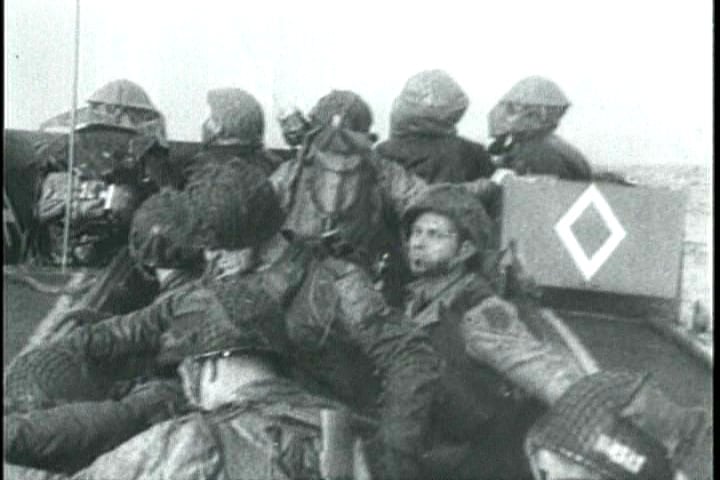
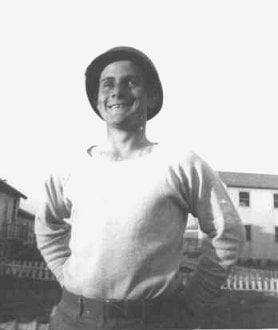
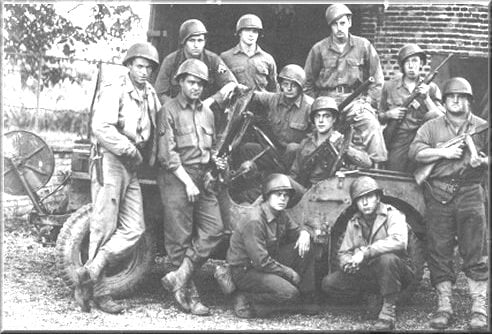
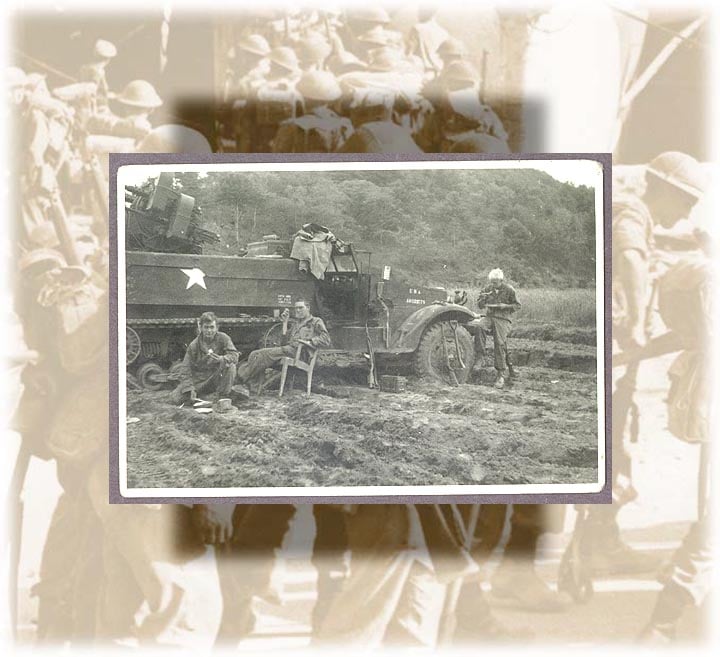
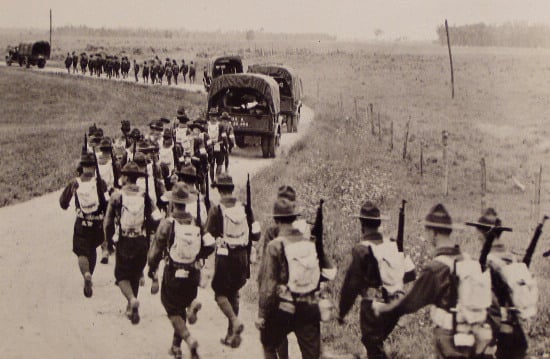
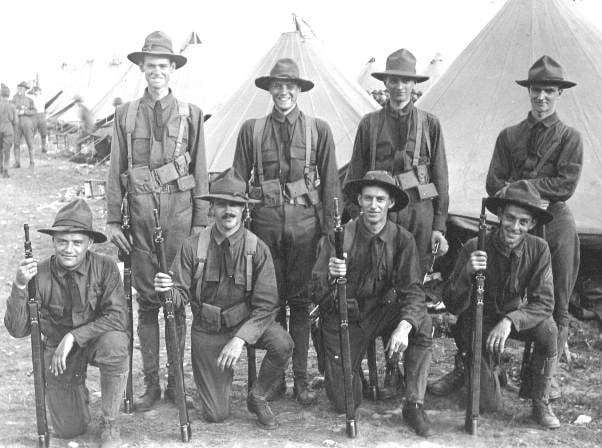
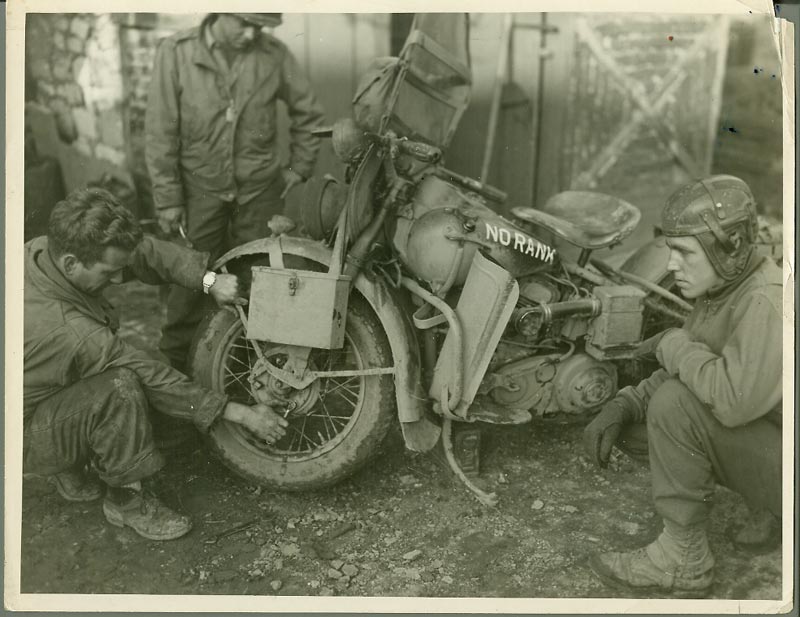
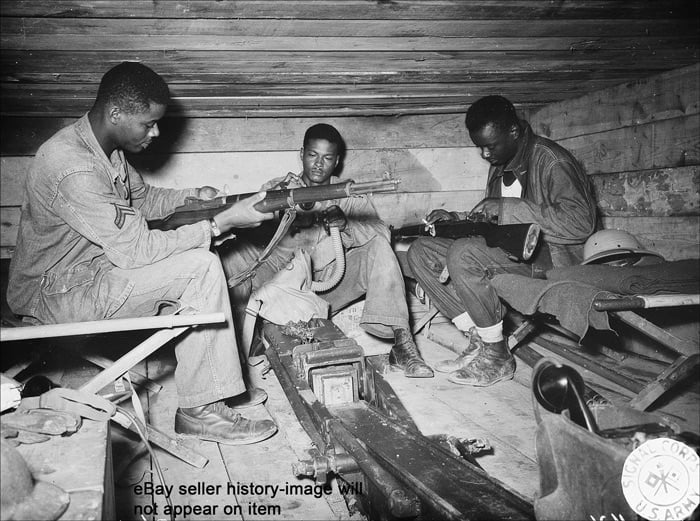
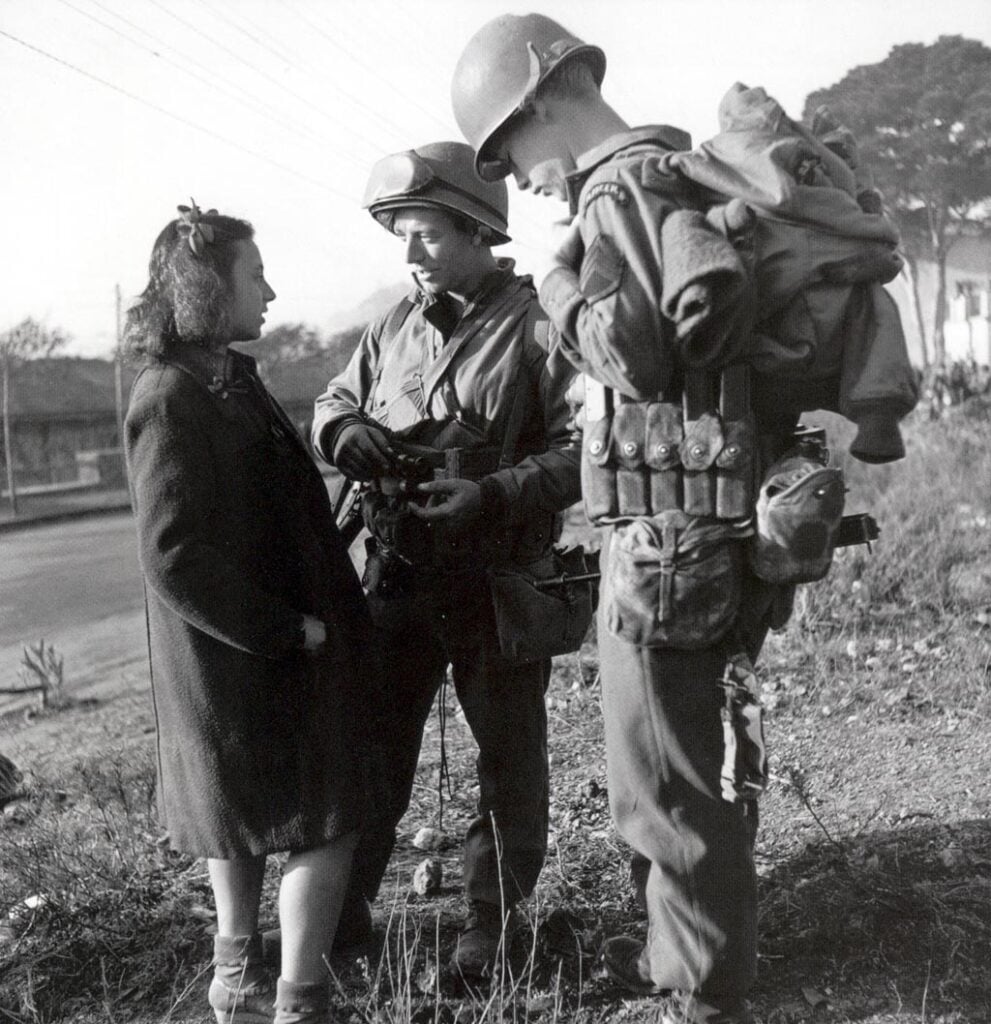
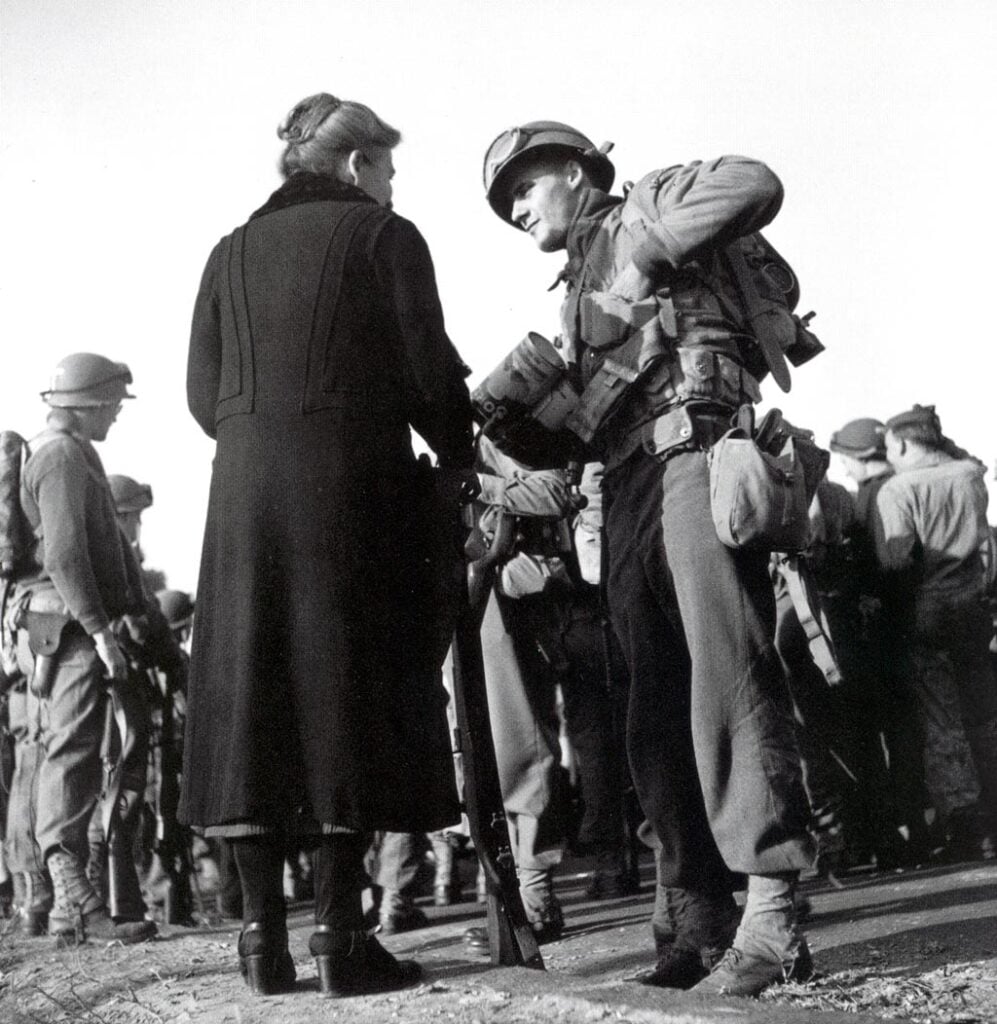
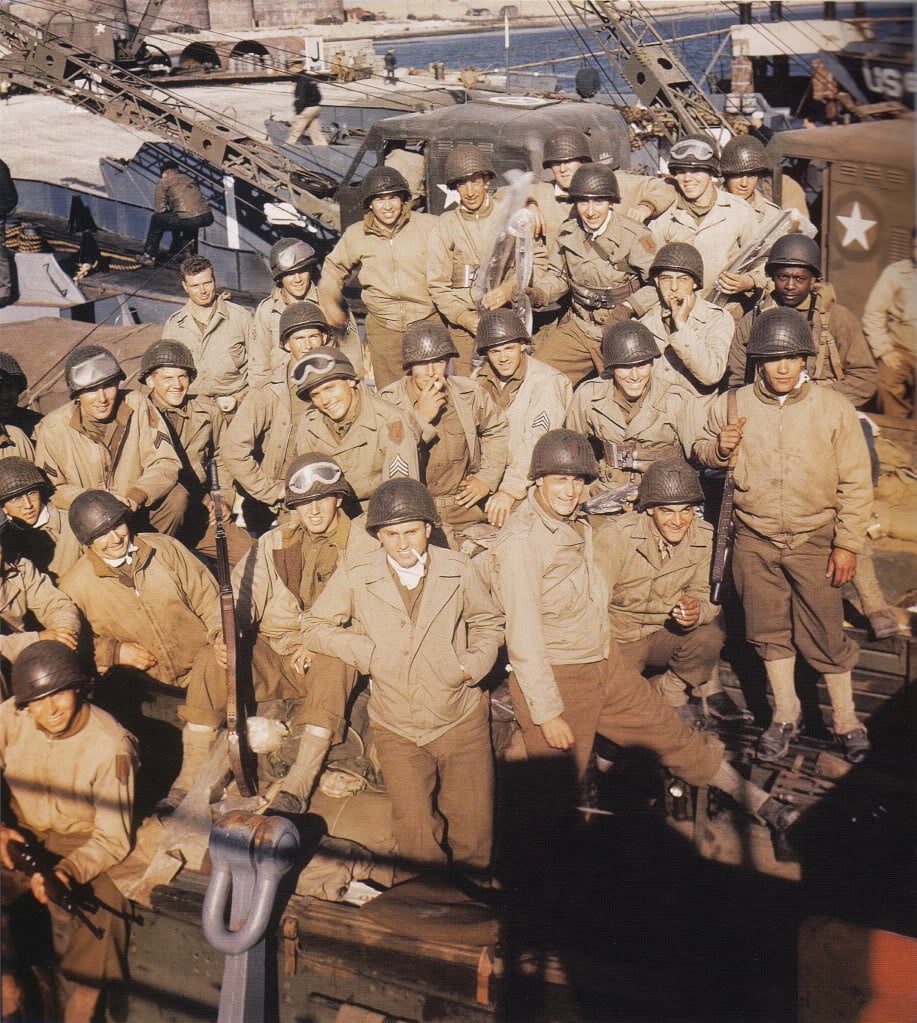
These are just some images I’ve collected over the years. These are all expected to be images of the 88th Veterans or original 88th Infantry Division WW2 era photos.

The ring is a vintage WWII 88th Infantry Division, the Blue Devil Division Men’s Ring. Marked on the inside SILVER 800″ and marked around the outside “BLUE DEVIL DIVISION” along the edge of the ring. The ring is worn but not too worn. It is approximately a man’s size 9 1/2-10. The face of the ring is 1/2″ square. and it weighs 12.2 g. Marked 800 Silver, so I’m guessing it was made in Italy during the occupation.

Battle Mountain Photos

The Battle Mountain photos were taken by a fellow history buff in the early 2000s.

Monuments

Battle Mountain as shown from the perspective of the German lines

Battle Mountain from the US lines as they approach it

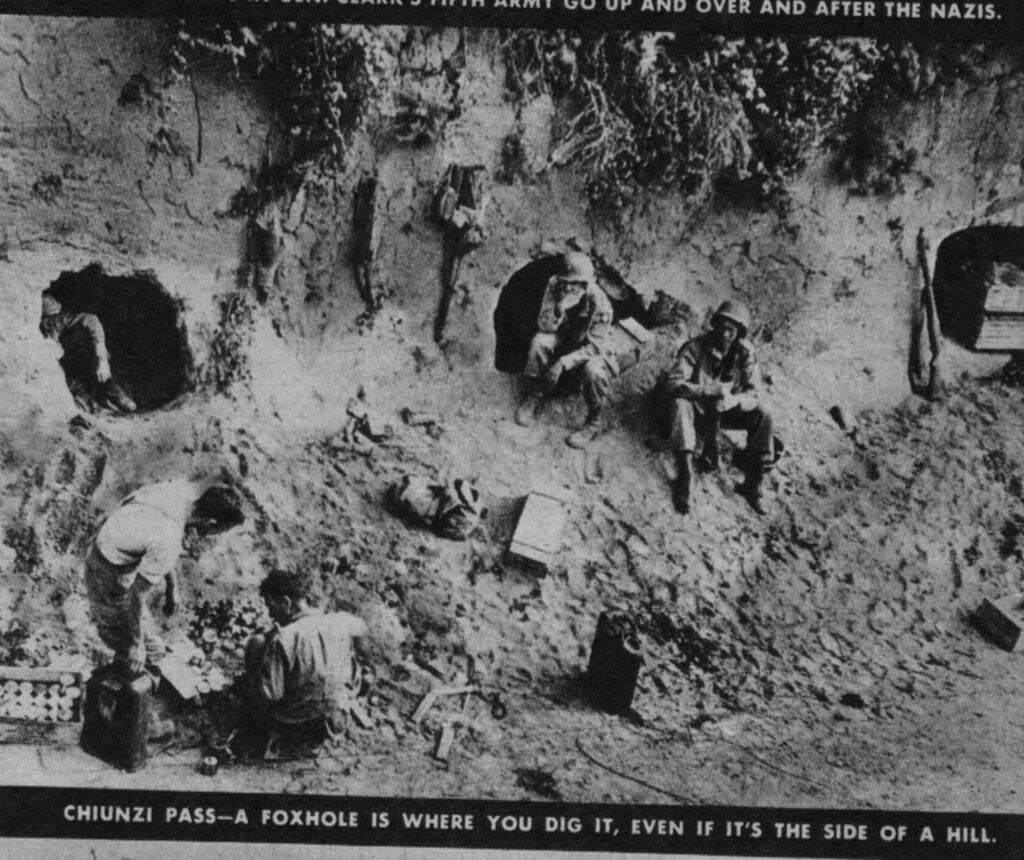
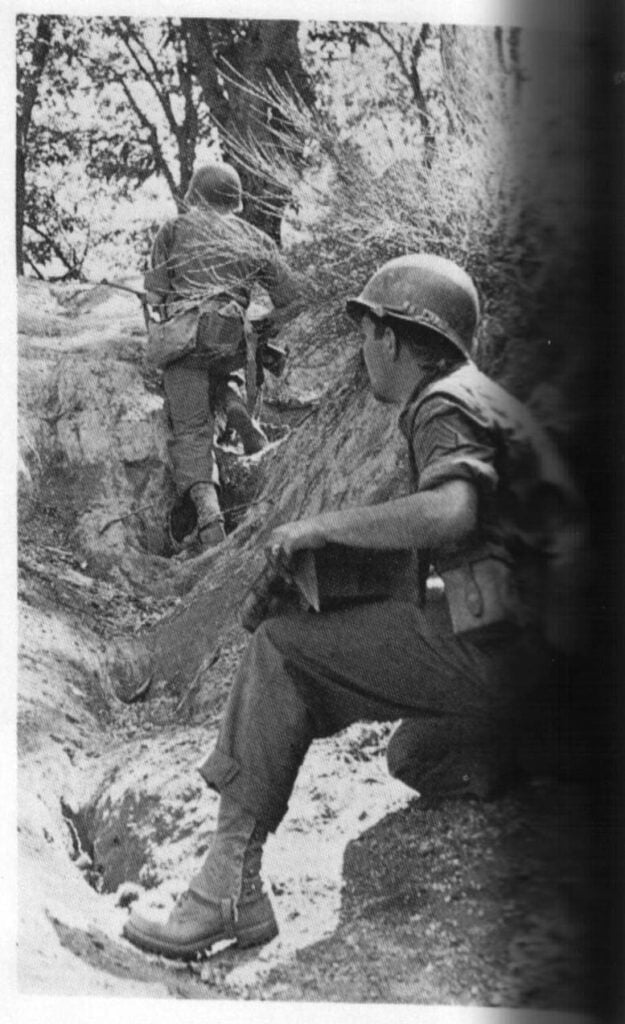
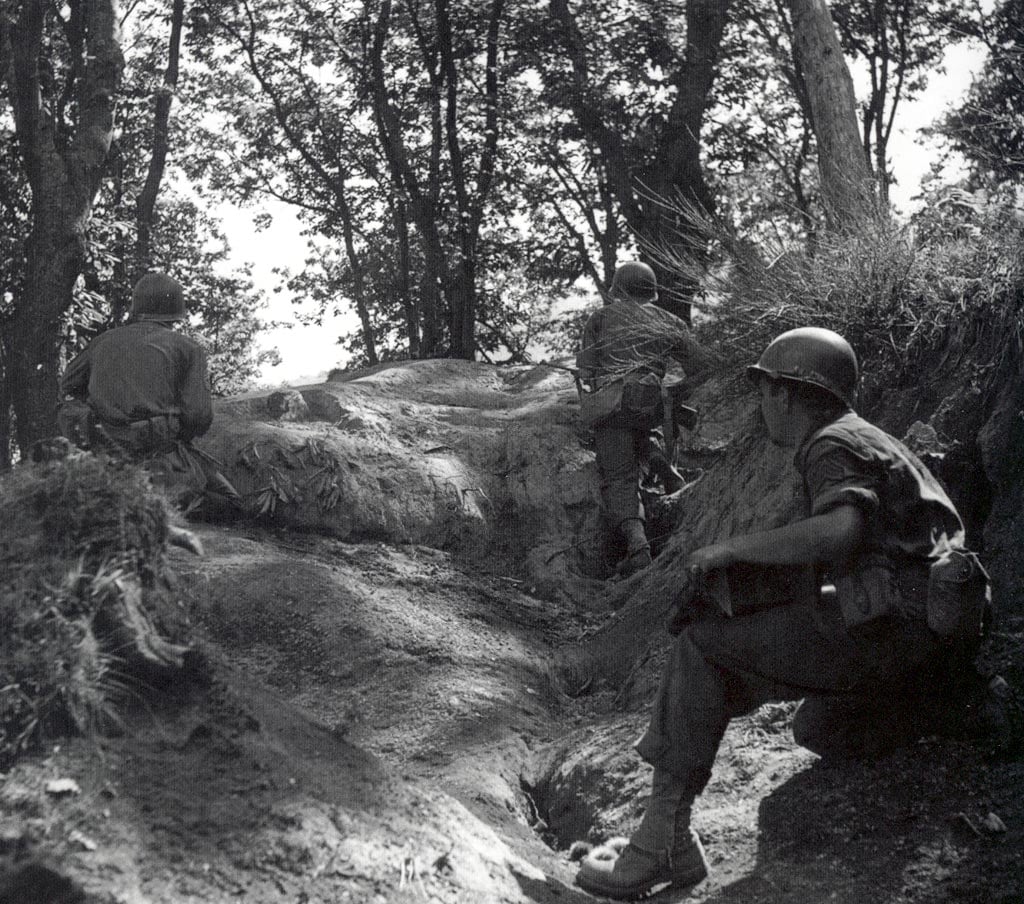
Trenches and Foxholes on Battle Mountain

View from Battle Mountain

US Soldier: Harry Castilloux was found in 1998

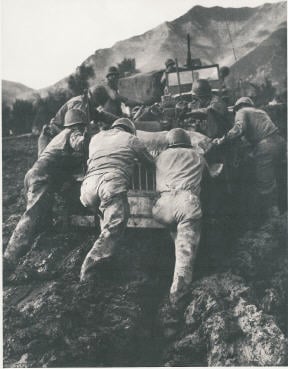
Generic Italian Theater Images

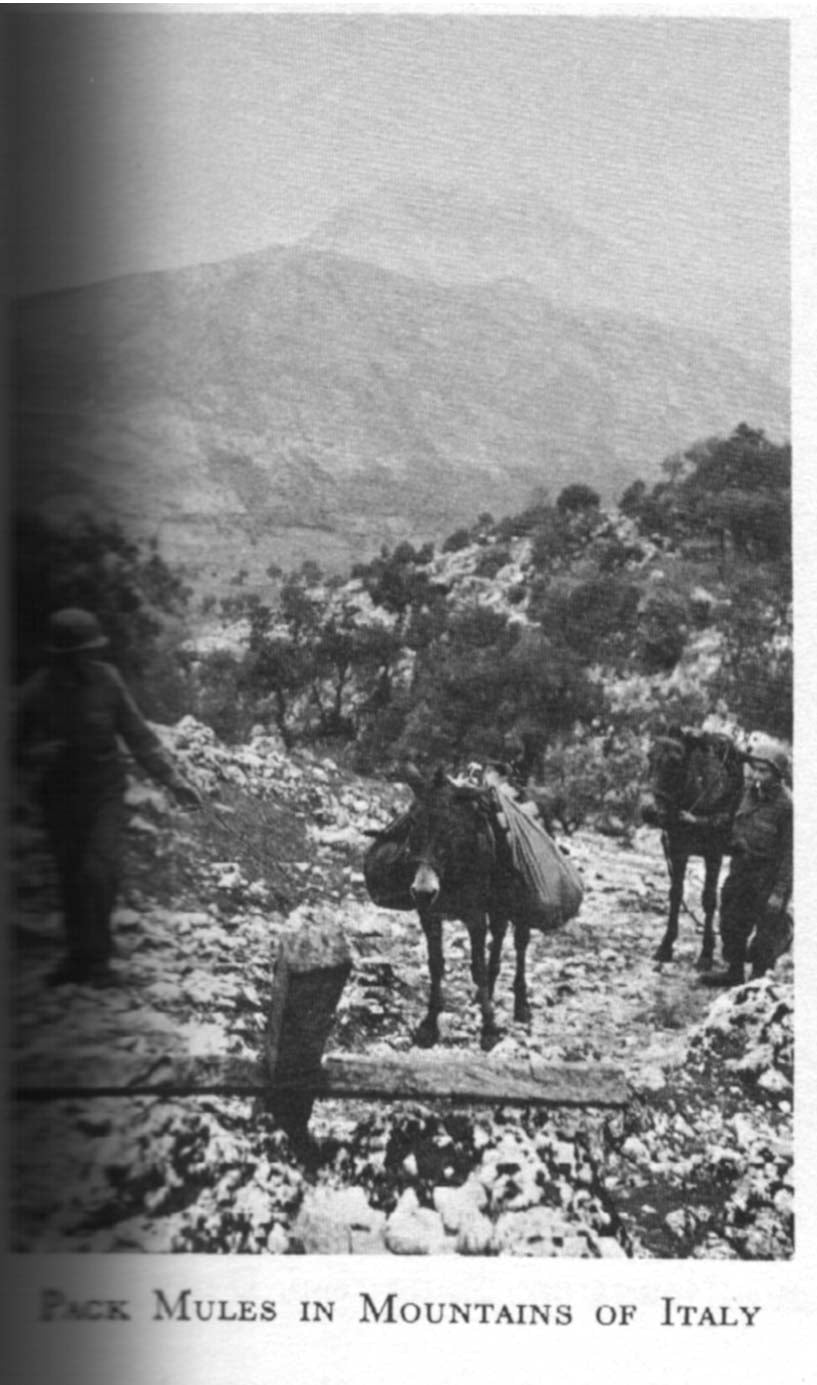
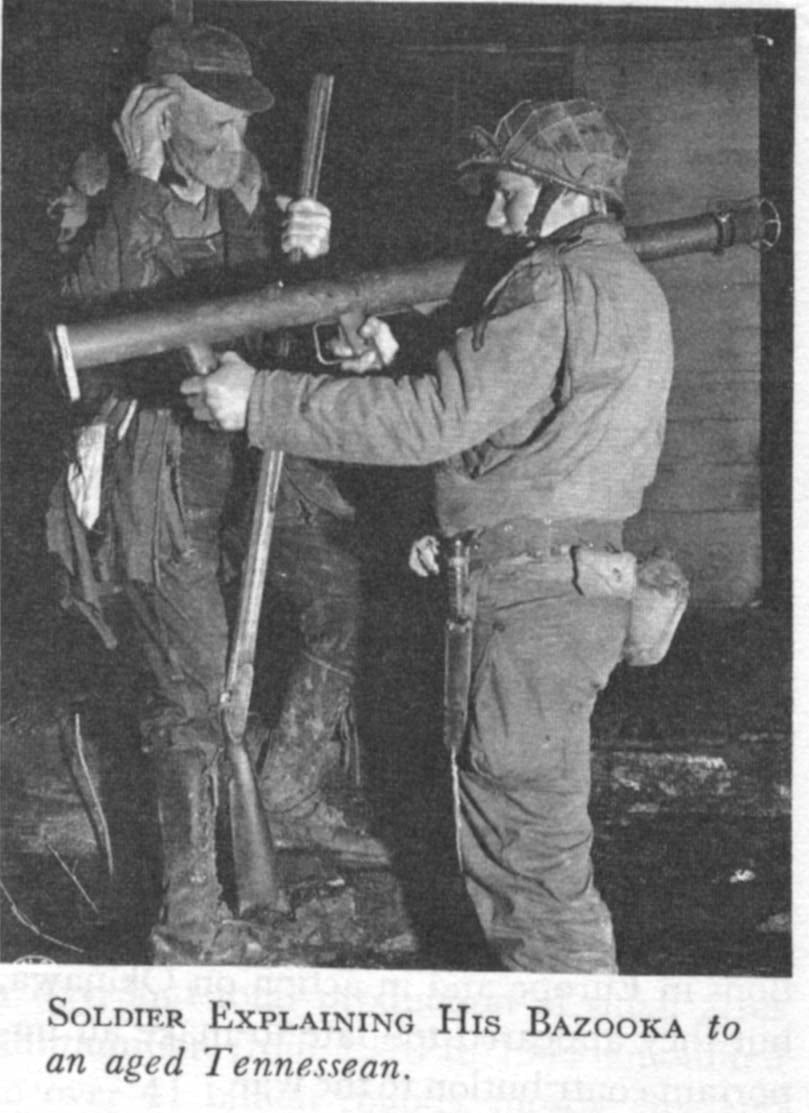
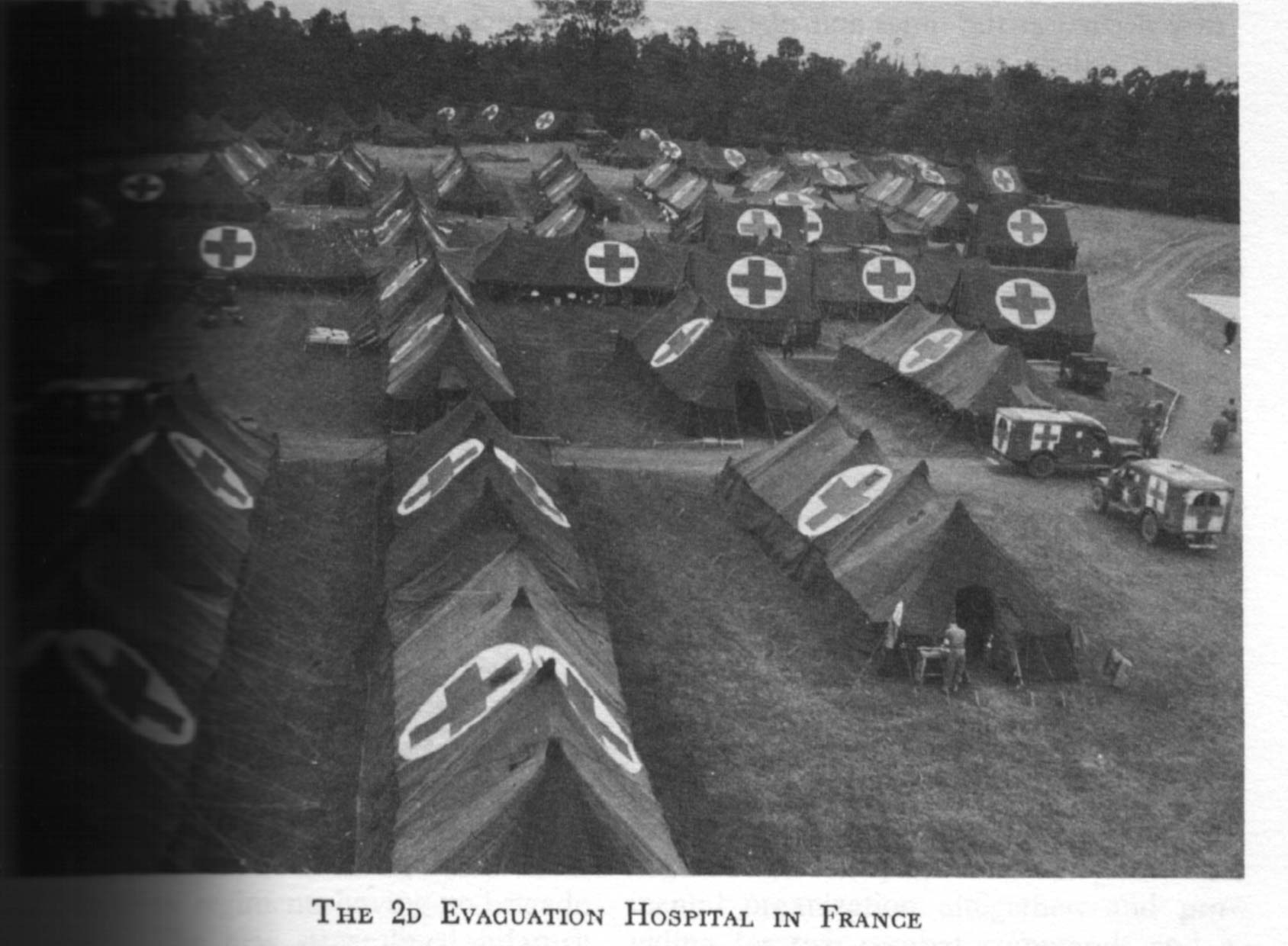
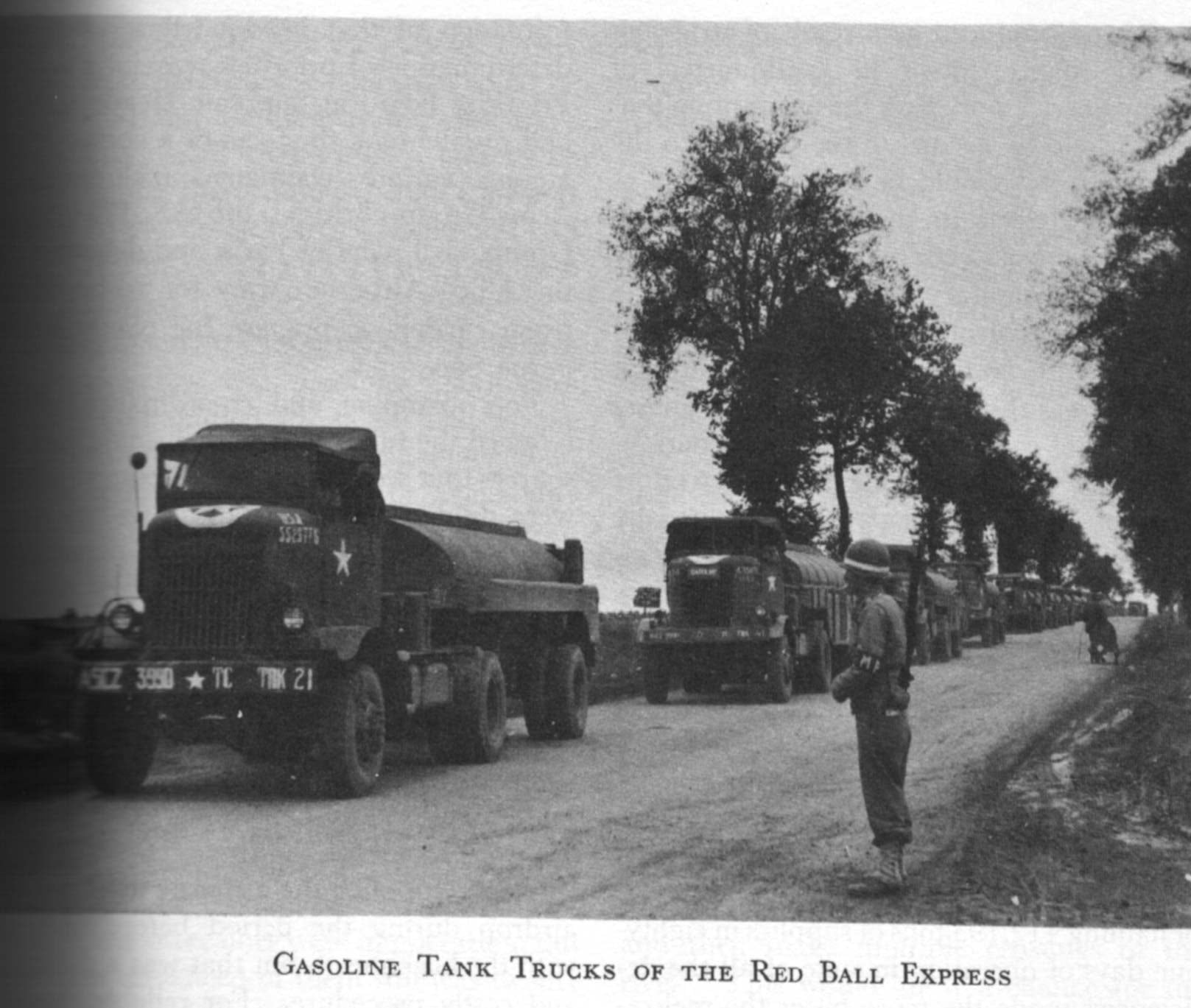
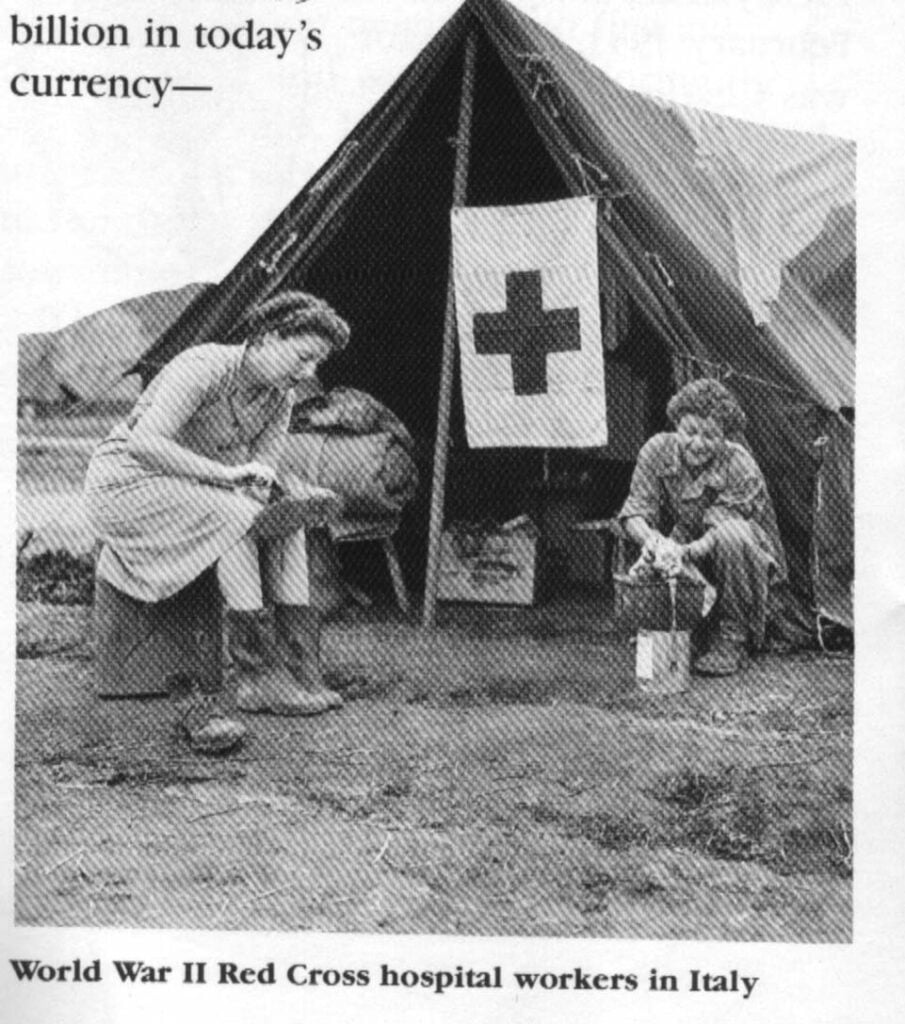
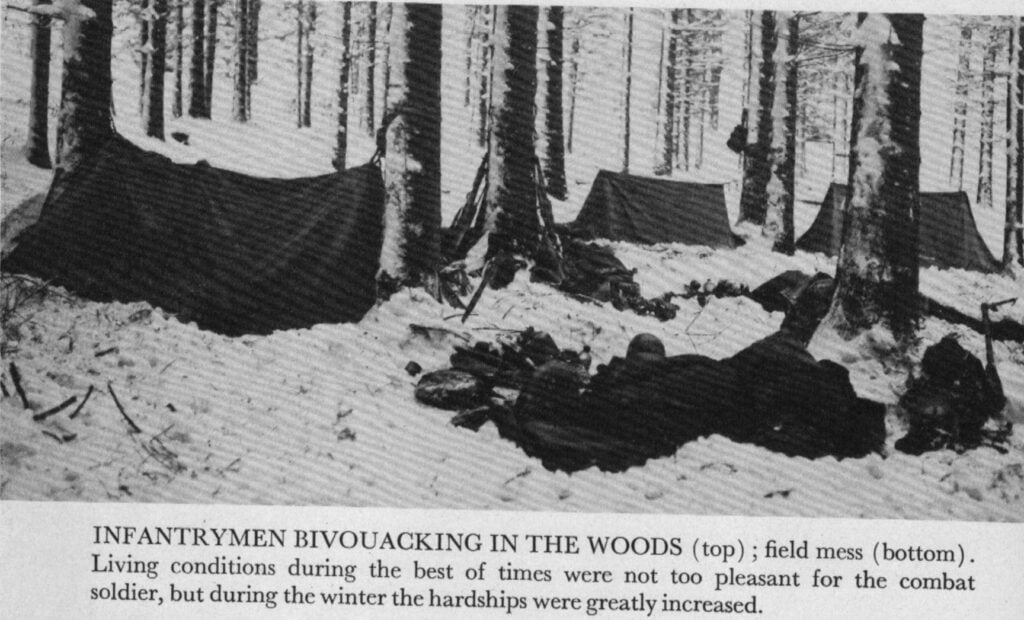
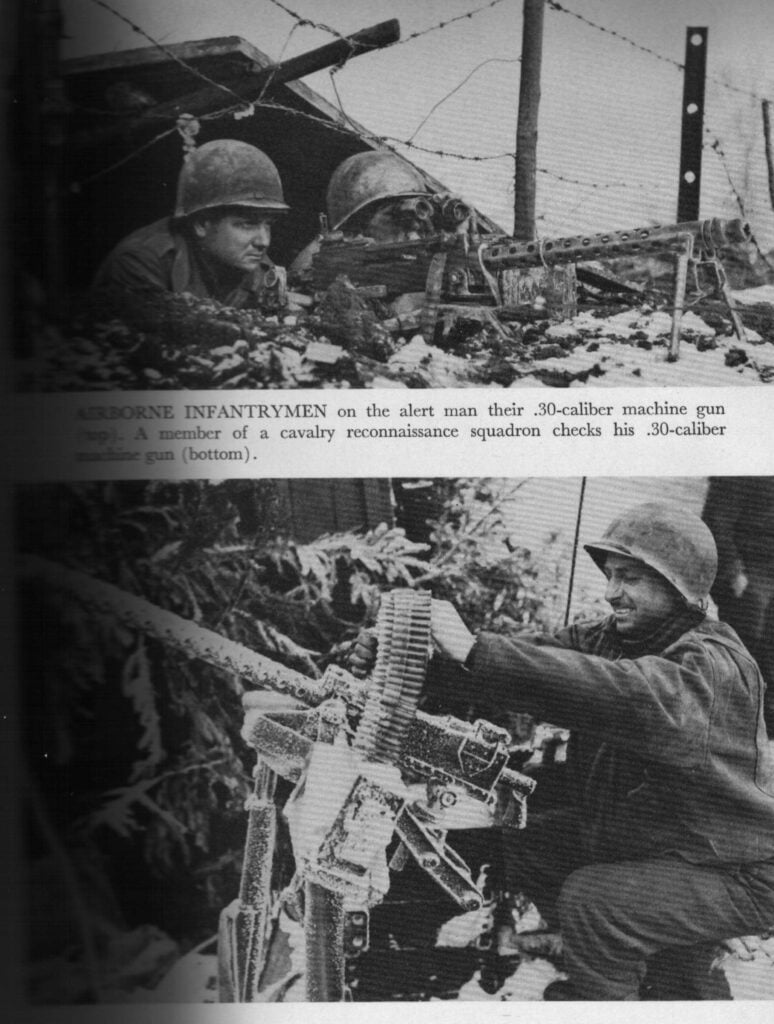
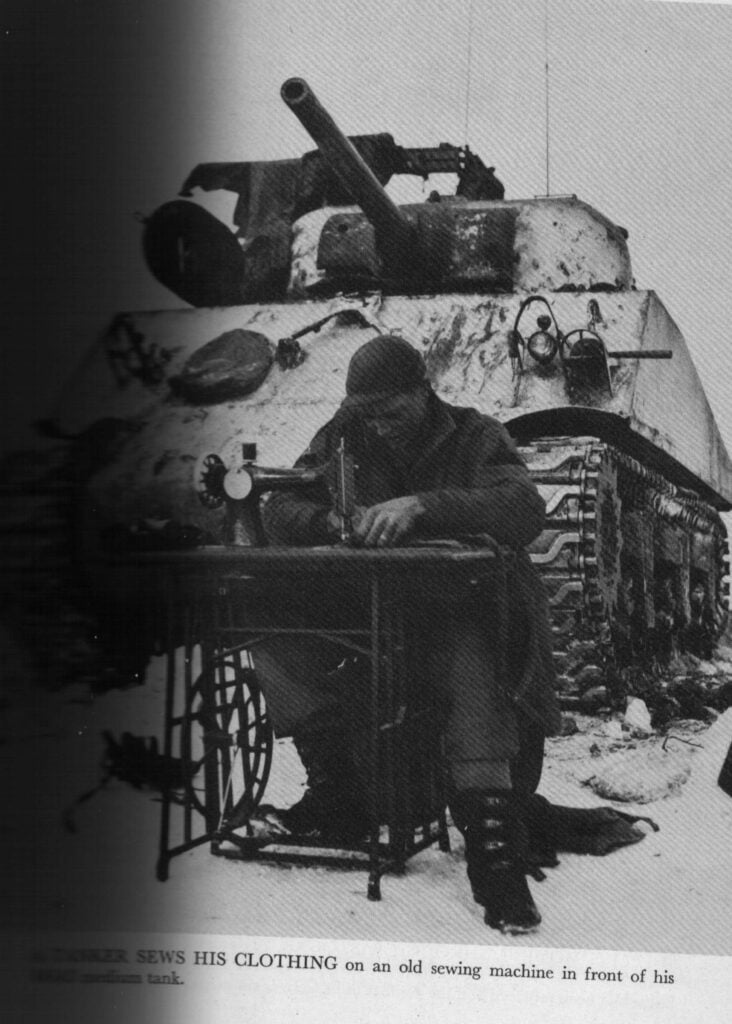
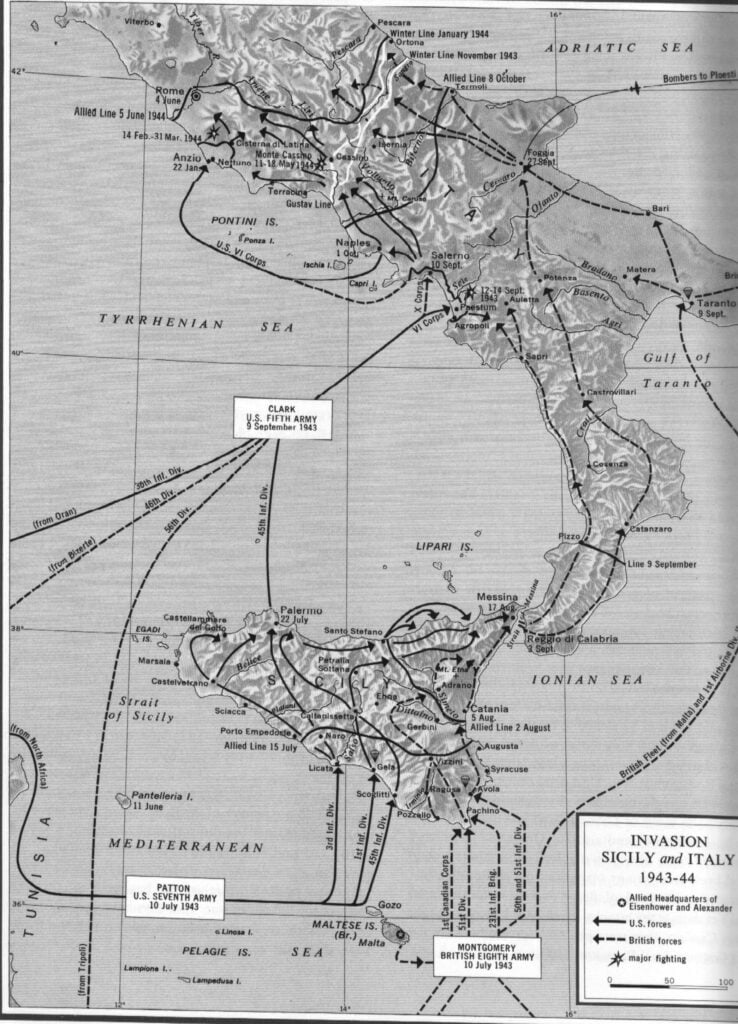
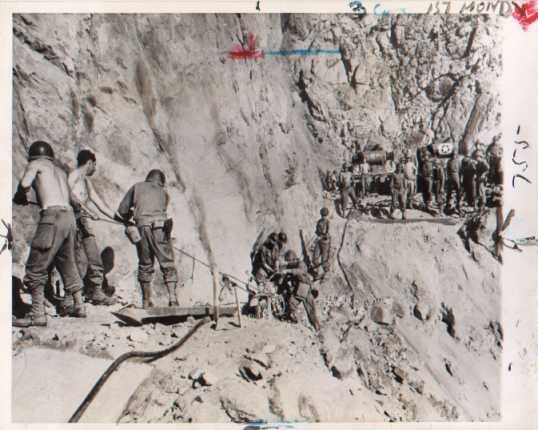
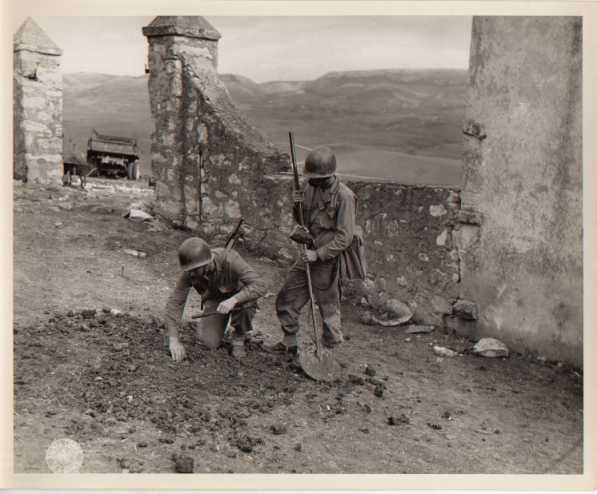
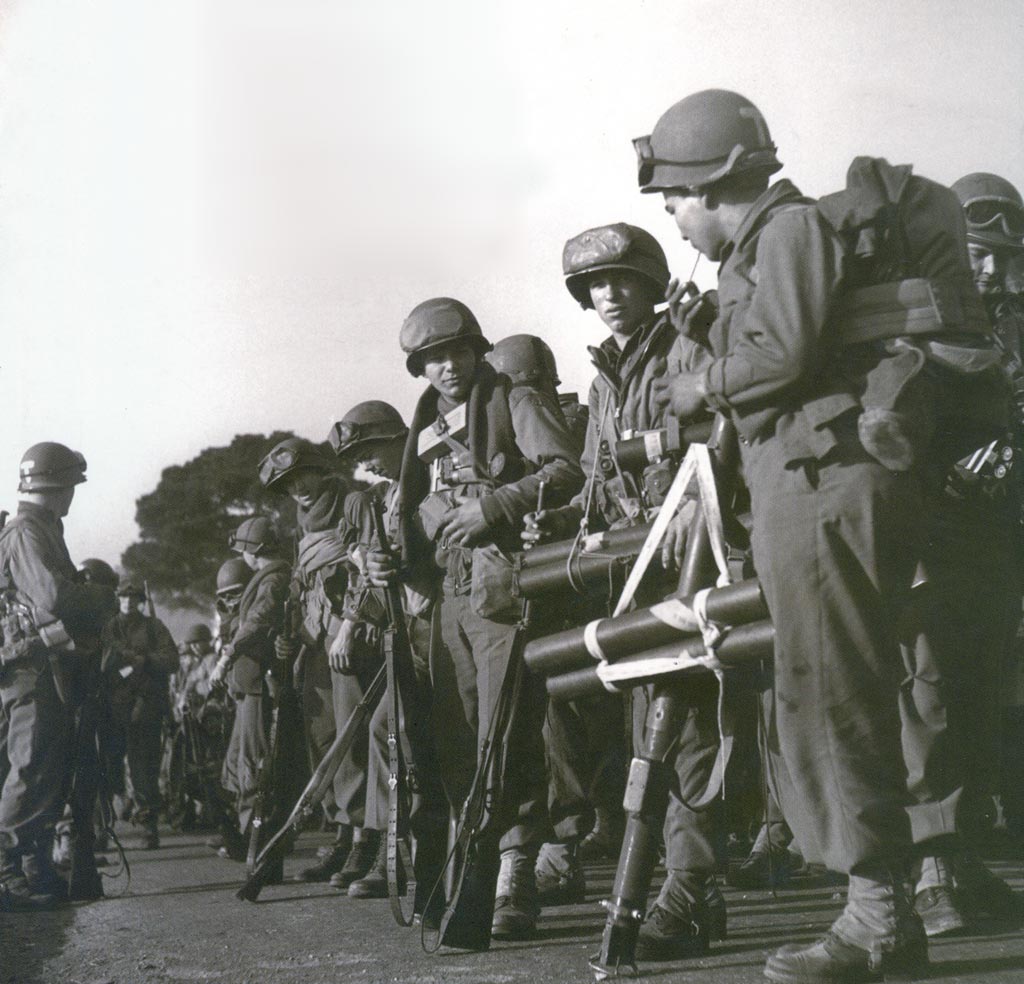
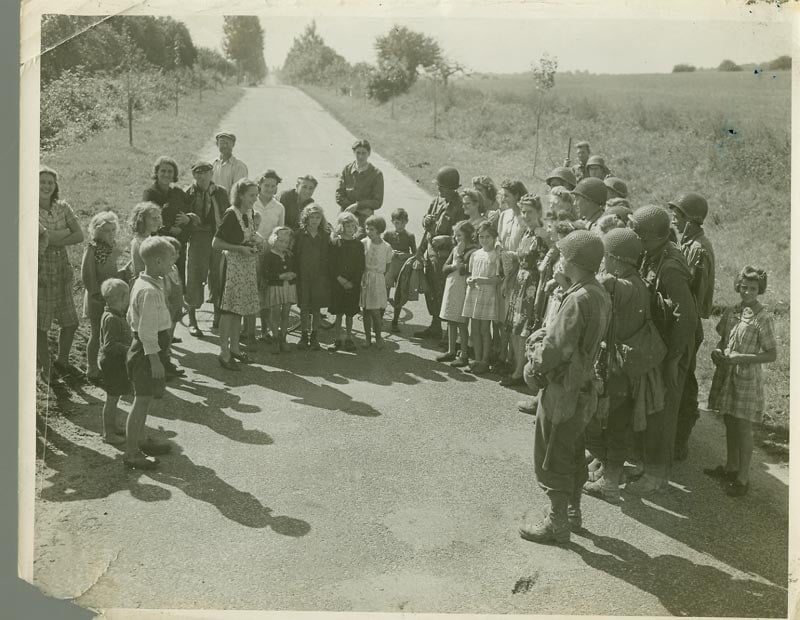
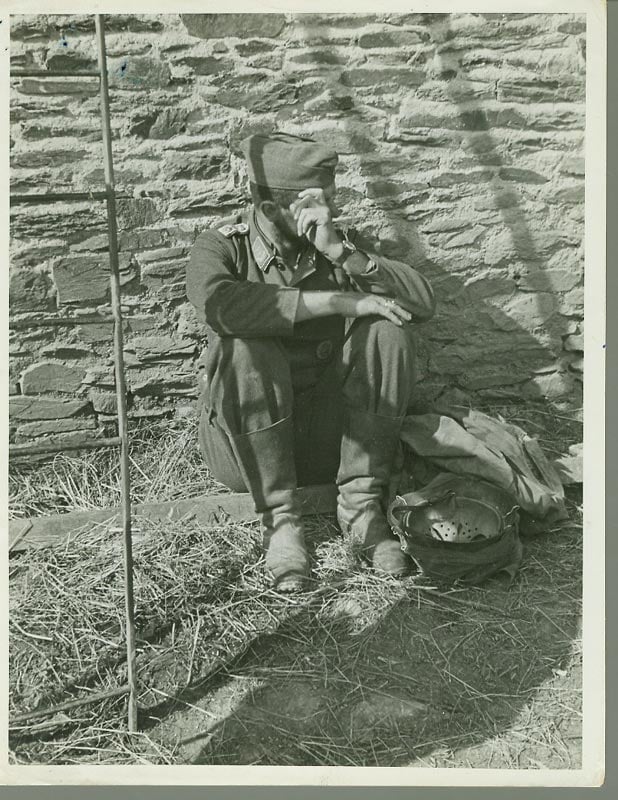
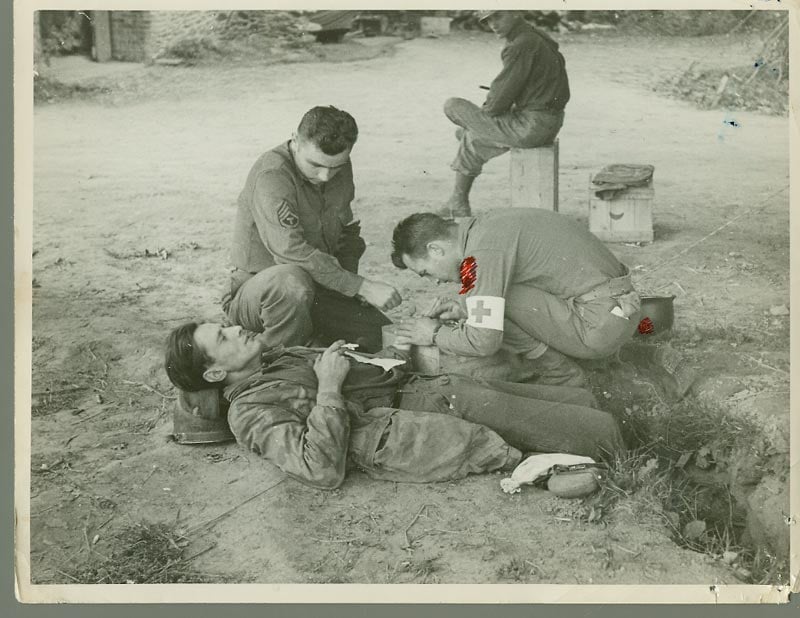
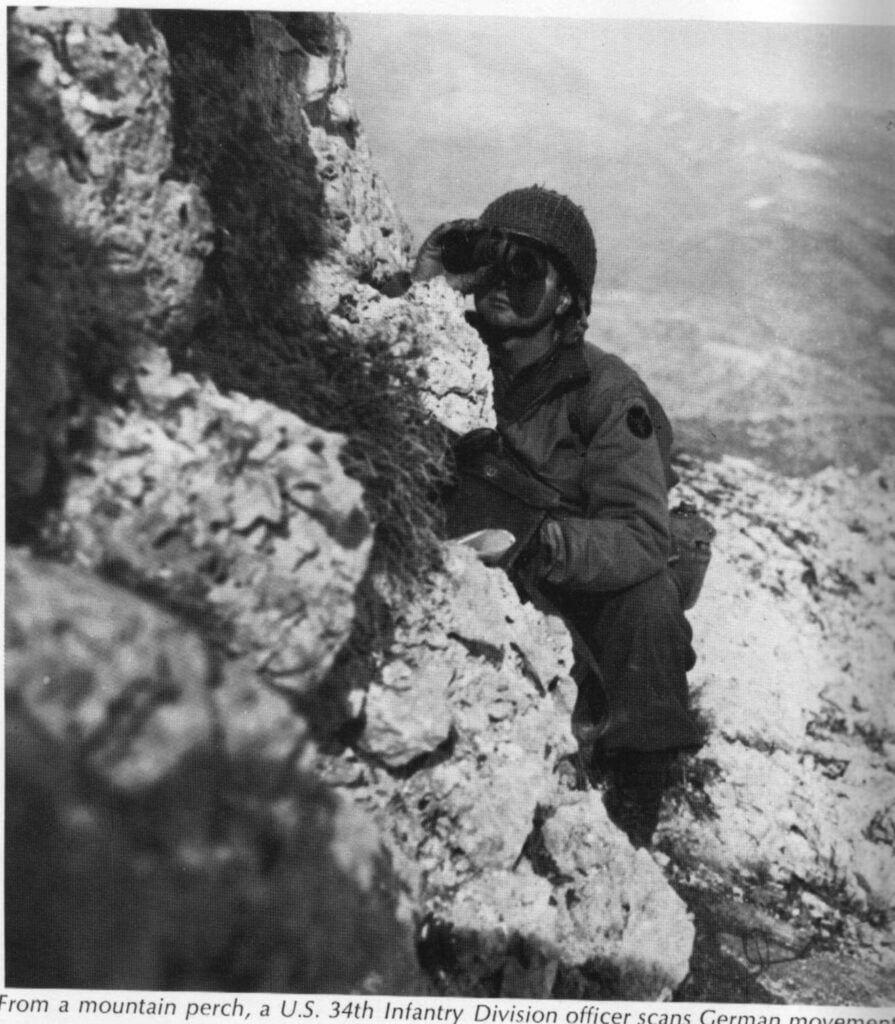
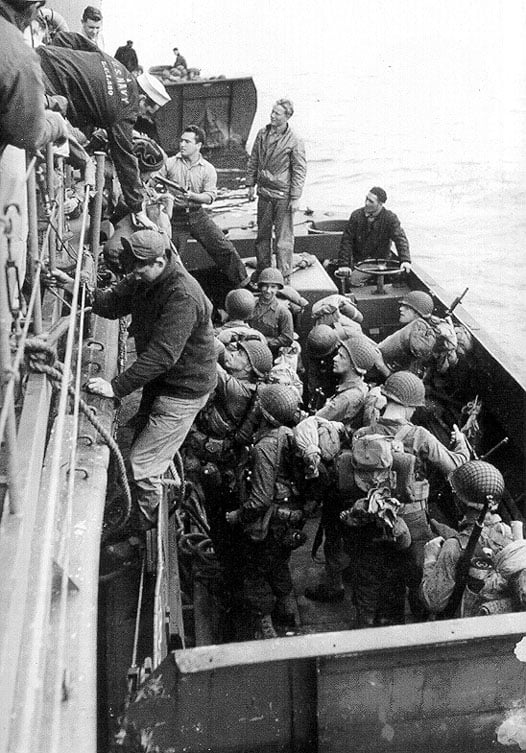
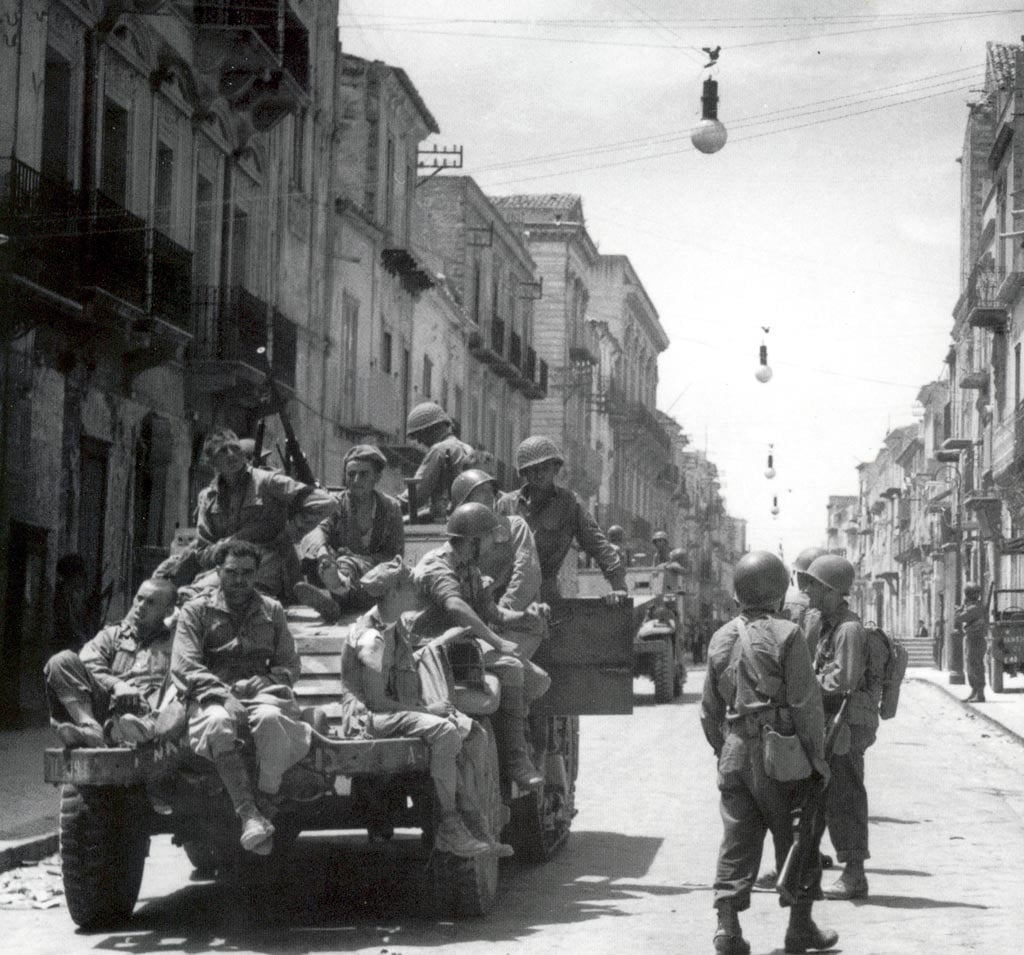
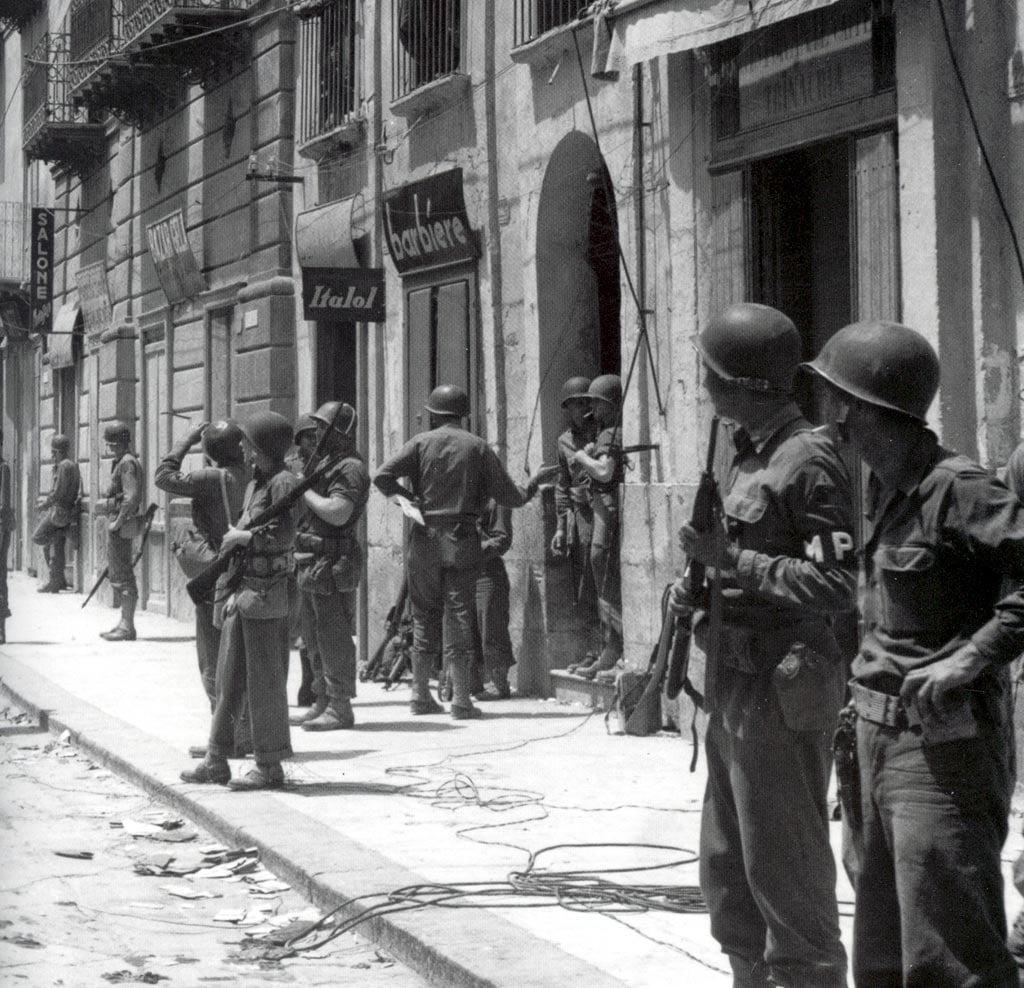
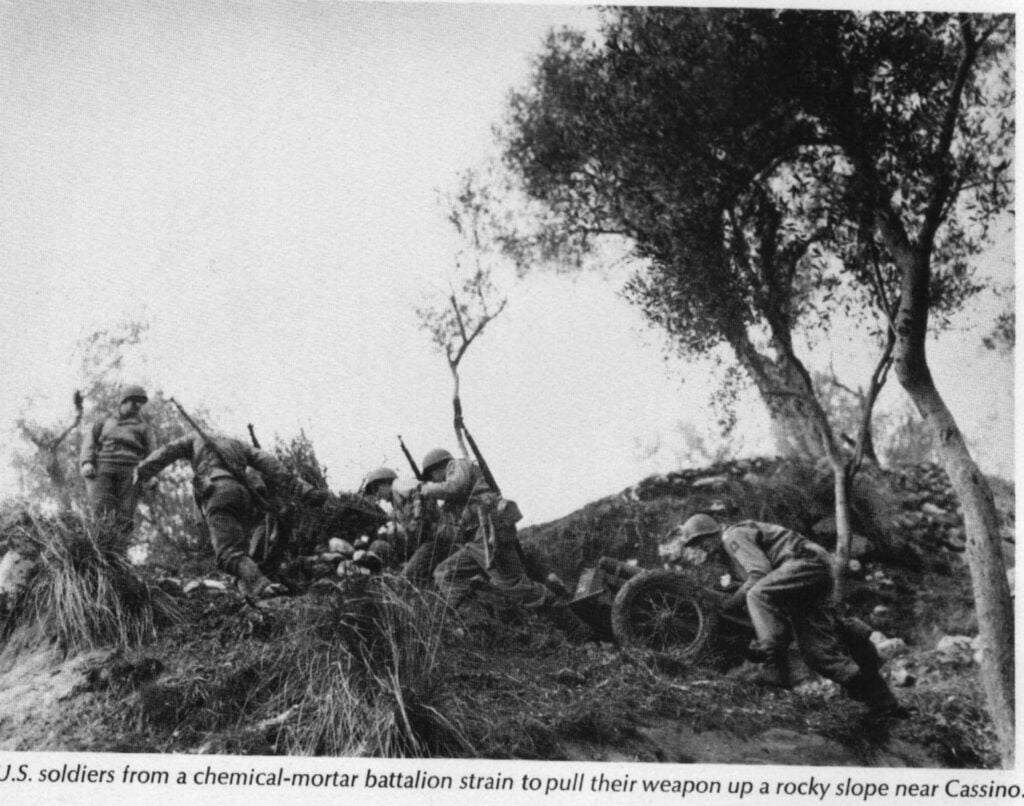
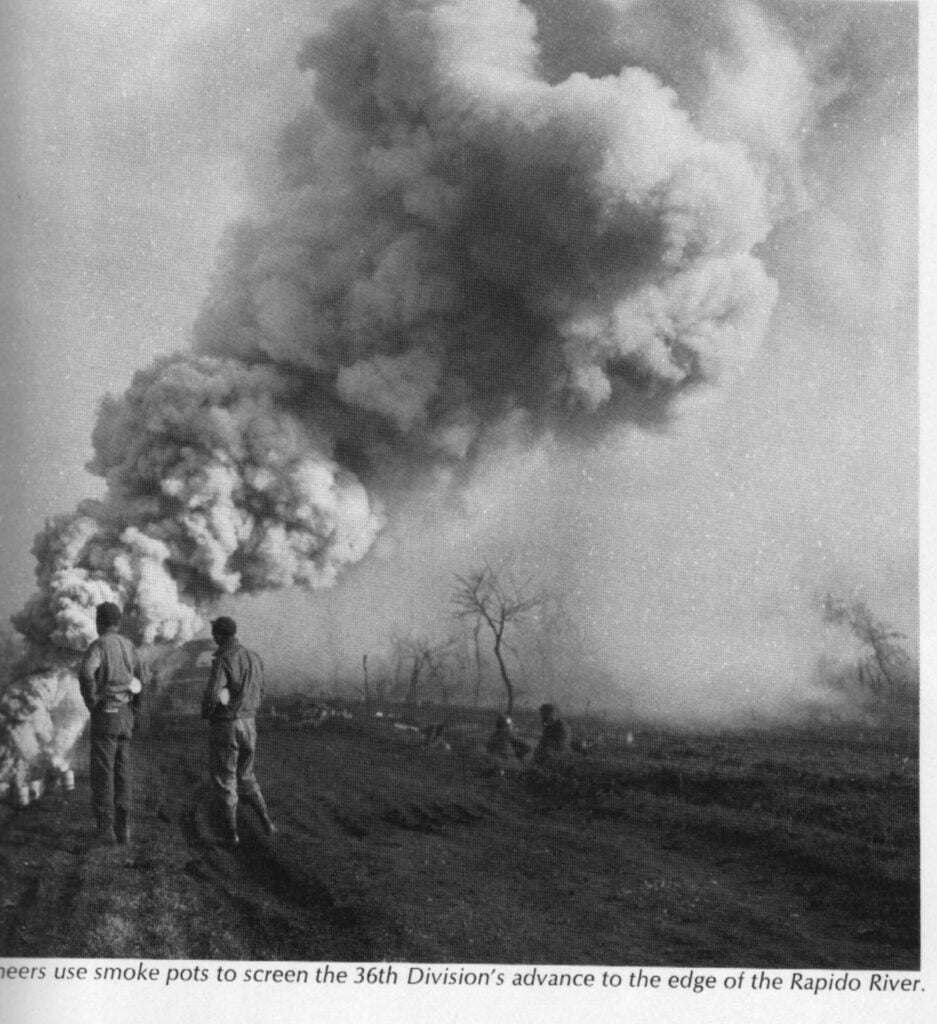
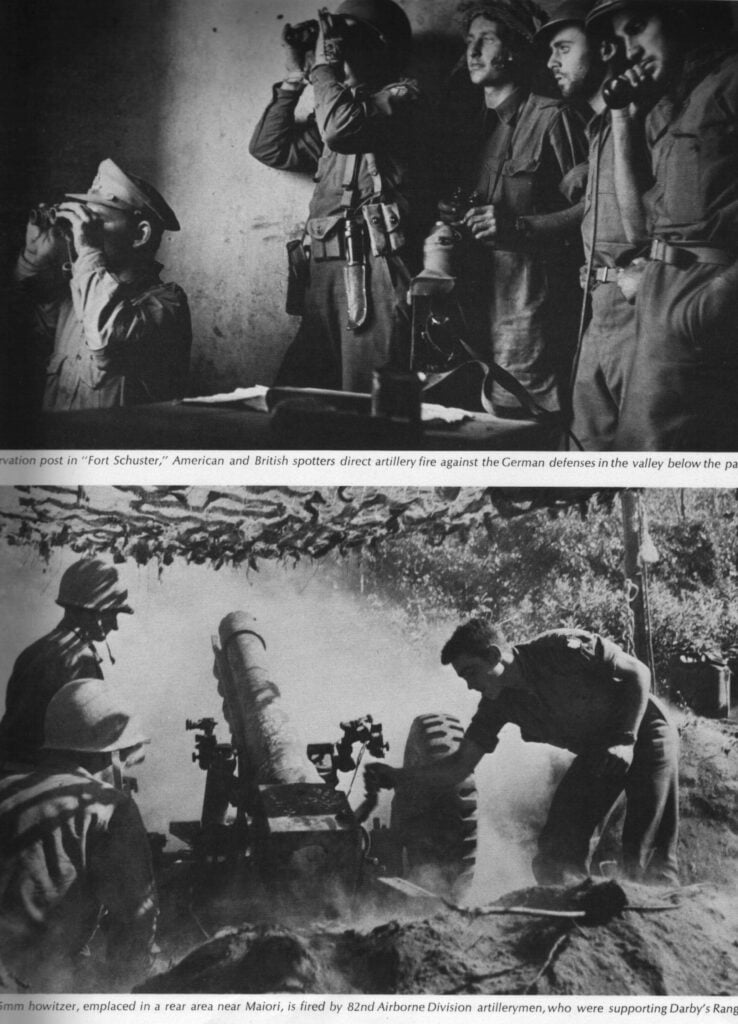
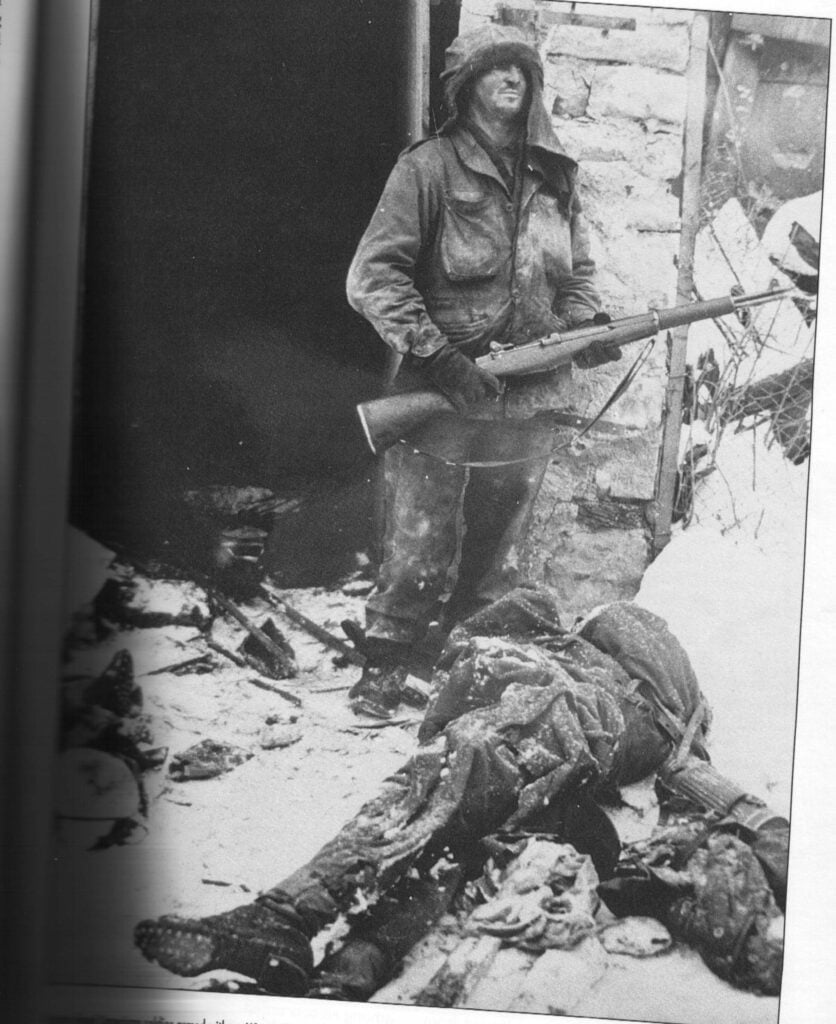
Images come from: United States Army in World War II Pictorial Record, The War Against Germany and Italy: Mediterranean and Adjacent Areas. Office of the Chief of Military History, Dept. of the Army. Washington D.C., 1951

Posted on

Tobacco Tins

One of the other things I collect is Tobacco Tins. This will just be a page that will outline some information I’ve learned about it.

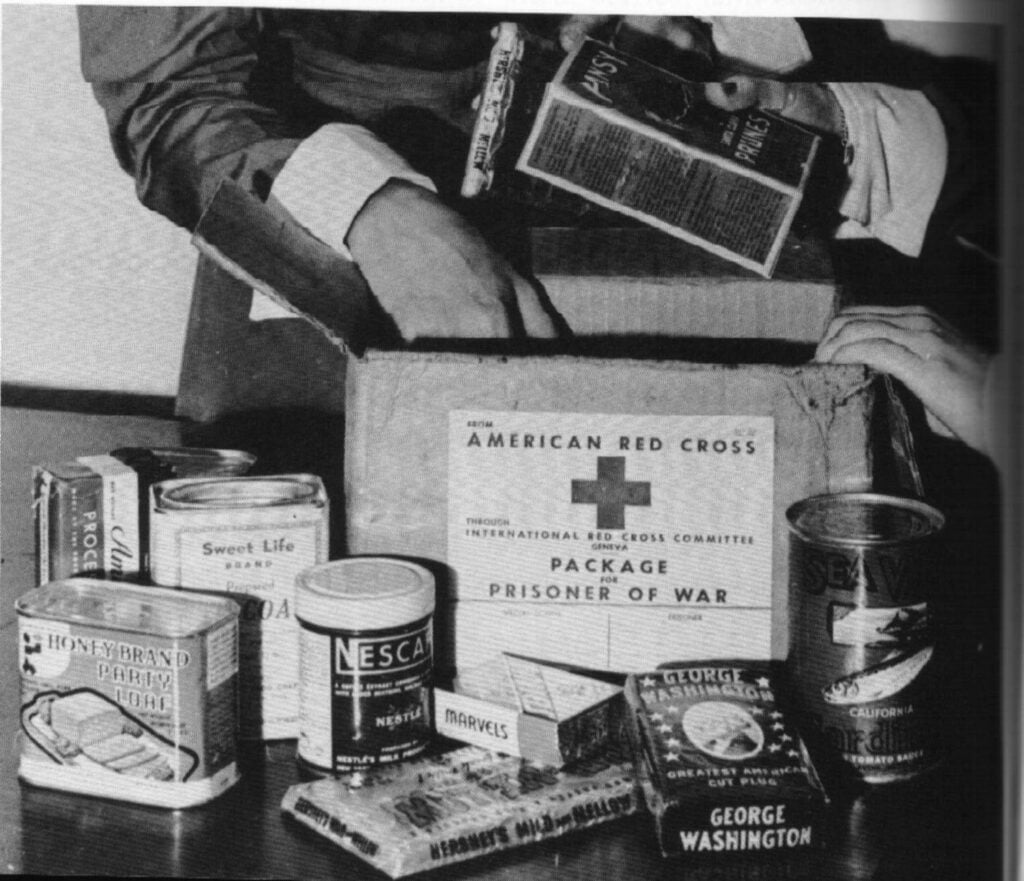
The George Washington Tobacco tin came in two types. The images below are from 1926 as identified by the tax stamp. This tin has a flat cover. At some point this was changed to be a dome cover (maybe by the early 40s?)

Posted on

US Navy Regulations 1941-46

1941 Uniform Regulations, with Wartime Amendments


The U.S. Navy’s uniform regulations of 1917 were revised and published in 1941; however, the 1941 edition was obsolete by the time it went to print. Habitual indecisiveness and reneging with regard to uniforms are apparent in the sheer number of changes and amendments made to these regulations during the war. In some cases, uniform insignia was introduced one month and abolished the next.

Additionally, unauthorized insignia were often designed, produced privately, and worn on uniforms without authorization, only to be approved for wear retroactively at a later date by the Navy. Other insignia worn by men of special units were never authorized for wear by the Navy. At the onset of World War II in 1941, the Navy provided a large number of uniform options for both officers and enlisted. Many of these optional uniforms were considered superfluous to the war effort and abolished. Many pre-war uniform accoutrements were made of metal wire, bullion, or other materials that could be put to better use in the manufacture of ships, vehicles, aircraft, and munitions. Two examples of wartime conservation of uniform ornamentation were bullion rating badges and officers’ swords, both of which were no longer required after 1942.

Other uniforms were abolished simply to conserve the textile materials used in their production. In addition to abolishing older nonessential uniform items, new uniforms and accessories were introduced during the war. All of these constant changes to the regulations made them impossible to enforce. Consequently, the wartime regulations are also very difficult to organize and list as an historical reference as well.

The following is the complete 1941 Uniform Regulations as they were published in May of that year. Amendments made to these regulations between 1941 and 1947 are provided as an appendix. Due to the complexity, redundancy, and impossibly confusing nature of the Uniform Regulations prior to the 1948 revision, no collection of the wartime Navy regulations has ever been compiled into one publication.

To the best of the author’s knowledge, the following is the first attempt to organize, catalog, and record all of the regulation amendments put into effect between 1941 and 1947.

Page 1:
The cover of the U.S. Navy Uniform Regulations as they were published in May 1941.

Pages 2-195:
The complete and unedited 1941 uniform regulations.

Pages 196-211:
The following regulation amendments are transcribed here from handwritten memos and slips of paper pasted into a revised set of regulations. The date of the letter or authorization documentation is provided in parentheses “( )” when available. Note that the following regulation amendments refer to a specific article of the 1941 regulations. For example, an amendment beginning with the numbers “2-86” refers to article 2-86 of the 1941 regulations concerning caps. The abbreviations: BP CL or BuPers = Bureau of Naval Personnel Circular Letter, and BN CL = Bureau of Navigation Circular Letter.

Pages 212-221:
These documents are the actual typewritten regulation amendments that were distributed in the form of “Circular Letters”. As regulations were changed, news of these changes was delivered to ships and stations in a memo format called Circular Letters. These were to be pasted into existing copies of the 1941 Uniform Regulation book as they were received. Obviously, the huge number of Circular Letters that were distributed during World War II couldn’t all be pasted into the one volume, so many were lost or misplaced. It is important to note that many Circular Letters addressed several regulation amendments over a period of years. For example, a letter dated January 1946 may in fact be in reference to amendment changes authorized in 1944 and 1945. This was typically the case and it was common for amendments to be consolidated and distributed a year or two after their inception. With this, amendments with post-World War II dates should not be dismissed as post-war revisions. The following regulation changes refer to the wearing of insignia and ribbons.

Pages 222-238:
The following regulation changes refer to the wearing of insignia and ribbons.

Pages 239-287:
The following are general regulation changes concerning the Naval uniform of officers and enlisted men from 1941-1947.

Download the PDF: US Navy Regulations 1941-46