Posted on

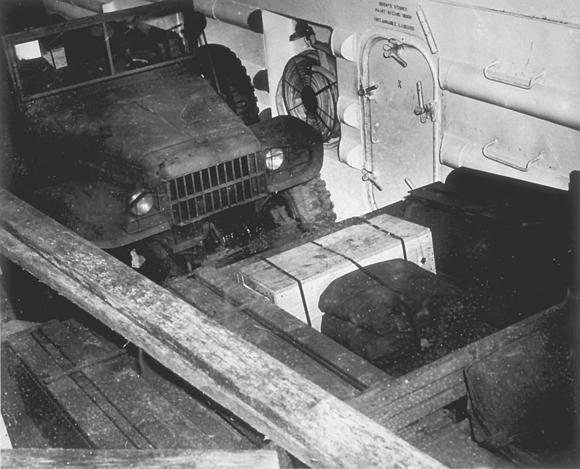
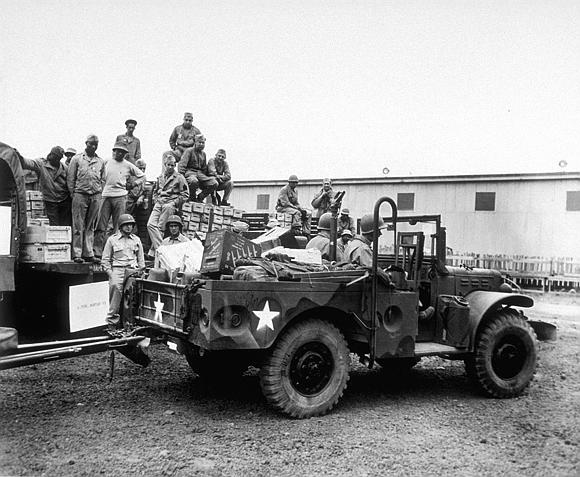
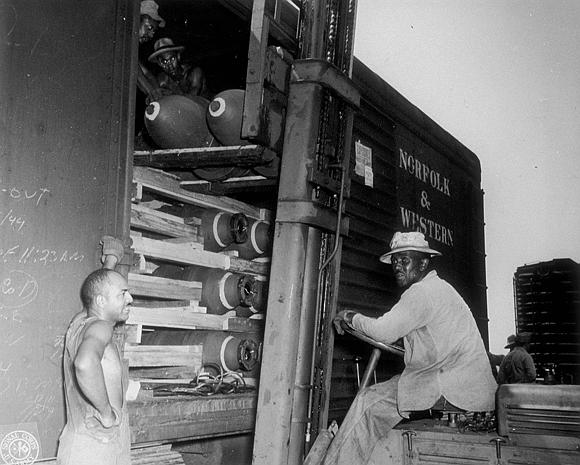
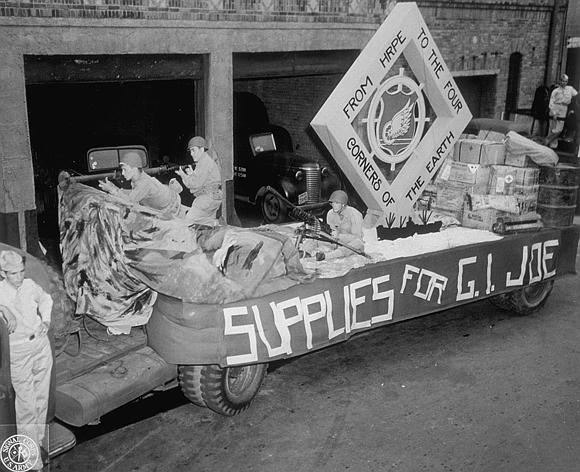
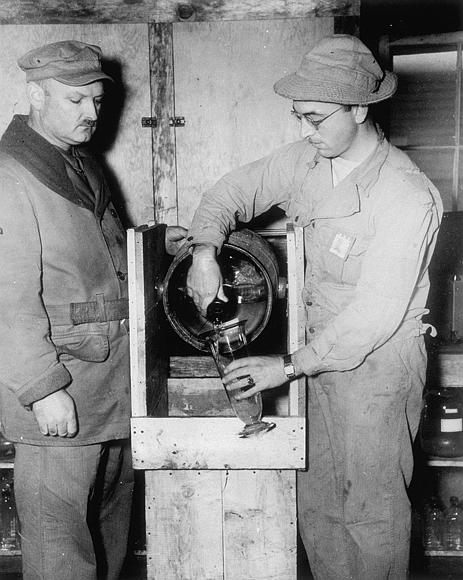
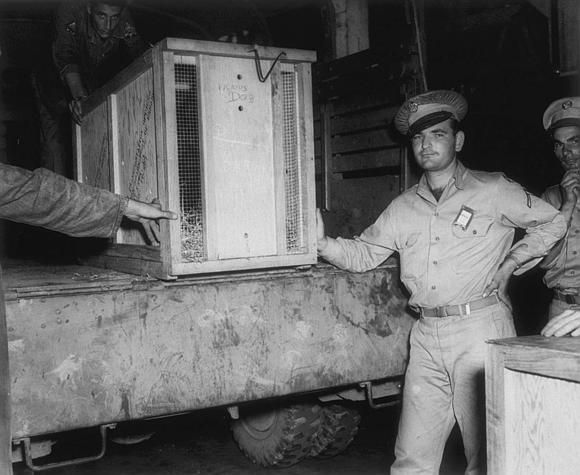
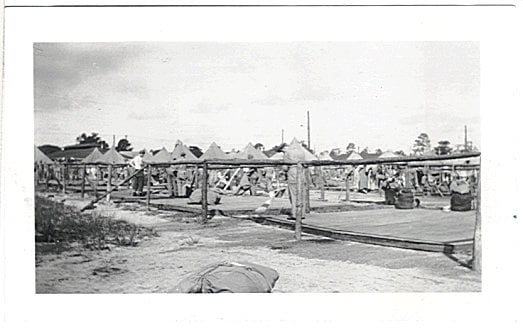
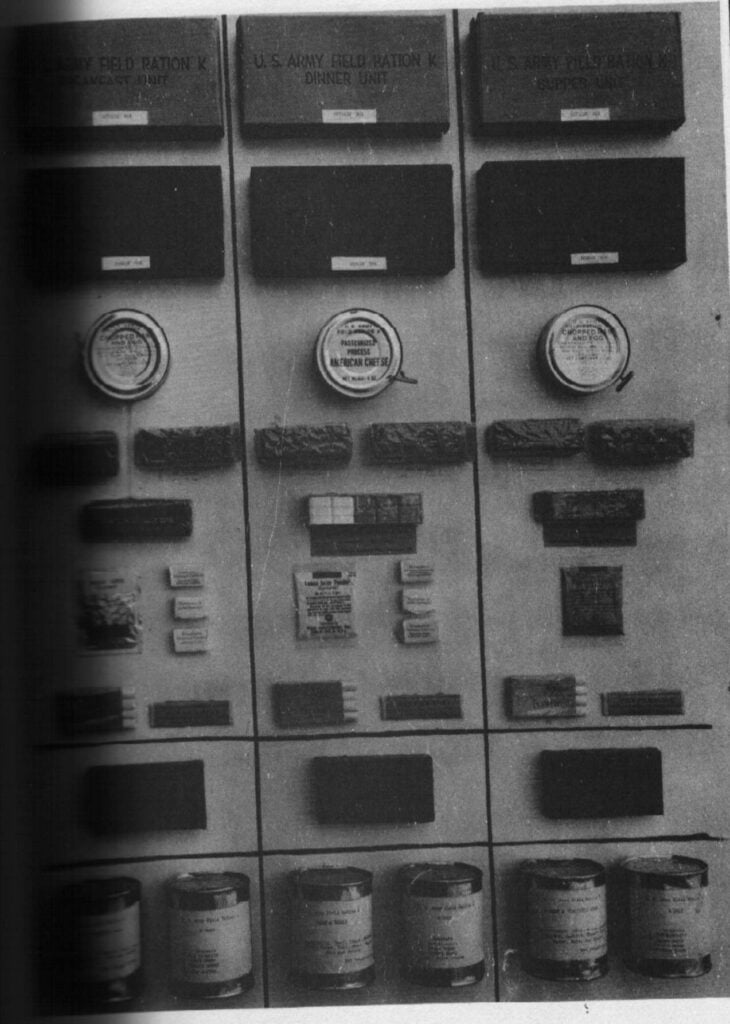
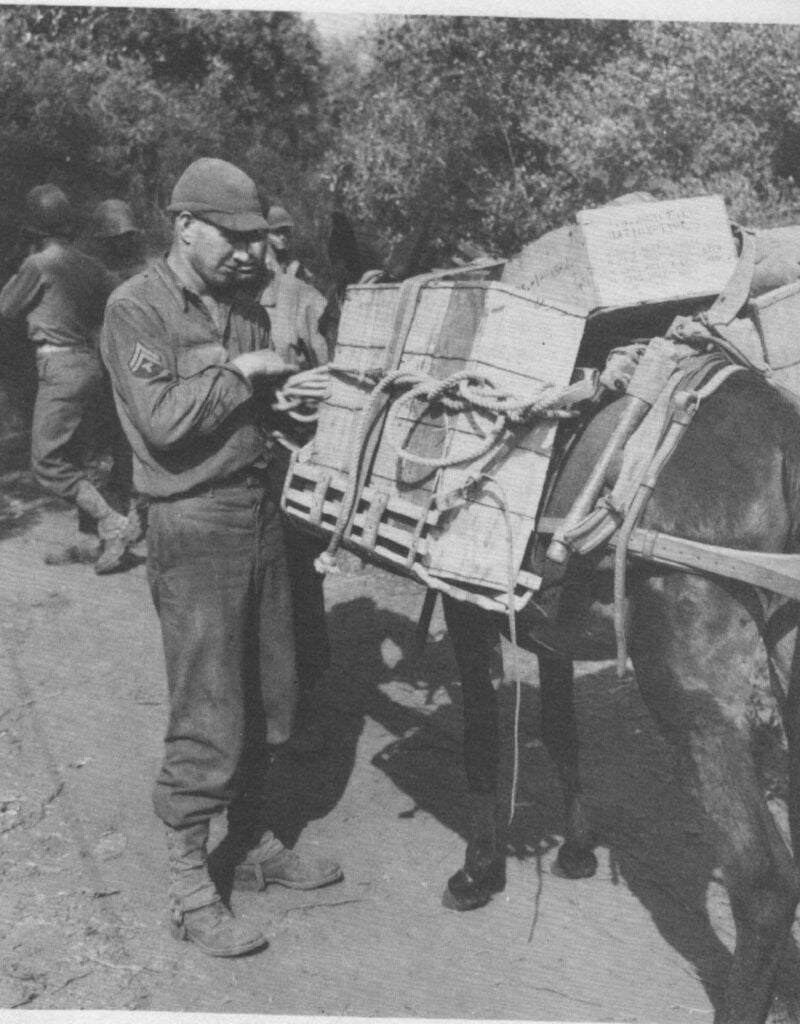
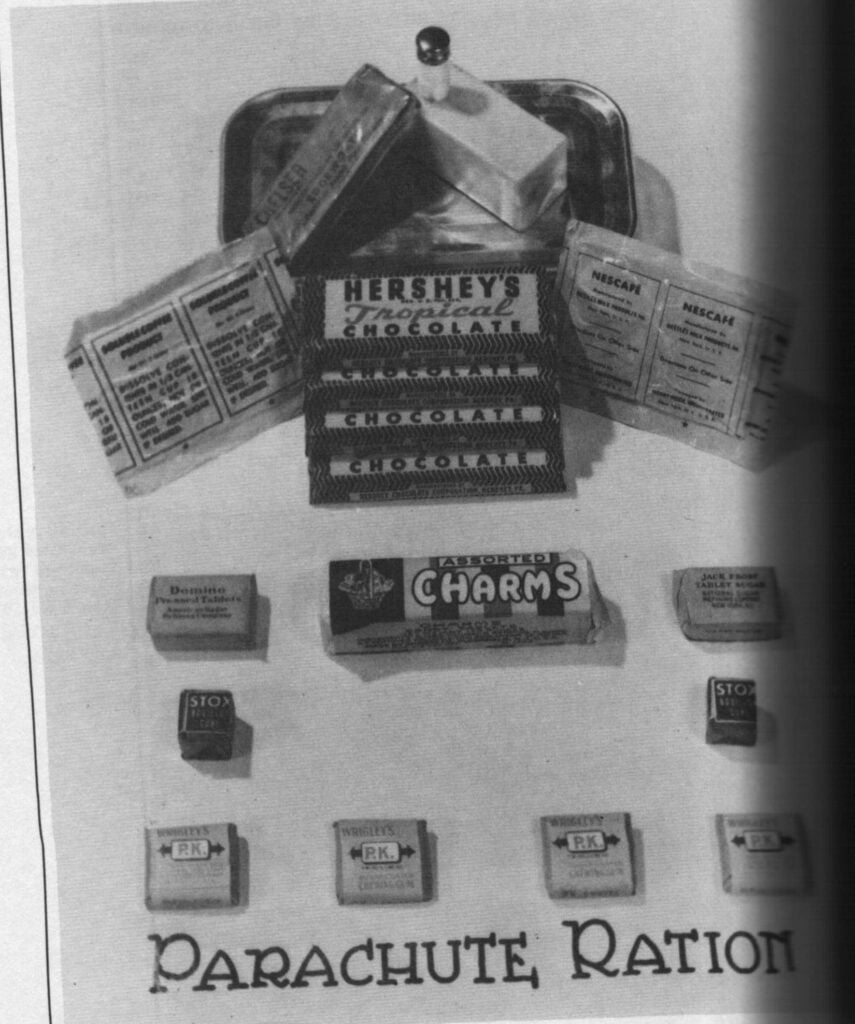
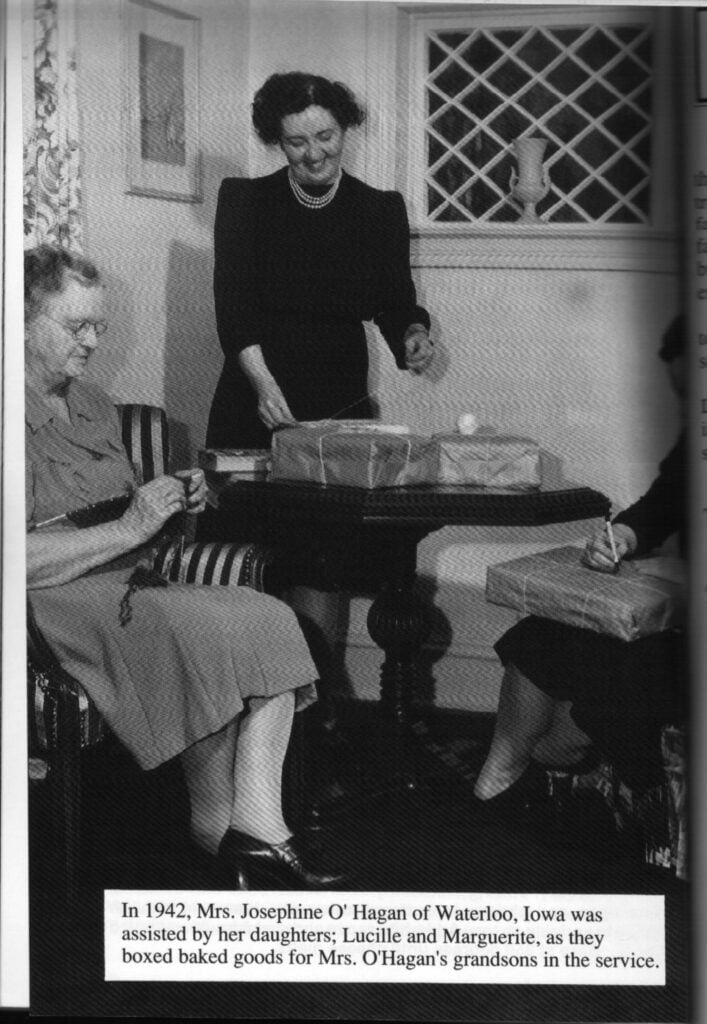
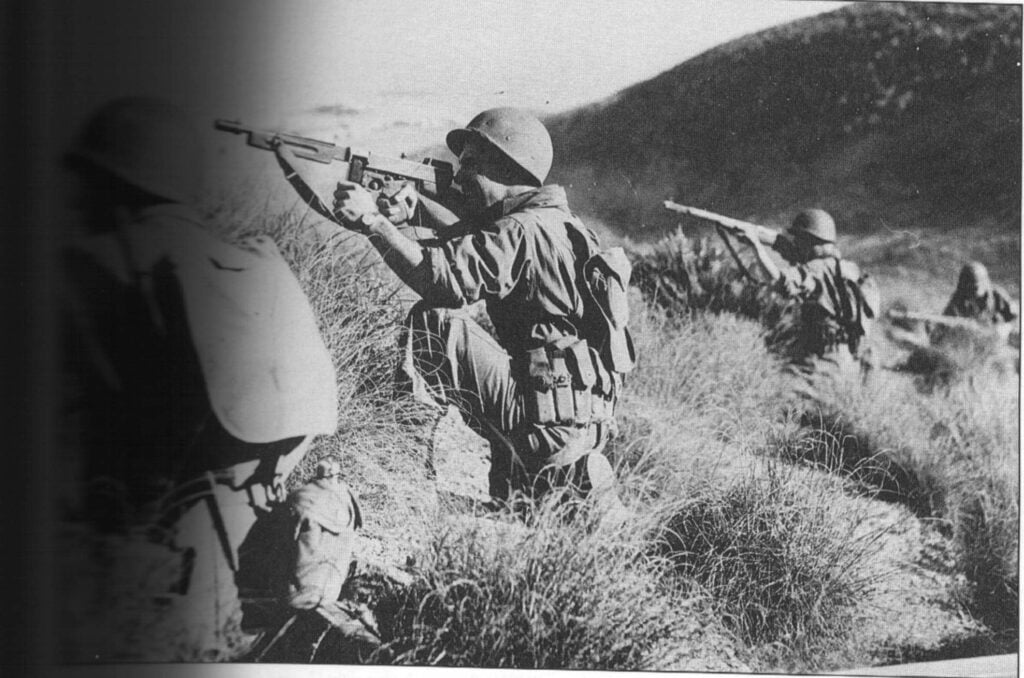
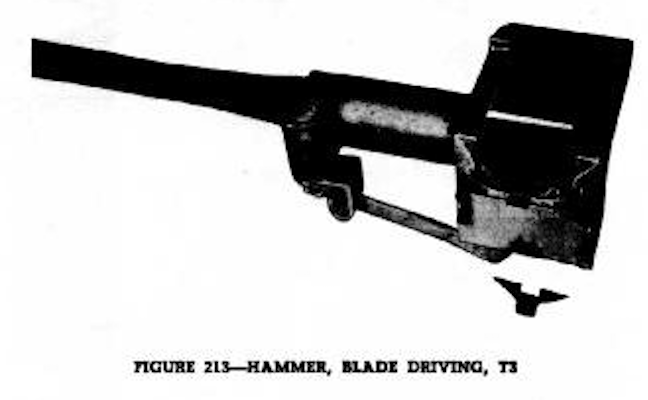
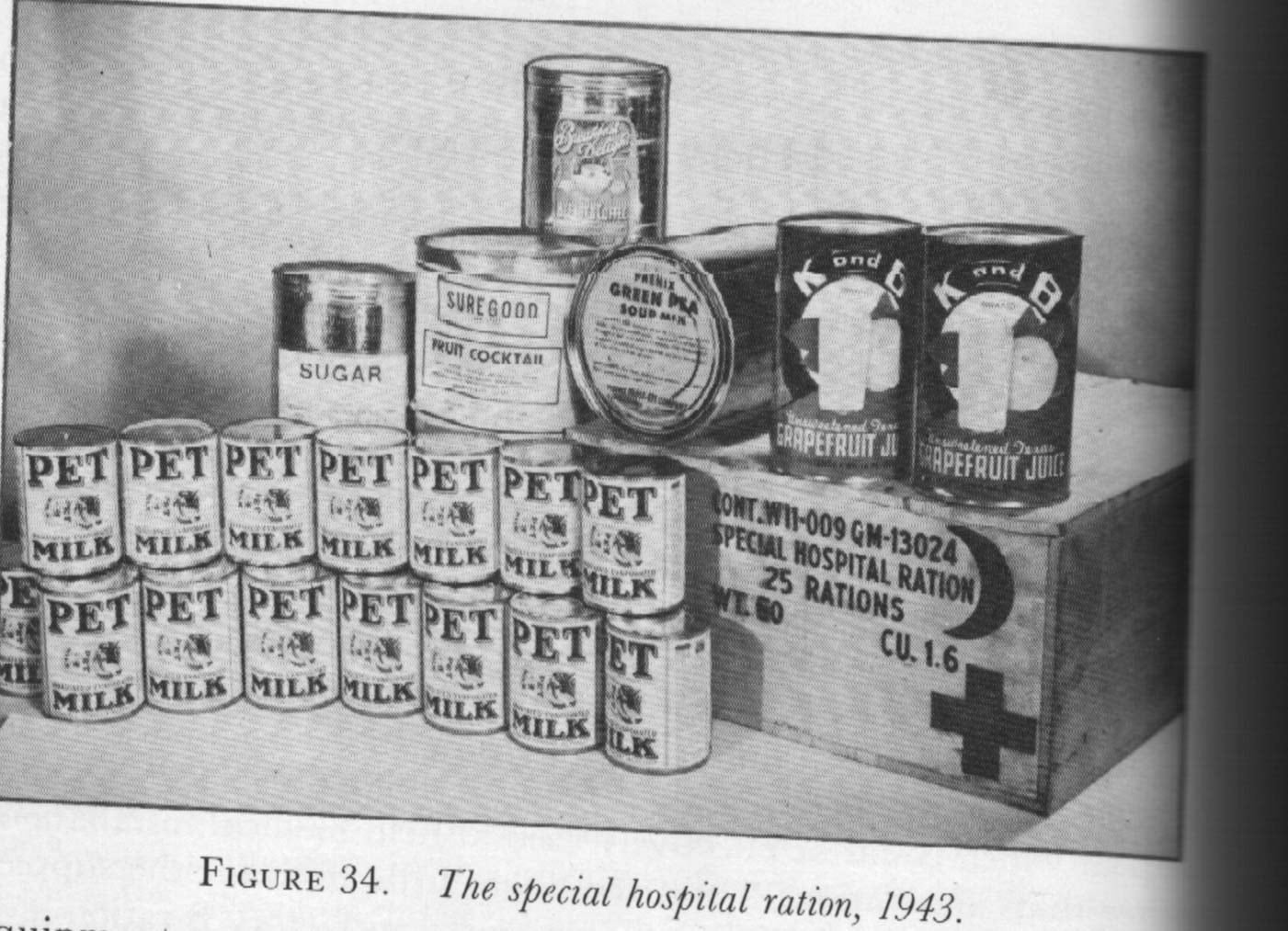
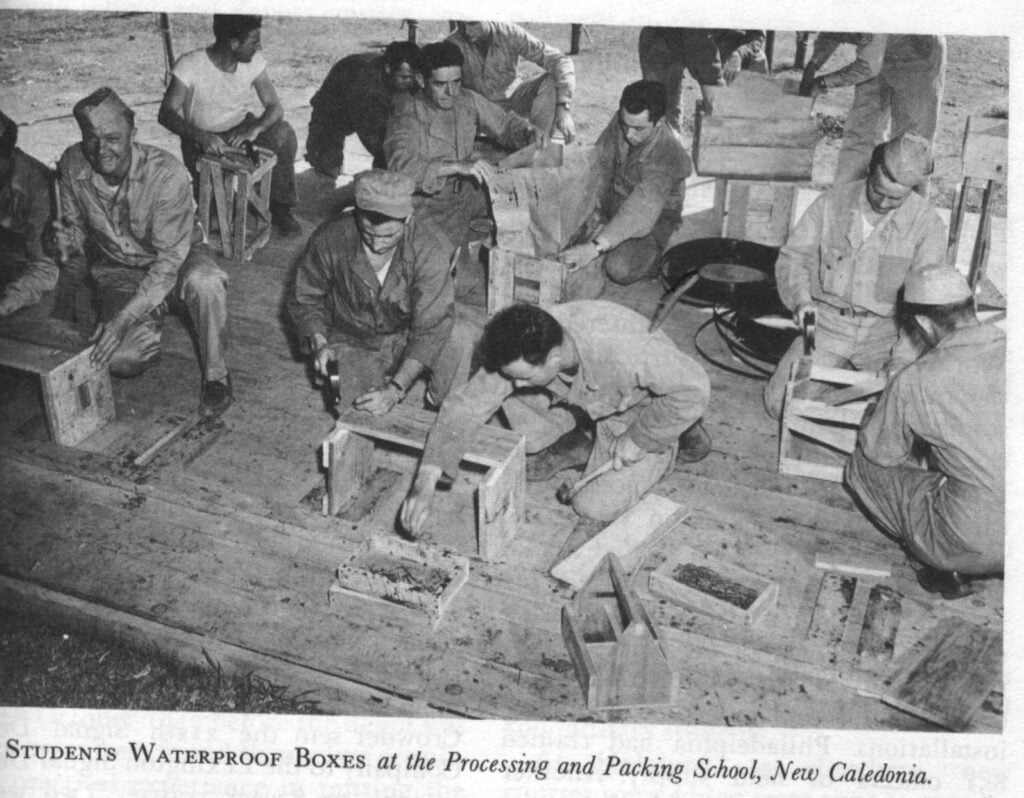
Generic Quartermaster Corps Images

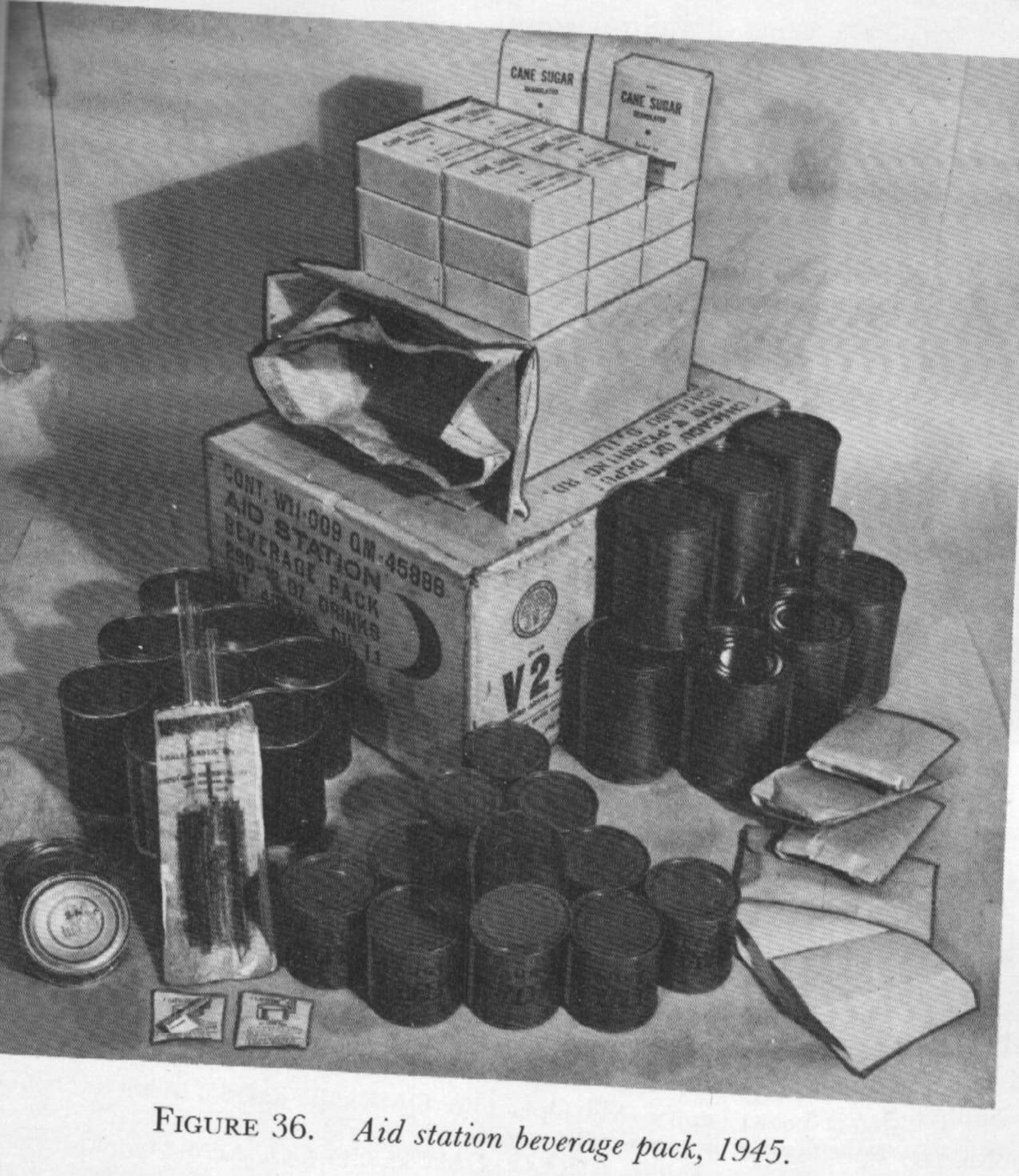
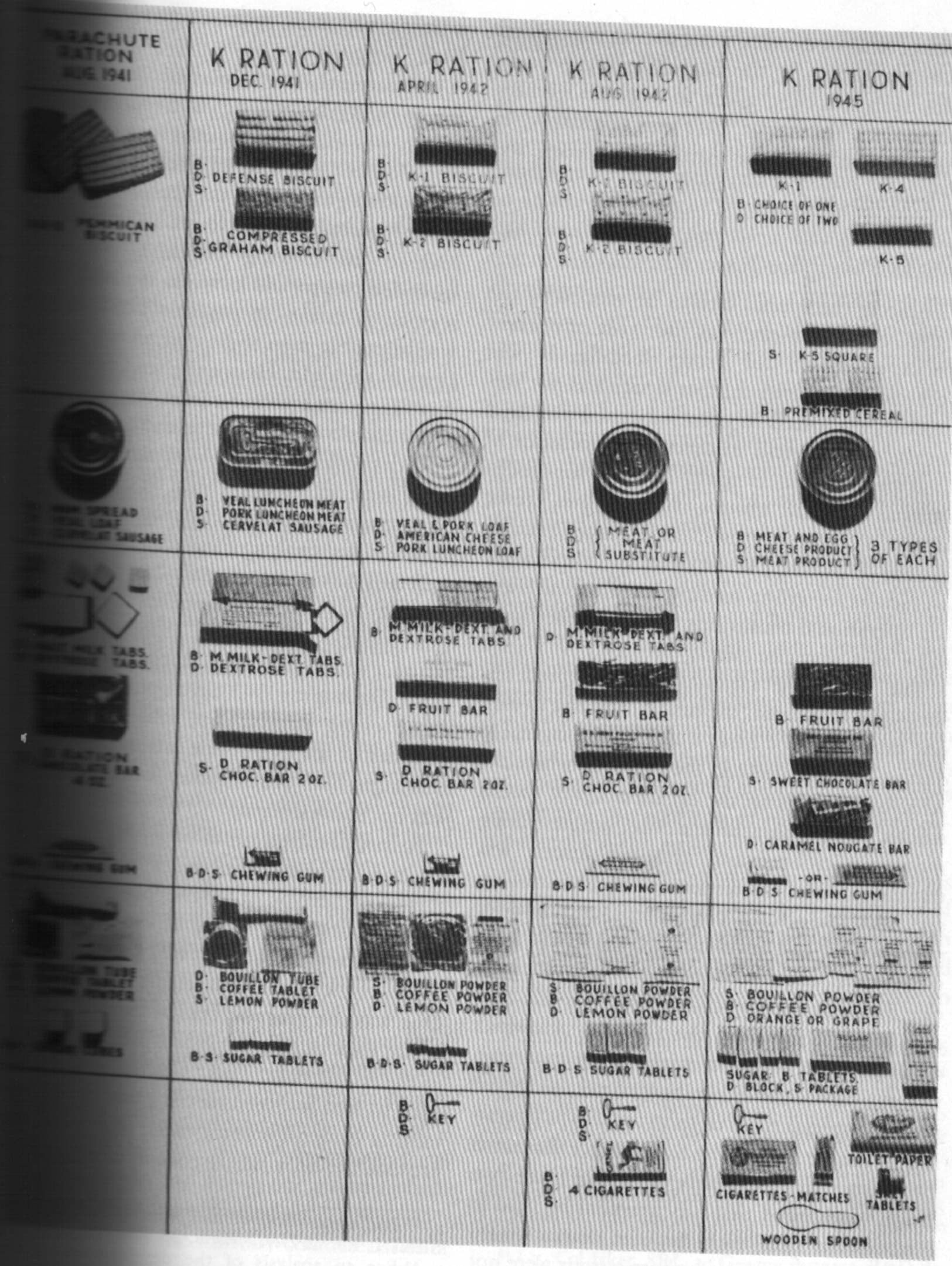
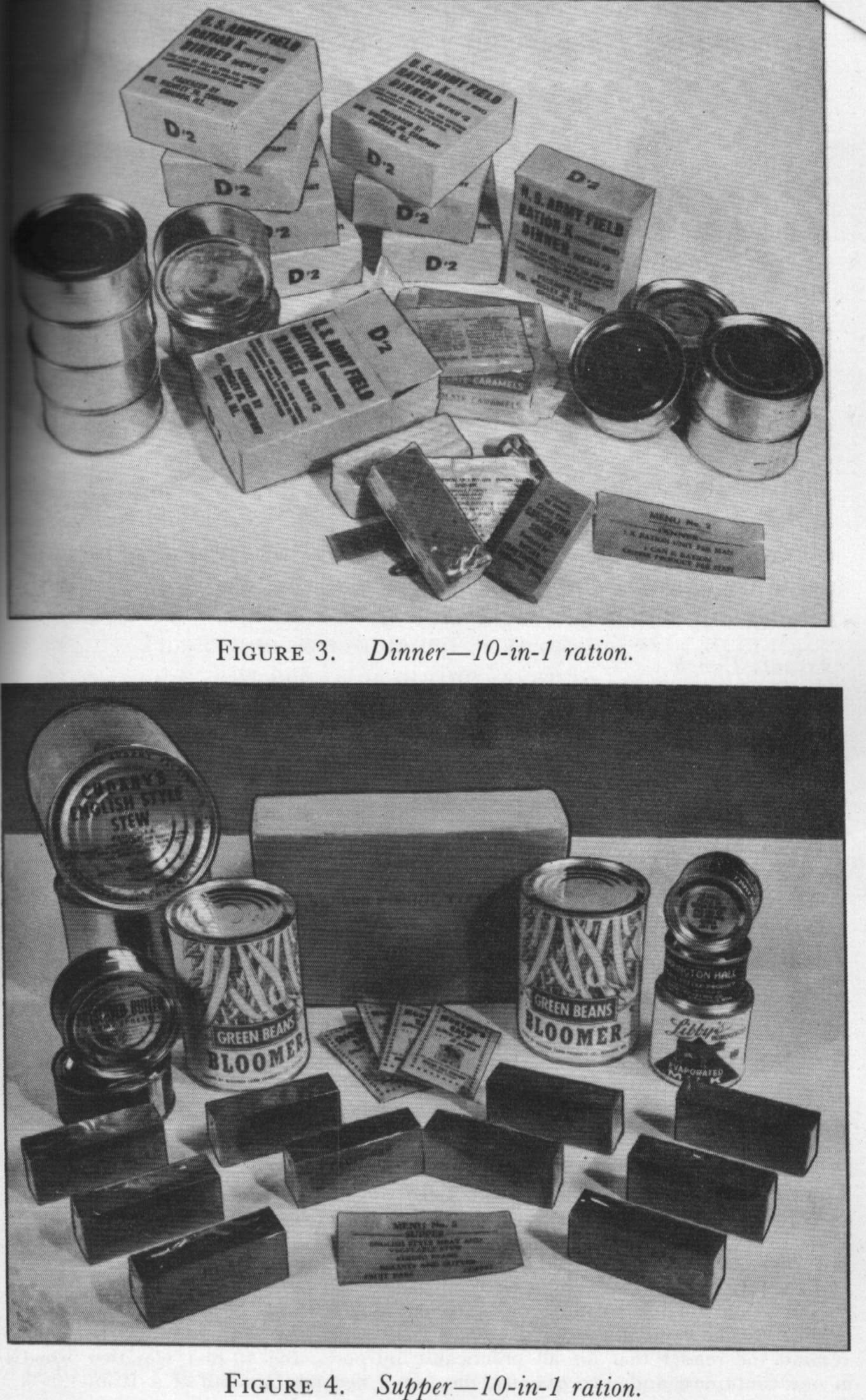
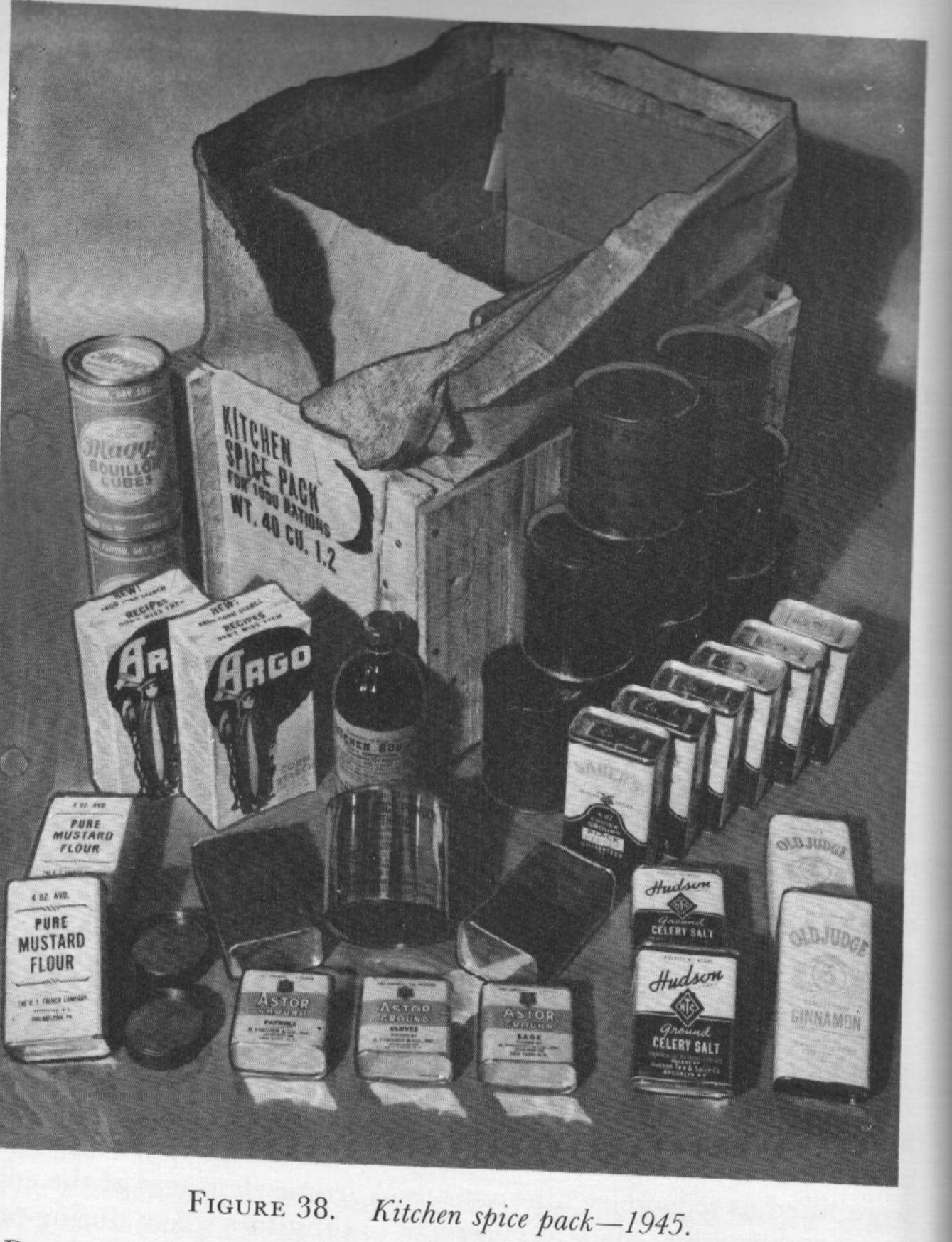
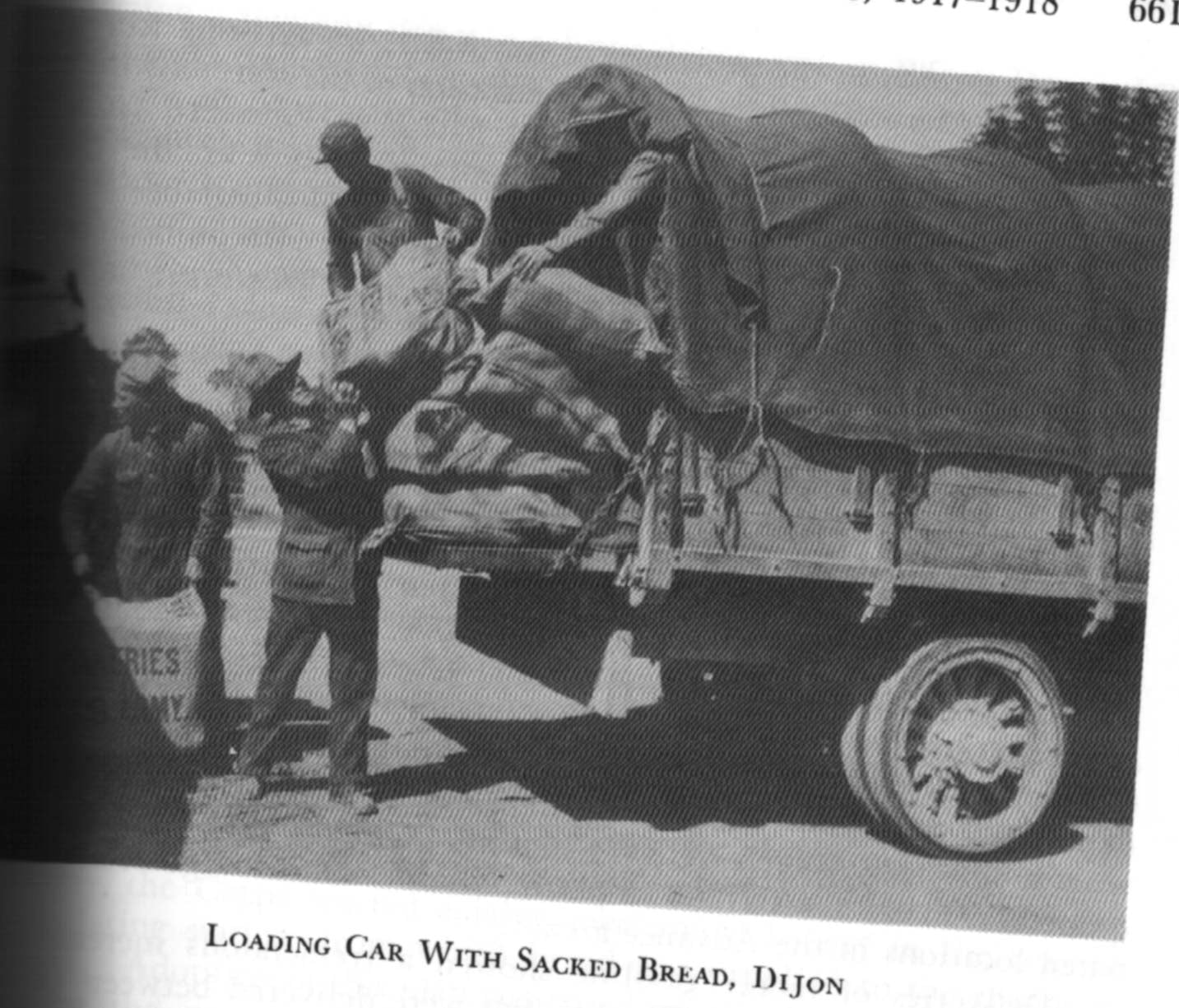
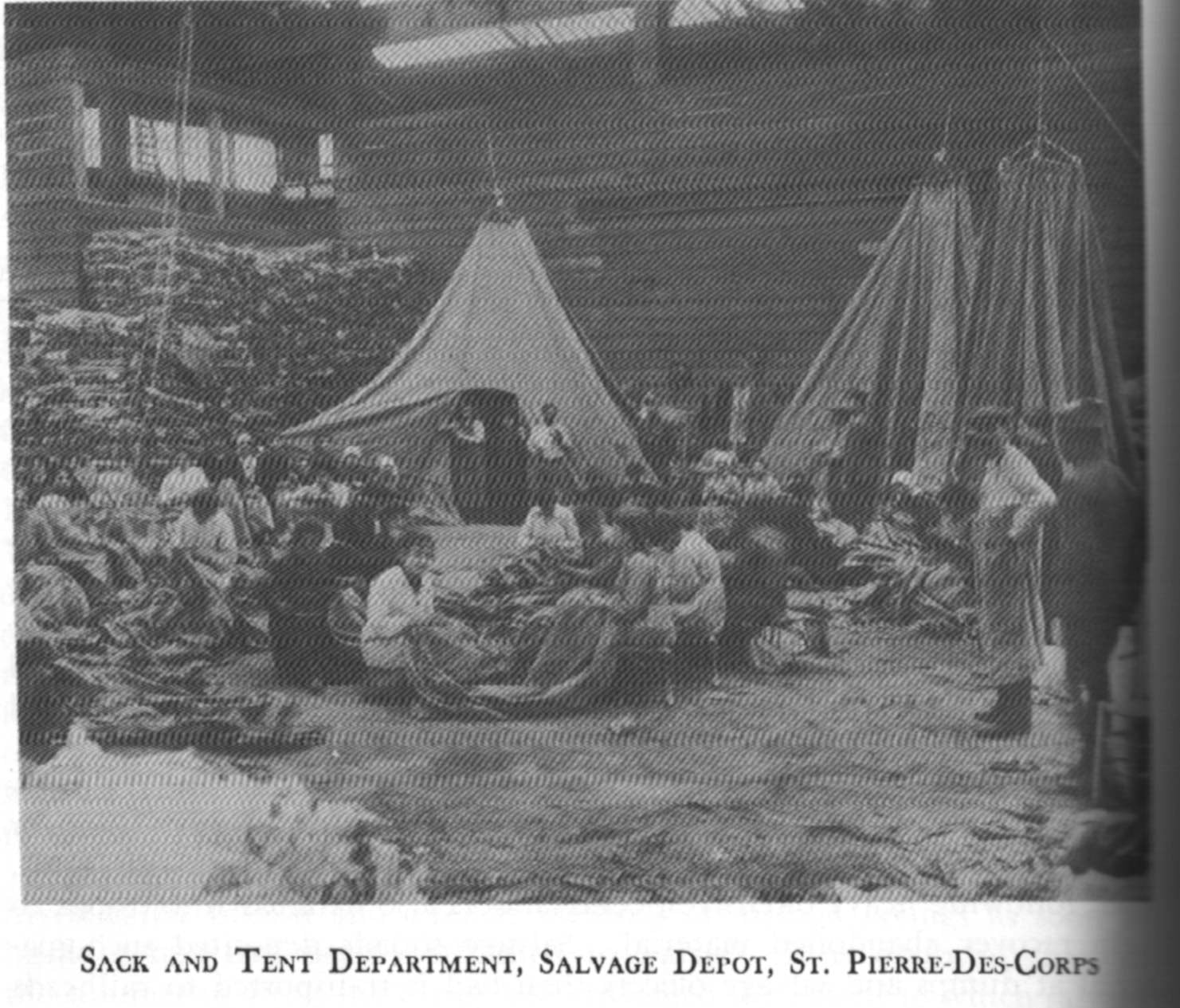
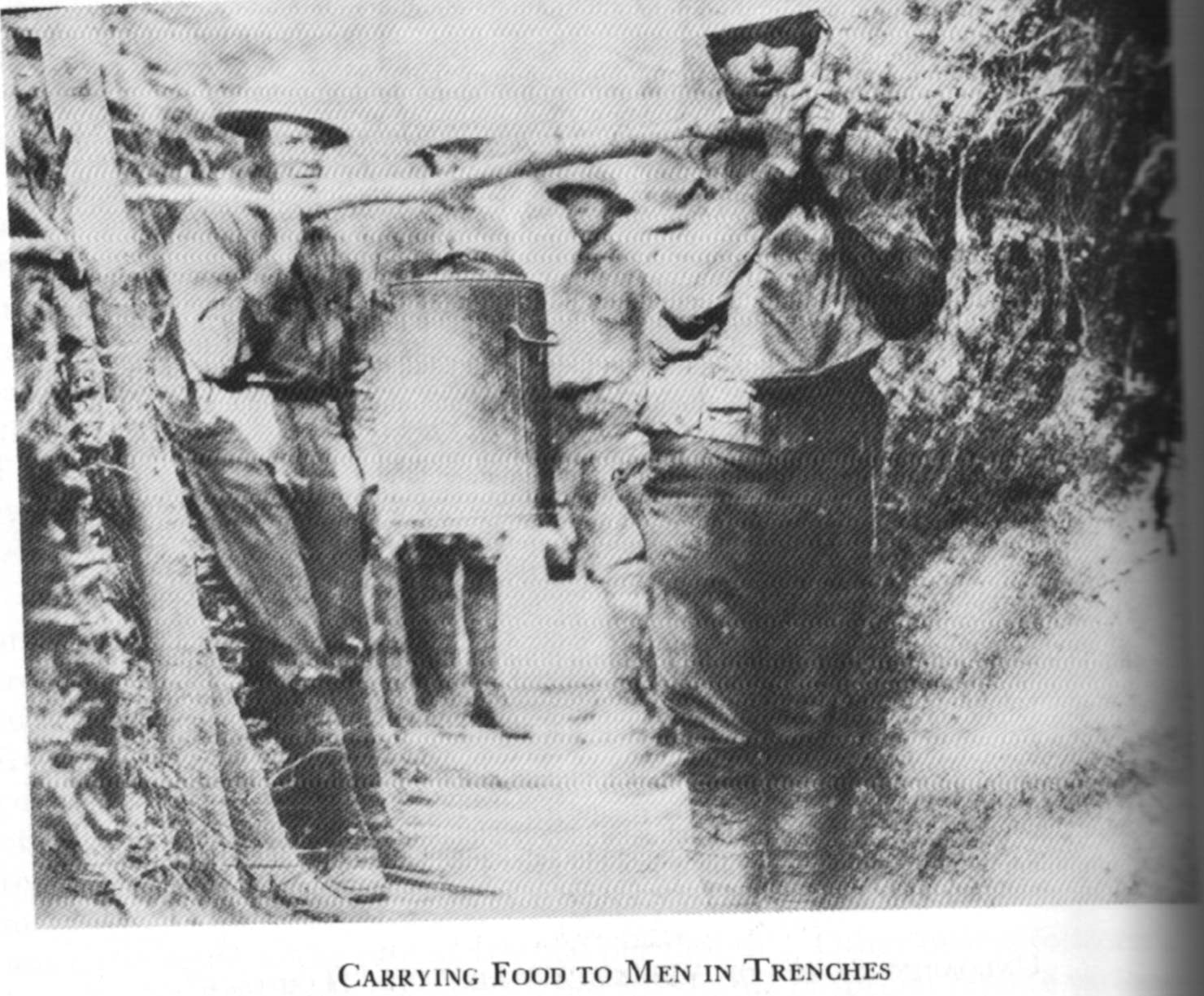
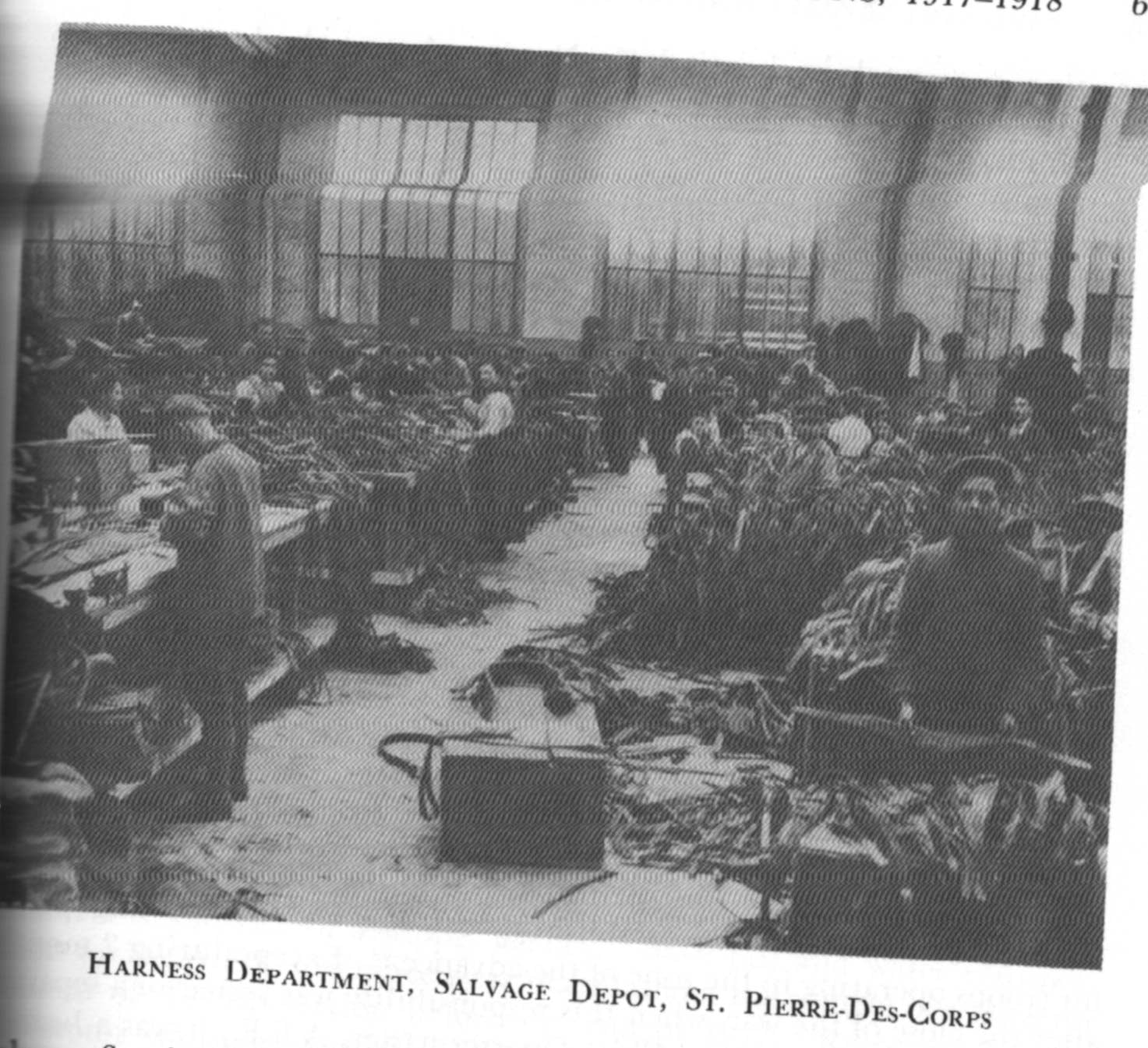
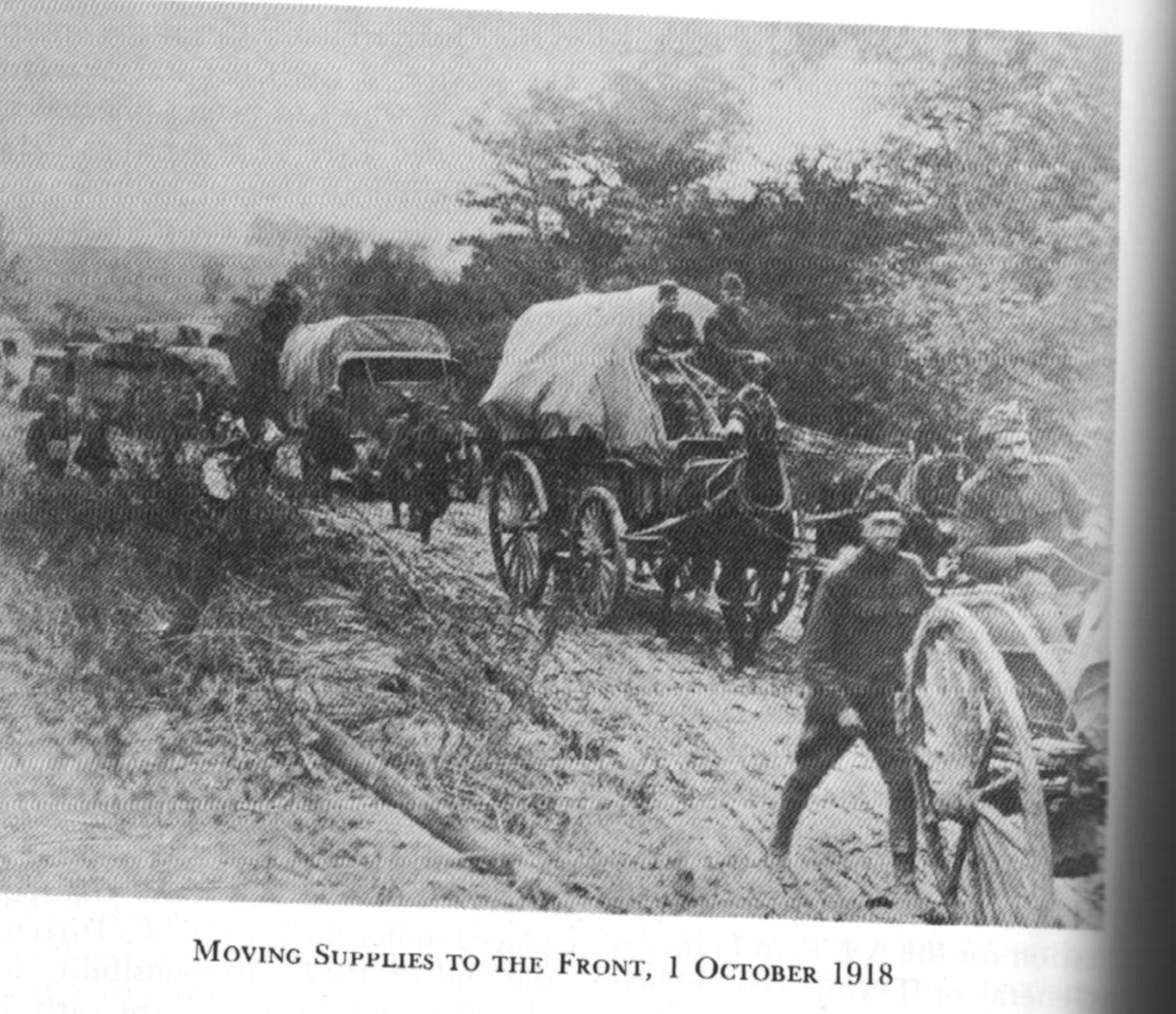
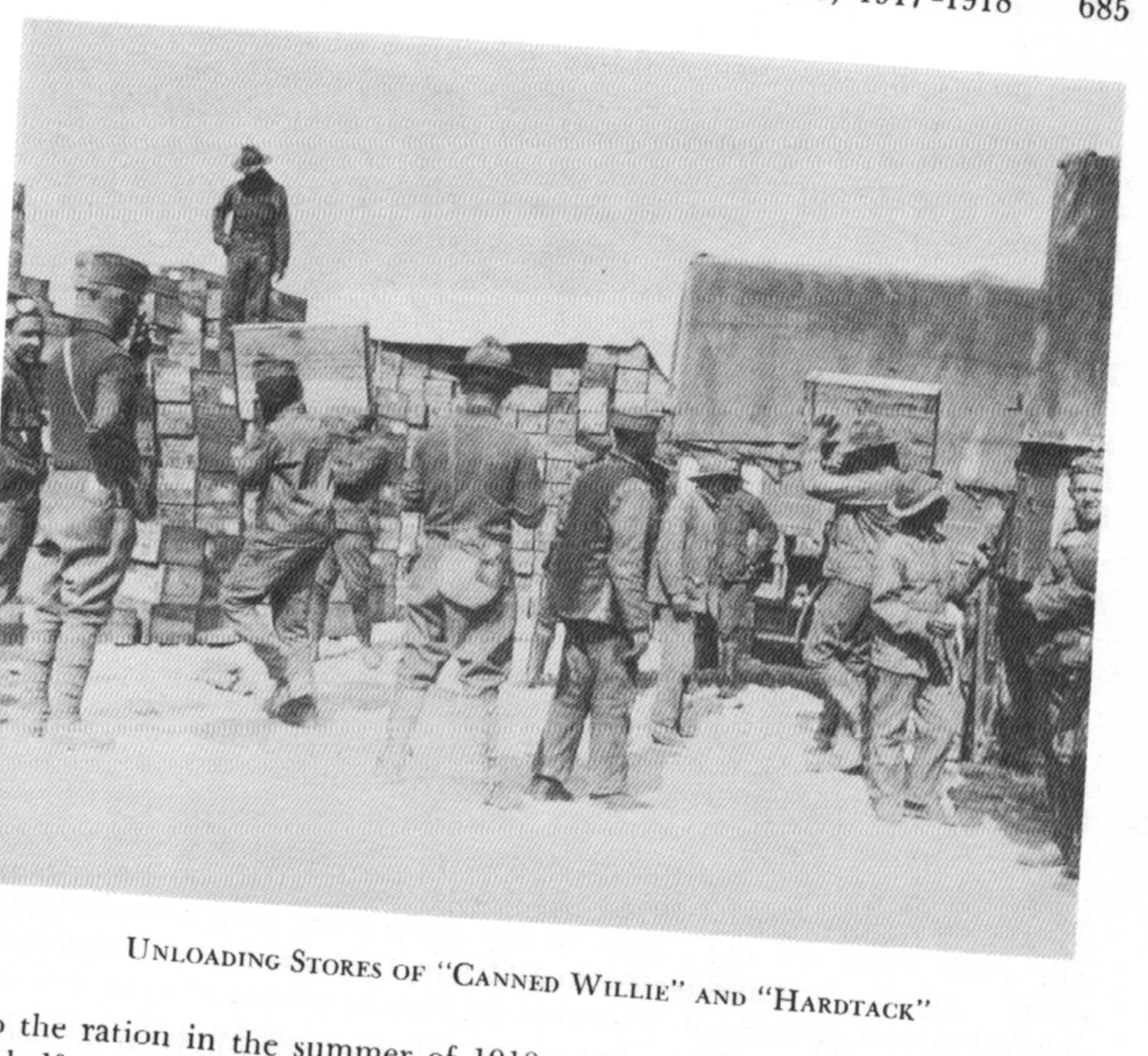
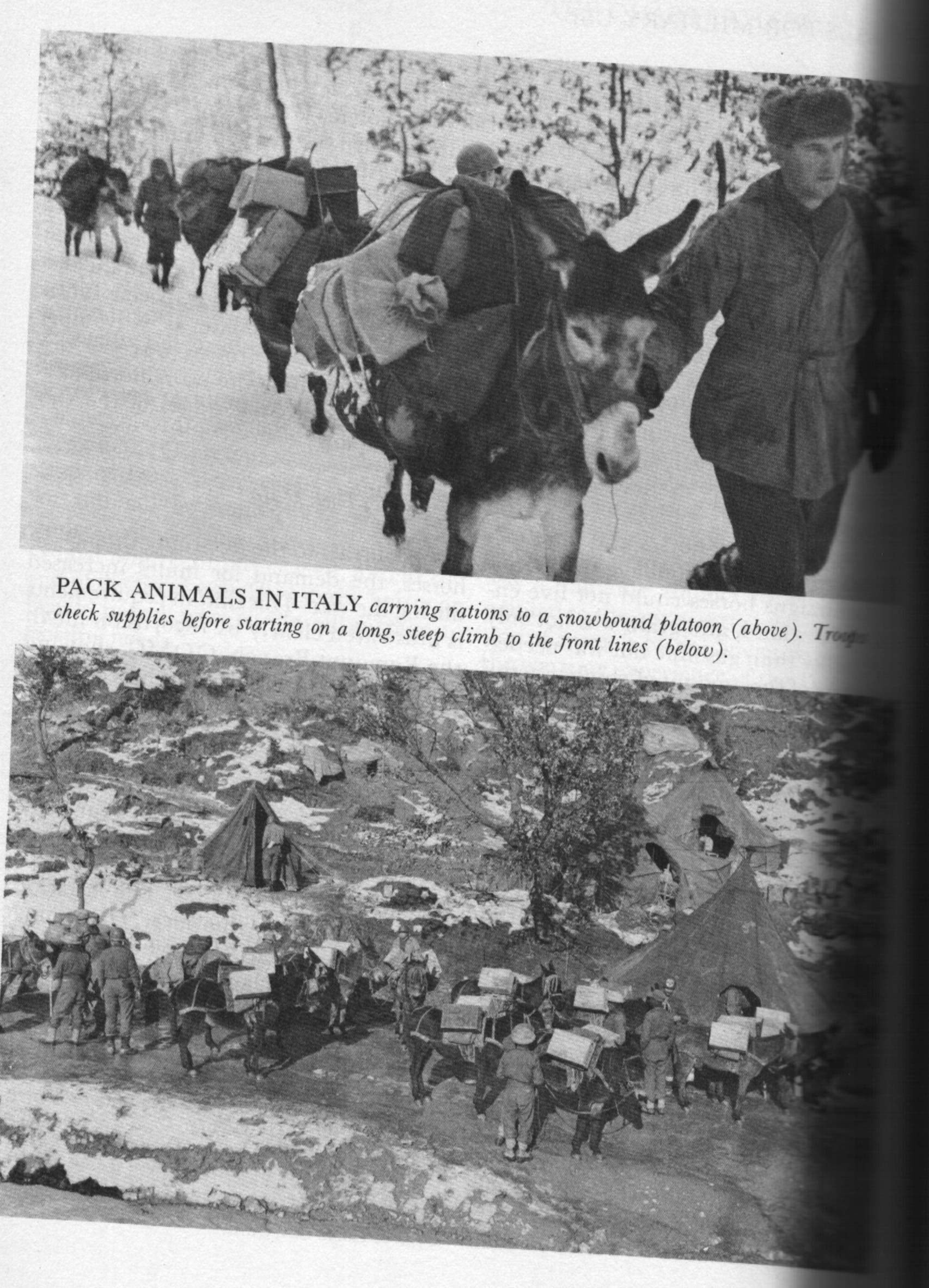
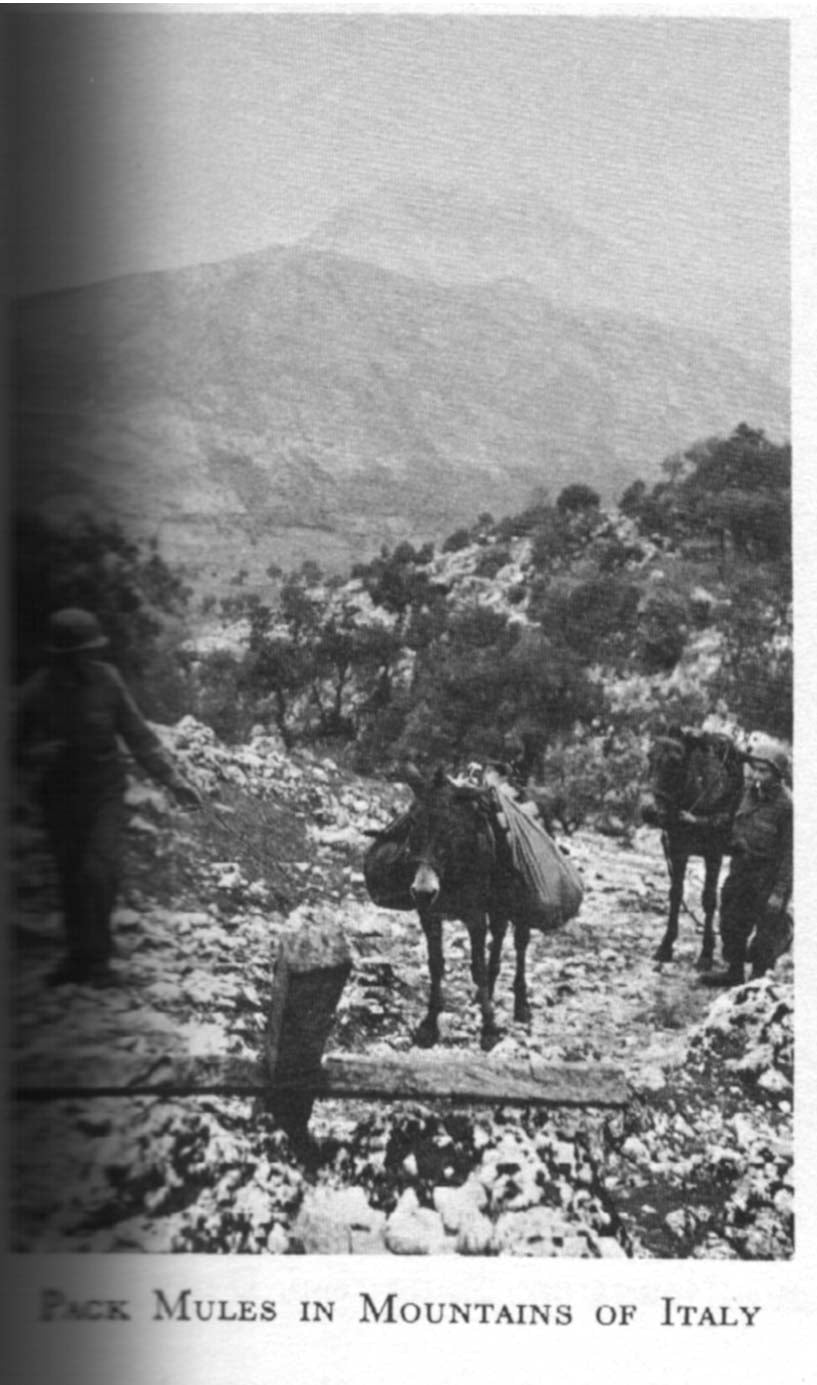
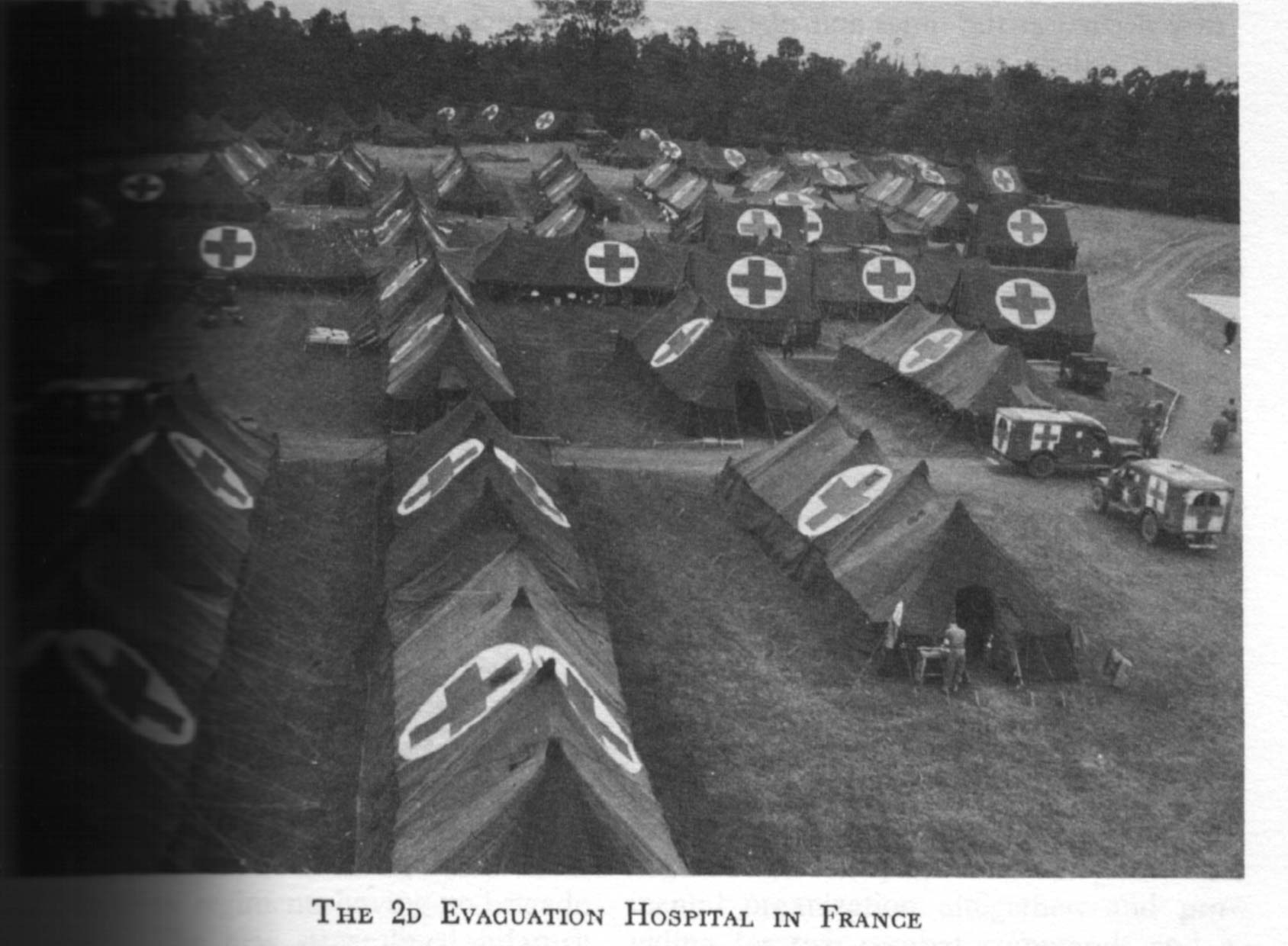
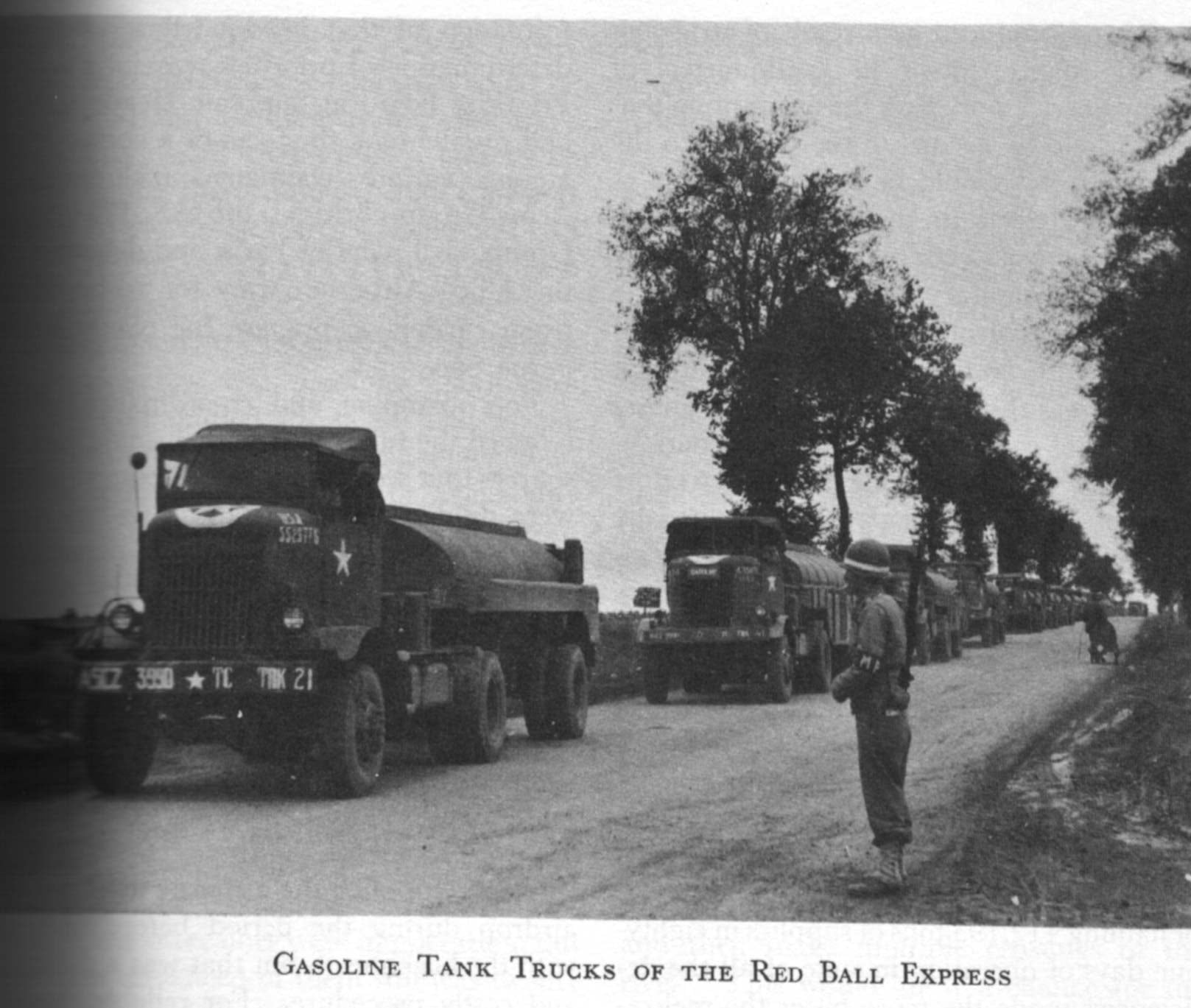
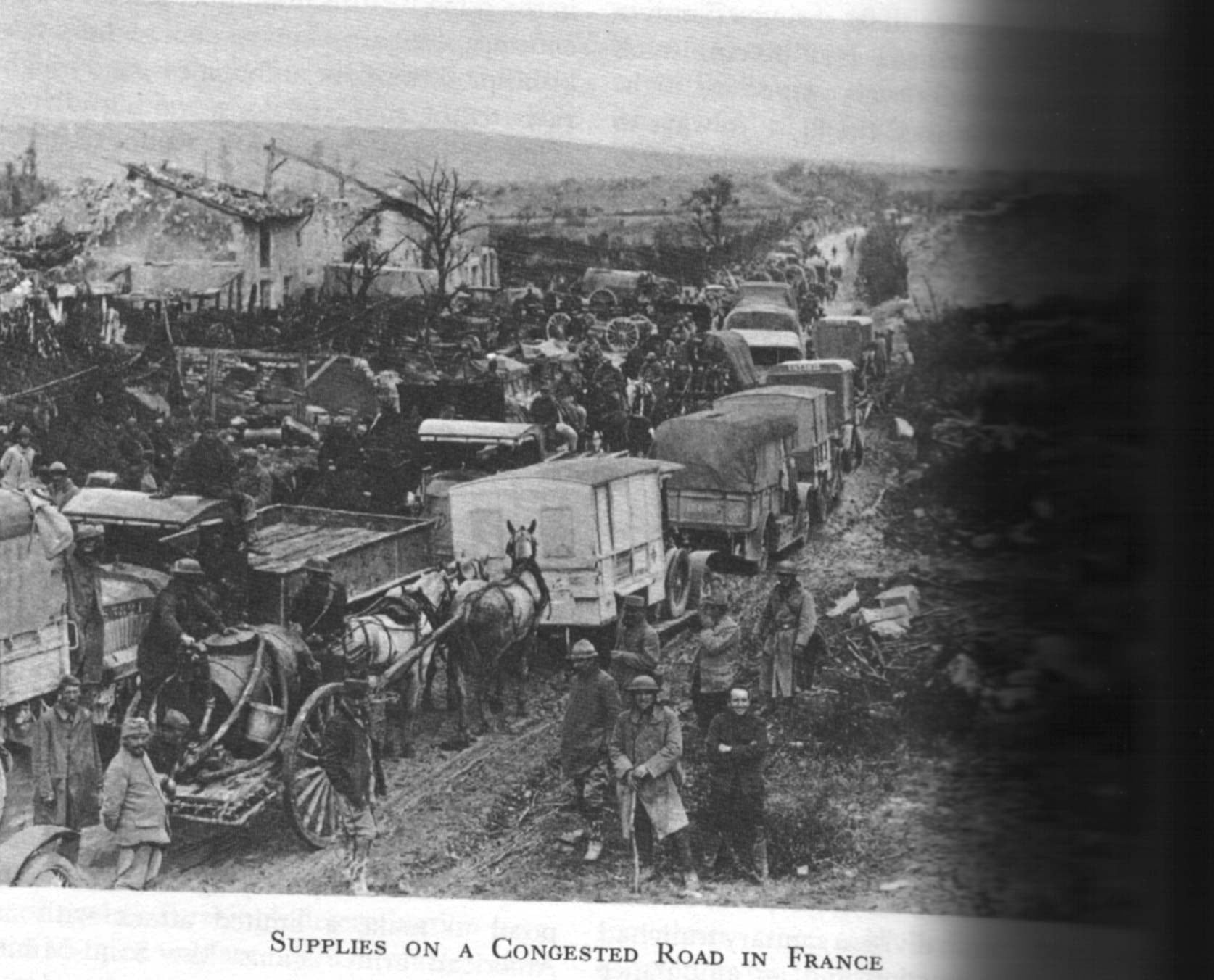
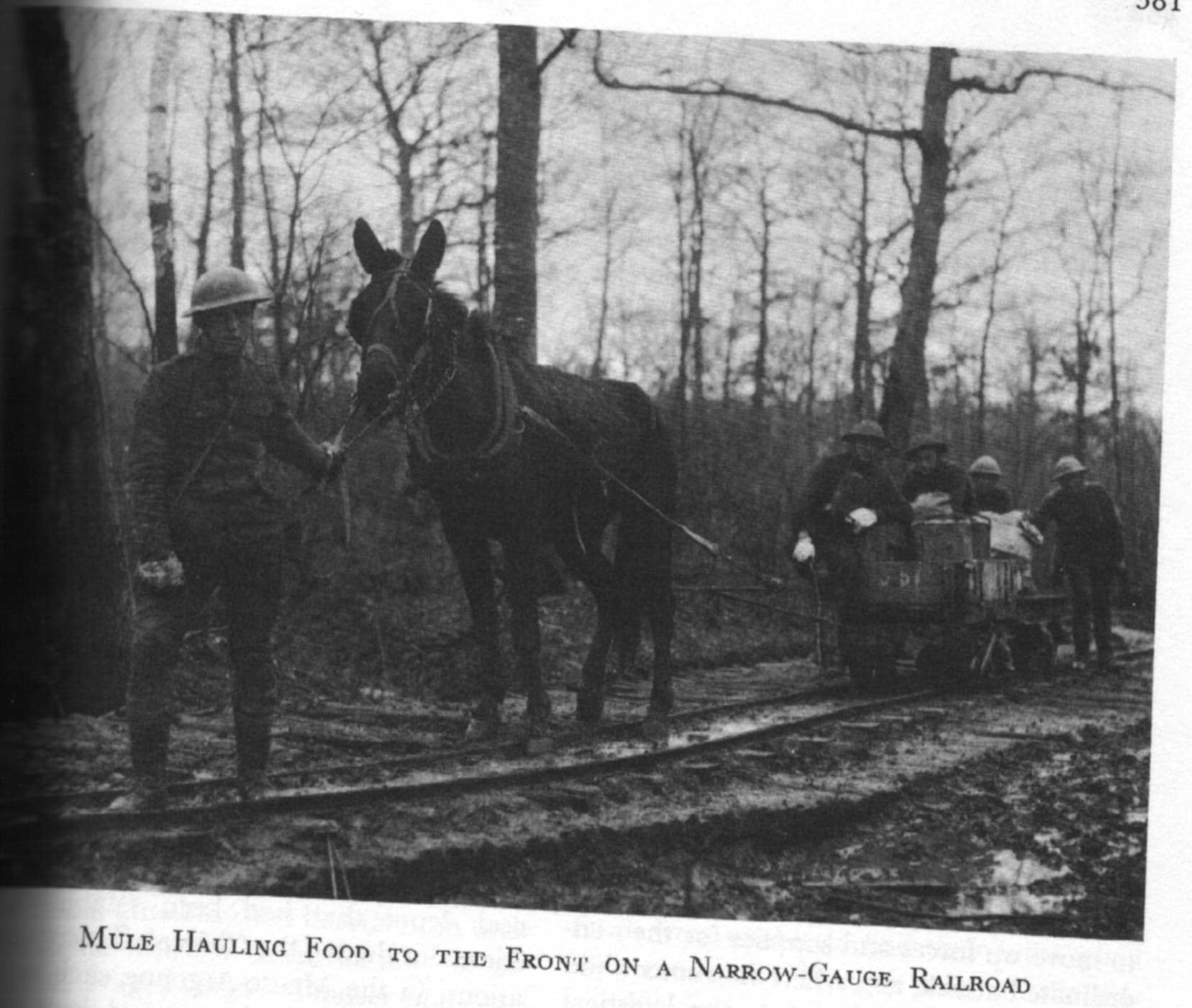
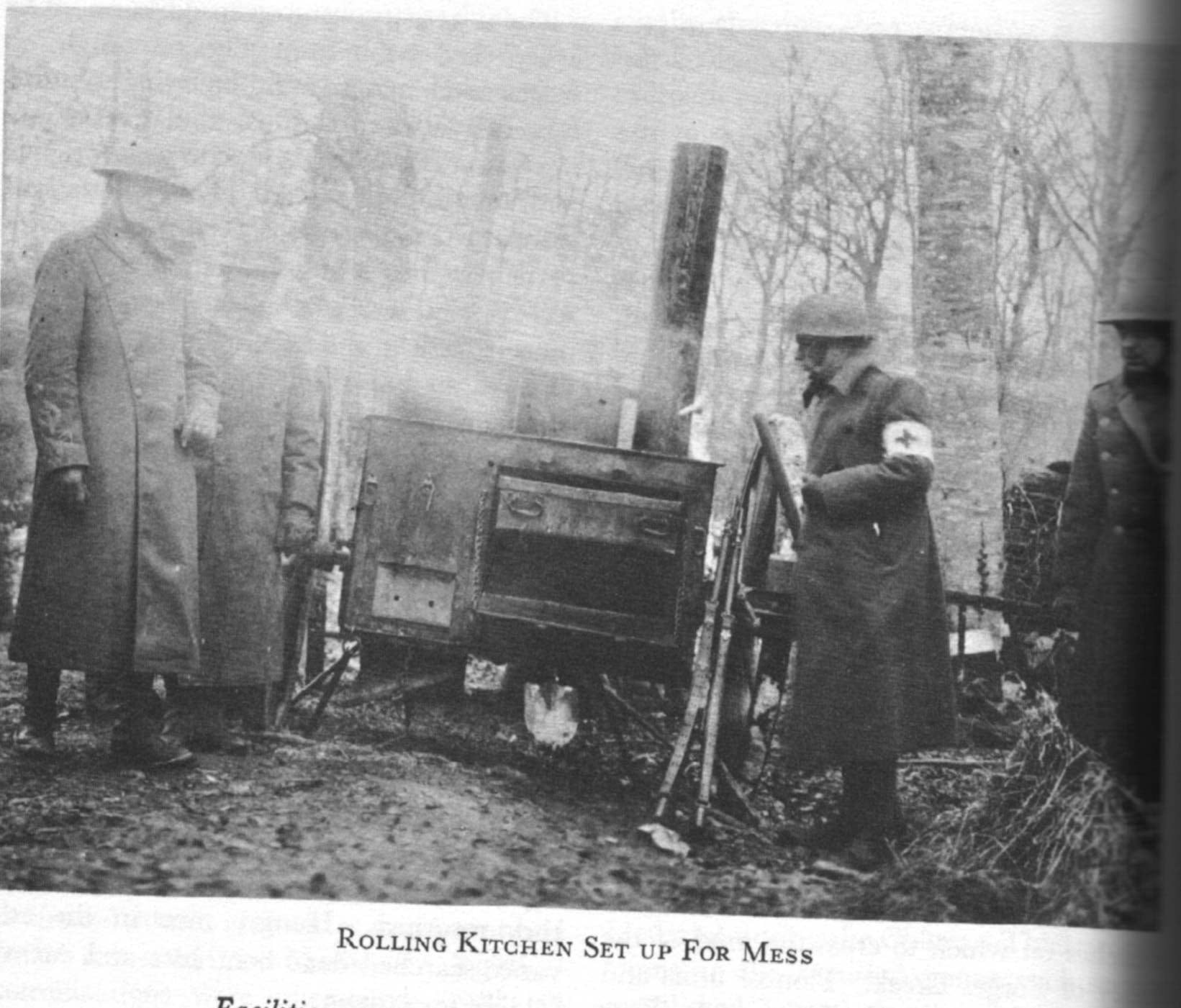
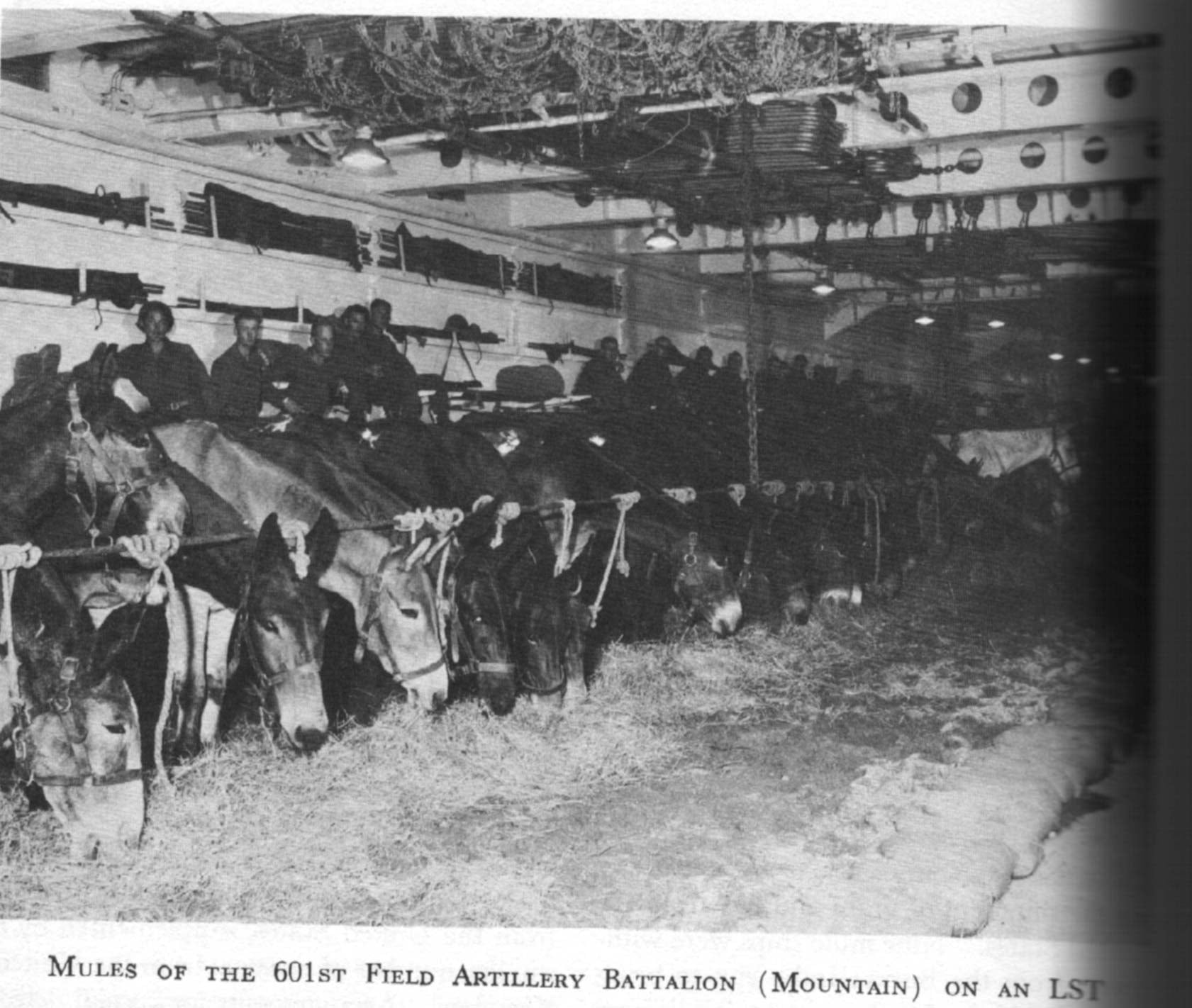
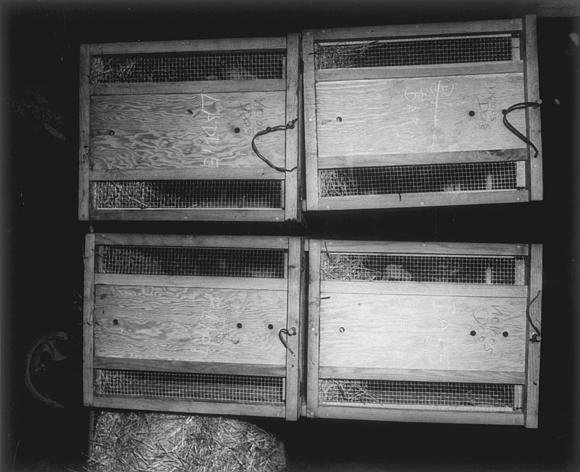
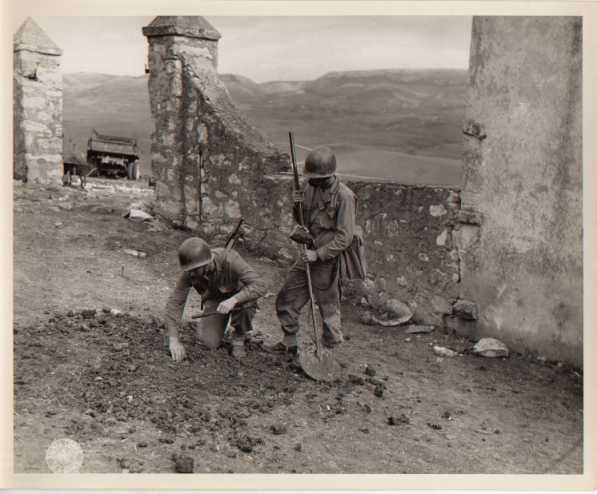
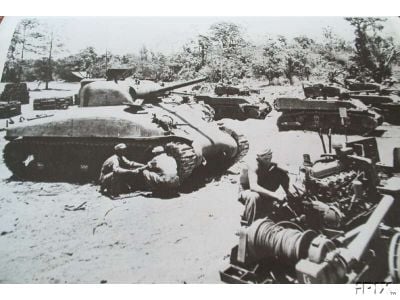
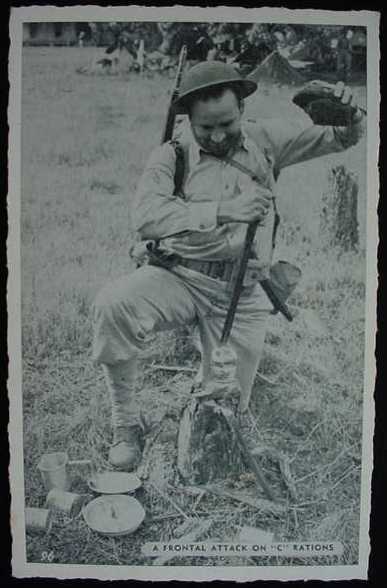
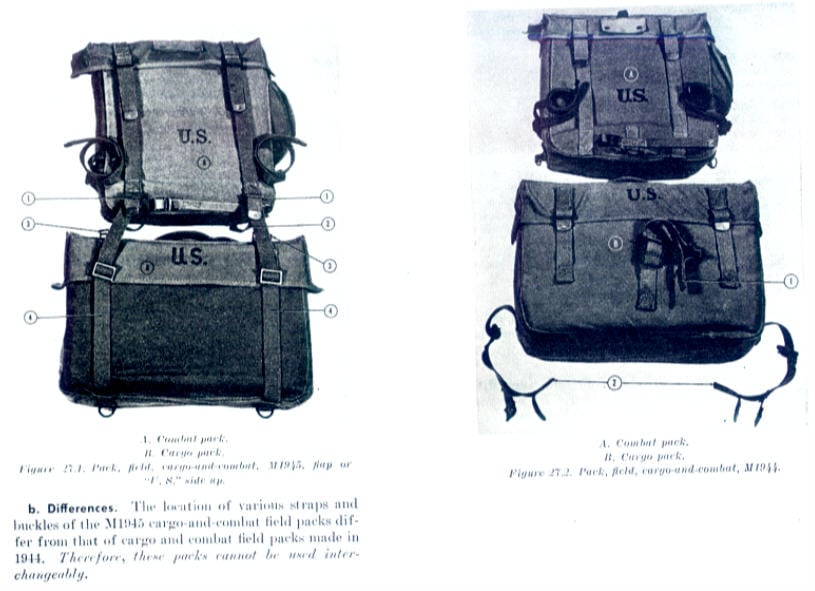
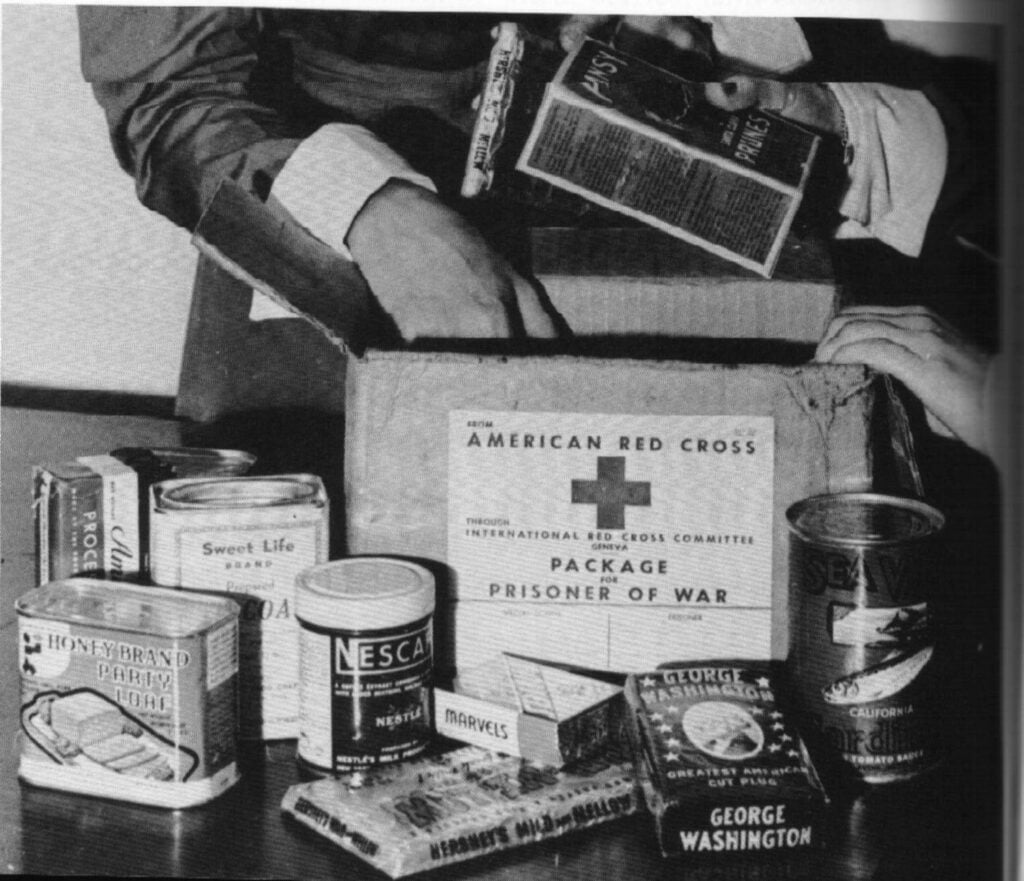
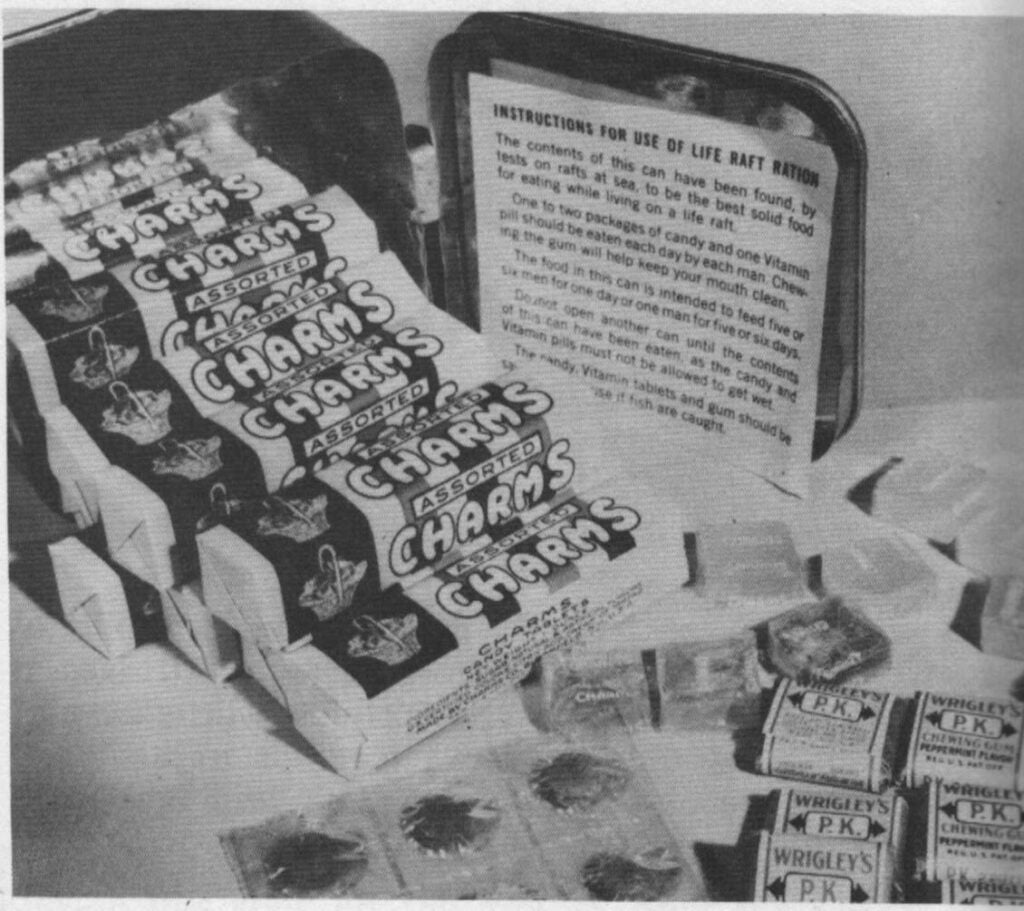
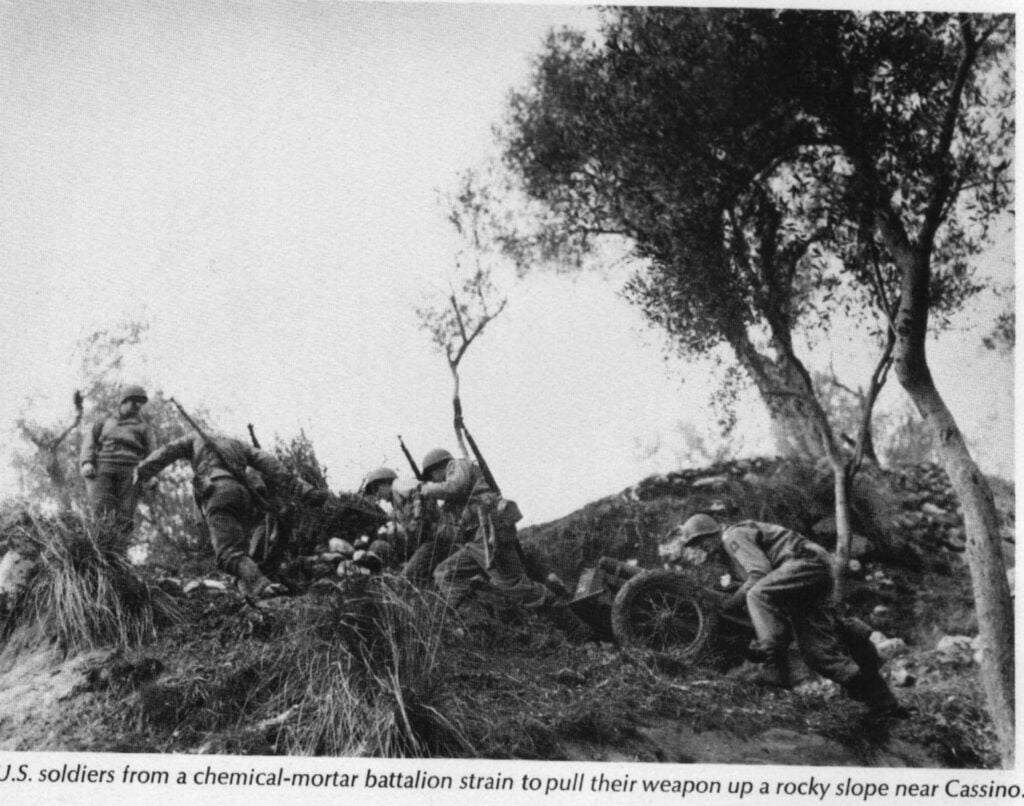
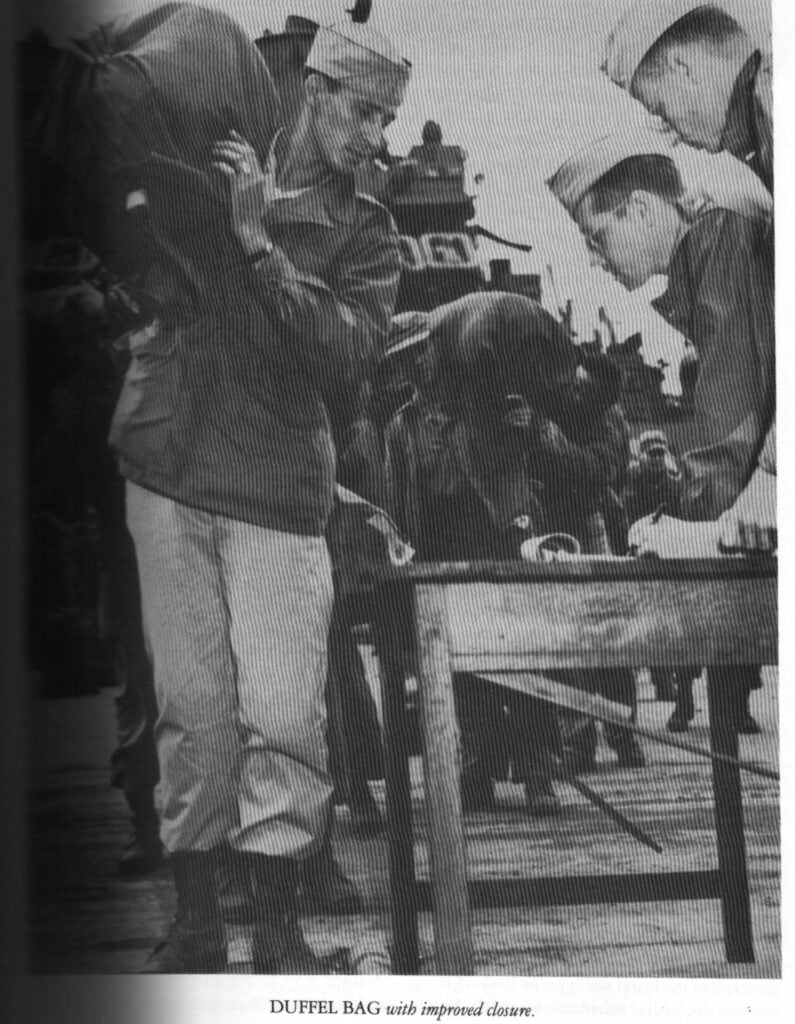
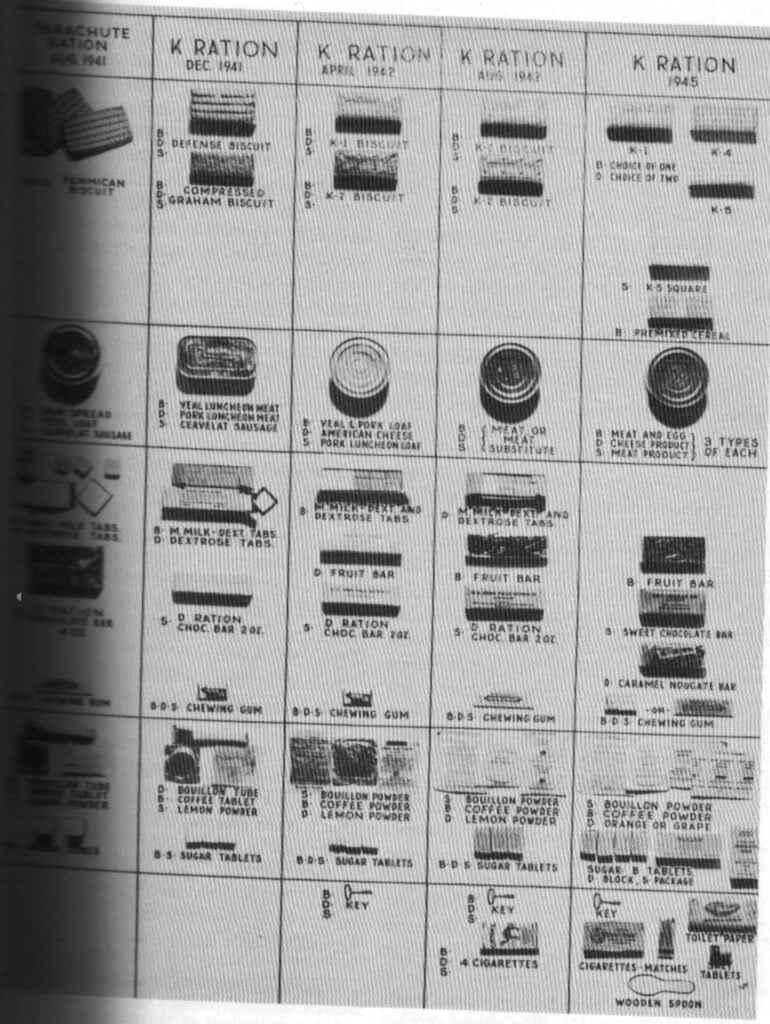
These are some photos I scanned years ago from various Quartermaster Corps books.

Koehler, Franz A. “Special Rations For the Armed Forces 1946-53 QMC. Historical Studies Series II, No.6” Washington, D.C., 1958.

Quartermaster Support of the Army: A History of the Corps 1775-1939. By: Erna Risch. Center of Military History, United States Army. Washington, D.C., 1989.

United States Army in World War II: The Technical Services: The Quartermaster Corps:
Organization, Supply and Services, Volume II,
by Erna Risch and Chester L. Kieffer. Office of the Chief of Military History, Dept. of the Army, Washington, D.C., 1955

The Sinews of War: Army Logistics 1775-1953. By James A Huston, Office of the Chief of Military History
United States Army, Washington DC, 1966

Posted on

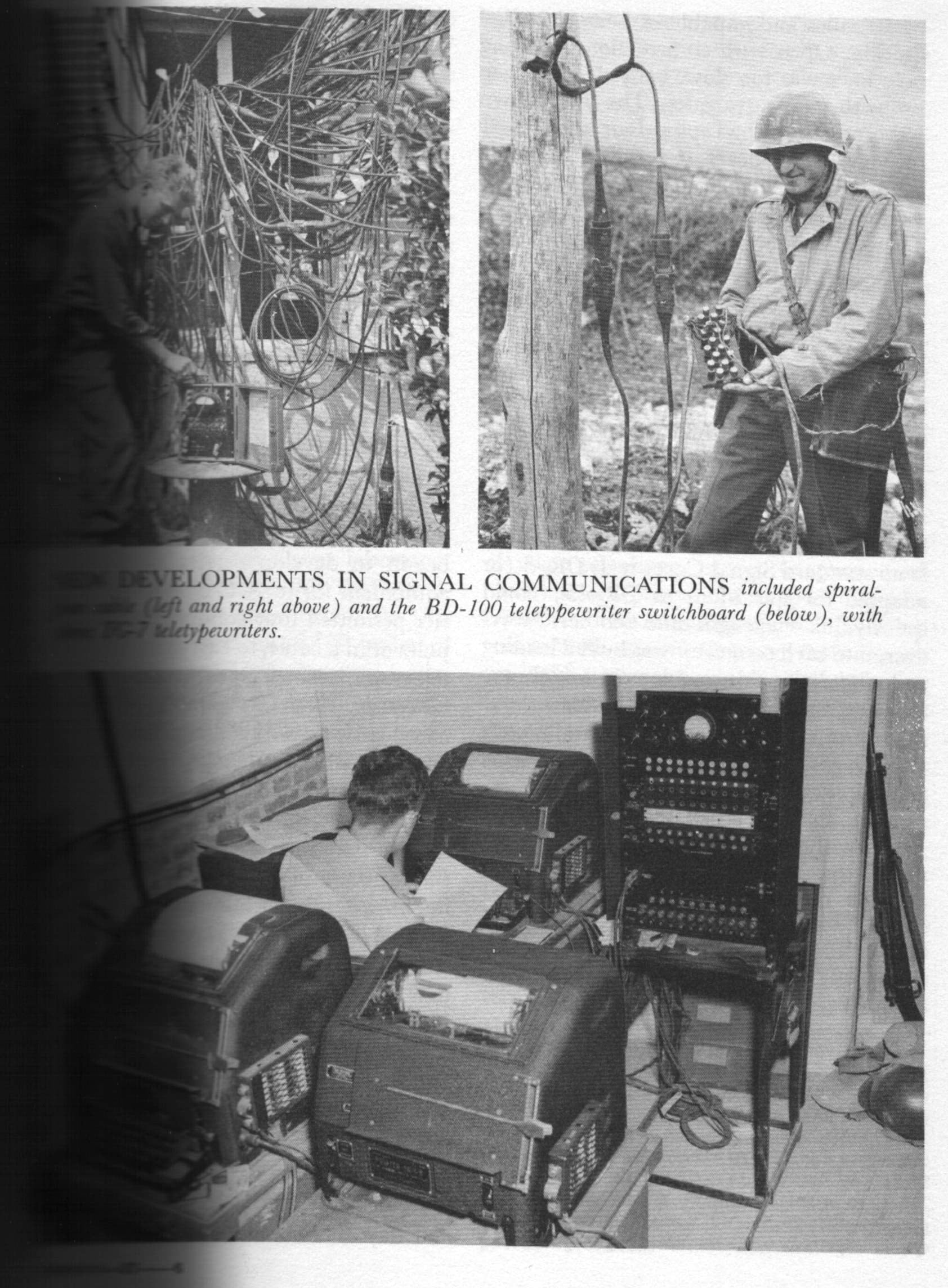
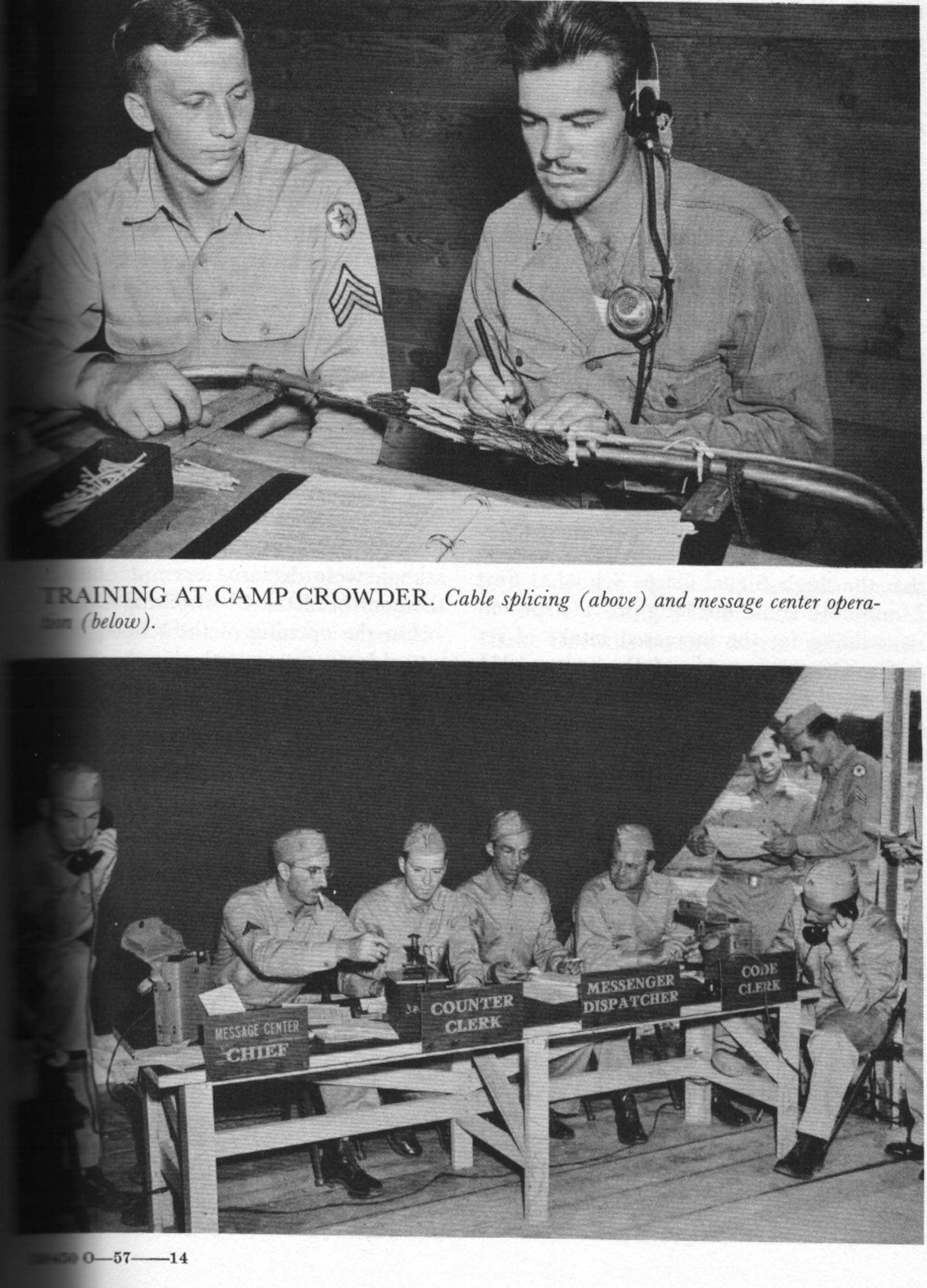
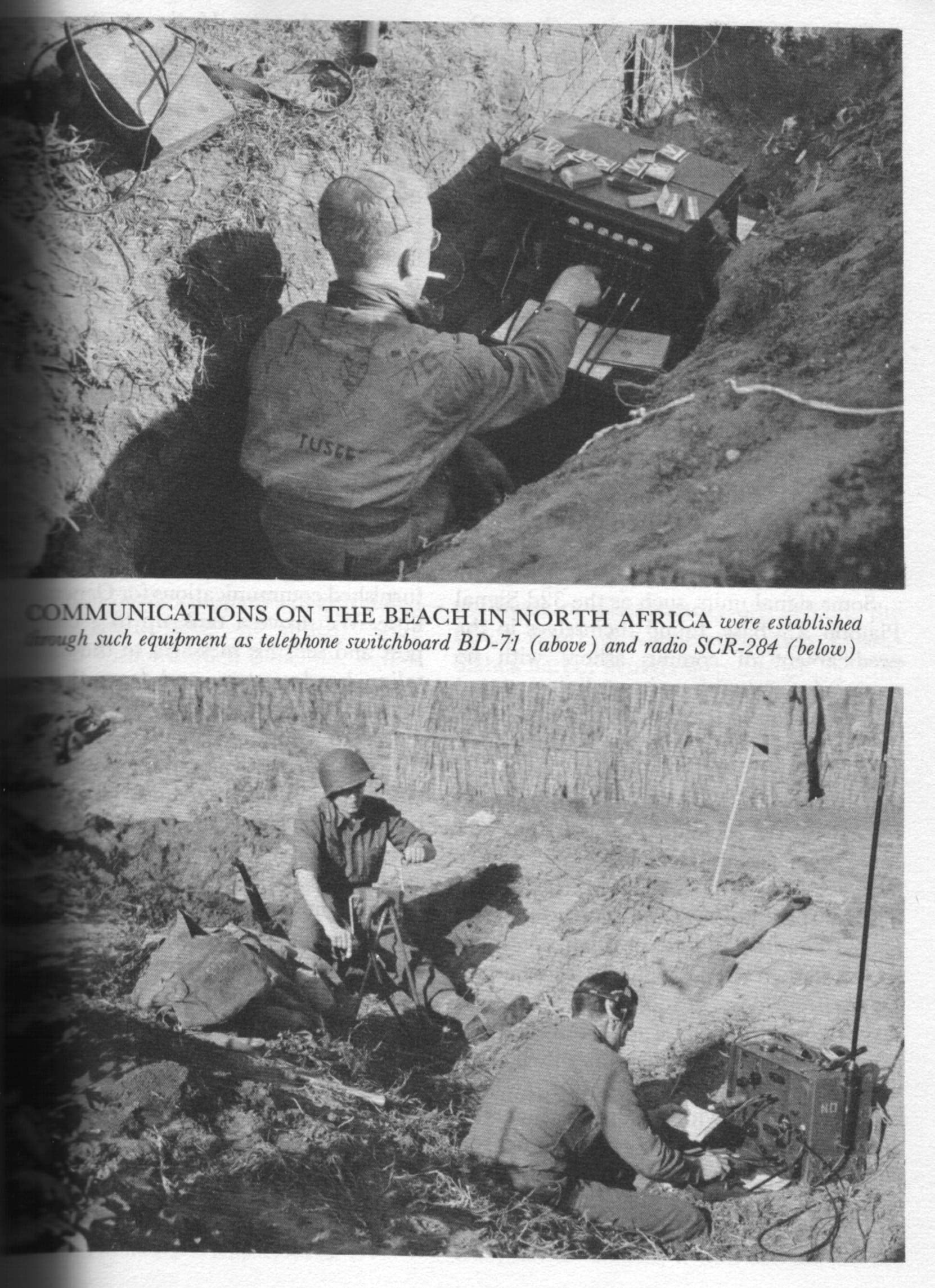
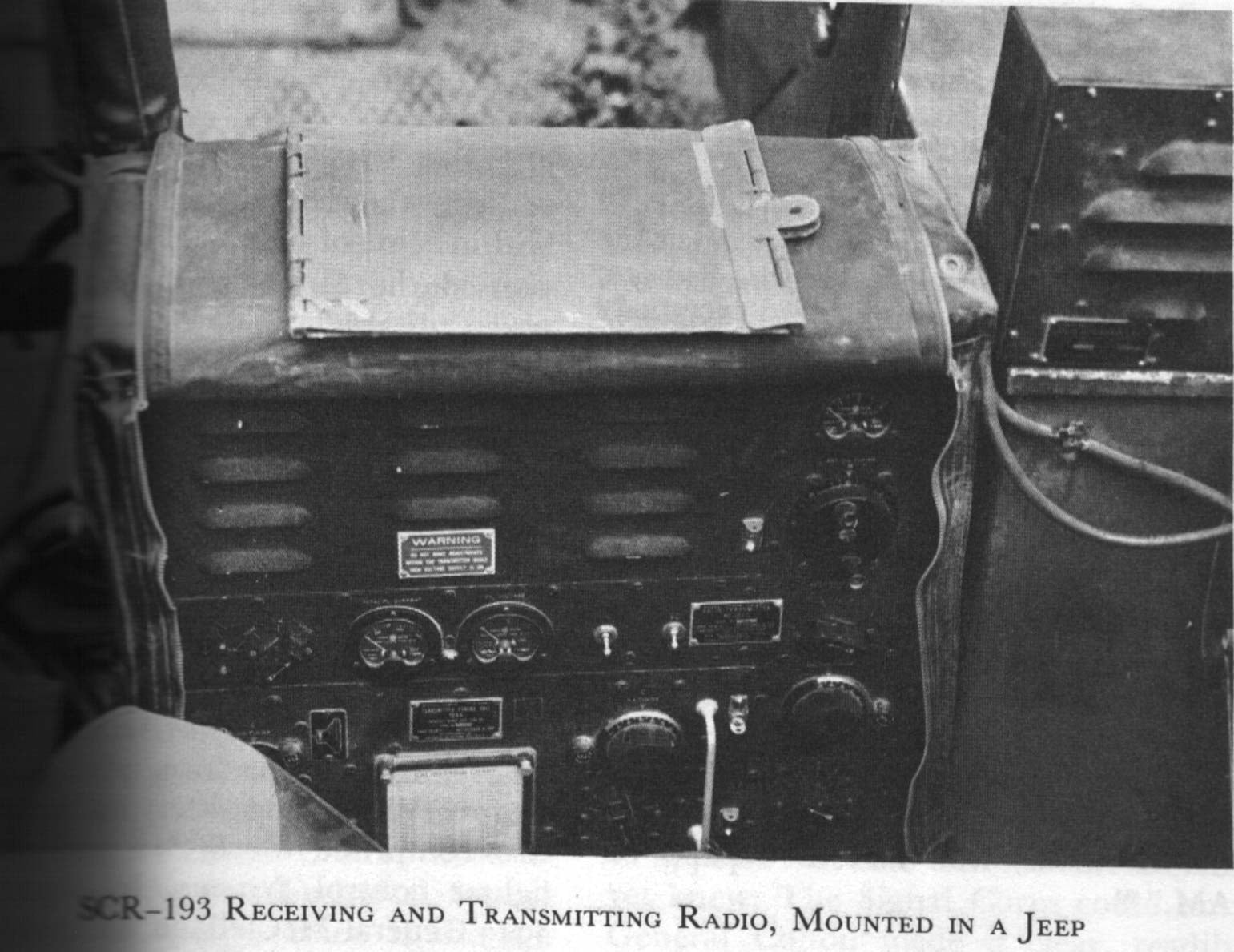
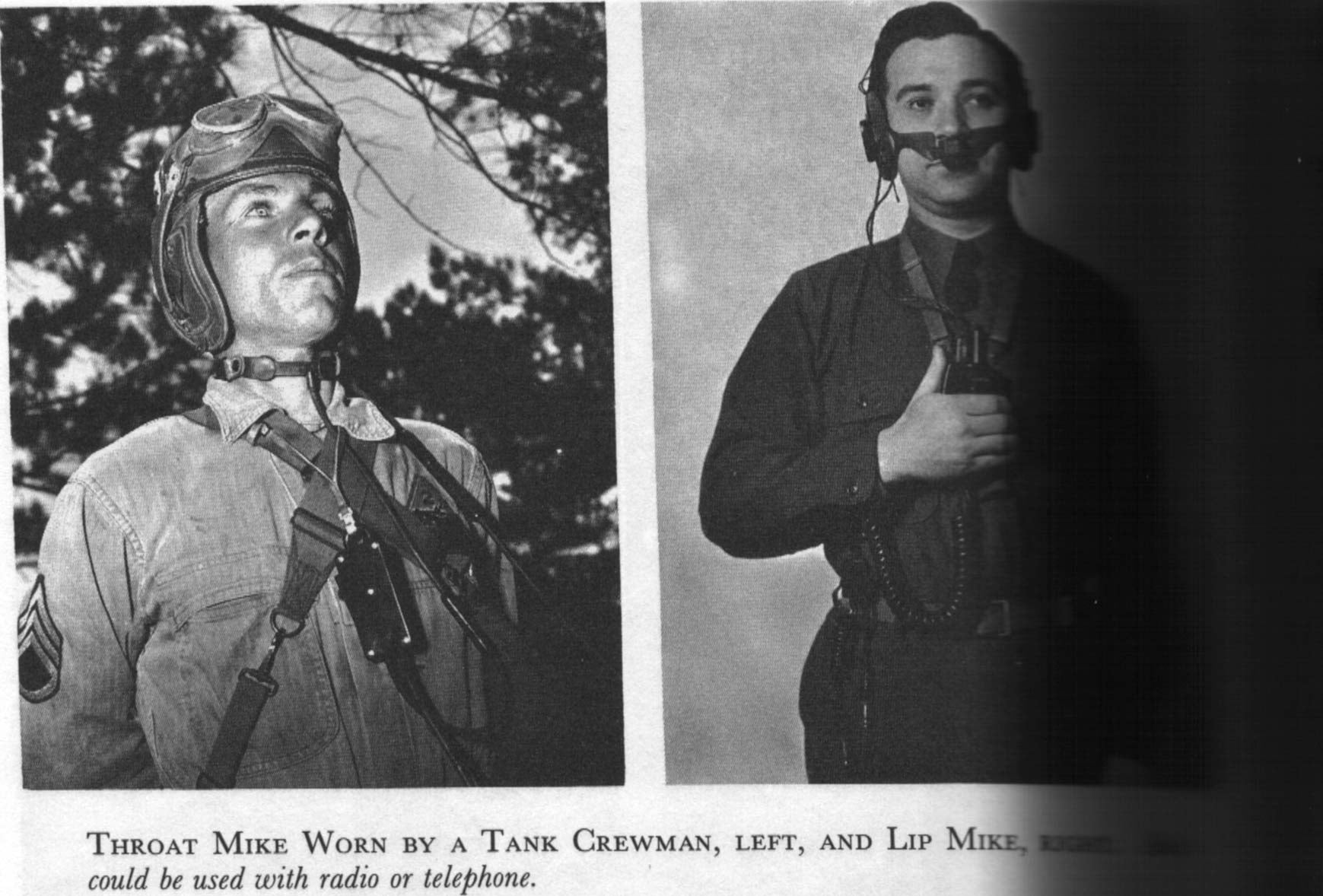
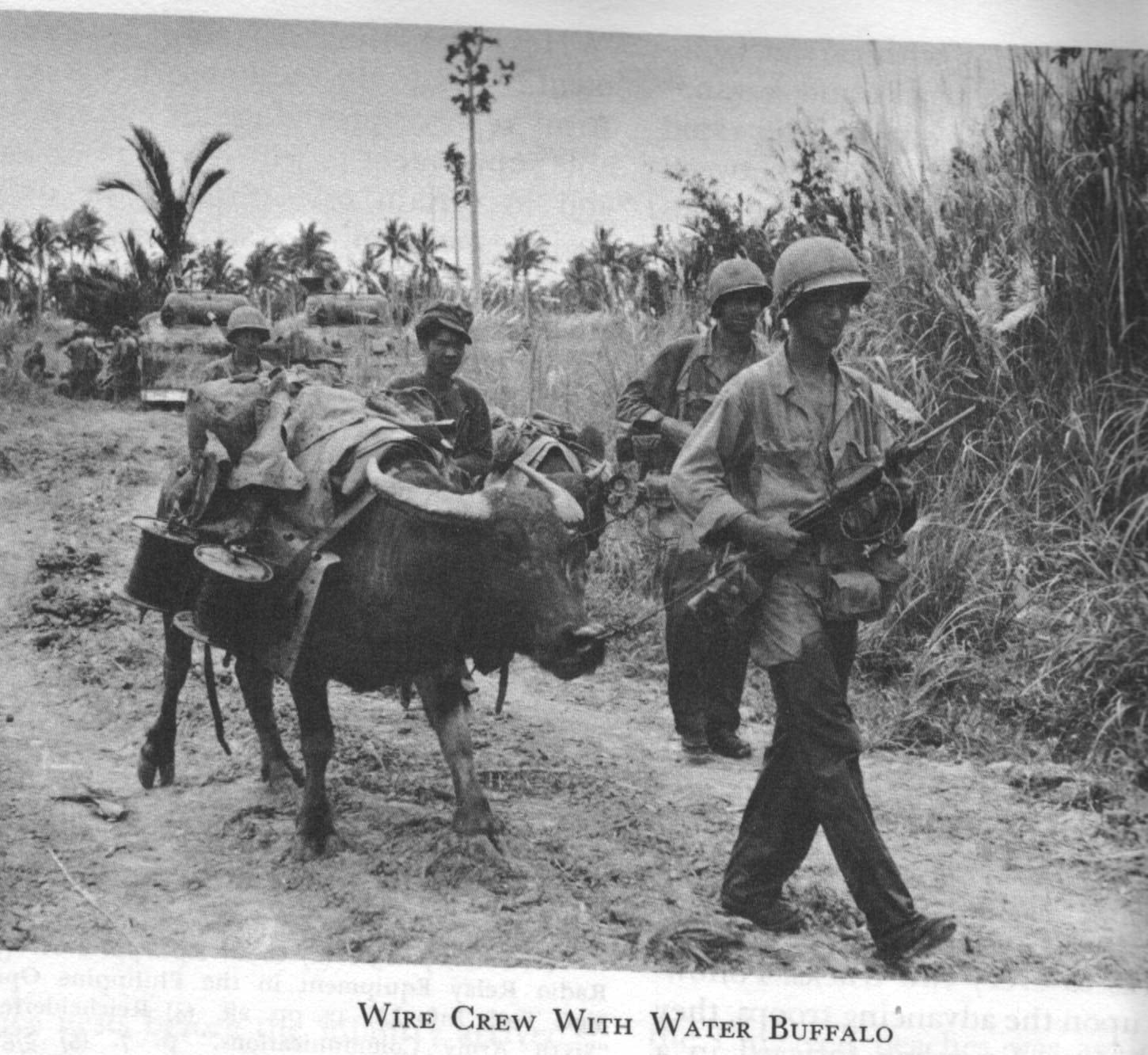
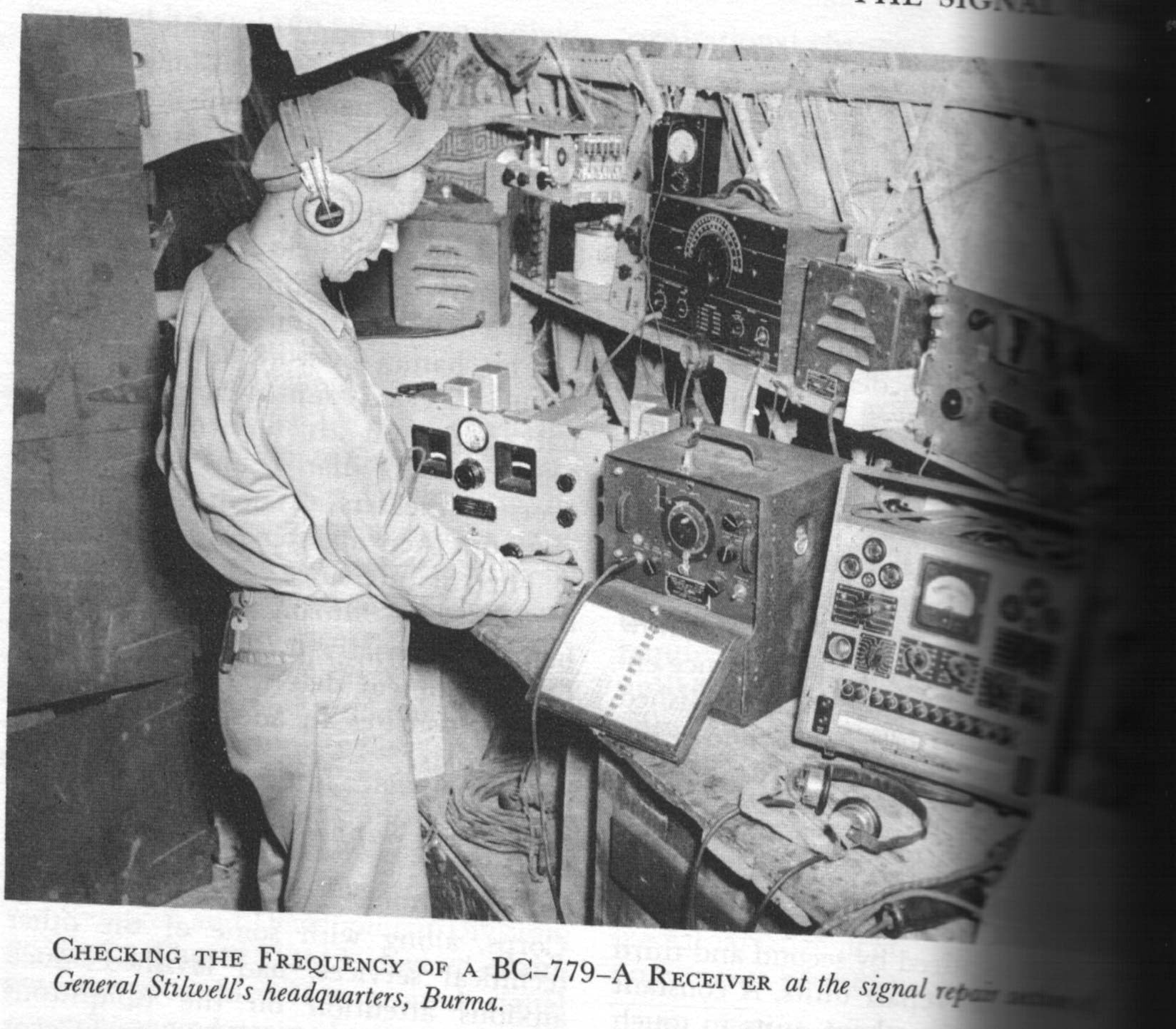
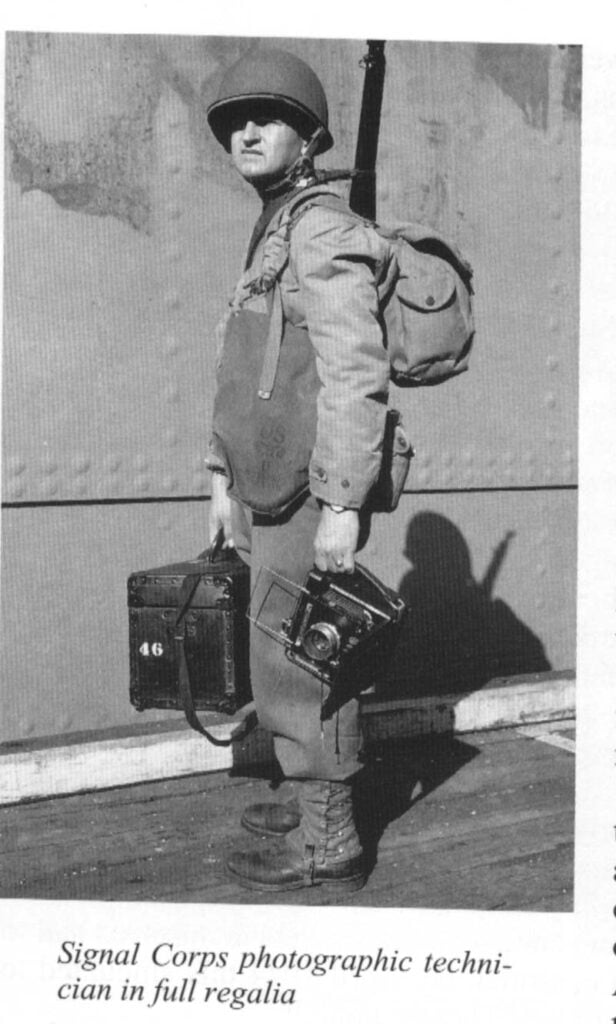
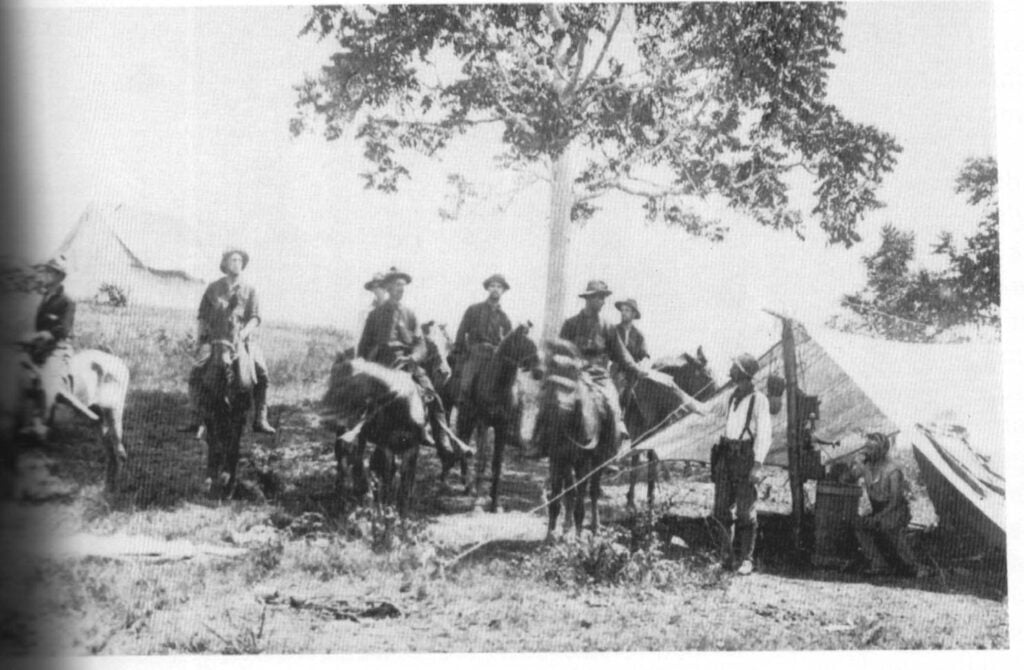
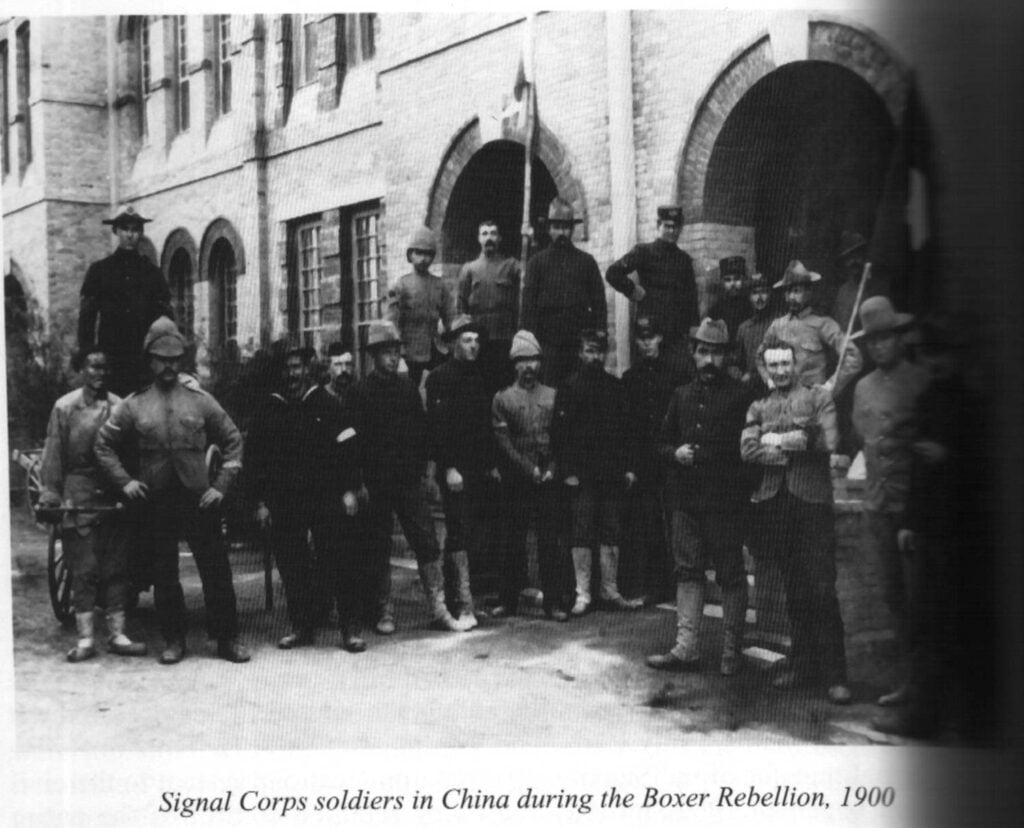
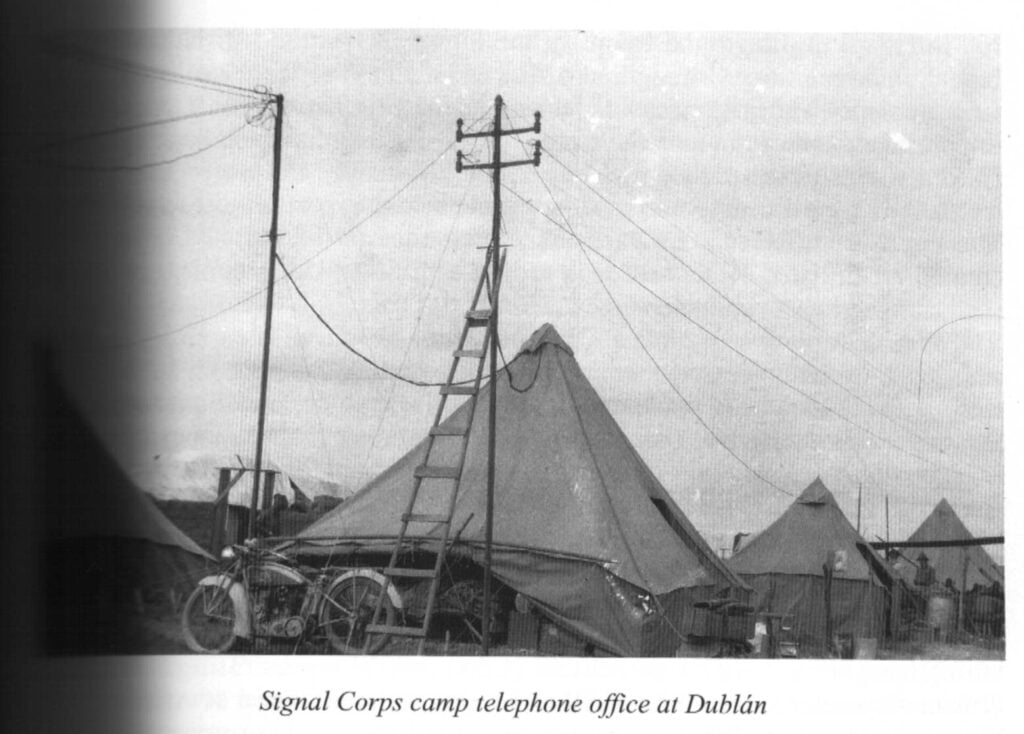
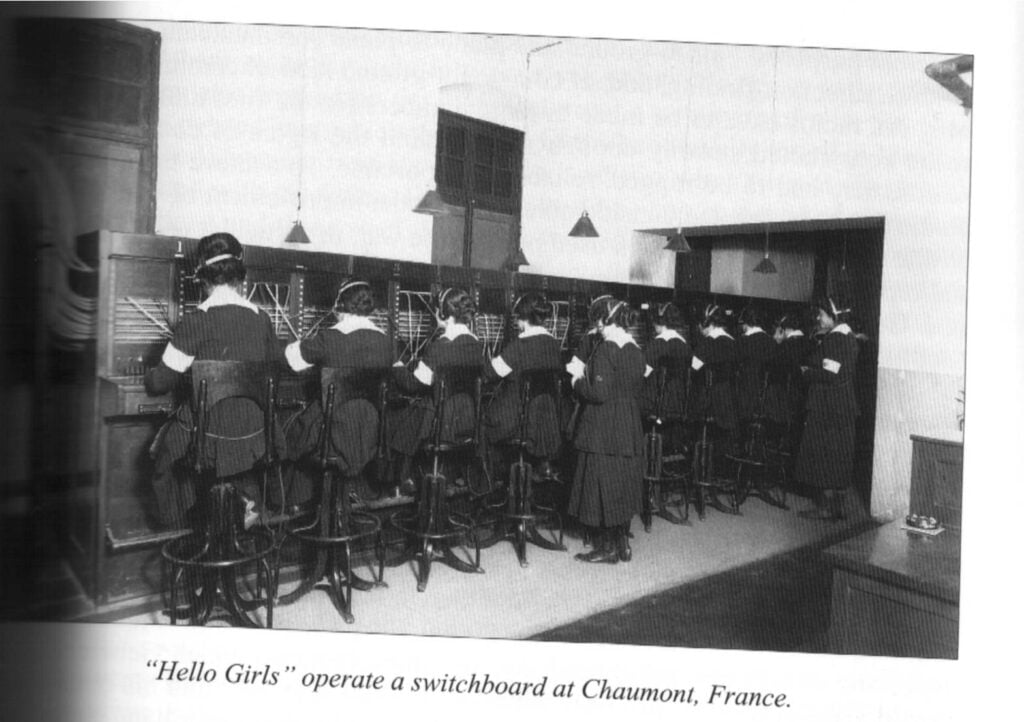
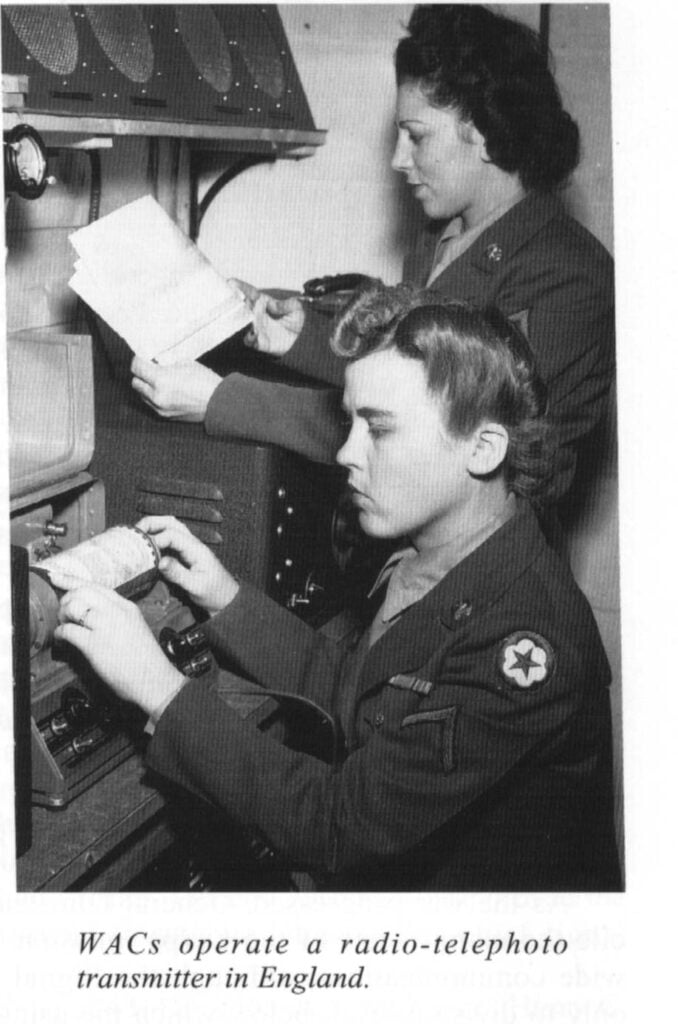
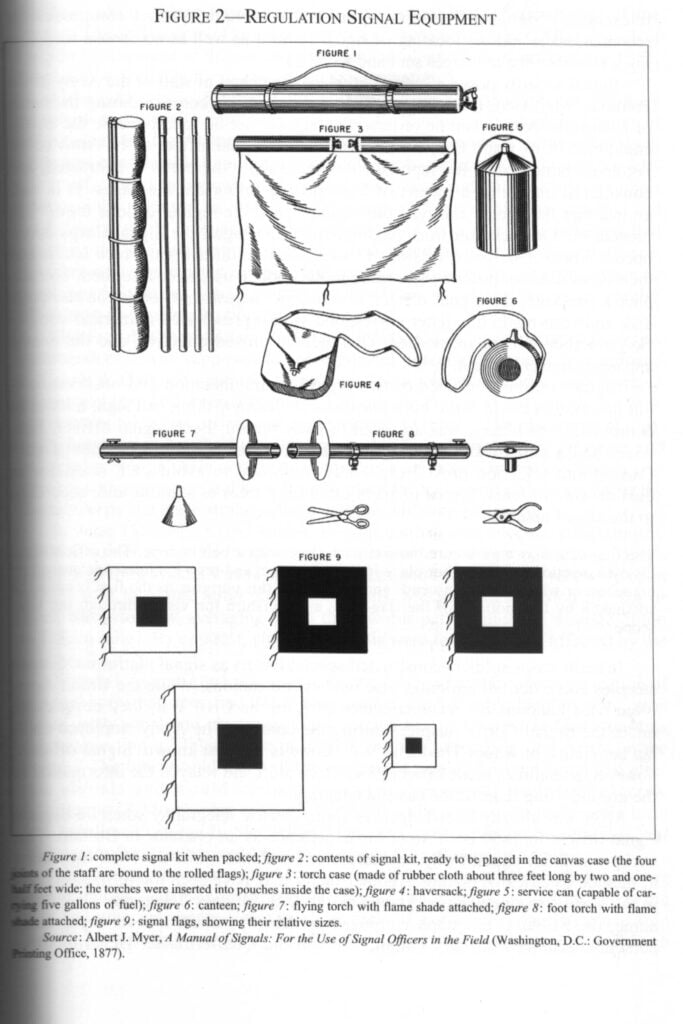
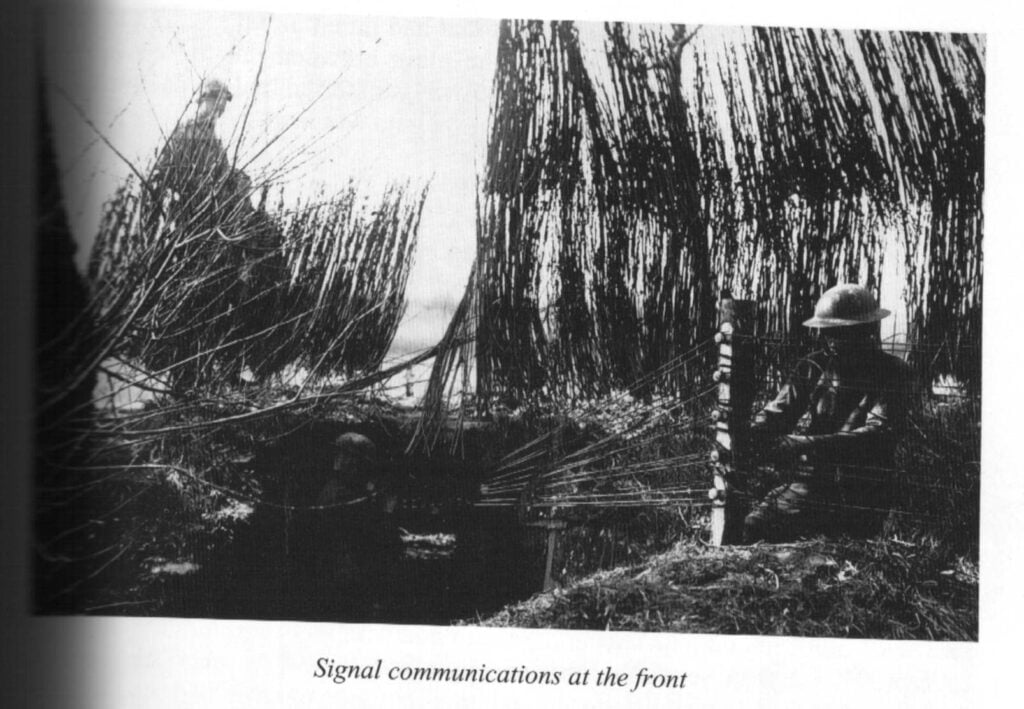
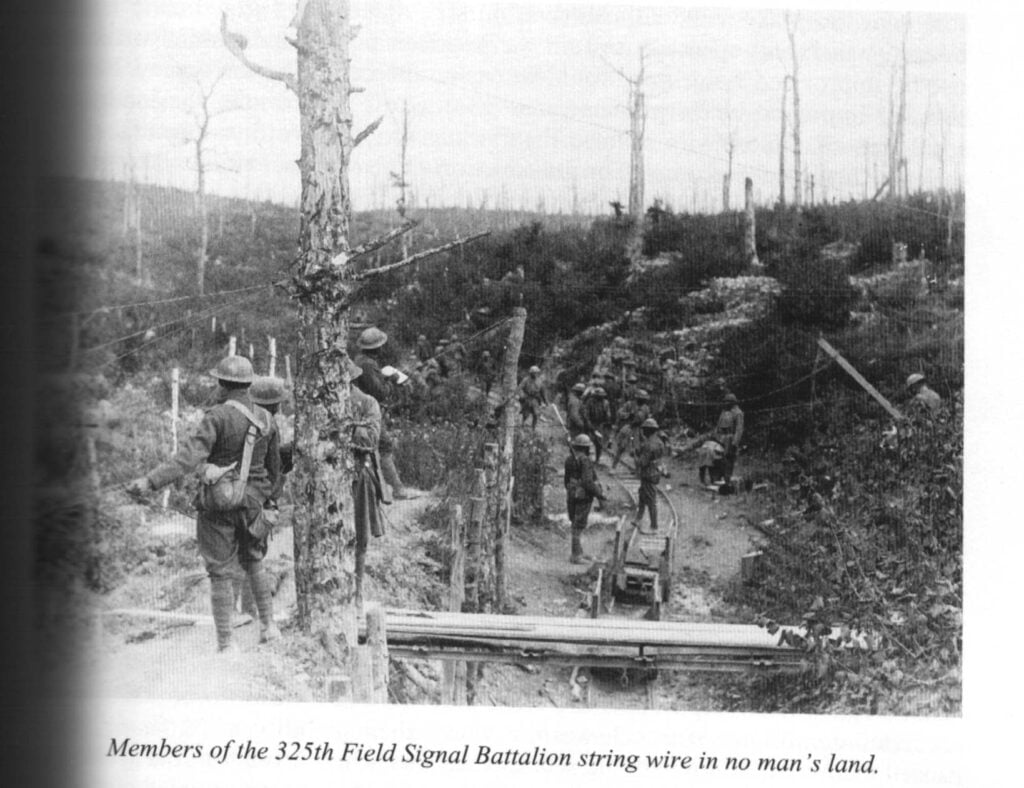
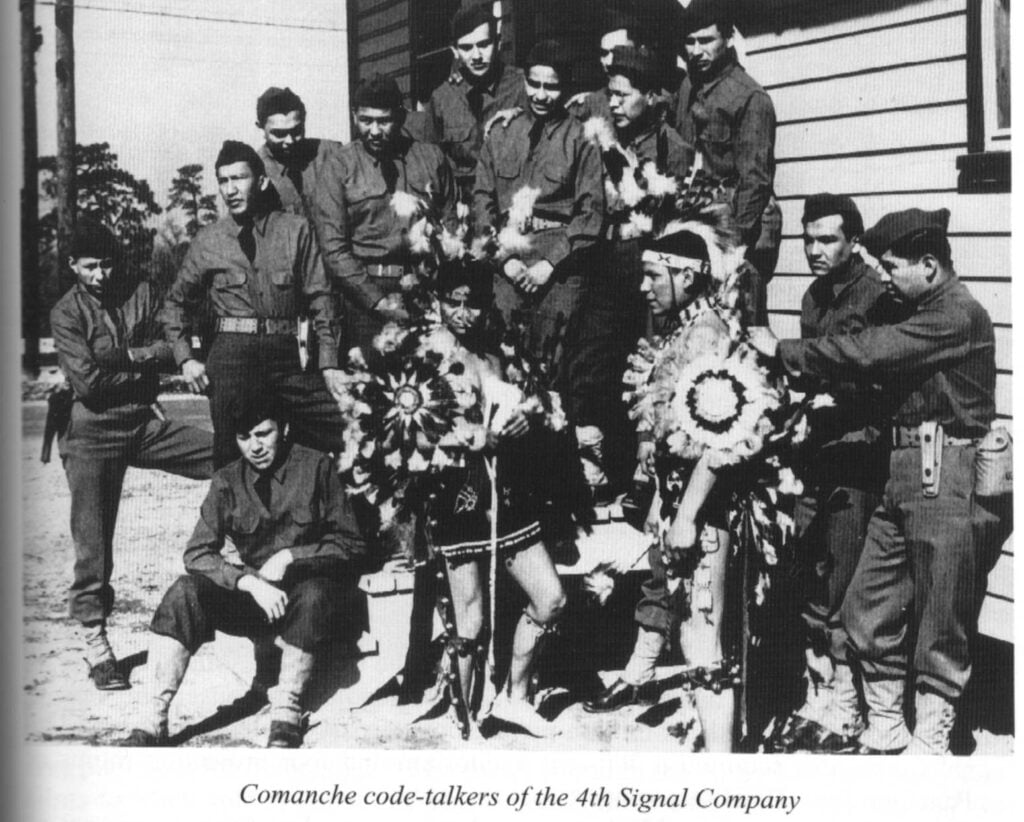
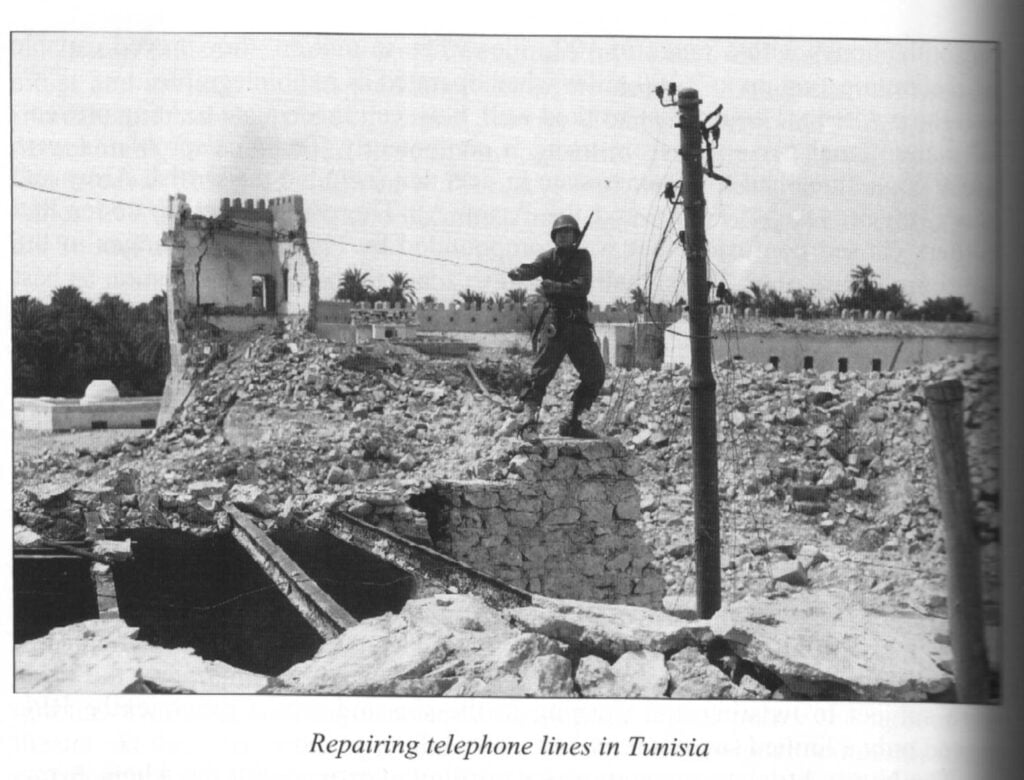
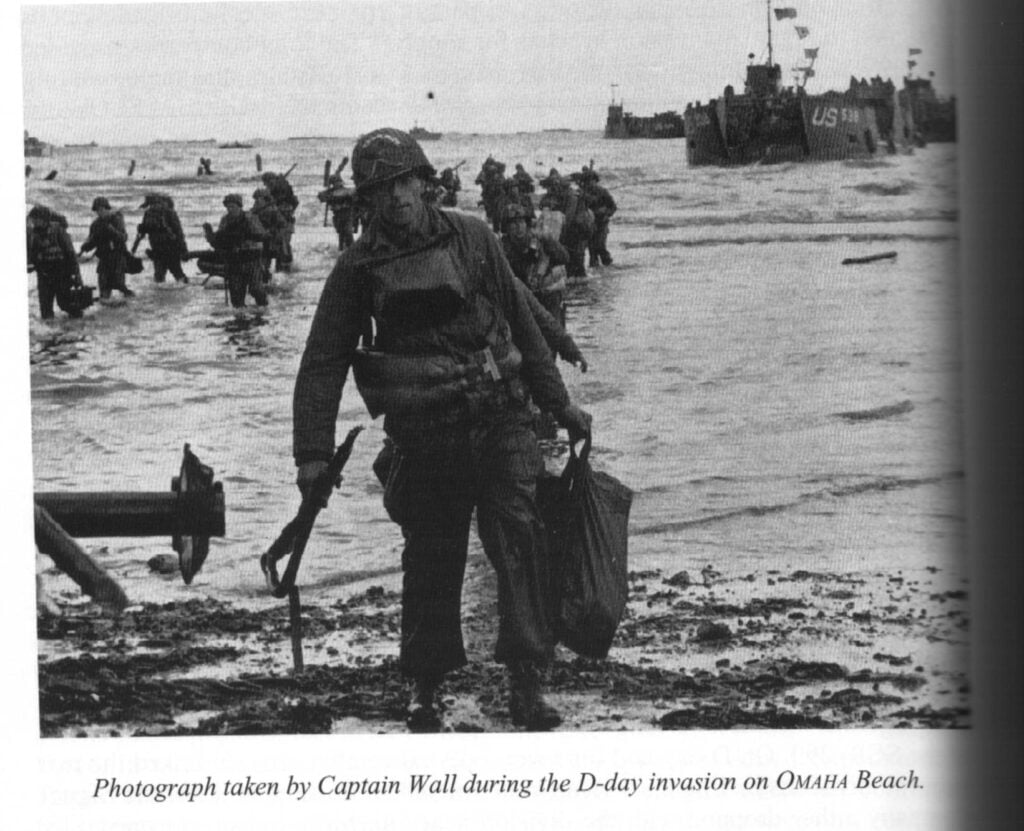
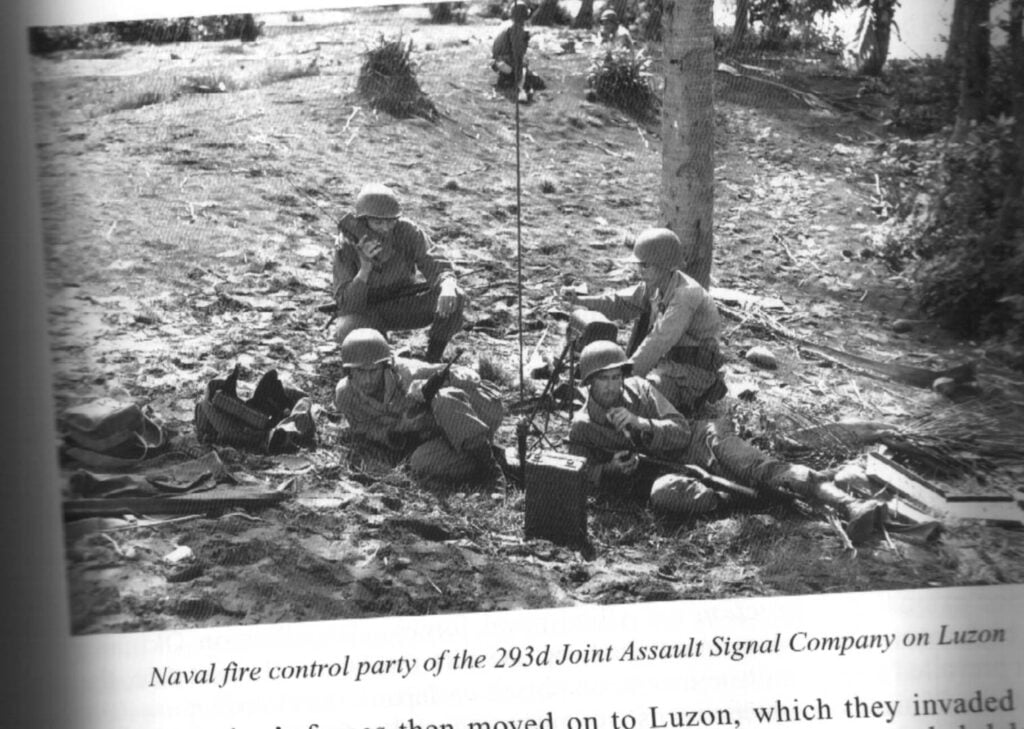
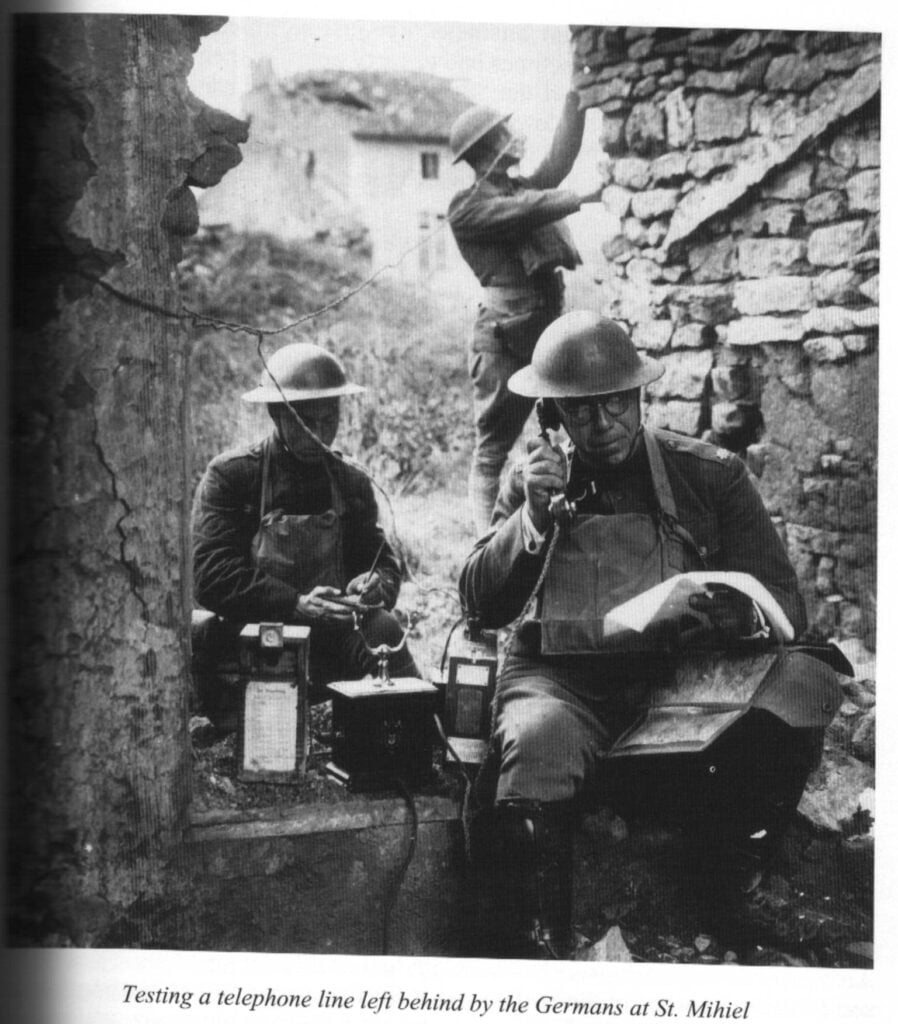
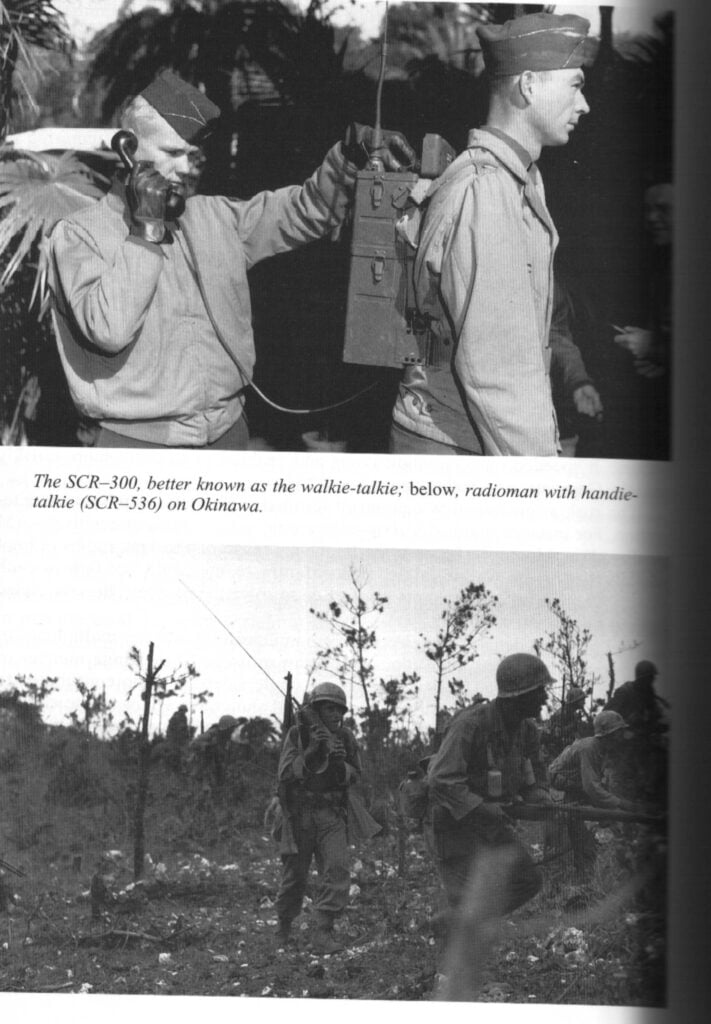
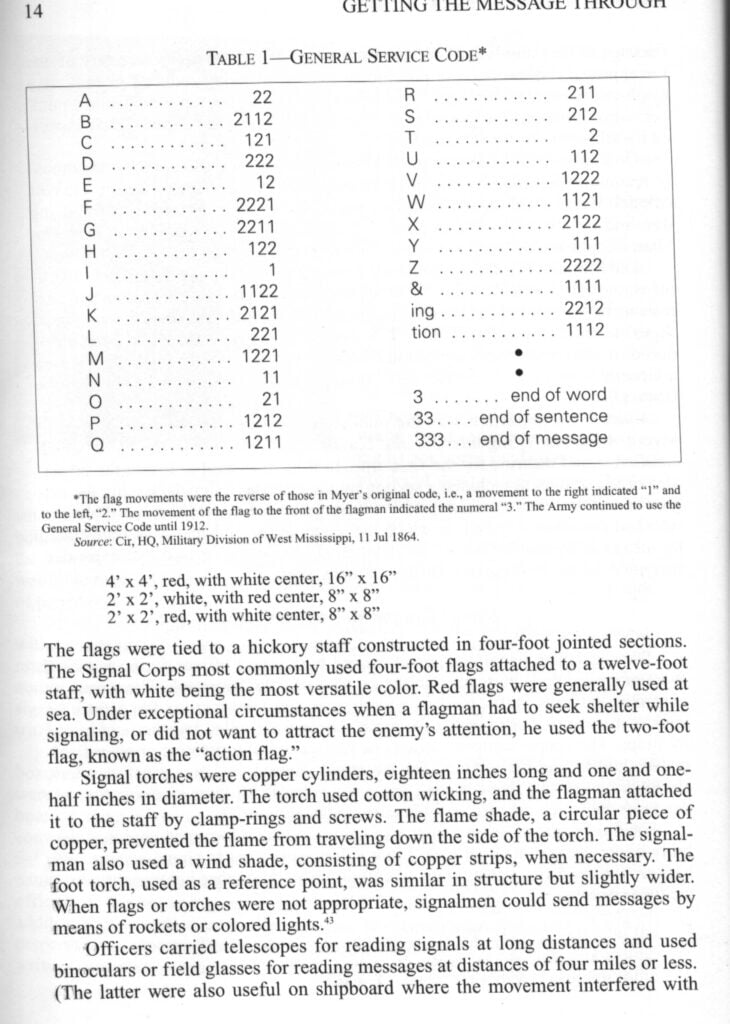
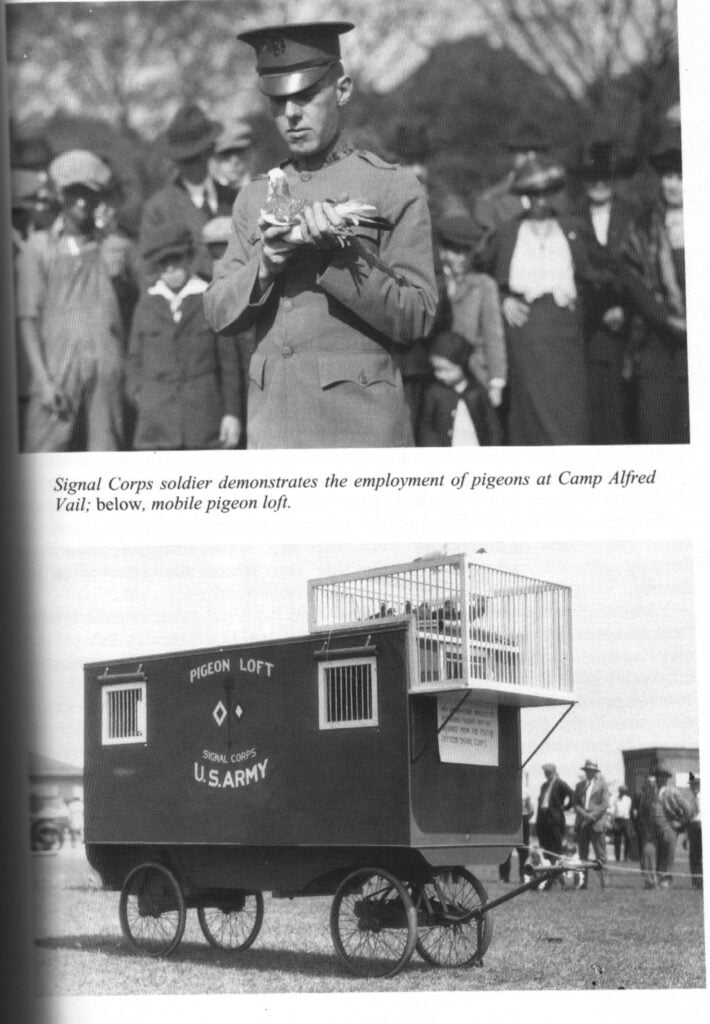
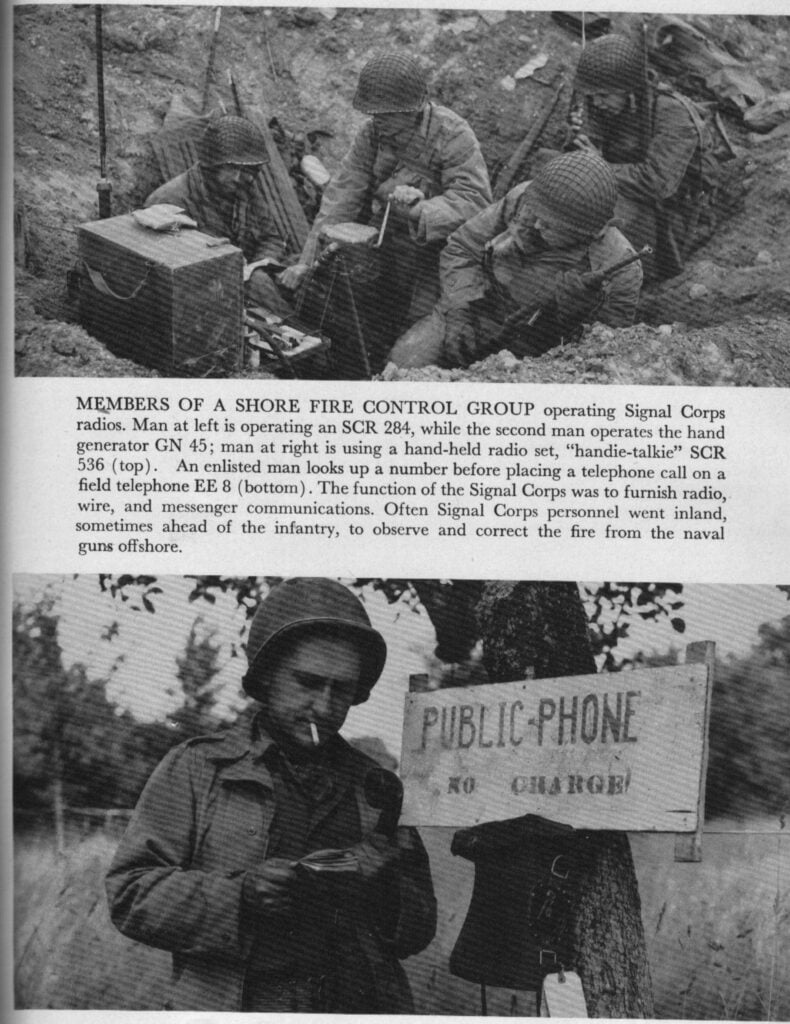
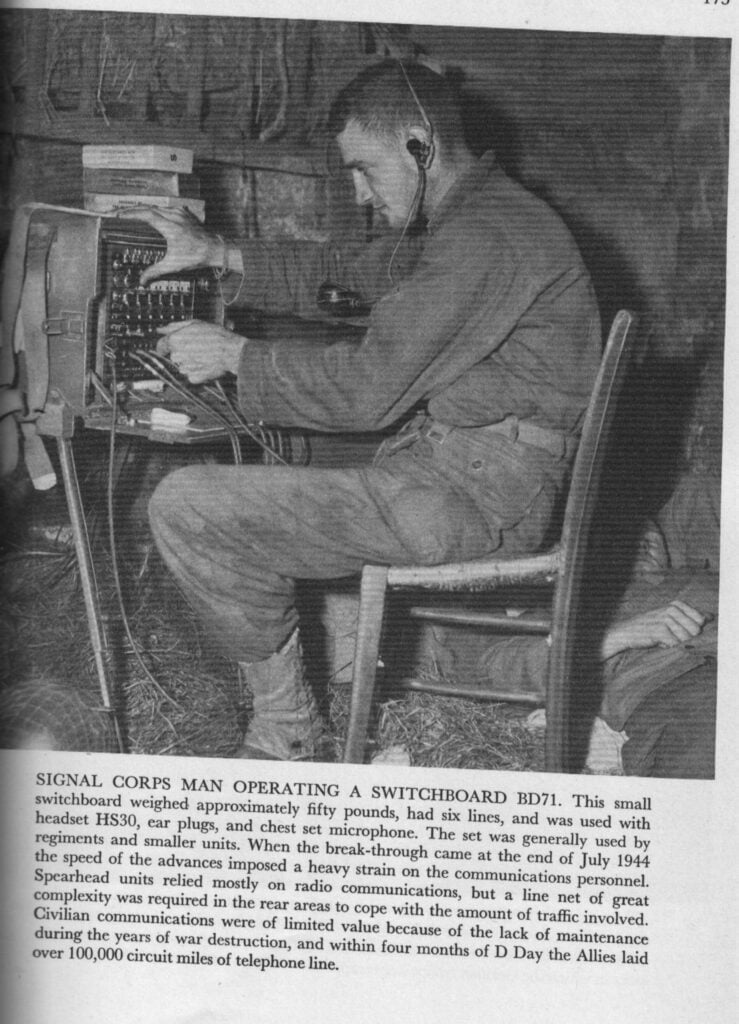
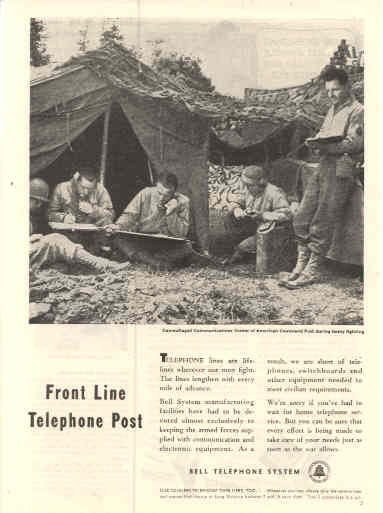
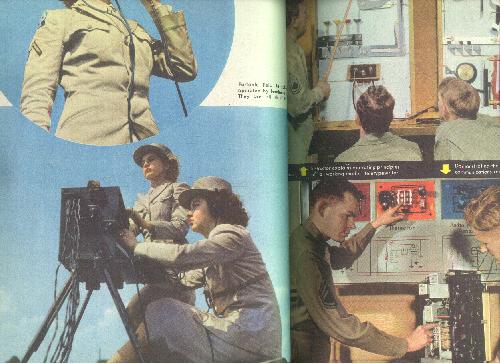
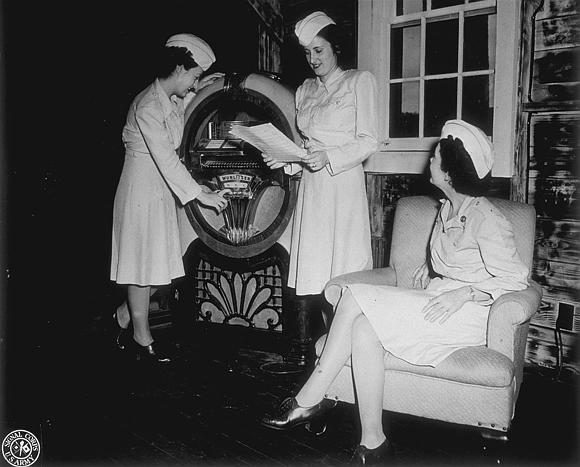
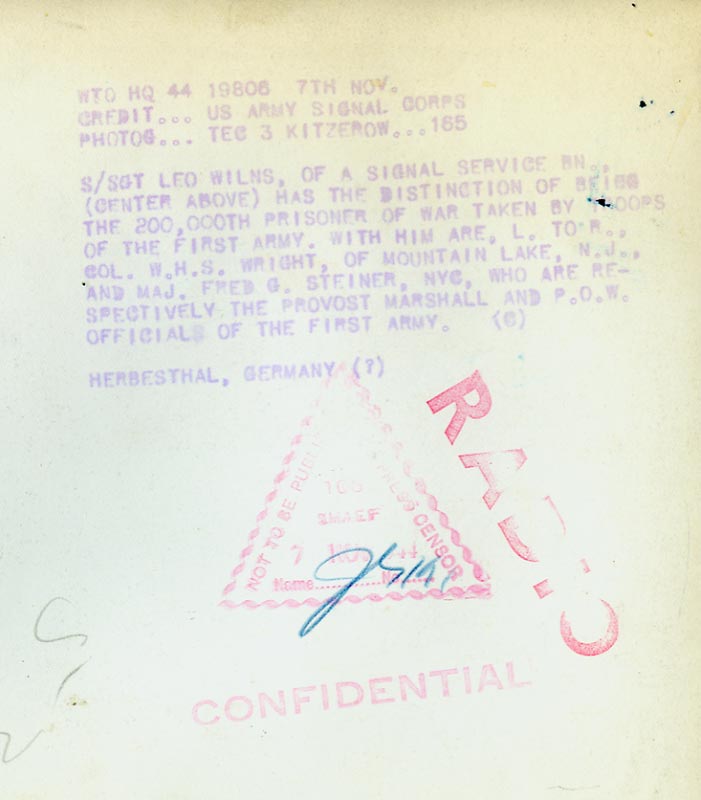
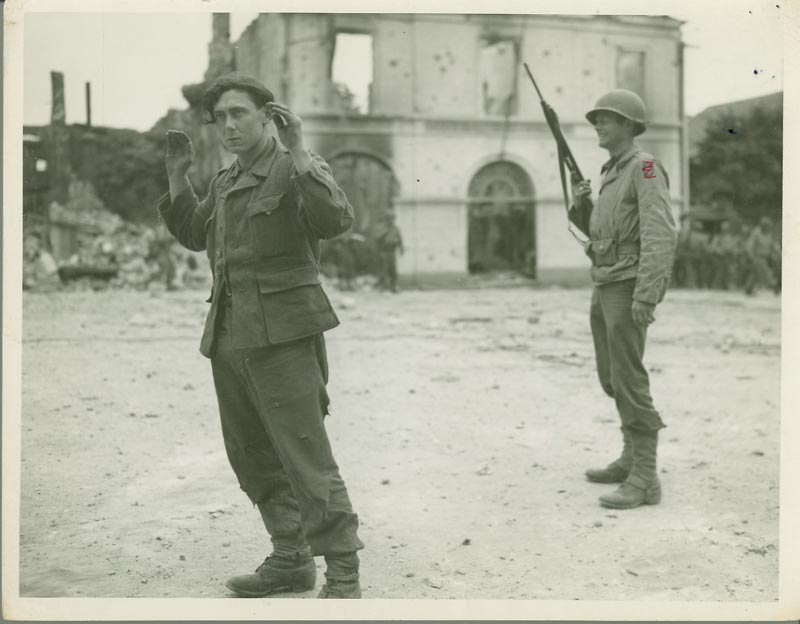
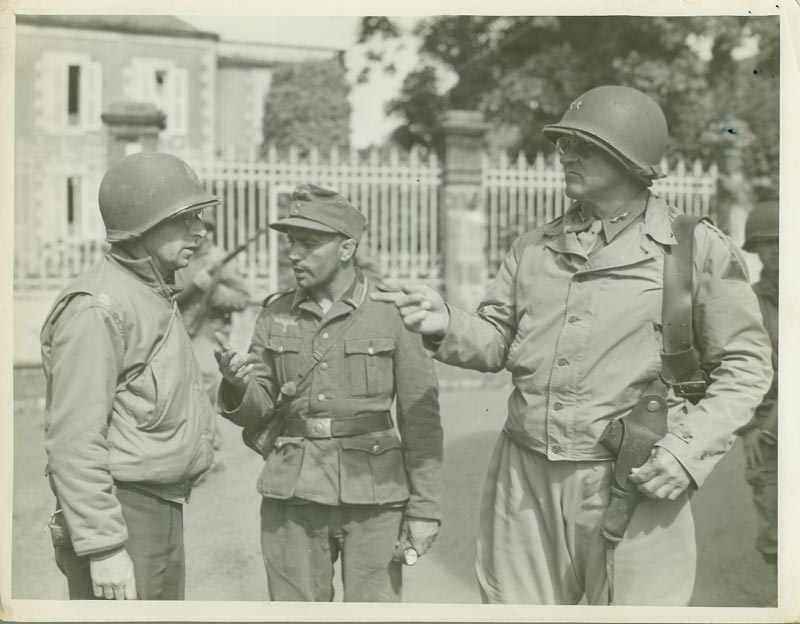
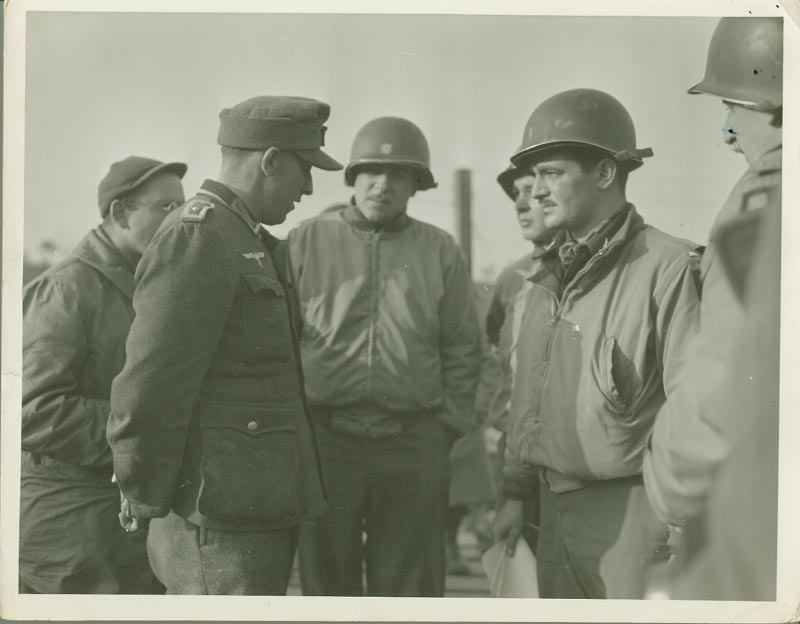
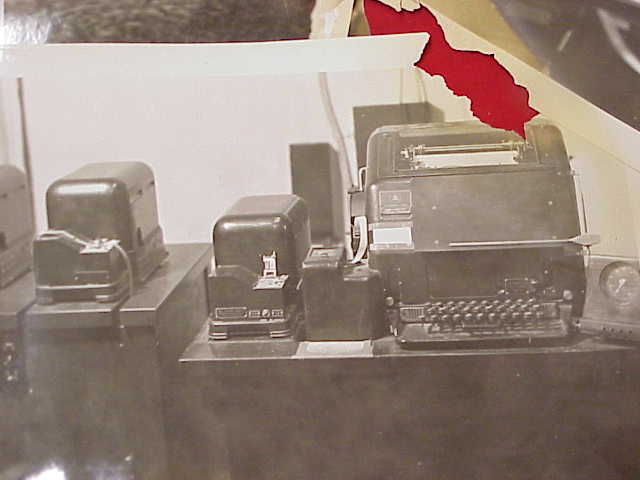
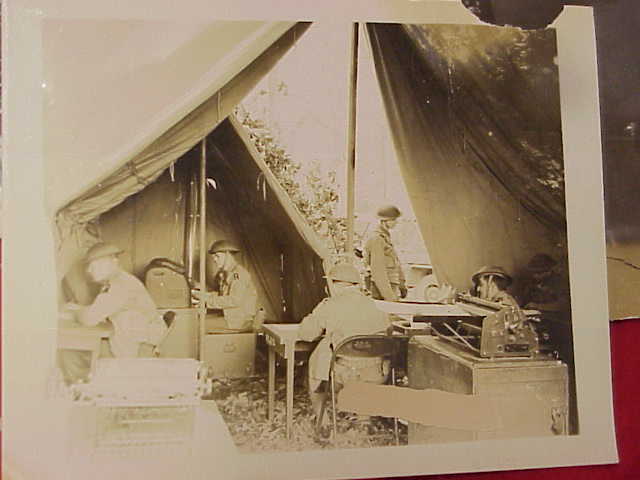
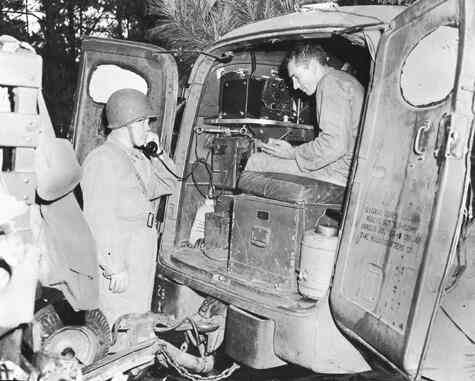
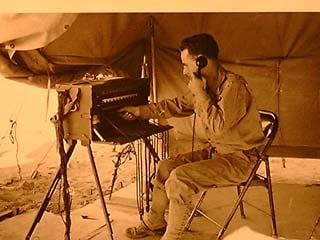
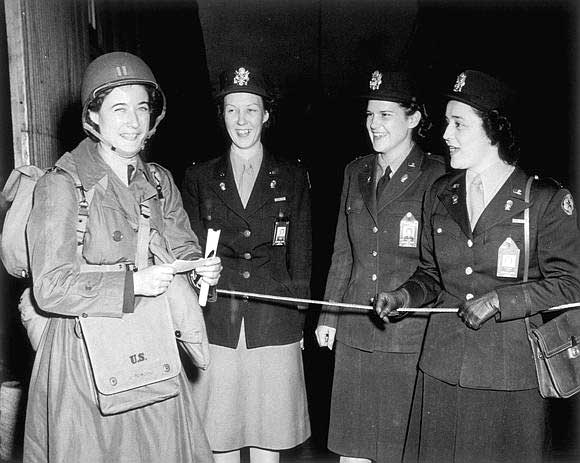
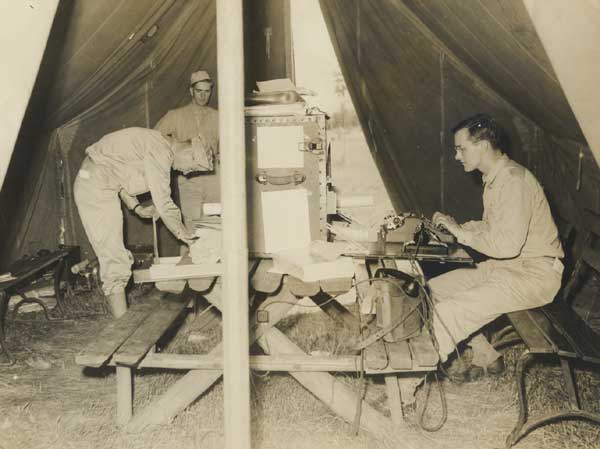
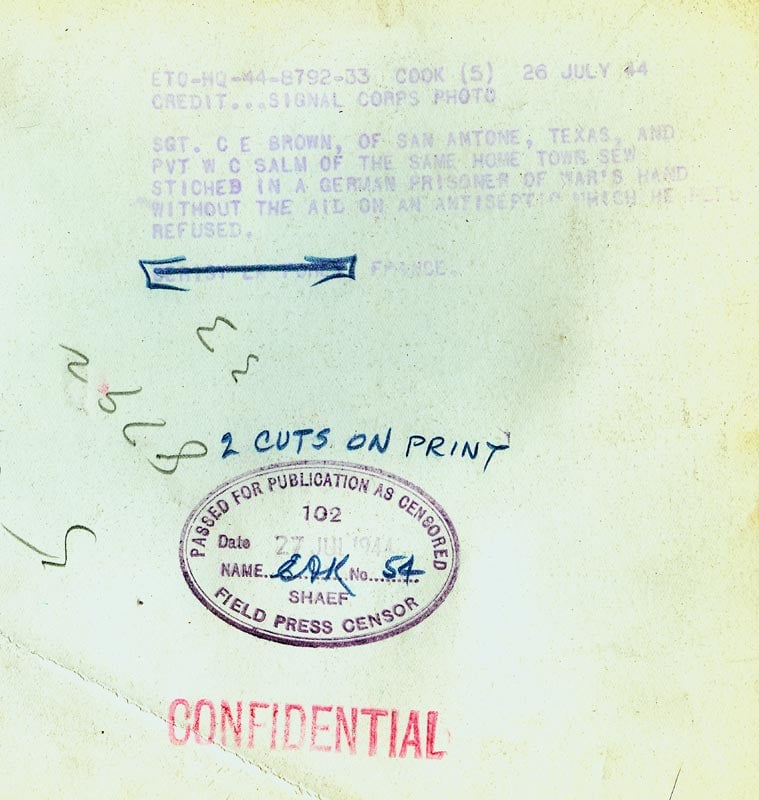
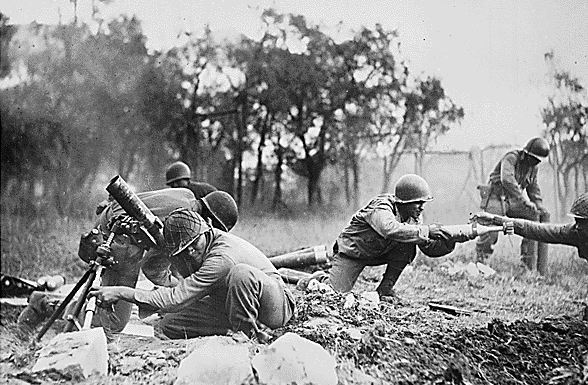
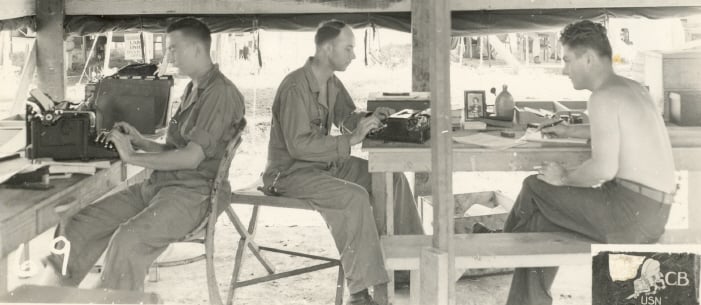
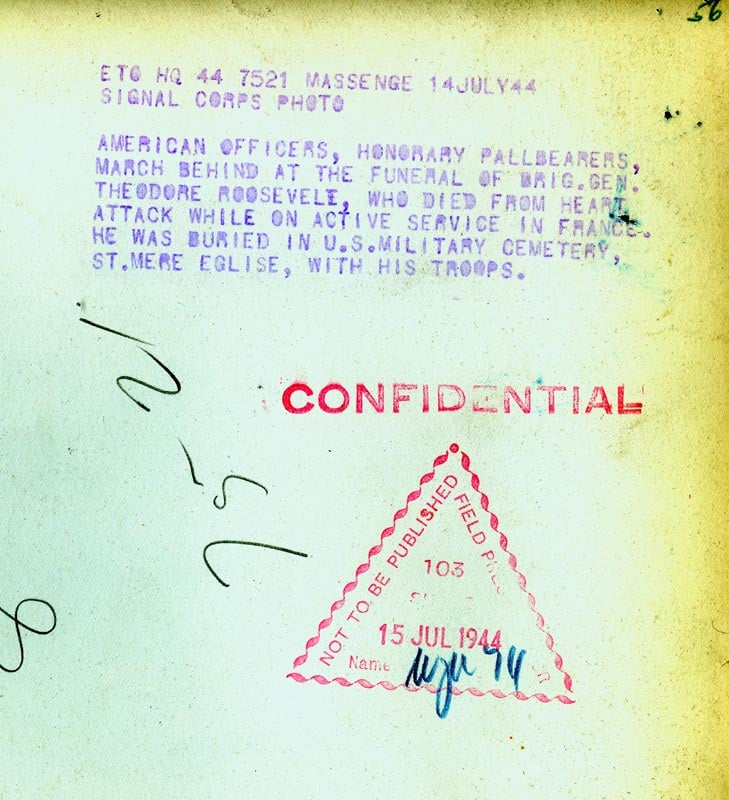
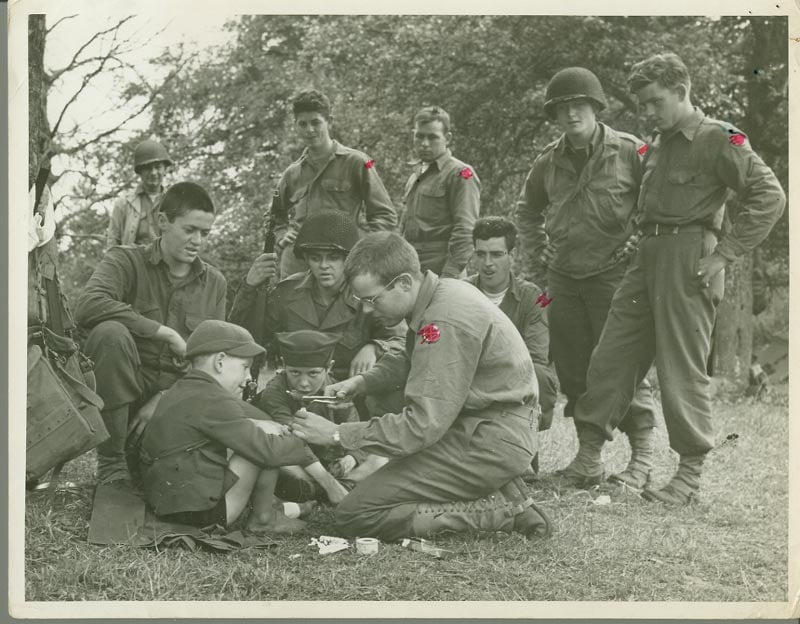
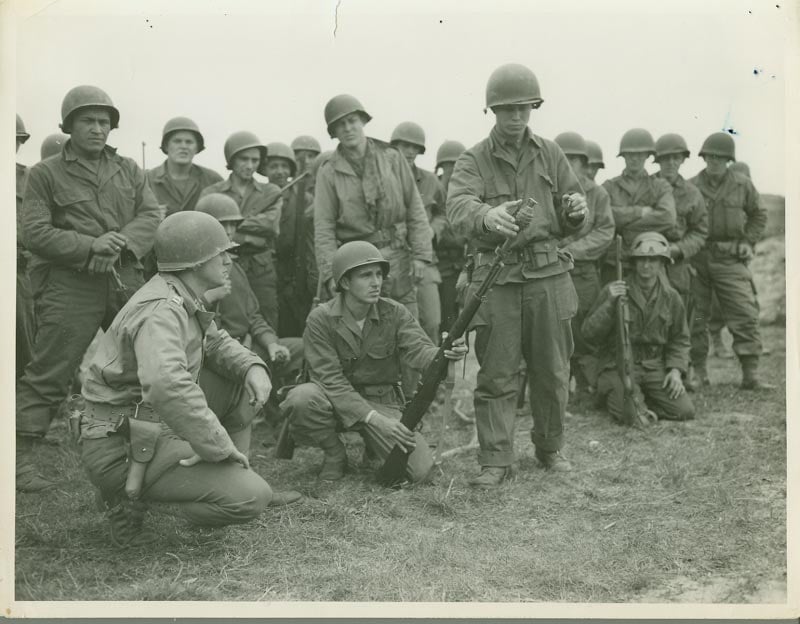
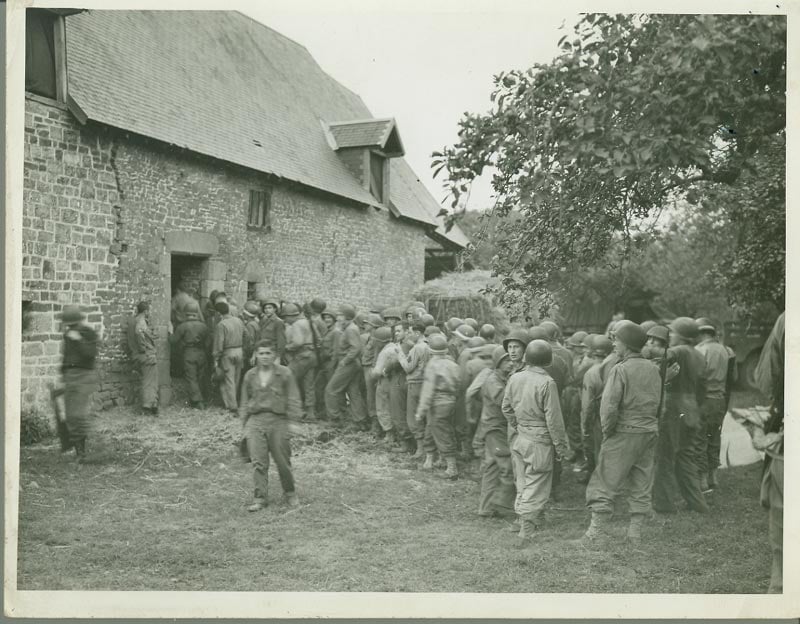
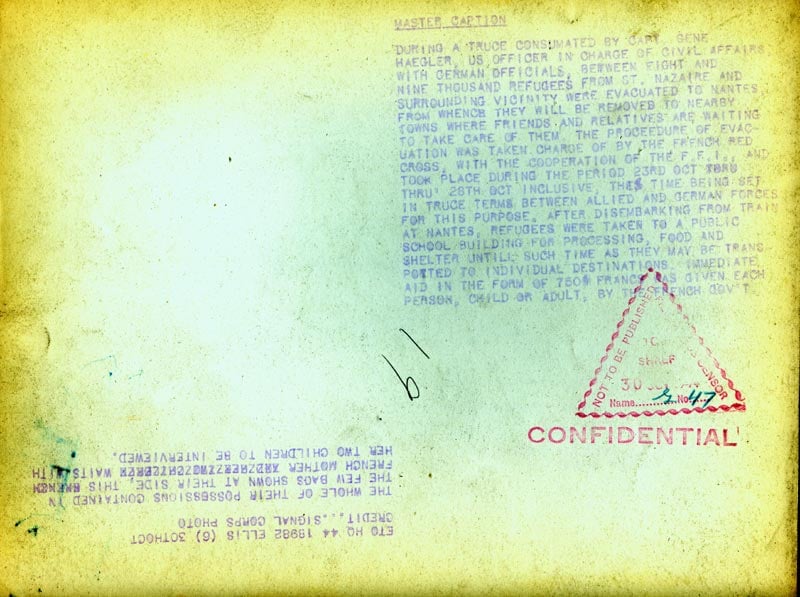
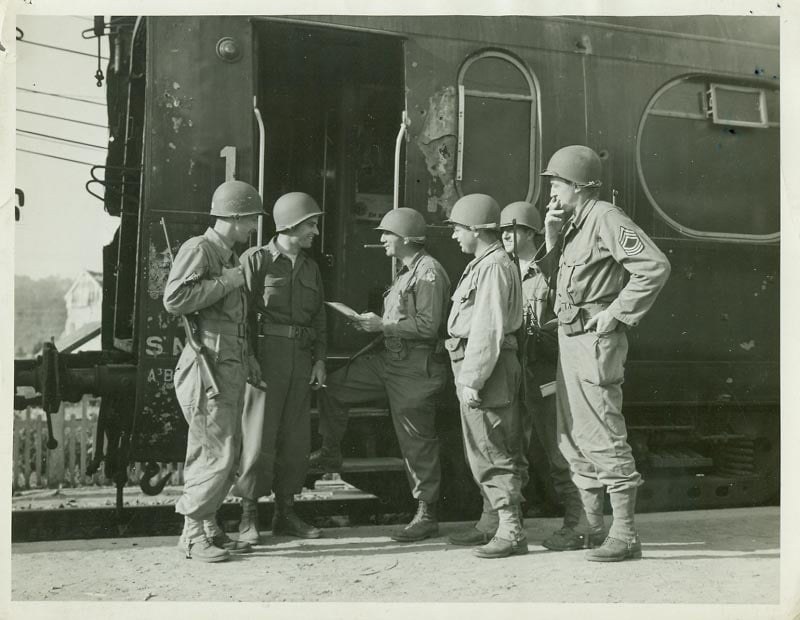
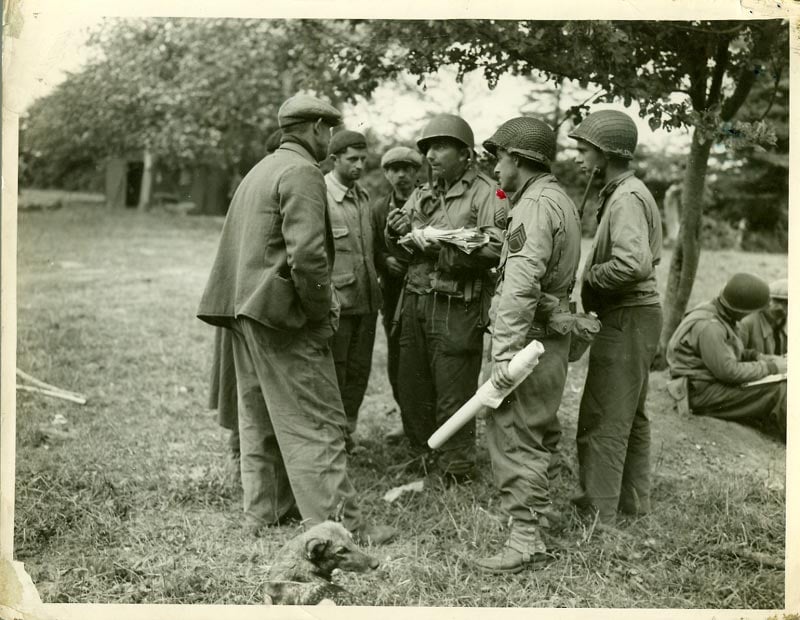
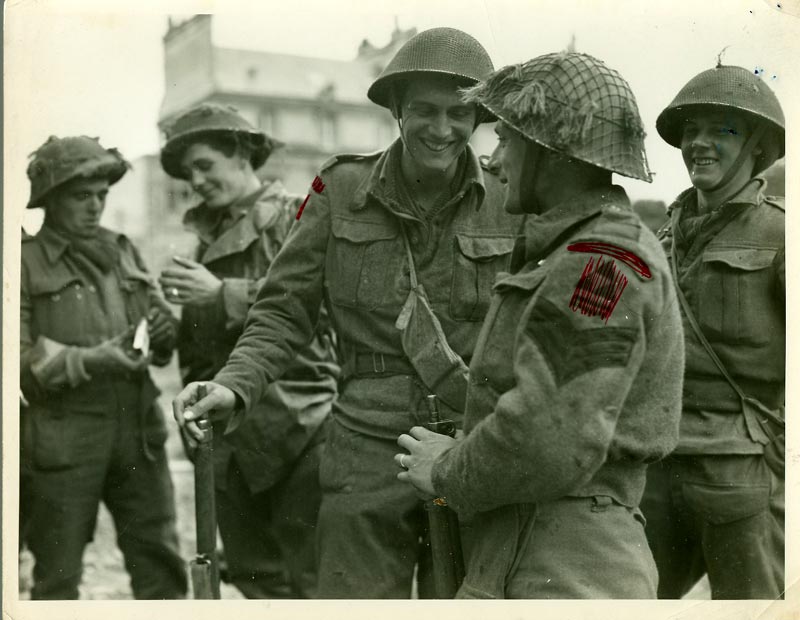
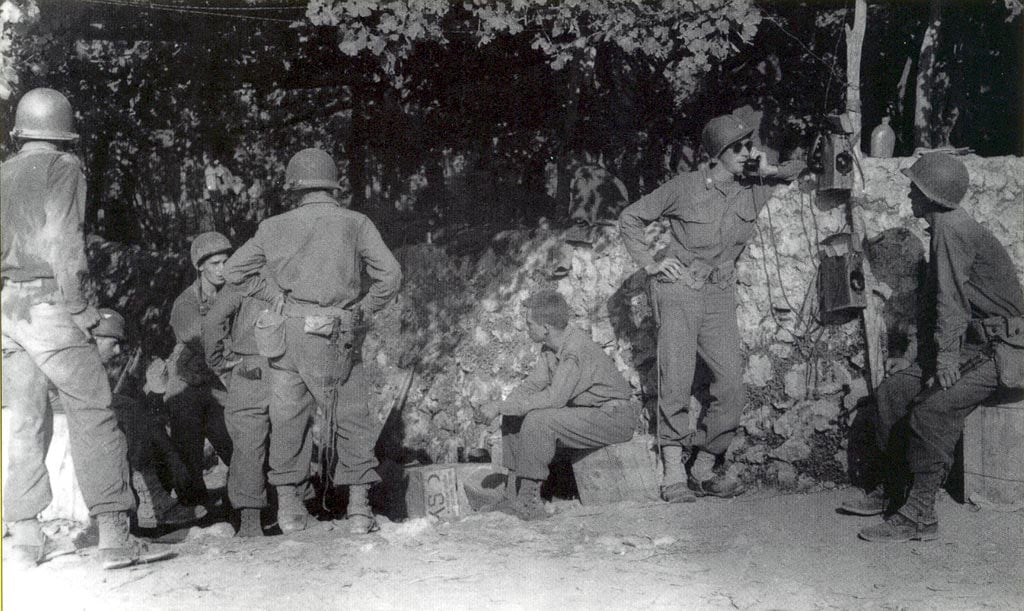
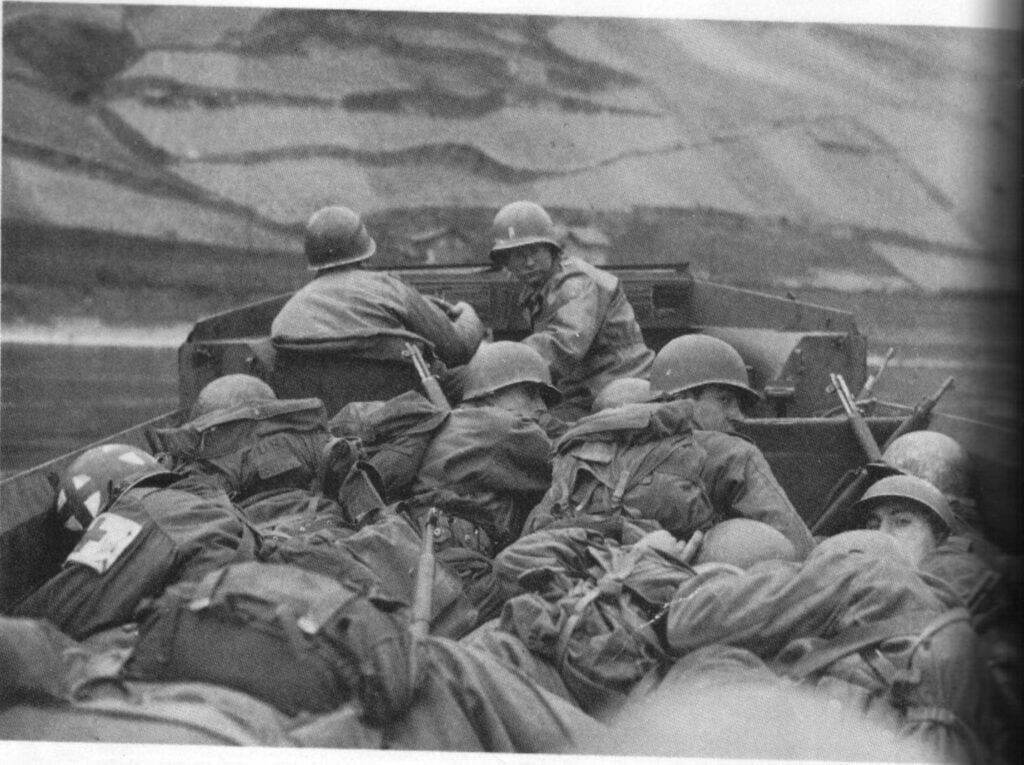
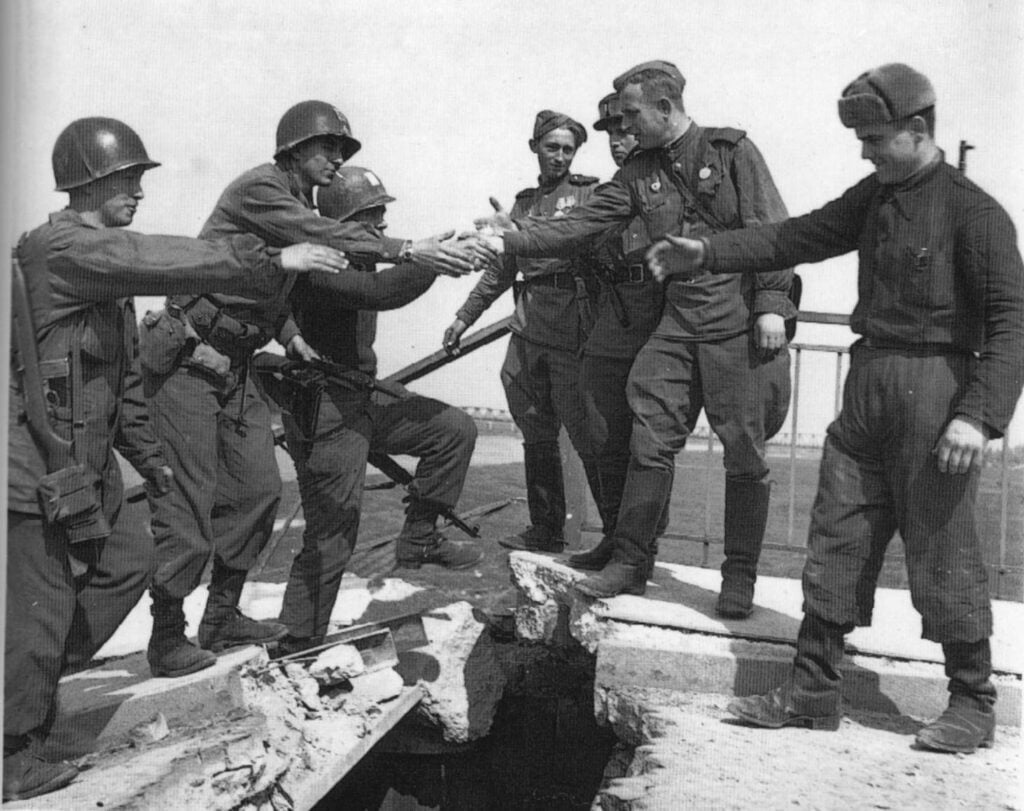
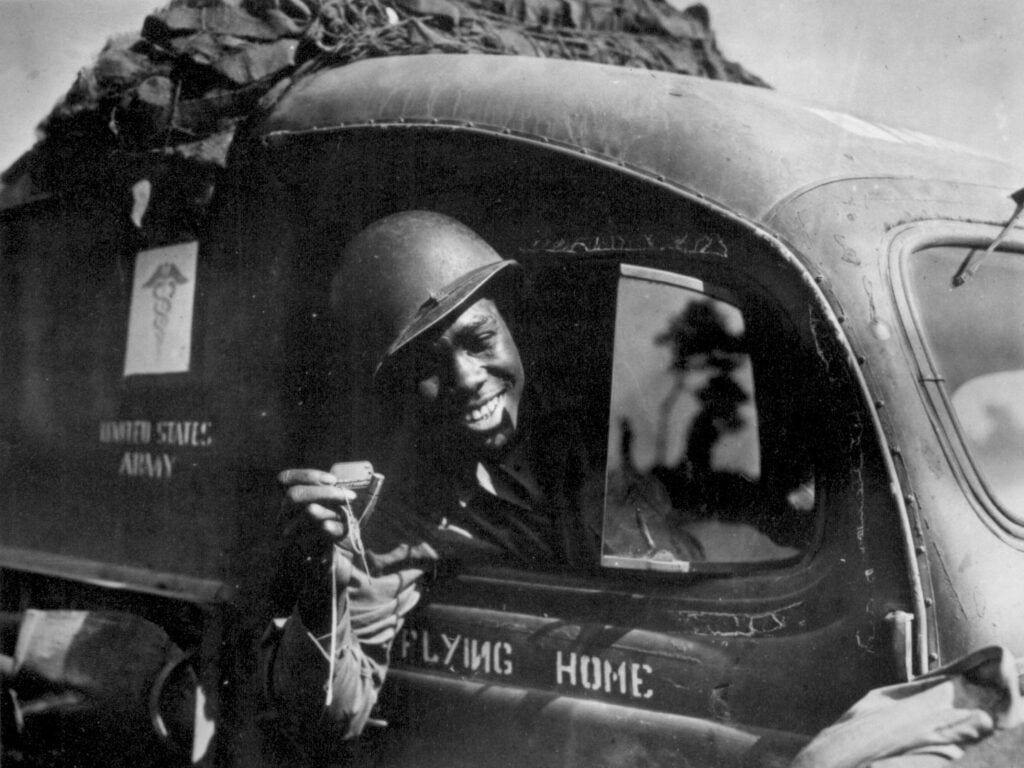
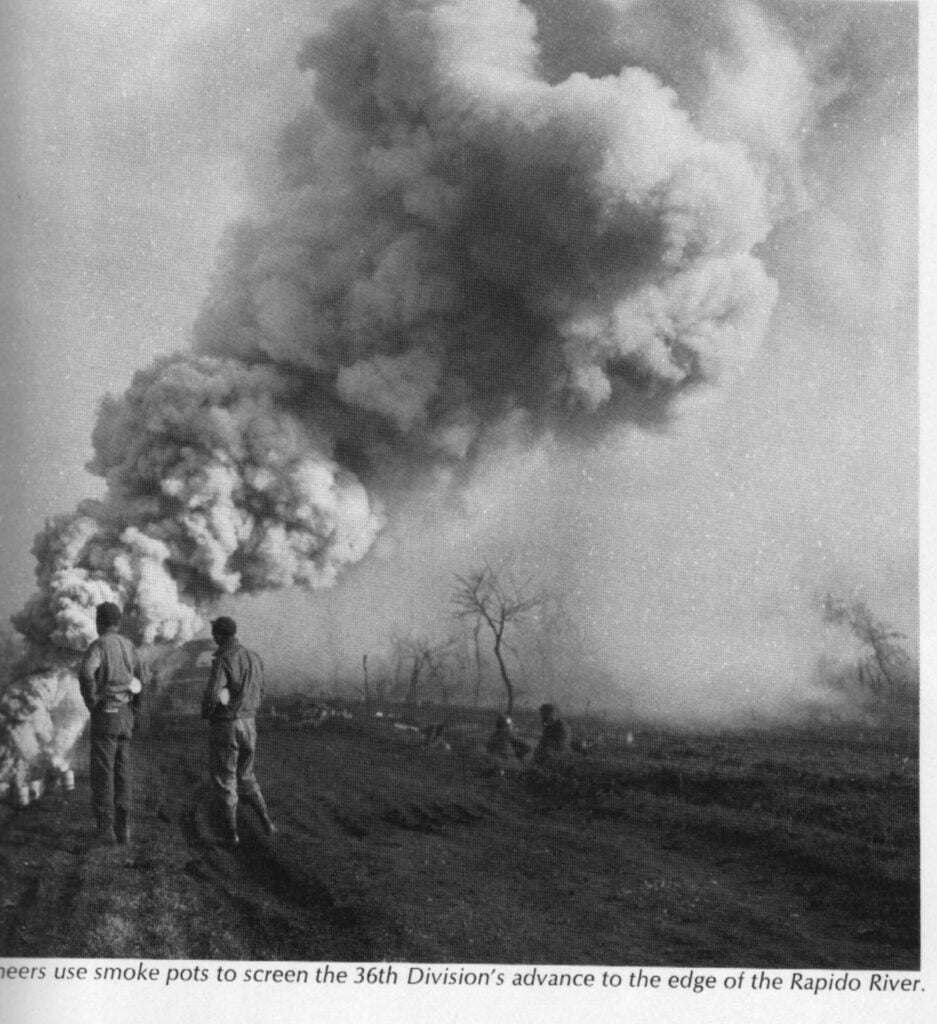
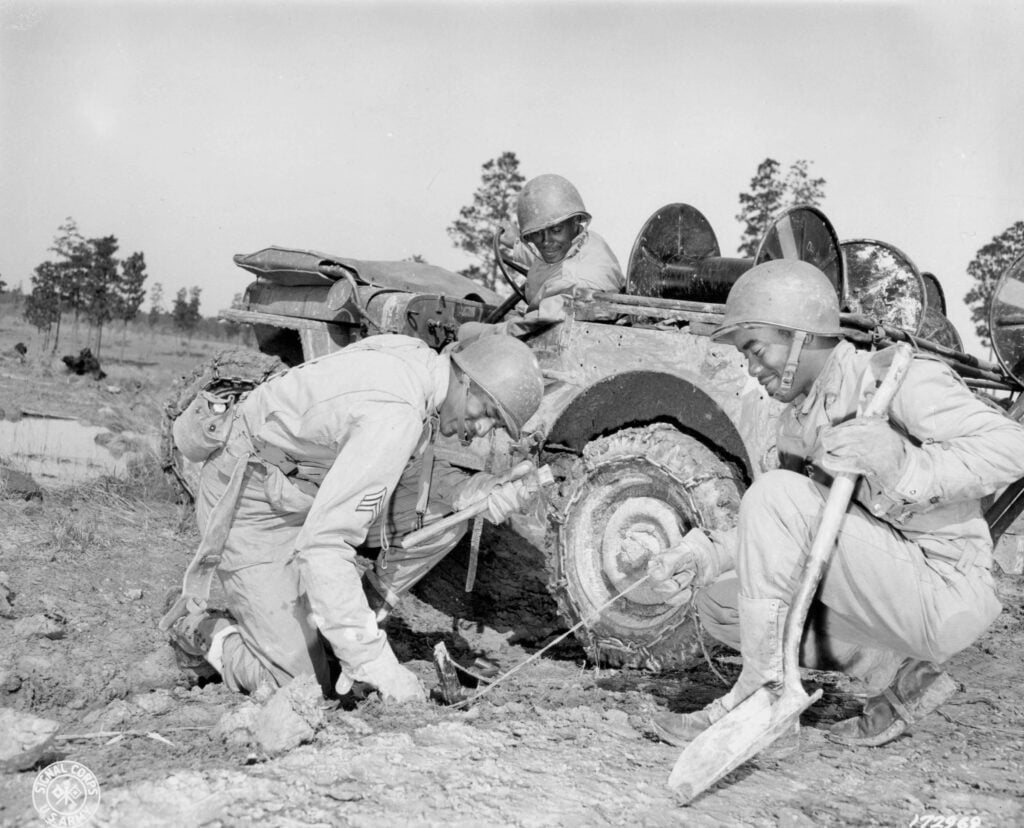
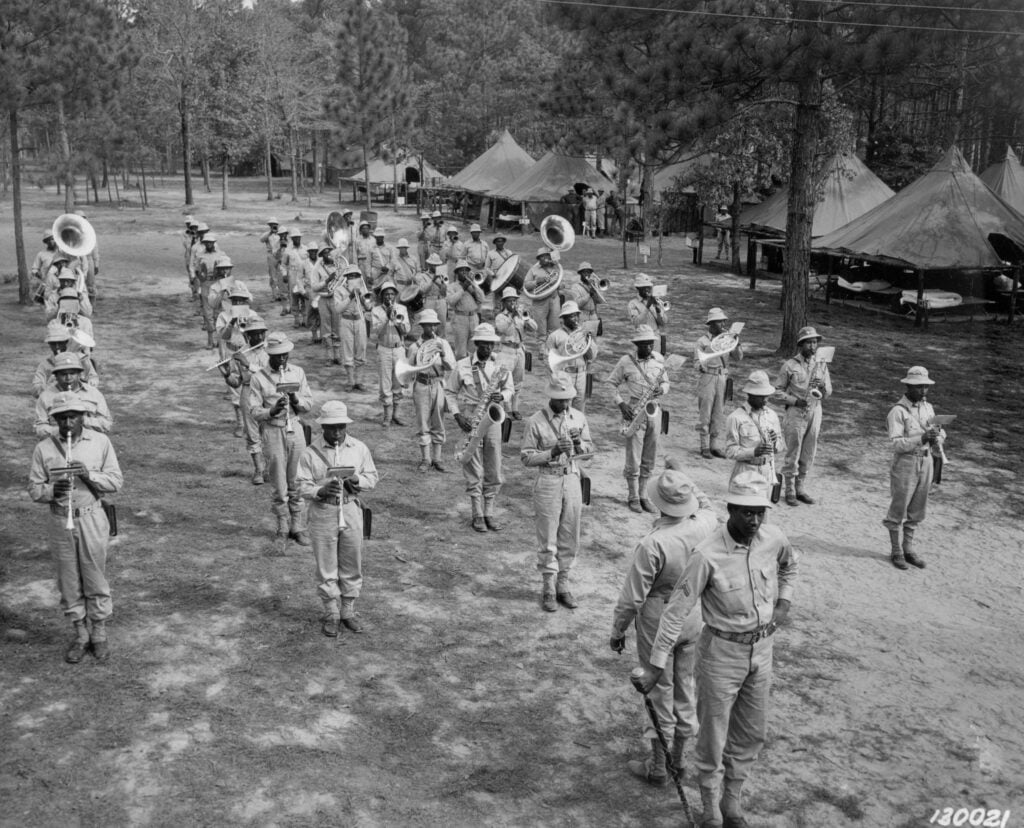
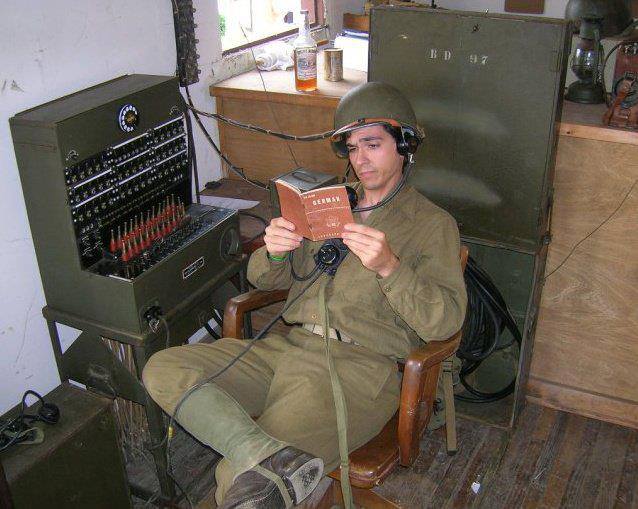
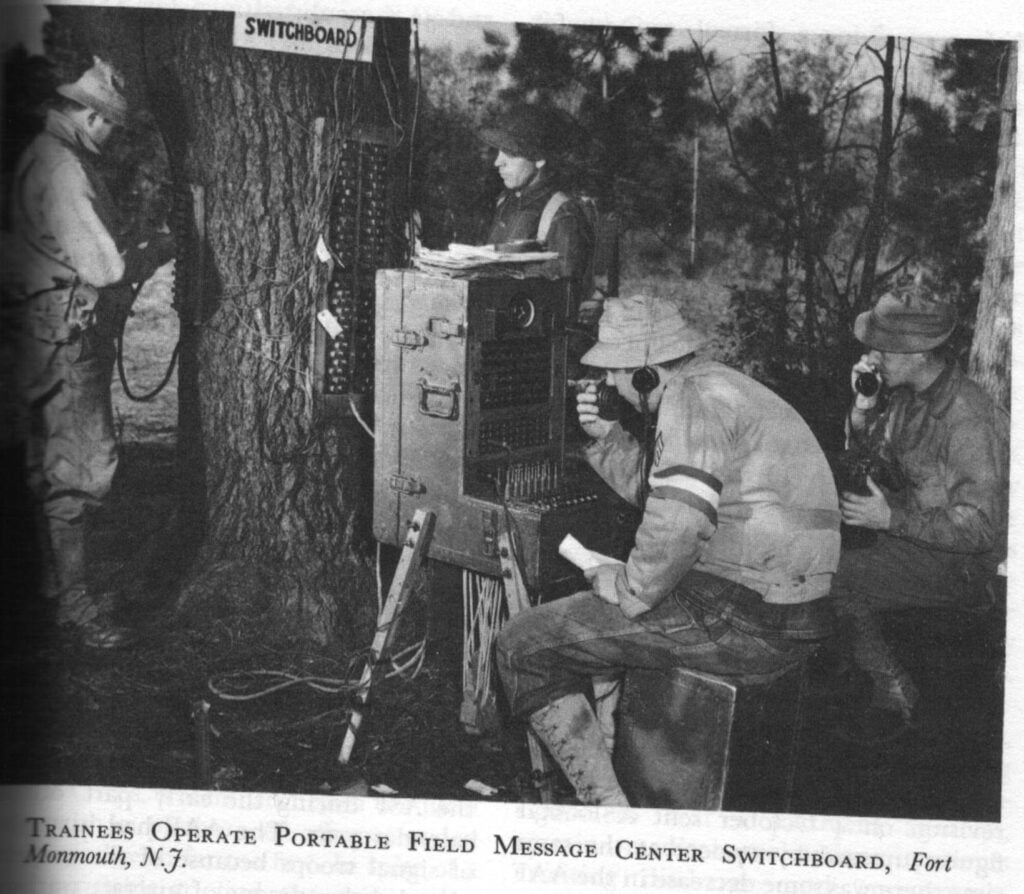
Generic Signal Corps Photos

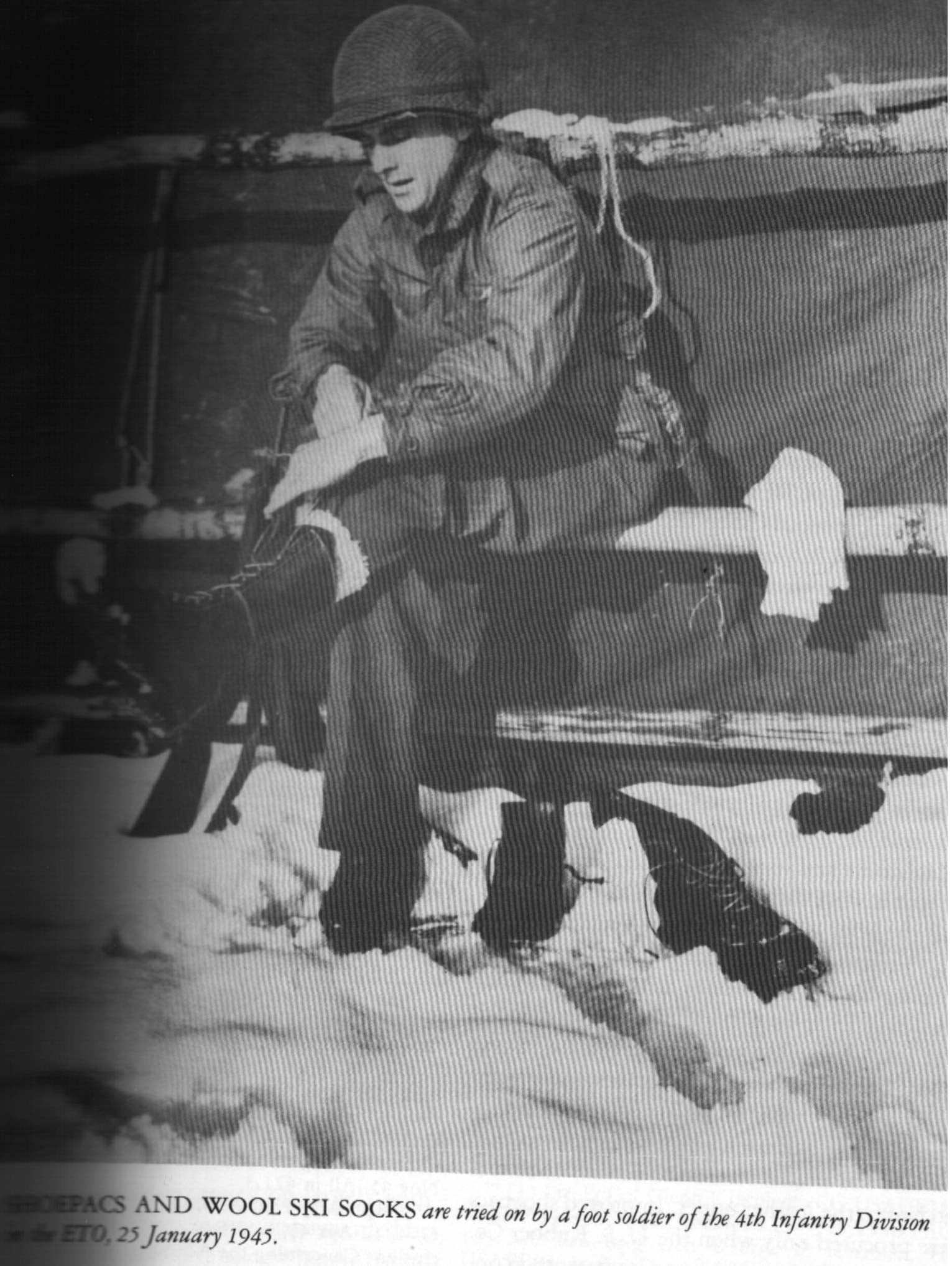
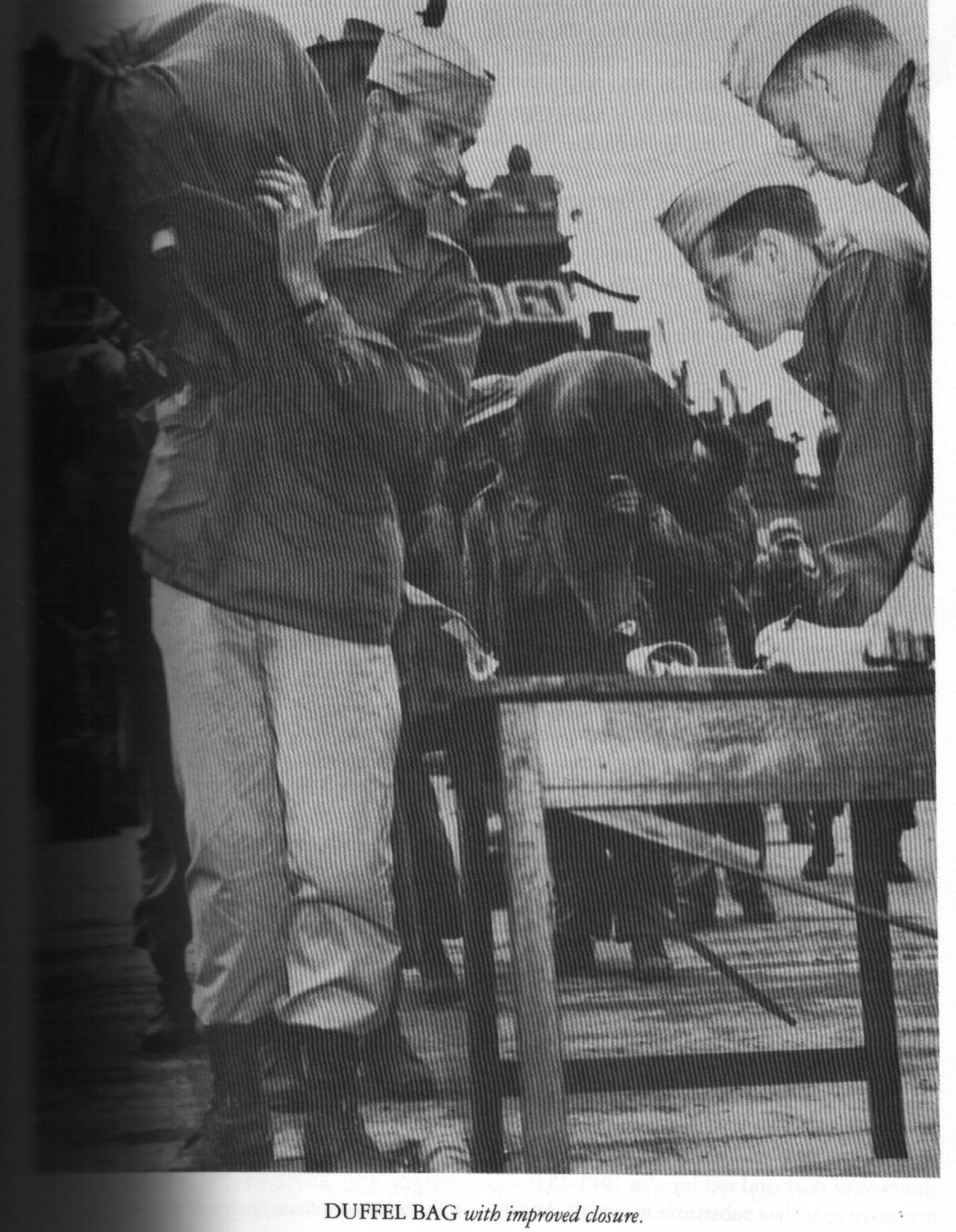
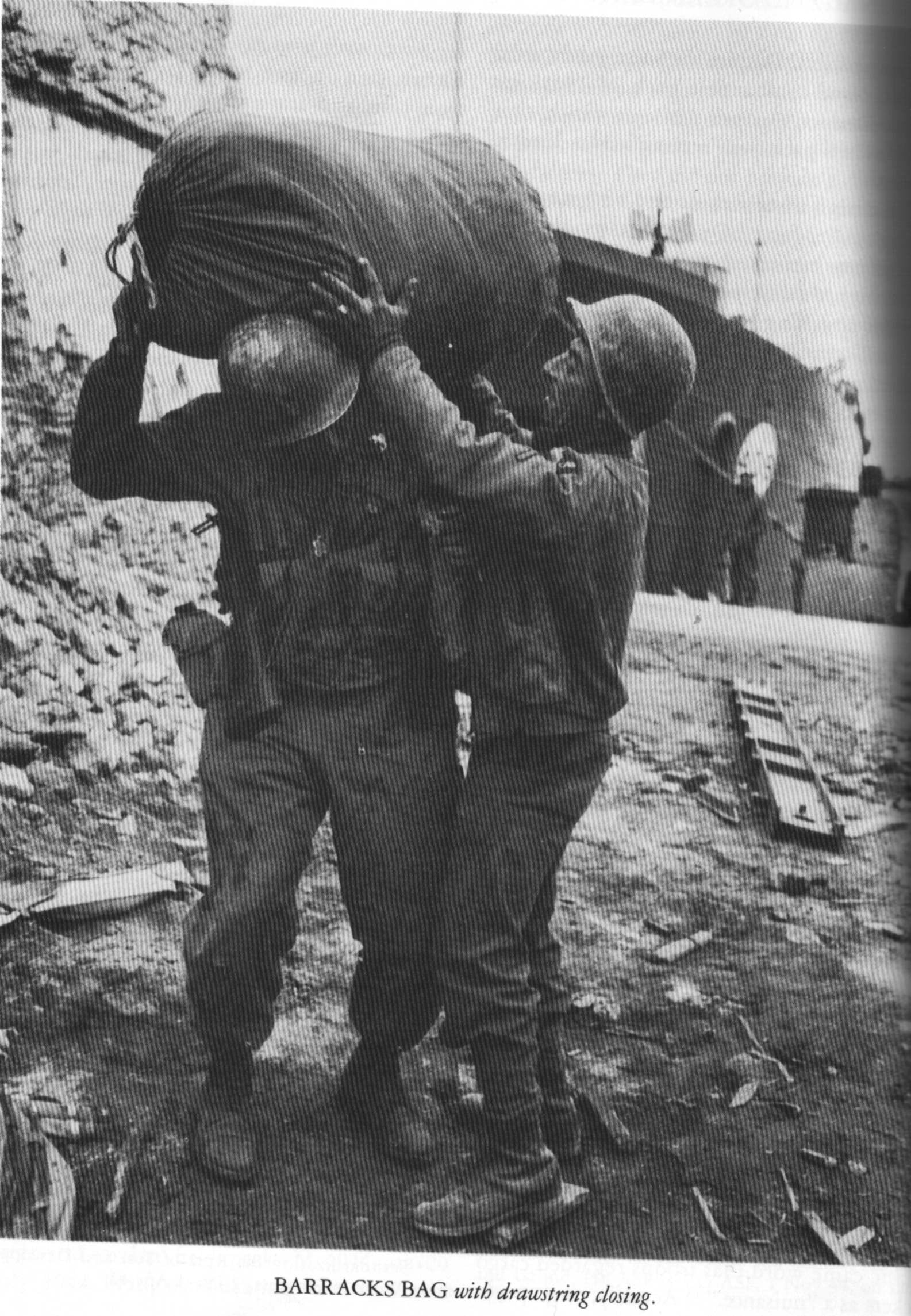
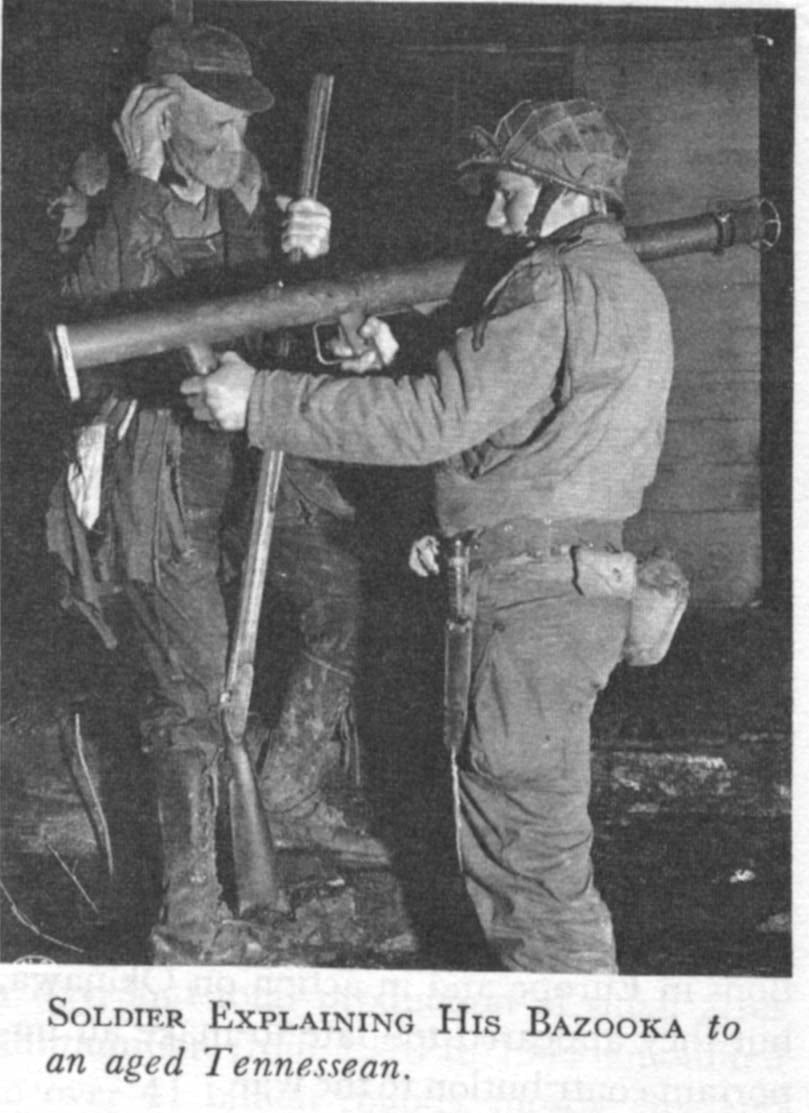
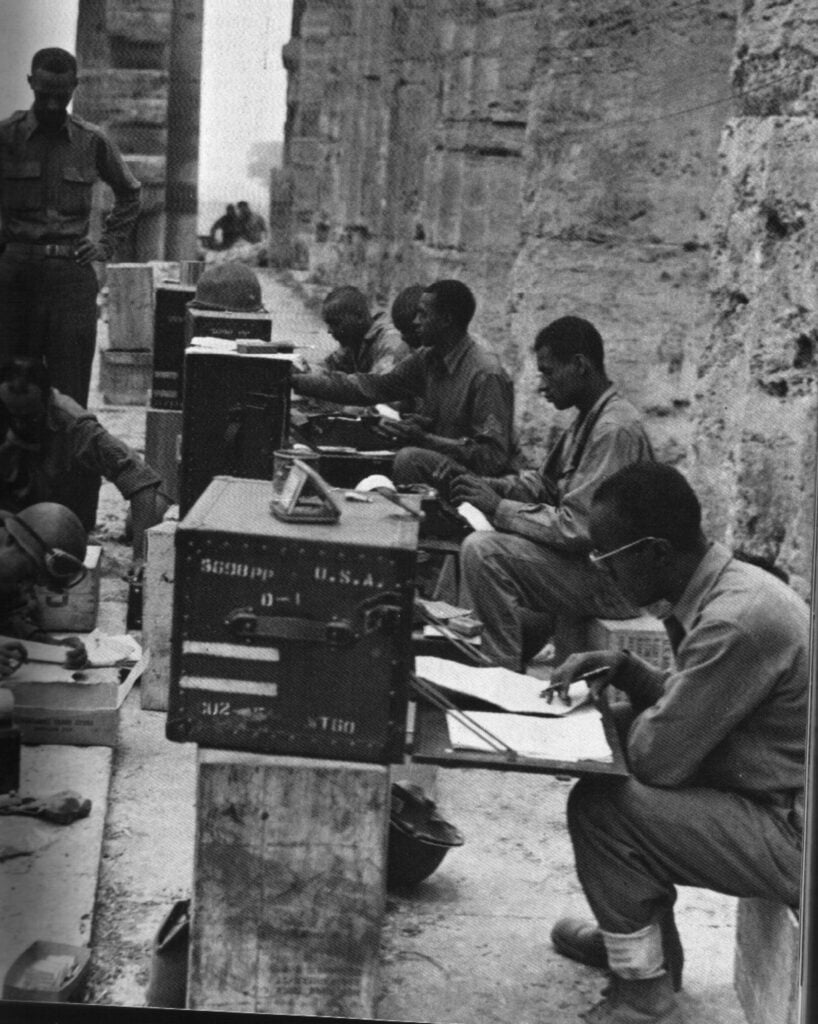
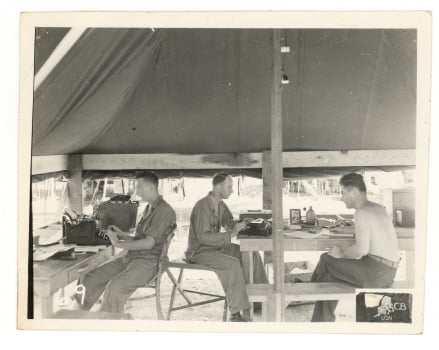
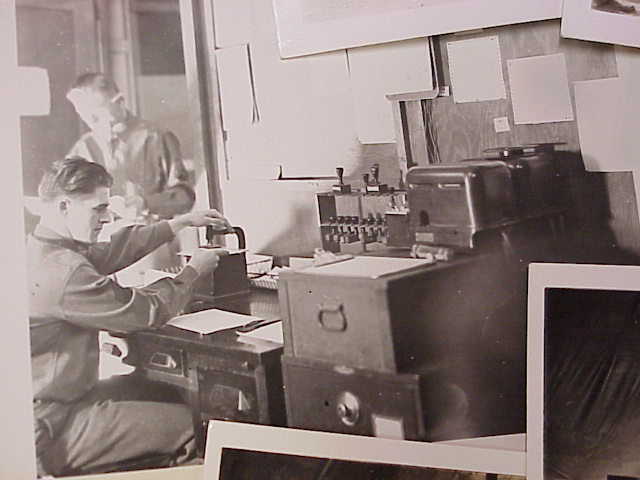
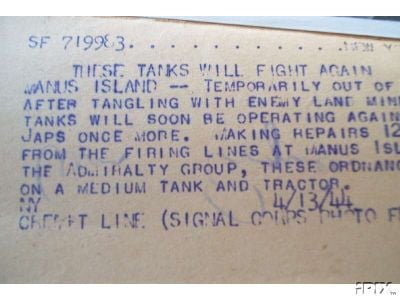
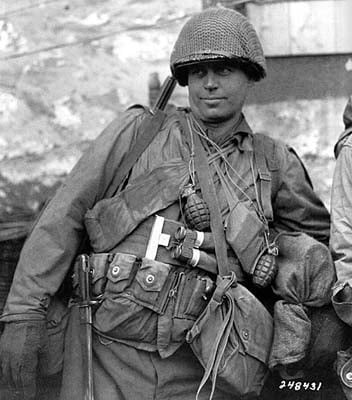
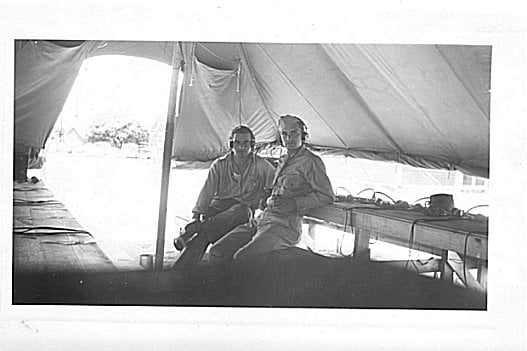
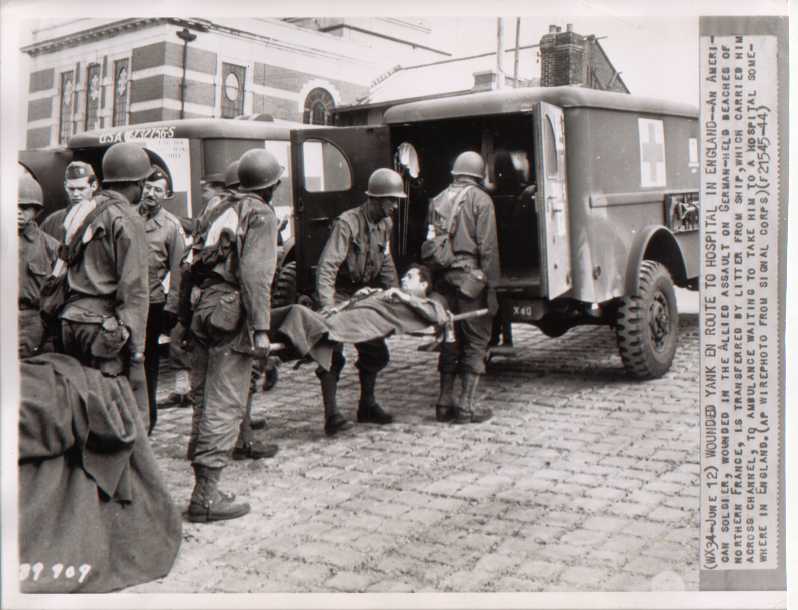
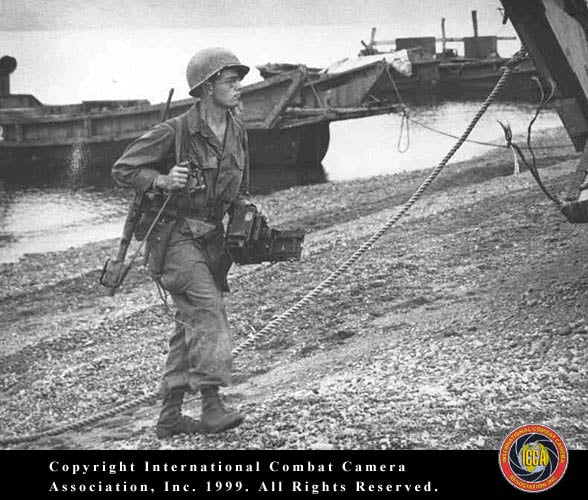
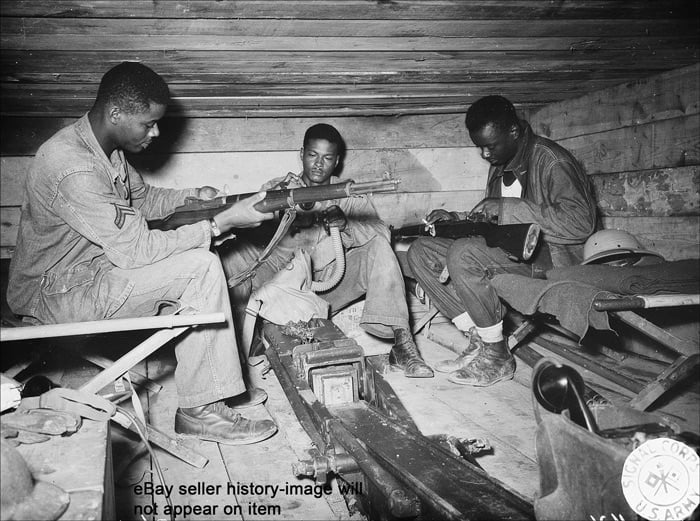
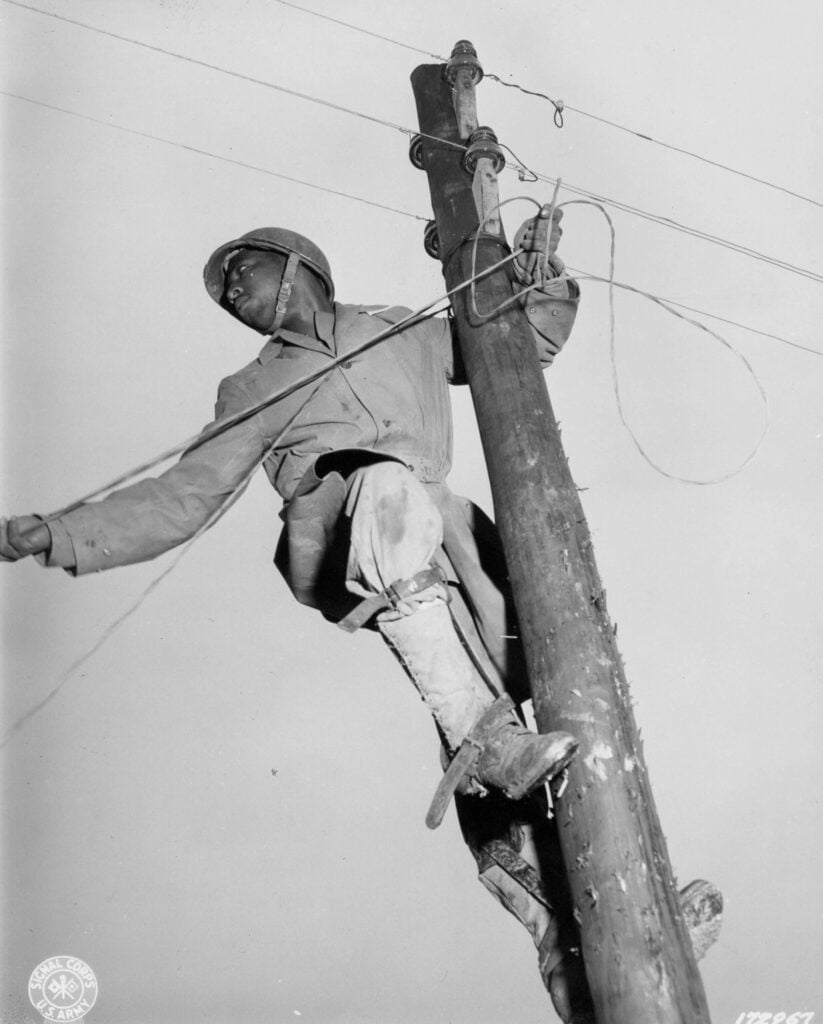
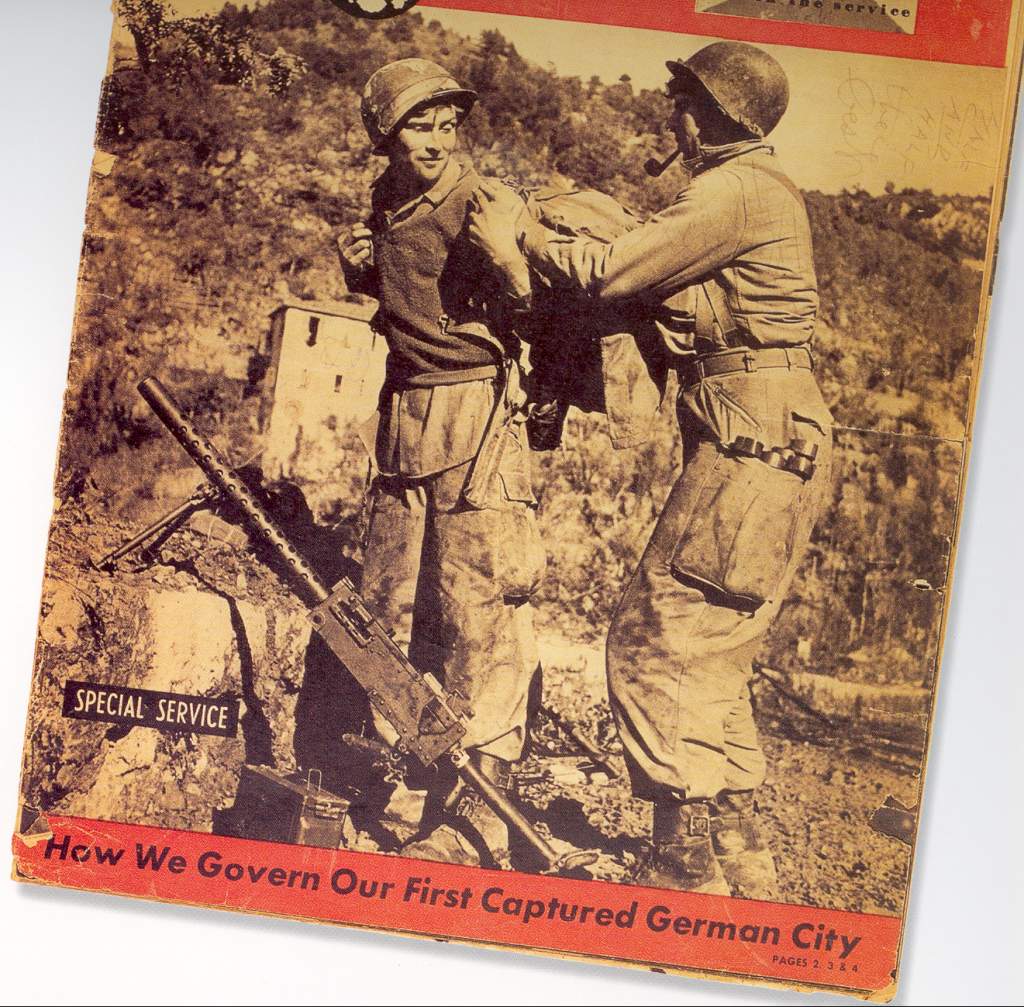
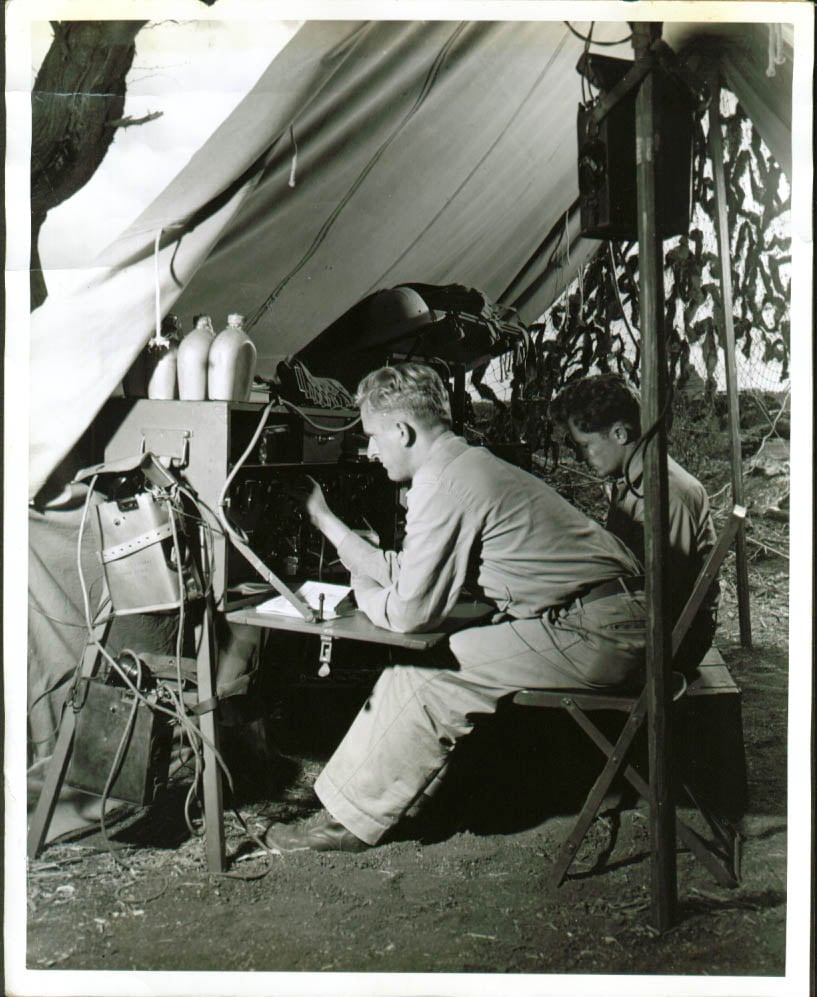
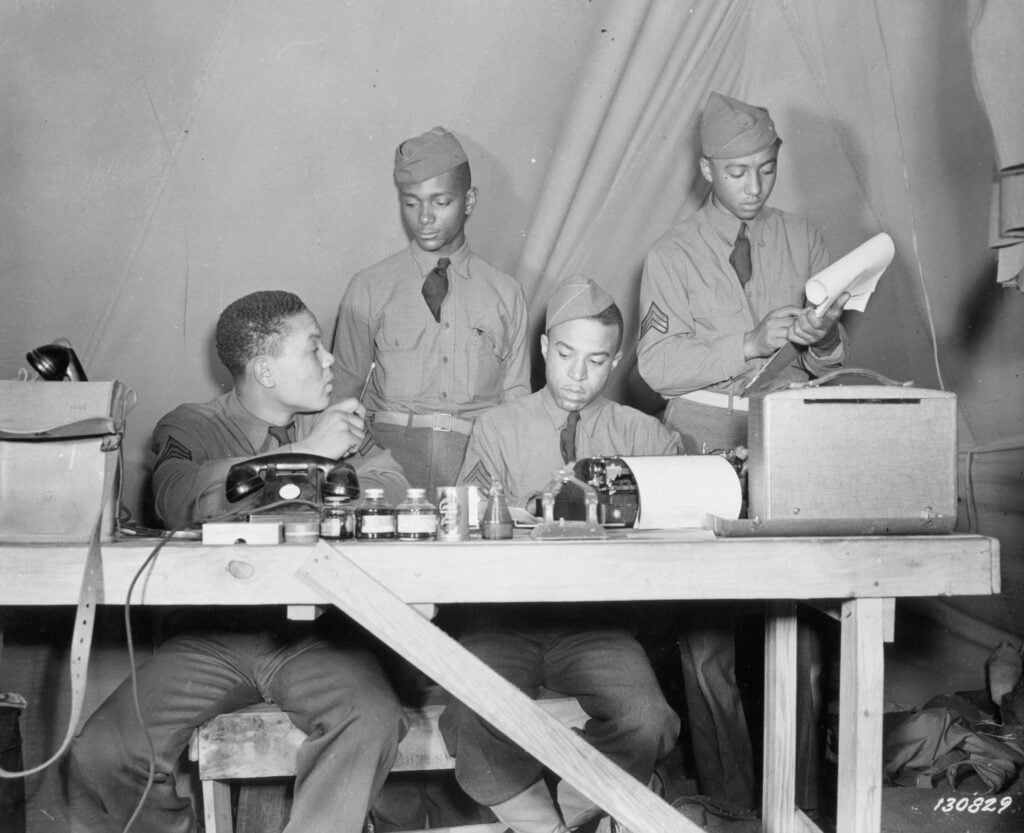
These are some photos I scanned years ago from various Signal Corps books.

United States Army in World War II: The Technical Services. The Signal Corps: The Test (December 1941 to July 1943) By: George Raynor Thompson, Dixie R. Harris, Pauline M. Oakes, Dulany Terret. Office of the Chief of Military History, Dept. of the Army, Washington, D.C., 1957

United States Army in World War II The Technical Services The Signal Corps: The Outcome (Mid-1943 Through 1945) by George Raynor Thompson and Dixie R. Harris. Office of the Chief of Military History United States Army, Washington, D.C., 1966

Getting the Message Through: A Branch History of the US Army Signal Corps. By Rebecca Robbins Raines
Center of Military History, United States Army Washington, D.C., 1996.

Posted on

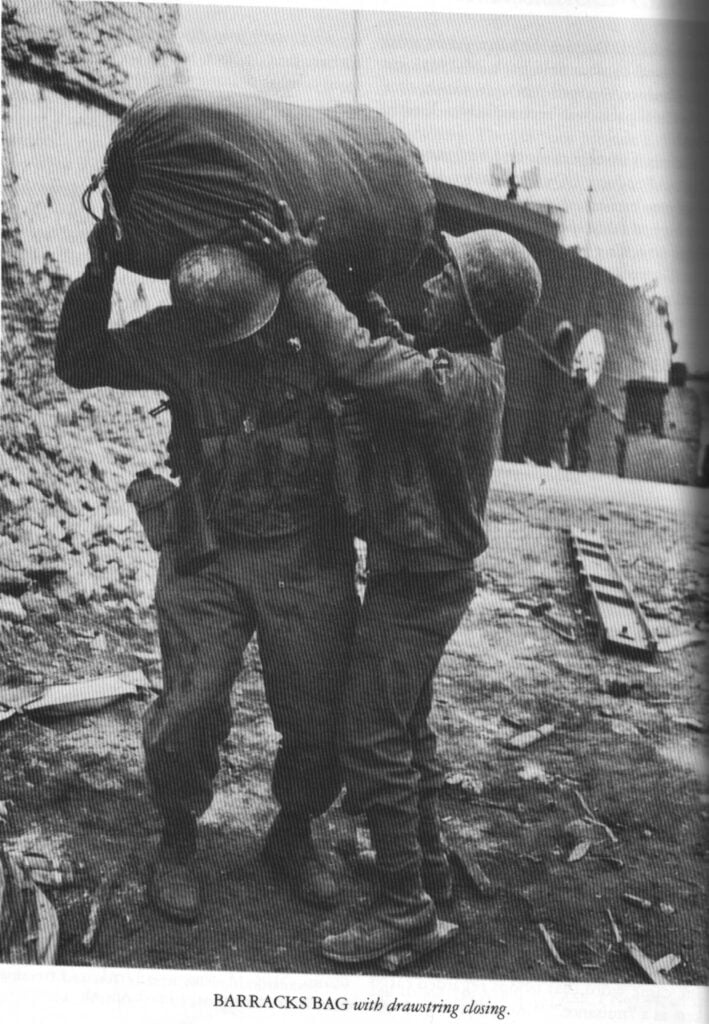
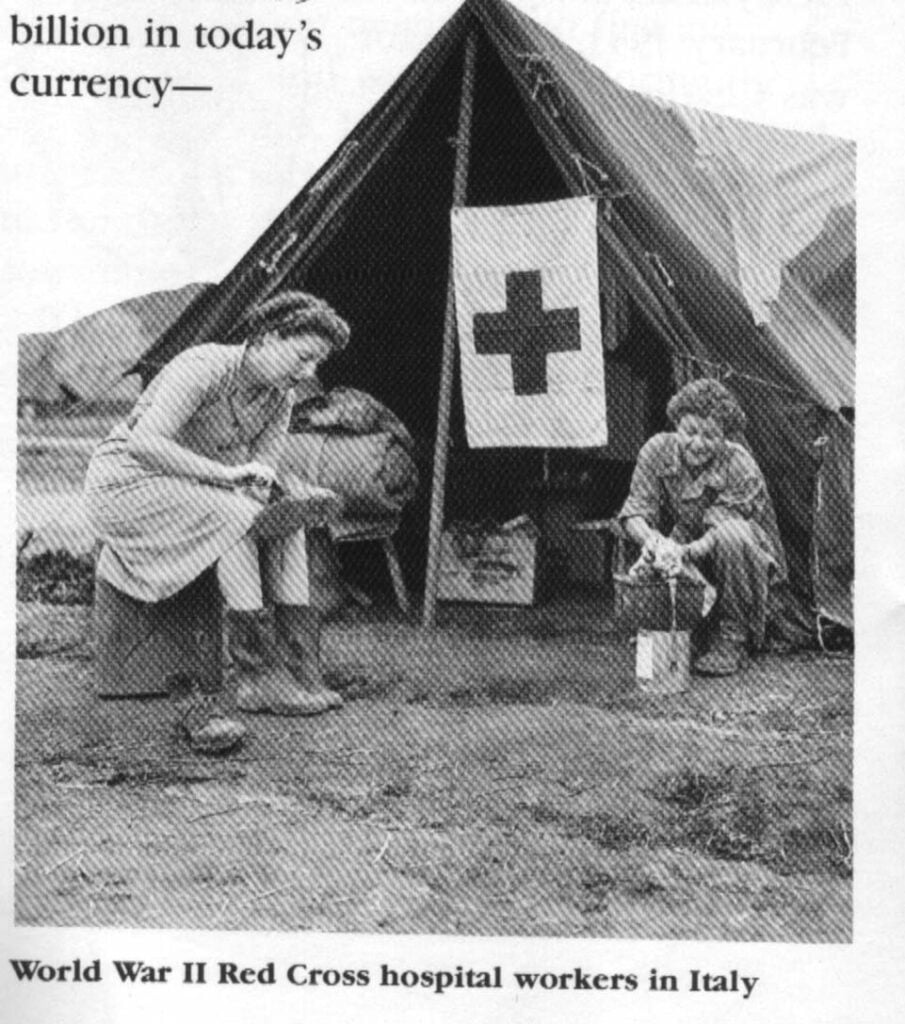
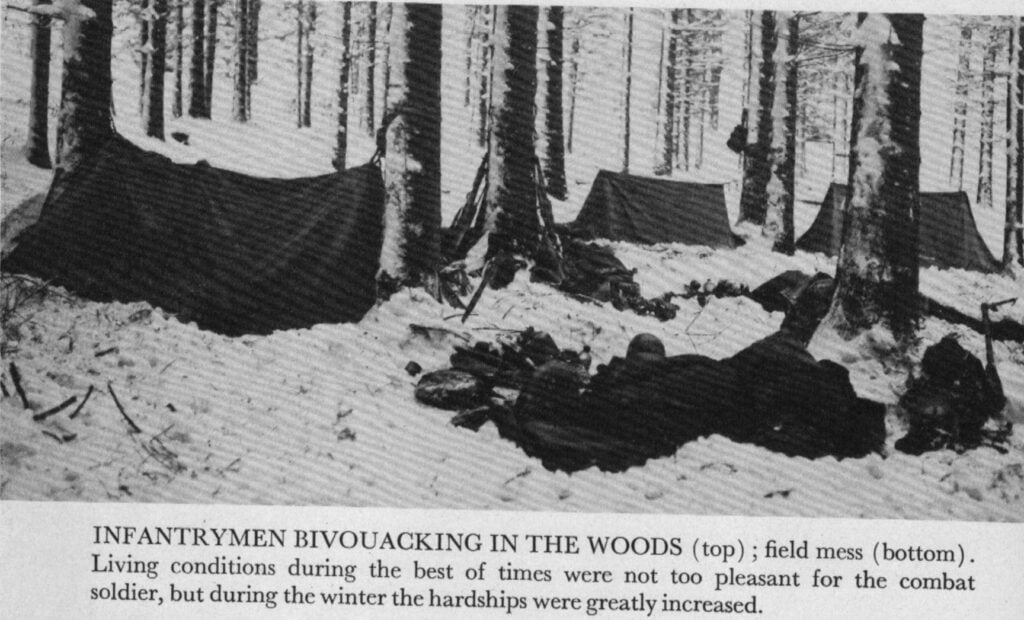
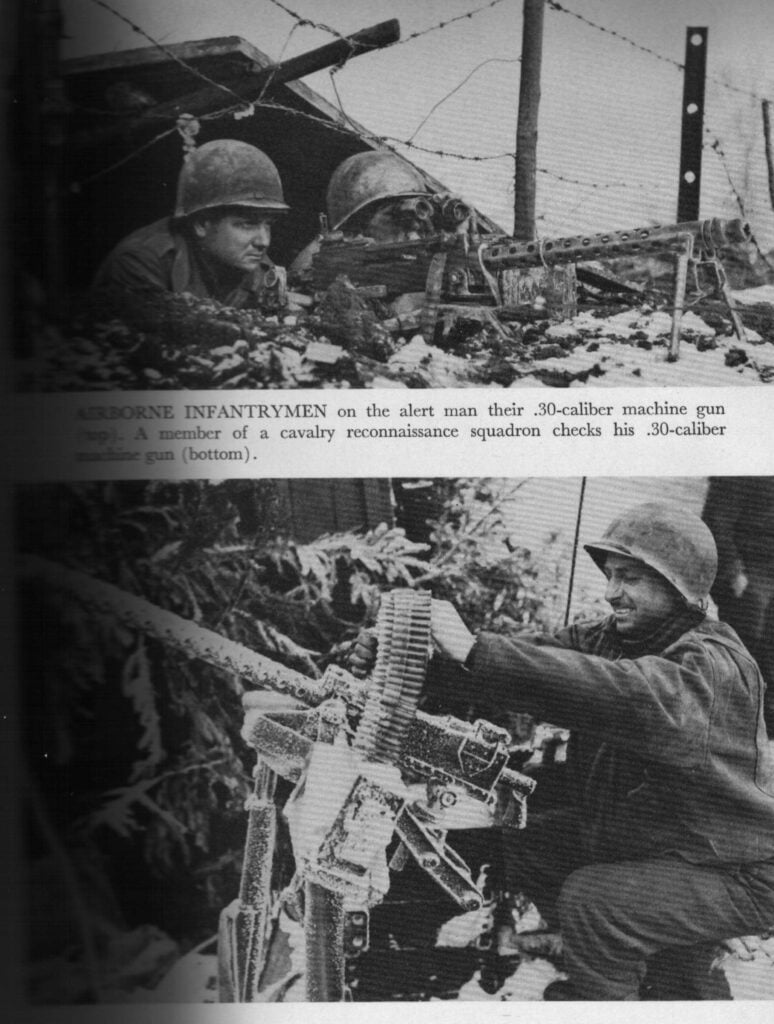
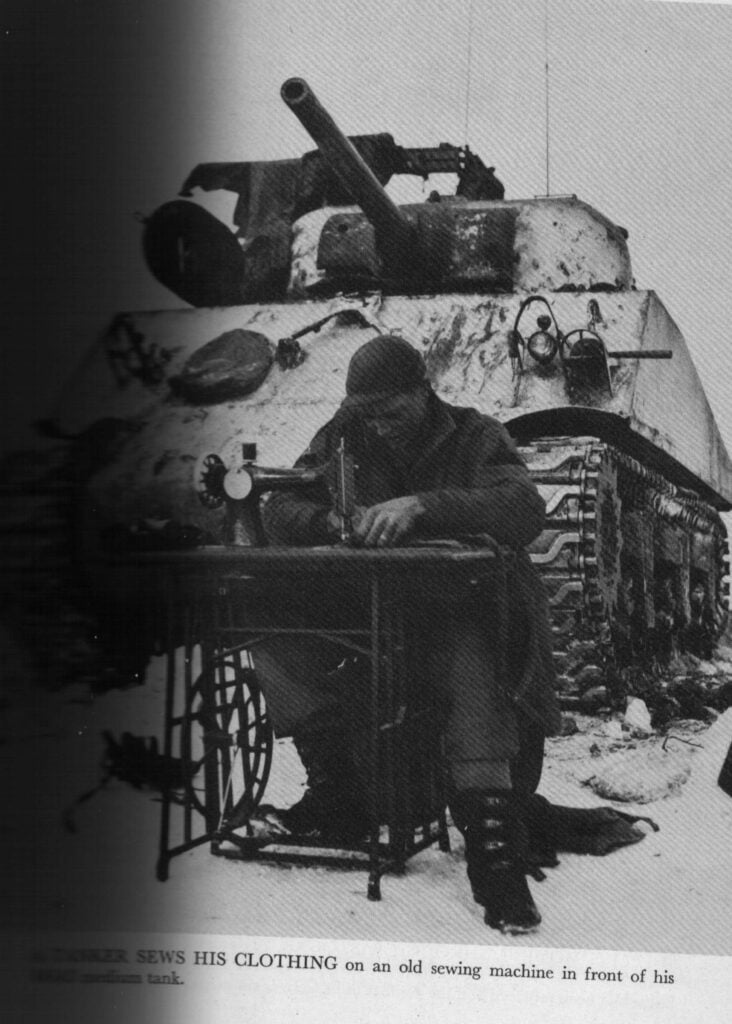
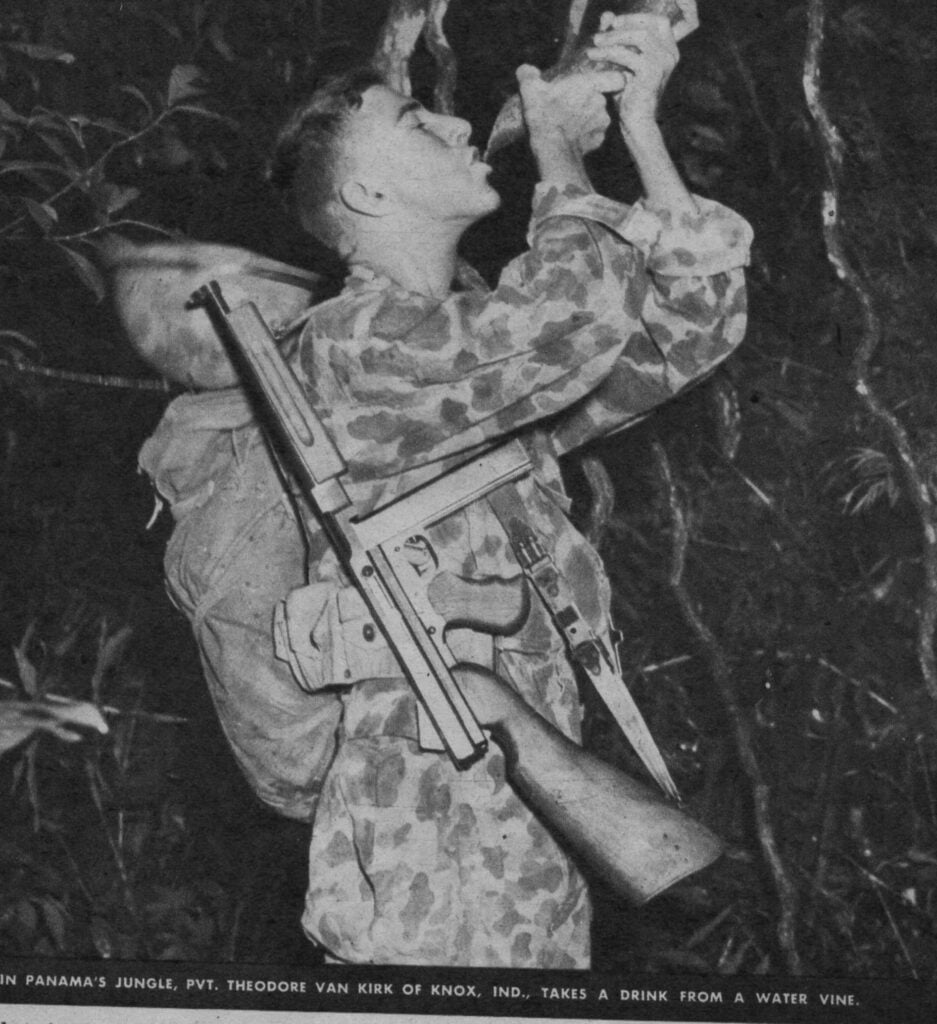
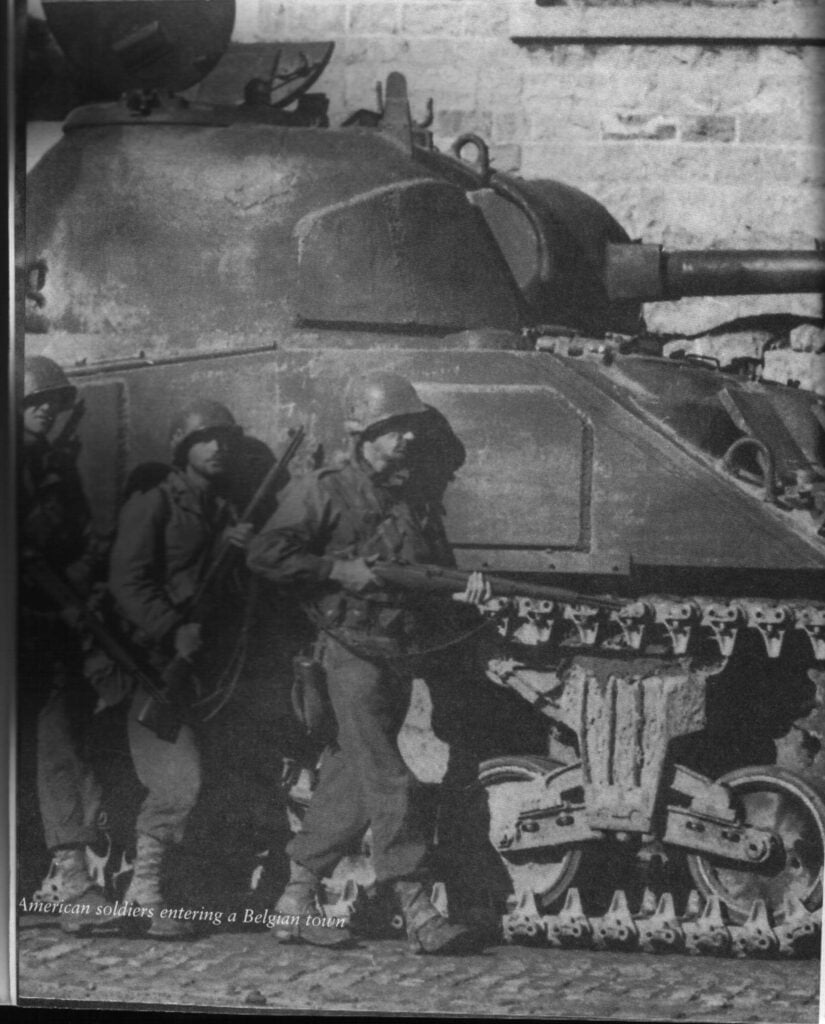
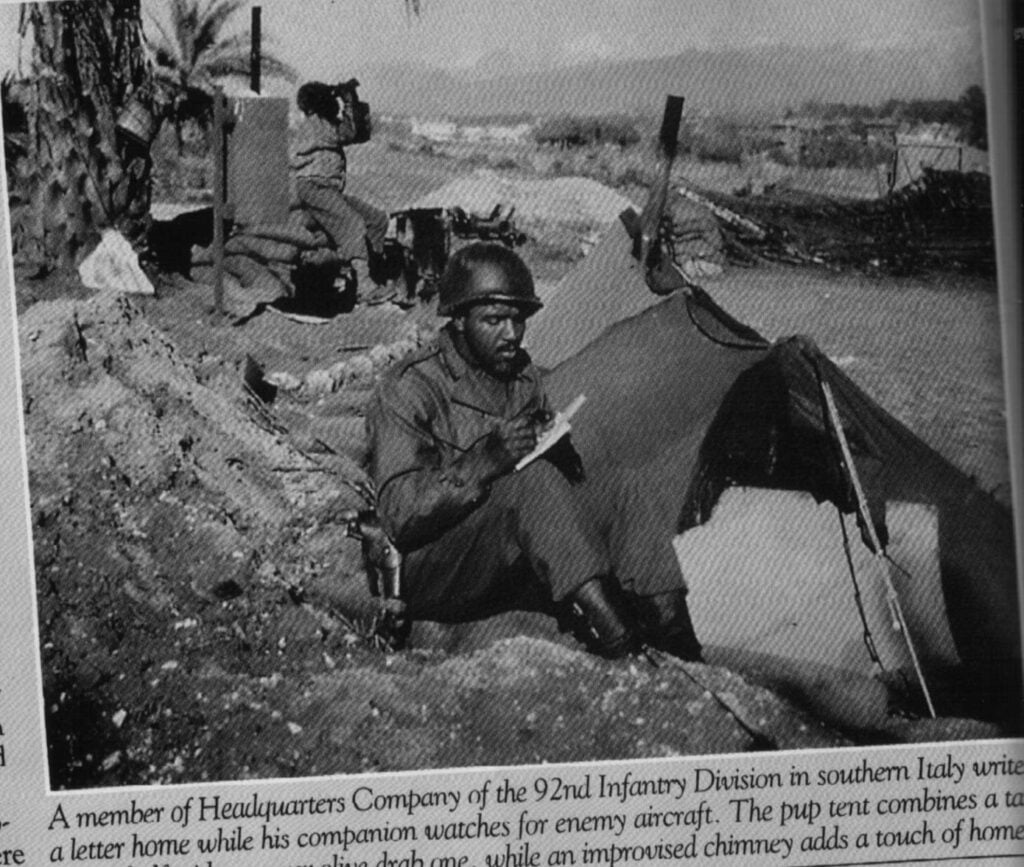
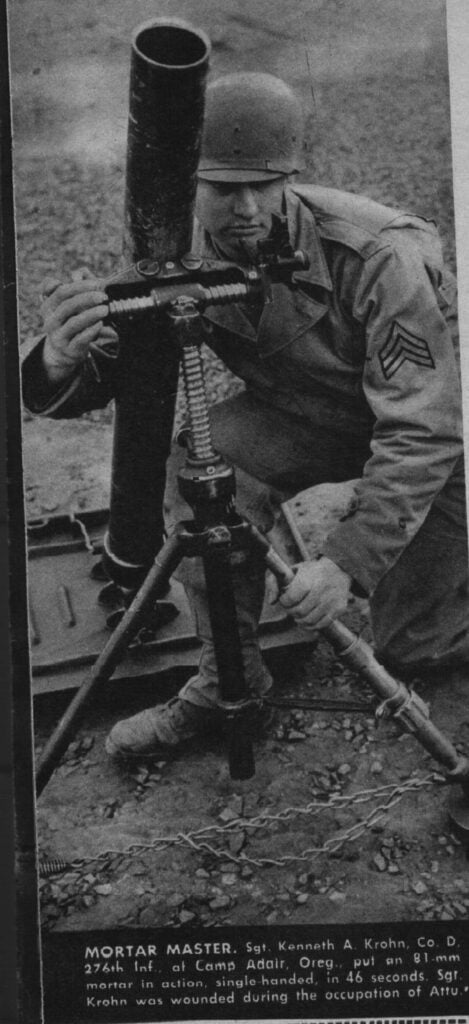
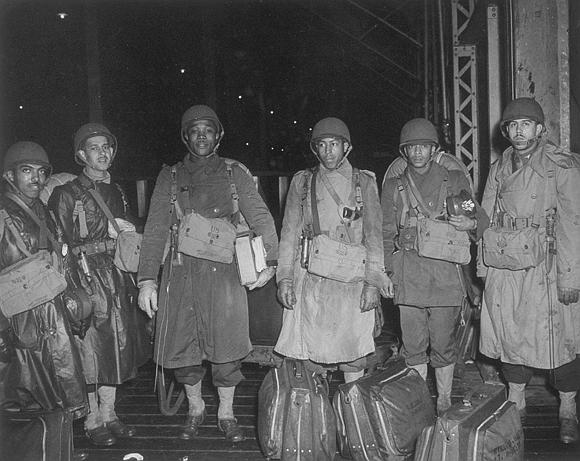
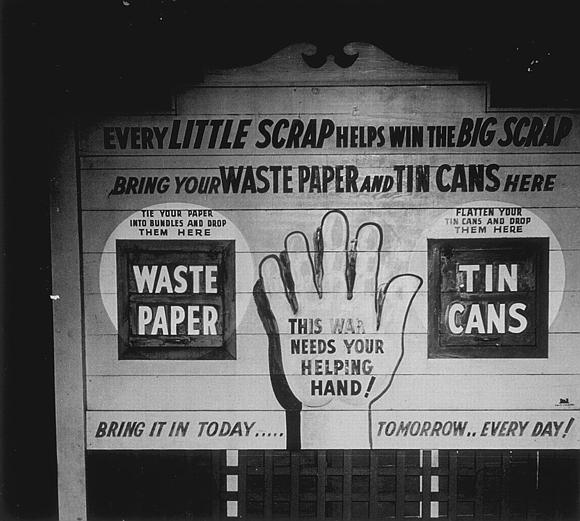
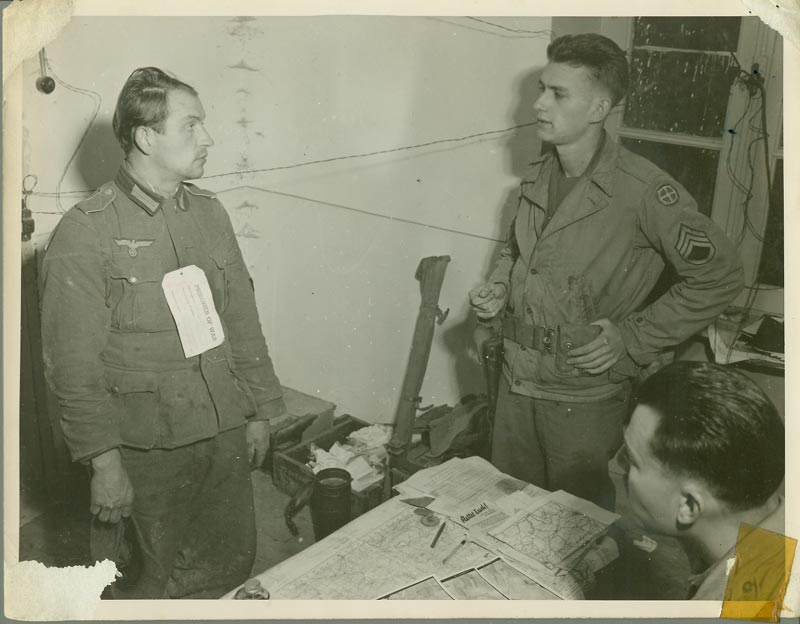
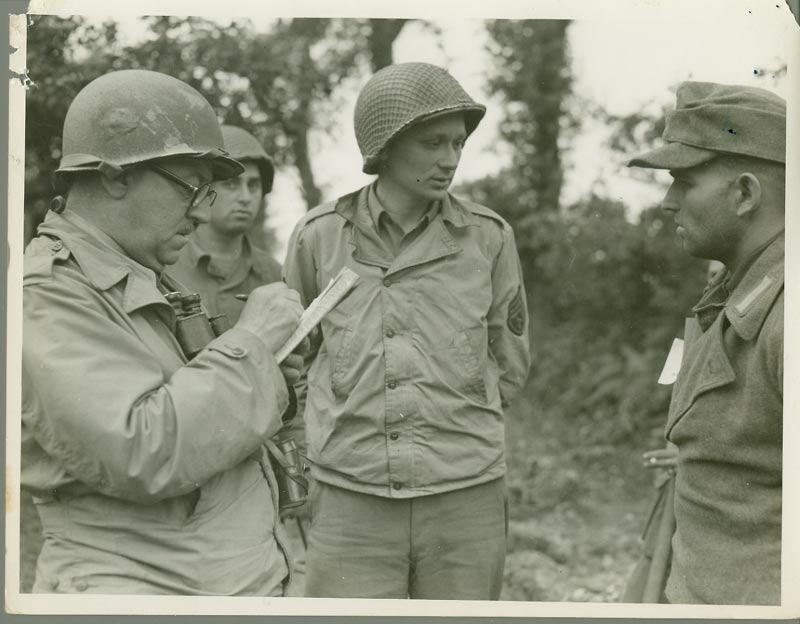
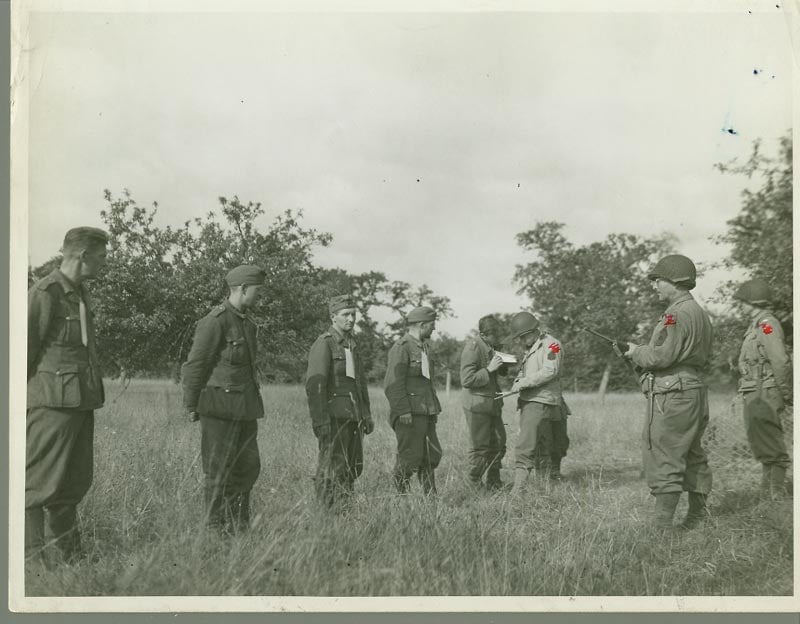
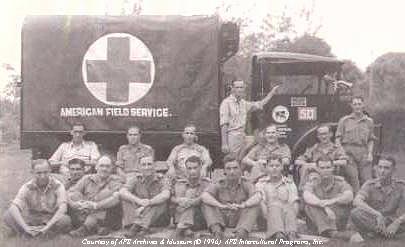
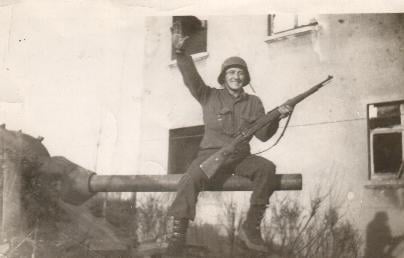
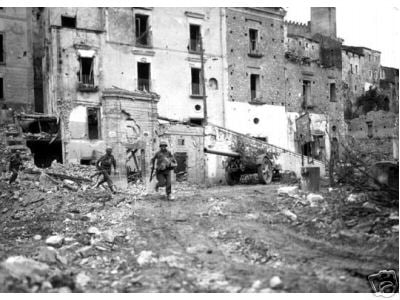
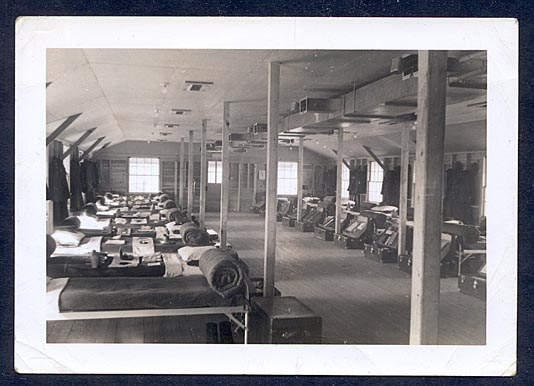
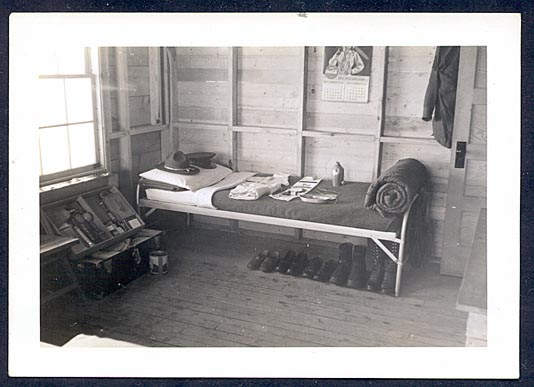
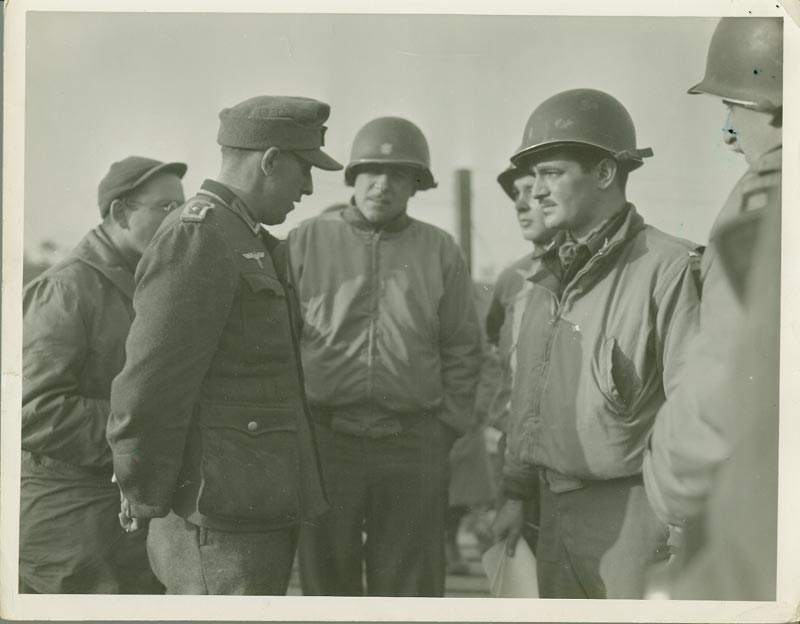
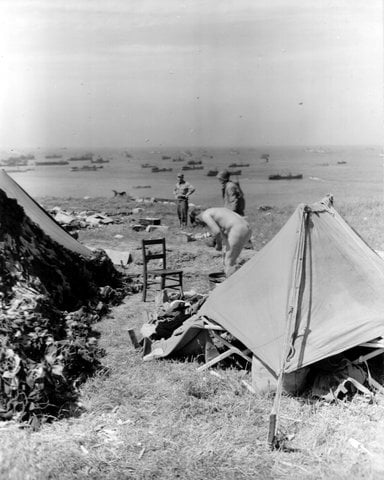
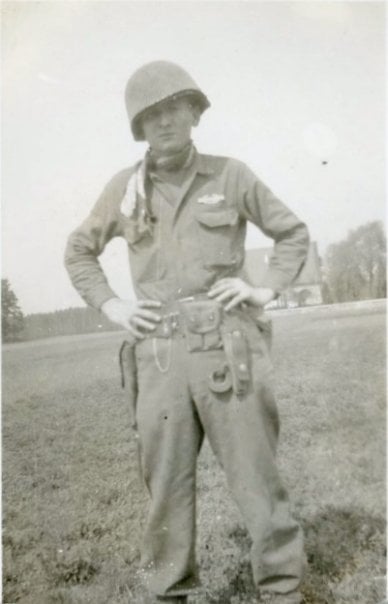
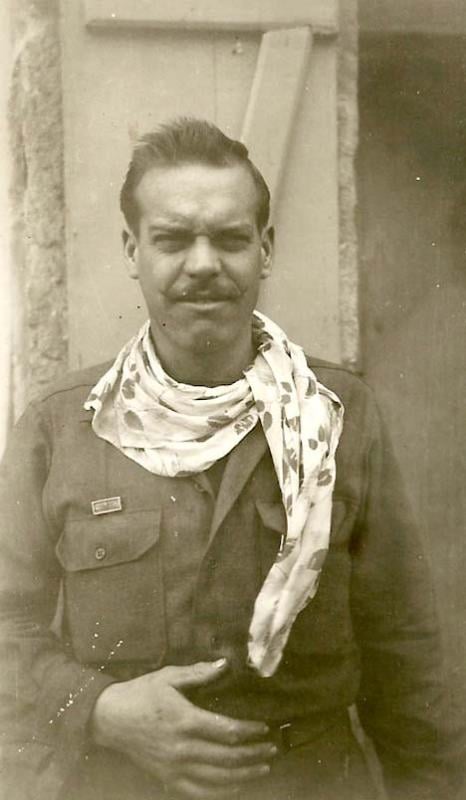
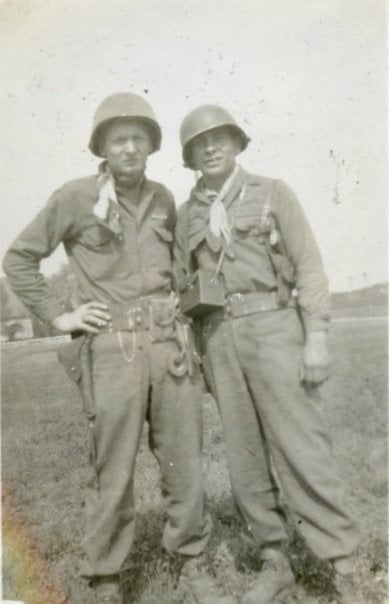
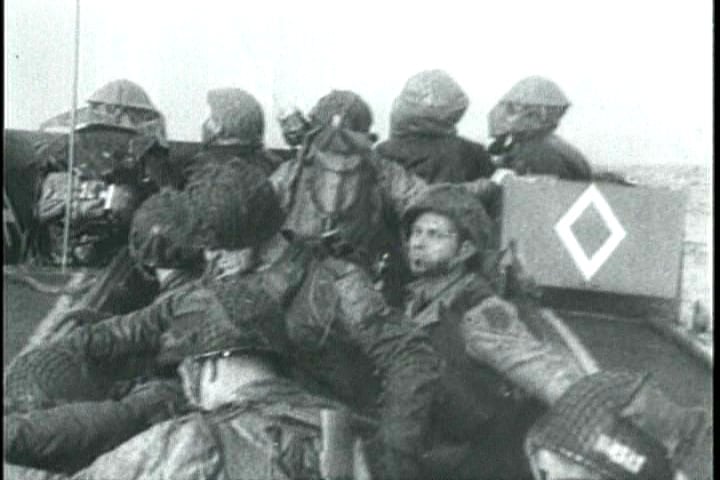
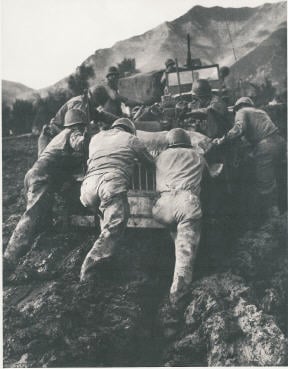
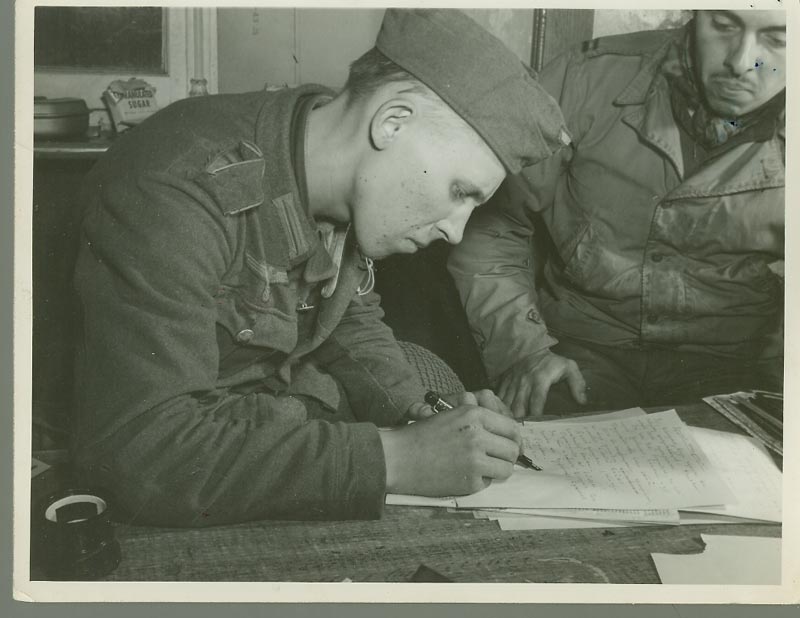
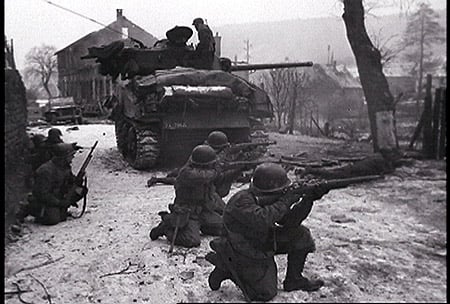
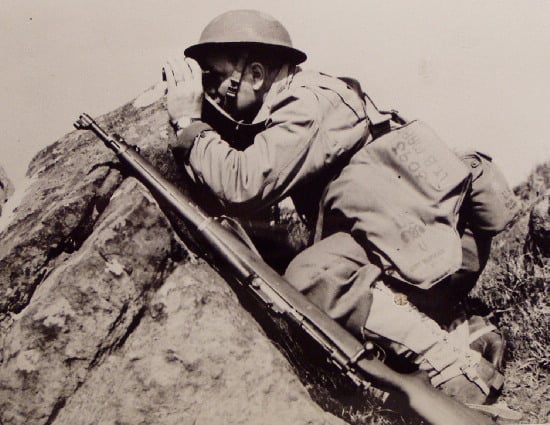
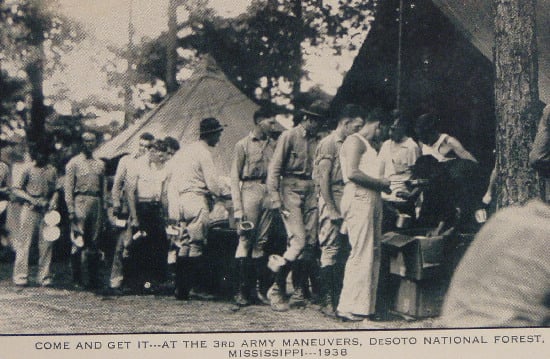
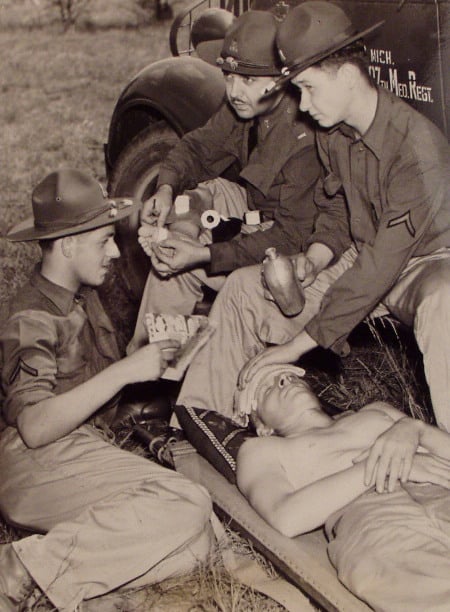
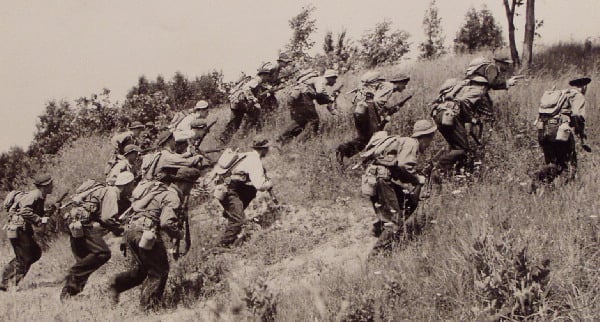
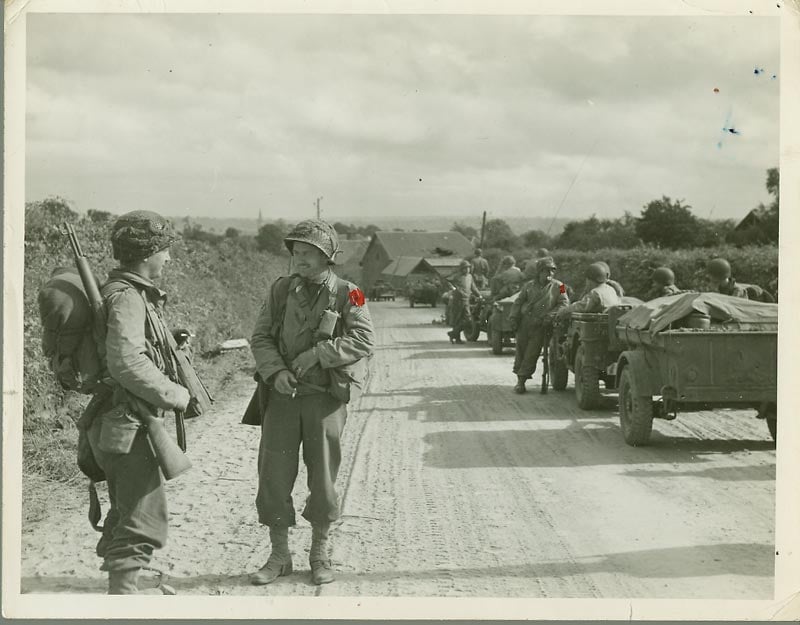
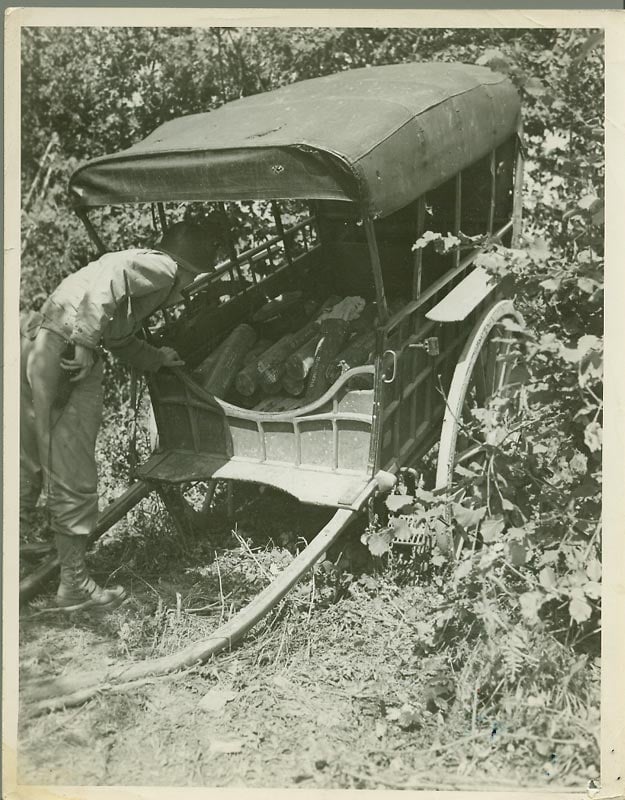
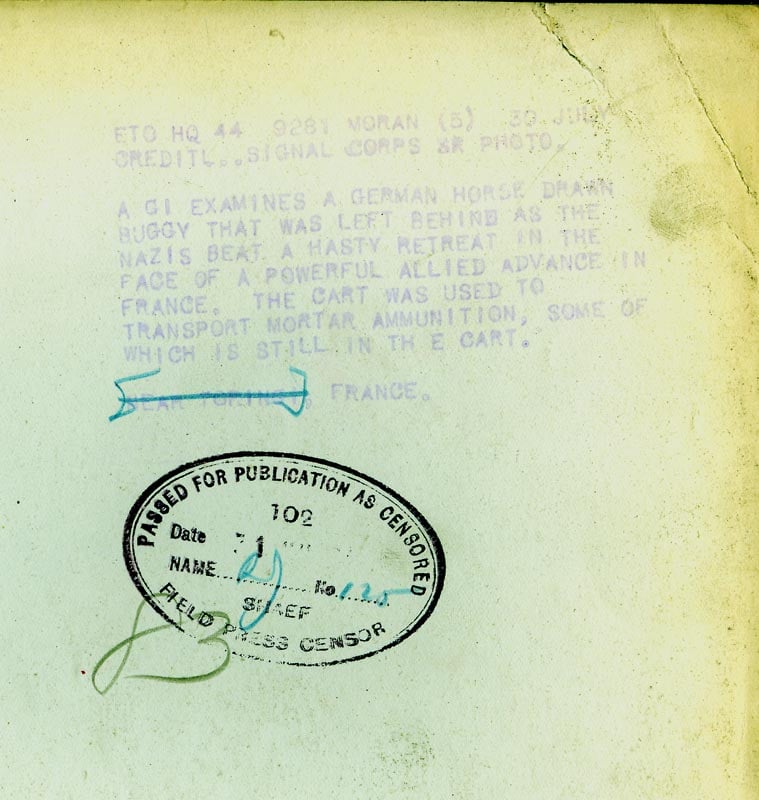
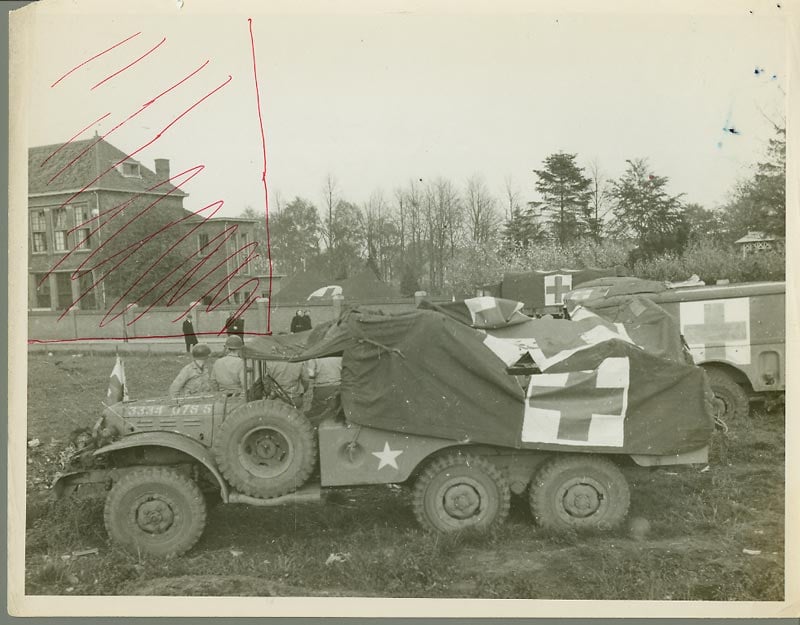
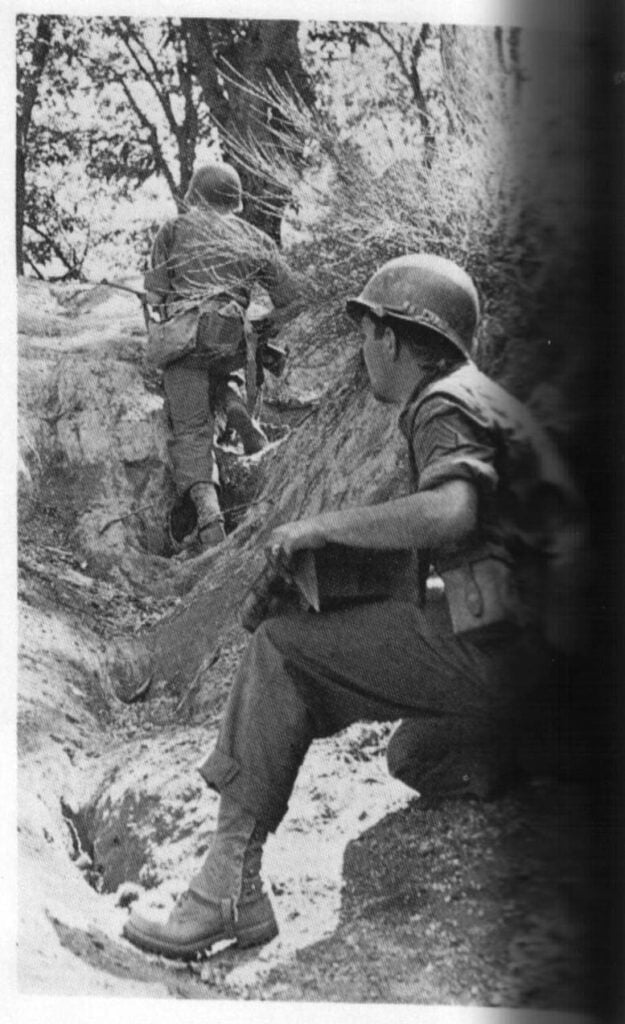
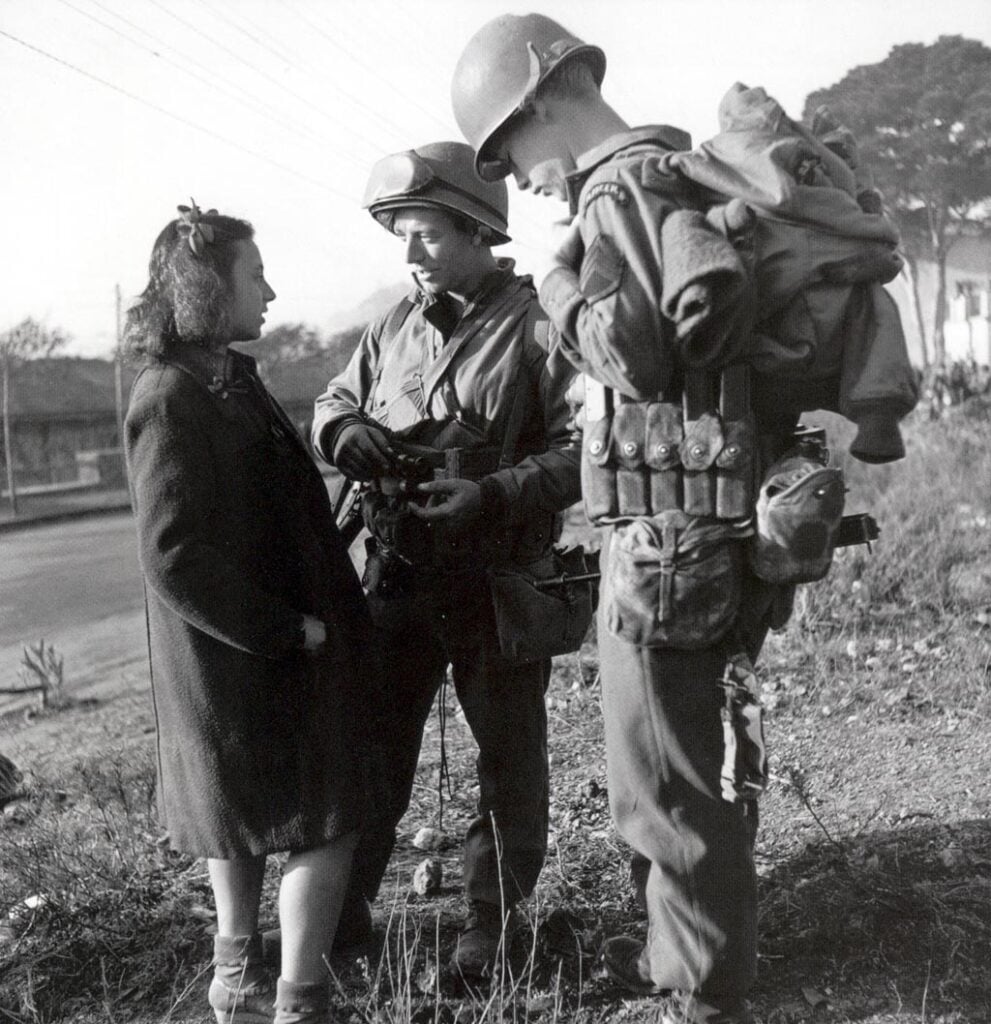
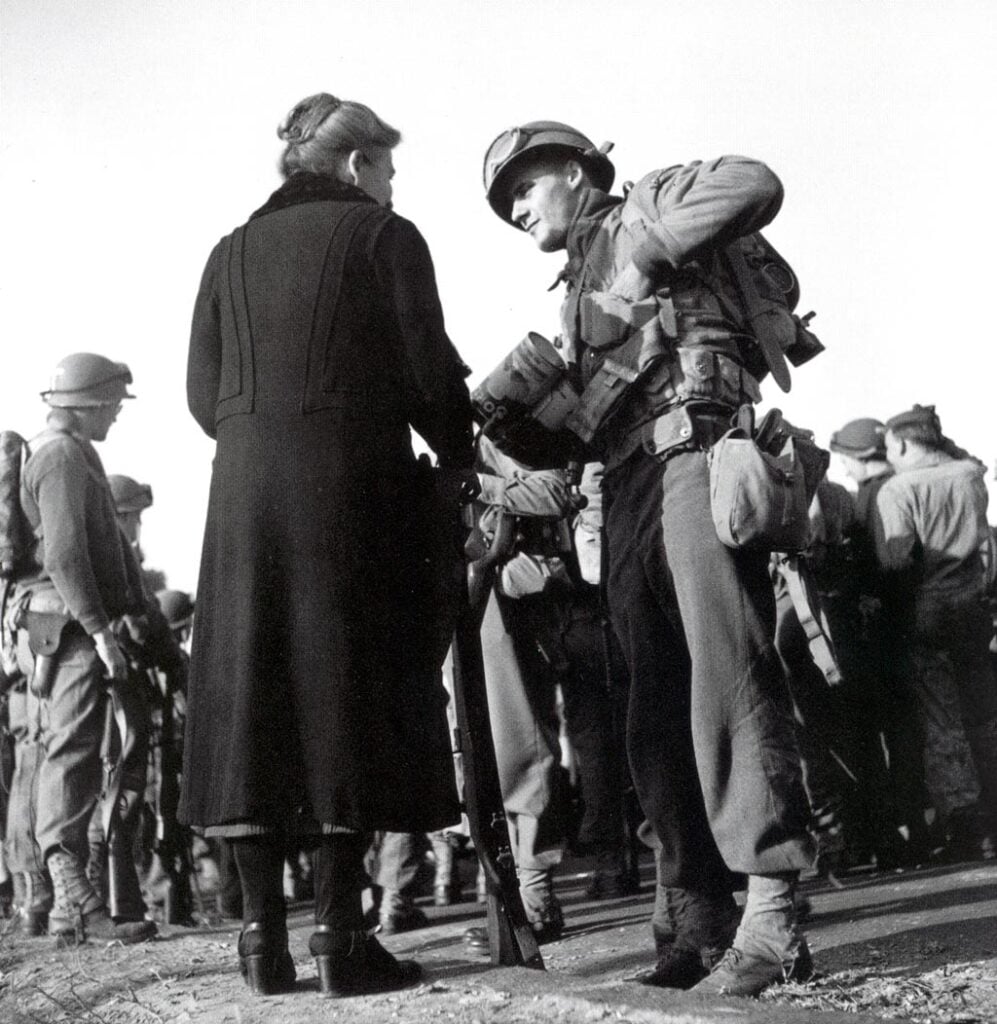
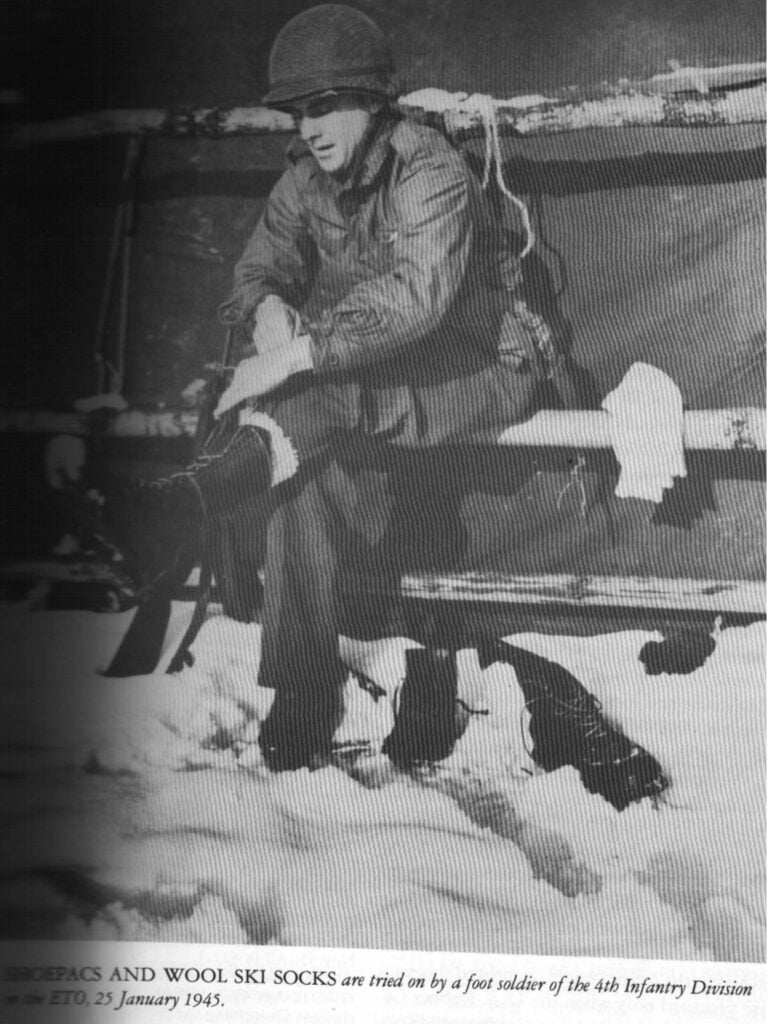
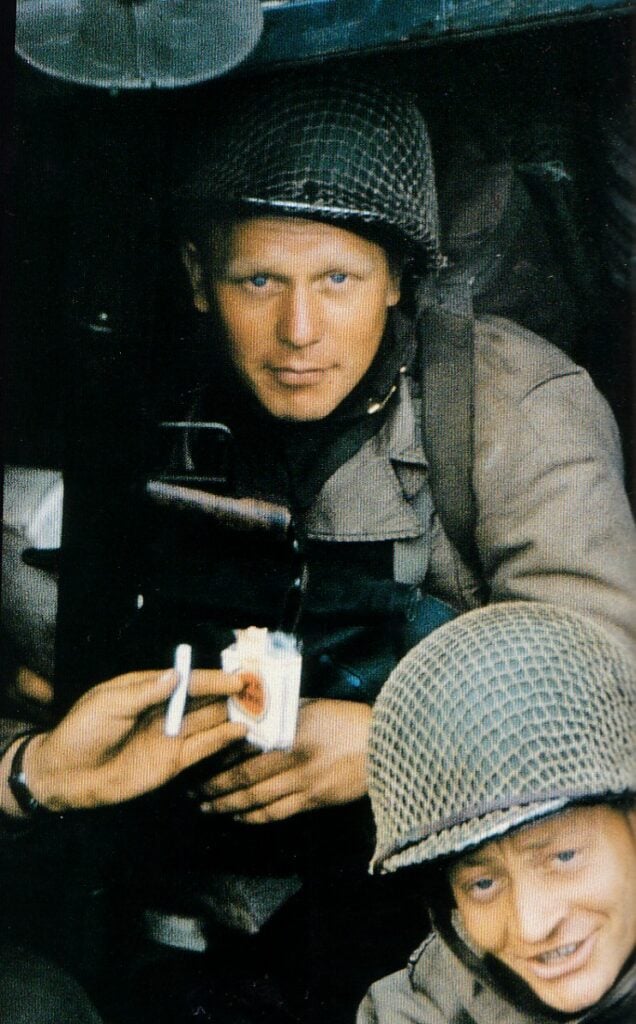
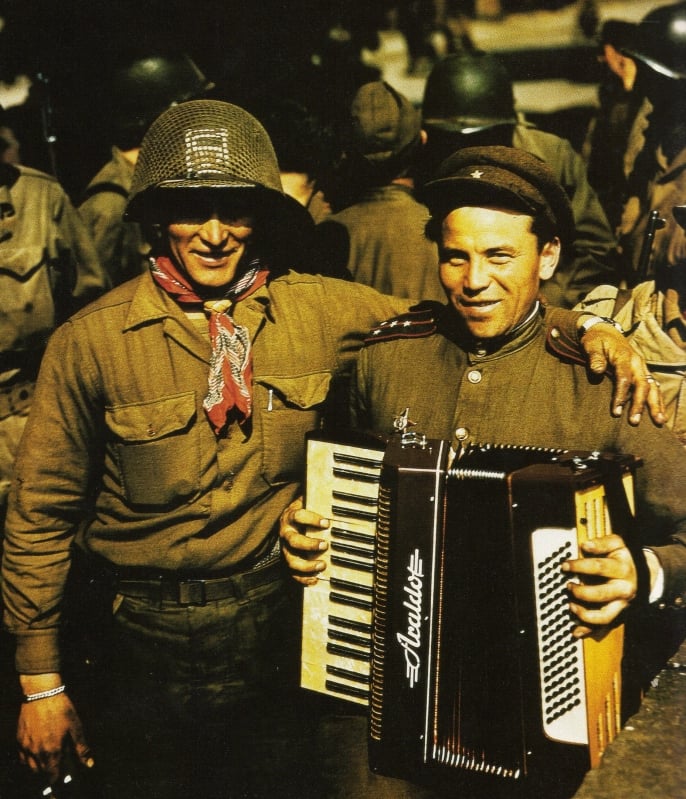
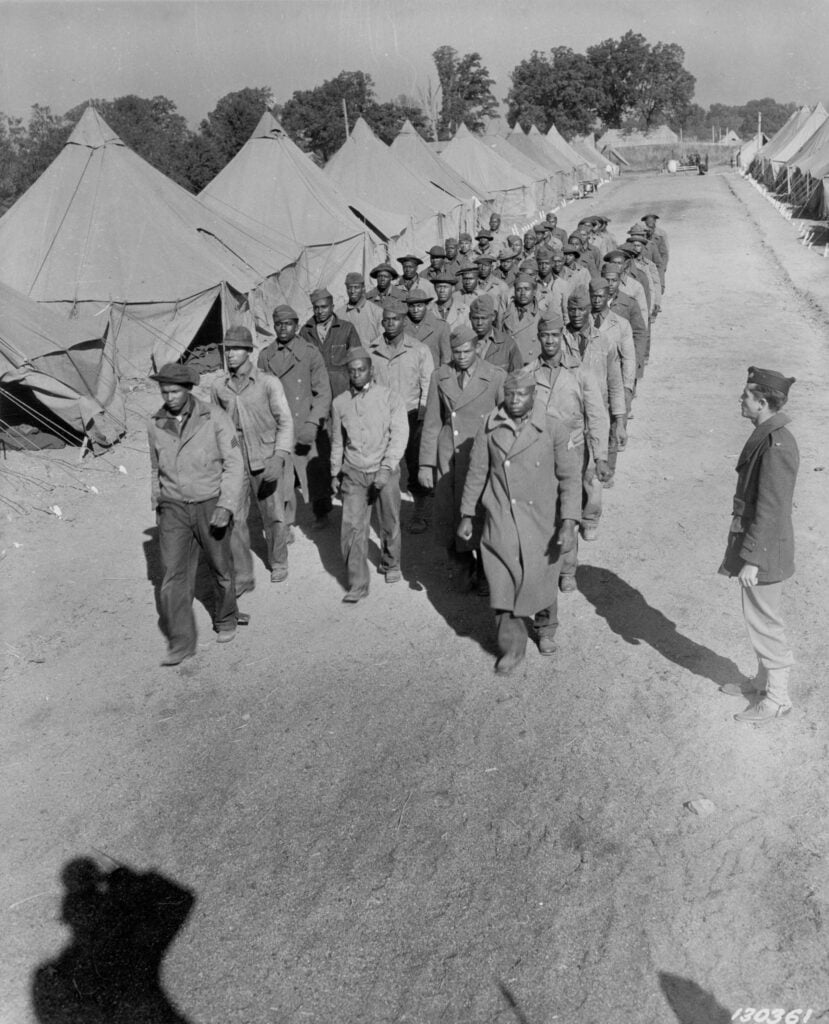
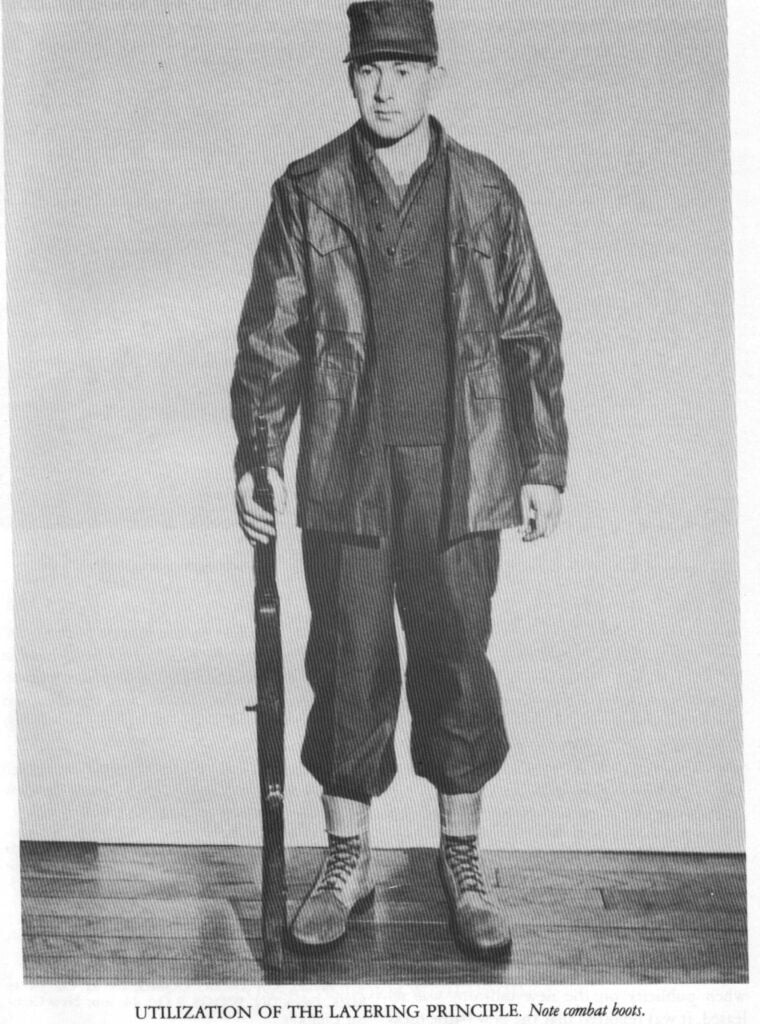
World War II Generic Images

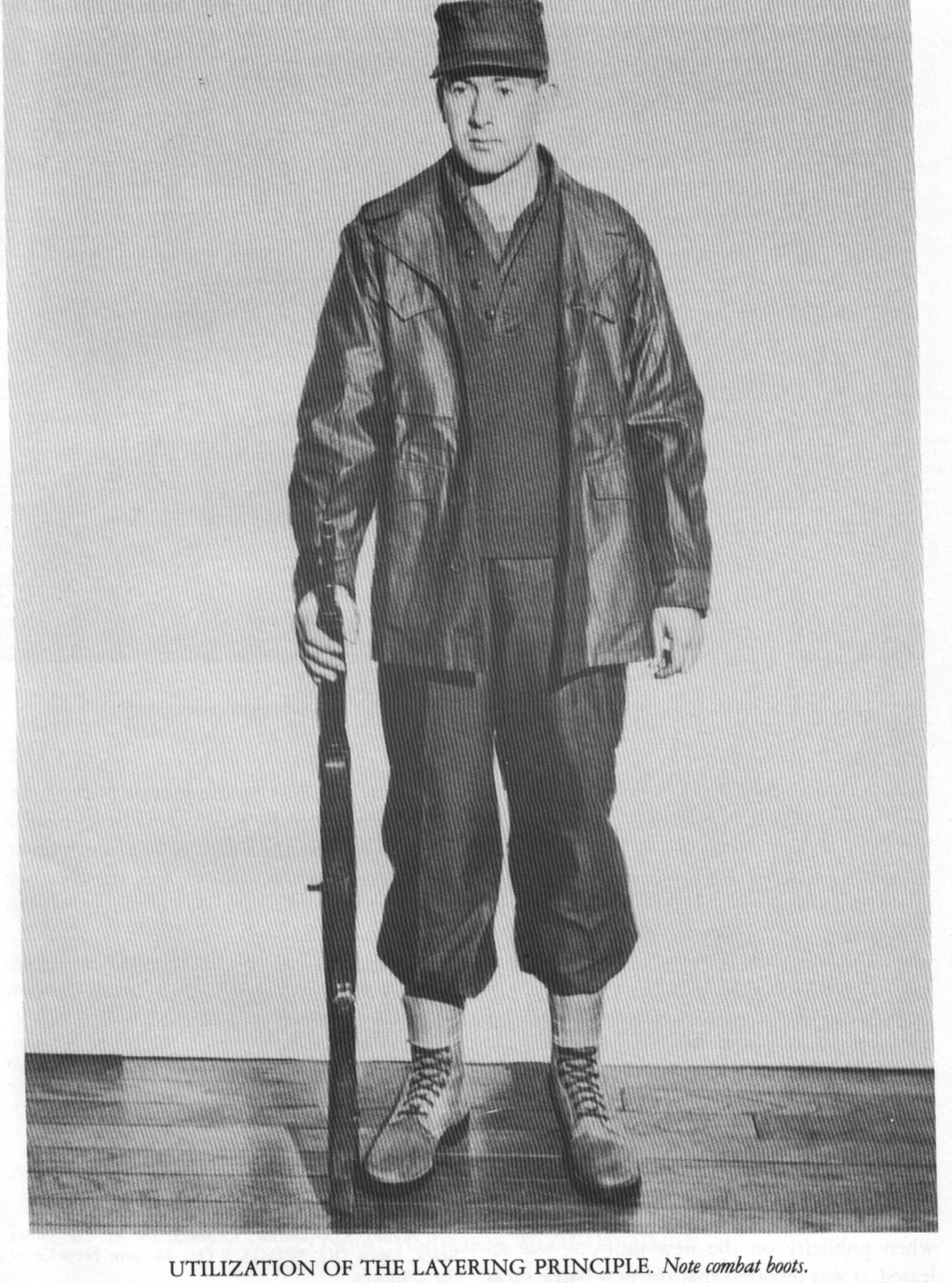
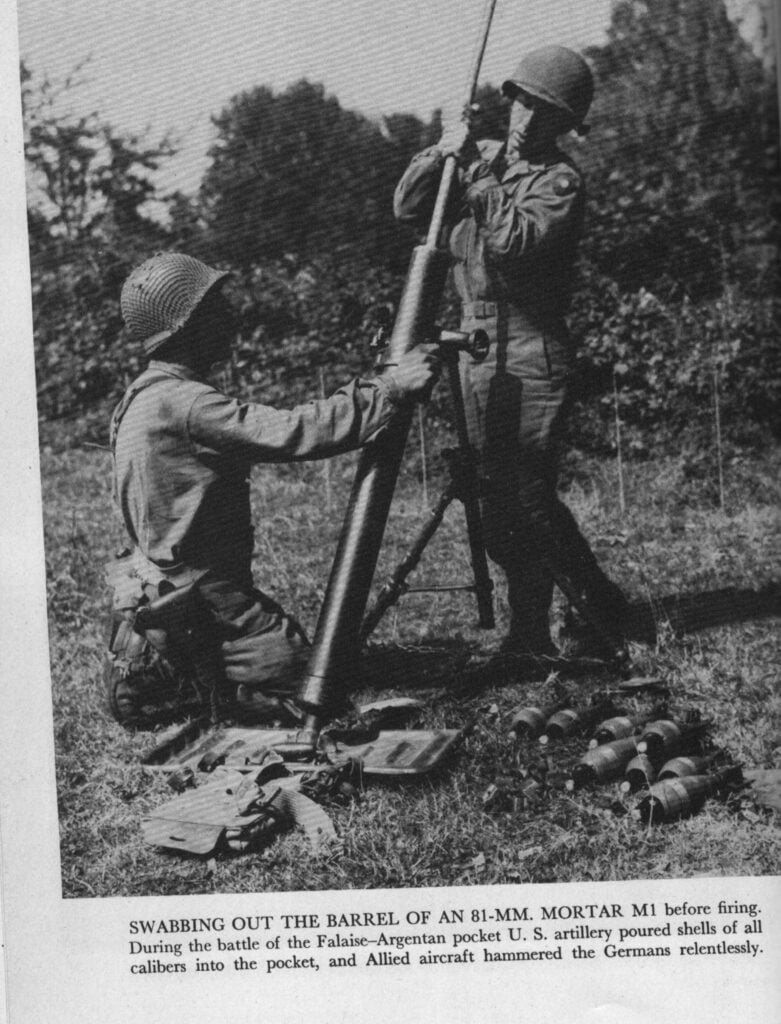
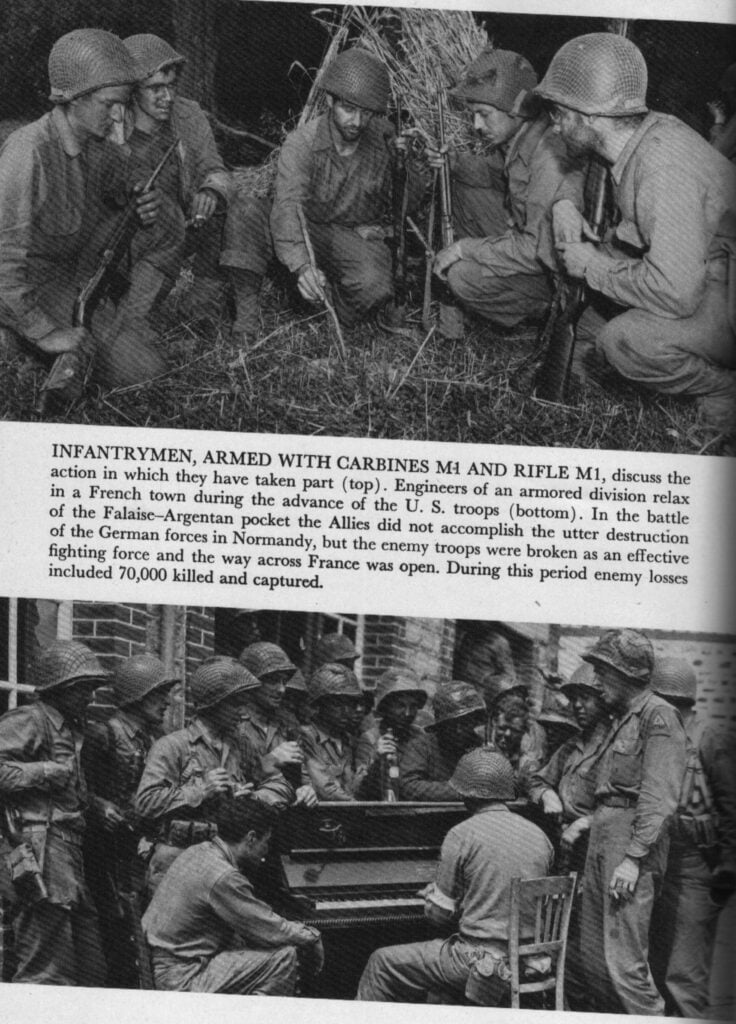
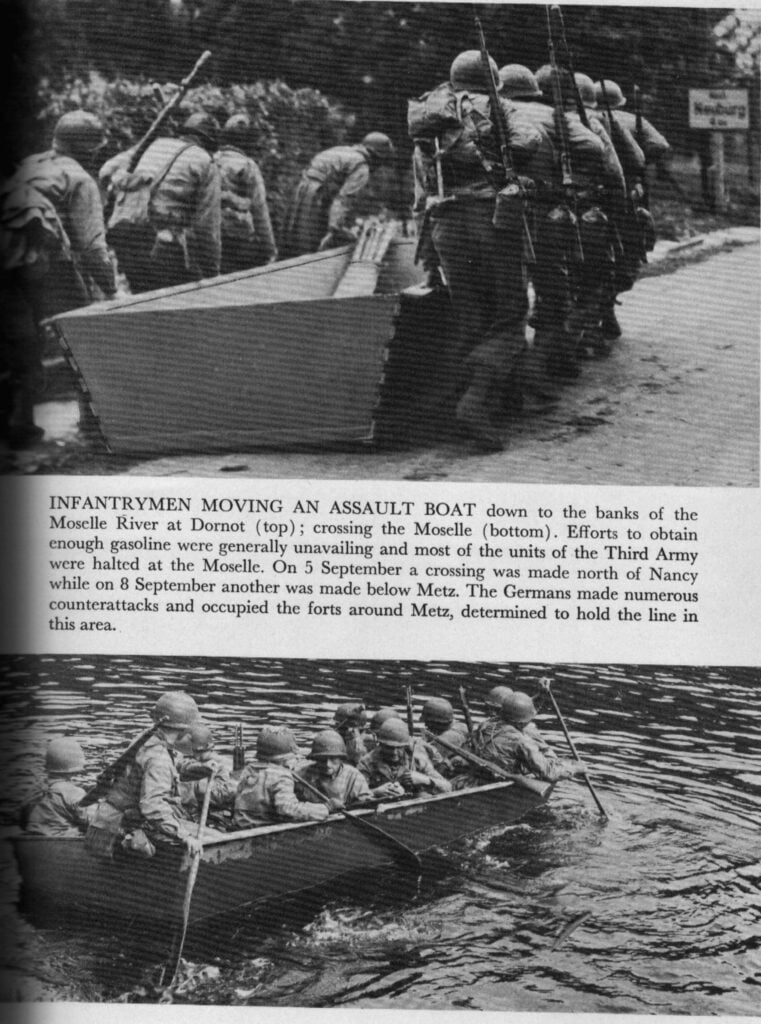
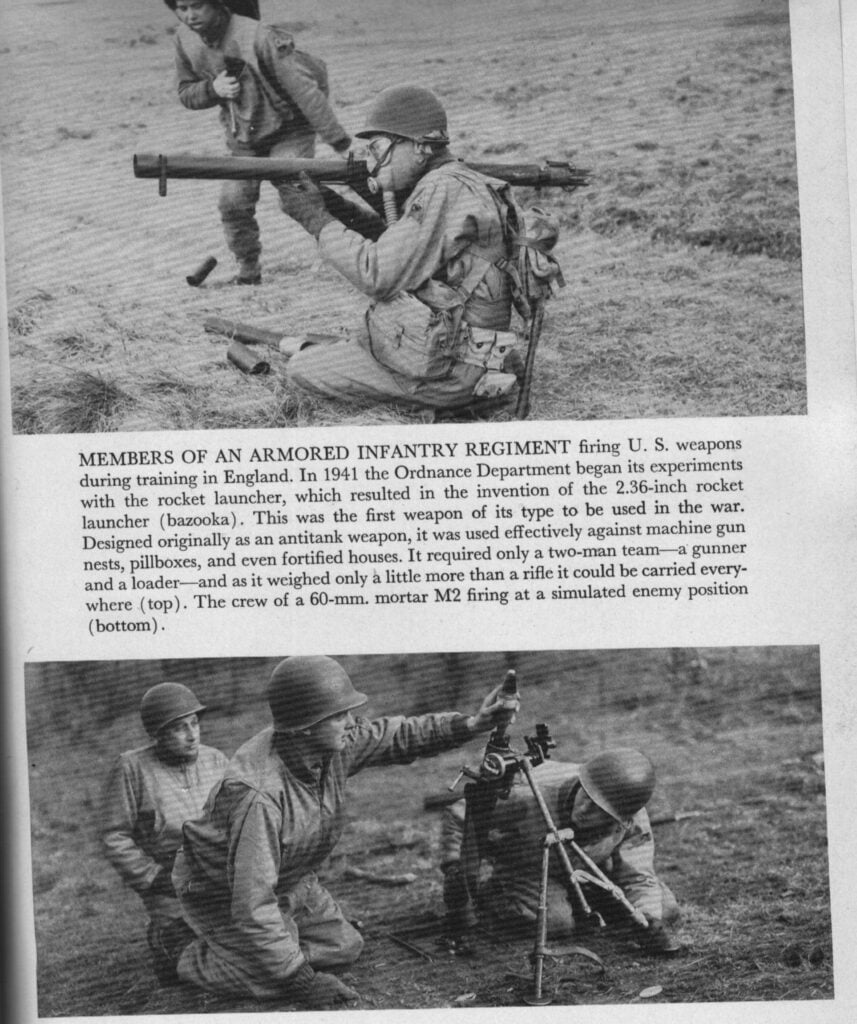
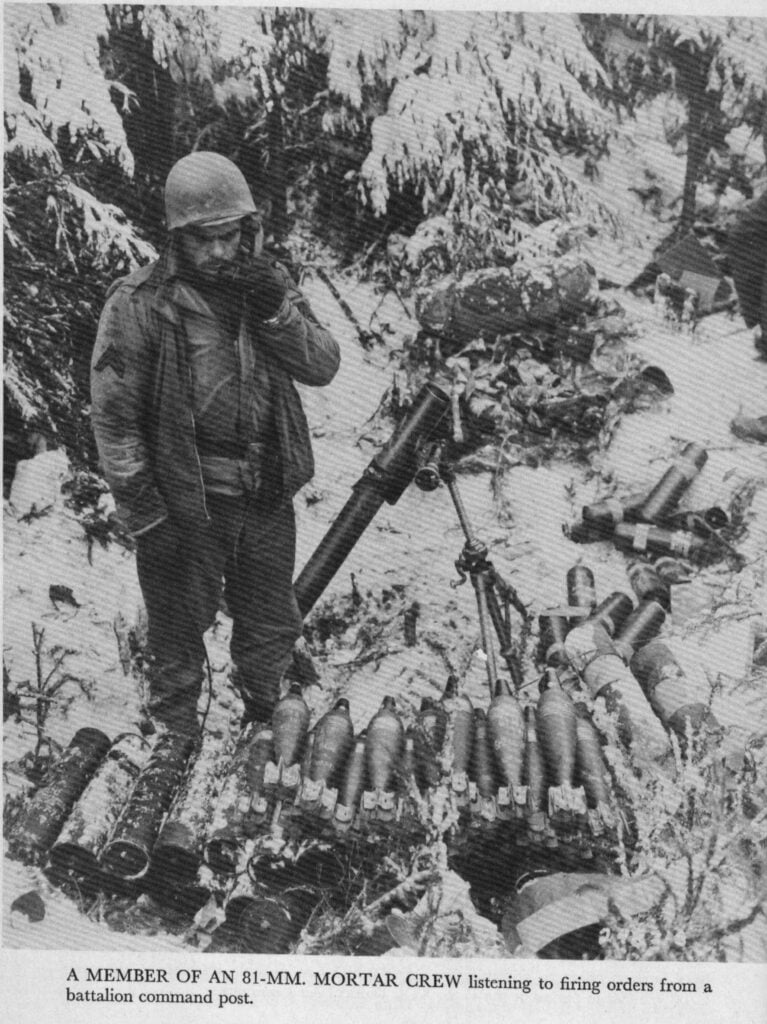
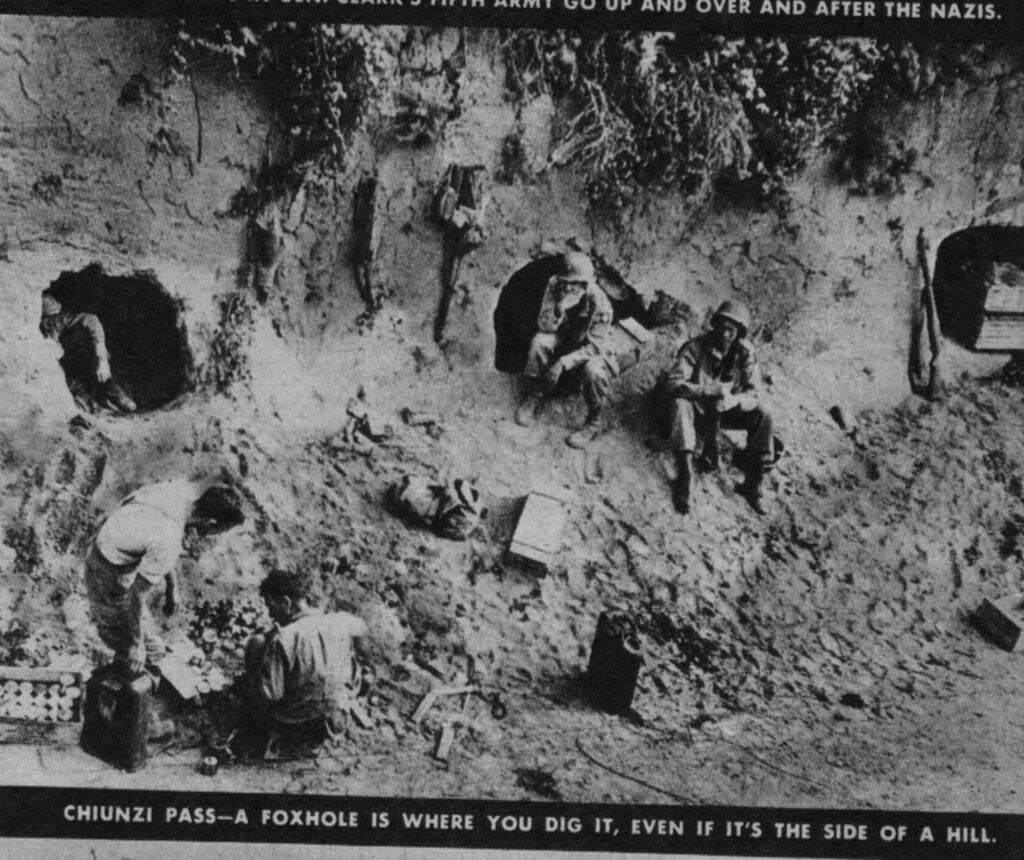
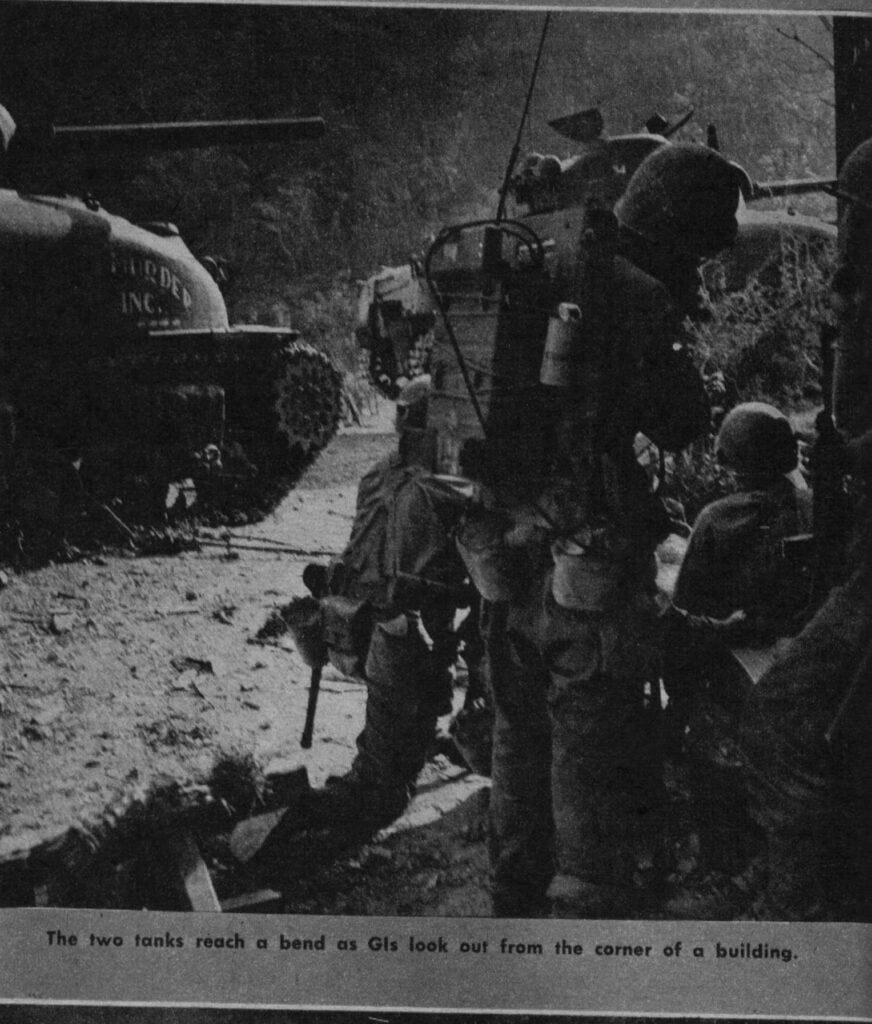
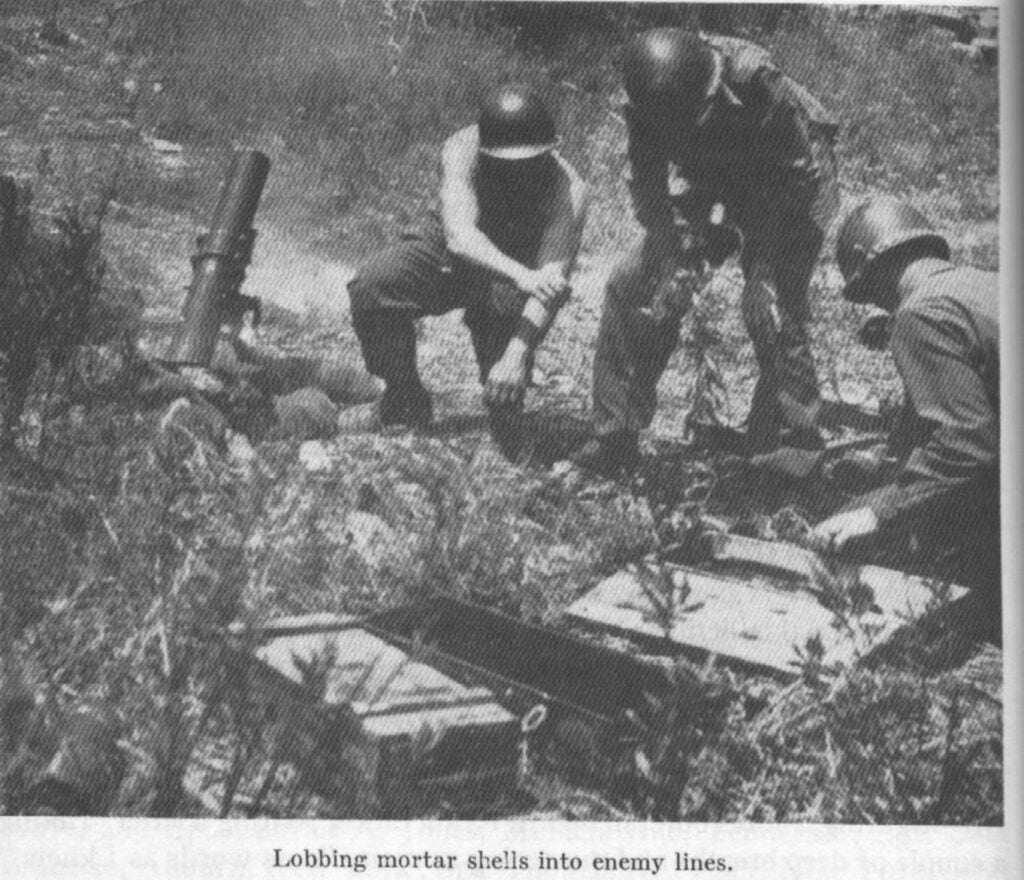
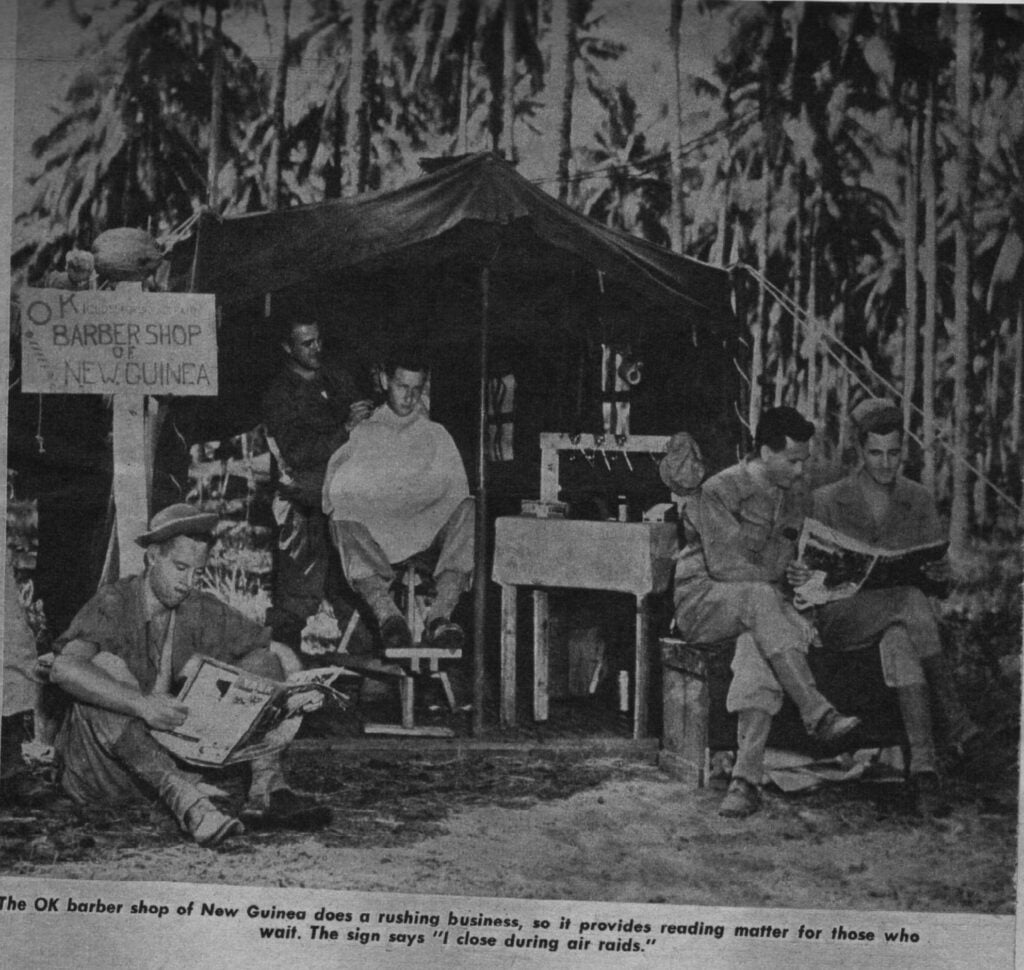
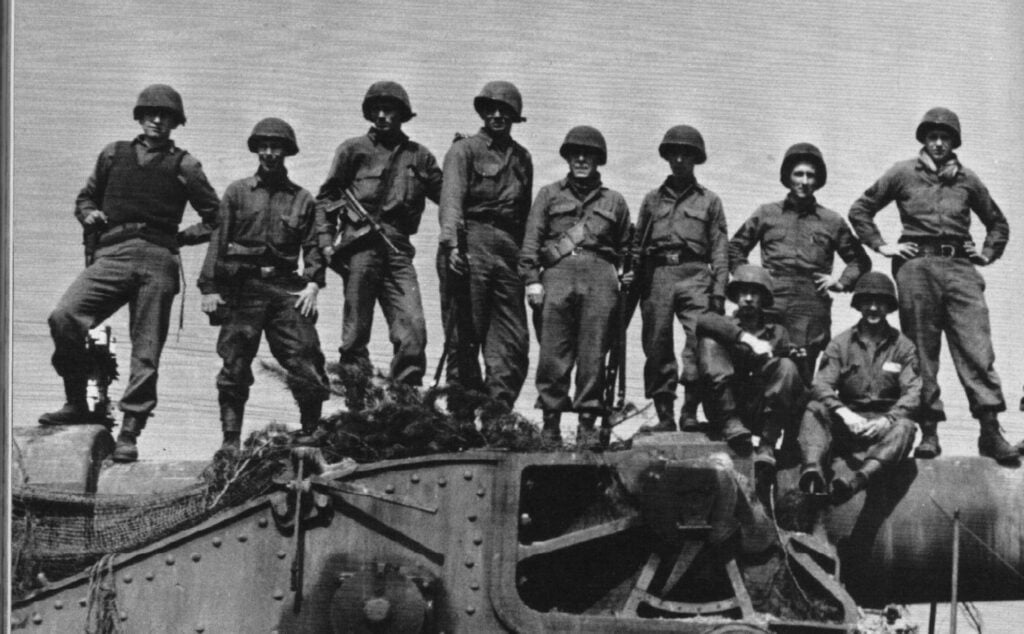
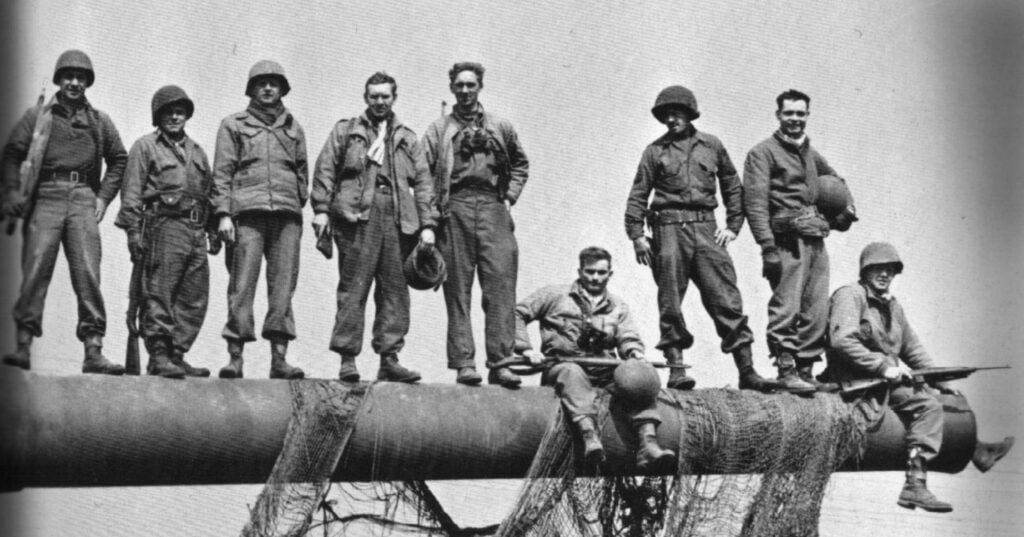
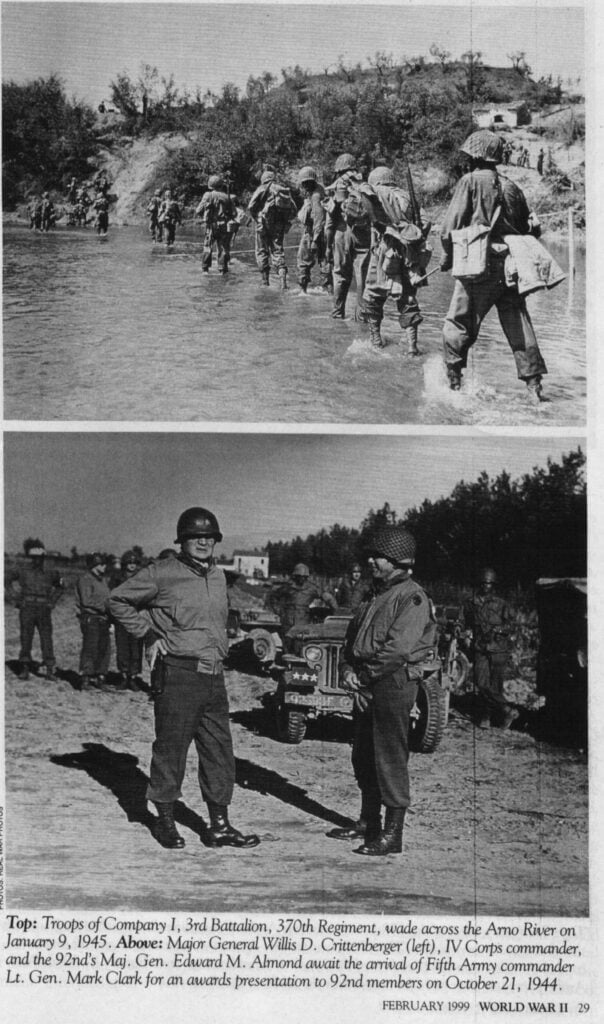
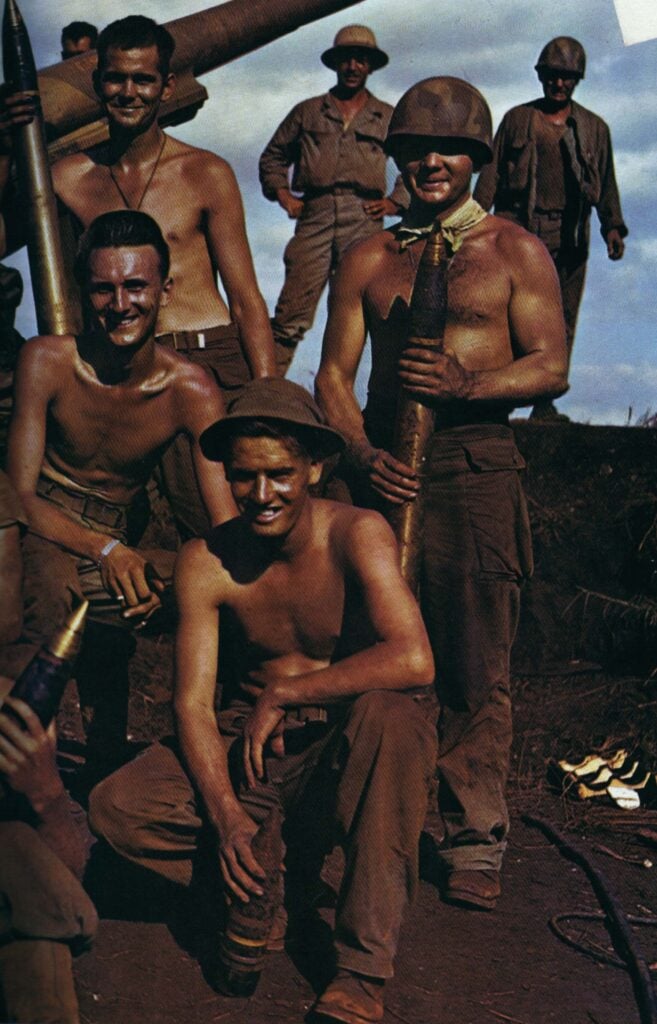
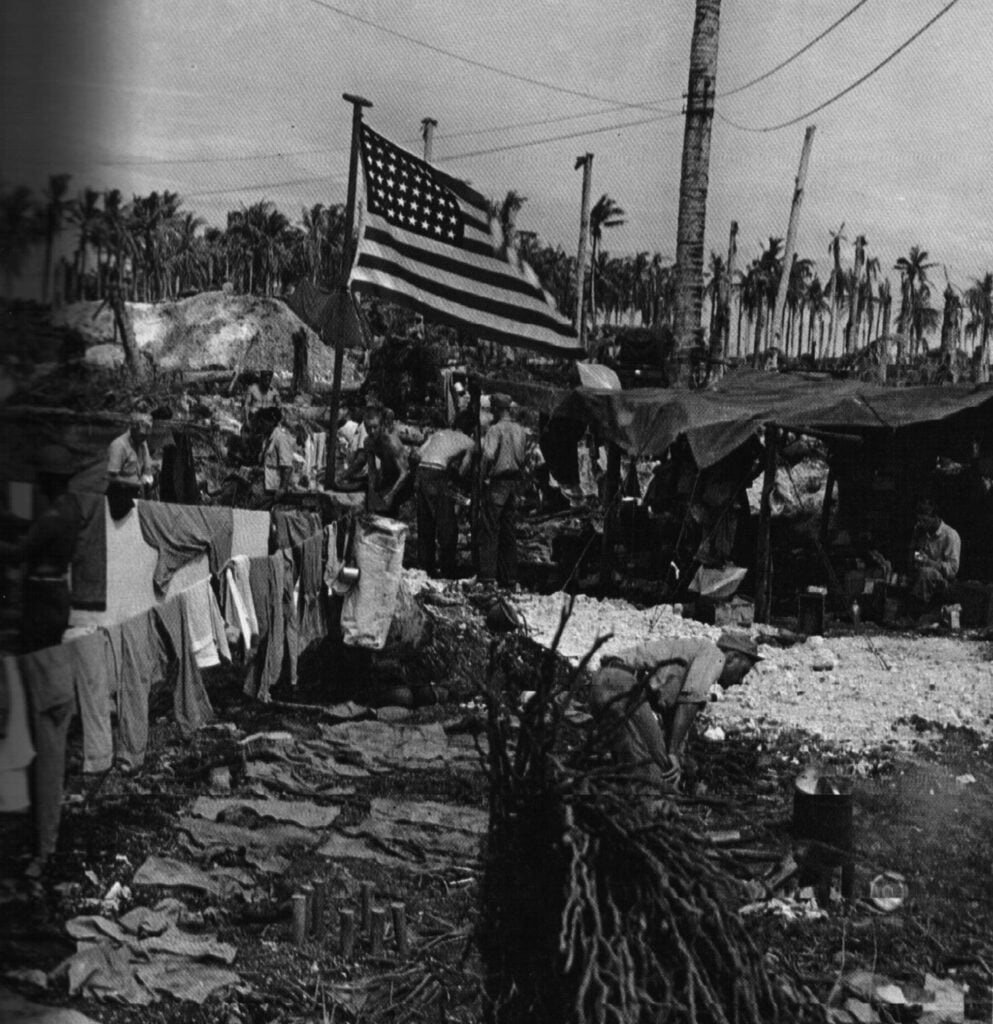
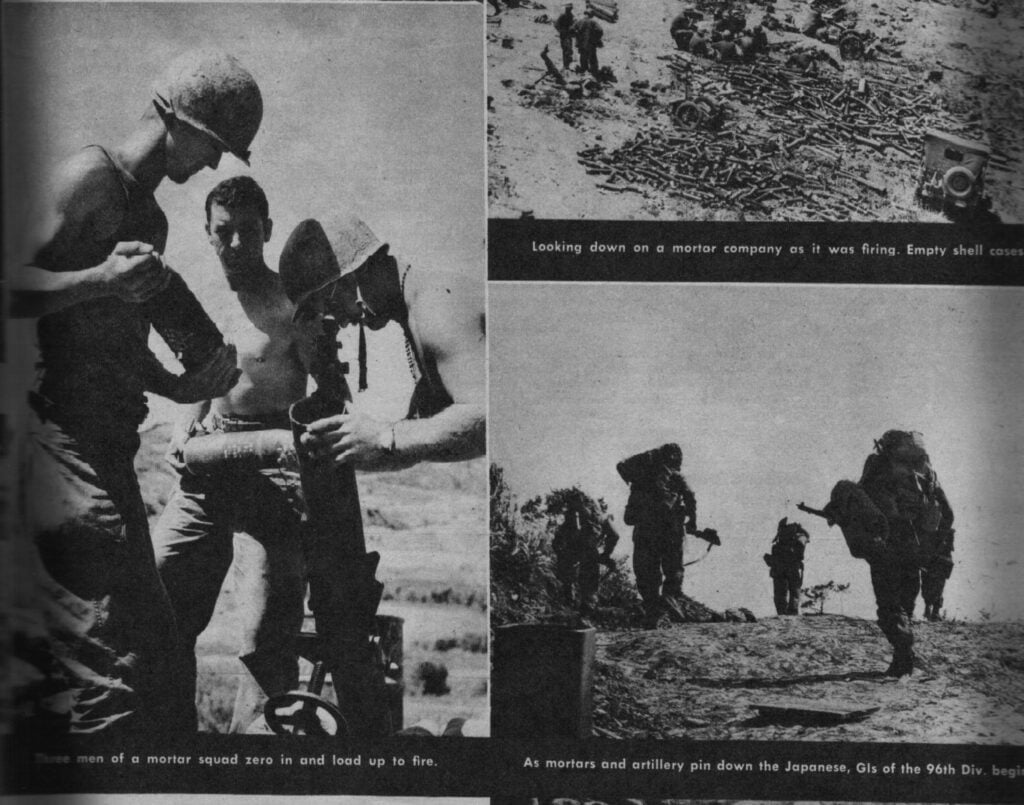
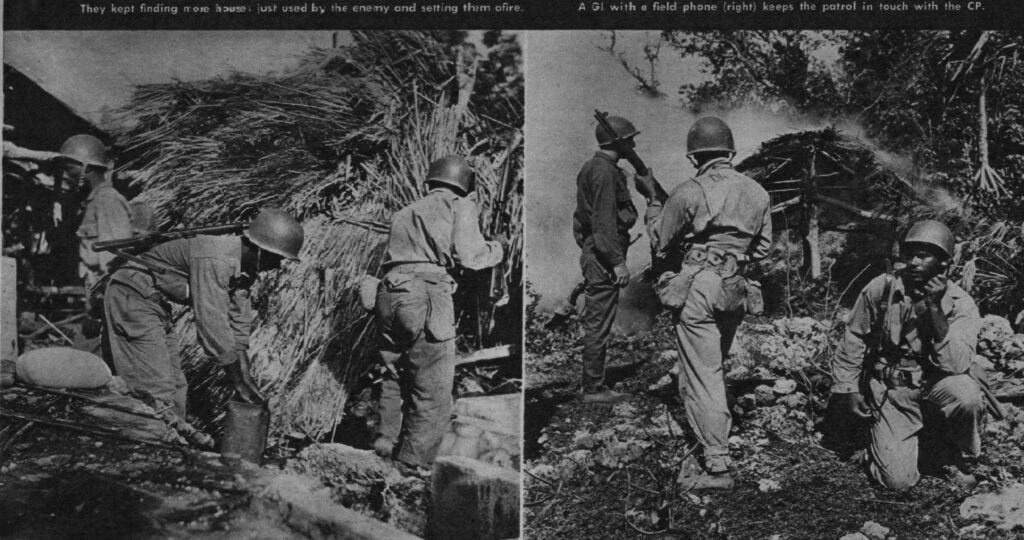
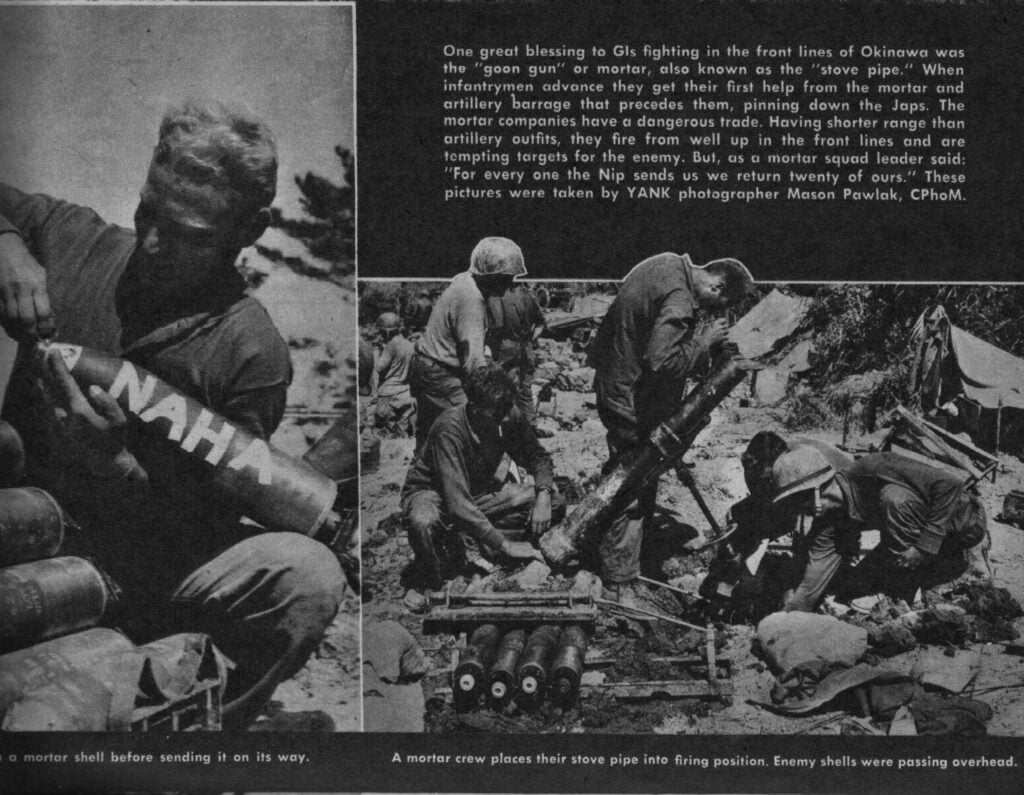
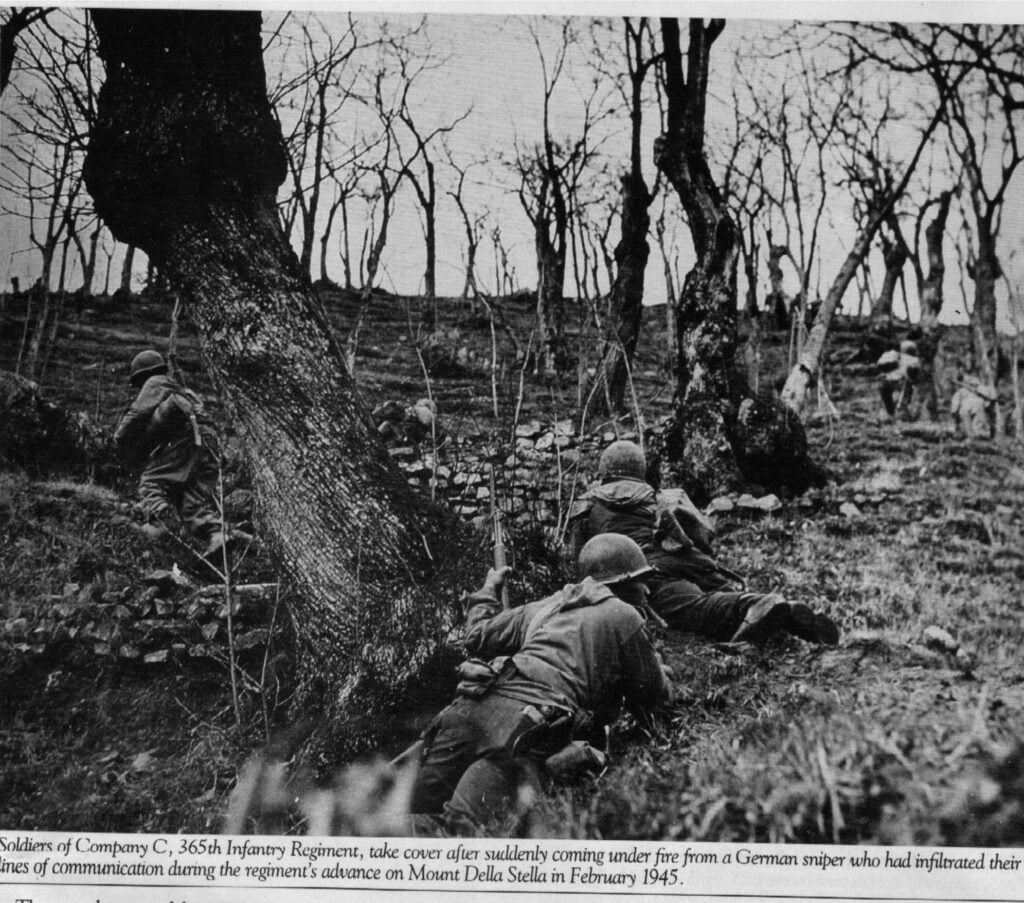
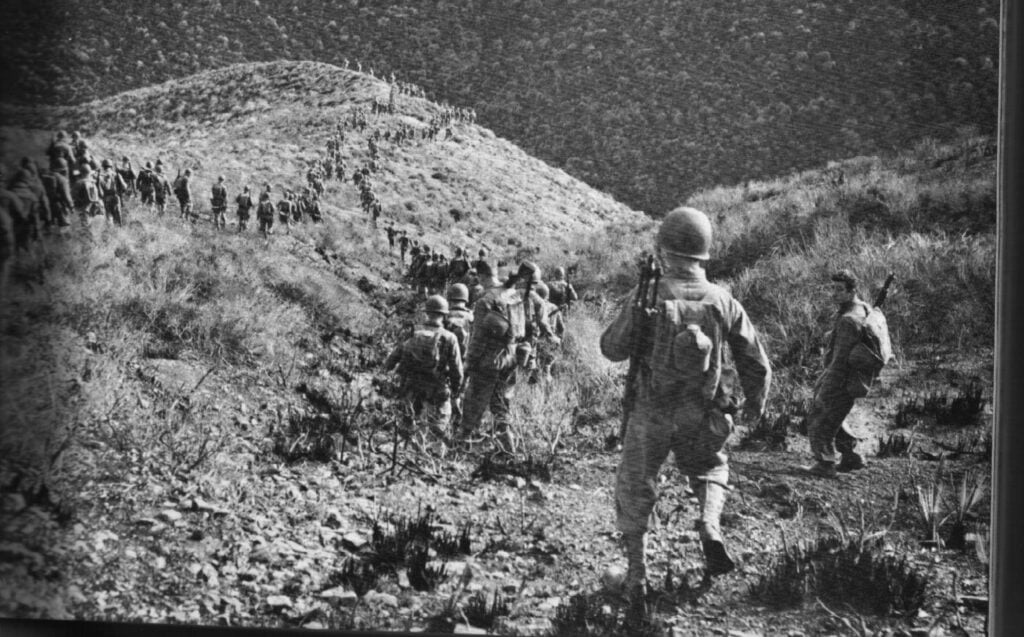
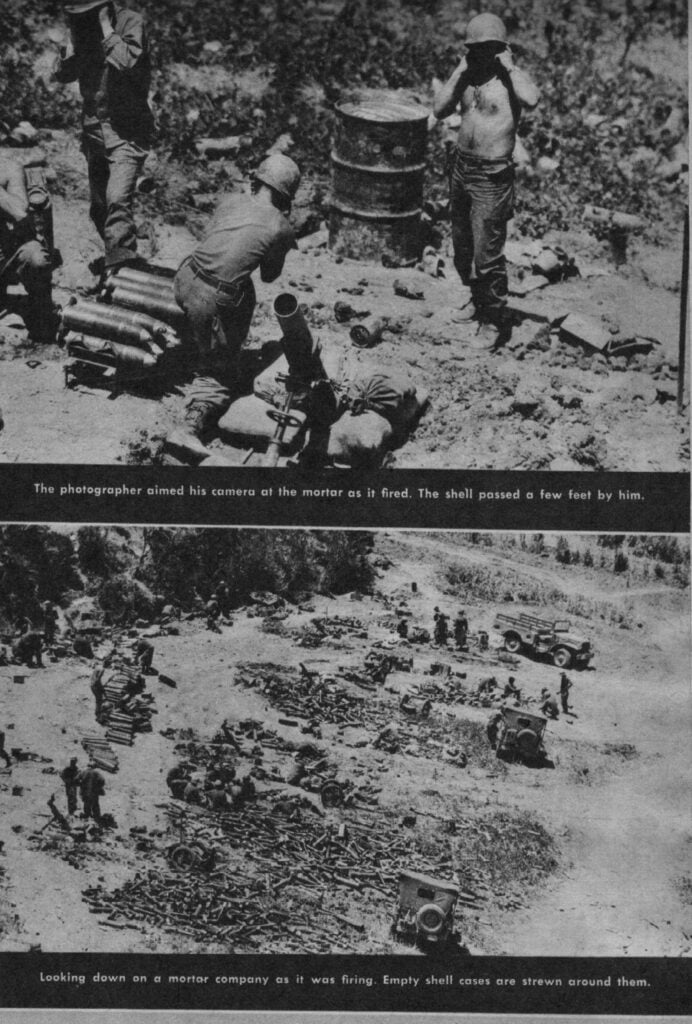
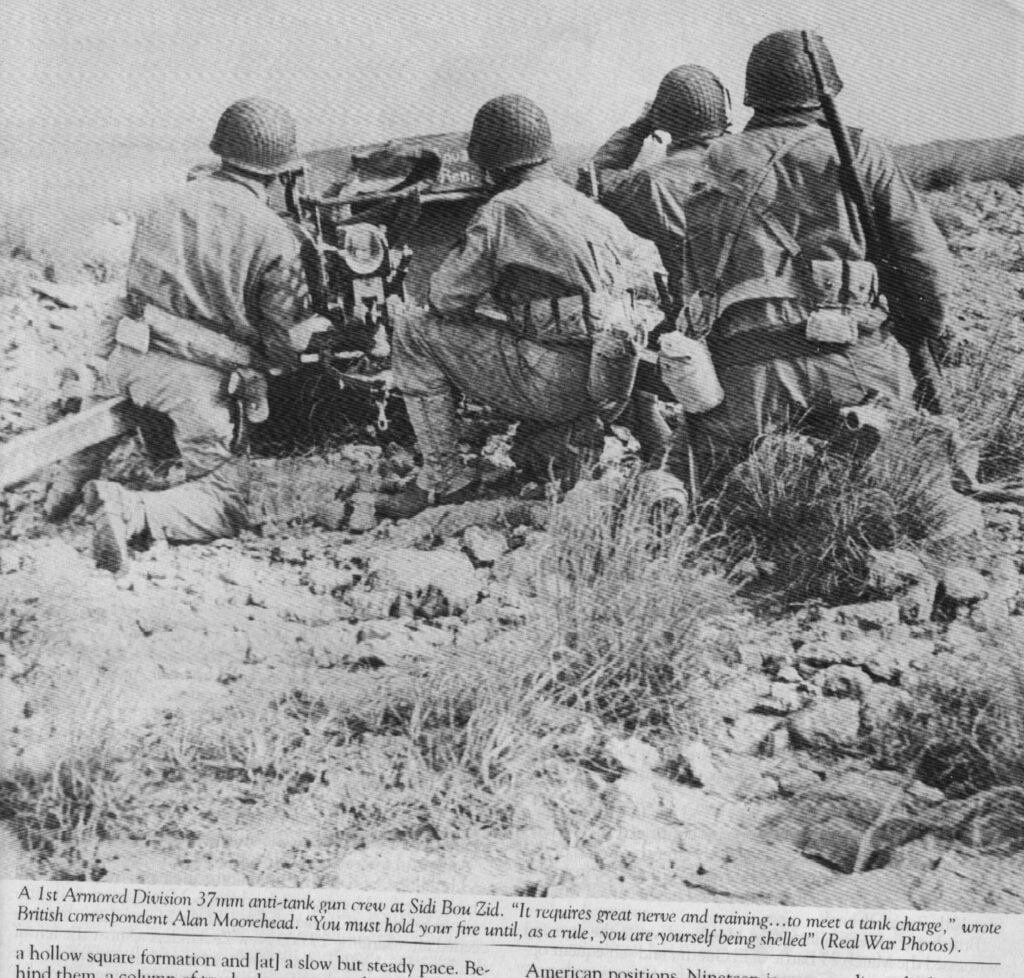
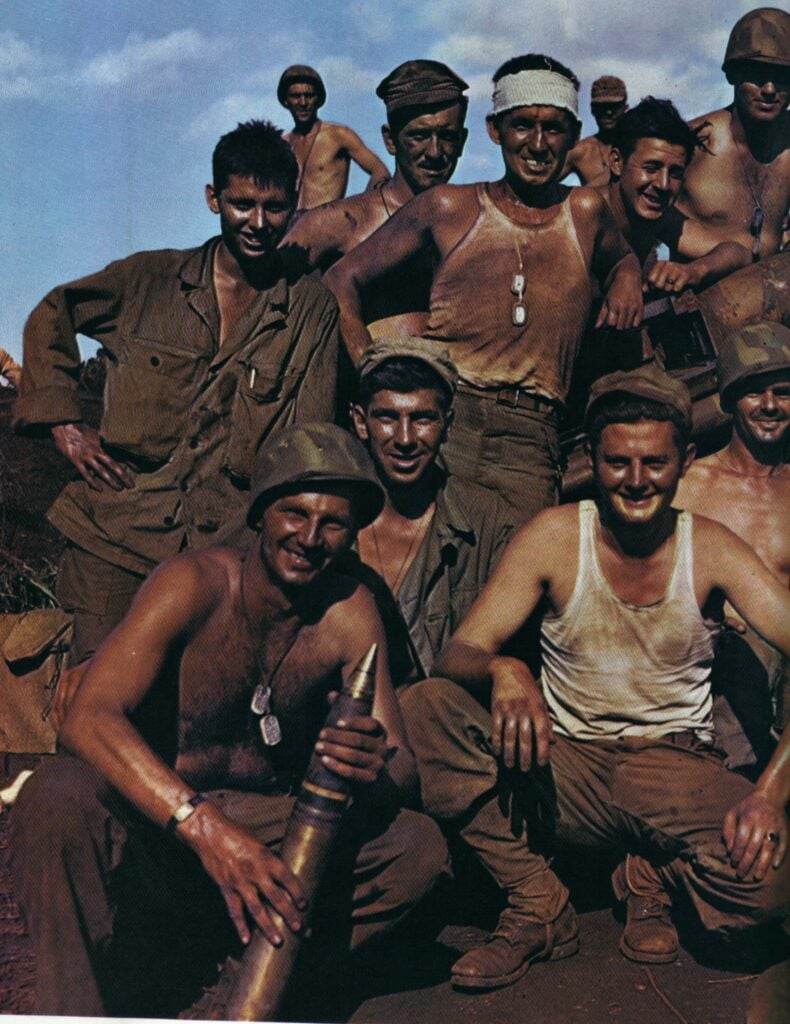
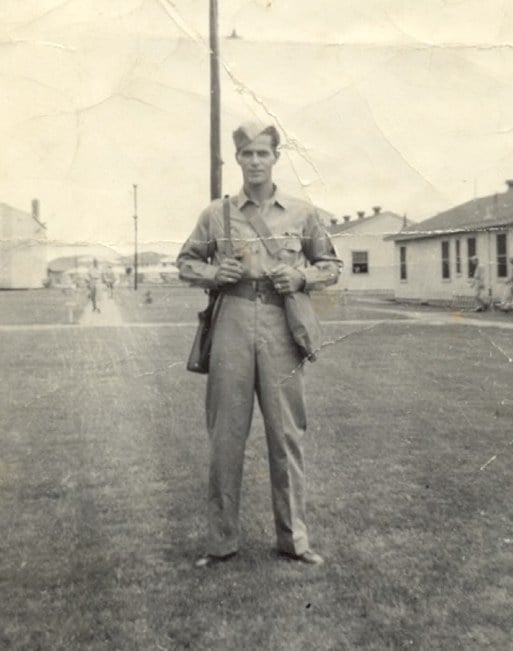
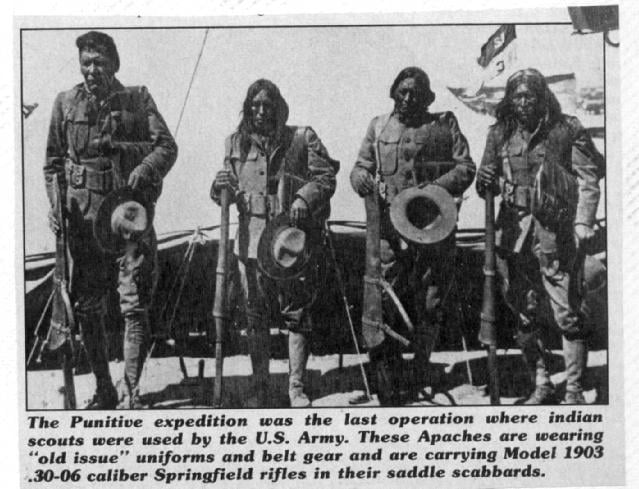
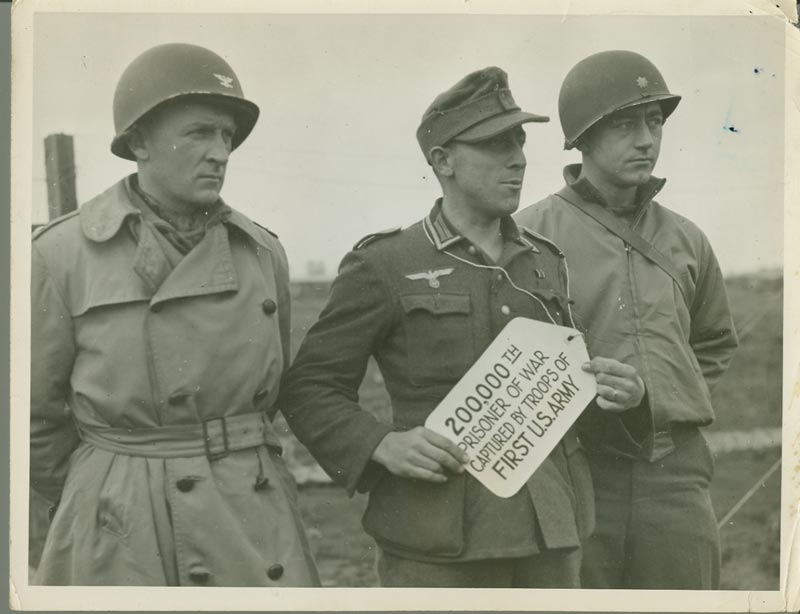
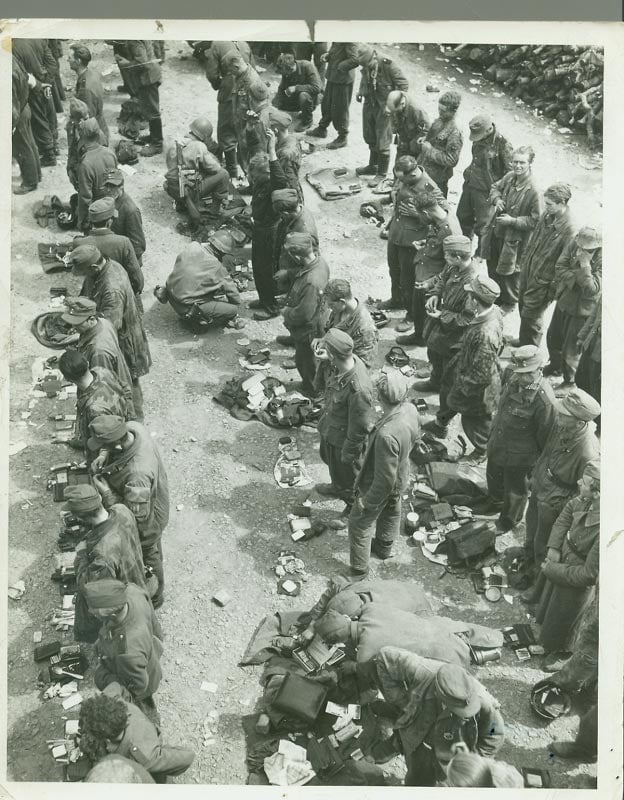
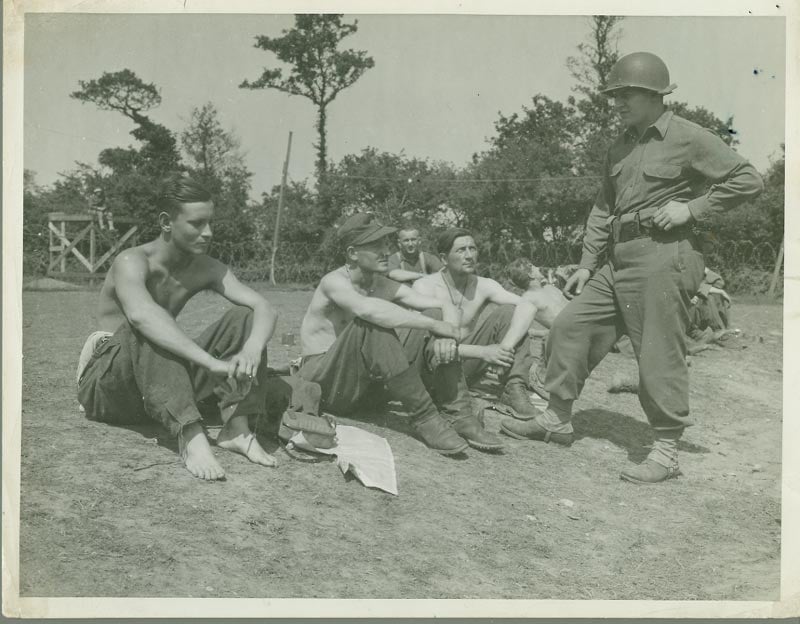
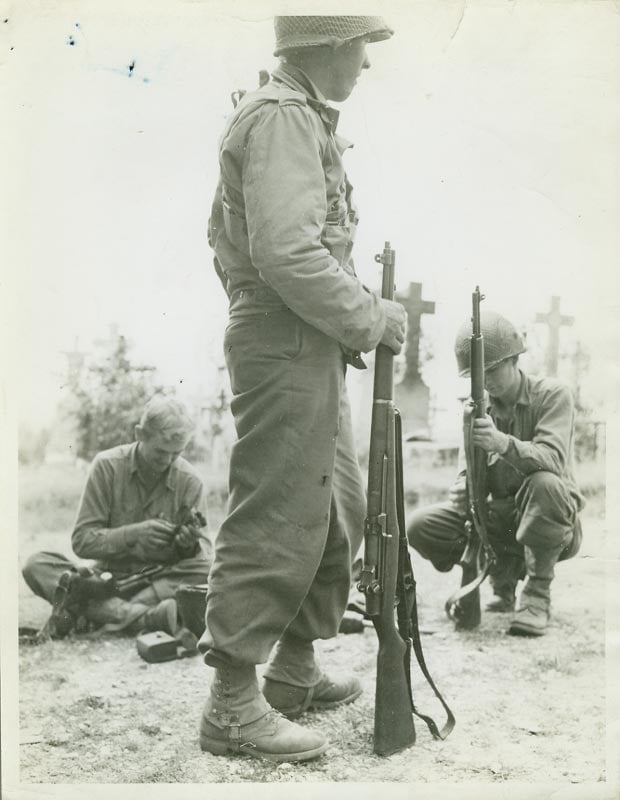
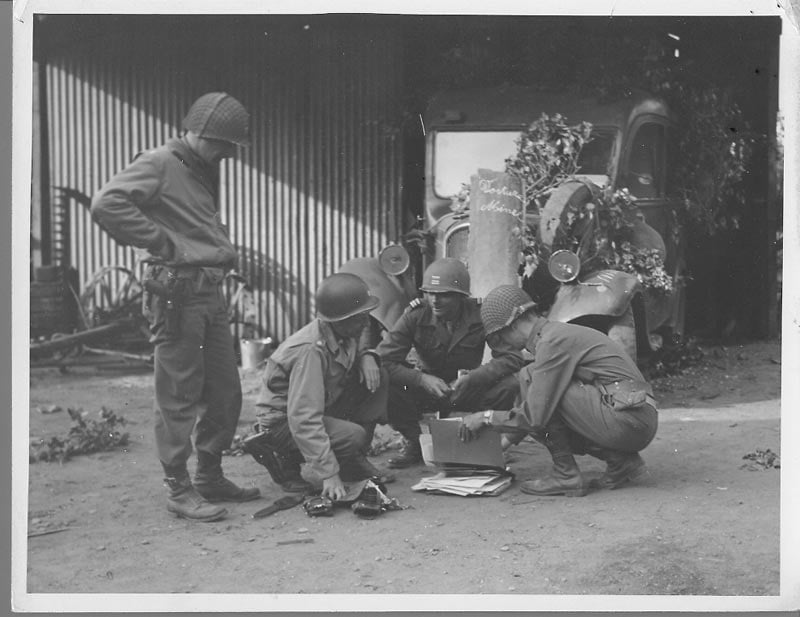
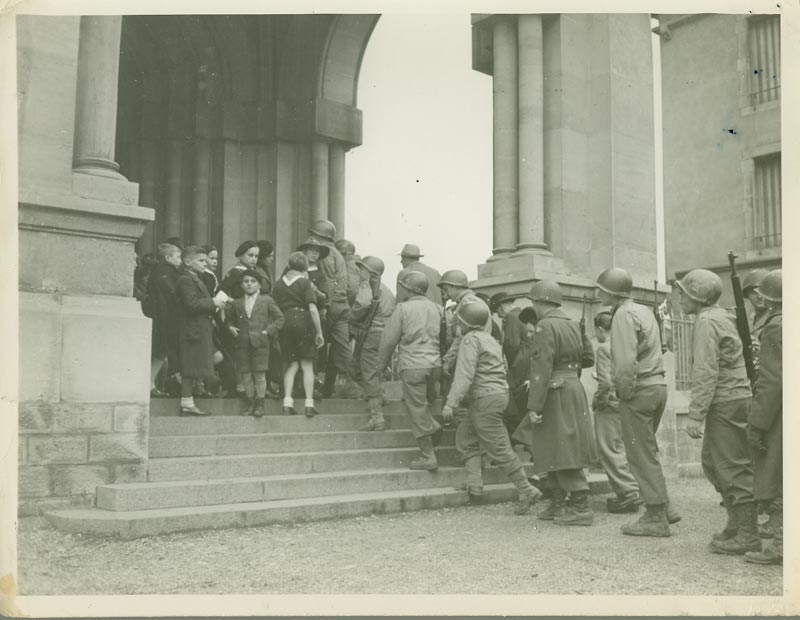
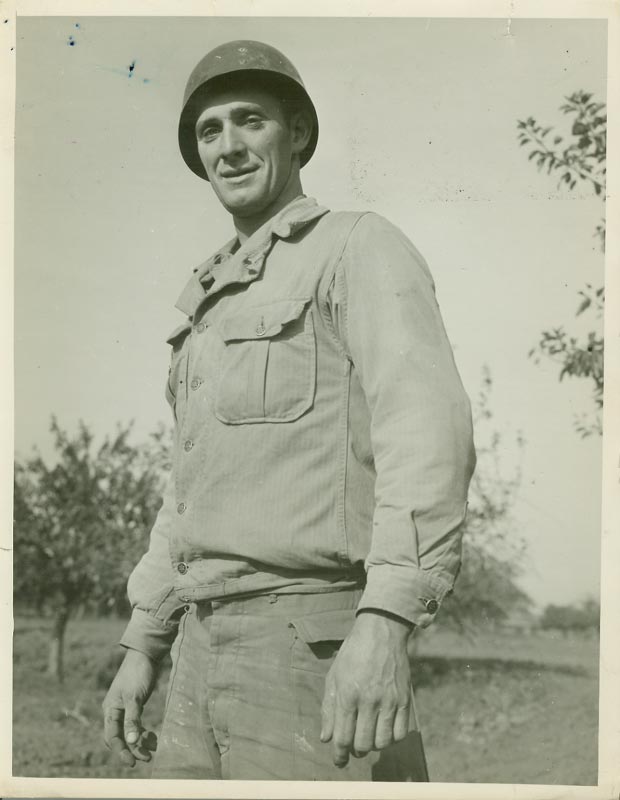
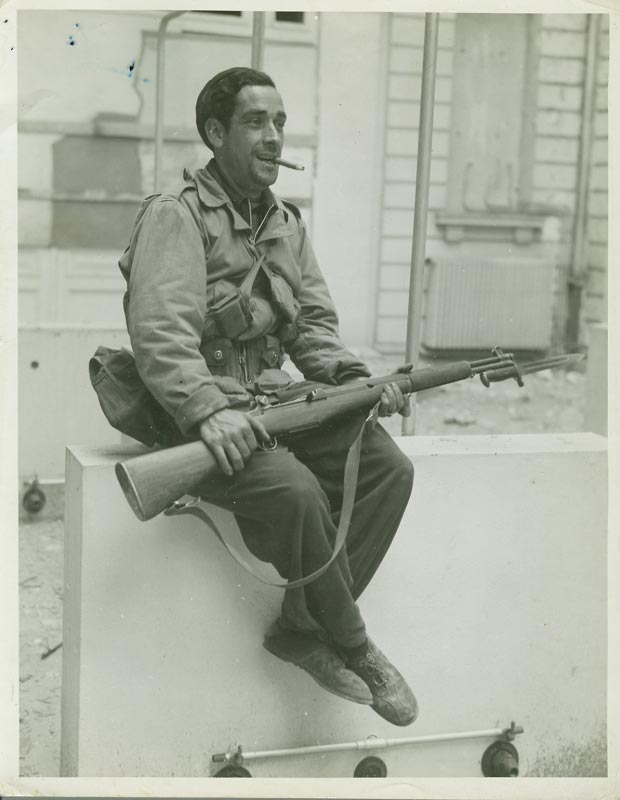
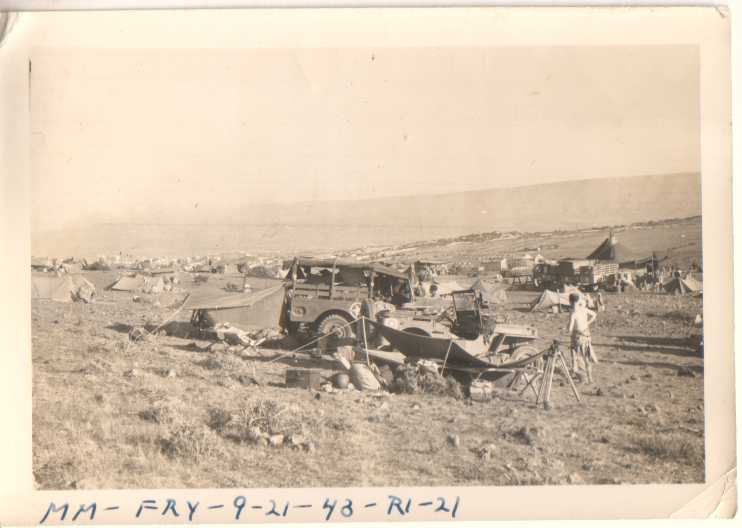
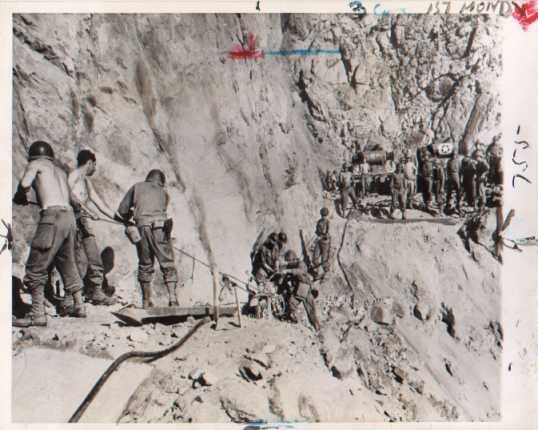
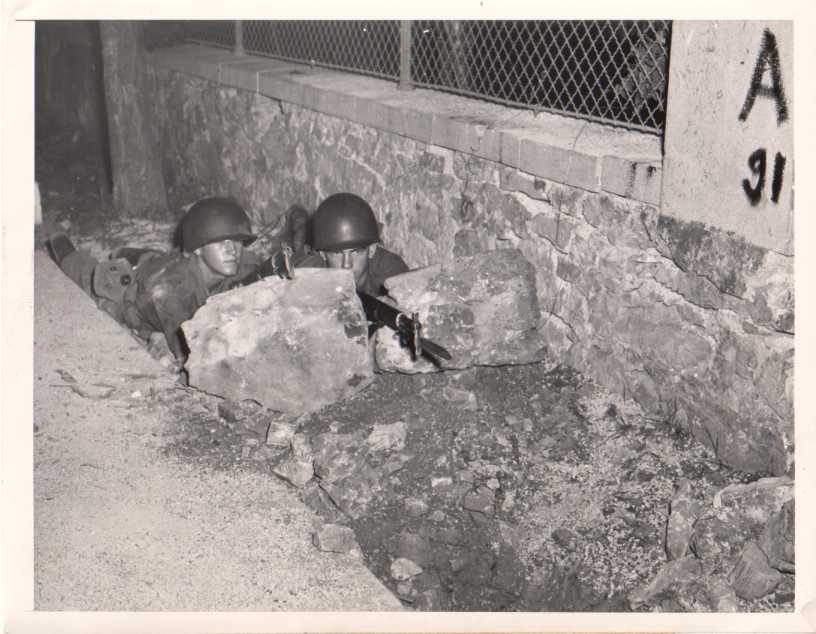
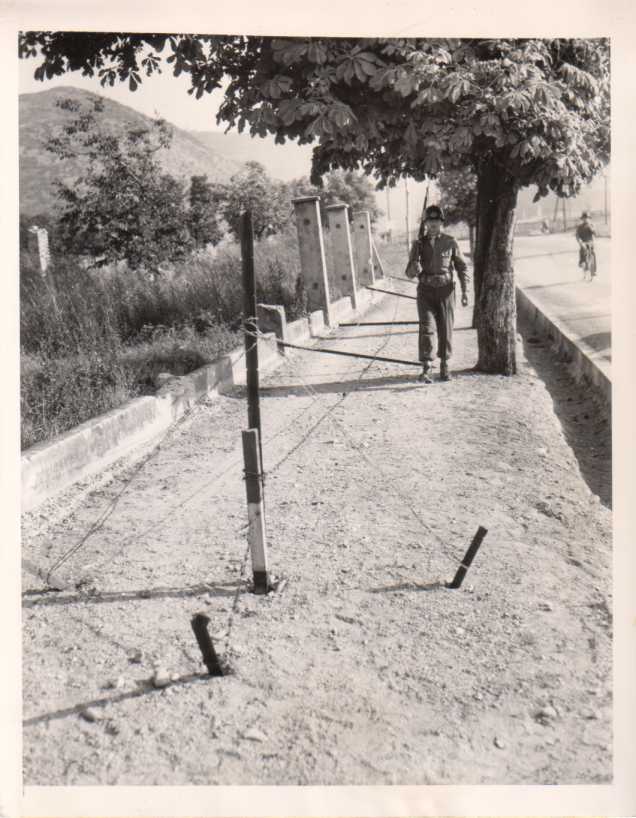
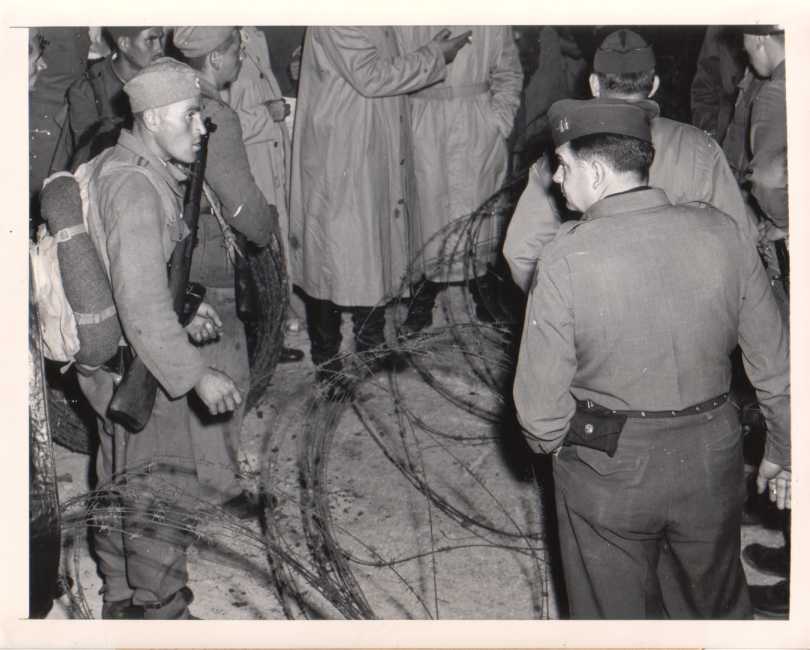
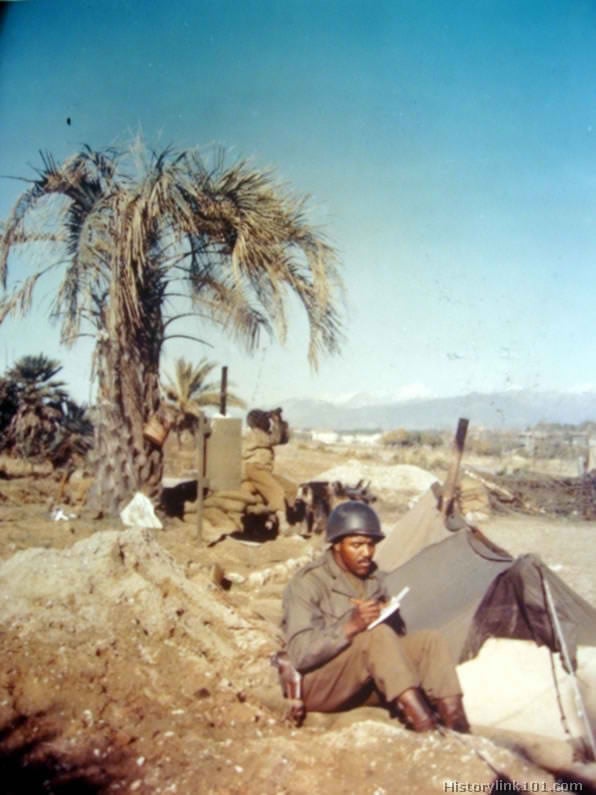
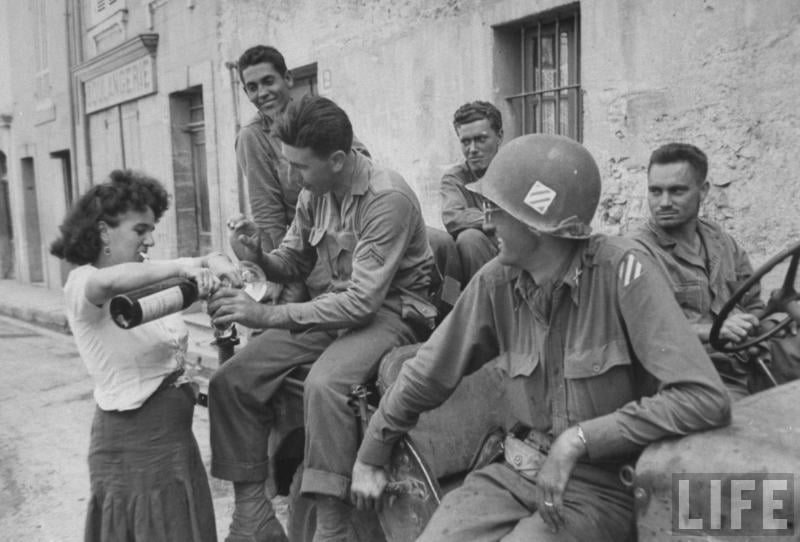
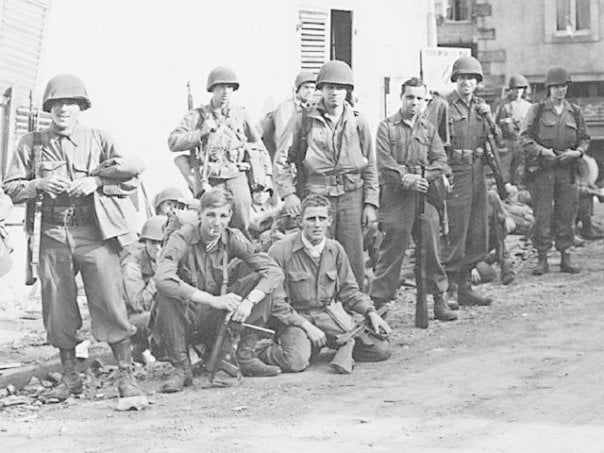
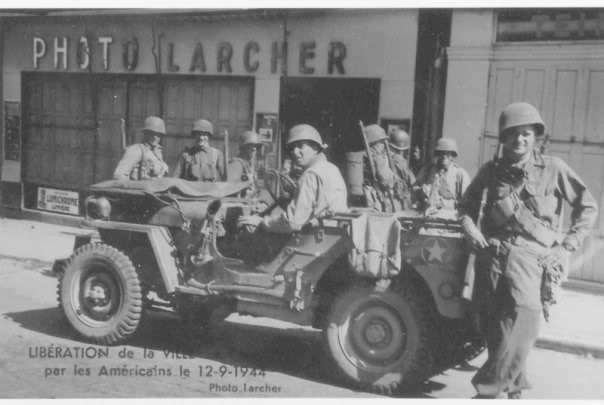
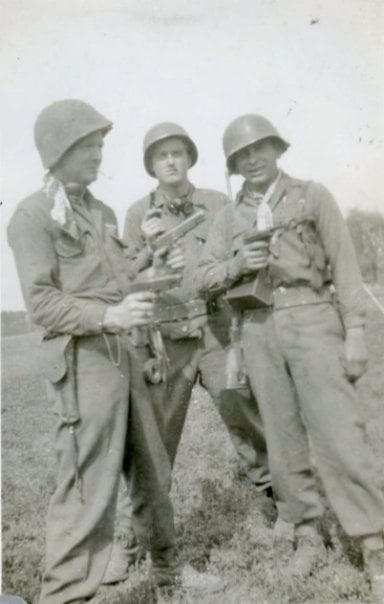
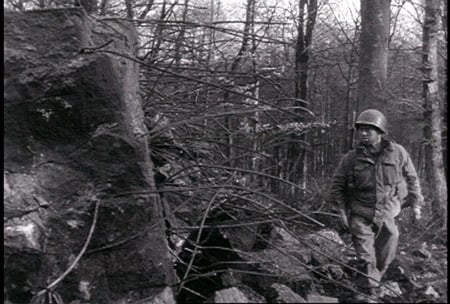
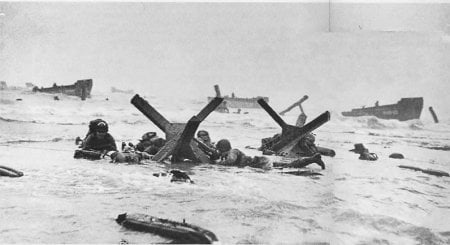
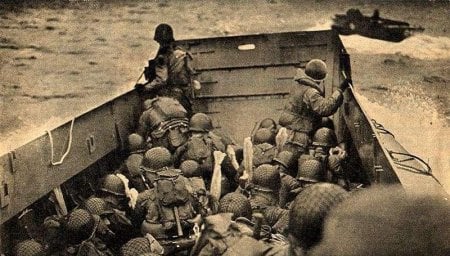
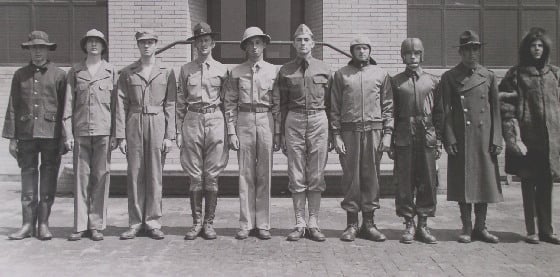
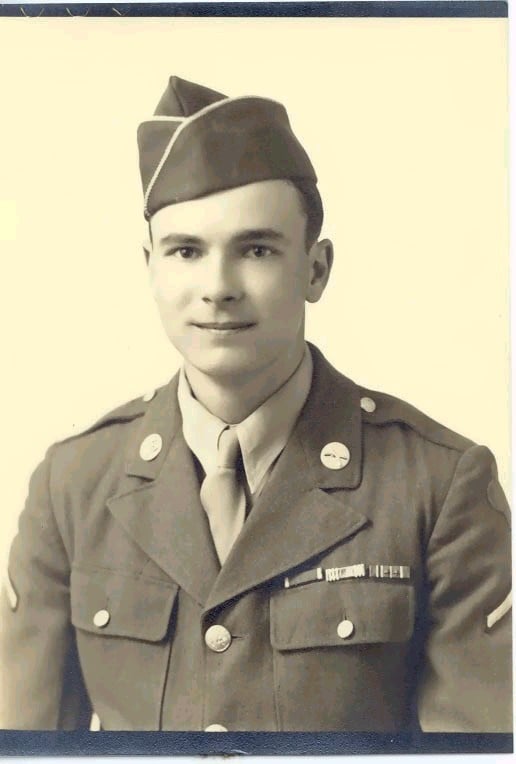
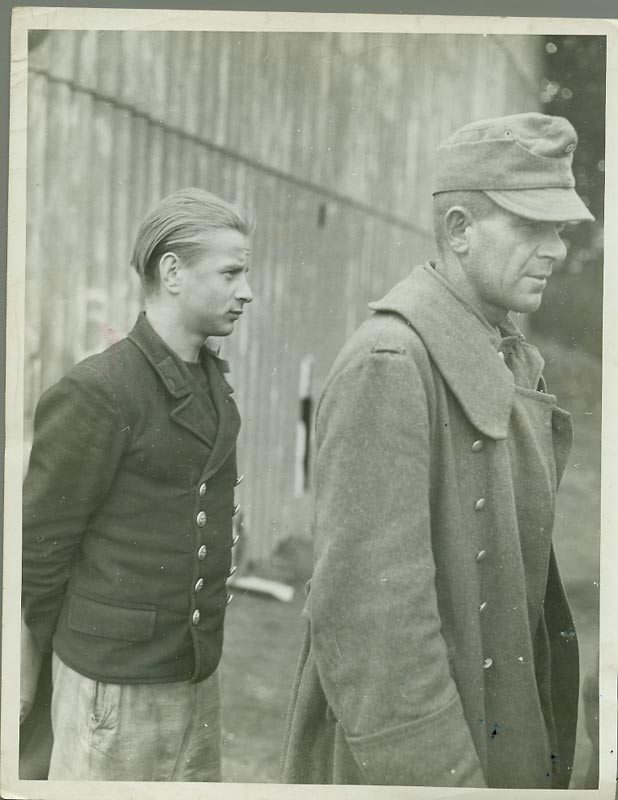
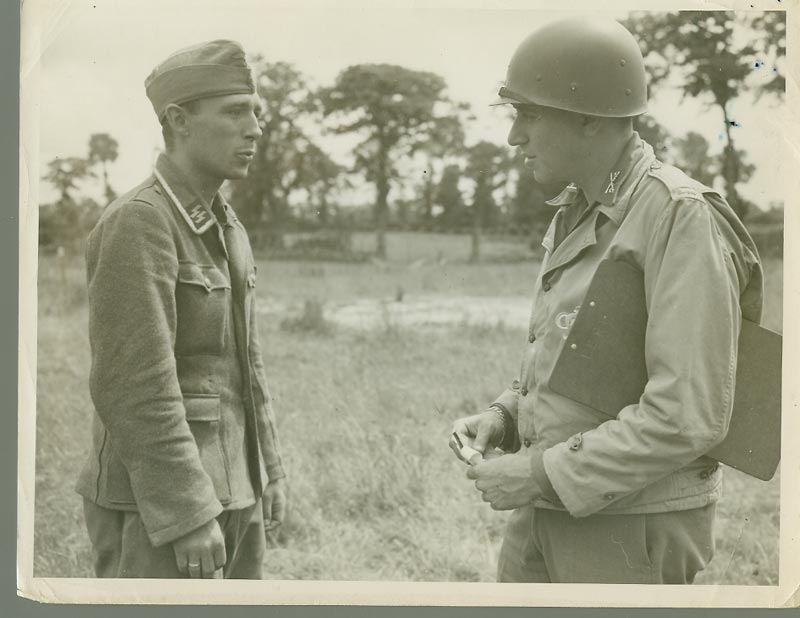
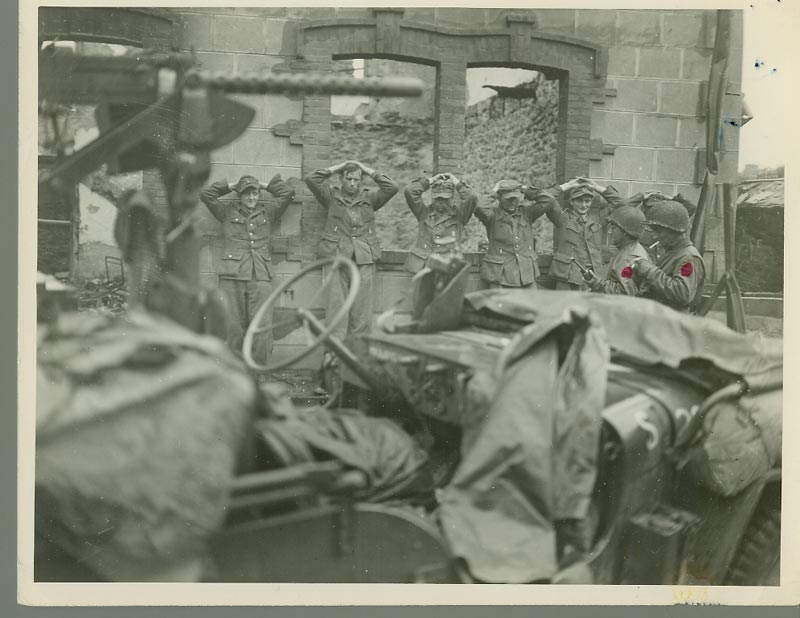
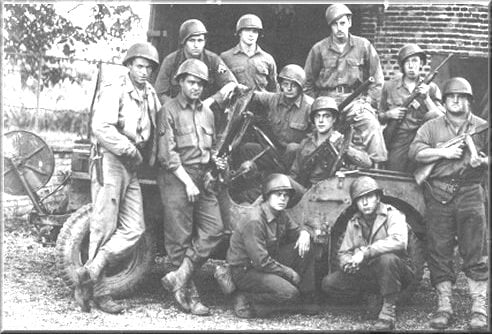
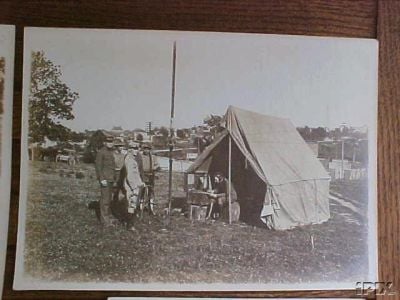
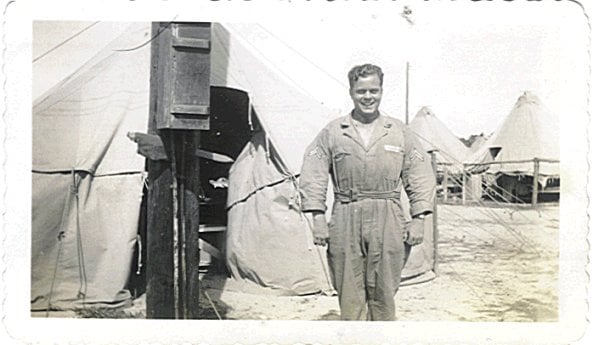
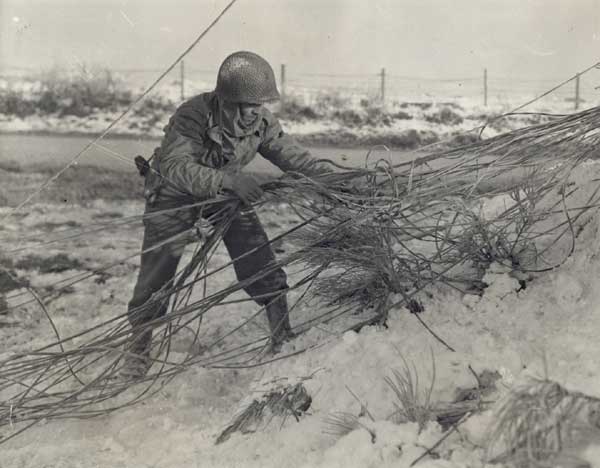
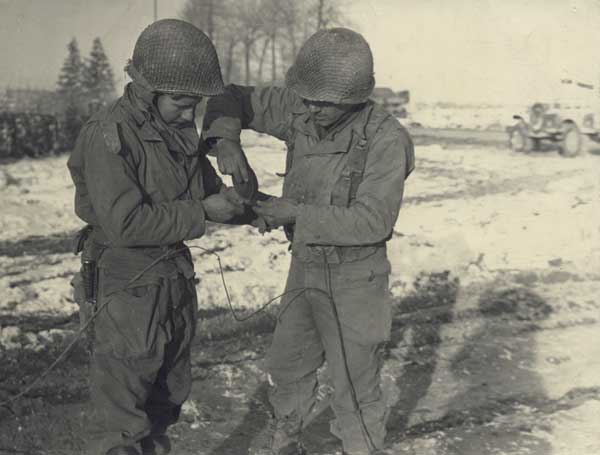
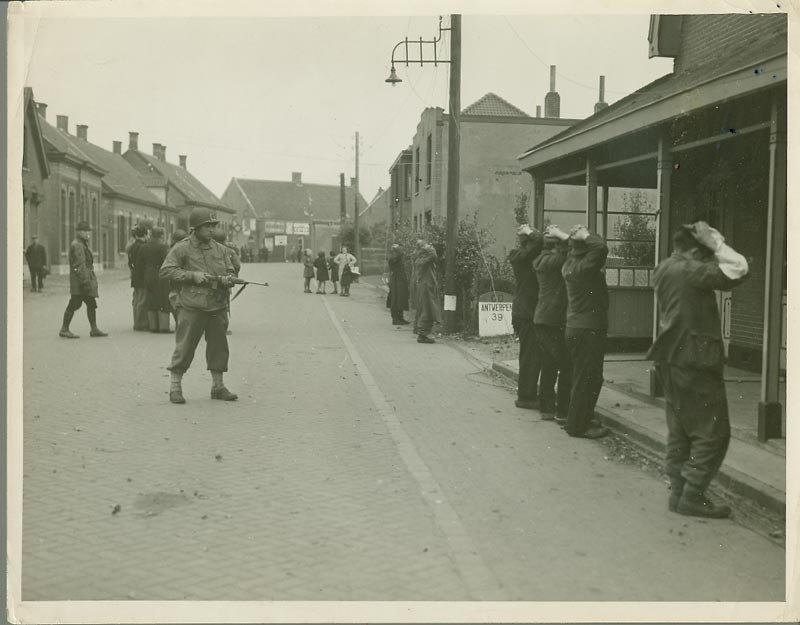
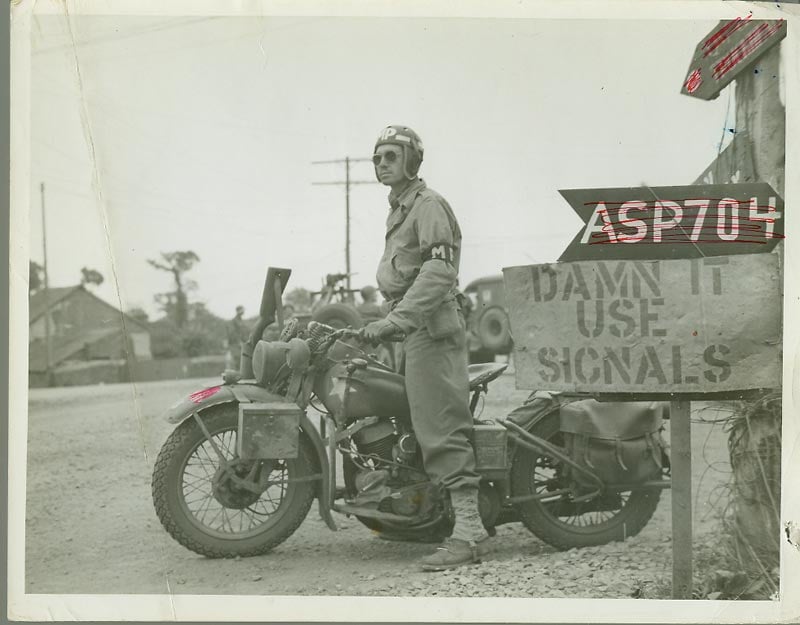
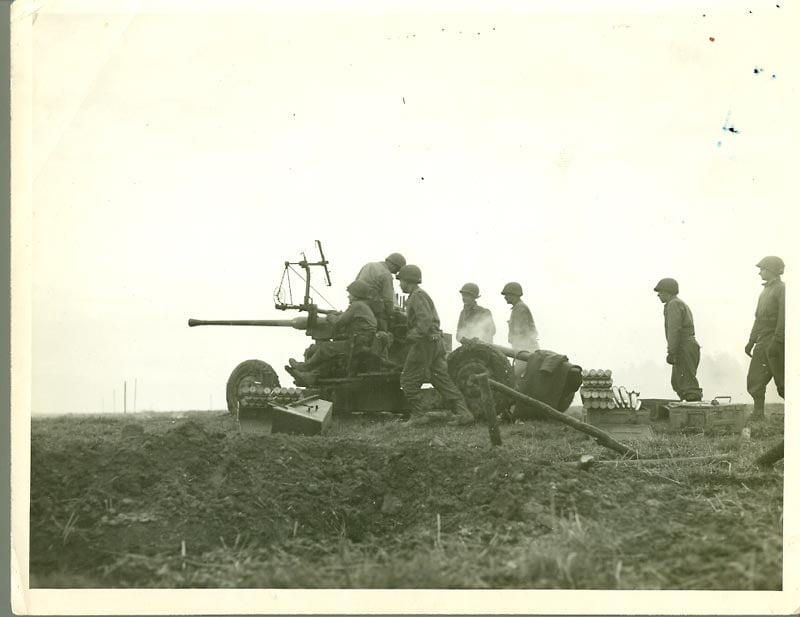
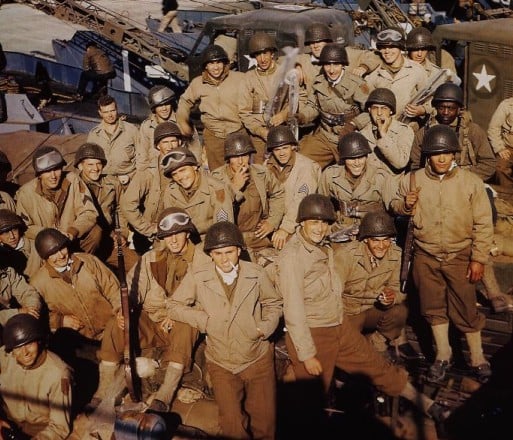
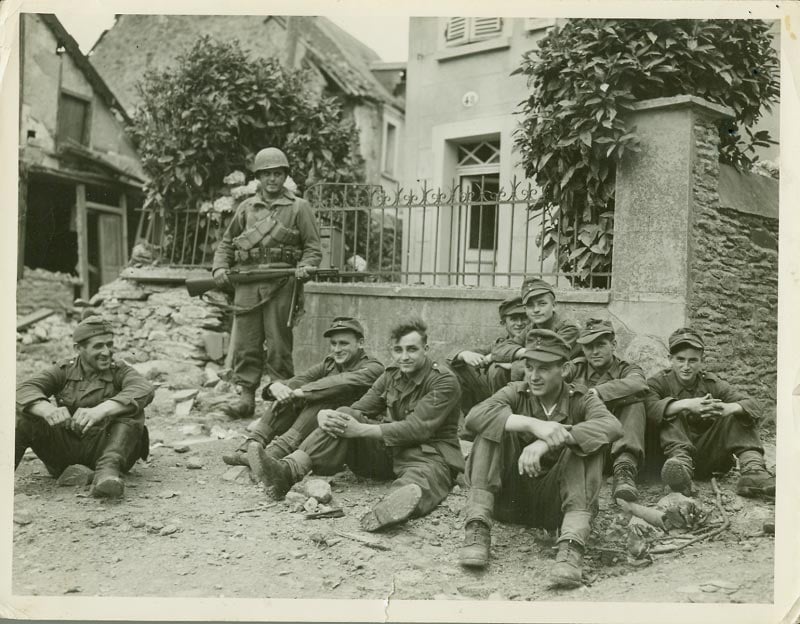
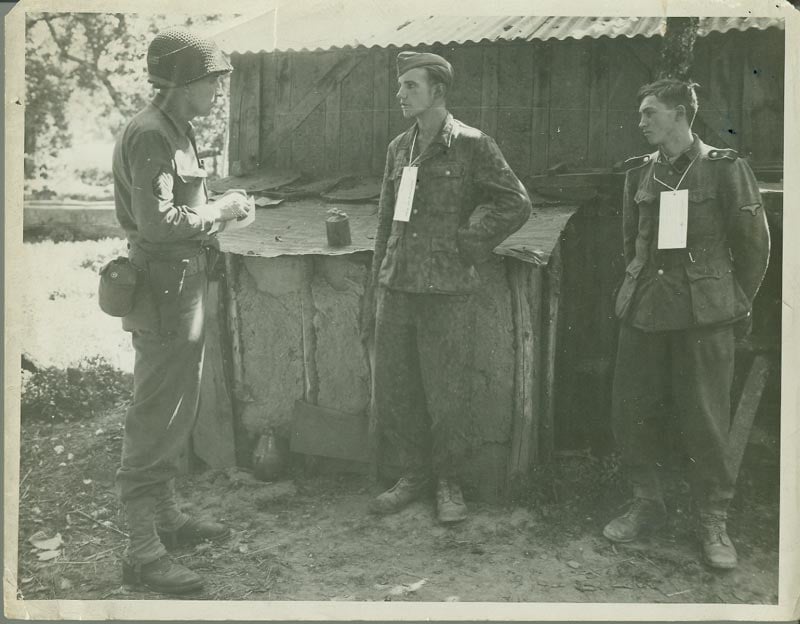
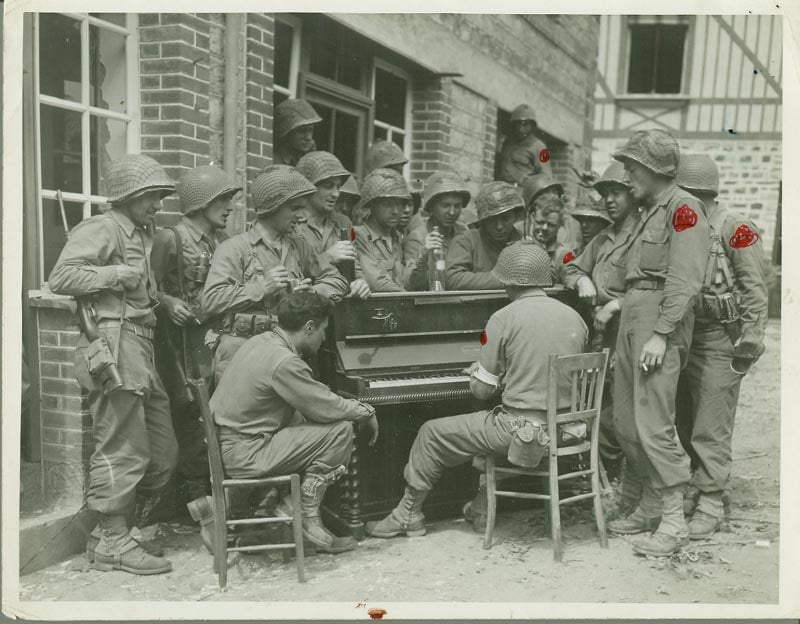
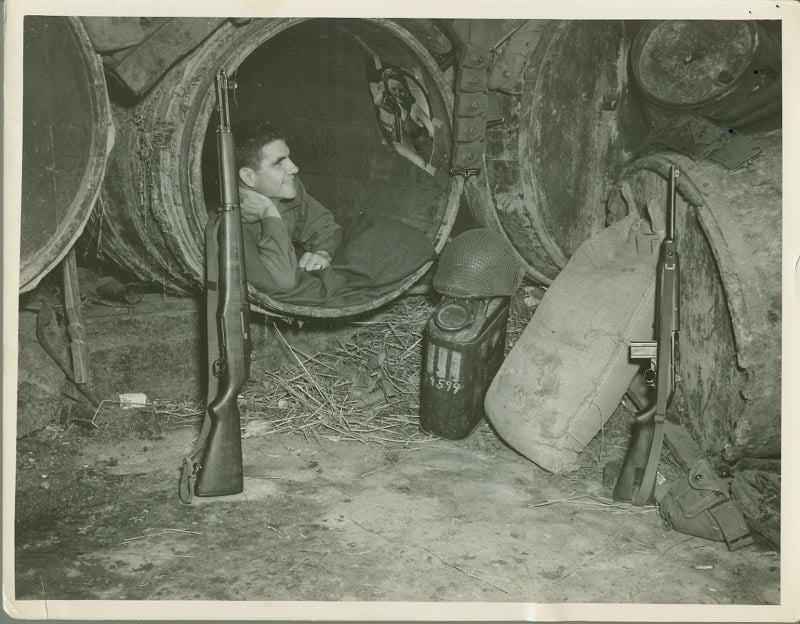
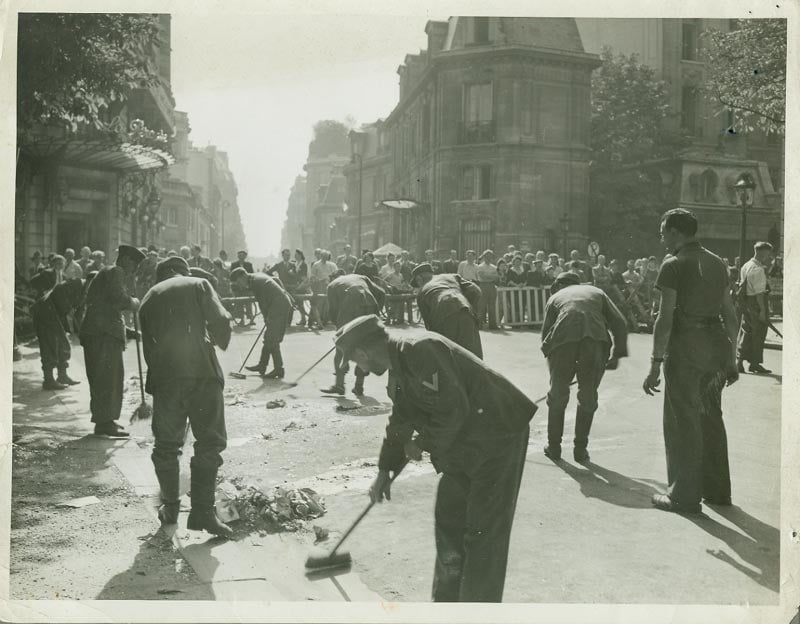
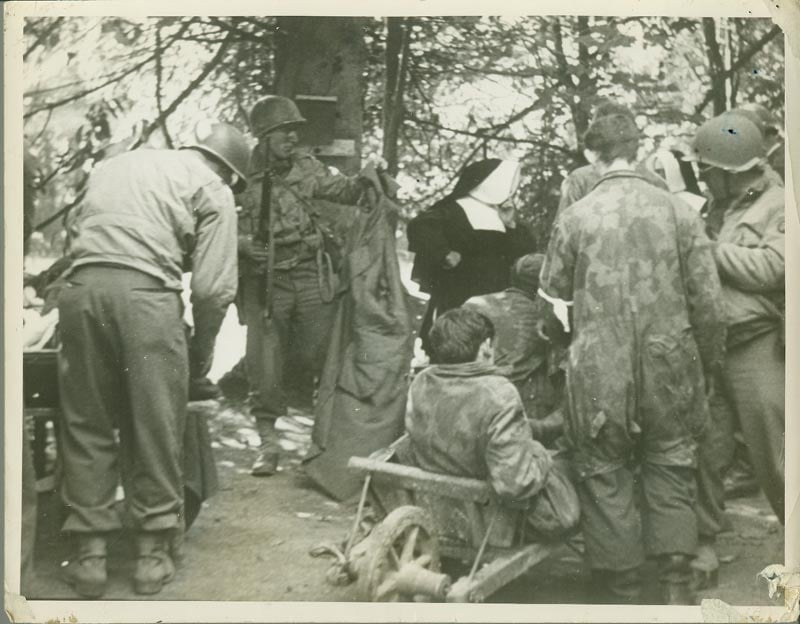
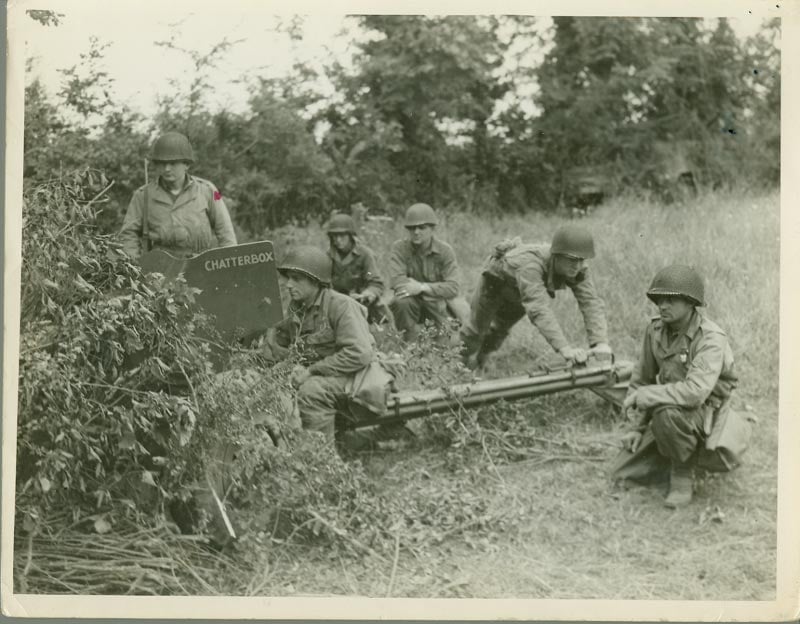
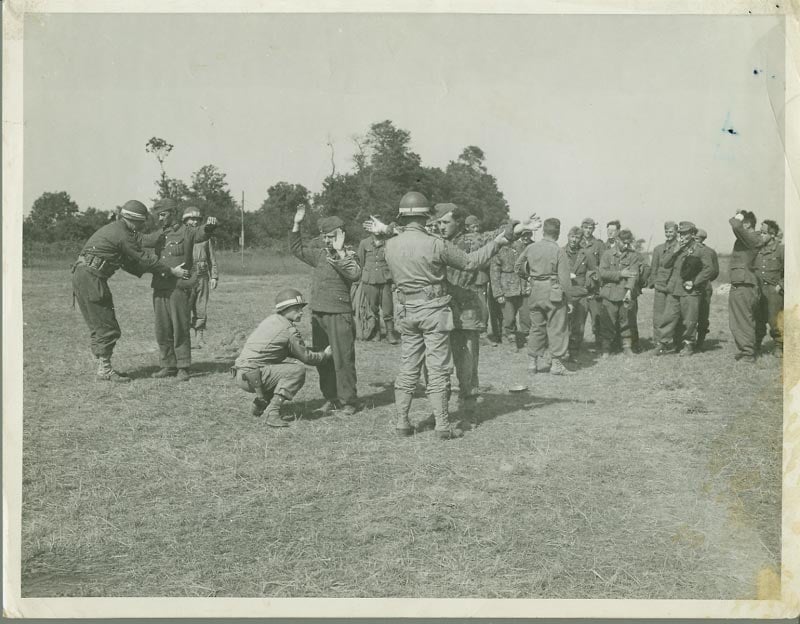
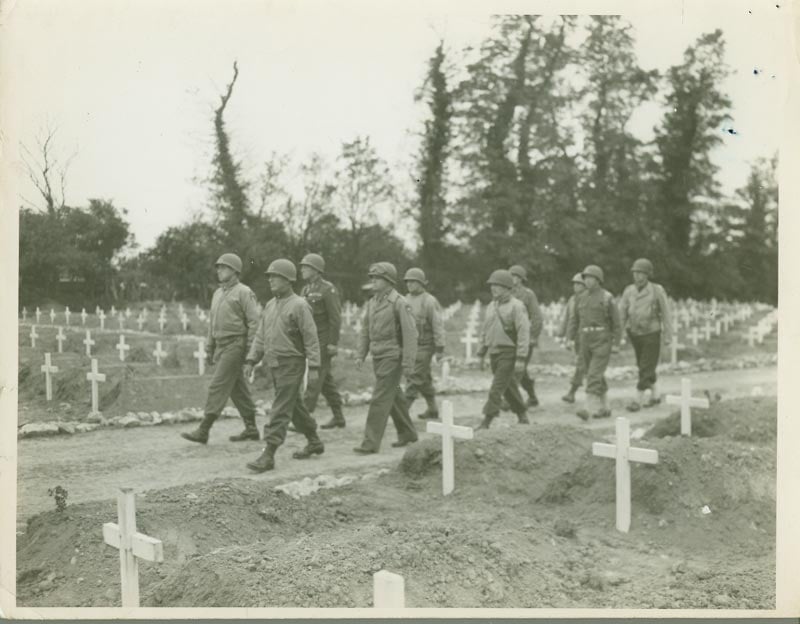
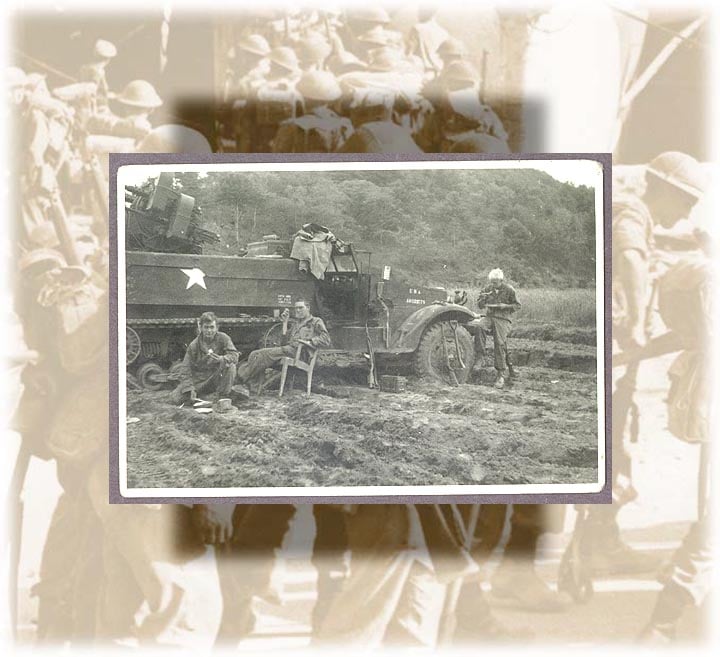
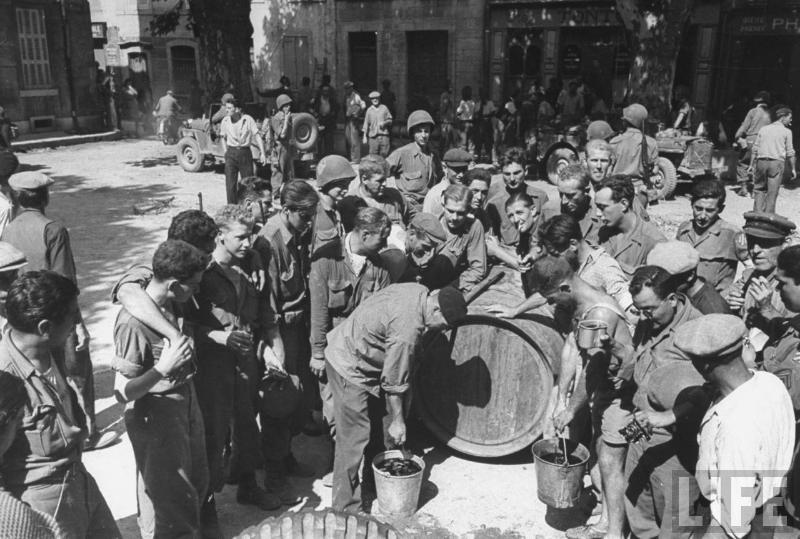
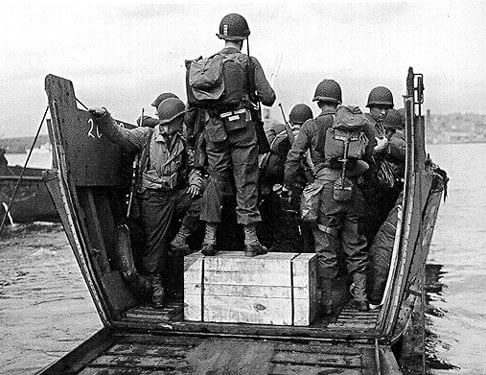
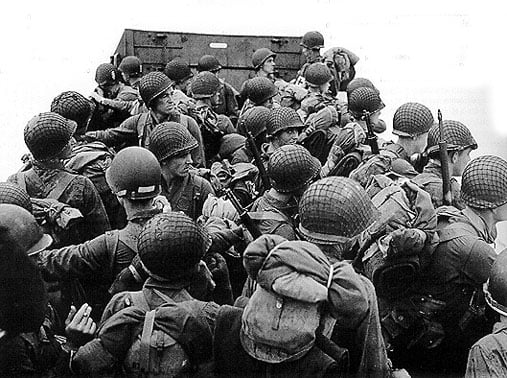
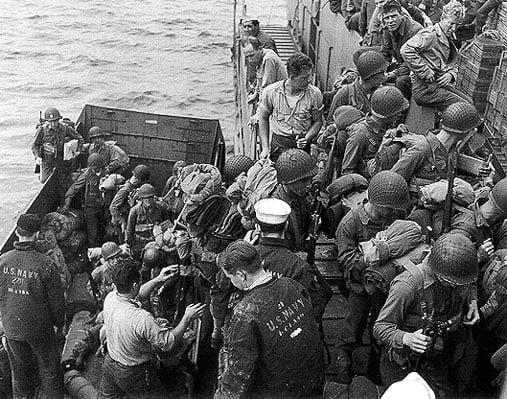
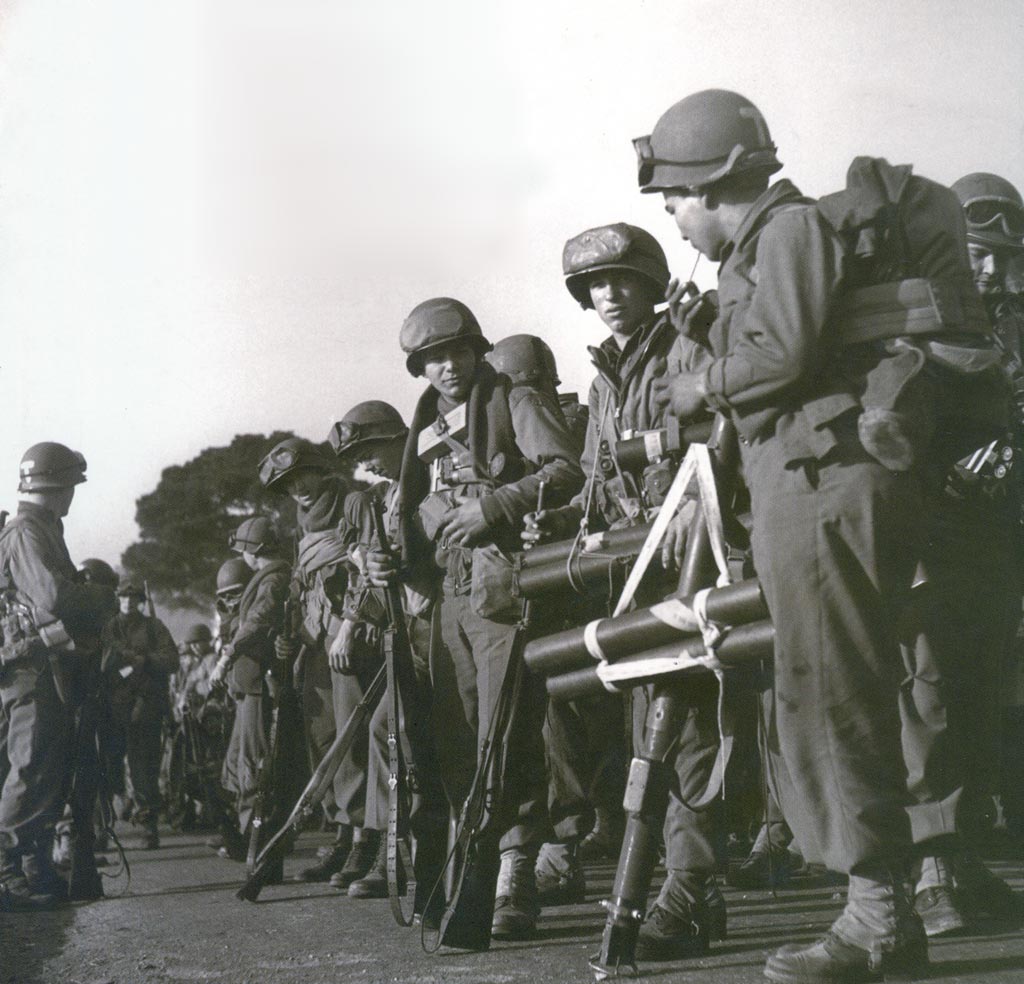
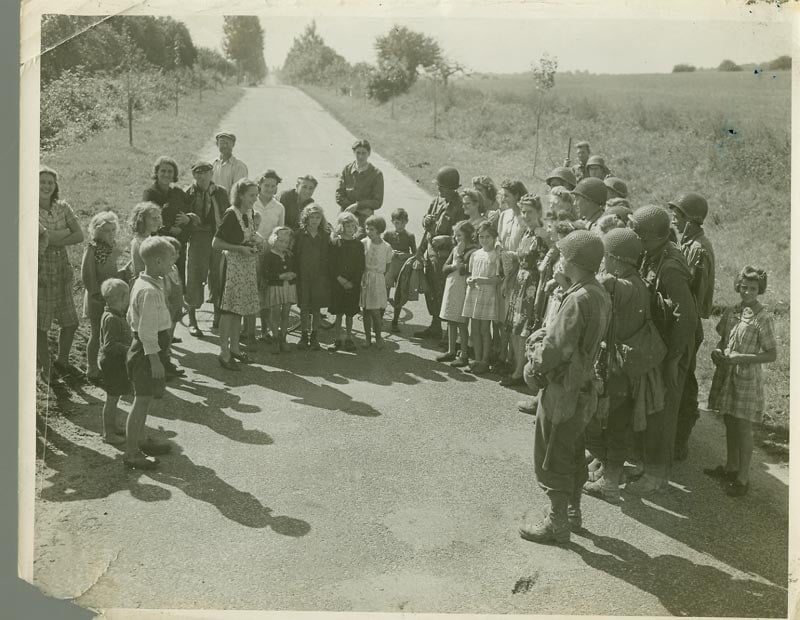
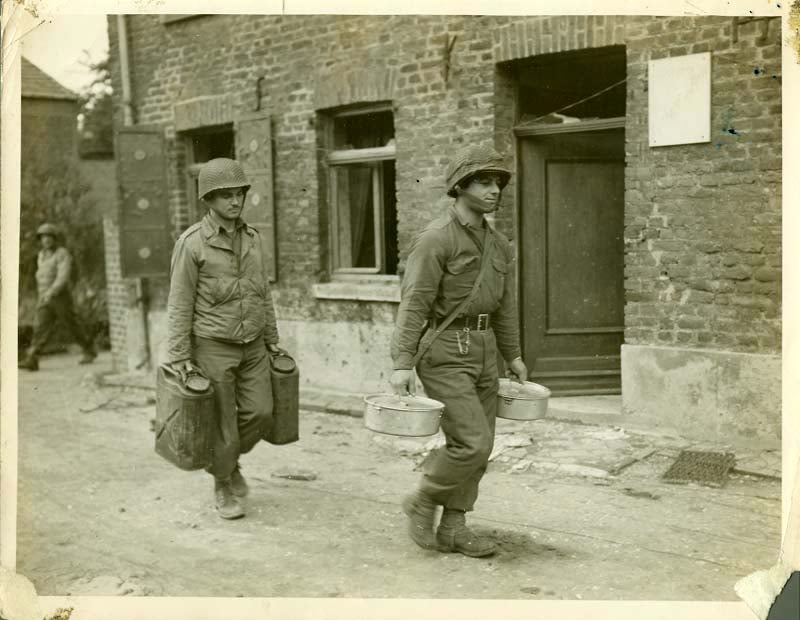
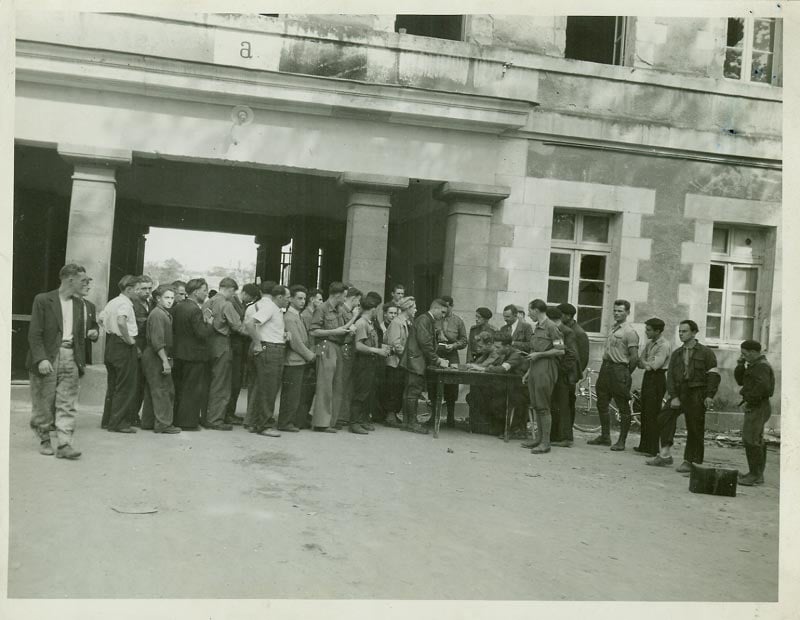
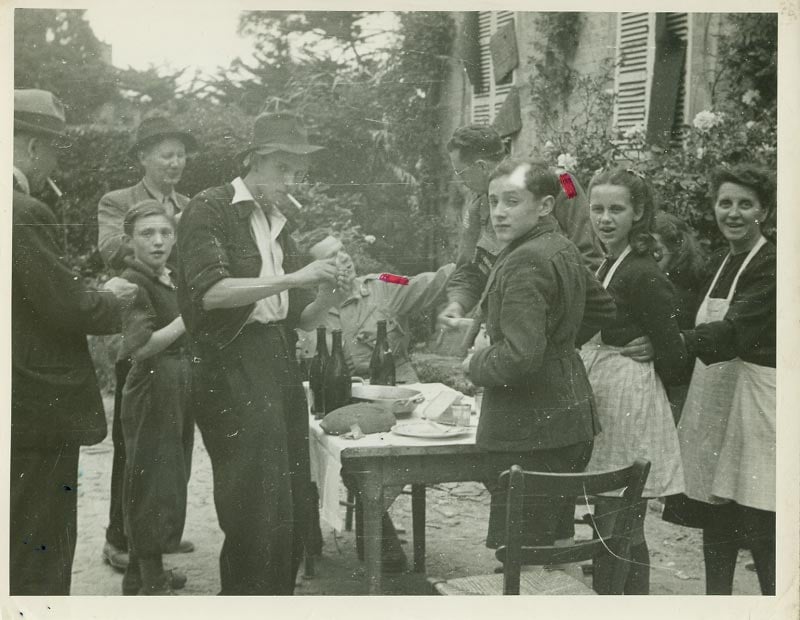
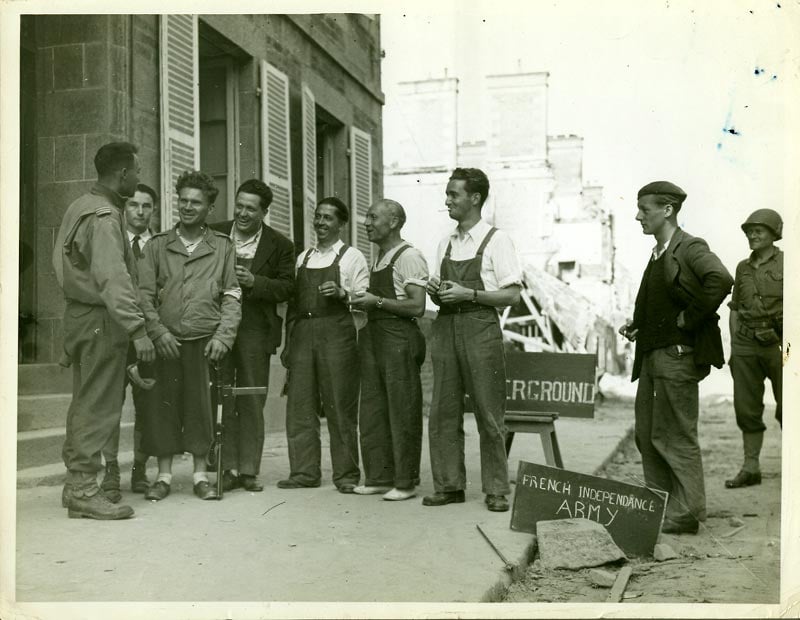
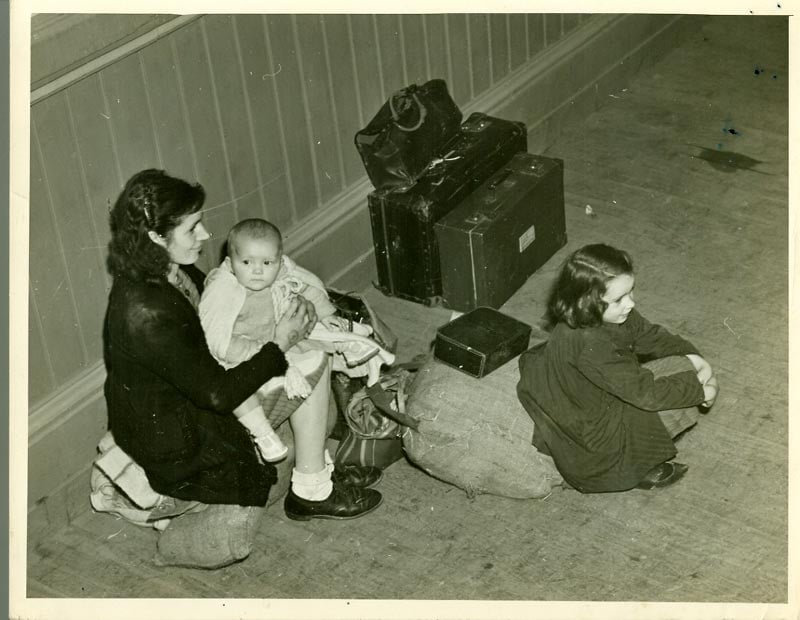
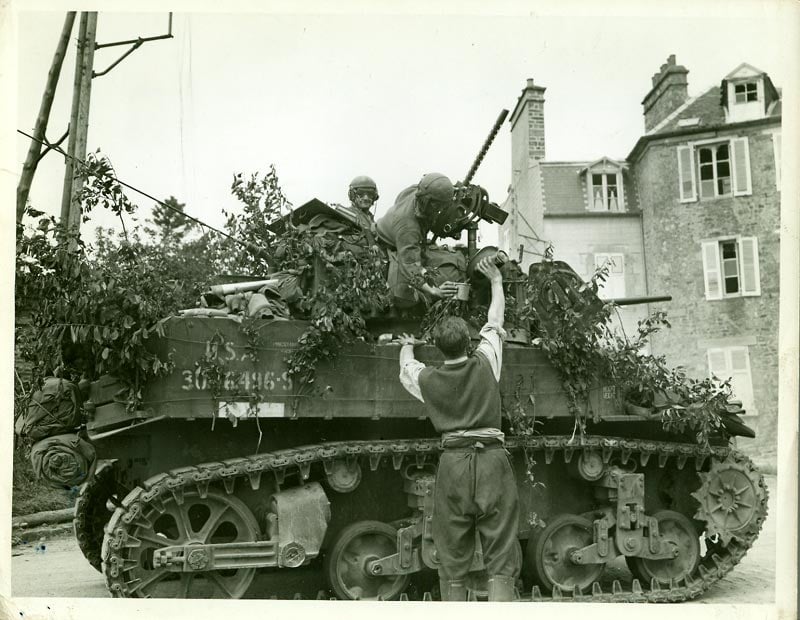
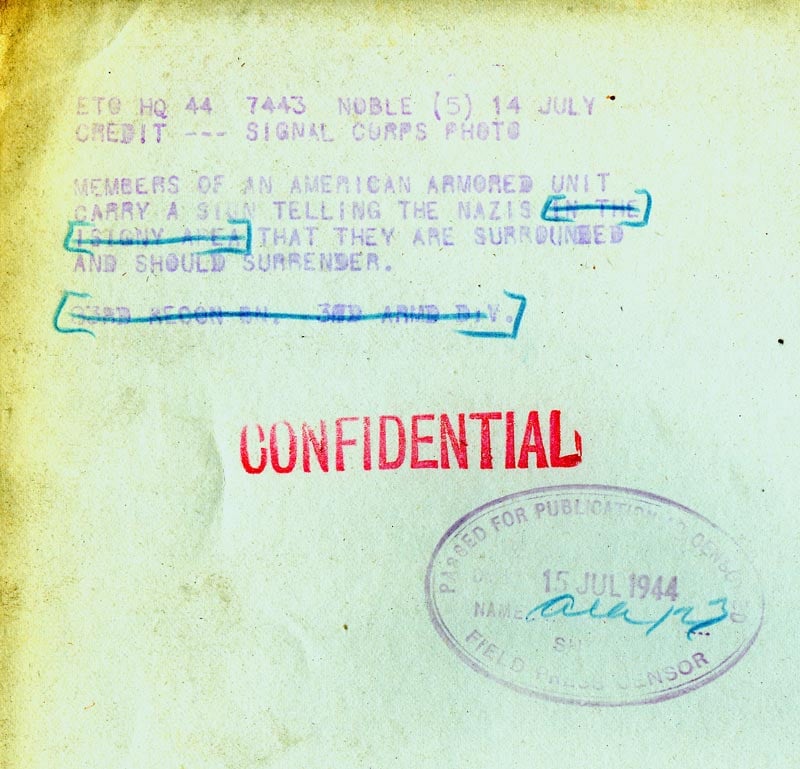
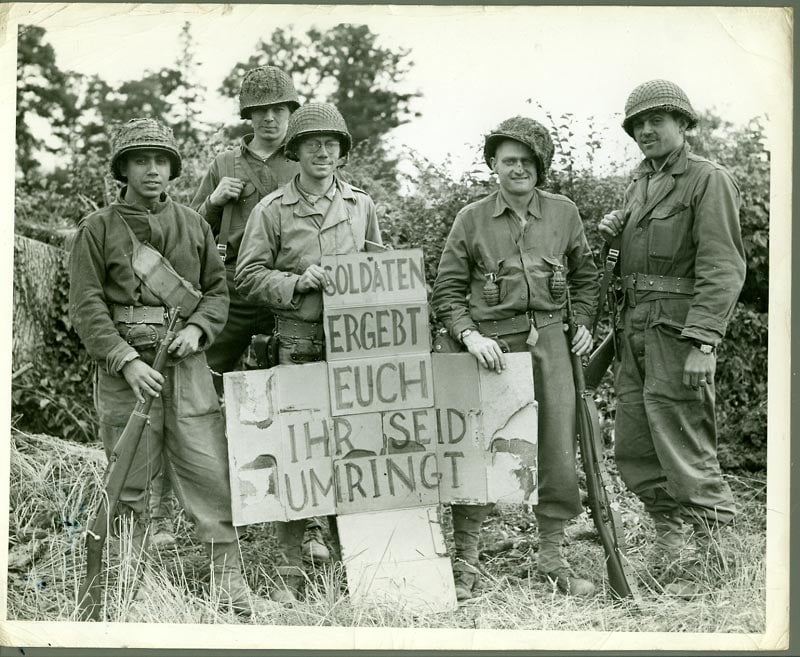
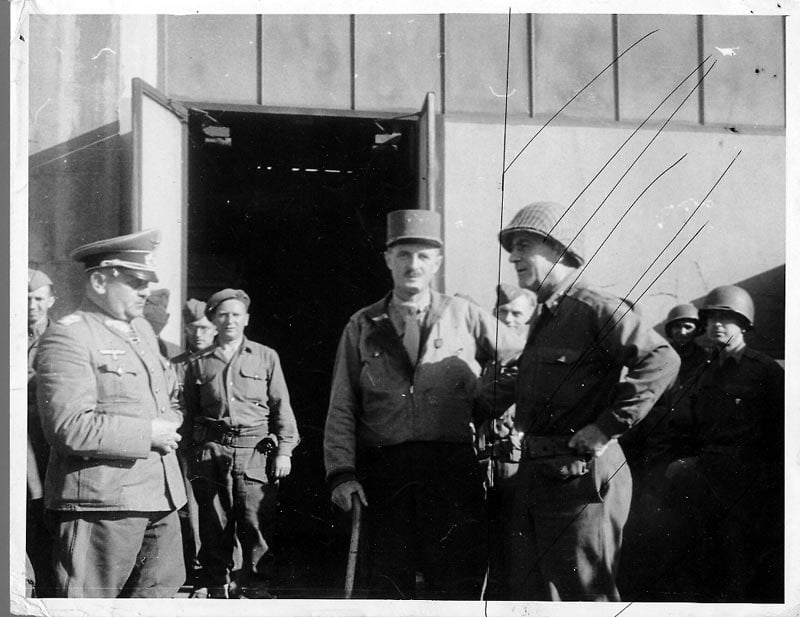
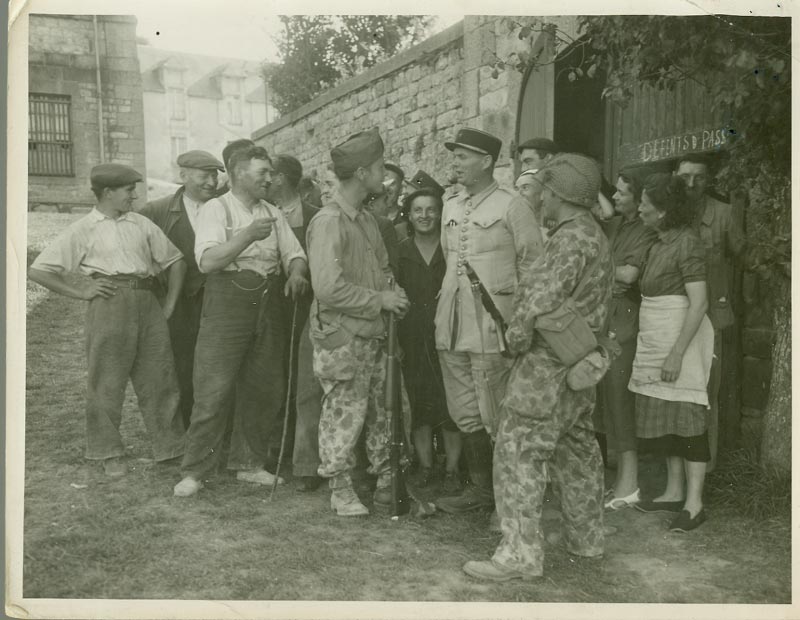
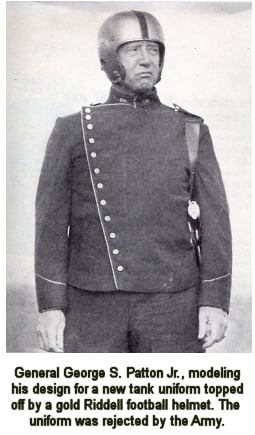
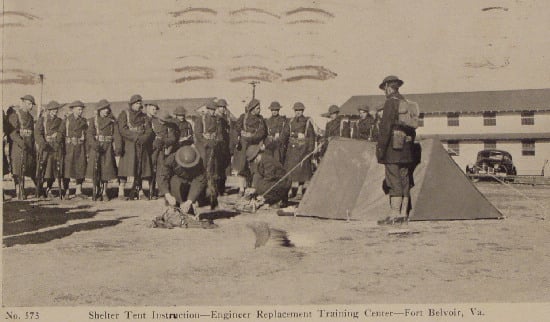
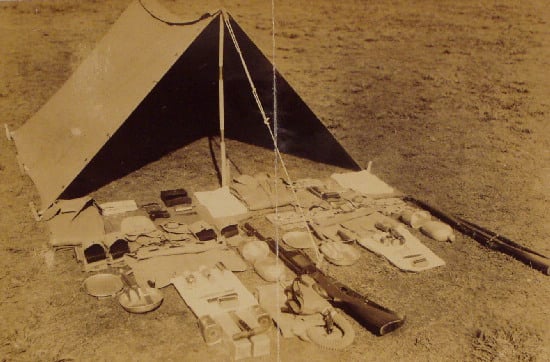
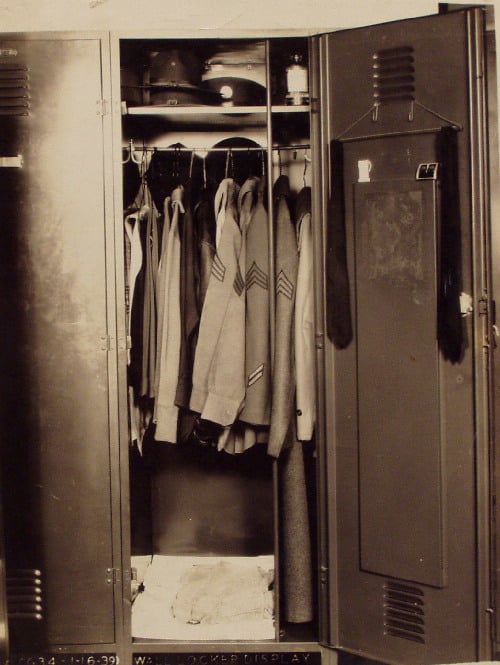
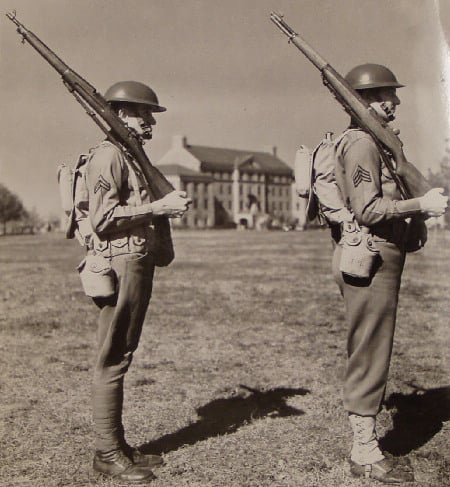
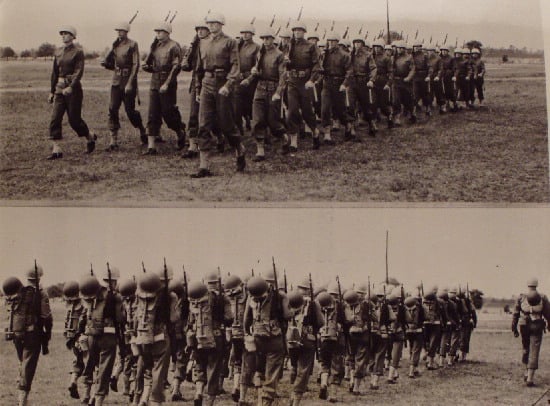
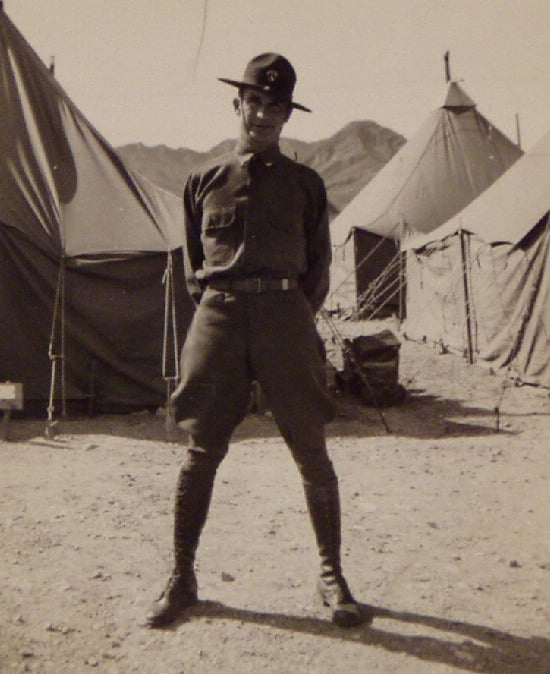
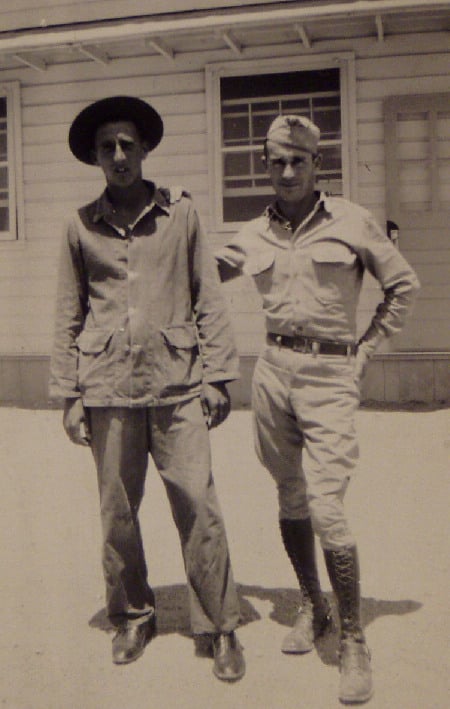
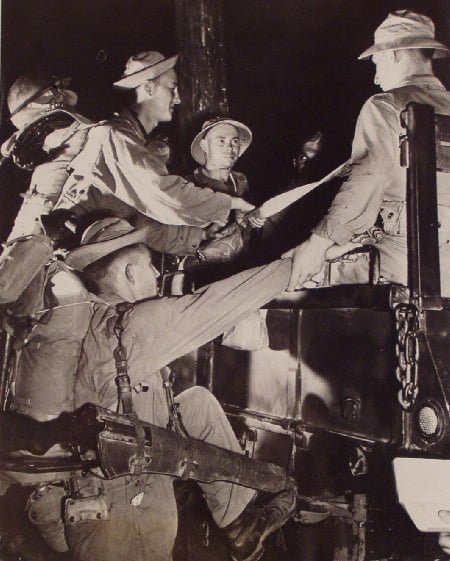
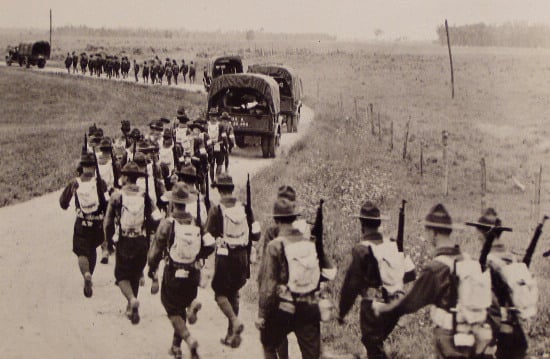
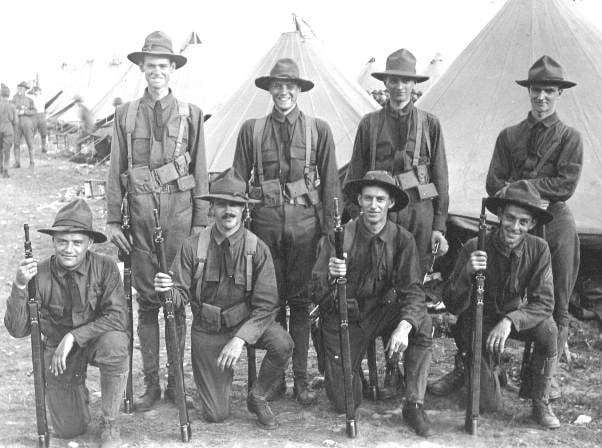
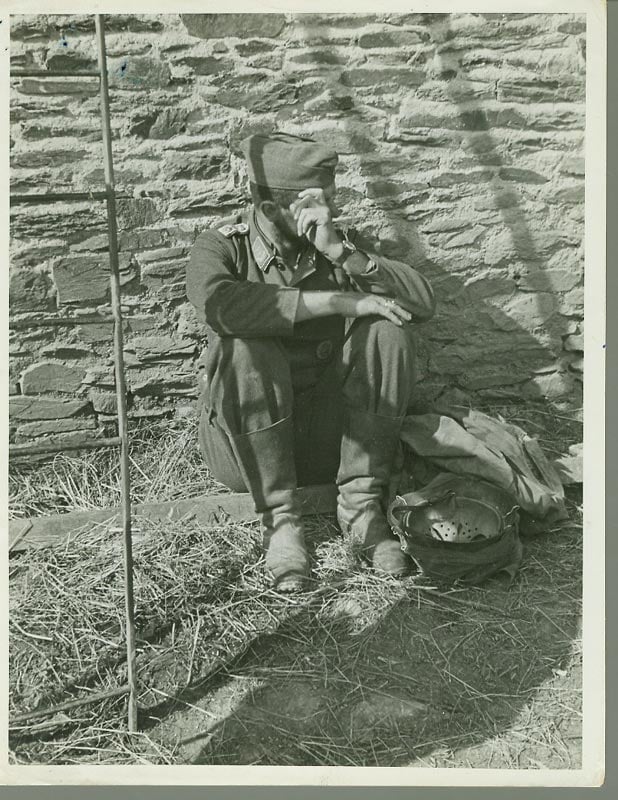
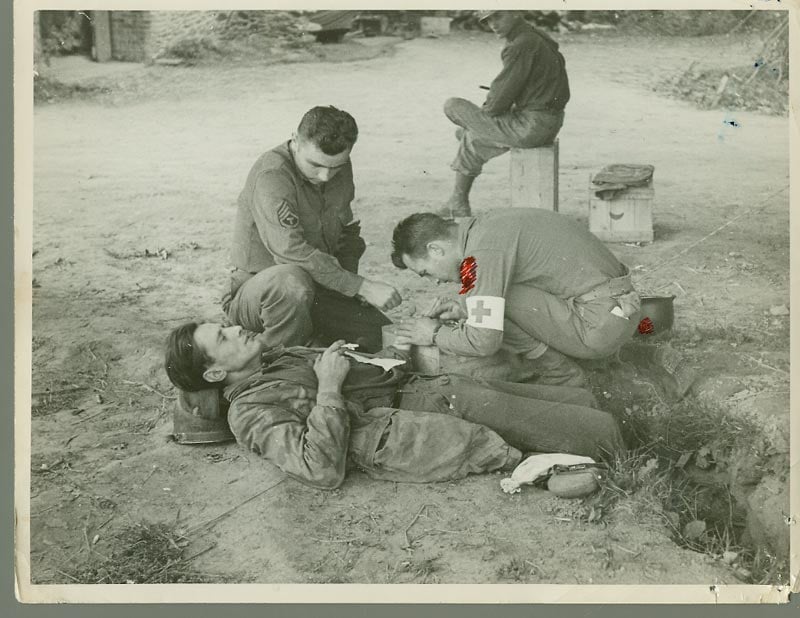
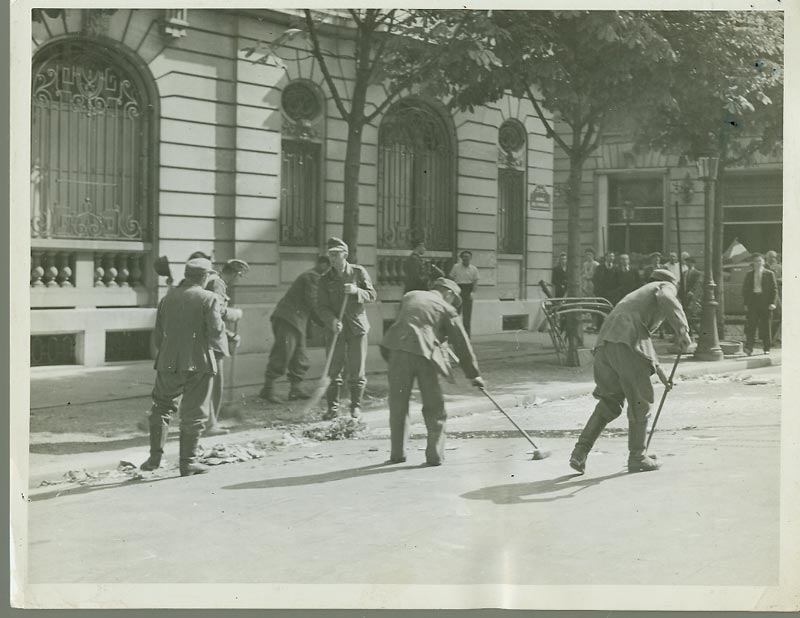
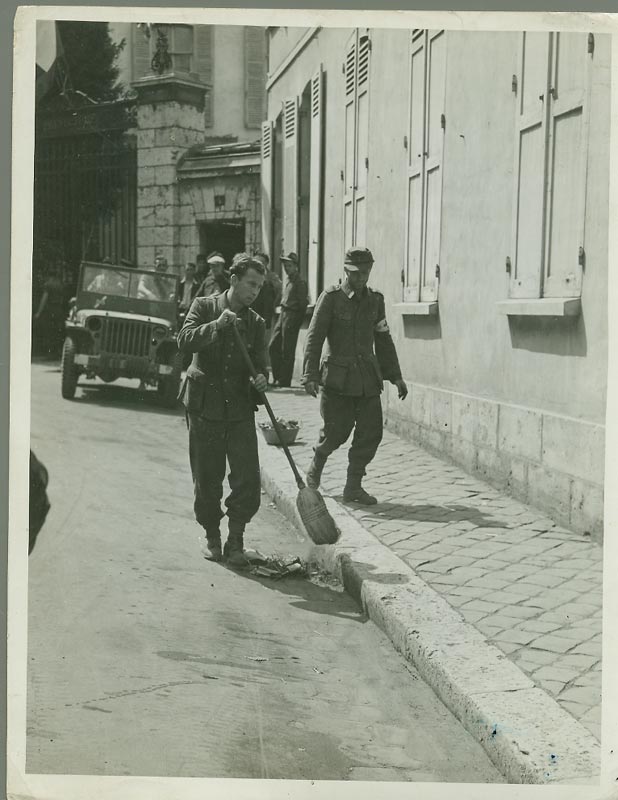
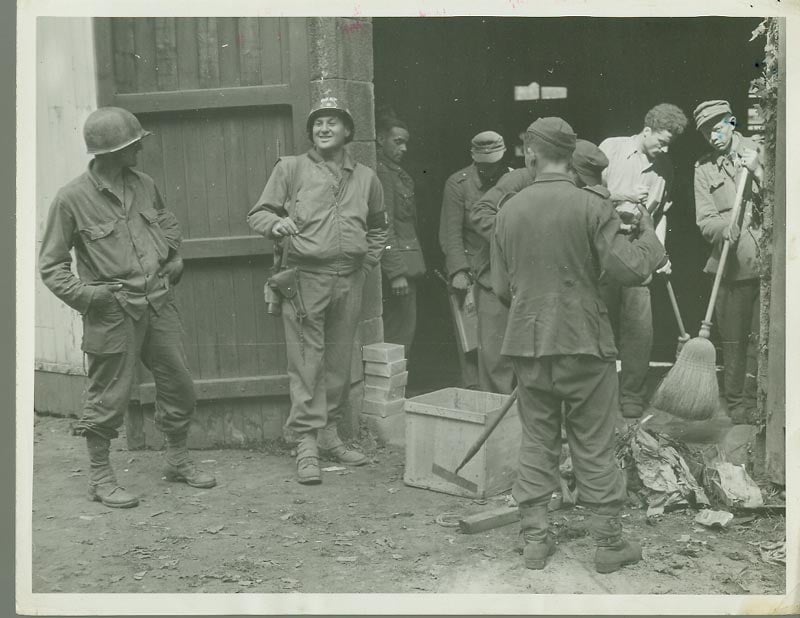
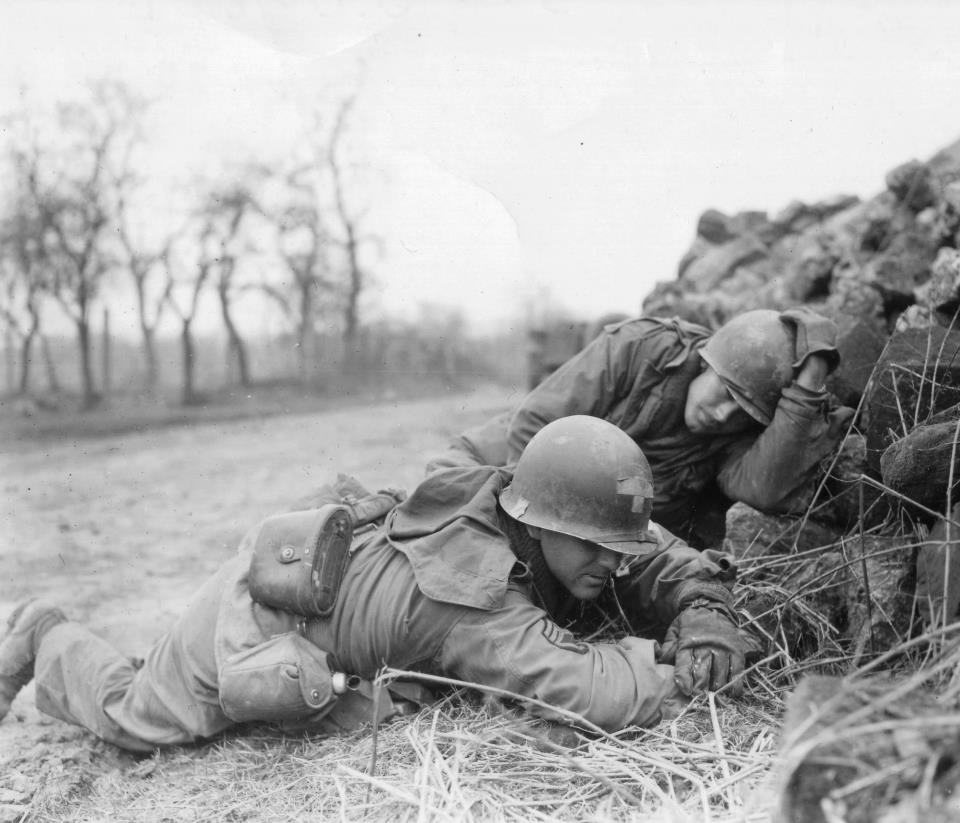
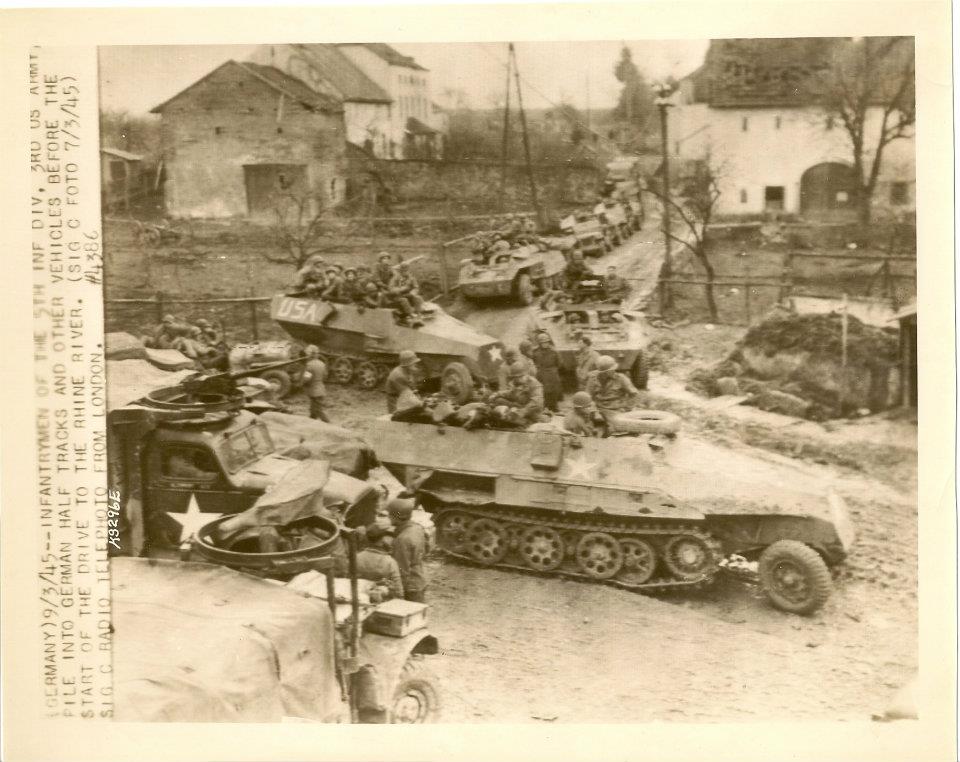
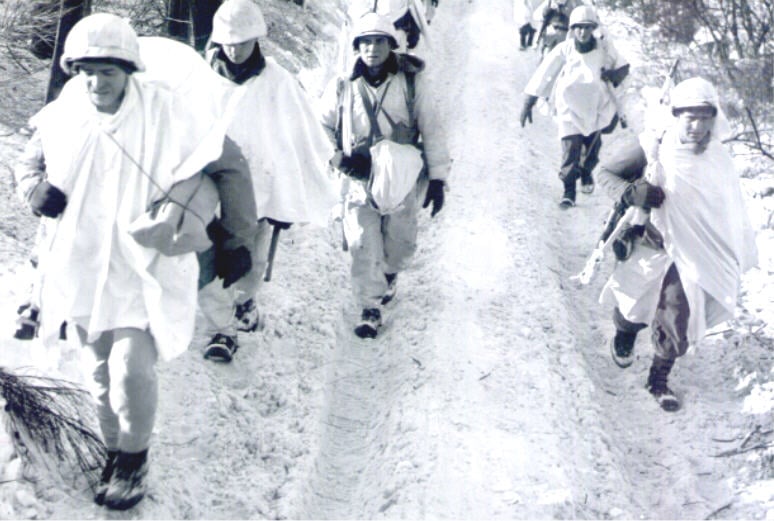
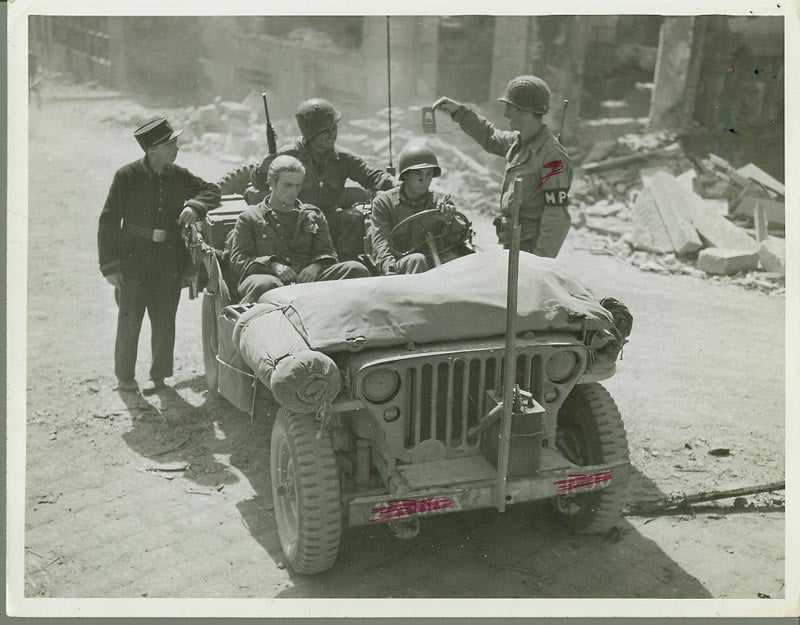
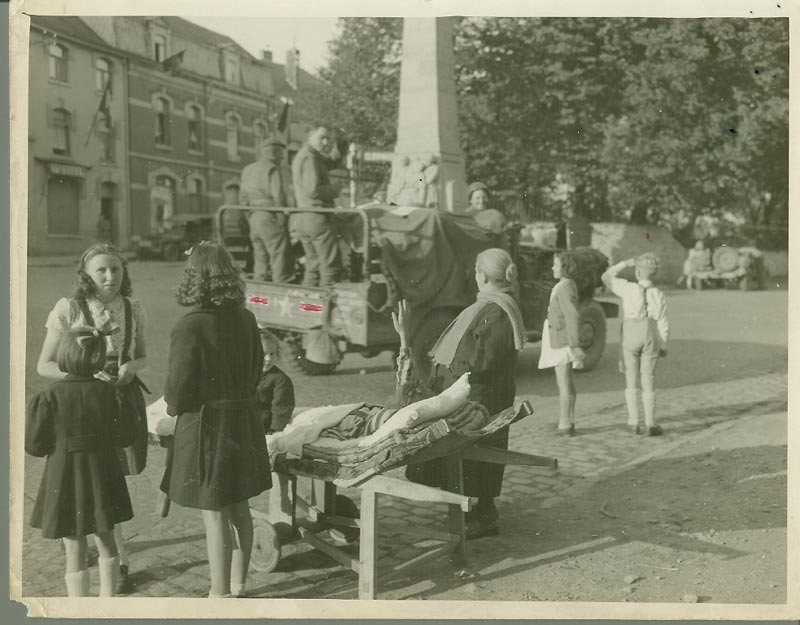
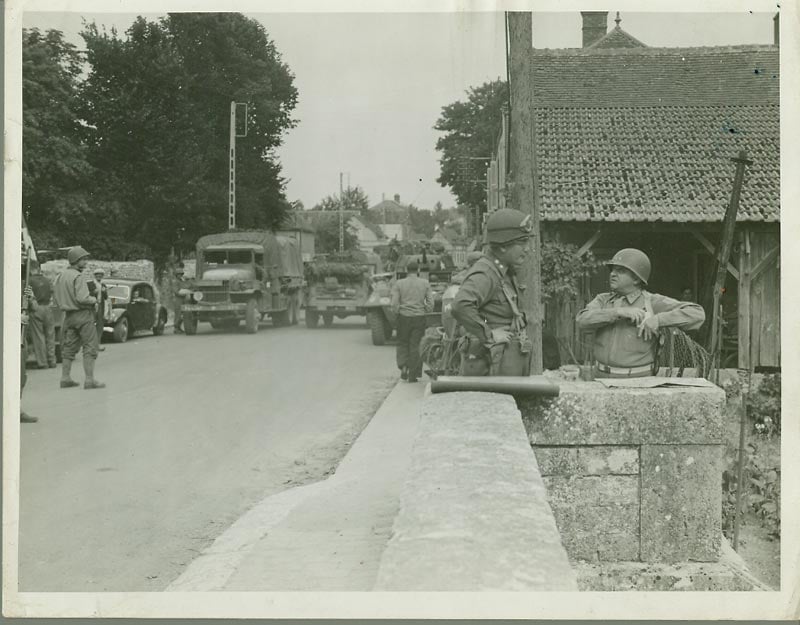
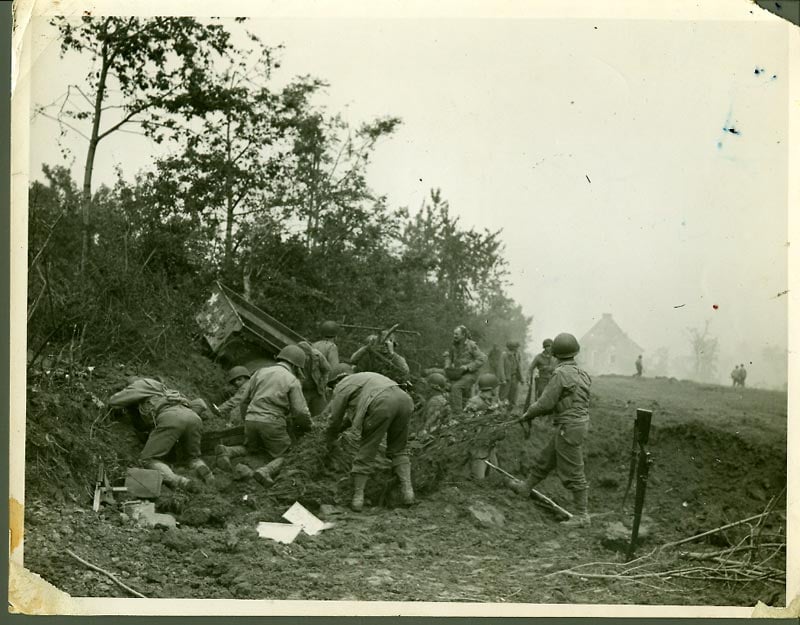
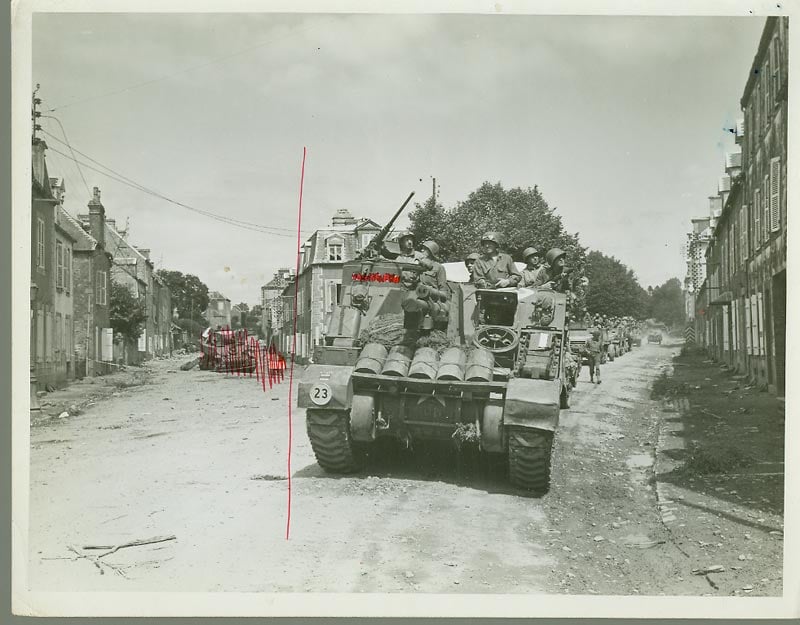
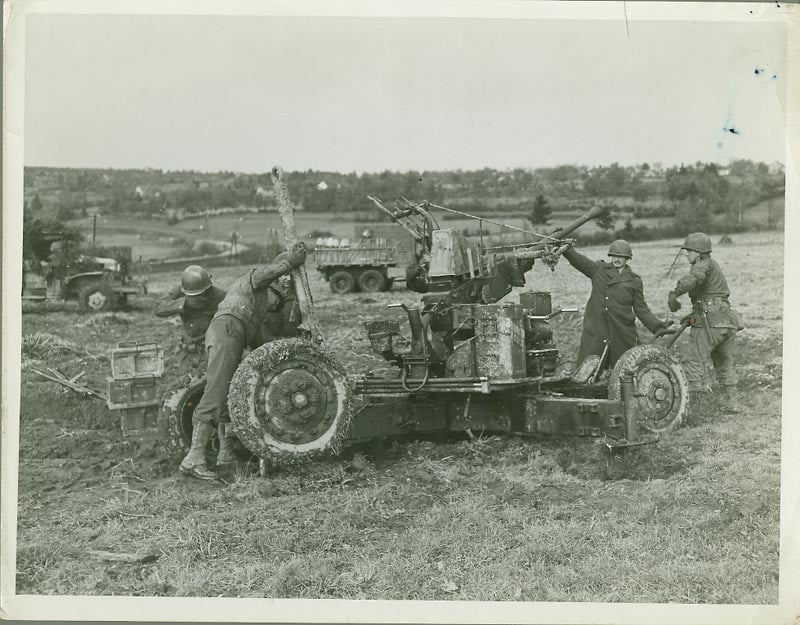
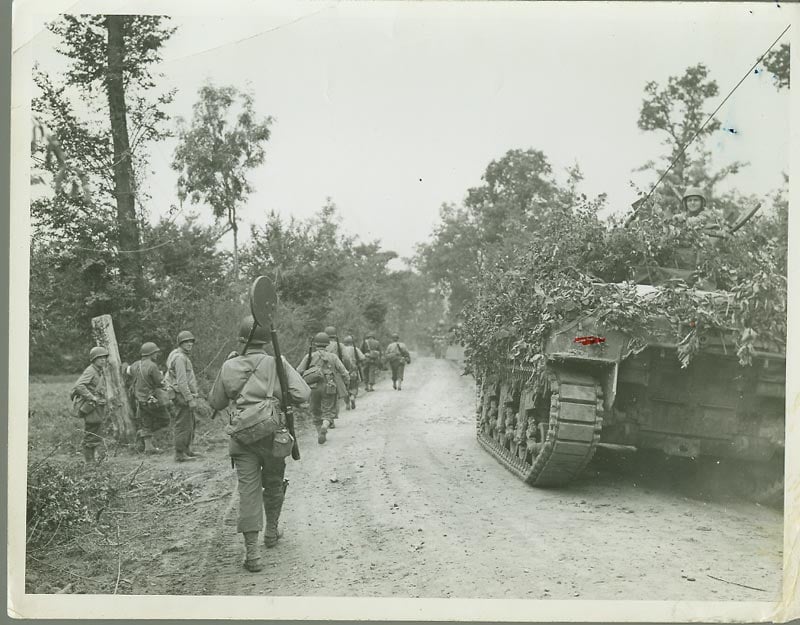
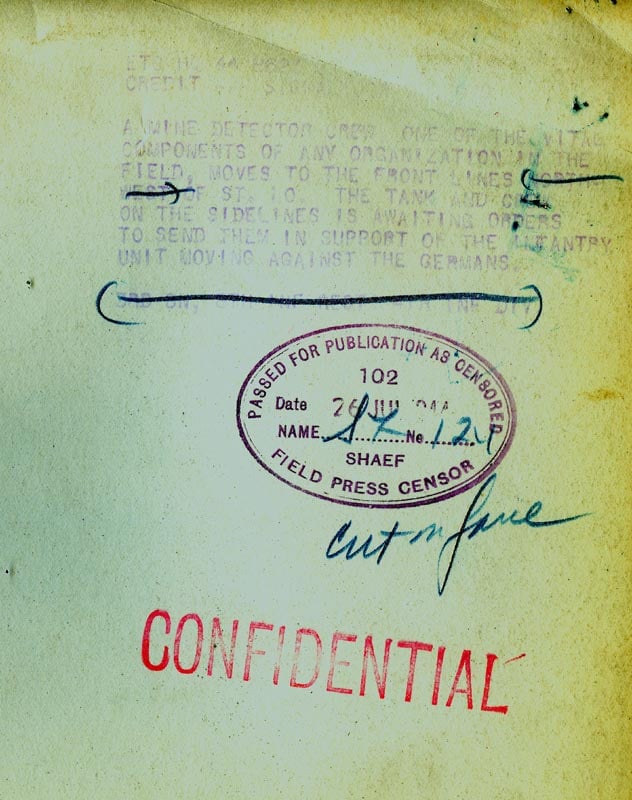
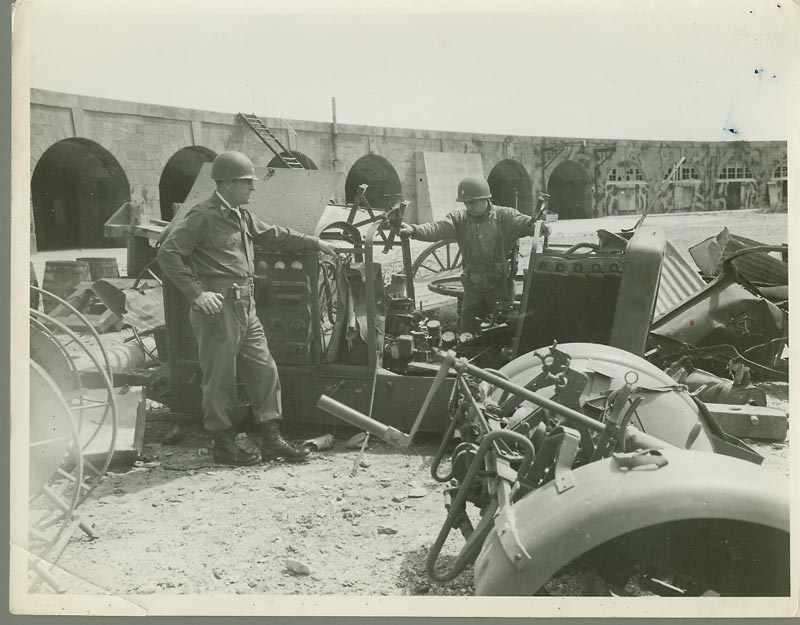
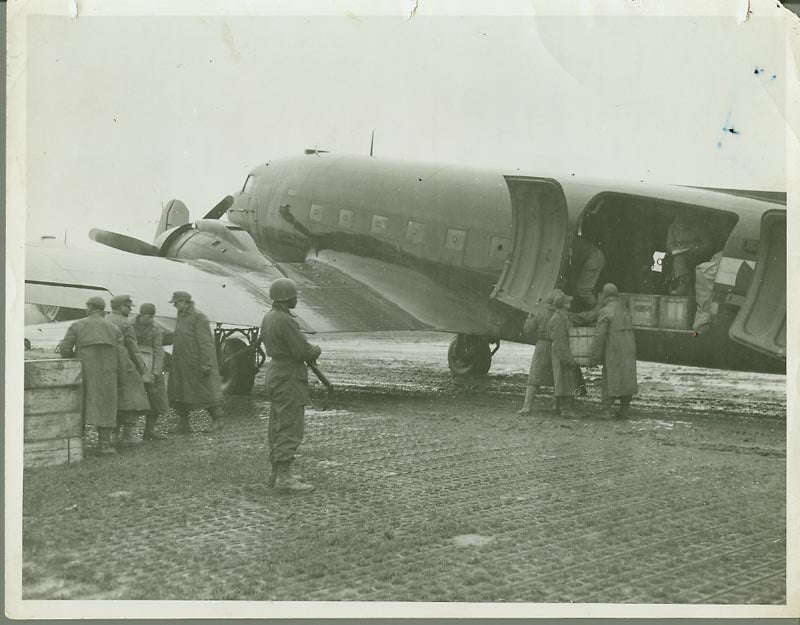
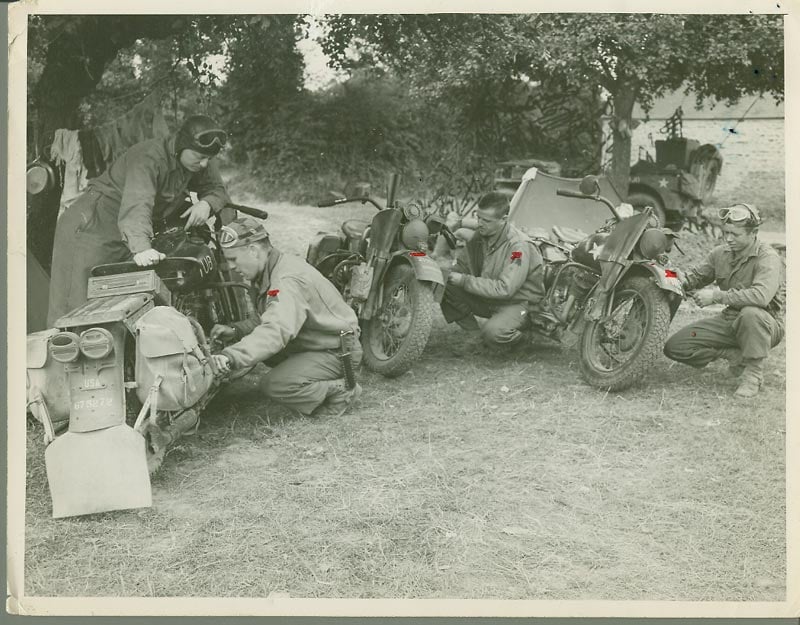
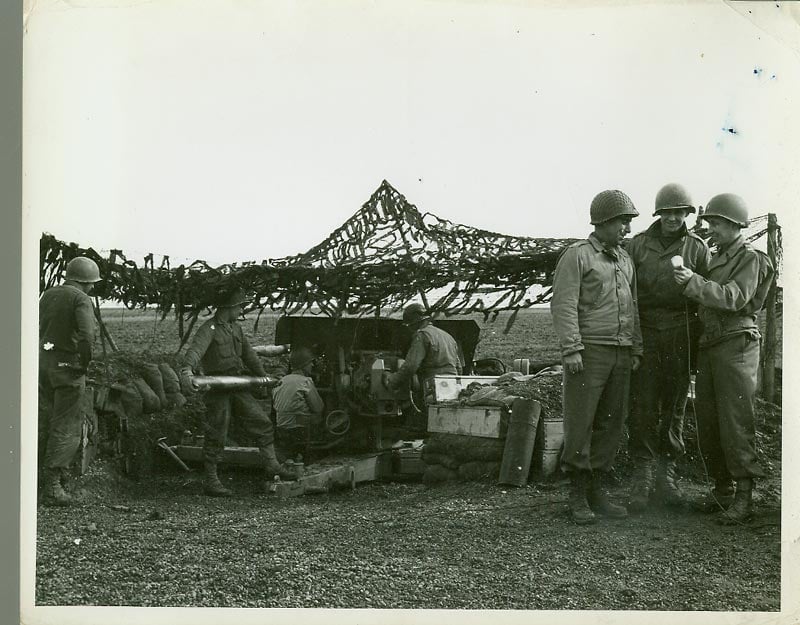
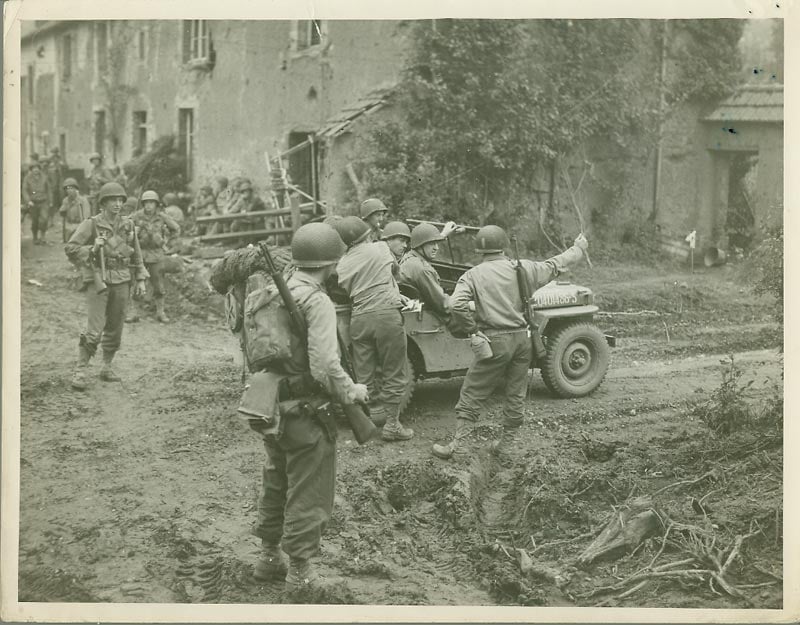
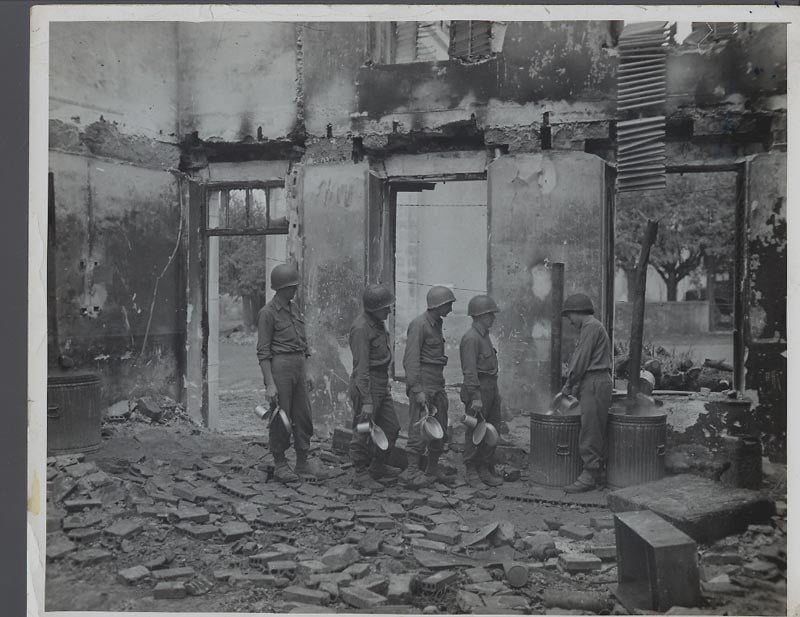
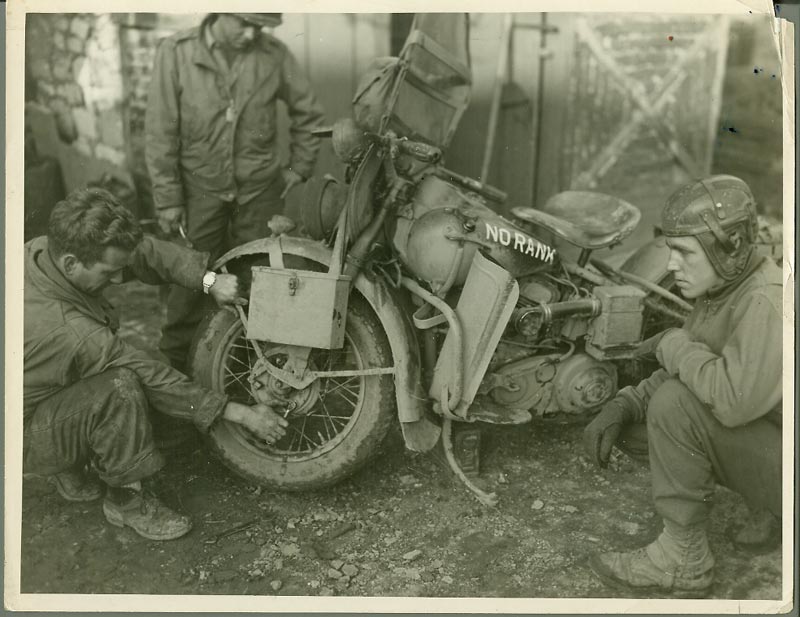
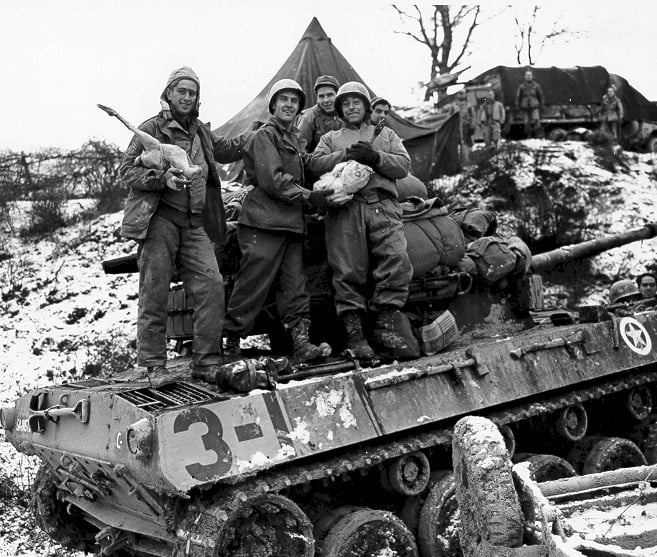
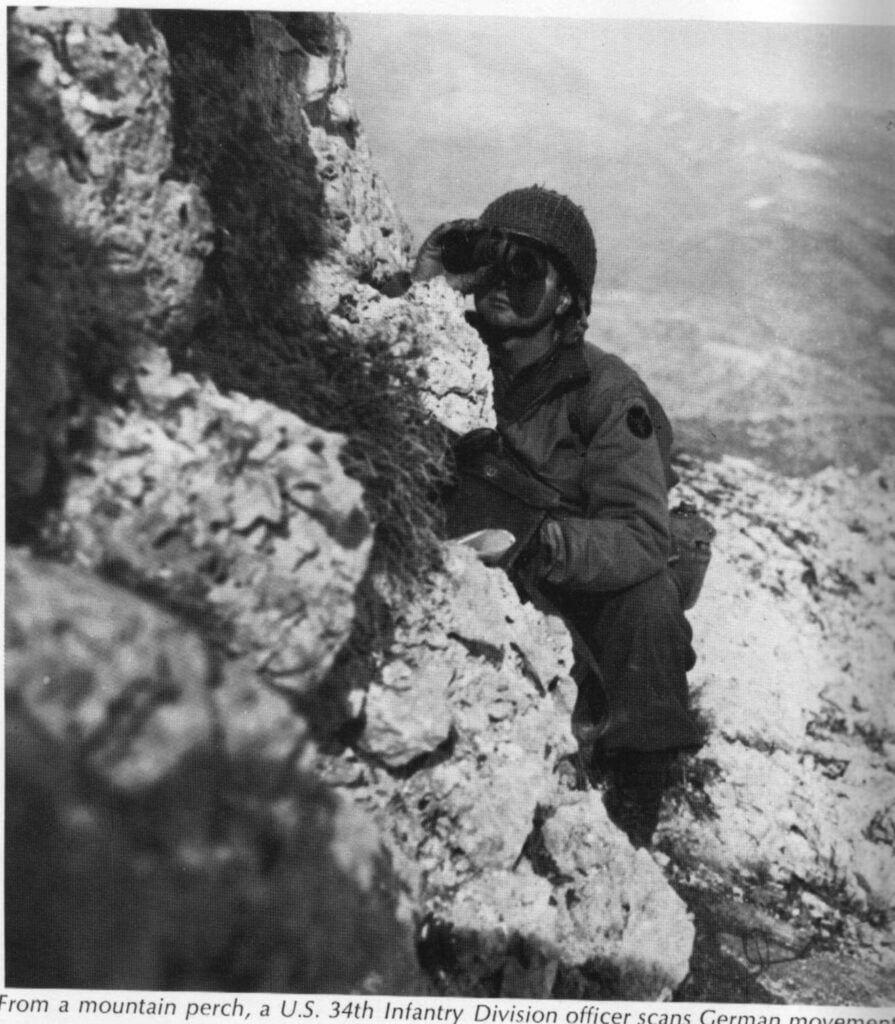
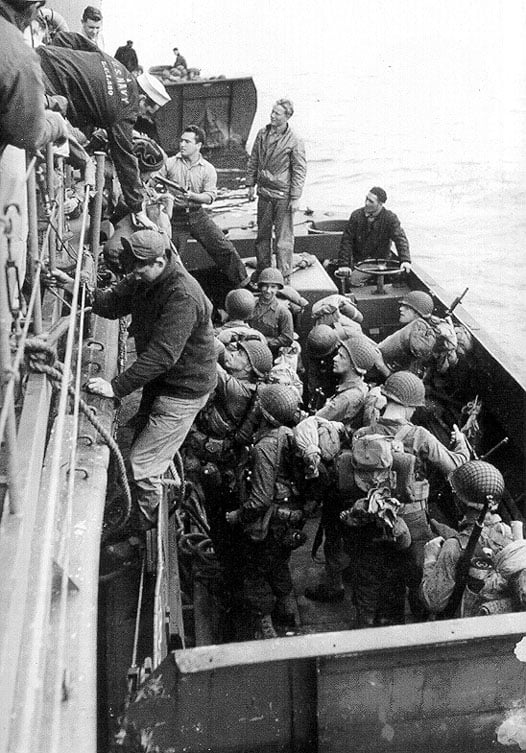
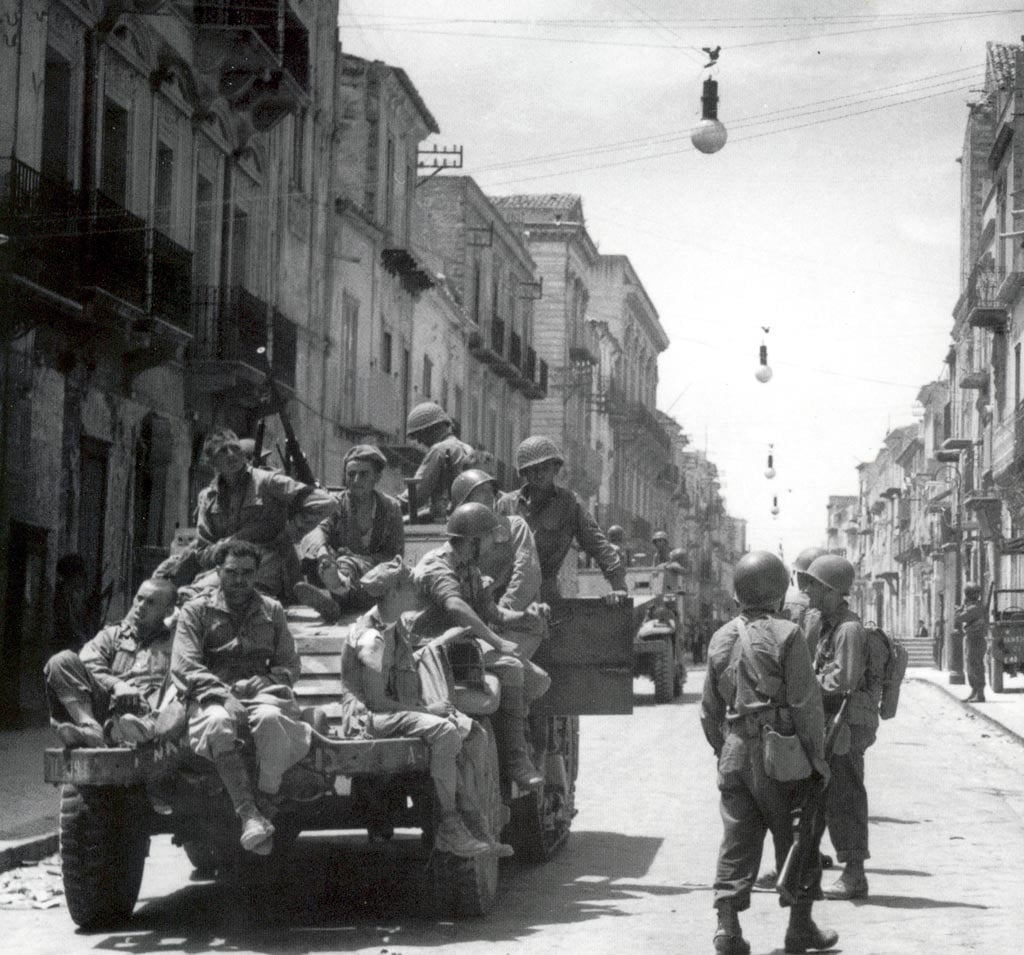
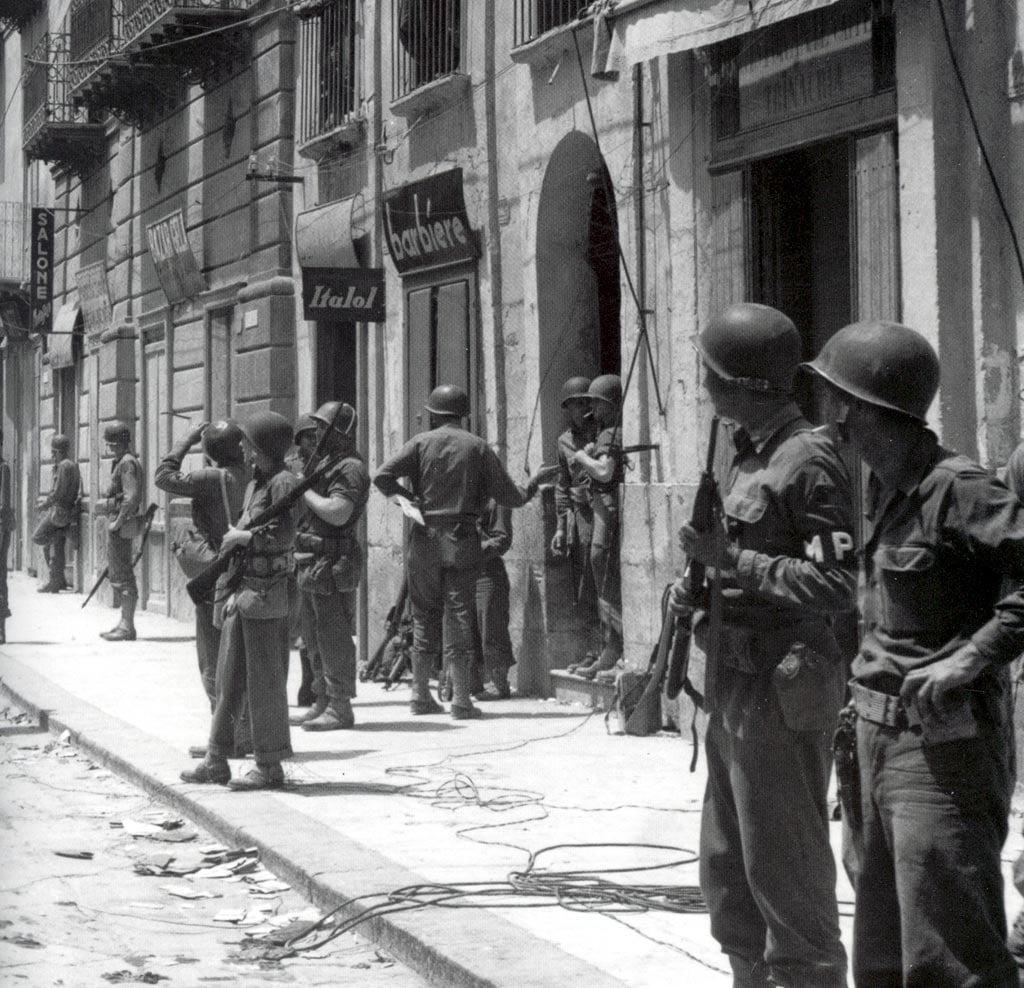
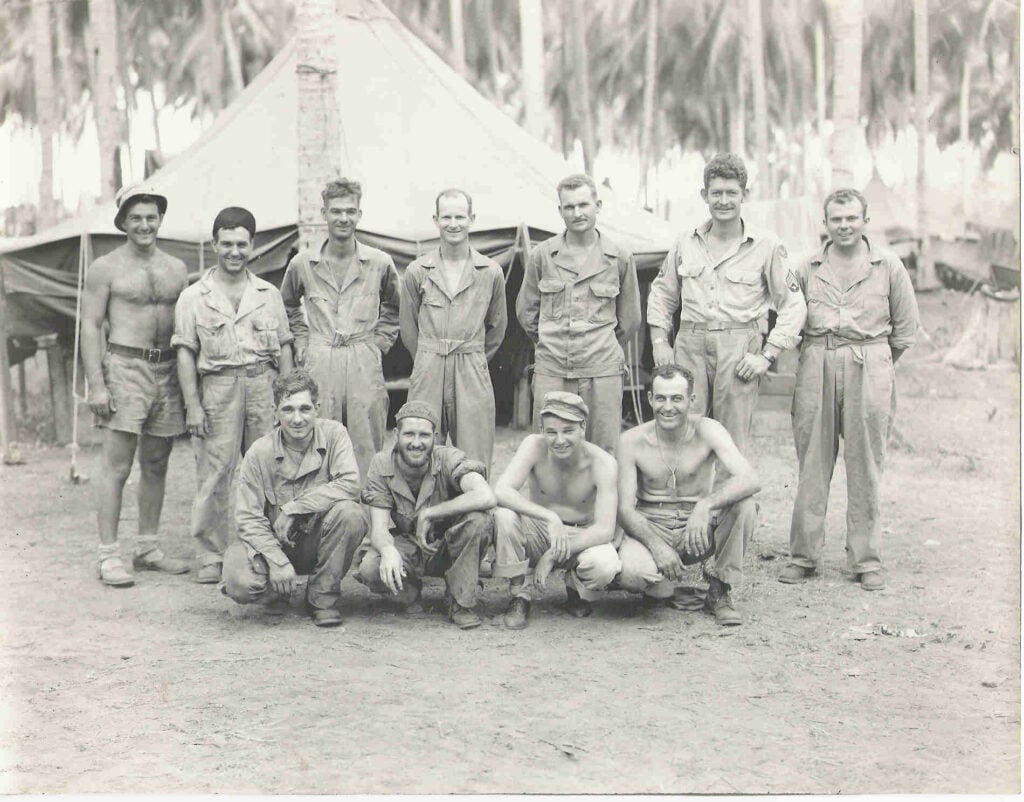
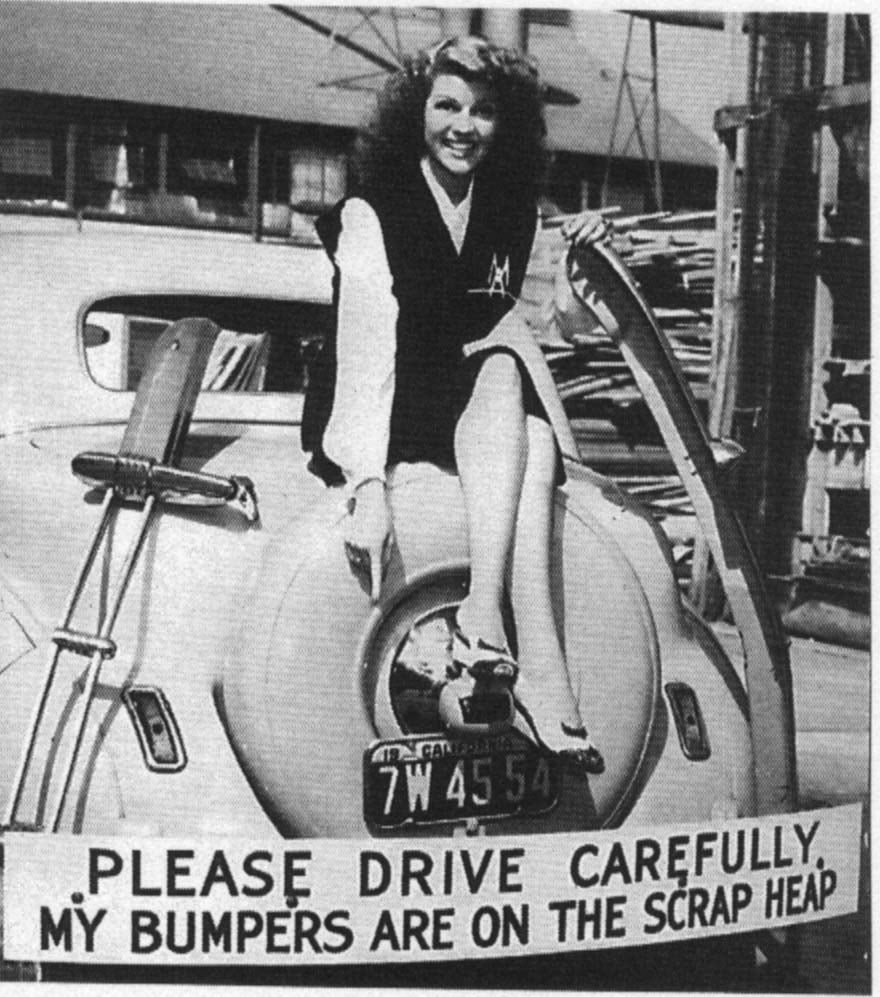
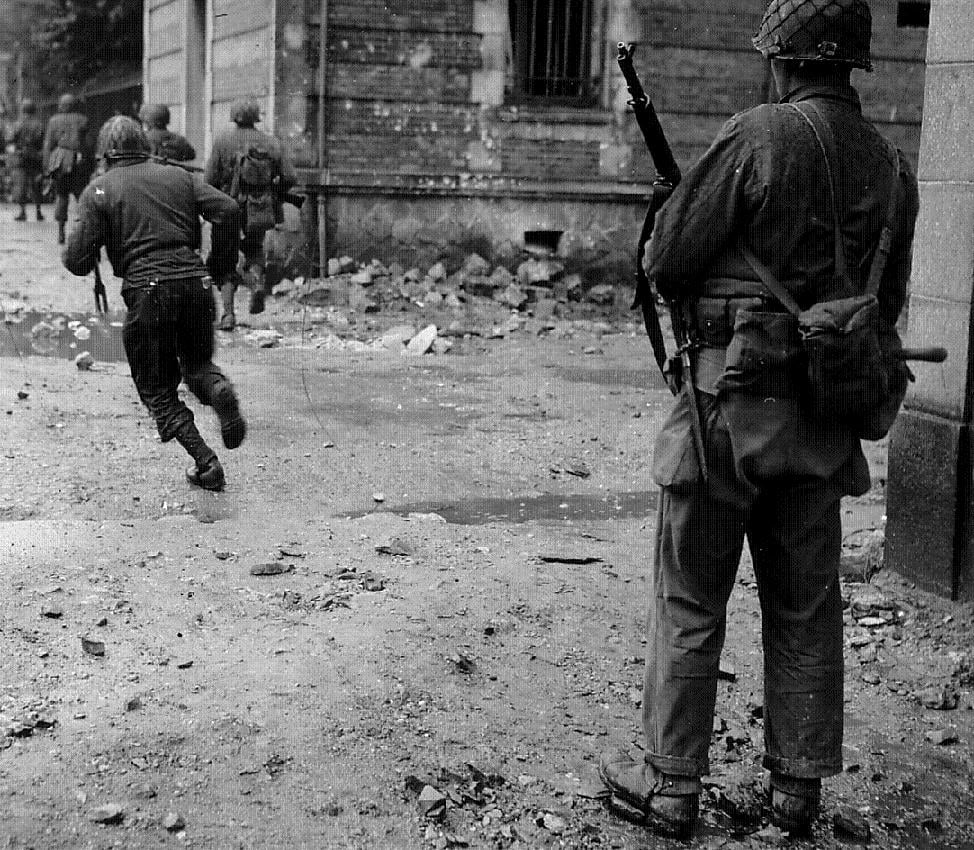
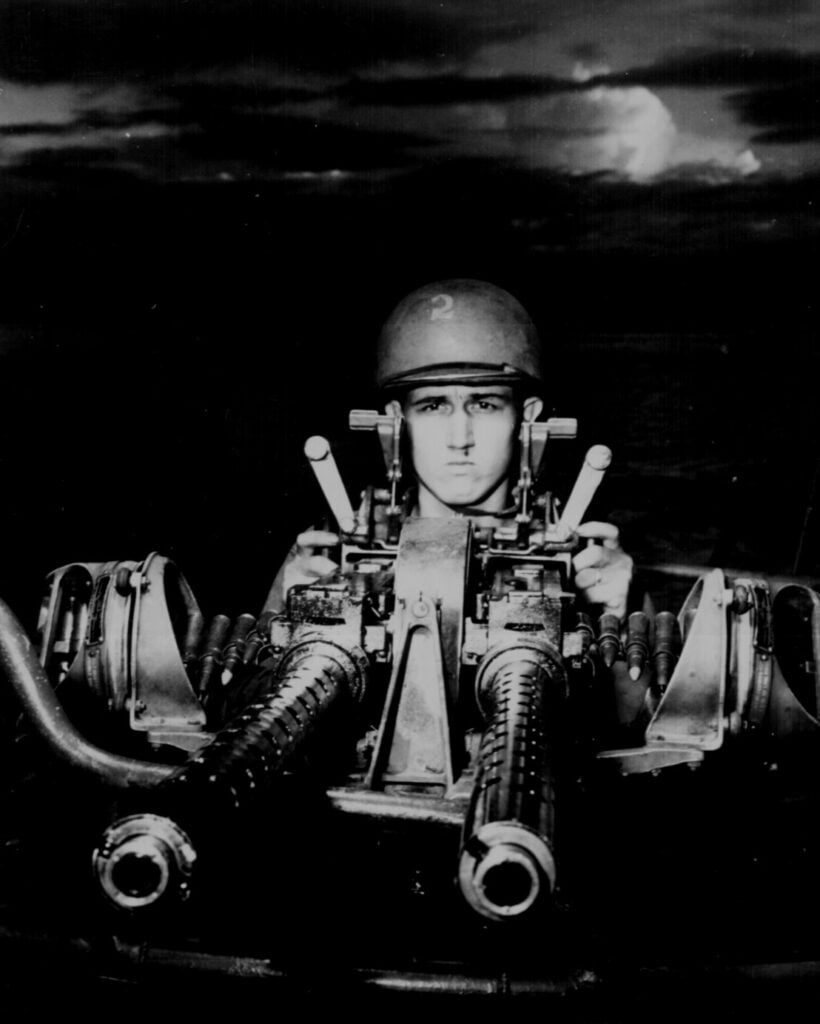
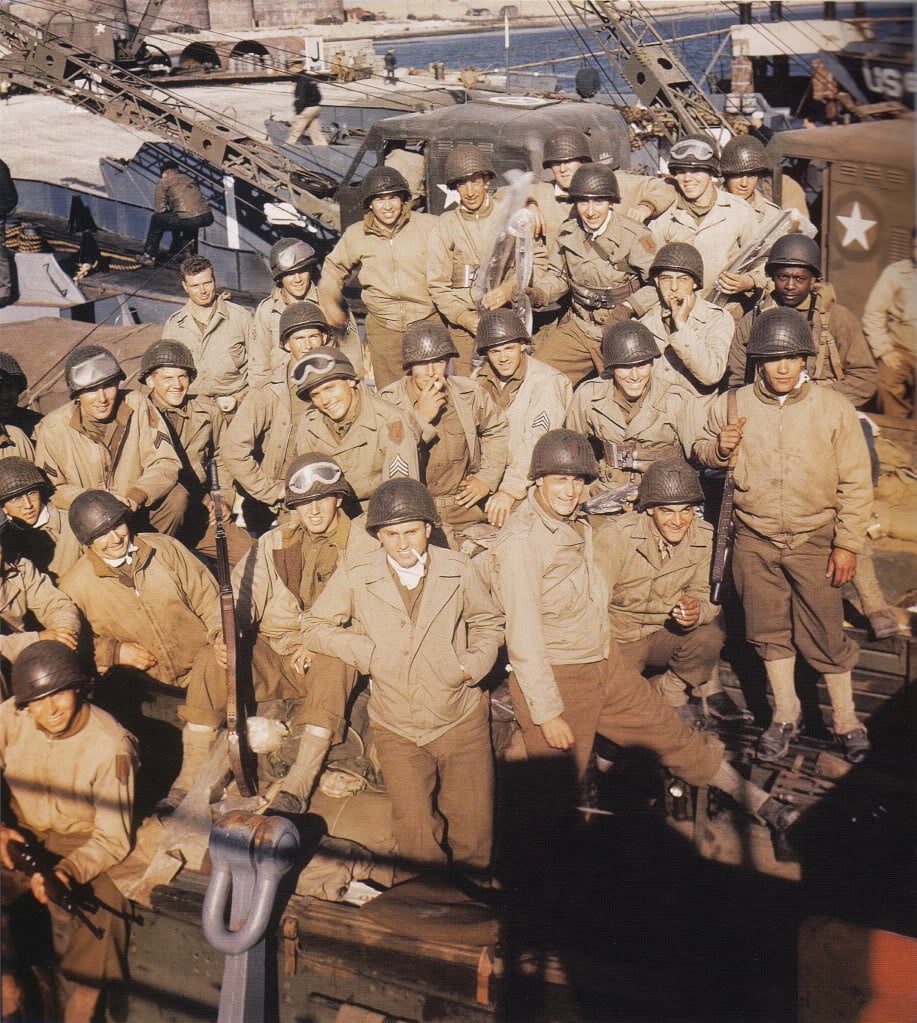
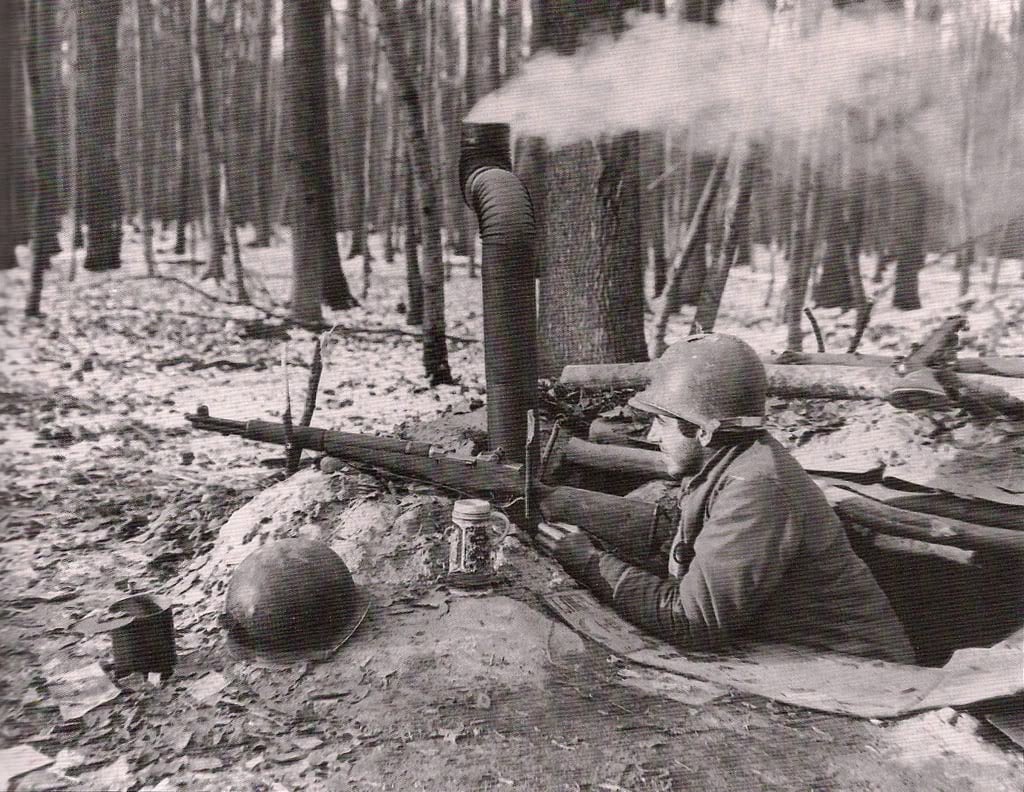
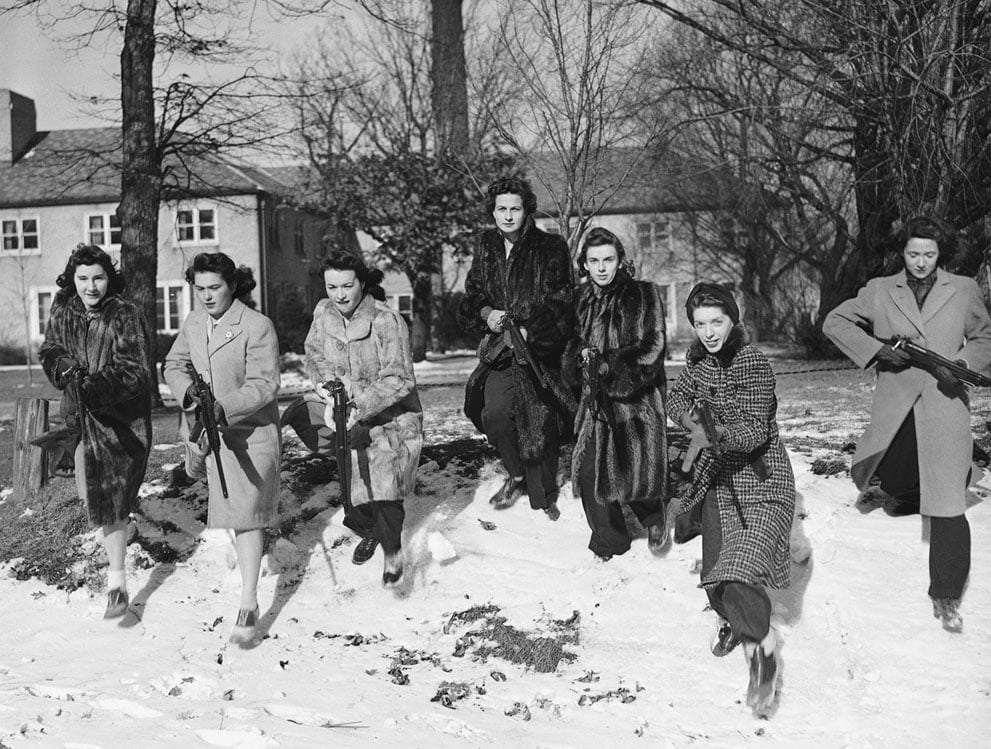
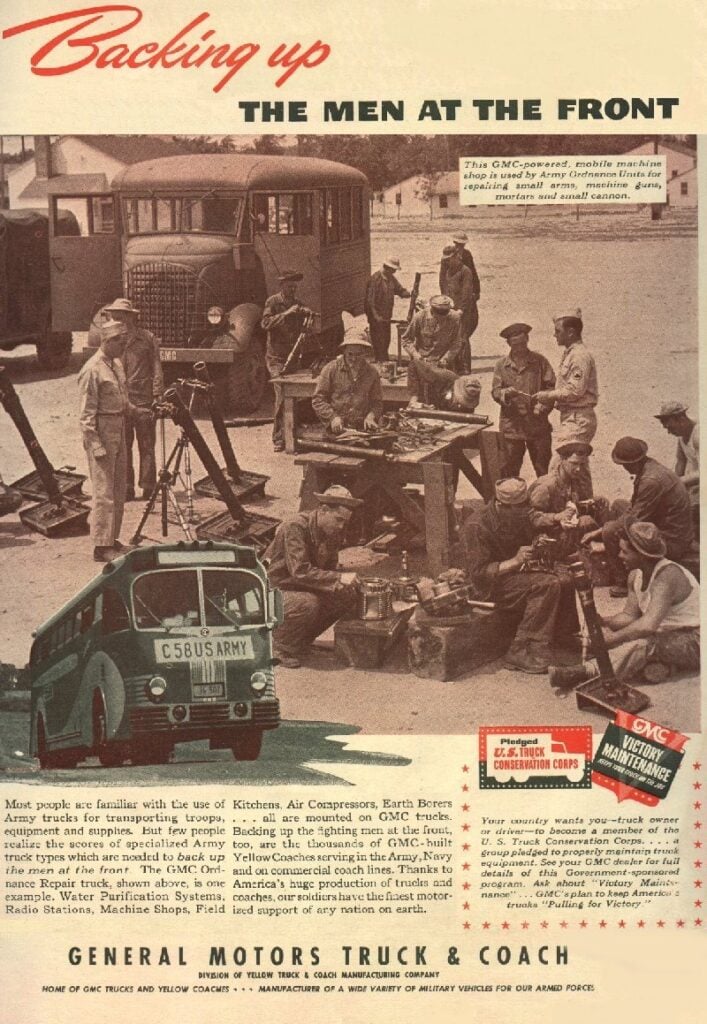
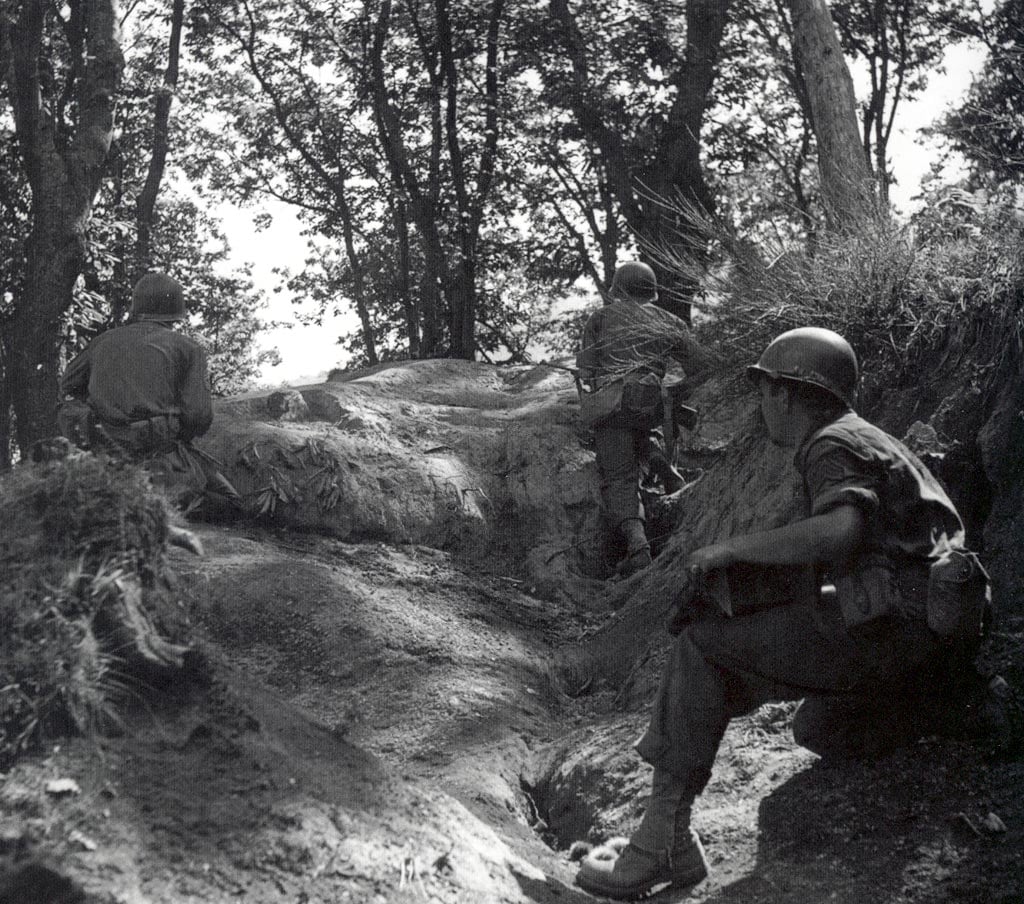
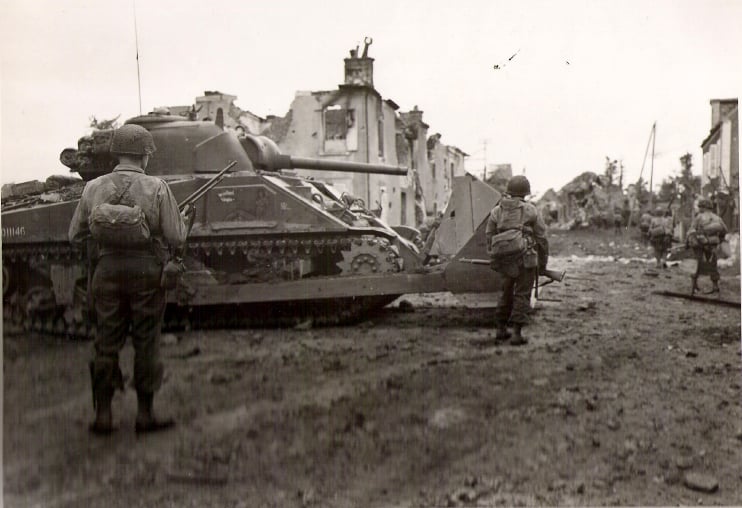
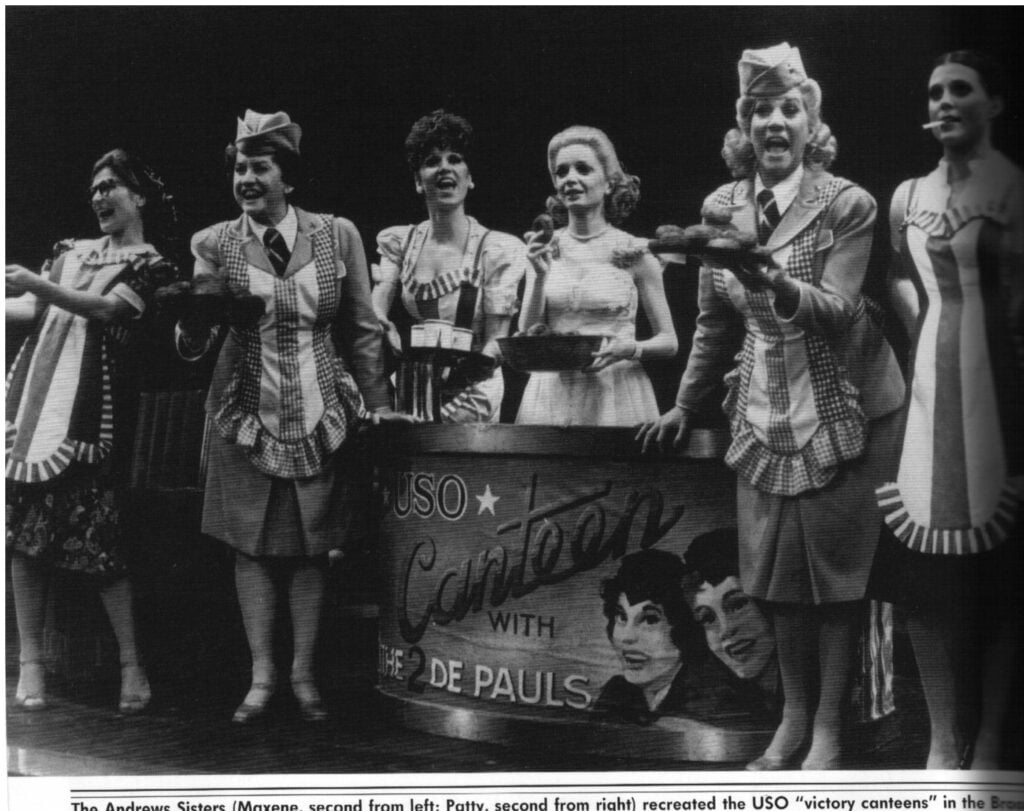
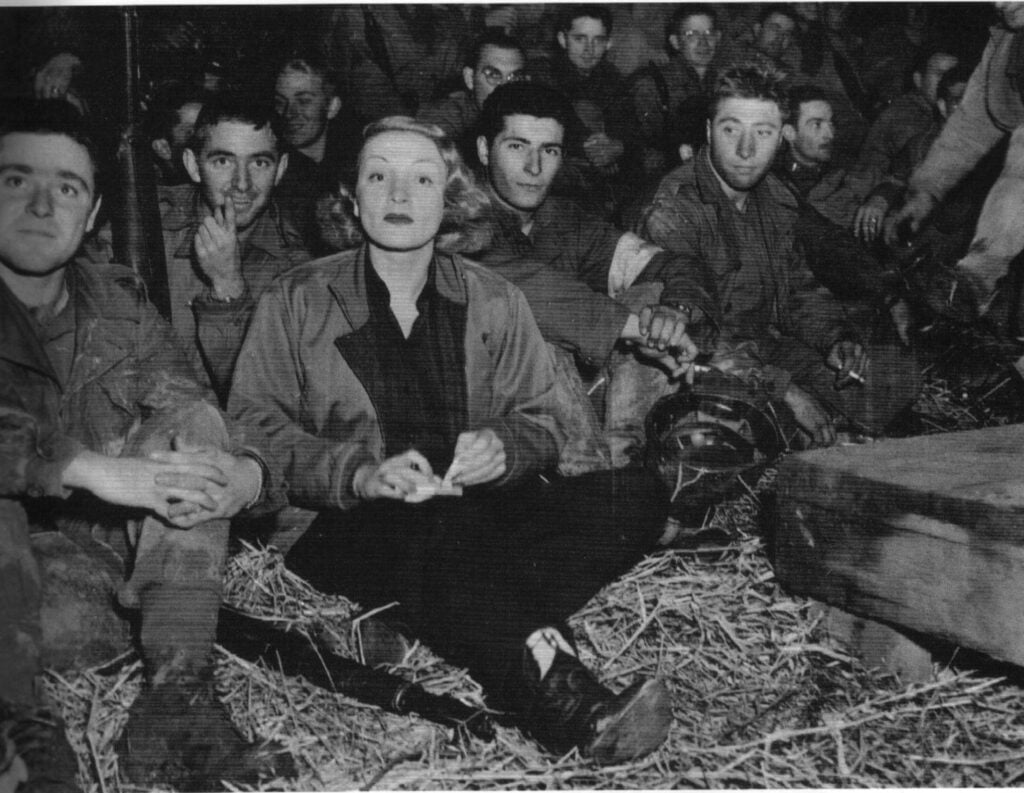
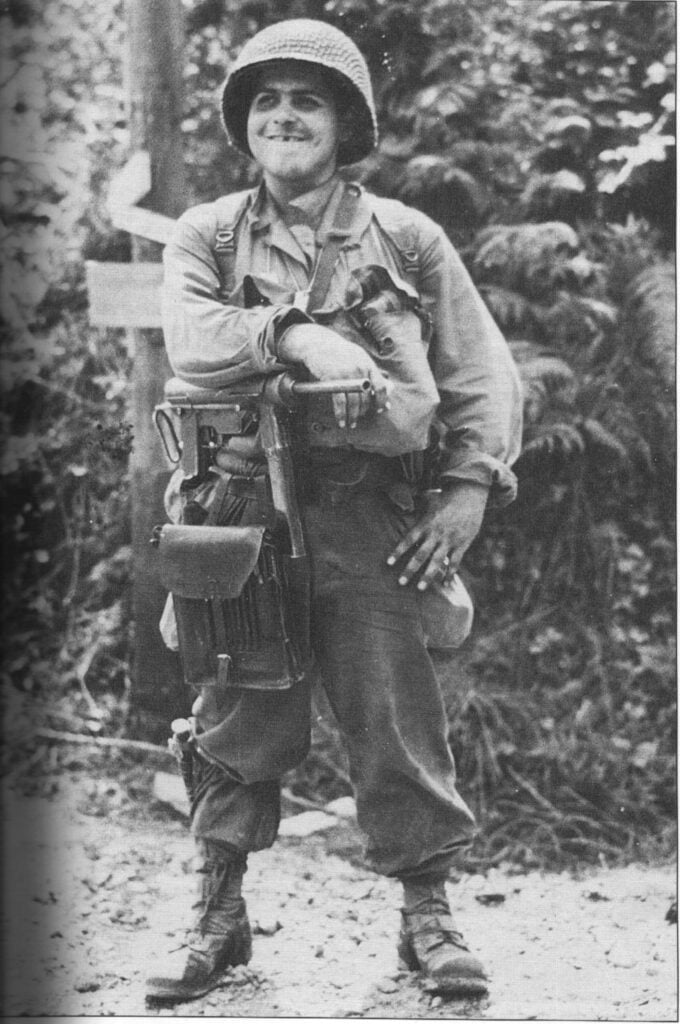
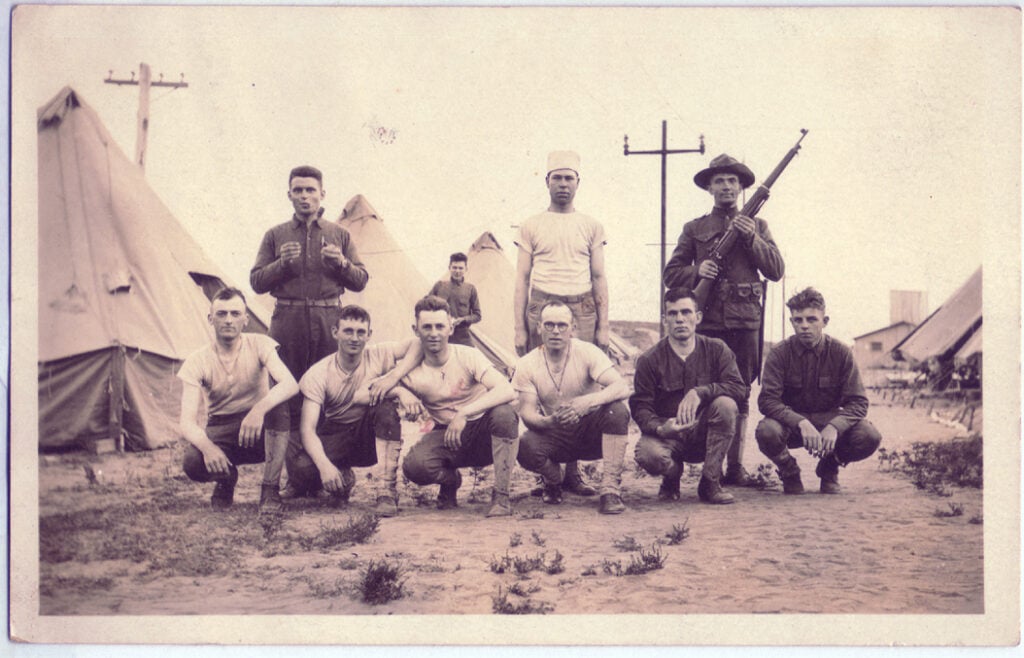
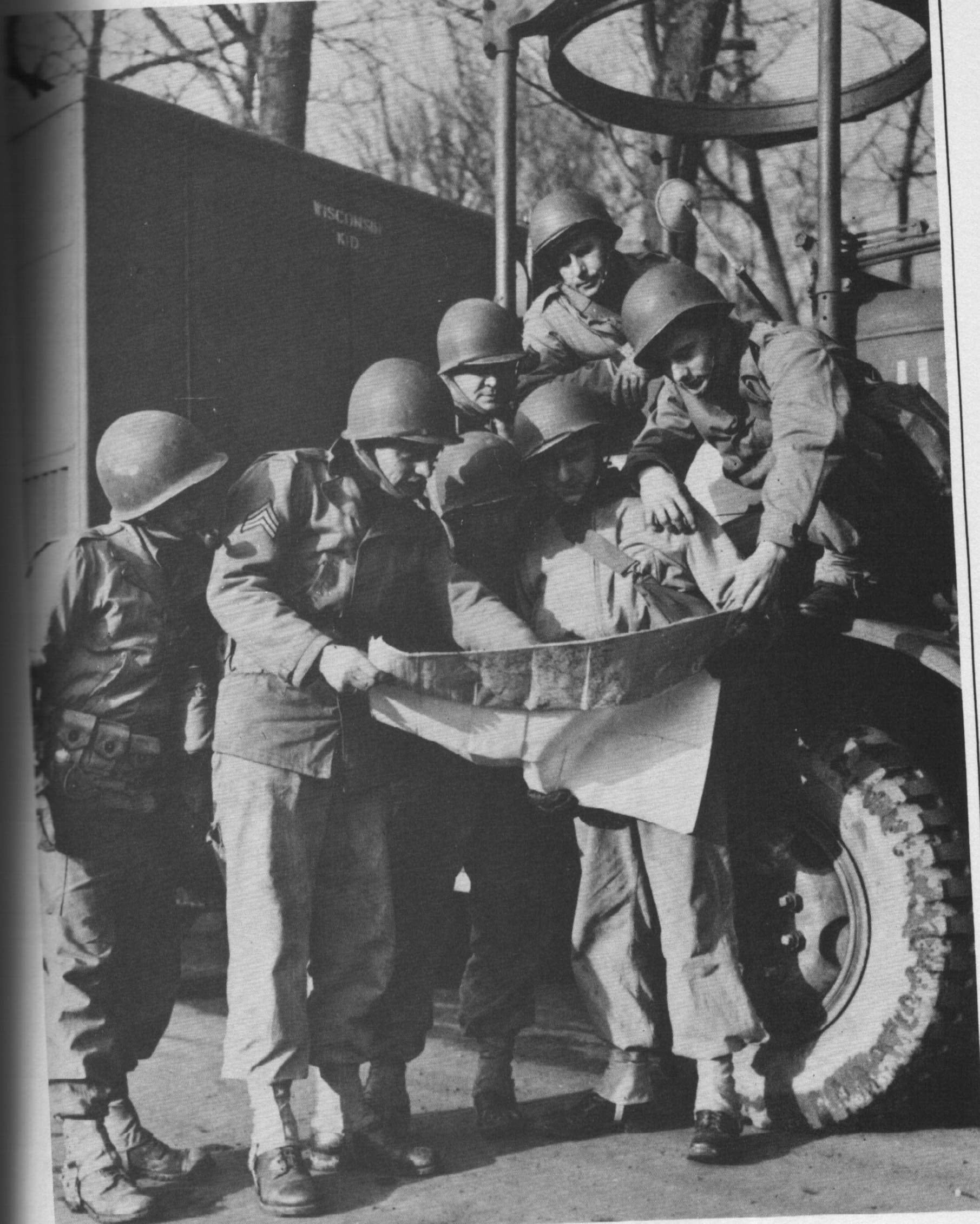
Below are some generic World War II Images that I’ve collected over the years from eBay sales, defunct websites, forums, etc. Some of them might be closer to WW1, the Interwar Period, or the early 1940s.

Maybe someday I’ll go through them and cull and organize but for now, I’ve just added them into a big gallery below.

Posted on

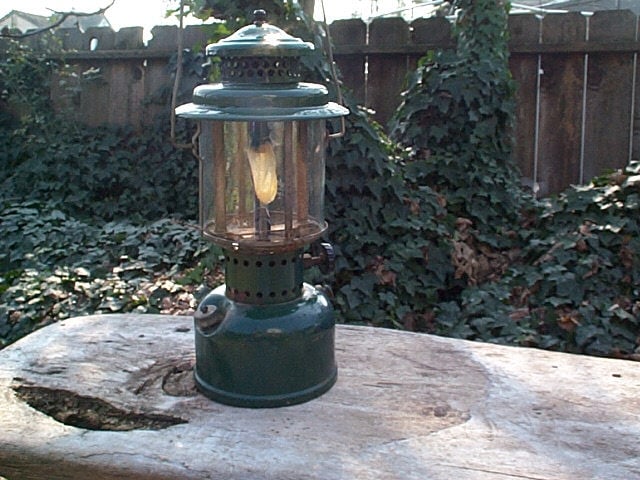
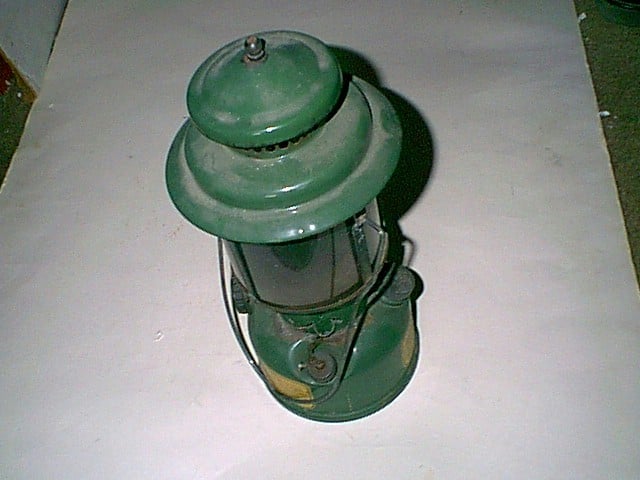
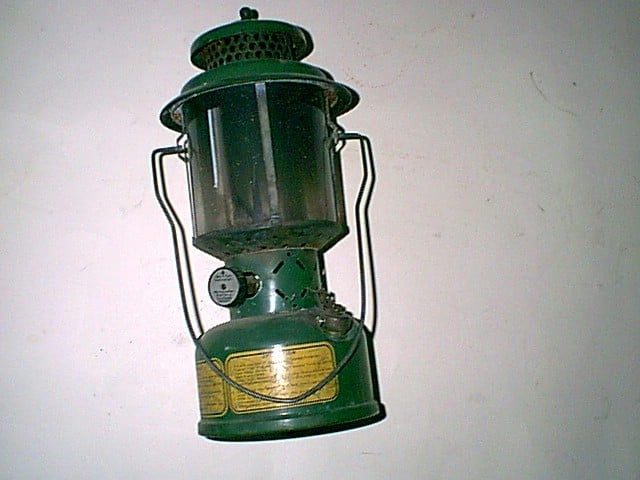
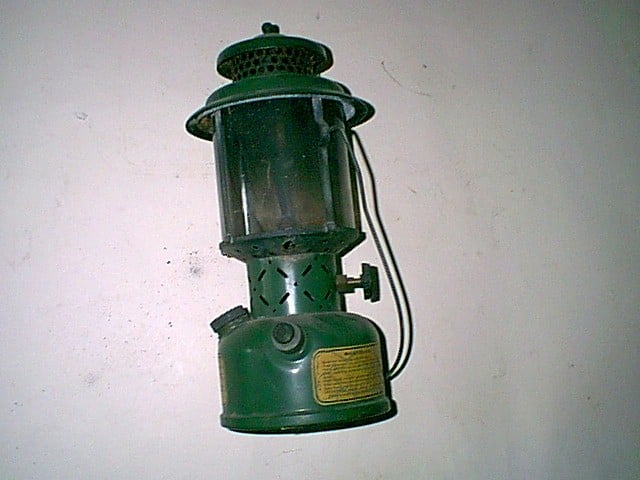
World War Two US Army Lanterns

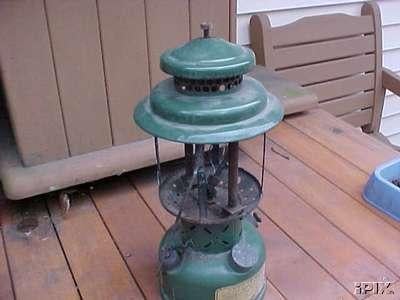
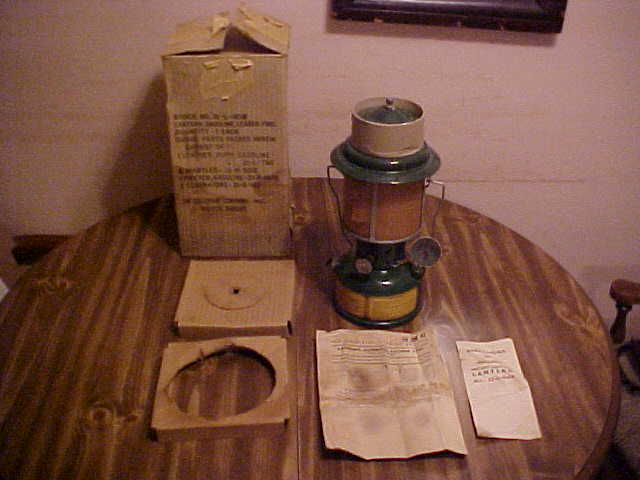
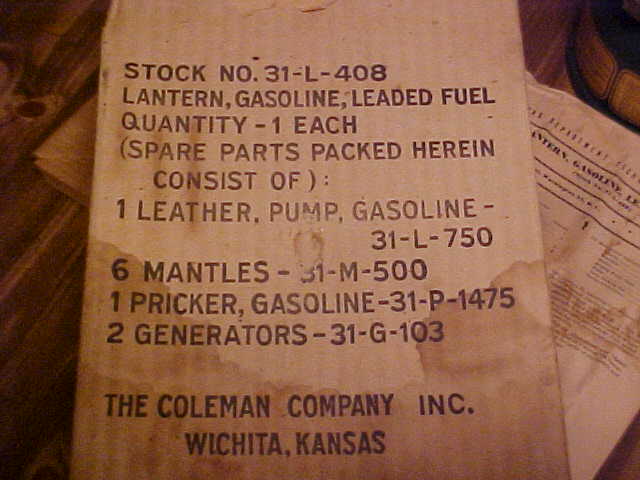
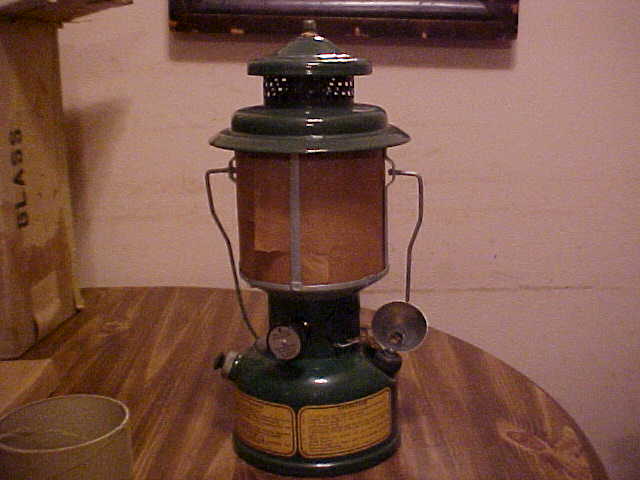
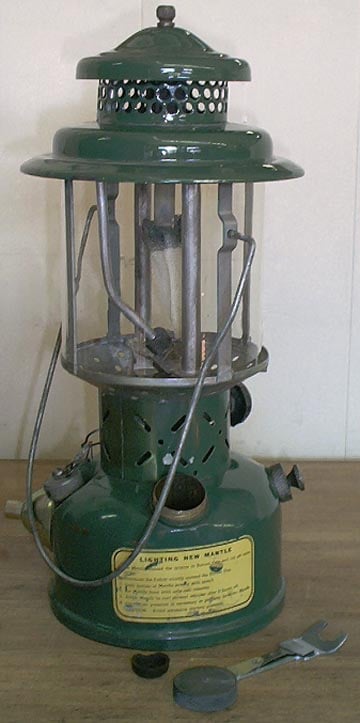
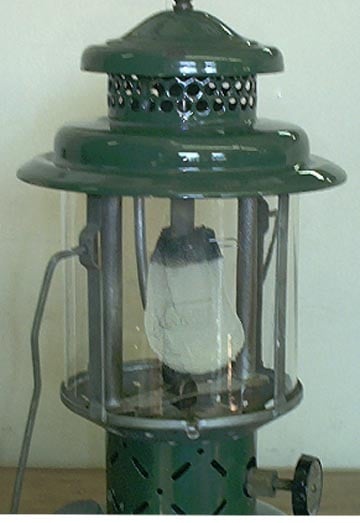
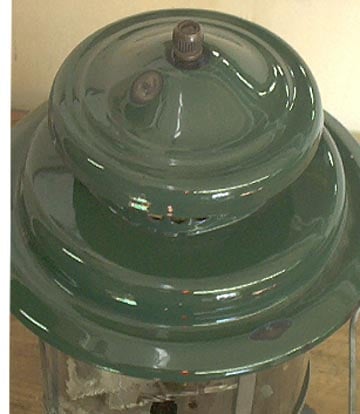
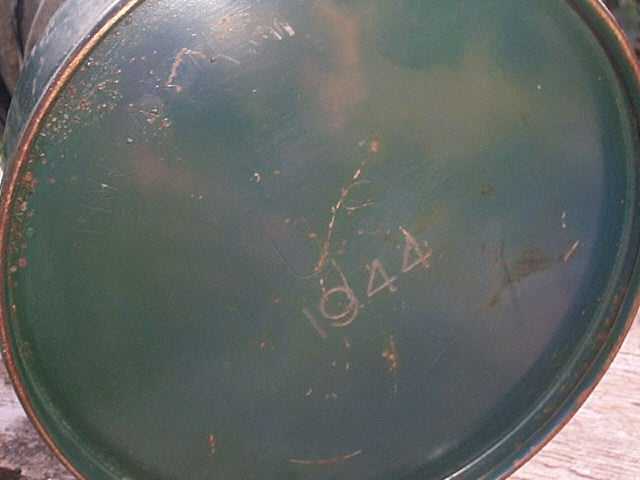
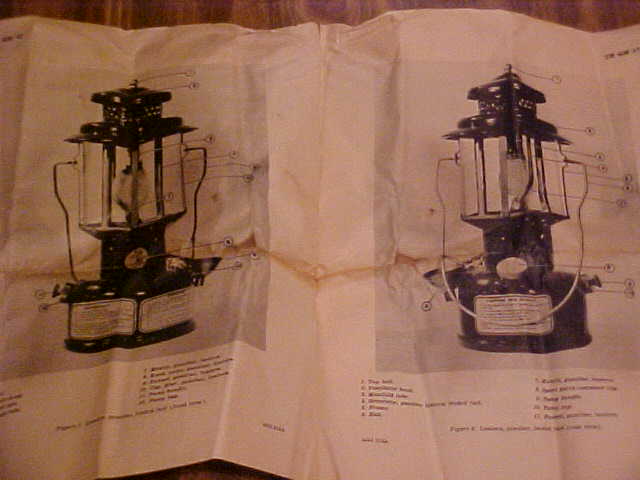
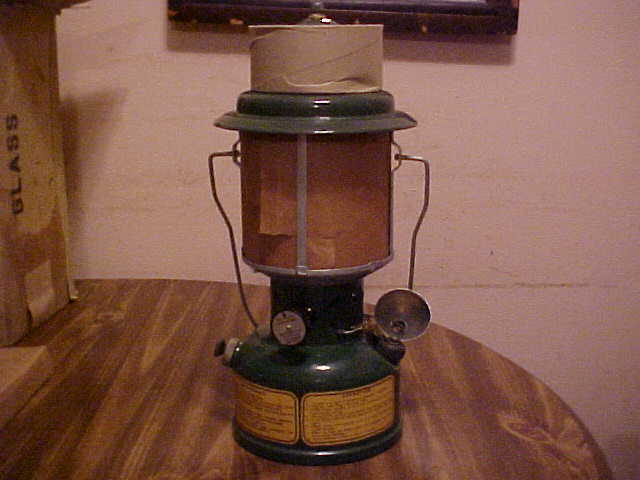
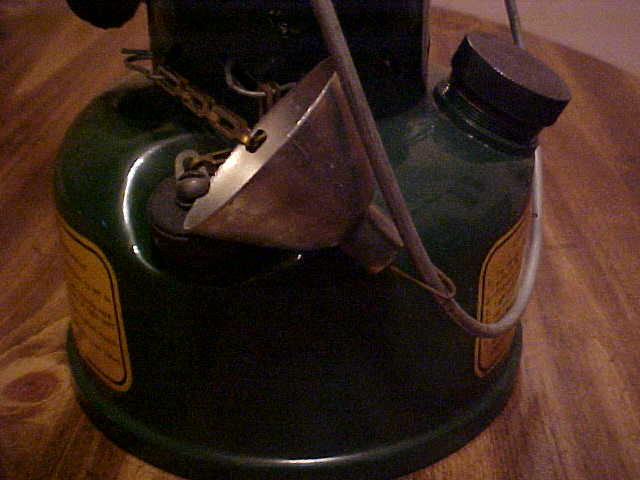
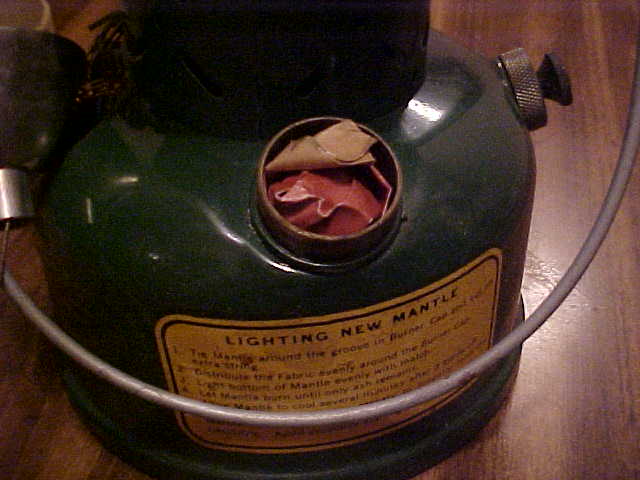
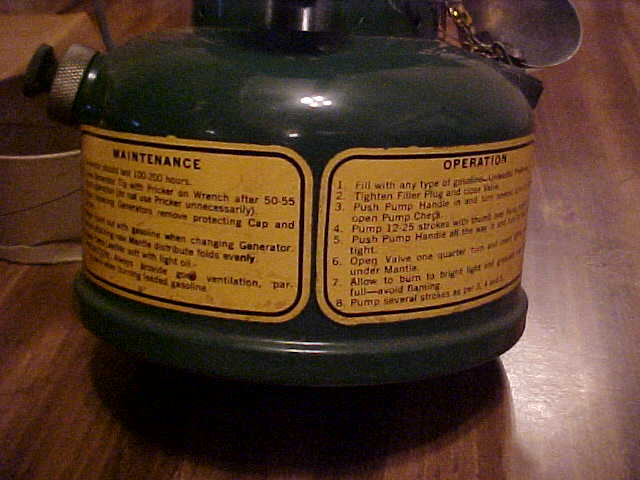
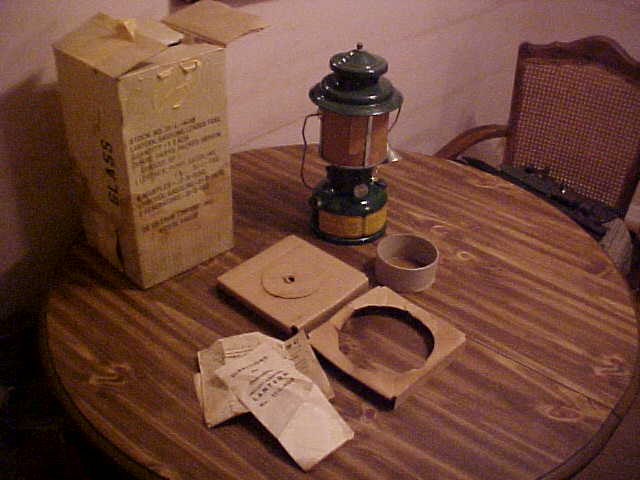
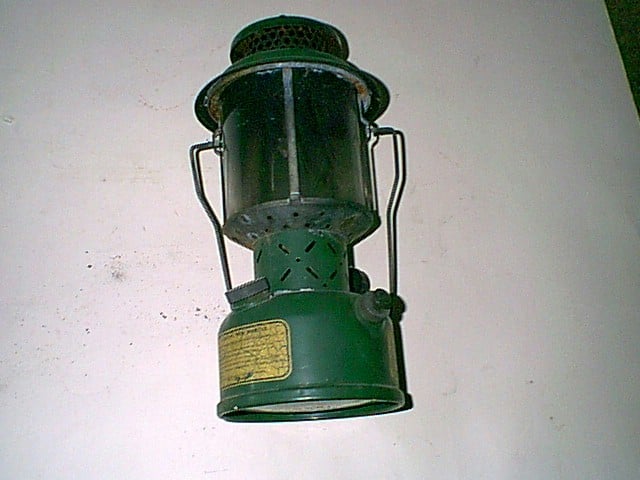
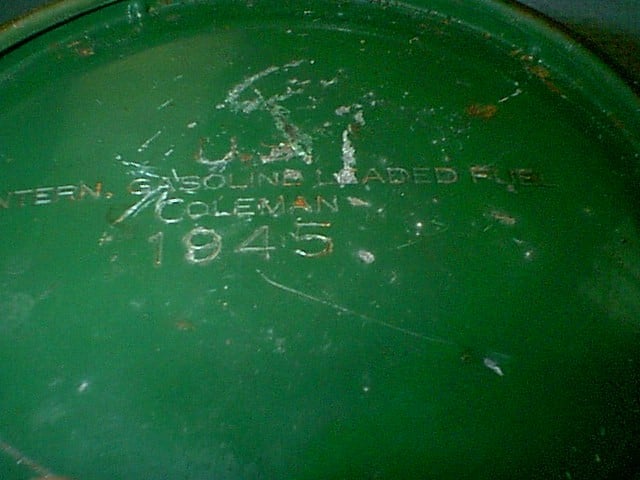
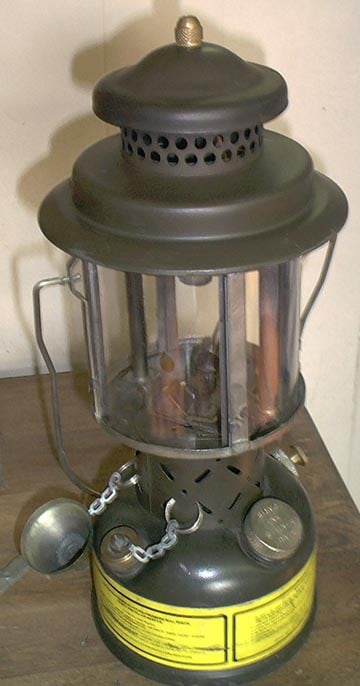
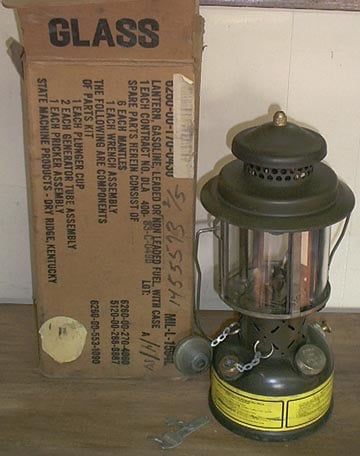
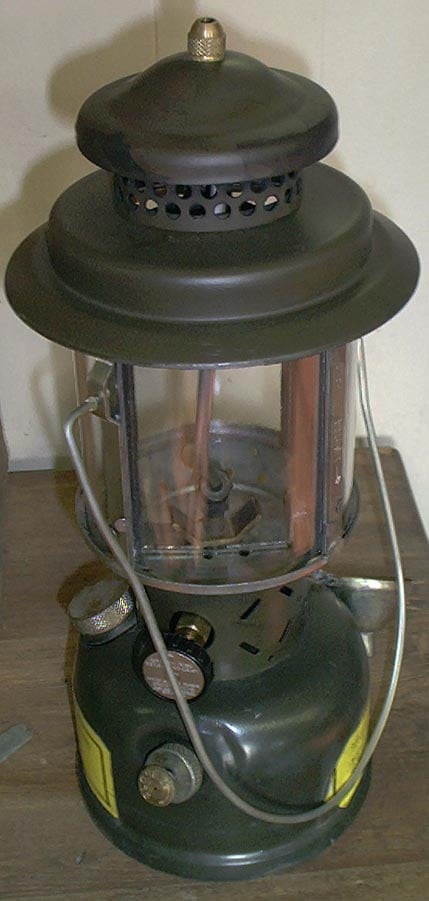
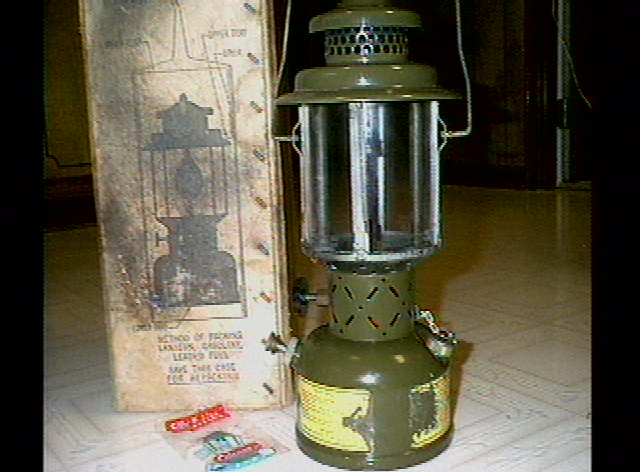
US Army Lanterns in World War Two were produced by Coleman (and probably others) and came in a green color. The images below show a few examples of it, including an unissued one in the original packing material –

There is also a Lantern Gasoline Leaded Fuel, QM 8-Misc 1 quartermaster supply catalog dated Jan 1945 that outlines the spare parts for the unit.

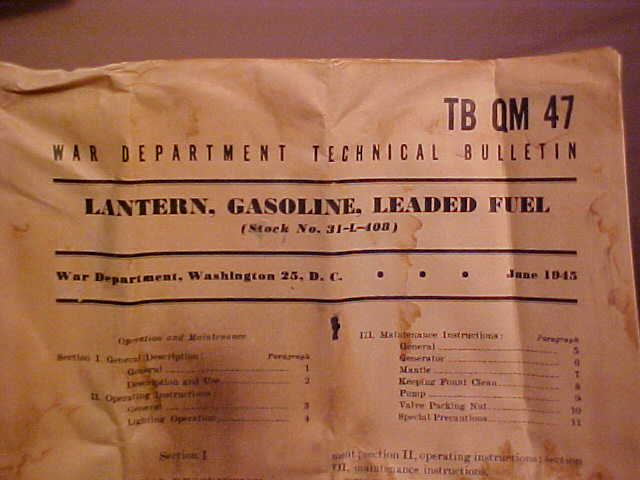
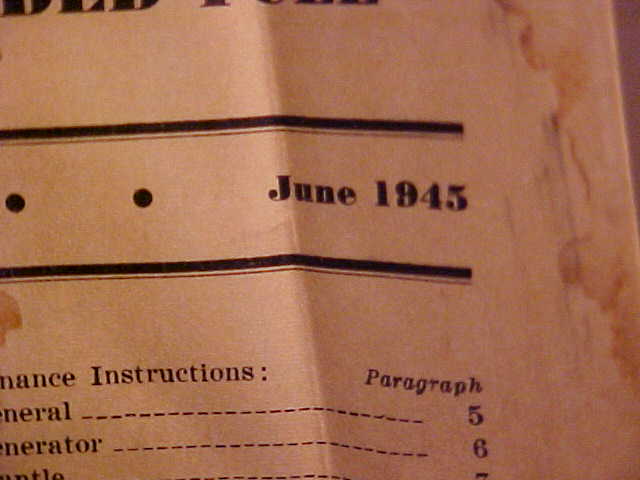
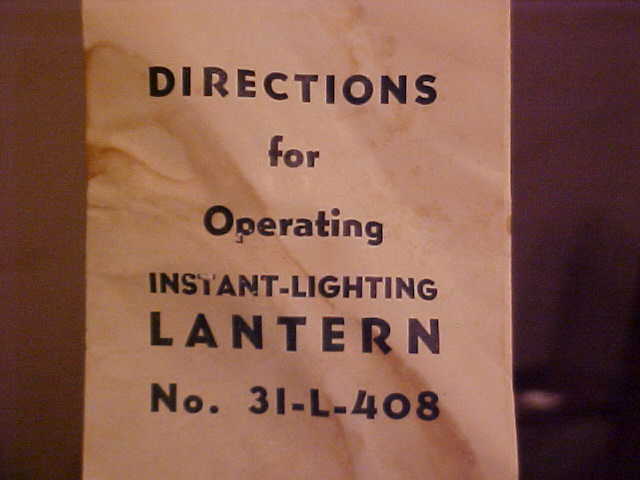
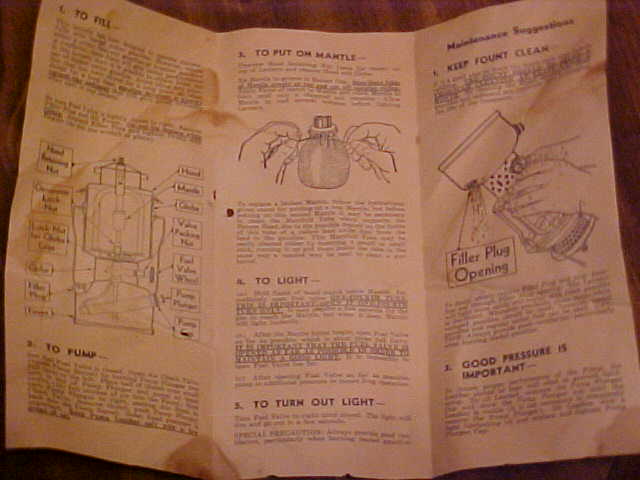
And the Technical Bulletin TB QM-47 June 1945 that explains how to operate and maintain the lantern.

This is in contrast to what is a post-war model, where the lantern is painted olive drab

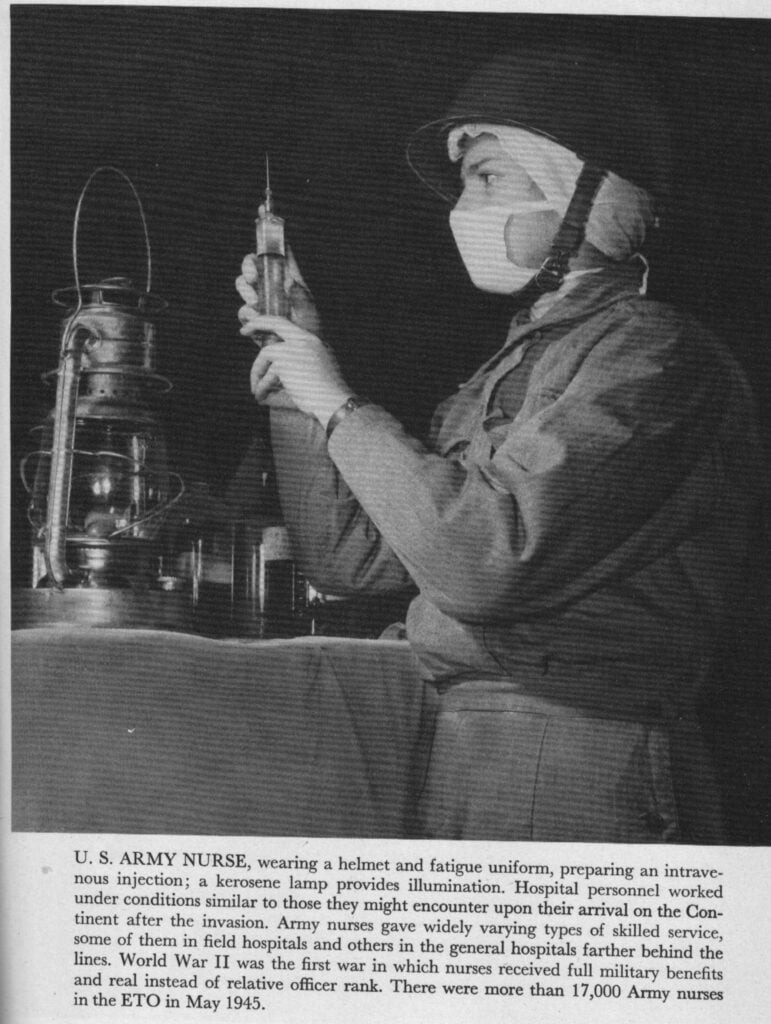
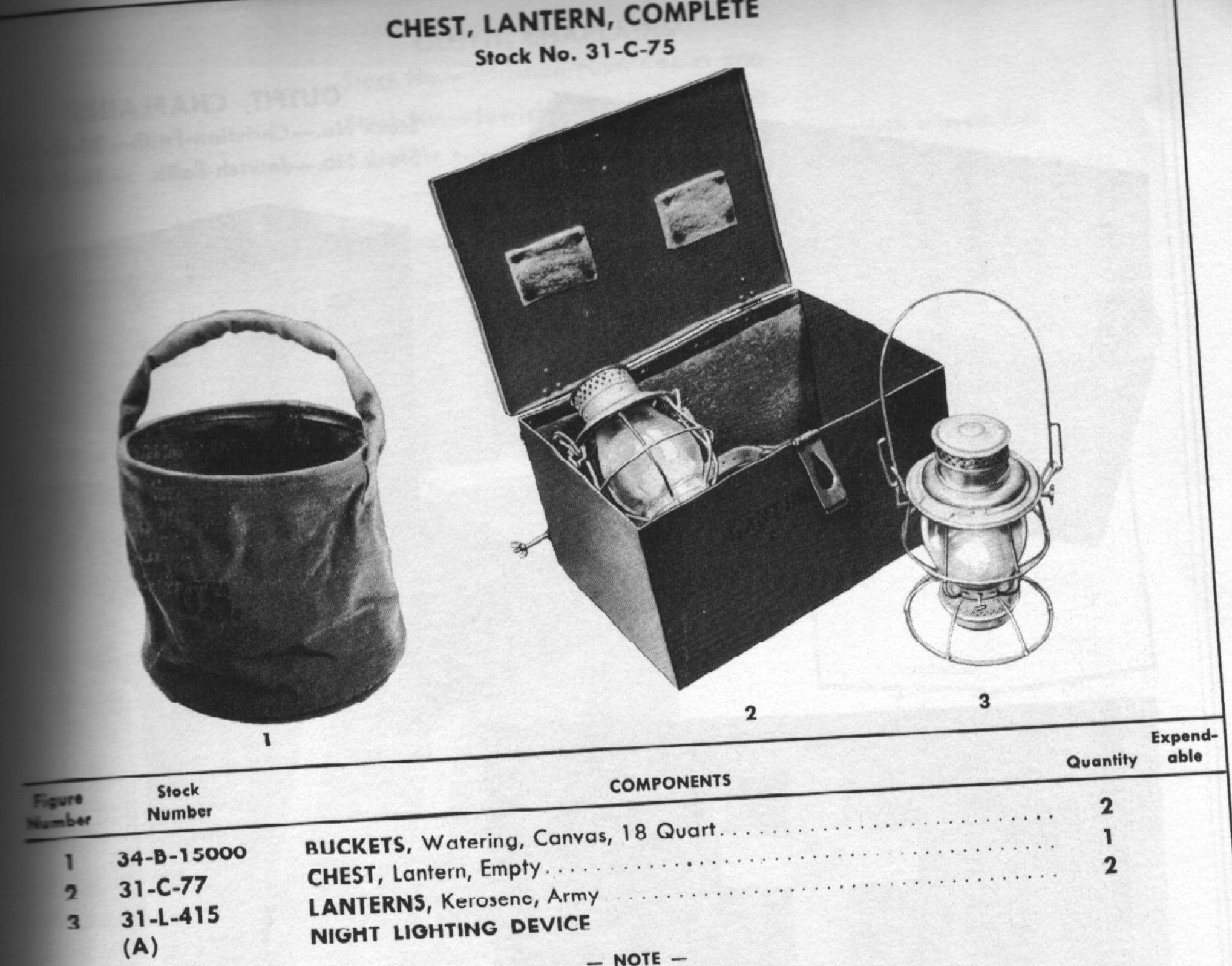
There also existed a smaller lantern that would go inside a Lantern Chest. These smaller lanterns ran on Kerosene rather than gasoline.

Posted on

World War Two US Army Wirecutters

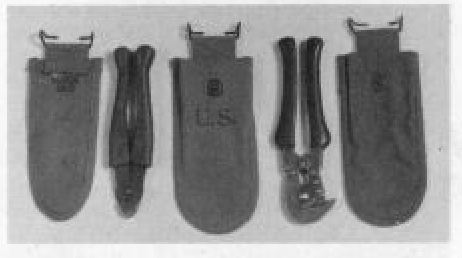
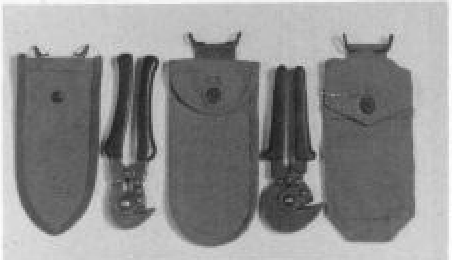
Shown on the left is a pair of Model 1910 wire cutters with a pouch dated 1918. The metal jaws are marked “U.S.”, and “5000-V” is molded into the rubber handle. These cutters were dual-purpose tools, featuring a wire-cutting slot as well as serrated jaws that allowed them to be used as pliers.

On the right is a pair of M-1938 wire cutters, stamped “U.S., HKP, 1944.” Unlike the Model 1910 cutters, the M-1938 functioned solely as wire cutters. Accompanying them are two pouches: a light olive drab pouch dated 1942 on the left and a dark olive drab pouch dated 1944 on the right.

Shown on the left is an undated USM pouch designed for the standard M-1938 wire cutters, used during the early years of World War II.

The cutters on the far right are stamped “USMC 1944.” The purpose of their enlarged head is uncertain, though it may have been intended to provide additional strength. The cutting blade is sharpened along only half of its length, with the remaining portion being serrated.

The pouch to the left of these cutters is dated 1944, while the pouch on the right is British-manufactured and dated 1945

Posted on

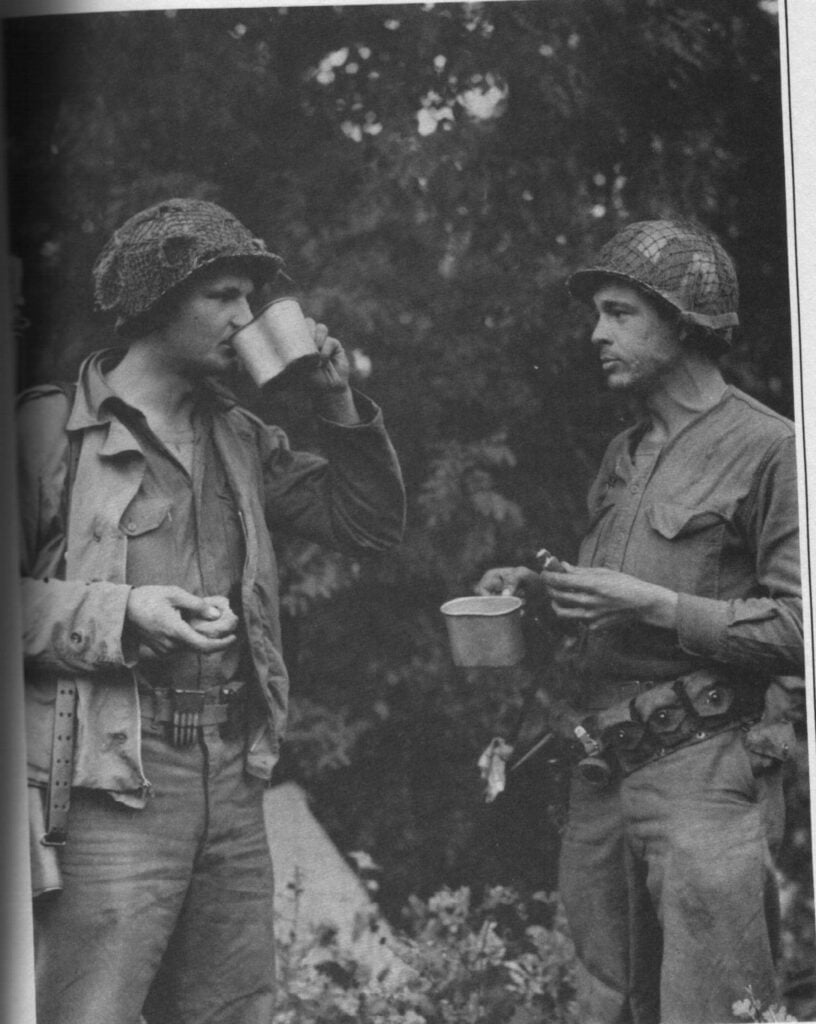
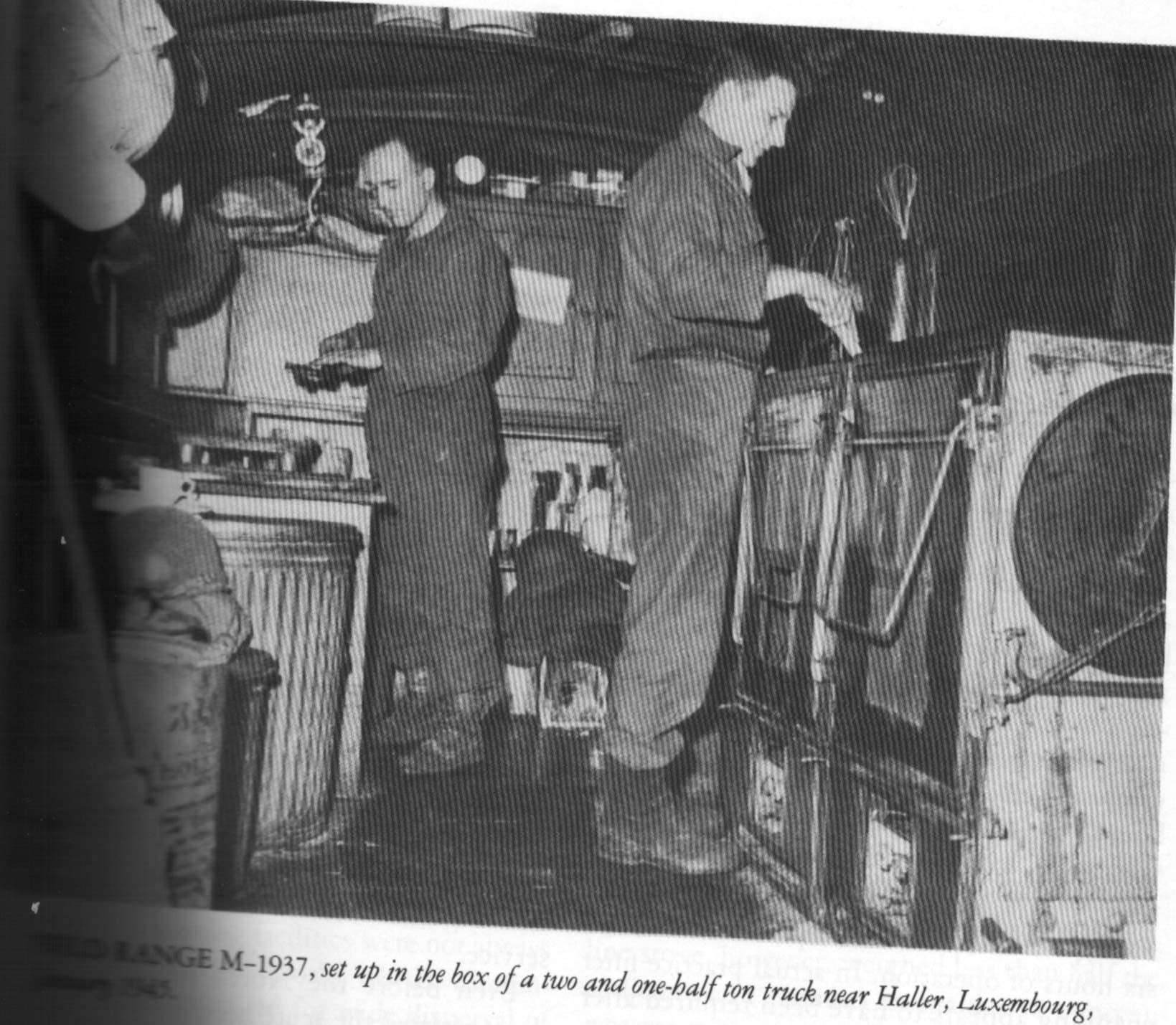
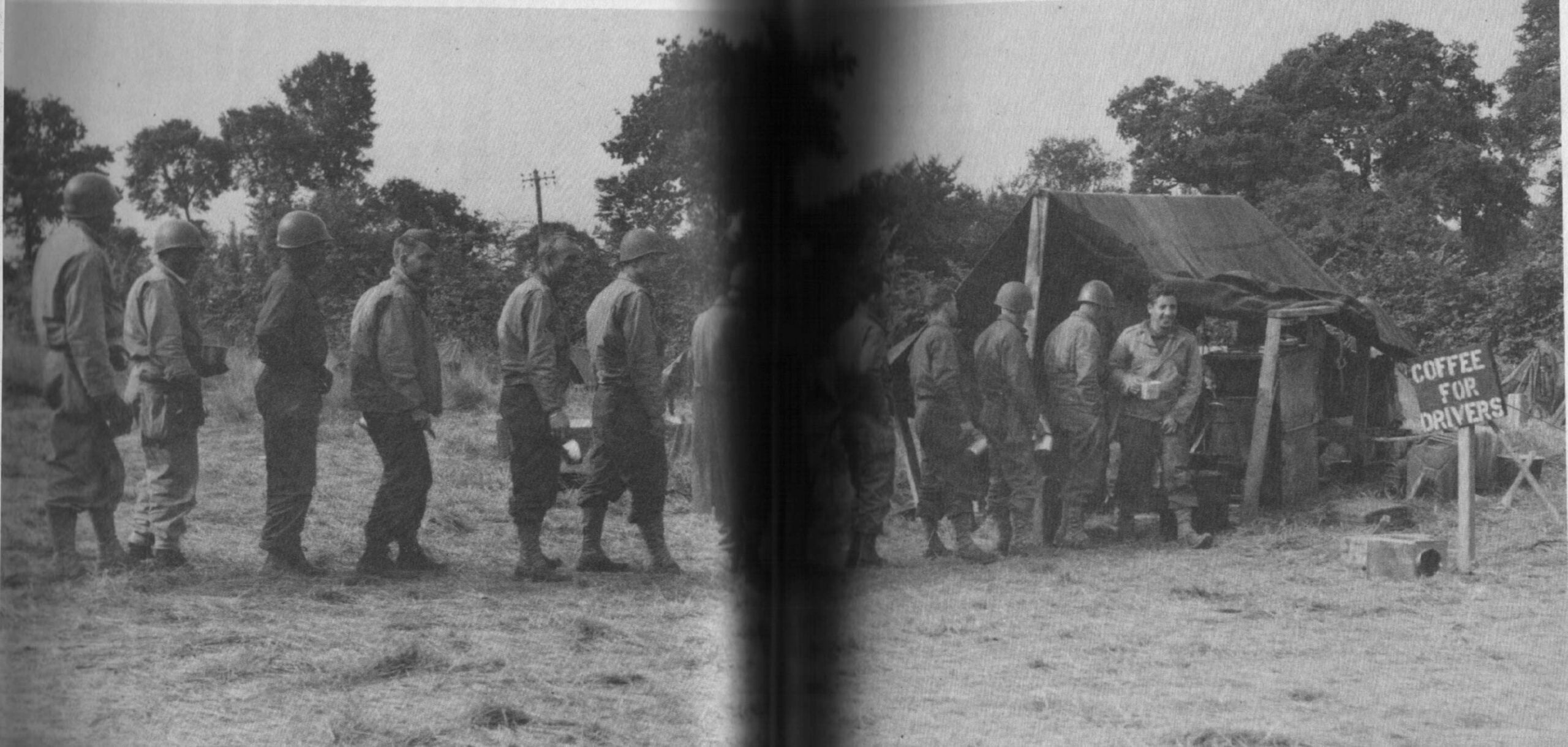
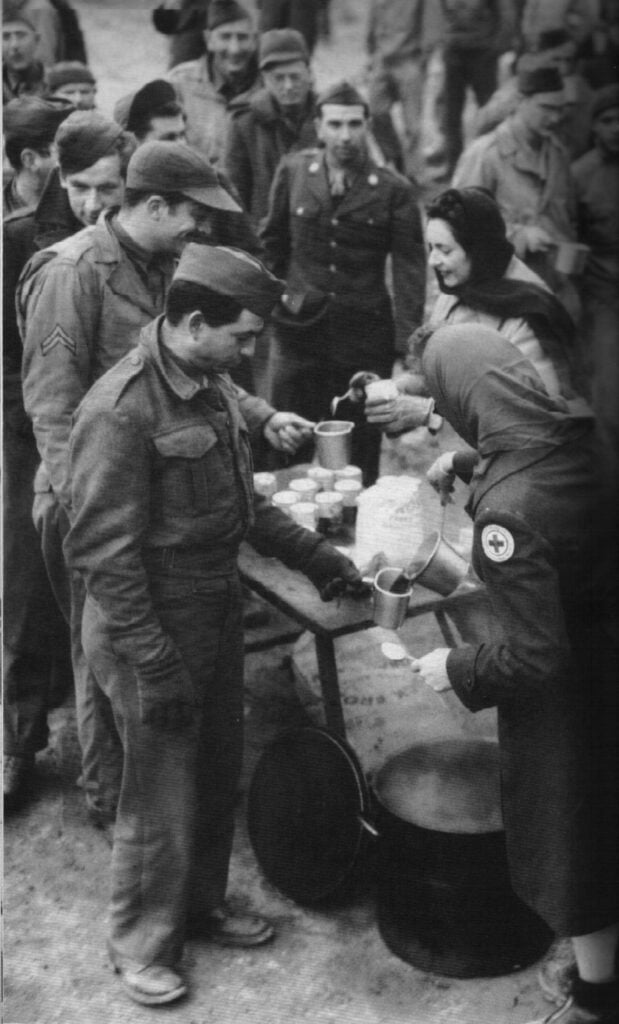
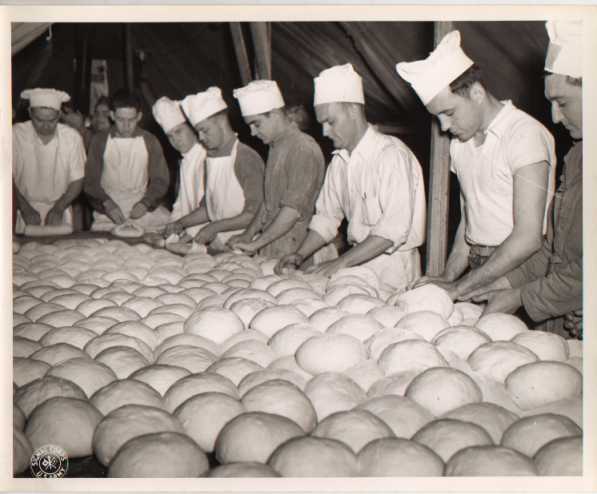
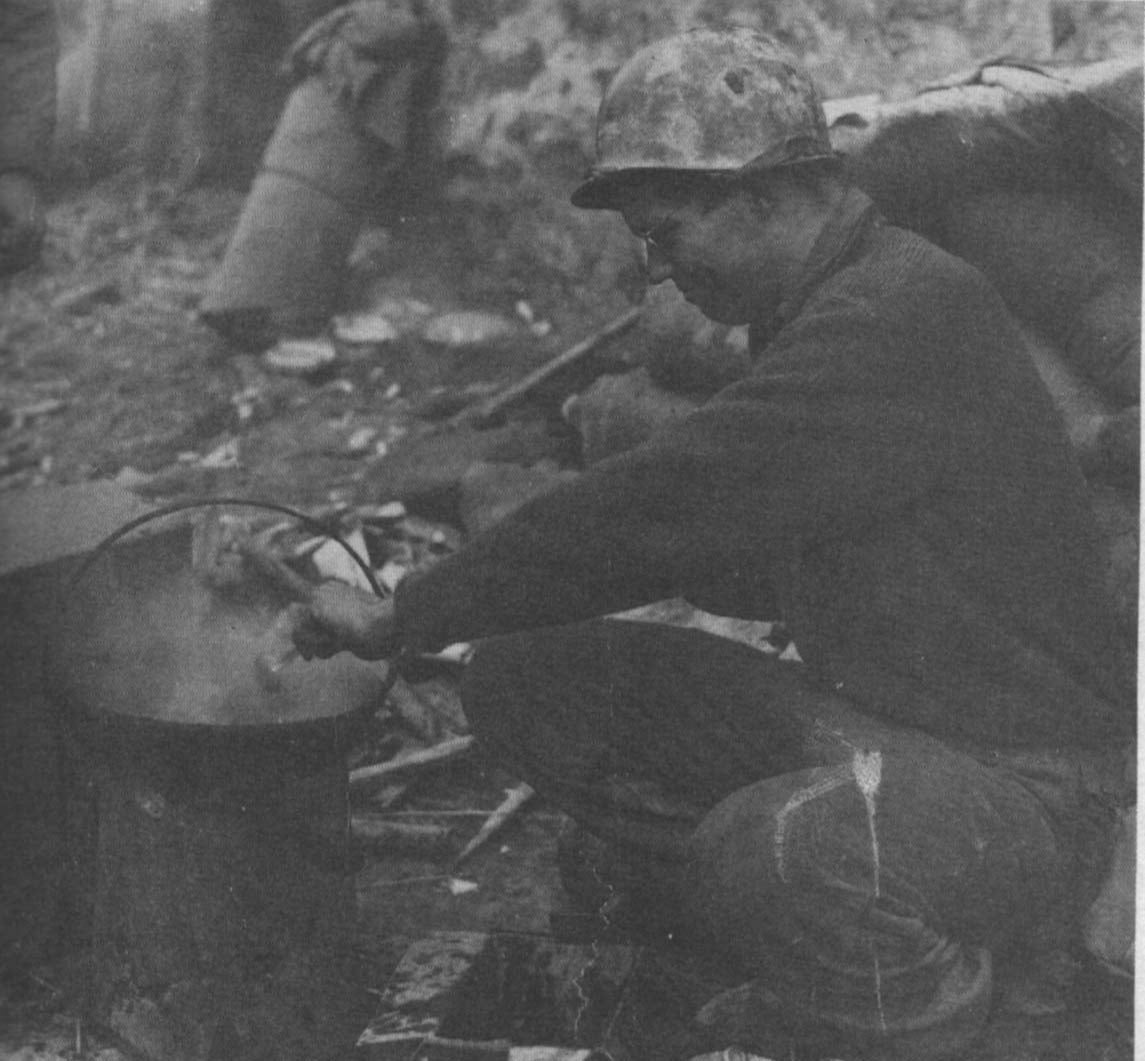
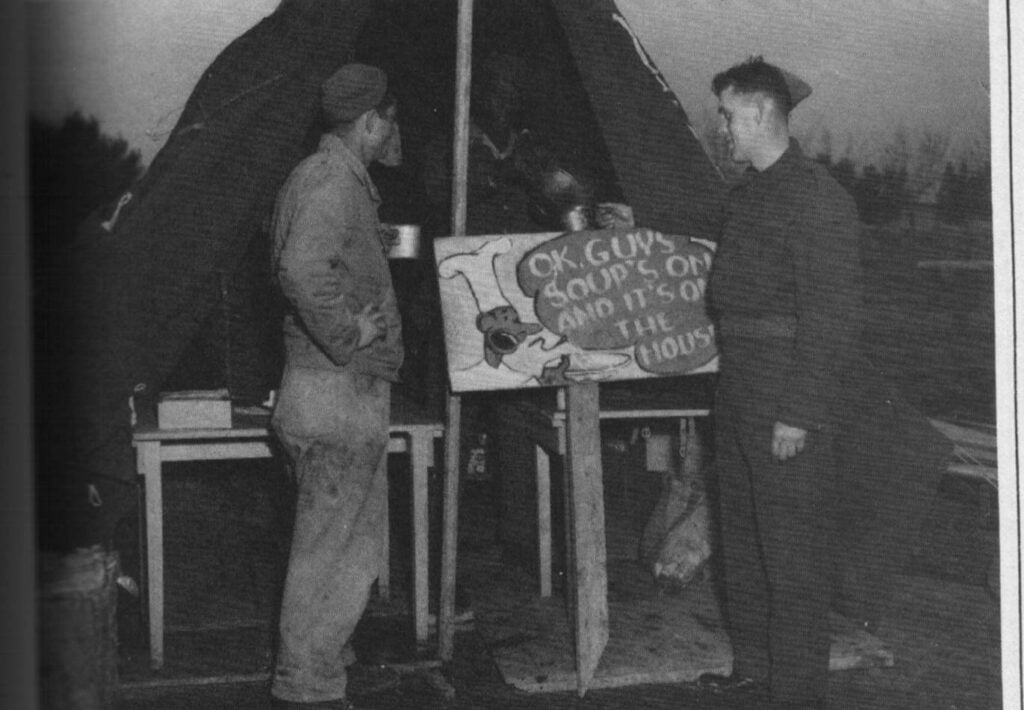
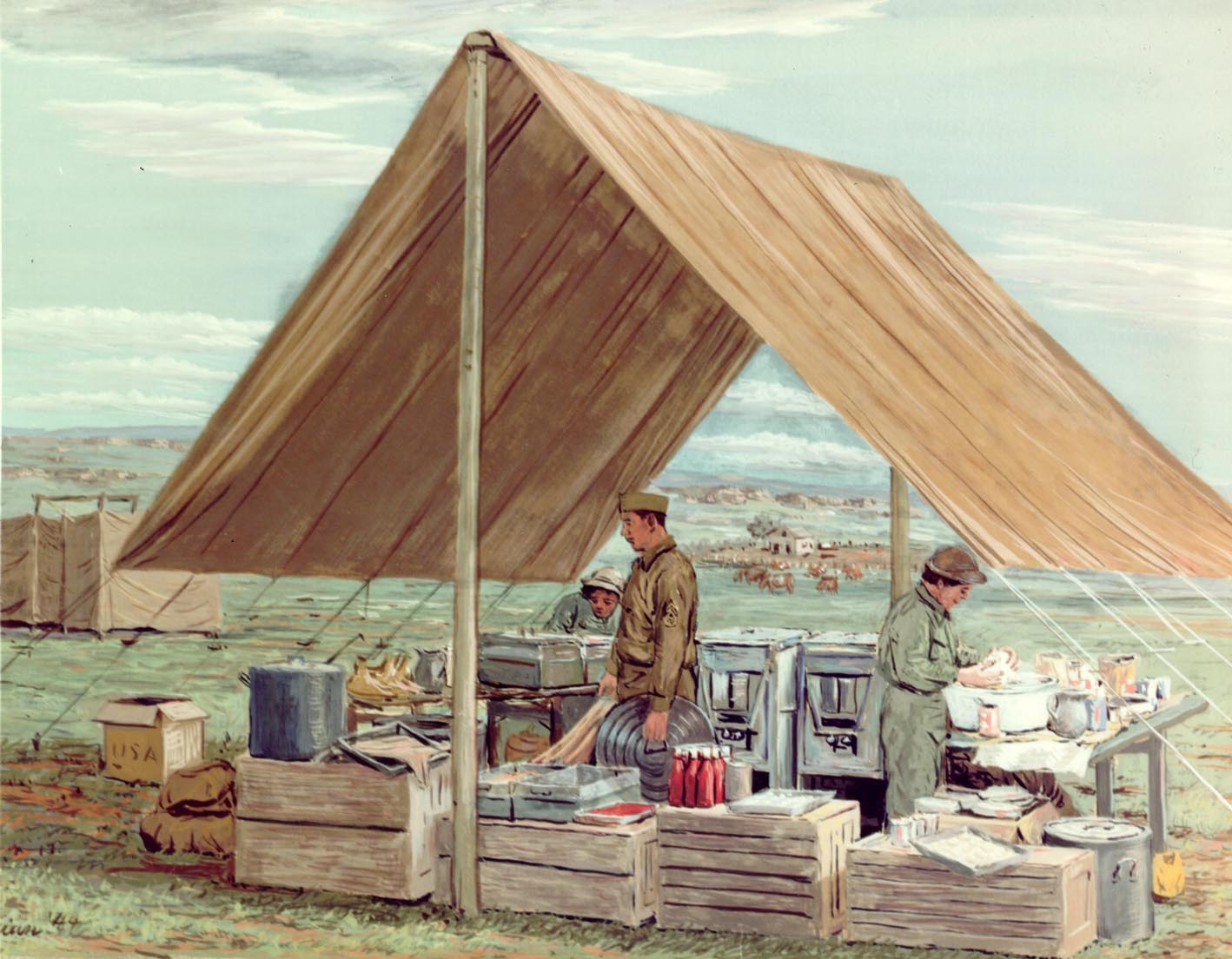
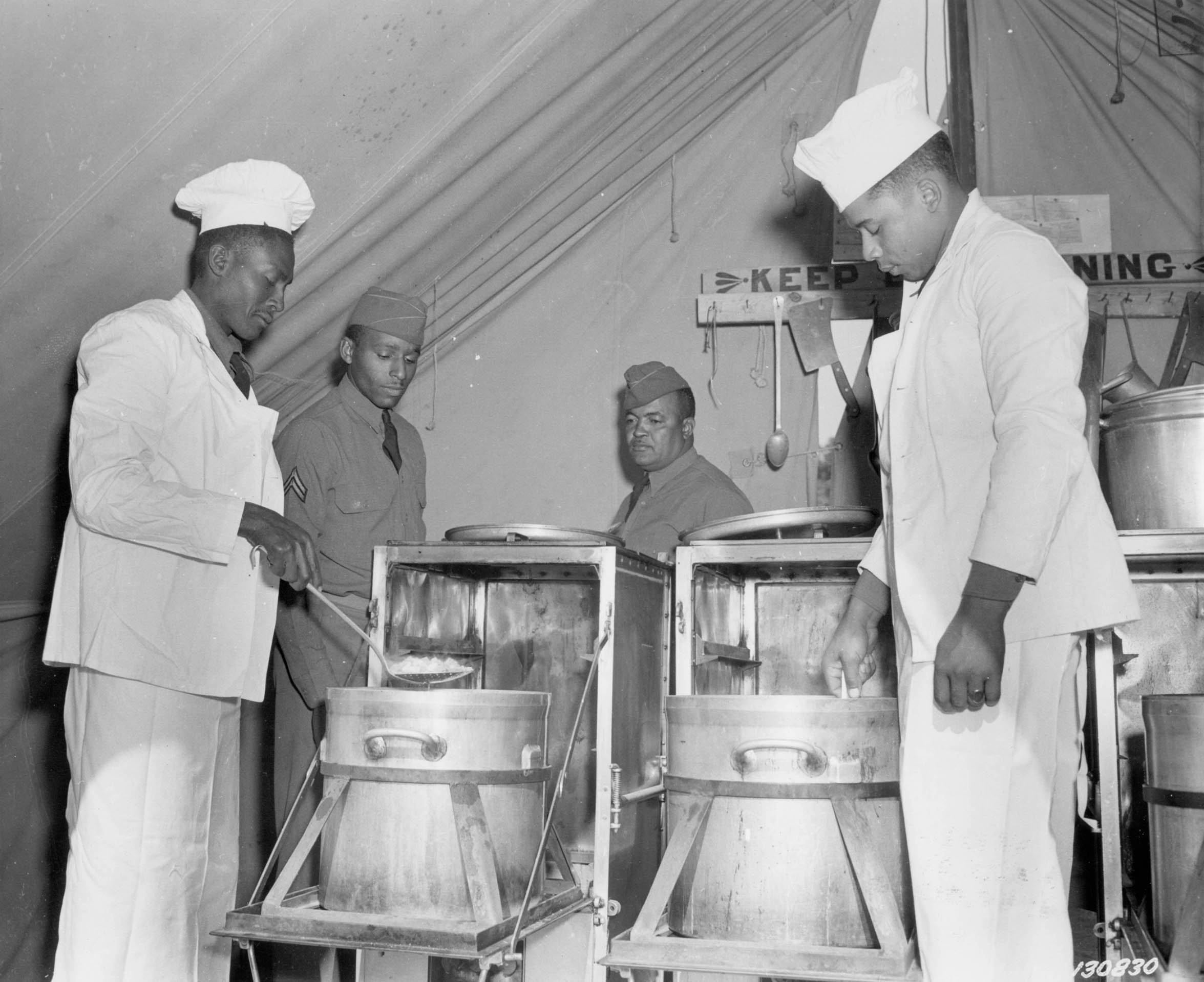
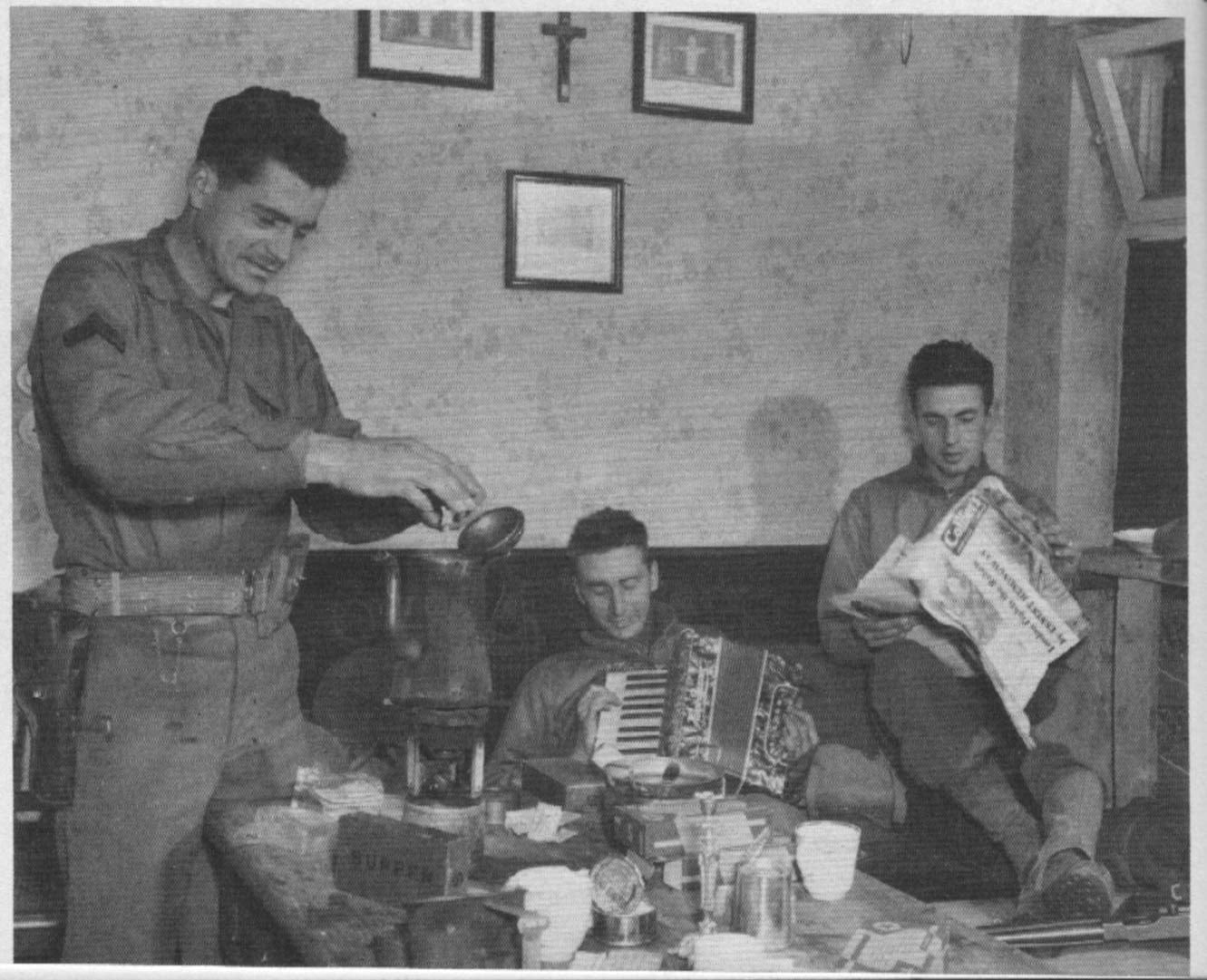
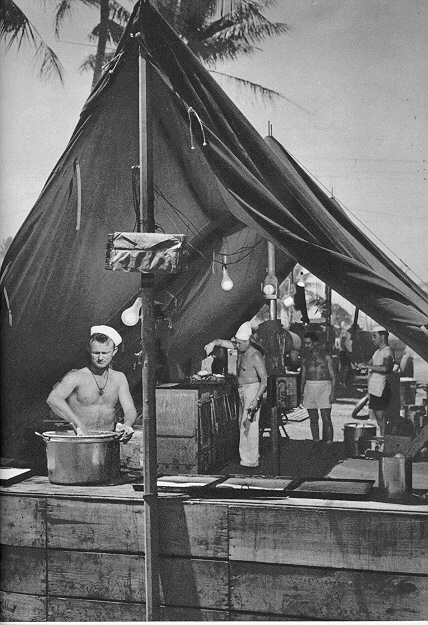
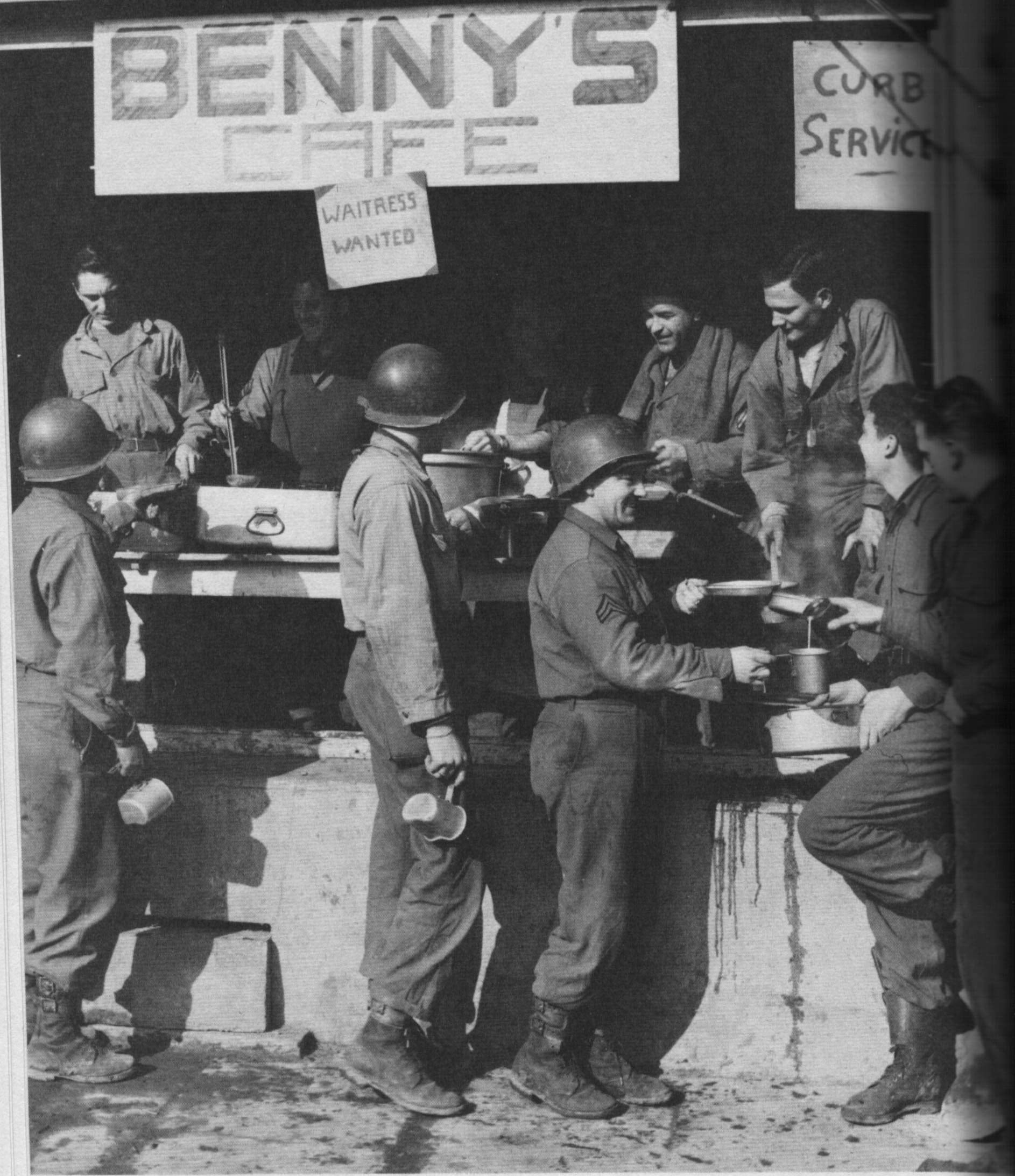
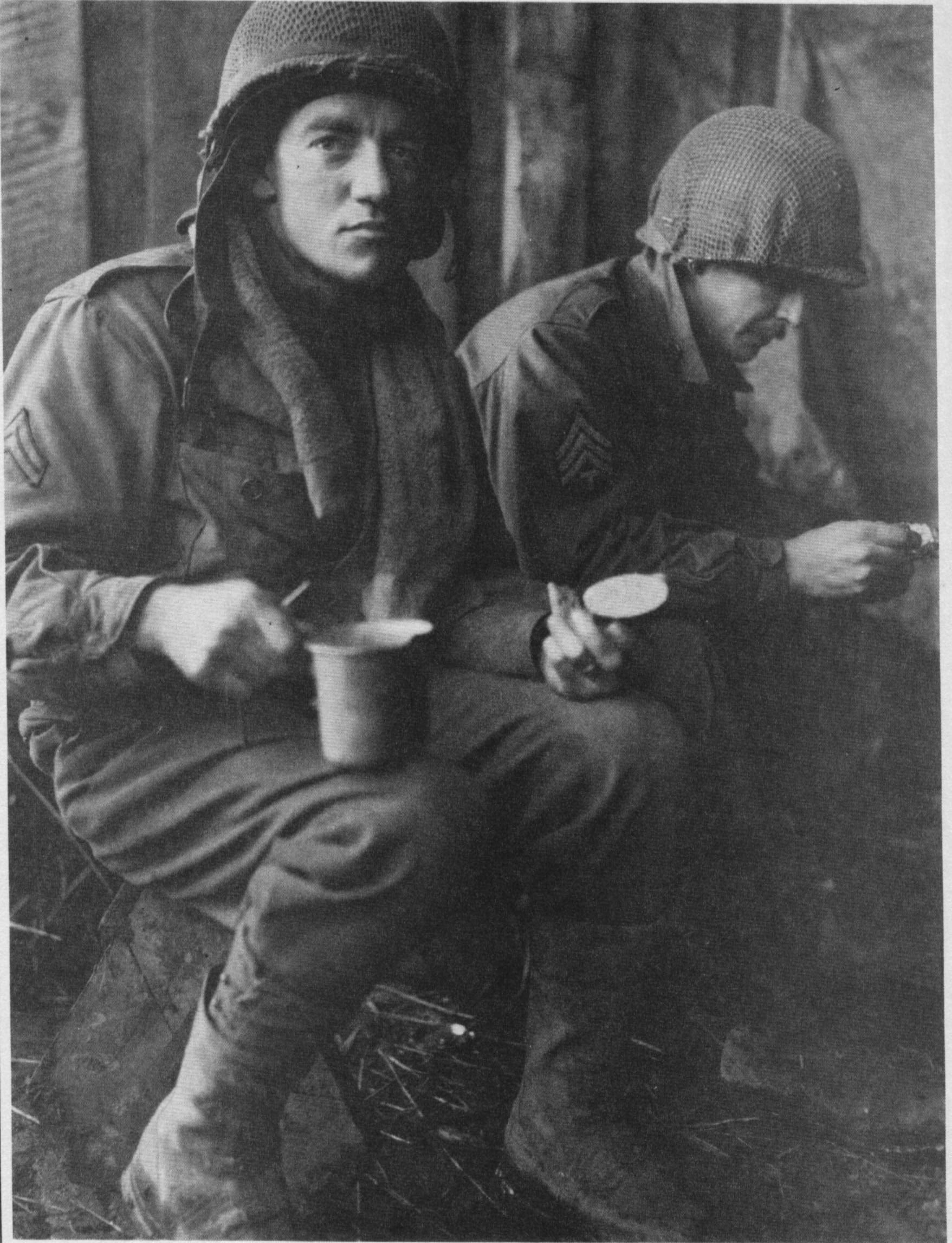
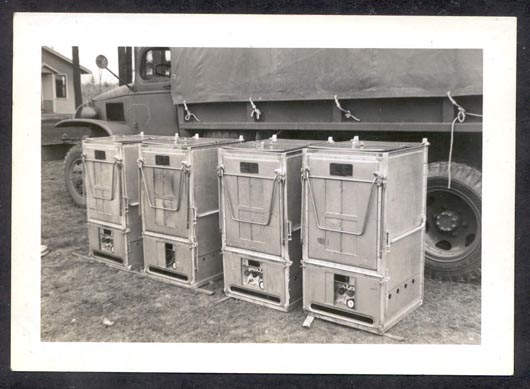
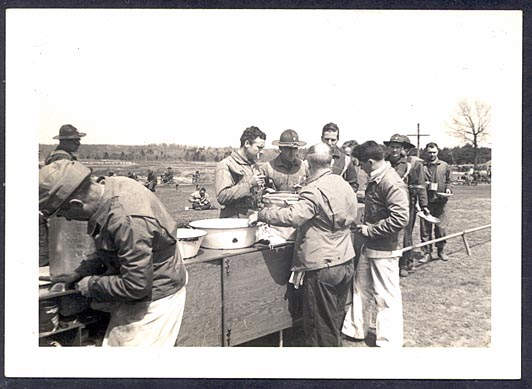
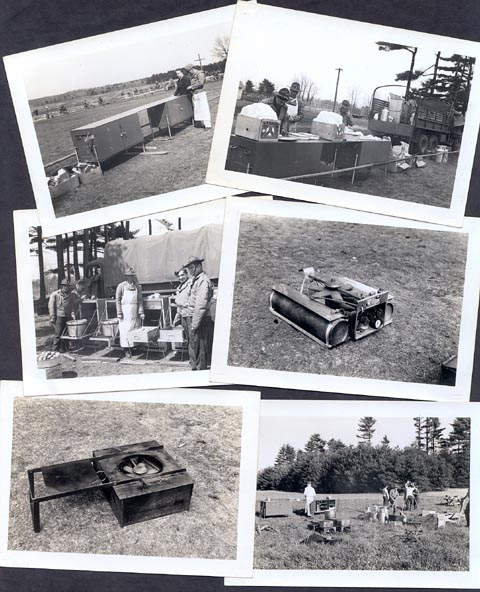
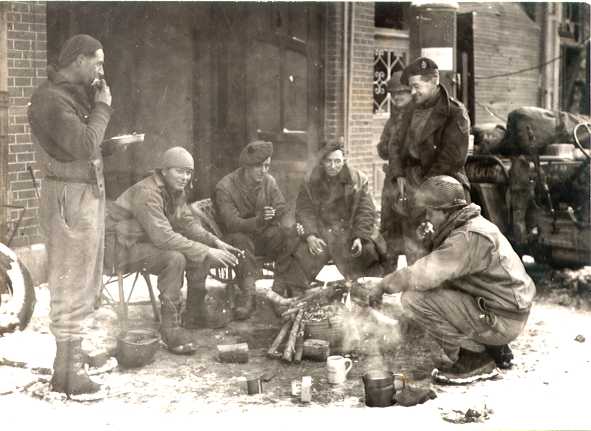
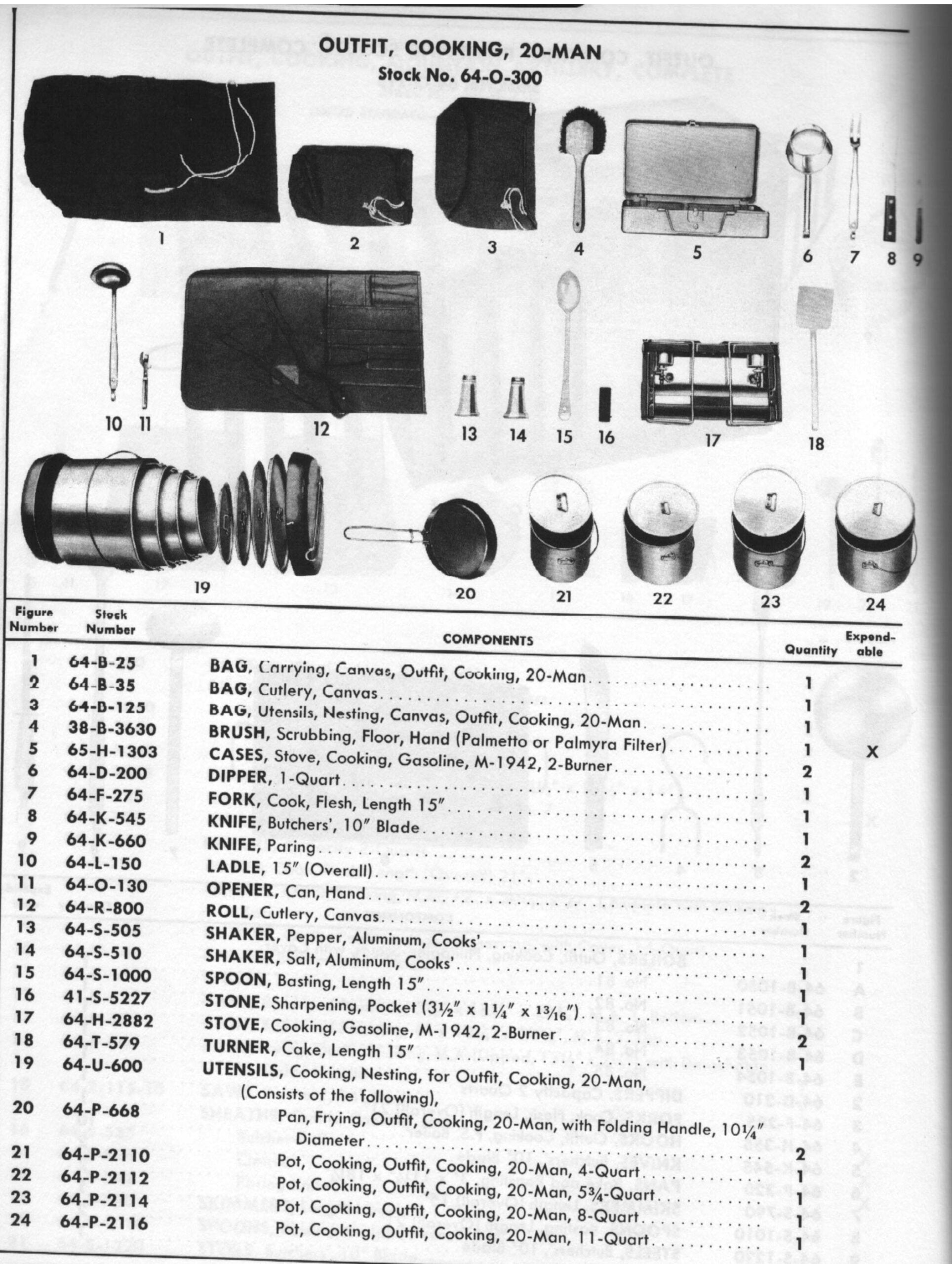
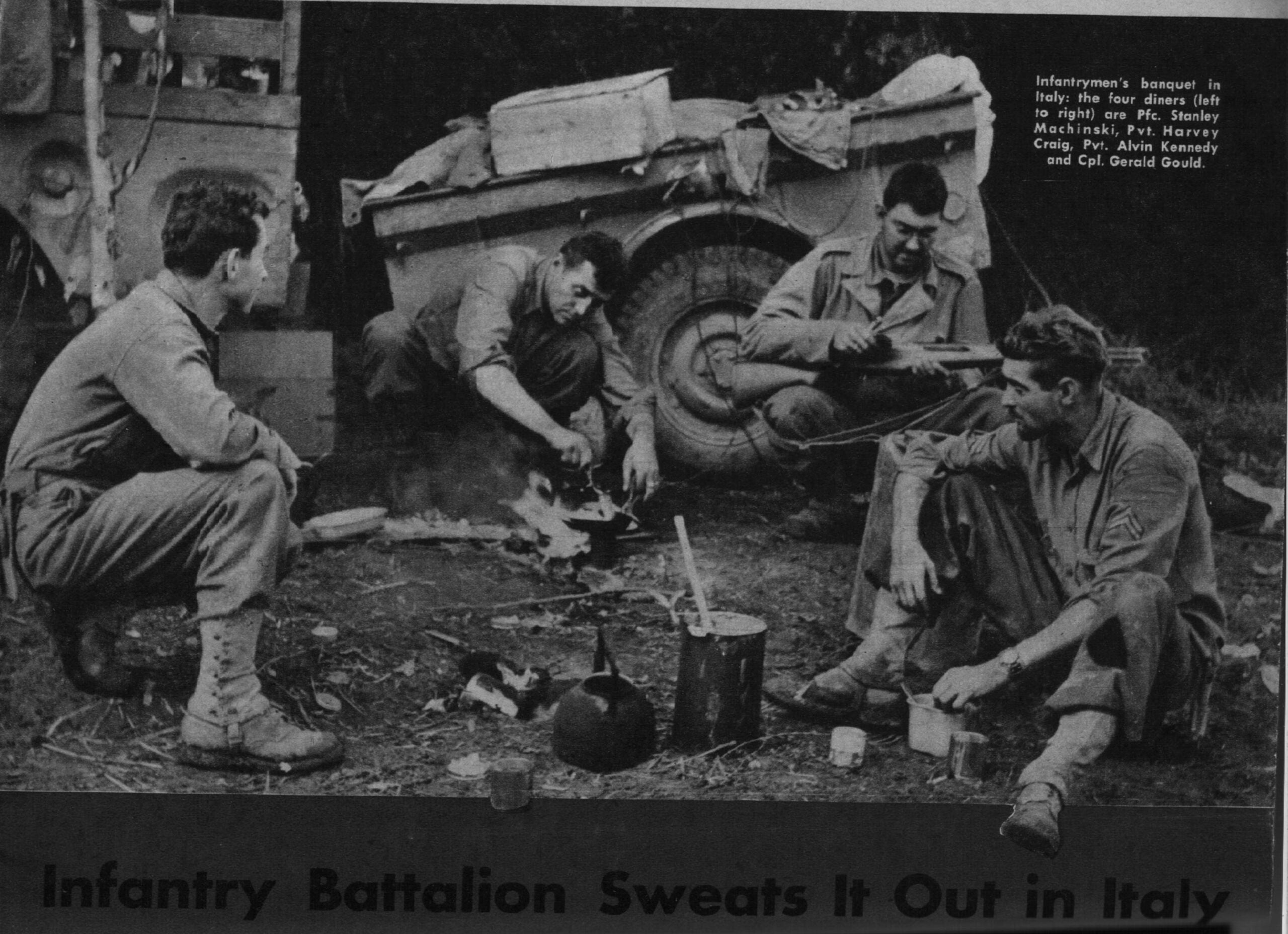
Original World War Two Mess Pictures and Equipment

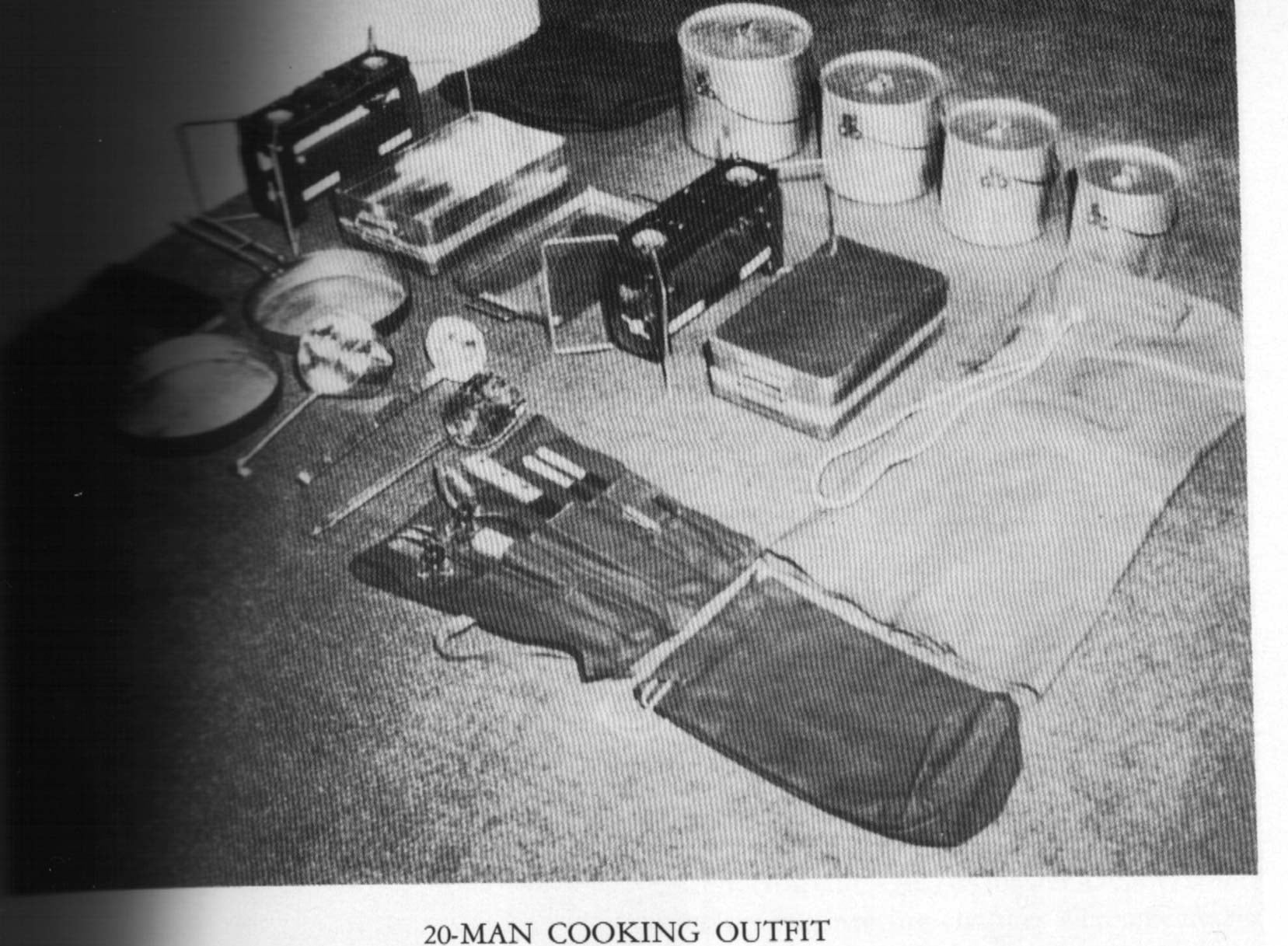
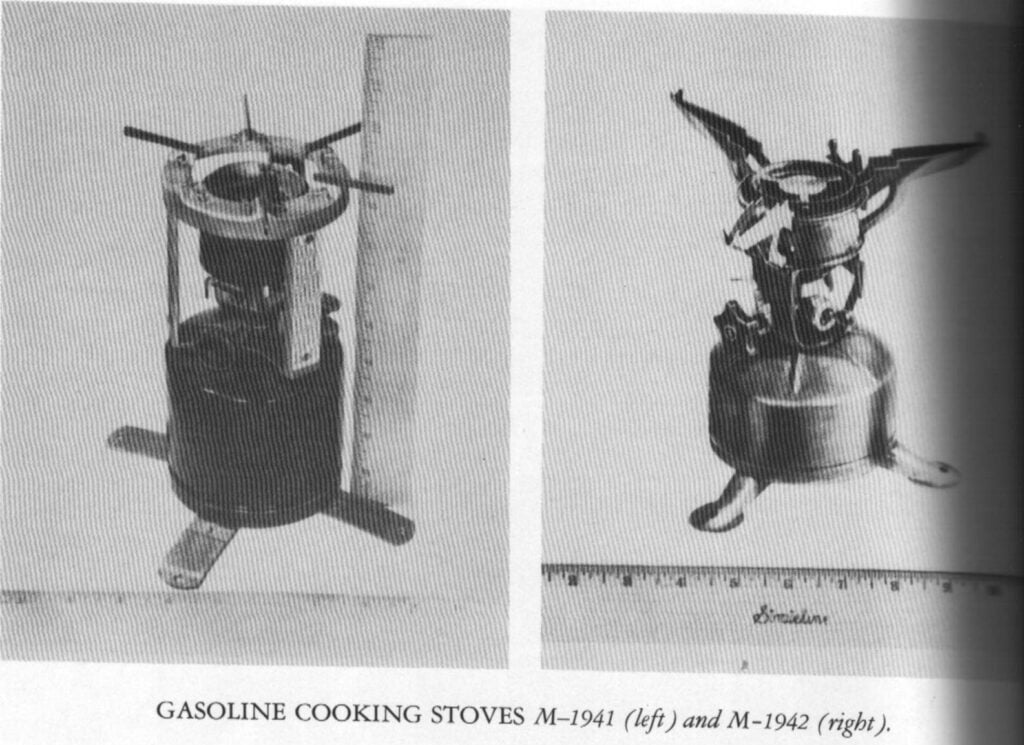
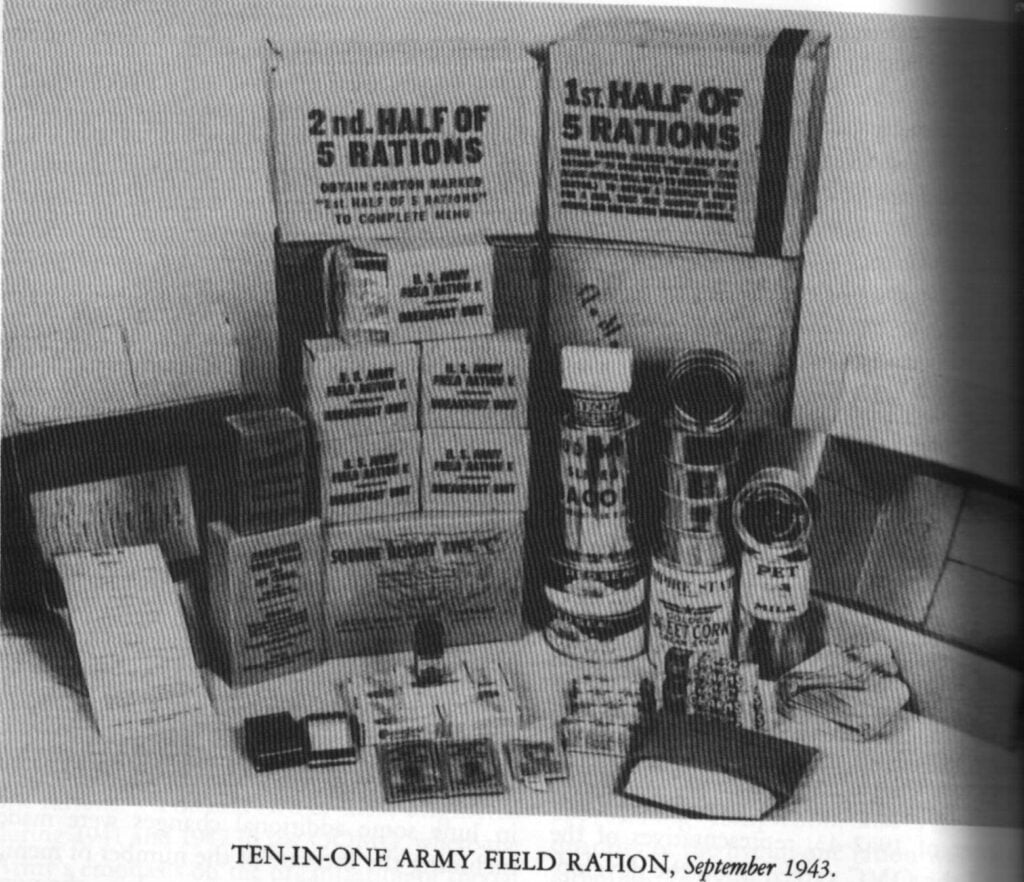
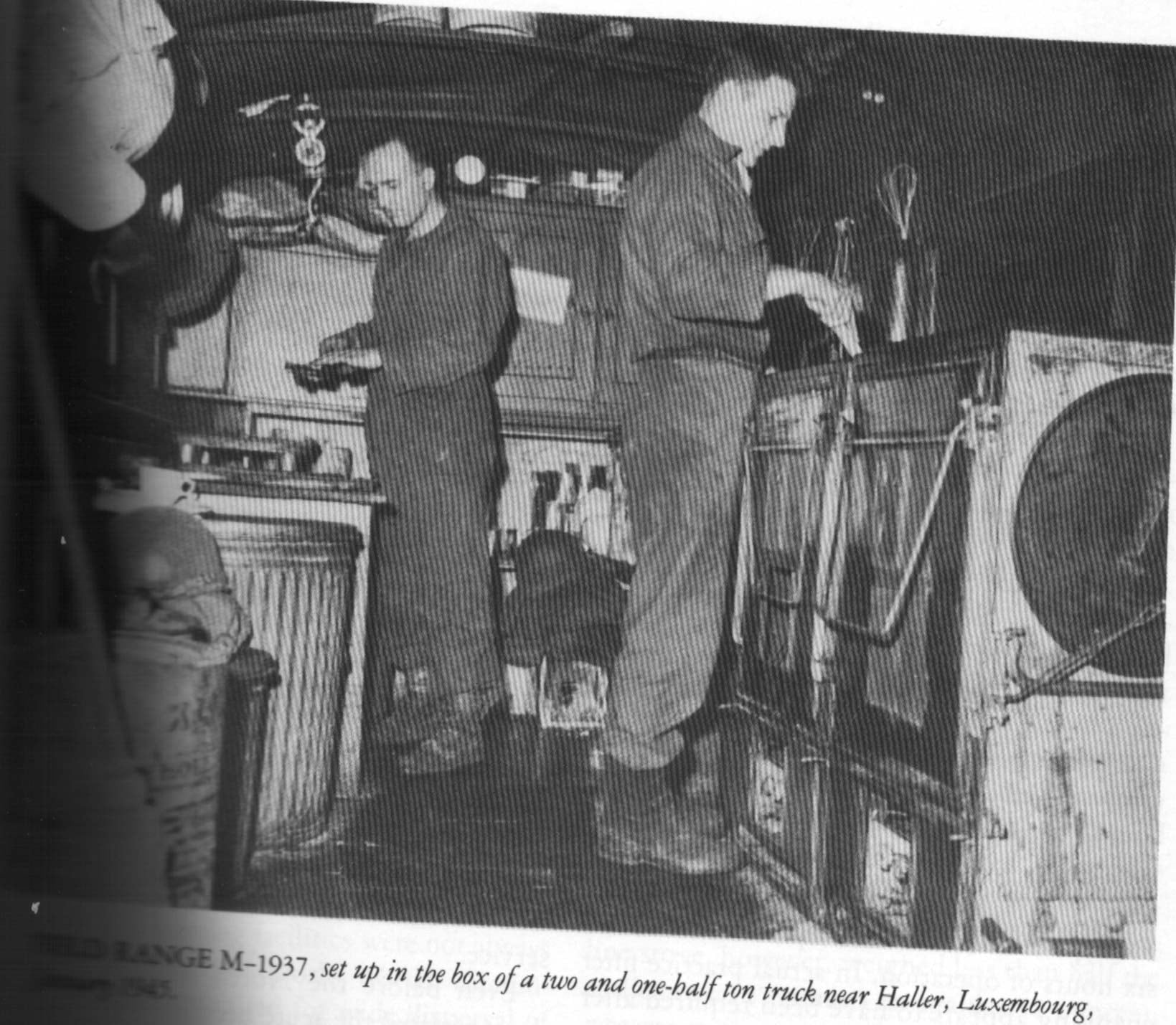
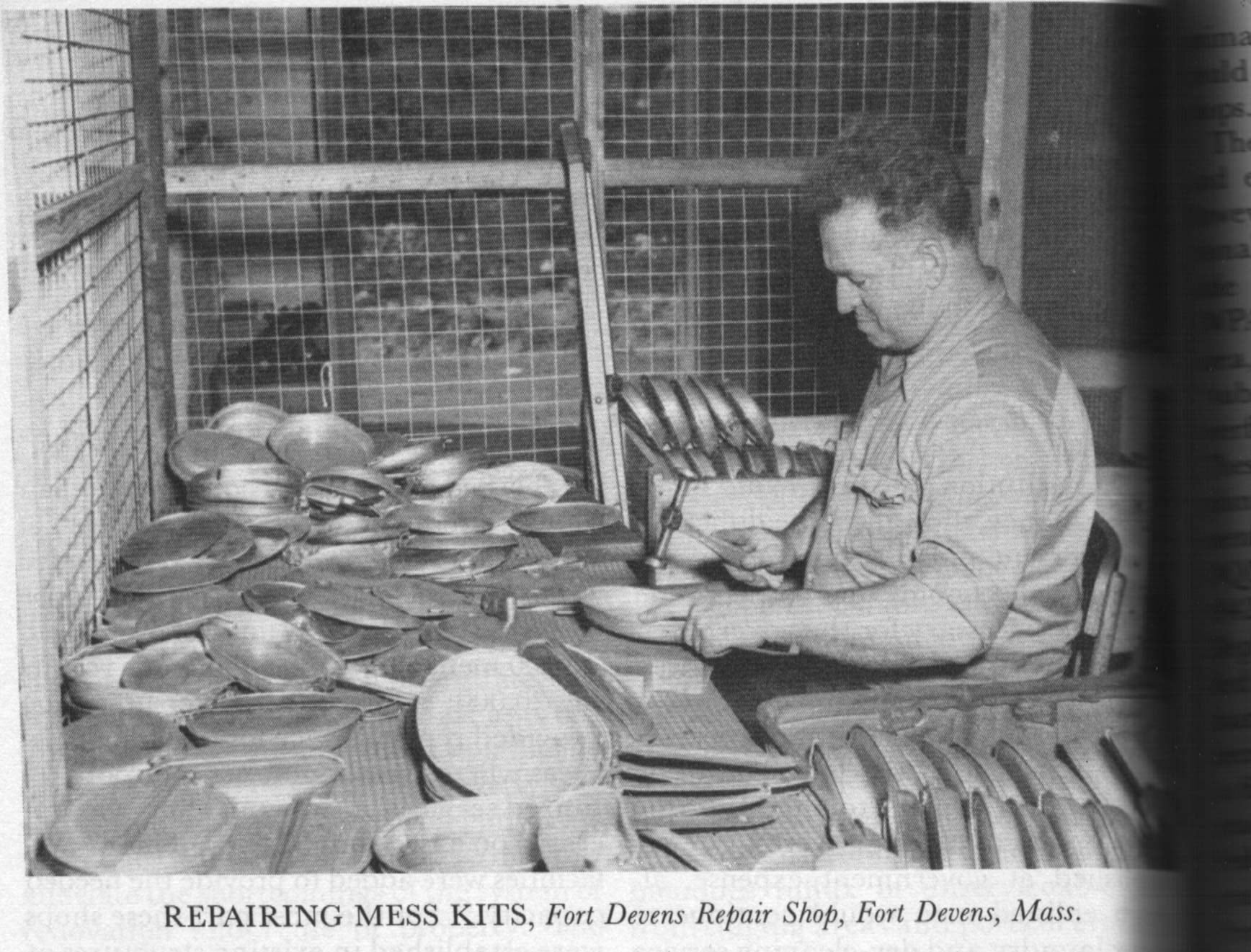
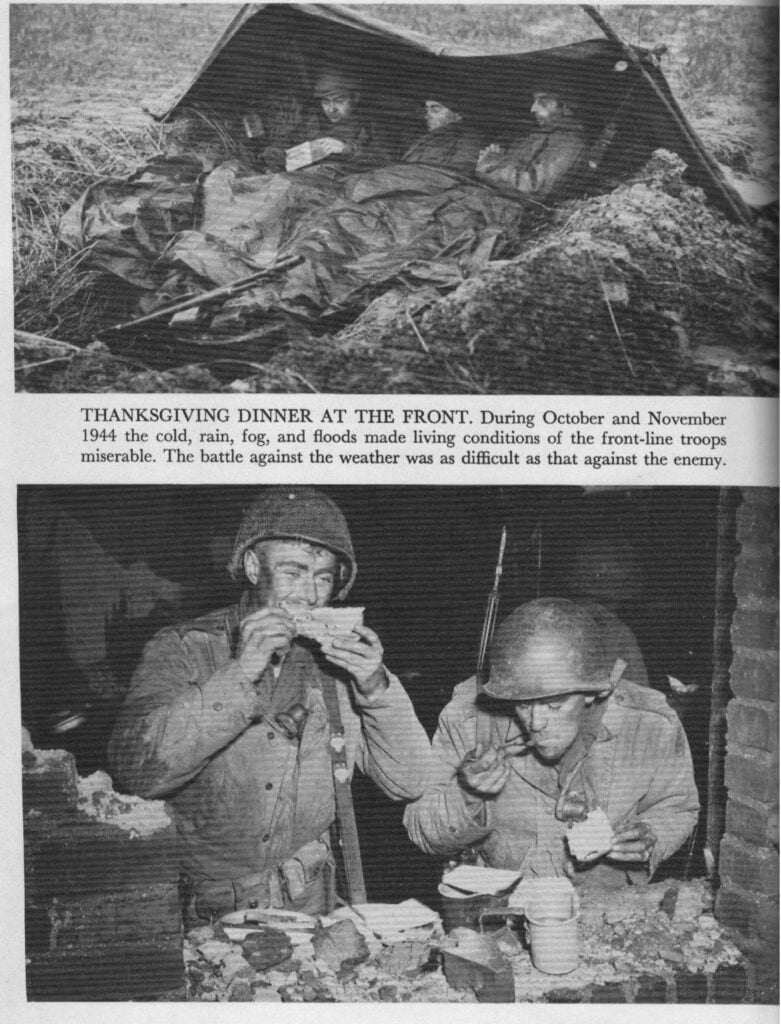
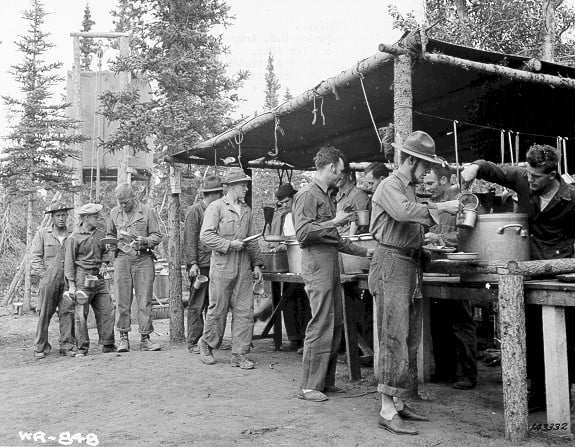
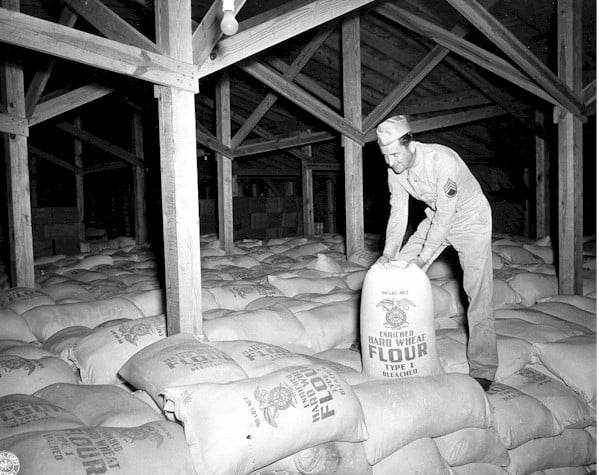
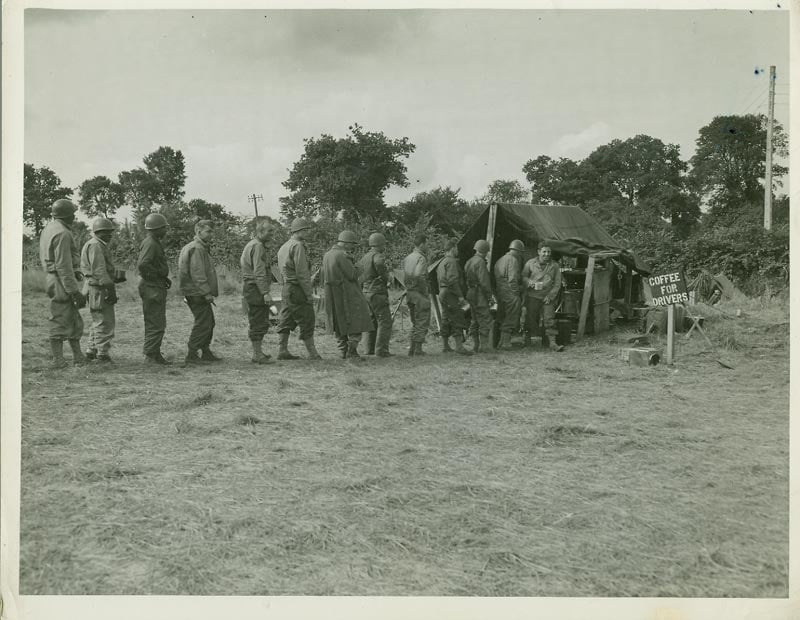
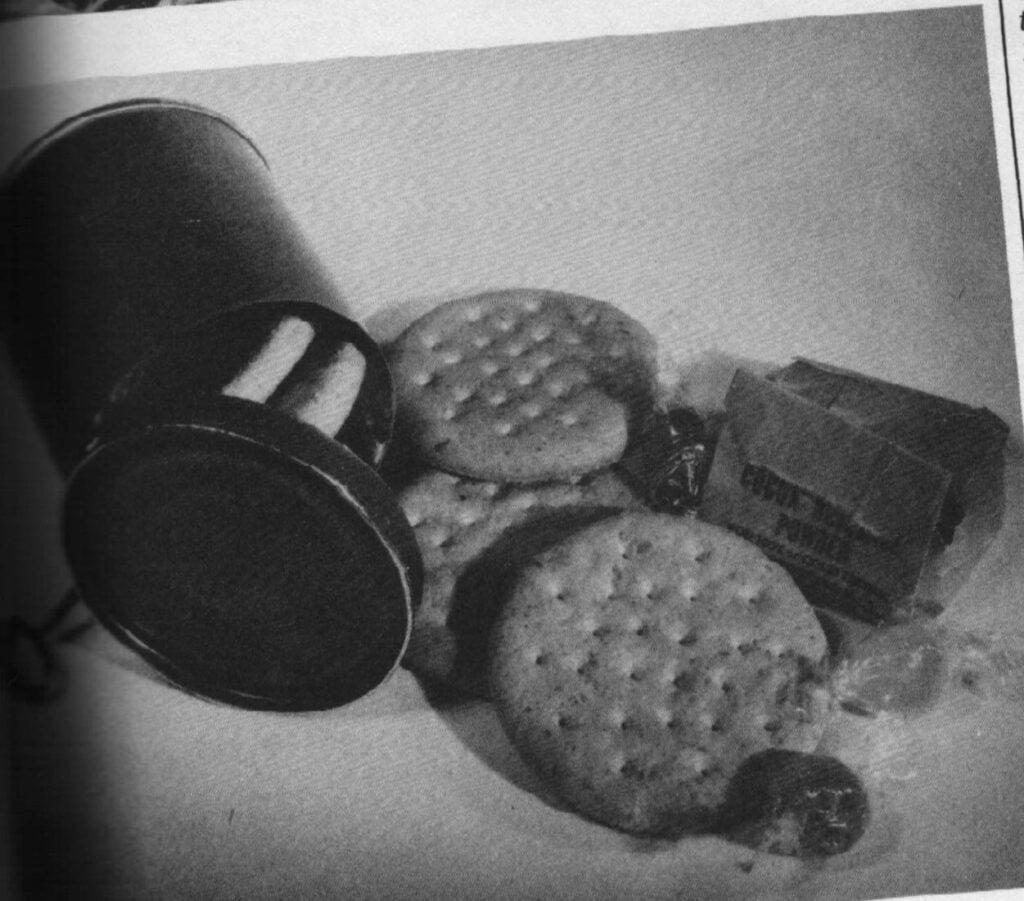
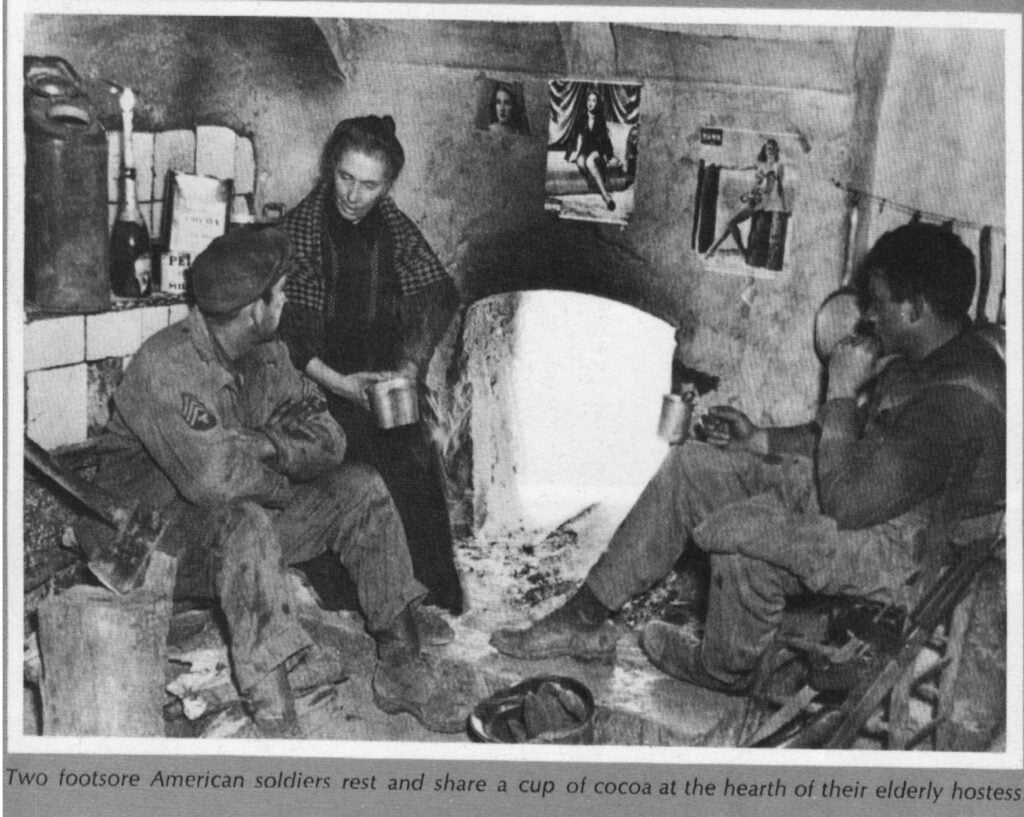
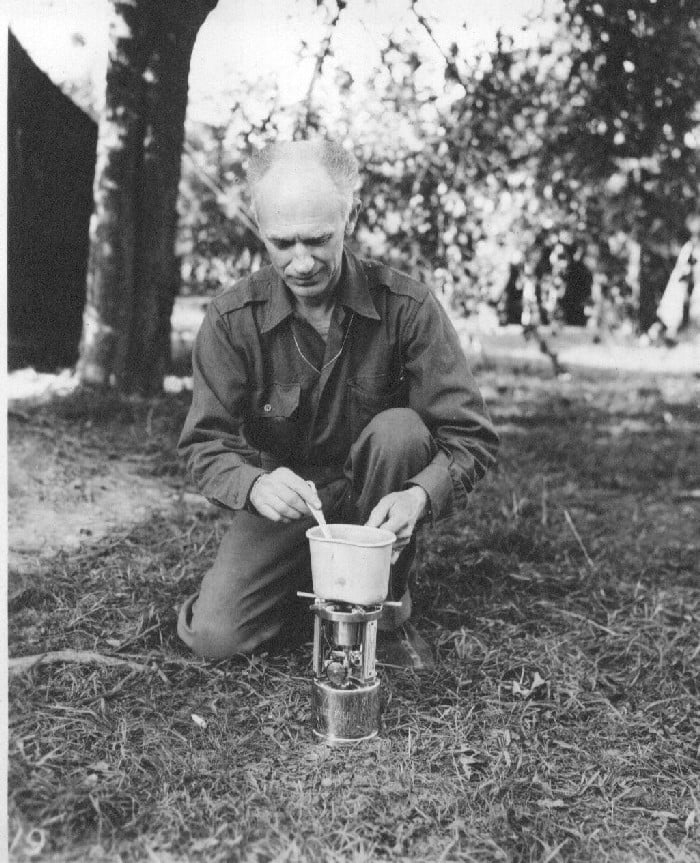
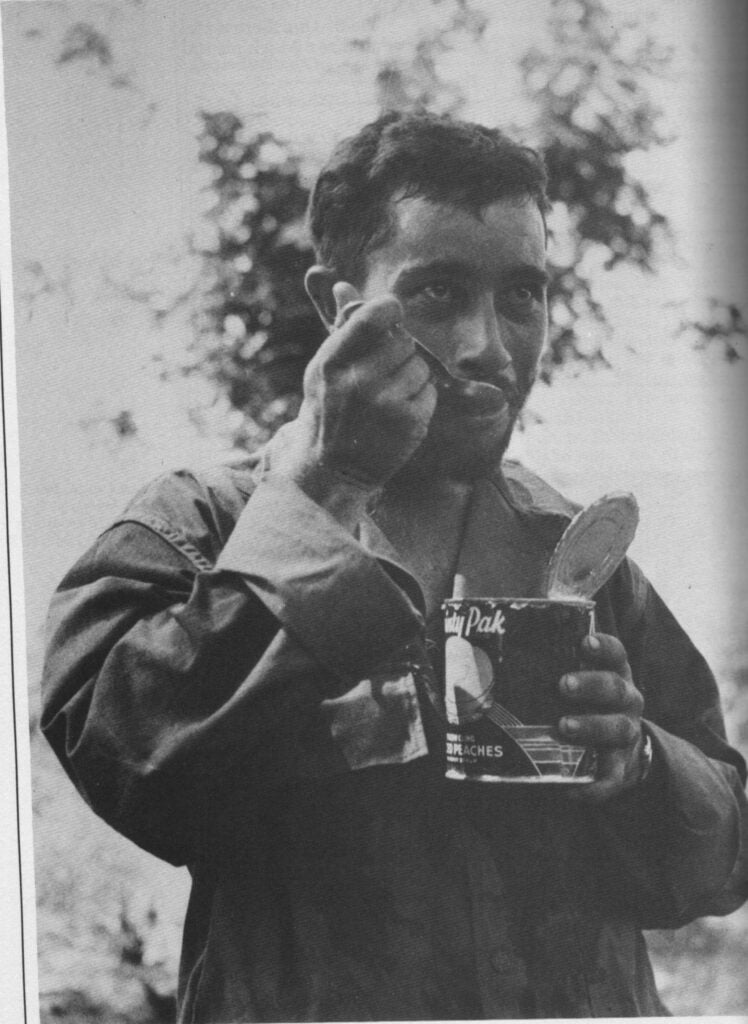
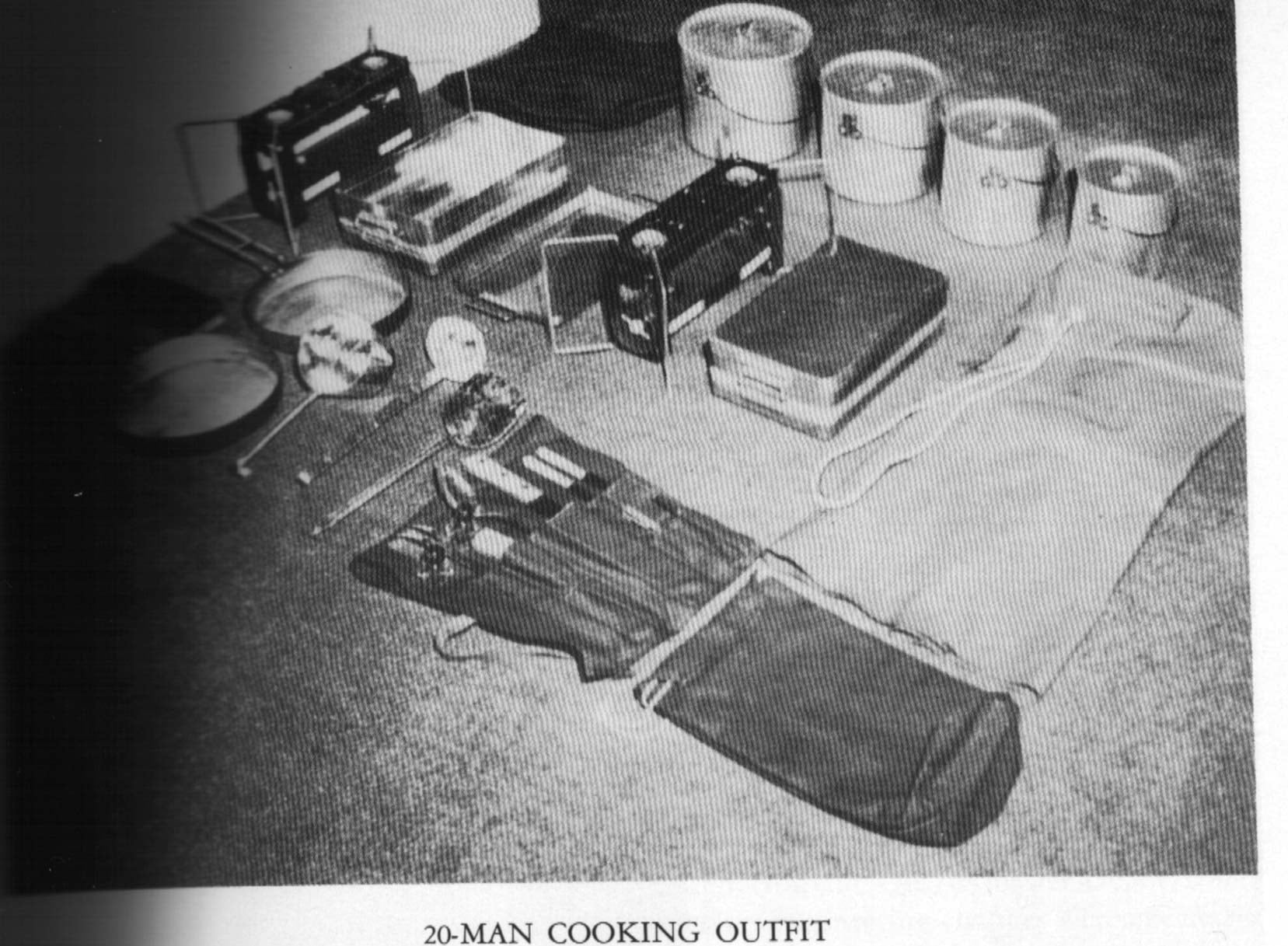
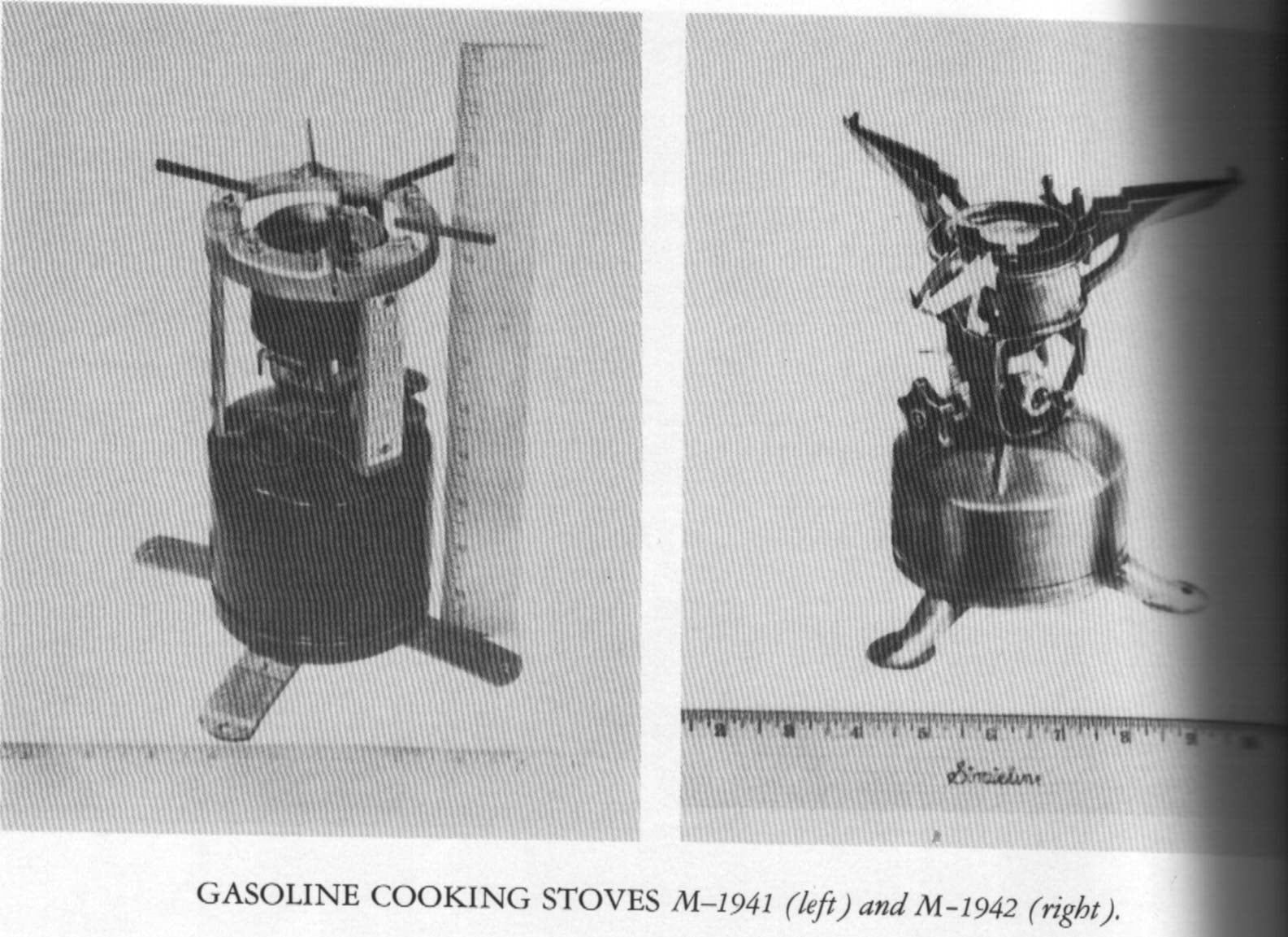
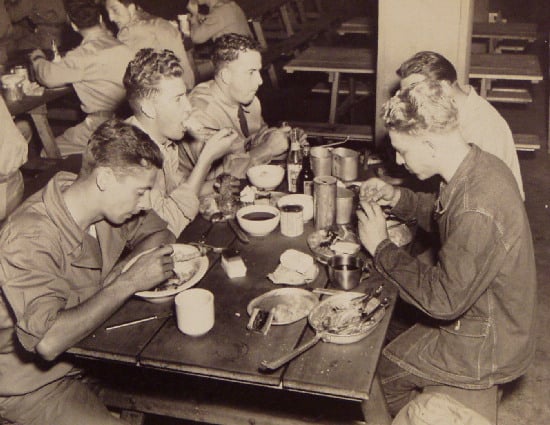
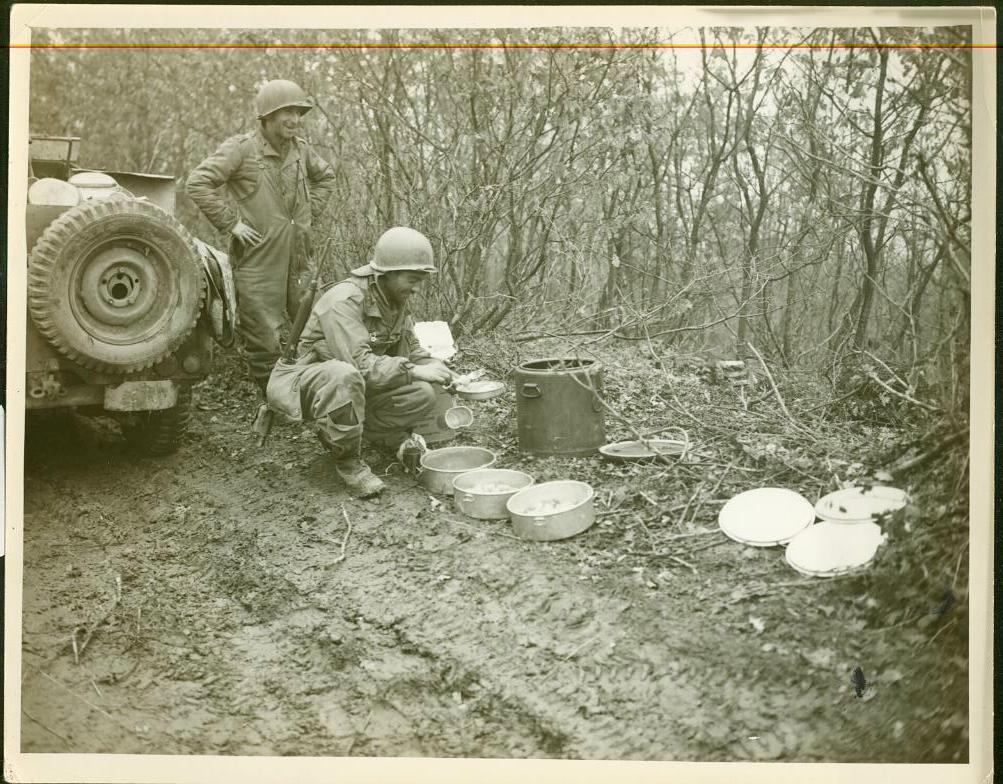
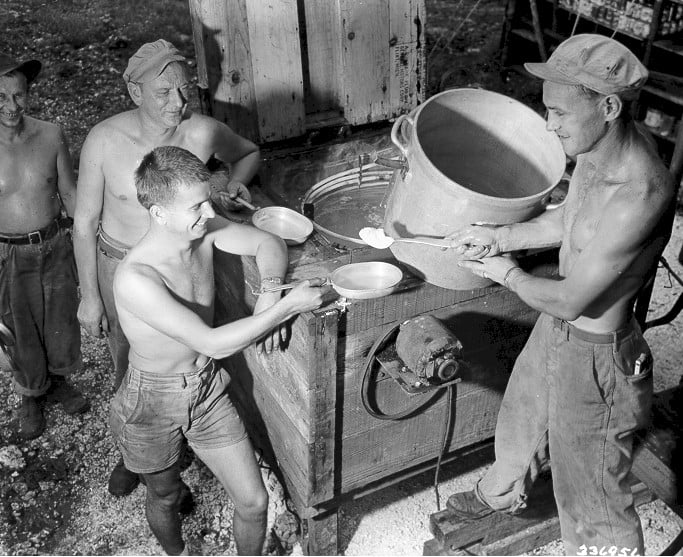
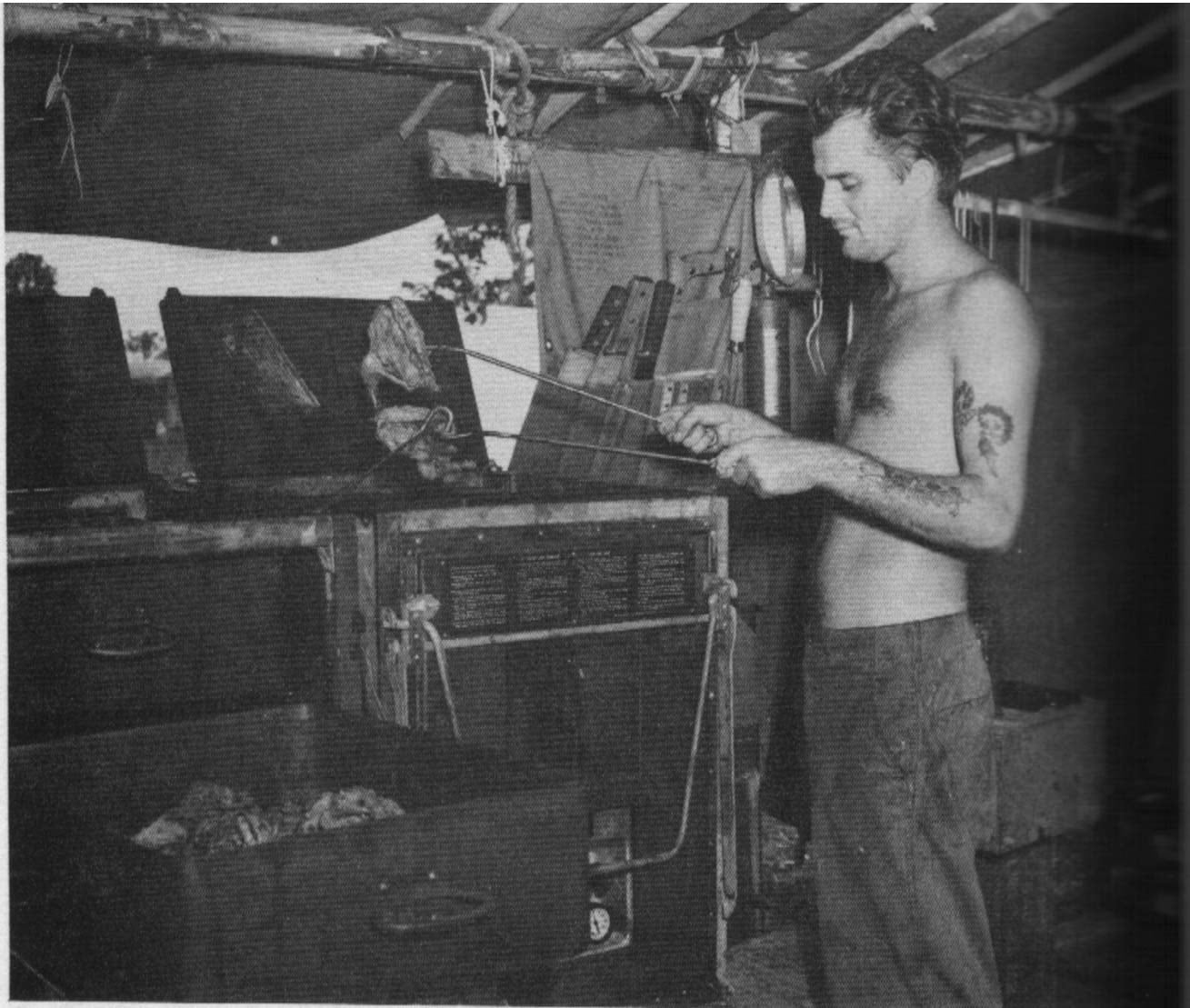
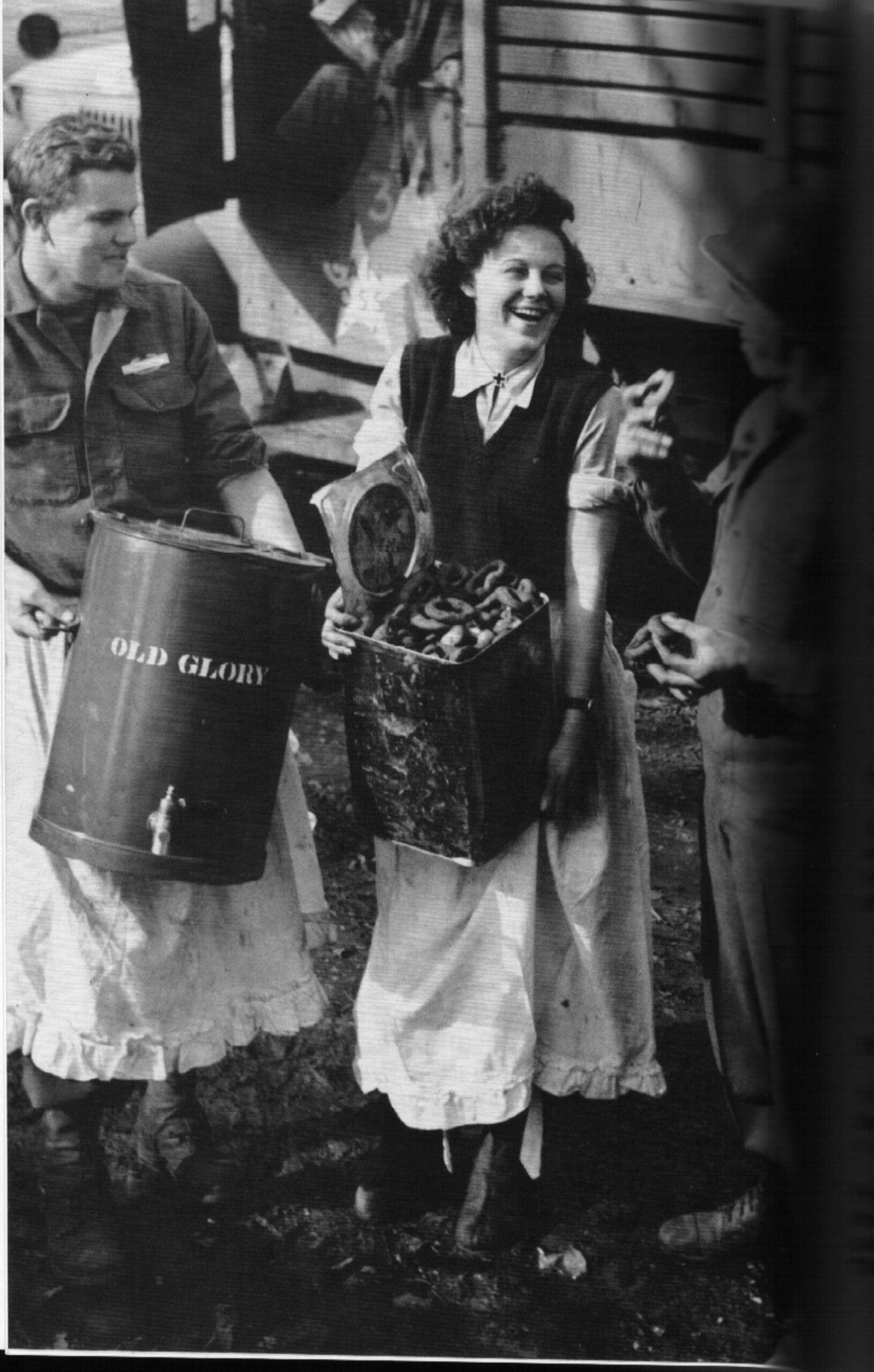
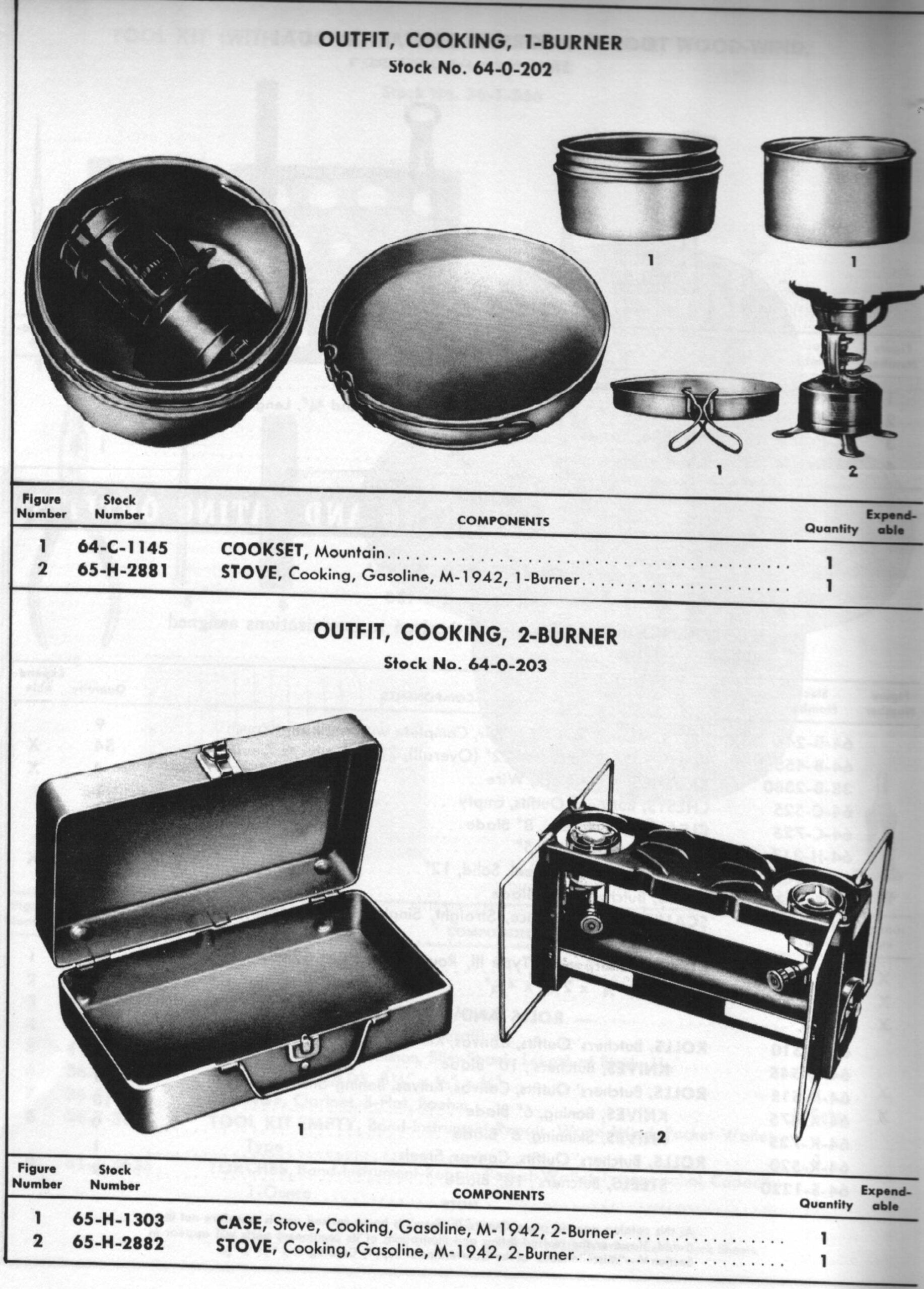
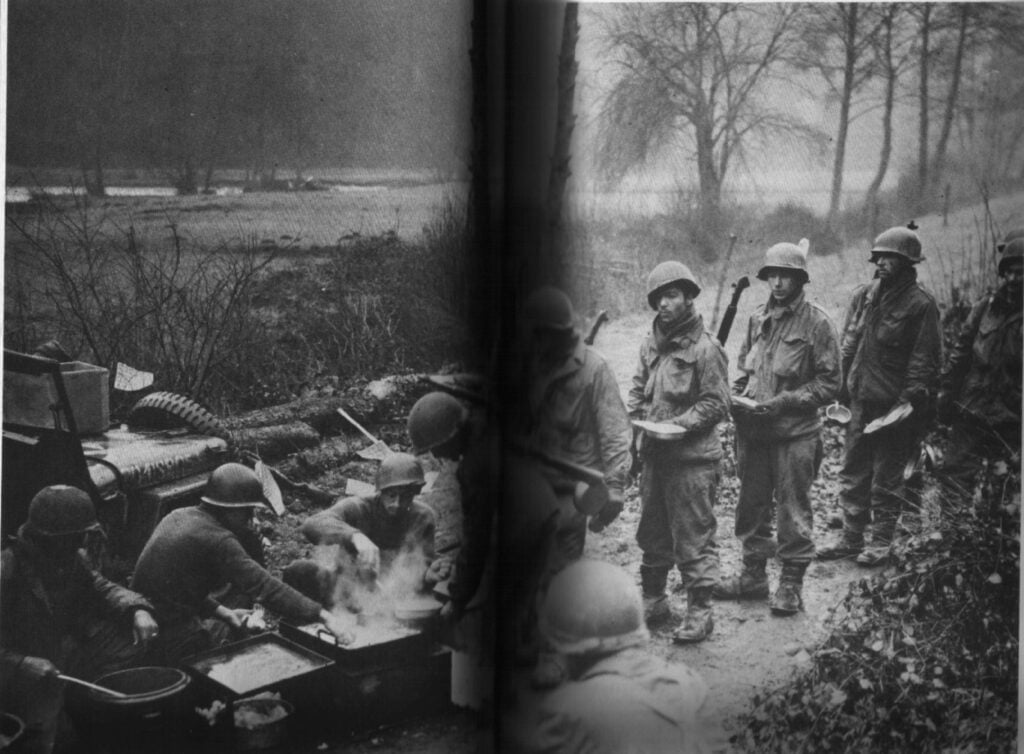
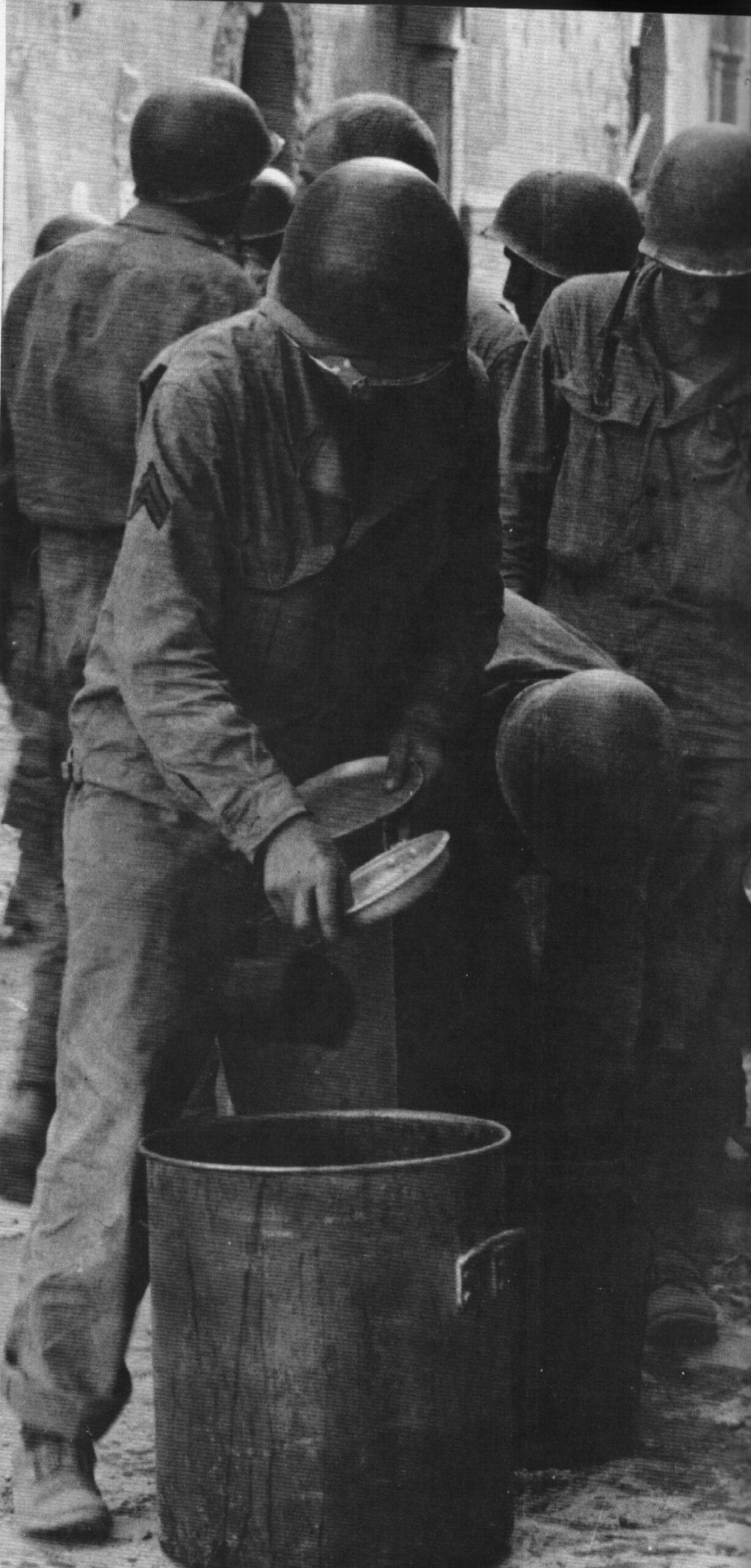
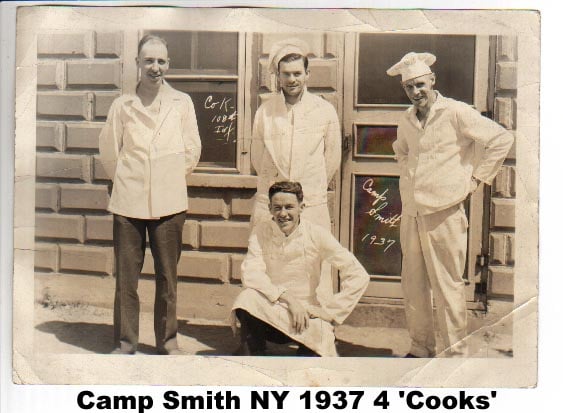
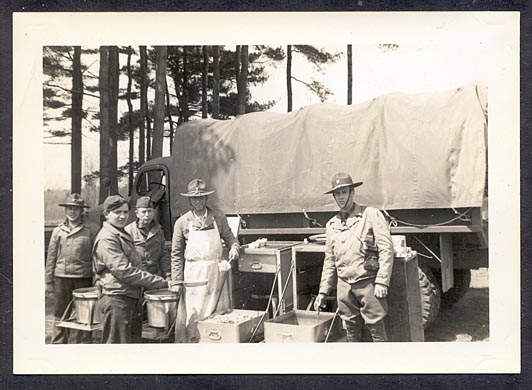
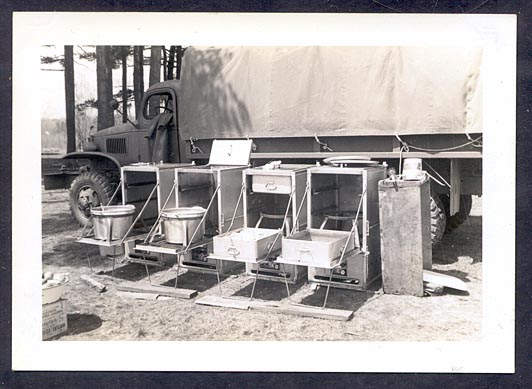
These are just some examples of images I’ve collected over the years, as it pertains to field messes and Army cooking and eating.

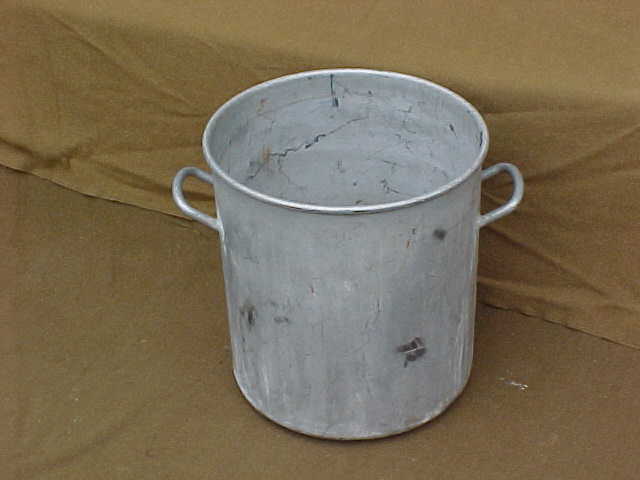
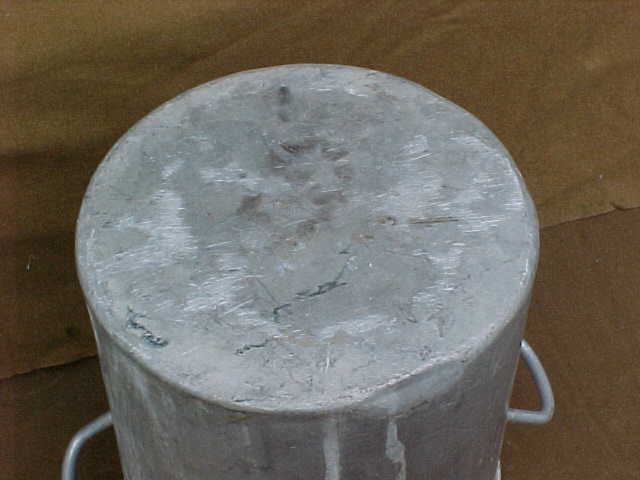
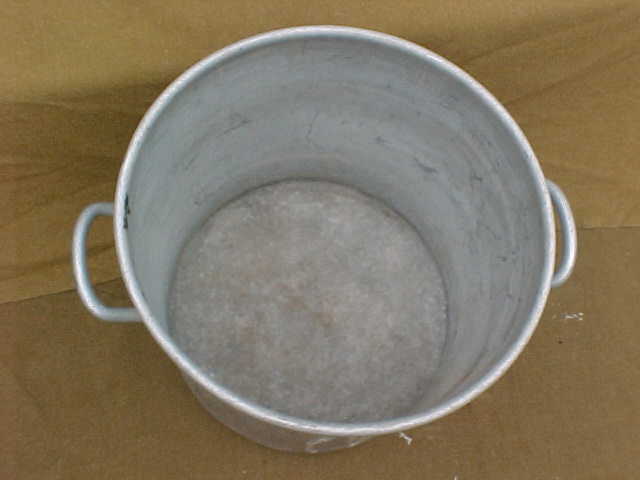
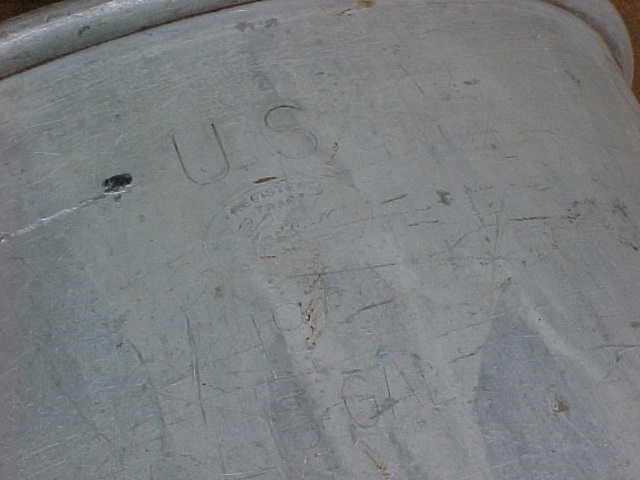
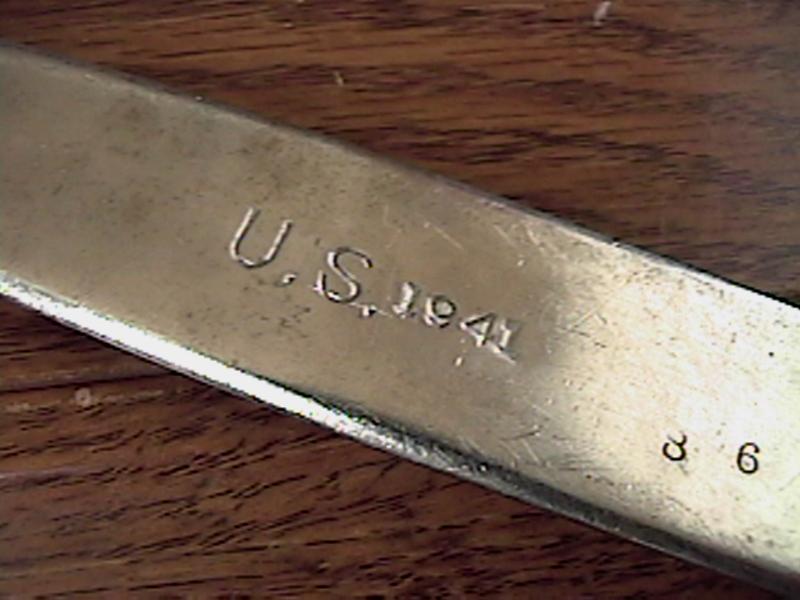
US Army Cooking Pot – size and type unknown

Paring Knife

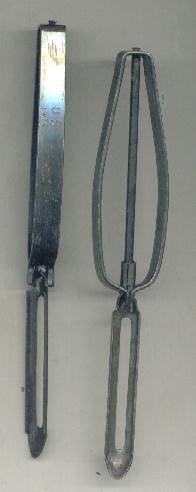
Potato Peeler

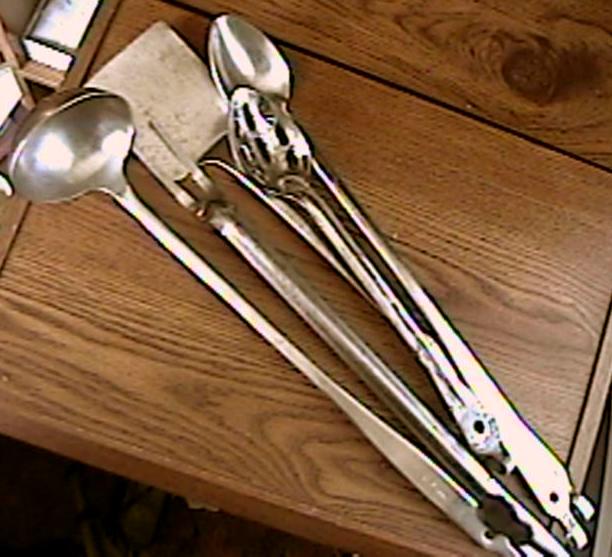
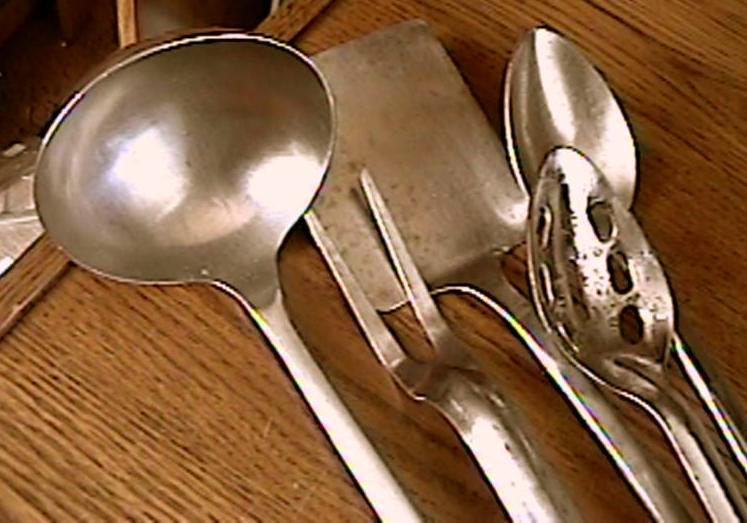
Ladel, 2 Prong Fork, Spatula, Spoon, Slotted Spoon Kitchen Utensils

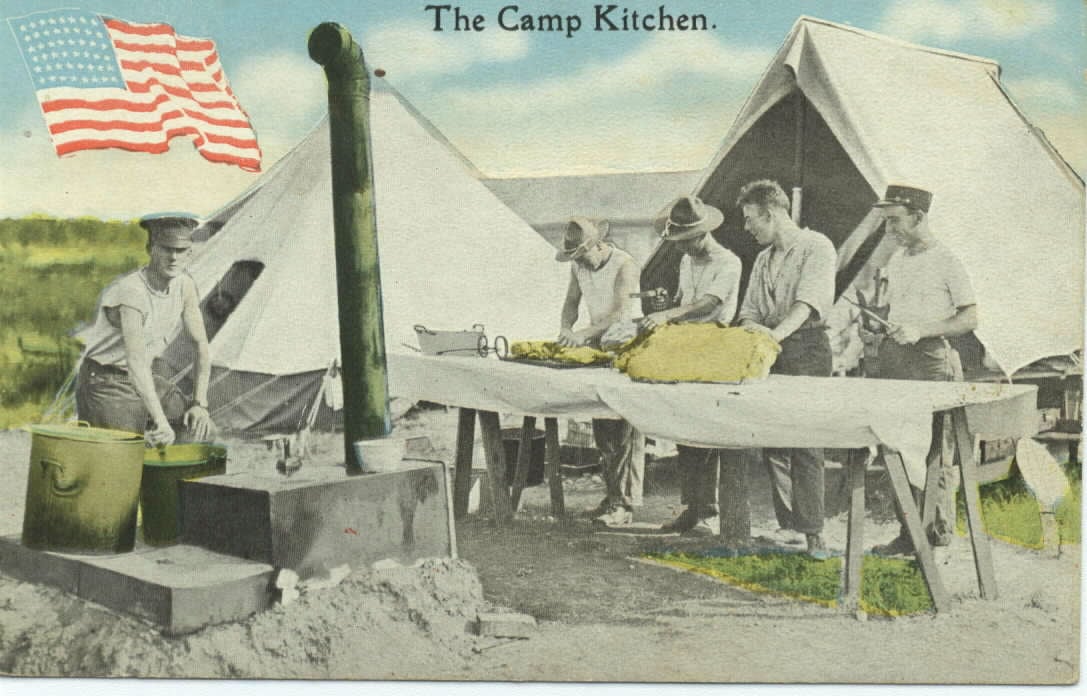
Camp Kitchen Postcard – I don’t have a date on this, but it looks like maybe 1920s-1930s, and they’re cutting up part of an animal.

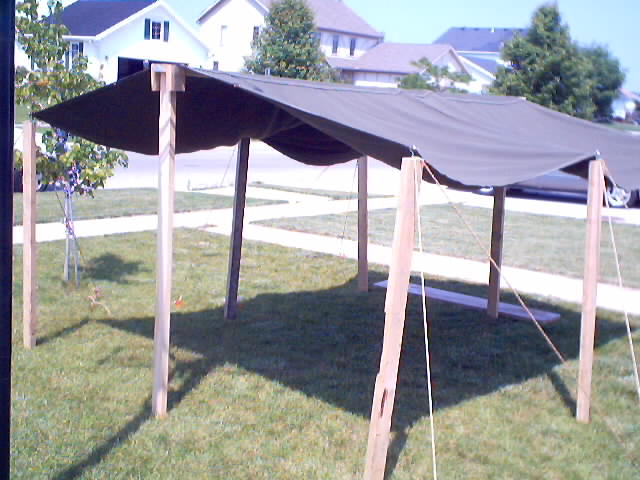
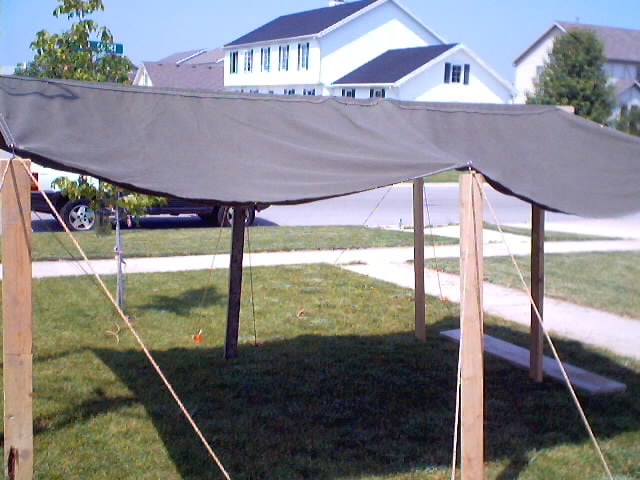
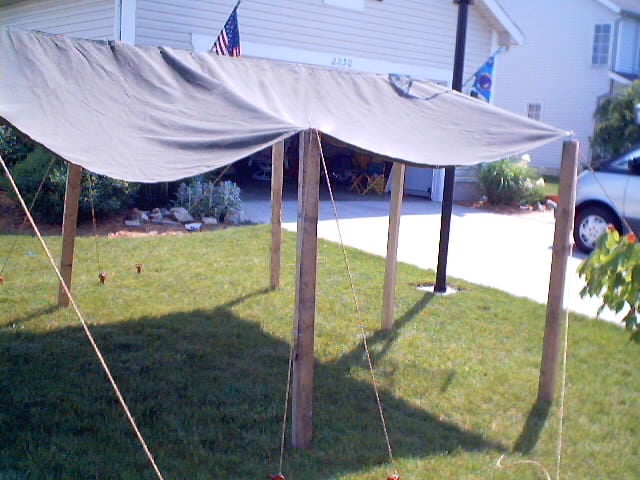
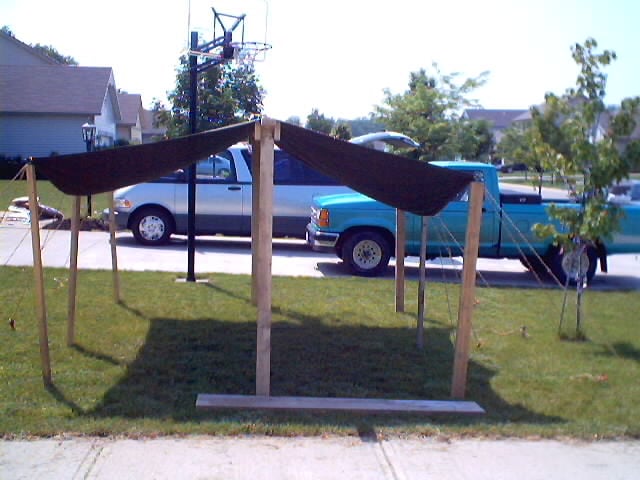
Mess Tent – This is a fantasy piece I cobbled together after drawing inspiration from period photos. I purchased a large olive drab canvas tarp that had grommets all around it. I think the grommets were brass, and I may have painted them black (though I’m unsure if that’s even period correct).

I bought some 2x4x6 or 2x4x8 (I don’t recall the height) and created the poles. Or maybe I bought eight 2x4x8s and cut six of them down to be 6 feet high to act as the edge poles, and two to be 8 feet high to act as supports for the ridge pole.

I then drilled a small hole in the center of each edge pole and screwed in an eyelet, which then went through the grommets. I used Manila rope and two stakes per pole to secure it to the ground. The stakes were the Vietnam era orange ones, but for WW2, they should’ve been large wooden circus-type stakes.

Now, the ridge pole itself, I’m unclear how I made it. If I were to make it today, I’d probably figure out a way to lag bolt the ridgepole to the 2x4x8 pole. I’d also make the ridge pole collapsible. If I were using 2x4s as the ridge pole, I’d cut the pole in half and use lag bolts to attach adjoining pieces of wood to each half.

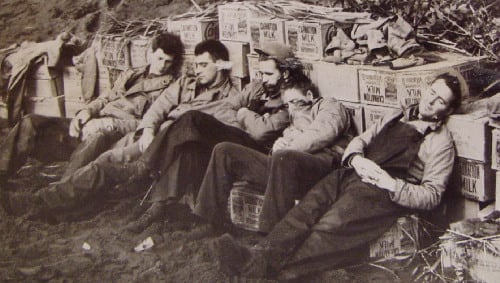
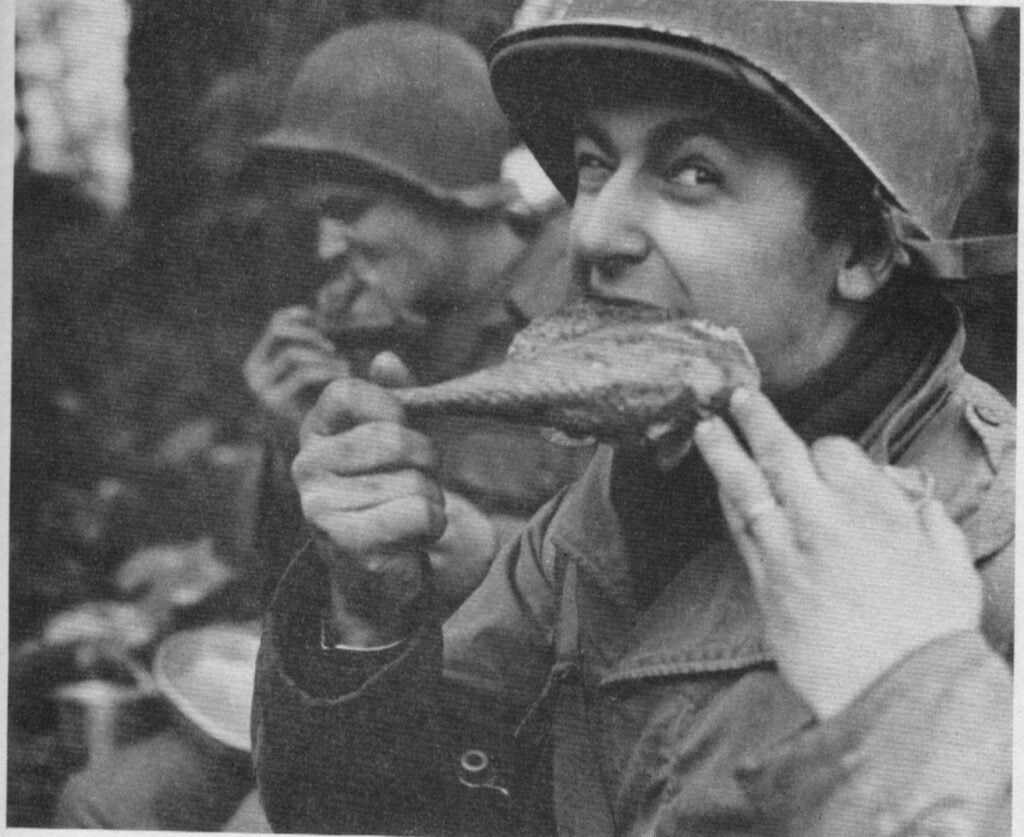
Images of Messes, Bakeries, and Soldiers in the Field Eating

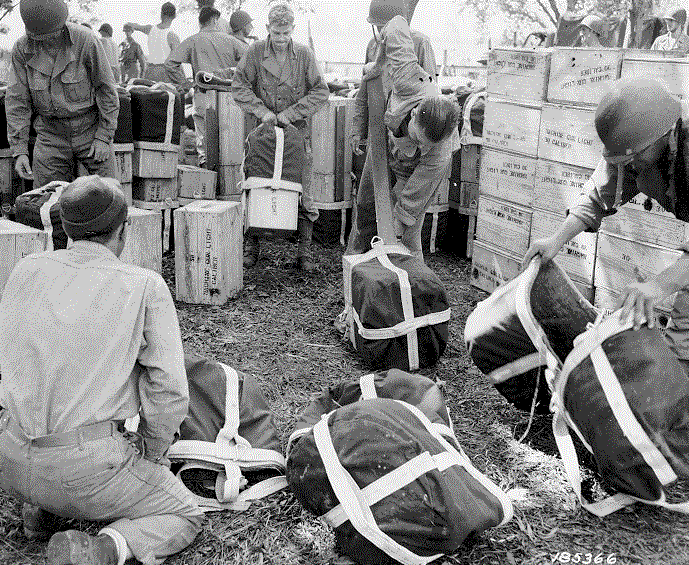
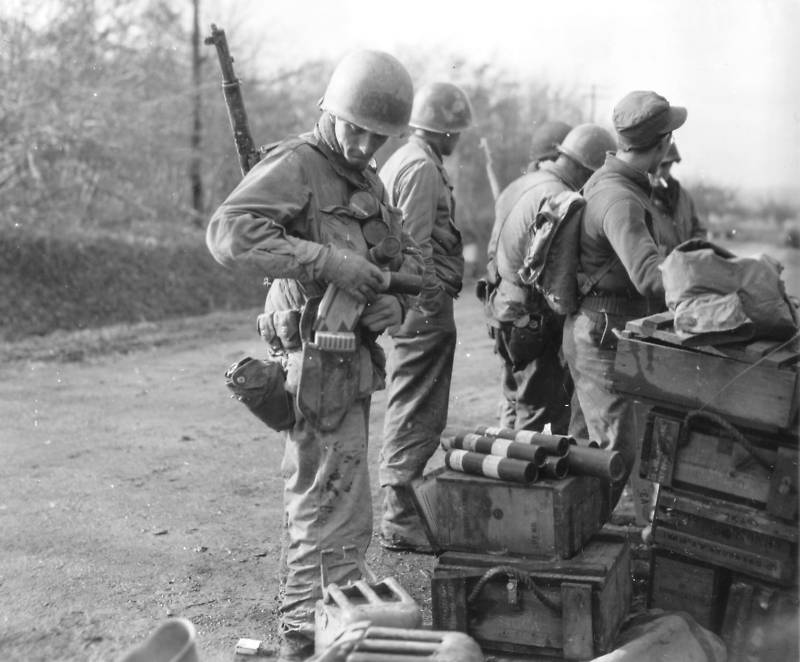
A really cool image of a small supply depot showing rations, water, and other items needed before heading out. The neat thing, too, is that the soldier uses the shovel cover as a holder.

Posted on

World War Two Anti-Tree Climbing Devices

Early in January 1944 it was established that razor blades had been used as an anti-sniper device in action against the Japanese. The insertion of several blades in trees which were likely to be used by enemy snipers provided an effective means of preventing these snipers from taking position in these trees after infiltrating through the lines at night.

Initially, investigation was made toward the possibility of utilizing tools similar to stapling tools and glazier’s point driving tools to accomplish the desired results. However, it was found that a fully automatic device based on such designs would be entirely too heavy.

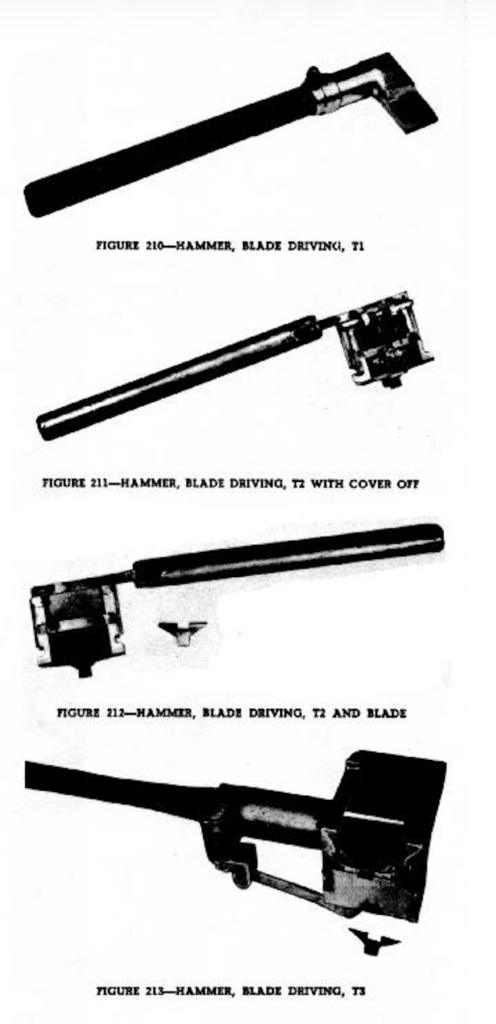
Further investigation and development resulted in the following described types of blade-driving hammers:

a. Hammer, Blade Driving, T1

A wood handle with a metal head which holds a triangular-shaped blade. Individual blades are inserted into trees by swinging the device in a manner similar to using a regular hammer. This item was developed by the Magazine Repeating Razor Company (Fig. 210).

b. Hammer, Blade Driving, T2

A metal handle with a metal head containing a magazine and feeding device. A single “T”-shaped blade is inserted into the tree with each stroke of the hammer head, the device recocking itself with each backward stroke. This item weighs 13½ pounds and was developed by the International Staple and Machine Company (Figs. 211 and 212).

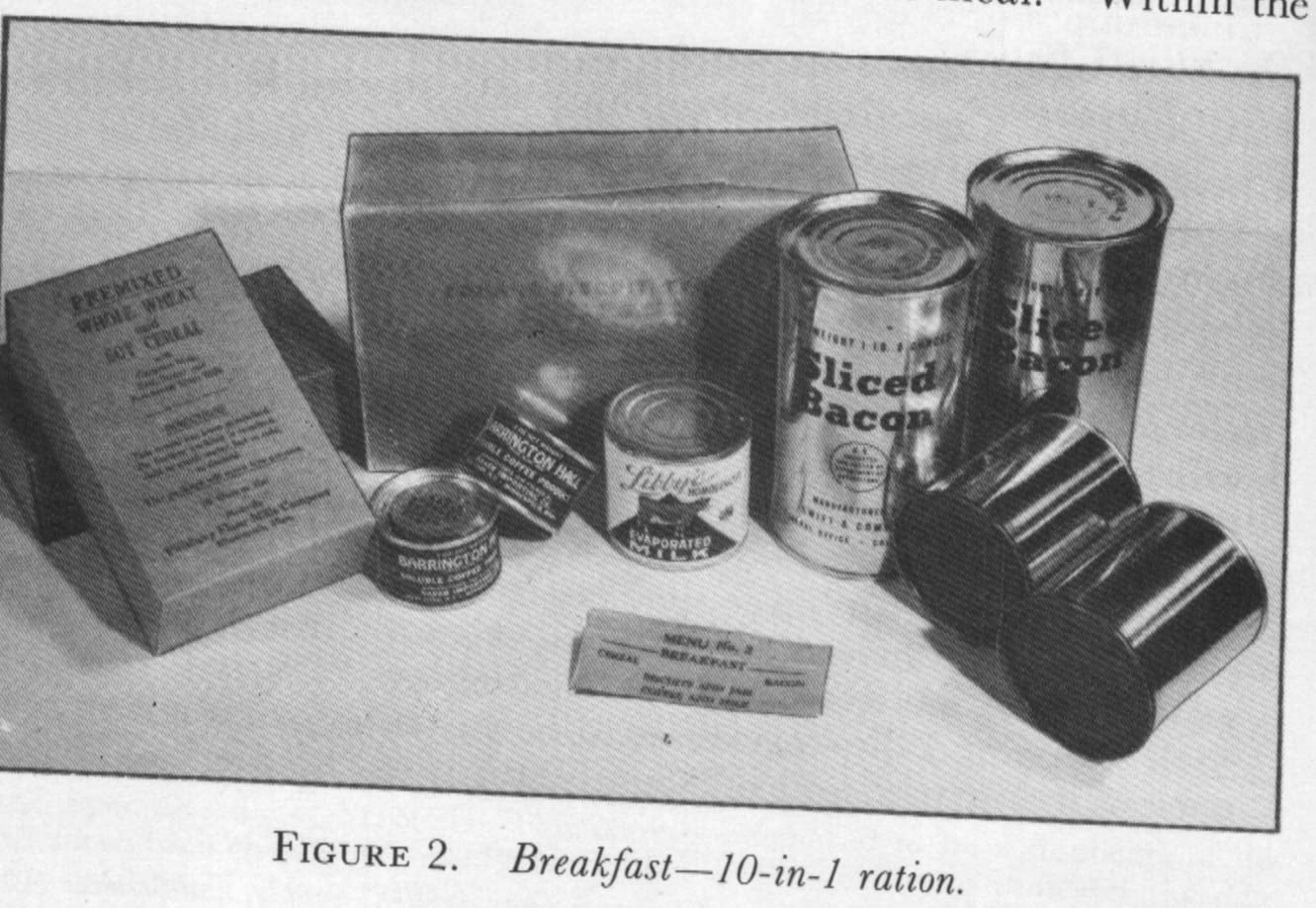
c. Hammer, Blade Driving, T3

A brass handle with a steel head containing a blade magazine. This device is semi-automatic in operation and is hand cocked each time it is desired to drive a blade into a tree. This item was also developed by the International Staple and Machine Company (fig. 213).


The T3 Blade Driving Hammer together with the specially designed blades were submitted in turn to Headquarters, Army Ground Forces and the U.S. Marine Corps who indicated that mechanical means were not required to accomplish the desired results and recommended that no further development be undertaken.
Posted on

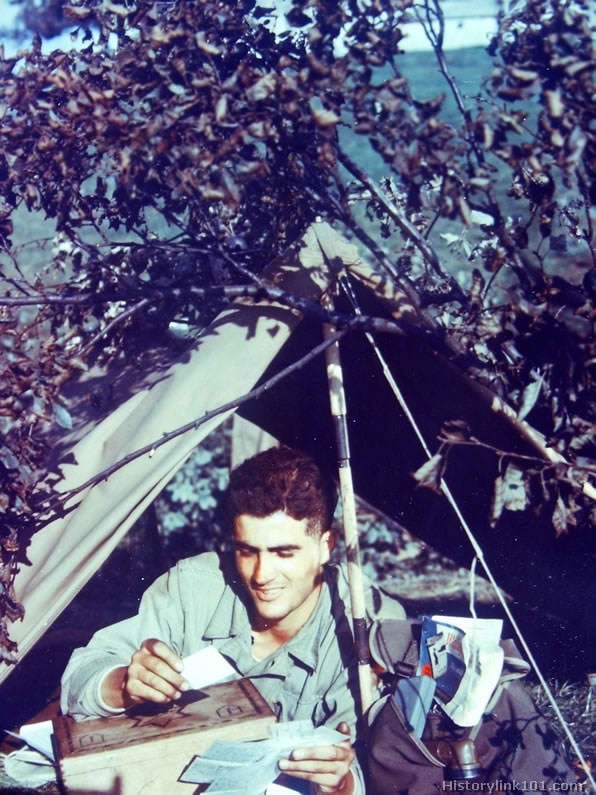
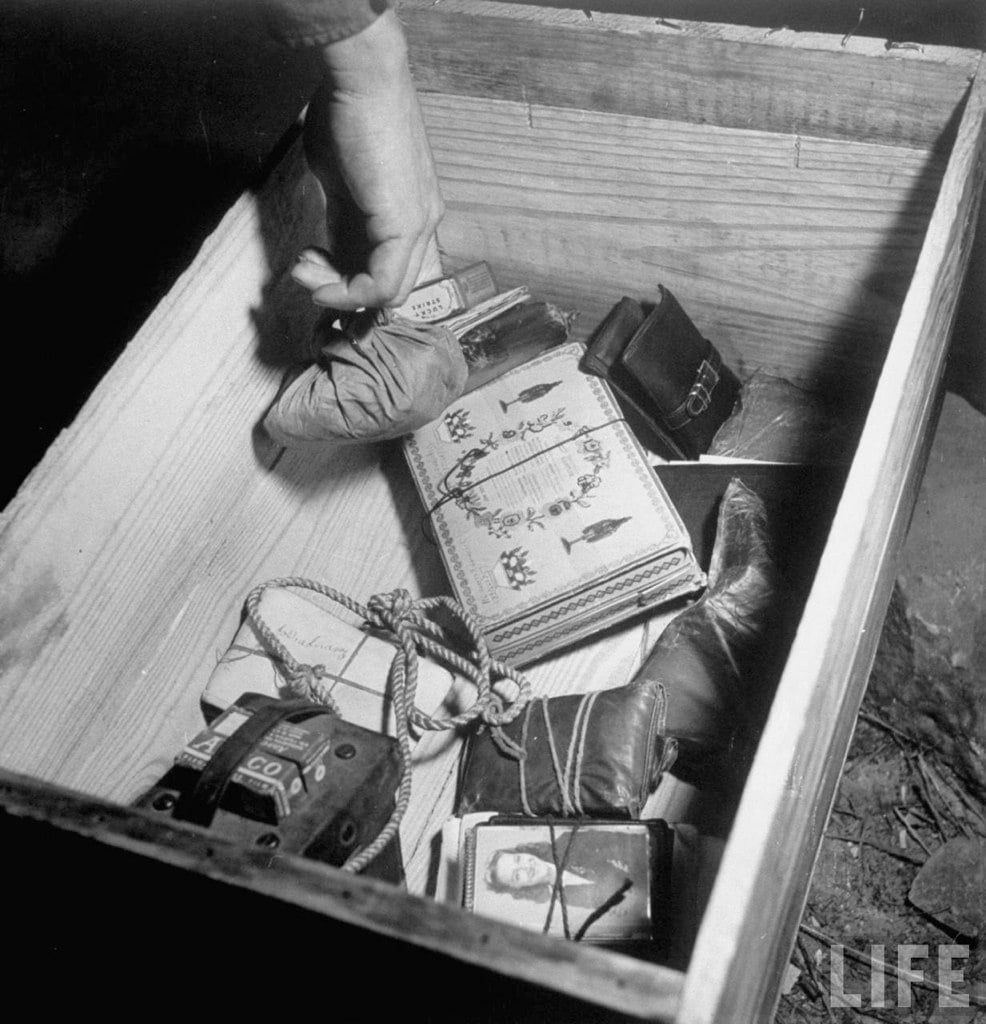
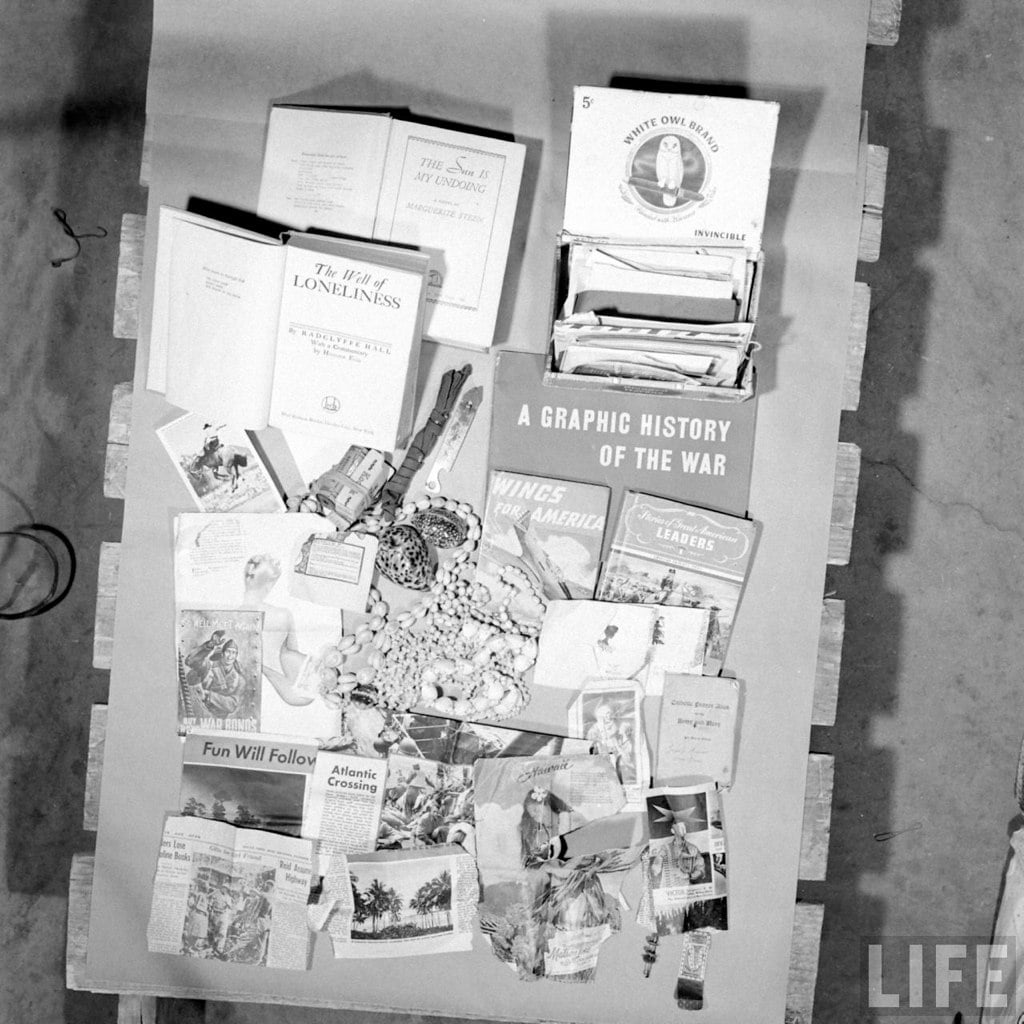
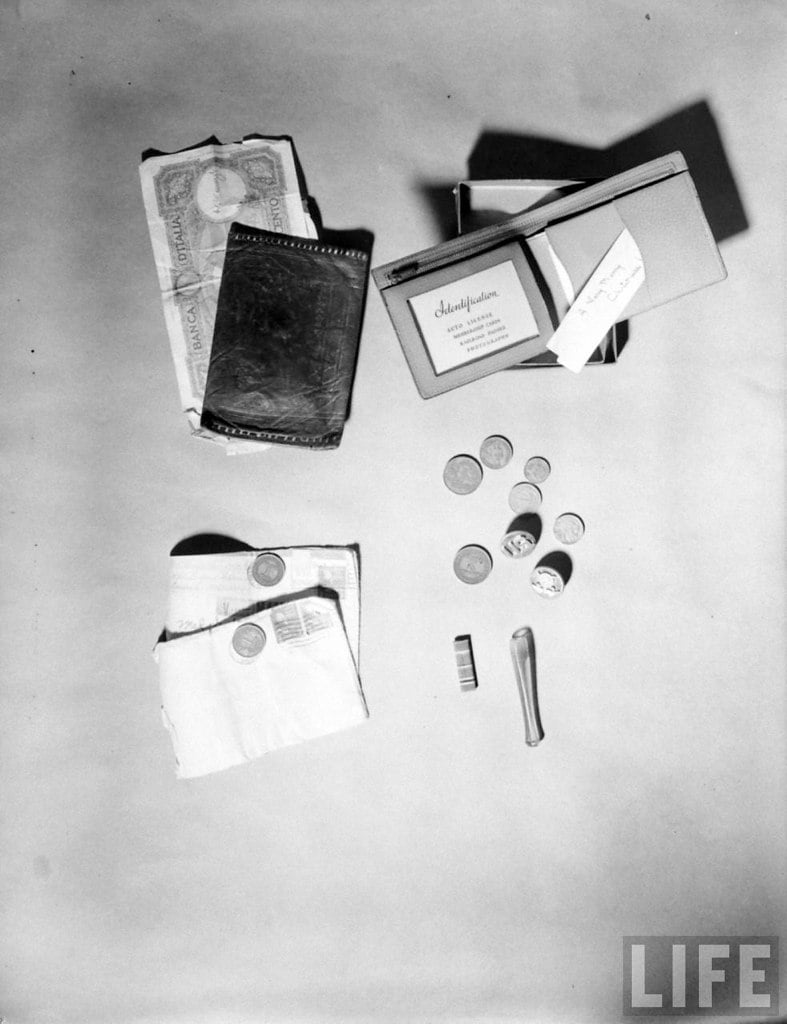
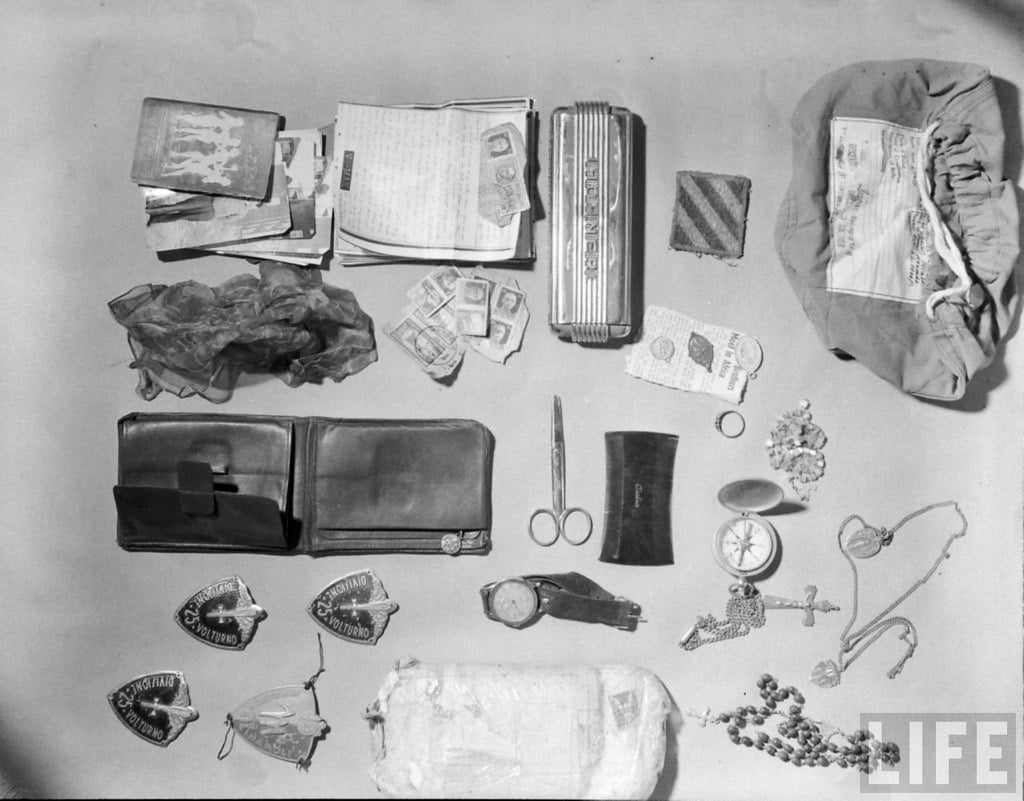
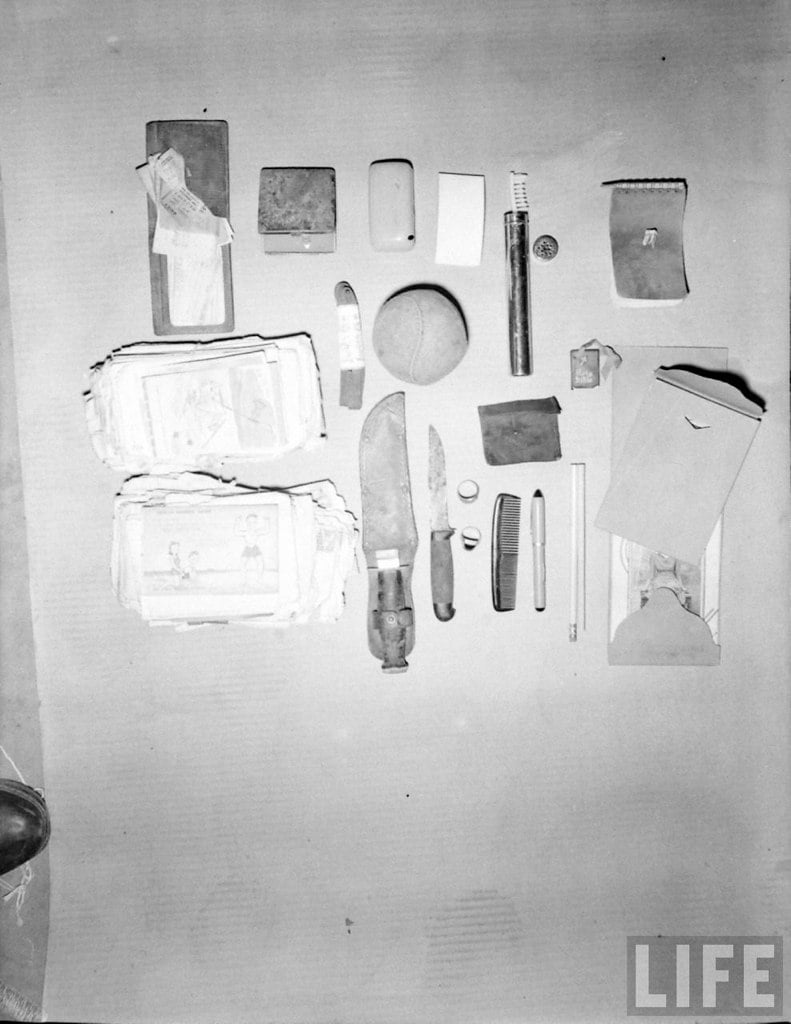
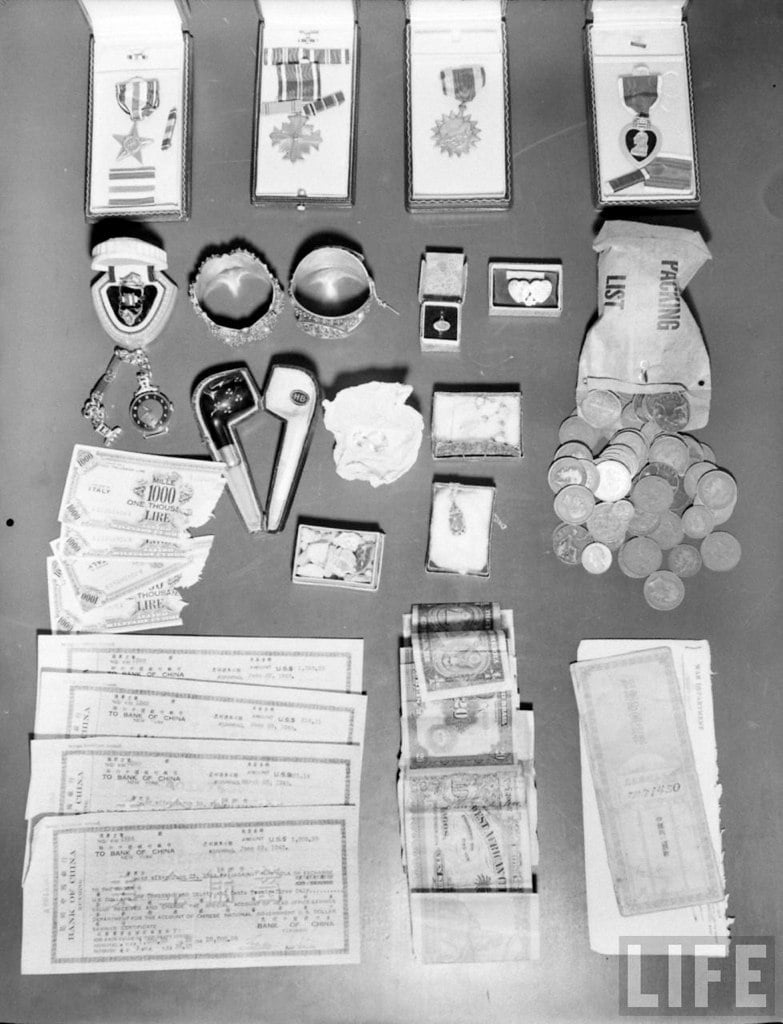
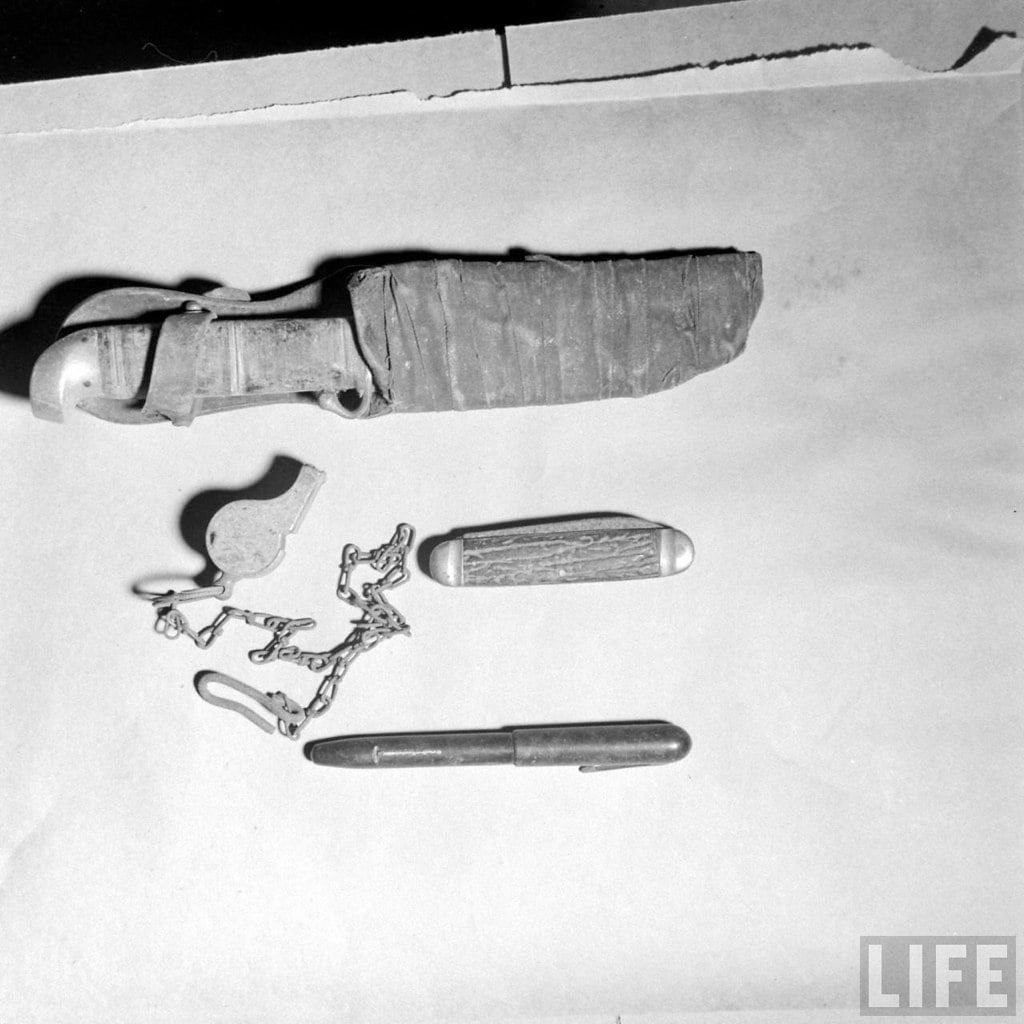
Original World War Two Personal Effect Images

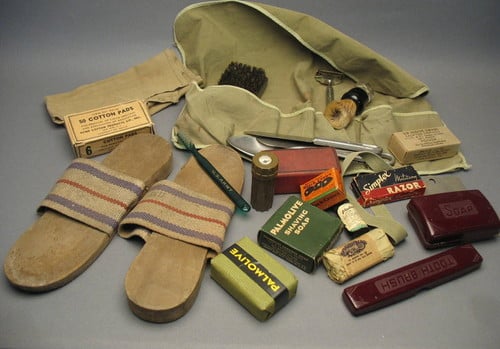
Below are some pictures from my personal archive of personal effects of soldiers in WW2. The Timelife ones are, I think, taken from airmen who perished during their mission.
The Timelife ones are, I think, taken from airmen who perished during their mission.
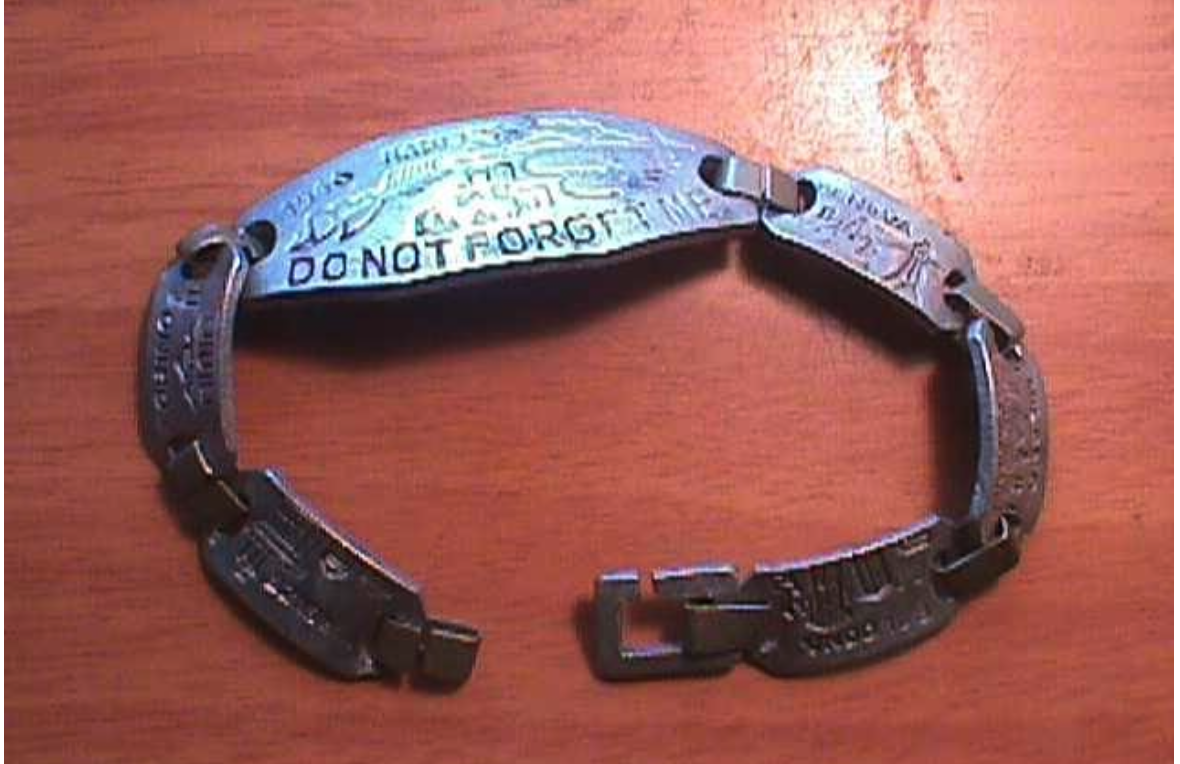
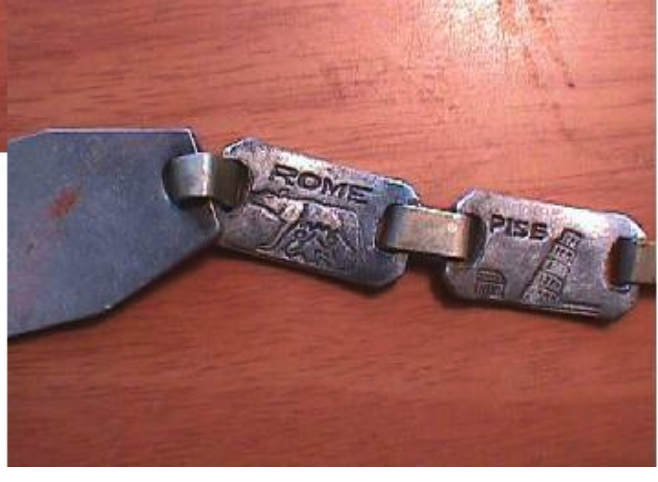
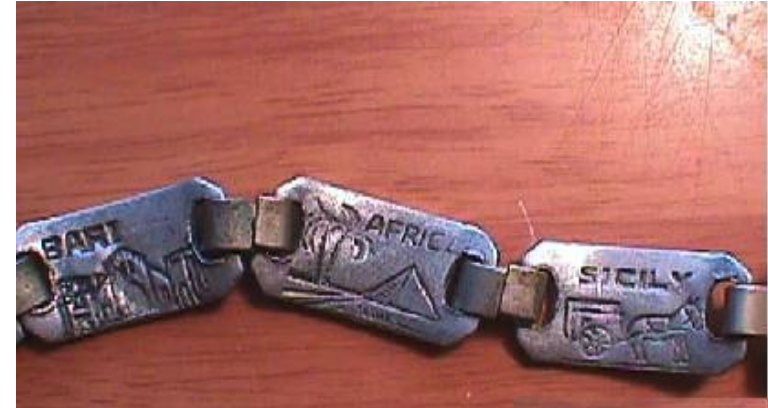
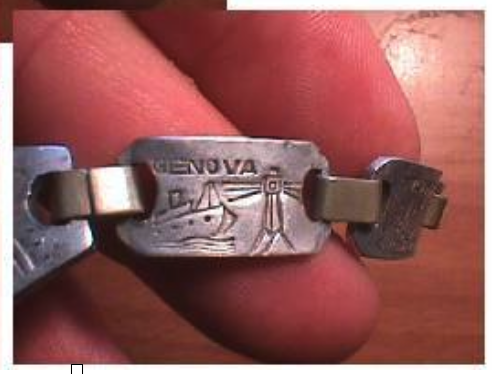
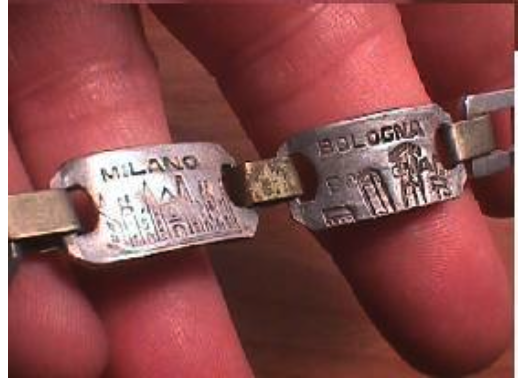
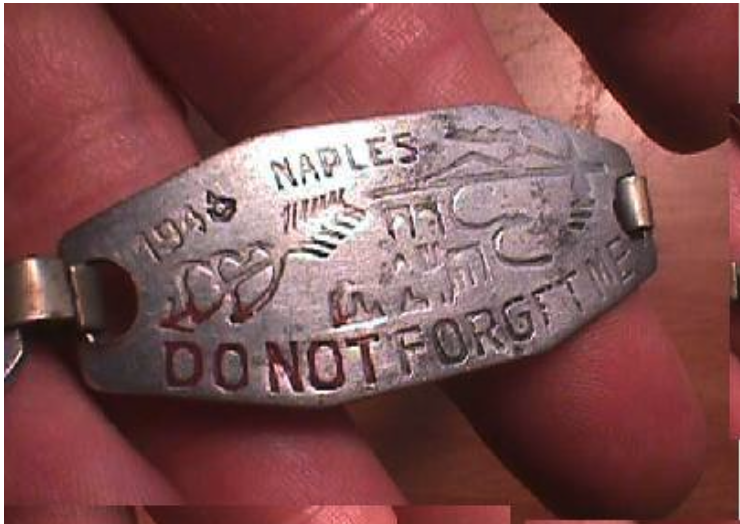
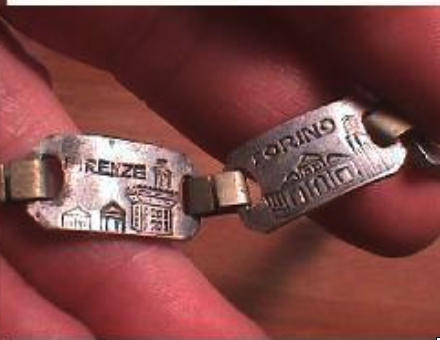
Bracelets – This is taken from an old eBay listing of the 88th Infantry Division, 351st Regiment. Made of maybe aluminum. Shows a timeline of their service in Italy.

Footlocker images –

Posted on

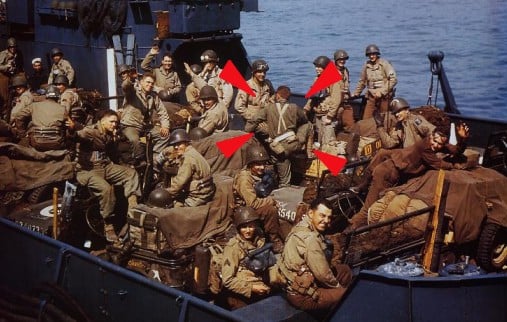
Fat Soldiers in World War Two

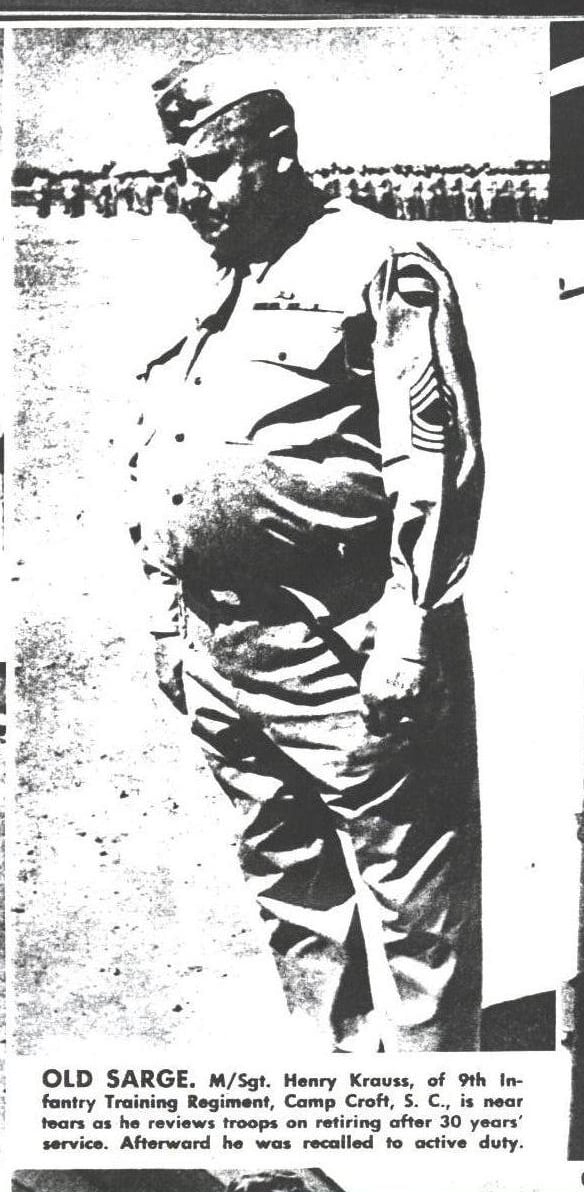
There’s often been a discussion of weight as it pertains to soldiers in WW2. The US Army had height and weight requirements, but I suspect wartime demands may have overlooked them for certain situations.

Indeed, the US Army had a set of Mobilization Regulations No 1-9 created in Aug 1940 that set physical standards –

They then changed it in April 1944, which set physical standards but the height and weight requirements don’t seem to have changed.

You can download a few more physical standard PDFs here in this zip file

Arguably, I think you’d be in a tough position to prove that an exceptionally tall or exceptionally overweight soldier would be on the front line in a foxhole. However, there’s enough evidence that such soldiers did fight in WW2, but likely in a rear or support position.
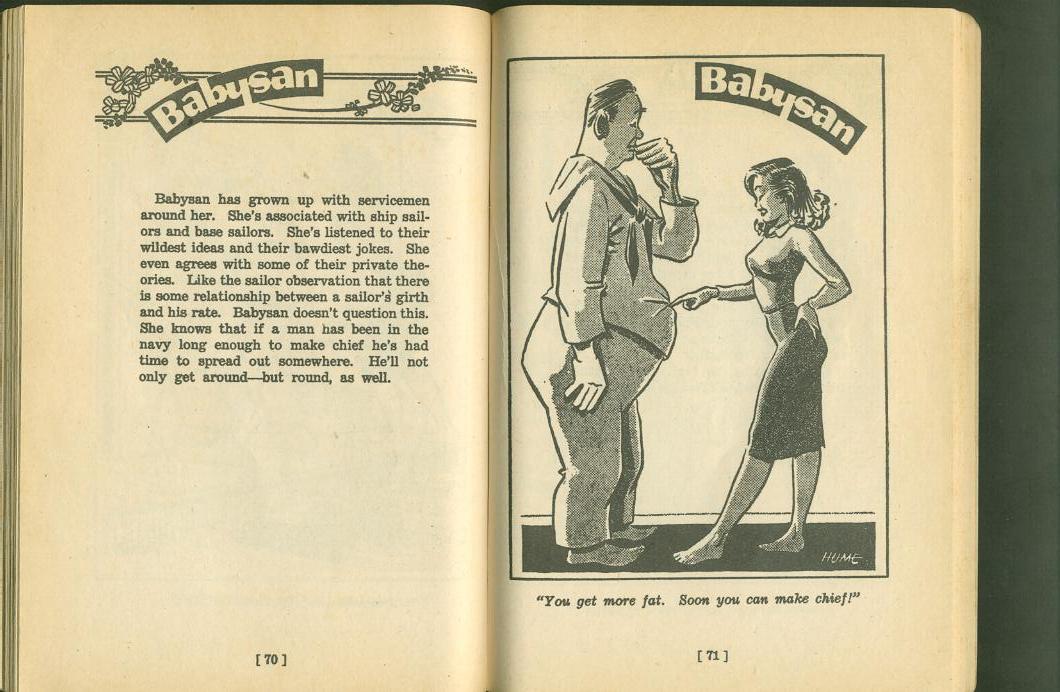
Indeed, there are a few publications that created humorous cartoons alluding to this fact (especially with the Navy).
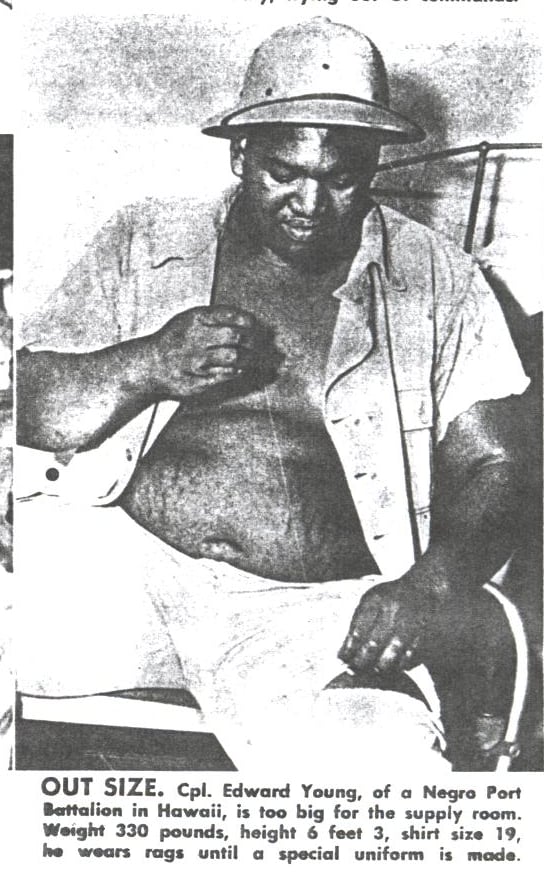
Cpl Edward Young of the Nergo Port Battalion in Hawaii is probably the heaviest African-American, weighing in at 330 pounds.

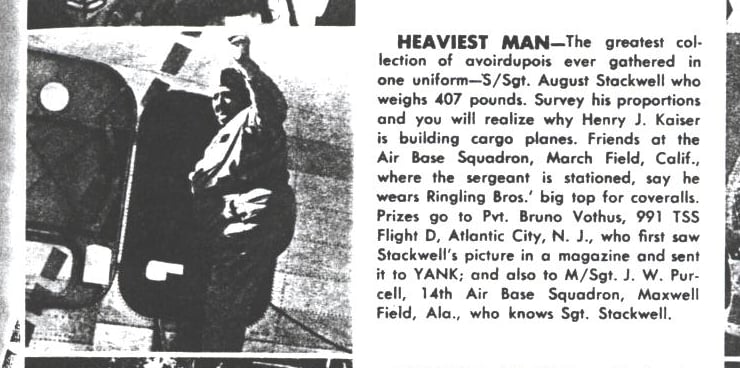
S/Sgt August Stackwell from the Air Base Squadron in March Field, CA, is likely the heaviest white soldier, weighing in at 407 pounds.

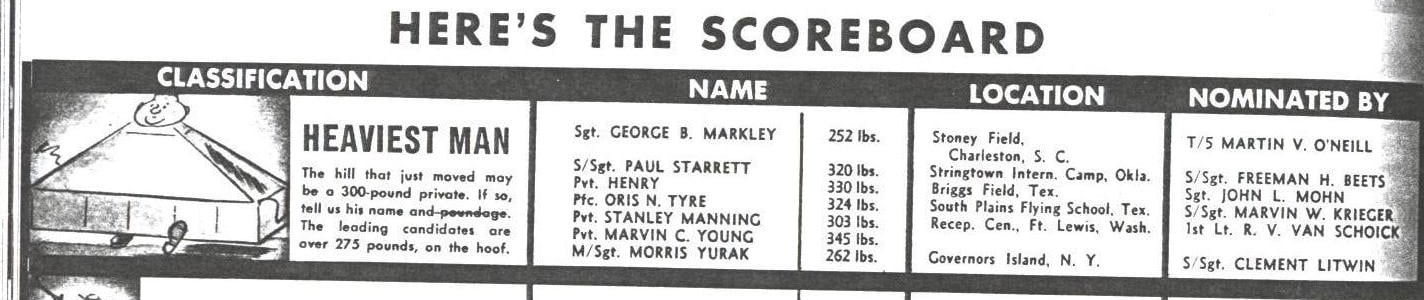
Yank Magazine also profiled a few persons and collected nominations for who the heaviest soldiers are.

Below are some images that highlight that fact.