Posted on

The M1 Helment for WW2 Reenacting

This will document some interesting things about the M1 Helmet that might be germane to reenacting. The images below unless otherwise mentioned come from two books –

The M1 Helmet: A History of the US M1 Helmet in World War II. by Mark A. Reynosa, 1996. Schiffer Military History, Atglen, PA. Images from this book are marked MR.

The M1 Helmet of the World War II GI: A Reference based on the M-1helmet.com collection. by Pieter Oosterman, 2010. Schiffer Military History, Atglen, PA. Images from this book are marked PO. To view part of the collection please visit M-1 Helmet.com

M1917a1 Helmet

The M1917a1 helmet is the same m1917 helmet design but with an improved liner.

Steel Helmet Production: The Helmet, Liner, and Straps

M1 Helmet Liner Manufacturing Companies: How to ID

Paratrooper’s Helmet

Helmet Camouflage and Nets

Field Modifications and Field Markings

Identifying your Helmet

GIs would write their name on the liner or chinstrap or etch it into the metal of the helmet itself.

Medic Helmets

Unissued Liners

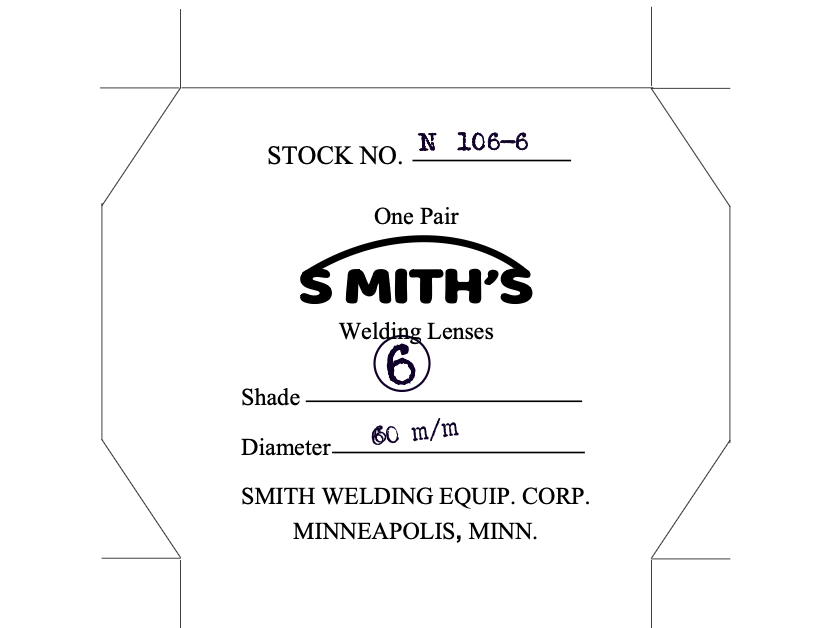
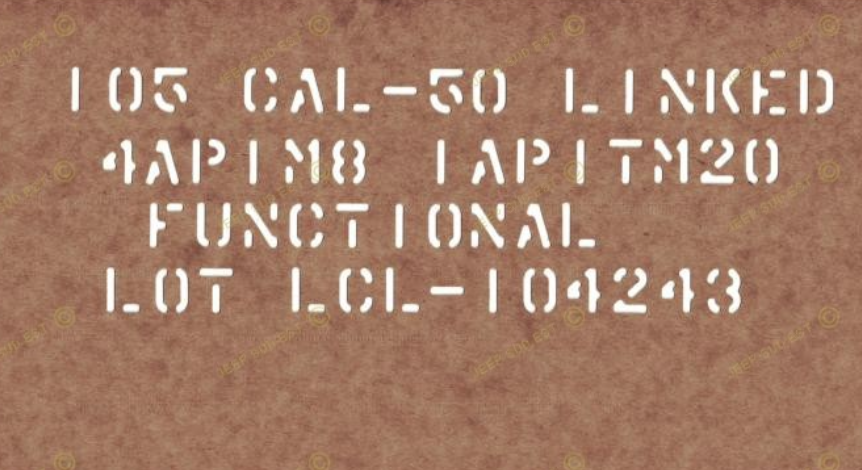
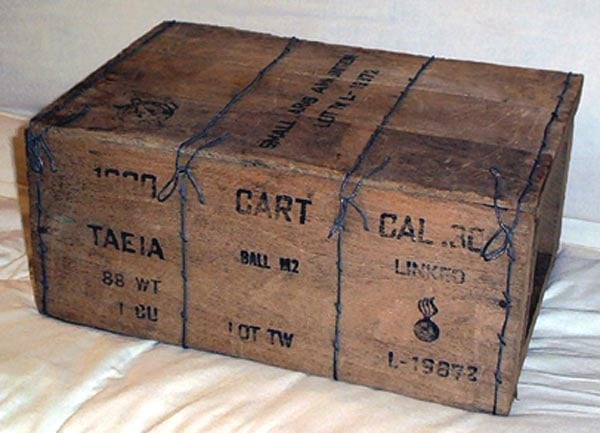
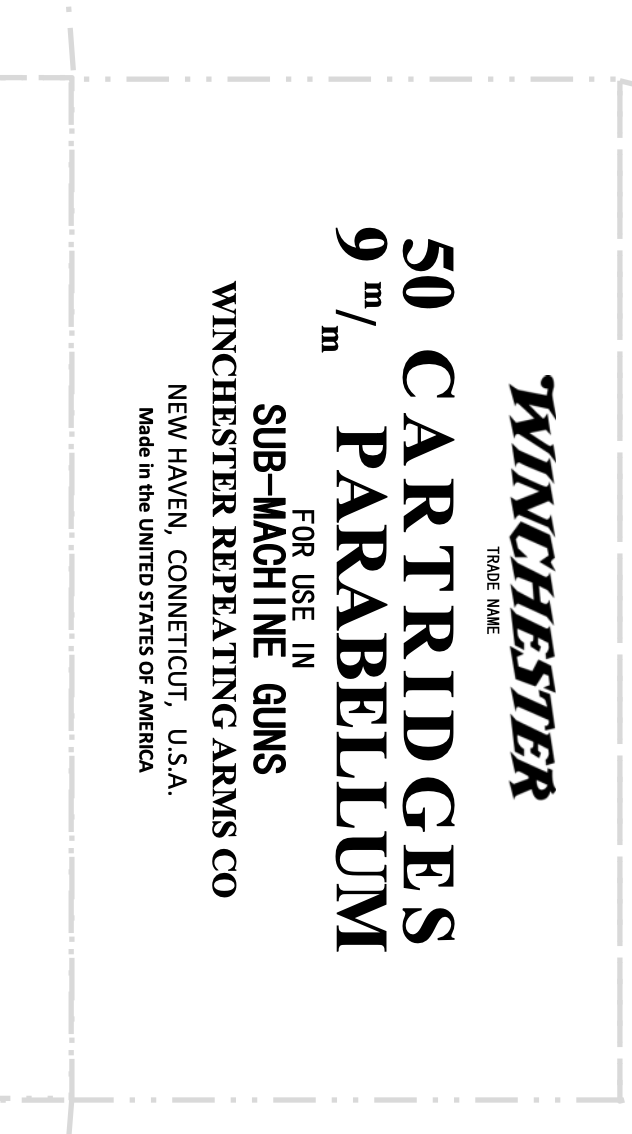
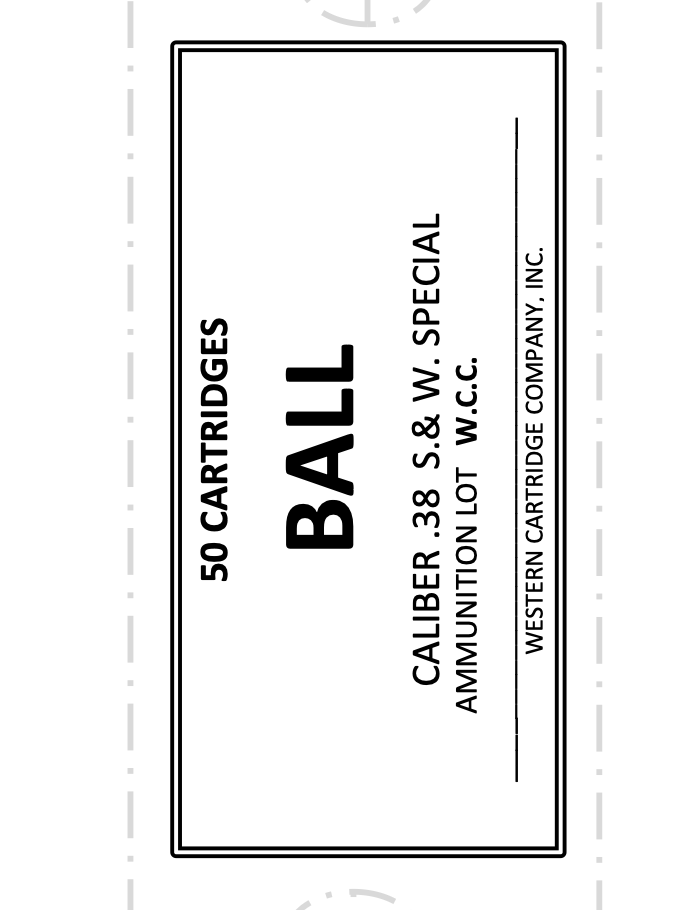
Below shows how the liners were packed from the maker.

Posted on

Pens for WW2 Reenacting

Pens started off as quills. These quills became wrapped in different materials like ivory or even metal. This shifted to hard rubber in the 1850s, celluloid in the 1860s, caesin in 1910s, cellulose nitrate in the early 1920s, cellulose acetate and acrylics in the 1930s, and pressure plastics in the 1940s.

This permitted different kinds of patterns and finishes.

Parts of a Pen

Pen Filling Systems

Pen companies competed with each other to design a pen that was self-filling and didn’t need eyedroppers to refill. Piston fillers, Crescent Fillers, Button fillers, and Lever Fillers were different kind of pen filling methods. Each pen company specialized in one type of filling system. Some other lesser-known systems include: Blow fillers, coin fillers, matchstick fillers, and sleeve fillers.

Eversharp Wahl – Lever
De La Rue – Piston
Onoto – Piston
Chilton- Piston
Wyvern – Button
Conway Stewart – Button
Parker – Button
Waterman – Lever
Shaeffer – Lever
Swan – Level
Conklin – Cresent

Lever Filler – Used to fill bladder in Pen, invented in the early 1900s
Button Filler – Used a button press beneath the cap to fill bladder. Used in 1920s
Safety Pen – The pen point is screwed outward for writing and screwed back in after being used
Snorkel- Turn the plunger at the end of the barrel. Move the plunger up and down the pen fills. Shaeffer is the only one to use this system.
Capillary System – Uses cartridges in the Parker 61
Eyedropper– Use an eyedropper to drop ink into the barrel.
Push Filler – Similar to button filler but the cap cannot be fully unscrewed. Montblac is the only company to make pens this way.
Vacumatic – Similar to button filler but the pen can hold more ink. Invented by the Parker company.
Touch Down– The end of the barrel is unscrewed and pushed up and down to pull up the ink. Used by the Shaeffer company.
Leverless – Used by Swan in the thirties. Turn the barrel to fill the ink

By 1952 most companies are making ballpoint pens.

By the 1930s all companies except Waterman used a variety of systems. Probably to increase market share and sales during the Depression.

Flat Top Pens

Pens were created from about 1905 to the late 1920s with a flat top and bottom. This was the style of the time and probably partially a result of using new materials to create new designs. Indeed, post-WW1 found pen companies experimenting with different kinds of plastics and synthetic polymers.

In 1924 Shaeffer made pens from cellulose nitrate called “Radite”.

In 1922, Parker introduced the “Duofold” and proved so successful they introduced new models and colors.

Other companies like Mabie Todd and Eversharp Wahl used woodgrain effects.

Waterman introduced the “94” pen in 1929 which had a ripple design.

Streamlined Pens

The Depression caused many companies to fold resulting in “The Big Four” surviving: Eversharp Wahl, Parker, Shaeffer, and Waterman in the US. In Germany, you had Pelikan and Montblanc.

The surviving pen companies introduced new designs using different production methods. One popular design is the streamlined look. This gives pens an aerodynamic look.

Shaeffer introduced cigar-shaped pens in the 1930s. A popular model was the “Balance”.

Parker created the “Streamlined Duofold”.

Waterman created the “Patrician” pen. Black is the rarest color with turquoise, moss agate, and emerald being the most valued.

Pelikan created the “100” a classic of the 1930s. Green being the most common color. Lizardskin and Pearlescent are the most prized.

Eversharp Wahl created the “Doric” style as part of the Personal Point design.

Pens of the 1930s

Parker created the “Vacumatic” which involved expelling air from the barrel allowing ink to fill. To capitalize on the needs of the US Army, Parker also introduced the “Military Clip”. Essentially a small clip at the top of the pen so it could be carried inconspicuously. A few companies also made lookalikes like those from Plexor and Waterson.

Pens of the 1940s

Most companies switched to war-time manufacturing and worked to develop new materials. Most pens on the market were the same as those in the 1930s. Indeed, MacArthur used a 1928 Parker Duofold to sign the September 2, 1945 Japanese Instrument of Surrender on the deck of the USS Missouri

One example is the Skyline Pen, made in 1941 for air travelers. Produced by Eversharp Wahl. There were also some victory models provided in Britain with a herringbone look.

Another example is the Parker 51 which Eisenhower used to sign the German surrender. The 51 was made in 1941.

For a good overview of pens in WW2 see: Mightier Than the Sword: The Parker Pens That Ended World War II and The Pens that Ended WW2.

For a deep dive into WW2 Pens see World War II and the Fountain Pen. For Pens in Britain during WW2 see: Reenacting Tip – Pens and Pencils.

Pen Companies Product Timeline

Below is a brief chronological outline of different pen companies and when their products were introduced

Montblanc Simplo GmbH aka Montblanc Firm (1908)

Lever fillers from 1921-1929.
1924 = Masterpiece Pen also called Diplomat 
1928 = Colored Masterpiece Pens
1929 = First button fillers 
1933 = Pix Pressure Pencil introduced 
1934 = onward Masterpiece pens have piston filers

May have used a number system?

Number System: 1935-1947. Consists of three 3 digits –
First digit:   1=Masterpiece  2=Second Quality   3=Student Pen  4=Stylograph
Second digit:  0=Safety Filler    2=Button or Push filler    3=Piston Filler
Third digit: 2=Pen Size
Letter Pattern/Design:  E=Rose   G=Smooth  P=Pearl Gray  PL=Silver Gray/Black   S=Guilloched

Parker (1888)

1916 = Button Filler Pen and Jack Knife.
1921 = Duofold Pen (had hard rubber and no cap bands)/ Big Red Duofold. Many colors were produced.
1923 = All pens come with cap bands.
1923 = Parker Vacumatic Pen also had the Parker arrow clip.
1926 = Pens go plastic. The plastic is called Permanite.
1926 = Duofold Quality (DQ).
1926 = Moire a lady pen.
1928 = True Blue.
Depression Era = Thrift-Time Pens.
1933 = Vacumatic, with arrow clip.in 1939 a blue diamond was added to the top of the arrow clip. 
1930s/1940s = Parkette (side filler), Challenger, Premier, Televisor introduced.
1941= 51 Pen, had a covered point. Used the Vacumatic system with a hooded nib.
Pelikan (1838)

A German company that made typewriter ribbons, ink, drawing pads, tinplate paint boxes, and carbon copy paper.

1929 = The 100 Is the First Pen model.
1932 = Ibis pen (black or marble). The school version was called Rappen.
1934 = Toledo Pen had 24k gold.
1934 = Refillable pencils produced.
1937= 100N (many colors, green and black most common). It had a smooth conical-ended piston.

Shaeffer (1913)

1918 = Sharp Point pencil introduced.
1920 = Creates the first fountain pen for the company called the: Lifetime Pen. In 1923 it got a white dot somewhere on the pen. Lifetime is written on the nib.
1923/1924 = White dot as symbol. Pens now uses plastic, not hard rubber as case material. Plastic is called Radite. 
1929 = Balance Pen. Conical shaped.
1930 = Pen and pencil combination. Balance Pen introduced. 
1934 = Makes a pump filler model. Avoid those from Shaeffer as the ink sac crumbles over time and leaks. 
1942 = Triumph Series.
1946 = The Ballpoint pen is produced.
1940s = Touchdown pen series (might be post-war).

Waterman (1883)

1907 = Safety fountain pen. The point could be extended. Leakproof.
1915 = First lever filled pen.
1923 = Red/Black Ripple series. In 1927 the Ripple series went to #7 Hard rubber.
1929 = Patrician model. Plastic. 
1930 = #94 was also plastic.
1933 = #7 plastic. Lever filler system.
1935 = Ink-Vue.
1939 = Hundred Year Pen. Pen cap and barrel unbreakable for 100 years. Point had 100 year lettering. Plastic.
1940 = Pens made of steel introduced.
1942 = Commando Pen.
1947 = Pantabille four-color ball-point pen. It has a numbered series.

Vmail and Laundry

Pens were used for writing V-Mail but also for marking laundry. You could purchase a nib set to swap out nips for thicker or darker lines. Some kits came in different colors. A few images show this below. A US Militaria Forum discussion outlines it a bit more here.

Some people think felt-tip pens were used. It’s unlikely they were used to mark laundry as early felt-tip pens weren’t commercially viable and the technology didn’t advance enough for them to be in wide use by the start of WW2. As indicated in a forum post:

” The first felt-tip marking pen was patented in 1910 by Lee Newman. It was basically a cylinder filled with ink that led to a felt tip. Benjamin Paskach patented his “fountain paintbrush” in 1926. It had a sponge-tipped handle and was filled with different paint colors. These marker pens were not commercially viable and didn’t sell.

In 1944, Walter J. De Groft patented a “marking pen” that held ink in liquid form in its handle and used a felt tip. This is the patent that will become a “Sharpie” pen in 1964. First modern (and usable) marker pen was Sidney Rosenthal’s “Magic Marker” which he invented and started selling in 1953. This marker had glass tube of ink for a body and a felt wick and its name comes from a fact that it was able to write on any surface. Yukio Horie of the Tokyo Stationery Company invented a modern fiber-tipped pen in 1962. “

So What Should I Use?

Ideally, a pencil. That would have been the cheapest and most convenient way to write. Soldiers would write Vmail in pencil or pen. That said, if you were in a rear area or a static position for a while you might see pens around. You’d encounter pens at camps, duty stations, ships etc. If you’re moving around a pencil would be more common.

So if the event is more public a pen would work. If it’s more private a pencil would work. If you wanted to buy a pen you could go with an original and probably a 51 or something from the 1930s like a Duofold.

I’m not sure if this is 100% accurate but the modern fountain pens from WWII Soldier look close.

Posted on

WW2 Airborne Reenacting Information

This page will catalog some information related to reenacting US airborne divisions during WW2. I have an 82nd Airborne impression that I don’t often use. It’s a secondary impression that I’ll occasionally pull out, but I’ve acquired various documents related to the 82nd in crafting the impression.

Geronimo US Airborne Uniforms Insignia and Equipment in World War II. Bill Rentz, 1999. Schiffer Military History. Atglen, PA

The images below are some high-quality PDF scans that came out of the book. Shows the 82nd in North Africa, individual equipment issued prior to a jump, how patches were sewn on, medical harness equipment, Arm Identification flag examples, 82nd patch examples, and stenciled jump jacket, among others. For a complete view, you can download the pdfs in a zip file here.

82nd Airborne in Normandy: A History in Period Photographs. Francois, Dominique. 2004. Atglen, PA: Schiffer Military History.

The images below are some high-quality scans that come from the book. Shows aid station images, 507th Parachute Infantry Regiment Basketball Team, beer drinking, dropping supply bundles, private photos taken before departing for Normandy, individual equipment, parachuting dogs, The Tennessee Maneuvers, and others.

At the Point of No Return: Pictorial History of the American Paratroopers in the Invasion of Normandy
Michel de Trez, 1994 D-Day Publishing, Belgium

The images below are some high-quality scans that come out of the book. It has examples of rigger-modified medical pouches and kits, platoon demo kits, and individual demo kits, as well as a few pictures of first aid and soldiers taking positions prior to an attack.

Why 1st Aid Kits on 17th Abn Div Helmet Nets by Lt Col David P. Schorr

Why 1st Aid Kits on 17th Abn Div Helmet Nets by Lt Col David P. Schorr – This is a short document from the School of Combined Arms (Regular Course) 1946-1947. Schorr was the Executive Officer of the 193rd Glider Infantry Regiment. It provides a brief explanation as to why the first aid kits were attached to the front of the helmet. Spoiler: It provides a distinctive outline making “friendlies” easily recognizable in the dark. Now obviously, it only applies to the 17th Airborne Division around Operation Varsity but “attaching stuff to a helmet during a jump” was also something done by the 82nd and 101st on other jumps. It makes it easier to carry more stuff into combat.

Posted on

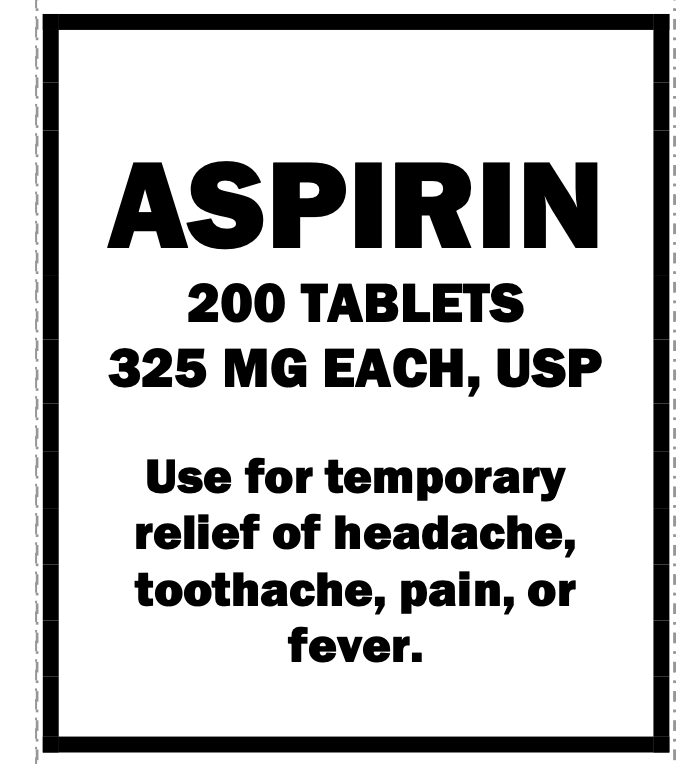
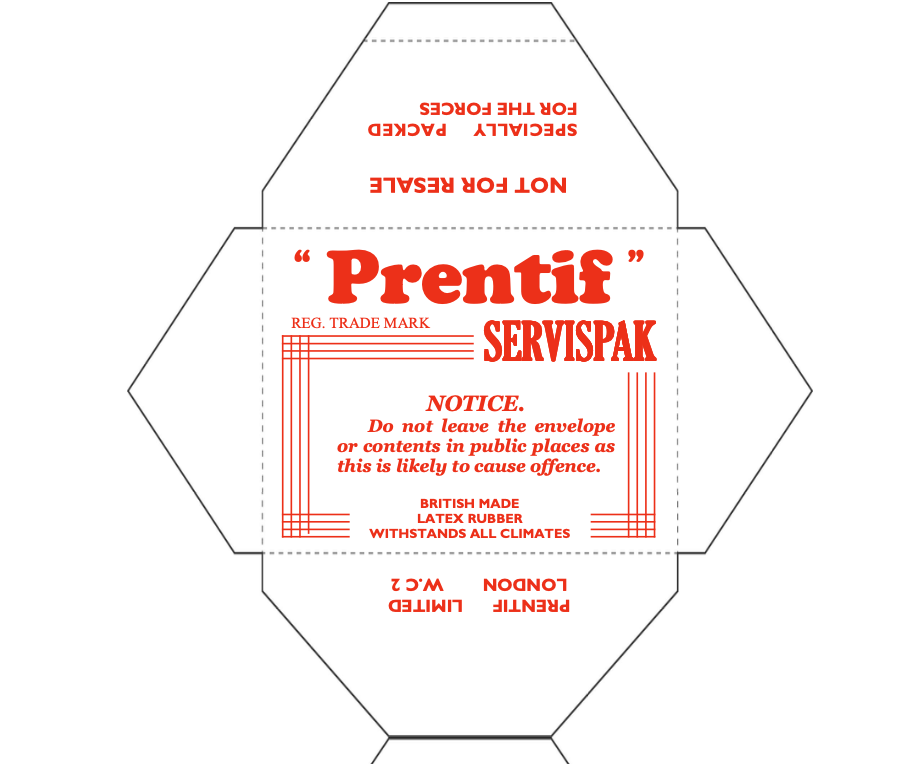
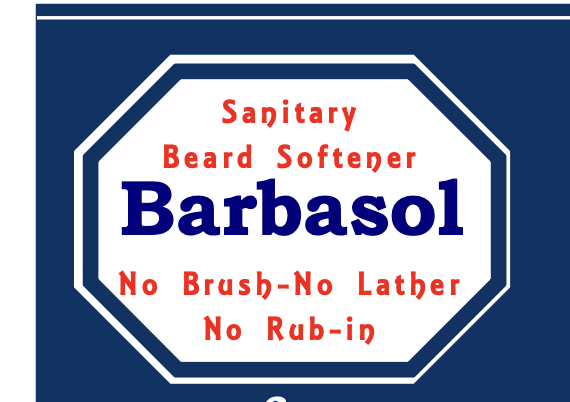
WW2 Reproduction Medical Labels and Paperwork Printables

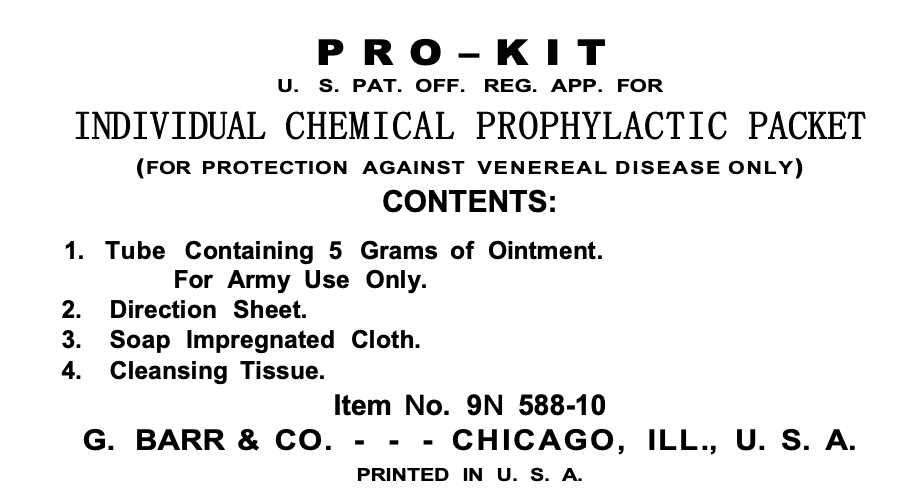
This article will be broken into different sections and contain links to different kinds of medical paperwork and labels that are printable for us and reference for WW2 reenacting.

Combat First Aid How to Save a Life in Battle 1944 By The Infantry Journal – A quick recap of how to deal with various injuries in battle such as broken bones and gunshot wounds in various locations such as the snow, the heat, and the jungle.

For a short analysis of this guide see: COURAGE UNDER FIRE: COMBAT FIRST AID IN WWII.

Medical and Surgical Technician’s Manual from Brooke General Hospital Jan 1944: Military First Aid – This is a refresher medical care manual for Enlisted Medical soldiers. You can find the complete manual at the Internet Archive. This document, however, only covers only basic Military First Aid

WWII Navy Corpsman Lejon Medical Brandy – These are Lejon Brandy branded, Medical Apricot Brandy bottle labels used by Navy Corpsmen in WW2. Includes instructions and labels.

United States Navy Hospital Corpsman 1943 – Pamphlet on hospital corpsmen. Details ladder of advancement, courses, jobs, pay and allowance, and more. Print size unknown.

Anchor and Excelsior and Torrington Brand Stainless Surgical Needles 1943 – Surgical needles from the Anchor and Torrington companies.

The anchor package would contain 6 needles, some with a 1/2 circle cutting edge and others with a 1/2 circle taper point.

The Torrington and Excelsior packets contain 4 needs and cover catgut, intestinal, and fistula sutures.

Torrington was originally called Excelsior and retained that as a brand to help sell needles. Wikipedia has a good history on the company.

Anchor, I think, is still around, as the brand usually appears on sewing needle packets.

Wound Tablets Style 1 and Wound Tablets Style 2. Put 8 empty blister tablets inside or Smarties. Would go inside the individual First Aid tin. Print on an 8.5×11 piece of paper.

Style 2 would contain 8 tablets as well.

Sterile Crystalline Sulfanilamide 5g – Two types. Contains a sulfa powder used to sprinkle into open wounds to help prevent infection.

Narcotic Stamps –

United States Narcotic – 1-cent and 2-cent stamps

United States Narcotic 2-cent Stamp

United States Narcotic 5-cent Stamps

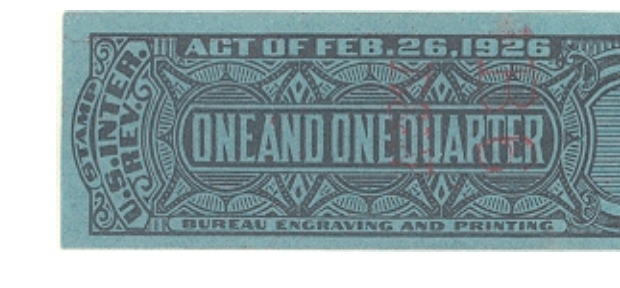
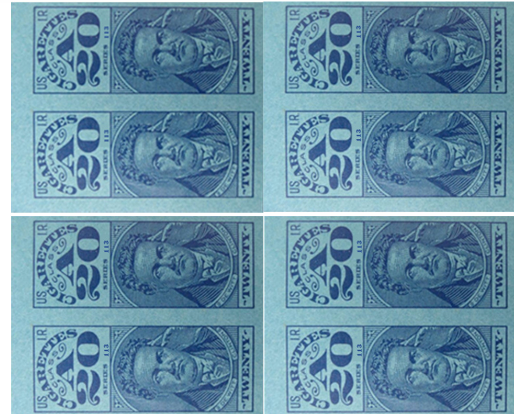
These were a direct result of the Harrison Narcotics Tax Act of 01MAR1915. Designs shown above were used between 1919 and 1964 and came in many more denominations. Narcotics Tax Stamps were used in an attempt to regulate overuse and addiction to Opiates. These are frequently found on original Morphine syrette individual boxes.

World War Two US First Aid Boxes Printables -Contains the following templates

  • Small First Aid Packet Carlisle Model Dyed and Small
  • Carlisle Bandage Large Box
  • Carlisle Bandage Small
  • Triangular Bandage Box
  • Gauze Box
  • 10 Metal Covered Camouflaged First Aid Packets Carlisle Model with Sufanilamide Box
  • Burn Injury Set
  • Davis Wire Splint
  • Muslin Bandage
  • Sulfadiazine Compressed 6 Tablets Box
  • Benzedrine Sulfate Box

Individual Jungle Medical Kit – List of contents and specifications for you jungle medical kit freaks.

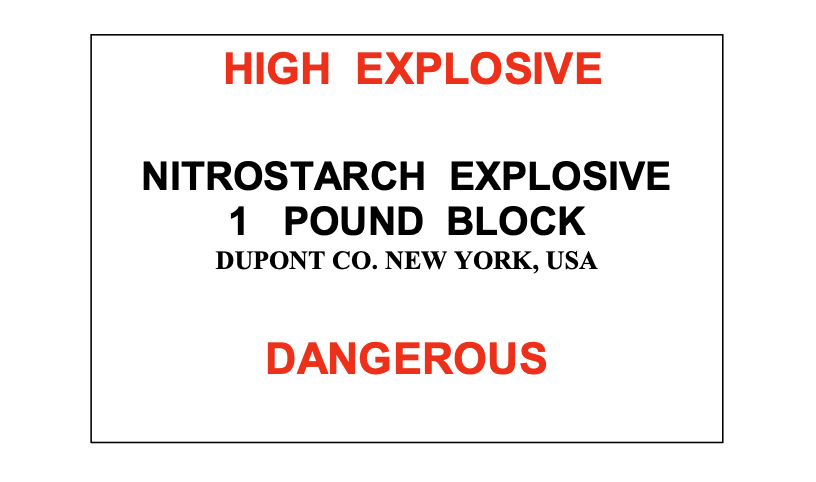
Frazer Solution for the M2 Jungle Pouch – Print on paper and paste onto a bottle. For the bottle, you would need to find a 1oz glass bottle.

Posted on

Feathers of Honor: Pigeons in WW1

Feathers of Honor: US Army Signal Corps Pigeon Service in World War 1, 1917-1918. Pdf file. By Frank A. Blazich Jr.
Source: Army History , Fall 2020, No. 117 (Fall 2020), pp. 32-51 Published by: U.S. Army Center of Military History

The article discusses the development of the pigeon service, training of pigeoneers, selection of the pigeons, and tactics used to bring pigeon communication as close as possible to the front lines.

Of course, you cannot mention pigeons in WW1 without a nod to Cher Ami, arguably the most famous pigeon ever. Cher Ami is credited with helping to relieve friendly fire on the Lost Battalion. Cher Ami is currently stuffed and on display at the National Museum of American History in Washington DC.

Posted on

Signal Corps Communication at World War Two Reenactments

“Run and Gun” Events

These types of events are characterized by organizers bringing together a bunch of units and having them fire and maneuver at each other throughout a weekend without any well-defined or planned tactical scenario. Often called a private tactical. These can be fun, but you have to insert yourself, as the organizers rarely think to include signal elements.

Due to the nature of these events, your best bet is to come with several sets of BC-611s. These are usually cheaper, lightweight, and reproductions of them exist. Plus, folks can kinda strap the radio to themselves and still be able to run and gun with their unit. They’re not inherently tied to a radio for the whole event.

I’ve personally done events where I brought a pair of BC-1000s, and while cool, it’s a lot more equipment to lug around. Plus, these are all originals and are prone to breaking (once an original short antenna broke at an event), and heavy and cumbersome. Folks are usually tied to the radio for the whole event.

You would want to get a list of units and approximate strength before the event and work up a set of Signal Operation Instructions (SOIs) that outline call signs and frequencies, as well as which unit gets which BC-611. You would probably want to include some basic communication procedures as well as the phonetic alphabet.

You would then request one soldier from each unit to attend an SOI briefing. Where you go over the BC611 usage, instructions, and communication procedures. You’d likely have anywhere between 15 minutes and 30 minutes before the event starts to do this. So keep the briefing short, quick, and memorable. They should be able to explain it back to you, and they should also be instructed to train several others in the unit.

Printing off the booklet below might be helpful, too.

Pamphlet 24-2 Radio Telephone Procedure Oct 22nd, 1943Part 1 and Part 2 | A short and small booklet that explains Radio Telephone Procedure. Print off part 1 on 8.5in by 14in. Beige light cardstock, flip it over, and print off part 2. Then cut and fold.

I haven’t tested it, but it looks like it’s going to end up being some kind of wallet-sized/index card-sized pamphlet. If you want it as an image, you can see part 1 and part 2 here.

You would likely want to keep batteries for the units and other repair tools in a crate near the starting point and instruct folks that if batteries run out, this is the Signal Supply depot.

Units then go out into the field, and you communicate. You pick up the radios at the end of the event or have them drop them off at the supply depot.

Ideally, you should be using wire, but the nature of these kinds of events doesn’t allow for it. Runners are also acceptable, but most folks in this type of event don’t want to stray from their unit or spend the entire weekend running messages.

Static Events

This kind of event is where there’s a fixed side. Italian events usually lend themselves to this kind of concept. The Great War Association in Newville usually has an Italian-type event called Winterline.

Another example is when there is an extended bivouac, like at the D-Day Conneaut event. For these events, there’s a side of the ground that is used as a launching point and where “command and control” can exist.

For this kind of event, wire would be more appropriate both in historical terms and in practical terms. You can set up a switchboard and run field phones and wire out to where units are located. The field phones are easy to set up and move, and aren’t cumbersome. Plus units are typically hanging around their area, so someone will be available to take and make calls.

You would probably need one or two other people to assist with set-up, tactical operation, and take-down. Might want to consider rotating people out so the same group of people aren’t stuck doing wire. You would train these people at the headquarters on how to run the switchboard and check wires. You could even do a wire patrol scenario where you go check the wires.

Before the event starts, you would have an SOI briefing with a representative of the units who get field phones. You’d go over the basics of field phone operation and communication, and probably hand them Pamphlet 24-2. Extra equipment, such as batteries and tools, would be located at the Headquarters.

This article from Paratrooper.be has additional thoughts on using the field phones at an event.

Depending on how much time and how large the event is, you could implement the flow chart below.

Message Routing Procedure Flow Charts – Describes the routing of different kinds of messages when message center facilities are or aren’t available.

Combination Events

These events combine elements of both. Usually, these are more managed and mission-focused. For example, the “command and control” element would create a mission where you have to string 5 field phones to 5 unit positions. Or the event organizers create an expectation that folks will use a radio net. The missions might be worth a certain number of points, and the event has referees to make determinations of points/mission success and/or hits/kills, etc.

I once attended a Sons of Valor event in South Carolina (or maybe North Carolina?) in the early 2010s and provided cover to an engineering unit that actually built a bridge over a ravine and a transportation corps unit that then drove a jeep across it to deliver supplies.

Obviously, this requires event planners or organizers to think holistically and do a lot of planning up front to make it interesting, fun, and memorable.

But there’s more openness to providing SOI briefings and signal corps elements.

Living History Events

These events are characterized as being more for the public and carry an assumption that reenactors will interact with the public and share their displays. Some events include aspects of the above, but it’s mainly about engaging the public.

These can be interesting for signal corps elements, as you could demonstrate pole climbing, have kids run wire, splice wire, or operate switchboards etc.

You could provide folks with an SOI and let them communicate over a radio network.

Posted on

World War Two: Diaries, Journals, and Accounts

I’m a sucker for primary sources. This post will be a catalog of sorts that’ll provide links to various diaries, journals, and accounts of World War II.

These will be either hard-to-find accounts or unpublished ones.

The first one is, of course, the diary I helped edit and publish.

WWII DIARY by Pvt. Donald Duane Johnson 1st Edition. Edited by Daughters Mary Johnson Corcoran and Jane Johnson Kill – Tells the story of Pvt, Donald Duane Johnson (1915-1993). Captured October 24, 1944 at Vedriano, Italy with the 351st Regiment, 88th Division, Company G, 2nd Battalion. U.S. Army Recaptured May 1, 1945 by 3rd Army, 319th Regiment, 80th Division, Company E, 2nd Platoon General Patton’s Army.

Recollections of a World War II Combat Medic -Zip file. By Bernard L. Rice. Indiana Magazine of History , Vol. 93, No. 4 (December 1997), pp. 312-344 (33 pages).

In this account, Bernard was part of the 12th Armored Medical Battalion providing medical assistance to the 12th Armored Tank Division. Bernard participated in the Battle of the Bulge, helped liberate Dachau, fought in the battle of Herrlisheim, crossed the Rhine, and was pushed into Germany by the war’s end. What I like most about the account is the mention of the little things like using oranges to practice sewing up wounds when he was in basic.

Finally, the account ends with mentions of the 12th Armored (I don’t think he was part of it) securing Werner von Braun‘s supersonic wind tunnel…who hilariously complained to the men that his bike was stolen. As well as an account of a few 12th Armored boys from the 23rd Tank Battalion and 4 infantrymen partaking in the Battle of Castle Itter (which is a super interesting story!).

The Odyssey of a Texas Citizen Soldier – Zip file. By Robert L. Wagner The Southwestern Historical Quarterly, Vol. 72, No. 1 (Jul., 1968), pp. 60-87 (28 pages).

This is the account of Oran C Stovall a commander of the 111th Engineer Battalion which was part of the Texas National Guard unit, the 36th Infantry Division. He supported attacks to secure Naples and saw heavy action trying to cross the Rapido River to outflank Monte Cassino. Crossing the Rapido wrecked the Division. It was eventually sent to Anzio to help with the breakout and then to Southern France as part of Operation Dragoon. To help shore up the division they were assigned the famed 442nd Regimental Combat Team, the segregated Japanese-American unit. The unit ended service securing parts of the Dachau.

Medical Testimonies – A link to the Med-Dept.com which contains a wealth of resources for all aspects of WW2 era medical information including numerous accounts of those working in hospitals (both on land and ship), on the front-lines, and in graves registration units.

Posted on

Where is the 5th Pig?

This was a novelty folding puzzle that says Where is the 5th Pig? Or in Dutch: Zoek Het 5 de Zwun? This was a piece of anti-German propaganda that when folded up shows Hitler. They were probably made by the British SOE (Special Operations Executive). These came in a few different varieties and different languages. You can download the pig one here. I’m not sure of the exact size but 8.5×11 printing paper should work as these would have been made as leaflets as cheaply as possible because it’s a “one and done” piece of propaganda.

Picture of 4 pigs that when folded along the dotted lines show an image of Hitler.

Including one of Jackels that folds up into Mussolini.

Picture of 4 pigs that when folded along the dotted lines show an image of Mussolini.

Posted on

12th Army Group Headquarters Movements

This book is Vol .IX of the 12th Army Groups Report of Operations (final after-action report). It describes the actions of the Headquarters Commandant Section and Special Troops.

You can download The Report of Operations: 12th Army Group vol. IX here.

What I find neat about the report is that it describes units typically attached to higher-echelon units and outlines (briefly) what they did. It’s a lot of units you would never think about but would be needed to help make the 1.3 million men in the group function.

For example, the 18th Finance Disbursing Section made between Feb 3rd, 1944 to June 30th, 1945 140,751 payments totaling $7,887,428.59. Also noted…they never had a case of VD or court martial.

And the 114th Signal Radio Intelligence Company which listened for lower-level German Army radio traffic and was able to locate a gas dump that US Army tanks were able to capture and use to gas up.

Of course, they also had the Office of the Chaplain who oversaw religious services for the men. It looks like the Chaplains were mostly Catholic or Protestant but also gave sermons to those of the Hebrew Faith, Mormon, and Christian Science faiths. It’s noted that:

“A listing of all the locations in which services were held would in itself give some insight into the variety which belongs to the experiences of Special Troops Chaplains. Apple orchards, world famous cathedrals and well known
shrines garages, moving picture houses, and stables, historic court churches, day rooms, and mess halls: magnificent private chapels, dingy billets, and in the bombed out ruins of what had once been churches, are just half the story of where our men knelt or stood with their heads bowed. The services were held in times of fair weather and bitter cold, in times of quiet and in times when gunfire could be plainly heard.”

And the 585th Army Postal Unit which was bombed on March 14th and the men worked through the night fixing and salvaging so they could be open for business the next day.

The book also contains a neat map of their movement. You can download it as a pdf here or look at the image below.