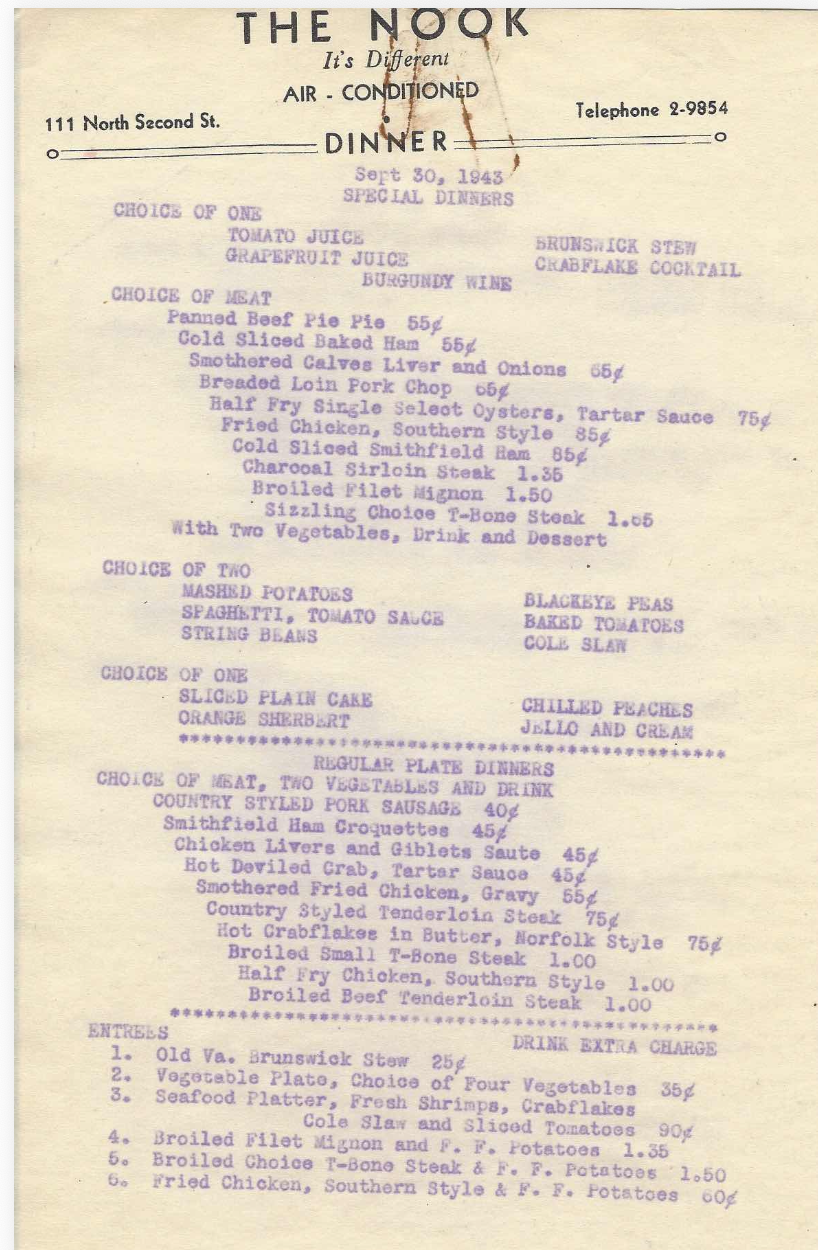
Images courtesy of Joanne Krasselt, whose Uncle, Clarence Jepperson, saved them. Clarence would go on to partake in Operation Ivory Soap. The training for the operation was held at the Grand Hotel in Point Clear, Alabama, where they treated the hotel as a naval ship. He saved the rate sheet from the hotel as well, with rates effective October 20, 1943, and underlined that he was in a Suite for 4 occupants.
The 35th Replacement Battalion is a unit that replacement soldiers would be assigned to before heading to their actual unit. The copy is from January 1946.
35th Replacement Battalion Service Menu, 1946. From the Estate of Ray and Anita Sexton, Oneida, TN
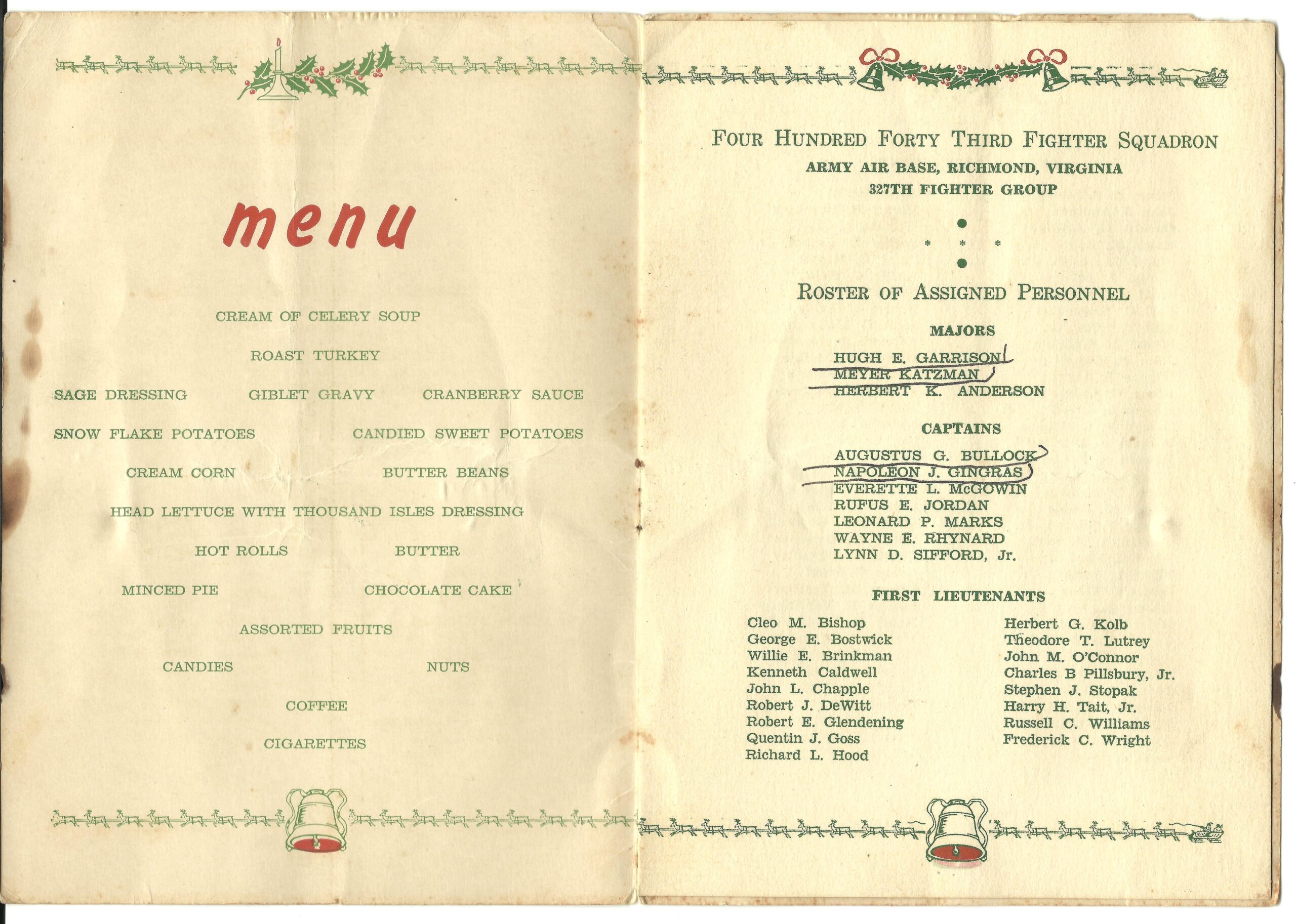
443rd Fighter Squadron Menu
The menu below is from the 443rd Fighter Squadron of the 327th Fighter Group out of Richmond, VA (the base is where the Richmond Airport currently is). This unit was a training unit and provided mid-Atlantic defense.
443rd Fighter Squadron 1943 Christmas Menu Front From the Estate of Ray and Anita Sexton, Oneida, TN443rd Fighter Squadron 1943 Christmas Page 1 From the Estate of Ray and Anita Sexton, Oneida, TN443rd Fighter Squadron 1943 Christmas Menu Page 2 From the Estate of Ray and Anita Sexton, Oneida, TN443rd Fighter Squadron 1943 Christmas Menu Page 3 From the Estate of Ray and Anita Sexton, Oneida, TN443rd Fighter Squadron 1943 Christmas Menu Back From the Estate of Ray and Anita Sexton, Oneida, TN
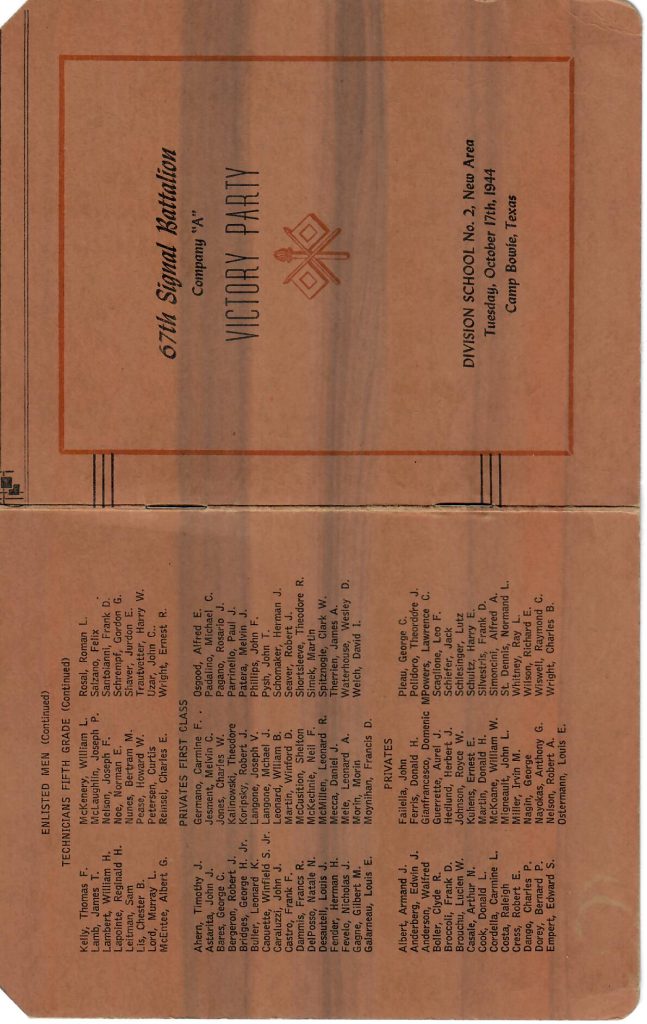
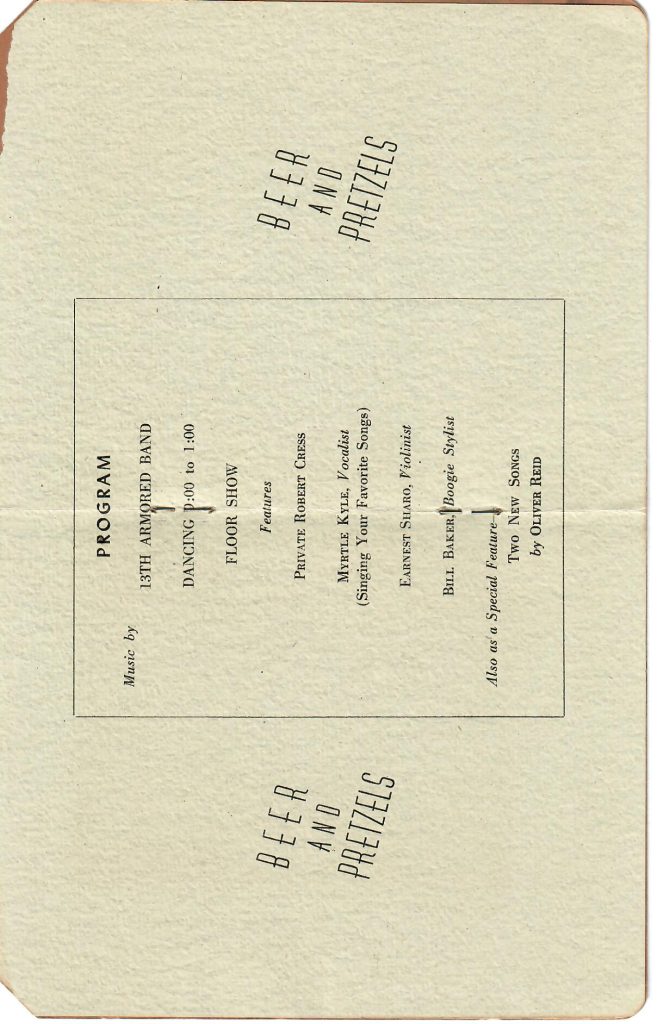
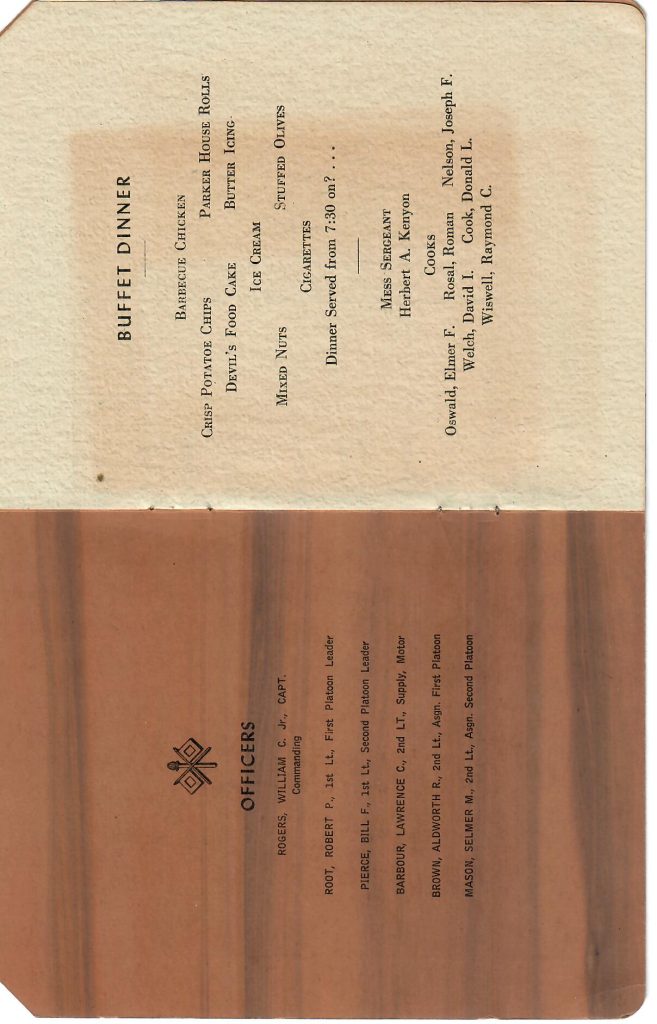
67th Signal Battalion Company A Victory Party
This is a service menu for Division School No. 2, New Area at Camp Bowie, Texas, on October 17th, 1944. It’s hard to find much information about the unit, but according to the US Army Lineage, it was in Europe and presumably came home before being transferred to the Pacific. I guess that this Victory Party is the result of them coming home from Europe.
Travel Base Brochure
Below is the base brochure handed out to personnel when they arrive at base and are expecting to stay awhile. This one is from Harmon Field in Stephenville, Newfoundland. Dated Feb 1945
Harmon Field 1945 From the Estate of Ray and Anita Sexton, Oneida, TNHarmon Field 1945 From the Estate of Ray and Anita Sexton, Oneida, TN
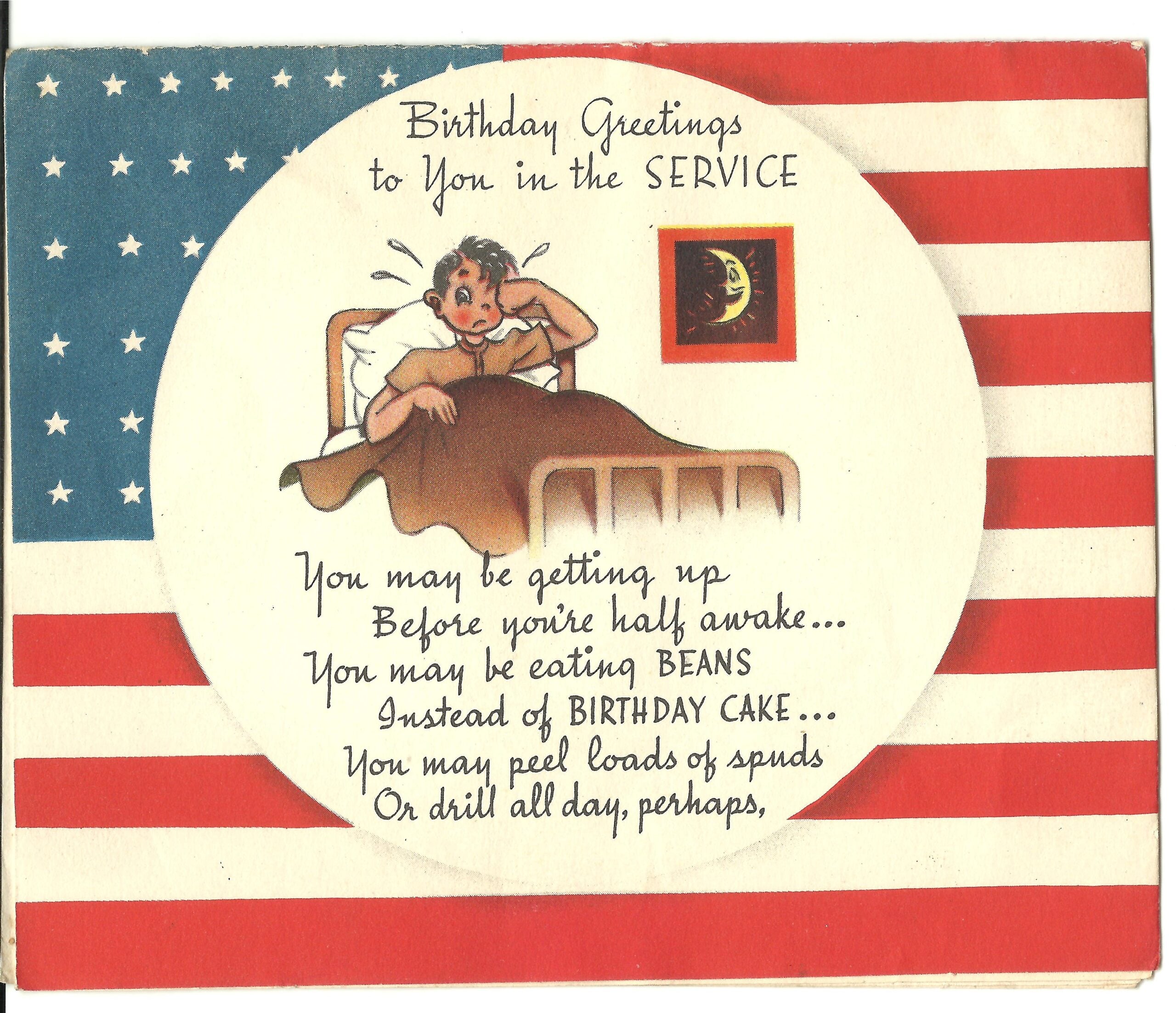
Birthday Card 2-21-44 Frontcover From the Estate of Ray and Anita Sexton, Oneida, TN
Birthday Card 2-21-44 Inside From the Estate of Ray and Anita Sexton, Oneida, TN
WWII Valentine’s Day Cards
Valentines Day 2-7-44 Inside From the Estate of Ray and Anita Sexton, Oneida, TNValentines Day 2-7-44 Frontcover From the Estate of Ray and Anita Sexton, Oneida, TN
WWII Postcards
These could often be found at post exchanges or other on-base facilities.
Postcard 1941 Front From the Estate of Ray and Anita Sexton, Oneida, TNPostcard 1941 Back From the Estate of Ray and Anita Sexton, Oneida, TN
WW1 Postcards
American Expeditionary Field Service Post Card – Sent to Marg (or Mary?) W Ostrander in Grenola, KS. Grenola is a super small town in KS. Probably by her brother or another relative. I’m guessing based on research that she married TJ Starker. The field service postcard is just a way to send a quick message home letting family know what’s happened to you. In this case, it looks like the signer wanted to get a quick message out that he got their letter and will send a letter soon. Postcard is dated Oct 16th, 1918. Size is 5.5in length by 3.5in width.
Remembrance From France Postcard – This is a thank-you note from a WW1 soldier (American Expeditionary Forces, 7th Division, 3rd Infantry (?), Machine Gun Company). He’s writing to a girl named Frances, thanking her for a New Year’s card she sent him and telling her how much it meant to him while stationed in France. Dated Jan 19th, 1919. Size is 5.5in length by 3.5in width.
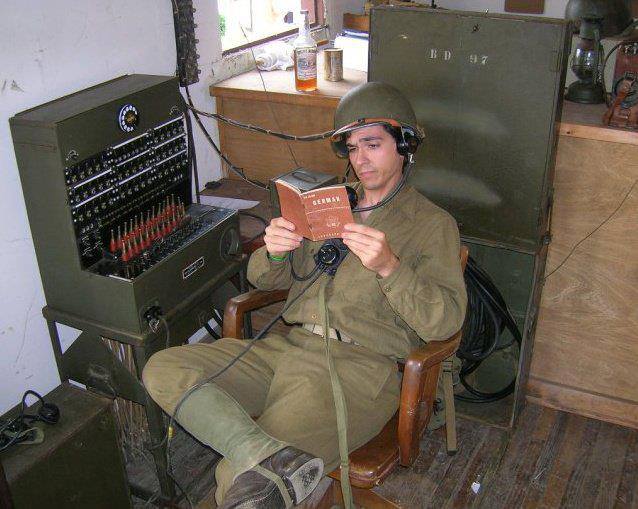
Old Nick’s Here With Greetings to You WW1 Christmas Postcard – A soldier named Prestin (?) or Herby (?) describing how the shift works at the switchboard he’s stuck at. The shifts are 4 hours on and 12 hours off. It looks like just a quick New Year’s/Christmas card he sent home. Dated Dec 25th, 1918.
All lock picking content is for educational and informational use only.
Underwriters Laboratories defines the different types of locks for which the specification applies.
Product: This refers to any type of lock or component defined within the standard:
Door Lock: This is a rim or mortise-type locking assembly that is used on doors to deter unauthorized opening by one or more of the following means:
∑ Jimmying the door;
∑ Picking;
∑ Impressioning techniques;
∑ Driving the locking cylinder or assembly;
∑ Sawing or drilling the lock bolt;
∑ Pulling the lock cylinder;
∑ Other methods that involve the use of small hand-tools.
Locking Cylinder: A key-cylinder that is used within door locks, alarm control switches, alarm shunt switches, utility locks, and similar devices to resist unauthorized opening by one or more of the following techniques:
Security Container Key Lock: This is a lock that is designed for use on key-locked safes, collection safes, and similar security containers to resist methods of entry that include:
UL specifies a number of requirements that relate to the construction and operation of any lock that is certified under this standard. These include:
∑ The product shall be constructed so that it may be readily and conveniently operated when the proper key or keys are used;
∑ The lock must be practicable for installation by a trained locksmith, and able to be installed in a position or location that does not degrade its burglary-resistant qualities;
∑ Parts must maintain a high degree of tolerance and uniformity. This is especially important with regard to bittings.
Locks tested under UL 437 must be constructed of brass, bronze, stainless steel, or equivalent corrosion-resistant material, or shall have a protective finish that meets salt spray tests.
There are a number of common standards relating to locks and security containers, including requirements relating to nonmetallic parts, corrosion protection, and salt spray. These are described in UL 768.
Specific Requirements for Locks
Differs
Door locks and cylinders must be capable of at least 1000 key changes. Security containers must achieve significantly higher security levels, providing at least 1,000,000 differs for any design. Two-key locks require a minimum of 64 guard key changes, and at least 15,000 customer key changes for any design.
Security Container Key-Locks
Specific requirements for locks that are utilized on security containers include:
∑ Key shall be field changeable;
∑ The bolt lever must fit snugly on its post and shall be secured tightly;
∑ The fence face shall be perpendicular to the plane of the tumblers;
∑ The wheels, tumblers, levers, or pins shall run true, and be at right angles to their mounting post;
∑ Within a combination-lock, the clearance between the fence face and the tumbler wheels shall not be less than .025î (0.64 mm) when the bolt lever is raised by means of a driver cam, and not less than .015î (0.38 mm) when the bolt lever is raised by means other than a driver cam;
∑ Mechanical means must be provided that immobilizes the bolt if the lock is punched or pulled;
∑ The tolerance between plug and shell in a pin tumbler lock must be less than one cut depth.
Endurance Test
The lock shall function as intended during 10,000 complete cycles of operation at a rate not exceeding 50 cycles per minute;
A lock having a changeable core or field-changeable key design shall operate as intended after each of 50 changes of the core or key.
Attack Resistance Tests
Attack resistance tests encompass setup requirements, use of specified tools, timing, and entry methods.
Test Requirements
A number of tests have been defined to ascertain the attack resistance of a lock. UL 437 requires that a device cannot be opened or compromised as a result of the application or use of tools and techniques set forth in the standard, and summarized here.
Specific protocols have been devised with respect to mounting of samples to be tested. Door locks must be installed in accordance with the lock manufacturer’s instructions, in a 1-1/2î (38.1 mm) solid hardwood door of average size. The door is mounted in a 1-1/4î (38.1 mm) thick wood frame and reinforced as if actually installed. Door locks that are designed specifically for a certain door construction are to be tested in that mode.
The following test requirements apply for attack ratings:
∑ The tools used for these tests include any common hand tools, hand or portable electric tools, drills, saw blades, puller mechanisms, and picking tools. For door locks only, pry bars up to three feet (.9 meter) long are also to be employed;
∑ Tools that are used on two-key locks must not include saws, puller mechanisms, or portable electric drills;
∑ Common hand tools are defined as chisels, screwdrivers no more than 15î (380 mm) long, hammers having three-pound (1.36 kg) head weight, jaw-gripping wrenches, and pliers;
∑ Puller devices are to be either a slam-hammer mechanism, having a maximum head weight of three pounds (1.36 kg), or a screw type;
∑ Picking tools are common or standard patterns, as well as those designed for use on a particular make or design of cylinder;
∑ Portable electric tools are identified as high-speed handheld drills that meet the following criteria:
∑ Operate at a maximum of 1900 RPM;
∑ Maximum ºî (6.4 mm) chuck size;
∑ Use high-speed drill bits;
∑ Utilize electrically operated vibrating needles.
Test Time for Attack Resistance
Net times in minutes are specified for each type of test, and the lock upon which the procedure is to be performed. The sequence is not relevant, nor the number of methods to be applied. Samples may be tested for several techniques, or a new specimen may be utilized for each procedure. Below are the results in time it takes to work to break a lock.
Test
Door Locks/Cylinders
Security Container Key Locks
Two-Key Locks
Picking
10
30
45
Impressioning
10
30
45
Forcing
5
30
5
Drilling
5
30
NA
Sawing
5
30
NA
Prying
5
30
NA
Pulling
5
30
NA
Driving
5
30
NA
Test Methods
There are eight methods of forced and direct entry that are defined within the Standard: picking, impressioning, forcing, drilling, sawing, prying, pulling, and driving. These have been previously described in Chapters 29-32.
Picking
Picking tools are employed in an attempt to align the active components, including tumblers, levers, wheels, or pins, in order to open the lock.
Impressioning
Methods of impressioning, as defined in Chapter 31, are employed in an attempt to produce working keys.
Forcing
Rotary forces are applied with the test tools in three critical areas, in an attempt to open the target lock:
∑ In the key slot;
∑ On the exposed part of the cylinder;
∑ On the exposed portions of the lock assembly.
Drilling
Drilling requires that a drill and one or more bits are utilized to attack the plug, exposed lock body, and other parts in an attempt to compromise critical components to effect an opening.
Sawing
A saw is employed in an effort to cut, compromise, remove, and open critical components, including the plug, body of the cylinder, and lock bolt.
Prying
Tools are utilized in an attempt to pry the bolt out of engagement with the strike opening within a door lock assembly.
Pulling
Techniques of pulling are directed at critical locking components including the plug, body, bolt, or other areas in order to compromise and open the device.
Driving
Driving is the opposite of pulling. Tools are utilized in an attempt to drive or force the plug, body of the lock, lock bolt, or other part to allow bypass of the mechanism.
All lock picking content is for educational and informational use only.
This was taken from a PDF and put into a more SEO friendly post.
Recently I purchased the SouthOrd Tubular 8 pick and the rubber handle just spun freely
which seems to be a defect that another member also encountered. The loose handle actually
worked in my favor. I removed it completely and was able to clamp it together between 2
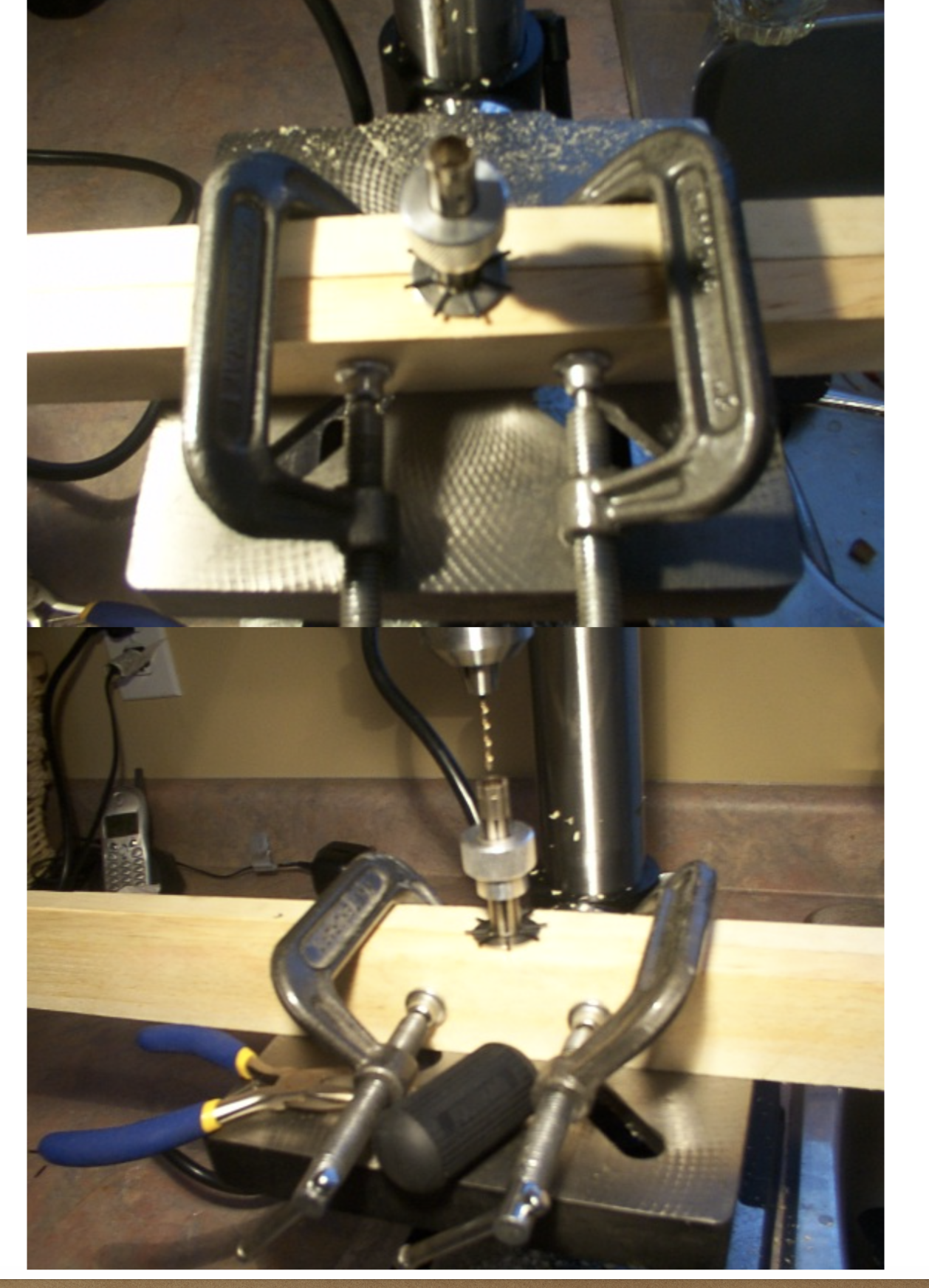
pieces of wood to hold it steady while drilling. I used a drill press with a 1/16th drill bit and
bought a 1/16th spring pin. The original pin and hole are just slightly smaller but replacing it
with a 1/16th works just as well with NO difference. Below are some pictures of the procedure.
To hold the pick steady all I did was drill a 11/32 hole, which is slightly smaller than the diameter of the pick, and clamp it between two pieces of wood.
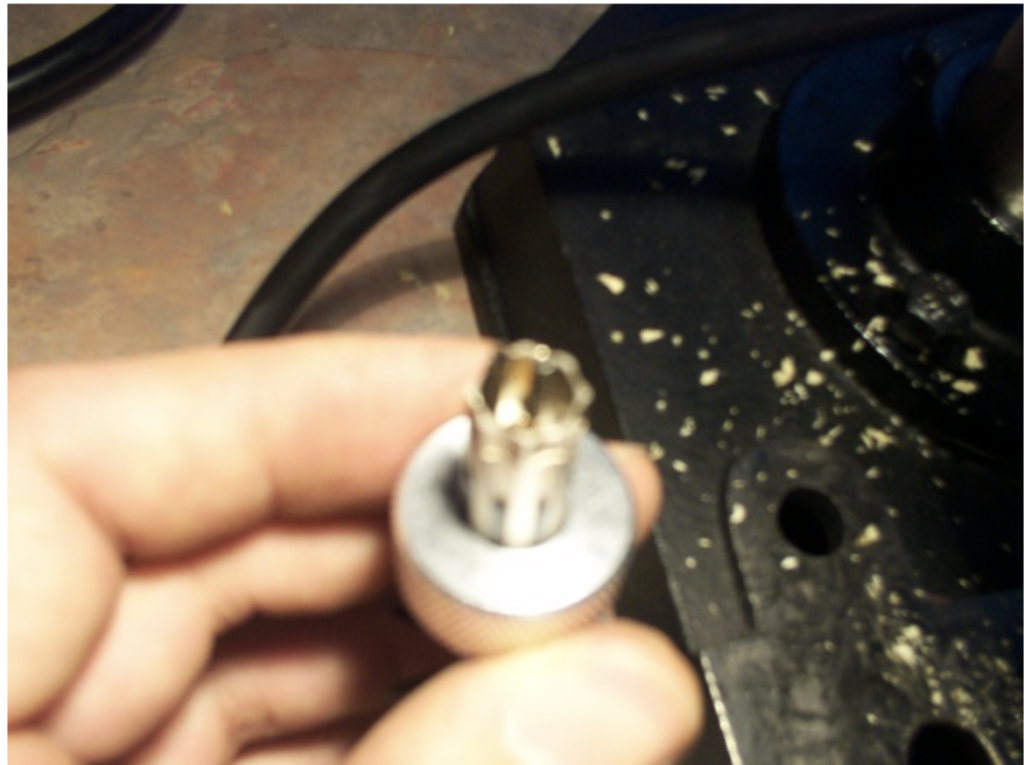
This close up picture sucks but I’m hoping to use my buddy’s camera that’ll take excellent close-up shots. If you look carefully you’ll see both pins in there.
Depending what type of lock you’ll be picking, you’ll have to remove one of these pins. I’ll try and have the new close-up pics posted by Tuesday.
Please note that removing the pin is easy enough with needle-nose pliers but putting it back in
takes some time. To make it easier, I squeezed/squished the very tip of the pin so that it
could be inserted easier in the hole. Once it’s there, just push the rest of the pin in by pushing
the pick against a hard surface.
On the original 8-pin model, the spring pin is located between two of the sliding blades while
on a 7-pin model the spring pin is located directly under one of the sliding blades. I drilled the
whole about 90 degrees from the original spring pin.
The final product is an 8-pin tubular pick that will work on any 7 or 8 pin tubular lock!
To do this mod, it took me about 30 minutes and cost me less than $5.00 Cdn. The Crazy Glue was $1.69 and the 1/16th cobalt drill bit was $2.29. Not bad at all considering a new pick would run about $70.00 US.
All lock picking content is for educational and informational use only.
FINDING THE LAST NUMBER
On older Master Locks, ones where the arrow at the top is raised, simply
pull on the shackle and turn the dial until it catches, that’s the third
number in the combination.
On new locks with the recessed arrow, there are twelve places the dial will
catch if you turn it while pulling on the shackle. Seven of these will catch
between two numbers – ignore these. Find the five that catch on a number.
Four of these will end in the same digit, like 1, 11, 21, and 31. The fifth
ends with a different digit, and is the third number in the combination.
FINDING THE FIRST & SECOND NUMBER
Using the last number, locate it in the “last number chart” below to see
which table to use to find the possible first and second numbers. Try each
of the number combinations until the lock opens. Here’s an example…
If the last number is 31 then you must use Table C according to the chart. That means you must try the following combinations (see Try-Out Tables):
For those who care… (and yes, the last line in the table above was added).
Derived Formula:
input “Enter Last Number :”, LastNumber
FirstNumber = LastNumber MOD 4 + abs(LastNumber MOD 4 = 0) * 4
SecondNumber = (LastNumber + 2) MOD 4 + abs((LastNumber + 2) MOD 4) * 4
for i = 0 to 36 step 4
print (FirstNumber+i)abs(FirstNumber+i<40),(SecondNumber+i)abs
(SecondNumber+i<40)
next
All lock picking content is for educational and informational use only.
1.0. INTRODUCTION
1.1. Impressioning is a method of fitting a key to a lock without taking the lock apart.
Basically, here is how it works: A key blank is inserted into the lock, then turned to bind the pins.
When the pins are binding, the key is wiggled or moved to produce marks on the blank. If a pin
is at the shear line it will not bind, and no marking will occur. When marks are found, the places
on the blank which have marks are then filed. The marking and filing process is repeated as
necessary to produce a working key which raises all the pins to the shear line, thus opening the
lock. Although impressioning is not hard to learn, it does take some practice to develop the skill.
Of course, the more you practice, the easier it gets!
1.2. How long does it take to impression a key? With practice and by making use of shortcuts,
it is not unusual to be able to make a key in about 10 minutes. Some locks will take longer.
Sometimes as little as 5 minutes is possible if you are both lucky and skilled. If you try to pick a
lock, you don’t know in advance if it will take one minute or thirty. With impressioning, opening a
lock is a more reliable and predictable process.
2.0. PRACTICE LOCKS
2.1. You can start out with any lock, but I will suggest starting with an average sized four-pin
Master padlock. They are easy to impression, and blanks can be easily obtained at a hardware
store. You should get more than one blank for practicing. Five is probably a reasonable number.
2.2. Below are some depth and spacing data for the Master padlock, which as you will see
later, can be useful (although not necessary). The depths are measured from the bottom of the
blade of the key, up to the bottom of the cut where a pin will rest.
The distance from the shoulder of the key to the first pin is .185″, and the spacing between
pins is .125″ (you really don’t need these last two numbers, but they may be helpful references
as you are first learning to recognize what the marks look like).
2.3. Another good approach to using a practice lock is similar to that sometimes
recommended for learning picking: Get a lock cylinder and remove all the pin stacks but one.
After you have impressioned the one pin lock, add another pin stack and try again. Continue
adding pin stacks until you can impression the whole lock.
3.0. FILES
3.1. Six inch, #4 Swiss-cut round or pippin files are normally used for impressioning (the files
are called 6″, but are actually about 8″ long including the tang). Both types of files taper down to
a smaller cross- sectional size towards the tip. The round file is usually used in conjunction with a
small flat or triangular file which is used to shape the flat sides of the cuts on a key. The pippin
file has sort of a teardrop cross section, rounded on one side, and with two flat surfaces meeting
at a knife edge on the other side. The flat surfaces are used like the flat file above to shape the sides of cuts.
Chances are that you won’t find these kind of files in your local hardware store, just because
they have finer teeth that are required for most purposes. Locksmith suppliers carry them, of
course. You can also get them through a machinist’s or jeweler’s supply house.
3.2. The particular #4 Swiss-cut pattern is used for impressioning work because it leaves a
very fine, slightly dull, and slightly corrugated surface on the blank, which permits visible marks
to be made by the pins rubbing on the blank with very little pressure. A few locksmiths use a #2
Swiss cut pattern because it cuts faster, but most authors specify the #4. Having tried both
types, I strongly recommend the #4 also.
3.3. It is also a good idea to get a handle for the file, as it permits better and more
comfortable control of the file. A file card is a special brush made to clean the teeth of a file. The
soft brass of the key blanks tends to clog up the teeth on an impressioning file a little bit, which
affects the quality of the fine surface you are trying to produce on the blank. Don’t be cheap – get
a file card too.
3.4. A few tips on using files: Files cut only on the forward stroke. So, push the file slowly and
evenly forward with gentle cutting pressure, and draw back the file without any cutting pressure.
Particularly when impressioning, do not apply pressure when drawing back the file, as it tends to
polish the surface of the blank (a dull surface is needed when impressioning). Hold the file with
an extended index finger pushing down on the top edge of the file to control cutting pressure.
Light cutting pressure will produce the finest finish for producing visible marks. Use heavier
pressure to remove material rapidly, followed by lighter strokes to finish the surface for marking.
4.0. BLANKS
4.1. Soft brass blanks are the best for impressioning. Steel blanks are much harder than is
desirable, and aluminum blanks develop fatigue cracks easily when using hard turning tension. If
you can only find bright plated brass blanks, you will have to file the plating off the top of the
blade with your impressioning file. Only file deep enough to remove the plating, because with
some locks a #0 cut requires the full un-cut height of the blade. With the plain brass blanks, you
also need to smooth the top of the blade with your impressioning file in order to leave a surface
that will show marks – just be careful not to take off too much.
note: Some lock manufacturers use #0 and others use #1 to indicate the highest depth cut.
For consistency, #0 will be used in this manual when referring to the highest depth cut (unless
otherwise noted), which is equal to or very close to the full un-cut height of the blade of the key
blank. A #1 cut refers to a cut which is one step lower than the un-cut height of the blank.
4.2. Some people like to prepare the blanks by either thinning them down in width with a flat
file, or knife edging the top of the blade. In both cases the idea is that a very thin piece of metal
can more easily be deformed than a thick one. In the case of thinning down the blade, it can also
be wiggled around more in the keyway. When thinning a blade, do not thin the area immediately
adjacent to the shoulder of the blank where the blade enters the keyway. You will be applying
hard turning tension on the blank later and it is important not to weaken it at the point where
most of the turning stress is applied.
Knife edging is used more often when the pull-out method (more about this method below in
section 5.5.) of obtaining marks is to be used. Knife edging is used to thin only the top of the
blade to make the initial marks more visible. To knife edge the blade, file both sides of the top
the blade at about a 45 degree angle. The idea is not to make it really sharp like a knife, just to
make the edge weak enough to mark more easily on the top surface.
4.3. As an example of the utility of knife edging or thinning, I took a new blank for a Master
padlock and prepared the flat top surface of the blade with my impressioning file. After some
wiggling, I could see one mark at the tip of the blade, which is enough to start with. But, I then
knife edged the blade and wiggled some more. This time I could easily see marks from all four
pins. With the knife edging, less wiggling was required and the marks were much more visible.
5.0. MAKING THE MARKS
5.1. There are three commonly used methods for making the marks. They are called wiggling,
tapping, and pulling. In each of the methods, the blank is inserted in the keyway, then turned
hard to bind the pins. Usually turning pressure is applied in the direction you want the lock to
open, but you can try both directions to see which leaves better marks. It is important to make
sure that the blank is evenly seated on the bottom of the keyway before applying turning
pressure. If you are holding it tilted, some of the pins will already be pushed up and won’t leave
any marks.
5.2. When impressioning, you will need something to hold the blank because of the repeated
hard turning tension used (the tension is harder than is used for picking, but not hard enough to
break the blank). A small pair of vice-grips (no larger than the 5″ size) works well. Attach the
vice-grips like a handle, aligned with the long the axis of the key blade (not at a right angle like a
turning wrench). There are also some commercially made handles for impressioning. There is at
least one with a trigger handle to help pull out the blank uniformly each time, when using the
pull-out method.
5.3. Wiggling is accomplished by applying turning tension, then wiggling the blank up and
down causing the top of the blank to rub against the tips of the bound lower pins.
5.4. Tapping is a variation of wiggling. The blank is inserted into the keyway, then a steel rod
is placed in the hole in the bow (handle) of the key to provide turning tension. A small mallet is
used to tap on the bow to make the impressions. Tapping on the top of the bow pushes up the
tip of the key by lever action, and tapping on the bottom of the bow pushes up the back of the
key by direct action.
5.5. The pull-out method only works after you have cut down to at least a #1 depth, hence
the popularity of knife edging the blank, then using the wiggle method to see if there are any #0
cuts to start with. To use the pull-out method, apply turning tension, then pull out on the blank
(don’t try this method on disk or wafer locks, because the disks may bend or break). Unlike the
wiggle and tapping methods, the marks produced by pulling will not be exactly where the pins
are, the distance away being related to how far you pull the blank out (maybe 1/16″). For this
reason it is helpful to scribe lines down the side of the blank after the pin locations are found by
the wiggle method, to use as a reference when filing. The advantage of the pull-out method is
that it can leave more easily visible marks than the previously mentioned methods.
5.6. There is more than one way to implement the pull-out method. One technique involves
attaching a C-clamp to the bow, then using the C- clamp to provide turning tension on the blank.
A screwdriver is placed between the side of the bottom end of the C-clamp and the face of the
lock, then the screwdriver is twisted to pry the C-clamp (and therefore the blank) in a direction
out from the face of the lock (no more than about 1/16″).
5.7. An effective hybrid approach is to first put turning pressure on the blank, then add
pulling pressure (without actually pulling the blank out enough to start making marks – the
pressure is just take up any slack between the blank and the pins and to put more tension on the
pins) using your vice-grips or a commercial impressioning handle, then bump or tap the blank up
and down to make the marks stand out more than more than they would otherwise. Remember
to file where the pins are, as with other pull-out techniques (see section 5.5. above).
5.8. There is an optimum amount of turning tension to apply to the blank for any particular
lock. It is the rubbing action of the pins against the blank that polishes the surface of the blank to
produce the little marks used for impressioning. If too little tension is used, the pins will move
too easily and not mark. If too much turning tension is used, the pins will jam and not mark – the
pins have to be able to move a little to polish the blank’s surface.
5.9 You will have better control of the impressioning action if you hold the blank and handle
with your hand up near the head of the blank and the face of the lock, rather than having your
hand farther away.
5.10. Wrist action, rather than action from the elbow is more effective in moving the blank
within the keyway to produce marks – the recommended action is more to tilt the key up and
down from the wrist with a bit of a snap, verses just lifting and lowering the blank.
6.0. SEEING THE MARKS
6.1. The mere act of preparing the flat top of a soft brass blank with an impressioning file,
inserting the blank in a lock and removing it, without any wiggling or turning, will leave marks on
the blank. There will be some streak marks where the pins have dragged across the specially
prepared surface. Try it and you will know these marks look like so you will not confuse them
later with the useful marks.
6.2. The useful marks you get are not really depressions in the surface of the blank (except
maybe when a pin is almost at the shear line – if you start seeing deep gouges, the lock is
probably about to open). A mark is normally just a subtle change in the reflectivity of the surface
of the blank. The impressioning file leaves a slightly dull finish, and marking will slightly polish it.
To see the marks turn the blank in the light. When you hold it at the right angle, the marks
appear as little tiny shiny dots. They can be hard to see in bright light, so if working outdoors,
sun glasses may be helpful. Some people like to use a magnifier to see the tiny dots – even with
a magnifier, you still have to turn the blank in the light just right to see the marks. With a little
practice, you will locate the marks very quickly.
6.3. If impressioning a dirty or weathered lock, you may find little specks of debris on the
surface of the blank after marking. If there any doubt as to what you are looking at, wipe off the
top of the blank to see if you actually have a mark rather than a tiny speck of dirt.
7.0. FILING THE MARKS
7.1. The rule for filing marks is simple. If you see a mark, you file there – if not, you don’t
(except when using the pull-out method – in which case if you see a mark, you file where the
pins are; see section 5.5., above). Whatever you do, don’t be tempted to guess – if you’re not
sure if you have a mark or not, don’t file there. Work on making and seeing the marks first.
7.2. File only 2 or 3 strokes at a time before looking for more marks, because you only have
to file a cut a few thousandths of an inch too deep, to pass by the shear line (a shortcut, allowing
more filing at one time, follows in section 8.1.).
7.3. As the cuts are filed deeper the sides of the cuts will start to become parallel with each
other, looking something like the letter U. If you leave them that way the key will get stuck in
the lock. Use a flat file, or the flat side of your pippin file to angle the sides the cuts at about a 45
degree angle from vertical, making the sides of the cuts look more like the letter V. The bottoms
of the cuts should remain rounded. It can be helpful to look at some other keys, then try to
duplicate the shape of the cuts.
7.4. Some locks have fat pins and some lock have skinnier pins. There seems to be a natural
tendency to use the middle part of the file, leaving fairly wide cuts. The cuts only need to have a
radius a little bigger than the radius of the pin tips. For locks with skinny pins, try using the file
more towards the tip, where it is narrower.
7.5. If you can see more than one mark at a time, it is ok to file them all at once or one at a
time.
7.6. Sometimes a pin will stop marking before it reaches the shear line. So, don’t be
surprised when a pin that has stopped marking starts marking again after some of the other pins
have been brought to down the shear line. Just keep filing until the pin stops marking again.
8.0. SOME USEFUL ACCESSORIES
8.1. For locks that are factory keyed, only certain standard pin depths are used. The standard
pin depths are listed in “depth and spacing” manuals and code books available from locksmith
suppliers. You can also figure out what the standard depths are (within certain tolerances) by
measuring the cut depths on other keys for the same type of lock you are working on. If you
think a lock is keyed to factory depths, there is no reason to look for new marks after only two or
three file strokes. If you get a mark at some standard depth #n, then just file down the cut to
the next standard depth, #n+1, and look for marks again.
It is helpful to have a key micrometer or dial caliper to measure the depths. A key machine
can be used to speed up the impressioning process by quickly cutting down to the next standard
depth. Punch type code machines, such as the Clipper are especially useful out in the field. If you
use a machine to make the cuts, you will need to lightly touch up the surface of the cut with your
impressioning file before looking for more marks.
9.0. SHORT PINS
9.1. Some locks use “short pins” for the #0 depth ~ #2 depth cuts. When short pins are
present, you can look into the keyway and see the dividing line between the upper and lower
pins. It is possible to “read” the short pins to determine the depth of cuts needed on the blank
without any impressioning being required.
9.2. To identify the short pins visually, use a flashlight (or an otoscope, if you have one) and
a straight pick, lift up all the pins as high as they will go, then look into the keyway. Withdraw
the pick slowly to drop the pins one at a time. If you see the dividing line on a pin stack,
depending on it’s position in the keyway you can estimate the depth of cut for that pin from your
experience with other locks of the same type, without doing any impressioning all. Again, if you
are familiar with the particular type of lock, and you don’t see any dividing lines at all, then you
will know that you can start by filing down all the cuts to perhaps the #1 depth or maybe the #2
depth, etc., because you know that none of the cuts can be any shallower than that.
9.3. Another way to find the short pins is to use a probe. The probe is a straight pick, filed to
a sharp point. Mine has a blade length of about 1-1/4″ long. The height of the blade is about
.055″ at a distance of 1/2″ from the tip. My probe has a series of dots down the side to measure
how deep it is in the lock. To use the probe, lift up all the pins as high as they will go, then pull
out the probe until the last pin drops. Slide the probe down the side of the pin and stop if you
feel a dividing point between upper and lower pins. Note at which reference dot the probe is at,
then push it all the way into the gap between the upper and lower pins. Note how much farther
the probe has moved into the keyway. By measuring how far you can push the probe into the
gap, you can measure the size of the gap, and therefore determine the cut depth for that
particular pin. Repeat the process for each pin. As an example, I have found that a #1 cut on a
Schlage “C” keyway will barely probe – the dividing line can be felt, but the probe cannot be
pushed between the upper and lower pins. In the same lock a #0 cut has a gap of about .020″ –
.025″, which means that my probe can be pushed in a little less than 1/4″. The Master padlock
can also be probed: My particular probe will enter the gap of a #1 depth pin stack about 3/16″,
and will go in farther for a #0 depth pin stack.
9.4. Probing can also be used to assist picking. If you can tell which pins are short and which
are longer before you start picking, you will have a better idea how you are going to need to
manipulate the pins.
9.5. Probing will leave little scratches on the side of the pins, but it doesn’t hurt the lock.
10.0. SPOOL PINS
10.1. Upper spool pins are no problem because the upper pins never go below the shear line
when impressioning. A few locks have lower spool pins. Using the probe you can often feel the
shoulder of the spool, which feels different than a short pin because of it’s shape. If you find a
lower spool pin, file down the cut for that pin until it stops marking. Impression all the other pins
normally. When only the spool in is left to be impressioned the plug will turn a little and catch on
the spool pin. At that point, file down the cut for the spool pin until it starts to mark again. Then
continue filing it just a little bit more to bring the dividing line between the upper and lower pins
down into alignment with the shear line.
11.0. PROBLEMS WITH BLANKS
11.1. Due to the stresses encountered during impressioning, sometimes a blank will start to
crack, usually on the blade near the shoulder where it just enters the lock. If this happens, stop –
you don’t want a broken-off key in the lock to extract. You can duplicate the cracked blank on a
machine or by hand, then continue impressioning with the new blank. If you don’t have a key
machine, or a key micrometer for duplicating the cracked key, there is an old method you can
use: Smoke the blade of the cracked key blank over a candle, covering it with soot. Clamp it next
to a new blank using a vice, C-clamp, vice-grips, etc., then file down the new blank until you just
start to hit the soot on the old key blank. As soon as you start to scrape off the soot, stop filing.
It is important not to go too deep.
11.2. If you are cracking blanks more than occasionally, you probably are using too much
turning pressure. Strive for moderation – just enough pressure to make the marks.
11.3. Turning and wiggling a blank in one direction, then turning the other way and wiggling
again tends to fatigue the blank faster than working in only one direction. So, especially watch
for cracks if you are using both directions.
11.4. If you accidentally make a cut a little too deep, there a couple of ways to try to save
the blank. It can be peened with a small hammer or pin punch on the side of the blade, just
below the bottom of the cut to raise the bottom of the cut, or a little solder can be added to the
bottom of the cut. Solder is very soft, however, and won’t last long. So a duplicate will need to
be made from your impressioned key pretty soon.
11.5. If you find that you have lowered a particular cut to the maximum depth (e.g. #9)
without finding the shear line, you obviously have filed too far. To save the good part of your
work, duplicate the blank except for the one overly-deep cut, then continue impressioning with
the duplicate blank.
12.0. MASTER KEY SYSTEMS
12.1. After you have impressioned one lock in a master key system, the other locks will
probably have only two or three pins with different depth cuts. If you impression a few different
locks you will soon have a master key at some level.
13.0 DIRTY LOCKS
13.1. A lock that has been oiled can be extremely hard to impression. A long time ago,
gasoline was used to flush out a dirty lock. Today, some no-residue electronics spray cleaner
would probably work well. After flushing out the lock, you can speed up the drying by blowing
some air into the keyway. There are canned compressed air “dusters” which are suitable for this
purpose.
14.0. DISK TUMBLER LOCKS
14.1. Disk tumbler (wafer) locks can be easily impressioned using the same techniques
described for pin tumbler locks. However, pull-out techniques should not be used because of
possible damage to the disks.
14.2. Typically, a little less turning pressure is used when impressioning disk locks as
compared to pin tumbler locks.
14.3. The impression marks made by disk locks may look different than the marks made by
pin tumbler locks. Depending on exactly how the disk is contacting the blank, you can get
anything from a small dot at the edge of the blank, to a straight line across the width of the
blank.
14.4. Sometimes it is possible to determine the key cut depths for a disk lock without doing
any impressioning at all. The technique is called “reading” the lock, and with practice it can be
done in seconds. To read a disk lock, use a straight pick to lift up all the tumblers. Slowly pull out
the pick watching each tumbler as it falls. You will see that some disks protrude further down into
the keyway than others. Typical disk locks use 5 different depths, numbered #1 through #5, with
a #1 cut being at or near to the full height of the key blade, and a #5 cut being the deepest. The
#1 tumblers protrude the least amount into the keyway and the #5 cuts protrude the most. By
comparing the amount each disk protrudes with respect to the other disks, and with respect to
landmarks in the keyway (such as the side warding), it is possible to estimate the depth # of the
cut. Usually, the difference between cut depths for disk locks ranges between .015″ – .025″, with
.020″ being very common. Here are some common depths:
cut # depth cut # depth
1 .240″ 4 .180″
2 .220″ 5 .160″
3 .200″
Specific depths for particular locks can be found in “depth and spacing” manuals, or by taking
measurements on keys for other locks of the same type.
14.5. A disk tumbler lock must be in it’s shell to be read properly, because the tumblers must
be resting in the shell slot to be read correctly.
15.0. IMPRESSIONING OTHER TYPES OF LOCKS
15.1. Using the same basic principles as are used for pin tumbler and disk tumbler locks,
many other types of locks can be impressioned also. Without going into detail about particular
specialized techniques, some other types of locks that have been impressioned include:
Warded locks
Lever locks
Tubular locks
Chicago double bitted 11-wafer locks
Double-sided wafer locks
GM sidebar locks
Sargent Keso locks
Medeco locks
16.0. GLOSSARY
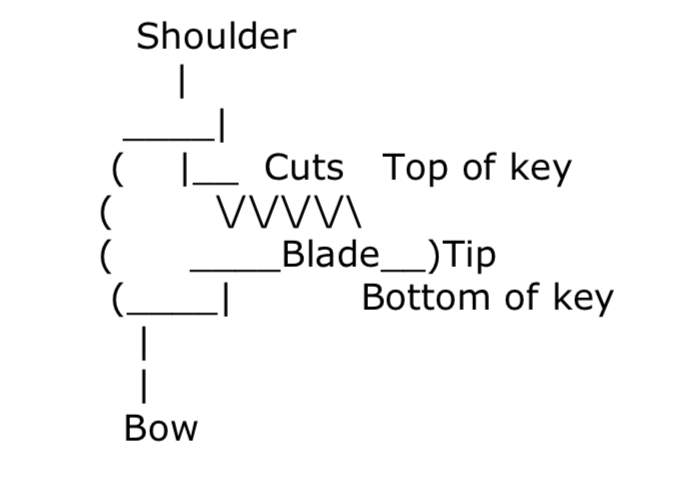
Blade The part of the key that is inserted into the lock.
Blank A key before any cuts have been made, or a key that is not fully cut and is thus not yet operational.
Bow The handle of the key.
Cuts “V” shaped notches cut out from the top of the blade for the purpose of raising the pins up to the shear line.
Depth The depth of a cut is measured from the bottom of the blade up to the bottom of a cut. Depths are numbered starting with #0 (or sometimes #1) as the highest depth.
Grooves Long narrow milled out areas along the sides of the blade to allow the blade to bypass the wards in the keyway.
Keyway The part of the plug where you insert the key.
Lower pins The pins of a lock that contact the cuts on the key. Also called bottom pins.
Pin stack The combination of a lower pin sitting beneath an upper pin. In master keyed locks, additional master pins may be located between the lower and upper pins.
Plug The part of the lock that you put the key into, and which turns to operate the lock.
Shear line The dividing line between the plug and the shell (the height to which the tops of the lower pins must be raised to open the lock).
Shell The outer part of the lock that surrounds the plug.
Shoulder The edge of the key that touches the face of the lock to define how far the key is inserted into the lock.
Spool pin A pin that has a groove cut around it’s periphery. The groove is intended to catch at the shear line as a deterrent to picking.
Tang The end of a file where a handle is to be attached.
Tip The very end of part of the key that you stick into the lock first.
Upper pins The pins in a lock that sit on top of the lower pins. Also called top pins.
Ward Protrusions that stick out of the sides of the keyway to allow entry of only the correct type of key blank.
17.0. BIBLIOGRAPHY
S. A. McLean, “The Impression System of Key Fitting”, Dire Locksmith Supply Co., 2201
Broadway, Denver, Colorado 808205, 1946
“Locksmithing and Keymaking Course Manual”, Locksmithing Institute, Little Falls, New
Jersey, 1968
“Padlock Handbook”, Locksmith Ledger, 2720 Des Plaines Ave., Des Plaines, Ill., 60018, 1970
“How To Do It For Locksmiths”, Locksmith Ledger, 1800 Oakton St., Des Plaines, Ill., 60018,
1971
“Know How for Locksmiths”, Locksmith Ledger, 1970
“The Lock Pick Design Manual”, Paladin Press, P.O. Box 1307, Boulder, Colorado 80302, circa
1975
T. C. Mickley, “Lock Servicing, Volume 4”, Locksmith Ledger, 850 Busse Highway, Park Ridge,
IL 60068, 1980
Eddie the Wire, “How to Make Your Own Professional Lock Tools, Volume 2”, Loompanics
Unlimited, P.O. Box 1197, Port Townsend, WA 98368, 1981
All lock picking content is for educational and informational use only.
Hello everyone, have you ever wanted to make your own pick cases? But have never really
been sure how, well this guide is your answer to creating your own case.
Materials
Sewing machine, Or needle
Thread
The material of your choice (I recommend corduroy, It looks good and feels good)
Sewing scissors
Velcro or buttons
Colored pencil for marking (I recommend white)
Ruler Instructions Reference: Skold, Thanks for that beautiful instructions and I referenced you so you would get the credit for the instructions, Not me (These are the instructions for the cases similar to what i make) You can also make different designs, such as the southord cases etc. It is a good idea to know how many picks you won’t to fit in the case before you design it.
Cut around the rough plan of the base of the case (the main part.)
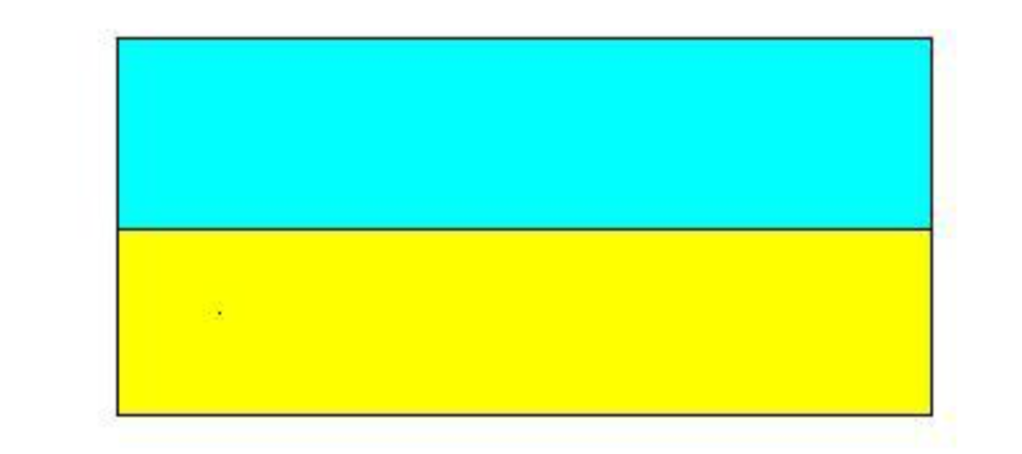
Cut your pick pocket(s) out and sew it/them to the base. **The base is light blue, while the pocket is yellow**
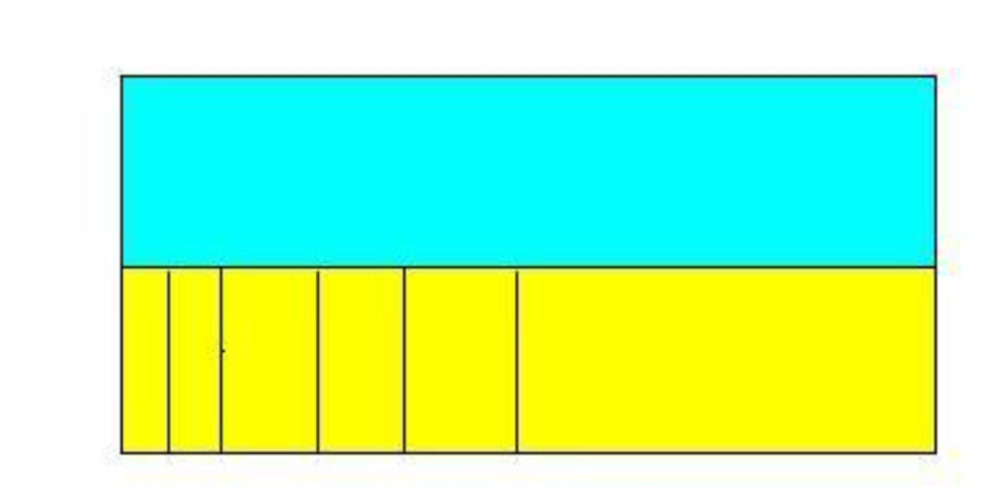
3. Sew the pocket dividers to the length you wish to have it. **like so..**
4. You will need a flap that folds down so that when the case is folded the picks will not fall out of the top.
**sew along the top 1 cm of the flap “which is in blue”**
5. Now we are ready to sew the edging to neaten the case up. ( for leather this is not needed ). Grab your “seat belt material” and fold it in half over the edges and pin it there. sew along the inner edges of it.
if you cut this material use a gas torch or a stove to melt the edges so if something catches it
the material won’t come apart.
*Almost finished*
6. Sew the Velcro or affix the buttons to the material, where you put them is your choice. You are now finished.
Conclusion
This is very fun and exciting thing to do, it takes practice and you won’t make a perfect case
over night (Well not if you are used to using sewing machines. But I would rather make my
case the buy one due to be able to customize what you would like your case to look like.
Thanks to all these people
Skold (Provided the instructions)
Zeke (Hosting this guide to all other people)
Mum (Taught me how to sew :-p)
This file is a complete transcription of the book, Secrets of Lock Picking by Steven Hampton, minus the chapter on warded locks (These locks are cheap. Use a hammer and a screwdriver). Before getting on to the subject, I would just like to use this opportunity to say that you can not just read this file and know how to pick locks. It does take practice. The good news is that by practicing you will learn how to open locks. And fast, too. I have heard many people say “It’s not like the movies…it takes time to pick a lock.” Well, sometimes thats true, but I have picked a Sergeant six-pin, high-security tumbler lock in three seconds. And other similar locks in the the same time frame as well. So I know that it can be done. But don’t worry. Practicing is not boring. There is a certain thrill present when you pick a lock for the very first time. Imagine the sensation of knowing that you can get into almost anywhere you want. Believe me when I tell you that it is very cool.
Contents
            Introduction
            Tools
            Lock Identification
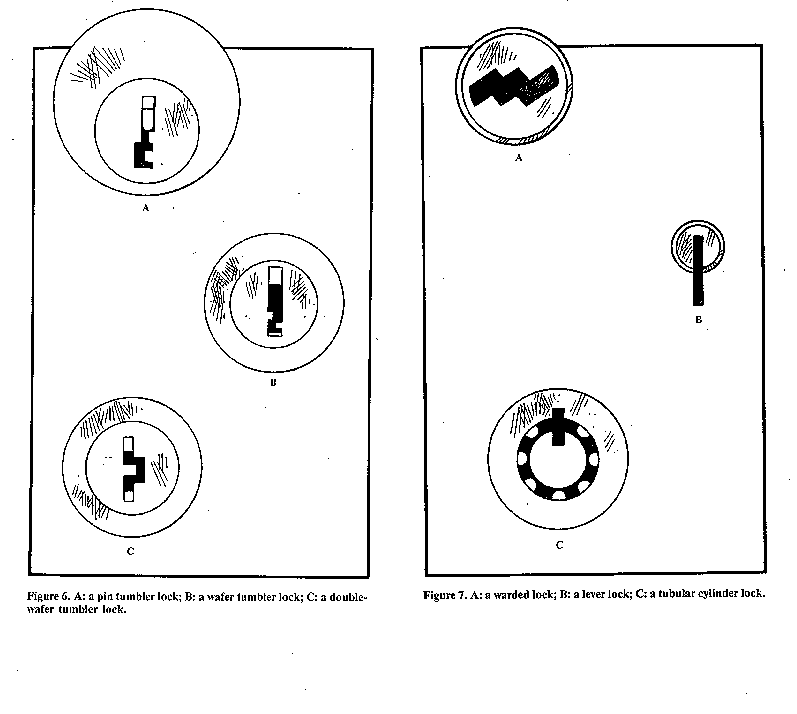
            Pin Tumbler Locks
            Wafer Tumbler Locks
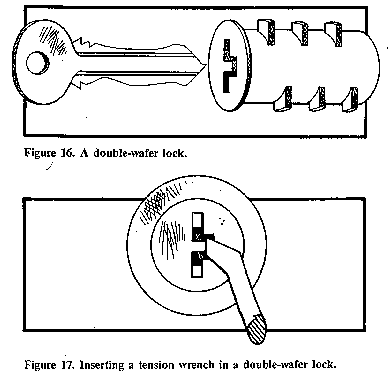
            Double Wafer Locks
            Pin and Wafer Tumbler Padlocks
            Tubular Cylinder Locks
            Mushroom and Spool Pin Tumbler Locks
            Magnetic Locks
            Disk Tumbler Locks
            Tips for Success
Secrets of LockPicking INTRODUCTION
The ancient Egyptians were the first to come up with
a complicated security device. This was the pin tumbler
lock. We use the same security principle today on millions
of applications.
The most commonly used lock today is the pin tumbler
lock. A series of pins that are divided at certain points
must be raised to these dividing points in relationship to
the separation between the cylinder wall and the shell of
the lock by a key cut for that particular series of pin divi-
sions. Thus the cylinder can be turned, and the mechanism
or lock is unlocked.
Lock picking means to open a lock by use of a flat piece
of steel called a pick. Actually, the process requires two
pieces of flat steel to open cylinder locks. It amuses me
to watch spies and thieves on TV picking locks using only
one tool. But it is for the better in a sense. If everyone
learned how to pick locks by watching TV, we would all
be at the mercy of anyone who wanted to steal from us,
and the cylinder lock for the most part would be outdated.
The actual definition of lock picking should be: “The
manipulation and opening of any restrictive mechanical
or electronic device by usage of tools other than the
implied instrument (key or code) used solely for that
device.” A little lengthy, but more accurate description.
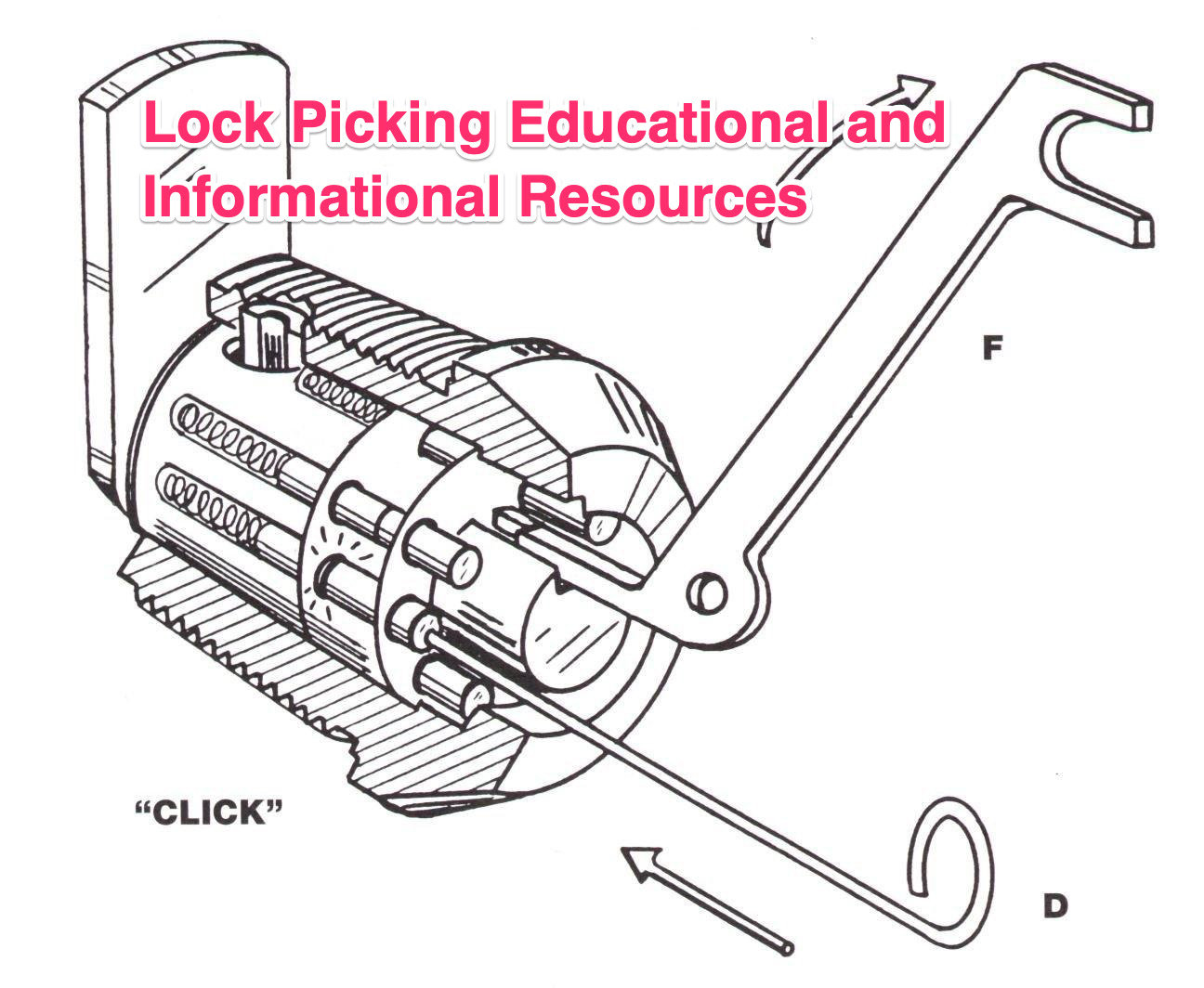
With cylinder locks, it requires a pick and a tension
wrench.
By picking the lock, you simply replace the function
of a key with a pick that raises the pins to their “break-
ing point,” and using a tension wrench one rotates the
cylinder to operate the cam at the rear of the lock’s cylinder
to unlock the mechanism.
The tension wrench is used to apply tension to the
cylinder of the lock to cause a slight binding action on
the pins as well as to turn the cylinder after the pins have
been aligned by the pick; this opens the lock. The slight
binding action on the pins caused by the tension wrench
allows one to hear and feel each pin as it “breaks” or
reaches alignment with the separation of cylinder and
shell. The vibration is felt in the knuckles and joints of
the fingers, and the sound is similar to that of a cricket
in an arm wrestling match-a subtle yet distinct click.
Usually you need very little tension with the wrench
while picking the lock. In fact, it takes somewhat of a
delicate, yet firm touch. This is the secret to picking locks
successfully-a firm and yet gentle touch on the tension
wrench. You should be able to feel the pins click into place
with the right amount of tension; experience will be your
true guide.
Half of your success will be based on your ability to
use or improvise various objects to use as tools for your
purpose. The other half will depend on practice. I once
picked a pin tumbler lock using a borrowed roach clip
and a hairpin. A dangerous fire was prevented and prob-
ably several lives were saved. The world is full of useful
objects for the purpose, so never hesitate to experiment.
TOOLS
I started picking locks using a small screwdriver and
a safety pin. The screwdriver can be used as a tension
wrench, and the safety pin is used like a “hook” pick.
The last half inch of the screwdriver’s tip was bent at a
45 degree angle so as to allow easy entry for the pick (bent
safety pin). Do not heat the screwdriver tip to bend it,
as this will destroy its temper. Use a vise and hammer to
do the job. Bend slowly by using firm and short taps of
the hammer, otherwise you may break and weaken the
shaft. The safety pin should be about one and a half inches
long and bent in the same way.
With the small screwdriver as a tension wrench, you can
use more of a turning or twisting movement than with
a regular tension wrench so you will generally need less
direct force when using it. As I mentioned earlier, with
practice you will develop the feeling for the right amount
of tension on a cylinder. If the safety pin bends after a
short time, use the keyway of the lock you are picking
to bend it back into shape. Even after several times of
bending, it should still be useful. Keep a few spares handy,
though. File the tip of the safety pin flat in relationship
to the bottom of the pins in the lock. Smooth any sharp
edges so that you won’t impale yourself. Also, if the tip
is smooth, the pick will not get hung up on the pins while
picking the lock.
Granted these are not the best tools for the job, but
they do work. If you learn to use your junk box as a rich
source of equipment, then with your experience real lock
picks will give you magic fingers. Also, you’ll have the
advantage of being able to improvise should you be
without the real things (which are illegal to carry on your
person in most parts of the country).
Lock picks are difficult to get. I received my first set
when I became a locksmith apprentice. All of my subse-
quent sets I made from stainless steel steak knives with
a grinder and cut-off wheel. They are much more durable
than the commercial picks. If you do make your own,
make certain that the steel is quenched after every 3
seconds of grinding-do not allow the pick to get hot to
the point of blue discoloration.
A diamond pick is the standard pick I use on most all
pin and wafer locks. A small diamond pick is used for
small pin tumbler locks such as small Master padlocks,
cabinet file locks, etc. The tubular cylinder lock pick, we
will discuss later. The double-ended, single-pronged ten-
sion wrench is used with the diamond pick. It features
double usage; a small end for small cylinders and a large
end for the larger cylinders. A special tension wrench is
used for double-wafer cylinder locks with an end with two
prongs on one end and tubular cylinder locks with the
single prong on the other end. We will discuss tubular
cylinder and double-wafer locks later as well. The steel
should be .030 inches to .035 inches thick for the picks
and .045 inches to .050 inches thick for the first tension
wrench mentioned above. The second tension wrench
should be .062 inches square (.062 inches x .062 inches)
on the tubular cylinder side (one pronged end), and .045
inches thick on the double-wafer end (two-pronged end).
You can accomplish this by starting out with .045 inches
in thickness. The two-pronged end should be bent carefully
in a vise at a 30 degree angle. This allows easy entry for
the pick on double-wafer locks.
Among the more common tools used by professionals
around the world is the rake pick. The rake pick is used
to “rake” the tumblers into place by sliding it in and out
across the tumblers. I seldom use the rake pick because
it is not highly effective and I consider it a sloppy excuse
for a lock pick. I’ve seen the rake pick work on some dif-
ficult locks, but you can rake with a diamond pick and
get the same results. I prefer the diamond pick for most
tumbler locks simply because it is easier to get in and out
of locks-it slides across the tumblers with little or no
trouble.
A ball pick is used for picking double-wafer cylinder
locks, though I never carry one; I use a large diamond
pick and reverse it when picking these locks. This means
I have one less pick to carry and lose.
A double-ball pick is used like a rake on double-wafer
locks in conjunction with a tension wrench (two-pronged
end).
A hook pick is used to open lever tumbler locks, though
again, I use a diamond pick with a hooking action when
possible. There are various sizes of hooks but they all have
the same basic job-to catch the movable levers that
unlock lever locks.
There are also various sizes of tension wrenches. They
are usually made from spring steel. The standard tension
wrench is used for pin and wafer locks. A special tension
wrench is called a Feather Touch, and it is used for high-
security mushroom and spool pin tumbler locks. Its
delicate spring-loaded action allows the pick to bypass the
tendencies of these pins to stick. A homemade version of
the Feather Touch can be made from a medium-light duty
steel spring.
As to getting lock picks for your own use, you cannot
go down to your local hardware store and buy them. I
could supply you with some sources or wholesalers, but
I do believe it is illegal for them to sell to individuals. Your
best bet would be to find a machine shop that will
fabricate them for you. It would be less expensive and
arouse less suspicion if you purchase a small grinder with
a cut-off wheel and make your own. With a little prac-
tice, you can make a whole set in an afternoon. Use a copy
of the illustrations in this book as templates and carefully
cut them out with an X-ACTO knife. Cut down the middle
of the lines. Acquire some stainless steel (many steak
knives approach proper thickness).
With a glue stick, lightly coat one side of the paper
template and apply it to the cleaned stainless surface, and
allow it to dry. You’ll need a can of black wrinkle finish
spray paint. This kind of paint has a high carbon con-
tent and can stand high temperature of grinding. Spray
the stainless (or knives) with the patterns glued on and
dry in a warm oven or direct sunlight for one hour. Set
aside for twenty-four more hours. Peel off the paper
template and you are ready to cut and grind. Please use
caution when cutting and grinding. The piece should be
quenched every three seconds in cold water. Smooth up
sharp edges with a small file or burnishing wheel.
Tools made from stainless steel will outlast the pur-
chased ones. The tools purchased from most suppliers are
made from spring steel and wear out after about 100 uses.
The stainless steel ones, if properly made, should last over
2,000 uses.
LOCK IDENTIFICATION
There are many types of locks, the most common being:
The pin tumbler lock. Used for house and garage doors,
padlocks, mail boxes, and Ford automobiles.
The wafer tumbler lock. Used for garage and trailer
doors, desks, padlocks, cabinets, most autos, window
locks, and older vending machines.
The double-wafer lock. Used for higher security wafer
tumbler applications.
The warded locks. Used for light security padlocks and
old-fashioned door locks.
Lever locks Used for light security and older padlocks,
sophisticated safe-deposit boxes, some desks, jewelry
boxes, and small cash boxes.
Tubular cylinder locks. Used for alarm control systems,
newer vending machines, car-wash control boxes and
wherever higher security problems might exist.
These locks are the more common locks used yet there
are variations and combinations of these principal types
that usually pick open in the manner that will be discussed.
Some of them just require practice of the basic types,
others luck, and most of the rest of them knowledge of
how that particular lock works and is keyed. This comes
from experience.
PIN TUMBLER LOCKS
Pin tumbler locks offer the most security for their price.
They have close machine tolerances and approximately
1,000,000 different key combinations for a five-pin lock.
Considering the thousands of different companies mak-
ing pin tumblers (different shaped keyways for each com-
pany or design line), the chances of someone having a key
that will work in your front door lock are one in many
billions.
Pin tumbler locks can easily be identified by peering
down the keyway and locating the first round pin.
Sometimes you can see the pin’s dividing point, where it
breaks with the cylinder wall (shear point).
To successfully pick a pin tumbler lock, your sense of
touch sould be honed so that both hands feel the tools.
Once the hand holding the pick has located a slight relief
in tension while picking a particular tumbler, the other
hand holding the tension wrench will feel a relief or break-
ing point. Both hands should be involved with the sense
of touch, the sensing of the inner workings of the lock.
We are now ready to begin the first lesson. First open
your front door and check for a pin tumbler lock on it.
It should have one on it. If there is one, leave the door
open to decrease suspicion. Do not lock yourself out of
your apartment or house by being overconfident; not only
will you raise suspicion, but window glass is not cheap.
HOW TO PICK A TUMBLER LOCK
STEP ONE
Without using the tension wrench, slip the pick into
the lock. The “hook” of the pick should be toward the
tumblers (up in most cases, depending on whether or not
the lock was mounted upside down-you can tell by look-
ing down the keyway and locating the first pin with your
pick). Try to feel the last tumbler of the lock. It should
be 7/8 inches into the lock for a five-pin tumbler lock
(most common pin tumbler lock used).
Make certain that you have no tension on the wrench
when inserting the pick as this will encumber the frontal
tumblers. When you feel the back tumbler, slowly raise
it with a slight prying motion of the pick. Release it, but
keep the pick in the lock on the rear tumbler.
Now insert the tension wrench, allowing room for the
pick to manipulate all of the pins. It should be placed at
the bottom of the cylinder if the lock was mounted
upright, tumblers toward the top of the cylinder. Apply
firm and yet gentle clockwise pressure to the tension
wrench.
Slowly raise the back tumbler with a slight prying mo-
tion of the pick. A minute click will be felt and heard when
it breaks. It will lose its springiness when this occurs, so
do not go any further with it. Any further movement with
the pick will cause binding by going past the pins’ shear
line. Continue an even pressure with the tension wrench.
Keeping an even tension pressure, proceed to Step Two.
STEP TWO
The fourth tumbler should be easily felt since it is the
next one in line. Raise it until it breaks, keeping the ten-
sion wrench steady. It too will give a sound and sensa-
tion when it breaks or aligns.
STEP THREE
The third or middle tumbler is next. Again, it too will
click. Maintain a constant, even pressure on the wrench-
about the same pressure that you would use to replace
a cap on a catsup bottle. You may feel the “clicks” in your
tension wrench as well as hear them.
STEPS FOUR AND FIVE
Continue on to the next tumbler out, working toward
you. When it breaks, raise the last (front) tumbler to its
braking point and the cylinder should be free to rotate
and unlock the door. Sometimes you may have to play
with the wrench to open the lock because you may have
raised a tumbler too high, past its breaking point. If this
is the case, very slowly and gradually release the tension
wrench pressure and the overly extended tumbler will drop
into its breaking point before the other tumblers have a
chance to fall. The cylinder should pop open at that point.
I have found that this technique is responsible for over
30 percent of my successes in opening all tumbler locks.
If the lock still refuses to open after all that treatment,
release the tension wrench pressure, allowing all of the
tumblers to drop and start over. You may have more than
one tumbler too high and would be better off to repeat
the picking process.
WAFER TUMBLER LOCKS
Wafer tumbler locks make up over one-fourth of the
locks in use in the world. Since they are generally easier
to pick than most pin tumbler locks, you will be 75 per-
cent master after fooling around with these mechanisms.
That is why I wrote about pin tumbler locks first-they
are more difficult and make up over one-half of the locks
used today.
The term wafer refers to the general shape of the
tumblers. The wafers are flat, spring-loaded tumblers that
are much thinner than pins and the distance between them
is less. Wafer locks are picked in the same way as pin
tumbler locks, but you must compensate for the smaller
dimensions. You can identify wafer locks simply by look-
ing down the keyway and locating the first flat tumbler.
The last tumbler on most wafer locks is located about one-
half inch into the lock.
Wafer locks are used on filing cabinets, lockers, most
cars, garage doors, desks, and wherever medium security
is required. The only wafer tumbler lock in common use
that is difficult to pick is the side-bar wafer lock. It is the
most popular type of auto lock. This lock is of different
design than most other locks and offers much more secur-
ity than a regular wafer tumbler lock, or even a pin
tumbler lock.
The side bar lock is used mostly on General Motors
cars and trucks since 1935. It is used on ignitions, door,
and trunk locks. Side bar locks are hard to pick because
you cannot feel or hear the tumblers align with the
cylinders breaking point. A spring-loaded bar falls into
place to allow the cylinder to turn when all of the tumblers
are aligned. There is no way to tell when that happens.
One learns to sense the bar while picking so that it seems
to fall into place by itself. But for beginners, I recommend
this technique for emergency openings: Peer down the
keyway and locate the side groove of any of the tumblers
using a pick as a searching tool. Drill a small hole in the
shell of the lock above the bar which is above the grooves
on the tumblers. Since side bar locks have off-centered
keyways, the usual place to drill is opposite of the keyway.
Using an L-shaped steel wire, put pressure on the sidebar
and rake the tumblers using a tension wrench for cylinder
rotation and the lock will open.
Fortunately, most GMC autos have inferior window
seals; with a coat hanger, one can lasso the locking door
knob to open the door. If you are going to be successful
at opening side bars, you will do it within two minutes;
otherwise, you are causing unnecessary wear on your picks
not to mention wasting your time.
Ford auto locks are relatively simple to pick. They have
pin tumblers and you have to remember that the door
locks turn counterclockwise. Most other auto locks turn
clockwise. If you are not sure, remember this: If the
tumblers will not catch at their breaking points, you are
going in the wrong direction with the tension wrench.
Wafer locks are a cinch to pick if you have learned how
to pick pin tumblers. Just remember that wafers are thin-
ner than pins and there is less distance between them.
Generally you need less tension-wrench pressure with these
locks, yet car locks can be quite stubborn and require a
great deal of tension. Any heavily spring-loaded cylinder
needs a substantial amount of tension.
As a rule, though, wafer locks need less play with the
tension wrench than with pin tumbler locks. But if you
find yourself having difficulty in opening these, you may
try a little tension-wrench play. Usually they won’t pop
open like pin tumbler locks, they just slide open; you don’t
get the warning that a pin tumbler gives before it opens
because there is less contact area on the wafer’s edge than
on a pin, so the sense of climax is reduced with these types
of locks. Still, they open quite easily.
DOUBLE WAFER LOCKS
Double-wafer locks are picked in the same way as single-
wafer locks, but there are two sides to the story. Not only
do you have to align the top wafers, but you have ones
in the bottom of the cylinder to align as well.
The Chicago Lock Company was the first to come up
with this type of lock. It is a classic example of the race
toward better security. Certain tension wrenches allow
uninterrupted picking using ball picks. You can also use
a standard tension wrench or small screwdriver and place
it at the center of the keyway. To eliminate unnecessary
baggage, use a diamond pick, reversing it to encounter
both top and bottom wafers.
The last tumbler in this type of lock is located less than
one-half of an inch in. The picking procedure may have
to be repeated more than one time-top wafers, then bot-
tom wafers, top, bottom-back and forth. Yet these locks
are easier to pick than most pin tumblers.
Locate the last wafer on the top side and move it to
its breaking point. Do the same with the other top wafers.
Keep the tension wrench firm, remove the pick, turn it
upside down (if you are using a diamond or homemade
pick), and reinsert it to work the bottom wafers. You may
have to repeat this process a few times, but double-wafer
locks can and will open with such treatment. Schlage has
a doorknob lock that opens this way, but the last tumbler
is about one and one-half inches in.
Double-wafer locks are easy to master if you have
learned to pick pin and wafer tumbler locks. Since double-
wafer locks are more compact, you have to compensate
for the fact-slightly closer tolerances. These type of locks
are used on old pop and candy machines, gas caps,
cabinets, etc.
PIN AND WAFER TUMBLER PADLOCKS
Cylinder padlocks require a technique of holding them
with the same hand with which you are using the tension
wrench. This technique allows one to pick the padlock
without going into contortions over a dangling padlock.
Assuming that you are right-handed, hold the padlock
in your left hand by gripping the body of the padlock with
your thumb and forefinger. Insert the tension wrench at
the bottom of the keyway and hold it in a clockwise turn
with your ring and little finger, causing a slight binding
pressure on the cylinder. Now your right hand is free to
pick, and your left hand does the job of holding both the
lock and tension wrench. The overhand method works
well, too, but the thumb controls the tension wrench
instead. Switch around to find which is most comfortable
for you.
When tumbler padlocks pop open, it is quite a sensa-
tion because the shackle is spring-loaded and gives one
quite a jolt. It’s a feeling of accomplishment. You may
need a little more tension on padlocks than on door locks
because the cylinder cam has to operate a spring-loaded
bolt. Overall, padlocks are the most fun to open. Prac-
tice using old or discarded padlocks that you have found.
I’ve worn out hundreds of them.
TUBULAR CYLINDER LOCKS
(Note: Diagrams of tubular lock were omitted due to the fact that picking
them with conventional methods is a complete waste of time. There are picks
available that are specifically designed to pick this kind of lock in a
matter of seconds)
We will gradually proceed to more sophisticated locks
from here. I would like to remind you that success is not
based on personality. If one is arrogant about one’s lock-
picking skills, one could easily be made a fool of by a
lock. And no matter how many times you bash a cylinder,
you will still be locked out. The only thing you accomplish
is attracting an audience-so be cool.
If at this point you have had much difficulty under-
standing the principles of pin and wafer locks, please
restudy this book from the beginning. Read it several times
so as to absorb it. The information that you now have
has taken me almost two decades to gather, so please be
mindful of that.
Now you are about to learn how to open the more dif-
ficult locking mechanisms-some of the other 25 percent
of the locks used today. You should feel confident with
pin, wafer and double-wafer tumbler locks before you
attempt rim cylinder locks.
Tubular cylinder locks stand out as the most generally
accepted lock in all important industries using high-quality
locks for protection of property, merchandise, and cash.
They are recognized as giving the maximum amount of
security for their price range.
Tubular cylinder locks are pin tumbler locks arranged
on a circular plane. Unlike conventional pin tumbler locks,
all of the pins are exposed to the eye. The central section
of the lock rotates to operate the cam when all of the seven
pins have reached their breaking points. When the pro-
per key is entered into the lock, the tumblers are pressed
into position so that the central section (plug) can be
turned. This manual operation of inserting the key places
the tumblers in position so that the lock can be operated
and ensures that frost, dust, salt, or unfavorable climatic
conditions will not affect the smooth operation of the
lock.
The Chicago Ace lock is a product of the Chicago Lock
Company of Chicago, Illinois. It is an effective security
device and is used on vending machines, coin boxes, and
burglar alarms. A larger, more complex version of it is
used on bank doors and electronic teller machines. The
key is of tubular shape with the cuts arranged in a circle
around the key.
The pick used for this lock is the tubular cylinder pick,
or you may use a straight pin or your homemade safety
pin pick. The one-pronged end of the tension wrench is
a little more specialized and is used for rim cylinder locks.
It must be .062 inches square for best results. Any square
steel stock is acceptable, as long as it fits snugly into the
groove of the tubular cylinder plug.
This type of lock is a burglar’s nightmare because it
takes so long to pick. You have to pick it three or four
times to accomplish the unlocking radius of 120 to 180
degrees. And the cylinder locks after each time you pick
it-every one-seventh of a turn.
If you leave the lock only partly picked, the key will
not be able to open it, so you must pick it back into the
locked position after opening it-another three or four
picking sessions. In all, to unlock and lock the cylinder,
you have to pick it up to eight times-quite a chore if you
don’t have the right tools or time.
These locks almost always pick in the clockwise direc-
tion. Make certain that the tension wrench fits snugly into
the groove on the cylinder. Very slowly push the first pin
down until it clicks, maintaining a definite clockwise
pressure on the tension wrench. Once the tumbler has
broken, do not push any further and proceed to the next
one, and so on. As you reach the last tumbler, the ten-
sion wrench will feel more slack and give way if the lock
were properly picked.
There are special keyhole saws for these locks in which
you drill out the tumblers and turn the cylinder. Also there
is a special tool used by locksmiths to open rim cylinder
locks.
MUSHROOM AND SPOOL PIN TUMBLER LOCKS
High-security pin tumbler locks may contain specially
made pins to make picking them more challenging. The
pins are machined so as to make picking them quite dif-
ficult. When picking these locks, the pins give the impres-
sion that they have broken, when in fact they could be
a long way from breaking. You can tell whether or not
you are picking a pin tumbler lock that has these pins by
the fact that the pins seem to align so easily with a louder
than normal click. The cylinder seems eager to open but
to no avail.
The picking procedure relies on a well-yielding tension
wrench. The tension wrench has to be lightly spring-loaded
so that the pins can bypass their false breaking points.
You also have to “rake” (seesaw in and out) the pins with
your pick. The feather-touch tension wrench is ideal for
the job. Use light pressure with it, and it will let you in.
(Note: A feather-touch tension wrench is not necessarily required. A normal
tension wrench will work fine with an extremely light tension on it. The
weight of just your index finger alone should be enough in most cases.)
The mushroom and spool pins are used in locks for
high-security purposes such as bank doors. The American
Lock Company uses them in some of their padlocks.
MAGNETIC LOCKS
Magnetic locks are fascinating. I almost hate to open
them because I feel that I have breached their uniqueness.
In reality, you do not pick them, but “confuse” them. They
generally work on the principle that like magnetic
polarities repel each other. The key is a set of small
magnets arranged in a certain order to repel other magnets
in the lock, thereby allowing the spring-loaded bolt or cam
to open the lock.
By using a pulsating electromagnetic field, you can
cause the magnets in the lock to vibrate violently at thirty
vibrations per second, thereby allowing it to be opened
by intermittent tugging of the bolt or turning of the door
knob.
This method may also ruin the small magnets in the
lock by changing their magnetic status or properties. So,
if you have to perform an emergency break-in with these
locks, do not relock the door. The card or key will not
operate the lock.
The magnetic pick can be used on padlocks by strok-
ing it across the place where the key is placed. It is also
designed to fit into the doorknob and is used by stroking
one pole in and out or by using the other pole the same
way.
If you have had little or no training and experience
building something like this, please have a friend who is
familiar with basic electronics do it for you. Do not take
the chance of electrocuting yourself. Make sure that the
coil is also completely covered with electrician’s tape after
you have wound the 34 gauge wire. Also make sure that
the steel core has at least three layers of tape over it. Do
not leave the unit plugged in for more than two to three
minutes at any one time as this may cause overheating
which could cause it to burn out or start a fire. It is safe
to use if constructed properly and not left plugged in
unattended. Opening magnetic locks requires only 30 to
60 seconds anyway, so don’t leave the unit plugged in for
longer.
For magnetic padlocks, use a back-and-forth stroking
action along the length of the keyway. For magnetic door
locks, use a stroking in-and-out action in the slot of the
knob alternating from one side (pole) of the pick to the
other.
The “key” for a magnetic door lock is a metal or plastic
card containing an array of magnetic domains or regions
coded in a specific order to allow entry. The magnetic pick
bypasses that.
DISK TUMBLER LOCKS
Combination or “puzzle” locks were invented to fur-
ther improve security and the protection of valuables. The
older safes and lockboxes were good security devices when
they came into the market, but some people became
curious and realized that these safe locks had inherent
weaknesses. One of the main problems was that the disk
tumblers were not mechanically isolated from the bolt that
unlocks the safe door. In other words, you could feel and
hear the tumblers while turning the dial by applying
pressure on the handle of the bolt.
When that problem was recognized and solved, thieves
started drilling through strategic places in the lock itself
to open it. Knocking off hinges was an all-time favorite
tactic as well. Then came punching out the dial shaft,
blowtorching, and just plain blowing the door with ex-
plosives. Greed can breed great creativity.
The first problem, that of manipulating the tumblers
open, was rectified by making use of the dial to operate
the bolt upon completion of the dialing of the correct com-
bination. This made it nearly impossible to feel or hear
the tumblers. Drilling was deterred by laminating the safe
door with hard steel and beryllium-copper plates. The
beryllium-copper plates pull heat away from the drill tip
quickly, and the bit just spins without effect; drilling can-
not take place without the generation of heat at the bit’s
cutting edges. Knocking off hinges was discouraged by
using three or more bolts operated by a main linkage net-
work. Punching out the dial shaft to let the tumblers fall
out of the way of the bolt was corrected by beveling the
shaft into the wall of the safe door.
Presently, safe locks are quite sophisticated. Picking
them would require supernatural power. The older safes,
however, are much easier and even fun to pick. Picking
combination padlocks is a good way to start learning how
to open safes, and we will get to them shortly. But first,
let us discuss some basic prmciples of disk tumbler locks.
Disk tumbler locks work by the use of flat, round disks
of metal or plastic with a notch and a peg on each disk.
The notch is called the tumbler gate. The gate of each
tumbler has to be lined up with the pawl of the bolt
mechanism by usage of the linking capabilities of the pegs.
The first tumbler of the disk tumbler lock (also the last
combination number dialed) is mechanically connected
to the dial through the safe door. When the dial is turned,
the first tumbler picks up the middle tumbler when their
pegs connect. The middle tumbler in turn picks up the
last tumbler for one more complete turn and the tumblers
have been “cleared”-you are ready to dial the first com-
bination number by aligning the last tumbler’s gate to the
pawl. After you have reached this number or position,
rotate the dial in the opposite direction one complete turn
(for three tumbler locks; two turns for four tumbler locks)
to engage the middle tumbler and drive it to the second
combination mlmber. By rotating the dial back into the
opposite direction to the last combination number, the
bolt can be operated to open the lock, or as in the case
of newer safes, the dial will operate the bolt by turning
it once again in the opposite direction.
One of the innovations that developed to deter sensual
manipulation of combination locks was the use of ser-
rated front tumblers (last combination number dialed).
These were designed to foil listening and feeling of the
tumblers’ gates by burglars.
When the bolt encountered any one of these shallow
gates, the safecracker could never be sure whether or not
a tumbler was actually aligned with the pawl-bolt
mechanism. Some burglars solved this problem by attach-
ing high-speed drills to the dial knob to rotate and wear
down the first tumbler’s shallow false gates against the
bolt, thereby eliminating them altogether, or at least
minimizing their effects. Still, today the serrated tumbler
is used as an effective deterrent to manipulation in com-
bination padlocks where space is a factor.
Let us move on to combination padlocks. The most
common and difficult to open of these small disk tumbler
locks are the Master combination padlocks, and they are
quite popular. I have had good luck in opening these locks
with a wooden mallet or soft-faced hammer. The manip-
ulation of Master combination padlocks is quite easy-I
have done it thousands of times, and you can learn it, too.
The newer the lock is, though, the more difficult it will
be to open at first. If the lock has had a lot of use, such
as that on a locker-room door where the shackle gets
pulled down and encounters the tumblers while the com-
bination is being dialed, the serrated front tumblers will
become smoothed down, allowing easier sensing of the
tumblers. So, until you have become good at opening these
locks, practice extensively on an old one. Let’s try to open
one:
OPENING A COMBINATION PADLOCK
STEP ONE
First, clear the tumblers by engaging all of them. This
is done by turning the dial clockwise (sometimes these
locks open more easily starting in the opposite direction)
three to four times. Now bring your ear close to the lock
and gently press the bottom back edge to the bony area
just forward of your ear canal opening so that vibrations
can be heard and felt. Slowly turn the dial in the opposite
direction. As you turn, you will hear a very light click as
each tumbler is picked up by the previous tumbler. This
is the sound of the pickup pegs on each disk as they engage
each other. Clear the tumblers again in a clockwise man-
ner and proceed to step two.
STEP TWO
After you have cleared the tumblers, apply an upward
pressure on the shackle of the padlock. Keeping your ear
on the lock, try to hear the tumblers as they rub across
the pawl; keep the dial rotating in a clockwise direction.
You will hear two types of clicks, each with a subtle
difference in pitch. The shallow, higher pitched clicks are
the sound of the false gates on the first disk tumbler. Do
not let them fool you-the real gates sound hollow and
empty, almost nonexistent.
When you feel a greater than normal relief in the shackle
once every full turn, this is the gate of the first tumbler
(last number dialed). This tumbler is connected directly
to the dial as mentioned earlier. Ignore that sound for now.
When you have aligned the other two tumblers, the last
tumbler’s sound will be drowned out by the sound of the
shackle popping open.
STEP THREE
While continuing in a clockwise direction with the dial,
listen carefully for the slight hollow sound of either one
of the first two tumblers. Note on the dial face where these
sounds are by either memorizing them or writing them
down. Make certain that you do not take note of the driv-
ing tumbler (last number dialed). If you hear and feel only
one hollow click (sounds like “dumpf”), chances are that
the first number could be the same as the last one.
You should have two numbers now. Let us say one of
them is 12 and the other is 26. Clear the tumblers again
just to be safe and stop at the number 12. Go
counterclockwise one complete turn from 12. Continue
until there is another “dumpf” sound. After the complete
turn pass 12, if you feel and hear a louder than normal
sound of a tumbler rubbing on the pawl, the first tumbler
is properly aligned and the second tumbler is taking the
brunt of the force from the shackle-you are on the right
track. When the second tumbler has aligned in this case,
you will feel a definite resistance with the last turn of the
dial going clockwise. The final turn will automatically
open the shackle of the lock. If none of these symptoms
are evident, try starting with the number of the combina-
tion, 26, in the same way.
STEP FOUR
If the lock still does not open, don’t give up. Try search-
ing for a different first number. Give it a good thirty- or
forty-minute try. If you play with it long enough, it will
eventually open. The more practice you have under your
belt, the quicker you will be able to open these padlocks
in the future.
Using a stethoscope to increase audibility of the clicks
is not out of the question when working on disk tumbler
locks, though I never use them for padlocks. A miniature
wide-audio-range electronic stethoscope with a magnetic
base for coupling a piezoelectric-type microphone is ideal
for getting to know the tumblers better.
Filing your fingertips to increase sensitivity might not
be such a good idea for beginners since their fingertips
will not be accustomed to operating dials for a long period
of time. With practice, you may develop calluses and need
to file your fingertips. But I don’t recommend it at first.
After some time you may find that in some cases you
can whiz right through the combination of an unknown
lock without looking at it and pop it open in seconds.
It becomes second nature. I’ve done this on many occa-
sions-something beyond my conscious control seems to
line up the tumblers without my thinking about it.
Another type of disk tumbler padlock is the Sesame
lock made by the Corbin Lock Co. Its unique design
makes it more difficult to open than Master padlocks, but
it can be opened. Let’s take one of the three or four wheel
mechanisms, look at a cross section, and see how it works.
The wheel has numbers from zero to nine. Attached to
the wheel is a small cam. Both the wheel and cam turn
on the shaft. Each wheel in this lock operates indepen-
dently with its own cam and shaft. The locking dog is
locked to the shackle. In this position the shackle cannot
be opened. The locking dog operates with all three or four
wheels. The locking dog is riding on the round edge of
the cam. The spring is pushing up on the cam. The lock-
ing dog cannot move up because it is resting on the round
part of the cam. When the wheel is turned to the proper
combination number, the locking dog rests on the flat of
the cam. The spring can then raise the locking dog to
release the shackle, and this opens the lock.
TIPS FOR SUCCESS
You will undoubtedly encounter a pin tumbler lock in
which there will be a pin or two that is keyed too low
(the shear line of the pin is too high). In this case the lock
is difficult to open because the breaking point of a long
bottom pin doesn’t allow room in the keyway for the pick
to manipulate the other pins. Your success in opening
“tight” locks will depend on the skill you have developed
with your tension wrench. Sometimes it helps to play with
the tension wrench. Try bouncing it left and right slightly
while picking, allowing some of the tumblers to drop occa-
sionally. You may also try picking the front tumblers first
or picking at random on these locks. You can tell if you
have a lock that is keyed like this because your pick may
get jammed during the picking process.
After you have opened a cylinder and unlocked a lock,
be sure to return it to the locked position. You will hear
the tumblers click into place when this happens. Other-
wise it may be difficult to unlock it with its key because
the bottom pins cannot “float” like they normally would.
To tell whether or not the cylinder should go clockwise
or counterclockwise when picking a tumbler lock, there
is an easy rule to follow. If the tumblers (pin or wafer)
will not break, or stay broken, you are going in the wrong
direction with the tension wrench. There will be little or
no progress with the cylinder, and few, if any, “clicks.”
Some keyways are cut at an angle (Yale, Dexter, and
Schlage, for example) so you want to be sure that you tilt
your pick to follow that angle while picking or your pick
will get hung up. A slight twist of the wrist will compen-
sate for this problem.
Should your fingers become tired while picking a lock,
lay down your tools and shake your hands and fingers
to relieve any tension. After some time the muscles in your
hands will become accustomed to such activity. Practice
and persistence will tone your hands and senses to the
point where you will be able to pop open a cylinder in
three to five seconds (that’s seconds) in total darkness. The
combination of touch and sound lets you know almost
a split second before you open the lock that you have
succeeded.
If the lock is a well-machined one, the cylinder will feel
tight and you will need a little firmer hand on the ten-
sion wrench. While picking, if any one of the pins at any
time feels firm or difficult to move, chances are it’s aligned.
If it feels springy, it is not.
Use the shaft of the pick if you have to when working
the frontal pin of a pin tumbler lock. This may save you
the trouble of aligning the tip of the pick on the front
pin where there is little or no support for the pick. All
of the other pins allow the pick to be supported by the
inside wall of the keyway.
Master keyed pin tumbler locks are generally easier to
pick open because they have more than one shear line or
breaking point in the pins. Master keying allows a group
of locks to be controlled by a master key holder while the
individual locks in that group are controlled by individual
keys. Hotels and apartment complexes are usually master
keyed.
There is a simple technique to open pin and wafer
tumbler locks. Simply drill through the shear lines of the
tumblers. This point is located just above the center of
the keyway on the face of the cylinder. By doing this,
though, you obviously ruin the lock and make a lot of
racket. If the lock is a Medeco or some other high-security –
lock, you risk damage of one hundred dollars or more,
so be sure you know the value of the situation before you
decide to rape the lock. Use a center punch to start a
reliable hole on the cylinder face and use a one-quarter
inch drill bit with a variable speed drill. With a large
screwdriver, turn it to unlock. The cylinder will be dif-
ficult to turn because you may be shearing the tumbler
springs that have fallen down past the cylinder’s shear line.
Dead bolt locks are those mounted on a door above
the knob. All dead bolt locks unlock counterclockwise
with left-hand doors and clockwise with righthand doors.
If you have trouble remembering this, just remember that
the bolt of the lock has to go in the opposite direction
of the doorjam.
Dead bolt locks are just as easy to pick open as knob
locks are. They both have cylinders that can be picked
open. The main difference is that dead bolts cannot be
opened by sliding a plastic or metal card through to the
bolt so as to work it back. In other words, they are not
spring loaded. That’s why they are called dead bolts. Most
knob locks now have guards in front of the bolts to deter
opening with cards.
Kwik-sets, Weisers, and some of the less-expensive knob
locks may open in either direction. Schlage and Corbin,
along with more sophisticated locks, can open only in one
direction. Auto locks will open either way. Another
method of picking pin tumbler locks is with a pick gun.
As the pick snaps up, it hits the bottom pin. This bounces
the top pin out of the cylinder and into the shell. As you
apply light turning pressure with the tension wrench, the
top pins are caught in the shell, the cylinder will turn. I’ve
never used a pick gun, but they do work well for lock-
smiths who use them. They are cumbersome and expen-
sive, and show some lack of professionalism.
(Note: If you don’t care about professionalism and want to open 95% of all
pin tumbler locks out there – and fast- buy this device. It is very awesome.
I even recommend it over a Cobra Electronic lockpick. Trust me, I have both,
and I feel the $60 Lockaid pick gun blows away the $350 Cobra)
SOME PRECAUTIONS
If you bought this book to learn how to pick locks in
order to become a more efficient burglar, then there is
not a whole lot I can say or do to stop you. But I must
say this: the locks used in prisons are nearly impossible
to pick even if you get or make the right tools. They are
usually electrically controlled from an external station.
Do not carry lock picks on your person. If you get
caught with them, you could get nailed for most any pro-
fessional job in town for the last seven years. If you must
carry them, as in the case of rescue workers, etc., please
consult your local authorities about details and ask about
registering with them. As a former locksmith, I do not
have that problem.
I advise that you do not teach your friends how to pick
locks. The choice is yours, of course. You paid the price
of this book and the knowledge is yours-be selfish with
it. It is for your own protection as well. The fewer people
who know you have this skill, the better. Getting blamed
for something you didn’t do is unfair and a hassle.
When you become proficient at picking locks, you may
decide to get a job as a locksmith. But believe me, there
is more to being a locksmith than being able to pick locks.
You have to be a good carpenter as well as a fair mechanic.
But you may want to approach the owner of a lock shop
and ask if you could get on as an apprentice.
NOBODY’S PERFECT
There isn’t a locking device on earth that cannot be
opened with means other than its key or code. It’s just
that some are easier to open than others. Anything with
a keyhole, dial, or access port is subject to being opened
with alternate means, though some of the newer electronic
and computer-controlled security devices would be a
nightmare even if you had extensive knowledge of elec-
tronics and electromagnetics. Some devices also use palm
prints as a readout to allow entry.
On the mechanical side, there are locks that have nor-
mal pin tumblers, but they are situated in various places
360 degrees around the cylinder. Some locks use pin
tumblers that not only have to be aligned vertically within
the cylinder, but also have to “twist” or turn a certain
number of degrees to allow the cylinder to open. This is
because the pins’ shear line is cut at an angle. These locks
are made by Medeco.
I have witnessed only one Medeco lock being picked-
by a fellow locksmith. We both spent hours trying to pick
it again, but it was futile. We estimated the chances of
opening it again to be one out of 10,000. They are excellent
security devices, but their price keeps them limited to areas
prone to security problems such as isolated vending
machines and for government use. The only one I have
been successful at opening (after an hour of picking) was
one I drilled. By the way, they are easy to drill because
the brass that’s used is soft.
LEARNING TO TOUCH AND FEEL
Most of us know how to touch. We touch objects every
day, and yet we do not truly feel them. It seems so
commonplace that we forget that we are actually feeling
while we touch.
Here is an exercise that will develop a delicate touch.
Gently rub and massage your hands and fingers-
preferably with hand lotion. Do this for five minutes. Once
the lotion has evaporated, shake your hands and fingers
so that they flop loosely. Gently pull each finger to relax
each joint.
Now with a piece of fine sandpaper, gently draw the
tips of your fingers across it. Try to feel the texture of
the grains on its surface. Relax your fingers, hands, fore-
arms, shoulders, and chest. Take your time. Do this for
several minutes.
After a few weeks of practice, you will be able to feel
each individual grain of sand on the sandpaper. This
allows you to feel the slightest sensation vibrate through
your bones.
Try to remember to practice touching and feeling dur-
ing your everyday experiences. Practice feeling wood,
metal, and various other objects. Play with the feel of
mechanical vibrations, even your television set. Try to sense
the world around you as a source of information. This
could and will open a whole new horizon of experience.
After a while, you will be able to feel or sense the move-
ment of the tumblers of a Sargeant and Greenleaf safe.
My first safe opened in three minutes because of that
technique that took me years to discover.
VISUALIZATION
If you respect the security of the lock and do not
become overconfident, you will never become disappointed
if you fail to open it. You also increase your chances of
opening the lock because you personally have nothing to
gain or lose by opening it. Give up trying to be an expert
and just pick the lock.
With such an attitude, you may find the lock will usually
pop right open. I never received a trophy for being the
best lock picker in the state. My satisfaction is in know-
ing that I am never helpless in a lockout situation. The
quality of your success is almost romantic; it involves sen-
sitivity and compassion in the face of curiosity as a means
to help others.
Visualization and imagination are important to the lock
picker. I’ve noticed that people who have the ability to
visualize the internal parts of the lock that they are pick-
ing seldom fail to open it in moments. Anyone can learn
to do this by simply remembering to do it while picking
a lock. Since sight, sound, and touch are involved with
the process, visualization is very easy to do. Try to keep
all of your attention on the lock during the picking pro-
cess. This will help you to learn how to use heightened
sensitivity for picking locks.
So in that respect, an unopened lock is like a new and
unexplored lover. You imagine all of the qualities of an
attractive person whom you’ve just met and apply that
feeling to the lock that you are picking. Use visualization.
It will help immensely.
(Note: All this Zen stuff may sound like a load of shit, but it’s not. I
myself cannot pick a lock unless I am comfortable. If I am craving a
cigarette or I am hungry or something else like that, I have a difficult time
opening a lock. Also, attitude is important. Don’t show off.)
Since the 2016 there has been an increased focus on the geographic divide: Urban vs Rural. While this divide is omnipresent throughout US History and occasionally bubbles to the top (anyone remember the clarion call of Raise Less Corn and More Hell?). The election of 2016 is one of these times. Rural America clearly is hurting and the 2016 election was a cry for help.
This will be a page to hold some resources, articles, pieces, and books about the urban rural divide and how to fix / policy solutions.
Paul Krugman’s hot take on how to reverse rural America’s decline.
Monica Potts op-ed on what the fight over a rural library says about Rural America. Basically, some communities and the families that make it up retreat inward (“take care of my own”) rather than working together to invest. This seems to dovetail with thesis about a decline in social trust.
David Brook’s piece on what Rural America can offer the rest of us.
Sarah Smarsh op piece that highlights an interesting trend of folks returning home to rural areas.
The Brooking Institution’s Piece on how the road to economic revival in the Heartland runs through older industrial cities
Rural America in Decline – an info news piece by the New York Times that charts the population decline.
Rural America is Saving itself – a brief review of rural assets (like social capital) and how if combined well can work to arrest decline in rural communities.
Alienated America – basically an updated thesis of Robert Putnam’s Bowling Alone. Large parts of America have lost the social capital that can make a community happy and prosperous. For many it the was result of economic changes like “the factory closed” which has cascading effects like the diner where the community used to meet closing. The lack of social capital makes it difficult to develop relationships and build “little platoons” and accumulate power be it economic, social or political. It increases instability, deaths of despair, and broken families. Indeed, for many parts of America the dream is dead. For the Trump voter they come from places like this. This contrasts with other parts of America that are dynamic. They have strong community and local institutions that enhance the social capital.
Balance of Payments – Rural America as Recipients of a disproportional amount of federal dollars. A study done by the Rockafeller Institute For Government.