Posted on

Vietnam War Combat Radio Chatter

Below are some links to a Google Drive that contains files related radio chatter during combat. They are really interesting as they show how soldiers communicated during firefights.
25th Infantry Division

A Company Sweep

Mad Dog Six

The last one are a series of 4 files which are chatter during a base attack

Base Attack 1

Base Attack 2

Base Attack 3

Base Attack 4

We Are the Mighty includes a brief analysis of the life expectancy of a Vietnam War Radioman.

Posted on

Dad Jokes

Why didn’t the skeleton go to the dance?

He didn’t have anybody to go with.

Why can’t you trust an atom?

They make up everything

Why did the golfer bring an extra pair of socks?

In case he got a hole in one.

When was baseball first mentioned?

In the bible…in the big inning.

Where is Engagement Ohio?

Between Dayton and Marion.

When a horse loses its tail, where does it go for a new one?

A retail store!

Posted on

Donald Trumps Immigration Lies

There is so much misinformation out there about the Trump administration’s new “zero tolerance” policy that requires criminal prosecution, which then warrants the separating of parents and children at the border. Before responding to a post defending this policy, please do your research.

Myth 1: This is not a new policy and was practiced under Obama and Clinton –

FALSE. The policy to separate parents and children is new and was instituted on 4/6/2018. It was the brainchild of John Kelly and Stephen Miller to serve as a deterrent for undocumented immigration, approved by Trump, and adopted by Sessions. Prior administrations detained migrant families, but didn’t have a practice of forcibly separating parents from their children unless the adults were deemed unfit. https://www.justice.gov/…/press-rele…/file/1049751/download…

Myth 2: This is the only way to deter undocumented immigration –

FALSE. Annual trends show that arrests for undocumented entry are at a 46 year low, and undocumented crossings dropped in 2007, with a net loss (more people leaving than arriving). Deportations have increased steadily though (spiking in 1996 and more recently), because several laws that were passed since 1996 have made it legally more difficult to gain legal status for people already here, and thus increased their deportations (I address this later under the myth that it’s the Democrats’ fault). What we mostly have now are people crossing the border illegally because they’ve already been hired by a US company, or because they are seeking political asylum. Economic migrants come to this country because our country has kept the demand going. But again, many of these people impacted by Trump’s “zero tolerance” policy appear to be political asylum-seekers. https://www.npr.org/…/arrests-for-illegal-border-crossings-…

Myth 3: Most of the people coming across the border are just trying to take advantage of our country by taking our jobs –

FALSE. Most of the parents who have been impacted by Trump’s “zero tolerance” policy have presented themselves as political asylum-seekers at a U.S. port-of-entry, from El Salvador, Guatemala, and Honduras. Rather than processing their claims, they have been taken into custody on the spot and had their children ripped from their arms. The ACLU alleges that this practice violates the Asylum Act, and the UN asserts that it violates the UN Treaty on the State of Refugees, one of the few treaties the US has ratified. This is an illegal act on the part of the United States government, not to mention morally and ethically reprehensible. https://www.nytimes.com/…/meatpackers-profits-hinge-on-pool…

Myth 4: We’re a country that respects the Rule of Law, and if people break the law, this is what they get –

FALSE. We are a country that has an above-ground system of immigration and an underground system. Our government (under both parties) has always been aware that US companies recruit workers in the poorest parts of Mexico for cheap labor, and ICE (and its predecessor INS) has looked the other way because this underground economy benefits our country to the tune of billions of dollars annually. Thus, even though the majority of people crossing the border now are asylum-seekers, those who are economic migrants (migrant workers) likely have been recruited here to do jobs Americans will not do. https://www.upi.com/…/Donald-Trumps-wall-ign…/2621477498203/

Myth 5 : The children have to be separated from their parents because there parents must be arrested and it would be cruel to put children in jail with their parents –

FALSE. First, in the case of economic migrants crossing the border illegally, criminal prosecution has not been the legal norm, and families have been kept together at all cost. Also, crossing the border without documentation is a typically a misdemeanor not requiring arrest, but rather a civil proceeding. Additionally, parents who have been detained have historically been detained with their children in ICE “family residential centers,” again, for civil processing. The Trump administration’s shift in policy is for political purposes only, not legal ones. See p. 18: https://www.aclu.org/…/ms-l-v-ice-plaintiffs-opposition-def…

Myth 6: We have rampant fraud in our asylum process the proof of which is the significant increase we have in the number of people applying for asylum.

FALSE. The increase in asylum seekers is a direct result of the increase in civil conflict and violence across the globe. While some people may believe that we shouldn’t allow any refugees into our country because “it’s not our problem,” neither our current asylum law, nor our ideological foundation as a country support such an isolationist approach. There is very little evidence to support Sessions’ claim that abuse of our asylum-seeking policies is rampant. Also, what Sessions failed to mention is that the majority of asylum seekers are from China, not South of the border. Here is a very fair and balanced assessment of his statements: http://www.politifact.com/…/jeff-sessions-claim-about-asyl…/

Myth 7: The Democrats caused this, “it’s their law.”

FALSE. Neither the Republicans nor the Democrats caused this, the Trump administration did (although the Republicans could fix this today, and have refused). I believe what this myth refers to is the passage of the Illegal Immigration Reform and Immigrant Responsibility Act, which were both passed under Clinton in 1996. These laws essentially made unauthorized entry into the US a crime (typically a misdemeanor for first-time offenders), but under both Republicans and Democrats, these cases were handled through civil deportation proceedings, not a criminal proceeding, which did not require separation. And again, even in cases where detainment was required, families were always kept together in family residential centers, unless the parents were deemed unfit (as mentioned above). Thus, Trump’s assertion that he hates this policy but has no choice but to separate the parents from their children, because the Democrats “gave us this law” is false and nothing more than propaganda designed to compel negotiation on bad policy. https://www.independent.co.uk/…/trump-democrats-us-border-m…

Myth 7: The parents and children will be reunited shortly, once the parents’ court cases are finalized.

FALSE. Criminal court is a vastly different beast than civil court proceedings. Also, the children are being processed as unaccompanied minors (“unaccompanied alien children”), which typically means they are sent into the custody of the Office of Refugee Resettlement (ORR), which is part of the Department of Health and Human Services (DHS). Under normal circumstances when a child enters the country without his or her parent, ORR attempts to locate a family member within a few weeks, and the child is then released to a family member, or if a family member cannot be located, the child is placed in a residential center (anywhere in the country), or in some cases, foster care. Prior to Trump’s new policy, ORR was operating at 95% capacity, and they simply cannot effectively manage the influx of 2000+ children, some as young as 4 months. Also, keep in mind, these are not unaccompanied minor children, they have parents. There is great legal ambiguity on how and even whether the parents will get their children back because we are in uncharted territory right now. According to the ACLU lawsuit (see below), there is currently no easy vehicle for reuniting parents with their children. Additionally, according to a May 2018 report, numerous cases of verbal, physical and sexual abuse were found to have occurred in these residential centers. https://www.aclu.org/…/aclu-obtains-documents-showing-wides…

Myth 8: This policy is legal.

LIKELY FALSE. The ACLU filed a lawsuit against the Trump administration on 5/6/18, and a recent court ruling denied the government’s motion to dismiss the suit. The judge deciding the case stated that the Trump Administration policy is “brutal, offensive, and fails to comport with traditional notions of fair play and decency.” The case is moving forward because it was deemed to have legal merit.https://www.bloomberg.com/…/aclu-suit-over-child-separation…

Posted on

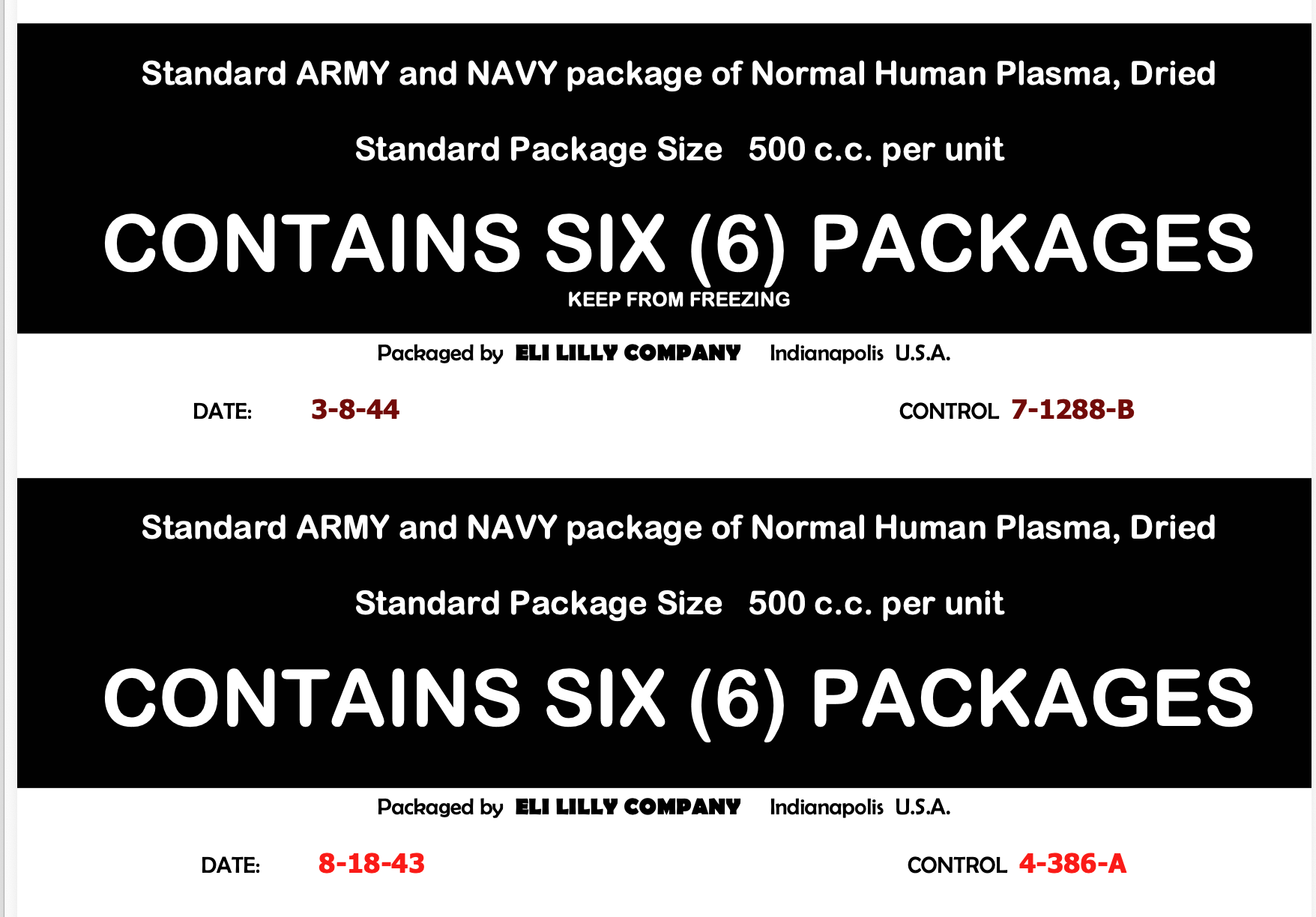
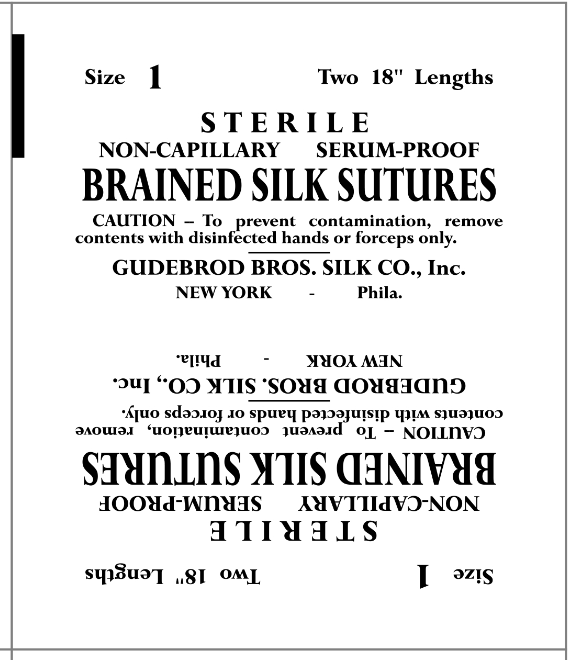
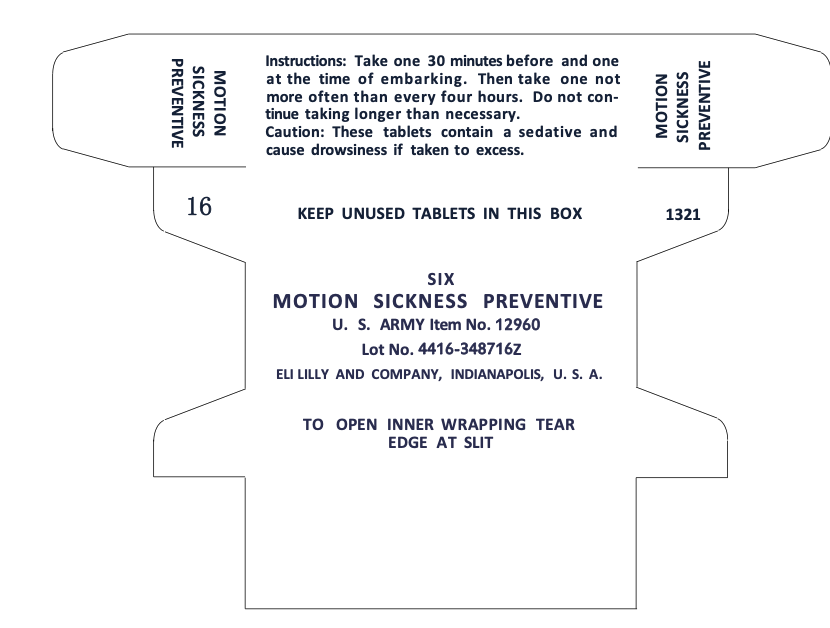
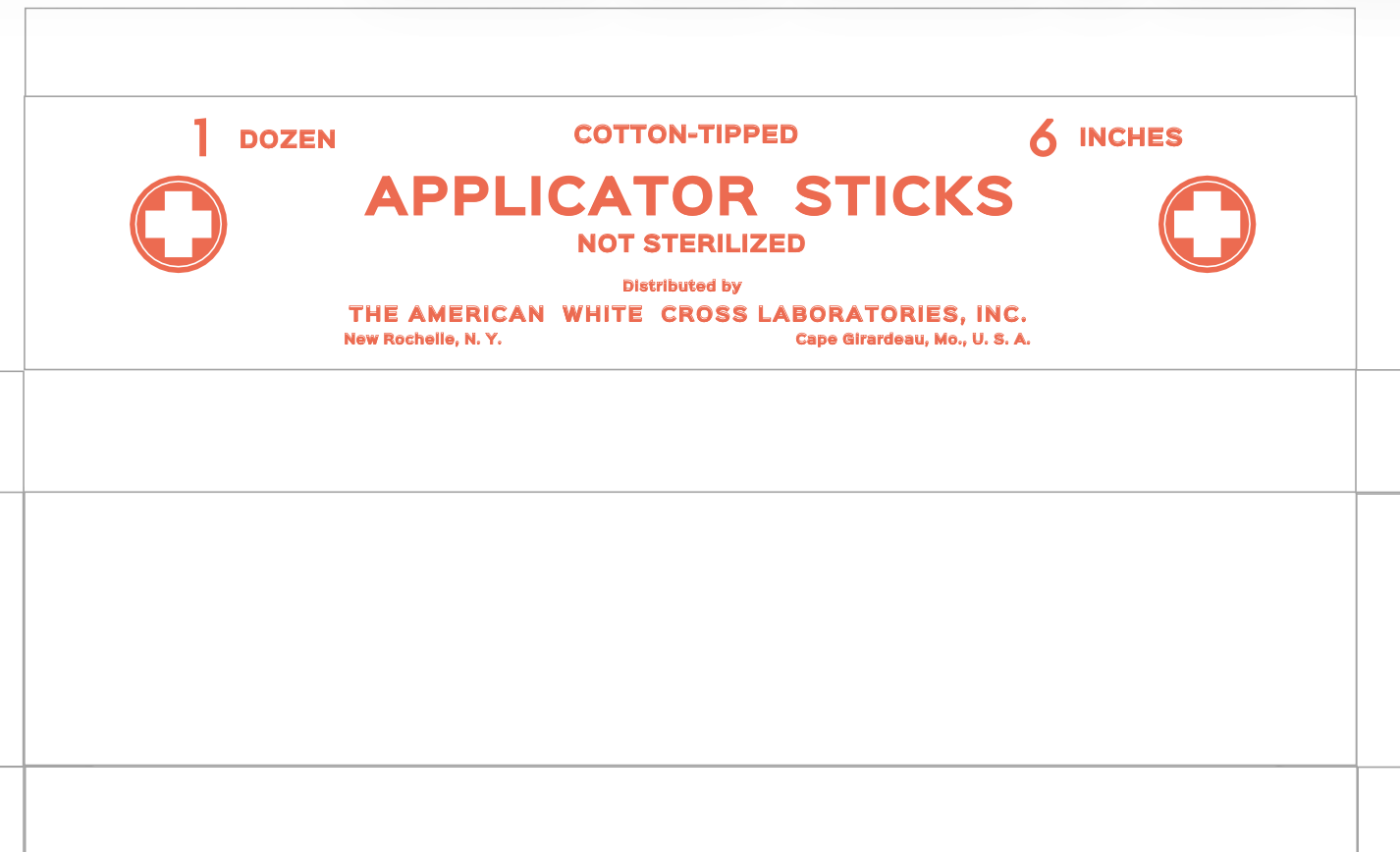
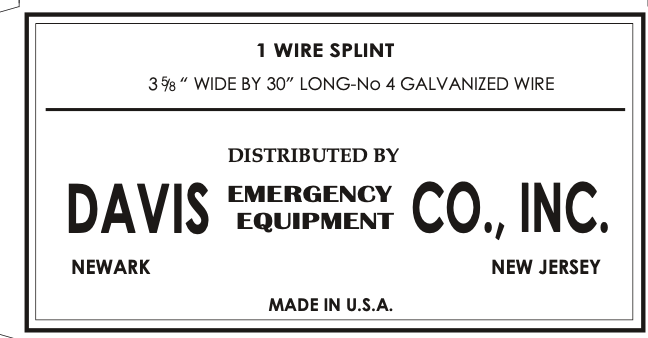
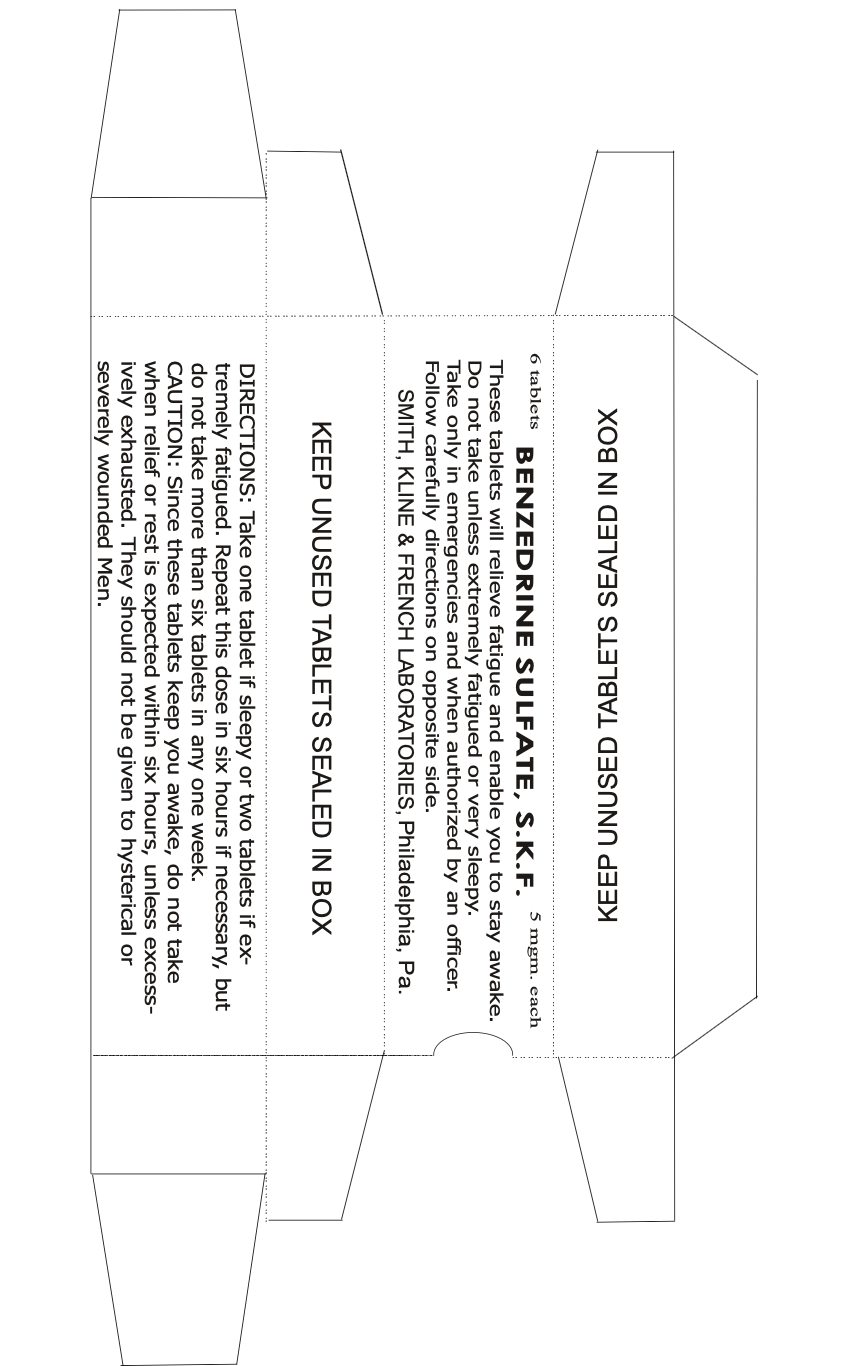
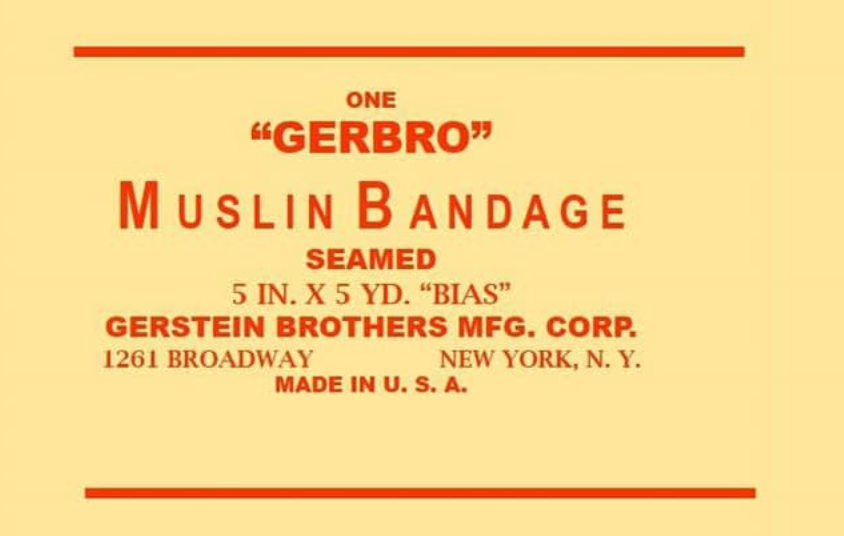
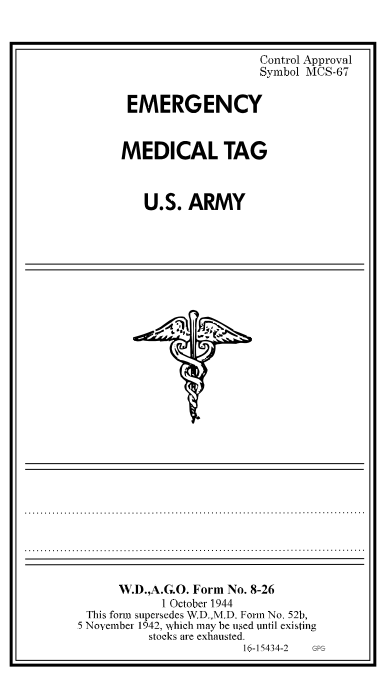
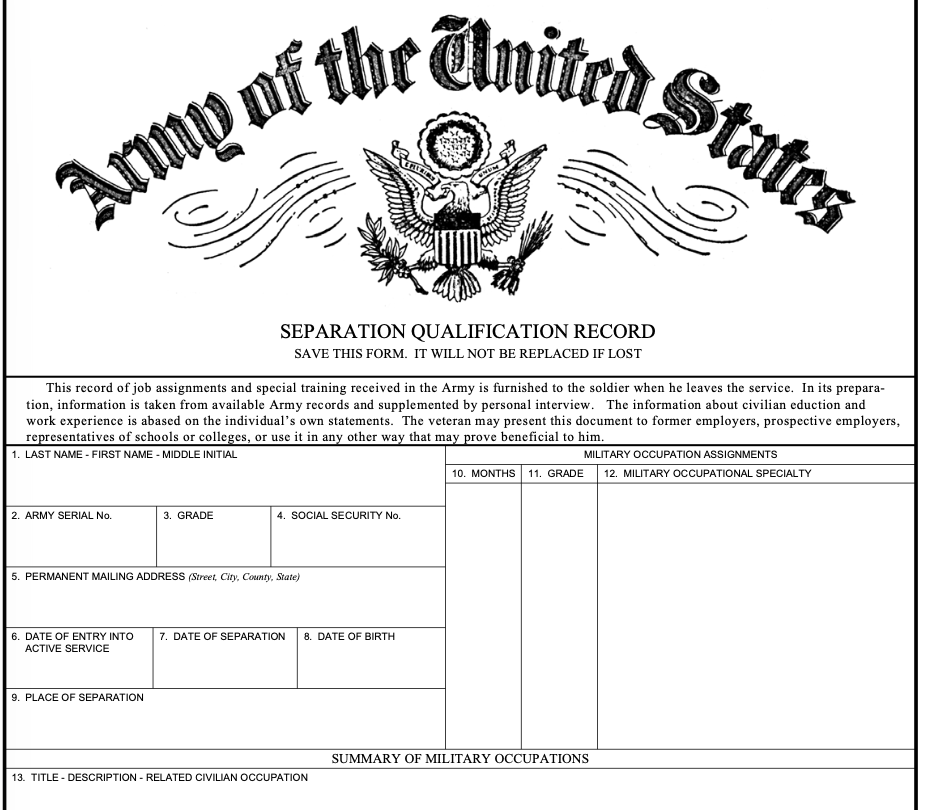
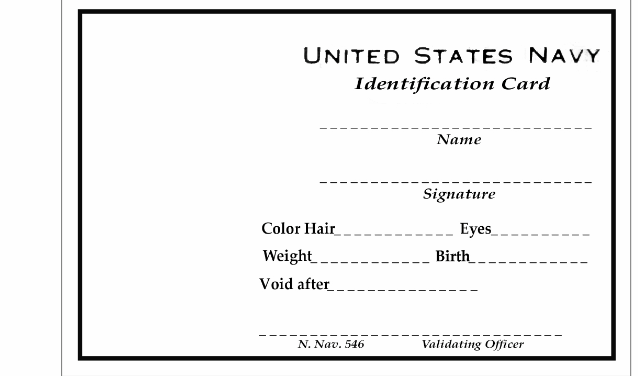
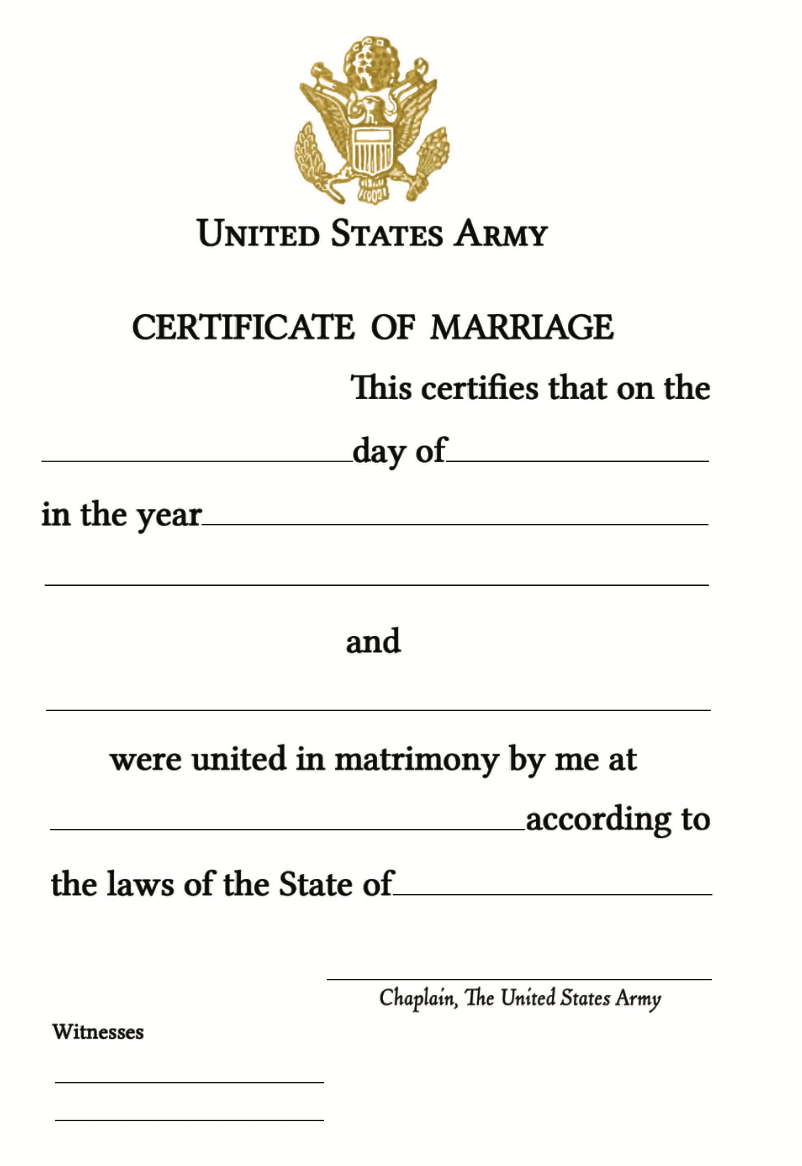
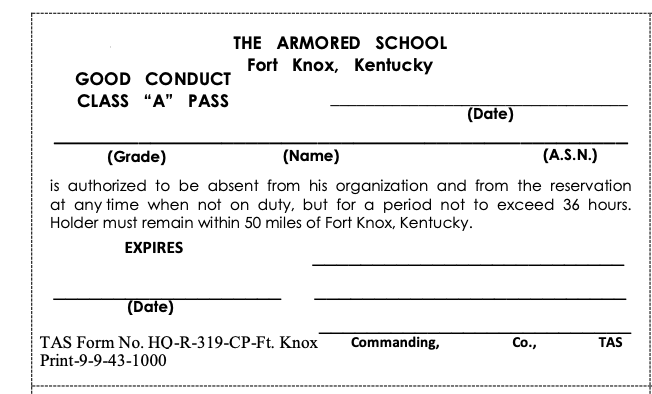
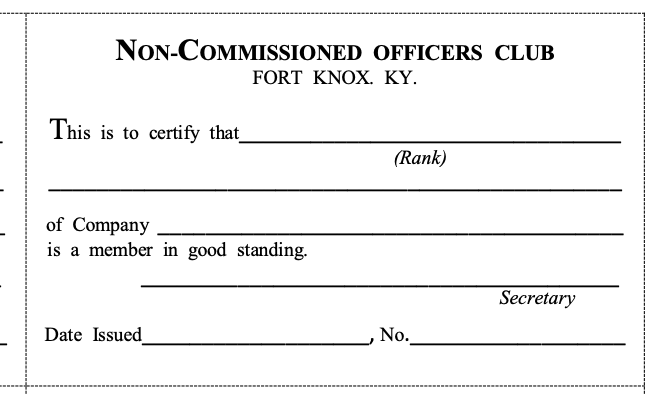
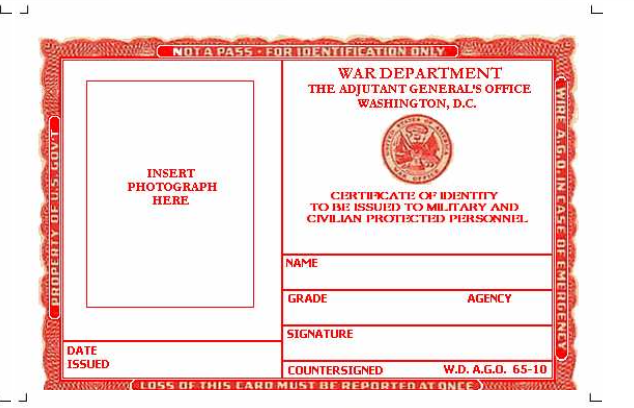
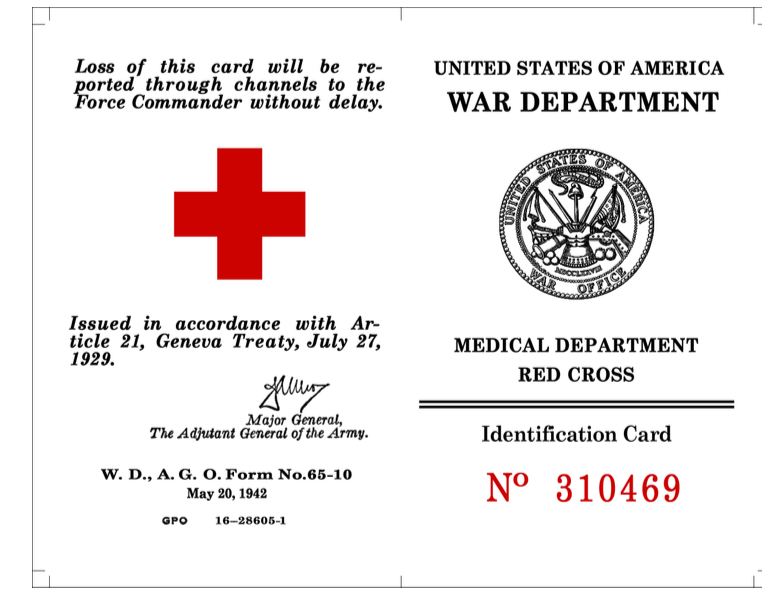
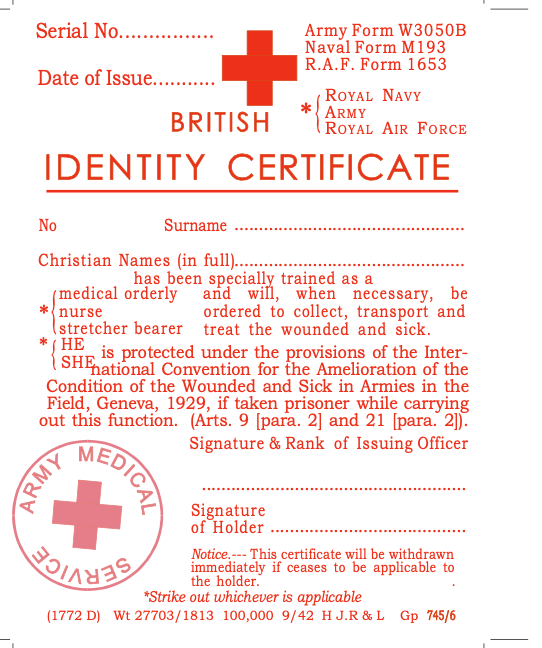
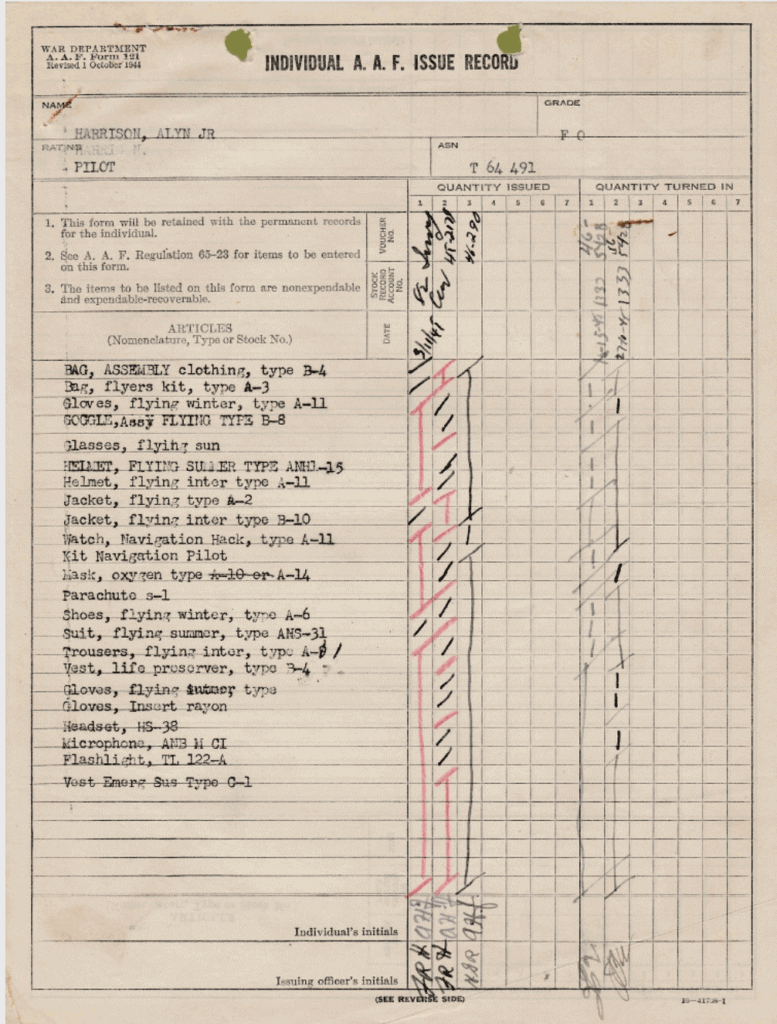
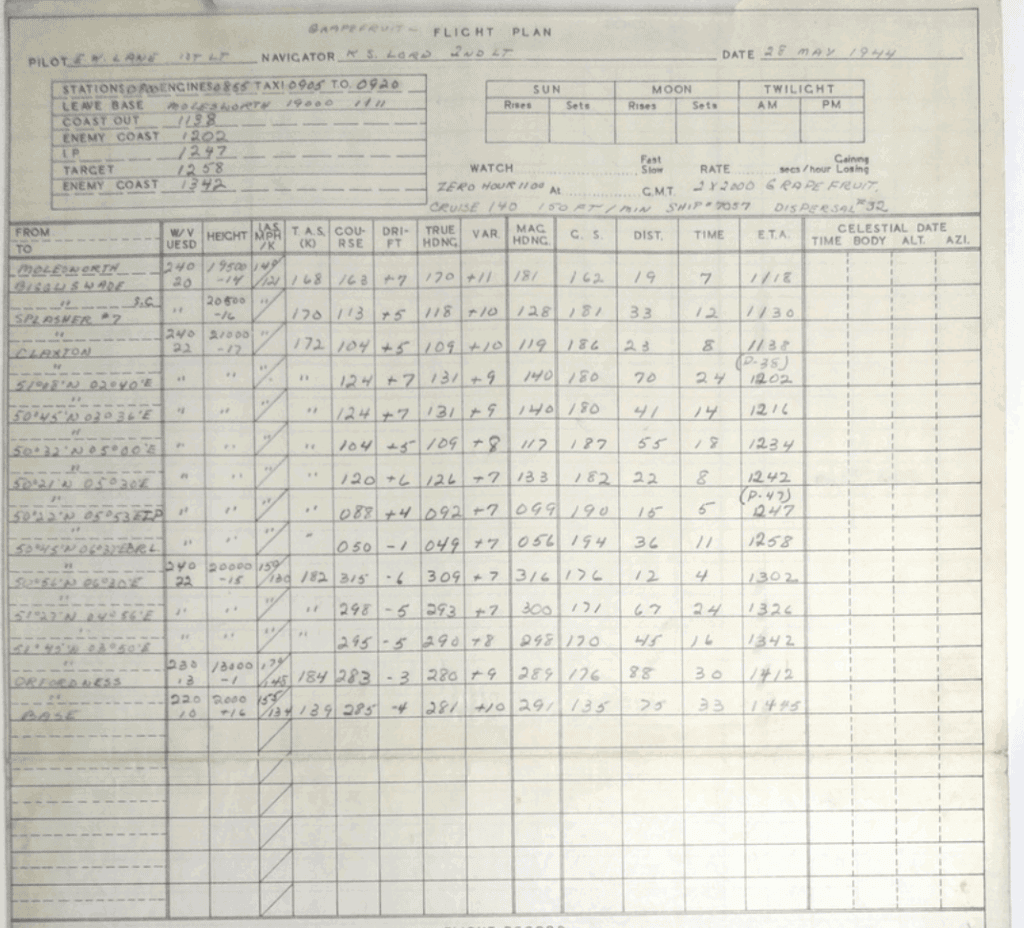
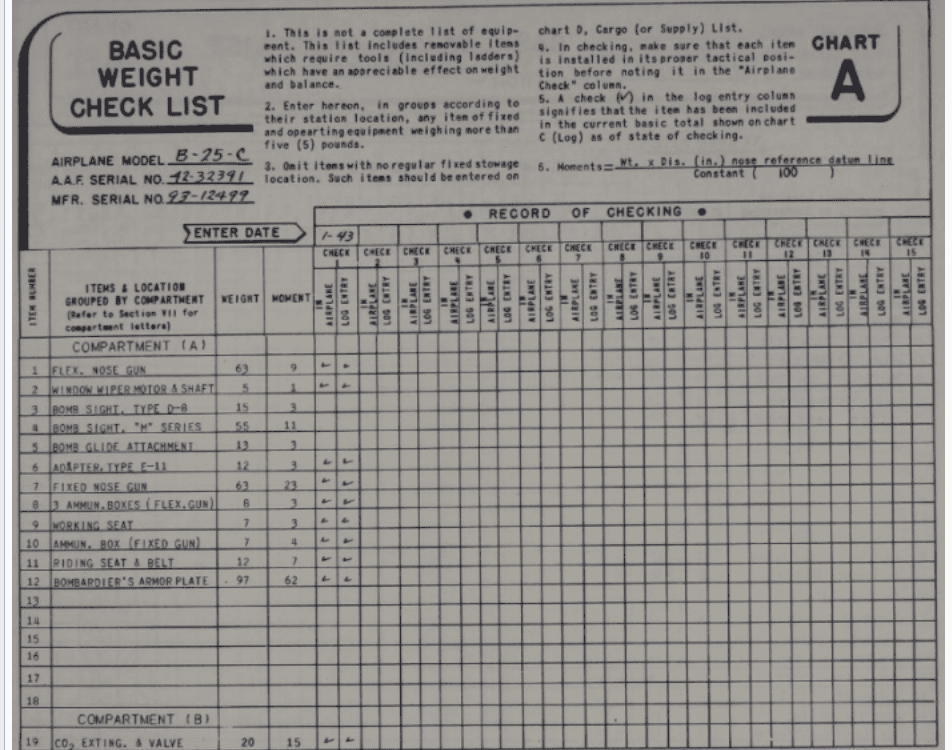
World War II Service Food Menus and Base Brochures

Service Food Menus

Different units often create service menus for special occasions such as Christmas, Thanksgiving, or New Year’s. These are some examples

2nd Mess Group Christmas Greetings, Keesler Field, Mississippi, Dec 25th 1944 – Christmas Menu

Images courtesy of Joanne Krasselt, whose Uncle, Clarence Jepperson, saved them. Clarence would go on to partake in Operation Ivory Soap. The training for the operation was held at the Grand Hotel in Point Clear, Alabama, where they treated the hotel as a naval ship.  He saved the rate sheet from the hotel as well, with rates effective October 20, 1943, and underlined that he was in a Suite for 4 occupants. 

This has a bit more about the selection and training of the operation:  https://sikorskyarchives.com/operation-ivory-soap-and-the-largest-helicopter-rescue-of-wwii/

6th Cavalry troop holiday menus, 1925-1940

The library of the University of Georgia has a digitized collection of 6th Cavalry Troop menus. The 6th Cavalry was out of Fort Oglethorpe.

35th Replacement Battalion

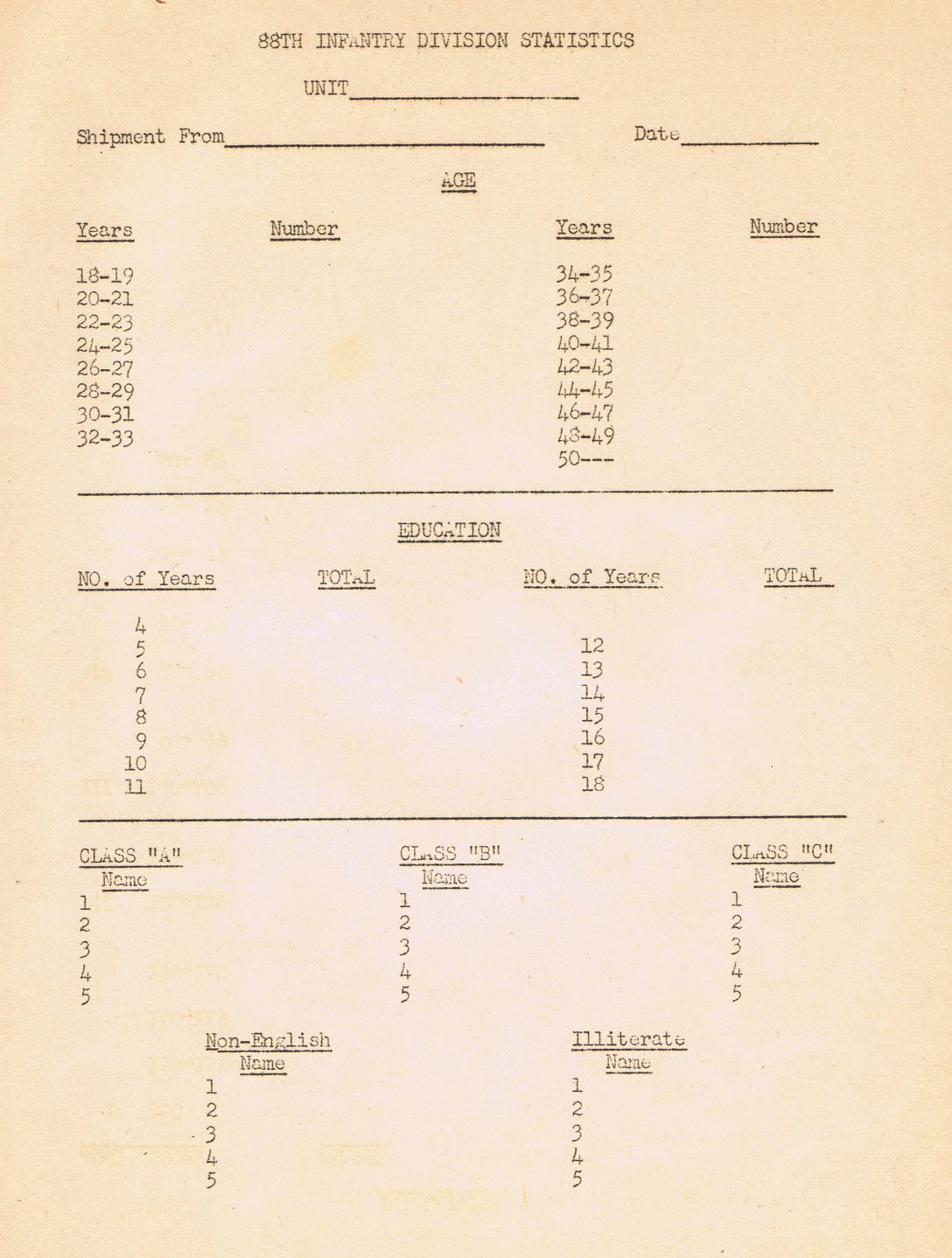
The 35th Replacement Battalion is a unit that replacement soldiers would be assigned to before heading to their actual unit. The copy is from January 1946.

443rd Fighter Squadron Menu

The menu below is from the 443rd Fighter Squadron of the 327th Fighter Group out of Richmond, VA (the base is where the Richmond Airport currently is). This unit was a training unit and provided mid-Atlantic defense.

67th Signal Battalion Company A Victory Party

This is a service menu for Division School No. 2, New Area at Camp Bowie, Texas, on October 17th, 1944. It’s hard to find much information about the unit, but according to the US Army Lineage, it was in Europe and presumably came home before being transferred to the Pacific. I guess that this Victory Party is the result of them coming home from Europe.

Travel Base Brochure

Below is the base brochure handed out to personnel when they arrive at base and are expecting to stay awhile. This one is from Harmon Field in Stephenville, Newfoundland. Dated Feb 1945

Civilian Menus

Thalhimers Basement Luncheonette – A civilian menu probably from the 1930s. It was a diner in Richmond, VA.

People’s Drug Stores, Nov 1943 – Includes a flyer for Specials

The Nook Restaurant Sept, 1943 – Includes a flyer for specials. Located at 111 North Second Street, Richmond, VA. Which is now a parking garage. Now it’s advertised as being “air conditioned,” but the individual room ones, as well as any portable ones, were brand new technology at the time and costly. It’s unlikely the business had that but used some other tool or technology to condition the air.

Posted on

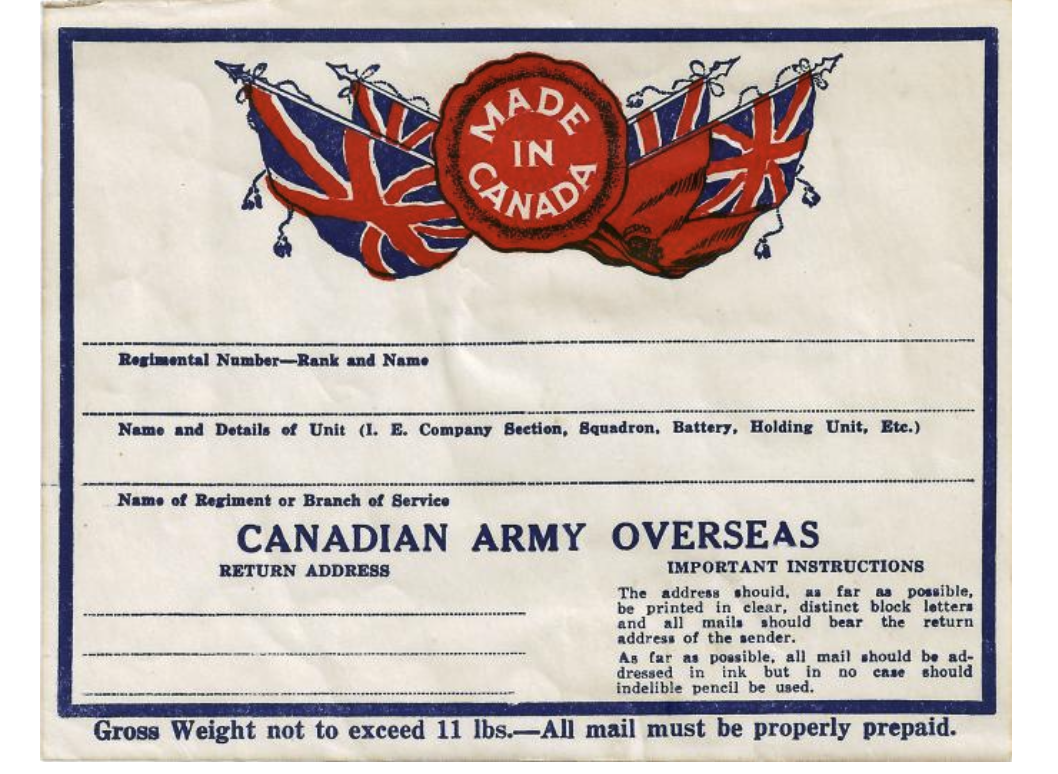
World War II and World War II Birthday and Holiday and Postcards

WWII Birthday Cards

WWII Valentine’s Day Cards

WWII Postcards

These could often be found at post exchanges or other on-base facilities.

WW1 Postcards

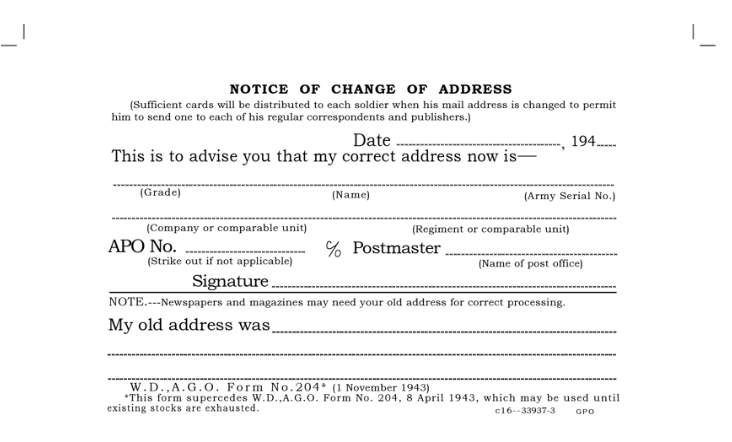
American Expeditionary Field Service Post Card – Sent to Marg (or Mary?) W Ostrander in Grenola, KS. Grenola is a super small town in KS. Probably by her brother or another relative. I’m guessing based on research that she married TJ Starker. The field service postcard is just a way to send a quick message home letting family know what’s happened to you. In this case, it looks like the signer wanted to get a quick message out that he got their letter and will send a letter soon. Postcard is dated Oct 16th, 1918. Size is 5.5in length by 3.5in width.

Remembrance From France Postcard – This is a thank-you note from a WW1 soldier (American Expeditionary Forces, 7th Division, 3rd Infantry (?), Machine Gun Company). He’s writing to a girl named Frances, thanking her for a New Year’s card she sent him and telling her how much it meant to him while stationed in France. Dated Jan 19th, 1919. Size is 5.5in length by 3.5in width.

Old Nick’s Here With Greetings to You WW1 Christmas Postcard – A soldier named Prestin (?) or Herby (?) describing how the shift works at the switchboard he’s stuck at. The shifts are 4 hours on and 12 hours off. It looks like just a quick New Year’s/Christmas card he sent home. Dated Dec 25th, 1918.

Sized 4in in length by 3.5in in width.

Posted on

UL-437 Requirements

Lockpicking

All lock picking content is for educational and informational use only.

Underwriters Laboratories defines the different types of locks for which the specification applies.

Product: This refers to any type of lock or component defined within the standard:

Door Lock: This is a rim or mortise-type locking assembly that is used on doors to deter unauthorized opening by one or more of the following means:

∑ Jimmying the door;
∑ Picking;
∑ Impressioning techniques;
∑ Driving the locking cylinder or assembly;
∑ Sawing or drilling the lock bolt;
∑ Pulling the lock cylinder;
∑ Other methods that involve the use of small hand-tools.

Locking Cylinder: A key-cylinder that is used within door locks, alarm control switches, alarm shunt switches, utility locks, and similar devices to resist unauthorized opening by one or more of the following techniques:

∑ Picking;
∑ Impressioning techniques;
∑ Forcing methods;
∑ Pulling;
∑ Drilling the cylinder.

Security Container Key Lock: This is a lock that is designed for use on key-locked safes, collection safes, and similar security containers to resist methods of entry that include:

∑ Picking;
∑ Impressioning;
∑ Drilling;
∑ Pulling;
∑ Punching;
∑ Forcing methods.

General Construction and Operating Requirements

UL specifies a number of requirements that relate to the construction and operation of any lock that is certified under this standard. These include:

∑ The product shall be constructed so that it may be readily and conveniently operated when the proper key or keys are used;

∑ The lock must be practicable for installation by a trained locksmith, and able to be installed in a position or location that does not degrade its burglary-resistant qualities;

∑ Parts must maintain a high degree of tolerance and uniformity. This is especially important with regard to bittings.

Locks tested under UL 437 must be constructed of brass, bronze, stainless steel, or equivalent corrosion-resistant material, or shall have a protective finish that meets salt spray tests.

There are a number of common standards relating to locks and security containers, including requirements relating to nonmetallic parts, corrosion protection, and salt spray. These are described in UL 768.

Specific Requirements for Locks

Differs

Door locks and cylinders must be capable of at least 1000 key changes. Security containers must achieve significantly higher security levels, providing at least 1,000,000 differs for any design. Two-key locks require a minimum of 64 guard key changes, and at least 15,000 customer key changes for any design.

Security Container Key-Locks

Specific requirements for locks that are utilized on security containers include:

∑ Key shall be field changeable;
∑ The bolt lever must fit snugly on its post and shall be secured tightly;
∑ The fence face shall be perpendicular to the plane of the tumblers;
∑ The wheels, tumblers, levers, or pins shall run true, and be at right angles to their mounting post;
∑ Within a combination-lock, the clearance between the fence face and the tumbler wheels shall not be less than .025î (0.64 mm) when the bolt lever is raised by means of a driver cam, and not less than .015î (0.38 mm) when the bolt lever is raised by means other than a driver cam;
∑ Mechanical means must be provided that immobilizes the bolt if the lock is punched or pulled;
∑ The tolerance between plug and shell in a pin tumbler lock must be less than one cut depth.

Endurance Test

The lock shall function as intended during 10,000 complete cycles of operation at a rate not exceeding 50 cycles per minute;

A lock having a changeable core or field-changeable key design shall operate as intended after each of 50 changes of the core or key.

Attack Resistance Tests

Attack resistance tests encompass setup requirements, use of specified tools, timing, and entry methods.

Test Requirements

A number of tests have been defined to ascertain the attack resistance of a lock. UL 437 requires that a device cannot be opened or compromised as a result of the application or use of tools and techniques set forth in the standard, and summarized here.

Specific protocols have been devised with respect to mounting of samples to be tested. Door locks must be installed in accordance with the lock manufacturer’s instructions, in a 1-1/2î (38.1 mm) solid hardwood door of average size. The door is mounted in a 1-1/4î (38.1 mm) thick wood frame and reinforced as if actually installed. Door locks that are designed specifically for a certain door construction are to be tested in that mode.

The following test requirements apply for attack ratings:

∑ The tools used for these tests include any common hand tools, hand or portable electric tools, drills, saw blades, puller mechanisms, and picking tools. For door locks only, pry bars up to three feet (.9 meter) long are also to be employed;

∑ Tools that are used on two-key locks must not include saws, puller mechanisms, or portable electric drills;

∑ Common hand tools are defined as chisels, screwdrivers no more than 15î (380 mm) long, hammers having three-pound (1.36 kg) head weight, jaw-gripping wrenches, and pliers;

∑ Puller devices are to be either a slam-hammer mechanism, having a maximum head weight of three pounds (1.36 kg), or a screw type;

∑ Picking tools are common or standard patterns, as well as those designed for use on a particular make or design of cylinder;

∑ Portable electric tools are identified as high-speed handheld drills that meet the following criteria:
∑ Operate at a maximum of 1900 RPM;
∑ Maximum ºî (6.4 mm) chuck size;
∑ Use high-speed drill bits;
∑ Utilize electrically operated vibrating needles.

Test Time for Attack Resistance

Net times in minutes are specified for each type of test, and the lock upon which the procedure is to be performed. The sequence is not relevant, nor the number of methods to be applied. Samples may be tested for several techniques, or a new specimen may be utilized for each procedure. Below are the results in time it takes to work to break a lock.

TestDoor Locks/CylindersSecurity Container Key LocksTwo-Key Locks
Picking103045
Impressioning103045
Forcing5305
Drilling530NA
Sawing530NA
Prying530NA
Pulling530NA
Driving530NA

Test Methods

There are eight methods of forced and direct entry that are defined within the Standard: picking, impressioning, forcing, drilling, sawing, prying, pulling, and driving. These have been previously described in Chapters 29-32.

Picking

Picking tools are employed in an attempt to align the active components, including tumblers, levers, wheels, or pins, in order to open the lock.

Impressioning

Methods of impressioning, as defined in Chapter 31, are employed in an attempt to produce working keys.

Forcing

Rotary forces are applied with the test tools in three critical areas, in an attempt to open the target lock:
∑ In the key slot;
∑ On the exposed part of the cylinder;
∑ On the exposed portions of the lock assembly.

Drilling

Drilling requires that a drill and one or more bits are utilized to attack the plug, exposed lock body, and other parts in an attempt to compromise critical components to effect an opening.

Sawing

A saw is employed in an effort to cut, compromise, remove, and open critical components, including the plug, body of the cylinder, and lock bolt.

Prying

Tools are utilized in an attempt to pry the bolt out of engagement with the strike opening within a door lock assembly.

Pulling

Techniques of pulling are directed at critical locking components including the plug, body, bolt, or other areas in order to compromise and open the device.

Driving

Driving is the opposite of pulling. Tools are utilized in an attempt to drive or force the plug, body of the lock, lock bolt, or other part to allow bypass of the mechanism.

Posted on

Modifying a SouthOrd 8-Pin Tubular Pick to a 7-Pin

All lock picking content is for educational and informational use only.

This was taken from a PDF and put into a more SEO friendly post.

Recently I purchased the SouthOrd Tubular 8 pick and the rubber handle just spun freely which seems to be a defect that another member also encountered. The loose handle actually worked in my favor. I removed it completely and was able to clamp it together between 2 pieces of wood to hold it steady while drilling. I used a drill press with a 1/16th drill bit and bought a 1/16th spring pin. The original pin and hole are just slightly smaller but replacing it with a 1/16th works just as well with NO difference. Below are some pictures of the procedure.

To hold the pick steady all I did was drill a 11/32 hole, which is slightly smaller than the diameter of the pick, and clamp it between two pieces of wood.

This close up picture sucks but I’m hoping to use my buddy’s camera that’ll take excellent close-up shots. If you look carefully you’ll see both pins in there.

Depending what type of lock you’ll be picking, you’ll have to remove one of these pins. I’ll try and have the new close-up pics posted by Tuesday.

Please note that removing the pin is easy enough with needle-nose pliers but putting it back in takes some time. To make it easier, I squeezed/squished the very tip of the pin so that it could be inserted easier in the hole. Once it’s there, just push the rest of the pin in by pushing the pick against a hard surface.

On the original 8-pin model, the spring pin is located between two of the sliding blades while on a 7-pin model the spring pin is located directly under one of the sliding blades. I drilled the whole about 90 degrees from the original spring pin.

The final product is an 8-pin tubular pick that will work on any 7 or 8 pin tubular lock!

To do this mod, it took me about 30 minutes and cost me less than $5.00 Cdn. The Crazy Glue was $1.69 and the 1/16th cobalt drill bit was $2.29. Not bad at all considering a new pick would run about $70.00 US.

Pdf of procedure can be obtained here.

Posted on

UNLOCKING MASTER COMBINATION PADLOCKS

All lock picking content is for educational and informational use only.

FINDING THE LAST NUMBER

On older Master Locks, ones where the arrow at the top is raised, simply
pull on the shackle and turn the dial until it catches, that’s the third
number in the combination.

On new locks with the recessed arrow, there are twelve places the dial will
catch if you turn it while pulling on the shackle. Seven of these will catch
between two numbers – ignore these. Find the five that catch on a number.
Four of these will end in the same digit, like 1, 11, 21, and 31. The fifth
ends with a different digit, and is the third number in the combination.

FINDING THE FIRST & SECOND NUMBER

Using the last number, locate it in the “last number chart” below to see
which table to use to find the possible first and second numbers. Try each
of the number combinations until the lock opens. Here’s an example…

If the last number is 31 then you must use Table C according to the chart.
That means you must try the following combinations (see Try-Out Tables):

3 – 1 – 31
3 – 5 – 31
3 – 9 – 31
3 – 13 – 31
etc…
3 – 37 – 31
7 – 1 – 31
7 – 5 – 31
7 – 9 – 31
7 – 13 – 31
etc…
7 – 37 – 31
11 – 1 – 31
11 – 5 – 31
11 – 9 – 31
etc…
39 – 37 – 31

LAST NUMBER CHART

TRY-OUT COMBINATION TABLES

For those who care… (and yes, the last line in the table above was added).

Derived Formula:

input “Enter Last Number :”, LastNumber
FirstNumber = LastNumber MOD 4 + abs(LastNumber MOD 4 = 0) * 4
SecondNumber = (LastNumber + 2) MOD 4 + abs((LastNumber + 2) MOD 4) * 4
for i = 0 to 36 step 4
print (FirstNumber+i)abs(FirstNumber+i<40),(SecondNumber+i)abs
(SecondNumber+i<40)
next

You might also be interested in an Impressioning Manuel.